

Uncovering The Lost Stories: What We Sacrificed In Silence
By Tom Seest
At LegacyExplorations, we help people plan and explore their legacy by collecting information and news regarding end-of-life planning.
Please share this post with your friends, family, or business associates who may want help to plan or explore their legacy.
The Archive That Vanished Overnight
In a world teeming with digital noise, it’s easy to overlook the quiet stories that define us. Yet, what happens when the tapestry of our shared history unravels overnight? An archive, once vibrant with the threads of human experience, can disappear without a trace, leaving a void that echoes through the hearts of those who lose it. This is more than a loss of data; it’s a loss of legacy, a severing of the connections that bind communities together.
Legacy storytelling is rooted in the understanding that every tale, every piece of history matters. Each document or photograph captures a moment in time, a glimpse into the lives of those who walked before us. They remind us of where we’ve come from, providing context to our present and a roadmap for our future. When an archive vanishes, we are not just losing files; we are losing the narratives that shaped our society, the values that guided our ancestors, and the lessons learned through triumph and tragedy.
Imagine a town that loses its archive overnight. The stories of pioneering families, the accounts of struggles and celebrations, the lessons embedded in the anecdotes of everyday life—all suddenly erased. The community is left with a profound emotional void. It stirs a gut-wrenching feeling of vulnerability, a realization that the essence of their identity can be wiped away with the click of a button. The rational mind grapples with the implications: What does it mean to move forward when the past is shrouded in mystery?
Ethically, the disappearance of such archives raises crucial questions about preservation, responsibility, and stewardship of our shared heritage. Who is entrusted with safeguarding this information? And how do we ensure that the stories—our stories—are not only preserved but accessible to future generations?
The narrative we weave around these archives is not merely about safeguarding data. It’s about fostering connection—between the past and the present, individuals and communities. Each lost archive is an opportunity for us to reflect, to understand that our history is a collective one, deserving of respect and protection. In this digital age, where information can be lost in an instant, we must cultivate an environment that honors our legacy, empowers storytelling, and inspires a renewed commitment to preserving the rich tapestry of human experience.
Let this moment compel us to take action, to safeguard the narratives that enrich our lives, reminding us that in preserving our past, we illuminate the path forward.

The Archive That Vanished Overnight
The Archive That Vanished Overnight
- Digital noise often overshadows the quiet stories that define our identities.
- The sudden loss of an archive signifies more than data loss; it represents a severance of community bonds.
- Legacy storytelling emphasizes the importance of preserving each piece of history and personal narrative.
- When archives vanish, it erases narratives that shaped societies and the values of past generations.
- The disappearance of archives creates emotional voids, challenging communities’ sense of identity.
- Ethical responsibilities arise in safeguarding shared heritage and ensuring access to future generations.
- Preserving narratives fosters connections across generations, emphasizing the need for respectful stewardship of history.

The Archive That Vanished Overnight
Table Of Contents
- The Archive That Vanished Overnight
- What If the Past Holds Secrets That Can Change Our Future?
- How Does the Loss Of History Impact Our Identity?
- Who Benefits When Knowledge Is Erased From Collective Memory?
- Can We Trust the Sources That Shape Our Understanding Of the Past?
- What Narratives Have Been Silenced, and Why Does It Matter?
- How Do We Safeguard Vital Information From Disappearing?
- What Ethical Responsibilities Do We Bear for Preserving History?
- Conclusion
- Other Resources
- Glossary Of Terms
- Other Questions
- Haiku
- Poem
- Checklist
What If the Past Holds Secrets That Can Change Our Future?
What if the past holds secrets that can change our future? It’s a question worth contemplating as we sift through the artifacts of our experiences, both personal and collective. The echoes of history resonate deeply in our lives, shaping who we are today and guiding where we might go tomorrow. Imagine if the stories buried in old family albums or whispered in the corridors of history were more than just remnants; they were blueprints for our future.
Legacy storytelling has a unique power. It’s not just about recounting events but about understanding the lessons that those events impart. These narratives connect generations, grounding us in a shared experience that transcends time. By examining the choices and values of those who came before, we might uncover insights that resonate with our own struggles today. The challenges faced by our ancestors can illuminate paths through our modern dilemmas, fostering solutions that ignite hope and action.
Consider the importance of our choices. Each decision made in the past reverberates into the present, creating a tapestry of experiences that shape our potential. We owe it to ourselves to reflect on these legacies. What if those stories, with all their triumphs and failures, could inspire us to challenge the status quo? The mistakes of the past can act as powerful catalysts for change, guiding us away from pitfalls and towards resilience.
The ethical implications are profound. As we embrace the knowledge encapsulated in our histories, we also bear the responsibility to pass these lessons on. By sharing our family histories, we strengthen the bonds of community. We create a safe space for discussions about values, struggles, and triumphs, building a society that learns and grows together.
Socially, we are called to connect these narratives with our peers. Each conversation we initiate can unravel a thread of understanding that fosters deeper relationships. Sharing stories invites empathy, breaking down walls of isolation and misunderstanding. When we recognize our shared humanity through storytelling, we create a culture that values connection over division.
Understanding our past, then, isn’t just about nostalgia; it’s about seizing the potential for transformation. So, let’s dig deep. Let’s invest in those legacies, breathing life into them, turning them from mere memories into a force for progress. Who knows what we might find if we dare to ask—what secrets from our past are beckoning us towards a brighter future?

What If the Past Holds Secrets That Can Change Our Future?
What If the Past Holds Secrets That Can Change Our Future?
- The past holds secrets that can influence our future.
- Legacy storytelling connects generations and imparts important lessons.
- Understanding historical choices can provide insights for modern struggles.
- Learning from past mistakes can inspire resilience and drive change.
- Sharing family histories fosters community bonds and encourages open discussions.
- Storytelling promotes empathy and helps break down social barriers.
- Engaging with our legacies can lead to personal and collective transformation.

What If the Past Holds Secrets That Can Change Our Future?
How Does the Loss Of History Impact Our Identity?
The loss of history acts like a slow leak in the tire of our identity, fundamentally altering our trajectory. Imagine a community standing against the backdrop of its rich past, every brick and stone a testament to the stories of generations. Legacy shapes our understanding of who we are and where we come from. It’s not just about dates and events; it’s about the narratives woven into our daily lives. When we disregard these legacies, we lose vital threads that connect us to our ancestors, to our roots.
Storytelling is a powerful tool, anchoring our existence in the narratives passed down through time. These stories shape our values and beliefs, serving as both a compass and a map. Without them, society risks drifting into a void, unsure of its direction or purpose. Take a moment to ponder the ancestors who faced hardships and triumphs, breaks in chains and barriers. Their conflicts, successes, and downfalls are not merely tales for history books; they are the fabric of our identity. When we lose the stories that frame our legacy, we risk losing ourselves.
On a rational level, the absence of historical awareness can mean repeating past mistakes. If we don’t learn the lessons etched in our history, we may unknowingly march into conflicts already fought, veins of anger and division re-emerging. Societies thrive on collective memory, a shared understanding that guides future generations. When a community is well-versed in its history, it’s equipped to foster unity and cooperation, invulnerable to the divisions that ignorance can sow.
Moreover, the ethical implications of erasing history resonate deeply. Every time we choose to overlook a chapter, we silence voices that fought valiantly for recognition, equality, and justice. Our memories shape our moral compasses, guiding us to act with empathy and integrity. Embracing our full history cultivates a culture ripe for understanding, respect, and compassion.
Finally, there’s an undeniable social aspect to this discourse. The connections we build through shared stories create bonds that transcend generations. Recognizing the legacy in our communities connects us to one another, unraveling the isolation that can pervade modern life. Each of us carries a piece of this collective history, waiting to be told, waiting to foster connection and understanding. Our identity is an intricate mosaic, and the pieces come from a rich tapestry of storytelling that should be preserved and celebrated.

How Does the Loss Of History Impact Our Identity?
How Does the Loss Of History Impact Our Identity?
- The loss of history undermines our identity and alters our societal trajectory.
- Legacy is crucial for understanding who we are and our origins, involving narratives beyond just historical events.
- Storytelling connects us to our ancestors, shaping our values and guiding our purpose.
- Without historical awareness, societies risk repeating past mistakes and fostering division.
- Collective memory promotes unity, helping communities avoid ignorance-based conflicts.
- Erasing history silences voices advocating for recognition, equality, and justice, affecting our moral compass.
- Shared stories build connections across generations, reinforcing community bonds and reducing isolation.

How Does the Loss Of History Impact Our Identity?
Who Benefits When Knowledge Is Erased From Collective Memory?
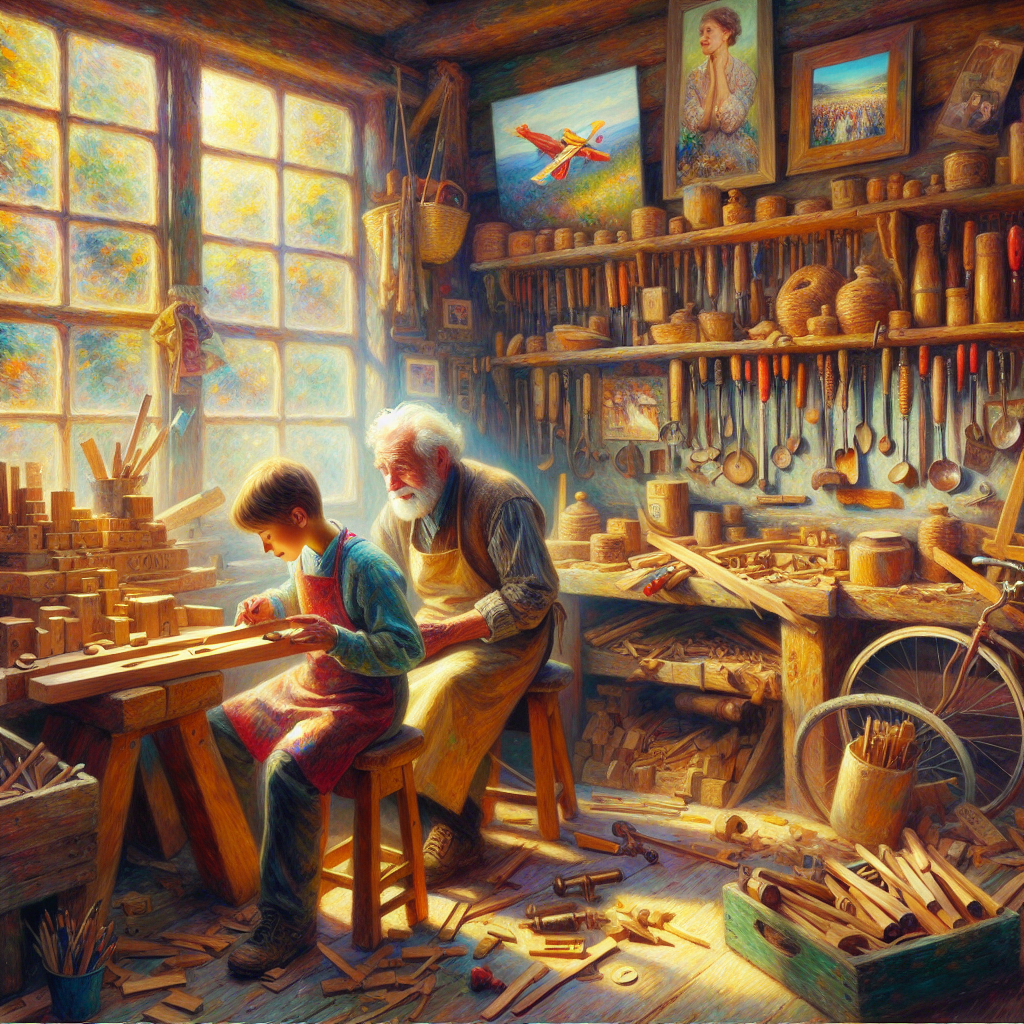
We often find ourselves at the intersection of remembrance and forgetfulness, a place where the past holds lessons that can illuminate our present and inform our future. When knowledge slips through the cracks of collective memory, it isn’t just history that’s lost; it’s the very essence of who we are. The legacy of our stories—those narratives crafted from our struggles, triumphs, and the sheer grit of humanity—shapes us. Unfortunately, when this knowledge is erased, we pave the way for a future that lacks context and wisdom.
Take, for instance, the work of legacy storytelling. It’s not simply about recounting tales from the past; it’s about weaving a fabric of identity that unites generations. These stories, filled with emotion, foster connections between individuals and communities, reminding us that our experiences are not solitary but part of a larger narrative. When we lose touch with these tales, we diminish our shared humanity, and, with it, the ability to count on one another.
Consider the implications of forgetting significant events or cultural milestones. It’s not just the historians or academics who suffer; every person in a community feels the ripple effect. Erased knowledge leads to a disconnection from our values and ethics. When we disregard our heritage, we unknowingly sacrifice our ability to question authority, challenge injustices, and advocate for what’s right. Knowledge is power, after all, and when we let it slip away, we empower those who would rather write their own version of history—one that supports their agenda.
Moreover, this phenomenon impacts our social fabric. The divisions born from ignorance can lead to fear and misunderstanding among people. Without the wisdom gleaned from our past, we lack the tools to navigate complex social landscapes and foster relationships built on trust and respect. By neglecting the stories that bind us, we create an environment ripe for division instead of unity.
Let’s not forget the strength of storytelling as a call to action. By embracing our history, we invigorate our communities, inspiring individuals to rise up and make changes that matter. Knowledge isn’t a relic of the past; it’s the beacon guiding us toward a brighter future. In a world eager to erase parts of our shared memory, we must stand firm, championing the narrative that honors both our legacy and the potential to create a better tomorrow.
Who Benefits When Knowledge Is Erased From Collective Memory?
Who Benefits When Knowledge Is Erased From Collective Memory?
- Remembrance and forgetfulness influence understanding of the past, present, and future.
- Erased knowledge leads to a loss of identity and context, preventing informed futures.
- Legacy storytelling connects generations and fosters shared humanity through emotional narratives.
- Forgetting significant events disconnects communities from values and ethics.
- Knowledge empowers questioning authority and advocating for justice; its loss can allow manipulated histories.
- Ignorance creates divisions, leading to fear and misunderstanding in social relationships.
- Embracing history is vital for community action, guiding toward a brighter future and unity.

Who Benefits When Knowledge Is Erased From Collective Memory?
Can We Trust the Sources That Shape Our Understanding Of the Past?
Can We Trust the Sources That Shape Our Understanding of the Past?
In the flickering light of our digital age, the stories we tell about the past—what we call “legacy storytelling”—are more potent than ever. They shape our identities, our cultures, and how we view the world around us. But the real question remains: Can we trust the sources that feed our understanding of history?
Consider the impact of a single narrative. A well-crafted story can evoke emotions, pulling at the heartstrings while engaging the mind. It can paint heroic figures or highlight great injustices, influencing not just how we see ourselves, but how we see each other. Think of the stories passed down through generations—those tales hold wisdom, survival tactics, and ethical frameworks, providing context that guides us today. Yet, every story has a teller, and therein lies the crux of the issue.
It’s not just about who tells the story but also how it is told. Stories can be manipulated, polished, or skewed to fit an agenda. Trusting the sources involves a careful examination of their authority. Are they speaking from experience, or are they echoing someone else’s script? The gut instinct kicks in: does the narrative resonate? Does it feel right, or is it a carefully constructed facade designed to sway our thoughts one way or another?
We owe it to ourselves to dig deeper—into the archives, the letters, and the overlooked narratives that deserve a voice. History isn’t merely an account of dates and events; it’s a mosaic of human experience that connects us. Each piece of that mosaic invites us to relate our past to our present and to one another.
When we engage with the past, we tap into a collective consciousness, forming connections that span generations. This is where trust begins. It grows from our shared humanity, from stories that resonate with our struggles and triumphs. Let’s choose to elevate the narratives based on integrity, accuracy, and empathy, fostering a landscape of understanding where legacy storytelling thrives on truth, not fiction.
In doing so, we not only honor our past but empower ourselves and future generations to build a more authentic narrative. Our trust in these sources becomes a powerful tool for growth and connection, driving home the importance of scrutinizing the tales that shape our understanding of who we are and where we come from. History is not just about looking back; it’s about moving forward with insight and purpose.

Can We Trust the Sources That Shape Our Understanding Of the Past?
Can We Trust the Sources That Shape Our Understanding Of the Past?
- Legacy storytelling shapes identities, cultures, and perceptions of the world.
- A single narrative can evoke emotions and influence self and societal views.
- Historical tales passed down generations convey wisdom and ethical frameworks.
- The authority of sources must be scrutinized to assess their trustworthiness.
- Engaging with overlooked narratives fosters deeper understanding and connection.
- Trust grows from shared humanity and resonant stories of struggles and triumphs.
- Scrutinizing historical narratives empowers authentic storytelling for future generations.

Can We Trust the Sources That Shape Our Understanding Of the Past?
What Narratives Have Been Silenced, and Why Does It Matter?
Across the vast tapestry of human experience, countless narratives pulse with life, interwoven into the fabric of our collective understanding. Yet, many of these voices have been silenced, tucked away like faded photographs in a forgotten album. Why does this matter? Because the stories we choose to elevate shape not only our values but also our identity. Each silenced narrative carries within it a piece of the Legacy Storytelling—a bridge from the past that can illuminate our present and guide our future.
Consider the people whose stories have been edged out. They include the laborers whose sweat and determination built our cities, the families displaced in the name of progress, and the unsung heroes whose quiet acts of bravery changed lives. Their voices, vibrant and full of wisdom, remind us of our shared humanity and the common struggles we face. When we acknowledge these narratives, we breathe life into forgotten histories and give them a place at the table—a critical step in fostering connection and understanding in our increasingly fragmented society.
Rationally, suppressing diverse narratives undermines our ability to learn from one another. Every silenced voice offers a unique lesson, a perspective that enriches our knowledge. Imagine if the tales of resilience and innovation from marginalized communities were told alongside conventional narratives. This would not only empower those communities but also provide critical insights for society as a whole, highlighting paths to greater empathy and collaboration. A society that learns from its diverse narratives is one that is more adaptable and prepared for the challenges ahead.
Ethically, we have a responsibility to amplify these voices. It’s not just about fairness; it’s about justice. When society chooses to overlook certain stories, we risk perpetuating cycles of ignorance and disenfranchisement. By bringing these narratives to light, we honor our commitment to each other, recognizing that every individual’s experience holds value.
Let’s also consider the authority of story. Our culture often venerates those who share their truths—those who dare to recount their journeys of struggle and triumph. This is where trust is built. When we engage with a narrative, we’re not just watching from the sidelines. We’re entering a dialogue that can inspire action, galvanizing communities to stand together for what is right.
In embracing the narratives that have been silenced, we weave a richer story for all—one that invites compassion, sparks discussion, and ultimately fuels transformation. Recognizing the power of Legacy Storytelling is not just an act of nostalgia; it’s a call to action to reclaim our shared humanity.

What Narratives Have Been Silenced, and Why Does It Matter?
What Narratives Have Been Silenced, and Why Does It Matter?
- Numerous narratives shape our collective understanding, yet many voices remain silenced.
- Silenced narratives are crucial to understanding our identity and values.
- Marginalized stories highlight shared humanity, reminding us of common struggles.
- Every overlooked voice provides valuable lessons, enriching societal knowledge.
- Amplifying diverse narratives fosters empathy, collaboration, and adaptability.
- Ethical responsibility exists to honor and share all individual experiences.
- Embracing silenced narratives sparks compassion and transformation in society.

What Narratives Have Been Silenced, and Why Does It Matter?
How Do We Safeguard Vital Information From Disappearing?
In a world awash with information, from personal anecdotes to historical records, safeguarding what matters is nothing short of an act of modern heroism. Think about it: every story we tell, every piece of knowledge we cherish, weaves into the tapestry of our shared human experience. It’s more than data; it’s our legacy storytelling. Each document or photograph carries the weight of our history, our triumphs, and even our failures, waiting to connect us across generations.
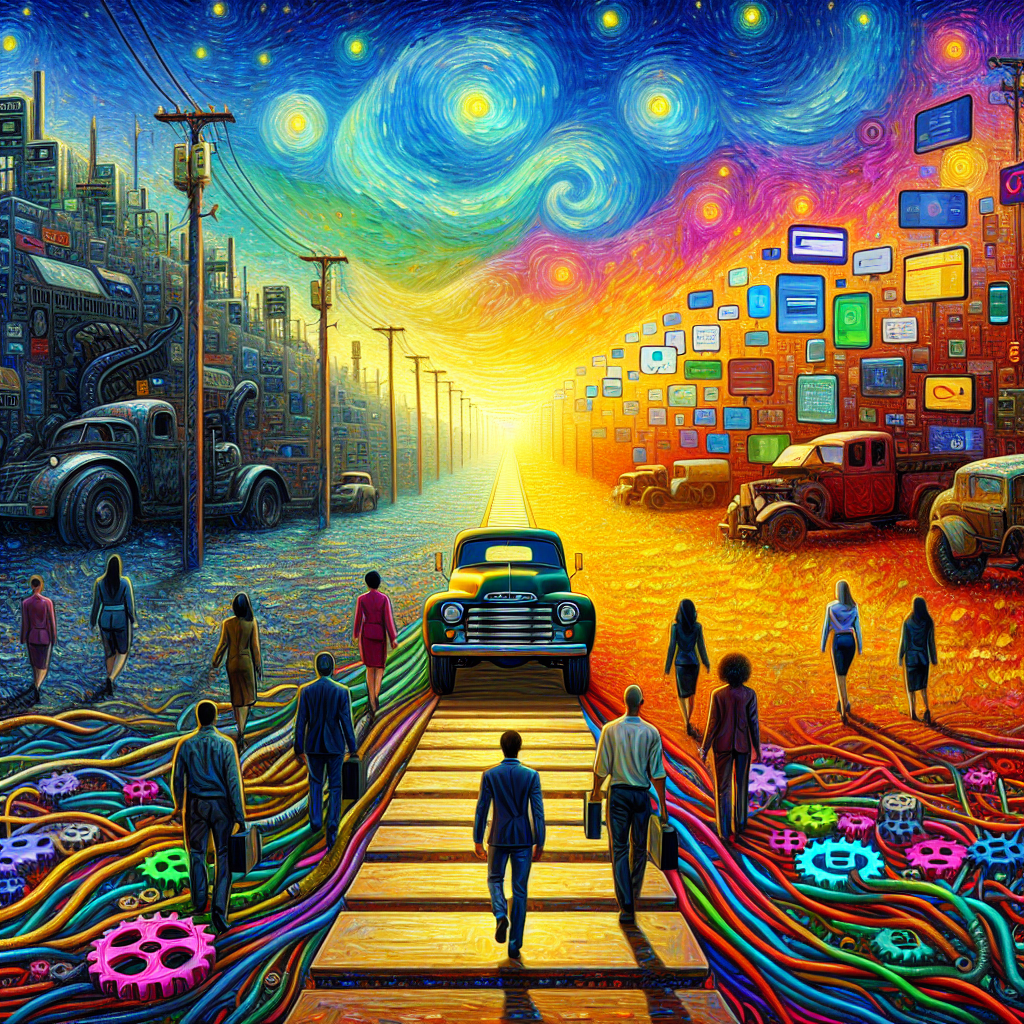
Yet, as technology whirls forward at breakneck speed, the risk of this vital information slipping away grows more palpable. The hard drive filled with years of family photographs could crash. A cherished recipe shared in a forgotten email could vanish forever. How do we ensure that our memories, our lessons, our very essence, don’t fade into obscurity? The solution lies in a blend of intention, innovation, and community effort.
First, we must be rational about storage. Relying solely on a single platform is both reckless and naive. Diversifying where we keep our information — from physical backups like printed photos or journals to digital clouds and external hard drives — is a tactical approach that mitigates loss. It’s about being proactive and preparing for the unforeseen.
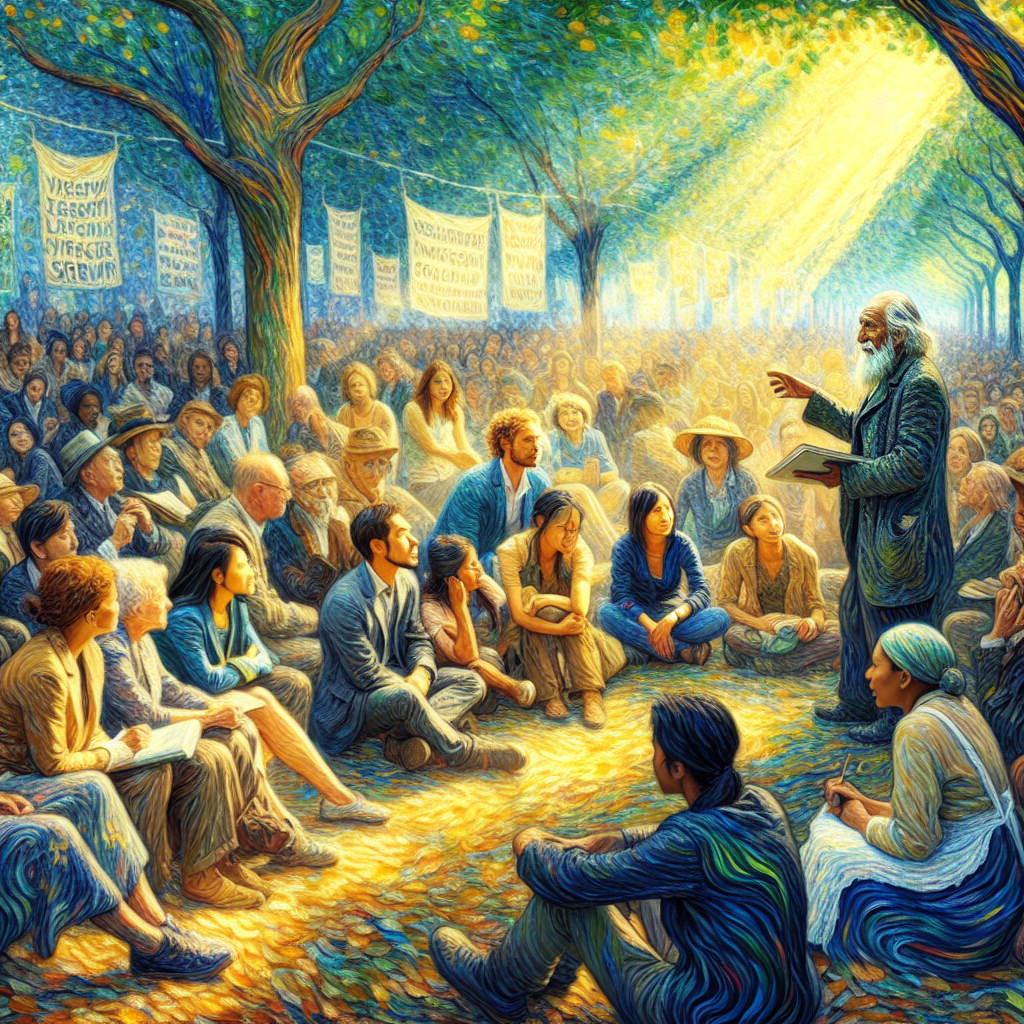
Then, there’s the ethical obligation we hold toward those who come after us. This is where legacy storytelling truly shines; it’s our responsibility to pass down not just facts but the heart of who we are. Imagine a grandparent sharing stories of resilience and love, their narratives etched into our hearts, guiding us even when they’re no longer around. That’s the cultural glue we must prioritize.
Moreover, we must learn from the masters of preservation — the archivists, the historians, and those who dedicate their lives to ensuring that collective memory remains intact. Engaging with these authority figures can transform our understanding of digital footprints and the physical traces we leave behind.
Finally, let’s not underestimate the power of community. Banding together with family and friends, sharing responsibilities in safeguarding vital information, fosters a sense of belonging and trust. Whether it’s digitizing old albums together or passing around family histories at gatherings, these connections enrich our lives and ensure that our stories endure.
We can’t afford to stand by as vital information teeters on the brink of vanishing. Our memories and our narratives deserve to be cherished, shared, and safeguarded—because they’re not just our own; they’re the legacies we’ll leave for those who come after us.
How Do We Safeguard Vital Information From Disappearing?
How Do We Safeguard Vital Information From Disappearing?
- Safeguarding information is an act of modern heroism, weaving our shared human experience.
- Stories and knowledge form our legacy, connecting us through triumphs and failures.
- Technological advancement increases the risk of losing vital information.
- Diversifying storage methods, such as physical and digital backups, mitigates risks of loss.
- Legacy storytelling is an ethical obligation to pass down our cultural essence to future generations.
- Engaging with preservation experts enhances our understanding of safeguarding information.
- Community collaboration in preserving information fosters connections and trust, enriching our lives.
How Do We Safeguard Vital Information From Disappearing?
What Ethical Responsibilities Do We Bear for Preserving History?
Preserving history isn’t just a passive act; it’s a vibrant and urgent commitment to the world in which we live. Our ethical responsibilities in this endeavor intertwine with our legacy, demanding that we actively engage in storytelling that honors the past while shaping the future. Each ancient artifact, weathered photograph, and faded manuscript is more than just a relic; it’s a story waiting to be told, a thread in the intricate tapestry of our collective memory.
Imagine wandering through a museum filled with echoes of lives once lived. These spaces, adorned with history, are not mere collections; they serve as sanctuaries for the stories that have shaped cultures and defined generations. When we step into these narratives, we embrace a profound connection to the individuals who walked before us, whose dreams and struggles echo through time. It’s in acknowledging their legacy that we find meaning in our present.
But this isn’t just about nostalgia. Ethically, we bear the critical responsibility of ensuring that the stories we share reflect diversity, truth, and integrity. History isn’t exempt from biases, and as guardians of this narrative, we must confront uncomfortable truths. By amplifying voices that have been silenced, we not only enrich our understanding but also build bridges that unite communities. This act of reclamation fosters a resilient societal fabric, woven from honesty and respect.
We must also consider the rational aspect: history informs our decisions, influencing policy and social dynamics today. Understanding past mistakes prevents repetition and fosters progress. It’s not merely an academic exercise; it’s an ethical obligation that impacts our shared future. When we choose to engage with history, we become active participants in crafting solutions for tomorrow.
At the gut level, there’s an instinctive understanding that history matters. It resides deep within us, urging us to remember. Each story we preserve carries the weight of human experience, resonating in our hearts long after we’ve left the moment behind. This emotional connection compels us to act, to protect the narratives that give our lives context and depth.
In our shared duty to preserve history, we’re not just curators; we’re storytellers, advocates, and guardians of legacy. Our commitment to this cause shapes not only how we view ourselves but also how future generations will understand their place in the continuum of time. The stories we choose to carry forward define us as a society, reinforcing the notion that our responsibility to the past is, ultimately, a gift to the future.

What Ethical Responsibilities Do We Bear for Preserving History?
What Ethical Responsibilities Do We Bear for Preserving History?
- Preserving history is an active commitment that intertwines ethical responsibilities with legacy.
- Ancient artifacts and photographs serve as important narratives in our collective memory.
- Museums act as sanctuaries for stories that shape cultures and define generations.
- Storytelling must reflect diversity and confront biases to enrich understanding and unite communities.
- History informs decisions and helps prevent the repetition of past mistakes.
- Each preserved story carries emotional weight, urging us to protect our narratives.
- As storytellers and guardians, our commitment shapes societal identity and benefits future generations.
What Ethical Responsibilities Do We Bear for Preserving History?
Conclusion
In the age of information overload, the quiet stories that shape our identities often get lost in the noise. When an archive—our communal memories—vanishes overnight, it exposes a profound vulnerability and highlights what we stand to lose: our history, our legacy, and the very connections that weave our communities together. This isn’t just about the loss of cold data; it is about the erasure of narratives that inform our values and swing open the doors to understanding our shared humanity.
Imagine a town stripped of its stories—a vibrant patchwork of lives lived and lessons learned suddenly reduced to silence. The emotions stirred in such a scenario are gut-wrenching; it reminds us that our identities can dissolve with the click of a button, leaving us adrift. Rationally, this absence begs the question: How do we chart a way forward when we have no map, no guiding context? Ethically, we must ponder our responsibilities in preserving this rich legacy. Who safeguards these archives? How do we ensure the preservation of our stories for future generations?
The narratives we tell are not merely echoes from the past; they form the backbone of our collective identity. These stories—crafted through struggles, victories, and uncelebrated moments—provide the wisdom necessary to navigate contemporary challenges. When we embrace these snippets of history, we strengthen community bonds and encourage a culture of empathy that transcends divisions.
It is vital that we invest in the preservation of our collective memory. By actively sharing and safeguarding these stories, we foster connections that honor both past and present. Additionally, by amplifying silenced voices and diverse perspectives, we enrich our understanding and engage meaningfully with one another, fostering societal resilience.
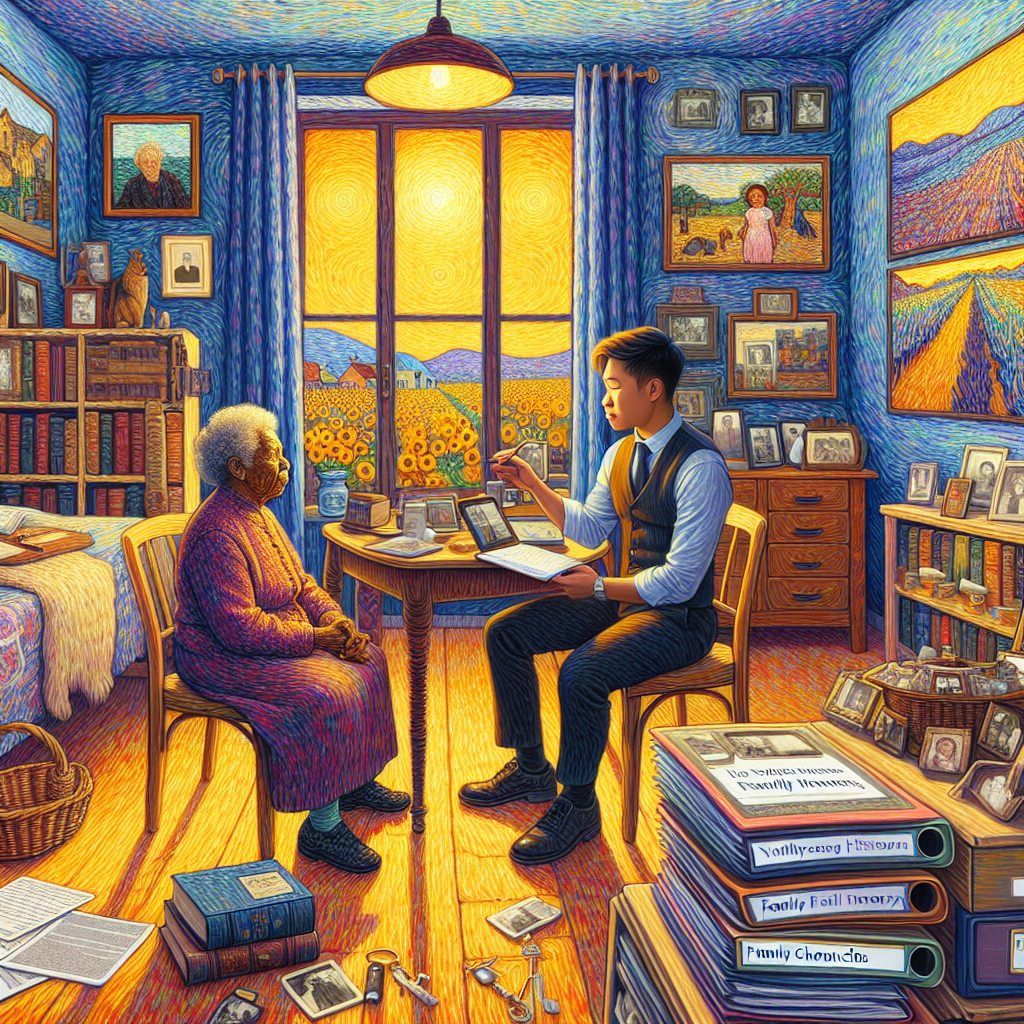
As we reflect on our individual and collective histories, we must recognize that every narrative counts. They hold not only the potential to change perspectives but also to transform communities. The ethical imperative is clear: We must commit to preserving these stories, not only as a tribute to our forebears but as a gift to future generations. By doing so, we illuminate the path ahead, allowing our past to guide us toward a more compassionate, connected future. Let this be our call to action; let us protect our unsuspecting treasures, ensuring they endure amidst the relentless tide of time.

Conclusion
Conclusion:
- Information overload often obscures the quiet stories that shape our identities.
- The disappearance of archives highlights our vulnerability and the potential loss of history and connections.
- A town without its stories risks losing its collective identity, leaving its community adrift.
- Preserving these narratives is vital for ethical reasons and future generations.
- The stories we share help us navigate contemporary challenges and strengthen community bonds.
- Investing in the preservation of collective memory fosters connections and enriches understanding.
- Every narrative holds the power to transform communities and guide us toward a compassionate future.
Conclusion
Other Resources

Other Resources
Here is a list of other resources you can review online to learn more:
- International End of Life Doula Association
- Afternote
- Personal Legacy Advisors
- EverLoved
- Willmaker
- Meminto
- Postumo
- LegacyFamilyTree
- LegalNature
- LifeNaut
- AmericanAncestors
- Legacy Family Tree
- How to Avoid Losing Your Family History One Generation at a Time
- UpCounsel
- Living Wisely
- LivingDNA
- INELA
- LegalZoom
- EverNote
Use This Prompt To Get More Resources With Your Favorite Online AI Tool: Please provide me with a list of online articles with their URLs in a bulleted list that I can read regarding The Archive That Vanished Overnight

Other Resources
Glossary Terms
The Archive That Vanished Overnight – Glossary Of Terms
1. Archive: A collection of records or documents preserved for historical or reference purposes.
2. Vanished: Disappeared suddenly and completely, often without explanation.
3. Overnight: Occurring or existing during the night; also implies a sudden change.
4. Anomaly: A deviation from the common rule; something unusual or unexpected.
5. Preservation: The act of maintaining and protecting something from loss or damage.
6. Digital: Relating to data in electronic form, particularly computers and the internet.
7. Data Integrity: The accuracy and consistency of data over its lifecycle.
8. Backups: Copies of data stored separately to restore original data in case of loss.
9. Disaster Recovery: Strategies and processes to restore data and IT infrastructure after a catastrophic event.
10. Forensics: The use of scientific methods and techniques to investigate and analyze evidence.
11. Metadata: Data that provides information about other data, such as its source, creation date, or format.
12. Retrieval: The process of accessing and obtaining information from a database or archive.
13. Storage: The action or method of keeping data in a physical or digital form for future use.
14. Corruption: Damage to data, resulting in its inaccessibility or inaccuracy.
15. Access Control: Mechanisms that restrict access to information or resources to authorized users.
16. Redundancy: The inclusion of extra components or data to provide backup in case of failure.
17. Obsolescence: The process of becoming outdated or no longer used.
18. Repository: A centralized location where data is stored and managed.
19. Encryption: The conversion of data into a code to prevent unauthorized access.
20. Loss Prevention: Strategies designed to prevent the loss of data or information.
21. Audit Trail: A sequential record of transactions or changes in data to ensure accountability.
22. Archival Science: The study of how to preserve, organize, and manage archives effectively.
23. Digital Preservation: The maintenance and management of digital objects to ensure long-term access and usability.
24. Cloud Storage: A service that allows users to store data on remote servers accessed via the internet.
25. Versioning: The process of storing multiple states or revisions of a file or document.
26. Authenticator: A tool or method used to verify the identity of a user or system.
27. Data Loss: The unintended deletion or corruption of data.
28. Security Protocols: Set rules and procedures designed to protect data from unauthorized access.
29. Incident Response: The approach taken by an organization to manage and mitigate data breaches or losses.
30. Historical Record: Documentation of past events, actions, or decisions for reference or analysis.

Glossary Of Terms
Other Questions
The Archive That Vanished Overnight – Other Questions
If you wish to explore and discover more, consider looking for answers to these questions:
- What exactly was lost when the archive vanished—documents, photos, metadata, or all of the above?
- How did the archive vanish—technical failure, human error, malicious deletion, or legal action?
- Who was responsible for maintaining and protecting the archive?
- Were there backups or redundant copies, and if not, why not?
- Can any of the lost materials be recovered or reconstructed, and how?
- What are the short-term and long-term emotional impacts on the community that lost the archive?
- Which specific groups or individuals are most harmed by the loss of this archive?
- Who benefits—politically, economically, or culturally—when knowledge is erased?
- Were any marginalized or silenced narratives disproportionately affected by the loss?
- What ethical obligations do institutions or individuals have to restore or compensate for the loss?
- What legal remedies or recourse exist for communities whose archives have been deleted?
- Was the archive subject to privacy, ownership, or copyright restrictions that affected preservation decisions?
- How trustworthy were the sources and provenance records that shaped the archive before it vanished?
- What standards or best practices (technical and archival) were in place, and were they followed?
- How do we verify authenticity and integrity of recovered or recreated materials?
- What role should local communities play in stewarding and governing their own archives?
- How can institutions prevent similar losses in the future—what concrete policies and technologies are needed?
- Which file formats, storage systems, or platforms are most resilient for long-term preservation?
- How does digital obsolescence (hardware, software, formats) factor into archival vulnerability?
- What funding models or resources are required to sustain preservation efforts over generations?
- What responsibilities do governments, libraries, museums, and private companies have in preserving collective memory?
- How should archivists prioritize what to preserve when resources are limited?
- What practical steps can individuals take to safeguard family or community histories?
- How should sensitive, traumatic, or contested materials be handled ethically and accessibly?
- How can communities document oral histories or living memory to reduce reliance on fragile digital stores?
- What is the role of forensic recovery, and when is it feasible to engage specialists?
- How do data protection laws (e.g., GDPR) interact with archival preservation and access?
- Could decentralization or technologies like blockchain meaningfully protect archives, and what are their limits?
- How do power dynamics and institutional bias influence which narratives are preserved or erased?
- What accountability mechanisms exist for negligence or intentional destruction of archives?
- How should communities document provenance, context, and metadata to make archives meaningful and usable?
- What are the consequences for scholarship, memory, and civic life when an archive disappears?
- How can archives be made accessible while protecting privacy, dignity, and cultural sensitivities?
- What emergency response plans should exist for sudden archival loss or disasters?
- How can collaborations between institutions, communities, and technologists be structured to strengthen preservation?
- What successful case studies exist of archives being saved, restored, or rebuilt, and what lessons do they offer?

Other Questions
Haiku
The Archive That Vanished Overnight – A Haiku
Silent stories lost,
Echoes of lives fade away;
Preserve legacy.

Haiku
Poem
The Archive That Vanished Overnight – A Poem
In shadows deep where stories lie,
An archive gone, a silent sigh.
Threads of lives, woven with care,
Vanished whispers, floating in air.
Each tale a bridge from past to now,
Legacy lost, we humbly bow.
Forgotten faces, their struggles, their dreams,
Erased like ink in forgotten streams.
Communities built on memories shared,
Identity shaped, no longer bared.
Lessons learned from triumph and strife,
Echoes of ancestors, the fabric of life.
When knowledge fades, who bears the cost?
A future unmoored, rich history tossed.
Ethics demand we remember and learn,
For every silence makes justice burn.
With each narrative silenced, we break the chain,
Dismantling trust, sowing seeds of pain.
But from forgotten tales, hope can arise,
Stronger together, we’ll reach for the skies.
So let us safeguard these stories of old,
With heart, head, and gut let their truths be told.
For in every loss, there’s a chance to renew,
The past is our guide; it knows what to do.

Poem
Checklist
The Archive That Vanished Overnight – A Checklist
Appeal to the Heart
✅______ Reflect on personal stories that connect you to your community’s history.
✅______ Identify three narratives from your family or locality that shaped who you are today.
✅______ Share a story in a gathering, creating a safe space for others to share theirs.
✅______ Create a family memory book that includes photographs and anecdotal stories.
Appeal to the Head
✅______ List key events from your community’s history that should be documented.
✅______ Research best practices for digital preservation of personal and historical archives.
✅______ Assess the tools and technologies available for safeguarding legacy stories.
✅______ Evaluate local archives or museums to see how they preserve history.
Appeal to the Gut
✅______ Savor moments of vulnerability when sharing or listening to legacy stories.
✅______ Acknowledge feelings of loss associated with any history or stories not recorded.
✅______ Write a personal reflection on how understanding history impacts your decisions today.
Appeal to Ethical Responsibility
✅______ Commit to sharing stories from marginalized voices in your community.
✅______ Advocate for the importance of inclusivity in historical narratives.
✅______ Reflect on your role in preserving history for future generations.
Appeal to Authority
✅______ Identify organizations or local historians dedicated to preserving community history.
✅______ Attend workshops or lectures led by archivists or historians to deepen understanding.
Appeal to Narrative
✅______ Engage in storytelling sessions that allow for the exchange of personal histories.
✅______ Cultivate empathy by discussing historical narratives and their impacts on identity.
Appeal to Social Connection
✅______ Initiate conversations about history with peers or family to encourage shared storytelling.
✅______ Organize community events aimed at sharing local history and personal narratives.
✅______ Build a network of friends and family committed to preserving collective memories.
Checklist
At LegacyExplorations, we help people plan and explore their legacy by collecting information and news regarding end-of-life planning.
Please share this post with your friends, family, or business associates who may want help to plan or explore their legacy.