

Unraveling The Stories Behind Our Forgotten Past
By Tom Seest
At LegacyExplorations, we help people plan and explore their legacy by collecting information and news regarding end-of-life planning.
Please share this post with your friends, family, or business associates who may want help to plan or explore their legacy.
The Bureaucracy Of Memory
In the vast archives of our lives, memory serves as both a treasure and a burden. Our experiences are stitched together into a tapestry of Legacy Storytelling, where each thread is a story waiting to be told. Yet, as we navigate through our days, it’s easy to overlook the significance of these memories. They are not just relics of the past; they are the very foundations upon which we build our identities and connections.
Consider the moments that define us. Maybe it was sitting at the kitchen table with a grandparent, listening to tales of resilience and hardship, or the laughter shared with friends around a campfire. These memories are more than fleeting images; they hold the power to shape our values and inspire our actions. They forge a connection that transcends time, reminding us that we are part of something bigger—a shared human experience that binds us all.
However, our memories can become tangled in the bureaucracy of their own existence, often losing clarity in a world that demands immediacy and brevity. We rush to capture experiences on our phones, distilling complex emotions into liked posts and brief comments. In doing so, we risk stripping away the richness of each moment, reducing our vibrant legacy to mere data points. It’s critical to step back and rekindle our relationship with memory, to tell our stories in full color, rooted in authenticity.
When we engage in Legacy Storytelling, we honor the journey of those who came before us. We open the door to empathy, recognizing that the struggles and triumphs of others parallel our own. This is the essence of humanity: the capacity to feel, to understand, and to connect. Embracing our memories allows us to navigate life with greater intention, encouraging us to act not just for ourselves but for the communities and legacies we are part of.
So, let’s make a pact with ourselves. Let’s dive into our memories with gusto, savoring the flavors of the past while crafting compelling narratives for the future. Let’s gather together—not just to reminisce, but to actively listen and share, weaving our stories into a vibrant quilt of collective experience. By doing so, we not only preserve our own legacies but also enrich the tapestry of those who will follow in our footsteps, ensuring that our shared humanity remains alive and vital.

The Bureaucracy Of Memory
The Bureaucracy Of Memory
- Memory acts as both a treasure and a burden, forming the foundation of our identities.
- Legacy Storytelling weaves our experiences into a larger narrative, making memories significant.
- Defining moments shape our values and inspire actions, highlighting our shared human experience.
- In a fast-paced world, we risk losing the richness of memories by reducing them to simple data points.
- Engaging in Legacy Storytelling fosters empathy and honors the journeys of those before us.
- Embracing memories encourages intentional actions for ourselves and our communities.
- Sharing stories creates a vibrant collective experience, preserving legacies for future generations.

The Bureaucracy Of Memory
Table Of Contents
- The Bureaucracy Of Memory
- What Memories Define Who We Are?
- How Do We Reclaim Lost Memories?
- Can Bureaucracy Enhance Our Understanding Of Memory?
- What Role Does Nostalgia Play In Our Lives?
- How Do Societal Expectations Shape Our Memories?
- Is It Ethical to Alter Memories for Better Living?
- How Does Memory Influence Our Decision-Making?
- Conclusion
- Other Resources
- Glossary Of Terms
- Other Questions
- Haiku
- Poem
- Checklist
What Memories Define Who We Are?
Memories are more than just fleeting moments; they are the brushstrokes that paint the canvas of our lives, crafting a legacy that lasts long after we’re gone. Each recollection holds a story—a heartbeat in time that echoes our triumphs, heartbreaks, and the mundane moments that somehow become extraordinary through the lens of nostalgia. Legacy storytelling becomes not just a tool for reflection, but a bridge that connects generations, fostering a sense of belonging and understanding.
Consider a time spent around the dinner table, sharing laughter and stories with family. That intimate gathering may seem trivial at first glance, but it’s in these shared experiences that we learn the values that shape us. We glean lessons about kindness, courage, and resilience from those tales, weaving a moral fabric that guides us through life’s complexities. When we remember our past, we begin to understand the core principles that define who we are and who we aspire to be.
Some memories are hard and unforgiving—perhaps a mistake we made or a moment of loss that carved a deep wound. These experiences, however painful, are transformative. They teach us empathy, urging us to reach out to others who are suffering, to lend support, and to share in the human experience. It’s this moral imperative that drives us to connect, to share our own narratives, and to acknowledge that while pain is universal, so too is the potential for healing.
The impact of memories isn’t confined to the individual; it resonates through our communities. When we share our stories—whether around a fire or through a social media post—we foster a collective understanding, reminding us that we are not alone in our journeys. Each shared memory adds to a larger narrative, binding us together and empowering us to stand tall in the face of adversity.
In a world often focused on the ephemeral—the latest trends, the hour-to-hour news cycle—it’s the enduring nature of our memories that grounds us. They give us the clarity to discern what truly matters, helping us prioritize our time and relationships. When we take the time to reflect on our pasts, we reclaim our agency, allowing our stories to inspire action, whether that’s reaching out to someone in need or making a different choice in our own lives.
Ultimately, it’s the memories we choose to hold onto that serve as a testament to who we are and the legacy we leave behind. Embrace them, share them, and watch as they weave a tapestry of understanding and connection that enriches the lives of those around you.

What Memories Define Who We Are?
What Memories Define Who We Are?
- Memories create a lasting legacy that reflects our lives and experiences.
- Each memory tells a unique story, highlighting triumphs and challenges through nostalgia.
- Shared family experiences teach values like kindness, courage, and resilience.
- Painful memories foster empathy and encourage connection with others.
- Collective storytelling strengthens community bonds and a sense of belonging.
- Enduring memories help prioritize meaningful relationships in a rapidly changing world.
- The memories we cherish define our identities and the legacies we leave behind.

What Memories Define Who We Are?
How Do We Reclaim Lost Memories?
Reclaiming lost memories is a journey we all navigate, whether through the haze of time or the turbulence of life. These memories, often intertwined with our identities, shape who we are—our legacy. So, how do we go about retrieving the fragments of our past that seem to slip through our fingers like sand? The answer lies in storytelling, a practice as old as humanity itself.
Legacy storytelling is a powerful tool. It invites us to gather around, much like our ancestors did, sharing tales that echo through generations. Consider the emotional resonance in recounting family anecdotes—those moments filled with laughter, tears, and lessons learned. Each story serves as a thread, weaving our experiences together and illuminating the path we’ve walked. By sitting down with loved ones—children, parents, or even friends—we can dive deep into our shared history. As we reminisce, we gain not only perspective but a sense of belonging rooted in our collective narrative.
From a rational standpoint, the process of reclaiming memories can strengthen our mental resilience. Research shows that actively engaging in memory recall can enhance brain function and improve emotional well-being. Digging into our past allows us to confront unfinished stories, providing closure and clarity. By recognizing what shaped us, we fortify our sense of self and solidify our place in the world.
Ethically, the act of sharing memories creates a social bond, fostering connection rather than isolation. It fortifies community ties and underlines how our experiences are interwoven. When we open up about our struggles, triumphs, and everyday moments, we inspire others to do the same. It transforms a solitary journey into a vibrant dialogue where empathy and understanding thrive.
Also, establishing a tradition of storytelling can cultivate a sense of responsibility. We’re not just laying down memories for ourselves but for those who will come after us. Sharing our triumphs and failures builds a roadmap for future generations, a legacy they can learn from. The act of narrating our lives draws a line in the sand, marking our existence while inviting others to participate in the ongoing story of humanity.
So, whether we tap into journals, photos, or simply gather around the dinner table, let’s commit to this act of remembrance. By embracing our past, we create not just a collection of stories but a sturdy foundation for those who walk with us today and those who will walk tomorrow. In reclaiming lost memories, we don’t just revive the past; we honor our journey and cultivate hope for the future.

How Do We Reclaim Lost Memories?
How Do We Reclaim Lost Memories?
- Reclaiming lost memories shapes our identities and legacies.
- Storytelling serves as a timeless method to retrieve our past.
- Legacy storytelling fosters connection and emotional resonance through shared family anecdotes.
- Engaging in memory recall enhances brain function and emotional well-being.
- Sharing memories creates social bonds, fostering empathy and understanding.
- Establishing storytelling traditions provides future generations with valuable lessons.
- Embracing our past builds a strong foundation for current and future connections.

How Do We Reclaim Lost Memories?
Can Bureaucracy Enhance Our Understanding Of Memory?
When we think of bureaucracy, the mind often conjures images of endless paperwork, rigid structures, and a sense of frustration. Yet, if we delve deeper, we can unearth the profound potential within these systems to unlock the mysteries of memory. Bureaucracy, often dismissed for its inefficiencies, can serve as a catalyst for legacy storytelling—a way to weave together the threads of human experience into a coherent narrative that speaks to our collective memory.
Consider how the bureaucratic process of documenting our histories creates an invaluable repository of experiences. Each form filed, each report generated, tells a story—a snapshot of a moment in time. When we map out the bureaucracy, we’re not just creating policies; we’re creating a framework that shapes our understanding of who we are. This is essential for appreciating memory, which isn’t simply a vault of past experiences but rather a living, breathing narrative that evolves. By fostering this documentation process, we elevate the mundane into something significant. Through legacy storytelling, we honor the stories of those who came before us, ensuring that their contributions are not lost in the shuffle of daily life.
Yet, the true power of bureaucracy lies in its ability to make these stories universally accessible. Memory isn’t confined to the individual; it’s a shared tapestry. Bureaucracy can institutionalize this sharing, creating platforms where stories intersect, inviting us to engage with different perspectives and histories. Think about community records or historical archives—their structured nature makes them reliable sources of knowledge that transcend generations.
Emotionally, the gut reaction to bureaucratic systems may be skepticism, but when bolstered by solid data and community engagement, these systems can inspire confidence. They remind us that our memories—while personal—are part of a larger story that binds us. Ethically, we have a responsibility to preserve these stories so that future generations can learn from them.
Engaging with this idea can fuel action. Imagine communities rallying around their local archives, coming together to celebrate the narratives woven through their histories. Every report, every record becomes more than just bureaucratic obligation; it transforms into a life-affirming act of remembrance.
In a world often parched for connection, bureaucracy might just be a surprising ally, inviting us to laugh, cry, and remember together in an age where storytelling has never been more vital. Embrace it, and let it enhance our understanding of memory not as a burden, but as a bridge between past and future.

Can Bureaucracy Enhance Our Understanding Of Memory?
Can Bureaucracy Enhance Our Understanding Of Memory?
- Bureaucracy is often viewed negatively, but it holds potential for enhancing collective memory through storytelling.
- The documentation process creates valuable repositories, with each filed form or report representing a moment in time.
- This mapping of bureaucracy shapes our understanding of identity and memorializes past experiences as evolving narratives.
- Bureaucracy enables the universal sharing of stories, creating platforms for diverse perspectives and historical engagement.
- Community records and historical archives serve as reliable sources of knowledge that connect generations.
- Engagement and solid data can inspire confidence in bureaucratic systems, highlighting their role in preserving collective memory.
- Bureaucracy can become a catalyst for community action, transforming obligations into acts of remembrance and connection.

Can Bureaucracy Enhance Our Understanding Of Memory?
What Role Does Nostalgia Play In Our Lives?
Nostalgia is more than just a fond glance in the rearview mirror; it’s a powerful force that weaves through the fabric of our daily lives, shaping our identities and connections. When we engage in legacy storytelling, sharing tales of our past, we not only commemorate our experiences but also foster a sense of belonging. These stories, steeped in emotion, remind us of where we come from and the values that define us.
Consider the power of a simple object—a well-worn photograph, a cherished toy, or even the smell of a familiar meal. Each can transport us back to cherished moments, rekindling feelings of joy, love, and sometimes even sorrow. This emotional resonance speaks to our hearts, forming connections across generations. It is in these moments of reflective remembrance that we find solace, understanding, and sometimes inspiration.
Rationally, nostalgia serves a vital purpose. It aids in mental well-being, often providing comfort in times of uncertainty. Research shows that reflecting on positive memories can reduce anxiety and elevate mood, fostering resilience in our modern, fast-paced world. In this way, nostalgia acts as a psychological anchor, a stabilizing force that reassures us during turbulent times. It teaches us to appreciate life’s fleeting moments, urging us to create new memories worth remembering.
Ethically, nostalgia evokes a collective consciousness, prompting us to think about our impact on others and the legacies we leave behind. As we share our stories, we contribute to a shared narrative that highlights our values and principles. This ethical storytelling serves as a guide for future generations, allowing them to learn from our experiences and stand on our shoulders as they navigate their journeys.
On a social level, nostalgia binds us together; it’s a universal language that breaks down barriers. When we gather around the dinner table, swapping tales and reminiscing about shared experiences, we cultivate intimacy and connection. It reminds us that regardless of our differences, we all have moments that make us human.
Embracing nostalgia enables us to bridge the gap between past, present, and future. It’s an invitation to reflect, connect, and act, igniting a passion to not just remember but to create new stories that add to our legacies. Allow nostalgia to inspire you, to define your life’s journey, and to remind you that every story matters.
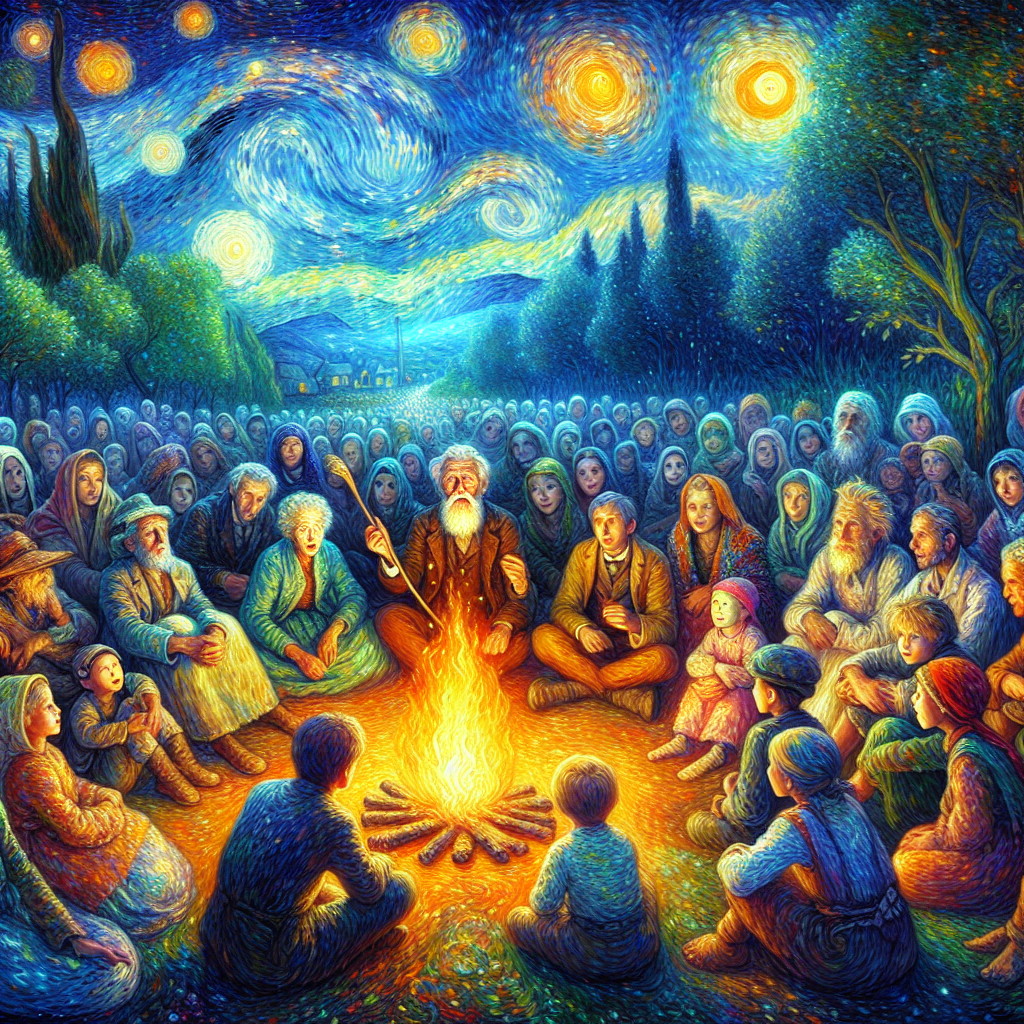
What Role Does Nostalgia Play In Our Lives?
What Role Does Nostalgia Play In Our Lives?
- Nostalgia shapes identities and fosters connections through legacy storytelling.
- Emotional objects can evoke cherished memories, rekindling feelings of joy and sorrow.
- Nostalgia enhances mental well-being by reducing anxiety and elevating mood.
- It serves as a psychological anchor, providing comfort during turbulent times.
- Nostalgia encourages ethical storytelling, influencing future generations’ values.
- It acts as a universal language, cultivating intimacy and connection among people.
- Embracing nostalgia inspires reflection and encourages the creation of new memories.

What Role Does Nostalgia Play In Our Lives?
How Do Societal Expectations Shape Our Memories?
How do societal expectations shape our memories? It’s a question that digs deep into the soil of our shared experiences, revealing the intricate roots of who we are and how we navigate the world. Our memories don’t exist in a vacuum. They’re intricately tied to the narratives we’ve inherited, molded by the expectations of those around us and the larger society that guides our lives.
Consider the concept of legacy. It’s a powerful word, evoking thoughts of what we leave behind and how we’re remembered. Legacy is not just about grand gestures or monumental achievements; it encompasses the everyday stories we tell—stories filled with laughter, struggle, and connection. Society shapes these moments, encouraging us to remember certain things while cleverly inviting us to forget others. Think about how we celebrate successes, often influenced by cultural values that dictate what is worthy of remembrance, pushing us to create a memorable story that aligns with those values.
Then there’s storytelling. The stories we pass down reflect not just our personal journeys but also the collective ethos of our communities. They serve as the fabric that weaves us together, reinforcing shared beliefs and emotions that resonate within us. When we narrate our lives, we often embellish or simplify events, influenced by what we think others want to hear. This is where societal expectations play a pivotal role. They shape the lens through which we view our past, often steering us towards a narrative that fits the mold of approved experiences.
Lingering here, you can feel the weight of what’s unwritten. Think of the memories labeled as shameful or trivial, the moments that don’t fit the narrative crafted by societal norms. They hide in the shadows, waiting for a reckoning that never comes. Yet these unspoken stories can be powerful, grounding us in authenticity. Embracing them enriches our understanding, allowing us to honor a fuller, more nuanced legacy.
Shaping our memories isn’t just an introspective journey; it’s a societal one. Crafting a narrative that resonates with our truth calls for bravery and vulnerability. By recognizing how these expectations inform our memories, we empower ourselves to reclaim the parts of our stories that may have been lost. It’s about connection—between our past, present, and the legacy we choose to leave for future generations, ensuring that our stories are not only remembered but cherished as part of the larger mosaic of life.

How Do Societal Expectations Shape Our Memories?
How Do Societal Expectations Shape Our Memories?
- Societal expectations significantly influence how we remember experiences and shape our identities.
- Legacy encompasses everyday stories, not just monumental achievements, affected by societal narratives.
- Society encourages selective memory, reinforcing what to remember and what to forget.
- Storytelling reflects both personal adventures and the collective beliefs of communities.
- Memories labeled as shameful or trivial often remain unacknowledged, but can provide authenticity.
- Reclaiming lost parts of our stories requires bravery and a connection to our true selves.
- Embracing a fuller legacy ensures our narratives are remembered as integral to the human experience.

How Do Societal Expectations Shape Our Memories?
Is It Ethical to Alter Memories for Better Living?
Is it ethical to alter memories for a better life? That question digs deep, doesn’t it? Picture this: a man sits in a quiet room, a cup of coffee in hand, reflecting on the experiences that shaped him. Memories, they say, are the threads that stitch together our lives—our legacy storytelling, if you will. Yet, what happens when those memories are painful, inconvenient, or downright traumatic?
The notion of rewriting memories sounds like a great escape, a tantalizing proposition for anyone who has felt the weight of regret or the sting of loss. It’s a seductive idea to consider swapping out the harsh realities of our past for gentler alternatives, all in pursuit of a brighter, more hopeful tomorrow. But therein lies the dilemma.
On one hand, altering memories could foster healing. Individuals grappling with traumas could find relief, transforming anguish into understanding. But let’s not kid ourselves: the very fabric of who we are—the lessons learned, the scars earned—are woven into these memories. They mold our character, our hearts, and our instincts. By erasing or altering them, what do we risk losing in ourselves? The rational mind questions whether it’s truly ethical to play puppet master with our own psyche.
Consider the story of a woman named Clara, who endured a painful rejection that shattered her confidence. With the option to erase that memory, she faces a profound choice. If she rewrites her past, does that not strip away the grit and resilience that makes her who she is? Our pasts shape our futures; one misstep might mean navigating life without the wisdom earned from hardship.
Furthermore, there’s an ethical dimension that cannot be ignored. Are we overstepping boundaries that nature has set? Our memories, flawed as they are, connect us to one another, forging a communal narrative. When we engage in legacy storytelling, we not only share our stories but invite others to do the same, fostering empathy and understanding. Altering memories could fracture these connections, leading to social disconnection.
Ultimately, while the allure of a pain-free existence beckons, it raises long-lasting questions about authenticity and growth. As we ponder the ethics of memory alteration, let’s remember that true strength often surfaces from the struggle, and in the end, it’s those very memories that teach us to live courageously.

Is It Ethical to Alter Memories for Better Living?
Is It Ethical to Alter Memories for Better Living?
- Altering memories raises ethical questions about identity and personal growth.
- Memories are integral to shaping individual character and life experiences.
- Rewriting painful memories may provide healing but risks losing valuable life lessons.
- Individuals like Clara face dilemmas when considering memory alteration’s impact on resilience.
- Memories connect us and contribute to a communal narrative that fosters empathy.
- Changing memories could lead to social disconnection and fragmentation of shared experiences.
- Authenticity and the value of struggles are crucial considerations in the conversation about memory alteration.

Is It Ethical to Alter Memories for Better Living?
How Does Memory Influence Our Decision-Making?
Memory shapes our decisions in ways that are often profound, influencing not just the choices we make but how we perceive our place in the world. Think about it: our memories are more than just past experiences; they form the backbone of our legacy, weaving together the stories we tell ourselves and others. Each moment we remember becomes a stitch in the fabric of who we are, a piece of a larger narrative that colors our choices.
When you recall your childhood, the lessons learned from fallible moments—like the time you ignored your gut and ended up with a splintered finger after attempting to climb that tree—those memories carry weight. They remind you not only of past mistakes but also of resilience and growth. This instinct to draw upon personal experience informs our future decisions, lending a voice of authority to our actions. It’s this kind of storytelling—looking back to move forward—that resonates deeply with the essence of being human.
Every time we face a choice, we dip into our memory bank, seeking that critical balance between emotional response and rational thought. Just as a seasoned sailor checks the winds and the tides before setting sail, we lean on our past to navigate complex waters. Ethical considerations come into play, as well. Memories of trusted mentors or heartbreaking losses encourage us to choose a path that aligns with our values, fostering a sense of responsibility that we carry into every interaction.
Social dynamics, too, shape our decision-making processes. We are wired for connection, often referring to collective memories shared with family, friends, or community. These dialogues become the touchstones for our paths. When we gather around a table to discuss pivotal moments, those legacy stories live on, influencing not just the storytellers but all who listen. They remind us that we are part of something larger—a network of mutual experiences that informs our choices and actions.
So, the next time you find yourself at a crossroads, pause and reflect on the weight of your memories. They are more than echoes of the past; they are the compass guiding your future. Tap into that reservoir of experience and insight, and let it fuel your decisions, allowing your story to unfold in a way that is both authentic and inspiring.

How Does Memory Influence Our Decision-Making?
How Does Memory Influence Our Decision-Making?
- Memory profoundly influences decisions and perceptions of our place in the world.
- Memories form our legacy and shape the narratives we create about ourselves.
- Personal experiences, including mistakes, contribute to resilience and growth.
- Decision-making balances emotional responses and rational thought, informed by past experiences.
- Ethical considerations are guided by memories of mentors and significant losses.
- Social dynamics and shared memories within communities impact our choices and actions.
- Reflecting on memories can guide future decisions and inspire authentic storytelling.

How Does Memory Influence Our Decision-Making?
Conclusion
The tapestry of our lives is woven with memories, each thread a vital part of our identity and connections. Forgetting these stories is like losing pieces of ourselves. Memories shape who we are, from the kitchen tales of resilience shared with grandparents to the laughter around campfires with friends. They define our values and inspire our actions, creating a bond that transcends time and reminds us of our shared human experience. However, in a fast-paced world where capturing moments has become synonymous with liking posts, we risk stripping away the richness of our experiences, reducing our legacies to mere data points.
To reclaim the essence of these memories, we must embrace legacy storytelling—honoring the journeys of those before us and fostering empathy by recognizing the trials and triumphs that mirror our own. Each story we share contributes to a collective narrative, enriching our communities and instilling a sense of purpose. Memories serve not just as reflections of our past, but as guiding stars for our future. They foster the bonds that weave us together, allowing us to navigate life with intention and compassion.
In this endeavor, we face challenges—memories often fall prey to the bureaucratic systems that seek to catalog experiences. Yet, if embraced, bureaucracy can illuminate our shared pasts, making it universally accessible and relevant. Within its structured framework lies the potential for deeper understanding and connection, reminding us of our obligations to preserve these tales and ensure they resonate for future generations.
Nostalgia, too, plays a significant role in our lives; it’s a comforting force that illuminates our identities. It provides stability and fosters introspection, urging us to create new memories while holding onto the old. However, societal expectations often color how we perceive and narrate our memories, shaping what we choose to remember or forget. This creates a dynamic where unspoken stories linger in the shadows, waiting to be explored for the authenticity they bring.
Considering the ethics of memory alteration challenges us to confront painful truths. While rewriting memories may seem appealing, it raises questions about authenticity and personal growth. Our pasts, with all their lessons and scars, enrich our character and inform our future decisions. Each memory is a thread in the collective story of humanity, a reminder that vulnerability fosters connection and understanding.
Ultimately, embracing our memories, both good and bad, opens the door to connection, empathy, and a vibrant legacy that transcends generations. Let’s celebrate the importance of our shared narratives, crafting a richer tapestry of understanding that honors both our individual pasts and the communal human experience.

Conclusion
Conclusion:
- Memories are essential threads in the tapestry of our identity and connections.
- Forgetting stories equates to losing parts of ourselves, shaping our values and actions.
- Legacy storytelling honors past journeys and fosters empathy by recognizing shared experiences.
- Bureaucratic systems can help catalog and preserve memories for collective accessibility.
- Nostalgia provides stability and encourages new memory creation while valuing the past.
- Confronting memory alteration raises questions about authenticity and personal growth.
- Embracing all memories strengthens connection and enriches our shared human narrative.

Conclusion
Other Resources

Other Resources
Here is a list of other resources you can review online to learn more:
- Directive Communication Systems
- FuneralWise
- Your Digital Afterlife
- Funeral Finder
- Personal Legacy Advisors
- Memorial Matters
- Trust And Will
- Storyworth
- Geneanet
- Legacy
- Tributes
- LifeBio
- Living Wisely
- Forever Missed
- YouMattered
- UpCounsel
- How to Avoid Losing Your Family History One Generation at a Time
- INELA
- Is There A Need To Pay For Copyrighting Services For Personal Or Family Legacy Stories?
- FindMyPast
Use This Prompt To Get More Resources With Your Favorite Online AI Tool: Please provide me with a list of online articles with their URLs in a bulleted list that I can read regarding The Bureaucracy Of Memory

Other Resources
Glossary Terms
The Bureaucracy Of Memory – Glossary Of Terms
1. Bureaucracy: A system of government or management characterized by hierarchical structures, rules, and procedures.
2. Memory: The cognitive ability to encode, store, and retrieve information from past experiences.
3. Encoding: The process of converting information into a form that can be stored in memory.
4. Storage: The retention of encoded information over time within the brain.
5. Retrieval: The act of accessing and bringing stored information into consciousness.
6. Cognitive Load: The total amount of mental effort being used in the working memory.
7. Working Memory: A limited-capacity system responsible for temporarily holding and processing information.
8. Long-Term Memory: A type of memory that is capable of storing vast amounts of information over extended periods.
9. Procedural Memory: A form of long-term memory that enables the performance of learned skills and tasks.
10. Declarative Memory: Memory of facts and events that can be consciously recalled.
11. Contextual Memory: Memory that is influenced by the context in which it is learned or recalled.
12. Associative Memory: The ability to remember information by connecting it to other related information.
13. False Memory: An inaccurate recollection of an event that one believes occurred.
14. Memory Palace: A mnemonic device that uses spatial memory to enhance recall.
15. Mnemonic: A memory aid or technique that helps in the retention of information.
16. Amnesia: A condition where an individual experiences memory loss due to injury, disease, or psychological factors.
17. Cognitive Dissonance: Psychological tension arising from holding conflicting beliefs or attitudes, potentially influencing memory.
18. Priming: The process by which exposure to a stimulus influences responses to subsequent stimuli without conscious guidance.
19. Schema: A cognitive framework that helps organize and interpret information based on past experiences.
20. Retrieval Cue: A stimulus that aids the recall of information stored in memory.
21. Neuroplasticity: The brain’s ability to reorganize itself by forming new neural connections throughout life.
22. Autobiographical Memory: A subtype of declarative memory that involves recollections of personally significant events.
23. Reconstruction: The process of recalling past memories by piecing together bits of information rather than recalling it verbatim.
24. Emotion and Memory: The interaction between emotions and memory processes, influencing retention and recall.
25. Memory Consolidation: The process through which short-term memories are transformed into long-term memories.
26. Memory Trace: The hypothetical physical change in the brain that corresponds to stored information.
27. Interference: The phenomenon where competing information disrupts the recall of a specific memory.
28. Episodic Memory: A category of long-term memory that involves recollection of specific events and experiences.
29. Forgetting Curve: A graphical representation of the decline of memory retention over time.
30. Memory Bias: The distortion of recollections or impressions, often influenced by emotional or cognitive factors.

Glossary Of Terms
Other Questions
The Bureaucracy Of Memory – Other Questions
If you wish to explore and discover more, consider looking for answers to these questions:
- What practical steps can individuals take to reclaim lost or fading memories?
- How do you start a legacy storytelling practice within a family or community?
- What research or evidence supports the mental-health benefits of reminiscing and nostalgia?
- Which techniques best preserve the emotional nuance of a memory (oral history, journals, multimedia)?
- How does social media change the way memories are formed, stored, and transmitted across generations?
- What are concrete examples of “bureaucracy” that successfully preserve communal memory (archives, registries, oral-history projects)?
- How can bureaucratic systems be reformed to make personal and community histories more accessible and meaningful?
- What ethical frameworks should guide decisions about altering or erasing memories?
- What current medical or therapeutic options exist for modifying traumatic memories, and how do they work at a high level?
- What are the potential psychological risks and benefits of intentionally altering memories?
- How do different cultures practice legacy storytelling and prioritize which memories to preserve?
- How can families reconcile conflicting or contradictory memories about shared events?
- What role should schools, museums, and public institutions play in preserving collective memory?
- How do socioeconomic status, race, and power dynamics influence which memories are recorded and remembered?
- How can communities ensure privacy and consent when archiving personal stories and records?
- What legal protections or rights exist around personal archives, recorded memories, and posthumous storytelling?
- How does nostalgia affect long-term mental health—when is it restorative and when is it escapist?
- How do memory biases (hindsight bias, selective recall) shape personal and collective narratives?
- How do memories concretely influence everyday decision-making and moral choices?
- Can altering memories change a person’s identity or moral responsibility, and if so, how?
- What prompts, questions, or formats reliably elicit richer, more meaningful legacy stories?
- What digital tools or apps are most recommended for securely preserving multimedia memories?
- How should one document oral histories to preserve authenticity while ensuring clarity for future readers?
- How does aging affect the ability to reclaim memories, and what supportive interventions help older adults?
- When is memory-focused therapy appropriate, and how do you choose a qualified practitioner?
- What measures can communities take to make bureaucratic archives more emotionally resonant rather than merely administrative?
- How do you balance preserving painful memories with the desire for healing and forward movement?
- How do you evaluate the accuracy and reliability of archived or transmitted memories?
- How can legacy storytelling be taught to younger generations so they value and continue the practice?

Other Questions
Haiku
The Bureaucracy Of Memory – A Haiku
Memories entwined,
Threads of stories weave our lives,
Legacy unfolds.

Haiku
Poem
The Bureaucracy Of Memory – A Poem
In the archives of our lives, memories intertwine,
Threads of joy and pain, a tapestry divine.
Echoes of laughter at the kitchen table,
Grandparents’ tales, the wisdom they enable.
Yet in the rush of our fleeting days,
We capture moments in social media’s gaze.
Stripped of their richness, reduced to mere bytes,
Our stories lose depth, our heritage bites.
Gather we must, reclaiming our past,
Engaging in storytelling—our legacies cast.
Each shared narrative breathes life into lore,
Binding us closer, igniting a collective core.
Nostalgia whispers, a soft, healing balm,
Grounding us gently, restoring our calm.
With each memory cherished, our identities grow,
Guiding our choices, shaping the seeds we sow.
In the shadow of societys chiseled demands,
We craft our own stories, surrendering the strands.
By honoring the painful, the trivial, the grand,
We embrace our full selves, a richer life planned.
Is it ethical to alter what’s lived in our minds?
To rewrite our pain, leaving truth far behind?
Yet struggle carves lessons, transforms us anew,
Authenticity beckons, in pain we find virtue.
So let’s dive into memories, with hearts wide and bold,
Crafting our futures from stories retold.
Together we rise, in the fabric we weave,
With legacy storytelling, our shared truths we believe.
One quilt of remembrance, a beautiful blend,
Connections that strengthen, a legacy penned.
Embrace your journey, let the tales take flight,
For memory is power, and in unity, light.

Poem
Checklist
The Bureaucracy Of Memory – A Checklist
Heart (Emotional Appeals)
✅______ Reflect on a cherished memory that brings you joy.
✅______ Share a story that evokes laughter or tears with a loved one.
✅______ Identify an object that stirs nostalgic feelings and connect it to a memory.
Head (Rational Appeals)
✅______ List significant memories and the lessons learned from each.
✅______ Assess how recalling memories influences your current decisions.
✅______ Research the benefits of memory recall on mental resilience and well-being.
Gut (Instinctual Appeals)
✅______ Consider how certain memories shape your feelings about yourself and others.
✅______ Identify moments of discomfort that could lead to personal growth.
✅______ Reflect on how your instincts guide your decisions based on past experiences.
Ethical Appeals
✅______ Contemplate the importance of sharing both joyful and painful memories.
✅______ Think about the potential consequences of altering memories.
✅______ Discuss how your memories shape your values and responsibilities to others.
Authority Appeals
✅______ Share experiences from trusted mentors that have shaped your outlook.
✅______ Explore documented stories from community archives that resonate with your own.
✅______ Look into research findings on the impact of storytelling on society.
Narrative Appeals
✅______ Write down a family anecdote that connects generations.
✅______ Create a timeline of pivotal moments in your life and their significance.
✅______ Craft a short narrative that includes elements of both triumph and struggle.
Social Appeals
✅______ Engage in a storytelling session with friends or family to share collective experiences.
✅______ Join a community group focused on preserving local history through storytelling.
✅______ Encourage conversations about shared memories in social settings to strengthen connections.

Checklist
At LegacyExplorations, we help people plan and explore their legacy by collecting information and news regarding end-of-life planning.
Please share this post with your friends, family, or business associates who may want help to plan or explore their legacy.