

Rediscovering Lost Connections: A Journey Through Forgotten Lives
By Tom Seest
At LegacyExplorations, we help people plan and explore their legacy by collecting information and news regarding end-of-life planning.
Please share this post with your friends, family, or business associates who may want help to plan or explore their legacy.
The Culture Of Vanishing
The culture of vanishing is more than just a trend; it’s a poignant narrative, a reflection of what we’re losing in our hurried lives. As we race towards the next big thing, we often overlook the rich tapestry of experiences that shape our identities and communities. This legacy storytelling is a powerful antidote to the relentless march of modernity, reminding us of our roots and the stories that bind us together.
Think of your grandmother sharing tales of her youth, each story a thread woven into the fabric of your family’s history. These aren’t merely anecdotes; they are the very essence of who you are. They teach resilience and impart wisdom that transcends generations. In an era where the digital dominates, the intimate act of storytelling fosters a connection that clicks and likes can never replicate. The warmth of a shared experience ignites empathy and understanding, grounding us amid a sea of distractions.
However, we find ourselves at a crossroads. In our pursuit of progress, many traditions and narratives are fading into obscurity, much like the disappearing art of craftsmanship. We often prioritize convenience over quality, overlooking the handcrafted goods that carry stories of human effort and ingenuity. This dismissal perpetuates a cycle where future generations miss out on the values and lessons inherent in the stories of those who came before us. The question we must ask ourselves is, what do we want our legacy to be? Will we allow these stories to vanish, or will we take action to preserve them?
There lies an ethical imperative to uphold these narratives—not just for ourselves but for the broader community. Every story we chose to share fosters a sense of belonging and recognition. When we elevate voices from diverse backgrounds and experiences, we foster a richer understanding of the tapestry of our society. This diversity is our strength, and it’s vital for shaping a future that honors the past while looking forward.
We all hold the power to be storytellers in our lives, sharing and collecting narratives that resonate with our communities. Let’s not allow the culture of vanishing to render our histories silent. Instead, let’s ensure every voice finds its place in the ongoing narrative, allowing us to connect, engage, and inspire future generations to cherish our collective legacy.

The Culture Of Vanishing
The Culture Of Vanishing
- The culture of vanishing reflects what is lost in our fast-paced lives.
- Legacy storytelling helps reconnect us with our roots and shared experiences.
- Personal stories from elders instill resilience and wisdom across generations.
- Storytelling fosters genuine connections that digital interactions cannot replicate.
- Traditions and narratives risk fading as convenience is prioritized over quality.
- Upholding diverse narratives strengthens community and fosters understanding.
- Everyone can be a storyteller, preserving and sharing narratives that inspire future generations.

The Culture Of Vanishing
Table Of Contents
- The Culture Of Vanishing
- What Does It Mean to Disappear In a Fast-Paced World?
- How Does Society Shape Our Sense Of Belonging?
- What Stories Do We Lose When Cultures Fade Away?
- How Can We Preserve the Voices Of the Forgotten?
- What Responsibilities Do We Have to Marginalized Communities?
- How Does Technology Contribute to Cultural Erosion?
- What Role Does Empathy Play In Understanding Cultural Loss?
- Conclusion
- Other Resources
- Glossary Of Terms
- Other Questions
- Haiku
- Poem
- Checklist
What Does It Mean to Disappear In a Fast-Paced World?
In a world that spins ever faster, the notion of disappearing can weigh heavily on the heart. It’s not merely a physical absence; it’s about the fading of our stories, the narratives we’ve woven through our lives. Legacy storytelling is a powerful force, an anchor that connects us to our past while guiding future generations. When we vanish into the hustle of modern life, we risk losing these connections—diluting the essence of who we are and what we stand for.
Think about it: in the race to keep up with technology, social media, and the relentless demands of work, how many of us have taken a moment to pause, reflect, and engage with our own stories? Our lives are filled with chapters that deserve to be shared. Yet, as we blur the lines between living and existing, the messages from our past can get lost, overshadowed by the incessant noise around us. This erosion of legacy isn’t just an individual loss; it’s a communal one that impacts generations.
Rationally, we must recognize the value of stepping back. When we disconnect from the rapid pace, we make room for deeper connections—both with ourselves and with others. It’s through storytelling that we learn empathy and compassion, fostering a sense of community where experiences are shared, and lessons are learned. By making time to listen and to be heard, we not only honor our own journeys but also empower others to do the same.
Ethically, there’s an obligation to preserve our legacy—our stories deserve to be told. It’s a moral imperative to ensure that the struggles and triumphs of our past are not buried under the weight of busyness. These narratives have the power to inspire action, to evoke trust and confidence in those who hear them. They remind us that we’re all part of a larger tapestry, woven together by experiences that transcend time.
Ultimately, disappearing doesn’t mean vanishing from existence; rather, it’s about reclaiming our narrative amidst the chaos. By choosing to carve out space for our stories, we can navigate this fast-paced world without losing ourselves. It’s a call to action: to prioritize what truly matters, to hold onto our legacies by sharing them, and to recognize that in a world that often values speed over substance, it’s the connections we nurture that leave a lasting impact.

What Does It Mean to Disappear In a Fast-Paced World?
What Does It Mean to Disappear In a Fast-Paced World?
- The concept of disappearing encompasses the fading of personal stories and narratives.
- Legacy storytelling connects us to our past and guides future generations.
- Modern life’s hustle can dilute our connections, risking the essence of our identities.
- Taking time to reflect and engage with our stories is crucial amidst technological distractions.
- Storytelling fosters empathy, compassion, and a sense of community through shared experiences.
- There is a moral obligation to preserve and share our legacies and narratives.
- Reclaiming our narratives allows us to navigate the chaos of modern life while maintaining our connections.

What Does It Mean to Disappear In a Fast-Paced World?
How Does Society Shape Our Sense Of Belonging?
Belonging. It’s a word that stirs something deep within us, transcending the simple act of being part of a group. It weaves through our lives, influenced fundamentally by the society around us. Society, with its intricate tapestry of culture, norms, and values, crafts our experiences and shapes our understanding of where we fit in. Each interaction leaves a mark, creating a legacy that is both personal and shared.
Think back to your childhood. Memories of family gatherings, schoolyard friendships, and community events come to life. These moments aren’t just snapshots in time; they’re threads in a story that bind us. We find comfort and identity in the narratives that society tells us—what it means to be a friend, a family member, or a citizen. Through legacy storytelling, we pass down experiences, values, and perspectives, reinforcing the connections that form our identities. These stories remind us that we are not alone; they echo through generations, fostering a sense of belonging that is both profound and enduring.
Emotionally, the struggle for belonging can feel like an unrelenting tide, pulling us in countless directions. We all crave acceptance and understanding, and society’s expectations can complicate that longing. The weight of conformity often clashes with our individuality, pushing us to ask ourselves, “Where do I truly belong?” It’s a question that resonates with many, yet the answer lies in the spaces where we are heard and valued.
Logically, belonging is pivotal to our social fabric. Research shows that a strong sense of belonging can significantly impact mental health, productivity, and overall well-being. We thrive in environments where we feel seen and appreciated. When society fosters inclusion, individuals flourish—innovating, creating, and collaborating in profound ways. This is why communities that prioritize connection reap the benefits of unity and progress.
Ethically, each of us has a role in shaping this societal landscape. We hold the power to create environments where everyone feels valued, where voices are not just heard, but celebrated. This collective responsibility echoes through our interactions, encouraging a culture of empathy, understanding, and genuine connection.
As we navigate the complexities of society, let’s embrace our collective legacy. Share your story, listen to others, and build bridges where walls once stood. In doing so, we transform not just our own lives, but the very fabric of our communities—nurturing a deep, abiding sense of belonging for all.

How Does Society Shape Our Sense Of Belonging?
How Does Society Shape Our Sense Of Belonging?
- Belonging is more than group membership; it is influenced by societal culture, norms, and values.
- Shared experiences and narratives from childhood create lasting connections and identities.
- Legacy storytelling reinforces individual and collective identities, fostering a sense of belonging.
- The emotional struggle for belonging can lead to questions about acceptance and conformity.
- A strong sense of belonging enhances mental health, productivity, and overall well-being.
- Inclusive communities allow individuals to thrive, leading to collaboration and innovation.
- We all have a role in creating environments that celebrate diverse voices and foster empathy.

How Does Society Shape Our Sense Of Belonging?
What Stories Do We Lose When Cultures Fade Away?
When cultures fade, they take with them a wealth of stories, a legacy of voices that have shaped lives and communities. Each culture carries its own lore, passed down through generations, filled with laughter, struggle, triumph, and lessons. These are more than just tales; they are the threads that weave the fabric of human experience. They tell us who we are, where we come from, and how we relate to one another.
Consider a small village where elders gather to recount the legends of their ancestors. Through legacy storytelling, young minds are enriched with wisdom and insight, fostering a sense of identity and belonging. Every story serves a purpose, instilling values of courage, respect, and empathy that might otherwise vanish in the noise of modernity.
Yet, as cultures fade, we lose those unique narratives—each one a vital piece of the human puzzle. When the language disappears, so too does its mythology—the morals, the riddles, the nuances of human relationships that reflect the ethos of a society. With each lost story, we risk weakening our collective understanding of who we are as a species, making it easier to overlook the complexities and richness of our shared history.
Ethically, we must ask ourselves: what happens to the moral compass that guides us when these stories are silenced? They serve as the pulse of society, reminding us of past mistakes and celebrating milestones, anchoring communities in shared values. Losing these stories isn’t merely a cultural concern; it’s a moral imperative that we consider how our choices today affect future generations.
Moreover, the impact of fading cultures ripples through society, diminishing our capacity for empathy. Without exposure to diverse perspectives, we become insulated, relying on stereotypes and oversimplifications. The stories that once connected us—bridging gaps between differing backgrounds—begin to erode, leaving a void that can foster misunderstanding and intolerance.
In our increasingly global society, the narratives of diverse cultures are more crucial than ever. They have the power to open our hearts and minds, urging us to listen actively and engage with perspectives beyond our own. We may not realize the value of these legacies until we stand on the precipice of their loss. Each culture offers a unique lens through which we can explore the human experience, revealing the common threads that unite us all.
As we champion the preservation of these stories, let us remember: it is our duty to ensure that they are not merely artifacts of the past but living, breathing testaments for our future. In doing so, we not only honor those who came before us but also empower generations to come, ensuring that the tapestry of humanity remains rich and vibrant.

What Stories Do We Lose When Cultures Fade Away?
What Stories Do We Lose When Cultures Fade Away?
- Cultures encompass stories that shape identities and communities, preserving lore and lessons.
- Legacy storytelling enriches young generations with wisdom, fostering belonging and values.
- The loss of cultures diminishes unique narratives, weakening our collective understanding of humanity.
- Silenced stories risk diluting the moral compass that guides communities and societies.
- Fading cultures reduce empathy by limiting exposure to diverse perspectives, fostering stereotyping.
- Diverse narratives are essential in a global society for fostering understanding and connection.
- Preserving stories honors the past while empowering future generations to maintain a vibrant cultural tapestry.

What Stories Do We Lose When Cultures Fade Away?
How Can We Preserve the Voices Of the Forgotten?
How Can We Preserve the Voices of the Forgotten?
In a world that’s often too loud with noise, the voices of those who lived quietly, yet profoundly, can fade into silence if we let them. Every individual, no matter how small their story might seem, carries a legacy worth preserving. This is where the art of legacy storytelling comes in. It’s about unearthing narratives that have lain dormant and giving them the breath of life they deserve.
These stories breathe life into our shared human experience, inviting us to connect not just with the past, but with one another. Take a moment to reflect on the elders in your life or the communities that seem lost amid the hustle. Their experiences are rich with lessons, joy, pain, and resilience, remnants of a time that shaped our very existence. By gathering their stories, whether through interviews, written accounts, or even oral histories recorded for posterity, we create a bridge between generations. This isn’t just about preserving history; it’s about fostering a deeper understanding of who we are and where we come from.
Rationally, the act of documenting these stories serves a greater purpose. It builds a repository of wisdom that can educate future generations. In a rapidly changing world, the narratives from the past serve as a compass, guiding us through the complexities of modern life. Each story is a thread woven into the tapestry of humanity, reminding us that while technology and society evolve, the essence of our humanity remains unchanged.
Ethically, we have a responsibility to honor these narratives. Ignoring the voices of the forgotten neglects not just those individuals, but the collective memory of our communities. Every life story contributes to the fabric of our society and deserves recognition. When we engage in legacy storytelling, we make an ethical choice to lift the veil on histories that might otherwise be obscured by time.
Moreover, the need for social connection is fundamental. Sharing these stories creates empathy. It allows us to see the world through another’s eyes, breaking down barriers of misunderstanding and promoting a more inclusive future. Imagine the ripple effect of one shared experience, shaping someone’s outlook, or inspiring action in their life.
Preserving the voices of the forgotten is not merely a task; it’s a call to action. We are all custodians of memory, and it’s time we pick up the mantle. Let’s commit to keeping these stories alive, ensuring that they echo through time, engaging hearts, opening minds, and strengthening the bonds within our communities.

How Can We Preserve the Voices Of the Forgotten?
How Can We Preserve the Voices Of the Forgotten?
- Voices of the forgotten risk fading into silence if not preserved.
- Every individual’s story, regardless of size, has a legacy worth preserving through legacy storytelling.
- Gathering stories fosters connections and understanding between generations.
- Documented narratives serve as a repository of wisdom for future generations, guiding them through modern complexities.
- Honoring these narratives is an ethical responsibility that enriches the collective memory of communities.
- Sharing stories promotes empathy and inclusivity, breaking down barriers of misunderstanding.
- Preserving these voices is a call to action, encouraging community engagement and connection.

How Can We Preserve the Voices Of the Forgotten?
What Responsibilities Do We Have to Marginalized Communities?
When we think about our responsibilities to marginalized communities, it’s easy to get lost in the abstract. But responsibility should never feel like a burden; it’s a serious opportunity to engage with the stories and legacies that shape our society. Legacy storytelling allows us to connect deeply, revealing narratives that are often overlooked or silenced. These stories aren’t just tales of struggle; they are rich with resilience, courage, and hope. They help us see the world through different eyes, reminding us that our individual lives are woven into the broader human tapestry.
We have a duty to listen, to amplify these voices that have long been muted. It requires not just our ears but our hearts and minds. Engagement begins with recognizing the immense value in every person’s story. When we allow ourselves to truly hear these narratives, we ignite empathy within our communities. This isn’t about charity; it’s about understanding the intricacies of the human experience. Think of it as opening a dialogue rather than dictating a monologue.
From a practical standpoint, taking responsibility means advocating for equitable policies and supporting initiatives that uplift marginalized communities. It’s about challenging the systems that perpetuate inequality and asking ourselves how we can contribute to meaningful change. Consider the power of your voice; when you stand with those who are often left behind, you not only bolster their fight but also inspire others to join in.
We also cultivate connection through the simple act of showing up. Whether volunteering time, sharing resources, or offering a platform, each action matters. Our collective strength resonates louder than any isolated effort. In a world that often feels divided, fostering social relationships across varying backgrounds builds essential bridges. As we share these experiences, we solidify trust and confidence within our communities.
Moreover, we should not underestimate the emotional weight that comes with ownership of our responsibilities. It is not enough to acknowledge the past; we must be willing to learn, adapt, and evolve. Acknowledge your role in the legacy of marginalized communities, and take the initiative. Whether it is through grassroots movements, educational outreach, or simply being present, every action contributes to reshaping the future.
Our responsibilities to marginalized communities are a reflection of our shared humanity. It’s about lifting each other up, understanding our interconnectedness, and sowing seeds of compassion for future generations—stories we will tell for years to come.

What Responsibilities Do We Have to Marginalized Communities?
What Responsibilities Do We Have to Marginalized Communities?
- Responsibility towards marginalized communities is an opportunity to engage with impactful stories and legacies.
- Legacy storytelling reveals overlooked narratives rich in resilience, courage, and hope.
- Listening and amplifying muted voices is essential, requiring heartfelt engagement.
- Advocating for equitable policies and supporting initiatives fosters meaningful change.
- Collective action strengthens communities and builds essential social bridges.
- Ownership of responsibilities involves learning, adapting, and actively participating in reshaping the future.
- Our responsibilities reflect shared humanity, promoting interconnectedness and compassion for future generations.

What Responsibilities Do We Have to Marginalized Communities?
How Does Technology Contribute to Cultural Erosion?
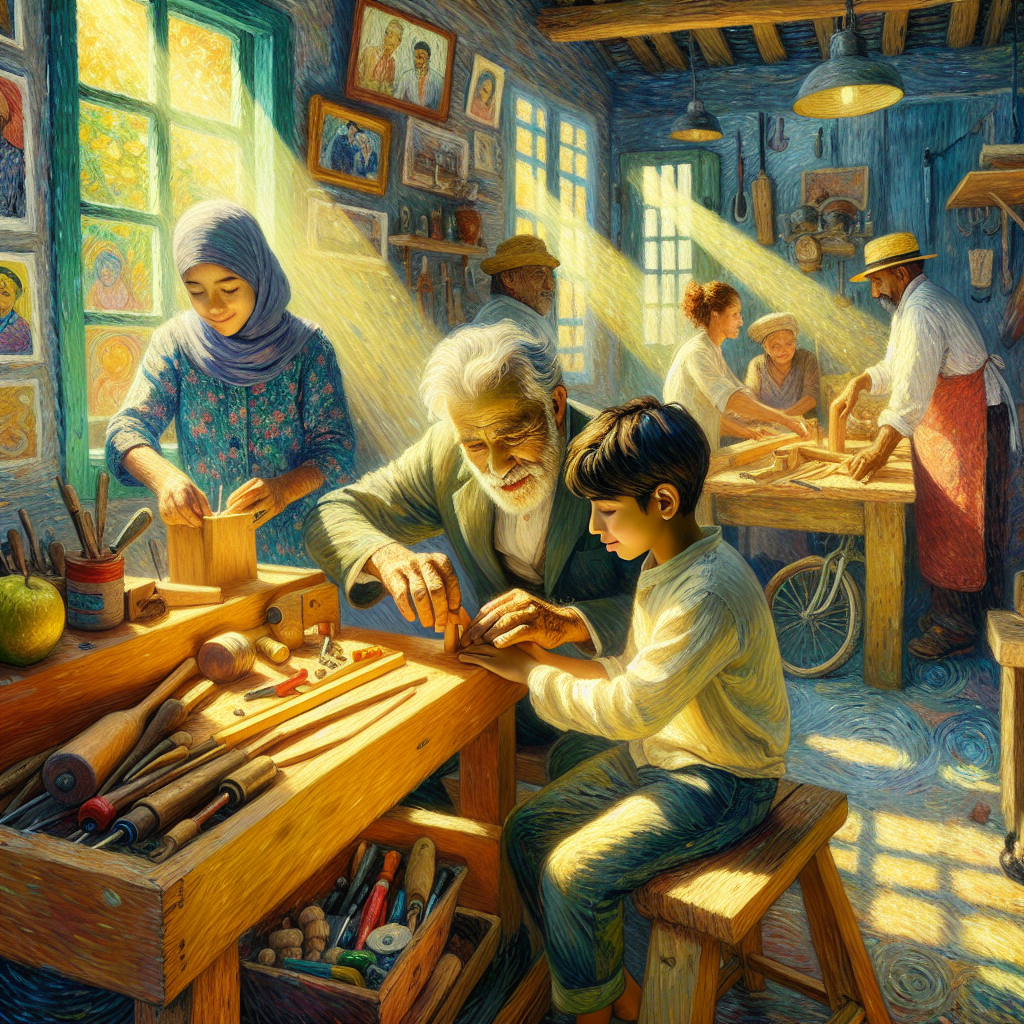
In the rush of our modern world, technology flings open doors to immense knowledge and connectivity. Yet, as we revel in the conveniences of smartphones and social media, we often overlook what we leave behind—our cultural roots. The essence of our identity, shaped through generations, is tethered to the age-old practice of legacy storytelling. This tradition is more than just a way of sharing tales; it’s how we pass down lessons, values, and the very core of who we are.
Picture a family gathered around a fire, sharing narratives of ancestors, struggles, and triumphs. These stories not only bind us together but also establish a shared identity that travels through time. Each account weaves a tapestry of our collective experience. In contrast, today’s rapid-fire texting and fleeting TikTok clips risk diluting this profound connection. They offer a thrill but often lack the depth that keeps heritage alive.
Consider the ethical implications. When we consume content from a global perspective, we might inadvertently trivialize our local stories. The prioritization of viral trends over traditional wisdom underscores a shift away from meaningful interaction to a more superficial consumption of culture. The authority lying within our grandparents’ lived experiences is overshadowed by polished narratives crafted by influencers, leading to a cultural vacuum where the authenticity of our past is replaced by a mere echo of trends.
Rationally, it’s easy to see the benefits of technology. Access to information is at our fingertips, allowing us to broaden our perspectives. But this flood of data can lead to a disconnect—a dilution of cultural practices that don’t fit neatly into a digital format. How many rituals, songs, and storytelling traditions will fade into obscurity when the attention span shrinks?
This is not just a theoretical issue; it’s a societal one. As we chase the latest gadget or app, we invite a subtle erosion of our cultural landscape. Our narratives deserve to be celebrated, not shelved for the next big thing. The act of embracing and sharing our heritage is not merely nostalgia; it’s a call to arms. By valuing legacy storytelling, we foster a sense of belonging and continuity that technology alone cannot replicate.
We stand at a crossroads. Our choices today shape the cultural legacy we leave tomorrow. Let’s honor our roots, cherish our stories, and weave them into the digital fabric of our era, ensuring that technology becomes a bridge rather than a barrier to our shared humanity.
How Does Technology Contribute to Cultural Erosion?
How Does Technology Contribute to Cultural Erosion?
- Technology offers immense knowledge and connectivity but can overlook cultural roots.
- Legacy storytelling is crucial for passing down lessons and shaping identity.
- Modern communication methods, like texting and social media, risk diluting deep cultural connections.
- Consumption of global content may trivialize local stories and wisdom.
- The authority of lived experiences may be overshadowed by polished narratives from influencers.
- There is a risk of cultural dilution due to the rapid pace of technological advancement.
- Embracing heritage storytelling fosters belonging and continuity beyond technology’s reach.

How Does Technology Contribute to Cultural Erosion?
What Role Does Empathy Play In Understanding Cultural Loss?
Cultural loss isn’t just a statistic; it’s a legacy, a storytelling woven through generations that shapes our identities. When a community loses its traditions, languages, and customs, it’s not just history slipping away—it’s a piece of the very fabric that holds people together. To grasp the magnitude of this loss, we must first lean into empathy. It’s the bridge that connects our experiences, allowing us to feel the weight of what’s been lost, even if it’s not our own.
Picture a family gathering, where stories echo across generations. There, the old ways are honored, their significance sewn into the laughter and tears shared over a meal. This isn’t simply nostalgia; it’s the heartbeat of a culture. When those stories fade, the threads connecting us to our past and to one another fray. Recognizing the depth of this loss requires us to put ourselves in others’ shoes, to see through their eyes, and appreciate their pain and pride. Empathy engages our emotions, tapping into a fundamental human desire to belong and understand.
But it’s more than just feeling; it’s rational. Understanding that when one culture diminishes, we all lose a piece of the mosaic that defines humanity enriches our collective identity. Cultural diversity offers a wealth of insights—each unique story offers a lesson, an alternative perspective. When empathy leads, we expand our horizons, fostering a society that values inclusivity and respect.
Ethically, acknowledging cultural loss calls us to action. When we empathize with what others have endured, we recognize our responsibility to preserve these legacies. This isn’t merely about honoring the past; it’s about taking concrete steps today to keep these vibrant narratives alive for future generations. Engaging in legacy storytelling becomes a powerful act of respect, one that demands our moral attention.
Moreover, consider the role of community. When we share these stories, we reinforce social bonds and inspire others to participate in preserving their cultures. It’s a movement—imagine communities coming together, not just to mourn what’s lost, but to celebrate what can be saved. In this way, our empathy transforms from mere understanding into a catalyst for action, weaving a narrative of resilience and collaboration.
Ultimately, empathy isn’t just about feeling; it’s about forging connections that inspire trust and instigate change. Embracing our shared humanity allows us to retain these cultural treasures, ensuring the legacy storytelling continues, binding us together in the rich fabric of life.

What Role Does Empathy Play In Understanding Cultural Loss?
What Role Does Empathy Play In Understanding Cultural Loss?
- Cultural loss shapes identities and is a vital part of community heritage.
- Empathy is essential to understanding the impact of losing traditions and languages.
- Stories shared across generations reinforce cultural significance and connection.
- Recognizing cultural loss enhances our collective identity and values diversity.
- Preserving legacies and engaging in storytelling is a moral responsibility.
- Community involvement in sharing stories fosters resilience and collaboration.
- Empathy can drive actionable change and strengthen social bonds.

What Role Does Empathy Play In Understanding Cultural Loss?
Conclusion
In “The Culture of Vanishing,” Tom Seest highlights the profound importance of legacy storytelling amidst a fast-paced world that often forgets the stories and values that define us. Our modern lives can overshadow our roots, leading to a collective forgetfulness of the experiences that shape our identities and communities. This book serves as a heartfelt reminder that personal narratives, much like the ones shared by our grandparents, are vital threads in the tapestry of family and cultural history. They embody lessons of resilience, empathy, and connection that technology and social media cannot replicate.
As we race towards a future dominated by convenience, the risk of erasing our traditions and communities becomes alarmingly real. The fading art of craftsmanship and personal storytelling reflects a troubling trend where we prioritize speed over substance, robbing future generations of essential insights from those who came before us. The ethical imperative to preserve these narratives can’t be understated; they belong not only to the tellers but to the broader community, fostering inclusivity and understanding.
Belonging plays a significant role in our lives, shaped by the complex structures of society that influence how we connect with one another. When cultures begin to fade, they take with them rich tapestries of stories that include not just triumphs but also the lessons borne from struggles. Each lost story is a missed opportunity to understand ourselves and each other more deeply, weakening the collective wisdom that guides us. Through legacy storytelling, we have the power to reclaim and preserve those narratives, ensuring that individual voices do not fade into silence.
Technology, while offering incredible connectivity, can also contribute to cultural erosion. As we consume content that often prioritizes immediacy over authenticity, our local stories risk being drowned out by the noise of the digital age. Yet, by engaging with and sharing our histories, we transform our personal pasts into a communal legacy, one that honors the intricate fabric of our shared humanity.
Ultimately, empathy is essential in understanding and preserving cultural narratives. When we connect through stories, we engage not just with the messages but with the emotions and experiences that give those stories life. This engagement fosters a sense of responsibility to ensure that marginalized voices are amplified, enriching our society with the full spectrum of human experience. Let us embrace the call to action outlined in Seest’s work, prioritizing the narratives that bind us and shaping a future where everyone’s story finds its rightful place, creating a legacy vibrant enough to endure the test of time.

Conclusion
Conclusion:
- Tom Seest emphasizes the significance of legacy storytelling in “The Culture of Vanishing,” highlighting its role in preserving personal narratives.
- Modern life risks overshadowing our roots, leading to collective forgetfulness of the experiences that shape our identities.
- The book stresses that personal narratives are essential threads in family and cultural history, embodying resilience and connection.
- There is an ethical imperative to preserve these narratives for the broader community, fostering inclusivity and understanding.
- The fading of cultures results in lost stories and missed opportunities for deeper understanding of ourselves and others.
- While technology connects us, it also risks cultural erosion by prioritizing immediacy over authenticity.
- Engaging with our histories transforms personal pasts into a communal legacy, enriching society with diverse human experiences.

Conclusion
Other Resources

Other Resources
Here is a list of other resources you can review online to learn more:
- deviantART
- WishesKeeper
- Funeral Finder
- MyHeritage
- USLegalWills.com
- MyWishes
- StoryCorps
- Personal Legacy Advisors
- Is There A Need To Pay For Copyrighting Services For Personal Or Family Legacy Stories?
- Meminto
- 23AndMe
- Willmaker
- Can Telling and Preserving Personal or Family Legacy Stories Be Therapeutic?
- EverLoved
- Tributize
- LegalZoom
- UpCounsel
- RootsMagic
- AmericanAncestors
- LifeSite
Use This Prompt To Get More Resources With Your Favorite Online AI Tool: Please provide me with a list of online articles with their URLs in a bulleted list that I can read regarding The Culture Of Vanishing

Other Resources
Glossary Terms
The Culture Of Vanishing – Glossary Of Terms
1. Absence: The state of being not present, often relating to the loss of cultural elements.
2. Amnesia: A condition characterized by a loss of memory, reflecting the forgetting of cultural practices.
3. Assimilation: The process by which individuals or groups adopt the cultural traits of another group, often leading to the loss of original traditions.
4. Cultural Heritage: The legacy of physical artifacts and intangible attributes of a group passed down generations.
5. Displacement: The forced movement of individuals from their home or community, often leading to cultural erosion.
6. Erasure: The selective removal of cultural memories or identities from collective consciousness.
7. Fade: The gradual decline in prevalence or recognition of cultural practices over time.
8. Fragmentation: The process of breaking down cultures into smaller, often disconnected components that lose their cohesive identity.
9. Genocide: The deliberate and systematic extermination of a cultural or ethnic group, resulting in the loss of their cultural identity.
10. Heritage Loss: The diminishing of cultural traditions or artifacts due to neglect, modernization, or conflict.
11. Imperialism: A policy of extending a country’s power through colonization, often forcing local cultures into decline.
12. Indigenous Knowledge: Traditional practices and knowledge systems of native cultures that are at risk of disappearing.
13. Marginalization: The process of relegating a culture to a lower status or importance in society, often contributing to its extinction.
14. Memory: The faculty of remembering cultural practices and histories that are at risk of being forgotten.
15. Neoliberalism: An economic philosophy that can contribute to cultural homogenization, often at the expense of local traditions.
16. Preservation: The act of maintaining and protecting cultural practices and artifacts from deterioration or loss.
17. Revitalization: Efforts to revive and strengthen a culture that has been diminished or endangered.
18. Ritual: A ceremonial act that may be at risk of vanishing due to societal changes.
19. Scarcity: The condition of being in short supply, often applicable to cultural resources or practices.
20. Segregation: The enforced separation of cultural groups, leading to the weakening of cultural identity.
21. Survival: The ongoing existence of cultural practices despite efforts for their eradication.
22. Sustainability: Practices aimed at maintaining cultural diversity and heritage for future generations.
23. Tradition: The transmission of customs or beliefs from generation to generation, often threatened by modernity.
24. Transformation: The process of change in cultural practices, which can lead to dilution or loss.
25. Transience: The state of lasting for only a short time, often applied to fleeting cultural practices or moments.
26. Unity: The state of being united or forming a whole, which can be difficult to achieve in fragmented cultures.
27. Vanguard: A group of people leading the way in new ideas or practices, sometimes at odds with traditional cultures.
28. Veneration: Great respect or reverence for cultural practices, potentially declining in contemporary society.
29. Vulnerability: The state of being exposed to the possibility of cultural loss or harm.
30. Youth Culture: The norms, values, and practices of young people that can overshadow traditional cultural expressions.

Glossary Of Terms
Other Questions
The Culture Of Vanishing – Other Questions
If you wish to explore and discover more, consider looking for answers to these questions:
- What specific stories, languages, or traditions in my community are most at risk of vanishing?
- How can an individual begin collecting and recording legacy stories with limited resources?
- What ethical guidelines should be followed when documenting and sharing someone else’s story?
- How do we obtain informed consent and ensure respectful representation of contributors?
- Which low-cost tools and technologies are best for preserving oral histories and artifacts?
- How can schools and educational institutions incorporate legacy storytelling into curricula?
- Which organizations, archives, or museums can partner with communities to preserve heritage?
- How can marginalized communities be empowered to lead their own preservation efforts?
- What funding models and grants exist to support long-term cultural preservation projects?
- How can digital archives be made accessible, secure, and sustainable over time?
- What are effective methods for preserving stories told in endangered or minority languages?
- How can we verify the authenticity and provenance of collected narratives?
- How do we avoid cultural appropriation while sharing and amplifying others’ stories?
- How can younger generations—accustomed to short-form digital content—be engaged in deeper legacy storytelling?
- What role should social media play in preserving versus diluting cultural narratives?
- How can technology be used as a bridge rather than a barrier to authentic intergenerational connection?
- What legal issues surround ownership, copyright, and control of oral histories and personal archives?
- How can communities measure the impact and success of preservation and storytelling initiatives?
- Are there notable case studies where communities successfully reversed cultural erosion?
- How can empathy be taught or cultivated to motivate people to preserve cultural legacies?
- What psychological or social benefits do individuals and communities gain from legacy storytelling?
- How can nonverbal traditions—crafts, rituals, music, dances—be documented and taught to new generations?
- What roles should local and national governments play in protecting and funding cultural heritage?
- How do migration, urbanization, and globalization accelerate cultural loss, and how can those trends be mitigated?
- Who decides which stories are preserved, and how can selection be made inclusive and community-led?
- How can archives be designed to reflect internal diversity and avoid flattening complex histories?
- What are best practices for preserving analog materials like photos, letters, and tapes?
- How can privacy and emotional safety be ensured when sharing sensitive or traumatic personal histories?
- How quickly can cultural elements fade—what constitutes a real emergency for intervention?
- What immediate actions can any person take today to help stop the culture of vanishing?
- How can intergenerational storytelling be sustained in families and communities with fractured ties?
- How can businesses, media, and influencers responsibly support legacy storytelling without exploitation?
- What metrics indicate a culture’s narratives are thriving rather than merely being archived?
- How can communities balance celebrating heritage with critically confronting past harms embedded in some traditions?

Other Questions
Haiku
The Culture Of Vanishing – A Haiku
Lost tales fade away,
Threads of culture intertwine,
Echoes call us back.

Haiku
Poem
The Culture Of Vanishing – A Poem
In a world that rushes, we fade away,
Lives forgotten in the bright display.
Yet woven deep in stories shared,
Are threads of wisdom, love, and care.
We gather close, hear tales of yore,
Of triumphs, struggles, heartache, and more.
In every voice, a legacy sings,
Binding us together through all lifes swings.
Craftsmanship lost to the speed of life,
The warmth of connection cut by strife.
But let us pause, take a step back,
Reclaim our stories from the shadows black.
Each narrative holds a lesson to tell,
Of who we are, where we dwell.
In the rush for progress, let’s not forget
The power of memories that anchor, beget.
Ethics demand we preserve the past,
For in shared experiences, connections last.
Diversity thrives when each voice is heard,
In the symphony of life, we share every word.
Empathy guides in this cultural race,
Understanding loss gives us a place.
Together we share, we rise, and we stand,
Crafting a future with a history planned.
So gather the stories, let them unfold,
The hearts of the forgotten, the truths to be told.
In the tapestry of life, each thread we spin,
We honor our past, and a new story begins.

Poem
Checklist
The Culture Of Vanishing – A Checklist
Emotional Appeals
✅______ Reflect on personal stories from your family and community that resonate with you.
✅______ Share a cherished memory with a friend or family member to foster connection.
✅______ Engage in activities that encourage the sharing of emotions, like storytelling nights.
Rational Appeals
✅______ Set aside regular time to reflect on and document your life stories.
✅______ Create a family tree or heritage project that links past and present.
✅______ Attend workshops or seminars on storytelling to learn techniques for effective narration.
Ethical Appeals
✅______ Commit to listening to and sharing the stories of marginalized voices in your community.
✅______ Advocate for initiatives that promote cultural preservation and storytelling.
✅______ Consider your personal responsibility in passing on narratives that shape society.
Authority Appeals
✅______ Read books or articles from respected authors and cultural historians on legacy storytelling.
✅______ Participate in community dialogues or panels focusing on cultural preservation.
✅______ Follow organizations dedicated to preserving local histories and cultural practices.
Narrative Appeals
✅______ Write or record your personal narrative to share with future generations.
✅______ Collect stories from elders within your community to create a local narrative archive.
✅______ Craft a family history booklet that captures the essence of your heritage.
Social Appeals
✅______ Form a group with friends or family to regularly share and document stories.
✅______ Participate in community storytelling events to amplify diverse narratives.
✅______ Promote storytelling initiatives on social media to broaden outreach and engagement.

Checklist
At LegacyExplorations, we help people plan and explore their legacy by collecting information and news regarding end-of-life planning.
Please share this post with your friends, family, or business associates who may want help to plan or explore their legacy.