

When Love Fades: A Tale Of Loss, Longing, And New Beginnings
By Tom Seest
At LegacyExplorations, we help people plan and explore their legacy by collecting information and news regarding end-of-life planning.
Please share this post with your friends, family, or business associates who may want help to plan or explore their legacy.
The Day the Dates Disappeared
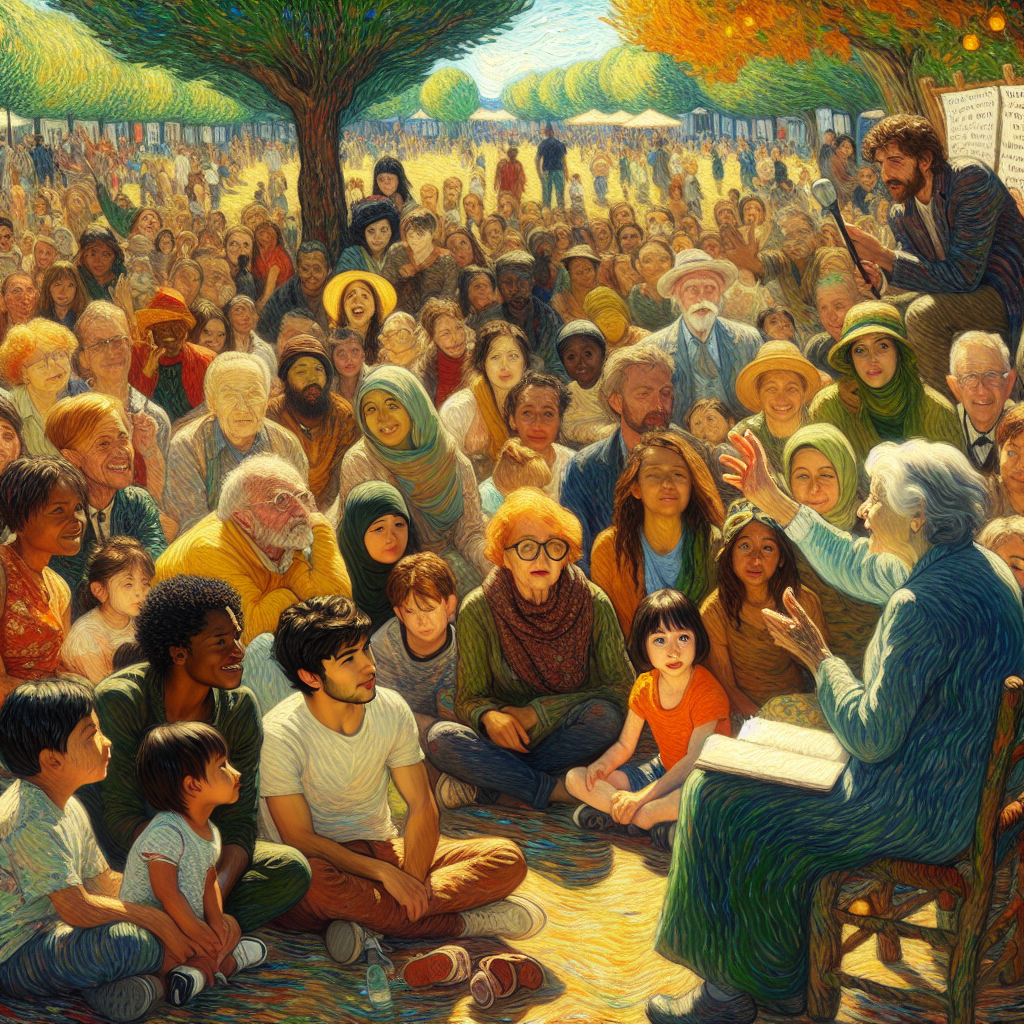
In a world that moves faster than a blink, it’s easy to overlook the everyday miracles surrounding us. Yet, on that fateful day when the dates disappeared, we were forced to pause, reflect, and confront the fragility of our lives. Picture an ordinary community, bustling with the sound of laughter, the aroma of shared meals, and the vibrant tapestry of human connection. Dates, those small but mighty symbols of celebration and togetherness, were not just fruits; they represented our legacy.
Legacy storytelling is a powerful tool that connects generations, weaving threads of history into the fabric of our lives. When the dates vanished, it wasn’t just a matter of missing produce; it was the collapse of moments that bound us together. Family traditions built around sweet treats, potlucks, and the simple pleasure of sharing food were suddenly at risk. How could we celebrate, remember, or honor our past without those small tokens of joy?
With every passing hour, the anxiety grew. The rational mind grappled with a simple truth: our reliance on what seems insignificant could actually lead to profound outcomes. Without those dates, gatherings felt incomplete, celebrations lacked their heart, and memories threatened to fade into silence. A fruit so small became a mighty metaphor for the abundance we often take for granted.
Yet, amid this uncomfortable void, an opportunity arose—an invitation to dig deeper into our connections. Ethically, we were challenged to confront our dependence on convenience. What does it mean to be a member of a community that relies on seasonal, local produce? As we leaned on each other, our compassion flourished. Neighbors shared recipes, forged new traditions, and from scarcity sprung innovation—the kitchen became a classroom, and stories flowed like the finest wine.
The street corners buzzed with conversation, as friends rallied together in the face of this challenge. Within that collective effort, bonds were strengthened, and trust grew—each individual contributing their part to restore our celebrations. That day didn’t just highlight what we lost; it illuminated the resilience that lives within us. The dates may have disappeared, but in their absence, a richer narrative emerged, one that revealed the strength of community, the importance of sharing, and the beauty that lies in even the simplest of fruits. Through this experience, we learned that a legacy is not solely built on possessions but on the stories we share, the connections we forge, and our unwavering spirit to celebrate life, together.
The Day the Dates Disappeared
The Day the Dates Disappeared
- The disappearance of dates forced a community to pause and reflect on life’s fragility.
- Dates symbolize celebration and togetherness, representing the community’s legacy.
- Legacy storytelling connects generations and preserves shared history.
- Missing dates highlighted the emotional impact of shared family traditions and celebrations.
- The absence of dates prompted a deeper examination of reliance on local, seasonal produce.
- Community bonds strengthened as neighbors shared recipes and created new traditions.
- This experience reinforced the idea that legacy is built on shared stories and connections, not material possessions.

The Day the Dates Disappeared
Table Of Contents
- The Day the Dates Disappeared
- What Would You Do If Memories Suddenly Vanished?
- How Would You Cope with Loss Of Time?
- Are We Defined By Our Past Experiences?
- What Does the Absence Of Dates Teach Us About Connection?
- How Do You Emotionally Navigate Uncertainty In Life?
- Can Nostalgia Guide Our Future Decisions?
- What Ethical Dilemmas Arise From Erasing Memories?
- Conclusion
- Other Resources
- Glossary Of Terms
- Other Questions
- Haiku
- Poem
- Checklist
What Would You Do If Memories Suddenly Vanished?
Imagine waking up one day and discovering that the intricate tapestry of your life had unraveled overnight. Memories that once shaped your identity, built your relationships, and colored your experiences have simply evaporated. It’s a chilling thought—this vacuum where your past should reside. What would you do? How would you reconstruct a sense of self when the cornerstone of your identity has vanished?
We often underestimate the weight of our memories, treating them as mere snapshots in an album. Yet, they are more than just moments; they are threads, weaving together our legacy. They tell a story, a narrative that shapes our choices, our values, and the ethical frameworks we navigate life with. The absence of these memories would not just confuse our sense of self; it would send ripples through our connections with others. Would your friends still laugh at inside jokes? Would your loved ones still feel that bond of shared experiences? These questions gnaw at the gut, reminding us how vital shared stories are to our social fabric.
In a world where experiences define us, we must cultivate an awareness of the memories we create. Legacy storytelling becomes crucial here—it’s not just about the events that transpire; it’s about how we choose to narrate them. Engaging in storytelling can serve as an antidote to loss. By recounting our experiences, we map a path back to ourselves and invite others into our journey, fostering connection even in the face of forgetfulness.
Rationally speaking, the brain craves narrative. It craves the structure of a good story; it’s how we process the chaos around us. When memories fade, the vacuum can be filled with the rich tapestry of new stories that we weave together, enriching our lives with every thread we add. Isn’t that a testament to human resilience?
Be proactive. Capture your stories while you still can. Encourage conversations that matter. Share your knowledge and wisdom. Write down your experiences for future generations, allowing them to glimpse the legacy you’ve built. This call to action not only empowers you but inspires others to reflect on their stories and remember that each moment contributes to the whole.
Ultimately, we’re all in this journey together, bound by the narratives we share. So, whether your memories are intact or a distant echo, continue to build a legacy that speaks to the heart, head, and gut, one story at a time.
What Would You Do If Memories Suddenly Vanished?
What Would You Do If Memories Suddenly Vanished?
- Waking up to a loss of memories can disrupt one’s sense of self and identity.
- Memories are essential threads that weave our personal legacy, shaping our choices and values.
- The absence of memories impacts relationships and connections with others.
- Legacy storytelling is essential for recounting experiences and fostering connections.
- The brain seeks narrative to understand and process life’s chaos.
- Documenting stories can empower individuals and inspire future generations.
- Building a legacy through shared narratives enriches the human experience.

What Would You Do If Memories Suddenly Vanished?
How Would You Cope with Loss Of Time?
How Would You Cope with Loss of Time?
When we grapple with the loss of time, it’s more than just a fleeting moment; it’s the weight of a legacy. Each tick of the clock marks not only what we’ve achieved but also what we’ve yet to accomplish. Life presents a series of interruptions—some trivial, while others feel like a freight train crashing through our well-laid plans. How we respond defines not only our individual journey but also the legacy we leave behind.
Consider this: each of us carries a story, a narrative woven together by our experiences. These aren’t merely memories; they form the fabric of our identities. Loss of time, whether from missed opportunities, sudden changes, or even regret, can trigger a profound introspection. It invites us to ask ourselves: What truly matters? This is where the power of storytelling can become a tool for healing. Embrace the moments where time slipped away and tell your story—not just to yourself but to those who matter. Sharing these experiences can resonate with others, forging connections that span beyond mere words.
Rationally, we know that time cannot be reclaimed. But we can redirect that loss into something impactful. Every moment missed is a chance to refocus on what brings us joy and fulfillment. It could be spending more time with loved ones, pursuing forgotten passions, or seizing new opportunities that once seemed unattainable. In the grand narrative of life, it’s not the minutes logged that matter; it’s the richness of experiences we accumulate.
Ethically, we owe it to ourselves and those around us to adapt. Consider how loss can motivate personal growth or provoke collective action. When faced with the awareness of time’s preciousness, we can build a community that supports each other’s journeys. In times of personal loss, rally around shared stories of resilience. This not only cultivates compassion but can also inspire others to navigate their obstacles.
Feeling the gut punch of lost time is a universal experience. The struggle can fuel powerful emotional responses, turning sorrow into strength. Let’s honor our stories, acknowledge our struggles, and transform our loss into a legacy of hope and connection. Remember, every moment that feels lost can be the springboard for a richer narrative ahead. Time is fleeting, but together, we can create something timeless. Embrace it. Embrace your story. Embrace the journey.
How Would You Cope with Loss Of Time?
How Would You Cope with Loss Of Time?
- The loss of time carries significance beyond fleeting moments; it impacts our legacy.
- Interruptions in life can define our journey and the legacy we leave behind.
- Each person’s narrative is shaped by experiences, presenting opportunities for introspection.
- Storytelling can be a healing tool to share and connect with others about lost time.
- Redirecting loss into meaningful experiences can enhance joy and fulfillment.
- Community support and shared resilience can stem from recognizing the value of time.
- Transforming feelings of loss into a legacy of hope can lead to richer narratives.

How Would You Cope with Loss Of Time?
Are We Defined By Our Past Experiences?
Every person carries a legacy, a unique tapestry woven from threads of past experiences. This legacy shapes who we are yet does not confine us. Picture a young boy, his childhood marred by struggles, yet he grows into a man who dedicates his life to helping others navigate the rocky terrain of their own histories. His story becomes a testament to resilience, proving that while experiences mold us, they do not have the final say in our narrative.
Consider the concept of storytelling. Stories are not merely recounts of events; they are the very foundation upon which we build our identities. An individual’s narrative holds significant weight, resonating in the hearts of those who hear it. When we share our stories, we foster connection, revealing the shared struggles and triumphs that bind us together. This is where ethical appeal emerges: our past experiences provide lessons and insights that can guide others, cultivating a sense of community and shared humanity.
Rationally, our past shapes our worldview, influencing choices and behaviors. We learn from mistakes, adapt from failures, and draw strength from victories. Yet, this doesn’t imply that one must be shackled to their history. Individuals have the power to rewrite their stories, to break free from limiting beliefs. Every moment offers a chance for reinvention, a refreshing dawn that encourages growth beyond the shadows of yesterday.
Emotionally, engaging with our past can be cathartic. The rawness of experience taps into our gut, igniting passions and stoking flames of purpose. When we acknowledge our histories, we embrace the entirety of ourselves, the broken pieces and the victories. This embrace is not weakness; it’s the foundation of authentic strength, a truth that others recognize and appreciate.
Let’s not overlook the social appeal—a reminder that we are never alone in our journeys. The struggles shared in communities, the unspoken bonds formed through mutual understanding, create an environment where vulnerability is met with respect and solidarity. When we come together to share our legacies, we empower one another, crafting a future where past experiences fuel ambition rather than dictate our paths.
Ultimately, while our past experiences inform our legacy, they don’t define us. They serve as stepping stones, paving the way to a richer, more nuanced story—one that inspires trust, confidence, and brave action in the journey ahead.

Are We Defined By Our Past Experiences?
Are We Defined By Our Past Experiences?
- Every person has a unique legacy shaped by past experiences, which influences identity but does not define it.
- A young boy’s struggle can lead to a life dedicated to helping others, showcasing resilience.
- Storytelling is fundamental to identity, fostering connections through shared experiences.
- Past experiences provide insights that can guide others, promoting community and shared humanity.
- Individuals can rewrite their stories and break free from limiting beliefs, allowing for personal growth.
- Engaging with one’s past can be cathartic, embracing both victories and struggles as sources of strength.
- Sharing legacies creates solidarity within communities, empowering each other to shape future paths.

Are We Defined By Our Past Experiences?
What Does the Absence Of Dates Teach Us About Connection?
In a world obsessed with timestamps, the absence of dates in our narratives can reveal profound truths about connection. Picture a life story told through milestones: births, graduations, weddings, and all those neatly packaged moments rushing by. Yet, when we strip away those dates, we find ourselves left with the essence of experience—raw and unfiltered. Here, the pulse of our legacy storytelling thrives, transcending the logistics of time. It invites us to embrace the moments that truly define us, forging deeper connections with those around us.
Without the strict confines of a calendar, we’re freed to explore the richness of human experience. Think about the conversations that linger long after they’ve ended, resonating in your gut like the echo of a well-timed punchline. Those are the stories that shape our society—the laughter shared over a cup of coffee, the comforting silence between friends, or the unsung heroics of a neighbor lending a hand. These moments may not be marked on a timeline, but they etch themselves into our minds and hearts, creating a tapestry of connection that dates simply cannot capture.
Moreover, when we move beyond the superficial markings of time, we start to honor the ethical bonds that hold us together. We recognize that relationships aren’t defined by when they began, but by the trust built over countless interactions: the late-night talks, the tears shed, the victories celebrated. This perspective shifts our focus from what we’ve accomplished by certain ages to who we’ve become through the richness of shared existence. Authority is not derived from a birth date; rather, it stems from lived experience and the wisdom gleaned from connection.
By embracing the absence of dates, we learn the importance of narratives that resonate beyond the clock. They deepen our understanding of one another, reminding us that every exchange is an opportunity to foster connection. Stories thrive when they are relatable—each of us carries fragments of our own history, waiting to be blended into the collective narrative of humanity. Each retelling is a dance, an invitation to bridge the gap between strangers and friends, ensuring that our stories remain alive and vibrant.
In essence, the absence of dates teaches us that while time may shape our lives, it is connection—and the stories we share—that truly gives our lives meaning. Dwelling in that space opens pathways to trust, confidence, and action, inspiring us to cherish the present and each other in ways that transcend temporal boundaries.

What Does the Absence Of Dates Teach Us About Connection?
What Does the Absence Of Dates Teach Us About Connection?
- The absence of dates in narratives highlights deeper connections beyond timestamps.
- Stripping away dates reveals raw, unfiltered experiences that define us.
- Human experience’s richness is explored without strict calendar confines.
- Conversations and shared moments shape society, transcending timelines.
- Relationships are built on trust and shared experiences, not mere chronological markers.
- Narratives resonate beyond the clock, fostering deeper understanding and connection.
- Ultimately, connection and shared stories give life true meaning beyond temporal boundaries.

What Does the Absence Of Dates Teach Us About Connection?
How Do You Emotionally Navigate Uncertainty In Life?
Life often feels like a winding road, full of unexpected turns and bumps that we never saw coming. In those moments of uncertainty, it’s crucial to lean into our emotions rather than shy away from them. Embracing uncertainty isn’t just an exercise in coping; it’s a powerful act of storytelling—your legacy storytelling—that shapes who you are and how you relate to the world.
Consider the concept of uncertainty as a companion, not a foe. While it can spark anxiety, it also invites growth. When we grapple with the unknown, we gain the chance to reevaluate our values. We question what truly matters, allowing us to anchor ourselves in the present, grounded in our own narrative. It’s here that the heart enters the equation. Emotions—raw, genuine feelings—fuel our storytelling. Sharing our fears and hopes builds connections with those around us, as we find commonality in our struggles.
By tapping into your head—the analytical part of you—explore the facts. Knowledge is a powerful antidote to fear. Research shows that understanding potential outcomes, even when bleak, can pave the way for informed decision-making, which offers a sense of control amid chaos. It’s about balancing emotion with reason: feeling the weight of uncertainty while simultaneously dissecting it.
Ethically, it’s important to recognize that everyone faces uncertainty. This shared human experience fosters compassion and understanding. Your story, your fears, and your triumphs might resonate deeply with others navigating similar paths—a reminder that vulnerability is strength. This fosters community, even in the face of personal turmoil.
Harnessing your narrative is essential, too. Each uncertain moment can add layers to your story, rich with lessons learned and resilience gained. Remember those stories that brought you joy or sorrow; use them as a guiding force. Your legacy is built through these experiences.
Finally, engage your gut. Trust that instinctive, visceral feeling when confronted with choices. Sometimes, it’s about making a leap based on what feels right. It’s not always rational, but you’re not just a machine processing information.
Navigating uncertainty is an art, requiring courage, introspection, and connection. Remind yourself that every twist and turn is part of a greater narrative—one worth sharing, one that forms the foundation of your legacy. Embrace it.

How Do You Emotionally Navigate Uncertainty In Life?
How Do You Emotionally Navigate Uncertainty In Life?
- Life resembles a winding road, characterized by unexpected turns and uncertainties.
- It is essential to lean into emotions during uncertain times, as this shapes personal storytelling and legacy.
- Uncertainty can be viewed as a companion that encourages growth and self-evaluation of values.
- Emotions fuel storytelling, allowing connections through shared fears and hopes.
- Balancing analytical thinking with emotions can provide control and informed decision-making amidst chaos.
- Recognizing shared uncertainty fosters compassion and community, reinforcing that vulnerability is a strength.
- Each uncertain moment contributes to personal stories, guiding legacy building through lessons and resilience.

How Do You Emotionally Navigate Uncertainty In Life?
Can Nostalgia Guide Our Future Decisions?
Nostalgia isn’t just a warm fuzzy feeling; it’s a powerful compass that can guide us in shaping our futures. Think about the stories we grew up hearing—legacy storytelling that weaves memories into the fabric of who we are. These tales, passed down through generations, serve not only as reminders of where we came from, but as beacons of possibility for where we might go. When we reflect on our past, we’re not just reminiscing; we’re accessing a treasure trove of lessons learned and shared experiences that can inform our decisions today.
In a world filled with noise and uncertainty, nostalgia offers a chance to reconnect with our values. It brings forth a sense of identity and belonging, taming the chaos by grounding us in what truly matters. This isn’t merely about looking back; it’s about harnessing those cherished memories to craft a vision for the future. Every individual has stories that define their legacy, and it’s these narratives that can illuminate our path forward.
When we draw on our emotional ties to the past, we also engage our rational selves. Each story holds insights and reflections that can easily be applied to contemporary challenges. Consider the lessons your grandparents imparted, the struggles they endured, and the victories they celebrated. Such experiences, rich with emotion and life lessons, can inspire us to tackle our current dilemmas with renewed vigor. By pondering these moments, we not only pay homage to our history, but we also unlock knowledge that empowers our choices today.
It’s also about connection—reaching out to others and sharing our stories fosters a community. In recognizing the universality of nostalgia, we tap into shared human experiences. This social appeal strengthens our ties to one another, encouraging collaboration and understanding. When we share our narratives, we find common ground, a collective wisdom that enhances our pursuit of a better tomorrow.
Let nostalgia be more than just a feeling; let it fuel our decisions and aspirations. By engaging our hearts, minds, and instincts, we can turn past reflections into future actions. The stories we tell shape our legacy, reminding us that while we cannot change the past, we have the power to guide our futures with the lessons woven into our memories. Embrace the past, for it can illuminate the road ahead.

Can Nostalgia Guide Our Future Decisions?
Can Nostalgia Guide Our Future Decisions?
- Nostalgia serves as a powerful compass for shaping our futures.
- Legacy storytelling weaves memories into our identities and highlights our potential paths.
- Reflecting on the past provides valuable lessons and informs current decisions.
- Nostalgia fosters a sense of identity and belonging amid uncertainty.
- Emotional ties to the past engage rational thinking, offering insights for contemporary challenges.
- Sharing stories builds community and encourages collaboration through shared experiences.
- Nostalgia can fuel decisions and ambitions, guiding future actions with lessons from our history.

Can Nostalgia Guide Our Future Decisions?
What Ethical Dilemmas Arise From Erasing Memories?
Imagine a world where we could simply hit a reset button on our minds, erasing painful memories as effortlessly as deleting a file from a computer. It sounds tempting, doesn’t it? The allure of a life unburdened by regret and heartache is powerful. Yet, at what cost do we pursue such an enticing option? Erasing memories, while providing immediate relief, carries profound ethical dilemmas that resonate on emotional, rational, and societal levels.
Consider the legacy of our experiences. Our memories shape who we are, weaving a rich tapestry of lessons learned and trials faced. They offer a narrative that connects generations, a form of legacy storytelling that passes wisdom down through families and communities. To erase them is to sever that thread, to rob future generations of the stories that provide context and understanding of human resilience. When we forget our past, we risk repeating it.
On a rational level, the implications go deeper. The mind is not just a storage unit for grievances; it contains our victories, our loves, and the moments that define us. By choosing to erase the painful memories, are we undermining the very fabric of our identity? It’s tempting to consider convenience over conscience, but as adults, we often bear a responsibility to face our truths, to endure and grow from them. This is where the ethical chasm widens.
Ethically, we must grapple with the question of autonomy. Who has the right to determine which memories are worth keeping and which are not? The decision to erase memories may be made lightly, but repercussions abound. Clinic-funded experiments could lead to exploitation, where profit motives overshadow the best interests of vulnerable individuals. Scrutinizing these motives is crucial; trust in the systems we rely on must also be maintained.
Moreover, socially, we thrive on shared experiences, building bonds through shared hardships. Our memories give us common ground to stand upon. In erasing parts of our past, do we also risk erasing empathy and connection with others? Society functions on a delicate balance of shared narratives, where each person’s story adds depth to the collective human experience.
In the pursuit of comfort and happiness, we must remain vigilant. The allure of erasing memories tempts us with simplicity, but the complexities of our humanity deserve to be honored. The stories we carry, both joyful and challenging, form the essence of who we are. Embracing this truth may just inspire a deeper connection with ourselves and each other.

What Ethical Dilemmas Arise From Erasing Memories?
What Ethical Dilemmas Arise From Erasing Memories?
- Imagining a world where painful memories can be erased like computer files raises ethical dilemmas.
- Memories shape identity and legacy, providing context and wisdom for future generations.
- Erasing memories risks undermining personal and collective identity by eliminating significant life experiences.
- Ethical considerations include who decides which memories to keep or erase, raising issues of autonomy and exploitation.
- Shared experiences and memories foster empathy and connection within society, essential for human relationships.
- The pursuit of comfort through memory erasure may simplify complex human experiences but can erode our essence.
- Embracing both joyful and challenging memories can lead to deeper self-understanding and connection with others.

What Ethical Dilemmas Arise From Erasing Memories?
Conclusion
In “The Day the Dates Disappeared,” Tom Seest captures the essence of community through an experience that highlights the fragility of human connections. The narrative serves as a poignant reminder that life’s simplicity—epitomized by the small but significant date—holds a deeper meaning in our celebrations and shared moments. The sudden vacuum left by the absence of dates forces us to confront our relationships, urging us to recognize what they signify in the grander tapestry of our lives.
When the dates vanished, it wasn’t just an inconvenience; it was a catalyst for reflection on our ties to each other and what truly anchors those connections. As gatherings became incomplete and celebrations lost their heart, the community was compelled to re-evaluate its customs and traditions—the very fabric that binds people together. This moment of loss ignited a spirit of resilience, wherein neighbors stepped up to share recipes, create new rituals, and transform their kitchens into bustling centers of creativity and camaraderie.
Seest’s work taps into the heart, head, and gut, illustrating that the essence of our memories and stories is what maintains our bonds. The emotional landscape he paints shows how absence can lead to a renaissance of interaction and collaboration, turning scarcity into innovation. By letting go of our reliance on convenience, the community learned to appreciate the richness of local, seasonal produce, nurturing compassion and collaboration.
The theme also provides an ethical reflection on our consumption and connection to the environment. Our dependence on external sources often blinds us to the local treasures around us, teaching us the value of sustainability. The story becomes a call to action, encouraging readers to engage in legacy storytelling—preserving and passing down experiences that enrich our understanding of what it means to be part of a larger community.
Through the triumphs that emerge from this loss, Seest implores us to honor our stories, recognize how they shape our identity, and embrace the emotional truth within them. In a world that often prioritizes speed and superficialities, the narrative serves as a powerful reminder: it’s the connections we forge, the traditions we uphold, and the stories we share that define us. The day the dates disappeared was a lesson not in loss, but in the unyielding spirit that unveils a deeper sense of community and belonging. Each of us holds the potential to weave our experiences into a rich legacy, reminding us that our lives are interlaced with the tales of those around us, resonating long after the moments have passed.

Conclusion
Conclusion:
- “The Day the Dates Disappeared” by Tom Seest explores the fragility of human connections.
- The absence of dates prompts reflection on relationships and their significance in our lives.
- Cancellations of gatherings promote a reevaluation of customs that bind the community together.
- The loss inspires resilience, leading neighbors to create new rituals and share recipes.
- Seest’s narrative illustrates how absence can spark innovation and collaboration.
- The story serves as a call to action for sustainability and legacy storytelling within communities.
- The narrative emphasizes that connections, traditions, and shared stories define our identities.

Conclusion
Other Resources

Other Resources
Here is a list of other resources you can review online to learn more:
- Obituary Templates
- LegalZoom
- MyHeritage
- Legacy Family Tree
- LifeSite
- How to Avoid Losing Your Family History One Generation at a Time
- Is There A Need To Pay For Copyrighting Services For Personal Or Family Legacy Stories?
- FamilySearch
- LegacyFamilyTree
- How To Write Legacy Stories That Appeal To The Heart, Gut and Head
- Directive Communication Systems
- Funeral Services Guide
- Tributes
- 23AndMe
- LastPass
- Association of Personal Historians
- FutureMe
- NoLo
- FuneralWise
- Meminto
Use This Prompt To Get More Resources With Your Favorite Online AI Tool: Please provide me with a list of online articles with their URLs in a bulleted list that I can read regarding The Day the Dates Disappeared

Other Resources
Glossary Terms
The Day the Dates Disappeared – Glossary Of Terms
1. Disappearance: The act of vanishing or becoming absent, particularly in reference to the unexpected absence of dates.
2. Sustainability: The ability to maintain ecological balance, often discussed in relation to agricultural practices.
3. Agriculture: The science and practice of farming, including cultivation of crops and rearing of animals.
4. Harvest: The process of gathering mature crops from the fields.
5. Ecosystem: A biological community of interacting organisms and their physical environment.
6. Climate Change: Long-term alterations in temperature, precipitation, and other atmospheric conditions affecting biodiversity and agriculture.
7. Cultivar: A plant variety that has been produced in cultivation by selective breeding.
8. Pollination: The transfer of pollen from male to female parts of flowers, crucial for fruit and seed production.
9. Biodiversity: The variety of life in the world, encompassing different species, genetic variations, and ecosystems.
10. Food Security: The condition in which all people have reliable access to sufficient, safe, and nutritious food.
11. Farming Practices: Techniques and methods used in agriculture, including planting, watering, and pest control.
12. Soil Health: The condition of soil in terms of its capacity to function as a living ecosystem, supporting plant growth and nutrient cycling.
13. Irrigation: The artificial application of water to soil to assist in the growing of crops.
14. Drought: An extended period of deficient rainfall relative to the statistical multi-year average for a region.
15. Pest Control: The regulation or management of a species defined as a pest, often involving chemical or organic methods.
16. Organic Farming: A method of farming that avoids the use of synthetic fertilizers and pesticides, focusing on natural processes.
17. Monoculture: The agricultural practice of growing a single crop species over a wide area for many consecutive years.
18. Agroecology: A holistic approach to farming that looks at the interactions between plants, animals, humans, and the environment.
19. Genetically Modified Organisms (GMOs): Organisms whose genetic material has been altered using genetic engineering techniques.
20. Nutrient Cycling: The movement and exchange of organic and inorganic matter back into the production of living matter.
21. Sustainable Agriculture: Farming practices that fulfill current food needs without compromising the ability of future generations to meet their needs.
22. Crop Rotation: The practice of alternating the crops grown on a particular field to improve soil health and prevent pests.
23. Fertilizer: A chemical or natural substance added to soil to increase its fertility and enhance plant growth.
24. Herbicide: A chemical used to destroy unwanted plants or weeds that compete with crops.
25. Cultural Practices: Agricultural methods and traditions that local farmers utilize based on their regional environment and culture.
26. Erosion: The process by which soil and rock are removed from the Earth’s surface and transported elsewhere.
27. Food System: The network of producers, processors, distributors, and consumers involved in the food supply chain.
28. Permaculture: A sustainable farming system that seeks to integrate human activity with natural ecosystems.
29. Climate Resilience: The ability of a system to anticipate, prepare for, and respond to hazardous events related to climate change.
30. Sourcing: The process of obtaining goods, often food products, from suppliers or local producers.

Glossary Of Terms
Other Questions
The Day the Dates Disappeared – Other Questions
If you wish to explore and discover more, consider looking for answers to these questions:
- Did the dates disappear literally (the fruit) or is their disappearance a metaphor for lost memories and traditions?
- What exactly caused the dates to vanish—environmental issues, supply-chain collapse, or a social shift?
- Was the disappearance localized to one community or did it happen across regions or the whole world?
- How did different generations respond to the loss of dates and the traditions tied to them?
- What immediate practical alternatives did people use to keep celebrations meaningful without dates?
- How were religious or ceremonial practices affected by the absence of dates?
- Could other foods or symbols successfully replace dates in cultural rituals?
- What steps can communities take to preserve traditions when original artifacts or foods are gone?
- How did storytelling function practically to rebuild community connection during the shortage?
- What concrete methods can individuals use to capture and preserve personal and family memories?
- Which formats (audio, video, written journals) are most effective for legacy storytelling?
- What are the psychological effects of suddenly losing important personal memories?
- How does erasure of memory change a person’s sense of self and relationships?
- What therapeutic approaches help people cope with sudden memory loss?
- How would large-scale memory loss affect social cohesion and shared history?
- What ethical dilemmas arise from technologies or procedures that can remove memories?
- Who should regulate memory-altering practices—governments, medical boards, or communities?
- How can we ethically balance the desire to forget trauma with the need to learn from past mistakes?
- What safeguards could prevent exploitation by clinics or companies offering memory erasure?
- How can nostalgia be used productively to guide future choices, and when does it mislead us?
- In what ways can nostalgia create distorted or idealized views of the past?
- How can individuals discern constructive nostalgia from harmful yearning?
- What practical strategies help people cope emotionally with the sense of lost time?
- How can regrets about lost time be transformed into purposeful action going forward?
- What role do empathy and shared stories play in collective healing after loss?
- Are there historical or literary precedents of communities reinventing traditions after loss?
- How does removing dates or timestamps change what we value about moments and experiences?
- What cultural or symbolic meanings do dates (the fruit) hold in different societies?
- Did the author base this narrative on real events, research, or personal experience?
- Why did the author choose dates specifically as the central metaphor for loss and legacy?
- How can modern technology—archives, social media—help prevent cultural or memory loss?
- What legal, religious, or moral frameworks exist regarding intentional alteration of memories?
- How can families actively involve younger generations in maintaining legacy storytelling?
- What community-level actions (food-sharing, oral-history projects) best strengthen resilience during shortages?
- How can one evaluate whether a recovered or reconstructed memory is authentic or confabulated?
- What scientific research supports the claim that the brain “craves narrative” and why?
- What practical practices build personal resilience after sudden loss or disruption?
- What resources—books, workshops, organizations—help people start legacy-preservation projects?
- How can we assess whether newly created rituals born from scarcity will endure and become meaningful traditions?
- Can newly formed traditions ever fully replace the emotional weight of the originals, and if so, how?

Other Questions
Haiku
The Day the Dates Disappeared – A Haiku
Dates lost, bonds revealed,
Threads of stories intertwine—
Life’s sweetness transcends.

Haiku
Poem
The Day the Dates Disappeared – A Poem
In a world where dates withdrew,
Moments once shared felt out of view.
Laughter fades, traditions at stake,
A fragile bond begins to break.
Yet in loss, a lessons spun,
Connection blossoms, hearts weigh a ton.
Neighbors gather, share their pain,
In simple fruits, hope blooms again.
Memories weave the tales we tell,
From sorrow’s depths, our spirits swell.
Legacies carved in stories bright,
Strength in the darkness, guiding light.
Uncertainty offers a chance to grow,
Turning past fears into future flow.
With every heartbeat, every tear,
We build a legacy that draws us near.
So cherish the moments, let them ignite,
Stories and connections, our true guiding light.
For though dates may vanish, love will remain,
In each small gesture, we find our refrain.

Poem
Checklist
The Day the Dates Disappeared – A Checklist
Emotional Appeals
✅______ Reflect on a cherished memory tied to food or family traditions.
✅______ Share a personal story that highlights the significance of simple joys in life.
✅______ Write down three emotional moments where you felt a strong connection with someone during a gathering.
Rational Appeals
✅______ Analyze the impact of missing small yet significant items (like dates) on celebrations.
✅______ List five benefits of relying on local and seasonal produce for community gatherings.
✅______ Consider how storytelling can be used as a tool for preserving memories—draft a brief story from your past.
Ethical Appeals
✅______ Contemplate the role community plays in times of scarcity—write down how you can contribute to local efforts.
✅______ Discuss the importance of sharing knowledge and traditions across generations within your community.
✅______ Reflect on ethical responsibilities around preserving cultural heritage and shared experiences.
Authority Appeals
✅______ Seek out local leaders or community figures and ask them how they view the loss of tradition and memory.
✅______ Research the significance of food in cultural identities—summarize your findings.
✅______ Consider ways in which local history can influence personal storytelling—identify a local story that resonates with you.
Narrative Appeals
✅______ Create a personal narrative timeline that traces your experiences of celebration throughout life.
✅______ Share a story that highlights resilience in the face of loss or change.
✅______ Engage with someone close to you and exchange stories; identify common themes or lessons learned.
Social Appeals
✅______ Organize a gathering focused on storytelling—encourage everyone to bring a dish that holds a memory.
✅______ Join or start a community group that focuses on sharing recipes and traditions.
✅______ Create a shared journal or blog where community members can contribute their stories and experiences.
Checklist
At LegacyExplorations, we help people plan and explore their legacy by collecting information and news regarding end-of-life planning.
Please share this post with your friends, family, or business associates who may want help to plan or explore their legacy.