

When Technology Breaks: Finding Meaning Beyond The Screen
By Tom Seest
At LegacyExplorations, we help people plan and explore their legacy by collecting information and news regarding end-of-life planning.
Please share this post with your friends, family, or business associates who may want help to plan or explore their legacy.
The Day the Search Bar Fails
In the vast landscape of the internet, the search bar serves as our steadfast compass, guiding us through an endless sea of information. But imagine a day when that compass spins wildly, leaving us disoriented and adrift. It’s a scenario that resonates more deeply than just a technical glitch; it forces us to confront our dependence on this digital lifeline.
When we think about Legacy, it’s not merely about preserving history for history’s sake. It is the story of connection—the threads that bind our past to our present and future. Storytelling is the heartbeat of these connections. We share our legacies through anecdotes, lessons learned, and experiences lived. Yet, what happens when the very tools that help us access these stories become unreliable?
Picture this: you’re searching for the recipe your grandmother lovingly etched in her worn cookbook. Instead of finding that cherished dish, the search bar returns endless pages filled with unrelated content. Frustration bubbles up, but beneath that is a deeper sense of loss. It’s not just about a recipe; it’s about a glimpse into a life well-lived, a narrative of flavors and family gatherings that shaped who you are. That feeling—the gnawing emptiness of disconnection—is a shared experience, something we all know too well.
Rationally, we recognize the potential for a call to action here. In a world where technology fails us, we must take a moment and reflect: are we relying too much on algorithms to curate our memories? While technology can store our legacies, it cannot replace the human touch that gives those stories meaning. Ethically, we owe it to ourselves to cultivate our own narratives and seek connections that go beyond surface-level searches.
By embracing our own storytelling, we transform the search from a passive activity into an active quest for knowledge and nostalgia. We empower ourselves to reach out, ask questions, and bridge the gaps left by a faulty search bar.
So, on that day when the search bar fails, let us come together. Let’s lean into our stories, share them, and nurture those connections—a communal effort that honors the truth of our experiences. In that nurturing, we find trust, confidence, and perhaps even a little inspiration to keep searching for what truly matters.

The Day the Search Bar Fails
The Day the Search Bar Fails
- The search bar serves as a guiding compass in the vast internet landscape.
- Dependence on technology can lead to disorientation when search tools fail.
- Legacy involves storytelling and connections that bind our past, present, and future.
- Frustration arises when search results fail to retrieve meaningful personal stories.
- Reflection is needed on our reliance on algorithms to curate memories.
- Embracing personal storytelling transforms searches into active quests for knowledge.
- Nurturing connections through shared stories fosters trust and inspiration.

The Day the Search Bar Fails
Table Of Contents
- The Day the Search Bar Fails
- How Does Missing Information Impact Your Daily Decisions?
- Can You Recall a Time When a Search Failed You?
- What Ethical Implications Arise From Biased Search Results?
- How Does Unreliable Information Shape Your Trust In Online Resources?
- Why Do We Depend So Heavily on Search Engines for Answers?
- What Role Does Authority Play In the Credibility Of Search Results?
- How Do Social Influences Affect the Way You Search for Information?
- Conclusion
- Other Resources
- Glossary Of Terms
- Other Questions
- Haiku
- Poem
- Checklist
How Does Missing Information Impact Your Daily Decisions?
Missing information can cast a shadow over our daily decisions, often leading us down paths we didn’t intend to take. Picture this: you wake up, ready to tackle the day, but a crucial piece of knowledge slips through your fingers. Whether it’s the weather determining your outfit, the rumor about a colleague’s promotion, or the latest health trend, these gaps inform how you act or react.
We all have our legacy stories, those moments that define us, shaped by the decisions we make based on what we know—or don’t know. Each choice can ripple through the fabric of our lives and those around us. Perhaps you choose to skip an opportunity because you heard a whisper of doubt; the irony is that this decision is often based on half-truths or myths. In this age of information overload, clarity can feel like swimming through murky waters. It’s not just a matter of intellect; it’s a matter of heart.
Imagine the ethical dilemma of choosing not to act because of misleading information. You might think it’s safer to sit back, but every choice carries weight. Those choices ripple outward, affecting families, friendships, and communities. The stories we create from these decisions matter—they shape our lives and the lives of those we love. Your gut instinct tells you that something isn’t right when you sense misinformation, and that’s where you must dig deeper.
We also need to consider the power of authority and experience. Look to those who have navigated these treacherous waters before. Their stories offer insights that can illuminate your own path. When experts share their legacy stories, they don’t just teach; they inspire action. They remind us that we’re in this together, forging connections through shared experiences.
While we strive for clarity, it’s essential to recognize how social dynamics influence our understanding. Friends, family, colleagues—they all bring their narratives into play, shaping our decisions based on the information they provide. So, as you move through your day, ask yourself: what don’t I know, and how might it be affecting my choices?
Face the gaps head-on. Embrace the journey of discovery, because the bravery to seek truth can transform mere decisions into stepping stones, crafting a legacy worth sharing. By seeking out information and sharing our own stories, we not only enrich our lives but also inspire those around us to do the same.

How Does Missing Information Impact Your Daily Decisions?
How Does Missing Information Impact Your Daily Decisions?
- Missing information can lead to unintended decisions in daily life.
- Legacy stories shape our identities based on informed or uninformed choices.
- Decisions influenced by misinformation can have significant consequences.
- Seeking clarity amidst information overload requires both intellect and heart.
- Authority and experience can guide decision-making by sharing valuable insights.
- Social dynamics and narratives from friends and family affect our perceptions.
- Embracing the journey of discovery and seeking truth can create a meaningful legacy.

How Does Missing Information Impact Your Daily Decisions?
Can You Recall a Time When a Search Failed You?
Can you recall a time when a search failed you? Picture this: you’re on a quest for something meaningful, a moment filled with promise, anticipation swirling in your gut. It could be a cherished memory, a lost object that once held your heart, or perhaps the answer to a life-altering question. For many, such searches aren’t just about the destination; they’re about the journey—the legacy of storytelling that connects us to our past, our values, and each other.
Think back to your own life. Maybe it was the time you combed through old photo albums, flipping pages that revealed portraits of joy and nostalgia. Each image—a snapshot of laughter and love—echoes with the memories of those who came before you, urging you to grasp their wisdom and experiences. Yet, amidst that exploration, you stumbled into a void, a blank page where a story should be. The absence gnaws at you, raising questions that linger like shadows on a summer evening. That’s the moment when failure bites; it’s when the search betrays your expectations.
Now consider the rational side. Searches often direct us toward certain truths, guiding our decisions, molding our identities. But what happens when they lead to dead ends? The feeling of defeat can be paralyzing, a whisper convincing you that your next attempt will falter like the last. Yet, therein lies the beauty of human resilience. Each search, whether successful or not, crafts a narrative woven with perseverance. The lessons learned from our failures hold the power to shape future endeavors, fostering a confidence that encourages us to try again.
Ethically, there’s a commitment in our search, not just for ourselves but for those we share our journeys with. A legacy built not solely on triumphs, but on the heart and humanity that shape our stories. It’s a reminder that in every missed target lies an opportunity to connect with others who’ve faced similar quests, creating a tapestry of shared experiences.
So next time your search disappoints, embrace it. Understand that through the highs and lows, every search—successful or not—adds to your legacy. Your story is uniquely yours, filled with chapters of resilience, heartache, and triumph. It’s not just about finding what you seek; it’s about the connections forged along the way and the wisdom carried forward into the future.

Can You Recall a Time When a Search Failed You?
Can You Recall a Time When a Search Failed You?
- Searches often embody the journey rather than just the destination.
- Personal exploration can reveal joyful memories but also voids where stories once existed.
- Failures in searches can lead to feelings of defeat and discourage future attempts.
- Resilience emerges from the lessons learned during unsuccessful searches.
- Each search strengthens our narratives and molds our identities.
- Ethical responsibilities in our searches extend to shared journeys and connections with others.
- Every search contributes to a unique legacy filled with resilience, heartache, and triumph.

Can You Recall a Time When a Search Failed You?
What Ethical Implications Arise From Biased Search Results?
In today’s wired world, search engines are more than just tools; they’re the modern-day oracles, guiding us through the vast labyrinth of information. However, what happens when these oracles become biased? Imagine you’re searching for answers about a critical health issue, only to find your results skewed by algorithms driven by profit rather than truth. This disparity in information isn’t just an inconvenience—it has real-world consequences.
When these engines deliver biased search results, they compromise the very foundation of informed decision-making. It echoes a legacy of storytelling where narratives shape our beliefs, often nudging us toward a particular viewpoint without us even realizing it. Think of the tales passed down through generations—how they molded cultures and influenced lives. Today, however, we entrust our stories to machines, expecting them to uphold the ideals of fairness and equity. When they fail, the ripple effect can tarnish our understanding of critical issues.
At the heart of this dilemma lies an ethical conundrum. The creators of these technologies wield immense authority, and with power comes responsibility. They must ensure their platforms reflect a balanced view rather than cater to specific biases. It’s not merely a technical challenge; it’s a moral one. When we encounter skewed information, our sense of justice is affronted. We feel it in our gut, a visceral reaction to unfairness that ignites a collective call for accountability.
The implications extend beyond individual experiences, touching on our shared social fabric. Communities can splinter based on what stories they encounter in their online searches. If certain voices are marginalized, the rich tapestry of human experience becomes frayed. We need to foster connections that remind us of our shared humanity, emphasizing that every perspective matters. This isn’t just about clicks and ad revenue; it’s about the stories we choose to amplify or silence.
Imagine the power of a search engine that serves as a true guide, championing diverse narratives and encouraging empathy. As users, we possess the ability to demand better, to hold tech companies accountable. By advocating for transparency and ethical practices, we can inspire change that ensures our digital spaces reflect the true complexity of our world. Trust in these platforms hinges on our active participation, and embracing our role can forge a better legacy for the future of information sharing.

What Ethical Implications Arise From Biased Search Results?
What Ethical Implications Arise From Biased Search Results?
- Search engines act as modern-day oracles, guiding users through vast information.
- Biased search results can skew critical health information, impacting informed decision-making.
- This bias mirrors historical storytelling, shaping beliefs and viewpoints unknowingly.
- The responsibility lies with technology creators to ensure a balanced perspective in search results.
- Skewed information triggers a visceral reaction, prompting a demand for accountability.
- Communities may fracture over differing narratives encountered online, risking diverse voices.
- Users must advocate for transparency and ethical practices to promote a more equitable digital space.

What Ethical Implications Arise From Biased Search Results?
How Does Unreliable Information Shape Your Trust In Online Resources?
In the digital age, where information is at our fingertips, the question arises: how does unreliable information shape our trust in online resources? It’s a legacy storytelling dilemma, where the narratives we consume can either uplift or undermine our understanding of the world. Every click—whether on social media, news sites, or forums—acts as a stepping stone in our quest for truth, yet not all steps are taken on solid ground.
Consider the emotional pull of a captivating headline that promises answers to our most pressing questions. It resonates deeply, invoking a sense of urgency and connection. But what happens when that promise dissolves into misinformation? A degrading sense of trust lingers in the air, palpable and unsettling. When we realize we’ve built our beliefs on a shaky foundation, it’s like finding a crack in the very wall we’ve leaned against. Our instinct is to recoil, to question not just the information but the sources from which it springs. Suddenly, the gut feeling of skepticism rises, urging us to scrutinize rather than swallow whole.
Rationally speaking, we crave clarity and accuracy. The online landscape is a bustling marketplace, where facts are bought and sold, yet too often, the goods are counterfeit. Think about it—how often have you found yourself ensnared in a web of conflicting narratives? Each one, wrapped in the guise of authority, sways public opinion and shapes societal norms. The powerful narratives we encounter shape our beliefs, but it’s essential that we examine the roots of these stories. Educational institutions, credible journalists, and experts feedback the legacy of trustworthy information, providing a robust counterbalance to sensationalism.
Moreover, the ethical obligation we hold to ourselves and our communities demands that we seek honesty. In a world glued to screens, we owe it to one another to foster a culture of discernment. When we share information, we should ask ourselves: Is this a legacy worth passing down? By engaging our heads, hearts, and guts, we create a collective responsibility to educate and uplift, reshaping the very fabric of digital discourse.
In essence, trust isn’t built overnight; it’s a relationship cultivated through consistent, reliable interactions. It’s time to reclaim that trust, to weave narratives that inspire confidence and accountability, transforming the digital landscape into a coalition of informed voices instead of whispers in the wind.

How Does Unreliable Information Shape Your Trust In Online Resources?
How Does Unreliable Information Shape Your Trust In Online Resources?
- Unreliable information affects our trust in online resources.
- Every click on digital platforms contributes to the quest for truth, but not all sources are reliable.
- Captivating headlines can evoke urgency but may lead to misinformation, eroding trust.
- Conflicting narratives challenge our understanding and shape public opinion.
- Educational institutions and credible journalists help counter sensationalism.
- There is an ethical obligation to seek and share honest information.
- Trust is built through consistent, reliable interactions and can transform digital discourse.

How Does Unreliable Information Shape Your Trust In Online Resources?
Why Do We Depend So Heavily on Search Engines for Answers?
In an age where information flows as freely as water, there’s a compelling conversation to be had about our reliance on search engines. This digital revolution has reshaped not only how we seek answers but how we perceive knowledge itself. Beneath the surface of this convenience lies a legacy of storytelling and the human experience, urging us to consider why we turn to these platforms in times of confusion.
Picture a time when knowledge was passed along orally, through stories, fables, and legends—each tale carrying not only facts but also emotion, context, and, importantly, the heart of the storyteller. This is our legacy; it’s how we’ve always connected. Today, however, we shortcut this natural process. We type a question, click a link, and in seconds, an avalanche of answers descends upon us. Yet, as we trade in our personal narratives for algorithm-driven responses, we risk losing the richness that comes with human interaction and shared wisdom.
Rationally, search engines provide answers at lightning speed. When curiosity strikes, we often desire immediate gratification; we crave instant answers to questions that once spurred lengthy dialogues over dinner tables or gatherings. This pace creates a sense of urgency, but it can also cultivate a detachment from the very essence of learning—the journey of exploration.
Ethically speaking, this reliance raises questions about trust. Search engines don’t just give us information; they shape our understanding of the world. The challenge lies in evaluating what stands behind the top search results. Who decided that these answers are the right ones? In our quest for knowledge, we must wield discernment, navigating through the noise to find voices that resonate with integrity and authority.
Narratively, our stories intertwine with this digital tapestry. Many of us have found solace in communities shaped by shared experiences, whether it’s seeking advice on life’s challenges or sharing recommendations for navigating career hurdles. We depend on search engines to foster connections, creating a network of empathy and support, even if the conversation is machine-mediated.
Socially, our dependence reflects a broader truth: we’re wired to seek connection and understanding. Engaging with search engines, while efficient, should remind us to balance our digital quests with the deeply human need for authenticity. Let’s honor our legacy of storytelling—not just by consuming answers but by engaging in the dialogue that enriches our lives. In this balance lies the trust and confidence that can drive us forward.
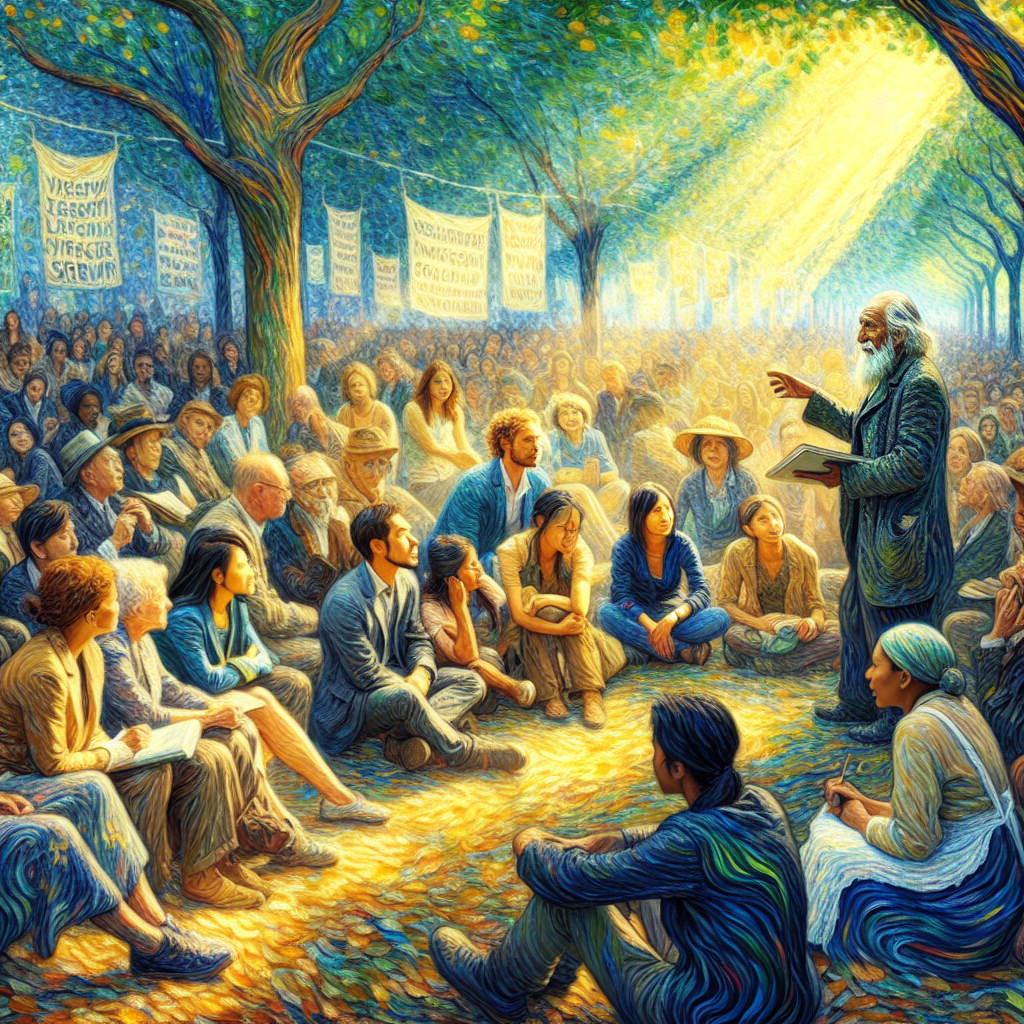
Why Do We Depend So Heavily on Search Engines for Answers?
Why Do We Depend So Heavily on Search Engines for Answers?
- The digital revolution transforms how we seek answers and perceive knowledge.
- Information was traditionally shared through oral storytelling, rich in emotion and context.
- Search engines provide instant answers, potentially replacing personal narratives and human interaction.
- This immediacy fosters urgency but may detach us from the exploration process of learning.
- Reliance on search engines raises ethical questions about trust and the integrity of information sources.
- Digital platforms have created communities for shared experiences and support.
- A balance between digital inquiry and the need for authentic connection is essential to honor our storytelling legacy.

Why Do We Depend So Heavily on Search Engines for Answers?
What Role Does Authority Play In the Credibility Of Search Results?
In today’s digital age, where information flows faster than water through a stream, the concept of authority takes center stage in our search for truth. Imagine standing at the brink of a vast, chaotic marketplace. The products range from meticulously crafted goods to mere trinkets, and among them, the question looms: which seller do you trust? Just as shoppers rely on reputable vendors, users lean on authoritative sources when navigating the sea of online information. Authority isn’t just a badge; it’s a beacon guiding us through the fog of misinformation.
Think of a legacy storytelling approach—where every tale told carries the weight of experience, knowledge, and context. A source backed by credentials speaks not just to the intellect but to our emotional core. Here’s where authority intertwines with our gut feelings; it invokes a trust that’s hard to shake. When we see a .edu or .gov domain, we feel an inherent sense of security. Why? Because those labels channel a certain respect and recognition that resonates with all of us. It’s an ethical anchor in the unyielding waters of the web.
But it’s not just about credentials; it’s about connection. The narrative behind the authority matters. Think of the experts who share their journey—the struggles, the failures, the victories. Their stories become part of the fabric of who they are and why their words carry weight. When a seasoned researcher, writing not just from a textbook but from lived experiences, shares insights, it resonates deeply. It’s relatable. We find ourselves nodding along, feeling seen in their struggle for truth.
Moreover, social dynamics shape our view of authority. In communities, opinions travel like wildfire. We often weigh what “everybody” thinks against established expert opinion. This social layer adds another dimension to credibility. If a story resonates within our circles, it reverberates louder, gaining authority by virtue of its connection to our shared experiences.
Ultimately, authority serves as a bridge between information and our innate quest for understanding. By prioritizing sources with a credible foundation, we reclaim our agency in an ocean of data, transforming chaotic search results into informed decisions. In a world overloaded with noise, this discernment fosters trust, inspiring us to act and seek knowledge, not just information. Recognizing the role of authority isn’t just a strategy; it’s a commitment to the legacy of truth, protectors of wisdom, and storytellers of our collective future.

What Role Does Authority Play In the Credibility Of Search Results?
What Role Does Authority Play In the Credibility Of Search Results?
- The concept of authority is crucial in discerning truth in the fast-paced digital age.
- Users rely on authoritative sources, akin to shoppers trusting reputable vendors in a marketplace.
- Credentials establish emotional trust and security, particularly with.edu and.gov domains.
- The narrative behind authority, including personal journeys of experts, enhances relatability and credibility.
- Social dynamics influence perceptions of authority, with community opinions impacting credibility.
- Prioritizing credible sources empowers individuals to make informed decisions amidst overwhelming data.
- Recognizing authority is essential for fostering trust and pursuing knowledge over mere information.

What Role Does Authority Play In the Credibility Of Search Results?
How Do Social Influences Affect the Way You Search for Information?
In a world overflowing with information, how we seek it out often hinges on more than just curiosity. Social influences play a profound role in shaping our search behaviors, intertwining our legacy with the stories we share and the truths we uncover. Think about it: every search query isn’t just a peek behind the curtain of knowledge; it’s a nod to those who have influenced us—family, friends, mentors. They leave marks on our understanding, guiding our paths like unseen hands.
Legacy storytelling is a powerful means of connection. It isn’t merely about drawing from the past; it’s about crafting a narrative that resonates. When you turn to a search engine, the questions you ask are often informed by the stories you’ve heard and the experiences shared with you. We trust the voices of those we hold dear, their authenticity lending weight to our inquiries. This trust builds a bridge, connecting you not only to the information you seek but to the community that has shaped your understanding of the world.
As you sift through the endless sea of data, rational considerations come into play. Familiarity breeds confidence; when we see content echoed by peers or endorsed by authority figures we respect, it nudges us to explore further. This isn’t a mere coincidence. Our decisions are influenced by the social proof that surrounds us, turning the abstract into tangible directions for our search. If our network values a source, it becomes easier to accept it as credible.
Emotionally, the stories we consume and share offer a visceral connection, igniting our gut reactions. They make us feel seen, understood, and part of something larger than ourselves. When you read a heartfelt testimonial or a passionate argument backed by research, it doesn’t just engage your head; it stirs your heart and gut. It compels you to dive deeper, to click that link, to uncover more—creating a cycle of searching fueled by a blend of reason and sentiment.
Ethically, this intertwining of social influences and information seeking underscores our responsibility. The choices we make about what to share or endorse carry weight; they ripple through our communities. Are we empowering others with knowledge, or are we spreading misinformation? Each search query is a small act of influence, echoing in the legacy we leave behind, shaping the narratives that inform future generations.
As we navigate this complex landscape, the stories we tell and the truths we pursue shape not just our own paths but the routes others may take in their journeys. The connections we forge are as vital as the information we uncover, reminding us that the quest for knowledge is, at its core, a shared experience.

How Do Social Influences Affect the Way You Search for Information?
How Do Social Influences Affect the Way You Search for Information?
- Information seeking is influenced by social factors beyond mere curiosity.
- Legacy storytelling creates connections, shaping search behaviors through shared experiences.
- Trust in familiar voices enhances the authenticity of search inquiries.
- Familiarity with content builds confidence, nudging exploration through social proof.
- Emotional engagement from stories ignites deeper inquiry and connection.
- Ethical responsibilities arise from sharing and endorsing information, impacting communities.
- The quest for knowledge is a shared experience, with personal narratives affecting collective journeys.

How Do Social Influences Affect the Way You Search for Information?
Conclusion
In today’s digital landscape, the search bar stands as a symbol of our urgent quest for information—a modern compass guiding us through an overwhelming sea of data. Yet, it’s in moments of failure—when it spins aimlessly, betraying our trust—that we confront the deeper implications of our reliance on technology. This isn’t just about technology breaking down; it forces us to reflect on what we’ve lost in our hurried interaction with the digital world—our connections to stories, history, and each other.
Think about it: when we search for something meaningful, like a family recipe or a cherished memory, and come up empty, it’s not just frustration we feel—it’s a sense of profound disconnection. The failed search is a reminder that while technology can archive our legacies, it can’t replicate the human touch essential to storytelling. This highlights an ethical imperative: we must take responsibility for the narratives we create and preserve, moving beyond the passive role of consumers to active participants in shaping our stories.
Emotionally, these reflections push us to embrace our own stories, transforming searches from mere tasks into journeys of discovery. It’s about reclaiming the value of human experience, leaning into the shared narratives that bind us. In a world saturated with information, misinformation, and bias, clarity becomes a necessity. We must question the narratives presented to us, acknowledging that our decisions are often marshaled by skewed information or surface-level searches. This makes us not only seekers of knowledge but guardians of truth.
Understanding the social dynamics at play is crucial. Our searches are influenced by those around us—families, friends, and communities. Each interaction shapes our inquiries, reminding us that our quest for meaning doesn’t happen in a vacuum. We must lean into the connections and stories that remind us of our shared humanity. When we engage with others, we enrich our own narratives while nurturing a legacy that fosters trust and empowerment.
Ultimately, the broken search bar is more than a moment of frustration; it’s a catalyst for introspection and connection. It encourages us to seek out what truly matters, not just in terms of information, but in a deeper, more resonant sense of belonging and understanding. So, when technology falters, let’s come together, fostering stories that matter and weaving a richer tapestry of human experience that can weather any technological storm.

Conclusion
Conclusion:
- The search bar symbolizes our quest for information in a data-saturated digital landscape.
- Moments of search failure prompt reflection on our reliance on technology and what we lose in the process.
- Failed searches evoke feelings of disconnection and highlight the importance of human touch in storytelling.
- We must move from being passive consumers of narratives to active participants in shaping our stories.
- Our emotional journey transforms searches into meaningful discoveries that reclaim the value of human experience.
- Understanding social dynamics allows our searches to be influenced by connections within families and communities.
- The broken search bar serves as a catalyst for introspection and collective storytelling, fostering a sense of belonging. .

Conclusion
Other Resources

Other Resources
Here is a list of other resources you can review online to learn more:
- INELA
- Storyfile
- LegalZoom
- YouMattered
- How To Write Legacy Stories That Appeal To The Heart, Gut and Head
- deviantART
- Is There A Need To Pay For Copyrighting Services For Personal Or Family Legacy Stories?
- GhostMemo
- Afternote
- Association of Personal Historians
- 23AndMe
- MyWishes
- ForeverMissed
- AmericanAncestors
- LegacyFamilyTree
- Tributize
- Your Digital Afterlife
- How to Avoid Losing Your Family History One Generation at a Time
- FutureMe
- FamilySearch
Use This Prompt To Get More Resources With Your Favorite Online AI Tool: Please provide me with a list of online articles with their URLs in a bulleted list that I can read regarding The Day the Search Bar Fails

Other Resources
Glossary Terms
The Day the Search Bar Fails – Glossary Of Terms
1. Search Engine: A software system designed to carry out web searches by locating and retrieving data from the internet.
2. Algorithm: A set of rules or calculations used by search engines to determine the ranking and relevance of web pages.
3. Indexing: The process of organizing and storing data from web pages to facilitate quick retrieval during searches.
4. Keyword: A significant word or phrase used in search queries that helps in finding relevant information.
5. Query: The string of text entered by a user into a search engine to request information.
6. Ranking: The position of a web page in the search results, determined by the search engine’s algorithm.
7. SERP (Search Engine Results Page): The page displayed by a search engine in response to a user’s query, showing a list of links and snippets.
8. Crawling: The automated process by which search engines discover and read web pages to gather information for indexing.
9. Link Juice: The value or authority passed from one page to another through hyperlinks, impacting SEO.
10. Natural Language Processing (NLP): A technology enabling search engines to understand and interpret human language.
11. SEO (Search Engine Optimization): The practice of optimizing web content to improve visibility and ranking in search results.
12. PPC (Pay-Per-Click): An online advertising model where advertisers pay a fee each time their ad is clicked in search results.
13. Analytics: The analysis of data to track user behavior and website performance, often used to refine search strategies.
14. Webmaster: A person responsible for maintaining and overseeing a website, ensuring it’s optimized for search engines.
15. Metadata: Data that provides information about other data, often used to describe the content and structure of web pages.
16. User Intent: The underlying goal a user has when entering a search query, guiding content creation and SEO strategies.
17. Bounce Rate: The percentage of visitors who leave a website after viewing only one page, often indicating content relevance.
18. Long-Tail Keywords: Specific and longer keyword phrases that are less competitive but can attract targeted traffic.
19. Snippet: A brief summary or preview of a web page shown in the search results, including the title, URL, and description.
20. Mobile Optimization: Adjusting web pages to provide an optimal viewing experience on mobile devices, impacting search rankings.
21. Pay-Per-Click Advertising: Online advertising model in which advertisers pay for each click on their ad, often seen on search engines.
22. Content Marketing: A strategic approach focused on creating and distributing valuable content to attract and engage an audience.
23. Local Search: Searching for information that is relevant to a specific geographic area, often influencing business visibility.
24. Rich Snippets: Enhanced results that display additional information, such as ratings or images, to increase click-through rates.
25. Search History: A record of the searches a user has performed, often used to personalize future search results.
26. Site Map: A file that lists all the pages of a website, helping search engines crawl and index the site effectively.
27. Duplicate Content: Identical content appearing on multiple web pages, which can negatively impact SEO performance.
28. Anchor Text: The clickable text in a hyperlink, which can influence SEO based on the relevance of the text to the linked page.
29. Conversion Rate: The percentage of visitors who complete a desired action, such as filling out a form or making a purchase.
30. Voice Search: A technology that allows users to search the internet using spoken commands, impacting how content is optimized.

Glossary Of Terms
Other Questions
The Day the Search Bar Fails – Other Questions
If you wish to explore and discover more, consider looking for answers to these questions:
- How can I preserve family recipes, photos, and stories outside of search engines?
- What practical steps can I take to verify the accuracy of information found online?
- How do I recognize and correct algorithmic bias in my search results?
- What are reliable alternatives to mainstream search engines for research?
- How do I recover lost or deleted digital content when search fails?
- What are best practices for creating a personal or communal digital archive?
- How should educators teach critical search and source-evaluation skills?
- What legal or regulatory options exist to hold tech platforms accountable for biased results?
- How can communities collaborate to preserve local histories and oral stories?
- What role should libraries, museums, and archives play when search tools fail?
- How can I protect my privacy while ensuring my legacy is preserved online?
- How do monetization and advertising affect the ranking of search results?
- How can individuals contribute to improving the diversity of narratives online?
- What immediate steps should someone take when online health information contradicts medical advice?
- How do AI and machine learning shape the way search engines prioritize information?
- What tools help identify and fact-check misinformation quickly?
- How can social networks be leveraged when formal search tools fail?
- What emotional strategies help cope with the loss of digital memories?
- How do we balance the convenience of instant answers with the value of deep, human-driven research?
- How can I craft better search queries to get more relevant results?
- What responsibilities do content creators have to preserve context and nuance?
- How can small organizations make their content more discoverable without sacrificing integrity?

Other Questions
Haiku
The Day the Search Bar Fails – A Haiku
In the void of searches,
Lost tales whisper, heartbeats pause,
Connect, don’t just scroll.

Haiku
Poem
The Day the Search Bar Fails – A Poem
In a world of endless clicks, we seek and search,
A digital compass, guiding through lifes lurch.
Yet, what if it falters, the bar spins askew?
We find ourselves lost, in a fog, we pursue.
A recipe lost, a memorys trace,
Frustration ignites, in this vast, empty space.
Not just a dish, but a life intertwined,
In digital shadows, our stories confined.
Rational mind whispers, “Reflect on this quest,”
Are we too reliant on screens to assess?
For meaning is tangled in fibers of kin,
Where narratives flourish, true connections begin.
The ethical call to reclaim our tale,
To nurture our legacies, let no voice fail.
In sharing our stories, through echoes of trust,
We bridge every gap—its connection we must.
When the search bar fails, let hearts come alive,
Together weave tales where our spirits can thrive.
Each click a decision, each query a thread,
In the tapestry woven, our pasts gently tread.
Face the unknown, let curiosity lead,
We’re resilient together; our hearts serve the need.
In a digital age, may our stories unfold,
With wisdom as currency, a legacy bold.

Poem
Checklist
The Day the Search Bar Fails – A Checklist
Checklist Navigating the Intricacies of Information Searching
✅______ Reflect on personal stories that have shaped your understanding of searching for information.
✅______ Identify moments of disconnection felt when technology fails you.
✅______ Consider how sharing your own experiences can inspire others.
✅______ Acknowledge the emotional weight of misinformation and its impact on trust.
Head (Rational Appeals)
✅______ Assess the credibility of sources before following search results.
✅______ Analyze your reliance on technology for memory and information retrieval.
✅______ Recognize the importance of diverse perspectives in understanding complex issues.
✅______ Evaluate how often you allow algorithms to dictate your choices.
Gut (Ethical and Social Appeals)
✅______ Examine the ethical implications of sharing unverified information.
✅______ Understand the responsibility of curating accurate narratives within your community.
✅______ Seek out and amplify underrepresented voices in your information searches.
✅______ Engage with communities to enrich your search with shared narratives and experiences.
Authority and Narratives
✅______ Identify trusted figures whose expertise informs your search behavior.
✅______ Explore stories of resilience and learning from both successful and failed searches.
✅______ Recognize how authority shapes opinions and influences your information journey.
✅______ Investigate the machinery behind search algorithms and their biases.
Engagement
✅______ Actively participate in discussions that challenge your views and expand your narrative.
✅______ Share your findings and legacy stories to foster communal learning.
✅______ Reflect on how social influences shape not only your inquiries but also those of your network.
✅______ Commit to a collaborative approach in knowledge sharing that connects individuals.

Checklist
At LegacyExplorations, we help people plan and explore their legacy by collecting information and news regarding end-of-life planning.
Please share this post with your friends, family, or business associates who may want help to plan or explore their legacy.