

Rediscovering Value: The Unseen Impact Of Our Lost Legacy
By Tom Seest
At LegacyExplorations, we help people plan and explore their legacy by collecting information and news regarding end-of-life planning.
Please share this post with your friends, family, or business associates who may want help to plan or explore their legacy.
The Day We Lost the Master Copy
The day the master copy slipped from our grasp remains etched in my memory, not just as a regrettable incident, but as a lesson steeped in the essence of legacy. There it was, the culmination of countless hours—our story, meticulously crafted, every word a building block of our identity. It spoke of struggle, triumph, and everything in between. We didn’t just lose a file; we lost a piece of ourselves.
In that moment, as shock coursed through the team, we could have succumbed to despair. The emotional weight of the situation was palpable, yet it spurred a different reaction. We gathered, united—not just as coworkers, but as storytellers bound by a common purpose. This wasn’t merely about preserving our work; it was about preserving our legacy. Legacy storytelling plays a vital role in shaping who we are. It’s how we connect with our history, our culture, and even our future. This loss, however painful, became a catalyst for a deeper understanding of the narratives we weave every day.
Rationally speaking, mistakes happen. Knowledge gained through a mishap often outweighs the momentary distress. Each failure teaches us resilience, reinvigorating our commitment to clarity and preservation. The spark ignited within us was electric; the memory of what was lost propelled us toward a renewed focus. We commenced a collaborative journey to redefine our narrative, emphasizing the importance of safeguarding our stories, our truths.
Ethically, we recognized our duty not only to ourselves but to the audiences and communities who relied on us to share their stories too. Our work intertwined with theirs—a tapestry woven from countless threads of experience, culture, and community. Every voice matters, and in preserving our master copy, we honored the collective narrative that formed the backbone of our existence.
As we forged ahead, sharing our processes, setbacks, and triumphs, we fostered a sense of camaraderie. Each step toward recovery was a reminder: we are part of a larger story, bound by the threads of shared struggles and victories. It’s in our nature to connect, to ignite passion in others through our tales.
So while that master copy is gone, it taught us more than we could ever quantify. It united us, fueling a fire to advocate for our stories, reminding us that legacy isn’t just a product—it’s a shared journey.

The Day We Lost the Master Copy
The Day We Lost the Master Copy
- The loss of the master copy represented more than just a failed incident; it was a significant lesson in legacy.
- Every word of the crafted story was a key aspect of identity, reflecting struggle and triumph.
- The team’s shock transformed into unity, emphasizing the importance of storytelling and preserving legacy.
- Mistakes are opportunities for resilience and clarity, prompting a renewed focus on narrative preservation.
- The team’s work is intertwined with the communities they serve, emphasizing the importance of every voice in the collective narrative.
- Sharing processes and setbacks fostered camaraderie, reinforcing their connection through shared experiences.
- The loss of the master copy ignited passion to advocate for their stories, highlighting that legacy is a shared journey.
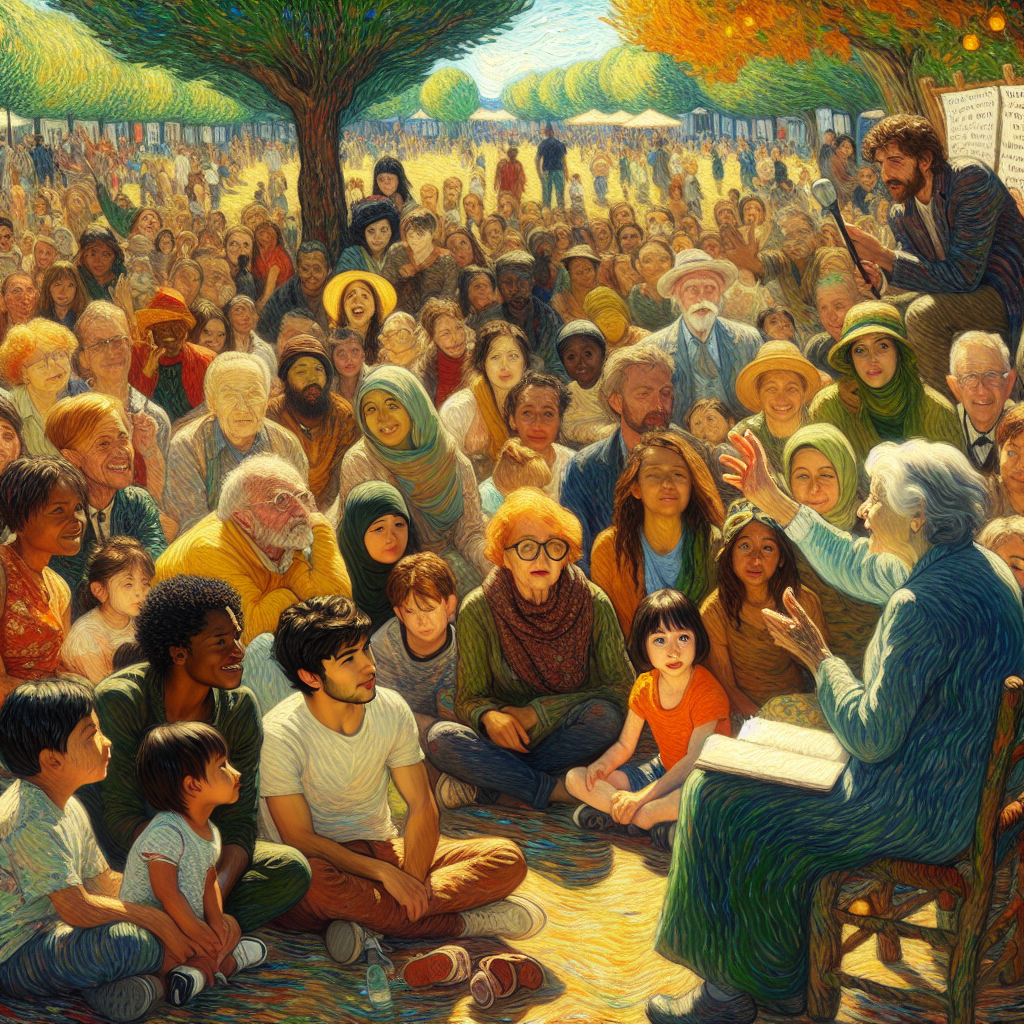
The Day We Lost the Master Copy
Table Of Contents
- The Day We Lost the Master Copy
- What If Losing the Master Copy Means Losing Our Legacy?
- Can We Truly Rebuild From the Ashes Of Lost Creativity?
- How Does the Loss Of the Master Copy Affect Our Shared History?
- What Ethical Dilemmas Arise From Recreating Lost Content?
- In What Ways Can Storytelling Preserve What Was Lost?
- How Do We Unite As a Community In the Face Of Such a Loss?
- Can We Find Strength In Collaboration to Overcome This Setback?
- Conclusion
- Other Resources
- Glossary Of Terms
- Other Questions
- Haiku
- Poem
- Checklist
What If Losing the Master Copy Means Losing Our Legacy?
In an age where the digital landscape reigns supreme, the idea of losing our master copy strikes a visceral chord. This isn’t just about a forgotten file; it’s about losing the very essence of who we are—a legacy woven from countless stories, experiences, and memories. Each of us carries a narrative unique to our journey, filled with triumphs, failures, laughter, and tears. When we think of legacy storytelling, we see far beyond dates and events; we dive into the fabric of our lives, rich with emotion and significance.
Consider the countless hours spent with family, where tales were swapped over a warm meal or around a campfire. Those moments form the bedrock of relationships and bear the weight of our collective memory. Without a way to capture and share these narratives, we risk allowing our rich histories to drift away, evaporating like mist in the morning sun. The gut punch comes when we realize that our children, our grandchildren, might grow up without a true understanding of their roots, their identity. What does it mean when the future cannot grasp the struggles and victories of the past? It’s not just disconnection; it’s a severance of the invisiblebut unbreakable chains that bind us across generations.
From a rational perspective, preserving our legacy is vital—it forms the groundwork for cultural continuity. The stories we tell not only inspire but also instruct. They teach us how to navigate the proverbial waters of life and remind us of the values we hold dear. When we lose control of our master copy, we risk erasing the very lessons that have shaped our society.
Ethically, we have a responsibility to preserve these narratives, both for ourselves and for those who will come after us. It’s our duty to ensure that voices, struggles, and triumphs—whether they belong to the ordinary or the extraordinary—are not silenced. In preserving our legacy, we reaffirm our place in history, creating a narrative tapestry that spans time and provides context for the future.
Ultimately, the act of storytelling is not just an exercise in nostalgia; it’s a powerful means of fostering connection. When we share, we expose our vulnerabilities and strengthen our bonds, creating a community built on understanding and empathy. So, when we ask ourselves what losing the master copy means, let’s not just ponder the loss; let’s ignite a fire to preserve the narratives that define us. Inspire trust in this endeavor, cultivate confidence in our collective histories, and urge action to safeguard the legacy that intertwines us all.

What If Losing the Master Copy Means Losing Our Legacy?
What If Losing the Master Copy Means Losing Our Legacy?
- The digital landscape emphasizes the importance of preserving our master copy, which embodies our legacy.
- Each individual has a unique narrative made up of stories, experiences, and emotions.
- Family storytelling moments form essential connections and collective memory.
- Without capturing these narratives, future generations may lose understanding of their roots.
- Preserving legacy is crucial for cultural continuity, providing lessons and values for society.
- There is an ethical responsibility to protect narratives across generations, ensuring all voices are heard.
- Storytelling fosters connections, understanding, and empathy within communities.

What If Losing the Master Copy Means Losing Our Legacy?
Can We Truly Rebuild From the Ashes Of Lost Creativity?
Can we truly rebuild from the ashes of lost creativity? When we face the inevitable ebb and flow of inspiration, it can feel as though the vibrant tapestry of our lives has turned to gray ash. Yet, within that bleakness lies potential for renewal—a chance to weave a new narrative from the very threads that once unraveled.
Legacy storytelling is not just about recounting tales of the past; it’s about harnessing the lessons learned through adversity, transforming those experiences into a foundation for future creativity. As we sift through the remnants of what once was, we must embrace the hands that came before us—artists, innovators, and dreamers who stood where we stand today. They faced their own struggles under the weight of doubt and loss, yet they found a way to turn those ashes into something beautiful.
Imagine sitting around a fire, recounting stories of struggle and triumph that span generations. This act of sharing connects us to our roots and invigorates our drive. The heart craves connection, and in storytelling, we find our shared humanity. It reminds us that we are not alone; we’ve all stumbled and risen again. This is the emotional resonance that ignites our passions anew.
Rationally speaking, creativity thrives on experience, on the lessons embedded in every failure. Each setback serves as a stepping stone, grounding our resolve and shaping our next chapter. The mind knows that nothing worthwhile comes without risk, and in the ashes of defeat lies the outline of future victory.
Ethically, the commitment to rebuild is essential. We owe it to ourselves and to those who came before us to forge something meaningful from the remnants. We must ask ourselves: What will our legacy be? Apathy in the face of loss achieves nothing, but action—that propels us forward, invigorating our spirits.
Through storytelling and shared experiences, we foster community, enhancing the bonds that turn individual hardship into collective strength. It’s about stepping into the fray together, embracing vulnerability, and recognizing the power we hold when we share our stories.
As we embark on this journey of reconstruction, let us seize the narrative. Let us blend the lessons of our past with a vibrant vision of our future. In doing so, we will not only rise from the ashes—we will create a phoenix that soars, igniting the world with the flames of renewed creativity.

Can We Truly Rebuild From the Ashes Of Lost Creativity?
Can We Truly Rebuild From the Ashes Of Lost Creativity?
- Rebuilding from lost creativity offers a chance for renewal and a new narrative.
- Legacy storytelling involves harnessing lessons from adversity to foster future creativity.
- Embracing the struggles of past artists and innovators can inspire new beauty from loss.
- Sharing stories of struggle and triumph connects us to our roots and enhances our drive.
- Creativity thrives on experience; setbacks serve as stepping stones toward future victories.
- Ethically committed to rebuilding, we must take action to forge meaningful legacies.
- Through shared experiences, we foster community and collective strength, turning hardship into resilience.
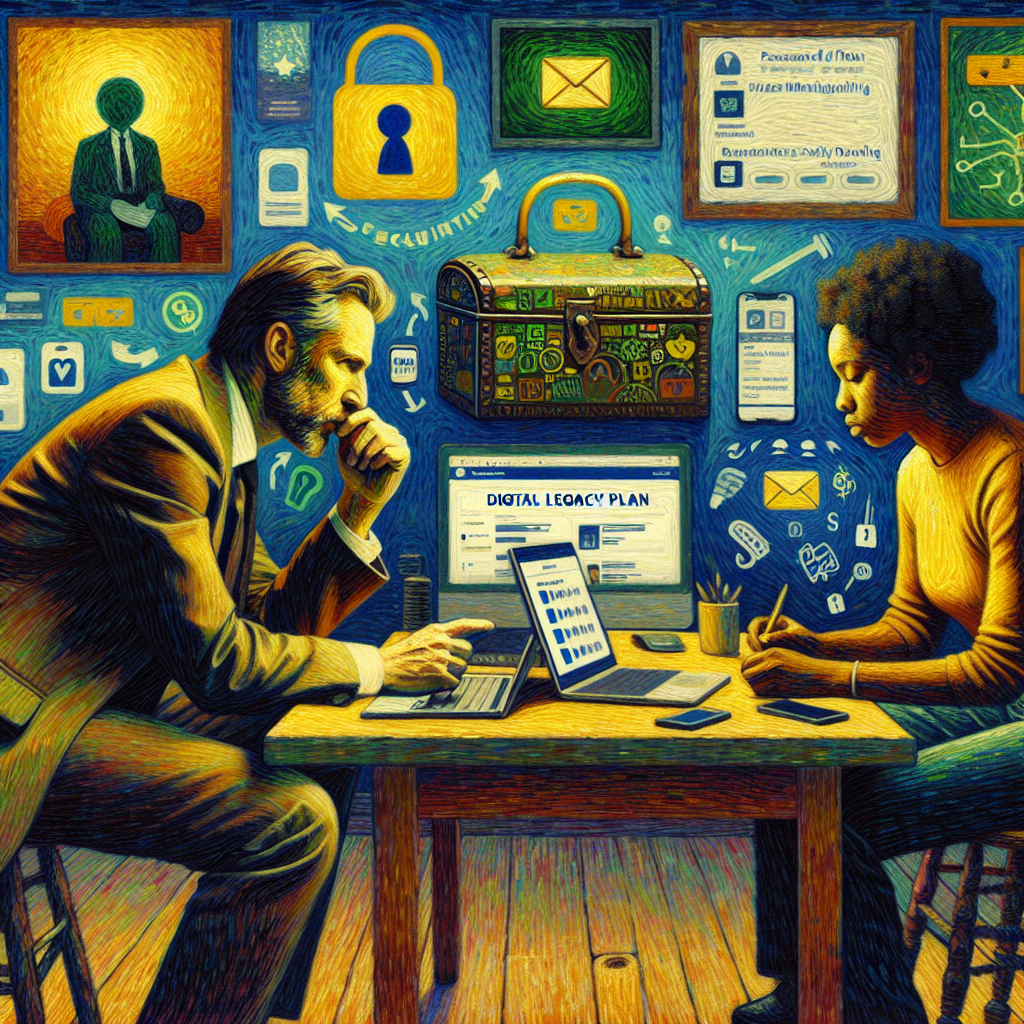
Can We Truly Rebuild From the Ashes Of Lost Creativity?
How Does the Loss Of the Master Copy Affect Our Shared History?
The loss of the master copy—be it a historical document, a cherished piece of art, or even a family photograph—represents much more than a mere absence of material; it echoes through the corridors of time, redefining our shared history. Each of these artifacts carries the weight of legacy, a tangible thread connecting us to our past. Without them, we’re left not just with gaps in knowledge, but with the unsettling realization that our stories, once vibrant and whole, can be diminished to mere whispers.
Imagine for a moment your favorite family tale—a narrative woven through generations. It’s not just the facts that matter; it’s the emotions they evoke. Each time a grandparent recounts their youth, filled with struggles and triumphs, they offer pieces of a larger puzzle that form the essence of who you are. The loss of such stories is akin to erasing footprints in the sand. They tell us where we’ve been, and without them, we risk losing direction as we chart our future.
From a rational standpoint, the absence of a master copy disrupts our understanding of history. It turns what should be collective knowledge into fragmented memories. Scholars, writers, and everyday citizens alike rely on these tangible links to inform our perspectives and fuel informed discourse. This reliance fosters a culture steeped in narrative—far more engaging than isolated facts. When we lose core stories, we lose the nuance of our various identities, creating a more homogenous society that lacks the rich tapestry of its diverse threads.
Ethically, we face a moral imperative to preserve and share our history. Each document, photo, or piece of art serves as a beacon of our collective experiences, and safeguarding these ensures future generations can connect with their roots. As stewards of these legacies, we carry the responsibility to advocate for documentation and preservation—actions that instill confidence in our cultural custodians.
Socially, this loss affects us all. Our history isn’t just personal; it’s communal. The narratives that have shaped communities and fostered resilience must be shared and celebrated. When we engage in legacy storytelling, we weave a cohesive fabric that binds us together, sparking empathy and understanding among diverse populations.
So, as we stand at the crossroads of history and memory, let us not take for granted these legacies of our past. Protecting them is more than an act of preservation; it’s a commitment to connect, inspire, and ensure that our shared history continues to resonate for generations to come.

How Does the Loss Of the Master Copy Affect Our Shared History?
How Does the Loss Of the Master Copy Affect Our Shared History?
- The loss of master copies of historical documents, art, or photographs alters our shared history.
- Artifacts connect us to the past and their absence creates gaps in knowledge and storytelling.
- Each family narrative helps shape individual identities, emphasizing emotional connections over mere facts.
- Absence of master copies leads to fragmented historical understanding and a lack of diverse perspectives.
- Preservation of artifacts is a moral imperative that ensures future generations can connect with their roots.
- Sharing narratives strengthens communal ties and fosters empathy among diverse groups.
- Protecting legacies is crucial for maintaining a connection to history and inspiring future generations.

How Does the Loss Of the Master Copy Affect Our Shared History?
What Ethical Dilemmas Arise From Recreating Lost Content?
Recreating lost content is an act that strikes deep at the heart of legacy storytelling. It’s a noble endeavor, capturing fragments of history and reviving narratives that might otherwise fade away. Yet, behind the allure of salvaging the past lies a tangled web of ethical dilemmas that demand careful consideration.
Imagine a beloved family heirloom, worn but rich with stories. Now, picture that same heirloom being reconstructed from fragments or replicas, each piece infused with intent but perhaps lacking the authenticity of the original. This is the essence of our dilemma. When we recreate lost content, we navigate a fine line between honoring the original and forging a new path that may not resonate with the intended spirit. The emotional connection to content that shaped our cultural landscape must be honored, yet the call of innovation whispers seductively in our ears.
From a rational standpoint, the question surfaces: How do we determine what deserves to be revived? The desire to preserve our heritage is strong, yet we must ask ourselves whether the reconstructions serve a greater good or if they risk diluting the essence of what made the original compelling. While technological advances allow us to recreate, they also demand accountability. Just because we can, doesn’t mean we should.
The ethical implications grow when considering the voices left behind; creators, artists, and storytellers who poured their hearts into the original works. The authority to speak on their behalf becomes a complex matter. Are we, as modern interpreters, honoring the original creators, or are we, in some ways, overshadowing their contributions? This is where the gut instinct kicks in. There’s an unsettling feeling when we realize we might be rewriting history rather than preserving it.
Socially, the implications extend beyond the individual. Audiences today crave authenticity and transparency. They are quick to challenge and demand integrity in the content they consume. Recreated works hold the power to bridge gaps between generations, yet if they lack sincerity, they risk alienating those who treasure the past.
Ultimately, recreating lost content is an intricate dance with ethical considerations and emotional depth. It’s a chance to foster connection, to spark dialogue, and to inspire trust in the legacies we cherish. In doing so, we must tread carefully, ensuring our actions reflect both respect for the past and hope for the future in our continued journey of legacy storytelling.

What Ethical Dilemmas Arise From Recreating Lost Content?
What Ethical Dilemmas Arise From Recreating Lost Content?
- Recreating lost content is vital to legacy storytelling, preserving fragments of history.
- This endeavor presents ethical dilemmas about authenticity and intent in reconstruction.
- A delicate balance exists between honoring original works and innovating new narratives.
- Determining what content deserves revival raises questions about cultural significance and integrity.
- Technological advancements necessitate responsibility in recreating historical works.
- Consideration of original creators’ voices complicates the authority of modern interpreters.
- Authenticity and transparency are crucial to audience connection and trust in recreated content.

What Ethical Dilemmas Arise From Recreating Lost Content?
In What Ways Can Storytelling Preserve What Was Lost?
Storytelling holds a unique power to capture the essence of experiences that time might otherwise sweep away. Through Legacy Storytelling, we archive not just facts but also the emotions and lessons that shape our understanding of who we are and where we come from. Every tale passed down connects us to past generations, knitting together the tapestry of our lives. It’s more than a tradition; it’s an emotional lifeline, a bridge between the past and the present.
When we share stories, we breathe life into memories that would otherwise fade, allowing the laughter, struggles, and victories of our ancestors to resonate with new generations. Each narrative is a vessel carrying the hopes and dreams of those who came before us, ensuring that their journeys are not forgotten. This act of remembrance instills a sense of ethical responsibility in us to honor their legacies, turning their lessons into beacons for our own paths forward. In a world that often feels fragmented, these stories unite us, fostering a shared understanding that transcends time and space.
From a rational perspective, every culture has used storytelling as a method of preserving knowledge. Our brains are wired to connect with narratives; we remember stories long after we’ve forgotten statistics or dates. This incredible ability to retain information through storytelling enables us to learn from the past, avoiding mistakes and celebrating successes. It creates a historical framework where we can draw parallels and inspirations for our present lives, guiding us through challenges with the wisdom of previous experiences.
In terms of authority, where does our knowledge stem from if not from the custodians of stories? Those who have lived through transformative moments carry insights that no textbook can offer. By engaging with their narratives, we gain trust in their experiences, solidifying our understanding of their struggles and triumphs. Through this trust, we’re motivated to act—be it to preserve a tradition, strive for justice, or pursue a courageous path of our own.
Lastly, the social implications of storytelling are profound. Each story told cultivates a connection, sparking dialogue and understanding among diverse individuals. When we share our narratives, we not only honor those who came before but invite others to reflect on their own legacies, fostering a culture of empathy and respect.
Storytelling isn’t just about recounting events; it’s about preserving the human experience, ensuring that what was lost is woven into the fabric of our shared journey.
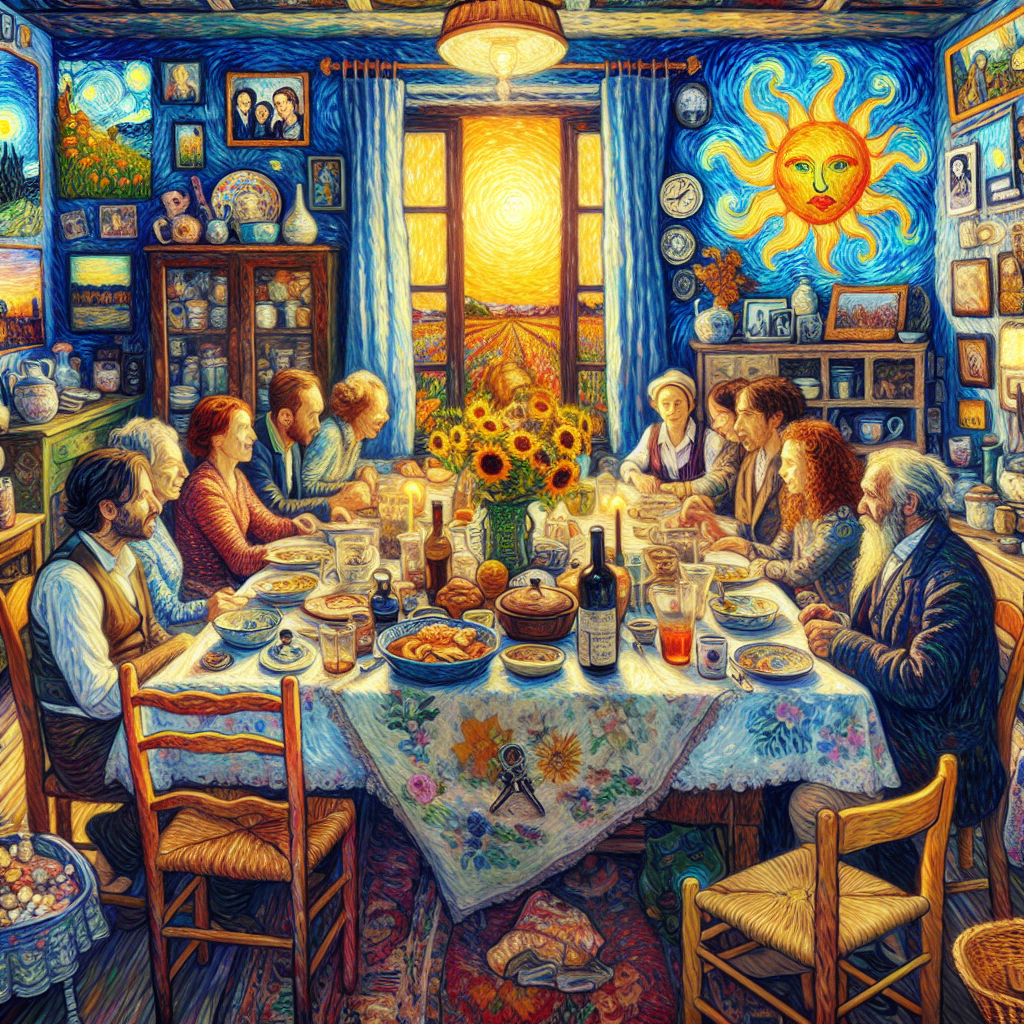
In What Ways Can Storytelling Preserve What Was Lost?
In What Ways Can Storytelling Preserve What Was Lost?
- Storytelling captures experiences and emotions that time may erase.
- Legacy Storytelling connects generations, acting as a bridge between past and present.
- Sharing stories revitalizes memories and honors ancestors’ journeys.
- Storytelling preserves knowledge, helping us learn from past mistakes and successes.
- Narratives develop trust in experiences and insights of those who lived transformative moments.
- Storytelling sparks dialogue and understanding, fostering empathy among diverse individuals.
- It acts as a means of preserving the human experience, embedding lost narratives into our shared journey.

In What Ways Can Storytelling Preserve What Was Lost?
How Do We Unite As a Community In the Face Of Such a Loss?
In times of loss, uniting as a community isn’t just a choice; it’s a necessity woven into the very fabric of who we are. Each of us carries a legacy, a story that links us to one another, transcending individual grief. This legacy storytelling serves as the bedrock for connection, reminding us that in our shared experiences, we find solace and strength. When tragedy strikes, it can feel like a heavy fog settling over us, obscuring the light of hope. Yet, it is precisely in this darkness that our collective resolve can shine the brightest.
Let’s first recognize the emotional toll such losses exact. They tug at our heartstrings, evoking profound sadness and empathy. It’s a universal experience—pain doesn’t discriminate. We each have our own stories of loss, but when we open up and share them, we find that our experiences can bridge the vast distances between us, creating a fabric of understanding. Think of a community gathering where stories of loved ones fill the air, reminding us that while death may separate us from those we cherish, their legacy lives on through our recollections and shared moments.
Now, let’s consider the rational aspect. United frontiers are built on strong foundations, and those foundations are constructed from mutual respect and shared responsibilities. In tough times, we must channel our energy into actionable efforts—supporting local initiatives, volunteering, or simply lending a helping hand to those in need. This not only honors those we’ve lost but solidifies our community as a resilient entity capable of overcoming adversity.
Ethically, we are compelled to honor our fallen by standing together. Every act of kindness, however small, becomes a thread that weaves us tighter. The very act of working toward a shared goal, be it a memorial or a community project, reinforces our commitment to each other and the values we hold dear. It’s about lifting each other up, affirming that no one should walk this path alone.
Through narrative, we understand that every individual’s story adds richness to the collective tale of our community. When we lift our voices, weaving these legacies into the broader narrative, we not only remember those we’ve lost but also inspire future generations to carry forward the lessons learned and the love shared.
Ultimately, it’s about embracing our shared humanity. Vulnerability in times of sorrow can forge powerful connections. Let’s commit to being present for one another, ensuring that together, we honor legacies not just in memory, but through action and unity. In doing so, we can transform our grief into a collective rallying cry—a testament to resilience, trust, and the undeniable strength of community.

How Do We Unite As a Community In the Face Of Such a Loss?
How Do We Unite As a Community In the Face Of Such a Loss?
- Uniting as a community during loss is essential, as it connects us through shared legacies and stories.
- Loss evokes deep emotions, highlighting our shared humanity and allowing for mutual empathy.
- Sharing personal stories creates understanding and strengthens community bonds.
- Active participation in community initiatives honors those lost and builds resilience.
- Acts of kindness and collaboration on shared goals reinforce commitment to each other.
- Individual narratives enrich the community’s collective story and inspire future generations.
- Embracing vulnerability in sorrow fosters powerful connections and community strength.
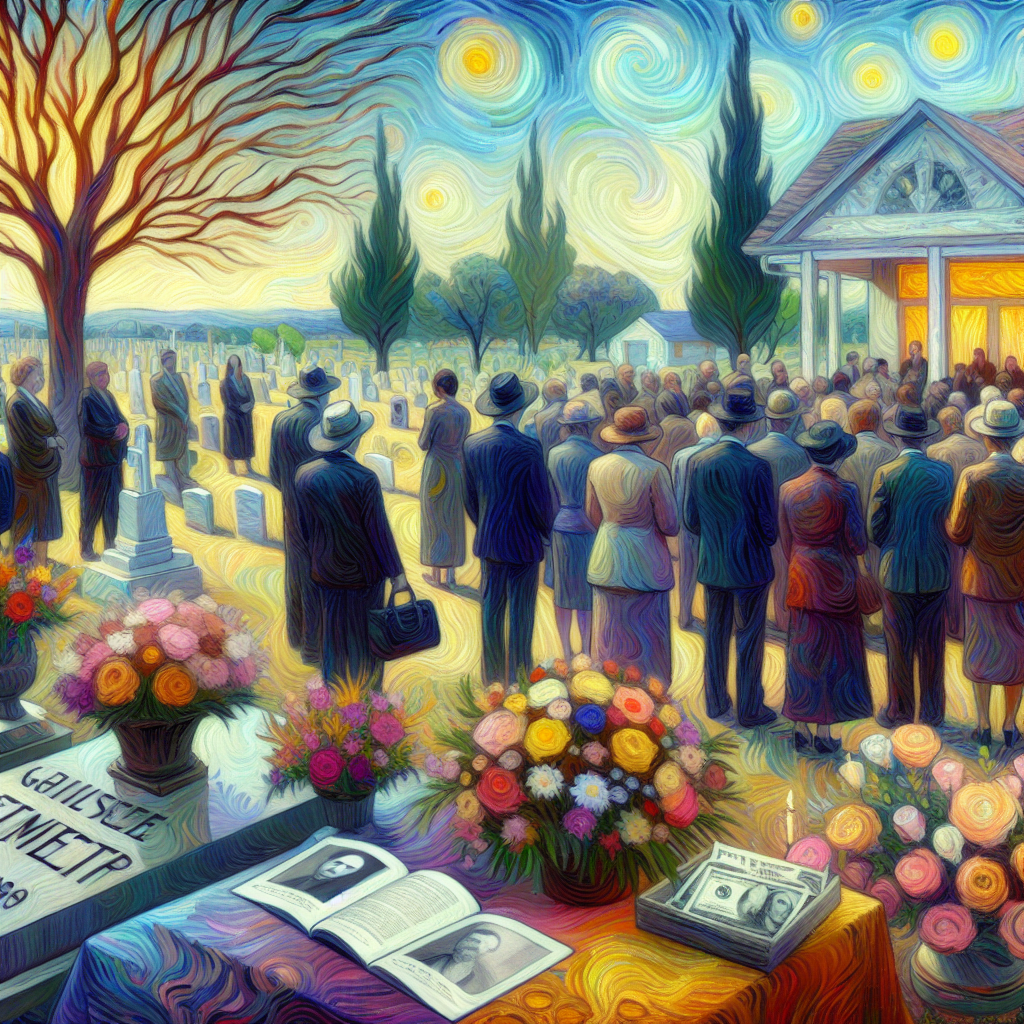
How Do We Unite As a Community In the Face Of Such a Loss?
Can We Find Strength In Collaboration to Overcome This Setback?
In challenging times, it’s easy to feel isolated, as if the weight of the world rests solely on our shoulders. But what if the very act of reaching out, of coming together, holds the key to not just overcoming setbacks but transforming them into powerful legacies? The notion of collaboration can seem daunting; yet, it’s also an invitation—to share burdens, to create something greater than oneself.
Take a moment to consider the simplest of human interactions: storytelling. We’ve all witnessed how sharing a narrative can illuminate perspectives and foster understanding. In adversity, when the shadows loom large, it’s that shared legacy that binds us. Each of our stories, woven together, becomes a tapestry of resilience. Let’s be honest; it’s the tales of those who have walked similar paths that resonate the deepest. When we listen, truly listen, we tap into a wellspring of collective strength.
From boardrooms to backyards, collaboration sparks innovation. Diverse minds coming together—each with their unique experiences—allow us to see solutions where we once saw roadblocks. This isn’t merely about pooling resources; it’s about building trust. It’s about knowing that, no matter the storm ahead, we’re navigating the waters together. Trust isn’t just built; it’s earned through action and integrity. When we commit to supporting one another, we create a safe space to experiment, to stumble, and to rise again, not just as individuals but as a community.
Let’s also consider the ethical responsibility we have to one another. In a world increasingly polarized by division, extending a hand to collaborate becomes not just a choice but a necessity. Each time we engage in dialogue, we challenge the status quo and demonstrate that we are stronger together. Our shared experiences can cultivate empathy, driving us to act not out of obligation, but from a place of genuine connection.
Being part of something larger than ourselves instills a sense of purpose. It evokes that gut feeling when you know you’re contributing to something meaningful. Whether through workshops, community events, or online platforms, reaching out can reshape our understanding of setbacks. The fear of failure diminishes when we see it as a stepping stone, not a stumbling block.
So let us embrace the power of collaboration. Let us write our legacy together, weaving our stories into a narrative of resilience, compassion, and hope. Hand in hand, we can rise from this setback, forged stronger in unity and vision, ready to face whatever lies ahead.

Can We Find Strength In Collaboration to Overcome This Setback?
Can We Find Strength In Collaboration to Overcome This Setback?
- Challenging times can create feelings of isolation, but collaboration offers a pathway to transform setbacks into legacies.
- Storytelling is a powerful tool that fosters understanding and binds us through shared narratives.
- Collaboration brings diverse minds together, helping to identify solutions and build trust.
- Trust is essential for creating a supportive environment where individuals can experiment and grow collectively.
- Extending hands to collaborate is an ethical responsibility in a divided world, fostering genuine connections and empathy.
- Being part of a collective effort provides a sense of purpose and allows for the reframing of setbacks as opportunities for growth.
- Embracing collaboration leads to resilience and unity, empowering us to face future challenges together.

Can We Find Strength In Collaboration to Overcome This Setback?
Conclusion
The day we lost the master copy was more than just a moment of panic; it served as a wake-up call, reminding us of the power of legacy and the fragility of our narratives. It wasn’t just a file slipping away; it was a piece of our identity—our struggles, triumphs, and collective heartbeat. In moments of crisis, we often feel the weight of despair pulling us down, yet it was in our unity that we found strength. We gathered not just as colleagues but as storytellers intent on preserving our shared legacy.
This incident illuminated the critical importance of legacy storytelling in shaping cultures, connecting personal histories, and forging bonds across generations. It’s about recognizing that every story holds value, echoing lessons we’ve learned through joy and adversity. Mistakes, though painful, are often our greatest teachers, reminding us of the need for clarity and preservation. When loss strikes, it compels us to dig deeper into the narratives that define us, ensuring they are safeguarded for the future. Our responsibility extends beyond ourselves; it encompasses the communities and audiences that seek authenticity in our tales.
Embracing this loss transformed our approach toward storytelling. We committed to ensuring that every voice matters, weaving a tapestry rich with diverse experiences. Each setback fueled our determination to advocate for the stories that make us who we are. Rather than allowing their essence to fade, we reignited our passion for preserving these narratives—recognizing them as a lifeline that connects us to our past and future.
The loss of that master copy resonates with profound implications. It becomes a visceral reminder of how intertwined our identities are with the narratives we share. Their absence could overshadow our future, severing ties that bind us across generations. In preserving our collective history, we empower others to understand their roots and identify shared struggles, thereby fostering empathy and connection.
As we move forward, we need to come together as a community, cultivating collaboration and support. Weaving our unique stories into a collective narrative not only honors our legacies but also inspires future generations. Our shared humanity shines brightest in times of adversity; vulnerability transforms into strength when we open up, challenging ourselves to rise above. By sharing our experiences, we embrace a universal truth: we are stronger together.
Ultimately, the act of storytelling is an invitation and a responsibility—a chance to preserve, connect, and inspire. While the master copy may be lost, the stories we create together will continue to resonate, illuminating paths for those who follow.

Conclusion
Conclusion:
- The loss of the master copy highlighted the importance of legacy and narrative fragility.
- This incident unified us as colleagues and storytellers committed to preserving our identity.
- Legacy storytelling shapes cultures and connects personal histories across generations.
- Every story holds value, with mistakes serving as lessons for clarity and preservation.
- Embracing loss encouraged a focus on diverse voices and experiences in storytelling.
- Preserving our collective history fosters empathy and connection within communities.
- Storytelling is a shared responsibility that preserves, connects, and inspires future generations.

Conclusion
Other Resources
Other Resources
Here is a list of other resources you can review online to learn more:
- USLegalWills.com
- Bcelebrated
- Tributes
- Legacy Family Tree
- RootsMagic
- APH
- Ever Loved
- Xarona
- Funeral Services Guide
- deviantART
- LifeWeb 360
- Geneanet
- PartingWishes
- Digital Legacy Association
- How to Save Your Family�s Stories from Being Lost Forever � A Step-by-Step Guide to Creating a Lasting Digital Legacy
- Lexikin
- FindMyPast
- INELA
- FamilySearch
- Trust And Will
Use This Prompt To Get More Resources With Your Favorite Online AI Tool: Please provide me with a list of online articles with their URLs in a bulleted list that I can read regarding The Day We Lost the Master Copy

Other Resources
Glossary Terms
The Day We Lost the Master Copy – Glossary Of Terms
1. Master Copy: The original version of a document or file, serving as a reference point for all other copies.
2. Redundancy: The duplication of critical components or functions to ensure reliability and prevent loss.
3. Data Integrity: The accuracy and consistency of data over its lifecycle, crucial for maintaining trust in information systems.
4. Backup: A secondary copy of data stored separately to protect against data loss.
5. Version Control: A system that manages changes to documents or files, allowing users to track edits and revert to previous versions.
6. Data Recovery: The process of restoring lost, corrupted, or inaccessible data from backups or original sources.
7. Collaboration: Working together, often in real-time, with others to create or edit a document or project.
8. File Format: The specific encoding of data in a file, which determines how the file is stored and read.
9. Digital Asset: Any content that is stored digitally and has value, such as documents, images, or videos.
10. Cloud Storage: A service that allows data to be stored on remote servers accessed via the internet, providing greater accessibility and security.
11. Encryption: The process of converting information into code to prevent unauthorized access.
12. Data Breach: An incident where unauthorized access to data occurs, potentially resulting in data loss or exposure.
13. Audit Trail: A record that logs all changes made to a document or file, providing a history of edits and actions.
14. Share Permissions: Settings that determine who can view or edit a file, crucial for maintaining control over shared documents.
15. Metadata: Data that provides information about other data, such as the author or creation date of a document.
16. File Recovery Software: Tools designed to restore lost or deleted files from storage devices.
17. Data Loss: The incident where important data becomes unavailable or irretrievable, often due to hardware failure or accidental deletion.
18. Checksum: A computed value used to verify the integrity of data, ensuring it has not been altered during storage or transmission.
19. Storage Capacity: The total amount of data that a storage device can hold, critical for planning adequate resources.
20. Access Control: Mechanisms that govern who can view or use resources in a computing environment, important for maintaining security.
21. Server Farm: A collection of servers used to store data and run applications, often supporting large-scale data needs.
22. Document Management System: Software that captures, stores, and tracks electronic documents, enhancing organization and accessibility.
23. File Sharing: The practice of providing access to digital files, often through network or cloud services.
24. Data Migration: The process of transferring data between storage types, formats, or systems, often during upgrades.
25. File Compression: The reduction of a file’s size for easier storage or transfer, often resulting in loss of some quality or information.
26. Fragile Copy: A term indicating a version of a file that is easily damaged or lost, highlighting the need for careful management.
27. Third-party Service: An external provider that offers data storage or management solutions, sometimes leading to potential external risks.
28. User Interface: The layout and design of software that enables interaction between the user and the system.
29. Incident Response: The plan and actions taken to handle data loss or security breaches effectively.
30. Disaster Recovery Plan: A documented strategy to restore hardware, applications, and data vital for an organization after a crisis.

Glossary Of Terms
Other Questions
The Day We Lost the Master Copy – Other Questions
If you wish to explore and discover more, consider looking for answers to these questions:
- What exactly constituted the “master copy” that was lost?
- How and when was the loss discovered?
- Were there backups, version histories, or cloud copies and why did they fail?
- What immediate recovery steps were taken and with what results?
- Was a professional data-recovery service consulted and what were the outcomes?
- Who held responsibility or ownership of the master copy before the loss?
- What access, security, and permission protocols were in place for the master file?
- Were original creators, contributors, or stakeholders informed and consulted?
- What legal or contractual implications arise from the loss (copyright, rights of heirs, obligations to funders or partners)?
- Is there insurance or institutional funding available to cover recovery or reconstruction costs?
- What will be the financial cost to reconstruct or replace the lost content and who will pay?
- What technical strategies (redundancy, offsite storage, checksums, version control) should be adopted to prevent recurrence?
- Which file formats, metadata standards, and archival practices would best protect future master copies?
- How should organizations balance centralized control of masters with distributed backups?
- What ethical guidelines should govern recreating or reconstructing lost content?
- How can authenticity and provenance be preserved or documented when recreating material?
- Should recreated content be explicitly labeled as reconstruction, and how transparent should disclosure be to audiences?
- Who decides what is reconstructed and whose narrative is prioritized in that process?
- How to involve original creators, their families, or communities ethically in reconstruction efforts?
- What are the social consequences of reconstructing versus letting a work remain lost?
- How can reconstruction avoid unintentionally rewriting or sanitizing the original creator’s intent?
- What role can storytelling, oral histories, and community memory play in preserving what was lost?
- Can oral histories or testimonials serve as adequate substitutes for the original master, and what are their limitations?
- What are the ethical limits and responsibilities when using AI or automated tools to recreate lost content?
- How to verify and validate reconstructed content for accuracy and fidelity?
- What governance, policies, or institutional roles (archivists, legal counsel, ethics boards) should oversee reconstruction and preservation?
- How can organizations document lessons learned and convert them into enforceable best practices?
- How should the team address the emotional and psychological impact of the loss on staff and contributors?
- How to rebuild trust with audiences, communities, partners, and funders after such a loss?
- What collaborative approaches (community workshops, crowdsourcing, partner archives) can aid recovery or re-creation?
- How to ensure inclusive representation in reconstructed narratives, especially for marginalized voices originally present?
- What measurable metrics can be used to assess the cultural or historical impact of the loss?
- What long-term accessibility strategies are needed to keep preserved content usable across evolving technologies?
- How should retention schedules, redundancy, and disaster-recovery plans be structured for creative archives?
- What training or capacity-building is required for staff and contributors to reduce future risk?
- What partnerships with libraries, museums, or archival institutions could strengthen preservation efforts?
- How will decisions about public access, licensing, and distribution be handled for reconstructed or recovered materials?

Other Questions
Haiku
The Day We Lost the Master Copy – A Haiku
Lost master copy gone,
Stories weave through shared moments,
Legacy ignites.

Haiku
Poem
The Day We Lost the Master Copy – A Poem
In the silence, a slip, a fall from grace,
A master copy lost, an empty space.
Tales once vibrant, now silent in the night,
Each word a heartbeat, each line a light.
Not just a file, but a piece of our soul,
Stories unspooled, leaving us feeling whole.
Yet in the sorrow, a phoenix takes flight,
United we gather, igniting the night.
We weave our narratives, a tapestry spun,
In struggle and triumph, we claim what’s begun.
From ashes of loss, new paths intertwine,
Legacy whispers, “In sharing, we shine.”
Ethical duty binds us to the past,
To honor each voice, their journeys, steadfast.
Rational minds learn from the echoes of pain,
Resilience arises, new strength to reclaim.
In bonds forged by stories, we reshape, redefine,
The threads of our history, a communal line.
For every lost moment fuels the heart’s flame,
In the depths of our sharing, we’re never the same.
So let’s rise from the shadows, hand in hand,
With courage, compassion, together we stand.
What’s lost can be vibrant, alive in our trust,
In the heart of our stories, it whispers “We must.”

Poem
Checklist
The Day We Lost the Master Copy – A Checklist
Emotional Appeals
✅______ Reflect on personal stories connected to the legacy.
✅______ Identify key emotions that resonate with your narrative.
✅______ Encourage sharing of individual experiences to foster connection.
Rational Appeals
✅______ Create a systematic approach to document and preserve stories.
✅______ Analyze the value of historical narratives in personal and community growth.
✅______ Establish a timeline for ongoing legacy storytelling initiatives.
Ethical Appeals
✅______ Recognize and respect the voices of those whose stories need preservation.
✅______ Address potential biases when recounting shared histories.
✅______ Commit to transparency in storytelling processes.
Authority Appeals
✅______ Identify key figures or experts in narrative preservation to consult.
✅______ Adhere to established guidelines for ethical storytelling.
✅______ Collect testimonials from respected community members on the importance of legacy.
Narrative Appeals
✅______ Develop a captivating narrative framework for sharing collective stories.
✅______ Utilize storytelling techniques to engage and inspire your audience.
✅______ Share examples of successful legacy storytelling to motivate action.
Social Appeals
✅______ Foster community gatherings focused on sharing and preserving stories.
✅______ Create platforms for diverse voices to be heard and respected.
✅______ Encourage collaborative projects that celebrate shared legacies.
Checklist
At LegacyExplorations, we help people plan and explore their legacy by collecting information and news regarding end-of-life planning.
Please share this post with your friends, family, or business associates who may want help to plan or explore their legacy.