

Reclaim Your Focus: Navigating The Digital Noise Of Disappearing Messages
By Tom Seest
At LegacyExplorations, we help people plan and explore their legacy by collecting information and news regarding end-of-life planning.
Please share this post with your friends, family, or business associates who may want help to plan or explore their legacy.
The Disappearing Inbox
In a world where messages flash across screens like shooting stars, our inboxes—the digital landscapes of our lives—are fading into obscurity. This isn’t just about the decline of email; it’s about how we connect, communicate, and carve our stories in a rapidly evolving society. Legacy storytelling has always been a crucial part of the human experience, shaping cultures and passing down wisdom through generations. Yet, as technology accelerates, the essence of our narratives risks getting lost in the noise.
Think back to the days when every email felt significant, a tangible link between you and another soul. That delightful *ping* signaled more than just a message; it was an exchange of thought, emotion, and intention. Today, the simplicity of that connection is often overshadowed by a flood of notifications, leaving us feeling both overwhelmed and disconnected. The heart aches a little as we ponder: in the quest for convenience, have we sacrificed the richness of our stories?
This isn’t merely a lamentation; it’s a call to reflect. Rationally, consider the implications of our vanishing inboxes: metrics and algorithms govern our interactions, prioritizing quick responses over meaningful engagement. Yet, every email is an opportunity for authentic connection—a chance to share our truth and hear the truths of others. Ethically, we must strive to create spaces where these exchanges can thrive, valuing conversations that matter.
Moreover, as we navigate this shift, we must take inspiration from those who have managed to blend the old with the new. Think about the names that echo through history, each having their own legacy story that defined them. They harnessed the power of words, crafting messages that resonated deeply. Their influence encourages us today to reclaim our voices amid the cacophony, to inject meaning into our communication.
Socially, we can create communities around shared stories. By fostering environments where people feel their narratives matter, we can inspire trust and confidence. We need to encourage one another to pen our chapters, to invite discussion, and to bolster connections with every keystroke.
As our inboxes fade, let’s not forget what they represent. They were once windows into our lives—portals of connection that can be revitalized. Together, we can ensure that our stories endure, compelling us to step back, reflect, and reaffirm the value of thoughtful communication in a fast-paced digital age.

The Disappearing Inbox
The Disappearing Inbox
- Inboxes are declining, impacting how we connect and communicate in a digital age.
- Legacy storytelling shapes cultures and preserves wisdom, but risks being lost amid technology’s noise.
- The significance of emails has diminished as notifications overwhelm genuine connections.
- Metrics prioritize quick responses over meaningful engagement, hindering authentic exchanges.
- Historical figures exemplify how words can create lasting impact, inspiring us to reclaim our voices.
- Fostering communities around shared stories can build trust and inspire meaningful discussions.
- As inboxes fade, we must recognize their importance as windows into our lives and strive to revitalize connections.

The Disappearing Inbox
Table Of Contents
- The Disappearing Inbox
- What Happens to Our Productivity When Our Inbox Is Empty?
- How Does a Cluttered Inbox Affect Mental Health?
- Can a Disappearing Inbox Lead to Better Work-Life Balance?
- Is It Ethical to Prioritize Email Over Personal Communication?
- How Do We Regain Control Of Our Email and Time?
- What Are the Long-Term Impacts Of Email Overload on Relationships?
- How Can Technology Help Us Create a More Efficient Inbox?
- Conclusion
- Other Resources
- Glossary Of Terms
- Other Questions
- Haiku
- Poem
- Checklist
What Happens to Our Productivity When Our Inbox Is Empty?
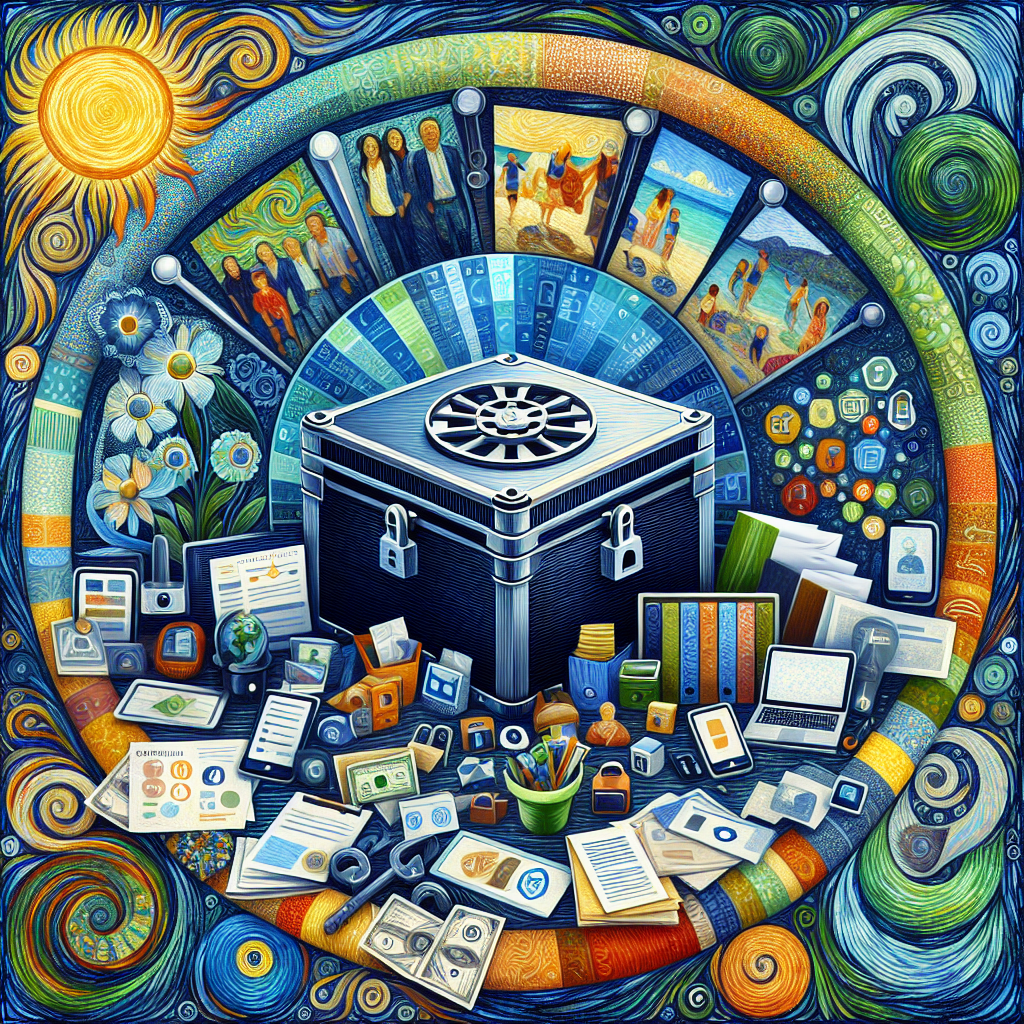
Imagine waking up to an empty inbox. It’s a bittersweet miracle; a moment of peace that echoes the kind of freedom we often chase but seldom find. For many, the daily grind is defined by a relentless parade of emails, notifications, and deadlines that clamor for attention and siphon away our precious time. But what if we could press pause on that incessant noise?
An empty inbox isn’t just a clean slate; it’s a rare moment of clarity amidst the chaos. Think about it: when distractions are minimized, our ability to focus sharpens. Legacy storytelling emerges here—not the stories we scroll past but the real narratives woven from our experiences and aspirations. With each email eliminated, we reclaim our capacity to engage deeply with the tasks that matter, whether it’s crafting a proposal that embodies our vision or nurturing a connection that fosters trust.
This isn’t just hypothetical. In this digital age, overflowing inboxes represent not just work but also emotional burdens. They wear us down, leading to frustration that lingers in the back of our minds. On the flip side, achieving an empty inbox can lead to a significant uptick in productivity. It’s a victory against the overwhelm, a symbol of mastery over our commitments. Consider the ethical dimension: when we manage our time effectively, we’re not only enhancing our productivity but also honoring the time of those intertwined in our professional lives. We show respect for their communication by responding thoughtfully rather than reactively.
We all want to feel competent and in control. An empty inbox can unleash authority; it empowers us to take the reins and steer our tasks with greater precision. This moment isn’t only about individual triumph but connects us socially as well. When we share these victories with colleagues, noticing others’ inboxes clear, we foster an environment where productivity thrives, where support becomes mutual, and where inspiration fuels action.
So, let’s rethink the inbox as more than just an electronic container. It’s a canvas for our most innovative thoughts. Each time we manage to confront it, we tell a story of resilience, collaboration, and growth. It’s in this empty space—the calm amidst the storm—that we can transform productivity from an obligation into an opportunity, igniting the potential that lies within us all.

What Happens to Our Productivity When Our Inbox Is Empty?
What Happens to Our Productivity When Our Inbox Is Empty?
- An empty inbox symbolizes freedom and a rare moment of clarity amid chaos.
- Minimizing distractions enhances focus and allows for deeper engagement with important tasks.
- Overwhelming inboxes represent emotional burdens and can decrease productivity.
- Achieving an empty inbox signifies mastery over commitments and boosts overall productivity.
- Managing time effectively shows respect for others’ communication and promotes thoughtful responses.
- An empty inbox empowers individuals, fostering a sense of control and authority over tasks.
- Reframing the inbox as a canvas for innovative thoughts encourages resilience and collaboration.
What Happens to Our Productivity When Our Inbox Is Empty?
How Does a Cluttered Inbox Affect Mental Health?
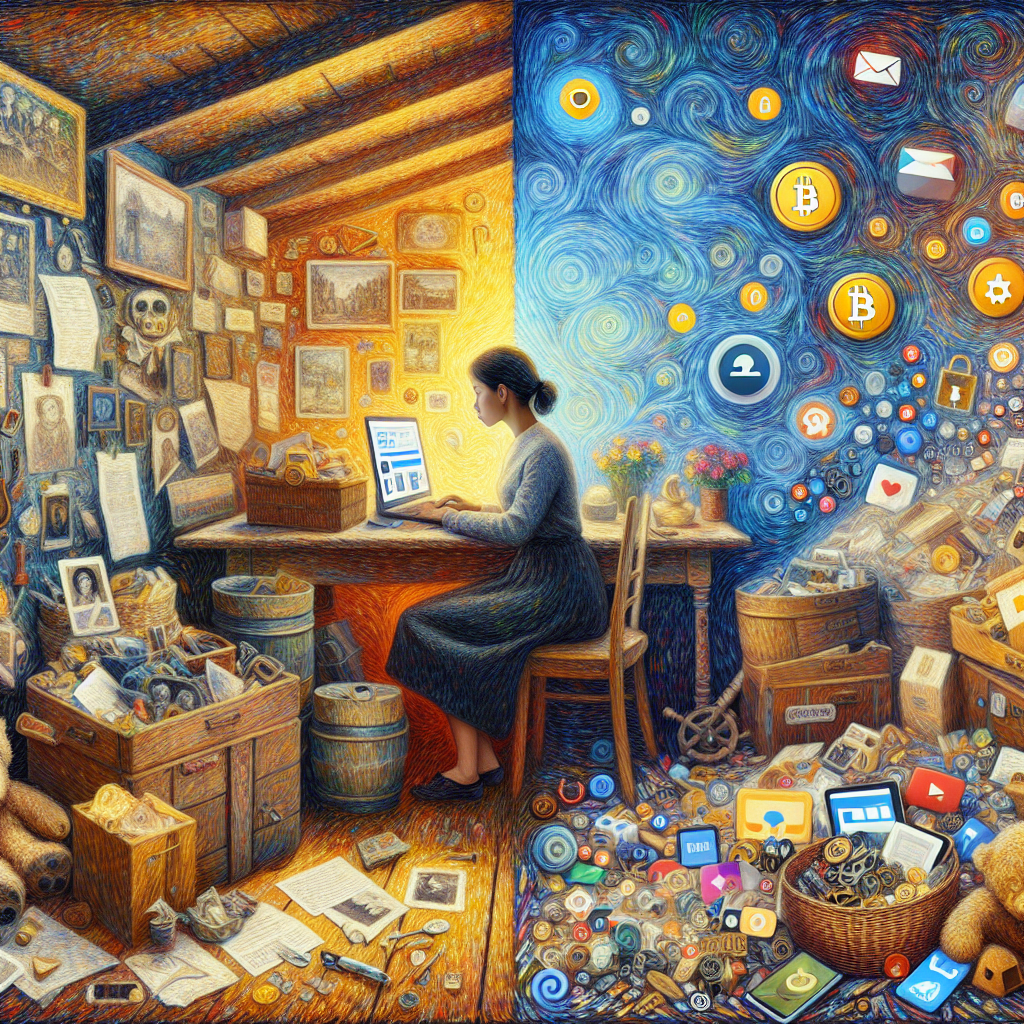
In the age of constant connectivity, our inboxes have become a digital representation of our lives, much like an overflowing closet—a cluttered shrine to our responsibilities, commitments, and unanswered questions. This chaotic mélange doesn’t just drown our productivity; it also takes a toll on our mental health, impacting how we think, feel, and ultimately function.
Imagine walking into a room where every surface is obscured under piles of neglected items. That overwhelming sense is akin to logging into an inbox teeming with unread emails. Each notification feels less like a call to action and more like a weight pressing down on our shoulders. It stirs anxiety, creating a perfect storm of stress that can lead to feelings of inadequacy and defeat. This is the emotional cost of a cluttered inbox—it erodes our well-being, filling us with unease.
Rationally, when our minds are cluttered with digital distractions, it’s tough to focus. Research indicates that cognitive overload can hinder decision-making and problem-solving abilities. The emails left unread are not just errant bits of data; they represent real-life decisions waiting to be made—choices that linger and amplify our stress. The incongruence between our mental capacity and the demands of a cluttered inbox can lead to paralysis by analysis, where simply deciding what to tackle first becomes an insurmountable challenge.
Ethically, we owe it to ourselves and those who rely on us to keep our communication clear and concise. When we let our inboxes spiral into disarray, we risk neglecting important messages, damaging relationships, and losing trust. It’s a disservice to our colleagues, friends, and family, who deserve our attention and commitment.
Legacy storytelling reminds us that our experiences shape who we are. Every email left unattended tells a story of commitments unmet, opportunities missed, and connections faded. It is our responsibility to curate that narrative—crafting a legacy of intentional communication rather than one marked by chaos and disconnect.
Socially, our interactions are reflective of how well we manage our lives. An organized inbox can be a testament to diligence and respect for our time and the time of others. By reducing inbox overload, we foster a culture of efficiency and clarity, encouraging those around us to follow suit.
Embracing the challenge of inbox management isn’t just about tidiness; it’s a profound step towards reclaiming our mental health and well-being. It’s time to clear the clutter and take control of the stories we tell with our lives.
How Does a Cluttered Inbox Affect Mental Health?
How Does a Cluttered Inbox Affect Mental Health?
- Inboxes symbolize our lives, paralleling an overflowing closet that reflects responsibilities and commitments.
- A cluttered inbox impacts productivity and mental health, leading to anxiety and emotional distress.
- Cognitive overload from unread emails hinders decision-making and problem-solving abilities.
- Disorganized inboxes can damage relationships and trust, as important messages may be neglected.
- Each unattended email represents missed opportunities and unmet commitments, shaping our narrative.
- An organized inbox reflects diligence and respect for personal and others’ time, promoting efficiency.
- Managing inboxes is crucial for reclaiming mental well-being and curating intentional communication.
How Does a Cluttered Inbox Affect Mental Health?
Can a Disappearing Inbox Lead to Better Work-Life Balance?
In today’s hustle-driven world, the notion of a disappearing inbox can feel like a fairy tale—an elusive escape from the constant barrage of messages demanding our immediate attention. But let’s be honest: chasing after that pristine inbox isn’t just about achieving inbox zero; it’s about reclaiming our time and, ultimately, our lives. This isn’t merely a productivity trick; it’s a legacy storytelling moment, one that connects deeply with the rhythms of our work, our families, and ourselves.
Imagine a typical day. You wake up, and the first thing you do is check your email, setting the tone for your entire day. With every notification, your heart races, tension builds, and soon enough, you’re only half-present at work and home. This isn’t how life should be lived. It leads to the overwhelming realization that work doesn’t have to spill over into every corner of our existence. By embracing the idea of a disappearing inbox, we can craft more deliberate narratives about how we spend our hours.
Rationally speaking, the benefits are palpable. A decluttered inbox fosters clarity, reduces stress, and allows us to focus on what truly matters—projects that excite us, relationships that uplift us. Removing the noise brings forth an ethical responsibility to ourselves and our families. It’s about teaching those we love that living with intention is not just a catchy phrase; it’s a practice we can embody.
Let’s tap into the guts of the matter. The weight of an unanswered email can be heavy, but when we take proactive measures—like scheduling intentional breaks or setting boundaries around our digital time—we foster deeper connections. Friends and family notice when we’re not half-listening, when our minds aren’t tethered to our screens. They feel valued, and so do we.
Socially, we shape our environments; we set examples. Others in the workplace start to notice the shift and may even join in. It’s a ripple effect—one that can transform a culture—leading toward a healthier work-life balance for everyone involved.
So, as you contemplate the concept of a disappearing inbox, think beyond emails. Envision it as a step toward crafting a future where you’re in control. A future where your legacy is one of connection, presence, and balance. Taking this journey could be your best decision yet, for you and the loved ones who cherish your time.

Can a Disappearing Inbox Lead to Better Work-Life Balance?
Can a Disappearing Inbox Lead to Better Work-Life Balance?
- The concept of a disappearing inbox represents a desire to reclaim time and improve life quality beyond just achieving inbox zero.
- Constant email notifications can negatively impact focus and presence in both work and home environments.
- A decluttered inbox fosters clarity, reduces stress, and prioritizes meaningful projects and relationships.
- Living with intention should be practiced and modeled for loved ones, emphasizing its importance in daily life.
- Proactive measures, like setting boundaries and intentional breaks, enhance personal connections and communication.
- Transforming workplace culture is possible when individuals demonstrate healthier work-life balance behaviors.
- The journey toward a disappearing inbox is about creating a future centered on connection, presence, and overall balance.
Can a Disappearing Inbox Lead to Better Work-Life Balance?
Is It Ethical to Prioritize Email Over Personal Communication?
In today’s fast-paced world, the art of communication has transformed. Yet, the poignant question remains: Is it ethical to prioritize email over personal communication? Take a moment to consider your own legacy—how will you be remembered? It’s the legacy storytelling we all contribute to, where our interactions shape our relationships and our reputations.
Emails are efficient, quick, and at times, necessary. They allow us to communicate across distances, keep records, and manage tasks with a few keystrokes. But efficiency often comes at a cost. Emails can strip away the warmth of human connection, turning heartfelt messages into mere text on a screen. Imagine the last time you received an email with an emotionally charged message. Did it resonate like a face-to-face conversation, or did it leave you feeling a tad disconnected?
Rationally, it’s hard to argue against the utility of email. It helps streamline communication in professional settings, allowing for organization and clarity. Yet, it’s essential to weigh these benefits against the ethical implications of sidelining personal interactions. Each missed opportunity for a handshake, a smile, or a meaningful conversation chips away at our ability to forge authentic connections. In a world that increasingly leans on digital correspondence, we must ask ourselves: Are we sacrificing our humanity for convenience?
Consider the role of authority in this equation. The most successful leaders often emphasize the importance of personal communication. They understand that trust is built on relationships nurtured through dialogue, not just digital exchanges. Whether in business or personal life, opting for a personal touch can lead to stronger bonds and foster a sense of community. When people feel valued—when their voices are heard—trust and cooperation flourish.
Engaging in personal communication allows us to tell our stories, to connect heart-to-heart, and to share experiences that shape our identities. It’s about recognizing the shared humanity in each interaction. So, the next time you feel the urge to hit ‘send’ on an email, pause and consider the impact of a face-to-face conversation or even a simple phone call.
Ultimately, the choice between email and personal communication isn’t simply about convenience; it’s a reflection of our values and priorities. Balancing these forms of communication can lead to a richer, more rewarding experience for everyone involved, ensuring that our legacy storytelling includes not just efficiency but also empathy and connection.
Is It Ethical to Prioritize Email Over Personal Communication?
Is It Ethical to Prioritize Email Over Personal Communication?
- The evolution of communication raises ethical questions about prioritizing email over personal interactions.
- Emails provide efficiency and convenience but can diminish human connection.
- The utility of email is significant in professional settings, allowing for organization and clarity.
- Each missed personal interaction reduces opportunities for authentic connections.
- Successful leaders emphasize personal communication to build trust and community.
- Engaging personally enables the sharing of stories and recognition of shared humanity.
- The balance between email and personal communication reflects our values and enriches experiences.

Is It Ethical to Prioritize Email Over Personal Communication?
How Do We Regain Control Of Our Email and Time?
Regaining control of our email and time isn’t just about tackling an overflowing inbox; it’s about reclaiming our lives. We’ve all been there: the incessant pings, notifications that feel like tiny alarms blaring in our heads, calling us to endless tasks that seem more like a burden than a business. Amid this chaos, we lose sight of why we started this journey in the first place. We must reflect on our legacy—the story we want to tell about ourselves. Each of us has a narrative that deserves to be told, not just along the lines of our careers but through our lives.
Imagine waking up each day, not to the dread of facing an unmanageable inbox, but with a clear head and purpose. This isn’t mere fantasy; it’s achievable. Start by creating boundaries, crafting time blocks dedicated solely to email management. Use the tools at your disposal, but don’t let them wield power over you. This is a skill set, a discipline that can be honed.
The heart of the matter is this—email is a tool, not a master. Each of those messages represents an opportunity to connect, to share your expertise or voice your concerns, yet this is often overshadowed by the pressure they bring. And while automation can serve as a vital ally, remember that the human touch is irreplaceable. Legacy storytelling allows us to communicate our values, to foster connections with those who share our visions and aspirations.
Let’s talk about time—a finite resource that constantly ticks away. It’s not just about being efficient; it’s about making decisions that align with your deepest values. Ask yourself: What do you want your legacy to reflect? This process requires courage, an ethical commitment to allocate your time towards what matters most—family, health, and personal growth.
As you assess the influx of emails and notifications, choose to forge your narrative. Set clear intentions for each interaction. Seek to cultivate relationships instead of merely responding to messages. The stories we tell—through our time, our words, and our attention—shape the world around us.
In this pursuit, we become stewards of our time and legacy, rewriting the tale of our existence. It’s time to put aside the chaos, embrace clarity, and take action. Your story matters. Your time is valuable. Take control, let your legacy resonate, and inspire others to do the same.
How Do We Regain Control Of Our Email and Time?
How Do We Regain Control Of Our Email and Time?
- Regaining control of email and time is essential for reclaiming our lives and purpose.
- Incessant notifications create chaos and distract from our journey and legacy.
- Establish boundaries and time blocks for dedicated email management.
- Email should be viewed as a tool for connection rather than a burden.
- Automation can assist, but the human touch is crucial for meaningful interactions.
- Time management should reflect personal values and focus on family, health, and growth.
- Intentional communication and relationship-building shape our narratives and legacy.

How Do We Regain Control Of Our Email and Time?
What Are the Long-Term Impacts Of Email Overload on Relationships?
What Are the Long-Term Impacts of Email Overload on Relationships?
In an age where a single click can send a message to anyone, anywhere, we find ourselves drowning in an ocean of digital communication. The allure of instant connection often masks a deeper truth—too much email can erode the very bonds we seek to strengthen.
Email overload is more than just a nuisance; it’s a silent relationship killer. The constant bombardment of messages, alerts, and notifications fragments our attention, diverting us from the conversations that truly matter. Imagine a dinner table where everyone is glued to their devices, exchanging hasty messages rather than heartfelt stories. This is not merely a loss of connection; it’s a fading legacy. The stories we share around the table, those precious moments of laughter and vulnerability, are what knit us together, building a tapestry of shared experiences and memories. When we prioritize email over these interactions, we risk leaving behind a legacy devoid of rich human connection.
Consider how relationships thrive on emotional resonance, mutual understanding, and trust. Each email, while perhaps efficient, often lacks the warmth and nuance of face-to-face interaction. Messages devoid of tone and body language can lead to misunderstandings and miscommunications, sowing seeds of discord where there should be harmony. By overloading our inboxes, we dissect conversations, isolating each thread rather than appreciating the greater narrative of our relationships.
Rationally, the cost of lost connections is staggering. Relationships, both personal and professional, are built on communication, and the longer we prioritize digital exchanges over meaningful dialogue, the more fragile these bonds become. Emails can be helpful tools, yet should never replace the richness of a genuine conversation, where empathy and connection flourish.
Ethically, we owe it to our friends, family, and colleagues to engage authentically. When we let our inbox dictate our responses, we risk fostering an environment where people feel undervalued or ignored. Each person’s voice deserves to be heard, not drowned out by a flood of electronic distractions.
Ultimately, we must act to reclaim our relationships from the grip of email overload. Let’s invest our time in what truly matters: cultivating trust, sharing our legacy stories, and connecting deeply with one another. Each moment spent nurturing relationships is an investment in a future where our connections are not just survived but thrived—woven together through the rich tapestry of shared humanity.
What Are the Long-Term Impacts Of Email Overload on Relationships?
What Are the Long-Term Impacts Of Email Overload on Relationships?
- Email overload can erode personal and professional relationships.
- The constant influx of messages distracts from meaningful conversations.
- Digital communication often lacks the warmth of face-to-face interaction.
- Misunderstandings can arise from nonverbal cues being absent in emails.
- Prioritizing emails over human interactions diminishes emotional connections.
- Authentic engagement is crucial to ensure individuals feel valued.
- Investing time in relationships enhances the quality of connections.

What Are the Long-Term Impacts Of Email Overload on Relationships?
How Can Technology Help Us Create a More Efficient Inbox?
In a world overflowing with digital chatter, the inbox has become both a blessing and a burden. It’s where important connections thrive but often turns into a chaotic jumble of messages, task reminders, and endless notifications. But what if we could leverage technology to restore harmony, bringing back the joy of communication that has been overshadowed by clutter?
Imagine each email as a chapter in a legacy storytelling that reflects our daily lives. Every message holds the potential to inspire, to connect, and to propel us forward. Yet, when we fail to manage our inbox effectively, these messages can get lost in the noise. Technology comes in as our silent partner—tools like AI-driven prioritization and smart filters can sift through the chaos, allowing us to focus on what truly matters. It’s not about simply clearing out a digital space; it’s about nurturing our relationships and optimizing our time.
Rationally, think about the hours wasted drowning in irrelevant emails. Every minute spent sorting through spam or trivial updates is a minute stolen from creative endeavors, personal connections, or simply, a well-deserved break. By harnessing tools that automate tasks and categorize important emails, we reclaim our time. It’s a practical, purely economic solution that speaks to our need for efficiency.
Ethically, we are responsible for how we communicate. In an age where digital footprint matters, being mindful of our inbox reflects our values and respect for others’ time. By adopting technology that streamlines our interactions, we set a standard for clarity and responsibility in our correspondence. It invites a culture of integrity in communication, one that others will admire and perhaps strive to emulate.
Moreover, the narrative of our daily grind transforms dramatically when we talk about the mental relief gained from an organized inbox. Picture not panicking at the end of the day, knowing you’ve addressed what truly matters. The stories we share through our emails carry weight, and by harnessing technology, we ensure that those stories reach their audiences unfettered.
Finally, there’s a social component—a collective understanding that efficiency leads to clearer communication across teams and families. When we optimize our inboxes, we set an example of how to prioritize and manage the essential aspects of life. It’s about building a community where clarity and connection thrive, leading not just to a streamlined inbox but enriched, meaningful exchanges. Let’s embrace the tools that empower us to transform our landscapes and create efficient, impactful communication.

How Can Technology Help Us Create a More Efficient Inbox?
How Can Technology Help Us Create a More Efficient Inbox?
- The inbox is a source of important connections but often becomes chaotic with messages and notifications.
- Effective inbox management can restore the joy of communication by utilizing technology like AI-driven tools for prioritization.
- Hours spent on irrelevant emails detract from creativity and important personal interactions.
- Using automation tools helps reclaim time and increases efficiency in managing communications.
- Being mindful of inbox management reflects respect for others’ time and promotes clarity in communication.
- An organized inbox reduces stress, allowing individuals to focus on what truly matters each day.
- Optimized inboxes foster clearer communication within teams and communities, leading to more meaningful exchanges.

How Can Technology Help Us Create a More Efficient Inbox?
Conclusion
As we navigate the fading realm of our digital inboxes, let’s take a moment to appreciate what they meant: a space for connection, communication, and shared stories. The technological evolution has brought us unprecedented convenience, but in the rush, we’ve often sacrificed the richness of our exchanges. Emails that once sparked joy have become burdens, drowning under an avalanche of notifications and distractions. Every *ping* was once a thread in the tapestry of our lives, a signal of intention and emotion. Now, that miniature thrill is lost among the chaos.
Rationally, an empty inbox symbolizes not a void but the reclamation of clarity and purpose. It’s a vital opportunity to redirect our focus toward what genuinely matters—authentic engagements and the narratives we weave with our words. Each email interacts with our values; neglecting messages impacts relationships, proving that thoughtful communication is a legacy worth nurturing. We owe it to ourselves and others to reconnect—to invest time in real conversations which foster trust and deeper understanding.
The ethical implications of prioritizing efficiency over connection cannot be ignored. While fast replies might seem practical, they often strip meaning from our interactions. Authentic dialogue is key; it’s how we shape our legacies. Strong leaders recognize this and build relationships based on personal touch and intentionality. They understand that true connection thrives on interactions that convey more than just information—they communicate appreciation, trust, and respect.
Consider how email overload not only affects productivity but casts a long shadow over our mental health. A cluttered inbox reflects an overwhelmed mind, leading to anxiety and stress. It pulls our focus away from the present moment, disrupting our work-life balance—leaving little room for the real stories that enrich our lives. We have to ask ourselves: are we willing to let our digital lives dictate our emotional well-being?
Yet, there’s hope in technology as a powerful ally in this struggle. Smart filters, AI-driven tools, and effective time management can help us regain control, transforming our inbox from a source of chaos to a canvas of meaningful communication. By leveraging these resources, we pave the way for a culture where clarity and connection prevail.
Ultimately, the journey toward a “disappearing inbox” is more than just solving an organizational challenge; it’s an essential step toward reclaiming our lives. Each action we take to clear the clutter opens doors to deeper conversations, authentic relationships, and a legacy defined by connection rather than distraction. The challenge lies in our hands—embrace it, and your story will resonate long after the last email is sent.
Conclusion
Conclusion:
- Digital inboxes were once a space for connection and shared stories.
- Technological evolution offers convenience but often sacrifices meaningful exchanges.
- An empty inbox symbolizes clarity, allowing focus on authentic engagements.
- Neglecting communication impacts relationships; thoughtful dialogue is essential.
- Email overload affects both productivity and mental health, contributing to stress.
- Technology can help regain control of our inboxes, enabling meaningful communication.
- The journey towards a “disappearing inbox” fosters deeper conversations and lasting connections.
Conclusion
Other Resources

Other Resources
Here is a list of other resources you can review online to learn more:
- MyMoriam
- My Wonderful Life
- LegalNature
- Xarona
- INELA
- Ever Loved
- AmericanAncestors
- Willmaker
- Tributes
- Cake
- UpCounsel
- Living Wisely
- Is There A Need To Pay For Copyrighting Services For Personal Or Family Legacy Stories?
- Afternote
- Storyfile Life
- 23AndMe
- FutureMe
- Ancestry
- LifeNaut
- WishesKeeper
Use This Prompt To Get More Resources With Your Favorite Online AI Tool: Please provide me with a list of online articles with their URLs in a bulleted list that I can read regarding The Disappearing Inbox

Other Resources
Glossary Terms
The Disappearing Inbox – Glossary Of Terms
1. Inbox Zero: A productivity methodology aimed at keeping the inbox empty or as close to empty as possible.
2. Email Overload: The overwhelming volume of emails that makes it difficult for individuals to manage their inbox effectively.
3. Digital Detox: A period during which a person refrains from using electronic devices, aiming to reduce stress and improve mental health.
4. Automatic Filtering: The use of software rules to sort incoming emails into specific folders, reducing clutter in the primary inbox.
5. Unsubscribe: The action of removing oneself from an email list to stop receiving unwanted emails.
6. Email Archiving: The process of moving emails from the inbox to a storage solution for future reference without cluttering the primary inbox.
7. Priority Inbox: An email feature that automatically sorts messages into categories based on importance.
8. Communication Overload: The excessive amount of communication through various channels leading to inefficiency.
9. Task Management: The process of organizing and prioritizing tasks, often using specialized software or applications.
10. Email Etiquette: The guidelines for proper conduct when sending and responding to emails.
11. Snooze Feature: A function that allows users to temporarily remove an email from the inbox until a specified later time.
12. Read Receipts: Notifications that inform the sender when the recipient has opened their email.
13. Bcc (Blind Carbon Copy): An email feature that allows the sender to conceal the recipients’ addresses from one another.
14. Cc (Carbon Copy): Sending a copy of an email to additional recipients beyond the primary one.
15. Spam: Unsolicited and often irrelevant messages sent in bulk, typically for advertising purposes.
16. Email Client: Software used to access and manage a user’s email accounts.
17. Touchpoint: Any interaction point between a customer and a brand, often facilitated through email communications.
18. Follow-up Email: A message sent after an initial contact to check in or provide additional information.
19. Email Template: Pre-written structures that can be customized for consistent communication.
20. Digital Clutter: The excess digital information that hampers productivity and focus.
21. Email Response Time: The duration it takes for a recipient to reply to an email.
22. Collaboration Tools: Software applications that facilitate teamwork and communication, reducing reliance on email.
23. Email Addressing: The methods for specifying email recipients, utilizing To, Cc, and Bcc fields.
24. Action Items: Tasks or responsibilities that arise from email communications, often requiring follow-up.
25. Email Signature: A block of text at the end of an email that includes the sender’s contact information and position.
26. Digital Communication Channels: Various platforms for online interaction, including email, messaging apps, and social media.
27. Threaded Conversations: An email feature that organizes replies in a single chain, making it easier to follow discussions.
28. Email Marketing: The strategy of using emails to send advertisements, solicit donations, or engage current customers.
29. Over-Communication: The tendency to communicate too frequently or through too many channels, leading to inefficiencies.
30. Micro-content: Short, valuable bits of information shared through digital communication, designed for quick consumption.

Glossary Of Terms
Other Questions
The Disappearing Inbox – Other Questions
If you wish to explore and discover more, consider looking for answers to these questions:
- What exactly is meant by a “disappearing inbox”?
- Which platforms and apps are driving the trend toward disappearing messages?
- What technological mechanisms make inboxes “disappear” (ephemeral messages, auto-archive, filters)?
- Why are people and organizations moving away from traditional email?
- How does a disappearing inbox affect day-to-day productivity for individuals?
- What are proven methods to achieve and maintain inbox zero?
- How does inbox disappearance impact mental health and cognitive load long term?
- Can automations and AI safely prioritize and triage my messages without losing context?
- What privacy and security risks are introduced by ephemeral or auto-deleting messages?
- How should important communications be preserved for legal, tax, or compliance reasons?
- Does relying on disappearing messages increase the risk of lost institutional knowledge?
- How do disappearing inbox practices affect team collaboration and information sharing?
- What cultural changes are needed in workplaces to support reduced email dependence?
- When is it ethically appropriate to prioritize email over in-person or voice communication?
- How can individuals set healthy boundaries and notification policies to protect work-life balance?
- What metrics should organizations track to measure the impact of changing inbox behaviors?
- Are there sectors or roles where disappearing inboxes are particularly problematic?
- Which tools, apps, or features are most effective for decluttering and organizing messages?
- How can managers encourage adoption of new communication norms without harming responsiveness?
- What are simple daily workflows for triage, delegation, and follow-up in a low-email environment?
- How can families and personal networks use message-disappearing features without losing memories?
- Are there legal or regulatory constraints on deleting or auto-removing emails in certain industries?
- What best practices preserve tone and empathy when replacing face-to-face contact with short messages?
- How do disappearing inboxes alter the way we tell and preserve legacy stories online?
- What are the trade-offs between convenience and depth of communication with disappearing messages?
- Can third-party services reliably back up ephemeral messages, and should they?
- How should you decide whether to reply via email, phone, or an in-person conversation?
- What real-world case studies show positive or negative outcomes from adopting disappearing inbox practices?
- How will emerging technologies (AI summarization, conversational agents) change inbox management in the next 5–10 years?

Other Questions
Haiku
The Disappearing Inbox – A Haiku
Clutter drowns our voice,
Amidst the digital noise,
Reclaim your story.

Haiku
Poem
The Disappearing Inbox – A Poem
In a world of flickering screens and fading sounds,
Messages once sacred now rush by in bounds.
Our inboxes blur, a lost art in the din,
Where once vibrant ties are growing thin.
Each *ping*, a heartbeat, a bridge to another,
Now drowned in the noise, we forget one another.
Tell me, have we traded connection for speed?
In haste, we neglect the hearts that we need.
Rationally, reflect on the cost of this race,
Metrics overshadowing genuine grace.
Every email an opening, a story to share,
Yet lost in the clamor, it hangs in despair.
Ethics beckon us back to the essence of talk,
To nurture our bonds with each heartfelt walk.
From legacy storytellers, wisdom we glean,
To weave in our moments, both seen and unseen.
The clutter weighs heavy, our spirits confined,
Yet an empty inbox opens a clear, quiet mind.
Productivity blooms when we wrestle with chaos,
A canvas for purpose, a future we’ll lay gloss.
Socially, we gather, our tales intertwined,
Encouraging voices, leaving no one behind.
For what is a life marked by missed connections?
Just echoes of silence and hollow reflections.
So let’s embrace the balance of digital and true,
Reclaiming our time—amongst many, just a few.
With intention we write, and through chaos, we sift,
Each moment a story, our greatest gift.

Poem
Checklist
The Disappearing Inbox – A Checklist
Emotional Appeal Reflect and Connect
✅______ Take a moment to ponder your connection with email. Does it enhance or detract from your personal interactions?
✅______ Recognize the stories behind each message you receive. How can you infuse more meaning into your digital communication?
Rational Appeal Evaluate Productivity
✅______ Assess the time spent managing your inbox. Are you prioritizing meaningful tasks over trivial distractions?
✅______ Identify tools (like filters, prioritization software) that can help optimize your email management.
Ethical Appeal Foster Meaningful Communication
✅______ Commit to enhancing your communication clarity. Are you balancing efficiency with warmth in your interactions?
✅______ Reflect on the relationships affected by your email habits. How can you respect others’ time and needs better?
Authority Appeal Seek Inspiration
✅______ Look to leaders in your industry who prioritize authentic communication. What lessons can you learn from their practices?
✅______ Embrace storytelling techniques that resonate with your audience. Are you sharing your narrative effectively?
Narrative Appeal Craft Your Own Legacy
✅______ Write down your goals for email and communication. What legacy do you want to create in your interactions?
✅______ Share your experiences with colleagues and friends. How can collective storytelling foster a supportive environment?
Social Appeal Build Community
✅______ Engage in discussions with peers about digital communication habits. What can you learn from each other?
✅______ Participate in or create initiatives that promote healthy communication practices within your organization or community.
Practical Steps Create Boundaries
✅______ Establish specific times for checking emails to prevent distractions. How can you create a focus block each day?
✅______ Use technology wisely. What automation tools or apps can help you streamline your email process without sacrificing connection?
Mental Health Focus Prioritize Well-Being
✅______ Monitor your emotional responses to your inbox. Are there patterns that indicate stress or overwhelm?
✅______ Engage in regular reflection about your communication habits. What changes can you implement to foster mental clarity?

Checklist
At LegacyExplorations, we help people plan and explore their legacy by collecting information and news regarding end-of-life planning.
Please share this post with your friends, family, or business associates who may want help to plan or explore their legacy.