

Unlocking Secrets: The Legacy Of Trust In A Digital World
By Tom Seest
At LegacyExplorations, we help people plan and explore their legacy by collecting information and news regarding end-of-life planning.
Please share this post with your friends, family, or business associates who may want help to plan or explore their legacy.
The Encrypted Estate
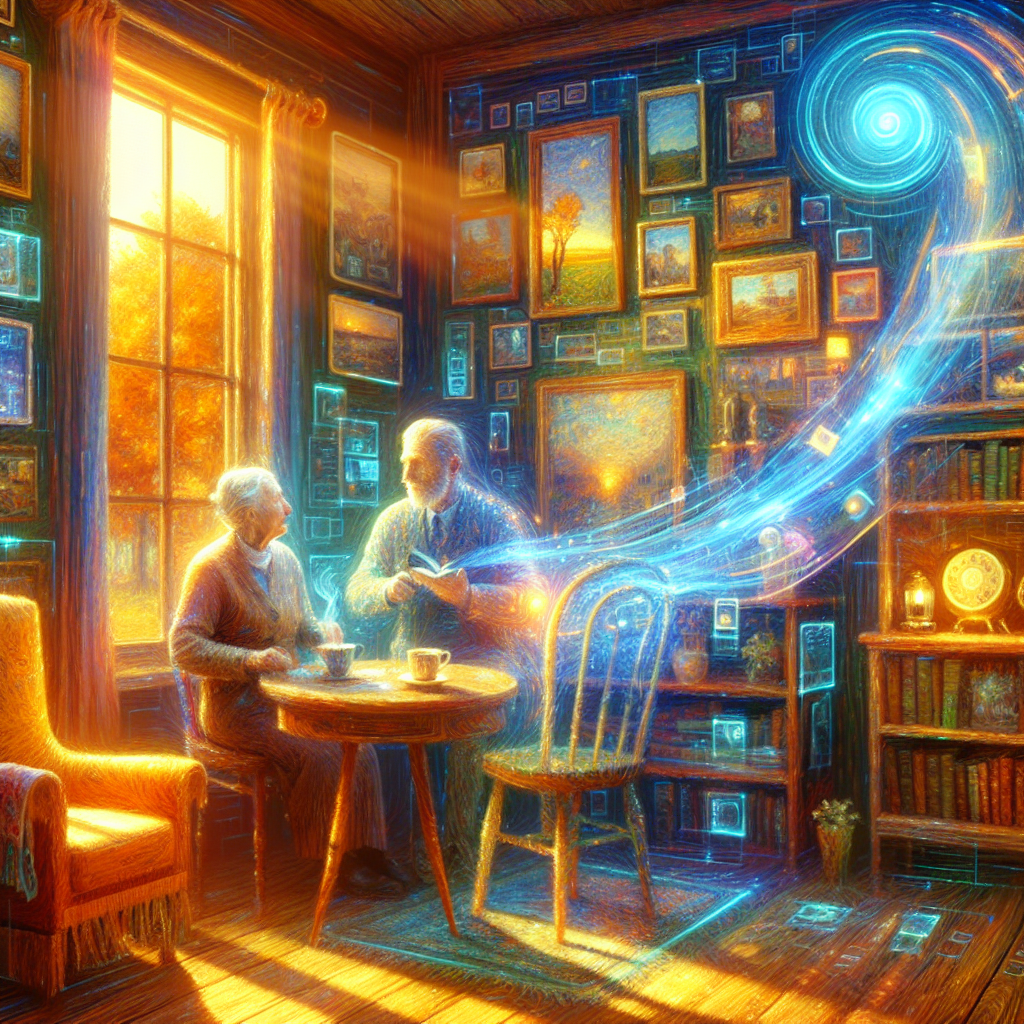
In a world where memories fade and stories often wither away, the heart of what truly matters is encapsulated in legacy storytelling. Imagine a family gathered around the fireplace, the flickering flames casting a warm glow as the elder shares tales of their ancestors, threading the fabric of history with laughter and tears. It’s more than just recollection; it’s the heartbeat of heritage, a passage of wisdom and experiences woven into a tapestry that beckons us to remember where we come from.
In our digital age, the notion of capturing this legacy has shifted dramatically. An encrypted estate—much like the vaults protecting priceless treasures—offers a modern solution to safeguard our narratives. These digital lockers cradle not just our assets but the essence of our existence: photos, videos, letters, and cherished moments that embody our values. This encryption shields our stories from the erosion of time and the intrusiveness of an uninvited digital world, ensuring that what matters most remains intact and accessible to those we hold dear.
Rationally, this shift toward digital preservation is not just a whim; it’s a necessity. As families become more dispersed, the threads binding them together can fray. Legacy storytelling becomes a lifeline, one that fosters connection in an age of separation. Think of it as planting a seed that will grow into a magnificent oak, providing shelter and shade for generations. When we preserve our stories through an encrypted estate, we offer a blueprint for our loved ones, guiding them with the wisdom derived from our triumphs and tribulations.
Ethically, the responsibility to pass down our legacies is paramount. It’s a commitment to honor those who paved the way for us and to inform future generations about choices, values, and the very essence of what it means to be a part of a family. We establish a continuity that reverberates through time, a chorus of voices echoing with insight and love.
Yet, it’s not merely the preservation that compels us; it’s the authenticity of our narratives that resonates. Every story shared is a thread in the intricate stitch of our collective journey. This isn’t just about safeguarding; it’s about echoing a call to action. Embrace your story, protect it, and pass it on. Let your legacy live on in the hearts and minds of those you cherish, inspiring them to build their own paths while carrying a piece of you with them. Our narratives are more than memories; they are the enduring foundation upon which our future stands.

The Encrypted Estate
The Encrypted Estate
- Legacy storytelling connects families by preserving histories through shared narratives.
- In a digital age, encrypted estates serve as modern vaults for safeguarding personal stories and memories.
- This digital preservation approach protects valuable content from time and technological intrusion.
- As families grow apart, legacy storytelling maintains bonds and fosters connection.
- The act of passing down legacies honors ancestors and educates future generations about family values.
- Authenticity in narratives is vital, as every story contributes to the collective family journey.
- Embracing and protecting personal legacies inspires future generations to remember and celebrate their roots.

The Encrypted Estate
Table Of Contents
- The Encrypted Estate
- What Is the True Value Of Your Digital Legacy?
- How Can Encryption Secure Your Estate?
- Is Your Family Prepared for Your Digital Assets?
- What Ethical Considerations Arise In Digital Inheritance?
- How Do Encrypted Assets Affect Estate Planning?
- Can Encryption Simplify Your Beneficiaries’ Responsibilities?
- What Are the Legal Implications Of Encrypted Estates?
- Conclusion
- Other Resources
- Glossary Of Terms
- Other Questions
- Haiku
- Poem
- Checklist
What Is the True Value Of Your Digital Legacy?
In a world where a simple click can immortalize a moment, we must ask ourselves: what is the true value of your digital legacy? Each post, photo, and message creates a digital footprint, a tapestry of your life woven from the threads of experiences, passions, and relationships. This isn’t just data stored in the cloud; it’s your Legacy Storytelling, a chronicle of who you are, the values you hold dear, and the stories that shape you.
Think about those old photo albums gathering dust on a shelf—their pages turned by loved ones reminiscing about shared moments. Your digital legacy functions in much the same way. It’s an opportunity to craft a narrative that answers questions about meaning, purpose, and connection. By sharing your triumphs and failures, you can help others navigate their journeys, creating a sense of community that transcends physical boundaries. This is where the heart comes in—your experiences resonate with others, forging bonds that remind us we are not alone in our struggles.
From a rational standpoint, consider how your digital legacy plays a vital role in today’s interconnected society. It’s more than just a series of likes and shares; it’s a reflection of your values and beliefs. What you choose to share impacts those around you, inspiring them to act, rethink, or even change their lives for the better. Each interaction can plant a seed, encouraging others to engage thoughtfully in a digital age that often feels superficial.
Moreover, there’s an ethical obligation in the narratives we choose to portray. With great digital power comes great responsibility. Curating a legacy that honors honesty and integrity can influence future generations, shaping a culture where authenticity is valued. This is the narrative that fosters trust—not just in ourselves, but in the world we create together.
Finally, there’s a social aspect that cannot be overlooked. Your digital legacy is not just yours; it’s part of a larger community narrative. Engaging with others and sharing your story invites them to reflect on their own. It’s a rallying call to be present, to cherish every moment, and to recognize that our digital footprints hold the potential for meaningful impact. The stories we tell today will serve as the foundation for those who come after us, making the true value of your digital legacy not just personal, but profoundly collective.

What Is the True Value Of Your Digital Legacy?
What Is the True Value Of Your Digital Legacy?
- A digital legacy consists of posts, photos, and messages that reflect personal experiences and values.
- Your digital footprint is akin to a narrative that shapes connections and community.
- Sharing stories of triumph and failure can assist others in their own journeys.
- Your digital legacy reflects your beliefs and has the power to inspire constructive actions in others.
- There is an ethical responsibility to curate a digital legacy that upholds honesty and integrity.
- Your digital legacy contributes to a larger community narrative and encourages self-reflection.
- The impact of shared stories extends beyond the personal, influencing future generations.

What Is the True Value Of Your Digital Legacy?
How Can Encryption Secure Your Estate?
In a world that seems increasingly out of control, the thought of securing your estate should inspire a sense of peace. Imagine crafting a legacy that is not only built on hard work and dreams but is also protected from the clutches of those who might seek to exploit or even erase it. This is where encryption comes into play, a powerful shield that can safeguard your family’s future.
Consider for a moment the emotional weight tied to legacy storytelling. Every photograph, letter, and piece of memorabilia represents not just possessions but the very essence of your identity and the stories of those who came before you. When we encrypt sensitive information, it’s not merely about technology; it’s about protecting those stories, preserving your family’s history against the kind of heartless threats that seem more commonplace today.
Rationally, the need for encryption is undeniable. With cyber threats lurking in every corner of the digital landscape, it’s essential to take proactive measures. Encryption serves as a lock that keeps prying eyes away from your financial accounts, personal documents, and private communications. By establishing a secure digital environment, you’re not just shielding your assets; you’re also fostering an atmosphere of trust and responsibility among heirs, ensuring they can inherit not only wealth but wisdom and a safe legacy.
Ethically, protecting your estate through encryption is a testament to love and foresight. It reflects the values you stand for — nurturing and safeguarding what matters most. This isn’t just about play-it-safe strategies; it’s about demonstrating to your loved ones that you care deeply enough to ensure their future is secure. We live in a society where transparency often feels like an illusion, making your ethical commitment to security an act of courage.
Moreover, you don’t have to navigate this terrain alone. Experts in digital security hold the knowledge and authority to guide you through the maze of encryption options tailored to your specific needs. In seeking their counsel, you show not only a commitment to your family but also an acknowledgment that preserving a legacy is a collective endeavor.
As we engage in legacy storytelling about our lives, we cannot overlook the importance of security in the digital realm. The stories we tell should be protected fiercely. By embracing encryption, we ensure that the heart, the head, and the gut all align — fostering a connection between generations that goes far beyond the tangible, allowing legacies to flourish in safety and trust.

How Can Encryption Secure Your Estate?
How Can Encryption Secure Your Estate?
- Securing your estate through encryption inspires peace and protects your legacy.
- Legacy storytelling holds emotional significance, with memorabilia representing identity and history.
- Encryption combats cyber threats, safeguarding financial accounts and personal communications.
- Establishing a secure digital environment fosters trust and responsibility among heirs.
- Ethically, encryption reflects love and foresight, ensuring loved ones’ futures are secure.
- Digital security experts can guide individuals through personalized encryption options.
- Protecting stories through encryption fosters intergenerational connections and secure legacies.

How Can Encryption Secure Your Estate?
Is Your Family Prepared for Your Digital Assets?
In today’s world, your digital footprint—your online accounts, social media profiles, and cryptocurrencies—represents a significant part of your legacy. This isn’t just about money or data; it’s about the stories you leave behind and how they impact those you care about. Legacy storytelling goes beyond simply passing down possessions; it’s about sharing your values, lessons learned, and family history. If your digital assets aren’t planned for, they could become a confusing puzzle for your loved ones during an already difficult time.
Consider this: how often have you detailed your online presence for your family? Most of us are comfortable sharing our traditional belongings but shy away from discussing the more intangible parts of our lives. Yet, your family deserves to understand what you’ve built in the digital realm. Imagine the bittersweet moment when they stumble across a cherished photo or heartfelt message. Wouldn’t you want them to have all the keys to unlock those memories?
Get practical. Start by creating a clear inventory of your digital assets. This includes everything from bank accounts to social media profiles. Be transparent about where everything is, how to access it, and who might need to take action. In doing so, you reduce the stress on your loved ones and empower them to honor your legacy more fully.
Think about the ethical responsibility you have to those left behind. When you neglect to address your digital assets, it leaves your family in a tight spot: grappling with potential losses, confusion, or disputes over your online presence. Sharing this part of your legacy ensures they step into the future with clarity instead of uncertainty. It’s an opportunity for connection, not just through the tangible, but through shared digital memories that can be celebrated together.
Envision a family gathering where stories flow freely, with laughter and tears as loved ones recall the moments captured in your digital archive. By preparing your family for this, you pave the way for stronger bonds to form around your shared history.
The truth is, every click, every post, and every transaction carries a part of you. Ensuring your family is prepared to navigate your digital legacy is an act of love and care that fosters trust, confidence, and connection. Don’t wait—start this important conversation today and empower your family to understand and cherish your digital life as part of their own.

Is Your Family Prepared for Your Digital Assets?
Is Your Family Prepared for Your Digital Assets?
- Your digital footprint, including online accounts and social media, is a crucial part of your legacy.
- Legacy storytelling encompasses sharing values and family history, not just physical possessions.
- Without planning for digital assets, loved ones may face confusion during difficult times.
- Create a comprehensive inventory of digital assets, including access information.
- Addressing digital assets protects family from potential disputes and losses.
- Preparing your family fosters connection through shared digital memories.
- Discussing your digital legacy is an act of love that enhances trust and understanding.
Is Your Family Prepared for Your Digital Assets?
What Ethical Considerations Arise In Digital Inheritance?
The digital age has transformed how we think about inheritance, raising a host of ethical considerations. Picture this: a loved one’s passing leaves behind not just memories but a trove of digital assets, from social media accounts to cryptocurrencies. Each piece comes with its own narrative, a digital legacy waiting to be told. Yet, who has the right to access these stories?
When we discuss digital inheritance, we must consider more than just legal titles. It’s a matter of emotional resonance and ethical clarity. Digital assets often encapsulate a person’s life, their experiences, and their relationships. As we navigate this brave new world, we should treat these assets with the utmost respect, understanding that they represent real lives and real legacies. Legacy storytelling isn’t merely about the material; it’s about the emotional and historical significance of what’s left behind.
The tension grows when family members must decide who maintains control over these accounts. Should access be granted automatically to next of kin, or should the deceased’s wishes, often documented in wills or letters, dictate the process? This points to a deep-seated ethical dilemma: respecting an individual’s autonomy while also preserving familial ties. The right to digital assets can feel like a battleground, creating rifts or harmony among those navigating their loved one’s final wishes.
People often overlook the weight of these decisions. Imagine a daughter discovering her late father’s blog, an emotional chronicle filled with his hopes, dreams, and personal struggles. What if a sibling, unaware of its significance, thinks only of monetizing the content? When we consider these implications, we focus on the delicate balance of protecting emotional heritage while adhering to legal frameworks.
Trust plays an essential role in this conversation. Families need to openly discuss their digital futures long before the inevitable arrives. By fostering these conversations, we not only prepare ourselves but also honor those we’ve lost. The narratives we share and the legacies we preserve become a testament to our shared humanity. By recognizing the complexities of digital inheritance, we’re not just valuing material assets; we’re ensuring that the stories, lessons, and connections of those who came before us continue to thrive. Ultimately, navigating digital inheritance challenges us to confront both the emotional and ethical dimensions of life—a true reflection of love and memory in the modern age.

What Ethical Considerations Arise In Digital Inheritance?
What Ethical Considerations Arise In Digital Inheritance?
- The digital age has changed perspectives on inheritance, introducing ethical dilemmas regarding digital assets left behind.
- Digital legacies include social media accounts and cryptocurrencies, each representing a narrative that deserves recognition.
- Access to digital assets raises questions about rights, emotional significance, and individual autonomy versus family ties.
- Decisions about who controls these assets can create conflicts within families, highlighting their emotional and historical value.
- Trust and open discussions about digital futures are vital to honor the deceased and preserve their legacies.
- Navigating digital inheritance involves balancing emotional heritage with legal considerations and preparing for the future.
- This process reflects the enduring connection between love, memory, and the complexities of modern life.

What Ethical Considerations Arise In Digital Inheritance?
How Do Encrypted Assets Affect Estate Planning?
In a world where digital currency is becoming the norm, the concept of estate planning is evolving rapidly. Imagine a father, a small business owner, who has spent years meticulously building a financial legacy for his children. He’s accumulated assets not just in the form of traditional stocks and property, but also in encrypted assets. These aren’t just numbers on a screen; they represent his hard work, dreams, and hopes for the future.
Legacy storytelling plays a crucial role in this narrative. It’s about passing on more than just wealth; it’s about sharing values, lessons, and experiences. Encrypted assets, like cryptocurrencies, can be a part of that storytelling, offering a significant symbol of innovation and adaptability. When it comes time to pass on this digital gold, having a solid estate plan ensures that the story continues without a hitch.
Rationally speaking, neglecting encrypted assets in estate plans can lead to confusion and potential loss. Digital wallets come with passwords and keys that, if forgotten or misplaced, can vanish into thin air, taking with them not only financial assets but also the family legacy tied to those assets. This isn’t just about dollars and cents; it’s about ensuring that the hard-won legacy is protected and passed on to future generations in a seamless manner.
On an ethical level, there’s a responsibility to manage and communicate the complexities of these assets. Families should discuss their encrypted wealth openly, breaking down barriers that might lead to misunderstandings after their loved ones are gone. Crafting an estate plan that includes encrypted assets fosters transparency, guiding beneficiaries through an often murky world of technology and finance.
The authority in this space is rapidly changing; advisors and estate planners are now arming themselves with knowledge about digital assets. This evolution reflects the reality that estate planning must adapt to the times, blending traditional methods with contemporary necessities. By embracing the digital landscape, families can create a cohesive strategy that respects the past while looking toward the future.
In a society that increasingly values connection, acknowledging the role of encrypted assets in estate planning is vital. It encourages families to unite in their planning processes, inspiring trust and an actionable approach to preserving what truly matters: the legacy we leave behind.

How Do Encrypted Assets Affect Estate Planning?
How Do Encrypted Assets Affect Estate Planning?
- Estate planning is evolving due to the rise of digital currency and encrypted assets.
- Legacy storytelling involves sharing values and experiences beyond mere financial wealth.
- Neglecting encrypted assets in estate plans can lead to confusion and loss of family legacy.
- Digital wallets require careful management to prevent loss of financial assets and associated stories.
- Families should openly discuss encrypted wealth to foster transparency and understanding.
- Estate planners are adapting to include knowledge of digital assets, blending traditional and modern methods.
- Acknowledging encrypted assets in planning promotes family unity and trust, preserving legacies for future generations.
How Do Encrypted Assets Affect Estate Planning?
Can Encryption Simplify Your Beneficiaries’ Responsibilities?
In a world filled with uncertainty, the weight of our legacies often feels heavy, a burden passed down to our loved ones. But what if, instead of confusion and chaos, we could leave behind clarity and peace of mind? The answer lies in something as formidable as it is understated: encryption. By embracing this technology, you aren’t just securing your assets; you’re engaged in a form of legacy storytelling that ensures your voice, your values, and your vision endure beyond your time.
Imagine your beneficiaries, facing the heart-wrenching task of managing what you’ve left behind. With encryption, the complexity is reduced dramatically. Think of encryption as a digital safety deposit box, safeguarding your wishes while granting access only to those you’ve entrusted with your story. When they open that box, they find not just documents, but a narrative woven with your intentions, making their responsibilities more straightforward and more meaningful.
This isn’t merely about protecting data; it’s about empowering your heirs. When they understand how to navigate the encrypted landscape you’ve thoughtfully created, they are not just executors of your estate. They become stewards of your legacy, engaging in a shared history that touches the heart. Your values and aspirations resonate through every encrypted file, transforming what could be a daunting task into a pathway illuminated by your hopes and dreams.
The reality of digital complexity can trigger anxiety. In a world that increasingly relies on technology, your beneficiaries may feel overwhelmed by something they don’t understand. Yet, with proper encryption, what might seem like barriers morph into bridges. They feel your presence in the meticulous organization of your affairs, even as they confront the responsibility of honoring your wishes.
Ethically, choosing encryption signals that you cared enough to think ahead, ensuring that your loved ones aren’t plunged into the murky waters of miscommunication or disputes over intentions. Instead, they inherit not just possessions but a framework built on trust – a trust that stems from knowing you had their interests at heart.
As we weave our legacies, we must recognize that simplicity fosters connection. Encryption fosters harmony among family members, encouraging conversations about what matters most: the relationships that bind us. By reducing complexity, you can nurture an environment where your legacy is cherished, understood, and celebrated. It’s like gifting your loved ones a map, not just of your assets, but of your life’s journey, ensuring they carry forward your legacy story with clarity and confidence.

Can Encryption Simplify Your Beneficiaries’ Responsibilities?
Can Encryption Simplify Your Beneficiaries’ Responsibilities?
- Legacies often feel burdensome, but clarity and peace of mind can be achieved through encryption.
- Encryption acts like a digital safety deposit box, simplifying the management of your wishes for beneficiaries.
- It empowers heirs, transforming them from executors to stewards of your legacy.
- Proper encryption alleviates anxiety around digital complexity and helps beneficiaries feel your presence.
- Choosing encryption demonstrates care and foresight, building trust and avoiding miscommunication.
- Simplicity through encryption fosters connections among family members and encourages meaningful conversations.
- It creates an environment for cherishing and understanding your legacy, serving as a map of your life’s journey.

Can Encryption Simplify Your Beneficiaries’ Responsibilities?
What Are the Legal Implications Of Encrypted Estates?
In today’s digital age, we’re witnessing an explosion of data—both treasured and trivial. Every email, photo, and social media post contributes to our digital footprint, and as we come to terms with this reality, we must navigate the labyrinth of encrypted estates. These digital possessions, often safeguarded by sophisticated algorithms, represent more than mere bytes of information; they are the very essence of our legacy storytelling.
Imagine for a moment a world where your loved ones are unable to access the memories, experiences, and financial assets you’ve meticulously curated over a lifetime. This isn’t just about passwords and encryption keys; it’s about the stories tied to each digital token. The issue raises profound legal implications—who has the right to inherit these encrypted assets? As you ponder this dilemma, consider the human side of the equation. It’s about safeguarding not just property, but the emotions and memories embedded within your online presence.
From a rational standpoint, one must understand that encryption serves a purpose: it protects privacy, ensuring sensitive information remains out of reach from prying eyes. However, this very protection can become a double-edged sword when it comes time to pass on one’s digital estate. Heirs may find themselves locked out of not only financial accounts but cherished digital artifacts. The ethical challenge here is clear: how do we honor the intent of the deceased while respecting their privacy wishes?
Establishing a comprehensive plan is not just a legal obligation; it’s a moral imperative. Thoughtful dialogue surrounding encrypted estates fosters not only connection among family members but also clarity around wishes and desires. Engaging in legacy storytelling can bridge the gap between the digital and the personal. It creates a roadmap through the murky waters of inheritance, providing heirs with a compass to navigate what may otherwise be an overwhelming digital landscape.
Moreover, as society continues to evolve, the legal frameworks governing these encrypted assets must adapt. Just as we trust our legal systems to uphold our rights and protect our interests, we must also advocate for laws that recognize the significance of our digital lives. It’s time for us to engage in these conversations, ensuring that our loved ones are not left behind in a digital divide at a moment when they most need to feel connected to our stories. In doing so, we create a legacy that resonates, honoring our past while paving the way for future generations.

What Are the Legal Implications Of Encrypted Estates?
What Are the Legal Implications Of Encrypted Estates?
- Digital age characterized by an explosion of data, impacting personal legacy.
- Encrypted digital assets represent important memories and financial information.
- Challenges arise regarding inheritance rights of encrypted digital possessions.
- Encryption protects privacy, but can hinder access for heirs to digital estates.
- Establishing a plan for digital inheritance is essential for clarity and connection.
- Legal frameworks must evolve to recognize the significance of digital lives.
- Engaging in discussions about digital legacies helps bridge the gap between the past and future.

What Are the Legal Implications Of Encrypted Estates?
Conclusion
In “The Encrypted Estate: Unlocking Secrets,” Tom Seest crafts a narrative that bridges the emotional and ethical gaps in legacy storytelling within our digital age. Family gatherings often invoke warmth, where stories connect generations. Yet, in today’s fast-paced world, those memories risk fading unless safeguarded. The concept of an encrypted estate emerges as a modern fortress, preserving our digital legacies—photos, videos, letters—against the tides of forgetfulness and intrusions from cyberspace. This protection transcends mere technology; it encompasses our identities and the narratives that form our familial tapestry.
Rationally, amidst familial dispersal, preserving these legacies provides a vital connection, even when physical distance threatens to sever bonds. Think of it as planting a strong oak; each story nurtures future growth, guiding loved ones through life’s journeys. Ethically, there lies a profound duty to honor our predecessors while securing a foundation of values for our descendants. Our narratives embody authenticity, reflecting shared experiences that echo through time. It’s an inherent call to action: to protect, embrace, and share our stories so they can inspire and guide those we cherish.
In this evolving landscape, the value of a digital legacy becomes clearer. Each post and image we share serves not only as documentation of our lives but as opportunities for connection and community. Careful curation of our online stories can foster discussions about deeper meanings and values. The stakes are high; secure planning and encryption can prevent potential chaos for heirs, transforming a potentially burdensome legacy into a gift that echoes the lives we lived.
As the realities of digital inheritance unfold, we must confront ethical dilemmas surrounding access to our accounts and narratives. Respecting individual wishes while fostering familial ties creates a necessary conversation about shared digital futures. This dialogue becomes essential in preserving emotional heritage, ensuring that the stories we leave behind thrive.
In conclusion, the act of weaving our digital legacies with thoughtful encryption is not only a rational decision but a testament to love and foresight. It embraces the complexities of a modern legacy while nurturing trust and transparency among family. As we navigate this intricate landscape, let’s remember: our stories matter. They shape connections, inspire resilience, and ensure that, despite the inevitable passage of time, our voices will endure through generations.
Conclusion
Conclusion:
- Tom Seest’s narrative, “The Encrypted Estate: Unlocking Secrets,” addresses legacy storytelling in the digital age.
- Family gatherings evoke warmth, but memories risk fading without preservation.
- An encrypted estate serves as a modern fortress for safeguarding digital legacies like photos and letters.
- Preserving legacies connects families despite physical distances, akin to nurturing a strong oak tree.
- There is an ethical duty to honor predecessors and establish value foundations for descendants through shared narratives.
- Digital legacies provide connection opportunities, emphasizing the importance of careful curations of online stories.
- Conversations about digital inheritance navigate ethical dilemmas, fostering familial ties and preserving emotional heritage.

Conclusion
Other Resources

Other Resources
Here is a list of other resources you can review online to learn more:
- IronClad Family
- Association of Personal Historians
- RootsMagic
- AmericanAncestors
- International End of Life Doula Association
- LegalZoom
- EverNote
- Forever Missed
- How to Avoid Losing Your Family History One Generation at a Time
- WishesKeeper
- Funeral Services Guide
- Bcelebrated
- StoryCorps
- LegalNature
- LifeSite
- INELA
- Legacy Learned
- Living Wisely
- GhostMemo
- LifeWeb 360
Use This Prompt To Get More Resources With Your Favorite Online AI Tool: Please provide me with a list of online articles with their URLs in a bulleted list that I can read regarding The Encrypted Estate

Other Resources
Glossary Terms
The Encrypted Estate – Glossary Of Terms
1. Encryption: The process of converting information or data into a code to prevent unauthorized access.
2. Estate: A legal term referring to all the property and assets owned by an individual at the time of their death.
3. Cryptographic Key: A specific piece of information used to encrypt and decrypt data.
4. Public Key: A type of cryptographic key that can be shared publicly and is used to encrypt messages.
5. Private Key: A confidential key kept secret by the owner, used to decrypt messages encrypted with the public key.
6. Blockchain: A decentralized digital ledger that records transactions across many computers securely.
7. Digital Will: A legal document specifying how a person’s digital assets and online accounts should be handled after their death.
8. Smart Contract: A self-executing contract with the terms of the agreement directly written into code, often used on blockchain.
9. Tokenization: Converting sensitive data into a non-sensitive equivalent, called a token, to enhance security.
10. Cryptocurrency: A digital or virtual currency that uses cryptography for security and operates independently of a central authority.
11. Decentralization: The distribution of authority and control away from a central entity, promoting transparency and security.
12. Digital Assets: Any online property that has value, including cryptocurrencies, domain names, and digital media.
13. Trustee: An individual or entity appointed to manage assets on behalf of beneficiaries.
14. Heir: A person entitled by law or the terms of a will to inherit the estate of another upon their death.
15. Beneficiary: An individual designated to receive assets from an estate or trust.
16. Probate: The judicial process of validating a will and administering an estate.
17. Smart Inheritance: An automated process that uses technology and smart contracts to handle the distribution of assets after death.
18. Access Control: Security measures that restrict access to digital properties and estates.
19. Forensics: The digital investigation and analysis of data and assets to ensure their integrity and authenticity.
20. Data Privacy: The right of individuals to control how their personal information is collected and used.
21. Authentication: The process of verifying the identity of a user or entity before granting access to systems or information.
22. Encryption Algorithm: A mathematical procedure for performing encryption on data.
23. Estate Planning: The process of organizing and planning for the distribution of an individual’s assets after their death.
24. Access Protocol: A set of rules governing how data is accessed and shared.
25. Digital Footprint: The online presence consisting of a trail of data left by interactions in a digital environment.
26. Secure Storage: The application of advanced security measures to protect digital assets from unauthorized access.
27. Asset Recovery: The process of reclaiming and managing inherited digital assets.
28. Interoperability: The ability of different systems and organizations to work together with shared data.
29. Cybersecurity: The practice of protecting systems, networks, and programs from digital attacks.
30. Legacy Plans: Strategies enacted to determine how digital and physical assets will be passed on after death.

Glossary Of Terms
Other Questions
The Encrypted Estate – Other Questions
If you wish to explore and discover more, consider looking for answers to these questions:
- What exactly is an “encrypted estate” and how does it differ from a traditional digital estate?
- Which types of digital assets should be included in an encrypted estate (photos, emails, social accounts, crypto, documents, etc.)?
- What encryption methods and standards are recommended for protecting different kinds of digital assets?
- How do I securely store and manage encryption keys, passwords, and recovery phrases?
- What happens to encrypted assets if the encryption keys are lost or forgotten?
- How can I ensure my heirs can access encrypted assets without compromising my privacy while alive?
- Should I designate a digital executor or trustee, and what should their responsibilities be?
- How do encrypted estates integrate with wills, trusts, and other estate-planning documents?
- Are there legal requirements or restrictions for leaving encrypted assets to beneficiaries?
- How do different jurisdictions treat inheritance of encrypted assets and cryptocurrencies?
- What are the tax implications of inheriting encrypted digital assets, including crypto?
- How do social media platforms, email providers, and cloud services handle access requests for deceased users?
- Can service providers lawfully refuse access to accounts or encrypted data after death?
- How can I ethically balance the deceased’s privacy wishes with family members’ desire to access memories?
- What steps should I take now to document my digital legacy clearly for my family?
- Are there secure tools or vendors that specialize in encrypted estate solutions, and how do I evaluate them?
- How much does implementing an encrypted estate typically cost, and are there ongoing fees?
- What is the role of legal counsel and digital-security experts when creating an encrypted estate?
- How can I create redundancies and backups for encrypted assets without creating security vulnerabilities?
- What formats and metadata preservation strategies ensure long-term readability of digital heirlooms?
- How can I prevent contested access, disputes, or fraud among heirs regarding encrypted assets?
- What processes exist for transferring ownership of cryptocurrencies and hardware wallets to beneficiaries?
- Can encrypted estates be incorporated into trusts to simplify beneficiary responsibilities?
- How should I handle third-party intellectual property (e.g., music, videos) stored in my encrypted estate?
- What legal documentation or authorizations should accompany access instructions (powers of attorney, letters of instruction)?
- How do data-protection laws (e.g., GDPR) affect access to a deceased person’s encrypted data?
- What safeguards protect heirs from malware, phishing, or scams while attempting to access encrypted assets?
- How can I verify the authenticity of digital artifacts in the encrypted estate after my death?
- Should I plan for posthumous publication or selective release of certain materials, and how is that enforced?
- How often should I review and update my encrypted estate plan to reflect new accounts, keys, or laws?
- Are there real-world examples or case studies that illustrate best practices and pitfalls in encrypted estates?
Other Questions
Haiku
The Encrypted Estate – A Haiku
Legacy stories shared,
Encrypted treasures secure,
Hearts unite through time.
Haiku
Poem
The Encrypted Estate – A Poem
In a world where memories drift like whispers in the night,
A legacy of stories flickers, gently casting light.
Around the hearth, a family’s bond, woven tight and warm,
With laughter and tears, through history, they transform.
Yet time’s swift tide erodes the tales we hold dear,
In this digital age, our essence could disappear.
Encrypted estates rise, a modern-day stronghold,
Guarding cherished moments, treasures of the soul untold.
Each photo, each letter, each moment preserved,
In archives of our lives, our wisdom can be served.
A tapestry of values, woven with care,
To connect us through generations, a love that we share.
What’s the worth of our legacies, our digital trails?
Each post a reflection, where meaning prevails.
Through triumph and sorrow, we find common ground,
In the shared human story, our voices resound.
But with such power, ethical burdens arise,
Who inherits our souls, who unlocks our skies?
As guardians of memories, we must pave the way,
For clarity and trust to define our stay.
Encryption—a shield, a fortress of grace,
Protecting our narratives, ensuring our space.
In a realm of uncertainty, let us stand tall,
For legacy storytelling unites us, after all.
So we gather our assets, not just for the few,
But to weave a rich future, where love shines through.
As stewards of history, let us not forget,
Each tale we preserve becomes the heart’s duet.
In this digital expanse, let our stories intertwine,
Encourage connection, let our spirits align.
For the legacies we leave are more than mere data,
They’re echoes of love, our stories—our fate.

Poem
Checklist
The Encrypted Estate – A Checklist
Heart (Emotional Appeals)
✅______ Reflect on your cherished memories; what stories define your family’s legacy?
✅______ Identify photographs and mementos that hold special meaning—organize them for sharing.
✅______ Write heartfelt letters to loved ones detailing your values and advice.
Head (Rational Appeals)
✅______ Create an inventory of your digital assets, accounts, documents, and important information.
✅______ Research encryption options that suit your needs; ensure your data is protected from unauthorized access.
✅______ Develop a clear plan for accessing your assets in the event of your passing.
Gut (Ethical Appeals)
✅______ Consider the ethical ramifications of your digital legacy; how will it impact your loved ones?
✅______ Discuss your digital wishes openly with family to avoid confusion and prevent disputes.
✅______ Honor the intentions behind your stories and digital assets to maintain family harmony.
Authority (Expert Appeals)
✅______ Consult with digital security experts about encryption strategies tailored to your situation.
✅______ Engage with estate planners familiar with digital assets to ensure a smooth transition.
✅______ Seek guidance on legal considerations for digital legacies and encrypted estates.
Narrative (Storytelling Appeals)
✅______ Share your life lessons and experiences through written or recorded formats.
✅______ Encourage family members to contribute their stories to create a shared family narrative.
✅______ Make your digital legacy a part of family gatherings; create opportunities for storytelling.
Social (Community Appeals)
✅______ Foster open conversations among family members about the importance of legacy planning.
✅______ Establish a family digital archive where everyone can contribute stories and memories.
✅______ Promote awareness of digital legacies within your community, encouraging others to plan responsibly.

Checklist
At LegacyExplorations, we help people plan and explore their legacy by collecting information and news regarding end-of-life planning.
Please share this post with your friends, family, or business associates who may want help to plan or explore their legacy.