

Securing Your Legacy In A Digital Age: Don’t Let The Cloud Slip Away
By Tom Seest
At LegacyExplorations, we help people plan and explore their legacy by collecting information and news regarding end-of-life planning.
Please share this post with your friends, family, or business associates who may want help to plan or explore their legacy.
The Estate Plan That Ignored the Cloud
In a world where digital footprints sometimes outlast our physical ones, the story of a family navigating the aftermath of an outdated estate plan is a poignant reminder of the need for relevance in our preparations. Imagine a loved one who, through no fault of their own, becomes a digital ghost. Emails, social media accounts, and cloud storage filled with cherished memories and important documents remain locked away, inaccessible because the proper planning was never established. This isn’t just about logistics; it speaks to the heart of what we leave behind—a legacy that transcends generations.
Legacy storytelling isn’t merely a historical account; it’s a living narrative woven through our connections. Every photo shared online, every document saved on a cloud—a piece of who we are, waiting to be told. When we ignore the digital realm in our estate planning, we risk leaving behind more than just decisions about physical assets. We create a chasm that can fracture relationships and sever the connections that bind us.
Consider the rationality of addressing these digital assets. It’s a matter of practicality. Just as we wouldn’t leave a house unlocked or a car without keys, neglecting our digital world in estate planning is both risky and irresponsible. Ethical considerations expand further; our loved ones deserve guidance during emotionally charged times. To leave them in confusion over how to handle our online presence is unfair. It’s about a clear directive that respects their grief and acknowledges the importance of those digital memories and information.
We often resist thinking about death or our digital afterlife, but the truth is, we owe it to those we care about to act decisively. Planning isn’t merely a task; it’s an opportunity to affirm our love and responsibility. When we take action, we cultivate trust and confidence in our family’s ability to navigate the complexities of loss.
So, as we ponder our estate plans, let’s include the cloud in our discussions. Recognize that these digital assets are part of our legacy, integral to our storytelling. By confronting the realities of our digital lives and implementing thoughtful strategies, we forge a lasting connection that honors our life’s narrative and ensures that our stories continue to resonate. Let’s not leave unfinished tales behind; the time to act is now.
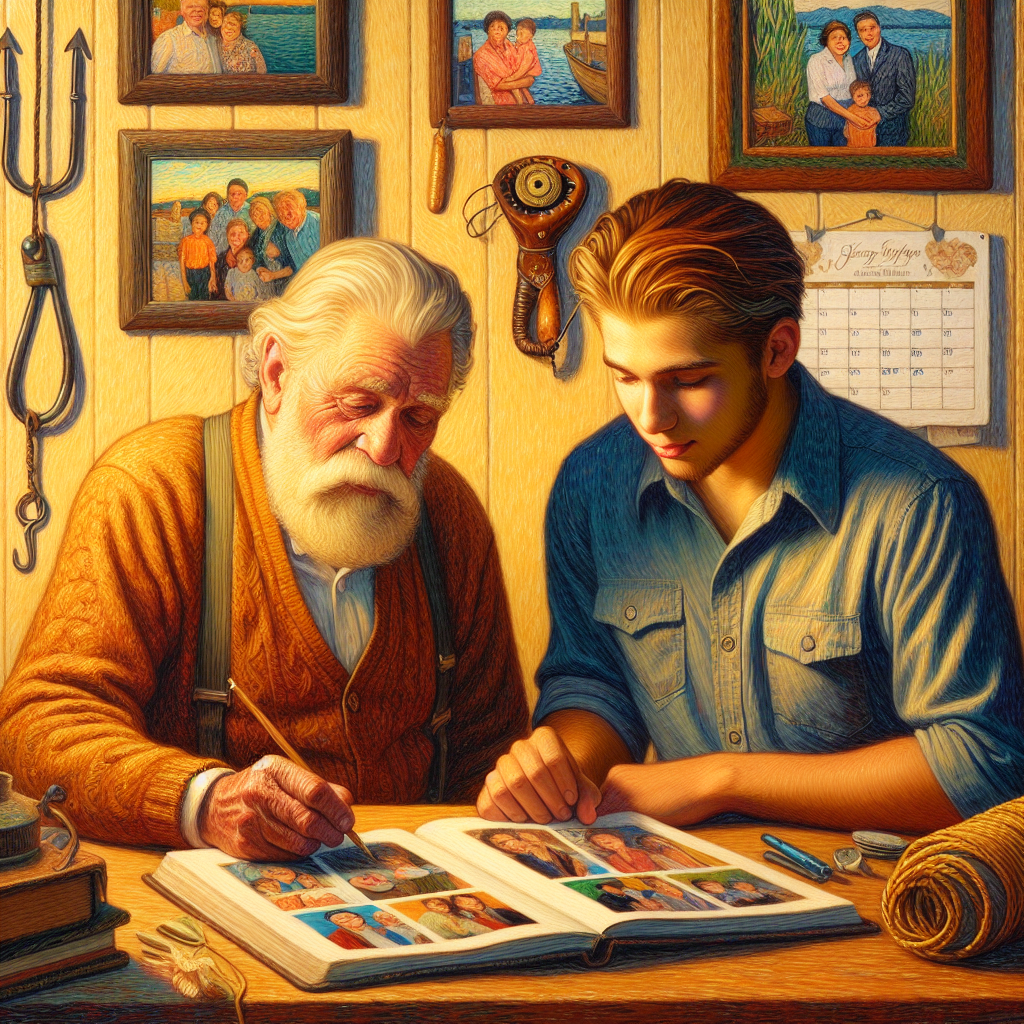
The Estate Plan That Ignored the Cloud
The Estate Plan That Ignored the Cloud
- The story highlights the importance of updating estate plans to include digital assets.
- Failure to plan can leave loved ones unable to access valuable digital memories and documents.
- Legacy storytelling includes both physical and digital elements of our lives.
- Ignoring digital estate planning risks damaging relationships and connections.
- Ethical considerations urge us to guide loved ones through the emotional complexities of loss.
- Proactive planning reflects love and responsibility towards family members.
- Engaging with digital assets ensures our legacy and stories are preserved and accessible.

The Estate Plan That Ignored the Cloud
Table Of Contents
- The Estate Plan That Ignored the Cloud
- What Happens to Digital Assets When You Pass Away?
- How Prepared Are You for an Unexpected Death?
- Are Your Loved Ones Equipped to Handle Your Online Accounts?
- What Legacy Do You Want Your Digital Footprint to Leave Behind?
- How Can Your Online Presence Impact Your Loved Ones’ Grief?
- Should You Include Social Media Accounts In Your Estate Plan?
- Can Your Digital Assets Cause Legal Complications for Your Heirs?
- Conclusion
- Other Resources
- Glossary Of Terms
- Other Questions
- Haiku
- Poem
- Checklist
What Happens to Digital Assets When You Pass Away?
When we talk about digital assets after one’s passing, we’re diving into a subject that intertwines life, loss, and everything in between. Each blog post, family photo, or playlist we’ve curated online tells a piece of our story—a legacy storytelling that reflects who we are and the memories we’ve built. But what happens to that digital tapestry when we are no longer here?
Imagine your loved ones sifting through the remnants of your online life, unearthing those fragments that defined you. It could be a heartfelt message from an old friend, a favorite song that brought you joy, or those culinary masterpieces captured in photos. Each click, each share, was more than just digital noise; they were connections, moments, and vibrancies of your life that painted a broader picture of your existence.
However, this digital inheritance often has a darker side. Without proper estate planning, these assets can vanish into the ether. Various platforms have different policies. Some allow for transfer of ownership, while others merely entomb your data, leaving your stories unheard and unseen. This reality underscores a crucial point: in planning for the inevitability of our passing, we must not neglect our digital footprints. It’s about ensuring that your legacy storytelling—a narrative steeped in your laughter, love, and lessons—lives on in the way you intended.
The conversation about digital assets isn’t just one of logistics; it’s deeply human. It’s about the ethical responsibility we have to our family and friends. They deserve the chance to hold on to those digital memories, to feel connected to us even when we’re gone. To face this reality with discernment is not just wise; it reinforces our values of responsibility, love, and intention.
Let’s also consider the authority we have over our digital lives. Reaching out to professionals who specialize in digital estate planning can provide clarity and direction. They can guide you through the maze of passwords and privacy settings to ensure your online presence is honored and cherished.
In contemplating our mortal passage, we’re reminded that our stories don’t end with us. By taking proactive steps to secure our digital assets, we empower our loved ones to continue the journey of legacy storytelling—celebrating life, cherishing relationships, and keeping our memories alive in a way that resonates far beyond our time.

What Happens to Digital Assets When You Pass Away?
What Happens to Digital Assets When You Pass Away?
- Digital assets embody a person’s legacy through online posts, photos, and playlists.
- After someone’s passing, loved ones may explore their online remnants, discovering meaningful memories.
- Without proper estate planning, digital assets can be lost or inaccessible, depending on platform policies.
- Planning for digital footprints is essential to ensure legacy storytelling is preserved as intended.
- The conversation around digital assets encompasses ethical responsibilities to keep connections alive.
- Professionals in digital estate planning can help navigate privacy settings and ensure online presence remains honored.
- Securing digital assets allows loved ones to celebrate life and memories beyond the individual’s passing.

What Happens to Digital Assets When You Pass Away?
How Prepared Are You for an Unexpected Death?
Life is a series of unexpected turns. One moment, we’re enjoying the mundane, and the next, we’re faced with the profound. The reality of unexpected death shakes us to our core, confronting us with questions about our legacy, our relationships, and how we want our stories to be told. Legacy is not merely what we leave behind in material terms; it’s the narrative we weave throughout our lives, impacting those around us long after we’re gone.
Consider this: when we talk about legacy storytelling, we’re engaging in a powerful act. It’s a bridge that connects the heart to the mind and, ultimately, to the gut. Sharing our stories—both the triumphs and the struggles—creates invaluable emotional ties within families and communities. Picture a daughter holding onto a letter written by her mother, recounting tales of resilience during tough times. That bond transcends the inevitable, giving life to a narrative rich with memories and lessons.
Rationally, the thought of our own mortality can be unsettling. We tend to shy away from planning because it feels daunting. But think of what happens if we leave our loved ones unprepared. They’re not just grieving; they’re left to sort through the chaos of decisions we failed to address. It can feel irresponsible, even ethically challenging, to neglect this aspect of our existence. By addressing our own mortality ahead of time, we provide guidance rooted in love, easing burdens for those we care about.
Engaging with these feelings isn’t a sign of weakness; it’s an act of courage. Sharing our wishes, telling our stories, and documenting our values signaling to our loved ones that we care deeply about their futures. It instills trust, confidence, and perhaps even a sense of closure for those we leave behind.
Moreover, the conversations around unexpected death create a collective acknowledgment of our shared human experience. When we gather to discuss these themes, we realize we’re not alone. Each of us carries fears, wishes, and dreams that bind us together in our vulnerability. In this space, we find strength, and sometimes, even humor.
So, how prepared are you for this reality? Embrace legacy storytelling. Dive deep into your narrative. Engage your loved ones in conversations that matter. In doing so, you not only confront mortality—you celebrate life. And in that celebration, you build a lasting legacy that resonates far beyond your time here.

How Prepared Are You for an Unexpected Death?
How Prepared Are You for an Unexpected Death?
- Life consists of unexpected events, leading us to confront profound questions about legacy and relationships.
- Legacy storytelling connects emotional and intellectual aspects, fostering deeper ties within families and communities.
- Preparing for one’s mortality helps loved ones avoid confusion and chaos during their grieving process.
- Addressing mortality and sharing our stories demonstrate care for future generations, instilling trust and closure.
- Conversations about death create a shared understanding of our human experience and vulnerabilities.
- Engaging in legacy storytelling allows individuals to celebrate life while addressing their mortality.
- Building a legacy requires deep reflection and meaningful conversations with loved ones.

How Prepared Are You for an Unexpected Death?
Are Your Loved Ones Equipped to Handle Your Online Accounts?
In a world where our lives are increasingly lived online, the idea that we might leave our digital footprint for someone else to navigate can be daunting. It’s more than just passwords and email addresses; it’s about Legacy Storytelling. Imagine for a moment that your online presence is a storybook filled with chapters of your life, connections, and values. What happens to that narrative when you’re no longer able to tell it yourself?
Think about the relationships you’ve built, the experiences you’ve shared, and the lessons you’ve learned. All these threads weave together into a digital tapestry that can provide solace or guidance to those you leave behind. Yet, if your loved ones are not equipped to handle your online accounts, that vibrant narrative can fade into obscurity.
Consider this: how many times have you poked fun at your parents for struggling with technology? Now, flip the script. They may soon be tasked with managing your social media, your financial accounts, or even your digital subscriptions. It’s not merely a matter of technology; it’s an ethical responsibility. Your loved ones deserve to understand how to honor your legacy, to preserve the essence of your online self even when you can’t be there to guide them.
This isn’t just a practical concern—it’s a call to action. By taking steps now to prepare your loved ones, you’re not just alleviating a potential burden; you’re granting them peace of mind. Imagine the comfort they’d find in knowing they can still access cherished memories preserved in photos, messages, or shared experiences. You have the authority to make their journey easier by laying a solid foundation for them to stand on.
What do you want your legacy to look like? Is it just a collection of usernames and passwords, or is it a meaningful exchange of your values and passions? It’s time to adopt a more proactive approach. Have those tough conversations. Create a plan. #ShareYourStory. When you do this, you’re not just disconnecting from a device; you’re connecting deeply with those you love.
In doing so, you foster an environment of trust and confidence, ensuring that your story doesn’t end abruptly but continues to be told, celebrated, and cherished long after you’ve logged off for the last time. By equipping your loved ones, you empower them to carry on your legacy with grace and intention.
Are Your Loved Ones Equipped to Handle Your Online Accounts?
Are Your Loved Ones Equipped to Handle Your Online Accounts?
- Digital footprints represent more than passwords; they encompass personal stories and legacies.
- Online presence is like a storybook filled with life chapters, relationships, and values.
- If loved ones aren’t prepared to manage online accounts, the narrative can fade into obscurity.
- It’s essential to equip family with the knowledge to honor and preserve one’s legacy online.
- Taking proactive steps can provide peace of mind and alleviate potential burdens for loved ones.
- Create a meaningful legacy that reflects values and passions rather than just technical details.
- Fostering trust and confidence ensures one’s story continues to be celebrated after their passing.

Are Your Loved Ones Equipped to Handle Your Online Accounts?
What Legacy Do You Want Your Digital Footprint to Leave Behind?
In today’s world, every click, every post, and every comment is more than just a momentary expression; it’s a piece of a larger Legacy. Think of your digital presence as a storytelling canvas. Each interaction, each shared memory or opinion, contributes to a narrative—your Legacy Storytelling. What do you want that story to say?
Consider the emotional weight carried by the breadcrumbs we leave online. A heartfelt post about a loved one can touch hearts across the globe; a thought-provoking article can spark conversations that lead to change. Your digital footprint is a reflection of your values, your beliefs, and your character. Connecting on social media, you have the power to inspire, uplift, or challenge those around you. It’s not just about what you say; it’s about what resonates. When you share your experiences authentically, you build trust with others, transforming casual followers into a community that feels invested in your journey.
Rationally, think about the implications of your online choices. In a world where information can be amplified within seconds, the messages you share can influence others in profound ways. Are you contributing positively or spreading negativity? Every decision you make on social platforms should be guided by the notion of the legacy you want to leave. Be intentional. Consider how your actions today may ripple into future conversations.
Ethically, there’s a responsibility that comes with the ability to express oneself online. What do you stand for, and how does that get reflected in your digital persona? By upholding integrity in your interactions, you not only elevate your own story but also encourage others to follow suit. Imagine a culture where everyone feels empowered to share their truth with honesty and respect—that’s a legacy worth building.
Narratively, think of your digital footprint as a chapter in a much larger book. Each post and comment is a line that weaves together the fabric of your life story. When you look back, will you be proud of the narrative your online presence portrays?
As we engage in the social landscape of online life, remember that the connections you foster can change lives. Strive to leave a footprint that reflects not only who you are but who you aspire to be. In doing so, you craft a legacy that uplifts and inspires those who follow.

What Legacy Do You Want Your Digital Footprint to Leave Behind?
What Legacy Do You Want Your Digital Footprint to Leave Behind?
- Your digital presence serves as a storytelling canvas, contributing to your Legacy Storytelling.
- Each online interaction reflects your values, beliefs, and character, impacting others emotionally.
- Authentic sharing builds trust and creates a community invested in your journey.
- Be intentional with your online choices, as they can have profound implications and influence future conversations.
- Ethical responsibility comes with expressing oneself online; your digital persona should reflect your integrity.
- Your digital footprint is a part of a larger narrative; consider if you are proud of the story it tells.
- Connections fostered online can change lives; aim to leave a legacy that uplifts and inspires others.
What Legacy Do You Want Your Digital Footprint to Leave Behind?
How Can Your Online Presence Impact Your Loved Ones’ Grief?
In the age of social media, our online presence holds immense power, shaping not only how we are remembered but also how our loved ones navigate their grief. Every post, picture, and comment contributes to a digital legacy—an everlasting testament to who we were, what we valued, and the connections we forged. For those left behind, this can be both a blessing and a burden.
Imagine a daughter scrolling through her late father’s Facebook page, reliving memories encapsulated in status updates and photos. Each “like” and comment serves as a digital embrace, a reminder that she isn’t singular in her sorrow. This is where legacy storytelling becomes critical. It’s not just about immortalizing our accomplishments; it’s about painting a multi-dimensional picture of who we were as people. Friends and family can share anecdotes that resonate, weaving together a narrative that can help each grieving heart find solace.
From the rational perspective, consider that as we share our lives online, we also share our vulnerabilities and triumphs. This openness fosters authentic connections. Our loved ones witness the depths of our experiences, leading to a deeper understanding of who we were, and in turn, who they might want to become. When a loved one is lost, those shared moments—whether funny, poignant, or embarrassing—can act as critical touchstones in the grieving process. They remind the bereaved that grief is not a solitary journey, but one paved with shared memories and collective stories.
Ethically speaking, it’s essential to approach online sharing with sensitivity. In life, we have a responsibility to honor not just our voices but those of others. Consider the posts that glorify someone’s achievements—how do they impact the grieving process? By choosing to frame stories that highlight kindness, resilience, and love, we can inspire others to celebrate life rather than only mourn the loss.
In a community that often feels fragmented, our online legacies act as connective tissue. They invite friends to share their emotions, thoughts, and even laughter on these posts. This collective mourning and celebration of life can lift the weight of grief, demonstrating that love outlasts even the deepest pain.
Ultimately, let’s wield our online presence as a tool for connection, a means to narrate our lives and legacies in ways that resonate with our loved ones long after we’re gone. It’s not just about remembering; it’s about fostering trust, encouraging action, and inspiring those left behind to continue our story in their own lives.

How Can Your Online Presence Impact Your Loved Ones’ Grief?
How Can Your Online Presence Impact Your Loved Ones’ Grief?
- Our online presence shapes our legacy and influences how loved ones grieve.
- Digital memories create connections and shared experiences for those left behind.
- Legacy storytelling helps paint a comprehensive picture of an individual’s life.
- Sharing vulnerabilities fosters authentic connections and deeper understanding.
- Online sharing requires sensitivity to honor both personal and collective experiences.
- Online legacies serve as a communal source of support during the grieving process.
- Using our online presence intentionally can inspire and foster ongoing connections.

How Can Your Online Presence Impact Your Loved Ones’ Grief?
Should You Include Social Media Accounts In Your Estate Plan?
When considering your estate plan, have you thought about the digital footprint you’re leaving behind? Every post, photo, and cheeky comment you’ve shared online is part of your legacy storytelling. Social media accounts, once simply a way to connect with friends, now serve as modern-day heirlooms. They encapsulate memories, milestones, and messages you’d want your loved ones to preserve or understand long after you’re gone.
Imagine your grandchildren scrolling through your social media accounts, seeing how you lived, loved, and laughed. Those digital assets offer a unique perspective on your life, capturing your essence in ways traditional photographs or journals cannot. It’s not just about the selfies or the vacation highlights; it’s about the stories behind those images—the connections to family, friends, and values you hold dear. By including your social media accounts in your estate plan, you’re ensuring that your narrative continues, allowing those left behind to remember and celebrate who you truly were.
Now, let’s get practical. From a rational standpoint, social media management can be a daunting task when an individual passes away. Each platform has its own policies regarding account management after death, and navigating these can be a headache for grieving loved ones. By addressing this in your estate plan, you’re not only alleviating a burden but also asserting control over how your story is told. You can designate someone to manage these accounts, decide whether they should be memorialized, or even removed.
Ethically speaking, this decision also reflects your values. Who will carry forward the messages that meant the most to you? By taking this step, you affirm that your existence had meaning and that those memories matter. You’re saying, “This is who I was, and I want you to carry that with you as you move forward.”
Finally, let’s talk about the social aspect. We share our lives online to foster connection. When you include social media in your estate planning, you’re ensuring that those connections don’t fade away. Your loved ones can share memories and perhaps find comfort in each other through those stories long after your departure.
So, before you put your pen down, think about your digital stories. They might be worth preserving, and in doing so, you provide trust to your loved ones, confidence in their memories, and the action needed to honor your legacy.

Should You Include Social Media Accounts In Your Estate Plan?
Should You Include Social Media Accounts In Your Estate Plan?
- Individuals should consider their digital footprint as part of their estate plan.
- Social media accounts serve as modern heirlooms, encapsulating memories and messages.
- Digital assets provide a unique perspective on one’s life that traditional methods cannot capture.
- Incorporating social media in estate planning helps manage accounts after passing and reduces burdens on loved ones.
- Individuals can designate someone to manage their social media and decide on account memorialization or removal.
- Making decisions about digital legacy reflects personal values and affirms the meaning of one’s life.
- Including social media in estate planning helps maintain connections and provides comfort to loved ones.

Should You Include Social Media Accounts In Your Estate Plan?
Can Your Digital Assets Cause Legal Complications for Your Heirs?
In a world increasingly woven together by digital threads, the assets we own aren’t just physical anymore. They span apps, social media pages, cryptocurrencies, and cloud storage filled with memories—photos, videos, and documents that might mean everything to the ones we leave behind. This shift brings an undeniable weight: what happens to our digital assets when we’re gone?
The concept of Legacy Storytelling is at the heart of it all. The stories we share, the memories we curate, and the legacies we leave aren’t confined to tangible items. Instead, they seep into every photo tagged on Facebook, every tweet sent, and every digital journal entry saved in a cloud. These pieces form the mosaic of our lives, but without careful planning, they can turn into a legal labyrinth for our heirs. Imagine your loved ones navigating the complexities of logins, passwords, and terms of service, all while trying to piece together the narrative that represents who you were.
Rationally speaking, we’ve long been told to have a will, but many fail to consider their online presence. This oversight can lead to strife among family members or even unintended consequences when someone can’t access what you’ve left behind. Ethically, it’s our responsibility to ensure that our loved ones can easily honor our memory and complete our legacy storytelling.
You may hold assets like domain names or a burgeoning cryptocurrency portfolio, but if heirs are unaware of their existence or have no pathway to access them, those assets might fade into obscurity. The tension rises when emotions run high, and family ties are tested against the backdrop of unrecognized digital valuables.
Sharing this knowledge with those we cherish isn’t just an act of foresight; it’s a connection. Picture sitting down with your family, recounting your favorite memories, and discussing the digital treasure trove waiting for them. This isn’t just about legalities—it’s about bringing closure, fostering relationships, and ensuring that your stories endure.
Start thinking about your digital legacy today. Don’t leave your loved ones wading through the murky waters of confusion. Invite them into your digital world, create a roadmap to your assets, and equip them with the tools needed to honor your legacy. It’s never too late to begin this conversation because in the end, our stories deserve to be told, cherished, and continued.

Can Your Digital Assets Cause Legal Complications for Your Heirs?
Can Your Digital Assets Cause Legal Complications for Your Heirs?
- Digital assets now encompass apps, social media, cryptocurrencies, and cloud storage.
- Legacy Storytelling highlights the importance of memories and stories beyond physical items.
- Without planning, digital assets can create legal challenges for heirs.
- Many people neglect to include their online presence in their wills, leading to family disputes.
- Heirs may miss out on valuable assets if unaware of their existence or access methods.
- Open discussions about digital legacies can strengthen family connections and ensure memories are honored.
- Actively planning your digital legacy can prevent confusion and empower loved ones to carry on your story.

Can Your Digital Assets Cause Legal Complications for Your Heirs?
Conclusion
In today’s fast-paced digital world, the importance of including our online presence in estate planning cannot be overstated. We often overlook that our digital trappings—social media accounts, cloud storage, and cherished emails—form an integral part of our legacies. When we pass, these digital assets can turn into a haunting narrative for those we leave behind if they are not properly managed. Picture a family left sifting through the remnants of a loved one’s online life, attempting to piece together the fragments of memories without the proper instructions or access. This chaotic process not only risks losing precious moments but can also strain relationships as family members grapple with the unknown.
The emotional weight of our digital presence is profound. Each post, photo, and shared moment contributes to a rich tapestry that reflects our lives. However, without careful consideration, this narrative can fade into obscurity. It’s not just about preserving our digital existence; it’s about equipping our loved ones with the means to continue telling our story. The practical reality is that neglecting these assets is akin to leaving a house unlocked, vulnerable to chaos. Rationally, we must confront the necessity of strategic planning to mitigate the risk and confusion that surrounds our digital lives.
Ethically, we owe it to our loved ones to guide them through this emotional landscape. By addressing our digital footprint now, we extend a gesture of love and responsibility that can ease their burden during an already challenging time. Moreover, we establish a sense of authority over our narrative, ensuring our values and stories are passed down as we intended. Picture the richness of conversations and connection when families come together to discuss not just material inheritances, but also the digital legacies that carry their emotional fingerprints.
Ultimately, our online presence offers a unique opportunity for legacy storytelling. It reflects not only who we were, but who we hoped to inspire others to become. Engage in the conversation about your digital assets; don’t leave unfinished tales behind. Embrace the responsibility to inform and equip those you cherish, ensuring that your story continues to resonate long after you’ve logged off. The time to act is now, and your legacy deserves nothing less.

Conclusion
Conclusion:
- Digital presence is crucial in estate planning and should not be overlooked.
- Social media accounts, cloud storage, and emails are integral parts of our legacies.
- Improper management of digital assets can lead to chaos and emotional strain for loved ones.
- Our digital narrative reflects our lives and must be preserved for future generations.
- Strategic planning is necessary to protect digital assets and simplify the process for heirs.
- Guiding loved ones through our digital footprint demonstrates love and responsibility.
- Engaging in discussions about digital assets enriches family connections and preserves our stories.

Conclusion
Other Resources

Other Resources
Here is a list of other resources you can review online to learn more:
- Trust And Will
- Tributize
- Storyfile
- Can Telling and Preserving Personal or Family Legacy Stories Be Therapeutic?
- FuneralWise
- MyWishes
- DocuBank
- Meminto
- MyMoriam
- How to Avoid Losing Your Family History One Generation at a Time
- WishesKeeper
- YouMattered
- IronClad Family
- Legacy
- Memorial Matters
- Xarona
- Postumo
- Funeral Finder
- Storyfile Life
- LivingDNA
Use This Prompt To Get More Resources With Your Favorite Online AI Tool: Please provide me with a list of online articles with their URLs in a bulleted list that I can read regarding The Estate Plan That Ignored the Cloud

Other Resources
Glossary Terms
The Estate Plan That Ignored the Cloud – Glossary Of Terms
1. Estate Plan: A comprehensive strategy for managing and distributing an individual’s assets upon their death.
2. Cloud Storage: A digital service that allows data to be stored on remote servers accessed via the internet rather than on local storage devices.
3. Digital Assets: Online accounts and properties, such as social media profiles, digital currencies, and stored data, that have inherent value.
4. Executor: The individual appointed to manage the deceased person’s estate, ensuring wishes are fulfilled according to the estate plan.
5. Will: A legal document outlining how a person’s assets will be distributed after their death.
6. Trust: A fiduciary arrangement allowing a third party to hold assets on behalf of beneficiaries, often used to manage how assets are distributed.
7. Beneficiary: A person or entity designated to receive assets from an estate or trust.
8. Power of Attorney: A legal document allowing one person to act on behalf of another in financial or legal matters.
9. Living Will: A document that outlines an individual’s preferences regarding medical treatment and interventions in the event they become incapacitated.
10. Intestate: The condition of an individual who dies without a valid will, leading to state laws determining asset distribution.
11. Probate: The legal process through which the deceased’s estate is administered and the will validated.
12. Digital Estate: A term encompassing all digital assets owned by an individual at the time of death.
13. Password Manager: A software application used to store and manage individual passwords and accounts securely.
14. Encryption: A method of converting information or data into a code to prevent unauthorized access, often used to protect digital assets.
15. Access Plan: A strategy outlining how digital assets can be accessed and managed after an individual’s death.
16. Estate Taxes: Taxes imposed on the transfer of the deceased’s estate, determined by its value.
17. Digital Heir: A person designated to inherit digital assets upon the owner’s death.
18. Custodian: An entity or person responsible for managing and safeguarding the digital assets of an estate.
19. Website Database: A structured collection of data managed by a website that may hold significant value as part of an estate.
20. E-Signature: A digital signature used to authorize documents and agreements online, which may be applicable in estate planning.
21. Social Media Accounts: Online profiles on platforms like Facebook or Instagram that may require specific instructions in an estate plan.
22. Data Recovery: Processes or strategies used to retrieve lost, corrupted, or inaccessible data, potentially involving digital assets.
23. Intellectual Property: Creations of the mind, such as trademarks and copyrights, that may need to be included in an estate plan.
24. Cloud Service Provider: A company that offers storage and management of data via cloud computing, affecting how digital assets are managed.
25. User Agreements: Terms of service contracts for digital platforms specifying user rights and access to accounts, often impacting estates.
26. Digital Legacy: The ongoing online presence and identity of a person after their death, potentially influencing how their assets are treated.
27. Data Privacy: The right to control personal information and how it is collected, stored, and shared, relevant in estate planning.
28. Account Deactivation: The process of closing online accounts, which may need to be addressed in an estate plan.
29. Asset Inventory: A comprehensive list of all assets, including digital, necessary for effective estate planning.
30. Succession Planning: Organizing how and to whom an individual’s properties and interests will be passed down, encompassing both physical and digital assets.

Glossary Of Terms
Other Questions
The Estate Plan That Ignored the Cloud – Other Questions
If you wish to explore and discover more, consider looking for answers to these questions:
- What exactly counts as a digital asset?
- How do I create a complete inventory of my online accounts, passwords, and digital files?
- Where should I securely store that inventory so heirs can find it when needed?
- How can I legally grant my executor or loved ones access to my online accounts after I die?
- What is a digital executor, and how do I appoint one?
- Do traditional wills cover digital assets, or do I need separate legal documents?
- What are the differences between wills, trusts, and digital estate directives for online accounts?
- How do major platforms (Facebook, Google, Apple, Microsoft, Twitter, Instagram) handle accounts after a user dies?
- What documentation do platforms typically require (death certificate, probate order) to release or close an account?
- How do terms of service and privacy policies affect my heirs’ ability to access my data?
- Can a power of attorney manage digital assets, and does that authority continue after death?
- How are cryptocurrencies, private keys, and blockchain-based assets handled in estate planning?
- What happens to domain names, websites, blogs, and online businesses I own?
- How should I handle subscriptions, automatic payments, and cloud billing after my death?
- How can I preserve family photos, videos, and other sentimental files stored in the cloud?
- Should I include instructions for memorializing, archiving, or deleting social media accounts?
- How do two-factor authentication and biometric locks affect post-mortem access?
- How can I prevent fraud, identity theft, or unauthorized access to my accounts after I die?
- What are best practices for using password managers and emergency access features for heirs?
- How do I ensure third-party privacy (messages, other people’s data) is respected when granting access?
- What are the tax, inheritance, or reporting implications of digital assets?
- How can heirs discover digital assets they don’t know exist (hidden accounts, cloud backups)?
- What immediate steps should family members take with digital accounts right after a death?
- How do state and international laws differ on digital inheritance and access rights?
- When should I consult an attorney or digital estate planning specialist?
- What liabilities or responsibilities does an executor have when managing a deceased person’s online presence?
- How long should family members retain or archive a deceased person’s online content?
- How should I document my wishes about which content to share publicly and which to keep private?
- What ethical issues arise from preserving or sharing private messages and communications?
- How do I handle accounts that contain work-related or client information?
- How should I plan for accounts belonging to minors or dependents under my care?
- What options exist for transferring ownership of digital items that have monetary value (photos, NFTs, subscriptions)?
- Are there standard templates or checklists for digital estate planning and legacy storytelling?
- How do I protect my digital reputation and online identity after I’m gone?
- What happens if heirs disagree about what to do with digital assets, and how can I prevent disputes?

Other Questions
Haiku
The Estate Plan That Ignored the Cloud – A Haiku
Digital threads we weave,
Legacy lost without care,
Plan now, love endures.

Haiku
Poem
The Estate Plan That Ignored the Cloud – A Poem
In the cloud where memories dwell,
A legacy whispers, tales to tell.
Digital footprints—each click, each trace,
A narrative woven, our lives embrace.
When we leave this world, what remains behind?
Not just possessions, but connections, intertwined.
Emails and photos, rich with our grace,
Yet without a plan, our legacys erased.
We sculpt our stories with every online post,
Glimpses of laughter, love, and hope to boast.
Yet those we cherish may face steep climbs,
If digital echoes vanish through the sands of time.
Rational minds ponder the practical cost,
Of heirs left in chaos, of connections lost.
Ethically bound, we owe them foresight,
Guiding their paths through sorrowful night.
Conversations of death, unsettling yet true,
Are acts of love, for those left to pursue
The threads of our lives, entwined with their own,
In a tapestry vibrant, where memories are sown.
So let us include, in our estates design,
The essence of friendship, the joys that align.
Prepare those we love for the stories well leave,
Empowering them to honor, remember, and grieve.
With clarity and purpose, let’s lift the veil,
On our digital legacies, where connections prevail.
In this modern age, as we share our hearts,
We build lasting bridges, ensure our story starts.

Poem
Checklist
The Estate Plan That Ignored the Cloud – A Checklist
Emotional Appeals
✅______ Reflect on your legacy: Capture the essence of your life story and the impact you wish to leave on loved ones.
✅______ Write a letter: Create a heartfelt message to your family, sharing your values, memories, and hopes for their futures.
✅______ Gather digital memories: Compile cherished photos, videos, and messages that reflect key moments in your life.
Rational Appeals
✅______ List all digital accounts: Document all social media, email, and cloud storage accounts, including login information and passwords.
✅______ Review platform policies: Understand how each platform handles accounts after death (e.g., memorialization, deletion).
✅______ Designate an executor: Choose a trusted person to manage your digital assets and carry out your wishes.
Ethical Appeals
✅______ Discuss with loved ones: Engage family in conversations about your digital legacy and the importance of preserving memories.
✅______ Provide clear instructions: Create a document outlining how to access and manage your digital accounts, ensuring your wishes are clear.
✅______ Consider digital privacy: Respect the privacy of others when planning for sharing your digital legacy.
Authority Appeals
✅______ Consult professionals: Seek guidance from legal and digital estate planning experts for comprehensive strategies.
✅______ Research best practices: Read up on effective digital legacy planning to stay informed about current trends and legal implications.
Narrative Appeals
✅______ Tell your story: Create a digital timeline reflecting important milestones in your life, shaping a narrative for future generations.
✅______ Share anecdotes: Document personal stories highlighting your personality, beliefs, and lessons learned, fostering connections with your heirs.
Social Appeals
✅______ Encourage family participation: Invite family members to contribute their memories, expanding the collective digital legacy.
✅______ Create a shared platform: Set up a family cloud account or social media group to encourage ongoing storytelling and memory sharing.
✅______ Develop a legacy blog or website: Use a digital platform dedicated to sharing your life story and connecting with future generations.
Checklist
At LegacyExplorations, we help people plan and explore their legacy by collecting information and news regarding end-of-life planning.
Please share this post with your friends, family, or business associates who may want help to plan or explore their legacy.