

Empowering Legacy: Navigating The Invisible Digital Afterlife
By Tom Seest
At LegacyExplorations, we help people plan and explore their legacy by collecting information and news regarding end-of-life planning.
Please share this post with your friends, family, or business associates who may want help to plan or explore their legacy.
The Forgotten Digital Executor
In an era where our lives are more digital than ever, the term “digital executor” has become crucial yet often overlooked. When we think about our legacies, we typically conjure images of cherished heirlooms or handwritten letters. However, the digital stories we leave behind—our profiles, photos, and memories stored in the cloud—deserve just as much care. Legacy storytelling is not merely a nostalgic exercise; it’s about preserving the essence of who we are in this interconnected world.
Consider how rich your life has been with digital interactions. Each post you’ve shared, every photo you’ve taken, even the playlists that echo your soul, all tell your story. But what happens when that story is left untold because there’s no one to carry it forward? This is where the role of a digital executor comes into play. They step into the emotional shoes of a storyteller, navigating the often murky waters of digital assets to honor your memory responsibly and respectfully.
Imagine your family gathering after your passing. They stumble across your social media profiles, a testament to your vibrant life. But without guidance, these portals to your experiences can fill them with confusion or even distress. A digital executor—empowered to access and manage these accounts—can weave together your digital legacy into a coherent narrative that resonates with those you leave behind. They can be the bridge that transforms a chaotic digital footprint into a meaningful tribute.
Now, let’s get real. It’s not just about emotions; it’s about ethics and respect. Your digital executor holds a significant responsibility. They need the trust of your loved ones to act on your behalf, ensuring your digital assets are treated according to your wishes. Establishing this role in your estate planning isn’t just practical; it’s an ethical responsibility to maintain the dignity of your storytelling.
As society evolves, so do our responsibilities. Engaging with the concept of a digital executor is an invitation to take charge of your narrative. It’s about taking action now to ensure your story doesn’t slip through the cracks. In this digital age, where every click adds to your legacy, consider who you want at the helm when it’s time to navigate your digital world. Embrace this new frontier with resolve and trust that the tales of your life will continue to be told.

The Forgotten Digital Executor
The Forgotten Digital Executor
- The role of a “digital executor” is becoming increasingly important in managing digital legacies.
- Digital stories, including profiles and memories, need as much care as physical heirlooms.
- A digital executor helps preserve personal narratives through digital assets.
- This individual offers guidance to family members who may be confused by digital profiles after one’s passing.
- Ethics and respect are key responsibilities of a digital executor, requiring trust from loved ones.
- Establishing a digital executor is vital for maintaining the dignity of one’s storytelling.
- Taking action now ensures that personal narratives are preserved in the evolving digital landscape.

The Forgotten Digital Executor
Table Of Contents
- The Forgotten Digital Executor
- What Happens to My Online Accounts After I Pass Away?
- Who Can Manage My Digital Legacy?
- Are My Social Media Profiles Accessible to My Family?
- What Steps Should I Take to Prepare My Digital Estate?
- How Can I Ensure My Wishes for My Online Presence Are Honored?
- Is My Digital Footprint Easily Erased After I’M Gone?
- What Are the Ethical Implications Of Sharing My Data Posthumously?
- Conclusion
- Other Resources
- Glossary Of Terms
- Other Questions
- Haiku
- Poem
- Checklist
What Happens to My Online Accounts After I Pass Away?
We live in a world where our digital footprints tell a story—our story. Consider this: every post, every photo, every tweet is a chapter in the legacy of who we are. But what happens to those accounts when we take our last breath? The answer lies in a mixture of emotion, practicality, and ethics.
When we think about our mortality, it’s easy to overlook the digital realm. Many individuals don’t consider the implications of their online presence on loved ones left behind. But here’s the truth: our online accounts carry memories, thoughts, and connections that are just as valuable as any tangible asset. Digital tools—social media platforms, email accounts, even gaming profiles—can serve as powerful reminders of our lives and relationships, transforming the way our legacy storytelling unfolds after we’re gone.
On a human level, imagine your family gathering to reminisce about your life. The photos shared on social media, the humorous quips made in group chats, and the meaningful conversations held in private messages can provide solace and continuity for those grieving. This is where a well-thought-out plan comes in. By designating a digital executor—someone to manage your online accounts—you’re taking a step to ensure your digital legacy doesn’t fade into obscurity. It’s an act of responsibility and care.
Rationally, it’s vital to address the intricacies of your online accounts. Many platforms allow you to set up memorial statuses or designate legacy contacts. These tools invite you to make decisions today that can impact your family tomorrow. Ethical considerations also come into play. By preparing, you prevent potential disputes among loved ones over passwords or access, creating a smoother path through an already painful time.
This isn’t just about tidying up your digital life; it’s about fostering connection. Taking these steps shows your loved ones that you value them beyond your physical presence. So, make it a priority. Include your online legacy in your estate planning. You want to inspire trust and confidence in the people you leave behind, assuring them that they can cherish your digital memories without a roadblock.
By crafting a thoughtful approach to your online accounts, you’re not just preparing for the inevitable. You’re actively participating in the narrative of your life, ensuring that your legacy storytelling continues seamlessly. So as you navigate these conversations, remember: it’s about love, memory, and the ties that bind us, even beyond the digital divide.

What Happens to My Online Accounts After I Pass Away?
What Happens to My Online Accounts After I Pass Away?
- Every digital post contributes to our legacy and identity.
- Online accounts preserve memories and relationships valuable to loved ones.
- Appointing a digital executor can manage online presence after death.
- Many platforms offer tools for memorialization and legacy contacts.
- Addressing digital accounts can prevent disputes among family over access.
- Including digital legacy in estate planning shows care for loved ones.
- Preparing online accounts enhances connection and narrative continuity in life after death.

What Happens to My Online Accounts After I Pass Away?
Who Can Manage My Digital Legacy?
Managing your digital legacy is more than just a task; it’s an opportunity to shape how you’ll be remembered. In our ever-connected world, where memories are crafted through pixels and posts, understanding who can oversee this legacy becomes paramount.
Think of the people closest to you—your family, friends, or even a trusted advisor. These are the ones who know your values, your passions, and your legacy. They can weave together a narrative that reflects not just your digital footprint, but your essence. We often talk about legacy storytelling as if it’s a fairy tale, but it’s a very real responsibility. It’s about ensuring that your story, rich with experiences and lessons, carries on even after you’ve moved on.
When choosing the right person to manage this legacy, consider someone who understands you deeply. It’s not just about access to your accounts or data; it’s about interpreting what each image, post, or message means to you and those you leave behind. This role requires a blend of emotional intelligence and practical know-how—qualities that foster trust.
Legally speaking, appointing a digital executor in your will can help ensure that your online narrative is handled with care. This isn’t just a legal formality; it’s an ethical decision to protect your story from being diluted or misrepresented. The internet can be a wild frontier, and guiding someone through it can make sure your digital legacy reflects your true self.
Imagine your loved ones looking back at your accounts, laughing, crying, reminiscing about the moments captured in the digital landscape you cultivated. Their journey through your digital legacy can become a powerful form of connection—a way for them to remember you, understand you, and carry forward your legacy.
Engaging a professional firm specializing in digital legacy management can also offer a layer of authority and expertise. These specialists understand the complexities of digital life, allowing your family to focus on what truly matters: celebrating you. The peace of mind knowing that your life’s story is being protected, curated, and shared by someone knowledgeable creates a sense of relief akin to a warm embrace.
In a world where connections can feel fleeting, managing your digital legacy is about ensuring that the threads of your life remain intact, inviting others to step into your world, learn from it, and find inspiration in your legacy storytelling. It’s a shared experience that transcends time, cultivating a sense of continuity, connection, and remembrance in an ever-evolving digital age.
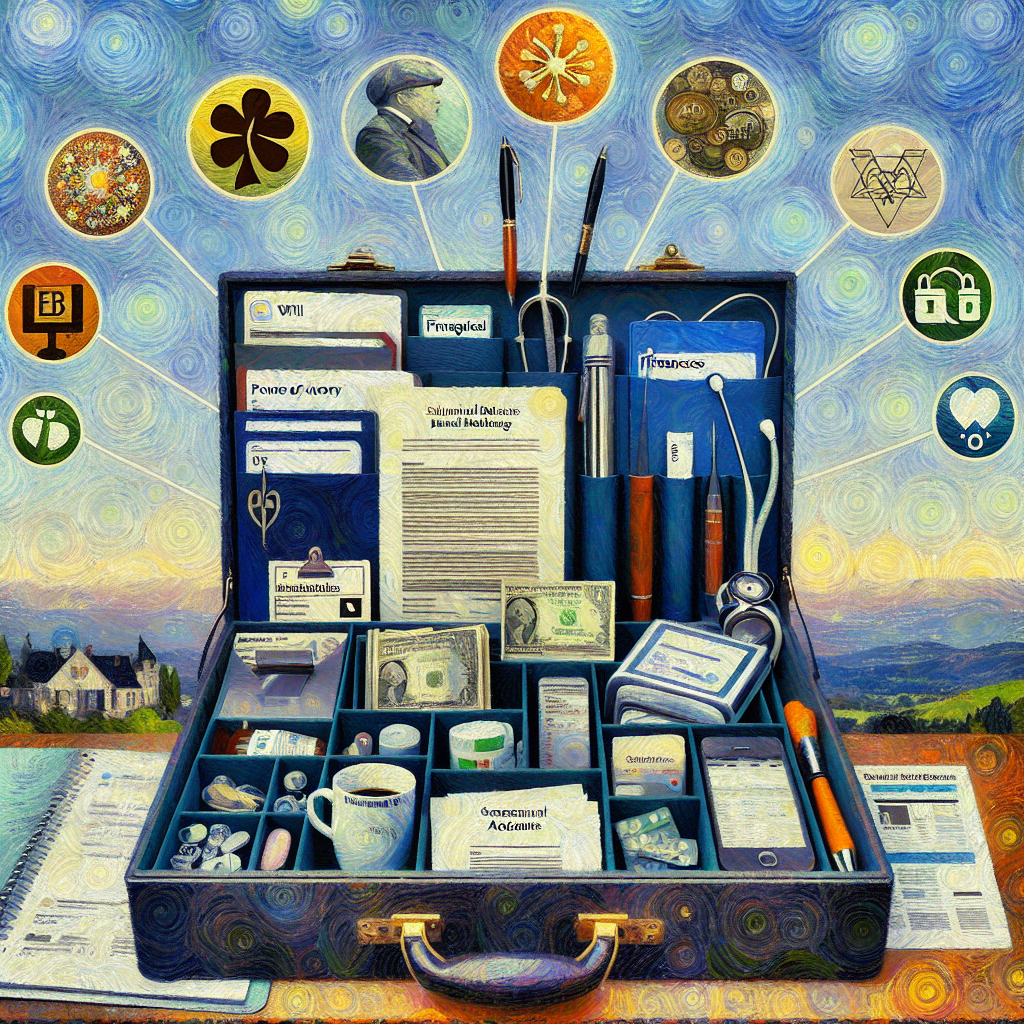
Who Can Manage My Digital Legacy?
Who Can Manage My Digital Legacy?
- Managing your digital legacy shapes how you will be remembered.
- Choosing someone who understands your values and passions is crucial for this role.
- Legacy storytelling is a responsibility, ensuring your experiences are preserved.
- Appointing a digital executor in your will helps protect your online narrative.
- Looking back at your digital legacy can create powerful connections for loved ones.
- Engaging a professional firm for digital legacy management adds expertise and authority.
- Managing your digital legacy fosters continuity and remembrance in a digital age.
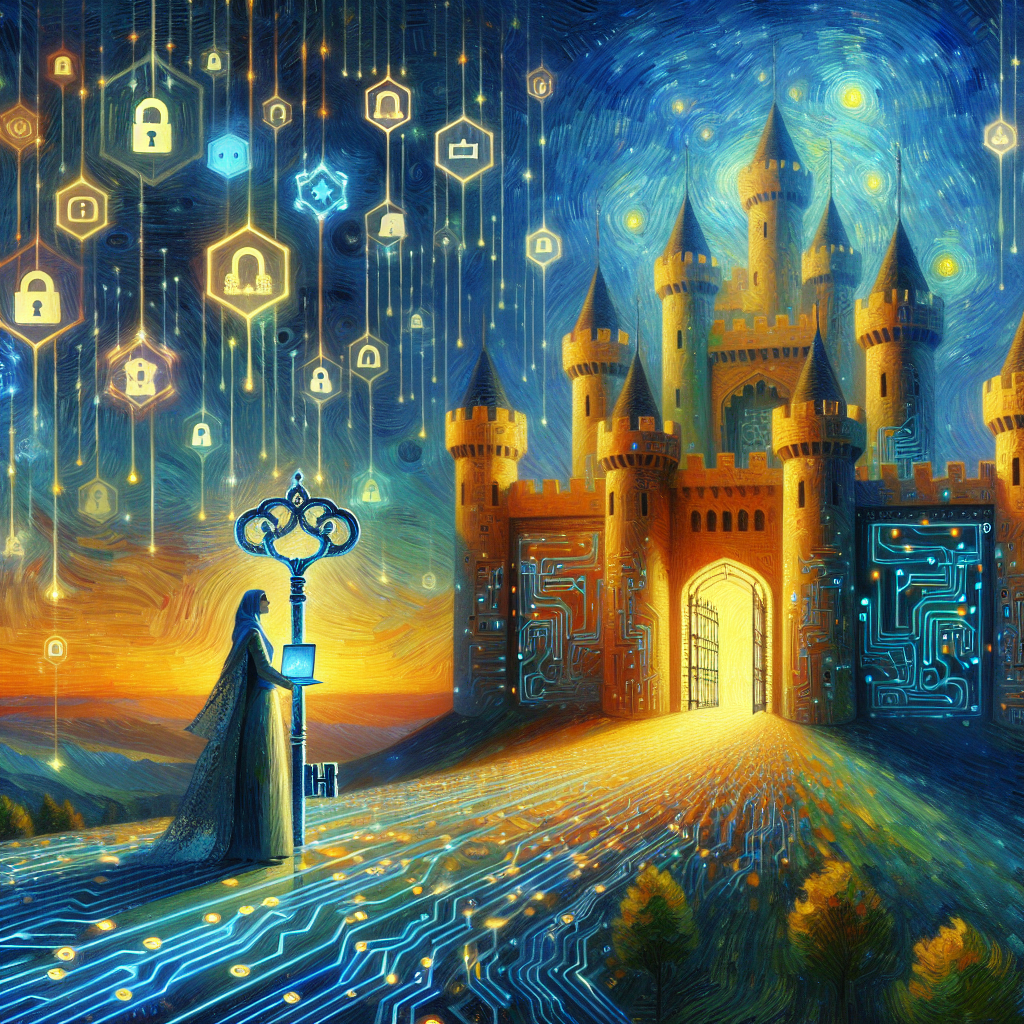
Who Can Manage My Digital Legacy?
Are My Social Media Profiles Accessible to My Family?
When we think about our social media presence, it’s vital to recognize the digital footprint we leave behind. Social media has become a canvas for our lives, each post and photo contributing to a larger narrative, a legacy storytelling of who we are. Yet, have you ever paused to ponder who’s really reading that story?
Imagine your loved ones scrolling through your profiles someday, piecing together memories and moments that paint a picture of your life, your passions, your challenges. It’s a thought that tugs at the heart, stirring emotions tied to nostalgia and connection. Would your family feel a sense of pride in your achievements, or would they stumble across posts that feel more like shadows of the past?
From a rational standpoint, consider the privacy settings you’ve put in place. Many of us have intricate networks of friends and followers, but do we truly understand who has access to what? It’s essential to assess those settings regularly. Are your posts open for the world to see, or do you have a fortress built around your innermost thoughts? Transparency is critical; it invites honest conversations. Setting boundaries is not just about protecting yourself; it’s about curating the narrative you want others to engage with.
Ethically, think about the implications of what you share. Each tweet or status update can have a ripple effect, impacting not just you but those intertwined in your life. There’s power in sharing your journey, but that power comes with responsibility. If your family were to reflect on your online presence, would they see an authentic representation of the person they love, or would they find a disconnect?
In this digital age, your social media isn’t just a private diary; it’s a bridge to your family’s understanding of your legacy. Narratives built online can generate conversations that strengthen bonds, allowing family members to share in your triumphs and tribulations.
So, take a moment. Review what you share, consider who could be watching, and ensure that your online legacy tells a story that resonates with the values and connections you hold dear. Your family deserves to see the real you. In crafting your digital presence, you’re not just telling a story; you’re inviting them into your life. Choose wisely, and let your legacy storytelling be a testament to the love and authenticity you wish to share.

Are My Social Media Profiles Accessible to My Family?
Are My Social Media Profiles Accessible to My Family?
- Social media creates a digital footprint representing our lives and legacy.
- Consider who is viewing your online narrative and how they perceive it.
- Assess your privacy settings to control access to your posts and thoughts.
- Curate the narrative on your social media to invite authentic engagement.
- Understand the ethical implications of sharing your journey online.
- Recognize social media as a bridge for family understanding and connection.
- Review and choose wisely what you share to reflect your true self and values.

Are My Social Media Profiles Accessible to My Family?
What Steps Should I Take to Prepare My Digital Estate?
Preparing your digital estate is like crafting a legacy, a final chapter that speaks to who you are and what you value. In a world that’s increasingly virtual, it’s easy to overlook the importance of managing your online presence. But let’s face it, your digital trail is a testament to your life—your thoughts, experiences, and the people you love.
Start with a bit of legacy storytelling. This isn’t just about passwords or game scores; it’s about sharing your journey and wisdom with those you care about. Consider compiling a digital scrapbook of sorts. Gather photos, stories, emails—those meaningful exchanges that define your relationships. To do this, create a digital vault, a safe space where your loved ones can access the raw stuff of your life. It’s an act of love, a final gift that can provide comfort and insight long after you’re gone.
Next, take a moment to pause and reflect on the emotional weight of your digital assets. Think about the Facebook posts that sparked laughter, the tweets that linked hearts, and the blogs that stirred curiosity. These digital breadcrumbs tell your story. Don’t underestimate their power. They have the potential to inspire and connect with others in ways you may not have imagined. Allow your future generations to glimpse your passions and ideals—to continue the dialogue you started.
Then, it’s time to get practical. Make a list of all your accounts, including social media, financial institutions, and cloud storage. Designate a trusted individual as your digital executor; this person will be responsible for carrying out your wishes. Be clear and detailed about how you want your online presence handled. Without this control, your digital legacy could fall into the hands of someone who doesn’t understand or honor your story.
Engage in this process not just for yourself but for your loved ones. Your digital estate planning cultivates a sense of security for those you leave behind. It helps them navigate a confusing landscape during what can already be an overwhelmingly emotional time. Remember, it’s not just about shutting down accounts; it’s about preserving memories and relationships.
Preparing your digital estate bridges the gap between the life you lived and the legacy you leave. It’s a thoughtful act that resonates, fosters connection, and respects the significance of your digital existence. Take the time to plan—it’s a legacy worth leaving.

What Steps Should I Take to Prepare My Digital Estate?
What Steps Should I Take to Prepare My Digital Estate?
- Preparing a digital estate reflects your legacy, sharing your values and identity.
- Legacy storytelling goes beyond passwords to include life experiences and wisdom.
- Compile a digital scrapbook with photos, stories, and significant exchanges in a digital vault.
- Digital assets like social media and blog posts hold emotional weight and inspire future generations.
- Create a comprehensive list of your accounts and designate a digital executor for your wishes.
- Engaging in digital estate planning provides security for loved ones during emotional times.
- This process connects your lived experiences with your digital legacy, emphasizing its importance.

What Steps Should I Take to Prepare My Digital Estate?
How Can I Ensure My Wishes for My Online Presence Are Honored?
To ensure your wishes for your online presence are honored, you have to take a proactive approach, much like navigating a ship through unfamiliar waters. It’s not just about technology or platforms; it’s about crafting your Legacy Storytelling. This isn’t just about what you post or where you post it; it’s about how you wish to be remembered.
Start by defining what matters most to you. Are there specific values you want reflected in your online interactions? Think about the stories you want to share. Everyone has unique experiences; some are humorous, others poignant. These narratives form your brand and speak to who you are. When you share your stories authentically, you connect on a deeper level, resonating with others who share similar values or experiences.
Next, consider your ethical footprint online. Show others that you’re not just broadcasting into the void but participating in a community. Engage with those who comment, share, or resonate with your posts. This ongoing dialogue cultivates trust, showing you respect their perspectives. Your digital footprint should tell a story of connection, authenticity, and empathy, encouraging others to honor that vision while interacting with your content.
Rationally, it’s wise to set boundaries—clear guidelines about what you will and will not share. Use privacy settings strategically to protect your narrative, guiding how others perceive your story. Your online presence should reflect your decisions, not the whims of algorithms or the ever-changing tide of social media trends.
And let’s not forget the power of digital will. Authorize or dictate how your online accounts should be handled once you’re no longer the one pulling the strings. Designate trusted individuals who understand your vision and who will honor it as you would. This ensures that your legacy continues to be communicated in the way you intended.
Finally, leverage the power of community. Share your insights and engage others in conversations about their wishes for their online presence. It creates a network of support and understanding—people who care about their digital legacies, just like you do.
Honoring your wishes online isn’t just a personal task; it’s a collective journey. As you share your stories and establish your online legacy, you inspire others to think critically about their narrative, ensuring that every click, share, and comment reflects the person they aspire to be.

How Can I Ensure My Wishes for My Online Presence Are Honored?
How Can I Ensure My Wishes for My Online Presence Are Honored?
- Proactively manage your online presence, akin to navigating unknown waters.
- Craft your Legacy Storytelling by defining what matters most to you.
- Share authentic stories that resonate with your values and experiences.
- Engage with your online community to foster connection and trust.
- Set clear boundaries regarding what to share and use privacy settings wisely.
- Establish a digital will to dictate the management of your accounts posthumously.
- Encourage community engagement to support collective digital legacies.

How Can I Ensure My Wishes for My Online Presence Are Honored?
Is My Digital Footprint Easily Erased After I’M Gone?
In our increasingly connected world, the notion of leaving a digital footprint can feel like a double-edged sword. On one hand, we share our lives—our triumphs, struggles, thoughts, and dreams. On the other, we may wonder what becomes of these digital shards after we’re gone. The reality is clear: the way we navigate our online presence today will echo beyond our physical existence.
Legacy storytelling is not just about what we leave behind; it’s about how that story is told. Each post, each tweet, each photo is a thread in the tapestry of our life narrative. These threads can create a vivid picture, illustrating who we were, what we stood for, and how we connected with others. Think about it: would you prefer your legacy to remain alive, inspiring conversations and memories, or would you want it vanished like a whisper in the wind?
From a rational standpoint, consider the sheer volume of information we put out into the digital ether. Deleting an account is not a magical eraser; the remnants may linger, archived and accessible, often long after we believe we’ve hit ‘delete.’ This can raise ethical considerations—what stories are we leaving for others to tell after we’re gone? If we assume that digital remnants might shape how we’re remembered, let’s ensure that the narrative is ours to control while we still can.
This notion of digital continuity not only connects us to our past but also to our future. It fosters relationships across generations, allowing loved ones to recall stories and lessons long after we’ve departed. Our digital actions today shape the social fabric of tomorrow. They serve as an invitation for others to engage with our lives, to share in our laughter, and to reflect on our struggles, creating a bridge between the living and the departed.
So what’s the takeaway? Acknowledge your digital presence and curate it with intention. Take charge of your narrative. By managing your digital footprint today, you empower your legacy story to inspire, educate, and connect those who follow. The choice is in your hands—craft a legacy that endures or fade into the background. Make it a story worth telling, long after you’ve signed off for the final time.

Is My Digital Footprint Easily Erased After I’M Gone?
Is My Digital Footprint Easily Erased After I’M Gone?
- Leaving a digital footprint involves sharing personal experiences, thoughts, and dreams.
- Legacy storytelling focuses on how our online narratives shape our remembrance.
- Every post and image contributes to a collective narrative of our lives.
- Deleting an online account does not erase digital remnants, which may persist indefinitely.
- Digital continuity connects past and future generations, preserving stories and lessons.
- Curating one’s digital presence can empower a meaningful legacy.
- Individuals should consciously manage their online narrative to influence how they are remembered.

Is My Digital Footprint Easily Erased After I’M Gone?
What Are the Ethical Implications Of Sharing My Data Posthumously?
Sharing our data posthumously isn’t just a technical decision; it’s an intimate choice that weaves itself into the fabric of our legacy storytelling. Let’s face it, in this digital age, our online footprints are vast—filled with every click, comment, and connection we’ve made. But when the lights fade and we take our final bow, what happens to that digital legacy?
We often think about how we’ll be remembered. Will our stories shape future generations? Consider this: behind every data point is a pulse, a person—a life lived. Sharing your data can become a powerful vehicle for storytelling. It can cement your values, your fears, your joys, and provide insight into your experiences. This isn’t merely about algorithms or databases; it’s about creating a narrative that speaks long after you’re gone.
Still, there are ethical implications to this choice. Who gets to control your story? Handing over your data posthumously raises questions of consent that linger long after one’s passing. Your loved ones may face daunting decisions, balancing their grief with the responsibility of honoring your wishes. Imagine the weight of that choice—determining how much of your life to expose and to whom. The potential for misuse or misunderstanding looms large.
From a rational standpoint, consider the societal impact. When we share our data, we contribute to a collective knowledge that can inspire change, inform, or innovate. Yet, the danger lies in the data being taken out of context, leading to narratives that stray far from the truth of who you were.
Ethically, we must recognize that our information is a gift. It bears the responsibility of respect and honesty. We need to ask ourselves, how will my story serve others? Who will interpret it? The legacy we leave isn’t just about us; it’s deeply rooted in our relationships, our communities, and the impact we want to have on the world.
Navigating these waters requires trust and clarity. Articulate your desires while you can, fostering connection with those who may one day share your story. By doing so, you not only protect your narrative but inspire those in your life to carry it forward—a testament to a life lived authentically, woven through lineage and lessons that resonate beyond the grave.

What Are the Ethical Implications Of Sharing My Data Posthumously?
What Are the Ethical Implications Of Sharing My Data Posthumously?
- Sharing data posthumously is a significant choice impacting legacy storytelling.
- Our digital footprints encapsulate our lives, raising questions about their future after we pass.
- Data sharing can amplify personal narratives, reflecting values, experiences, and emotions.
- Ethical concerns include consent and control over one’s narrative, affecting loved ones’ decisions.
- Data sharing contributes to collective knowledge but risks misrepresentation if taken out of context.
- Our information is a gift that requires respect and thought on its impact on others.
- Articulating desires for data use promotes clarity and connection for future storytelling.

What Are the Ethical Implications Of Sharing My Data Posthumously?
Conclusion
In today’s digital age, the notion of a digital executor has emerged as a critical yet often neglected aspect of legacy planning. We frequently associate legacies with tangible items—heirlooms and letters—but the vast digital landscape we inhabit holds equally significant value. Our online presence—social media profiles, photos, and personal stories—constitutes an essential chapter in our lives, one that deserves preservation and thoughtful management.
Picture a family gathering to celebrate your life, only to find your digital accounts in disarray—unmanaged, misinterpreted, and potentially distressing. A digital executor steps in as a guide, ensuring your memories are honored and your stories told in a manner that brings comfort to your loved ones. This role requires emotional intelligence and ethical consideration, recognizing the weight and responsibility that comes with managing someone else’s digital legacy.
Taking proactive steps in today’s virtual reality is not merely a practical matter; it’s an ethical duty. Assigning a digital executor during estate planning empowers loved ones to engage with your digital footprint thoughtfully. It defuses potential conflicts while fostering connection during an emotionally charged time. By doing so, you show your family that you value their emotional journey through your digital remnants.
A well-considered digital legacy isn’t just about neatening up your online accounts; it’s about allowing your story to resonate with those you love. Privacy settings and access permissions should align with your values and intentions, ensuring your online presence reflects the essence of who you are. This adherence to authenticity cultivates trust, prompting meaningful discussions around your digital life.
Furthermore, recognizing that a digital footprint lingers long after we’re gone imbues every online interaction with a sense of responsibility. The remnants of our stories can bridge generations, facilitating connections when shared thoughtfully. It’s imperative to ask not just how we want our legacies remembered, but how our digital choices today shape narratives for the future.
As we navigate the complexities of our online lives, we must embrace this responsibility with resolve. By preparing your digital estate and designating a trusted executor, you cultivate a lasting, impactful legacy. Craft this narrative with care—one not only reflective of your life but capable of inspiring those left behind. It’s a chance to articulate your essence and facilitate connections that endure, even beyond the digital divide, making certain that your life’s story continues to resonate long after you’re gone.
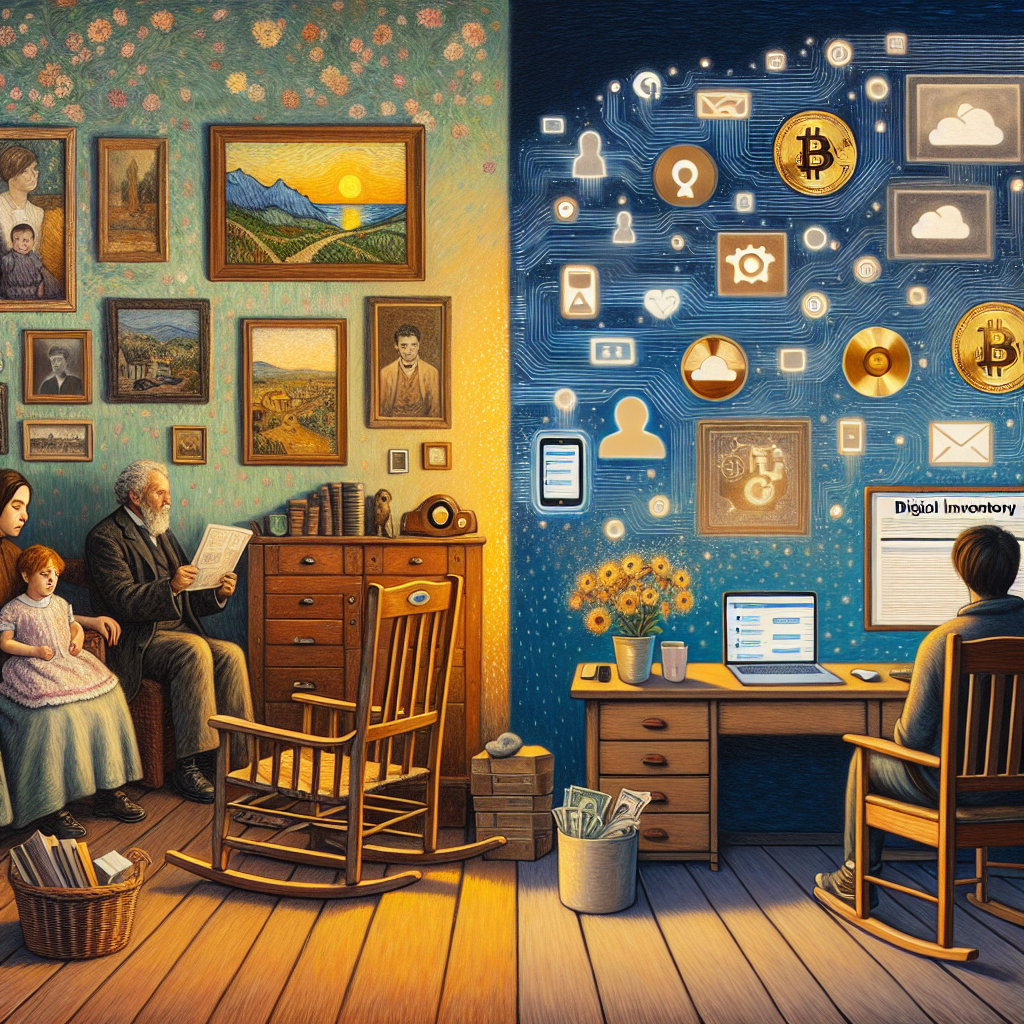
Conclusion
Conclusion:
- The concept of a digital executor is essential for modern legacy planning, emphasizing the value of digital assets.
- A digital executor ensures the proper management of digital accounts, preserving memories for loved ones.
- Assigning a digital executor during estate planning helps mitigate conflicts and supports emotional connections.
- A thoughtful digital legacy reflects personal values, with privacy settings and access aligning with individual intentions.
- Understanding that a digital footprint persists after death highlights the importance of our online choices.
- Preparing a digital estate empowers individuals to create a meaningful and lasting legacy.
- Curating your digital narrative fosters connections that can endure beyond your lifetime.

Conclusion
Other Resources

Other Resources
Here is a list of other resources you can review online to learn more:
- LegacyLearned
- International End of Life Doula Association
- Your Digital Afterlife
- Obituary Templates
- Postumo
- FutureMe
- EverLoved
- Directive Communication Systems
- Ever Loved
- Lexikin
- LifeBio
- How To Write Legacy Stories That Appeal To The Heart, Gut and Head
- How Has Time Changed The Cost Of Capturing Family Legacy Stories
- Storyfile
- LifeSite
- Tributize
- USLegalWills.com
- LastPass
- LifeWeb 360
- Ancestry
Use This Prompt To Get More Resources With Your Favorite Online AI Tool: Please provide me with a list of online articles with their URLs in a bulleted list that I can read regarding The Forgotten Digital Executor
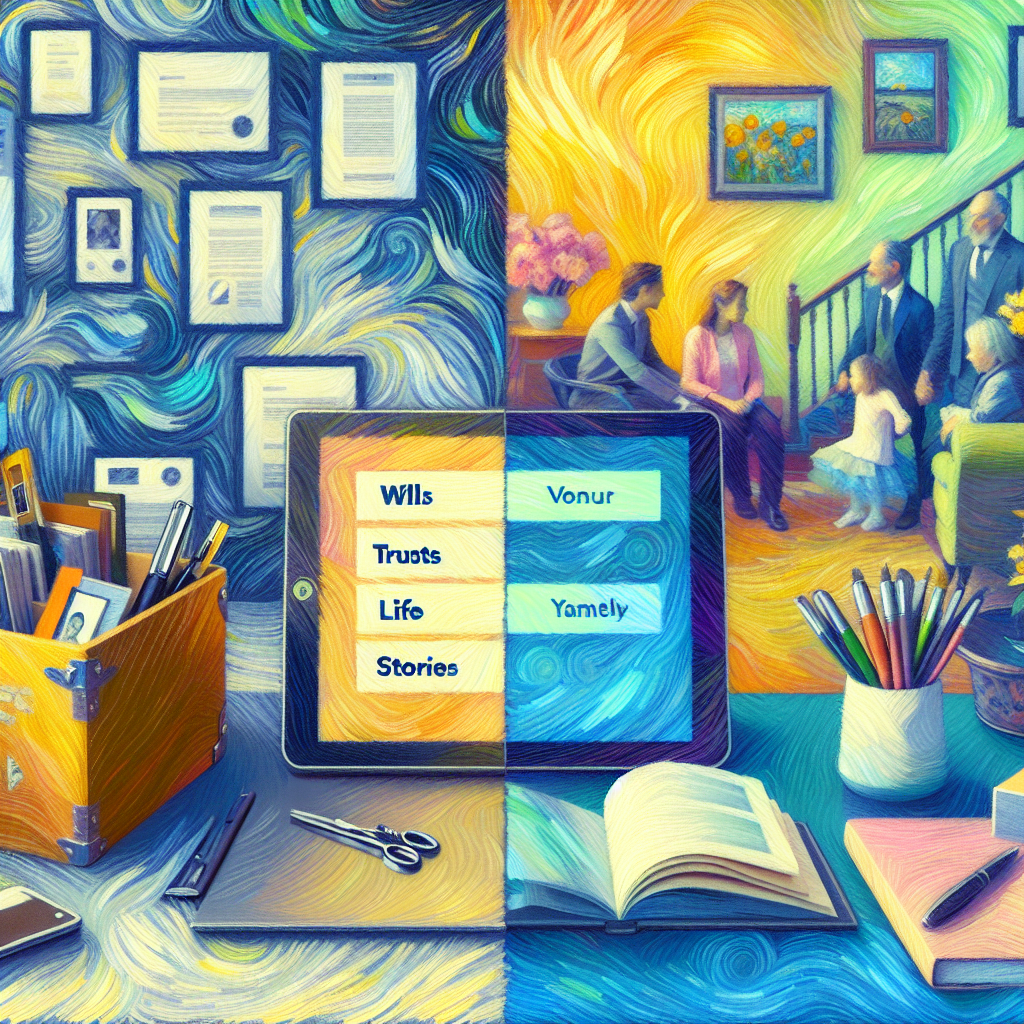
Other Resources
Glossary Terms
The Forgotten Digital Executor – Glossary Of Terms
1. Digital Executor: An individual designated to manage and oversee digital assets after one’s death.
2. Digital Assets: Online accounts, digital files, cryptocurrencies, and other electronic properties that can hold value.
3. Estate Planning: The process of arranging for the management and distribution of an individual’s assets after death.
4. Will: A legal document outlining how a person’s assets, including digital ones, should be distributed after their death.
5. Heirs: Individuals entitled to inherit assets from a deceased person’s estate.
6. Access Credentials: Information such as usernames and passwords that allow access to digital accounts.
7. Cloud Storage: Online services that allow users to store and manage files remotely, which may be part of digital assets.
8. Privacy Settings: Configurations that determine who can view or access an individual’s online information and digital presence.
9. Social Media Accounts: Online profiles on platforms such as Facebook or Instagram that can be part of one’s digital estate.
10. Digital Footprint: The trail of data one leaves on the internet through social media, browsing history, and online transactions.
11. Cryptocurrency: Digital or virtual currency that uses cryptography for security, potentially part of an estate.
12. Executor: An individual appointed to carry out the provisions of a will and manage the deceased’s estate.
13. Digital Legacy: The online persona and digital assets a person leaves behind after death.
14. Intellectual Property: Creations of the mind (like patents, copyrights) that can exist in digital form.
15. Data Recovery: The process of retrieving lost or inaccessible data, important for managing digital assets.
16. Online Accounts: Accounts created on websites and services, which may include financial, social, or subscription services.
17. Two-Factor Authentication: A security process that requires two forms of identification to access an account, relevant for securing digital assets.
18. Digital Will: A legal document specifically outlining directives for digital assets and online accounts.
19. Account Deletion: The process of permanently removing an online account and its associated data, relevant for estate management.
20. Data Encryption: The method of securing data by converting it into a coded format, important for protecting digital assets.
21. Legacy Contact: An individual appointed by a user to manage their account after their death, particularly on social media platforms.
22. Digital Vault: A secure online service for storing digital documents and passwords for future access.
23. Trust: A legal arrangement to manage a person’s assets, which may include digital properties.
24. Access Plan: A strategy outlining how an executor can access digital assets and manage online accounts.
25. Email Accounts: Digital mail services that can hold important information and be part of a digital estate.
26. Authentication: The process of verifying identity to access accounts and information online.
27. Social Media Legacy: The aspect of digital estate planning specific to maintaining or closing social media accounts after death.
28. Beneficiary: An individual designated to receive assets, including digital ones, from an estate.
29. Online Banking: Financial services that allow users to manage their bank accounts over the internet, part of digital assets.
30. Virtual Reality Assets: Digital properties in virtual environments or games that can have significant value.

Glossary Of Terms
Other Questions
The Forgotten Digital Executor – Other Questions
If you wish to explore and discover more, consider looking for answers to these questions:
- What is the legal difference between a digital executor and the traditional executor of my estate?
- How do I legally appoint a digital executor in my will or estate plan?
- Which types of digital assets should I include in my digital estate inventory?
- How do I create and maintain a comprehensive list of all my online accounts and credentials?
- Are passwords and login credentials legally transferable after death?
- What documentation will a digital executor need to access closed or restricted accounts?
- How do major platforms (Facebook, Google, Apple, Instagram, Twitter/X, LinkedIn) handle accounts after death?
- What are “legacy contacts” and how do I designate them on different platforms?
- Can my family access private messages, emails, and direct messages after I die?
- How should I handle two‑factor authentication and devices locked by biometrics?
- What steps can I take to protect sensitive data from misuse after my death?
- How do password managers and digital vaults support legacy access?
- Should I store credentials in a will, or is there a safer method?
- What are the risks of putting passwords directly in legal documents?
- How are cryptocurrencies, NFTs, and blockchain assets handled by digital executors?
- What happens to subscriptions, recurring payments, and linked financial accounts online?
- Can digital assets be treated as property for tax and probate purposes?
- How do different jurisdictions and countries treat access to a deceased person’s digital accounts?
- What legal hurdles arise if I die without naming a digital executor or leaving instructions?
- How do I decide who is the best person to serve as my digital executor?
- Should I hire a professional digital legacy service, lawyer, or firm to manage my digital estate?
- What are the costs involved in digital estate planning and post‑death account management?
- How do I give guidance about what should be preserved, deleted, memorialized, or published?
- Are there ethical issues with granting access to sensitive or embarrassing content?
- How should private family photos, videos, and journals be handled after death?
- Can loved ones recover data from defunct or shuttered platforms?
- How long do platforms retain user data after an account is closed or a user dies?
- What are the privacy and consent implications of sharing my posthumous data for research or public access?
- How can my digital presence be used to create a memorial website or digital tribute?
- What steps can prevent identity theft or fraud using a deceased person’s online identity?
- How do joint accounts, shared logins, or family accounts complicate digital estate management?
- What should be done about legal or business documents stored only in cloud accounts?
- How do I instruct my executor about handling copyrights, published works, or blogs?
- What are best practices for periodically updating my digital estate plan and account list?
- How do I include instructions for posthumous social media tone, comment moderation, and responding to messages?
- How do I handle digital assets tied to minors or guardianship situations?
- What practical steps can families take immediately after a loved one dies to secure and manage accounts?

Other Questions
Haiku
The Forgotten Digital Executor – A Haiku
Digital footprints echo,
Memories in pixels bright,
Legacy’s soft light.

Haiku
Poem
The Forgotten Digital Executor – A Poem
In the digital realm where echoes reside,
Each post and photo, a life, a guide.
Yet as we tread on this virtual shore,
What becomes of our stories when we are no more?
With every click, a tale unfolds,
Memories cherished, emotions untold.
A digital executor, a steward at best,
Turns chaos to clarity, honors your quest.
Our legacies dusted with bits and bytes,
Hold laughter and struggles, loves endless flights.
Plan with intention, define what you share,
For your online presence weaves bonds of care.
Responsible choices, an ethical weave,
Ensure your narratives voice wont deceive.
Appoint a trusted one, let them mind your space,
Maintain the dignity of your digital trace.
Consider the footprints left in the sand,
Each aligned story crafted by hand.
For in the end, as shadows recede,
Your legacy’s tale is the heart’s true seed.
With shared glimpses of joy and strife,
May your digital estate reflect your life.
Empower the future, connect through the past,
Let the threads of your story in time be cast.
So navigate wisely through every post,
And build a legacy that your loved ones can boast.
For in a world where memories linger on,
Let your digital footprint forever live strong.

Poem
Checklist
The Forgotten Digital Executor – A Checklist
Heart – Emotional Appeals
✅______ Identify key stories and memories you want shared.
✅______ Select a digital executor you trust to narrate your legacy.
✅______ Create a digital scrapbook with photos, posts, and messages that reflect your life.
✅______ Discuss your wishes with family to foster emotional connection.
Head – Rational Appeals
✅______ Compile a comprehensive list of all online accounts and their significance.
✅______ Set clear guidelines for privacy settings and content sharing.
✅______ Use available platform tools (e.g., memorial statuses) to formalize your digital legacy.
✅______ Create a practical plan for managing your digital assets.
Gut – Ethical Appeals
✅______ Discuss the ethics of posthumous sharing with your family.
✅______ Consider the implications of data control and consent after your passing.
✅______ Ensure your digital executor understands and respects your wishes.
✅______ Reflect on the values you want your online presence to convey.
Authority – Trust Appeals
✅______ Engage with professionals specializing in digital legacy management for expert guidance.
✅______ Document your digital legacy plan in your will or estate planning legal documents.
✅______ Stay informed about laws and regulations regarding digital assets and privacy.
Narrative – Storytelling Appeals
✅______ Craft a cohesive narrative that integrates your digital footprint into your life story.
✅______ Organize your digital content to reflect significant life events and themes.
✅______ Encourage family to share their reflections on your digital presence.
Social – Community Appeals
✅______ Create a family discussion forum about digital legacies to engage others in the conversation.
✅______ Share your insights on the importance of a digital executor with friends and community.
✅______ Empower others by encouraging them to think critically about their own digital stories.

Checklist
At LegacyExplorations, we help people plan and explore their legacy by collecting information and news regarding end-of-life planning.
Please share this post with your friends, family, or business associates who may want help to plan or explore their legacy.