

Unlocking Truth: How Google Shapes Our Memories And Decisions
By Tom Seest
At LegacyExplorations, we help people plan and explore their legacy by collecting information and news regarding end-of-life planning.
Please share this post with your friends, family, or business associates who may want help to plan or explore their legacy.
The Google Fallacy Of Memory
The Google Fallacy of Memory is a phenomenon that has subtly woven itself into the fabric of our daily lives, reshaping our relationship with information and, ultimately, our very selves. We live in a world where a quick search can summon an answer as fast as a light switch flickers. Yet, in this instantaneous access, there lies a troubling gap—a fracture in the foundation of our cognitive legacy.
Imagine a time when knowledge was more than a mere tap on a screen. It was steeped in legacy storytelling, passed down from one generation to another, rich with personal anecdotes that echoed the lives of our ancestors. These were the tales that held our communities together, teaching us lessons through vibrant characters and poignant moments. Today, we often exchange these narratives for sterile facts—data points that fill our minds but leave our hearts hollow.
Rationally, one might argue that the convenience of technology outweighs the loss of depth. But at what cost? The more we lean on Google to remember for us, the more we risk fading connections with the fabric of our past. This isn’t just about memory; it’s an ethical issue that touches on identity. Our stories, our experiences, shape who we are. When we default to technology, we hand over the reins of our memory, inviting a future where our stories are dictated not by lived experiences but by algorithms.
Let’s consider the authority of lived experience. The wisdom drawn from failure, joy, and struggle carries weight and authenticity that no search engine can replicate. Our memories are not just data; they are the marrow of our existence, the gut feelings that guide us. They remind us of our humanity, of the shared laughter and tears that bind us to one another.
As we grapple with this fallacy, let’s commit to fostering connections through our stories. Engage with those around you. Share a memory, listen to a friend’s tale. Create moments that matter and transcend the banality of quick searches. Build a tapestry of shared history, where each thread reinforces trust and understanding.
In this era of information overload, we must choose to remember more than just fleeting facts. Let’s honor our legacy through active storytelling, igniting a fire in our hearts that technology alone cannot kindle. Embrace the stories that connect us, grounding us in a world increasingly dominated by the ephemeral.

The Google Fallacy Of Memory
The Google Fallacy Of Memory
- The Google Fallacy of Memory reshapes our relationship with information and identity.
- Instant access to knowledge can create a gap in our cognitive legacy.
- Traditional storytelling held communities together, offering rich personal narratives.
- Reliance on technology may undermine our connections to past experiences and stories.
- Lived experiences provide authenticity and wisdom that technology cannot replicate.
- Fostering connections through storytelling is essential in overcoming the fallacy.
- We must prioritize active storytelling to honor our legacy and shared humanity.

The Google Fallacy Of Memory
Table Of Contents
- The Google Fallacy Of Memory
- Are Our Memories Genuine Or Just Curated?
- How Do We Trust Our Own Recollections Today?
- Is Relying on Google Changing How We Remember?
- What Stories Do Our Memories Tell Us About Ourselves?
- How Does Over-Reliance on Google Affect Our Identity?
- Are We Losing the Art Of Remembering Important Moments?
- How Can We Reclaim Our Memories From Digital Influence?
- Conclusion
- Other Resources
- Glossary Of Terms
- Other Questions
- Haiku
- Poem
- Checklist
Are Our Memories Genuine Or Just Curated?
Memory is a curious beast. We often think of it as a straightforward reflection of our past, a neatly cataloged archive of experiences and emotions. But what if those memories are less about truth and more about storytelling? It’s a tough pill to swallow, but in the age of social media and self-curation, many of us find ourselves sifting through the debris of our experiences, crafting narratives that highlight our best moments while conveniently overlooking the messy bits. We’re all familiar with food that looks more appetizing on Instagram than on our plates. Isn’t it possible that our memories are just as polished?
Here’s where legacy storytelling comes into play. This concept invites us to explore not just what we remember but how we interpret those memories. Think about the stories we pass down through generations. They are rife with embellishments and flourishes, sometimes glorifying the mundane into something heroic. While these tales can inspire and connect us, there lies a risk of losing the essence of authenticity in the process. A grandparent’s recollection of hard times can teach resilience, but when filtered through rose-colored glasses, it might obscure the real struggles endured.
When we take a moment to consider the choices we make in sharing our experiences, we ponder the ethical implications of curation. Is it fair to shape a version of ourselves that feels incomplete? Do we rob others of the opportunity to relate to our true selves, with all the imperfections that make us human? Authentic connection forces us to acknowledge our flaws and share the heartfelt moments that don’t always shine, but resonate deeply.
The rational brain craves authenticity, while the heart yearns for connection. Relationships flourish when we offer our true selves, not just the curated highlights. Reflection on our memories often reveals layers of truth that resonate with others. By exposing our vulnerabilities and sharing the entirety of our stories, we weave a fabric that binds us in shared experience.
Let’s face it: when we strip our memories of their polish, we often find the genuine moments that anchor us in reality. This approach might not get you the likes you crave online, but it fosters trust and invites genuine connection in life. It inspires us to live fully, embrace our messiness, and leave a legacy that truly reflects who we are—a narrative woven from both triumph and tribulation. Our memories can be more than just curated tales; they can be the heart of our interconnected existence.

Are Our Memories Genuine Or Just Curated?
Are Our Memories Genuine Or Just Curated?
- Memory is often perceived as a straightforward archive of past experiences and emotions.
- In the digital age, individuals curate memories that highlight positive moments while neglecting less savory ones.
- Legacy storytelling emphasizes both the recollection and interpretation of memories, often leading to embellished narratives.
- Authenticity may be compromised when memories are glorified, risking the loss of true struggles and lessons.
- Sharing incomplete versions of ourselves can hinder genuine connections with others.
- Relationships thrive on authenticity, with vulnerable storytelling creating deeper connections.
- Embracing the messiness of life fosters trust and builds a legacy that reflects true experiences.

Are Our Memories Genuine Or Just Curated?
How Do We Trust Our Own Recollections Today?
How do we trust our own recollections today? In a world overflowing with information and distractions, the memories we hold dearly can sometimes feel like distant echoes rather than vivid snapshots of our lives. Yet, it is through our memories that we find our Legacy Storytelling—a way of sharing not just facts, but the essence of who we are.
Every recollection is a thread woven into the fabric of our identity. Picture a moment, perhaps a summer evening, when laughter filled the air as friends gathered around a fire, exchanging stories—a moment forever etched in your mind. It’s not merely the details that matter, but the emotion attached to them. Such stories are passed down, becoming part of our legacy. They inspire us to reflect, to connect with our past, and to embrace our experiences as valuable lessons.
However, as time goes on, our perspectives can shift. Research suggests that our minds are not perfect recorders. Each time we revisit a memory, we might unconsciously alter it, infusing it with new emotions or insights—it’s an imperfect but beautiful dance of remembering. We must ask ourselves: how do we sift through the biases and emotions to find the truths embedded within our minds?
Trusting our own recollections requires more than mere faith in our memory; it requires an ethical responsibility to acknowledge our fallibility. This means understanding that while we might reshape our recollections, the core of those memories—their impact on our lives—remains intact. This reality offers a powerful invitation to foster connection with others. Sharing our stories reveals vulnerability, and through that vulnerability, we find common ground. We realize that while our experiences are unique, our emotions resonate deeply within the collective human experience.
Take a moment to think about a cherished story from your life. When you share that narrative with someone else, you’re not just recounting events; you’re tapping into something universal. It encourages action—stirring others to share their tales, building a tapestry of experiences that binds us together in a world often marked by division.
Trusting our recollections demands that we embrace the journey of memory—a path filled with imperfect truths, heartfelt connections, and the communal spirit of storytelling that celebrates our shared humanity and reinforces the legacy we leave behind.

How Do We Trust Our Own Recollections Today?
How Do We Trust Our Own Recollections Today?
- Memories serve as a fundamental aspect of Legacy Storytelling, capturing the essence of who we are.
- Each recollection contributes to our identity and can evoke significant emotional connections.
- Time alters perspectives, impacting how we remember and reshape our past experiences.
- Trusting our memories involves recognizing our fallibility and the ethical responsibility of acknowledging bias.
- Sharing stories fosters vulnerability, revealing common ground among unique experiences.
- Personal narratives encourage collective sharing, creating connections in an often divided world.
- The journey of memory celebrates shared humanity and reinforces our lasting legacy.

How Do We Trust Our Own Recollections Today?
Is Relying on Google Changing How We Remember?
In an era where Google is a mere tap away, it’s easy to dismiss the value of traditional memory. Yet, what does it mean to rely so heavily on a digital assistant that shapes our experience, our knowledge, and ultimately our identity? This is not just a question of convenience but a deep exploration of our relationship with memory itself.
As we lean on technology to recall names, dates, and facts, we risk losing the richness of Legacy Storytelling. Those stories that shaped our childhood, passed down through generations, are embedded not just in information, but in emotions, family bonds, and personal connections. Each time we hit ‘search’ instead of sharing a memory, we miss an opportunity to engage with those around us, to weave a narrative, and to feel that shared history breathe life into our conversations. There’s an authority in lived experience that Google simply cannot replicate.
Picture a family gathered around a table, recounting tales from days gone by. These shared moments foster a connection that transcends mere facts. When we rely on technology, we inadvertently strip away the emotional heft that comes with storytelling—the laughter, the tears, the lessons learned. The stories of our elders carry wisdom that is nuanced and grounded. When we don’t tell these stories, we risk erasing not just our personal histories, but the cultural touchstones that define us.
Rationally, one could argue that externalizing memory is efficient. We can access more information in seconds than our ancestors could ever remember in a lifetime. But at what cost? Reducing our ability to recall and reflect may make us feel smarter in the moment, yet it fosters a gut-wrenching realization: our brains may not be working as they once did.
Imagine the impact on future generations—their identities shaped by algorithms rather than narratives. They may become knowledgeable, but what about wisdom? Ethical questions arise when we consider who controls the flow of information and how it informs our collective memory. The challenge lies in balancing the convenience of our digital tools with the preservation of our unique stories.
In a world driven by technology, we must nurture our capacity for remembrance. Let’s not allow Google to do the remembering for us. Instead, let’s share our Legacy Storytelling, fostering connections, igniting passions, and inspiring future generations. This is how we build a collective identity worthy of the stories we carry.

Is Relying on Google Changing How We Remember?
Is Relying on Google Changing How We Remember?
- The reliance on digital assistants like Google impacts our relationship with traditional memory.
- Legacy Storytelling fosters emotional connections and personal bonds, enriching our interactions.
- Searching for information online diminishes opportunities to share personal narratives.
- Storytelling conveys wisdom and cultural heritage that technology cannot replicate.
- While externalizing memory may be efficient, it risks weakening our memory and reflection abilities.
- Future generations may prioritize knowledge from algorithms over wisdom derived from narratives.
- We must balance convenience with preserving unique stories to build a meaningful collective identity.

Is Relying on Google Changing How We Remember?
What Stories Do Our Memories Tell Us About Ourselves?
In the quiet moments of reflection, we all find ourselves sifting through the intricate tapestry of our past. Each memory is a thread woven into the fabric of who we are, a vivid illustration of our experiences, choices, and the legacies we hope to leave behind. Legacy storytelling is more than just recalling events; it’s about understanding what they mean and how they shape our identities.
Think back to a moment that made your heart race or your gut twist. Perhaps it was a tough lesson learned or a triumphant victory that seemed impossible at the time. These stories, both grand and humble, invite us to consider not just what happened, but why it matters. They challenge us to confront our fears, celebrate our accomplishments, and nurture the relationships that define our lives.
Emotionally, these narratives connect us to our core values. Each tale is steeped in feelings—love, regret, hope, and resilience—serving as reminders that we’re not alone in our journeys. Rationally, they encourage us to analyze our choices and to recognize the patterns of our lives, helping us make informed decisions moving forward. These stories are not just personal; they resonate with the collective human experience, providing echoes of shared struggles and triumphs that foster connection within our communities.
Legacy storytelling also arms us with ethical perspectives, compelling us to consider the impact of our actions on those around us. Each account invites us to ponder our legacy and what we wish to be remembered for. Are we living with intention? Are our actions reflective of the values we claim to uphold, or do they tell a different story altogether?
When we share our stories, we not only affirm our own experiences but also offer insights to others. This creates an environment of trust and confidence, allowing our narratives to breathe life into conversations, to inspire action, and to build bridges between diverse backgrounds. By weaving our unique experiences into a shared narrative, we honor the rich, multifaceted human condition and ignite the spirit of understanding among us all.
Ultimately, the stories that linger in our memories do more than define us—they guide us toward who we aspire to be, and they remind us of the legacies we are all capable of creating. Embracing this journey of storytelling reveals not just the details of our lives but the profound connections that bind us together.

What Stories Do Our Memories Tell Us About Ourselves?
What Stories Do Our Memories Tell Us About Ourselves?
- Legacy storytelling weaves memories into the fabric of our identities, illustrating experiences and choices.
- Stories evoke emotions, prompting reflection on their significance and impact on personal growth.
- Narratives connect us to core values such as love, regret, hope, and resilience, reinforcing a sense of shared experience.
- They encourage analysis of life choices and recognition of patterns, aiding in informed decision-making.
- Legacy storytelling fosters ethical reflection on the impact of our actions on others and our intended legacies.
- Sharing stories builds trust and bridges among diverse backgrounds, enriching community connections.
- Ultimately, these narratives guide us toward our aspirations and highlight the legacies we can create.

What Stories Do Our Memories Tell Us About Ourselves?
How Does Over-Reliance on Google Affect Our Identity?
In a world where answers are just a click away, the digital age has redefined how we seek knowledge and shape our identities. The convenience of Google is inviting; it’s like having a wise old friend who knows everything at our fingertips. Yet, in this age of instant gratification, we must consider what we might be sacrificing.
Legacy storytelling has been a fundamental part of human experience. For centuries, we’ve passed down our stories, our values, and our identities from one generation to the next, nurturing connections that anchor us to our past. But now, as we rely more on algorithms than on anecdotes, we risk severing those ties. Consider this: when was the last time you shared a personal tale over a cup of coffee? Or listened to a family member recount their struggles and triumphs? The richness of these narratives is irreplaceable, shaping who we are and how we relate to others. In outsourcing our inquiries to search engines, we might overlook the nuances of our own stories.
There’s a rational concern here, too. When we lean too heavily on Google to provide answers, we may be undermining our critical thinking skills. The easy route fosters a dependency on surface-level information, leading us to accept facts without questioning their validity. In doing so, we diminish our ability to discern, understand, and engage with complex issues, which is essential for forming our identities in a multifaceted world.
Ethically, this over-reliance poses risks to our values and beliefs. If we allow search engines to shape our perspectives, we may unwittingly adopt a homogenized worldview that neglects the richness of diverse thoughts and experiences. We must remain vigilant about whose voices we prioritize—those of algorithms or the authentic stories of our communities.
Finally, as social beings, we crave connection. Our identities are not formed in isolation but through relationships. When we allow technology to mediate our interactions, we may find ourselves becoming strangers in our own lives. Reconnecting with the art of legacy storytelling invites us to share our journeys, fostering genuine bonds and reinforcing our collective humanity.
In a country where every voice matters, let us recognize the dangers of over-reliance on convenience. Instead, let’s talk, share, and listen to the stories that define us, ensuring that our identities are richly woven from the fabric of our shared experiences, not mere search results.

How Does Over-Reliance on Google Affect Our Identity?
How Does Over-Reliance on Google Affect Our Identity?
- The digital age has transformed knowledge seeking and identity formation.
- Over-reliance on Google may sacrifice personal storytelling and connections.
- Legacy storytelling has historically anchored values and identities across generations.
- Dependency on search engines risks undermining critical thinking and understanding.
- Ethical concerns arise when algorithms shape perspectives, leading to homogenized worldviews.
- Genuine human connections are essential for identity and should not be replaced by technology.
- Encouraging conversations and sharing stories fosters a richer, more diverse identity.

How Does Over-Reliance on Google Affect Our Identity?
Are We Losing the Art Of Remembering Important Moments?
Are We Losing the Art of Remembering Important Moments?
In a world saturated with screens and notifications, we increasingly rush through life, often forgetting to pause and appreciate those fleeting moments that define who we are. Important events—the birth of a child, a graduation, or the passing of a loved one—serve as the milestones of our journey. Yet, these moments often slip through our fingers like sand, overshadowed by the incessant blur of everyday distractions.
Legacy storytelling is an art as old as humanity itself. It roots us in our heritage, anchoring the past while inspiring the future. Each story carries the weight of memory, serving not only as a reminder of where we came from but as a guide for where we are headed. When we share our personal narratives, we reinforce connections, creating a tapestry woven with the threads of our lives. These stories compel us to reflect on our choices, the lessons learned, and the values we wish to pass on. They resonate deeply within us, touching our hearts, igniting our minds, and stirring our instincts.
Yet, how often do we take the time to recall or share these pivotal moments? The ethical imperative lies in our responsibility to foster these connections, not just for our sake but for those who may follow in our footsteps. Each story has the potential to inspire trust and confidence, offering a roadmap through life’s complexities. It’s about more than just preserving history; it’s about celebrating the humanity that binds us together.
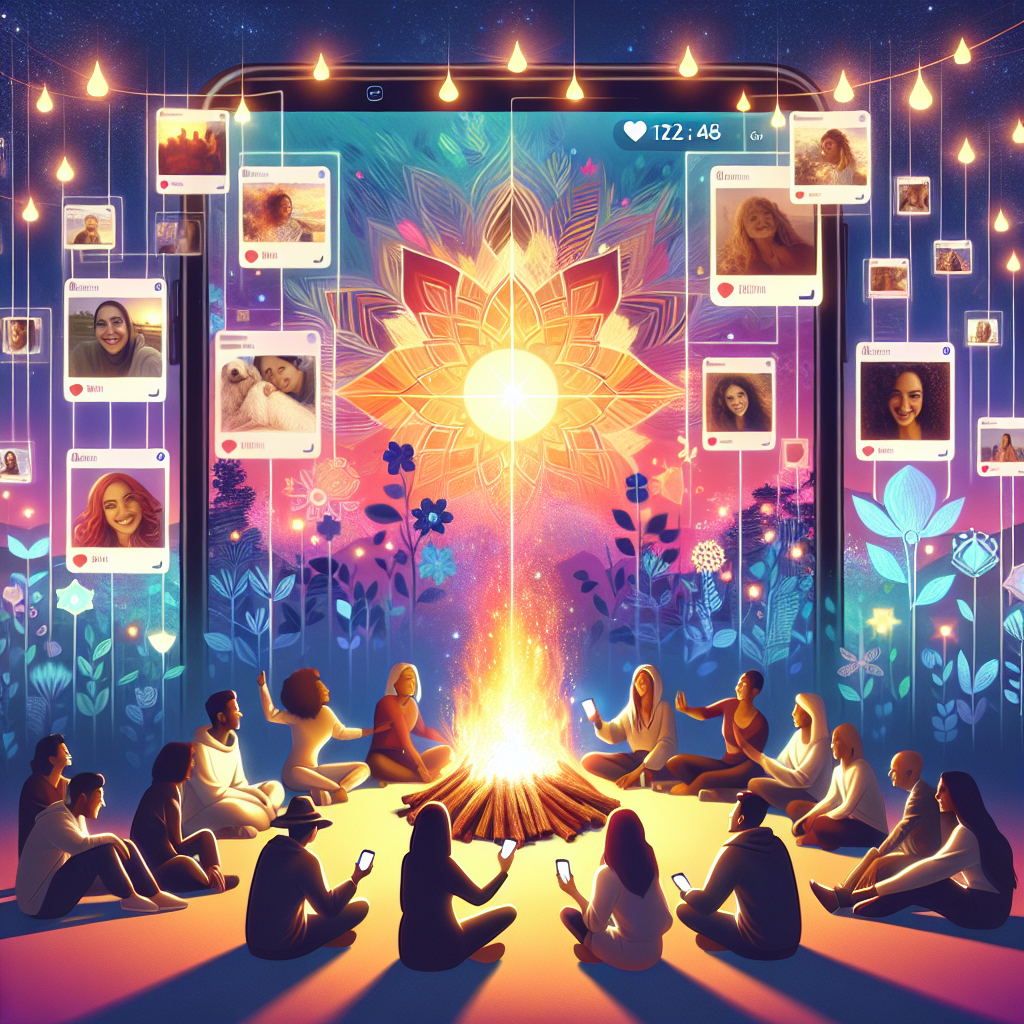
Imagine sitting around a fire, the glow illuminating the faces of those you love. As stories are exchanged, laughter fills the air, and bonds grow stronger. This communal act of remembering is not just nostalgic; it’s a vital practice for emotional and social well-being. It cultivates empathy and understanding, highlighting the common threads in our diverse experiences.
So, let’s reclaim the art of remembering. Let’s prioritize these moments—capturing them not just in photographs or social media posts, but in the fabric of our daily lives. Let’s engage in conversations that matter, embrace the power of legacy storytelling, and pass down the tales that shape our family histories and connect us to our communities. It’s time to rediscover the richness of our shared experiences and ensure that the art of remembering important moments grows strong, so future generations can learn from the past as they forge their own paths.

Are We Losing the Art Of Remembering Important Moments?
Are We Losing the Art Of Remembering Important Moments?
- Modern life is filled with distractions, causing us to overlook significant moments that shape our identities.
- Legacy storytelling is essential for connecting with our heritage and guiding future generations.
- Sharing personal stories reinforces connections and encourages reflection on life choices and values.
- We have an ethical responsibility to foster connections through shared narratives.
- Communal remembering enhances emotional and social well-being, cultivating empathy and understanding.
- Reclaiming the art of remembering involves prioritizing meaningful moments and conversations.
- Emphasizing legacy storytelling can enrich our shared experiences and benefit future generations.
Are We Losing the Art Of Remembering Important Moments?
How Can We Reclaim Our Memories From Digital Influence?
Reclaiming our memories from the clutches of digital influence requires us to embark on a journey that blends heart, head, and gut. Every day, we’re inundated with information, blurring the lines between genuine experiences and curated content. To break free from this digital tether, we must tap into the essence of legacy storytelling—the age-old practice of sharing our narratives, learning from them, and preserving them as treasures.
Consider how your grandfather might have recounted tales of his youth. These stories, rich with life’s lessons, shaped his character and, in turn, shaped yours. They provided context, grounding us in a framework of shared values and histories. Yet, in our digital age, where memories are often filtered through distorted lenses or lost in the endless scroll, it becomes essential to reinvest in that storytelling tradition. It’s here that we can find our footing, learning not just to narrate our lives, but to connect with others on a deeper level.
Every memory has a heartbeat. When you reflect on significant moments—be it your first bike ride or a family gathering—the emotions felt in those instances evoke a visceral reaction. That gut feeling of joy, loss, or nostalgia reminds us of what it truly means to live. In a world that often promotes superficial connections, these heartfelt relays offer authenticity that cannot be replicated by likes, shares, or followers. They weave the fabric of trust and shared humanity.
Consider the ethical responsibility we carry—not just to ourselves, but to future generations. The stories we preserve shape the culture we pass down. And while social media presents a platform for sharing, it often compromises the integrity of our narratives, turning them into mere snippets rather than meaningful experiences. By opting for deeper connections through legacy storytelling, we can ensure that our memories retain their significance, influencing how our experiences are perceived by those we cherish.
Reclaiming our memories also means standing against the tide of instant gratification. It’s about resisting the urge to focus on what’s trending or viral, and instead, anchoring ourselves in the timeless nature of our own stories. Invite your loved ones to share theirs—support one another in the pursuit of authenticity, creating a community that values genuine connections over the illusory allure of the digital realm.
In essence, the journey to reclaim our memories starts with a commitment to share and celebrate the stories that define us, fostering a legacy that endures through time.
How Can We Reclaim Our Memories From Digital Influence?
How Can We Reclaim Our Memories From Digital Influence?
- Reclaiming memories from digital influence requires a blend of heart, head, and gut.
- Legacy storytelling helps distinguish genuine experiences from curated content.
- Sharing personal narratives provides context and fosters shared values and histories.
- Significant memories evoke deep emotions, offering authenticity beyond superficial connections.
- Preserved stories hold ethical responsibility towards future generations and cultural legacy.
- Opting for deeper connections counters the trend of instant gratification and viral content.
- The journey to reclaim memories involves celebrating the stories that define us, fostering a lasting legacy.

How Can We Reclaim Our Memories From Digital Influence?
Conclusion
The Google Fallacy of Memory highlights a modern paradox: while technology offers immediate access to information, it risks diluting the depth of our personal narratives and identity. In this digital age, knowledge is often reduced to a quick search, leading to a disconnection from the rich storytelling traditions that once defined human experience. We’ve traded in-depth conversations for the sterile efficiency of data points, losing the emotional weight and connections that come from shared experiences.
Through rational lenses, using technology for convenience may seem advantageous; however, reliance on Google for our memories raises critical ethical questions about identity. Each memory we carry is a component of our core self, shaped by personal stories intertwined with emotions, struggles, and triumphs—elements of life that technology simply cannot replicate. Authentic lived experiences carry authority that no algorithm can mirror. When we allow technology to dictate our recollections, we risk crafting an identity curated by external inputs rather than one rooted in genuine human experiences.
The call to action is clear: we must actively nurture connections through storytelling. Engaging with others—sharing our own memories, listening to their tales—strengthens communal ties and reaffirms our humanity. It is in these moments of vulnerability that we find common ground, fostering trust and empathy in a world that often feels divided. We need to shift focus from fleeting digital interactions to meaningful, face-to-face exchanges that breathe life into our narratives and reinforce our shared histories.
Moreover, reclaiming our memories from digital influences necessitates a conscious effort to invoke the art of legacy storytelling. This involves embracing our authentic selves and the messiness of life without the gloss of curation. It’s about respecting our past and using it as a compass for our future. The stories we choose to share and preserve create a roadmap for generations to come, embedding our values, lessons learned, and the complexities that make us human.
Ultimately, we stand at a crossroads: one path leads to a future shaped by algorithms and surface-level connections, while the other invites us to weave a rich tapestry of collective storytelling, nurturing memories that resonate with depth and insight. By embracing this journey, we reclaim the essence of our identities, ensuring our narratives endure as powerful legacies for those who will follow.

Conclusion
Conclusion:
- The Google Fallacy of Memory showcases a modern paradox between technology and personal narrative.
- Immediate access to information can dilute the depth of individual stories and identity.
- Relying on technology risks losing emotional weight and shared experiences.
- Authentic lived experiences are irreplaceable and form the core of personal identity.
- There is a need to nurture connections through storytelling and face-to-face interactions.
- Reclaiming memories requires embracing legacy storytelling and our authentic selves.
- We face a choice between a future dominated by algorithms or one enriched by collective storytelling and deep memories.

Conclusion
Other Resources

Other Resources
Here is a list of other resources you can review online to learn more:
- How to Avoid Losing Your Family History One Generation at a Time
- FindMyPast
- 23AndMe
- DocuBank
- Tributize
- WishesKeeper
- LastPass
- Knotify.me
- EverNote
- Remembered.com
- Directive Communication Systems
- EverLoved
- LegacyFamilyTree
- Ancestry
- Storyworth
- Legacy Learned
- How to Save Your Family�s Stories from Being Lost Forever � A Step-by-Step Guide to Creating a Lasting Digital Legacy
- deviantART
- LegalNature
- International End of Life Doula Association
Use This Prompt To Get More Resources With Your Favorite Online AI Tool: Please provide me with a list of online articles with their URLs in a bulleted list that I can read regarding The Google Fallacy Of Memory

Other Resources
Glossary Terms
The Google Fallacy Of Memory – Glossary Of Terms
1. Google Fallacy: A notion that reliance on search engines leads to superficial understanding rather than deep learning or memory retention.
2. Cognitive Offloading: The process of relying on external tools, like the internet, to manage cognitive tasks, which can diminish personal memory capability.
3. Transactive Memory: A shared system for remembering information that relies on other individuals or external sources rather than personal recall.
4. Digital Amnesia: A phenomenon where people forget information they can easily look up online, leading to decreased memory retention.
5. Information Overload: A state where the amount of information exceeds an individual’s capacity to process it, often resulting in confusion or impaired judgment.
6. Memory Consolidation: The process by which short-term memories are transformed into long-term ones, often hindered by repetitive external retrieval of information.
7. Cognitive Dissonance: The mental discomfort experienced when holding two conflicting beliefs, particularly relevant in discussions about technology and memory.
8. Attention Economy: The market strategy of gaining user attention; an aspect that can lead to fragmented memory due to constant distractions.
9. Episodic Memory: A type of long-term memory that involves recollection of specific events, which may be weakened by reliance on digital devices.
10. Semantic Memory: A form of memory that involves the recall of facts and concepts, sometimes retained longer than episodic memories due to frequent online searches.
11. Neuroplasticity: The brain’s ability to reorganize itself by forming new neural connections; understanding this term can clarify how technology influences learning.
12. Contextual Learning: An approach where knowledge is gained through the context in which it is learned, often diminished by a lack of immersive experiences.
13. Memory Retrieval: The process of recalling information stored in memory, which can become less frequent with readily available online resources.
14. Short-term Memory: The capacity for holding a small amount of information for a brief period, often overwhelmed by digital distractions.
15. Long-term Memory: The phase of memory that allows information to be stored indefinitely; its formation can be affected by frequent goggle searches.
16. Cognitive Load: The total amount of mental effort being used in working memory; excessive information retrieval can increase this load.
17. Automated Memory: The kind of memory that relies on tools and technology to remember; it contrasts with effortful memory retention.
18. Digital Literacy: The ability to effectively and critically navigate, evaluate, and create information using digital technologies, which is essential in mitigating the Google fallacy.
19. Retrieval Practice: An educational strategy aimed at enhancing memory by recalling information, often less utilized when information is easily accessible online.
20. Flashbulb Memory: Vivid, detailed memories of emotionally significant events, which can be overshadowed by information available on search engines.
21. False Memory: Recall of events that did not occur or were distorted, often exacerbated by misleading information encountered online.
22. Memory Bias: The systematic pattern of deviation from norm or rationality in judgment, affected by the constant access to curated information online.
23. Self-Regulated Learning: A process where learners take control of their own learning, potentially diminished by over-reliance on internet resources.
24. Mindfulness: The practice of maintaining a moment-by-moment awareness of thoughts, feelings, and surroundings, which can improve memory retention against digital distractions.
25. Knowledge Acquisition: The process of learning and absorbing new information, influenced negatively by the quick fix nature of online search engines.
26. Memory Fragmentation: When learned information is broken into incomplete segments due to external reliance, impacting holistic understanding.
27. Critical Thinking: The objective analysis of facts to form a judgment; essential for evaluating information rather than accepting it at face value when using the internet.
28. Schema: A cognitive framework that helps organize and interpret information, fundamental in understanding, but sometimes diluted by excessive online searches.
29. Networking: The ability to connect and utilize various information sources, relevant in both personal memory and research, often decreased through dependence on quick searches.
30. Metacognition: Awareness and understanding of one’s own thought processes; crucial in recognizing the effects of digital reliance on personal memory.

Glossary Of Terms
Other Questions
The Google Fallacy Of Memory – Other Questions
If you wish to explore and discover more, consider looking for answers to these questions:
- What evidence supports the claim that relying on Google changes individual memory performance?
- How does externalizing memory to search engines affect long-term retention of personal experiences?
- Are there specific cognitive functions (e.g., recall vs. recognition) most impacted by heavy internet use?
- How do algorithms influence which aspects of collective memory are amplified or suppressed?
- Can search engines reshape cultural or community narratives over time?
- What are the psychological effects of substituting lived storytelling with quick factual lookups?
- How does curated online self-presentation alter our autobiographical memory and identity formation?
- Do different age groups experience the Google effect on memory differently?
- How does over-reliance on digital search affect critical thinking and judgment skills?
- What research methods have been used to study the “Google Fallacy of Memory” and how robust are the findings?
- How can families preserve legacy storytelling alongside modern technology?
- What practical techniques help individuals reclaim and strengthen personal memory in the digital era?
- Are there educational approaches to teach children to balance digital tools with memory skills?
- How do social media platforms intersect with search engines in shaping memory and narrative?
- What ethical responsibilities do tech companies have in preserving or curating collective memory?
- Could reliance on search engines create generational differences in wisdom vs. factual knowledge?
- How do false memories and misinformation spread differently when people rely on search results rather than interpersonal storytelling?
- What role does emotion play in distinguishing meaningful memories from trivial facts retrieved online?
- How might privacy practices and data retention policies affect the preservation of personal and family histories?
- Can algorithms inadvertently bias which personal or cultural stories are remembered publicly?
- What are the legal or archival implications of outsourcing memory to cloud services and search indexes?
- How do oral traditions and legacy storytelling survive in communities with high digital adoption?
- Are there tools or technologies designed to support authentic legacy storytelling rather than replacing it?
- How should educators and policymakers respond to the cognitive and social effects of externalized memory?
- What are the long-term societal consequences if collective memory becomes increasingly mediated by algorithmic systems?
- How can individuals discern between useful external aids and unhealthy dependency on instant answers?
- What role do personal rituals (journaling, family storytelling) play in counteracting the Google effect?
- How does cultural context shape attitudes toward memory, technology, and storytelling?
- What metrics could measure whether a community is losing or retaining the “art of remembering”?

Other Questions
Haiku
The Google Fallacy Of Memory – A Haiku
Google’s memory traps bind,
Stories fade in data’s light,
Hearts yearn for the past.

Haiku
Poem
The Google Fallacy Of Memory – A Poem
In the glow of screens, we search for truth,
Yet knowledge fades, a phantom of our youth.
Lost in a haze of data, fleeting and cold,
We sacrifice our stories, precious and bold.
Once, memories bloomed like flowers in spring,
Rich tales of ancestors, the warmth they could bring.
Now, with a click, we exchange depth for haste,
What’s forged through connection, we quickly replace.
Each memory a thread in the fabric of life,
Carrying weight through joy, struggle, and strife.
But who can recall the laughter, the tears,
When Google remembers, we drown out our fears?
Rational minds may find solace in speed,
Yet ethics protest, as we lose what we need.
Our histories, curated, polished, and bright,
Omit messy truths where our hearts find the light.
So gather around, let your stories unfold,
In moments of sharing, let memories be told.
For in the art of remembering, we find what is real,
A tapestry woven, the ties that we feel.
Embrace imperfection, the depths of our souls,
Reconnect through the narratives that make us whole.
In a world full of noise, let your voices resound,
For legacies linger where true hearts are found.

Poem
Checklist
The Google Fallacy Of Memory – A Checklist
Emotional Appeals
✅______ Reflect on a meaningful memory and the emotions it evokes. Write it down.
✅______ Share a personal story with someone close to you to strengthen your bond.
✅______ Engage in activities that remind you of significant life events (e.g., family gatherings, storytelling sessions).
Rational Appeals
✅______ Analyze how often you resort to digital searches instead of relying on personal knowledge.
✅______ Assess your memory recall by discussing past experiences with friends or family to identify common memories.
✅______ Explore the implications of replacing narrative storytelling with digital information retrieval on your critical thinking skills.
Ethical Appeals
✅______ Consider the authenticity of shared memories versus curated online personas. How do these influence your interactions?
✅______ Reflect on how your stories can impact future generations. Are you sharing lessons learned from both triumphs and trials?
✅______ Evaluate the importance of preserving family narratives and the potential loss if they are not shared.
Authority Appeals
✅______ Learn from respected figures or experts in storytelling about the significance of preserving legacy narratives.
✅______ Research the psychological benefits of storytelling and memory sharing in building community and trust.
Narrative Appeals
✅______ Craft a narrative that intertwines personal experiences with broader themes of connection and identity.
✅______ Encourage group storytelling sessions where everyone shares a personal anecdote that reflects their identity.
Social Appeals
✅______ Initiate conversations with family and friends about important life events, aiming to weave individual stories into a collective history.
✅______ Join or create community groups focused on sharing life stories to reinforce communal ties.
✅______ Use social media to promote real-life storytelling rather than superficial posts, inviting others to share genuine experiences.

Checklist
At LegacyExplorations, we help people plan and explore their legacy by collecting information and news regarding end-of-life planning.
Please share this post with your friends, family, or business associates who may want help to plan or explore their legacy.