

Unlocking Dangers: Why Proprietary Formats Threaten Your Future
By Tom Seest
At LegacyExplorations, we help people plan and explore their legacy by collecting information and news regarding end-of-life planning.
Please share this post with your friends, family, or business associates who may want help to plan or explore their legacy.
The Hidden Risk Of Proprietary Formats
The digital world hums with innovation, yet lurking beneath the surface is a hidden risk that few consider: proprietary formats. These formats, cloaked in shiny packaging and alluring promises, can be deceiving. They offer features and functionalities that seem indispensable, drawing us in like moths to a flame. But what happens when that flame extinguishes, leaving us in the dark?
Consider the legacy storytelling of our past—a time when information flowed freely through shared narratives. Communities gathered around fires, exchanging tales that transcended time and technology. Today, that spirit of connection is threatened by the very tools designed to foster it. Proprietary formats create silos, locking users into specific ecosystems where access to materials can vanish overnight, leaving us stranded in a sea of data that we can no longer reach. It’s a heart-wrenching scenario, reminiscent of cherished stories lost to the annals of time, simply because the medium to tell them has become obsolete.
From a rational perspective, it’s essential to recognize the long-term implications of depending on these formats. What might seem like a savvy choice today can morph into a nightmare tomorrow. Imagine investing countless hours crafting documents, videos, or music, only to find that an update renders them inaccessible. The shock resonates through every processor of our experiences, highlighting the fragility of our digital legacy.
Ethically, there’s a responsibility to future generations; preserving knowledge and culture must not become a casualty of technological convenience. We should be asking ourselves: what will our legacy storytelling look like if we abandon open formats in favor of proprietary systems? Are we willing to risk our narratives being lost in the shuffle of corporate interests?
Authority figures in technology stress the importance of choosing open standards—formats that prioritize interoperability and longevity. It’s a call to action, a rallying cry for consumers and creators alike. By supporting open formats, we protect ourselves and our work, ensuring that stories—whether personal or communal—remain accessible for years to come.
Ultimately, it’s about fostering a society that values connection and continuity over convenience. Engaging with open formats doesn’t just protect our individual narratives; it strengthens the fabric of our collective memory. The hidden risk of proprietary formats isn’t just technical; it’s deeply human. It challenges us to reflect on how we share our stories and the legacy we leave behind.

The Hidden Risk Of Proprietary Formats
The Hidden Risk Of Proprietary Formats
- Proprietary formats pose hidden risks in the digital landscape, often luring users with their features.
- These formats can create silos, limiting access to content and leaving users without means to retrieve valuable information.
- Dependence on proprietary formats jeopardizes digital legacies, making created content potentially inaccessible over time.
- Ethical considerations highlight the need to preserve knowledge and culture for future generations.
- Choosing open standards promotes interoperability and ensures long-term access to stories and data.
- Engagement with open formats enhances societal connections and continuity, safeguarding collective memory.
- The choice between convenience and safeguarding narratives has profound implications for how stories are shared and remembered.

The Hidden Risk Of Proprietary Formats
Table Of Contents
- The Hidden Risk Of Proprietary Formats
- What Happens When We Rely on Proprietary Formats?
- Are Proprietary Formats Stifling Innovation?
- How Can We Protect Our Data From Vendor Lock-In?
- What Ethical Concerns Arise From Using Proprietary Formats?
- Do Proprietary Formats Limit Our Creative Freedom?
- How Do We Ensure Access to Our Digital Content Long-Term?
- What Are the Social Implications Of Proprietary Formats?
- Conclusion
- Other Resources
- Glossary Of Terms
- Other Questions
- Haiku
- Poem
- Checklist
What Happens When We Rely on Proprietary Formats?
In a world shaped by technology, the formats we choose to store our memories, our data, and our creativity have profound implications. When we lean heavily on proprietary formats, we step into a territory filled with both potential and peril, where legacy storytelling can either flourish or fade into obscurity. Imagine the stories passed down through generations—the photographs, letters, and recordings tied to our most cherished moments. When proprietary formats come into play, however, we risk locking these memories away, accessible only to those who hold the key.
Think about it: every file saved in a format dictated by a single company creates a version of our legacy that may not be easily shared or understood by future generations. It’s a gamble we take, one that may leave us yearning for connection as we face the stark reality of obsolescence. When the platforms we relied on go dark, so too do our stories. This isn’t just about technology; it’s about the very essence of our existence. Each format we adopt carries with it a relationship—a commitment to how we express ourselves and connect with others.
Rationally, the case against proprietary formats is clear. They can create barriers, tying us to specific devices or software, and limiting our ability to adapt. Ethical considerations arise when we think about access: who gets to see our stories, and under what terms? The power dynamics inherent in proprietary formats can shape narratives before they even reach an audience. A story designed to inspire may instead remain confined to a digital vault, seen only by a select few.
It isn’t just about technology; it’s about community. Imagine sitting down with a friend, flipping through a faded photo album, and reminiscing. When formats are proprietary, those moments—rich with laughter and tears—can be lost. What we’re talking about here is a shared human experience, one that connects us not just to our past but to one another.
As we move forward, we must champion formats that foster openness and accessibility, ensuring our legacies are not suffocated by the very technology that should empower them. In embracing tools that allow our stories to breathe, we invite others into our lives, forging connections that transcend time and space. The choices we make today will echo in the halls of our collective memory, shaping how future generations learn about us. Let’s ensure those echoes are clear and strong, ready to inspire and connect for years to come.

What Happens When We Rely on Proprietary Formats?
What Happens When We Rely on Proprietary Formats?
- Technology shapes how we store memories, data, and creativity, impacting legacy storytelling.
- Proprietary formats risk locking away cherished memories, limiting accessibility for future generations.
- Every file saved in a proprietary format creates a version of our legacy tied to specific technologies.
- Proprietary formats can limit adaptation, creating barriers to sharing and understanding stories.
- Ethical concerns arise regarding who has access to our stories and the power dynamics involved.
- The impact of proprietary formats extends to community and shared human experiences.
- Embracing open formats fosters connections and ensures legacies can inspire future generations.

What Happens When We Rely on Proprietary Formats?
Are Proprietary Formats Stifling Innovation?
Proprietary formats are a double-edged sword—shiny and polished on one side, but often jagged and limiting on the other. They promise convenience, a tailored experience, and the comfort of knowing that everything works just right. However, as we settle into these neatly packaged ecosystems, we must ask ourselves: at what cost? The story of our digital age is one of legacy storytelling, with every format telling a tale of who holds the power. When a few companies control the means of creation and distribution, they not only shape our experiences but also dictate the boundaries of innovation.
Imagine a world where creativity knows no bounds—a space where a budding programmer can tinker freely without barriers imposed by restrictive formats. The heart of true innovation beats strongest when people share knowledge and ideas without gatekeeping. Yet, when proprietary formats reign supreme, the creative impulse can quickly turn into frustration. We find ourselves trapped in a maze of compatibility issues, forced to conform to standards that often favor corporations over creators. It’s a heady dilemma: we need these formats to thrive, yet they can stifle the very innovation they promise.
The ethical implications are profound. Every time we choose convenience over collaboration, we risk extinguishing the potential of diverse voices and perspectives. In a world rich with talent and unique ideas, why would we allow proprietary formats to define our narratives? We should be rewriting the story of innovation together, not shackling ourselves to it. The true legacy we leave should embody openness, encouraging each individual to contribute and to challenge the status quo.
There’s an undeniable authority found in community and collaboration. When creators come together, they foster an environment ripe for growth and exploration. Innovative ideas are born not from the confines of proprietary formats but from shared passion and collective problem-solving. Look around; history is filled with stories of people breaking free from limitations, fighting for their right to tell their tales in their own way.
Let’s not ignore the power of social connectivity in this digital age. We wield our tools as a collective, and when we embrace formats designed for sharing and growth, we uplift each other. It’s our responsibility to champion open standards, to demand tools that welcome rather than exclude. By doing so, we cultivate a landscape where innovation flourishes, ensuring that the legacy storytelling we leave behind is one of resilience, unity, and unbounded creativity. Let’s move forward, together.

Are Proprietary Formats Stifling Innovation?
Are Proprietary Formats Stifling Innovation?
- Proprietary formats offer convenience but can limit creativity and innovation.
- Control by a few companies influences digital experiences and restricts opportunities.
- True innovation thrives in environments free from restrictive formats and gatekeeping.
- The risk of prioritizing convenience over collaboration threatens diverse perspectives.
- Community and collaboration foster growth and encourage shared problem-solving.
- Advocating for open standards cultivates innovation and creativity.
- Collective social connectivity empowers individuals and builds resilient narratives.

Are Proprietary Formats Stifling Innovation?
How Can We Protect Our Data From Vendor Lock-In?
In today’s digital landscape, the power and potential of our data have never been clearer. It’s the lifeblood of our operations, the backbone of our decision-making processes. Yet, as we lean on different vendors for tools and services, many find themselves entangled in a web of vendor lock-in, gradually losing control over their valuable data. This situation isn’t just a technical inconvenience; it’s a legacy storytelling issue that reflects our responsibilities to our organizations, our clients, and ourselves.
Imagine a storyteller weaving a tale across generations, each thread representing choices made and paths taken. In our data journey, we must be conscious of who is holding the narrative. Trusting a single vendor with all of our data can lead to a predicament where we become mere spectators in our story rather than the authors. When the chips are down, and the unexpected occurs—whether that’s a price increase, a service outage, or worse—the sense of vulnerability is palpable. It’s a gut-wrenching position, one that brings to light the ethical obligation we have to safeguard our own narrative.
To combat vendor lock-in, we need to cultivate a mindset built on awareness and proactive measures. First, consider diversifying your vendor strategy. By spreading your data across multiple platforms, you create a safety net, ensuring that no single vendor controls the narrative completely. It’s a rational approach that speaks to the heart of effective risk management. Just like a well-balanced diet nourishes the body, a multi-vendor ecosystem feeds your data resilience.
Engagement with your chosen vendors is crucial as well. Establish strong relationships and hold them accountable. Ask questions, understand the terms, and ensure that your data moves freely between systems. It’s about assertively claiming your space in the digital world and making sure your story continues unfolding on your terms.
Moreover, it’s vital to educate your team about the implications of vendor lock-in. Create an organizational culture that values data ownership and integration over complacency. Encourage discussions and empower individuals to share their stories of success and caution regarding data management, creating a community that turns uncertainty into confidence.
Finally, take action—evaluate your current systems and practices. Are they serving your story or shackling it? With every choice you make, remember that your data should be a source of empowerment rather than anxiety. Your legacy deserves to thrive on your terms, free from the constraints imposed by others. Embrace your agency, go forth, and safeguard the tale that is uniquely yours.

How Can We Protect Our Data From Vendor Lock-In?
How Can We Protect Our Data From Vendor Lock-In?
- Data is essential for operations and decision-making in a digital landscape.
- Vendor lock-in leads to loss of control over valuable data and poses ethical responsibilities.
- Trusting a single vendor can result in becoming passive in one’s own data narrative.
- Diversifying vendor strategies can mitigate risks and enhance data resilience.
- Engagement with vendors is crucial for accountability and data mobility.
- Educating teams about vendor lock-in fosters a culture of data ownership and integration.
- Regular evaluation of systems is necessary to ensure data serves one’s narrative effectively.

How Can We Protect Our Data From Vendor Lock-In?
What Ethical Concerns Arise From Using Proprietary Formats?
When diving into the world of proprietary formats, we often overlook the consequences buried beneath the surface. It’s like the legacy storytelling of old—a narrative woven through generations, imparting lessons long after the voices have faded. Yet, in this modern age of technology, where innovation reigns supreme, the ethics of using proprietary formats raise a collective eyebrow.
Picture this: you’ve created something extraordinary—a story, a piece of art, a moment frozen in time. Now imagine discovering that the tools you relied on to share this creation are shackled by ownership. The comfort you felt in expressing yourself transforms into a tumultuous storm of uncertainty. This is where the ethical questions creep in, stirring emotions and tapping into our collective conscience.
Proprietary formats often boast flashy features and promises of ease, but lurking behind their allure is a stark reality: access and control. When a company holds the keys to your creativity, they define the terms. What happens when they decide to update their platform, leaving your hard work in the dust? The gut punch comes from knowing that your legacy could vanish overnight, entangled in a web of corporate interests. That’s not just a business decision; it’s an affront to the very spirit of creativity.
Rationally, we must consider who benefits from proprietary systems. Yes, they often provide security and user-friendly experiences, but at what cost? The freedom to choose is traded for dependency, and in that trade, we sacrifice autonomy. This isn’t merely about software; it speaks to our right to connect with others through shared stories, ideas, and experiences. Proprietary formats can form invisible barriers, isolating voices that deserve to be heard.
Ethically, it’s imperative to advocate for open formats that allow for collaboration and transparency. Imagine a world where stories cross borders without constraints, where every voice—regardless of who or where—can contribute to the narrative. This is about empowerment, fostering a community that thrives on trust and connection.
As we navigate this landscape, let’s remember the legacies we wish to create. Our stories matter, and they deserve to be told without the shackles of proprietary constraints. We can champion change by choosing open formats, ensuring that our legacies—our stories—remain accessible, inviting, and free to flourish in a world where creativity knows no bounds.

What Ethical Concerns Arise From Using Proprietary Formats?
What Ethical Concerns Arise From Using Proprietary Formats?
- Proprietary formats raise ethical concerns about ownership and control over creative works.
- Users face uncertainty when their tools are tied to specific companies and their policies.
- Company decisions can jeopardize the accessibility of users’ legacies and creative expressions.
- Proprietary systems may offer security and ease but at the cost of user autonomy and dependency.
- These formats can create barriers that isolate voices and limit the sharing of stories and ideas.
- Advocating for open formats promotes collaboration, transparency, and empowerment in storytelling.
- Choosing open formats helps ensure that stories remain accessible and can flourish freely.

What Ethical Concerns Arise From Using Proprietary Formats?
Do Proprietary Formats Limit Our Creative Freedom?
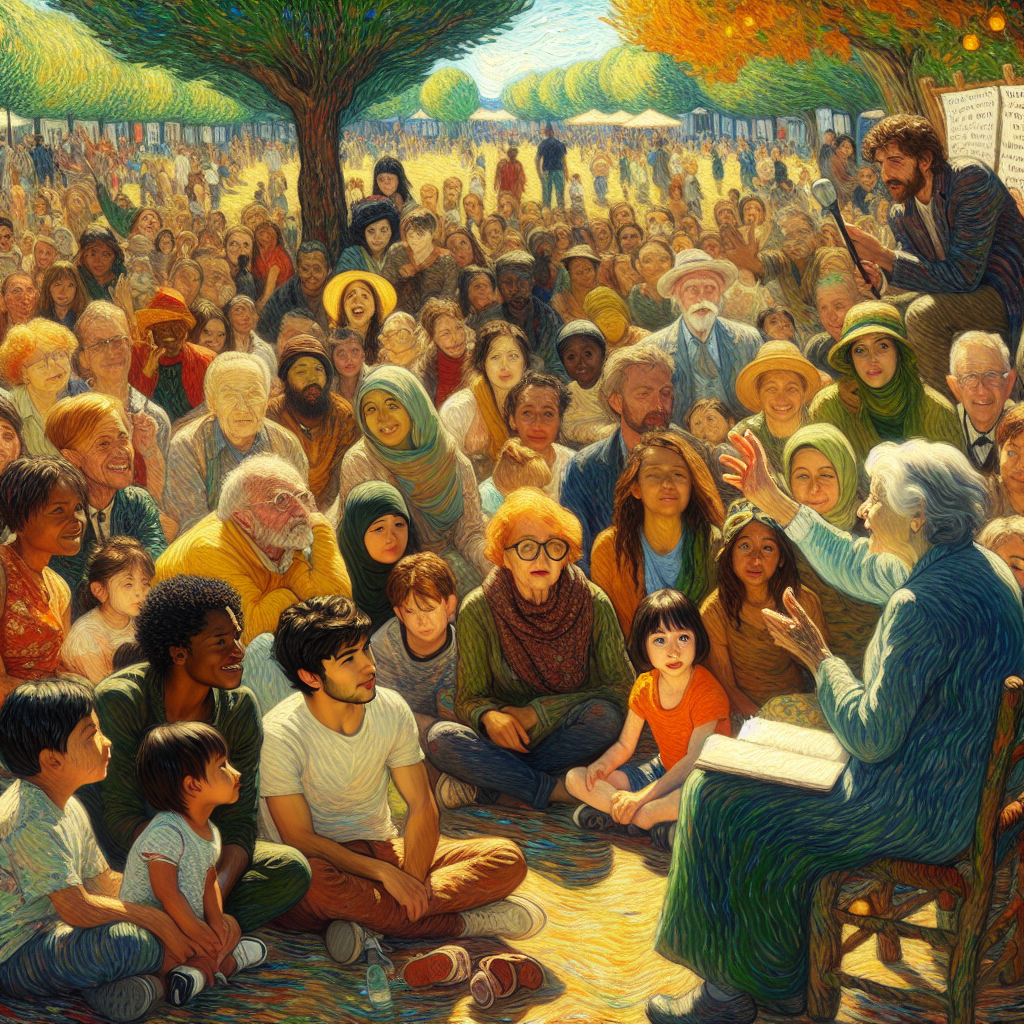
Proprietary formats are like locked doors in a grand theater of creativity. They can limit the stories we tell, shaping narratives in ways that may serve companies more than the artists who wield their craft. When we engage in legacy storytelling, we tap into something primal and universal—the urge to share, to connect, to impact. Yet, when our mediums are circumscribed by proprietary technology, we risk losing the broad spectrum of creativity.
Consider the passionate filmmaker whose vision is uniquely their own, yet they find themselves confined to a software system that imposes limitations on what they can create. It’s not just about the tools; it’s about the story—the lives it might touch, the lessons it might convey. By fixing our narratives within the bounds of proprietary systems, we limit our ability to forge genuine connections with our audiences and, in turn, with ourselves.
From a rational perspective, the innovation and user-friendliness that proprietary formats promise often come with a hidden cost. They can feel like a modern patron trying to dictate what an artist can paint or write. This approach stifles innovation, locking creativity behind a paywall. Why should an artist—whose perspective adds richness to the tapestry of culture—be compelled to conform to a rigid structure that discourages experimentation and exploration?
It’s also an ethical concern. True creativity thrives in an environment of collaboration and freedom, without the chains of proprietary interests. When artists are forced to adhere to certain formats, their storytelling becomes less about expression and more about compliance. This is not just a conversation about software; it’s a call to arms for all creatives to seek out freedoms that allow their voices to flourish.
As a community, we have the power and responsibility to challenge these limitations. We can advocate for open standards that champion creativity and collaboration over restriction. Imagine narratives that seamlessly traverse mediums, unhindered by the constraints of proprietary formats. This is the potential we must strive for—one that speaks not just to our heads, but resonates with our hearts and stirs our guts.
Together, let’s push for a landscape where storytelling is as boundless as the imagination itself—a landscape where legacy storytelling doesn’t just endure but evolves and thrives. By doing so, we honor the myriad voices and experiences that contribute to our culture and elevate the very essence of creativity.

Do Proprietary Formats Limit Our Creative Freedom?
Do Proprietary Formats Limit Our Creative Freedom?
- Proprietary formats restrict creativity, serving companies more than artists.
- Engaging in legacy storytelling connects us to a primal urge to share and impact others.
- Filmmakers may face limitations in their creative vision due to restrictive software systems.
- Innovation promised by proprietary formats often comes with hidden costs, stifling artistic expression.
- Creativity flourishes in an environment free from proprietary constraints, promoting collaboration.
- Advocating for open standards supports creativity and allows stories to navigate across mediums.
- Striving for a boundless storytelling landscape honors diverse voices and enhances cultural richness.
Do Proprietary Formats Limit Our Creative Freedom?
How Do We Ensure Access to Our Digital Content Long-Term?
Accessing digital content long-term isn’t just about technology; it’s about the stories we tell, the connections we foster, and the legacy we leave behind. The world is swamped with data, but what truly matters is the narrative that emerges from it. It’s about Legacy Storytelling, a term that captures the essence of how we want our experiences and knowledge to endure through time.
Imagine a future where our children and grandchildren can tap into the wisdom and laughter of their ancestors. They may not physically know us, but through our digital footprints, they can uncover our tales, our struggles, and our triumphs. This deep emotional connection is the heart of why we must prioritize access. It’s not just about preserving files; it’s about safeguarding the rich tapestries of our lives.
From a practical standpoint, we face challenges. Digital formats evolve, devices become obsolete, and platforms may vanish overnight. However, rational approaches can mitigate these risks. Think of it this way: every piece of content is like a tool in a toolbox. Some are rusty, some are shiny, but all hold value to those who know how to use them. Creating a standardized method for archiving and migrating content is crucial. This isn’t just the responsibility of tech wizards; it’s a collective duty that calls for involvement from everyone.
On an ethical level, we have an obligation to make sure that diverse voices are heard. Ensuring access fosters an inclusive culture where people from all walks of life can share their insights and stories. This commitment to diversity not only strengthens our society but enriches our collective narrative.
Authority comes into play through organizations and institutions that champion the importance of long-term access. By establishing clear policies and frameworks, they can inspire trust and confidence. It’s not enough to throw our information into the ether and hope it sticks. It demands intentionality and accountability.
Ultimately, we secure access through collaboration and community. Think of ourselves as caretakers of a vast library – a place where everyone is welcome to dive into the collective history of humanity. When we champion this cause together, we’re not just preserving data; we’re crafting a fellowship bound by shared stories, empowerment, and a vision for a future where our legacy continues to thrive. Investing in this mission is an invitation for all of us to take part in a vibrant, interconnected tapestry of human experience that celebrates who we are and honors where we came from.

How Do We Ensure Access to Our Digital Content Long-Term?
How Do We Ensure Access to Our Digital Content Long-Term?
- Accessing digital content long-term involves storytelling, connections, and legacy.
- Legacy Storytelling emphasizes preserving experiences and knowledge for future generations.
- Digital footprints allow descendants to explore their ancestors’ lives and experiences.
- Challenges include evolving digital formats, obsolete devices, and disappearing platforms.
- A standardized method for archiving and migrating content is essential for preservation.
- Ensuring diverse voices are heard fosters an inclusive culture and enriches narratives.
- Collaboration and community are vital in creating intentional and accountable systems for access.

How Do We Ensure Access to Our Digital Content Long-Term?
What Are the Social Implications Of Proprietary Formats?
What Are the Social Implications of Proprietary Formats?
In a world where communication is king, proprietary formats can create a digital fortress, locking us out of our own narratives. Picture this: a grandmother with a treasured collection of family photos, carefully organized over decades. Each image, a chapter in her legacy storytelling, is rendered inaccessible because the software she used has become obsolete. Here lies the heart of the issue: proprietary formats not only dictate how we consume information but also determine who gets to share their stories.
Rationally, we understand that these formats are often created by companies looking to control market share, establish brand loyalty, or drive sales, leaving the everyday user to navigate through a maze of compatibility issues. This creates a power imbalance. When a single company holds the keys to a format, they determine how, when, and if we access our own creations. This isn’t just an inconvenience; it influences the very way cultures share and evolve. We risk losing entire narratives, perspectives that might otherwise shape our collective understanding.
Ethically, proprietary formats raise questions about ownership and access. We should ask ourselves: who has the right to our stories? If the tools we use to express ourselves are owned by a few, we become the mere consumers, not the authors of our own legacy. And we have all witnessed how narrative can shape societal norms. Think of how technology has transformed personal storytelling into a shared community experience, drawing on lived histories that allow us to connect, empathize, and grow. But proprietary barriers can sever those connections, silencing voices that deserve to be heard.
We see the effects on a broader scale. Consider the potential for social isolation when communities cannot share knowledge effectively. Without accessible formats, we lose the power of collaboration, and innovation often stalls. A unified society is built on shared narratives and open dialogue—when proprietary formats create barriers, we risk fracturing our collective identity.
This is not just a technical issue; it’s a human one. We must recognize the importance of open standards that celebrate diversity and encourage collaboration. Trust and confidence in our formats can inspire action, encouraging the push for practices that value user agency and inclusivity. By championing a future where our stories are fluid, not static, we hold the power to shape not just our identities but the collective future as well. Embracing open formats isn’t merely a tech-savvy choice; it’s a commitment to preserving the stories that define us.

What Are the Social Implications Of Proprietary Formats?
What Are the Social Implications Of Proprietary Formats?
- Proprietary formats can restrict access to personal narratives and digital content.
- They create a power imbalance, as companies control how users access and share their stories.
- These formats influence cultural sharing and the evolution of collective narratives.
- Ethically, they raise questions about who owns the rights to our stories and expressions.
- Proprietary barriers can lead to social isolation by hindering effective knowledge sharing.
- A unified society relies on shared narratives; proprietary formats risk fracturing our identity.
- Embracing open standards fosters collaboration, user agency, and inclusivity in storytelling.

What Are the Social Implications Of Proprietary Formats?
Conclusion
Proprietary formats might sparkle like diamonds, but beneath their shine lies a real danger that could unravel the very narratives we cherish. The digital landscape, bustling with creativity, is often marred by formats that hold us captive, linking our stories to the whims of corporations. When we embrace proprietary systems, we risk becoming mere spectators in our own legacy storytelling. Think back to simpler times, when communities shared their histories around a fire; that spirit is at stake when our data becomes locked away behind inaccessible gates.
From an emotional standpoint, the thought of losing precious memories, untold stories, and creative works because of a software update or company shutdown is gut-wrenching. This scenario begs the question: what becomes of our narratives in a world where access is dictated by profit margins? Ethically, we owe it to future generations to safeguard our shared legacy. It’s vital to consider how our choices today affect the culture and knowledge they inherit. We must ask ourselves what lasting impact we want to have.
Rationally, the implications are clear. Proprietary formats can create barriers, hindering our ability to adapt and share. Once dependent on these systems, we confine our creative expression, allowing corporate interests to dictate our ability to innovate. We should champion open standards that encourage collaboration and accessibility, empowering each individual to contribute to our collective story.
This conversation isn’t merely tech talk; it speaks to our humanity. The essence of our existence revolves around sharing experiences, forging connections, and allowing our unique voices to resonate in the world. Emphasizing an open approach to data and formats fortifies not just our individual legacies but the entire societal tapestry. By supporting formats that prioritize fluidity and inclusivity, we promote a future where our stories aren’t just preserved—they flourish.
Ultimately, we have the power to shape a narrative driven by unity and creativity rather than restriction. Let’s not allow proprietary formats to dictate the legacies we leave behind. Embrace open standards and ensure that our digital heritage remains as rich and diverse as the lives we live—a living library that future generations will explore, connect with, and celebrate.

Conclusion
Conclusion:
- Proprietary formats pose a risk to the narratives we cherish, linking them to corporate whims.
- Choosing proprietary systems could result in losing connection to our legacy storytelling.
- Emotional loss from inaccessible memories and creative works due to software shifts is concerning.
- Ethically, we must safeguard our shared legacy for future generations.
- Proprietary formats create barriers that limit our creative expression and collaboration.
- Championing open standards fosters inclusivity, enabling collective storytelling.
- Embracing open formats strengthens societal connections and ensures our digital heritage flourishes.

Conclusion
Other Resources

Other Resources
Here is a list of other resources you can review online to learn more:
- How to Save Your Family�s Stories from Being Lost Forever � A Step-by-Step Guide to Creating a Lasting Digital Legacy
- FuneralWise
- Ever Loved
- LegalNature
- Xarona
- Forever Missed
- MyMoriam
- AmericanAncestors
- Living Wisely
- Everplans
- Lexikin
- Storyworth
- APH
- NoLo
- UpCounsel
- Geni
- GhostMemo
- Can Telling and Preserving Personal or Family Legacy Stories Be Therapeutic?
- Trust And Will
- Meminto
Use This Prompt To Get More Resources With Your Favorite Online AI Tool: Please provide me with a list of online articles with their URLs in a bulleted list that I can read regarding The Hidden Risk Of Proprietary Formats

Other Resources
Glossary Terms
The Hidden Risk Of Proprietary Formats – Glossary Of Terms
1. Proprietary Format: A file format that is owned and controlled by a specific organization, often requiring special software to access.
2. Interoperability: The ability of different systems and organizations to work together and exchange information effectively.
3. Vendor Lock-in: A situation where a customer becomes dependent on a vendor for products or services, making it difficult to switch to another vendor.
4. Obsolescence: The process of becoming outdated or no longer useful due to advancements in technology or changes in user needs.
5. Data Migration: The process of moving data from one format, storage system, or application to another.
6. Legacy System: An old or outdated computer system or application that remains in use, often due to its critical role in business operations.
7. Documentation: Written guidelines and information that explain how to use a specific proprietary format or software.
8. End-of-life: The point at which a product or service is no longer supported by its vendor, rendering it obsolete.
9. Data Accessibility: The ease with which users can retrieve and use data, often compromised by proprietary formats.
10. Conversion Tools: Software that allows for the transformation of files from one format to another.
11. Standards Compliance: Adherence to industry-wide norms and protocols, promoting compatibility among different systems.
12. Import/Export Functionality: Features that enable data to be imported from or exported to different formats or systems.
13. Data Integrity: Ensuring the accuracy and consistency of data over its lifecycle, which can be threatened by proprietary formats.
14. Format Conversion: The process of changing a file from one format to another.
15. Open Standards: Publicly available specifications that promote interoperability and unrestricted access to information.
16. Digital Preservation: Techniques and strategies for keeping digital information accessible over the long term.
17. User Dependency: The extent to which users rely on a specific software or format, often increasing the risk of being tied to a vendor.
18. File Format Compatibility: The ability of a file to be opened and edited across different software platforms without issues.
19. Market Competition: The presence of multiple vendors providing similar products, which may reduce reliance on proprietary formats.
20. Proprietary Software: Software owned by an organization or individual that restricts access to its source code and functionality.
21. Data Loss: The risk of losing important information, often heightened by reliance on proprietary formats that may become obsolete.
22. Software Ecosystem: The network of interrelated software applications and services that may depend on proprietary formats.
23. Data Portability: The ease with which data can be transferred from one system or platform to another.
24. Format Specification: A document describing the structure and behavior of a proprietary format, often lacking transparency.
25. User Interface: The means through which users interact with software, which can be heavily influenced by how data is formatted.
26. Access Control: Mechanisms that regulate who can view or use data in proprietary formats.
27. File Encryption: The process of converting data into a coded format to prevent unauthorized access, which can complicate proprietary format handling.
28. Digital Rights Management (DRM): Technologies used to control the use of digital content, often tied to proprietary formats that limit access.
29. Compatibility Issues: Problems that arise when software or systems cannot effectively work with specific file formats.
30. User Training: Instruction provided to help users understand how to work with proprietary formats, often required due to lack of intuitive design.

Glossary Of Terms
Other Questions
The Hidden Risk Of Proprietary Formats – Other Questions
If you wish to explore and discover more, consider looking for answers to these questions:
- What are specific examples of proprietary formats that have become obsolete and what happened to the data stored in them?
- How can I identify whether a format is truly proprietary or an open standard?
- What technical differences between proprietary and open formats affect long-term accessibility?
- How do licensing terms and patents influence my ability to access or convert proprietary files?
- What legal rights do users have to access, export, or migrate their data from a vendor-controlled format?
- How can I evaluate a vendor’s portability and data-export policies before committing to their platform?
- What are the practical steps to migrate large archives from proprietary formats to open formats?
- Which tools and services reliably convert proprietary formats without data loss?
- What are the risks of data corruption or loss during format conversion and how can they be mitigated?
- How do DRM and encryption practices in proprietary formats affect future access and preservation?
- What metadata should I preserve alongside files to maintain context and authenticity over time?
- How should institutions (libraries, museums, universities) plan for digital preservation of proprietary-format content?
- What are the cost implications of long-term storage, migration, and format conversion?
- How do cloud vendors’ business models and SLAs affect the risk of vendor lock-in?
- What contractual clauses should organizations include to protect data portability and access?
- How can individuals and small organizations build backup and redundancy strategies that avoid lock-in?
- When is it reasonable to choose a proprietary format for short-term benefits, and how do you plan for exit?
- What governance or policy measures can governments and institutions enact to promote open formats?
- Which standards bodies and open-format initiatives should consumers and creators watch or support?
- How do proprietary formats impact accessibility for people with disabilities?
- What ethical frameworks can guide decisions about format choice for cultural heritage and public-interest materials?
- How do proprietary formats affect academic reproducibility and research transparency?
- What are best practices for preserving multimedia (video, audio, interactive) created in proprietary systems?
- How can checksum, hashing, and integrity checks be used to detect degradation or tampering over time?
- What role can emulation and virtualization play in accessing obsolete proprietary formats?
- How does the presence of proprietary formats shape competition and innovation in software markets?
- What incentives do companies have to publish format specifications or support interoperability?
- How can advocacy, community pressure, or procurement policies push vendors toward openness?
- What are the social justice implications when marginalized communities’ digital records are trapped in proprietary formats?
- How should organizations document file formats, workflows, and dependencies to support future migration?
- Which file formats are currently recommended for long-term archiving and why?
- How can I verify that a converted file is faithful to the original in content, structure, and presentation?
- What automated strategies exist for monitoring format obsolescence risk across large collections?
- How do backups, replication, and geographic distribution reduce the risk tied to proprietary formats?
- What responsibilities do vendors have to customers if they discontinue a product or format?
- How do emerging technologies (AI, blockchain) influence format longevity, portability, or authenticity?
- Where can I find case studies of successful migrations away from proprietary formats?
- How should individuals plan their personal digital legacy to ensure future generations can access their files?

Other Questions
Haiku
The Hidden Risk Of Proprietary Formats – A Haiku
Digital silos confine,
Stories locked in private hands—
Let the past flow free.

Haiku
Poem
The Hidden Risk Of Proprietary Formats – A Poem
In a realm of bytes and coded dreams,
Where data dances in digital streams,
Beware the trap of proprietary grace,
For shadows linger in this shiny space.
A siren call of convenience sings,
Yet hidden dangers lie beneath its wings.
The stories we cherish risk being lost,
Held hostage by a corporate cost.
Legacy fades as formats fall,
Silos form, voices small,
Memories locked in vaults unseen,
What once connected now feels like a dream.
Rational minds must heed the plea,
Of open paths to set us free.
Will our children grasp the tales we weave,
Or find a void, wondering what to believe?
Ethics demand we protect what’s dear,
Ensure our truths remain clear.
For every artist, every voice,
Deserves a chance to make a choice.
Innovation stifled by shackled means,
Creativity dimmed, like fading scenes.
Let’s rise together, diverse and bold,
Craft a future where stories unfold.
A tapestry rich, connected by thread,
Where every story is lovingly spread.
Join hands in this digital quest,
To ensure our legacy is truly blessed.
Poem
Checklist
The Hidden Risk Of Proprietary Formats – A Checklist
Emotional Appeals (Heart)
✅______ Reflect on stories from your past that were lost due to technology changes.
✅______ Identify personal memories or creations that could be at risk with proprietary formats.
✅______ Consider the emotional impact of losing access to cherished digital items.
Rational Appeals (Head)
✅______ Evaluate the long-term viability of the formats you use.
✅______ Assess the potential for data loss with proprietary systems.
✅______ Research open formats that ensure data interoperability and longevity.
Ethical Appeals
✅______ Contemplate the responsibility we hold towards future generations regarding data access.
✅______ Discuss with peers the implications of vendor control over your data.
✅______ Advocate for policies promoting open standards to empower all users.
Authority Appeals
✅______ Seek guidance from technology experts on best practices for digital content.
✅______ Follow organizations that promote open formats and standards.
✅______ Stay informed about industry shifts regarding proprietary technologies.
Narrative Appeals
✅______ Share your own story about a time you faced limitations due to proprietary formats.
✅______ Compare past storytelling methods with current practices impacted by technology.
✅______ Create a collective narrative with your community about the importance of access to digital content.
Social Appeals
✅______ Inspire collaboration by organizing community discussions on data ownership.
✅______ Promote events that foster sharing across diverse backgrounds without proprietary barriers.
✅______ Build a support network advocating for open formats and shared access to digital creations.

Checklist
At LegacyExplorations, we help people plan and explore their legacy by collecting information and news regarding end-of-life planning.
Please share this post with your friends, family, or business associates who may want help to plan or explore their legacy.