

Challenging Perceptions: Embrace Life’s Fleeting Moments Together
By Tom Seest
At LegacyExplorations, we help people plan and explore their legacy by collecting information and news regarding end-of-life planning.
Please share this post with your friends, family, or business associates who may want help to plan or explore their legacy.
The Illusion Of Forever
The Illusion of Forever
Time, in its relentless march, often tricks us into believing we have it in abundance. We chase the horizon, convinced that tomorrow will stretch as far as we need it to. Yet, there’s a profound truth in every tick of the clock: forever is an illusion, and every moment counts. Understanding this can awaken within us a fire—a drive to share our legacy through storytelling.
Legacy storytelling shapes the narrative of our lives, crafting a rich tapestry woven from our experiences, dreams, and lessons learned. Each story holds power, a chance to connect with others in visceral ways that resonate long after the words have faded. This kind of storytelling isn’t just about the grand milestones; it’s about the everyday moments that define who we are. The laughter around a dinner table, the quiet resilience in the face of adversity—each experience is a thread in the intricate fabric of our legacies.
When we engage in legacy storytelling, we honor the past and create a guide for the future. It pulls at the heart, inviting us to consider where we’ve come from and where we’re heading. There’s a rational aspect too; sharing our narratives can provide clarity, helping us make sense of our lives and imparting wisdom to others. Each tale is a lesson, an opportunity to learn, laugh, or even weep together.
Ethically, we have a responsibility to share our stories. They help knit the social fabric of our communities, fostering understanding across generations and backgrounds. In a world often divided, storytelling can be a bridge, uniting us through shared human experiences. It invites others into our lives, sparking connection and empathy. The notion that time is finite reinforces the urgency of this sharing. The longer we wait, the less time we have to make those connections.
Authorities—experts in the art of storytelling—remind us that while we may think we have an eternity, it’s in the sharing of our narratives that we find our true impact. By passing down our stories, we inspire trust and confidence in those who follow. We forge pathways of strength that guide others, giving them the courage to face their own challenges.
So, let’s embrace the reality of our fleeting moments. Each story is a chance to leave a mark, to inspire action and connection. With every word, let’s build a legacy worth sharing, one that celebrates the truth that while forever may be an illusion, the power of our stories can endure.

The Illusion Of Forever
The Illusion Of Forever
- Time deceives us into believing we have it in abundance; forever is an illusion.
- Legacy storytelling shapes our lives, weaving experiences, dreams, and lessons into a tapestry.
- Every story connects us with others, resonating beyond the immediate moment.
- Engaging in storytelling honors the past and guides the future, providing clarity and wisdom.
- Sharing stories fosters understanding across communities and generations, acting as a bridge in a divided world.
- There is urgency in storytelling; the finite nature of time compels us to share narratives sooner rather than later.
- Stories inspire trust and confidence, empowering others to face their challenges and leave a lasting legacy.

The Illusion Of Forever
Table Of Contents
- The Illusion Of Forever
- What Does the Illusion Of Forever Mean to You?
- How Does Time Shape Our Memories?
- Can We Truly Hold Onto Moments That Matter?
- What Fears Arise From the Thought Of Impermanence?
- How Does Our Perception Of Time Affect Our Happiness?
- Is the Quest for Permanence Ultimately Futile?
- What Stories Have Shaped Your View Of Forever?
- Conclusion
- Other Resources
- Glossary Of Terms
- Other Questions
- Haiku
- Poem
- Checklist
What Does the Illusion Of Forever Mean to You?
What Does the Illusion of Forever Mean to You?
In our fast-paced world, the illusion of forever can feel like a distant echo, a comforting fantasy we cling to amid chaos. Yet, it’s essential to ponder this notion deeper. What does it mean to believe in forever? Each of us carries a legacy, a story woven through the tapestry of our lives, filled with triumphs, failures, moments of joy, and bittersweet memories. Understanding this illusion can serve as an anchor, connecting us to our past while guiding our present and future.
Think about it: the stories we tell shape our identities. When we engage in legacy storytelling, we not only preserve our experiences but also share wisdom with those who come after us. Each narrative holds a piece of our essence, reminding us that while time is finite, the impact of our lives can reverberate long after we’re gone. This is where the illusion of forever takes on a richer meaning. It transforms from a mere concept into a living, breathing part of who we are.
Rationally, holding onto this belief can motivate us to act with purpose. The idea of leaving behind something everlasting can spur us to live authentically, invest in our relationships, and contribute to the world around us. Whether it’s nurturing a family, building a career, or mentoring the next generation, we are all striving to create something that endures. When we recognize our stories as threads in a larger fabric, it fosters an ethical obligation to share, uplift, and connect.
Emotionally, the illusion of forever resonates in the quiet moments—when a child laughs, when we gather with loved ones, or when we stand in awe of nature’s beauty. These fleeting instances remind us that while nothing lasts forever, the feelings they evoke can last a lifetime. They invite us to appreciate the here and now, to invest in the relationships that matter most, and to be present in the journey.
On a social level, consider how sharing these stories can build bridges between us. They invite others into our lives, fostering understanding and empathy. In doing so, we create a sense of community grounded in shared experiences. This connection strengthens our resilience and fortifies our resolve to pursue a meaningful existence.
The illusion of forever encourages us to reflect, act, and engage. It beckons us to honor our stories, invest in our legacies, and, in the process, find greater meaning in the fleeting moments that define our lives.

What Does the Illusion Of Forever Mean to You?
What Does the Illusion Of Forever Mean to You?
- The illusion of forever offers comfort in a chaotic, fast-paced world.
- Each individual carries a legacy composed of experiences, shaping their identity.
- Legacy storytelling preserves wisdom and connects past, present, and future.
- This belief motivates purposeful actions and authentic living.
- Emotional moments remind us to appreciate fleeting experiences and relationships.
- Sharing stories fosters community and empathy, strengthening connections.
- The illusion of forever encourages reflection and engagement in meaningful living.

What Does the Illusion Of Forever Mean to You?
How Does Time Shape Our Memories?
Time is an artist, sculpting our memories with an intricate blend of clarity and fog. Every tick of the clock weaves experiences into the fabric of our being, shaping not just who we are but what we cherish. Memories can feel solid as a stone one moment, yet as fleeting as a whisper the next, all dependent on how they are nestled within the relentless passage of time.
Think of a child’s laughter ringing through a sun-drenched playground. The warmth of that moment can evoke joy long after the child has grown, yet the specifics can fade. Over the years, we polish those yellows and blues in our minds, transforming them into a legacy—an enduring testament to a life well-lived and the stories we share. Each recollection adds weight, forming a bridge to connect us to the past and to one another.
Our brains highlight certain events while letting others drift away. This phenomenon is less about recalling the particulars and more about emphasizing emotion—how a moment made us feel and what it taught us. An anniversary, a graduation, or a simple family dinner can become a narrative that defines our identity, shaping who we will be in years to come. Memories bond us, offering a collective legacy, a shared storytelling that enriches our relationships and fosters understanding.
We often find ourselves at the intersection of nostalgia and future aspiration. Striving to capture memories in tangible forms—photos, journals, or even spoken stories—invokes a desire to preserve our truths for future generations. This drive isn’t just about reminiscence; it’s an ethical commitment to ensure that those who come after us understand the landscape of our feelings, values, and personal journeys.
As time passes, it also reminds us of our impermanence. The notion that we can influence how our stories are told and remembered stirs something deep within us. It encourages action, motivating us to create moments worth remembering. Whether it’s taking a family trip, attending a friend’s event, or simply sitting down for dinner with loved ones, every minute counts. Each experience we curate shapes the legacy we will leave behind—a story enriched by connections, brimming with gratitude and life lessons.
How we navigate time is a choice. It’s about embracing the rush and the pause, understanding that memories, shaped by time, cultivate our deepest bonds and define our legacy. Let’s not wait for tomorrow to make those memories; let’s start creating today.

How Does Time Shape Our Memories?
How Does Time Shape Our Memories?
- Time shapes memories, blending clarity and fog.
- Memories vary in perception, from solid to fleeting.
- Childhood moments evoke lasting joy despite fading specifics.
- Memories enhance our identity and build connections to the past.
- Emotional significance shapes how we remember events.
- Preserving memories is vital for future generations and understanding.
- Creating meaningful experiences is essential for a lasting legacy.

How Does Time Shape Our Memories?
Can We Truly Hold Onto Moments That Matter?
Moments that truly matter often slip through our fingers like sand, fleeting yet rich with potential. Each moment carries a legacy, and through legacy storytelling, we weave the threads of our experiences into tapestries that bind us. These are not just stories; they are the very essence of who we are, echoing in our hearts long after the events fade from memory. Reflect on your life’s milestones, those snapshots of joy, laughter, or even sorrow. Each time we pause to reflect on these moments, we create an opportunity to connect with ourselves and others.
The impulse to preserve these glimpses is universal. We capture them to give meaning, to tell our stories—stories filled with lessons learned in the heat of battle or during quiet evenings at home. When we share these narratives, we build bridges with those around us, fostering a sense of community. Consider moments spent with family, friends, or even strangers; these interactions shape our understanding of the world. They transform into lessons of resilience, teaching us the importance of connection in a disjointed society.
Rationally, we seek to hold onto these significant events because they form our identity. They inform our decisions, guide our moral compasses, and shape our futures. Think about the wisdom gained from hardship or the warmth felt in acts of kindness. Such memories not only empower us to navigate our challenges but also compel us to share these lessons. They inspire us to act and advocate for others in their moments of need, creating a ripple effect that extends far beyond our initial plight.
However, it’s not merely about recollection; it’s about the ethics of remembrance. In a world quick to forget, holding onto these moments demands a commitment to honoring our past while being conscious of its impact on our future. This is where storytelling takes on a crucial role, allowing us to reflect, respect, and subsequently release these moments into the world, hoping they resonate with others, perhaps transforming lives.
Embrace the power of your story. Document your moments; share your legacy. By doing so, you not only preserve your journey but also inspire others to find value in their own experiences. Legacy storytelling is not just a personal endeavor; it’s a communal act, reminding us that while moments may be fleeting, their significance remains steadfast in our shared narrative. Let’s hold tightly to them, not out of fear of loss, but in the spirit of celebration and connection.

Can We Truly Hold Onto Moments That Matter?
Can We Truly Hold Onto Moments That Matter?
- Moments that matter are fleeting yet rich in potential, carrying a legacy.
- Legacy storytelling weaves our experiences into a collective narrative, connecting us.
- Reflecting on milestones creates opportunities for connection with ourselves and others.
- Preserving significant events helps define our identity and guides our decisions.
- Sharing narratives fosters community and teaches resilience in a disjointed society.
- Storytelling involves ethical remembrance, honoring the past while impacting the future.
- Documenting and sharing our stories not only preserves our journey but inspires others.

Can We Truly Hold Onto Moments That Matter?
What Fears Arise From the Thought Of Impermanence?
There’s a visceral reaction that echoes through our minds at the very thought of impermanence. It’s a fear that lurks in the shadows of our lives, tapping into our very core—the gut. This isn’t just about losing material things; it’s the legacy we leave behind, the stories we tell, and the connections we forge with others that keep us anchored. When we confront the reality that everything is fleeting, we grapple with a sense of vulnerability that can feel overwhelming.
Consider the legacy we wish to leave. Each moment is a chapter in our personal narrative, a piece of storytelling that shapes how we’re remembered. As stories unfold and fade, we yearn for permanence in an ever-shifting world. This isn’t merely a romantic notion; it’s woven into the fabric of our humanity. Rationally, we know that nothing lasts forever, yet emotionally, we cling to our experiences, relationships, and aspirations, hoping that somehow, they’ll transcend time.
In grappling with this fear, we often find ourselves reflecting on our values and ethics. What really matters in our short tenure on this planet? The pressure to create a meaningful legacy can paralyze us, making each decision feel monumental. It’s a dichotomy we face: the desire for continuity versus the acceptance of change. Yet, this collision can serve as a catalyst. It can push us to live more fully, to embrace the moments that matter, and to invest in the connections that define us.
Let’s not overlook the social dynamics at play. We are, after all, social creatures. The bonds we form provide a buffer against the fears of impermanence. Our families, friends, and communities help us create a sense of stability amid chaos. By sharing our stories, we build understanding and trust, fostering connections that sustain us. In this way, our narratives become intertwined, creating communal legacies that hold weight even in their transience.
Ultimately, the fear of impermanence is an invitation to action. It calls us to step out of our comfort zones, to embrace life’s many uncertainties. Each day is an opportunity to write the next line of our story, to create a memorable legacy that resonates beyond our years. It’s about making choices that matter and living authentically, transforming the temporal into something truly lasting.

What Fears Arise From the Thought Of Impermanence?
What Fears Arise From the Thought Of Impermanence?
- Impermanence evokes a visceral fear rooted in our core, affecting our perspectives on legacy and connection.
- Each moment serves as a chapter in our narrative, shaping how we are remembered despite the inevitable fleeting nature of life.
- Emotional attachments to experiences and relationships illustrate our desire for permanence in a transient world.
- This fear prompts reflections on values and ethics, raising questions about what truly matters in our lives.
- The tension between the desire for continuity and acceptance of change can motivate us to live more fully.
- Social bonds provide stability against the chaos of impermanence, allowing us to build meaningful connections and communal legacies.
- Ultimately, the fear of impermanence can inspire action, encouraging authentic living and impactful choices that resonate beyond our years.

What Fears Arise From the Thought Of Impermanence?
How Does Our Perception Of Time Affect Our Happiness?
In a world where every tick of the clock seems to come with a price, our perception of time shapes not just our schedules, but the very fabric of our happiness. Imagine standing at a crossroads, each path representing a different understanding of time’s passage. One road, a meticulous account of every second lost to work and worry, feels like a heavy weight dragging us down. The other, a legacy of storytelling, where moments are cherished and memories dance in vibrant colors.
Our relationship with time runs deeper than mere minutes and hours; it’s an emotional landscape. Think back to those fleeting summer days of childhood, when time seemed to stretch endlessly, inviting adventure. Contrast that with the rush of adulthood, where deadlines loom, and the clock ticks like a metronome in a frantic symphony. This comparison stirs an undeniable truth: how we perceive time can either foster or fracture our happiness.
Emotionally, memories rooted in joyful experiences—family gatherings, spontaneous road trips—create a tapestry of our lives that enrich our happiness. We often find that engaging in activities that slow our perception of time, like deep conversations with loved ones or immersive hobbies, leads to profound joy and satisfaction. These moments remind us of the value of connection, weaving our personal narratives with threads of shared laughter and solidarity.
Rationally, consider the science of happiness. Studies show that individuals who prioritize experiences over possessions, who invest time in meaningful relationships, report higher levels of satisfaction. This isn’t just anecdotal. It’s a robust finding that links how we spend our time with our overall well-being. When we consciously choose to fill our hours with purpose—volunteering, pursuing passions, or nurturing connections—we not only enhance our own happiness but also contribute to the well-being of those around us.
Ethically, there’s an obligation to seek balance. In a society that often glorifies hustle, pausing to reflect on our priorities can be a radical act. We owe it to ourselves and others to create spaces where time isn’t just counted but celebrated. It’s about recognizing that the most valuable currency we have is time spent well, building a legacy of storytelling that transcends generations.
As we navigate the complexities of life, let’s remember: how we perceive time affects our happiness more than we realize. By choosing to embrace those moments that truly matter, we can transform our relationship with time, one narrative at a time.

How Does Our Perception Of Time Affect Our Happiness?
How Does Our Perception Of Time Affect Our Happiness?
- Perception of time significantly influences happiness and emotional well-being.
- Two contrasting views of time: one focused on work and worry, the other on storytelling and cherished moments.
- Childhood experiences often evoke a sense of timelessness, contrasting with adult pressures from deadlines and schedules.
- Joyful memories and meaningful connections create a rich tapestry of experiences that enhance happiness.
- Prioritizing experiences over possessions is linked to higher satisfaction and overall well-being.
- Seeking balance in a hustle-focused society promotes reflection and intentional use of time.
- Embracing meaningful moments allows for a transformative relationship with time and personal happiness.
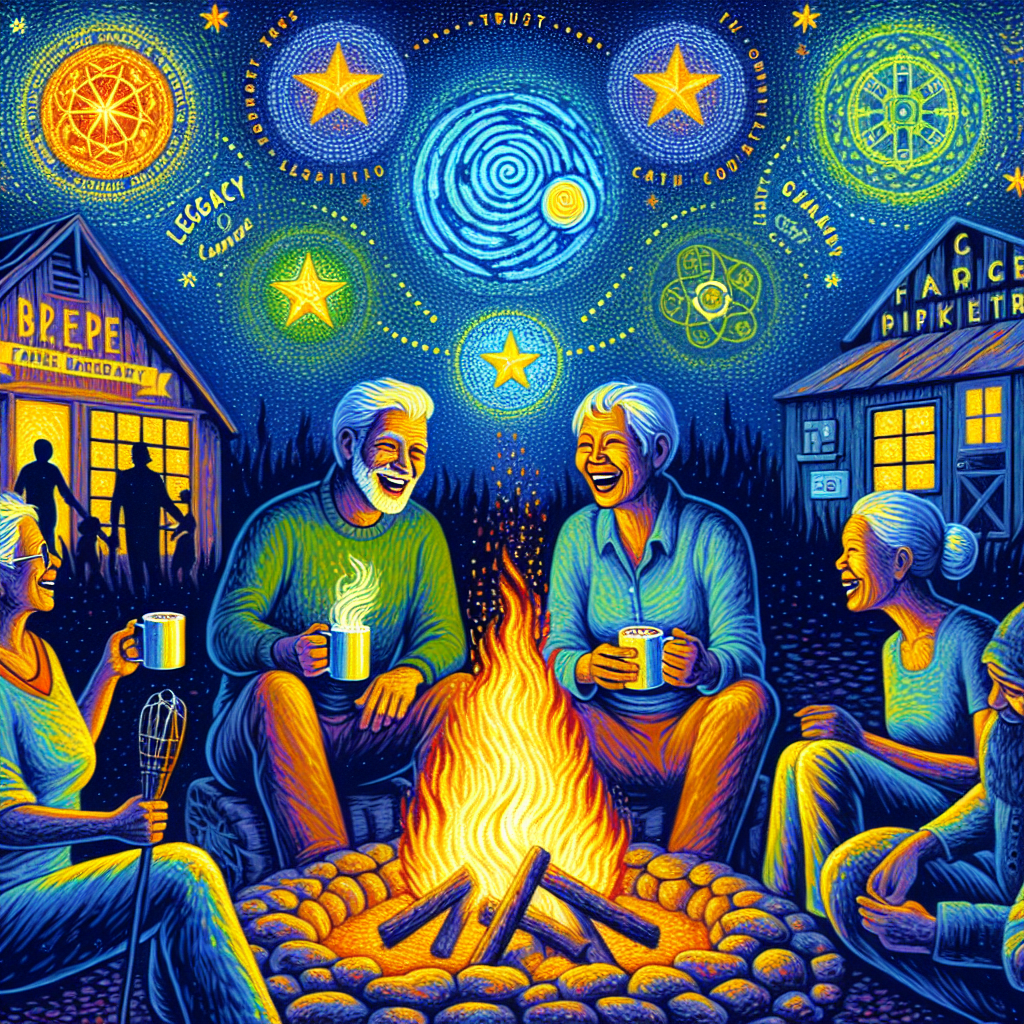
How Does Our Perception Of Time Affect Our Happiness?
Is the Quest for Permanence Ultimately Futile?
In a world driven by the relentless pursuit of stability and permanence, one must ask: is this quest a noble endeavor or an exercise in futility? We cling to the idea of leaving a legacy, a mark on this earth that outlasts our fleeting existence. Storytelling is often at the heart of this pursuit, weaving together our experiences and aspirations into a narrative that binds generations. Yet, as we chase this dream, the reality remains that change is the only constant.
Emotions are deeply entwined in the stories we tell. They resonate in our hearts, reminding us of the connections we forge with others. We share tales of triumph and heartache, not just for remembrance, but to foster understanding and empathy. These narratives form a tapestry of shared human experience, yet they also highlight our transience. In each cherished memory, we must confront the sobering truth: every moment is impermanent, and the stories that stitch our lives together will eventually fade.
Rationally speaking, the quest for permanence often leads to an unsettling paradox. While we seek security, the truth is that every effort we make to solidify our place in history can be washed away by time’s relentless tide. Our greatest achievements can be overshadowed by circumstances beyond our control, and the very foundations we build may crumble. This realization can be disheartening, yet it also offers a crucial lesson: rather than focusing on permanence, we can embrace the beauty of the present.
Ethically, we must consider what truly matters. If our legacy is tied to power, wealth, or fame, we may miss the more significant impact of kindness and connection. The stories we pass down should inspire future generations to act with compassion and integrity. When we prioritize values over accolades, we create narratives that celebrate humanity rather than just individual success.
Socially, we gain strength from our communities and relationships. By nurturing connections, we create a sense of belonging that transcends time. It’s in the stories we share and the bonds we forge that our lives gain meaning. Rather than striving for permanence, let us recognize the rich, ephemeral beauty of each moment. In embracing the transient nature of existence, we discover that while legacies may fade, the connections we cultivate can echo through the lives we touch—reminding us that perhaps, in the end, it’s not about permanence, but about the richness of the journey we undertake together.

Is the Quest for Permanence Ultimately Futile?
Is the Quest for Permanence Ultimately Futile?
- The pursuit of stability and permanence raises questions about its nobility versus futility.
- Legacy and storytelling connect our experiences and aspirations across generations.
- Emotions in storytelling facilitate connection, understanding, and empathy.
- The quest for permanence reveals the paradox of impermanence; achievements can be overshadowed by time.
- Ethically, a legacy rooted in kindness and connection outweighs one founded on power, wealth, or fame.
- Nurturing community and relationships fosters a sense of belonging and meaning.
- Embracing the transient nature of life highlights the importance of connections over the desire for permanence.

Is the Quest for Permanence Ultimately Futile?
What Stories Have Shaped Your View Of Forever?
Forever is a daunting concept, one often cloaked in the realms of mythology and fiction. Yet, the stories that shape our understanding of eternity are intimately woven into the fabric of our lives. Each narrative, whether told around a fireside or passed down through generations, serves as a thread in the tapestry of our collective human experience. We all have those legacy stories—tales of bravery, love, sacrifice, and struggle—that illuminate our paths and define our beliefs about what endures beyond our time here.
Consider the power of storytelling. It’s not merely a vehicle for entertainment but a profound means of connection. Each story shared is a bridge across generations, opening the door to insights and values that can shape our own decisions. Think of the heroes we look up to—the ones whose lives serve as cautionary tales, teaching us about integrity and resilience. These stories hold ethical weight, reinforcing the idea that our choices carry repercussions that echo far beyond our individual lives. The courage to act in the face of weakness, to lend a hand to a stranger, or to stand up for what’s right is rooted in the tales imparted to us by those who came before.
Every legacy story sparks inspiration. Reflect on the narratives of ordinary people doing extraordinary things; these are the tales that tug at our gut, encouraging us to strive for more. Whether it’s the single mother who juggles multiple jobs or the teacher who takes extra time to help her students, these figures embody the endurance we all aspire to. Their stories remind us that it is within our capacity to leave lasting impressions, not just for ourselves, but for our communities, our families, and indeed, the world at large.
Moreover, what binds us is the realization that we all face similar challenges—fear, hope, loss, love. By sharing our own experiences and listening to others, we create a dialogue that fosters connection, dissolving the barriers that often isolate us. This creates a sense of belonging, an acknowledgment that while our stories may differ in detail, they often resonate in their core themes.
Ultimately, the stories we embrace shape our views on forever. They ground us in the ethical fabric of our existence and remind us that while life is fleeting, the impact of our actions and words can create echoes that last forever, encouraging us to write our own meaningful narratives while honoring those who came before.

What Stories Have Shaped Your View Of Forever?
What Stories Have Shaped Your View Of Forever?
- Forever is a complex concept intertwined with mythology and fiction.
- Stories serve as essential narratives that shape human experience, including themes of bravery, love, and sacrifice.
- Storytelling connects generations, offering insights and values that influence personal choices.
- Legacy stories highlight heroes and cautionary tales that teach integrity and resilience.
- Ordinary individuals performing extraordinary acts inspire others to strive for greatness.
- Shared experiences foster connection and create a sense of belonging despite differing details.
- The stories we value shape our understanding of eternity and encourage us to create impactful narratives.
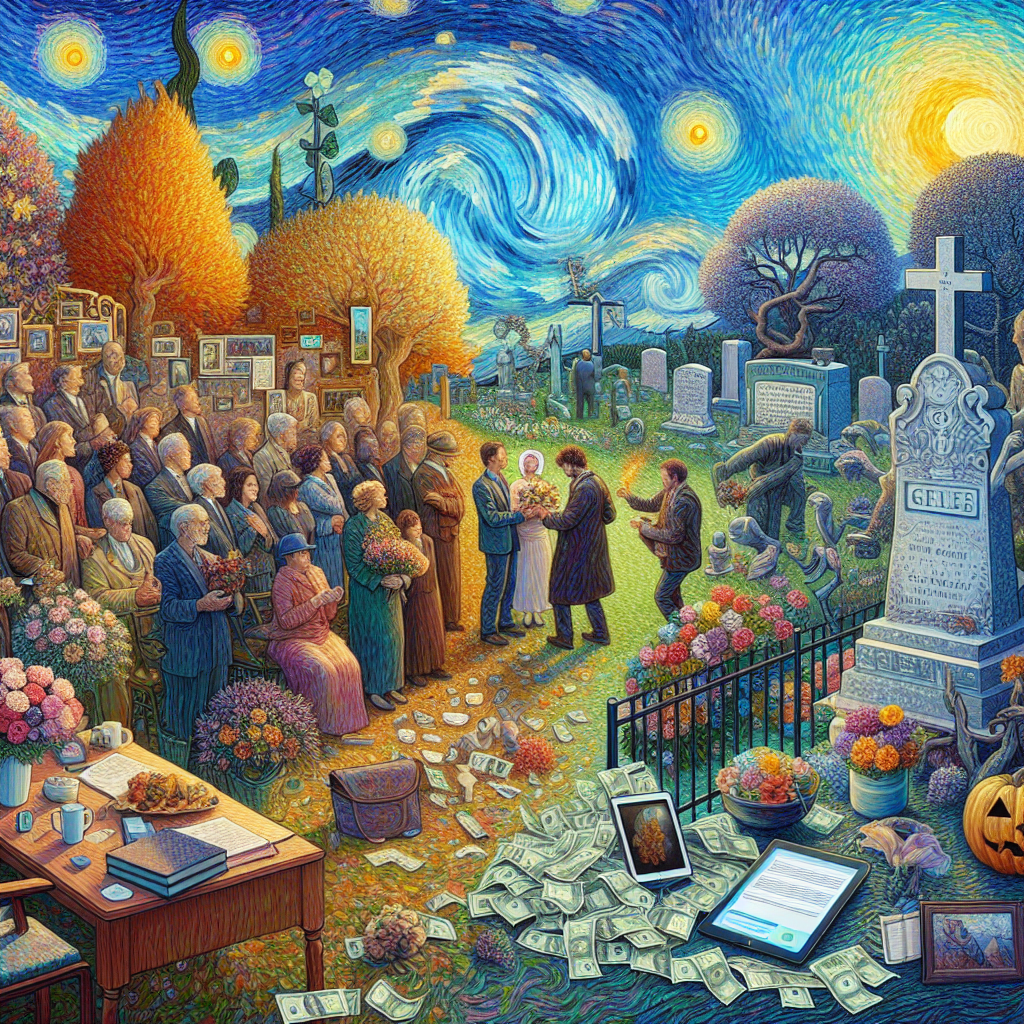
What Stories Have Shaped Your View Of Forever?
Conclusion
In “The Illusion of Forever,” Tom Seest invites us to confront a fundamental truth: time is fleeting. While we may be tempted to believe we have forever, each moment we share is precious and irreplaceable. Our legacy is rooted in the stories we tell, capturing the essence of our experiences and connecting us through shared narratives. Every laugh around the dinner table and every resilient moment in the face of life’s challenges contributes to the rich tapestry of our lives. Together, these stories form a collective legacy, a bridge to understanding and empathy that binds us across generations.
From an emotional standpoint, we all have moments that invoke deep reflection and connection, echoing a universal desire for permanence in a shifting world. It’s in those memories that we find strength and wisdom, inviting us to share our experiences with others. This is not just a rewarding act; it’s also an ethical obligation to nurture our social fabric. The act of storytelling reinforces our bonds and fosters community, creating a collective consciousness marked by both triumph and heartache.
Rationally, engaging in legacy storytelling can provide the clarity we need to navigate our lives and help future generations grasp the lessons we’ve learned. When we realize time is limited, that urgency fuels our desire to share, to inspire, to connect. Experts emphasize that it’s in our narratives that we have the most profound impact, encouraging future generations to confront their own challenges with courage.
However, grappling with our mortality can stir fear—fear of impermanence and the possibility that our stories might fade. Yet, this reality invites us to act. It motivates us to forge those connections, embrace the fleeting joys of life, and carve out a legacy that celebrates the journey rather than just the destination. We are called to be present, to invest in moments that resonate, ensuring that, while forever may be an illusion, the impact of our shared stories can echo in the lives of those we touch.
Ultimately, “The Illusion of Forever” isn’t merely a meditation on time; it’s a celebration of our human experience. Let’s write our narratives boldly, honoring the transient nature of life while recognizing that our stories, rich with wisdom, laughter, and love, have the power to inspire and connect—not just in our time, but long after we’re gone.

Conclusion
Conclusion:
- Time is fleeting, and each moment is precious and irreplaceable.
- Our legacy is defined by the stories we share, connecting us through experiences.
- Every shared laugh and resilient moment contributes to the tapestry of our lives.
- Storytelling fosters community and enhances our collective consciousness.
- Legacy storytelling is vital for navigating life and guiding future generations.
- Confronting our mortality motivates us to connect and create lasting legacies.
- The narrative of our lives celebrates the human experience and inspires others.

Conclusion
Other Resources

Other Resources
Here is a list of other resources you can review online to learn more:
- Obituary Templates
- Legacy Family Tree
- Can Telling and Preserving Personal or Family Legacy Stories Be Therapeutic?
- Everplans
- Funeral Services Guide
- Memorial Matters
- deviantART
- LegacyFamilyTree
- MyHeritage
- RocketLawyer
- Bcelebrated
- How Has Time Changed The Cost Of Capturing Family Legacy Stories
- Postumo
- International End of Life Doula Association
- Remembered.com
- Digital Legacy Association
- YouMattered
- LegalNature
- USLegalWills.com
Use This Prompt To Get More Resources With Your Favorite Online AI Tool: Please provide me with a list of online articles with their URLs in a bulleted list that I can read regarding The Illusion Of Forever

Other Resources
Glossary Terms
The Illusion Of Forever – Glossary Of Terms
1. Eternity: The concept of lasting forever without end; often associated with the infinite nature of time.
2. Transience: The state of being temporary or fleeting, emphasizing the contrast to the idea of forever.
3. Perpetuity: The quality of lasting indefinitely, commonly used in legal and financial contexts.
4. Impermanence: The philosophical idea that all things are subject to change and decay; nothing is permanent.
5. Illusory: Pertaining to something that is deceiving or creates a false perception; not based on reality.
6. Chronos: A term originating from Greek mythology, representing linear or chronological time.
7. Kairos: A Greek word that refers to the opportune moment in time, highlighting qualitative rather than quantitative aspects.
8. Timelessness: The quality of being unaffected by the passage of time; often associated with art or enduring truths.
9. Eternalism: A philosophical theory that regards past, present, and future events as equally real, challenging conventional perceptions of time.
10. Nostalgia: A sentimental longing for the past, giving the illusion of permanence through memories.
11. Fleeting: Something that lasts for a very short time; emphasizes the ephemeral nature of experiences.
12. Foreverness: The state of being forever; often used to evoke deep emotional or existential concepts.
13. Mortality: The state of being subject to death; underscores the contrast to the idea of eternity.
14. Legacy: Something handed down from the past, often viewed as a way to achieve a form of immortality through impact and memory.
15. Memento Mori: A reminder of human mortality, often used in art and literature to evoke contemplation of life’s fleeting nature.
16. Ephemeral: Lasting for a very short time; often associated with beauty or experiences that are transient.
17. Infinity: The state or quality of being infinite, often used in mathematical or philosophical contexts to describe endlessness.
18. Timelines: Visual representations of events in chronological order; can illustrate the flow of time, including the illusion of continuity.
19. Phenomenology: A philosophical approach that examines experiences and consciousness, relevant to understanding perceptions of time.
20. Existentialism: A philosophical movement that focuses on individual existence, freedom, and choice in an inherently meaningless universe.
21. Paradox: A statement that contradicts itself but may still hold truth; relevant when discussing the nature of time and eternity.
22. Fictionality: The quality of being fictional or imagined, often linked to concepts like forever in storytelling.
23. Dreamscape: A non-linear and surreal landscape of dreams where time can feel distorted or non-existent.
24. Cyclical Time: The concept that time is cyclical rather than linear; often seen in various cultures and philosophies.
25. Chronicles: Historical accounts that document events over time, emphasizing the progression of moments.
26. Permanence: The quality of lasting indefinitely or remaining unchanged over time.
27. Temporal: Relating to time, especially as distinct from eternity or the infinite.
28. Myth: A traditional story that embodies a cultural truth or belief, often used to explain the nature of time and existence.
29. Reflection: The act of thinking deeply about past events, contributing to the illusion of permanence in memory.
30. Utopia: An imagined perfect place or state, often representing an ideal of eternal peace or happiness that is ultimately unattainable.

Glossary Of Terms
Other Questions
The Illusion Of Forever – Other Questions
If you wish to explore and discover more, consider looking for answers to these questions:
- What is legacy storytelling and how do I begin?
- Which moments in my life are most worth preserving?
- What practical steps can I take to record and archive my stories?
- How do I choose between digital and physical formats for preservation?
- How can I ensure my stories survive for future generations?
- What are effective techniques for making personal stories compelling?
- How do memory biases and fading details shape the stories we tell?
- What research supports the link between time perception and happiness?
- How can storytelling help with grief, healing, and meaning-making?
- How do I balance honesty with sensitivity when sharing family stories?
- What ethical issues arise when telling stories about others?
- How can I encourage reluctant family members to share their memories?
- What prompts or questions work best to elicit stories from elders?
- How should I document memories if a loved one has dementia or memory loss?
- How do cultural differences influence concepts of legacy and forever?
- How can communities use shared storytelling to build connection and trust?
- What technologies or tools are best for preserving multimedia memories?
- How do I manage privacy and consent when sharing personal narratives online?
- What legal steps (wills, copyrights, digital accounts) should I take for my legacy?
- How can I create rituals or practices that mark and preserve fleeting moments?
- Is seeking permanence in legacy realistic, useful, or harmful?
- How can I live more intentionally to create memories that matter?
- What daily habits help build a meaningful, memorable life narrative?
- How can storytelling be used ethically to teach values without manipulating?
- How do I measure the impact of the stories I share on others and my community?
- What are the best ways to make personal stories accessible to people with disabilities?
- How has social media changed the nature and durability of personal legacies?
- When is the right time to start preserving my legacy and why start now?
- How should I curate or edit painful or controversial family stories?
- How can I protect my digital legacy and ensure it’s handled after I’m gone?
- What storytelling formats (audio, video, written) work best for different audiences?
- How do I transform ordinary, everyday moments into stories worth sharing?
- How can parents use legacy storytelling to shape their children’s values and identity?
- What support resources exist for people who want to document family histories?

Other Questions
Haiku
The Illusion Of Forever – A Haiku
Fleeting moments shared,
Stories weave our lives’ fabric,
Echoes of the heart.

Haiku
Poem
The Illusion Of Forever – A Poem
In the chase for forever, we often lose our way,
Time’s relentless march whispers truths we must convey.
Moments slip like sand, fleeting, rich with grace,
Each tick of the clock a chance to embrace.
Legacy lies in stories we share,
From laughter to tears, in the bonds that we dare.
The heartstrings tighten, as we weave our tales,
Creating connections where understanding prevails.
Rational reflections soothe our restless minds,
In the wisdom of memories, clarity we find.
Through struggles and triumphs, our narratives grow,
A map for the future, where shared journeys flow.
Ethics of storytelling bind us as one,
Within shared human trials, our empathys spun.
In a fragmented world, find strength in the thread,
To honor our past, where our courage is fed.
The gut knows the fear of impermanence well,
Yet in fleeting moments, our legacies dwell.
With each story we craft, we build bridges of light,
Transcending our fears, transforming our plight.
So let’s indulge in today, making memories last,
For while forever’s an illusion, the impact is vast.
Embrace every heartbeat, every laugh, every sigh,
For in the end, it’s the stories we share that never die.

Poem
Checklist
The Illusion Of Forever – A Checklist
Emotional Appeals
✅______ Reflect on a cherished memory and write it down.
✅______ Share a personal story with someone you trust to foster deeper connection.
✅______ Identify a moment in your life that sparked joy and express gratitude for it.
Rational Appeals
✅______ List three lessons you’ve learned from your most significant life experiences.
✅______ Set a goal to document one story per week, focusing on everyday moments.
✅______ Consider how your experiences shape your understanding of time and legacy.
Ethical Appeals
✅______ Make a commitment to share your stories with younger generations.
✅______ Reflect on the importance of kindness in your narratives and identify ways to enhance it.
✅______ Ponder the impact of your stories on community and relationships.
Authority Appeals
✅______ Read a featured legacy story from a well-known figure or a respected author.
✅______ Join a local storytelling group or workshop to enhance your narrative skills.
✅______ Follow experts or thought leaders in storytelling to gather insights and inspiration.
Narrative Appeals
✅______ Create a personal timeline of key moments in your life.
✅______ Write a short narrative about a small, everyday event that holds significance for you.
✅______ Engage friends or family in sharing their stories to create a collective narrative.
Social Appeals
✅______ Organize a gathering to share stories with family or friends.
✅______ Create a social media post inviting others to share their meaningful moments.
✅______ Reflect on how your stories can inspire community connections and strengthen ties.

Checklist
At LegacyExplorations, we help people plan and explore their legacy by collecting information and news regarding end-of-life planning.
Please share this post with your friends, family, or business associates who may want help to plan or explore their legacy.