

An Overview Of the Illusion Of Organization
By Tom Seest
At LegacyExplorations, we help people plan and explore their legacy by collecting information and news regarding end-of-life planning.
Please share this post with your friends, family, or business associates who may want help to plan or explore their legacy.
The Illusion Of Organization
In a world that often masquerades chaos as organization, we find ourselves yearning for clarity amid the clutter. It’s a paradox that many face daily: the glossy veneer of a tidy workspace or a meticulous calendar belies the frantic reality underlying our efforts to keep life in order. This illusion of organization can be deceiving, tugging at our deep-seated need for control and structure, yet leaving us feeling more scattered than ever.
Think of the stories we tell ourselves about being organized. Each day, we create a legacy through our choices, actions, and, yes, even our disarray. We strive for that perfect blend of work-life balance, filling our lives with routine and purpose, believing it will lead to fulfillment. But what happens when the very tools meant to anchor us instead become chains? As we race against time, our stories shift from inspiring triumphs to tales of exhaustion, leading us to question not just our organization but our priorities.
This is where narrative intermingles with reality. Each disheveled desk or neglected project tells its own story, revealing not just our ambitions but our struggles. It’s a shared experience, resonating with anyone who has ever felt overwhelmed. We are unified in this journey, collectively navigating the messiness of life while aiming for the illusion of perfection. The more we acknowledge our shared vulnerabilities, the stronger our connections become, fostering a sense of community over competition.
When seasoned professionals share their insights, it’s not merely about the techniques that work for them; it’s a reflection of their journeys, marked by trial and error. Embracing their authority gives us permission to redefine what organization means in our own lives. It’s not about adhering strictly to rigid systems but understanding that sometimes embracing chaos can be its own form of clarity.
So let’s challenge our assumptions about organization. Instead of striving for an unattainable ideal, we can find value in our stories, learning from the mess to craft something meaningful. Acknowledge that legacy storytelling isn’t just about what we accomplish; it’s about how we navigate the journey, one unpredictable twist at a time. Ultimately, real organization emerges not from order for order’s sake but from recognizing and embracing our complexities, our humanity, and our collective experience in this beautifully chaotic existence.

The Illusion Of Organization
The Illusion Of Organization
- The illusion of organization often disguises chaos, leading to a yearning for clarity.
- Tidy workspaces and meticulous calendars may hide the frantic reality behind efforts to maintain order.
- Individuals create a legacy through their choices and experiences, even amidst disarray.
- Time management tools can sometimes become burdens rather than aids, leading to exhaustion.
- Shared experiences of overwhelm reveal our collective struggles and foster community.
- Redefining organization involves embracing chaos as a source of clarity, rather than adhering to rigid systems.
- Real organization stems from understanding and accepting our complexities and shared humanity.

The Illusion Of Organization
Table Of Contents
- The Illusion Of Organization
- What Does True Organization Mean to You?
- How Can Chaos Impact Your Life?
- Are You Letting Distractions Control Your Focus?
- Why Do We Cling to the Illusion Of Order?
- How Does Organization Affect Your Mental Health?
- What Stories Do You Tell Yourself About Being Organized?
- How Can Simplicity Lead to Clarity In a Complex World?
- Conclusion
- Other Resources
- Glossary Of Terms
- Other Questions
- Haiku
- Poem
- Checklist
What Does True Organization Mean to You?
True organization is more than just a tidy desk or a well-structured to-do list. It’s about creating a framework that allows you to thrive, not just survive. Imagine walking into a space where everything has its place, where chaos is replaced with clarity. This isn’t just aesthetically pleasing; it’s a reflection of a deeper purpose—a legacy that speaks to the values you hold dear. When you think about organization, consider the stories that shape your life and those around you. These are not just old tales; they are legacy storytelling in action.
At the heart of true organization is the understanding that chaos and clutter can stifle creativity and productivity. A well-organized environment fosters not just individual success but contributes to a shared sense of community. Think about how you feel when you enter a clutter-free space. It’s not just the physical order that’s soothing; it’s the mental clarity that comes with it. That clarity can lead to better decisions, more innovation, and ultimately, a greater impact on those around you.
Rationally, organization saves time and energy. It streamlines processes, allowing you to focus on what truly matters. When every item is in its rightful place, you’re not just reducing stress; you’re boosting efficiency. It’s about making every moment count, whether you’re in the middle of an important project or sharing a meal with family. The ethical obligation to respect your time and the time of others stems directly from this need for organization. Discipline in organization shows respect for yourself and those who engage with you, reinforcing a sense of collective responsibility.
The stories of individuals who led organized lives are worth considering. Think of a mentor who influenced you—someone whose methodical approach carved a path for others. Their legacy is etched in the minds of those they touch. This narrative becomes a powerful motivator. When you embrace true organization, you’re not just transforming your life; you’re setting a standard for those who watch and learn from your example.
In every interaction and endeavor, organization matters. It invites trust and confidence, proving that you value not only your journey but the paths of others as well. As we strive for true organization, let’s remain connected to the stories that define us, recognizing that we all have the power to create an environment where everyone can thrive.

What Does True Organization Mean to You?
What Does True Organization Mean to You?
- True organization involves creating a framework that enables thriving rather than just surviving.
- A clutter-free environment fosters creativity, productivity, and contributes to community well-being.
- Mental clarity gained from organization leads to better decision-making and innovation.
- Effective organization saves time and energy, allowing focus on what truly matters.
- Discipline in organization reflects respect for oneself and others, promoting collective responsibility.
- Legacy storytelling highlights the influence of mentors and the standards they set through organization.
- Striving for true organization enhances trust and confidence in personal and shared journeys.
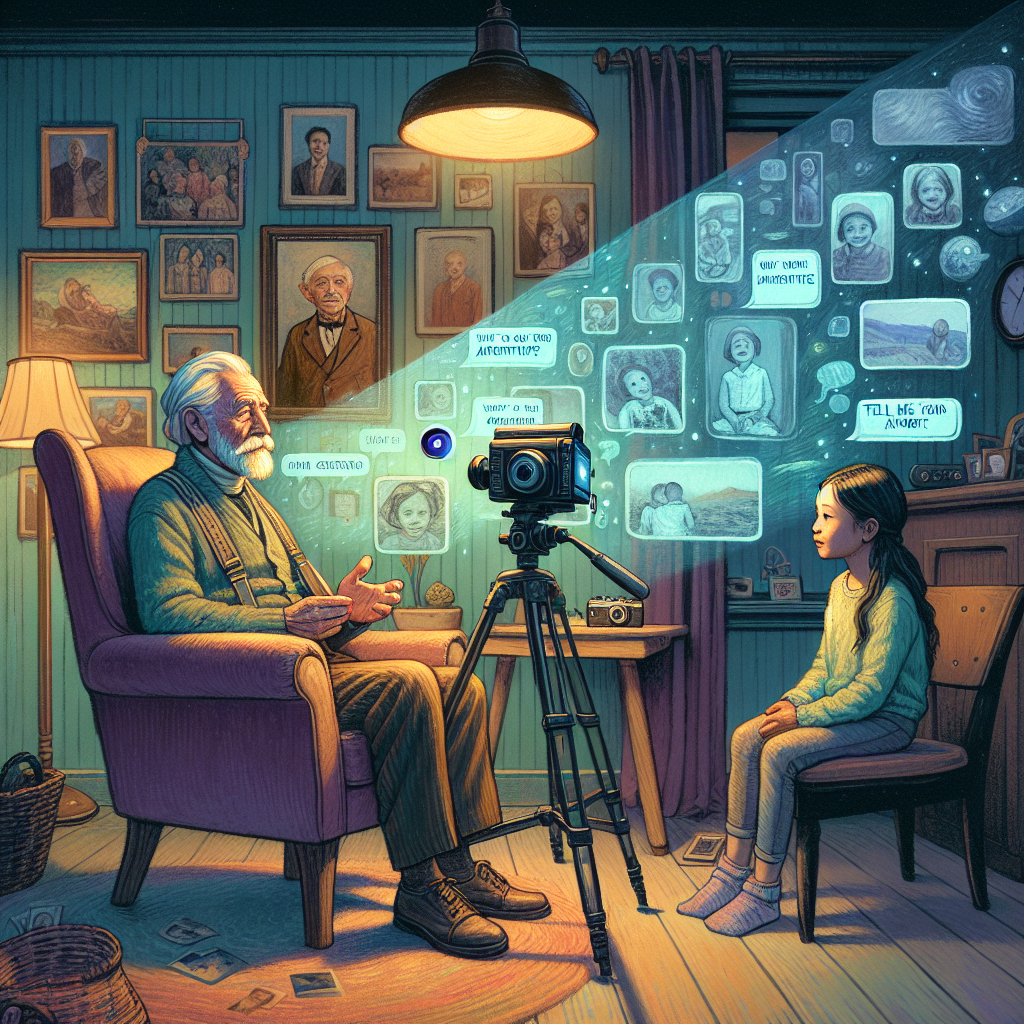
What Does True Organization Mean to You?
How Can Chaos Impact Your Life?
Chaos. It’s an unpredictable force, one that can upend lives or inspire profound change. Each of us has faced it in some form, whether it’s the loss of a job, a sudden health scare, or the twisting maze of relationships. Rather than let chaos define us, we can harness it, turning disruption into our own legacy.
When life throws a wrench into your carefully laid plans, it doesn’t have to be the end of your story. Instead, view it as a chapter—a messy, challenging chapter, certainly, but one filled with potential for growth. This is where storytelling comes into play. Every chaotic moment can fuel a narrative that teaches, inspires, and connects. Your ability to share your journey transforms turbulence into a source of strength for others, creating a ripple effect of resilience.
Think about it. The world craves authenticity. People resonate with real experiences—those moments when everything went wrong yet somehow led to something right. That’s where the heart pulls in. You’re not just recounting a tale; you’re inviting others to see themselves in your struggles. Through your storytelling, you create a bond, galvanizing your audience to feel, reflect, and perhaps even act.
On a rational level, chaos forces us to adapt. It challenges our assumptions and pushes our boundaries, urging us to re-evaluate what matters. This is an opportunity for learning. Reflect on those moments when life didn’t go as expected; how did you respond? Did you rise to the occasion, dig deeper, or shake off the dust? Each response becomes a thread in the intricate tapestry of your life.
From an ethical standpoint, embracing chaos is about integrity and self-awareness. It’s recognizing that uncertainty is part of the human experience. By confronting our chaos, we cultivate empathy, not just for ourselves but for others navigating their own storms. We empower one another to share our stories, reminding everyone that we’re not in this alone.
When chaos strikes, it often feels isolating, but it’s in these times that community becomes vital. Whether through friends, family, or even social platforms, sharing your chaotic moments fosters connection. The stories you tell ripple outward, creating a collective narrative that reinforces the notion that together we’re stronger.
So, take those chaotic moments and weave them into your life’s legacy. Your story matters, and through it, both you and those around you can find direction, purpose, and a renewed sense of strength. Embrace the chaos, and let it propel you forward.

How Can Chaos Impact Your Life?
How Can Chaos Impact Your Life?
- Chaos can disrupt lives or inspire change, affecting everyone in various ways.
- Instead of being defined by chaos, it can be harnessed to create a personal legacy.
- View disruptions as chapters filled with potential for growth and learning through storytelling.
- Authentic experiences resonate with others, inviting connection and empathy.
- Chaos encourages adaptation, challenging our assumptions and prompting reflection on our responses.
- Embracing chaos fosters integrity and self-awareness, allowing for mutual support in shared struggles.
- Sharing chaotic moments strengthens community bonds and highlights collective resilience.

How Can Chaos Impact Your Life?
Are You Letting Distractions Control Your Focus?
In the noise of everyday life, where the hum of social media and the ping of notifications constantly demand our attention, we often forget what truly matters. Picture this: a craftsman, a legacy storyteller, hunched over his workbench, shaping raw materials into something extraordinary. He doesn’t just create; he connects—deeply and meaningfully—with the essence of his craft. That’s focus. It’s a rare commodity in a world that thrives on distractions.
The world around us is engineered for diversion. Every second, something vies for our attention, pulling us away from our tasks, our goals, and even our relationships. But consider this: how often do you find yourself staring at a screen, mindlessly scrolling, while the tasks that truly matter to you languish in the background? That restless tapping of fingers isn’t just harmless idling. It’s a slow erosion of your potential, your legacy.
Focus should be an unwavering commitment to what feeds our purpose. When you allow distractions to set the agenda, you’re not merely losing time; you’re losing pieces of your story. It’s easier to retreat into mindless entertainment than to engage with the hard work of building a life worth remembering. But remember this: every moment spent on inauthentic distractions is a moment you could have invested in your legacy.
Let’s tap into the emotional. Think about the last time you were completely absorbed in something meaningful—perhaps completing a project, connecting with a loved one, or simply enjoying the peace of a quiet morning. Those are the moments that define us, that fill our hearts, yet they are so easily overshadowed by the incessant buzz of trivialities. True focus isn’t just about eliminating distractions; it’s about choosing to embrace what aligns with your values and aspirations.
From a rational standpoint, distractions decrease productivity and drain our energy. Studies show that multitasking can reduce effectiveness by as much as 40%. Imagine harnessing that lost energy toward building something significant. And ethically, consider the commitments you make to yourself and others. Are you honoring those promises, or are you letting distractions dictate your priorities?
In this age of overwhelming stimuli, reclaiming your focus requires an intentional stance—an assertion of your right to connect deeply with your purpose and your people. Stand firm, take up that craft, and become the author of your narrative. Your legacy is waiting, quiet but powerful, just beyond the reach of relentless distractions. Embrace it, and let your story resonate.

Are You Letting Distractions Control Your Focus?
Are You Letting Distractions Control Your Focus?
- Everyday distractions from social media and notifications often lead us away from what matters.
- True focus is a rare quality that allows deep connection and purpose in one’s craft.
- Mindless scrolling detracts from meaningful tasks and erodes potential and legacy.
- Engaging with distractions means losing time and valuable pieces of one’s story.
- Meaningful moments define us, yet can be overshadowed by trivial distractions.
- Distractions reduce productivity and can lower effectiveness significantly.
- Reclaiming focus requires intentionality and dedication to personal values and aspirations.

Are You Letting Distractions Control Your Focus?
Why Do We Cling to the Illusion Of Order?
Why Do We Cling to the Illusion of Order?
Life, at its core, is a wild, unpredictable ride. Yet, despite the chaos swirling around us, we often find ourselves craving order, seeking refuge in our little routines and predictable patterns. This deep-rooted desire isn’t merely a quirk of human nature; it’s the legacy storytelling passed down through generations. For centuries, we’ve spun narratives that imbue meaning into the chaos, giving us a semblance of control over our destinies.
Think about your own life. When faced with uncertainty, what do you reach for? Often, it’s the familiar—the daily routines, the well-worn paths, the stories that give structure to our experiences. These rituals forge a connection to our past, reminding us of who we are, who we were, and who we aspire to be. That’s where the emotional pull lies. In each of us is a yearning for a narrative that makes sense—one that helps us believe we’re steering our own ship, even if the tide is shifting beneath us.
But let’s not shy away from the gut-wrenching truth: the world is inherently chaotic. Embracing uncertainty can be daunting. It nudges us towards existential questions. Are we merely actors in a grand play, reciting lines handed down from those who came before us? Or do we write our scripts, even in the midst of disorder? This is where rationality kicks in. By clinging to order, we convince ourselves we’re making choices, charting courses, asserting our agency. It’s an illusion that feels, at times, like the only armor we have against the unpredictability of existence.
The ethical layer of this dilemma invites reflection on our responsibilities within our communities. Are we hoarding our stories, maintaining order at the expense of shared experience? When we isolate ourselves in our well-crafted bubbles, we lose the connection that fosters resilience. By narrating our truths, embracing differing stories, we strengthen the bonds that hold our community tight against the winds of chaos.
Authority also plays a role. We turn to figures who embody stability—mentors, tradition, community leaders—hoping they can guide us through the unpredictable landscape. It’s a delicate dance of trust. Ultimately, our connection to order isn’t just about personal comfort; it’s about collective stability, about choosing to confront the chaos together, not apart.
So, as you navigate your journey, remember: the illusion of order may provide shelter, but embracing the chaos is where the real adventure lies. Lean into your legacy storytelling—share your narrative, challenge the norms, and discover the strength in vulnerability. It’s here, amidst the uncertainty, that you find your true self and the authentic connections that can change everything.

Why Do We Cling to the Illusion Of Order?
Why Do We Cling to the Illusion Of Order?
- Life is inherently chaotic, yet humans crave order through routines and predictable patterns.
- This desire for order stems from storytelling, which provides meaning and control over our lives.
- Familiar rituals connect us to our past and help us navigate uncertainty.
- Embracing chaos raises existential questions about agency and truth.
- Clinging to order offers an illusion of choice amidst unpredictability.
- Shared experiences and community narratives foster resilience against chaos.
- Trust in authority figures can guide us, but true strength lies in embracing uncertainty and vulnerability.

Why Do We Cling to the Illusion Of Order?
How Does Organization Affect Your Mental Health?
Organization plays a pivotal role in determining our mental well-being. Imagine walking into a space where everything is in its rightful place, where chaos gives way to clarity. The legacy of our surroundings shapes our stories, often dictating how we feel on a daily basis. When our environment is organized, it fosters a sense of control, inviting a calmness that can feel like a warm embrace after a long, chaotic day.
Consider the burden we carry when faced with clutter. It’s not just physical; it seeps into our minds, breeding anxiety and restlessness. Each scattered item is a reminder of tasks left undone, a layer of stress that accumulates like dust on a forgotten shelf. In stark contrast, an organized space allows our brains to operate more efficiently, giving us room to breathe, think, and create. This isn’t an abstract concept; it’s rooted in cognitive psychology. A tidy environment enhances productivity and clarity, allowing us to tackle life’s challenges with renewed vigor.
Now, let’s weave in the stories we tell ourselves. Every organized space can become a canvas for our legacy storytelling, illustrating who we are and what we value. Memories are often attached to the items we keep. When we curate our surroundings thoughtfully, we’re not just cleaning; we’re honoring our past and shaping our future. Every choice we make in organization reflects our priorities, our aspirations, and the respect we give to ourselves and our time.
On a more personal level, the act of organizing can be cathartic. It’s a form of self-care, a way to declare our space as sacred. Think about how good it feels to declutter a closet, to see those familiar items become an organized collection rather than a haphazard pile. When we take the time to organize, we send a powerful message to ourselves: I am worthy of this effort; my environment deserves respect.
Moreover, being organized can enhance our social connections. An inviting, orderly home fosters gatherings, making it easier for friends and family to connect, share stories, and build a sense of community. We thrive on relationships, and when our environment supports that, we flourish.
Ultimately, organization is not just about aesthetics; it’s a tool for mental health that brings order to chaos, is a vessel for our stories, and connects us to ourselves and others. Embrace it, for every step toward organization is a step toward a healthier mind and a richer life.

How Does Organization Affect Your Mental Health?
How Does Organization Affect Your Mental Health?
- Organization significantly influences mental well-being by creating clarity in our environments.
- A cluttered space contributes to anxiety and stress, whereas an orderly one promotes calmness and efficiency.
- A tidy environment enhances productivity and supports cognitive functioning.
- Organized spaces reflect personal values and legacies, shaping our narratives and memories.
- The process of organizing serves as a form of self-care, affirming self-worth and respect for our surroundings.
- Being organized can strengthen social connections, facilitating gatherings and community building.
- Organization is a vital tool for mental health that fosters a balanced life and enriches our experiences.

How Does Organization Affect Your Mental Health?
What Stories Do You Tell Yourself About Being Organized?
In the chaos of daily life, the stories we tell ourselves about being organized shape not just our surroundings but our very identity. Think about it—what’s your narrative? Are you the overworked soul lost in clutter, or are you the calm in the storm, the beacon of organized efficiency? Both stories matter, but let’s dig deeper.
We often create a legacy through our daily habits, and organization plays a crucial role in that. When we’re organized, we not only manage our time better, but we also set an example for those around us. Imagine the impact on your children or coworkers when they see you tackling the day with a clear plan. It’s not just about folders and labels; it’s about leadership and influence. Every time you prioritize a task, you’re weaving a story of resilience and integrity that others will remember long after you’re gone.
But let’s not kid ourselves—being disorganized is tempting. It feels comfortable and familiar, almost like an old friend. It’s that voice in your head that says, “Tomorrow will be different. I’ll figure it out then.” Yet, the truth is that every moment spent in disarray is a moment stolen from the life you want. When you embrace organization, you combat that nagging feeling of overwhelm, replacing it with clarity and confidence.
Organization isn’t merely a skill; it’s a mindset. It allows us to align our values with our actions. When your desk is clear, your mind follows suit. You gain space to think creatively, plan strategically, and innovate boldly. The stories we tell ourselves about our capabilities and limitations directly influence our actions—so why not choose narratives that empower rather than diminish?
Moreover, consider the social aspect. When you’re organized, you become part of a community of achievers and doers. You foster connections with others who share this ethos, encouraging collective growth. You contribute to a culture that values order and excellence, inspiring others to step up their game. It’s a ripple effect, creating a shared narrative that uplifts everyone involved.
So, what story will you choose to tell today? Will you be the protagonist of your own life, steering your ship through the waters of uncertainty into the harbor of organization and purpose? Embrace this journey, and let the legacy of your organized life resonate far beyond today.

What Stories Do You Tell Yourself About Being Organized?
What Stories Do You Tell Yourself About Being Organized?
- Daily narratives about organization shape our identity and surroundings.
- Being organized helps manage time better and sets a positive example for others.
- Organization reflects leadership and weaves a story of resilience and integrity.
- Disorganization can be tempting, leading to a cycle of overwhelm.
- Organization is a mindset that aligns values with actions and fosters creativity.
- Being organized connects you to a community focused on achievement and excellence.
- Choosing to embrace organization impacts personal legacy and influences others.

What Stories Do You Tell Yourself About Being Organized?
How Can Simplicity Lead to Clarity In a Complex World?
In a world bursting with information, where complexity reigns supreme, the beauty of simplicity emerges as a beacon of clarity. Life throws countless challenges our way, and often, we find ourselves tangled in a web of noise—jargon-filled conversations, relentless notifications, and an avalanche of choices. Yet, within this chaos lies the possibility of a legacy built on storytelling that cuts through the clutter, resonating deeply with both the head and the heart.
Imagine standing around a campfire. As the flames dance, a storyteller weaves a narrative that captivates the audience. That story, simple yet profound, taps into shared experiences, allowing listeners to connect with the essence of what’s being shared. This is the power of simplicity. It draws us in, breaking down barriers, and fostering a sense of belonging. When we share our legacy through uncomplicated tales, we evoke emotions that linger long after the words have faded away. A simple story holds the power to inspire trust, allowing us to reflect on our own journeys.
Rationally, embracing simplicity can enhance decision-making. When information is distilled to its core, we can weigh options without the burden of excess data. This clarity empowers us to act with confidence. Think about it: when faced with two choices, the clearer path often comes from eliminating distractions and honing in on what truly matters. By embracing this mindset, we can make choices that align with our values, ensuring our actions are not just reactions but purpose-driven steps towards a meaningful legacy.
Ethically, there is a responsibility we carry in how we communicate our stories. By choosing simplicity, we respect our audience’s time and their ability to comprehend. Clarity is not just a drive toward efficiency; it’s a respect for our shared humanity. We must remember that impactful storytelling transcends complexity; when we distill our messages to their essence, we honor listener engagement.
Finally, the social dimension can’t be overlooked. In an age of instantaneous communication, connecting through straightforward storytelling humanizes our interactions. It invites others to share their experiences, reinforcing a sense of community and collaboration. By sharing our legacies in a way that champions simplicity, we create an authentic dialogue, ensuring our stories resonate deeply and meaningfully amidst the clatter of everyday life. In this complex world, let’s find solace in the clarity that simplicity provides, uniting us all in the tales we tell.

How Can Simplicity Lead to Clarity In a Complex World?
How Can Simplicity Lead to Clarity In a Complex World?
- The beauty of simplicity provides clarity amidst information overload.
- Challenges often lead to confusion with complex communication and choices.
- Storytelling serves as a powerful tool to connect through shared experiences.
- Simplicity fosters belonging, inspiring trust and reflection on personal journeys.
- Embracing simplicity enhances decision-making by distilling information to its core.
- Ethically communicating through simplicity respects the audience’s time and understanding.
- Straightforward storytelling humanizes interactions and builds community.
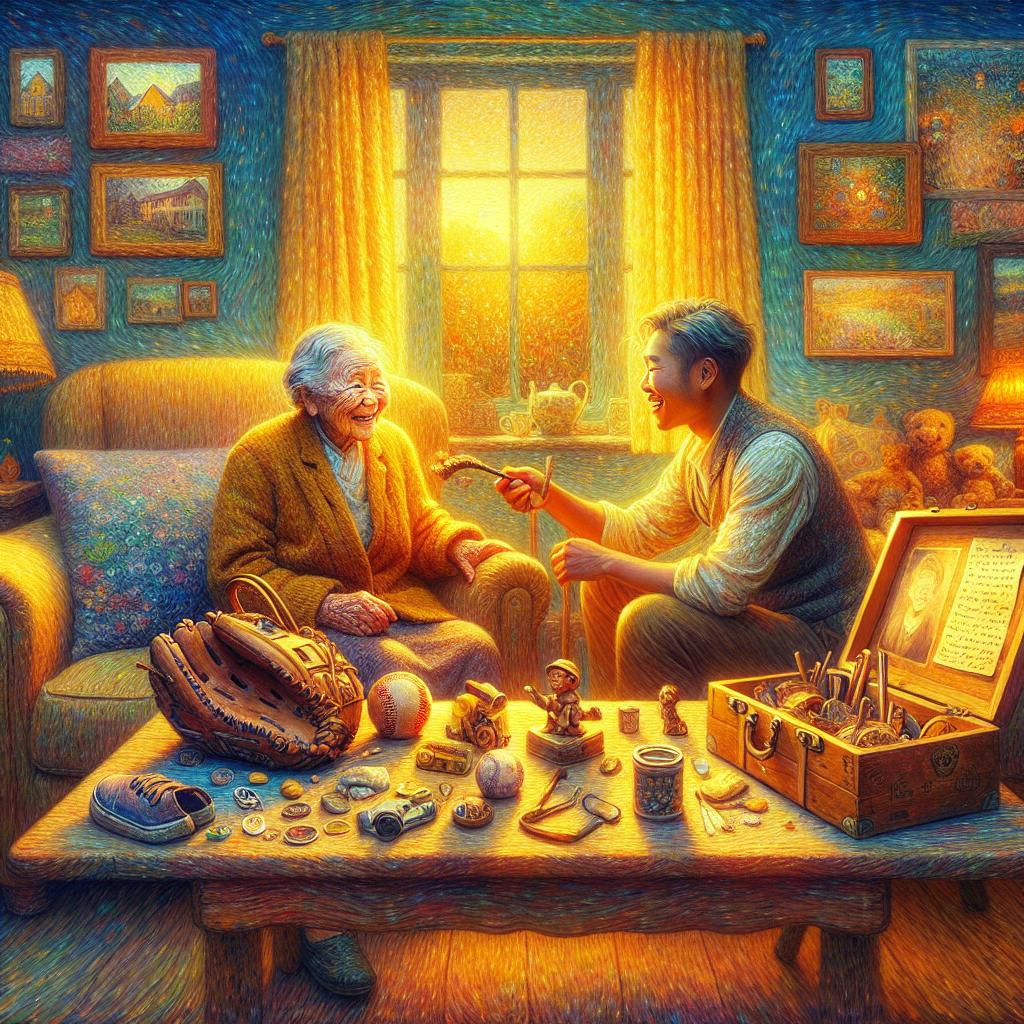
How Can Simplicity Lead to Clarity In a Complex World?
Conclusion
The pursuit of organization often resembles a grand illusion—a flickering light in a sea of chaos. Many of us grapple with the alluring facade of an orderly life, believing that neat schedules and tidy spaces equate to success and control. Yet, the truth is far more complex. This illusion may promise shelter from chaos, but it often leads to feelings of overwhelm and disarray. We don’t merely organize our lives through physical order; we narrate personal stories of balance, routine, and fulfillment, even when the reality is far messier.
In our everyday journeys, every disheveled desk becomes a canvas reflecting our struggles and aspirations. We find a patchwork of shared experiences, binding us in the communal pursuit of something resembling perfection. When respected voices share their tales of navigating disarray, we glean permission to redefine our relationship with organization. It transcends mere systems, encouraging us to embrace the chaos as a necessary companion in our lives.
True organization is not defined by rigid perfection but instead recognizes the beauty in messiness. It’s a practice that fosters creativity, ignites productivity, and celebrates our collective humanity. Each moment spent arranging our environments can become a powerful act of self-respect, a testament to our values and aspirations. Consider the spaces we inhabit—when organized, they form an inviting canvas for connection, allowing us to share stories and build community.
Chaos, in all its unpredictability, doesn’t have to deter us. Rather, it can serve as a launchpad for growth and learning. Faced with upheaval, we have an opportunity to reshape our narratives and cultivate resilience. The way we respond to chaos becomes part of our legacy, resonating not just with ourselves but with those who bear witness to our journeys.
In this age of distractions, reclaiming focus holds the key to meaningful existence. The craft of storytelling encourages us to sift through the noise, inviting us to engage with what truly matters. Stripping away the trivial allows us to invest in our narratives, crafting legacies that others can learn from and aspire to.
As we ponder our aspirations for organization, let’s acknowledge that it is less about a polished surface and more about the deeper connections formed through our shared narratives. Together, we can pave new pathways through the beautiful chaos of life, crafting stories of triumph and resilience that resonate long after we navigate these tumultuous waters.

Conclusion
Conclusion:
- The pursuit of organization can often seem like an illusion amidst chaos.
- Beliefs that neatness equates to success may lead to feelings of overwhelm.
- Every disorganized space reflects our struggles and aspirations.
- Sharing stories of navigating chaos helps reshape our relationship with organization.
- True organization recognizes beauty in messiness, fostering creativity and connection.
- Chaos can be a launchpad for resilience and personal growth.
- Meaningful organization involves deeper connections and shared narratives rather than mere perfection.

Conclusion
Other Resources

Other Resources
Here is a list of other resources you can review online to learn more:
- EverNote
- LivingDNA
- APH
- YouMattered
- Obituary Templates
- LegacyFamilyTree
- LifeWeb 360
- Is There A Need To Pay For Copyrighting Services For Personal Or Family Legacy Stories?
- INELA
- MyHeritage
- Ever Loved
- How to Save Your Family�s Stories from Being Lost Forever � A Step-by-Step Guide to Creating a Lasting Digital Legacy
- AmericanAncestors
- RocketLawyer
- International End of Life Doula Association
- Xarona
- RootsMagic
- Remembered.com
- LegalZoom
- Your Digital Afterlife
Use This Prompt To Get More Resources With Your Favorite Online AI Tool: Please provide me with a list of online articles with their URLs in a bulleted list that I can read regarding The Illusion Of Organization

Other Resources
Glossary Terms
The Illusion Of Organization – Glossary Of Terms
1. Chaos: A state of complete disorder and confusion; lack of predictable structure.
2. Order: An arrangement or organization of elements that creates a sense of predictability and structure.
3. Illusion: A deceptive appearance or impression; something that gives a false sense of reality.
4. Perception: The way individuals interpret and make sense of information or stimuli from their environment.
5. Cognitive Bias: Systematic patterns of deviation from norm or rationality in judgment, affecting decisions and perceptions.
6. Complexity: The state of being intricate or complicated, making organization and understanding difficult.
7. Simplification: The process of reducing complexity to make a situation or concept easier to understand.
8. Ambiguity: Uncertainty or inexactness in meaning, leading to multiple interpretations.
9. Pattern Recognition: The ability to see and identify consistent arrangements or trends which may not be inherent.
10. Framework: A structured basis or conceptual foundation that supports understanding or organization.
11. Narrative: A structured account or story that provides context and meaning to a series of events or data.
12. System: An organized and interrelated set of components that work together within a defined boundary.
13. Rationalization: The action of attempting to explain or justify behaviors or decisions that may seem illogical.
14. Misinterpretation: Incorrectly understanding or explaining something, leading to confusion or misinformation.
15. Disorder: A lack of order or arrangement, creating confusion in interpretation and understanding.
16. Clarity: The quality of being clear and understandable, which aids in perception and organization.
17. Simplicity: The quality of being easy to understand or use; a counterpoint to complexity.
18. Assumption: Something accepted as true without proof; can lead to misunderstanding and poor organization.
19. Entropy: A measure of disorder within a system; in a literal sense, often increases in closed systems.
20. Linear Thinking: A method of problem-solving that follows a straight line of reasoning, missing complex interconnections.
21. Holistic View: An approach that considers the whole rather than just its parts, leading to better understanding.
22. Fragmentation: The breaking apart of information or systems, resulting in disarray and lack of coherence.
23. Conformity: Aligning thoughts or behaviors with group norms, which can create a false sense of organization.
24. Subjectivity: The influence of personal feelings and opinions on perception and understanding.
25. Structure: The arrangement of and relations between the parts of a whole; provides stability and clarity.
26. Context: The circumstances or background that help to clarify meaning and understanding.
27. Over-Simplification: Reducing a complex issue to the point of misrepresentation, leading to misleading conclusions.
28. Alignment: The process of arranging components in a coordinated manner to promote organization.
29. Intuition: The ability to understand something instinctively, often bypassing analytical reasoning.
30. Cohesion: The act or state of forming a united whole, enhancing the perception of organization.

Glossary Of Terms
Other Questions
The Illusion Of Organization – Other Questions
If you wish to explore and discover more, consider looking for answers to these questions:
- What exactly does “the illusion of organization” mean in practical terms?
- How can I tell the difference between genuine organization and mere appearance?
- What small, immediate actions can I take to move from illusion to real organization?
- Which organizational systems work best for different personalities (e.g., planners, creatives, neurodivergent people)?
- How do I measure whether my organization efforts are improving my productivity or just creating more work?
- What are the most common myths about being organized?
- How do I overcome perfectionism that prevents me from decluttering or finishing tasks?
- Which habits most reliably sustain long-term organization?
- How should I prioritize what to organize first when everything feels overwhelming?
- What are evidence-based benefits of organization for mental health?
- When does organization become unhealthy control or avoidance behavior?
- How can I use storytelling to motivate myself and others toward real organization?
- What tools and apps actually help reduce distraction and improve focus?
- How do I design a realistic daily routine that protects focus without being rigid?
- What strategies reduce the cognitive load of decision fatigue?
- How can I balance embracing chaos with the need for practical structure?
- What are quick wins for decluttering physical and digital spaces?
- How do I deal with sentimental items when decluttering?
- How should teams or households negotiate different organizational styles?
- What systems help maintain organization at work versus at home?
- How can leaders model organization without making it performative?
- What ethical considerations arise when imposing organizational systems on others?
- How does organization affect relationships and shared responsibilities?
- What role does sleep, exercise, and nutrition play in sustaining organization and focus?
- How can I create an end-of-day ritual that preserves order for tomorrow?
- What are common pitfalls when adopting popular productivity methods (e.g., GTD, bullet journaling)?
- How can I make organization feel meaningful rather than like another chore?
- What are effective strategies to reduce digital distraction and social media scrolling?
- How do I build momentum when motivation is low?
- What metrics should I track to evaluate progress (time saved, stress levels, completed projects)?
- How can I design a minimalist system that still supports creativity and spontaneity?
- What legal, financial, or safety considerations should I keep in mind when decluttering or disposing items?
- How can I incorporate legacy storytelling into routines or family rituals?
- What research supports the claim that organized spaces improve cognitive performance?
- When should I seek professional help (coach, therapist, professional organizer)?
- How do cultural differences shape ideas of order and organization?
- What are sustainable ways to prevent re-accumulation of clutter?
- How do I create organizational systems that scale as responsibilities grow?
- How can I document and pass on organizational habits to future generations?
- What are cost-effective tools or supplies for organizing on a budget?

Other Questions
Haiku
The Illusion Of Organization – A Haiku
In chaos, we seek
The order that binds our hearts,
Stories find their place.

Haiku
Poem
The Illusion Of Organization – A Poem
In chaoss embrace, we seek control,
An illusion of order, a balm for our soul.
Tidy desks and calendars, façades we adorn,
Yet amidst the structure, deep exhaustion is born.
In rhythms and routines, our stories take shape,
But the chains of perfection can stifle escape.
Each cluttered corner, a tale left untold,
Reflects aspirations, both brave and bold.
When mentors share wisdom, their journeys unfurl,
We learn from their trials, as life’s banners swirl.
True organization, a dance with the mess,
Where chaos gives birth to clarity’s rest.
In chaos, we find lessons, a chance to unite,
Each twist in our journey ignites a new light.
Through shared narratives, connections are forged,
Embracing our struggles, our spirits enlarged.
Distractions abound, pulling focus away,
Yet in mindful moments, our purpose will stay.
Let’s reclaim our legacy from trivial demands,
Crafting our tales with intentional hands.
Clinging to order, we yearn for the known,
But real strength arises when chaos is shown.
In simplicity’s glow, clarity thrives,
Together, we nurture the stories that drive.
So embrace the disorder, let your heart lead the way,
In the mess of existence, we find our own play.
For life’s greatest riches are found in the strife,
And the legacy we craft is the essence of life.

Poem
Checklist
The Illusion Of Organization – A Checklist
Emotional Appeals
✅______ Reflect on the stories your space tells about you
✅______ Identify moments of joy and clarity in organized settings
✅______ Acknowledge the emotional weight of clutter in your life
Rational Appeals
✅______ Assess your current organization systems for efficiency
✅______ Consider the time saved through better organization
✅______ Identify how organization can enhance focus and productivity
Ethical Appeals
✅______ Respect your time and the time of others through organization
✅______ Reflect on your responsibility to maintain communal spaces
✅______ Share your organization journey to inspire others
Authority Appeals
✅______ Seek insights from organized individuals or mentors you admire
✅______ Explore proven organizational techniques and methods
✅______ Embrace authority figures’ narratives as motivation for personal change
Narrative Appeals
✅______ Write down your legacy stories about organization and chaos
✅______ Share a personal story of triumph over disarray
✅______ Create a collective narrative around shared organizational challenges
Social Appeals
✅______ Engage in discussions about organization with peers or family
✅______ Join a community focused on enhancing organizational skills
✅______ Associate with people who prioritize clarity and organization in their lives

Checklist
At LegacyExplorations, we help people plan and explore their legacy by collecting information and news regarding end-of-life planning.
Please share this post with your friends, family, or business associates who may want help to plan or explore their legacy.