

Unlocking The Hidden Legacy We All Deserve To Embrace
By Tom Seest
At LegacyExplorations, we help people plan and explore their legacy by collecting information and news regarding end-of-life planning.
Please share this post with your friends, family, or business associates who may want help to plan or explore their legacy.
The Inheritance No One Can Access
In a world where inheritance is often equated with wealth and possessions, there lies a profound truth: the most valuable legacies are those that can’t be quantified in dollars. These are the stories, the hard-earned lessons, and the lived experiences passed down through generations. “” isn’t just a catchy title; it’s a reflection of reality. Too many people find themselves locked out of their family’s true wealth, the really rich stuff that shapes character and fosters resilience.
Consider the power of legacy storytelling. It transcends time and geography, binding us in a shared human experience. Each family has its unsung chronicles—whether it’s a grandmother’s wartime courage or a father’s moral choices in the face of adversity. These narratives don’t sit neatly in a bank account; they form the bedrock of who we are. They give us insight, and context, even a sense of belonging. This is the inheritance that those who came before us intended to share, yet it often remains untold, lost in the shuffle of everyday life.
How many of us can recall those evenings spent around the dinner table, soaking in tales that made us laugh or cry? While material wealth may be divided, the stories behind our family’s journey unite us. They offer guidance during tough times, reminding us of our roots and the struggles faced to grant us the opportunities we enjoy today. It’s in these stories we find the ethical compass that directs our choices. They inspire us to act, to become better individuals, and to honor those who’ve paved the way.
But it’s not just personal; it’s social. Sharing these legacies fosters connection. It bridges generational gaps and carves pathways for understanding. When we tell our stories, we establish authority—not in the dictatorial sense, but in the authentic power that comes from experience. Imagine initiating a conversation where vulnerability breeds strength. That’s the foundation on which communities are built.
As you reflect on the inheritance no one can access, think about the stories you carry. Whose experiences would enrich your life and those around you? The call to action is clear: start sharing. Whether you write it down, record it, or simply share it face-to-face, let your family’s legacy storytelling become an accessible treasure for all. In doing so, you not only honor the past but enrich the future.

The Inheritance No One Can Access
The Inheritance No One Can Access
- The most valuable legacies are stories, lessons, and experiences, not material wealth.
- Legacy storytelling connects generations and shapes character and resilience.
- Family narratives provide insight, context, and a sense of belonging.
- Stories unite families and guide them through challenges, reinforcing roots and values.
- Sharing legacies fosters social connections and understanding across generations.
- Establishing authority through personal stories empowers community-building.
- Encouragement to share personal stories enhances both individual and collective futures.

The Inheritance No One Can Access
Table Of Contents
- The Inheritance No One Can Access
- What Happens When Your Inheritance Remains Out Of Reach?
- How Do Family Disputes Hinder Access to Your Inheritance?
- What Legal Barriers Are You Facing In Claiming Your Inheritance?
- Can Financial Advisors Help Navigate Complex Inheritance Issues?
- How Does Grief Impact Your Ability to Claim an Inheritance?
- What Rights Do Heirs Have In Accessing Their Inheritance?
- How Can You Safeguard Against Inheritance Disputes Among Siblings?
- Conclusion
- Other Resources
- Glossary Of Terms
- Other Questions
- Haiku
- Poem
- Checklist
What Happens When Your Inheritance Remains Out Of Reach?
When an inheritance drifts beyond your reach, it can feel like a tidal wave crashing against your once-sturdy shores. This isn’t just about money; it’s about legacy. What lives on through us, what stories we inherit, and how those stories shape the trajectory of our lives. When we talk about “legacy storytelling,” we’re delving into the essence of what it means to be part of something greater than ourselves. Those fragments of history not only reflect our heritage but also bear the weight of expectations and dreams.
Imagine a family heirloom—a photograph, a letter, or a piece of jewelry. Each item carries layers of memories, emotions, and aspirations. They speak volumes about the legacy of resilience, sacrifice, and triumph passed down through generations. But when the inheritance remains elusive, it raises the question: What happens to those narratives? They linger at the fringes of our consciousness, their absence creating a void that echoes throughout our lives.
On the rational side, it’s essential to understand the practical implications of a hidden inheritance. Legal challenges, disputes, or untangled paperwork can block access to these legacies, leaving emotions running high within families. These circumstances can turn loved ones into adversaries, making it not just a financial concern but a deeply human struggle. Navigating this landscape requires both patience and clarity, but the path remains littered with emotional landmines that can threaten familial bonds.
Ethically, there’s a strong case for transparency and open dialogue. This situation demands a commitment to honesty—an acknowledgment that every family has its complexities, but also its shared values. Engaging in open conversations about expectations and wishes can foster a sense of community, unity, and ultimately healing. A shared narrative, shaped through discussion and understanding, can revitalize connections that may have frayed over time.
Socially, building support networks becomes crucial. Friends and advisors can help shoulder the burden of navigating these murky waters, offering guidance and perspective. As you grapple with the uncertainty of your inheritance, remember that you’re not alone in this journey. Others have faced similar challenges, and their stories can serve as valuable touchstones, reminding you that hope, resilience, and connection are never out of reach.
The legacy we inherit is not merely a financial windfall; it’s a tapestry of experiences, wisdom, and love. When you’re faced with the uncertainty of your inheritance, remember that the stories and bonds we choose to nurture will always remain within our grasp, guiding us forward.

What Happens When Your Inheritance Remains Out Of Reach?
What Happens When Your Inheritance Remains Out Of Reach?
- Inheritance represents a complex blend of financial, emotional, and legacy aspects.
- Legacy storytelling connects individuals to shared history, shaping personal trajectories.
- Family heirlooms carry deep emotional significance, reflecting resilience and sacrifices.
- Elusive inheritances can lead to emotional turmoil and strain family relationships.
- Transparency and open dialogue are essential for resolving conflicts around inheritance.
- Building support networks can help navigate the complexities of inheritance issues.
- The true value of inheritance lies in the experiences, wisdom, and love shared within families.

What Happens When Your Inheritance Remains Out Of Reach?
How Do Family Disputes Hinder Access to Your Inheritance?
Family disputes can unravel the very fabric of what should be a straightforward transition of wealth and support: the inheritance. At its core, an inheritance isn’t just money or property; it’s a legacy—an opportunity to carry forward a family’s story, values, and hard-won lessons. Yet, when egos clash and old grievances resurface, that inheritance can become a battlefield, leaving emotional scars that last far longer than any financial dispute.
Imagine a scenario where siblings, once close, find themselves at odds over what their parents intended to pass down. Misunderstandings fester, and bitterness takes root. Each family member clings to their version of the legacy story, perhaps believing they are the rightful caretaker of cherished memories or prized possessions. What was once a symbol of familial love becomes a commodity to be fought over. The heartache of unresolved conflicts can overshadow the very essence of the inheritance itself, turning a time of grief into a drawn-out legal struggle.
From a rational standpoint, engaging in family disputes distracts from the meaningful aspects of life. Time, energy, and resources that could be spent cherishing memories or creating new experiences are instead siphoned into a conflict that seems to have no end. Those involved often view each other as adversaries rather than allies, creating an environment that breeds mistrust and deep resentment. In this light, the ethical implications are clear: squabbling over an inheritance not only diminishes its value but also betrays the legacy of love and unity that family members are meant to uphold.
The authority of experience tells us that many families struggle with this emotional rollercoaster—an ageless tale played out in homes across the country. But there’s hope. By choosing open dialogue and sincere communication, families can navigate these conflicts. They can honor their parents’ wishes while keeping the family bond intact. Approaching disputes with empathy, coupled with a willingness to understand the perspectives of others, ultimately fosters a stronger connection.
Legacy storytelling isn’t simply about the items left behind; it’s about the lessons learned and the relationships forged. Bridging gaps in understanding can transform a legacy of division into one of unity and resilience. By creating a culture of respect and open communication, families can ensure that their shared narratives are not tarnished by conflict, but enriched by heartfelt cooperation. The power lies in choosing connection over contention, and in doing so, the true essence of inheritance can thrive.

How Do Family Disputes Hinder Access to Your Inheritance?
How Do Family Disputes Hinder Access to Your Inheritance?
- Family disputes can complicate the transition of wealth and support during inheritance.
- An inheritance represents a legacy, encompassing family stories, values, and lessons.
- Conflicts can arise when siblings disagree on the intended distribution of assets.
- Unresolved grievances can overshadow the essence of inheritance, turning grief into legal battles.
- Such disputes divert attention from meaningful life experiences and foster mistrust among family members.
- Open dialogue and empathy can help families navigate conflicts and maintain bonds.
- Creating a culture of respect and cooperation enhances family legacies, transforming division into unity.

How Do Family Disputes Hinder Access to Your Inheritance?
What Legal Barriers Are You Facing In Claiming Your Inheritance?
Claiming your inheritance should be a straightforward journey, yet for many, it’s a path riddled with obstacles. Legal barriers can cloud the process, turning a time of mourning and reflection into an ordeal filled with confusion and legalese. Emotionally, you’re grappling with loss; rationally, you want what’s rightfully yours. The crux of the issue often lies not just in the laws but in the legacy storytelling that every family constructs, where love and memories mix with old disputes and hidden secrets.
Picture this: a family matriarch passes away, leaving behind not just assets but a story rich with legacy. But as heirs gather to honor her memory, they suddenly find themselves at odds. Perhaps a forgotten will surfaces, or a sibling feels slighted. Each conflict can feel like a punch to the gut, twisting the very meanings of kinship and memory. You’re not just fighting for belongings; you’re navigating through emotions layered with grief, memories, and voices long gone.
Legally, the pathways can be murky. Issues such as poorly drafted wills or the absence of one entirely can create legal mazes. Trusts can be contested, and claims can be challenged, each requiring you to don the hats of a legal expert and emotional mediator. The ethical challenges can feel overwhelming. You want to honor the intent of your loved one, yet the pressure of proving your rightful claim weighs heavily on your conscience.
Consider the authority of family traditions and the stories they carry. They bind us, remind us of who we are and where we came from. When that legacy is put under threat, it’s not just dollars and cents at stake; it’s the fabric of family identity. Social dynamics change, alliances shift, and what should be a unifying experience becomes a battlefield.
Engaging with these complexities requires not just legal insight but a heart that understands the intricate dance of relationships at play. Talk to others who’ve walked this path — their insights may illuminate lessons learned from tangled legacies. You’re not alone in this struggle, and though the journey is fraught, remember that every family story, every conflict, ultimately seeks resolution through connection, understanding, and, most importantly, trust. Embrace the stories, confront the barriers, and healthily navigate toward reclaiming not just your inheritance, but the legacy it represents.

What Legal Barriers Are You Facing In Claiming Your Inheritance?
What Legal Barriers Are You Facing In Claiming Your Inheritance?
- Claiming inheritance can be a complicated process fraught with legal and emotional challenges.
- Legal barriers often cloud the inheritance journey, complicating a time of mourning.
- Family dynamics and legacy storytelling create conflicts among heirs, complicating claims to assets.
- Issues like poorly drafted wills and contested trusts contribute to the complexity of inheritance.
- Ethical dilemmas arise when trying to honor a loved one’s intent while asserting rightful claims.
- Family traditions and stories are crucial to identity, turning inheritance disputes into battles over familial bonds.
- Navigating the inheritance process requires both legal knowledge and emotional understanding for resolution.

What Legal Barriers Are You Facing In Claiming Your Inheritance?
Can Financial Advisors Help Navigate Complex Inheritance Issues?
Navigating the emotional landscape of inheritance can often feel like walking a tightrope, especially when family dynamics intertwine with financial complexities. When a loved one passes, it’s not just assets that are left behind but generations of memories, hopes, and dreams wrapped in the fabric of a legacy. This is where a financial advisor can step in, not merely as a number cruncher but as a guide who understands the intricate nature of “Legacy Storytelling.”
Picture this: A family gathered around a flickering fire, reminiscing about the stories that shaped their past. Every heirloom doll or handwritten letter holds weight—each object, a chapter in a narrative that deserves to be told. But alongside this sentimental journey comes the reality of taxes, legalities, and disputes over assets. A financial advisor bridges these emotional and rational realms. They don’t just address the dollars and cents; they take the time to listen to the stories behind the inheritance, ensuring that the financial decisions made honor the legacy that a loved one left behind.
Ethically, families are entrusting advisors with more than money; they’re handing over the responsibility to uphold their legacy. This is a heavy mantle. A professional who understands these nuances instills confidence, assuring families that they are not mere transactions but narratives that need careful, respectful handling. The right advisor becomes an authority, possessing the knowledge to navigate the murky waters of taxation, probate, and potential disputes, translating complex jargon into clear, actionable steps that allow families to breathe easier.
Consider a family divided over a beloved home: one sibling wants to keep it while others favor selling it to split proceeds. A skilled facilitator can encourage dialogue, helping siblings to articulate their feelings and understand the emotional weight of their choices. There’s power in connection, fostering understanding rather than division. This isn’t just about finances; it’s about nurturing familial bonds, creating a shared vision of the future that honors the past.
Ultimately, engaging with a financial advisor during these turbulent times is not just about achieving financial security; it’s about healing. Healing from loss, healing from conflict, and building a future that celebrates the past. Trusting an advisor means embracing support—both emotional and financial—that can guide families through one of life’s toughest transitions, ensuring their legacy, their stories, and their connections thrive for generations to come.

Can Financial Advisors Help Navigate Complex Inheritance Issues?
Can Financial Advisors Help Navigate Complex Inheritance Issues?
- Navigating inheritance involves balancing family dynamics and financial complexities.
- A financial advisor facilitates “Legacy Storytelling,” honoring memories and hopes beyond just financial assets.
- They listen to family stories, ensuring decisions respect the departed loved one’s legacy.
- Advisors bear the ethical responsibility of upholding a family’s narrative, instilling confidence in their guidance.
- They help navigate taxation, probate, and disputes while simplifying complex legal jargon.
- Facilitators encourage dialogue among family members to foster understanding and unity over asset decisions.
- Working with an advisor is about emotional and financial healing, aiding families in building future connections.

Can Financial Advisors Help Navigate Complex Inheritance Issues?
How Does Grief Impact Your Ability to Claim an Inheritance?
Grief can be a heavy cloak, one that shrouds not just our emotions but also our ability to navigate life’s practicalities. When faced with the loss of a loved one, the prospect of claiming an inheritance can feel like wading through murky waters, fogged by sorrow and pain. The legacy of a person isn’t just tangible assets; it’s bound up in memories, stories, and the fabric of relationships. Every item left behind tells a story—be it a well-worn chair, a cherished photo, or even a handwritten recipe. These artifacts symbolize more than mere belongings; they carry the weight of hope, dreams, even unfulfilled promises, inviting us to engage in what can vulnerably be termed “legacy storytelling.”
The emotional toll of grief often clouds judgment. In these moments, families can find themselves entangled in disputes, driven by unprocessed feelings; a fight over assets can mirror a deeper struggle over love and recognition. This isn’t just about money—it’s a battle for identity and connection. Each argument or miscommunication can sever bonds that were once strong, transforming shared grief into competing interests. But how do we reconcile our desire for what’s fair with the ethical considerations of empathy and understanding? It’s a delicate dance, one that demands reflection and an acknowledgment of the humanity in each party.
From a practical standpoint, understanding the laws surrounding inheritance and estate claims is essential. Clarity breeds confidence. Grief can impair our cognitive abilities, making it all the more important to rely on trusted advisors or family members to help navigate the labyrinth of legalities. Having an authoritative voice—whether a lawyer, estate planner, or trusted friend—can provide not only guidance but reassurance that amidst chaos, there is a path forward.
Storytelling can serve as a bridge. Sharing anecdotes about the deceased can foster a sense of connection while also providing context to disputes. In these stories lie your shared humanity—interest in each other’s perspectives can shift discussions from confrontation to collaboration. Remembering a loved one should unite, not divide.
In the heart of this process is a universal truth: while grief is a solitary journey, understanding its nuances allows us to approach these situations with compassion, connection, and clarity. We owe it to those we’ve lost to honor their legacy not just in possessions, but in the way we interact with one another—ensuring that their memory lives on in the most meaningful way.

How Does Grief Impact Your Ability to Claim an Inheritance?
How Does Grief Impact Your Ability to Claim an Inheritance?
- Grief complicates practical matters, particularly regarding inheritance after the loss of a loved one.
- A person’s legacy encompasses not only tangible assets but also memories and relationships.
- Items left behind represent stories and unfulfilled promises, inviting “legacy storytelling.”.
- Grief can cloud judgment, leading to disputes driven by deeper emotional struggles.
- Understanding inheritance laws is crucial, and trusted advisors can provide necessary guidance.
- Storytelling about the deceased can foster connection and shift conversations from conflict to collaboration.
- Honoring a loved one’s legacy involves compassion and connection in our interactions with one another.

How Does Grief Impact Your Ability to Claim an Inheritance?
What Rights Do Heirs Have In Accessing Their Inheritance?
When it comes to inheritance, most folks think they have it all figured out. The truth, however, is a tangled web of emotions, expectations, and—let’s face it—legalities that can leave even the sharpest minds feeling lost. The legacy left behind by a loved one isn’t just a list of assets; it’s a narrative that weaves together memories, hopes, and the dreams those we lost envisioned for their family. Understanding the rights heirs have in accessing their inheritance is crucial—not only for financial clarity but also for preserving that precious *legacy storytelling*.
Picture this: a family gathers in a sunlit room, clutching old photographs and letters that speak of laughter, love, and sometimes, heartbreak. Suddenly, the topic veers into the ownership of estate assets, and the tension rises like a balloon ready to burst. Heirs often discover that their rights can be shrouded in complexity. Under the law, heirs typically retain the right to be informed about the deceased’s estate, which includes not only the physical assets but also any debts that may linger like shadows in the background.
It’s vital to approach these conversations with the understanding that emotions run high. The connections between family members can be fragile, especially in the wake of loss. The responsibility lies in navigating these sensitive discussions with compassion, recognizing that each heir’s experience is unique. Some may feel entitled by blood or bond, while others might be grappling with feelings of inadequacy or resentment.
Legally speaking, heirs have the right to contest a will if they feel it doesn’t reflect the true intentions of the deceased, but that path can feel daunting. These disputes often draw clear lines in the sand, illustrating how fragile familial relationships can be. Ethical considerations are paramount; it’s not just about the money or the property but the essence of what that *legacy storytelling* signifies. By securing access to their inheritance, heirs are granted not just financial stability but a chance to connect with their past and honor those who shaped it.
In these moments, remember that access to an inheritance is more than a transactional right. It’s an opportunity for healing, growth, and unity, a chance to craft a new chapter based on the legacy of those we hold dear. Embracing this journey with courage can foster deeper connections, allowing stories to flow and relationships to mend, reminding us all that the heart of inheritance is not merely what we receive, but what we choose to carry forward.

What Rights Do Heirs Have In Accessing Their Inheritance?
What Rights Do Heirs Have In Accessing Their Inheritance?
- Inheritance involves complex emotions, expectations, and legalities that can confuse even knowledgeable individuals.
- A loved one’s legacy is a narrative of memories, hopes, and dreams, not just a list of assets.
- Understanding heirs’ rights is essential for financial clarity and preserving legacy storytelling.
- Heirs have the right to be informed about the deceased’s estate, including assets and debts.
- Conversations about inheritance require compassion, as emotions and family dynamics can be fragile.
- Heirs can contest a will if it doesn’t reflect the deceased’s intentions, but this can strain family relationships.
- Access to inheritance offers opportunities for healing, growth, and honoring family legacies, beyond mere financial gain.

What Rights Do Heirs Have In Accessing Their Inheritance?
How Can You Safeguard Against Inheritance Disputes Among Siblings?
When it comes to inheritance and family, emotions run deep and stakes can soar. The stories we pass down don’t just span generations; they shape our identity, our values, and our connections. Legacy storytelling isn’t just about valuables; it’s about memories, lessons, and the essence of who we are as a family. It’s essential to approach this topic with empathy and thoughtful planning.
Start by having open conversations with your siblings. It seems simple, but talking about expectations, wishes, and the value of your family legacy can prevent misunderstandings. Discuss what you want your legacy to represent—not just in terms of assets but also in the values you hope to instill. Share personal stories and insights that define what family means to you, laying a foundation built on understanding rather than conflict.
Documenting these discussions can provide clarity and bring a sense of order to what can often feel chaotic. Drawing up a will or trust isn’t just a legal formality; it’s a roadmap for your family, a tangible representation of your wishes. Enlisting the help of a financial advisor or an attorney can lend credibility to your intentions and make the plan feel authoritative. Knowing that an impartial expert has guided your decisions can reassure your siblings and help foster trust.
However, even the best-laid plans can fall apart without the right mindset. Encourage a culture of giving rather than acquiring. Remind your siblings that what you leave behind is more than material items. It’s a chance to honor your family bond and the ethical imperative to support each other, instead of allowing greed to govern relationships. Present this perspective as a moral compass that can guide behaviors and decisions, reinforcing familial ties over monetary desires.
Sharing the narrative of your family’s journey and the legacy you wish to uphold can also bridge the gap between differing opinions. Whether it’s a family gathering or a simple chat over coffee, these discussions can help solidify connections and remind everyone that, at the end of the day, maintaining relationships should take precedence over inheritance.
By weaving these threads together—open dialogue, clear documentation, and continual narrative sharing—you create a fabric of understanding. It’s about ensuring that, when the time comes to pass the baton, it’s done with a sense of unity and love rather than discord and contention. After all, a family’s true inheritance lies not just in assets, but in the stories we tell and the bonds we nurture.

How Can You Safeguard Against Inheritance Disputes Among Siblings?
How Can You Safeguard Against Inheritance Disputes Among Siblings?
- Inheritance involves deep emotions and significant stakes affecting family dynamics.
- Legacy storytelling encompasses memories, lessons, and familial identity beyond mere assets.
- Open conversations with siblings about expectations and family values can prevent misunderstandings.
- Documenting discussions and creating a will or trust provides clarity and order to legacy planning.
- Encouraging a culture of giving over acquiring fosters stronger family bonds and moral guidance.
- Sharing family narratives can bridge differing opinions and prioritize relationships over inheritance.
- A unified approach to legacy ensures love prevails over discord, highlighting familial connections as the true inheritance.

How Can You Safeguard Against Inheritance Disputes Among Siblings?
Conclusion
The essence of inheritance transcends mere financial assets; it embodies stories, values, and the character-building experiences that shape our identities. “The Inheritance No One Can Access” delves into this notion, revealing that the richest legacies lie not in what we own, but in the narratives we carry and share. These tales, often passed down through generations, form the bedrock of who we are, connecting us to our past and providing guidance for our future.
In a world that frequently idolizes wealth, we must recognize that emotional and ethical inheritances—those intertwined with our ancestors’ struggles, triumphs, and moral frameworks—offer the most profound lessons for resilience and character. Each family possesses its library of stories—whether they celebrate courage in times of war or reflect moral dilemmas faced by previous generations. These narratives remind us of our roots, enriching our understanding and sense of belonging.
However, when legal and familial disputes cloud the legacy of love, we witness the intangible become a battlefield of emotions, tearing apart the very fabric that binds us. Grief can exacerbate these issues, distorting judgment and creating rifts that obscure the true meaning of inheritance. Here lies a call to action: embrace open dialogue and transparency within families to navigate the complexities of inheritance discussions. By addressing expectations and values, we can foster a culture of understanding, guiding us away from conflict and towards healing.
Consulting professionals like financial advisors can aid in bridging the gap between emotional upheaval and practical matters, ensuring that the legacy left behind receives the respect it deserves. Advisors can offer insights that transform a potentially chaotic process into a mindful experience, one that honors the families’ stories while navigating the complexities of law.
Ultimately, safeguarding against disputes is about cultivating relationships and nurturing the values of empathy and collaboration. By discussing not only what assets we hold but also what stories we cherish, we can create a unified vision that respects past sacrifices while shaping a meaningful future. Embrace the inheritance of stories and connections; it’s not only a right but also a responsibility to honor what has been handed down to us and ensure that it remains accessible to future generations.

Conclusion
Conclusion:
- Inheritance encompasses stories, values, and character-building experiences beyond financial assets.
- “The Inheritance No One Can Access” emphasizes that rich legacies are found in the narratives we share.
- Emotional and ethical inheritances from ancestors provide profound lessons on resilience and character.
- Every family has a unique collection of stories that enrich understanding and foster a sense of belonging.
- Legal and familial disputes can distort the true essence of inheritance, creating emotional conflicts.
- Open dialogue and transparency can help navigate inheritance complexities and foster healing.
- Engaging financial advisors can assist in honoring family stories while addressing practical matters.
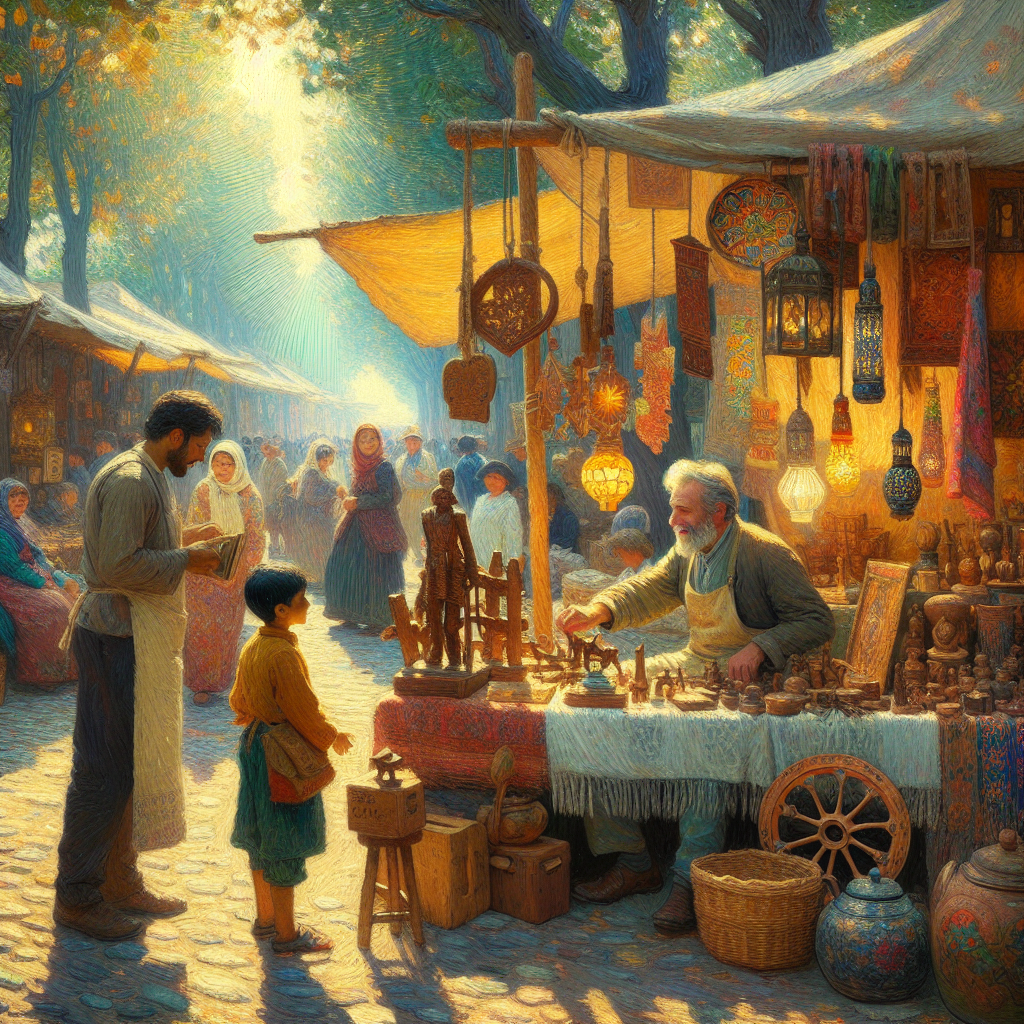
Conclusion
Other Resources

Other Resources
Here is a list of other resources you can review online to learn more:
- USLegalWills.com
- Digital Legacy Association
- NoLo
- Tributes
- Association of Personal Historians
- UpCounsel
- Storyfile
- Living Wisely
- International End of Life Doula Association
- Geneanet
- ForeverMissed
- Personal Legacy Advisors
- LegacyLearned
- How to Avoid Losing Your Family History One Generation at a Time
- FuneralWise
- Bcelebrated
- RootsMagic
- GhostMemo
- deviantART
Use This Prompt To Get More Resources With Your Favorite Online AI Tool: Please provide me with a list of online articles with their URLs in a bulleted list that I can read regarding The Inheritance No One Can Access

Other Resources
Glossary Terms
The Inheritance No One Can Access – Glossary Of Terms
1. Inheritance: Assets passed down from one individual to another after death.
2. Estate: The total assets, rights, and obligations of a person at the time of their death.
3. Beneficiary: An individual designated to receive assets from an inheritance.
4. Testator: A person who has made a legally valid will before their death.
5. Will: A legal document outlining how a person’s assets should be distributed after death.
6. Executor: The individual responsible for managing the estate and ensuring the directives of the will are fulfilled.
7. Trust: A legal arrangement where a third party holds assets for the benefit of another.
8. Probate: The legal process through which a deceased person’s will is validated and their estate is administered.
9. Heirs: Individuals legally entitled to inherit a deceased person’s estate under intestacy laws.
10. Intestacy: The state of dying without a valid will, resulting in assets being distributed according to law.
11. Codicil: A document that modifies, updates, or revokes a previously executed will.
12. Power of Attorney: A legal document granting an individual authority to act on behalf of another in financial or legal matters.
13. Estate Tax: A tax imposed on the transfer of a deceased person’s assets.
14. Asset Allocation: The process of deciding how to distribute an estate’s assets among beneficiaries.
15. Family Trust: A trust set up to benefit family members, often used for estate planning.
16. Living Will: A legal document outlining a person’s medical preferences in case they become incapacitated.
17. Joint Tenancy: A form of property ownership where two or more individuals hold equal shares, with rights of survivorship.
18. Beneficiary Designation: A formal declaration of who will inherit assets like life insurance or retirement accounts.
19. Guardianship: A legal relationship where one individual is given the authority to care for another, usually a minor or incapacitated person.
20. Uncontested Will: A will that is accepted by all beneficiaries without disagreement.
21. Challenged Will: A will that is contested or disputed in court regarding its validity or interpretation.
22. Letters Testamentary: Legal documents authorizing the executor to act on behalf of the estate.
23. Disinheritance: The act of intentionally excluding an individual from receiving an inheritance.
24. Fiduciary Duty: The obligation of a trustee or executor to act in the best interests of beneficiaries.
25. Property Law: The area of law governing the ownership and rental of properties and structures.
26. Digital Assets: Online accounts, cryptocurrencies, or digital content that may be part of an estate.
27. Asset Protection: Legal strategies to safeguard an individual’s wealth from claims by creditors or lawsuits.
28. Succession Planning: The process of preparing for the transfer of an individual’s business or assets upon death or incapacitation.
29. Estate Freeze: A strategy to minimize the tax impact of transferring wealth by locking in the value of an estate at a certain point in time.
30. Quietus: A legal document that confirms the settlement and final closure of an estate, indicating that all obligations have been met.

Glossary Of Terms
Other Questions
The Inheritance No One Can Access – Other Questions
If you wish to explore and discover more, consider looking for answers to these questions:
- How do I start capturing and preserving my family’s stories and memories?
- Who should be responsible for collecting and safeguarding family narratives?
- What practical steps should I take immediately after a loved one dies to protect the inheritance?
- What legal documents do I need to claim an inheritance (will, trust, death certificate, letters testamentary)?
- How can I find a lost or hidden will?
- What are the typical timelines and costs associated with probate?
- How do intestacy laws affect who inherits when there is no will?
- What rights does an executor or personal representative have and what are their duties?
- How can I contest a will and on what grounds is a contest likely to succeed?
- What is the difference between a will and a trust, and when is a trust preferable?
- How are taxes and debts handled when settling an estate?
- What are the common legal barriers that delay or block access to inheritance?
- How do cross-border or international estates differ and what extra steps are required?
- What protections exist if an heir is a minor, incapacitated, or has creditor claims?
- How should families divide items of sentimental value fairly?
- What dispute-resolution options exist besides litigation (mediation, arbitration, family meetings)?
- How can a financial advisor help versus an estate lawyer or mediator?
- How do I verify and evaluate the nonfinancial aspects of legacy (stories, values, practices)?
- What tools and services exist for recording oral histories or digitizing heirlooms?
- How can I ensure privacy and consent when recording family stories?
- How do cultural differences shape expectations about inheritance and storytelling?
- What are best practices for documenting wishes to prevent future sibling disputes?
- How can families talk about inheritance with elders without causing stress or offense?
- What steps should I take if a previously uninvolved or estranged relative claims a share?
- How do joint ownership and beneficiary designations affect estate distribution?
- What is the statute of limitations for bringing inheritance claims?
- How can grief impair decision-making and what safeguards can mitigate that risk?
- When should families involve mental health support during inheritance disputes?
- How can we honor the deceased’s values and legacy beyond monetary distribution?
- What ethical issues arise when monetizing or publishing family stories?
- How can an oral or written family history be preserved for future generations?
- What financial planning steps can reduce probate complications before death?
- How do prenuptial or postnuptial agreements affect inheritance rights?
- How are digital assets (social media, cryptocurrency, online accounts) handled in estates?
- How can families create a legacy plan that combines stories, values, and assets?
- What should I do if the appointed executor is unwilling or unable to serve?
- How can charitable giving be integrated into legacy storytelling and estate plans?
- Where can I find reputable estate planning professionals and mediators?
- What are low-cost or free resources for learning about inheritance law and legacy preservation?

Other Questions
Haiku
The Inheritance No One Can Access – A Haiku
Hidden legacies wait,
Stories shape who we become,
Hearts, roots intertwine.

Haiku
Poem
The Inheritance No One Can Access – A Poem
In a world where treasures hide unseen,
Beyond mere wealth, lies the legacy green.
Stories woven through laughter and tears,
A tapestry rich with hopes, dreams, and fears.
From grandmothers courage in silence profound,
To fathers whose choices in shadows are found.
These narratives not measured by gold or by gain,
Shape our characters, our joys, and our pain.
Yet many stand locked, inheritance denied,
In disputes and grief, where true love has died.
As siblings become adversaries in strife,
Over memories lost, where love once had life.
The law can entangle, a maze dark and cold,
While emotions run high, and tempers unfold.
Each heir holds a story, each heart bears a claim,
Yet harmony fades, replaced by our shame.
So let’s turn the tide, break the silence that binds,
Engage with our narratives, open our minds.
With vulnerability, let shared tales ignite
Connections that flourish, past wrongs made right.
For the legacy lives, not just in the things,
But in bonds we create, the joy that it brings.
Through storytelling, we uncover the path,
Embracing our history, we heal from the past.
Let’s navigate grief, with empathy show,
In the stories we cherish, our true riches flow.
For in every chapter, every memory shared,
Lies an inheritance vast, eternally cared.

Poem
Checklist
The Inheritance No One Can Access – A Checklist
Embracing Your Inheritance Story
✅______ Reflect on family narratives. Write down key stories that shaped your family’s history and values.
✅______ Identify emotional heirlooms. List items that carry deep sentimental value and their associated stories.
✅______ Plan family storytelling nights. Schedule regular gatherings to share and discuss family memories.
Rational Appeals
✅______ Understand your rights. Research legal rights regarding inheritance and estate claims.
✅______ Create a family legacy document. Outline your family’s values, hopes, and expectations regarding inheritance.
✅______ Seek professional guidance. Consult a financial advisor to understand potential financial implications and strategies.
Ethical Appeals
✅______ Foster open conversations. Initiate discussions with family about expectations for sharing inherited stories and assets.
✅______ Emphasize transparency. Commit to honest discussions around inheritance to strengthen family ties.
✅______ Honor ethical responsibilities. Reflect on the lessons you want to pass on, recognizing the importance of legacy in decision-making.
Authority Appeals
✅______ Engage trusted advisors. Identify legal and financial advisors who can guide your family through inheritance discussions.
✅______ Document expert opinions. Keep records of insights and guidance from professionals related to estate planning.
Narrative Appeals
✅______ Write a family history. Begin documenting your family’s story to preserve its legacy for future generations.
✅______ Share personal reflections. Discuss personal experiences that highlight the importance of family legacy with siblings.
Social Appeals
✅______ Build support networks. Connect with others who have navigated similar inheritance issues for shared learning.
✅______ Encourage community sharing. Promote the idea of sharing family histories within larger family or community gatherings.
✅______ Invite diverse perspectives. Create opportunities for all family members, regardless of age or background, to share their viewpoints on inheritance.

Checklist
At LegacyExplorations, we help people plan and explore their legacy by collecting information and news regarding end-of-life planning.
Please share this post with your friends, family, or business associates who may want help to plan or explore their legacy.