

Unlocking Humanity’s Story: What Face Id Reveals And Conceals
By Tom Seest
At LegacyExplorations, we help people plan and explore their legacy by collecting information and news regarding end-of-life planning.
Please share this post with your friends, family, or business associates who may want help to plan or explore their legacy.
The Legacy Locked Behind Face Id
The Legacy Locked Behind Face ID
In a world where technology evolves faster than we can keep up, there lies an important story waiting to be told—a legacy that whispers through the screens we touch every day. Face ID, a seemingly simple feature, does more than just unlock your phone. It unlocks a deeper connection to who we are and who we become.
Imagine the first time you gazed into a device that recognized you instantly. It wasn’t just about convenience; it was a moment of recognition, a testament to how far we’ve come in intertwining our lives with technology. This isn’t just gadgetry; it’s legacy storytelling at its finest. Each time your device greets you, it brings with it a narrative steeped in innovation and trust, a promise that your identity is secure, a symbol of progress.
Yet, let’s peel back the layers. While Face ID offers comfort in the convenience of the present, it raises questions that challenge us to think critically. Who controls our legacy? What narratives are we willing to relinquish to technology? As we grant our devices access to our faces, we must consider the ethical ramifications of this data-driven intimacy. Are we trading our privacy for the sake of innovation?
This brings us to the authority of the brands we trust. Companies touting security measures must be transparent, creating a dialogue that engages us—not just as consumers, but as stewards of our own legacies. Our faces and stories deserve protection, and the responsibility lies with both the developers and us—the users.
Narratively speaking, the stories we share and the identities we cultivate are at stake. When we allow our devices to know us so intimately, we form an unspoken bond; we become not just users but participants in an evolving narrative of technology. This bond, while built on utility, can inspire connection and community.
Let’s not forget the social aspect; we’re all part of this larger tapestry woven together by shared experiences in a rapidly changing digital landscape. Our legacies are tied to one another, reminding us that we are more than solitary users of technology. We are a collective, entrusted with the power of our digital identities and the responsibility of fostering safe, meaningful interactions.
Embrace this legacy, engage with it, and ensure that in the realm of innovation, your story remains yours—a legacy locked behind Face ID, waiting to be celebrated and safeguarded.

The Legacy Locked Behind Face Id
The Legacy Locked Behind Face Id
- Face ID represents a deeper connection to personal identity beyond mere convenience.
- First interactions with Face ID symbolize progress in technology and user recognition.
- The feature raises critical questions about privacy and control over personal legacy.
- Transparency from brands regarding data use and security is essential for trust.
- Users become participants in a shared narrative that intertwines technology and society.
- Collective experiences highlight the importance of community in a digital landscape.
- It is crucial to protect personal narratives, ensuring individual stories are celebrated and safeguarded.
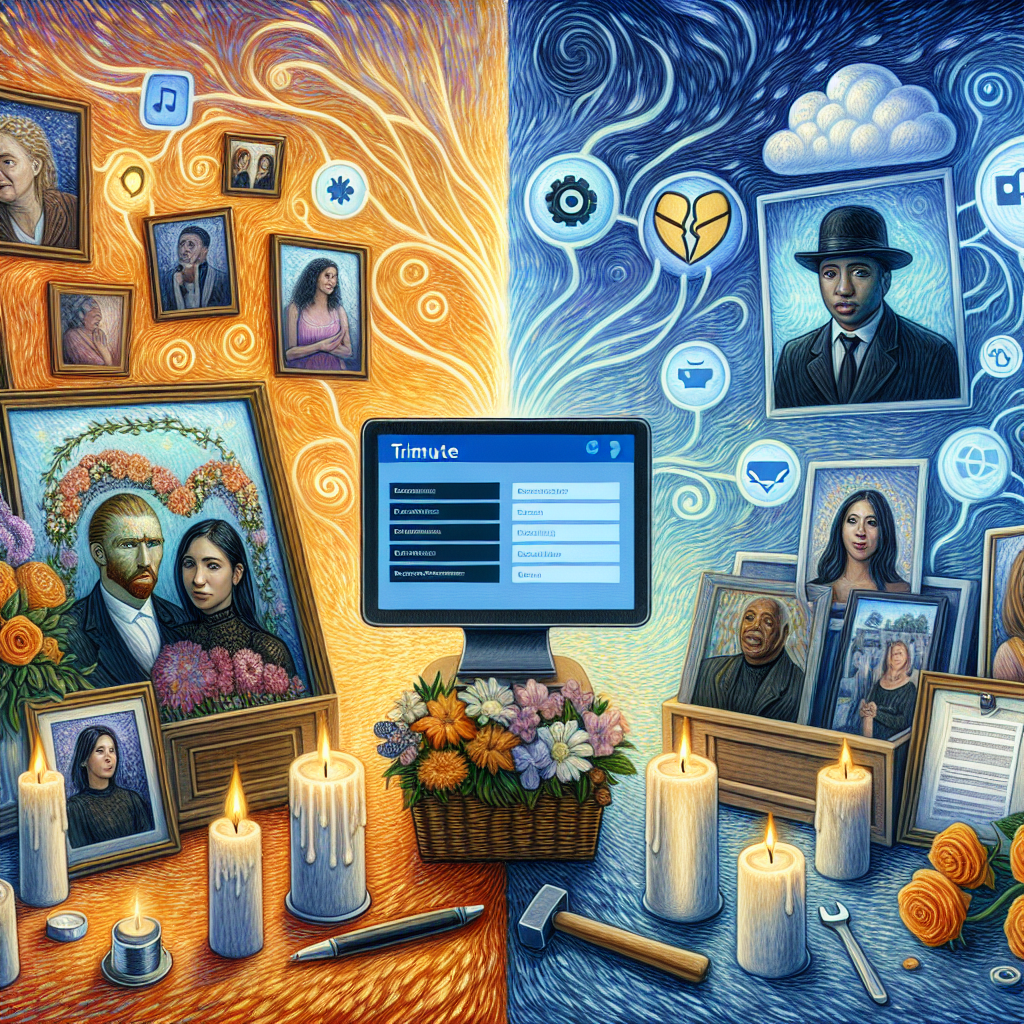
The Legacy Locked Behind Face Id
Table Of Contents
- The Legacy Locked Behind Face Id
- What Memories Deserve to Be Unlocked By Technology?
- How Does Face Id Impact Our Digital Legacy?
- How Secure Is Our Personal History with Biometric Authentication?
- What Ethical Dilemmas Arise From Face Id Usage?
- How Do We Trust Technology to Safeguard Our Legacies?
- What Role Does Social Connection Play In Our Digital Afterlife?
- How Does Our Identity Shift with Advanced Security Measures?
- Conclusion
- Other Resources
- Glossary Of Terms
- Other Questions
- Haiku
- Poem
- Checklist
What Memories Deserve to Be Unlocked By Technology?
In an age where our every breath is captured and stored, we stand at a crossroads: Should we use technology to unlock the memories that shape us, and which ones truly deserve that spotlight? When considering the tapestry of our lives, it becomes evident that certain memories represent our legacy, woven through experiences that define who we are.
Imagine sitting at a table surrounded by family, retelling tales from summers past—the laughter echoing, the scents of home-cooked meals swirling around you. These moments are more than just fragments; they are legacy storytelling in its purest form. They provide context for each of us, creating a shared language that binds generations together. But how can technology play a role in these cherished recollections?
Memory can be flawed. Over time, details fade, and what once felt vivid can grow hazy. Herein lies the beauty of technology. Through digital tools, we can preserve the essence of these memories. Imagine a simple app that helps your loved ones record their stories and experiences. It can be a way to bridge generational gaps, allowing their voice and wisdom to be heard by future generations, ensuring their legacy doesn’t just live as oral stories whispered in darkened rooms, but as vibrant tales available at a touch.
Yet, with great power comes a significant responsibility. We must ask ourselves: Which memories are ethically significant to share? Are we unlocking experiences to connect with our pasts or merely chasing the fleeting thrill of nostalgia? When we digitize memories, we must tread carefully, respecting the dignity and honesty behind these narratives. Every story holds the weight of human experience, and it’s our duty to treat them with reverence.
Moreover, the impact is social. By sharing our stories through technology, we foster connection. We inspire others to reflect on their own lives, encouraging a community where shared experiences catalyze understanding and empathy. Imagine an interactive platform where lives intertwine, weaving together memories that resonate not just for one, but for many.
Ultimately, it’s about trust—trust in technology’s ability to preserve and honor our stories. As we unlock the vaults of collective memory, we ensure that every narrative has a chance to flourish, igniting in us a profound understanding of our shared humanity. We have the tools to keep these memories alive; it’s time to decide which ones are worthy of that legacy.

What Memories Deserve to Be Unlocked By Technology?
What Memories Deserve to Be Unlocked By Technology?
- Technology offers potential to unlock and preserve meaningful memories.
- Certain memories serve as legacies, shaping our identities through shared experiences.
- Legacy storytelling fosters connection among generations, enhancing shared cultural narratives.
- Digital tools can help document stories, bridging generational gaps and ensuring wisdom is passed on.
- Ethical considerations arise in deciding which memories to share and preserve digitally.
- Sharing stories through technology can inspire empathy and understanding within communities.
- Trust in technology’s ability to honor narratives is crucial for preserving collective memory.

What Memories Deserve to Be Unlocked By Technology?
How Does Face Id Impact Our Digital Legacy?
How Does Face ID Impact Our Digital Legacy?
In the evolving landscape of technology, where the intention is often to streamline our lives, Face ID adds a layer of complexity to our digital legacy. We navigate a world where our identities are increasingly tied to our devices, and the implications are profound. Imagine your life as a tapestry, each thread a memory, a cherished moment woven into the fabric of your existence. Face ID becomes not just a means of unlocking a device, but a part of your *legacy storytelling*, the narrative of who you are long after you’ve logged off for the last time.
When we think about our digital footprint, it’s more than just videos, posts, or selfies. It encompasses the relationships we’ve nurtured, the stories we’ve shared, and the connections we’ve made. Face ID is like a key to a treasure chest, but what happens when that key is lost or compromised? The gut instinct is to protect these memories fiercely, yet the very technology intended for security can sow seeds of vulnerability.
The rational mind must ponder the ethical dimensions of Face ID. While it facilitates convenience, it also raises questions about privacy. Our faces become data points, stored in systems that could outlive us, leading us to wonder: who truly owns our images? Each snapshot in time is part of a larger conversation about agency and consent. It’s crucial to take a stand, to advocate for transparency in how these technologies handle our identities.
As you consider your future, recognize that your expressions, your laughter, and even your tears contribute to *legacy storytelling*. This digital persona, shaped by Face ID, can either shallow the depth of our humanity or illuminate the authenticity of our experiences. It’s imperative that we engage with these technologies not just as users but as stewards of our narratives.
Just as stories are passed down through generations, our digital legacies hold the potential to inspire action and foster connection. Think of those who come after us—friends, family, and even strangers—who may find strength in our stories. By ensuring our digital identities reflect the fullness of our experiences, we lay a foundation for future connections that transcend time and space.
In a world increasingly dominated by the ephemeral, let’s choose to cultivate our legacy thoughtfully. Embrace technology, yes, but let’s also cherish the humanity it represents, ensuring our stories continue to resonate, leaving an indelible mark on those who follow.

How Does Face Id Impact Our Digital Legacy?
How Does Face Id Impact Our Digital Legacy?
- Face ID adds complexity to our digital legacy, intertwining our identities with our devices.
- It serves as a tool for unlocking devices and contributes to *legacy storytelling* of our lives.
- Digital footprints include not only media but also relationships, stories, and connections.
- Security technology can present vulnerabilities if compromised, raising concerns about memory protection.
- Ethical dimensions of Face ID involve privacy and ownership of our facial data in digital systems.
- This technology influences how our expressions and experiences are represented in our digital personas.
- Future digital identities should inspire connection and reflect the depth of our lived experiences.

How Does Face Id Impact Our Digital Legacy?
How Secure Is Our Personal History with Biometric Authentication?
As we navigate the ever-evolving landscape of technology, we must pause to consider how secure our personal histories are in the age of biometric authentication. It’s one thing to acknowledge that our lives are etched into the fabric of a digital world; it’s another to understand the implications that come with it. Each time we swipe our fingerprints or submit a retinal scan, we’re offering a piece of ourselves—not just a mere entry into a system, but a legacy of who we are.
Legacy storytelling is a powerful reflection of our past, where every detail has significance. Think about it: your fingerprints tell a story of individuality, a unique narrative that no one else possesses. But here’s the catch—unlike a good story, our biometric data can’t be edited or rewritten. Once it’s compromised, there’s no erasing the plot twists that ensue. This notion raises significant ethical concerns. How do we trust organizations to safeguard our identities when their systems can be penetrated, and when breaches seem to be a regular part of our news cycle?
Rationally, we invest in biometric authentication because it promises security and efficiency, a leap beyond the traditional passwords that crumble under the weight of their own complexity. Yet with every leap forward, we create new challenges. Can we confidently say that the technology designed to protect us won’t be weaponized against us? The gut churns at the thought—our personal histories reduced to strings of data, vulnerable in the hands of those who may not respect the sanctity of our stories.
To ensure that trust remains at the forefront, we must advocate for stringent security measures, transparency, and accountability from service providers. We can’t be passive; we should demand to know how our data is stored, used, and safeguarded. Engage with this topic on social platforms, spread the word, and participate in conversations that matter. It isn’t just tech jargon—it touches our lives, our families, and our collective future.
Let’s forge a culture where we honor our legacy stories, balancing innovation and security with a respect for the integrity of our personal histories. As we tread further into this digital frontier, may we do so with the courage to question, the wisdom to understand, and the determination to protect what is inherently ours. Every click, every scan, every biometric data point should celebrate our uniqueness, not diminish it.

How Secure Is Our Personal History with Biometric Authentication?
How Secure Is Our Personal History with Biometric Authentication?
- Technology raises concerns about the security of personal histories in biometric authentication.
- Submitting biometric data, like fingerprints or retinal scans, offers insights into our identities.
- Biometric data is unique and cannot be altered once compromised, leading to ethical dilemmas.
- Trust in organizations is undermined by frequent data breaches.
- Biometric authentication promises security, but poses risks of misuse or weaponization.
- Advocacy for stringent security measures and transparency from service providers is essential.
- Engagement in discussions about data safety is crucial for protecting personal legacies.
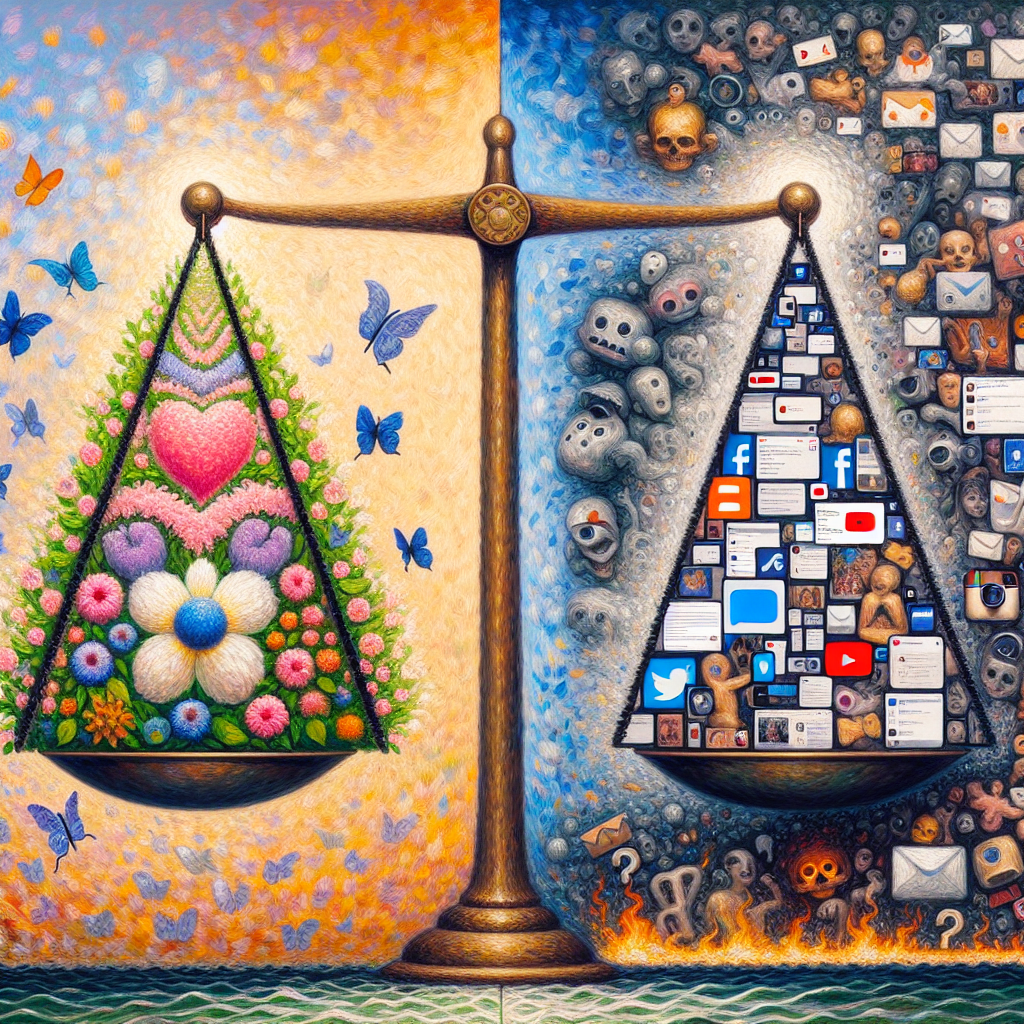
How Secure Is Our Personal History with Biometric Authentication?
What Ethical Dilemmas Arise From Face Id Usage?
What Ethical Dilemmas Arise From Face ID Usage?
In the era of technology that seems almost magic, we’re constantly asked to give up a piece of ourselves for convenience. Enter Face ID—a marvel of innovation but also a Pandora’s box of ethical dilemmas that some may not fully recognize. These dilemmas strike at the core of our legacy storytelling, passed down through generations, rooted in trust and personal connection.
Face ID promises security and ease. You glance at your phone, and it comes to life. It feels seamless, almost like a trusted friend. But what happens when this newfound friend starts taking notes on your life? Every glance, every feature meticulously logged, could become a data point for profit or surveillance. Therein lies the rub: while our heads might rationalize that this technology safeguards our devices, our guts churn at the thought of who holds that information and for what purpose.
Consider a scenario where a local law enforcement agency adopts Face ID to track down suspects. The narrative sounds compelling, doesn’t it? Justice served swiftly. But let’s not overlook the unintended consequences. In a world where errors happen, how many innocent faces might be mistakenly flagged? This dilemma transcends mere statistics—every wrongful identification can haunt an individual’s life, leading to unwarranted scrutiny and tarnished reputations. It’s a stark reminder that the rush to adopt new tech must be paired with profound moral inquiries.
Think about the implications on social dynamics. Families gather to share memories, but what happens if that moment becomes fodder for algorithms? The data harvested from one innocent gathering could morph into something far more intrusive, leaving us musing about privacy that feels less personal and more transactional. We reach a crossroads: retaining our sense of community, connection, and privacy—or sacrificing it for fleeting convenience.
Then we circle back to trust. It’s simple; we need transparency. With technologies that intertwine with our very identities, citizens must demand clarity on where their data goes and how it’s used. The onus rests on developers and policymakers to engage openly in legacy storytelling—crafting a shared narrative that elevates ethics over expediency and prioritizes human dignity.
By fostering a culture of accountability and awareness around Face ID, we can bridge the head and heart, making informed choices that reflect not just who we are today, but the legacies we wish to pass on. As we navigate this digital frontier, let’s ensure it doesn’t come at the expense of our humanity.
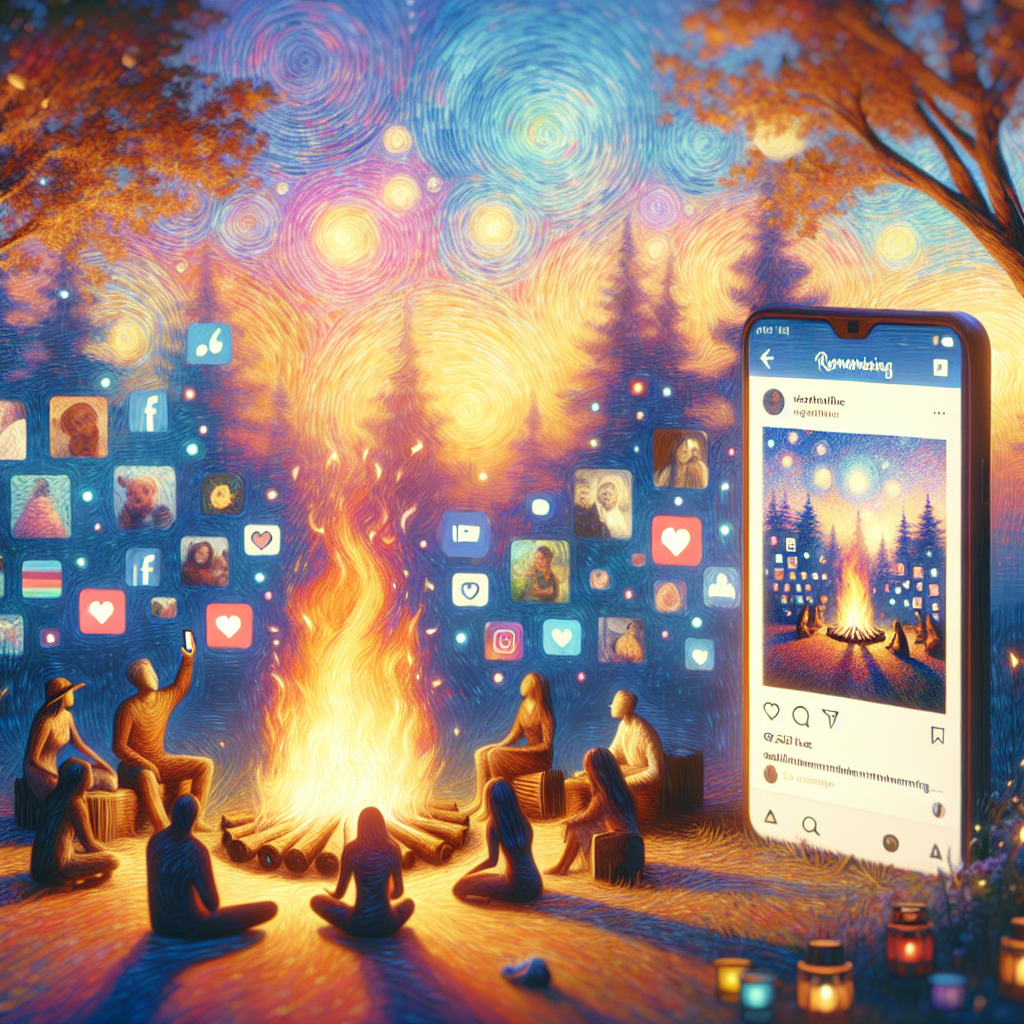
What Ethical Dilemmas Arise From Face Id Usage?
What Ethical Dilemmas Arise From Face Id Usage?
- Face ID represents a significant technological innovation accompanied by ethical dilemmas.
- The convenience of Face ID raises concerns about data privacy and surveillance.
- Misidentifications by Face ID can lead to wrongful accusations and damage to reputations.
- Social dynamics may be impacted as personal moments are transformed into data for algorithms.
- Transparency in data usage is essential for building trust in technology.
- Developers and policymakers must prioritize ethics and human dignity over expediency.
- A culture of accountability is necessary to navigate the challenges posed by Face ID.

What Ethical Dilemmas Arise From Face Id Usage?
How Do We Trust Technology to Safeguard Our Legacies?
In a world increasingly driven by technology, the question looms large: how do we trust it to safeguard our legacies? Legacy isn’t just about leaving behind material wealth; it encompasses the stories, values, and experiences that define who we are. Through the art of Legacy Storytelling, we capture moments that matter and weave them into the very fabric of our existence, giving future generations a glimpse into our lives.
But how can we ensure that these narratives survive in the digital age? It starts with understanding the capabilities of technology. It’s not just a tool; it’s a bridge connecting us to our past and future. Every family photo, every heartwarming anecdote, preserved through digital archives, enhances our legacy. This isn’t just an intellectual exercise; it’s a profound responsibility that we owe to our loved ones. We trust technology to hold our stories, but in doing so, we must also weigh the ethical implications of that trust.
Relying on established platforms for digital preservation means looking at the authority behind them. Are they reputable? Do they prioritize user privacy and data integrity? The answers to these questions allow us to build confidence in their services. This isn’t just a technical question; it taps into deeper ethical considerations of who controls our narratives and how they are shared.
As we navigate this landscape, it’s crucial to foster a connection—not only to the technology but to those we’re leaving behind. Imagine sitting with your family years from now, sharing a laugh over a story meticulously preserved. It’s a reminder that technology can be our ally, but it requires that we engage with it thoughtfully. The more we invest in understanding these tools, the more we can ensure that our legacies live on.
Let’s not forget the social aspect of this journey. In an age dominated by fleeting connections, the act of digitizing our stories creates a communal tapestry that binds us all. It encourages shared experiences and collective growth. The trust we place in technology is ultimately a reflection of our faith in one another to keep those stories alive. So, let’s embrace this commitment—one rooted in dignity and respect for the narrative we leave for the future. Trust in technology to safeguard our legacies begins with us, as we take the necessary steps to ensure our stories are not only told but cherished for generations to come.

How Do We Trust Technology to Safeguard Our Legacies?
How Do We Trust Technology to Safeguard Our Legacies?
- Trust in technology’s role in preserving our legacies involves understanding ethical implications.
- Legacy encompasses stories, values, and experiences beyond just material wealth.
- Legacy Storytelling captures significant moments, providing insight for future generations.
- Digital preservation requires selecting reputable platforms that prioritize privacy and data integrity.
- Engaging thoughtfully with technology ensures our narratives are held and shared responsibly.
- Digitizing stories fosters communal connections, encouraging shared experiences and growth.
- Trusting technology reflects our commitment to keeping and cherishing our stories for the future.

How Do We Trust Technology to Safeguard Our Legacies?
What Role Does Social Connection Play In Our Digital Afterlife?
In our increasingly digital landscape, where interactions are often more screen-based than face-to-face, the question of what happens to our social connections after we’ve departed takes on a profound significance. Think about the ripple effects our relationships have—each conversation, every shared moment, forms a tapestry that extends beyond our physical presence. Legacy storytelling, then, becomes crucial as it captures not just the facts of our lives, but the essence of who we were.
When we pass, those digital footprints we leave behind—photos, messages, and social media posts—tell a story, but they often lack the depth of true connection. They’re snippets of our narratives, fragments of our experiences. Herein lies the importance of social connection in our digital afterlife. It’s not merely about preserving our identities; it’s about fostering a community that remembers us, that keeps our stories alive.
Consider for a moment the stories you could share with a friend while reminiscing about someone who’s gone. Those moments anchor us; they wrap a comforting arm around our shoulders during times of grief. By maintaining these connections, we give ourselves the chance to remember that our lives were not isolated. Each thread we weave into the lives of others claims a piece of our existence, a testament to who we were and how we loved.
Moreover, there’s a responsibility tied to our digital legacies. Ethically, we owe it to those we love to craft our narratives thoughtfully. This isn’t just about being remembered; it’s about representing ourselves authentically in a realm where every post could become a permanent fixture of how we are perceived. When we engage in legacy storytelling, we provide clarity, context, and hopefully, comfort for those left behind. Our digital actions become not merely echoes but a call to others that our lives had meaning.
In this world of instantaneous connections, let’s not lose sight of the deeper truths that bind us. Every time we choose to reach out, to share a laugh, to tell a story, we are fortifying the very foundations of our collective existence. Even when we are gone, those bonds shape how we are remembered, urging our loved ones not just to mourn, but to celebrate the shared experiences that define us. It’s an invitation to continue the dialogue, ensuring that our stories—and the legacies we leave—echo in hearts and minds long after we’ve logged off for the final time.

What Role Does Social Connection Play In Our Digital Afterlife?
What Role Does Social Connection Play In Our Digital Afterlife?
- The significance of social connections in a digital landscape after death.
- Legacy storytelling captures the essence of individuals beyond mere facts.
- Digital footprints, like photos and messages, tell a fragmented story of our lives.
- Maintaining social connections fosters community remembrance and keeps stories alive.
- Each shared memory provides comfort and reinforces our interconnectedness.
- Ethical responsibility exists to craft authentic narratives in our digital legacies.
- Strengthening bonds encourages celebration of shared experiences, even after we are gone.

What Role Does Social Connection Play In Our Digital Afterlife?
How Does Our Identity Shift with Advanced Security Measures?
In our fast-paced world, where technology continuously evolves, the very essence of who we are—our identity—finds itself in a constant state of flux. Each time we forge ahead with advanced security measures, we inadvertently redefine the narratives that shape our existence. Legacy storytelling, deeply rooted in our histories, now intersects with cutting-edge innovations that promise safety yet challenge our traditional notions of privacy.
Picture this: every time we swipe our cards or unlock our devices with a fingerprint, we place a piece of ourselves in the hands of systems designed to protect, but also to surveil. The tension lies not merely in the functionality of these devices, but in how they alter our interactions with one another. Are we more secure, or have we become more exposed? The line blurs, and with it, our familiar identities shift, adapting to a new reality where data is currency, and personal thresholds are negotiated daily.
The use of facial recognition technology and biometric security may make us feel invincible at times, yet it beckons a contemplation from our heads and hearts. How do we balance the desire for security with the necessity of maintaining a semblance of privacy? While the allure of feeling safe is immense, it also raises ethical questions. Are we trading trust for convenience? With each click and scan, we participate in a social narrative that prioritizes security, but reminds us of the fragility of our autonomy.
As we embrace these advancements, we become characters in a modern legacy story. Each of us has a voice, a story that we weave together through our everyday choices. Sharing our experiences—how we navigate this digital landscape—fleets power and resonance, establishing a communal understanding of secure yet personal living. We learn from one another, fostering connections that fortify our human identity against the tide of impersonal security measures.
Ultimately, trusting these systems requires more than rational justification; it calls for emotional commitment. We must recognize that our identities, fluid and evolving, are interlaced with the technologies we adopt. This relationship is dynamic and demands conscious action. By engaging in dialogues about security, privacy, and ethics, we declare our right to define who we are amidst this changing environment. It’s through this engagement that we can instill trust, bridge gaps, and ensure that as our identities shift, we do so with intention and a sense of collective responsibility.

How Does Our Identity Shift with Advanced Security Measures?
How Does Our Identity Shift with Advanced Security Measures?
- Identity is in constant flux due to evolving technology and security measures.
- Legacy storytelling intersects with innovations that promise safety but challenge privacy.
- Every use of biometric data contracts our privacy while enhancing security.
- Facial recognition and biometric security provoke ethical considerations about trust and convenience.
- We share our experiences navigating the digital landscape, fostering connections and understanding.
- Trusting security systems requires emotional commitment and conscious action.
- Dialogue on security, privacy, and ethics is essential for maintaining our identities amidst change.

How Does Our Identity Shift with Advanced Security Measures?
Conclusion
In a world driven by rapid technological advancements, Face ID represents far more than a convenient unlocking mechanism; it embodies a deep exploration of identity and legacy. This transformative feature breathes life into our everyday interactions with technology, acknowledging not only the uniqueness of our digital identities but also the intertwining of our personal narratives with those of others. When we gaze into our devices, we are met with more than recognition; we engage in a profound conversation about who we are and the legacies we choose to create.
Yet as we embrace this new era, we must face important questions about the ethical dimensions of such intimacy. The convenience of Face ID comes with the sacrifice of privacy. Who controls the narratives we entrust to these devices? The corporations behind the technology wield substantial power over our identities, compelling us to demand transparency and accountability. After all, our individual stories—woven through familial ties and lived experiences—are precious and deserve protection.
Moreover, Face ID marks a significant evolution in how we share and preserve our memories. Technology has the potential to serve as a bridge, connecting generations and helping us to recount cherished moments that shape our identities. Yet we must tread carefully, ensuring that the memories we unlock and digitize are handled with reverence. Each story, each fragment of our past carries the weight of human experience, and it is our duty to guard them against becoming mere data points.
The narratives we craft in the digital realm do not only enrich our own lives but resonate within the collective community as well. In an age where online interactions often overshadow in-person connections, our digital legacies become the threads that weave us together. They remind us that we are not isolated users of technology; instead, we share a human experience that transcends time and space. By fostering connections through our digital actions, we create a tapestry of memories, enriching the lives of those we love and ensuring our stories echo long after we’re gone.
As we explore the depth of our digital identities, we must remain vigilant stewards of the legacies we wish to leave behind. Embracing innovation should not come at the cost of our humanity. Instead, we must ensure that the technologies we adopt serve our true selves and reflect the narratives we want to share. The challenge lies not only in how Face ID reshapes our present but also in how we choose to safeguard and celebrate the legacies entrusted to us, keeping our stories alive amid the tides of change.

Conclusion
Conclusion:
- Face ID transcends convenience, serving as a profound exploration of identity and legacy.
- It highlights the uniqueness of digital identities and intertwines personal narratives with broader stories.
- The technology raises ethical questions about privacy and the control of personal narratives by corporations.
- Face ID facilitates preserving memories and connecting generations but requires respectful handling of personal histories.
- Digital legacies enhance collective community connections, transcending the boundaries of time and space.
- The narratives we create online enrich both personal lives and the larger human experience.
- We must embrace innovation while safeguarding our humanity and the legacies we wish to leave behind.

Conclusion
Other Resources

Other Resources
Here is a list of other resources you can review online to learn more:
- LifeSite
- Remembered.com
- Tributize
- LegacyLearned
- My Wonderful Life
- ForeverMissed
- Obituary Templates
- YouMattered
- FindMyPast
- Association of Personal Historians
- Xarona
- How to Save Your Family�s Stories from Being Lost Forever � A Step-by-Step Guide to Creating a Lasting Digital Legacy
- Ancestry
- Lexikin
- LegalZoom
- Geni
- Postumo
- 23AndMe
- LegalNature
- How Has Time Changed The Cost Of Capturing Family Legacy Stories
Use This Prompt To Get More Resources With Your Favorite Online AI Tool: Please provide me with a list of online articles with their URLs in a bulleted list that I can read regarding The Legacy Locked Behind Face Id

Other Resources
Glossary Terms
The Legacy Locked Behind Face Id – Glossary Of Terms
1. Access Control: Mechanisms to restrict entry or permissions to systems based on identity verification.
2. Authentication: The process of verifying the identity of a user or device.
3. Biometrics: Unique physical characteristics used for identification, such as facial recognition.
4. Face ID: A facial recognition system designed and developed by Apple Inc. for secure authentication.
5. Encryption: The method of converting information into a coded format to prevent unauthorized access.
6. Hack: Attempting to gain unauthorized access to a system or data.
7. Proximity Sensor: A device that detects the presence of nearby objects, often used in conjunction with Face ID.
8. Digital Identity: An individual’s online persona created through various digital transactions and engagements.
9. Machine Learning: A subset of artificial intelligence that allows systems to learn from data patterns and improve over time.
10. Privacy: The right of individuals to control their personal information and maintain its confidentiality.
11. Security Protocols: Established procedures to protect data integrity and confidentiality.
12. User Experience (UX): The overall experience of a person using a product, especially in terms of ease of use and satisfaction.
13. Data Breach: An incident where confidential information is accessed without authorization.
14. Two-Factor Authentication (2FA): A security process requiring two distinct forms of identification before granting access.
15. User Interface (UI): The point of interaction between the user and a digital device or application.
16. Privacy Policy: A legal document that outlines how personal data is collected, used, and protected.
17. Facial Mapping: The process of creating a digital representation of a face for recognition purposes.
18. Impersonation: The act of pretending to be someone else, often for fraudulent purposes.
19. Security Flaw: A vulnerability in a system that can be exploited to gain unauthorized access.
20. Tokenization: Replacing sensitive data with unique identification symbols that retain essential information without compromising security.
21. Veil of Privacy: The concept of protecting personal data from public disclosure.
22. Digital Footprint: The trail of data left by the interactions a person has online.
23. Consent: Agreement by a user to the collection and use of their data under specified terms.
24. Identity Theft: The unauthorized use of someone else’s personal information, usually for financial gain.
25. Anonymization: The process of removing identifiable information from data sets.
26. Facial Recognition: The technology that identifies or verifies a person by comparing their facial features to a database.
27. Software Update: Releases that improve functionality or fix security vulnerabilities in applications or operating systems.
28. Trust Framework: Set of policies and technologies that establish and maintain trust in identity management systems.
29. End-to-End Encryption: A method of data transmission where only the communicating users can read the messages.
30. User Consent: An agreement by users to allow the collection and processing of their personal data.

Glossary Of Terms
Other Questions
The Legacy Locked Behind Face Id – Other Questions
If you wish to explore and discover more, consider looking for answers to these questions:
- What exactly does Face ID collect and how is that data represented?
- Where is Face ID data stored — on the device, in the cloud, or both?
- Who owns the biometric data created by Face ID: the user, the device maker, or service providers?
- How long is Face ID data retained and can it be deleted permanently?
- Can Face ID data be accessed after a user dies, and who has the right to access it?
- What legal protections exist for biometric data in different countries or regions?
- How does Face ID handle false positives and false negatives, and what are the consequences?
- How biased is Face ID across different ages, genders, and ethnicities?
- Can Face ID be spoofed or bypassed, and what safeguards prevent that?
- What happens to Face ID when devices are repaired, resold, or recycled?
- Do apps or third parties ever gain access to raw Face ID data or derived identifiers?
- How transparent are companies about their Face ID algorithms, data use, and audits?
- Are there independent audits or certifications for biometric systems used in consumer devices?
- What responsibilities do manufacturers have if Face ID data is breached or misused?
- How does Face ID interact with law enforcement requests, subpoenas, or warrants?
- Can companies monetize or sell insights derived from biometric data?
- How reversible is a compromised biometric identity — can you “reset” a face?
- What alternatives exist for users who do not want to use Face ID?
- How should families plan for digital inheritance when key devices are locked by Face ID?
- How does Face ID affect children’s privacy and consent for minors?
- What ethical frameworks guide the use of Face ID in public and private sectors?
- How does Face ID influence social behavior, trust, and interpersonal privacy?
- How might widespread Face ID adoption change surveillance, policing, and public safety?
- What are the psychological impacts of being constantly recognizable to devices and platforms?
- How do cultural attitudes toward face recognition vary, and how should that inform design?
- How can users verify what biometric templates or metadata are being stored about them?
- What standards or best practices exist for preserving legacy storytelling and digital memories securely?
- How do encryption, on-device processing, and secure enclaves protect Face ID data?
- What responsibilities do app developers have when integrating with device biometric APIs?
- How do regulations like GDPR, CCPA, and other privacy laws treat biometric identifiers?
- How should communities and policymakers balance innovation with protection of personal legacies?
- What tools or services help families curate, transfer, or archive digital legacies locked behind biometrics?
- How might emerging technologies (deepfakes, AI image analysis) interact with Face ID systems?
- What recourse do individuals have if their biometric data is used without consent?

Other Questions
Haiku
The Legacy Locked Behind Face Id – A Haiku
Faces unlock our past,
Technology whispers dreams,
Guardians of our tales.

Haiku
Poem
The Legacy Locked Behind Face Id – A Poem
In the glow of screens where secrets lie,
Face ID whispers stories, a legacy nigh.
With each glance, a door swings wide,
Unlocking selves, where truth and trust collide.
Yet in this dance of convenience and care,
Questions emerge from shadows we share.
What tales do we trade for digital ease?
Are liberties forfeited, or do comforts please?
Our faces, once mirrors of life’s gentle grace,
Now data points tracked in a vast, endless space.
The threads of connection weave stories profound,
In laughter and love, our legacies found.
Yet caution we take, for memories retrieved,
Must bear respect for the lives they conceived.
What’s sacred and real, what’s mere fleeting thrill?
The ethics of sharing call forth our will.
In the tapestry woven of identity bright,
Social bonds deepen, grounding us in light.
Through shared tales told and histories spun,
We cherish the past, for together were one.
Trust in the tools that safeguard our worth,
In legacy storytelling, we affirm our birth.
Each heartbeat, each memory, crafted with care,
In the age of technology, our stories we share.
So let’s hold our narratives, honor each part,
Engaging with purpose, we protect what’s heart.
In this digital realm, let humanity rise,
To celebrate legacies, under wide open skies.

Poem
Checklist
The Legacy Locked Behind Face Id – A Checklist
Emotional Connection
✅______ Reflect on personal memories important to your identity.
✅______ Share cherished family stories through digital platforms.
✅______ Engage in conversations about legacy with loved ones.
Rational Consideration
✅______ Assess the security features of devices using biometric technology.
✅______ Evaluate the ethical implications of data collection and privacy.
✅______ Research the companies handling your personal information for transparency.
Ethical Responsibility
✅______ Ensure consent is obtained before sharing others’ stories and memories online.
✅______ Advocate for policies that respect user privacy and identity.
✅______ Consider the impact of your digital footprint on your legacy.
Authority and Trust
✅______ Choose reputable technology providers that prioritize data security.
✅______ Stay informed about biometric technology advancements and their implications.
✅______ Participate in discussions and forums about digital rights and responsibilities.
Narrative Engagement
✅______ Create or participate in platforms that promote shared storytelling.
✅______ Document your unique experiences and insights to contribute to collective narratives.
✅______ Encourage community involvement in preserving digital histories.
Social Connection
✅______ Build networks that share and celebrate collective legacies.
✅______ Foster relationships by sharing and discussing mutual experiences.
✅______ Promote supportive environments for discussing digital memories and identities.
Active Participation
✅______ Encourage family and friends to digitize their stories responsibly.
✅______ Engage with technology that enhances, rather than diminishes, authentic connections.
✅______ Take part in initiatives that aim to educate others about the intersection of technology and legacy storytelling.

Checklist
At LegacyExplorations, we help people plan and explore their legacy by collecting information and news regarding end-of-life planning.
Please share this post with your friends, family, or business associates who may want help to plan or explore their legacy.