

Navigating Love And Legacy In A Digital World
By Tom Seest
At LegacyExplorations, we help people plan and explore their legacy by collecting information and news regarding end-of-life planning.
Please share this post with your friends, family, or business associates who may want help to plan or explore their legacy.
The Legal Maze Of Digital Inheritance
The digital age offers a unique tapestry of memories, insights, and relationships—all stitched together in the pixels of our online lives. Yet, as we navigate the complexities of digital inheritance, we find ourselves entangled in a legal maze that threatens to obscure our cherished Legacy Storytelling. In an era where memories are stored in cloud servers, and personal connections often unfold through social media, the question arises: what happens to these digital treasures after we pass?
Imagine the life stories encapsulated in a Facebook album, or the heartfelt emails exchanged between loved ones. These aren’t just data points; they’re fragments of our existence that deserve to be treated with reverence. When the time comes to pass on our digital legacy, clarity is essential. The laws are not as straightforward as one might hope. Each platform has its own policies, often veiled in legal jargon that can leave our families in a state of confusion.
Rationally, we must recognize that digital assets hold not just monetary value but emotional significance. Our online presence influences how we connect with one another, shaping relationships in profound ways. Consider a loved one sifting through your digital belongings; without clear instructions, they might end up erasing irreplaceable parts of your story, leaving behind only shadows instead of memories.
Ethically, we hold an inherent responsibility to consider our digital footprint’s impact on those left behind. Are we enabling our families to honor our wishes, or are we unwittingly putting them in a position to guess how to move forward? Crafting a digital estate plan is about more than legality—it’s about ensuring that the narratives we’ve woven maintain their integrity and can continue to inspire those we leave behind.
Engaging in this conversation fosters trust and confidence in our loved ones. It reassures them that, even beyond the final chapter, our story can still resonate. Society often views discussions around death as morbid, yet talking about how we want our digital legacies handled can actually strengthen the connections we have with those we love. We should embrace the challenge of creating a roadmap through this digital maze, ensuring that our memories and stories persist long after we’re gone.
In a world where everything is transient, let’s take a stand. Plan for your digital legacy, not just for your peace of mind, but for the love and connection it sustains. Your story deserves to be told, even when you’re no longer there to tell it.
The Legal Maze Of Digital Inheritance
The Legal Maze Of Digital Inheritance
- The digital age connects memories, insights, and relationships through online platforms.
- Navigating digital inheritance presents legal complexities that can obscure legacy storytelling.
- Digital assets, like social media content and emails, hold both emotional and monetary value.
- Without clear instructions, loved ones may accidentally erase important parts of one’s story.
- Creating a digital estate plan ensures the integrity of narratives and honors personal wishes.
- Engaging in discussions about digital legacies strengthens connections with family and friends.
- Planning for a digital legacy is essential for maintaining love and connection after passing.
The Legal Maze Of Digital Inheritance
Table Of Contents
- The Legal Maze Of Digital Inheritance
- What Happens to My Digital Assets When I Pass Away?
- How Can I Ensure My Wishes Are Honored?
- Are My Social Media Accounts Included In My Estate?
- Who Is Responsible for Managing My Online Presence After Death?
- What Legal Documents Do I Need for Digital Inheritance?
- How Can I Protect My Loved Ones From Digital Disputes?
- Are There Ethical Considerations In Managing Digital Legacy?
- Conclusion
- Other Resources
- Glossary Of Terms
- Other Questions
- Haiku
- Poem
- Checklist
What Happens to My Digital Assets When I Pass Away?
In the digital age, our lives are woven into the fabric of the online world. But what happens to those digital assets—our cherished photos, social media accounts, and cryptocurrency—when we pass on? It’s a question that weighs heavily but often goes unaddressed. Let’s dive into it, not just as a technical matter, but as a story worth telling.
Think about your digital legacy. Every photo you’ve shared, every post that sparked laughter or debate, represents a piece of your life and your story. Legacy storytelling doesn’t just convey facts; it captures emotions, experiences, and connections made along the way. When you leave this world, those digital memories can remain as a testament to who you were, but only if they’re handled properly.
Without a plan, your digital assets can become a tangled mess, leaving your loved ones to navigate a maze of passwords and policies. Ethical practices dictate that, at the very least, we owe it to our family and friends to provide clarity. Take a moment to address the reality: sorting through someone’s online life can be overwhelming. But imagine if you took the time to prepare a digital estate plan. You could ensure that your files are passed down without hassle, allowing your legacy to continue seamlessly.
Rationally, this planning makes sense. Organizing your accounts ensures that your online presence doesn’t vanish into thin air, leaving others to deal with the emotional aftermath. Consider the authority you lend to your loved ones by making these arrangements. You hold the power to decide what remains and what fades, ensuring that your digital existence reflects your values and passions.
And let’s not forget the social aspect. By addressing your digital estate, you’re fostering connection among your loved ones, providing them with a means to remember you as you truly were. It’s a way of letting your family and friends bond over shared memories, all while building a narrative of your life that they can cherish and pass down.
The stories we create online have the potential to outlive us. By taking steps to manage your digital legacy, you not only protect your assets but also give your loved ones a gift—a chance to keep your story alive long after you’re gone. Reach out today, start the conversation, and take control of your digital narrative.

What Happens to My Digital Assets When I Pass Away?
What Happens to My Digital Assets When I Pass Away?
- Digital assets, such as photos, social media accounts, and cryptocurrency, require careful management after one’s passing.
- Planning a digital legacy involves preserving memories and stories that represent one’s life and connections.
- Without a digital estate plan, loved ones may struggle with complex passwords and policies, creating emotional stress.
- Organizing digital assets helps ensure an online presence remains intact and meaningful for those left behind.
- Creating a plan empowers loved ones by clarifying what should be preserved or let go.
- Addressing digital legacy fosters connection among family and friends, allowing them to share and cherish memories.
- Managing digital legacy not only safeguards assets but also grants loved ones the means to keep one’s story alive.

What Happens to My Digital Assets When I Pass Away?
How Can I Ensure My Wishes Are Honored?
The quest for ensuring that our wishes are honored transcends mere documentation; it’s a profound narrative we craft, a legacy storytelling that shapes who we are and how we wish to be remembered. It starts with candid conversations. No one wants to stir the pot with uncomfortable discussions, but those awkward moments can spark a fire of understanding, connecting hearts and minds to the core of our values.
Consider this: our wishes, when articulated clearly, create a roadmap for our loved ones. It’s not just about who gets what when we’re gone, but about preserving the spirit of our intentions. Every detail we share becomes a thread in the fabric of family history, weaving together stories that both inspire and instruct future generations. Your voice, your ideals, and your dreams deserve to echo long after you’ve departed.
Now, let’s channel some rational thinking. Laws can be convoluted, and without the right planning, our wishes can easily become tangled in bureaucracy. Having a well-crafted will is essential, but it’s only a piece of the puzzle. The ethical responsibility we owe to ourselves and those we care about is to ensure clarity—remind your loved ones, “This is how I want things to be.” When you take this stance, you not only instill confidence in your family but also promote a culture of respect and understanding.
Then comes the gut feeling—the instinct we all have that tells us what matters most. Take a moment to think about what truly resonates with you. Is it a cherished heirloom or a lifelong lesson you learned? Be the authority in your own legacy, and don’t shy away from specifying how you want those significant pieces to be honored. Perhaps it’s about the celebrations you’d like to see, the traditions you wish to continue—fostering connection among those left behind.
Lastly, let’s not underestimate the power of community. Our social circles can provide support and strength as we navigate these sensitive realms. Share your wishes within these trusted circles; invite dialogue about what matters most. Create an environment where expressing desires is not only welcomed but celebrated.
In this journey of legacy storytelling, let your wishes be the guideposts that illuminate the path for those you leave behind, ensuring they have the tools and understanding needed to honor your memory as you intended.

How Can I Ensure My Wishes Are Honored?
How Can I Ensure My Wishes Are Honored?
- The quest for honoring our wishes involves more than documentation; it is a legacy storytelling process.
- Candid conversations about our values are crucial, even if they feel uncomfortable.
- Clearly articulated wishes create a roadmap for loved ones, preserving our intentions beyond material possessions.
- A well-crafted will is essential, but clarity in communication about our desires is equally important.
- Identifying what truly matters, whether heirlooms or lessons, helps cement our legacy.
- Community support is vital; sharing wishes within trusted circles fosters understanding and respect.
- Expressing desires openly is key to guiding future generations in honoring our memories.

How Can I Ensure My Wishes Are Honored?
Are My Social Media Accounts Included In My Estate?
In a world where our lives are increasingly lived online, the question of what happens to our social media accounts after we pass on is more relevant than ever. We build our identities on these platforms; they’re not just entries in a database but the digital embodiment of our legacy. The stories we share, the connections we foster, and the moments we capture all weave together to create a rich tapestry of who we are. So, when we think about estate planning, it’s crucial to consider these digital assets as integral parts of our legacy storytelling.
Imagine for a moment the stories tied to your social media accounts. Each post, photo, or interaction is a piece of you, a snapshot of your values, your passions, and your journey through life. When you pass away, what of this narrative remains? Will your loved ones have access to those cherished memories? Or will your carefully curated online presence fade into oblivion, a forgotten account lost to the ether?
From a practical standpoint, it’s essential to recognize that many social media platforms, like Facebook and Instagram, have policies in place regarding deceased users. Some allow for accounts to be memorialized, transforming them into spaces for remembrance and celebration. Others might demand proof of death before granting access or making decisions on behalf of the deceased. Understanding these policies is not just a matter of legal obligation; it’s about ensuring that your legacy remains intact and that your loved ones can continue to share and honor your story.
Now, consider the ethical implications. By drafting a clear digital estate plan, involving your family in discussions about your online presence, and making your wishes known, you create a pathway for connection even after you’re gone. This foresight not only eases the burden on those you leave behind but also fortifies those emotional ties that bind us to our past.
As you think about the future, ponder this: your digital footprint holds value, not just in likes or followers but in the rich social and emotional connections that your stories have fostered. By addressing your social media accounts in your estate planning, you transform these accounts into lasting elements of your legacy. You invite your loved ones to engage with your memories, continue your narrative, and celebrate your life in an ever-evolving digital landscape. So take the time to consider, plan, and make sure that your story is not just told but preserved. Your life is a legacy—ensure it continues to resonate.

Are My Social Media Accounts Included In My Estate?
Are My Social Media Accounts Included In My Estate?
- The rise of online lives makes the fate of social media accounts posthumously significant.
- Social media profiles represent a digital legacy, shaping our identities and preserving memories.
- Many platforms have specific policies for deceased users, including options for account memorialization.
- Understanding these policies is essential for ensuring that one’s legacy remains accessible to loved ones.
- Creating a digital estate plan helps clarify wishes and strengthens emotional ties for families.
- Your digital footprint comprises valuable relationships and narratives, not just online metrics.
- Addressing social media in estate planning ensures continuity in sharing cherished memories and legacies.
Are My Social Media Accounts Included In My Estate?
Who Is Responsible for Managing My Online Presence After Death?
In an age where our lives are often chronicled in bits and bytes, the question of who will manage your online presence after you’re gone takes on profound significance. It’s not just about passwords and privacy settings; it’s about Legacy Storytelling—the art of weaving the narratives of our lives into something meaningful that endures beyond our time. When you think about it, each post, each photo, and each comment is a brushstroke on the canvas of your existence, and it deserves to be preserved, honored, and managed with care.
Let’s lay out some facets of this issue. First, consider the emotional weight of your online persona. Friends, family, and even acquaintances may rely on social media platforms to remember you, to connect with your story, and to find solace. A neglected online presence can feel like a closed chapter; it can breed confusion, heartache, or, worse yet, misinformation. Therefore, deciding who carries this torch is not just practical; it’s an ethical obligation to those you leave behind.
Rationally, appointing someone to oversee your digital domain simplifies matters. This could be a close family member, a trusted friend, or even a professional service. Discuss your wishes openly, documenting specifics about what you want to remain or disappear. Imagine your legacy being told through their choices—a fitting conclusion for a life well-lived, or a cautionary tale of neglect. Either option carves your values into the lives of others.
Socially, it’s vital to recognize that we’re all part of a vast network. Your legacy is intertwined with the experiences of others. By entrusting your online presence to someone who knows you well, you ensure that your story continues to resonate, fostering connection rather than confusion. Their respect for your narrative guarantees an authentic representation of the person you were and the values you stood for.
Managing your online presence after death isn’t just about handling digital affairs; it’s about preparing a bridge between your past and the legacy you wish to leave. With thoughtfulness and intention, you can inspire trust and confidence in those left behind, allowing your story to live on, long after your final chapter has been written.

Who Is Responsible for Managing My Online Presence After Death?
Who Is Responsible for Managing My Online Presence After Death?
- The management of online presence after death emphasizes the importance of Legacy Storytelling.
- Each digital footprint contributes to a narrative deserving preservation and care.
- A neglected online presence can lead to confusion and misinformation for loved ones.
- Appointing a person to oversee digital affairs is both a practical and ethical responsibility.
- Open discussions about digital legacy help clarify wishes regarding online content.
- Entrusting your online persona to someone familiar ensures authentic representation.
- Managing digital presence encourages connection and trust, bridging the past with legacy.
Who Is Responsible for Managing My Online Presence After Death?
What Legal Documents Do I Need for Digital Inheritance?
In an era where lives are lived online, the concept of inheritance has taken on a new dimension. When we talk about leaving a “digital legacy,” we must first consider the legal documents that protect not just our assets, but our memories, stories, and values. This journey isn’t just about the tangible; it’s about shaping the narrative of who we are and how we want to be remembered.
To start, a Will is indispensable. This foundational document specifies how your physical and digital assets will be managed after your passing. Plus, do you really want your loved ones scrolling through your Facebook or email, trying to piece together your story? A will can provide clarity, ensuring that this legacy storytelling accurately reflects your wishes and values.
Next up, think about a Power of Attorney. This document designates someone you trust to manage your digital accounts if you become incapacitated. It’s a simple step that can save your family from the heartache and confusion when emotions are already running high. Empowering someone to step in for you, to navigate your digital life, can be one of the most generous gifts you give.
A Digital Asset Inventory deserves your attention too. List your online accounts, passwords, and digital assets, capturing the essence of your online presence. This is the blueprint to your digital life, ensuring your family can honor your legacy with integrity. It’s about more than just numbers; it’s about the memories, connections, and experiences stored in those accounts.
To further solidify your intentions, consider Terms of Service agreements for each platform. Many social media and online services have specific rules regarding account access after death. Understanding these rules helps prevent any potential missteps that could tarnish your legacy storytelling.
Finally, involvement in conversations about digital inheritance is crucial. Open dialogues with family and friends about your wishes create an ethical framework that fosters understanding and trust. It’s not just about the documents; it’s about sharing your heart and spirit, making sure your legacy lives on in a way that reflects who you are.
As you lay down these legal foundations, remember that you’re not just securing assets; you’re shaping how your story continues to be told long after you’re gone. Take charge of your digital existence today, and let your legacy resonate with every click and every memory.

What Legal Documents Do I Need for Digital Inheritance?
What Legal Documents Do I Need for Digital Inheritance?
- The concept of digital inheritance emphasizes protecting assets, memories, and values online.
- A Will is essential to clarify the management of physical and digital assets after death.
- A Power of Attorney allows someone trusted to manage digital accounts if you become incapacitated.
- A Digital Asset Inventory documents online accounts, passwords, and important digital assets.
- Understanding Terms of Service for each platform is crucial for account access after death.
- Engaging in conversations about digital inheritance fosters understanding and trust within families.
- Securing these legal foundations shapes the narrative of one’s legacy for the future.

What Legal Documents Do I Need for Digital Inheritance?
How Can I Protect My Loved Ones From Digital Disputes?
In today’s digital age, we find ourselves swimming in an ocean of information, navigating the tides of technology and communication. It’s a wild world out there, and while our devices connect us, they can also drive wedges between us. As the guardians of our loved ones, it’s crucial to foster an environment that shields them from the stormy seas of digital disputes.
At the heart of this challenge lies the idea of Legacy Storytelling. Every family has a narrative, rich with values, lessons, and the essence of who they are. Sharing these stories isn’t just a bonding exercise; it’s a powerful defense against miscommunication and conflict. When we take the time to instill our experiences in the lives of our loved ones, we create a foundation built on understanding and respect. These narratives help our families navigate the complexities of digital interactions with empathy and clarity.
Now, let’s talk about the practical side. Equip your family with the tools they need. This isn’t about creating a digital fortress; it’s about fostering open dialogue and critical thinking. Encourage discussions about online behavior. What does kindness look like in a comment section? How do we disagree without letting our emotions run wild? Teach them the importance of stepping back during heated moments before hitting “send.” Tools can be helpful, but the real strength lies in wisdom and communication.
Think about the ethical responsibility we have—the obligation to guide our loved ones as they forge their paths online. We must hold ourselves to a standard of integrity and respect, leading by example. When we model this behavior, it sticks. Kids watch us. They learn from us. When we engage thoughtfully online, we inspire them to do the same.
Narratives are powerful. Share personal experiences of conflict resolution in the digital space—not as cautionary tales, but as lessons learned. Recount how a moment of generosity or forgiveness transformed a situation, turning potential disputes into opportunities for connection. This will resonate, reminding them that they’re not alone in their struggles, that every bruise is a lesson, and every challenge, a chance for growth.
Encouraging responsible digital behavior isn’t just about protecting our loved ones; it’s about building a legacy of trust, understanding, and resilience. Together, we can create a digital realm where love triumphs over discord, ensuring our family remains close-knit even in a fragmented online world.

How Can I Protect My Loved Ones From Digital Disputes?
How Can I Protect My Loved Ones From Digital Disputes?
- The digital age presents challenges in communication, creating potential divides while also connecting us.
- Legacy Storytelling is vital for families, providing a foundation of values and understanding.
- Encourage open dialogue and critical thinking about online behavior among family members.
- Model ethical online behavior as a guide for loved ones, demonstrating integrity and respect.
- Share personal conflict resolution experiences to provide lessons and foster connection.
- Building responsible digital behavior promotes trust and resilience within families.
- Creating a supportive digital environment helps maintain close-knit family relationships amid online fragmentation.

How Can I Protect My Loved Ones From Digital Disputes?
Are There Ethical Considerations In Managing Digital Legacy?
Managing digital legacy today presents us with a profound dilemma. It’s not just about what happens to our online presence when we pass on but about how our stories are told and remembered. Legacy storytelling isn’t merely a nostalgic exercise; it’s a responsibility that carries weight. Each click, share, and post contributes to a narrative that defines us, painting a picture of who we were in life. This narrative could inspire someone, offer wisdom, or, in some cases, serve as a cautionary tale.
Think about the memories we leave behind—photos, videos, and personal messages—each with the potential to evoke laughter or tears long after we’re gone. The emotional resonance of those memories is what connects us to our loved ones. When managing digital legacy, we must acknowledge that these fragments of our lives do more than just fill a cloud storage. They serve as vessels of our values, beliefs, and the lessons we’ve learned along the way. It’s an ethical obligation to ensure these narratives do justice to our true selves, not just the curated highlight reels we often present online.
Rationally, there’s a practical side to this conversation. Our digital presence grows every day, and without a thoughtful strategy for what happens next, we risk leaving a chaotic mess for those we leave behind. This isn’t merely about safeguarding our reputation; it’s about granting our loved ones the peace of mind that comes with knowing our stories are preserved and shared in a way we would have wanted.
Yet, perhaps the most compelling aspect of managing our digital legacy lies in its social implications. Each of us is a part of a larger community, and the way we craft our online identities can inspire action, foster connection, and address societal issues. We have a chance to influence not just family and friends but also those beyond our immediate circle, sharing experiences that resonate, challenge, and nurture understanding in a fragmented world.
Ultimately, managing one’s digital legacy invites us to engage in a crucial dialogue about identity, memory, and connections that shape our communities. It’s an opportunity to embody trust and confidence, ensuring that our narratives—rich, complex, and authentically ours—continue to inspire and impact others long after we’ve stepped off the stage of life.

Are There Ethical Considerations In Managing Digital Legacy?
Are There Ethical Considerations In Managing Digital Legacy?
- Managing digital legacy involves navigating online presence beyond death, focusing on how stories are told and remembered.
- Legacy storytelling represents a significant responsibility, shaping narratives that define personal identities.
- Memories like photos and messages evoke emotions and connect loved ones long after someone passes.
- Digital fragments serve as representations of values, beliefs, and life lessons, requiring ethical consideration in preservation.
- A strategic approach to digital legacy is necessary to prevent chaos for loved ones and maintain reputational integrity.
- Online identities can influence broader communities, inspire action, and address societal challenges.
- Engaging in digital legacy management fosters dialogue about identity and community connection, impacting others’ lives positively.
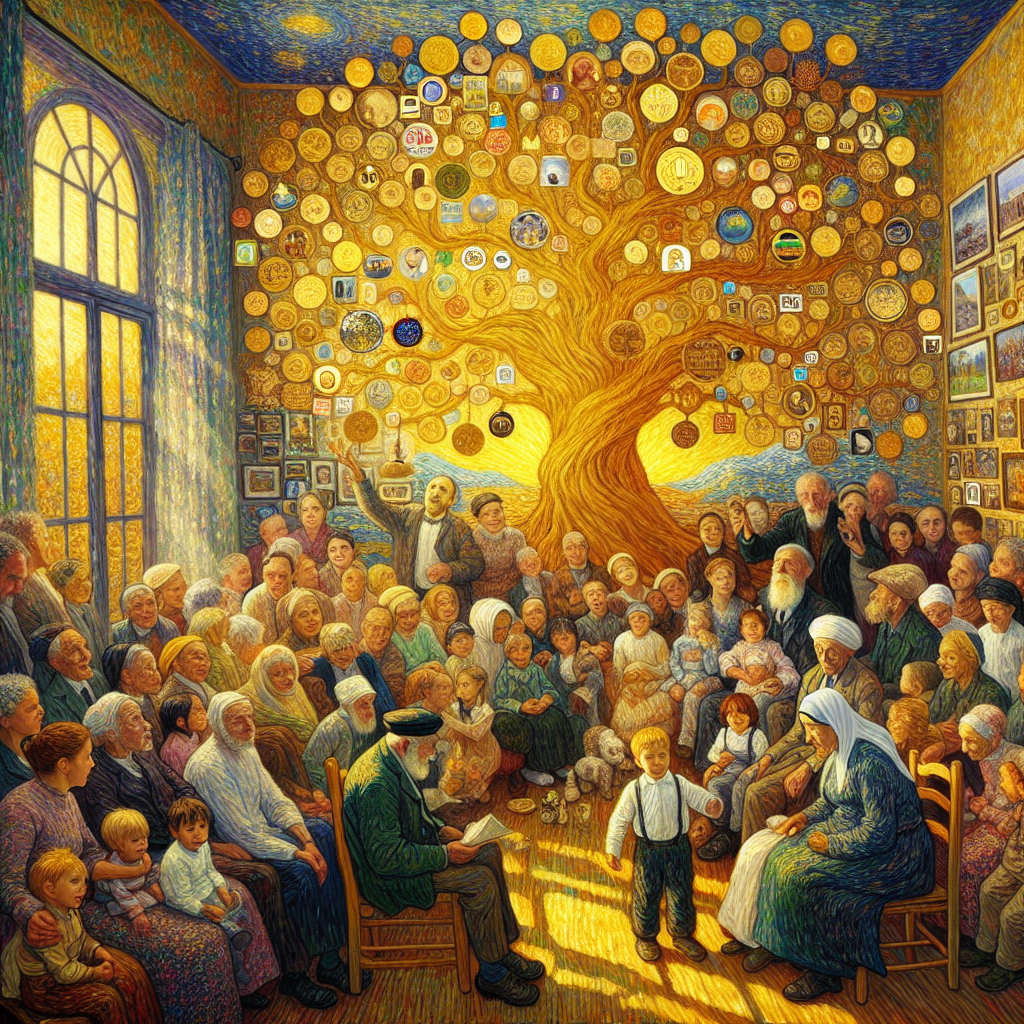
Are There Ethical Considerations In Managing Digital Legacy?
Conclusion
The digital age, with its tapestry of memories and connections, poses a unique challenge regarding how we handle our digital inheritance. As our lives spill into social media and cloud storage, we must confront the question of what happens to these memories and narratives after we’re gone. These digital treasures embody more than mere data; they encapsulate relationships and experiences that deserve recognition and preservation. Without a clear plan, our legacies could be lost amidst confusing regulations and platform policies, transforming cherished memories into shadows.
Rationally, our online assets can hold significant emotional value, impacting how loved ones connect and remember us. Lacking direction, those tasked with managing our digital remnants might inadvertently erase essential fragments of our life stories. Ethically, it’s vital we consider our families’ burden. Are we enabling them to honor our wishes, or leaving them to navigate an intricate digital maze? By creating a digital estate plan, we ensure the continuity of our legacy storytelling, providing a sense of reassurance and connection for those we leave behind.
Engaging in discussions about our digital legacy isn’t morbid; it’s an opportunity to strengthen bonds and share our values. When we articulate our desires clearly, we map out a roadmap for our loved ones, creating a foundation of understanding that will endure. This planning helps mitigate potential disputes, empowering them with the knowledge of what’s most important to us. The decisions we make today about our digital presence reflect our authority over our narrative, enabling our wishes to resonate even after we’re gone.
Moreover, our digital footprints have societal implications. Our online identities can foster connections and serve as an inspiration for others. Therefore, managing this legacy isn’t just a personal responsibility; it’s a chance to impact a broader community positively. By planning for the preservation of our digital stories and memories, we encourage a culture of trust, love, and respect among those we care about.
In the grand scope of legacy storytelling, the message is clear: plan for your digital inheritance. This thoughtful approach ensures that your stories don’t fade, that your essence lingers in the hearts of your loved ones, and that your legacy continues to inspire connection long after your final bow.

Conclusion
Conclusion:
- The digital age challenges us to manage our digital inheritance effectively.
- Our online assets harbor emotional value, representing relationships and experiences.
- Without clear plans, digital legacies risk being lost due to complex regulations and policies.
- A digital estate plan supports the continuity of storytelling and gives reassurance to loved ones.
- Discussing our digital legacy strengthens family bonds and clarifies our wishes.
- Our digital footprints can inspire and connect a broader community beyond personal relationships.
- Planning for digital inheritance ensures our stories endure, maintaining our essence and legacy.

Conclusion
Other Resources

Other Resources
Here is a list of other resources you can review online to learn more:
- LegalZoom
- LegacyFamilyTree
- Trust And Will
- EverNote
- Storyfile
- Postumo
- Remembered.com
- IronClad Family
- MyMoriam
- FindMyPast
- FuneralWise
- Ever Loved
- AmericanAncestors
- Bcelebrated
- APH
- FutureMe
- How Has Time Changed The Cost Of Capturing Family Legacy Stories
- Geni
- Storyworth
- PartingWishes
Use This Prompt To Get More Resources With Your Favorite Online AI Tool: Please provide me with a list of online articles with their URLs in a bulleted list that I can read regarding The Legal Maze Of Digital Inheritance

Other Resources
Glossary Terms
The Legal Maze Of Digital Inheritance – Glossary Of Terms
1. Digital Inheritance: The process through which digital assets and accounts are passed on after a person’s death.
2. Digital Assets: Items of value stored in digital form, including social media accounts, digital currencies, and online subscriptions.
3. Executor: An individual appointed to manage the estate of a deceased person, including the handling of digital assets.
4. Estate Planning: The process of organizing an individual’s assets and affairs to prepare for the distribution after death.
5. Will: A legal document that outlines how a person’s assets, including digital assets, should be distributed upon their death.
6. Trust: A legal arrangement where a trustee manages assets on behalf of beneficiaries, which can include digital assets.
7. Privacy Settings: Configurations on digital platforms that control who can view or access a user’s information, impacting inheritance considerations.
8. Access Credentials: Information required to access digital accounts, such as usernames and passwords.
9. Digital Profile: An individual’s online presence, which may include social media profiles, online accounts, and stored data.
10. Data Preservation: Techniques used to maintain and secure digital assets for future access by heirs.
11. Cloud Storage: Online storage services where digital files can be kept; can be part of an estate’s assets.
12. Beneficiary: A person designated to receive assets or benefits from an estate.
13. Memorialization: The process of creating a lasting digital presence for a deceased individual, often done by social media platforms.
14. Account Management: The process of overseeing and controlling ownership and access to digital accounts.
15. Interoperability: The capability of different systems or platforms to exchange and make use of information, relevant in managing digital assets across services.
16. Authentication: Verification processes that confirm a user’s identity, essential for accessing digital accounts posthumously.
17. EULA (End User License Agreement): A contract between the user and service provider that outlines the terms of service, often affecting asset transferability.
18. Crypto-Inheritance: The process of passing on cryptocurrency assets within an estate.
19. Digital Will: A specific provision in a legal will that addresses the disposition of digital assets.
20. Privacy Law: Legal regulations surrounding the protection of personal information, impacting how digital assets are handled.
21. Data Security: Measures taken to protect digital information from unauthorized access, relevant for preserving digital inheritance.
22. Social Media Policies: Guidelines set by platforms dictating how accounts are managed after a user’s death.
23. Access Transfer: The process of changing account access from the deceased to the designated heir.
24. Virtual Property: Digital items in online platforms such as gaming or virtual real estate, which can be considered in estate planning.
25. Legacy Contact: A person chosen to manage a deceased individual’s account or digital memorial on certain platforms.
26. Online Rights: Legal entitlements related to digital content, particularly concerning ownership and access after death.
27. Intestate: The state of dying without a legal will, affecting how digital assets are handled.
28. Asset Valuation: The process of determining the monetary value of digital assets for inheritance purposes.
29. Digital Executor: A person specifically designated to handle digital assets within an estate.
30. Posthumous Management: The administration and oversight of a deceased individual’s digital assets after their passing.

Glossary Of Terms
Other Questions
The Legal Maze Of Digital Inheritance – Other Questions
If you wish to explore and discover more, consider looking for answers to these questions:
- What exactly counts as a “digital asset” for estate purposes?
- Which digital accounts and files should I include in a digital asset inventory?
- How do I create and securely store a digital asset inventory?
- How can I appoint a digital executor or trustee and what powers should they have?
- Can a will legally grant access to my online accounts, or do platform policies override it?
- How do Terms of Service for different platforms affect my heirs’ ability to access or transfer accounts?
- What documentation do platforms typically require to grant access or memorialize an account?
- How do laws about digital inheritance vary by country or state?
- Can family members lawfully access my email and private messages?
- What steps should I take for cryptocurrency and other blockchain assets?
- How can I ensure access to cryptocurrency private keys or wallets after I die?
- What are the legal and practical issues with sharing passwords or storing them in a password manager?
- How should two-factor authentication and recovery methods be handled in an estate plan?
- What is the difference between memorializing and deleting a social media account?
- Can I transfer ownership of social media pages, blogs, or domain names?
- How do intellectual property rights (posts, photos, writings) transfer after death?
- How do privacy rights of third parties (messages, photos of others) affect access or publication?
- What legal documents specifically address digital assets (digital wills, clauses in traditional wills, powers of attorney)?
- How do I draft clear instructions for what should be preserved, deleted, or shared?
- How can I prevent disputes among heirs over digital content?
- What metadata or hidden data should heirs be aware of when preserving digital files?
- How long do platforms retain data of deceased users, and can heirs request deletion?
- Are there tax or financial reporting obligations related to digital assets?
- How should business-related digital accounts be handled differently from personal accounts?
- What are best practices for informing family and executors about the existence and location of digital assets?
- Should I use a professional digital legacy service, and what are the costs and trade-offs?
- How often should I update my digital estate plan and inventory?
- How do shared accounts or family-shared cloud storage complicate inheritance?
- How can I protect my loved ones from post-death identity theft or scams targeting the estate?
- What evidence is needed to prove death to service providers, and how is that typically submitted?
- How should ongoing subscriptions, automatic payments, or online businesses be closed or transferred?
- Can scheduled posts or planned online messages be executed after death, and how reliable are they?
- What ethical considerations should guide decisions about publishing sensitive or private digital material?
- How do estate attorneys typically handle digital asset disputes, and when should I consult one?
- What options exist for preserving digital memories (archiving, printed copies, curated memorial sites)?
- How do I address cross-border issues if my accounts are hosted in other countries?
- How can families locate unknown or hidden digital accounts after a loved one dies?
- What legal protections exist for heirs who access a deceased person’s accounts in good faith?

Other Questions
Haiku
The Legal Maze Of Digital Inheritance – A Haiku
Digital life entwined,
Memories cherished must live,
Plan your legacy.

Haiku
Poem
The Legal Maze Of Digital Inheritance – A Poem
In the digital realm where our lives intertwine,
Stories in pixels, memories divine.
Yet a maze of laws shrouds our legacy,
What happens to treasures when we cease to be?
A Facebook album, an emails embrace,
Fragments of life that time can’t erase.
Consider the heart, the love intertwined,
Without clear guidance, what’s left behind?
Rational thoughts of value arise,
Not just assets, but bonds in disguise.
Clear instructions become our moral quest,
To honor our wishes, to give loved ones rest.
Conversations awkward, yet vital they stand,
Crafting our wishes with a steady hand.
Plans for the future, a gift to our kin,
Ensuring the stories of our lives can begin.
Echoes of laughter, a legacy’s thread,
Navigating disputes that may lie ahead.
Empathy nurtured, wisdom we share,
Building a network of love through care.
Each post a brushstroke, a life well-defined,
In this tapestry woven, true self intertwined.
So let’s prepare, protect what we hold dear,
For our digital legacies to thrive year after year.
With a clear roadmap, through darkness we stride,
Enriching our stories, where memories abide.
In a world ever transient, let’s take a stand,
For love and connection—our ultimate brand.

Poem
Checklist
The Legal Maze Of Digital Inheritance – A Checklist
Heart
✅______ Reflect on emotional value: Identify digital assets that carry significant emotional memories (e.g., photos, messages).
✅______ Story sharing: Encourage family conversations about memories tied to your digital life to foster connection.
✅______ Legacy messages: Consider leaving recorded messages or notes that express your love and important lessons for loved ones.
Head
✅______ Create a digital estate plan: Document your online accounts and their significance clearly.
✅______ Research platform policies: Understand the terms of service for social media and digital accounts regarding posthumous management.
✅______ Appoint digital executors: Designate trusted individuals to manage your digital legacy and outline their responsibilities.
Gut
✅______ Evaluate digital footprint: Assess the impact of your online presence and ensure it reflects your values.
✅______ Have honest discussions: Talk openly with family about your wishes for your digital legacy to empower them and avoid confusion.
✅______ Prepare for disputes: Educate loved ones on peaceful conflict resolution and respectful online behavior to protect them from potential disputes.
Ethical
✅______ Foster transparency: Openly share your digital legacy plans with family to build trust and understanding.
✅______ Consider future generations: Think about how your digital stories may influence and guide future family members.
Authority
✅______ Legal documentation: Ensure you have a will and any necessary power of attorney documents specific to digital assets.
✅______ Stay informed: Regularly update your digital estate plan as laws and platform policies may change over time.
Narrative
✅______ Collect life stories: Aggregate important narratives from your digital life to create a cohesive representation of your legacy.
✅______ Engage loved ones: Encourage family to contribute stories and memories, enriching the collective narrative you leave behind.
Social
✅______ Build a support network: Create a community discussion around digital legacy within your family and friends to normalize the conversation.
✅______ Lead by example: Model responsible online behavior to inspire loved ones to honor your digital legacy authentically.

Checklist
At LegacyExplorations, we help people plan and explore their legacy by collecting information and news regarding end-of-life planning.
Please share this post with your friends, family, or business associates who may want help to plan or explore their legacy.