

Unlocking Your Legacy: The Essential Guide To Thoughtful Estate Planning
By Tom Seest
At LegacyExplorations, we help people plan and explore their legacy by collecting information and news regarding end-of-life planning.
Please share this post with your friends, family, or business associates who may want help to plan or explore their legacy.
The Missing Chapter In Estate Planning
In the world of estate planning, there’s often a conversation that gets overshadowed, tucked away in the back of our minds like an old photo album. It’s the chapter that transforms a simple distribution of assets into a compelling narrative that connects the generations. This is where Legacy Storytelling steps in. It’s not just about who gets the house or the family heirloom; it’s about the tapestry of memories and values that these items represent.
Imagine sitting with your family, sharing not just the legalities of what you leave behind, but the stories that give them life. What was the significance of that weathered pocket watch? How did a grandmother’s quilt keep the family warm on cold winter nights? These artifacts carry meaning, but without context, they risk becoming mere possessions—a loss on their own.
When we talk about legacy, let’s not forget how it shapes us—it’s both heartfelt and practical. Emotionally, stories fortify our bonds; they encourage our children to carry forward the lessons of resilience and love. Rationally, these narratives provide a framework for understanding the values and principles we stand by. They can guide future generations in how they manage assets, ensuring that money isn’t just a number, but a tool for purpose.
On an ethical level, crafting a legacy isn’t just about your desires; it’s about responsibility to those we leave behind. Each minute spent sharing these life lessons is an investment in their moral and social development. When you turn your will into a narrative, it becomes more than a legal document—it evolves into a manifesto of values, a trust passed down that serves as guidance in times of need.
And let’s not forget the power of community. Legacy Storytelling fosters connection, generating conversation among friends and family members. When you invite loved ones into this process, you’re creating a shared space to reflect and honor both past struggles and triumphs. This action builds trust and confidence, as everyone feels included in the journey of what comes next.
Ultimately, a well-rounded estate plan incorporates these stories, ensuring they resonate throughout your family for generations. So, as you consider your estate plan, remember—this is not just a conclusion, but an ongoing story waiting to be told. Don’t let this vital chapter remain missing.

The Missing Chapter In Estate Planning
The Missing Chapter In Estate Planning
- Legacy Storytelling transforms asset distribution into a narrative that connects generations.
- Family artifacts embody memories and values, which need context to avoid being mere possessions.
- Emotional storytelling strengthens family bonds and promotes resilience and love.
- Narratives provide a framework for understanding core values and managing assets responsibly.
- Crafting a legacy is a responsibility that shapes moral and social development for future generations.
- Engaging loved ones in the process fosters community, trust, and reflection on past experiences.
- A comprehensive estate plan should incorporate these stories to resonate through generations.

The Missing Chapter In Estate Planning
Table Of Contents
- The Missing Chapter In Estate Planning
- What Dreams Do You Hope to Secure for Your Loved Ones?
- Are You Prepared for Unexpected Events In Your Life?
- What Values Do You Want to Pass on Through Your Estate?
- What Legacy Do You Want to Leave Behind for Future Generations?
- Do You Understand the Emotional Impact Of Inadequate Planning?
- How Can the Right Advisor Help Clarify Your Estate Goals?
- What Are the Consequences Of Waiting too Long to Plan?
- Conclusion
- Other Resources
- Glossary Of Terms
- Other Questions
- Haiku
- Poem
- Checklist
What Dreams Do You Hope to Secure for Your Loved Ones?
When you think about the dreams you want to secure for your loved ones, it often begins with a simple question: What kind of legacy do you hope to leave? Every waking moment becomes a chance to shape a narrative, and through that narrative, we create a tapestry of our experiences. Legacy storytelling isn’t merely about leaving behind material possessions; it’s about instilling values, passions, and aspirations that resonate beyond our own lives.
Consider the warmth of a family dinner, where stories of hard work and resilience flow around the table, echoing the lessons learned from those who came before us. It’s in these moments that we realize how intertwined our lives can be. Sharing tales of struggles and triumphs fosters connection—reminding us that we’re all in this together. When you pass on your vision and hopes, you’re providing a roadmap for the future, teaching your loved ones not just to dream, but to take action toward those dreams.
From a rational standpoint, envisioning the dreams you wish for your family involves planning. Think about the education you want to provide, the adventures you hope they embark on, the skills you wish them to develop. Engaging in legacy storytelling means preparing them not just to inherit your dreams but to build their own. This involves conversations that are not merely transactional but transformative. It’s about weaving the dreams of one generation into the fabric of the next.
Ethically, we have a responsibility to guide our loved ones in their decision-making processes. Instilling strong values ensures that they approach life with integrity and purpose. When you inspire your loved ones to follow their passions, rooted in a foundation of ethical standards, you’re paving the way for them to navigate challenges with confidence.
The world is a complex place, often filled with noise and distraction. Yet, through relationship-building and vulnerability in our storytelling, we equip our loved ones with the tools they need. This isn’t just about emotional connection; it’s about harnessing our collective experiences to fortify a brighter future.
So, what dreams are you hoping to secure? What stories will you tell, and how will those stories shape the lives of those you hold dear? Your legacy is not just what you leave behind; it’s what you inspire in those who follow. Embrace the responsibility and opportunity to craft that legacy, for it is through your dreams that they will learn to dream big.

What Dreams Do You Hope to Secure for Your Loved Ones?
What Dreams Do You Hope to Secure for Your Loved Ones?
- The foundation of a legacy begins with the question of what kind of impact you wish to leave.
- Legacy storytelling involves passing down values, passions, and aspirations rather than just material possessions.
- Sharing family stories fosters connection and strengthens the bond between generations.
- Planning for a family’s future includes considering education, adventures, and skills development.
- Engaging in transformative conversations helps the next generation build their own dreams.
- Ethical guidance ensures that loved ones navigate life with integrity and confidence.
- Your legacy shapes not only what you leave behind but also inspires future generations to dream big.

What Dreams Do You Hope to Secure for Your Loved Ones?
Are You Prepared for Unexpected Events In Your Life?
Are You Prepared for Unexpected Events in Your Life?
Life is a series of unexpected moments that weave together to form our legacy. Each twist and turn can carve a story that defines who we are and what we stand for. When we think about our legacy, it’s essential to acknowledge that the unplanned is often pivotal, creating narratives that resonate with our deepest emotions, our innate sense of reason, and our collective human experience.
Consider this: how equipped are you when life hurls those curveballs your way? It’s easy to fall into the comfort of routine, believing that planning for the future means you’re prepared for everything. But reality has a way of throwing us off-course, often leaving us standing on shaky ground. There, in those uncomfortable moments, that’s where real growth happens. If we approach these unexpected events with a mindset of resilience, our story can transform into something truly extraordinary.
Rationally, we know the unpredictability of life is a given. Statistically speaking, unforeseen events happen every day—whether it’s an economic downturn, a sudden health crisis, or a natural disaster. Those who take steps to prepare—not just by writing a will or saving for a rainy day—are the ones who build their narrative with purpose. Their choices reflect a proactive mindset, acknowledging life’s unpredictability and embracing the challenge it presents.
Ethically, we owe it to ourselves and our loved ones to ensure that we are ready. Imagine the peace of mind that comes from knowing you have taken steps to protect your family, your livelihood, and your dreams. It’s a promise to those we care about that we won’t leave them to navigate chaos alone.
Emotionally, everything connects in a tapestry woven from our experiences and choices. Each challenge we face accumulates into our legacy—a story that reflects strength, courage, and compassion. In the moments when life tests us, it’s the relationships we’ve nurtured and the connections we’ve made that offer comfort and support.
Take the time to prepare, not just for your sake but for your community. Help others build their defenses against the unexpected. After all, when the storm clouds gather, it’s those who come together, sharing their stories and standing firm, who weather the storm best. It’s not just about surviving life’s unpredictability; it’s about thriving in spite of it. Your legacy, rooted in resilience and connection, can inspire others to do the same.

Are You Prepared for Unexpected Events In Your Life?
Are You Prepared for Unexpected Events In Your Life?
- Life is unpredictable, creating narratives that shape our legacy.
- Unexpected events can lead to personal growth and resilience.
- Preparation goes beyond basic planning; it requires a proactive mindset.
- Being prepared offers peace of mind and supports loved ones in chaos.
- Our experiences and choices contribute to our collective legacy of strength.
- Community support is essential during unexpected challenges.
- Thriving amidst unpredictability fosters resilience and inspires others.

Are You Prepared for Unexpected Events In Your Life?
What Values Do You Want to Pass on Through Your Estate?
When you think about the legacy you intend to leave behind, consider it not just a question of wealth, but one of values. It’s about the stories woven into the fabric of your life—narratives that reveal who you are and what you stand for. Legacy isn’t just about dollars and cents; it’s about the heartbeats of those who come after you.
Imagine your grandchildren flipping through an album of memories, their fingers brushing over photographs that transport them through time. Each image is a piece of your Legacy Storytelling—every capture an invitation to learn from your triumphs and challenges. What lessons do those snapshots convey? Maybe they reveal your work ethic, the importance of community, or how integrity served as your compass. These are the threads you want them to grasp, woven into their lives long after you’re gone.
Rationally, the estate you leave can serve as a powerful tool for instilling your values in future generations. Financial security is one thing, but what about the ideals that underpin that security? By including stipulations in your estate plan, you can ensure that your heirs understand not just the “how,” but the “why” of their inheritance. By instilling responsibilities, you set the stage for them to grow into conscientious stewards of your legacy, reinforcing notions of hard work, responsibility, and ethical decision-making.
From an ethical standpoint, think about the cultural and social values you championed throughout your life. What causes were dear to you? Is there a foundation, a museum, or a scholarship that embodies your beliefs? By aligning part of your estate with those values, you plant seeds of change that can flourish long after you’re gone. Your family and community will see firsthand the impact of your principles, fostering a culture built on trust, compassion, and resilience.
Opening up about your values can feel daunting, but it ultimately connects us. Share your story, your moments, and your beliefs. Build bridges of understanding and establish a dialogue about your wishes. This candidness not only inspires confidence in your decisions but invites your loved ones into a shared vision of what their lives can reflect.
As you ponder what you want to leave behind, let your values resonate deeply. Your story, your principles—these are the gifts that can endure, inspiring future generations to lead lives infused with purpose, just like you did.

What Values Do You Want to Pass on Through Your Estate?
What Values Do You Want to Pass on Through Your Estate?
- Legacy is more about values than wealth, reflecting the essence of who you are.
- Sharing memories through storytelling helps future generations learn from your experiences.
- Your estate can reinforce values, teaching heirs the significance behind financial security.
- Instilling responsibilities in your estate plan encourages ethical decision-making and stewardship.
- Aligning part of your estate with social and cultural values promotes lasting change.
- Open discussions about your values create connections and a shared vision among loved ones.
- Passing on your principles and stories can inspire future generations to live purposefully.

What Values Do You Want to Pass on Through Your Estate?
What Legacy Do You Want to Leave Behind for Future Generations?
In a world that often feels transient, the question of legacy looms larger than life. What will be the story told about us when we’re no longer here? It’s a daunting thought, yet it’s also profoundly liberating. Every choice we make, every relationship we nurture, and every moment we share contributes to the tapestry of our legacy. Consider the power of storytelling—your own narrative woven into the broader fabric of our communities. This isn’t just about what you leave behind materially; it’s about the values, lessons, and experiences that will echo in the lives of those who follow.
Think for a moment about the stories that have shaped you. Maybe it was a grandparent’s tales of resilience during tough times, or the simple moments shared over Sunday dinners, filled with laughter and life lessons. Each memory is part of a legacy, a testament to the perseverance and heart that define us. We have the opportunity to craft our own legacy through our actions and interactions. When we prioritize honest connection and shared experiences, we can inspire others to do the same.
We need to acknowledge our role as stewards of the future. Each decision we make can either build a path forward or create obstacles. It is essential to consider not just our immediate needs, but also the impact we have on future generations. Are we living with integrity? Are we dedicated to creating a community that thrives on mutual respect and understanding? This is the foundation of a robust legacy that resonates on moral and ethical grounds; it challenges us to think beyond ourselves.
Legacy is also about authority—recognizing that our voices carry weight. Use that voice to lift others, share your stories, and empower those around you. Your experiences can illuminate a path for the next generation, guiding them as they navigate their own journeys. In doing so, they will feel motivated to continue the cycle of storytelling, passing on the wisdom you imparted.
So, what do you want your legacy to be? Will it be one of compassion, integrity, and inspiration? Engage with the world around you; listen, learn, and act. Your story is not just yours alone; it is a thread in a larger narrative that binds us all together. Make it a tale worth telling, one that future generations will cherish and strive to continue.
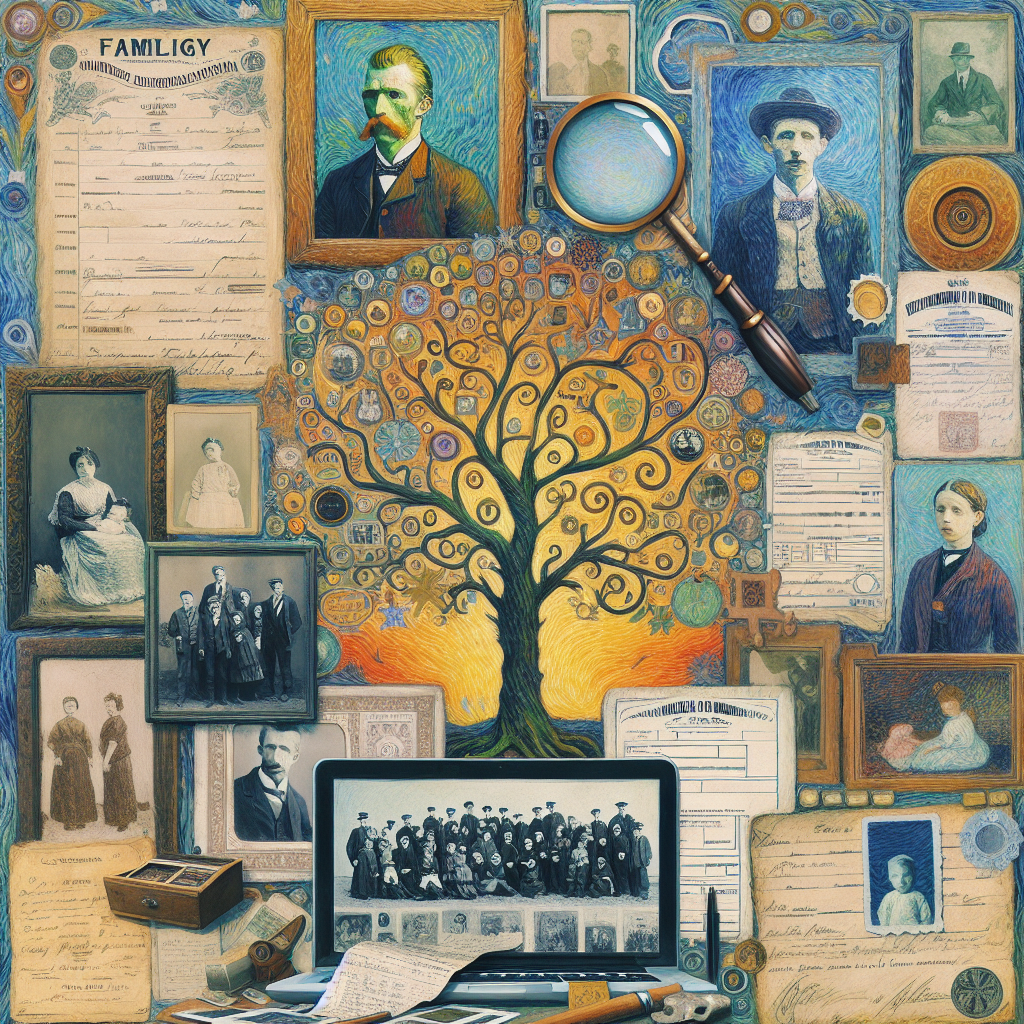
What Legacy Do You Want to Leave Behind for Future Generations?
What Legacy Do You Want to Leave Behind for Future Generations?
- The concept of legacy is vital in a transient world, prompting reflection on the stories told about us after we are gone.
- Every choice and relationship contributes to our legacy, emphasizing the importance of storytelling within communities.
- Memories, such as those shared with family, represent resilience and heart, forming an integral part of our legacy.
- We can shape our legacy through our actions, prioritizing honest connections and shared experiences that inspire others.
- Being stewards of the future involves making decisions with consideration for their impact on future generations.
- Recognizing the authority of our voices empowers us to share stories that illuminate paths for others.
- Engaging with the community and acting with compassion and integrity creates a narrative that future generations will cherish.

What Legacy Do You Want to Leave Behind for Future Generations?
Do You Understand the Emotional Impact Of Inadequate Planning?
In a world that thrives on planning, the emotional impact of inadequate foresight can be staggering. It goes beyond mere inconvenience; it infiltrates lives, relationships, and dreams. Imagine a family gathering planned meticulously, only for the host to forget critical elements—like the food or the venue. What unfolds isn’t just frustration; it’s disappointment, a sentiment that lingers long after the event.
This is where legacy storytelling comes into play. Every experience we craft shapes a story that we pass down to those around us—our friends, families, and communities. When inadequate planning disrupts that narrative, it can create a ripple effect. Individuals may find themselves questioning their choices and abilities, ultimately affecting their relationships and standing within the community. The emotional weight of mismanaged expectations can feel like a heavy anchor, dragging down not only the planner but also those who are part of the journey.
Rationally speaking, beyond the emotional turmoil, inadequate planning can have tangible repercussions. There are financial costs, missed opportunities, and wasted time—all of which could have been mitigated with thoughtful preparation. A career built on sound decisions can crumble under the strain of impulsivity. Those who lead and inspire others carry an ethical responsibility to ensure that their choices are carefully considered. It’s not just about getting through a task; it’s about fostering trust and confidence within a community.
Narratively, think of those who gather around a table, sharing laughs and stories. Each shared meal, laughter, and heartfelt conversation becomes a part of the collective experience. But envision what happens when those moments are marred by chaos born from poor planning. The narrative shifts from one of joy to one of regret, erasing memories that should have been cherished.
Socially, we thrive in connection. Adequate planning fosters environments where trust is established and nurtured. It sends a clear message: I care about this—and I care about you. When we put thought into our plans, we demonstrate respect not just for our time but also for the time of others, building a community rooted in compassion and understanding.
If we acknowledge the emotional impact of inadequate planning, we can start to mend the seams of our collective experiences. The stories we tell shape our legacies, and it’s up to us to ensure those narratives are woven with intention and care. We have the power to create moments that resonate far beyond our immediate surroundings, inspiring action and fostering connections that last a lifetime.

Do You Understand the Emotional Impact Of Inadequate Planning?
Do You Understand the Emotional Impact Of Inadequate Planning?
- Inadequate planning negatively impacts lives, relationships, and dreams.
- Disruptions in planned events lead to frustration and long-lasting disappointment.
- Legacy storytelling highlights the importance of experiences shared within families and communities.
- Emotional weight from mismanaged expectations affects not only planners but also their communities.
- Tangible repercussions of poor planning include financial costs, missed opportunities, and wasted time.
- Adequate planning builds trust and demonstrates respect for others’ time and contributions.
- Thoughtful narratives can create lasting connections and inspire positive actions within communities.

Do You Understand the Emotional Impact Of Inadequate Planning?
How Can the Right Advisor Help Clarify Your Estate Goals?
In the intricate web of life, our choices define not just our paths but also the legacies we leave behind. Choosing the right advisor can be transformative, opening doors to clarity and purpose in your estate goals. This journey isn’t solely about numbers on a balance sheet; it’s about storytelling—your legacy storytelling.
Imagine sitting down with an advisor who’s not only there to crunch figures but also to understand you. They listen to your hopes, dreams, and fears, weaving your values into a narrative that resonates with those you care about most. They help you articulate what truly matters: the family potlucks, the cherished traditions, and the lessons passed down through generations. It’s more than just wealth; it’s about preserving the memories and experiences that shape your identity.
Rationality plays a critical role as well. Estate planning can feel overwhelming—the legal jargon, the tax implications, the myriad of options. A knowledgeable advisor demystifies this complexity, providing clear strategies that align not just with your financial goals but with your vision of how you want to support your loved ones. They become your pragmatic partner, empowering you to make informed decisions that resonate with your deepest values.
From an ethical standpoint, the right advisor empowers you to honor your responsibilities. This encompasses not just family but the broader community. By thoughtfully planning your estate, you can extend your impact, ensuring your legacy enriches lives beyond your own. Your advisor can guide you on how to create charitable trusts or foundations, nurturing causes that reflect your passions and creating a ripple effect of positive change.
Social connections further enhance the process. Your advisor can facilitate conversations with family, fostering discussions that might feel uncomfortable otherwise. These dialogues are crucial, as they pave the way for understanding and unity, ensuring that when the time comes, your wishes are honored. A shared understanding breeds trust, making the family bond only stronger.
Choosing the right advisor isn’t just a matter of hiring someone with expertise; it’s about engaging a trusted ally who will walk alongside you on this crucial journey. Together, you’ll craft a roadmap for your legacy—a story that lives on, inspiring future generations.

How Can the Right Advisor Help Clarify Your Estate Goals?
How Can the Right Advisor Help Clarify Your Estate Goals?
- Choices shape our paths and the legacies we leave behind.
- Choosing the right advisor offers clarity and purpose in estate planning.
- Advisors should understand clients’ values, weaving them into a personal narrative.
- Estate planning involves more than wealth; it preserves memories and identity.
- A knowledgeable advisor simplifies complex planning processes and empowers informed decisions.
- Ethical advisors help extend impact through charitable planning, reflecting personal passions.
- Advisors facilitate family discussions to ensure unity and honor wishes, strengthening bonds.

How Can the Right Advisor Help Clarify Your Estate Goals?
What Are the Consequences Of Waiting too Long to Plan?
What Are the Consequences of Waiting too Long to Plan?
Too often, we find ourselves caught in the tide of everyday life, where tomorrow seems a distant promise. We tell ourselves, “I’ll get to it later,” or “There’s always time.” But time, like a relentless current, has a way of sweeping away opportunities, leaving behind only regrets. The consequences of procrastination in planning can echo through our lives, shaping not just our personal journeys, but the legacy we leave behind.
When we fail to plan, we risk losing more than just opportunities; we risk our dreams. Picture this: a passionate inventor with a brilliant idea that could change lives, yet they sit idle, waiting for the “right moment” that never arrives. The lack of action means stories untold, futures unmade, and lives unchanged. This isn’t mere conjecture but a truth grounded in countless legacy storytelling moments—where those who acted, despite fears and uncertainties, created ripples that resonated through generations.
Rationally, we understand that plans provide structure and direction. They serve as blueprints, guiding us through uncertainty. A well-thought-out plan equips us to tackle challenges head-on and adapt when the path shifts unexpectedly. Without it, we navigate blindfolded, stumbling through without purpose or clarity, which can lead to costly mistakes, misplaced resources, and lost time. The regret of opportunities bypassed is a heavy burden to carry; it weighs on the heart and the mind alike.
Ethically, we owe it to ourselves and those we impact—our families, our communities—to take the reins of our own destinies. Planning is not merely a personal endeavor; it’s a communal act of responsibility. When we delay, we can inadvertently let others down, denying them the benefits of our choices. Every moment wasted is a chance lost to build something greater than ourselves, to inspire and uplift.
Engaging in plan-making not only allows us to align our actions with our values but also nurtures the connections we forge with others. Sharing our visions and inviting collaboration can ignite passion and creativity. It’s in this collective effort that we find strength and purpose, transforming our plans into collective stories of success.
So, take that first step. Don’t let procrastination define your legacy. Embrace the present, plan for the future, and ensure that when you look back, it’s with pride, knowing you made choices that mattered. The time to act is now; the time to plan is today.

What Are the Consequences Of Waiting too Long to Plan?
What Are the Consequences Of Waiting too Long to Plan?
- Procrastination in planning leads to lost opportunities and regrets.
- Failure to act can mean dreams remain unfulfilled and lives unchanged.
- Planning provides structure and direction, helping to navigate uncertainties.
- Without a plan, individuals may make costly mistakes and waste resources.
- Planning is a communal responsibility that impacts families and communities.
- Collaborative planning can enhance creativity and strengthen connections.
- Immediate action in planning is crucial for a legacy that matters.

What Are the Consequences Of Waiting too Long to Plan?
Conclusion
In the realm of estate planning, a crucial element often overlooked is Legacy Storytelling—a transformative way to connect emotions, values, and experiences across generations. This chapter is more than just a matter of allocating assets; it’s about infusing those assets with meaning and context. Visualize gathering family members, sharing not just who inherits what, but the profound stories behind cherished items that have nourished your family history. The weathered pocket watch or the grandmother’s quilt carries tales of resilience and love, waiting to be shared and treasured.
Crafting a meaningful legacy intertwines the heartfelt with the practical. Emotionally, these narratives forge strong bonds among family members, instilling values that inspire future generations. Rationally, such storytelling clarifies the principles and guidelines for managing wealth, transforming mere finances into purposeful tools. Ethically, we hold a responsibility to share our wisdom, ensuring that our loved ones inherit not just material wealth but the moral compass to navigate life’s complexities.
Community plays a pivotal role in this process. Legacy Storytelling creates a space for meaningful conversations that honor both triumphs and struggles, building trust and confidence as family members feel included in a shared journey. A well-rounded estate plan isn’t merely about what assets are left behind; it’s about ensuring that memories and lessons endure, echoing through generations.
Consider what dreams you wish to secure for your loved ones. It’s about more than money; it’s about shaping their aspirations and values. Embracing Legacy Storytelling means sharing not just dreams of education or career paths, but also inspiring a spirit of action and resilience. Weaving the lessons from our experiences into their lives equips the next generation to carry the torch with purpose and integrity.
Life is unpredictable, and inadequate planning can result in consequential emotional distress. Each twist in the road serves as an opportunity to impart wisdom and a chance to prepare those we leave behind for unforeseen challenges. Engaging in proactive planning is an act of love and responsibility, ensuring that our legacy is one of strength and unity, rather than chaos and uncertainty.
Ultimately, the essence of estate planning lies in the values we impart. As we contemplate our legacies, we mustn’t forget the stories that shape us. This journey is not about what’s left behind; it’s about inspiring hope, courage, and a sense of community for those who follow. Let’s ensure that the missing chapter in estate planning is filled with tales that not only define our heritage but also inspire future generations to dream big and live fully.

Conclusion
Conclusion:
- Legacy Storytelling is essential in estate planning, connecting emotions and values across generations.
- This process enriches assets with meaning, highlighting the stories behind family heirlooms.
- Emotionally, storytelling strengthens familial bonds, instilling values for future generations.
- Rationally, it clarifies wealth management principles, turning finances into meaningful tools.
- Community involvement fosters trust and confidence, ensuring shared journeys in family narratives.
- Planning for a legacy encompasses dreams beyond money, shaping aspirations and resilience in future generations.
- The core of estate planning lies in the stories that inspire hope and courage for those who inherit.

Conclusion
Other Resources

Other Resources
Here is a list of other resources you can review online to learn more:
- LegalNature
- YouMattered
- AmericanAncestors
- Association of Personal Historians
- Legacy
- LegalZoom
- Obituary Templates
- Storyfile
- Funeral Services Guide
- INELA
- Digital Legacy Association
- Meminto
- Willmaker
- Storyfile Life
- Remembered.com
- Personal Legacy Advisors
- Storyworth
- LivingDNA
- Directive Communication Systems
- USLegalWills.com
Use This Prompt To Get More Resources With Your Favorite Online AI Tool: Please provide me with a list of online articles with their URLs in a bulleted list that I can read regarding The Missing Chapter In Estate Planning

Other Resources
Glossary Terms
The Missing Chapter In Estate Planning – Glossary Of Terms
1. Asset Protection: Strategies to guard an individual’s wealth from claims by creditors and lawsuits.
2. Beneficiary: A person or entity designated to receive assets or benefits from a trust, will, or insurance policy.
3. Charitable Remainder Trust: A trust that provides income to a recipient for a specified period before the remainder goes to charity.
4. Durable Power of Attorney: A legal document allowing someone to act on another’s behalf in financial matters, even if they become incapacitated.
5. Estate Tax: A tax imposed on the net value of the estate of a deceased person before distribution to beneficiaries.
6. Executor: An individual appointed to manage and distribute a deceased person’s estate according to their will.
7. Fiscal Year: A 12-month period used for accounting purposes that may not coincide with the calendar year.
8. Gift Tax: A federal tax on the transfer of property to another person without receiving something of equal value in return.
9. Heir: A person legally entitled to inherit assets from a deceased individual under laws of intestacy or a will.
10. Intestate: The status of a person who dies without a valid will, resulting in assets being distributed according to state laws.
11. Living Trust: A trust created during an individual’s lifetime that can be altered or revoked, allowing for the management of assets before and after death.
12. Marital Trust: A trust set up to provide income to a surviving spouse, with the remaining assets passing to other beneficiaries after their death.
13. No-Contest Clause: A provision in a will or trust that disinherits a beneficiary if they contest the document.
14. Power of Appointment: The authority granted to an individual to decide how certain assets in a trust will be distributed.
15. Probate: The legal process of validating a deceased person’s will and distributing their assets under court supervision.
16. Qualified Terminable Interest Property (QTIP): A trust allowing a surviving spouse to receive income during their lifetime, with principal going to other heirs upon their death.
17. Revocable Trust: A trust that can be altered or dissolved by the grantor during their lifetime, avoiding probate.
18. Succession Planning: The process of planning for the transfer of an individual’s wealth and responsibilities upon their death or incapacitation.
19. Testamentary Trust: A trust established through a will that takes effect upon the death of the grantor.
20. Trustee: An individual or entity tasked with managing and distributing the assets held in a trust according to its terms.
21. Valuation Date: The date used to determine the value of an estate for tax or distribution purposes.
22. Will: A legal document expressing an individual’s wishes regarding the distribution of their assets upon death.
23. Tax Deferral: A strategy allowing a taxpayer to postpone paying taxes until a later date.
24. Estate Planning: The process of outlining how an individual’s assets and responsibilities will be managed and distributed after their death.
25. Contingent Beneficiary: An individual or entity designated to receive benefits if the primary beneficiary is unable to do so.
26. Health Care Proxy: A legal document designating an individual to make medical decisions on behalf of another if they are incapacitated.
27. Living Will: A document outlining an individual’s preferences for medical treatment in circumstances where they cannot express their wishes.
28. Right of Survivorship: A feature of joint ownership where, upon one owner’s death, their share automatically passes to the surviving owner(s).
29. Legacy Planning: Strategies aimed at transferring values, assets, and family traditions across generations.
30. Estate Freeze: A strategy to lock in the value of an estate for tax purposes, allowing future appreciation to pass to heirs, minimizing estate tax liability.

Glossary Of Terms
Other Questions
The Missing Chapter In Estate Planning – Other Questions
If you wish to explore and discover more, consider looking for answers to these questions:
- What specific legal documents should I include in my estate plan (will, trust, powers of attorney, health care directive)?
- How do I choose the right type of trust for my goals (revocable vs. irrevocable, special needs, charitable)?
- How do I select and vet an estate planning advisor or attorney?
- What are the costs involved in creating and maintaining an estate plan?
- How often should I review and update my estate plan?
- How do I communicate my legacy stories and values effectively to my heirs?
- What are the best methods for preserving personal stories and artifacts (audio/video recordings, letters, digital archives)?
- How can I document the provenance and meaning of sentimental items to avoid future disputes?
- How should I handle distribution of items with strong emotional value but unclear ownership expectations?
- How do I ensure my wishes are respected if family members disagree?
- What is a letter of instruction and should I include one?
- How do I provide liquidity to pay taxes and expenses without forcing asset sales?
- What are the probate implications of my chosen plan and how can I minimize probate time and cost?
- What estate tax rules apply to me at federal and state levels, and how can I plan for them?
- How do I plan for incapacity or sudden medical emergencies (durable power of attorney, living will)?
- Who should I name as executor, trustee, guardian, and power of attorney, and what responsibilities will they have?
- How do I plan for the care and guardianship of minor children or dependents with special needs?
- How can I integrate charitable giving or foundations into my legacy plan?
- What strategies exist for tax-efficient philanthropic giving (donor-advised funds, charitable remainder trusts)?
- How do I handle business succession and ensure continuity for a family business?
- How do I protect assets from creditors, lawsuits, or remarriage situations?
- How should I treat stepchildren, adopted children, and estranged relatives in my plans?
- What are the considerations for digital assets and online account access after death?
- Where and how should I securely store estate documents and passwords?
- How can I educate and prepare my heirs to be responsible stewards of inherited assets?
- What mechanisms can encourage heirs to honor the values and purpose behind an inheritance?
- How do conditional gifts or inheritance stipulations work and are they enforceable?
- What are common ethical dilemmas in estate planning and how should I address them?
- How can I create a memorial or ritual that reflects my legacy and values?
- What should I include if I want to fund education, entrepreneurship, or specific dreams for heirs?
- How do I ensure continuity of family traditions and cultural heritage across generations?
- How do I balance fairness with intentionality when dividing assets among heirs?
- What steps should I take to prevent or resolve family disputes (mediation, family meetings, clear documentation)?
- How does waiting to plan affect tax, legal, and emotional outcomes for my family?
- How do I incorporate long-term care and Medicaid planning into my estate strategy?
- How do life insurance and annuities factor into legacy planning?
- What appraisal and valuation processes are needed for real estate, businesses, and collectibles?
- How can I structure an estate to support community causes and social impact over time?
- What are the implications of owning assets in multiple states or countries?
- How can I protect the privacy of my family while sharing meaningful stories publicly?
- What practical steps can I take now to start legacy storytelling with my family?
- How do I plan for pets and other nonhuman dependents in my estate?
- What records should I maintain to make executor and trustee duties easier?
- How do I handle the discovery and distribution of heirlooms discovered after my death?
- What resources exist to help families record oral histories or digitize archives affordably?

Other Questions
Haiku
The Missing Chapter In Estate Planning – A Haiku
Legacy we weave tight,
Stories echo through our halls,
Hearts, dreams intertwined.

Haiku
Poem
The Missing Chapter In Estate Planning – A Poem
In the quiet shadows of tomorrows dawn,
Lies a chapter waiting, a legacy drawn.
Not just bricks and mortar, but stories untold,
Woven with memories, worth more than gold.
Gather round the table, let the narratives flow,
Each heirloom a whisper of loves tender glow.
A watch, a quilt, the laughter shared—
These artifacts hold the dreams weve dared.
What dreams do you weave for those yet to see?
A tapestry rich with both heart and decree.
Through struggle and triumph, through wisdom and grace,
Teach them lifes lessons, in every embrace.
The storms of existence may rattle and shake,
But with preparation, foundations we make.
For when lifes curveballs bring chaos and strife,
Our resilience blooms, birthing strength in life.
Values entwined in the fabric we leave,
A roadmap for others, as they strive and believe.
Instill in them passion, integrity’s might,
So their dreams grow like beacons, shining bright.
The clock ticks relentlessly, tomorrows not sure,
Procrastinations grip can sometimes obscure.
Plan with intention, don’t let chances slip,
For the legacy shared holds loves steadfast grip.
Engage the right guides on this intricate quest,
Seek clarity, wisdom—allow them to jest.
Through connection and stories, we weave a full tale,
Crafting a future where love will prevail.
So ponder your legacy, the tale you would write,
Let each choice resonate, bring warmth to the night.
For in the end, its not wealth that defines,
But the love that weve shared through the pathways of time.

Poem
Checklist
The Missing Chapter In Estate Planning – A Checklist
Emotional Appeals
✅______ Reflect on the stories behind your cherished possessions. What memories do they hold?
✅______ Identify the values and lessons you want to communicate to your loved ones.
✅______ Plan family gatherings to share historic and personal narratives.
Rational Appeals
✅______ Outline the financial goals you wish to achieve through your estate plan.
✅______ Assess the impact of your assets on future generations, ensuring they understand the purpose behind wealth.
✅______ Discuss strategies with an advisor to clarify your estate goals and simplify complex decisions.
Ethical Appeals
✅______ Consider the responsibilities you have to your family and community. How can your estate reflect these?
✅______ Create stipulations in your estate plan that align with your values and promote ethical decision-making in heirs.
✅______ Explore charitable options to support causes that matter to you, ensuring your legacy fosters positive changes.
Authority Appeals
✅______ Seek advice from a knowledgeable estate planning advisor who values your narrative.
✅______ Collaborate with trusted experts to create a comprehensive estate plan that embodies your wishes.
✅______ Take the lead in guiding family conversations about your legacy to ensure clarity and understanding.
Narrative Appeals
✅______ Craft a personal narrative that intertwines your life experiences with your estate plan.
✅______ Share memories and stories during family discussions to deepen connections and understanding.
✅______ Reflect on how your journey can inspire future generations, creating a narrative they can draw from.
Social Appeals
✅______ Foster an environment of openness with family members around discussions of legacy and estate planning.
✅______ Encourage participation from loved ones in creating a family legacy that honors collective experiences.
✅______ Build community ties by considering how your legacy impacts friends and neighbors beyond your immediate family.

Checklist
At LegacyExplorations, we help people plan and explore their legacy by collecting information and news regarding end-of-life planning.
Please share this post with your friends, family, or business associates who may want help to plan or explore their legacy.