

Unearthing Stories We Can’T Afford To Forget Together
By Tom Seest
At LegacyExplorations, we help people plan and explore their legacy by collecting information and news regarding end-of-life planning.
Please share this post with your friends, family, or business associates who may want help to plan or explore their legacy.
The Missing Voice Behind the Archive
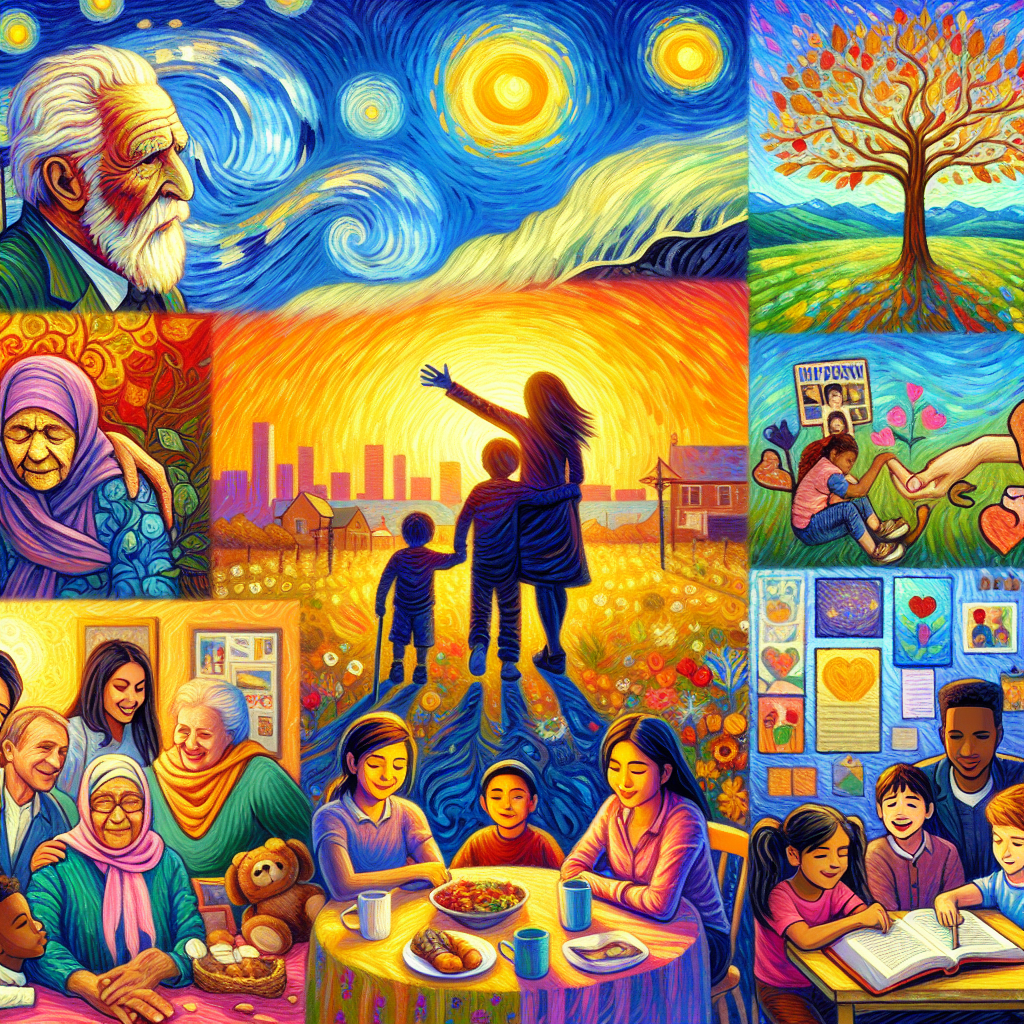
In every corner of our world, there’s a tapestry woven from the threads of countless lives, a narrative of experiences that define us. Yet, among the artifacts of history—photographs, letters, and documents—there exists a crucial element often overlooked: the human voice. It’s not just the words written down, but the stories behind them that paint the full picture. This is the essence of Legacy Storytelling, where every tale deserves to be not just archived, but also brought to life.
Imagine a dusty box hidden in an attic, filled with letters from a grandmother penned in her youth. Each note carries a piece of her spirit, a testament to her joys, struggles, and dreams. But without a voice, those emotions lay dormant, waiting for someone brave enough to unpack them. This is where we find ourselves today—standing at the intersection of history and humanity, yearning to connect beyond mere records. The missing voice behind the archive is crucial not only for understanding our past but for shaping our future.
Eluding the cold, detached language of academia, we must recognize the power of telling stories with warmth and authenticity. We are called to honor the lives of those who came before us by embracing their narratives rather than relegating them to silent artifacts. When we breathe life into these accounts, we foster a sense of belonging in our community, igniting a desire to remember and preserve the lessons learned from every triumph and trial.
Moreover, it’s not just about the individual; these stories resonate with our collective conscience. They forge connections between generations, bridging the gap of understanding and empathy. When we convey these rich narratives, we not only inform but inspire action and courage in our own lives. We find ourselves compelled to engage with the stories that matter—whether it’s rallying for a cause or advocating for preservation.
The ethical duty to keep these voices alive transcends time. As stewards of history, we nurture our shared identity. By spotlighting those voices that have been silenced, we offer a chance for others to listen, learn, and grow. So, as we delve into the depths of the archive, let’s commit to amplifying that missing voice. Because in every forgotten story lies the potential to enlighten, motivate, and transform. Together, we build a legacy that honors our past while inviting others to join in the conversation, fostering a richer narrative for all.

The Missing Voice Behind the Archive
The Missing Voice Behind the Archive
- The world is a tapestry of countless lives and experiences, with the human voice as an often-overlooked element.
- Legacy Storytelling highlights the importance of not just archiving but bringing stories to life.
- Personal artifacts like letters can convey deep emotions and are essential to understanding individual histories.
- The missing voice in archives connects us to our past and shapes our future.
- Telling stories with warmth fosters a sense of community and honors the lives of those before us.
- These narratives not only resonate with individuals but also bridge generational gaps and inspire action.
- As stewards of history, we have an ethical duty to amplify silenced voices, enriching our collective narrative.

The Missing Voice Behind the Archive
Table Of Contents
- The Missing Voice Behind the Archive
- What Stories Remain Untold In the Archive?
- How Do We Preserve Lost Voices?
- What Happens When History Is Incomplete?
- What If We Could Resurrect Silenced Narratives?
- How Do Archived Voices Shape Our Identity?
- Who Decides Which Stories Matter Most?
- Can Forgotten Voices Inspire Change Today?
- Conclusion
- Other Resources
- Glossary Of Terms
- Other Questions
- Haiku
- Poem
- Checklist
What Stories Remain Untold In the Archive?
In every nook and cranny of our archives lie countless stories, whispering from the shadows, yearning to be unearthed. These are the legacy storytelling moments that have the potential to bridge the past with the present, connecting us in ways we might not fully understand. Each story is a thread in the tapestry of our shared experience, holding the promise of insights and lessons that shape who we are and who we aspire to be.
Consider the voice of a forgotten craftsman, pouring his heart into the intricate details of his trade. His story is more than just a record of labor; it’s a testament to dedication and passion, an embodiment of the ethics we often overlook in our fast-paced world. These narratives, rich in authenticity, challenge us to reflect on our values and the essence of our pursuits. They remind us that every job, when done with purpose, contributes to a larger legacy.
As we sift through the remnants of history, we begin to understand the power of perspective. What does it mean to have a voice in a world that often tries to silence individuals? When we prioritize the stories of everyday heroes—those who shaped their communities with grit, resilience, and compassion—we ignite a sense of accountability within ourselves. This isn’t just about preserving history; it’s about inspiring actionable steps in our own lives.
Let’s engage our senses: imagine the aroma of fresh lumber being shaped into a masterpiece, or the sound of a child’s laughter echoing in a neighborhood once bustling with life. By tapping into these visceral memories, we create a narrative that resonates deeply. We’re not merely cataloging artifacts; we’re inviting people into an emotional experience that fosters connection.
As you delve into these untold stories, consider the influence of community. Each unsung tale, whether of sacrifice, triumph, or perseverance, strengthens our resolve to recognize the unseen voices among us. They deserve an audience, and in giving them one, we affirm our commitment to acknowledging every facet of our shared humanity.
The stories that remain untold in our archives are not just relics of history. They are calls to action, urging us to remember, to honor, and to connect. They ask us to probe deeper, to explore the legacy storytelling that shapes our identities and to ensure that no voice is left behind. Embrace these narratives, for within them lies the potential to inspire change and build a more informed, empathetic world.

What Stories Remain Untold In the Archive?
What Stories Remain Untold In the Archive?
- Archives contain countless untold stories that link the past and present.
- Each story contributes to our shared experience, offering insights and lessons.
- The narrative of a forgotten craftsman exemplifies dedication and ethics in our fast-paced world.
- Every job done with purpose adds to a larger legacy and encourages value reflection.
- Prioritizing everyday heroes fosters a sense of accountability and inspires action.
- Engaging the senses helps create emotional connections through storytelling.
- Untold stories serve as calls to action, urging recognition of all voices in our shared humanity.

What Stories Remain Untold In the Archive?
How Do We Preserve Lost Voices?
In a world overflowing with noise, the echoes of those who came before us can easily fade into obscurity. It’s not just about collecting dusty artifacts or compiling historical records; it’s about crafting a living Legacy—one that breathes life into the stories of individuals whose voices deserve to be heard. Every person carries with them a unique narrative, a tapestry woven from experiences, challenges, triumphs, and failures. When we engage in Legacy Storytelling, we don’t merely recount events; we transform lives into tales that connect generations.
Imagine a grandparent sitting with their grandchild, sharing tales of resilience during hard times, or recounting the joy of simple moments now reduced to memory. This isn’t just storytelling; it’s an exchange of wisdom—a transfer of identity. When we take the time to listen, we anchor ourselves in a web of shared humanity. The voices of those who came before guide us not only in understanding our past but in navigating our present and future. The rich narratives we inherit allow us to feel the weight of history pressing upon us, shaping our values and urging us toward better choices.
Preserving lost voices requires a commitment that goes beyond mere preservation. It hinges on our willingness to connect with those narratives and, in turn, with each other. In a society increasingly fractured by division, these stories serve as vital bridges. They remind us that our struggles are shared, that our victories are collective, and that compassion lies in recognizing the humanity in one another.
This endeavor also calls for accountability. As custodians of these stories, we bear the ethical responsibility to share them accurately and authentically. It’s imperative that we amplify those voices that have been marginalized or overlooked, not just for their sake but for our own. The authority we wield in narrating these stories carries the potential to honor the past while molding a more inclusive future.
Let’s not let the tales of those who walked this earth before us be drowned out by the clamor of the present. Instead, we can foster an engaged society by actively preserving and promoting Legacy Storytelling. Every story shared strengthens our communal fabric, creating a sense of belonging that reverberates through time. It’s time to pick up the mantle, elevate these voices, and ensure that the narratives of our past resonate loudly and clearly for generations to come.

How Do We Preserve Lost Voices?
How Do We Preserve Lost Voices?
- The importance of Legacy Storytelling lies in preserving the narratives of individuals to connect generations.
- Every person has a unique story shaped by their experiences, challenges, and successes.
- Storytelling serves as an exchange of wisdom, anchoring connections in shared humanity.
- Engaging with these stories helps us understand our past, present, and future.
- Preservation of lost voices fosters connections in a divided society, reminding us of shared struggles and victories.
- There is an ethical responsibility to share these stories authentically, amplifying marginalized voices.
- Preserving and promoting Legacy Storytelling enhances communal bonds and ensures narratives resonate for future generations.

How Do We Preserve Lost Voices?
What Happens When History Is Incomplete?
In a world overflowing with information, we often overlook the stories beneath the surface—the narratives that shape our understanding of who we are and where we come from. History, when incomplete, becomes a puzzle missing crucial pieces. Think about the legacy we leave behind. Each of us is part of a larger tapestry, woven through moments of triumph and adversity. Yet, when we neglect certain stories, we risk crafting a legacy that lacks the depth and richness necessary for future generations to connect with their roots. We miss out on valuable lessons tucked away in the shadows.
Imagine walking into a room filled with artifacts from the past, each item a piece of someone’s journey. A rusted tool from an ancestor who toiled in a field. A faded letter marking the passing of an era. These remnants are part of a larger story, an intricate dance of human experience. When only fragments are preserved, the audience is left to fill in the blanks, often with assumptions or misconceptions. Such gaps can skew our understanding and, worse, create divides among communities. It’s like hearing the beginning of a thrilling tale, only to have the pages torn out before the climax.
The ethical component of preserving history cannot be overstated. We owe it to those who lived before us to honor their experiences by telling their complete story. This isn’t just an act of respect; it’s an investment in our collective future. When we celebrate every voice—especially those often left unheard—we forge connections that highlight our shared humanity. It’s through this narrative that we develop empathy and understanding, bridging gaps that otherwise might remain unvisited.
Socially, the implications of an incomplete history are profound. It creates an environment where stereotypes thrive, and ignorance is perpetuated. When we take the time to delve deeper, to engage in comprehensive legacy storytelling, we arm ourselves with knowledge that dispels myths and fosters trust. A community rich in diverse narratives breeds resilience and inclusivity, the very fabric of a thriving society.
As we navigate our lives today, let’s remember: every story matters. The past is not just a timeline but a heartbeat echoing through generations. Each of us holds the power to contribute to this ongoing narrative, shaping the legacy that will resonate for those to come. Embrace the unfinished stories; they hold the keys to understanding the full essence of our shared human experience.

What Happens When History Is Incomplete?
What Happens When History Is Incomplete?
- Stories shape our identity and understanding of history.
- Incomplete history risks crafting a superficial legacy for future generations.
- Artifacts hold significant narratives about individual journeys and human experience.
- Preserving complete stories honors past lives and enriches our collective future.
- Celebrating diverse voices fosters empathy and understanding among communities.
- Incomplete histories can perpetuate stereotypes and ignorance.
- Each individual’s story contributes to a richer narrative that echoes through generations.

What Happens When History Is Incomplete?
What If We Could Resurrect Silenced Narratives?
In a world brimming with stories, some echo loudly while others languish in the shadows, waiting for a spotlight. These silenced narratives represent not just lost voices but a wealth of wisdom and experience that can enrich our collective journey. Imagine if we dedicated ourselves to resurrecting these stories, weaving them into the fabric of our society—a pursuit steeped in the profound art of legacy storytelling.
Consider this: each silenced narrative carries the weight of lived experience, an intricate tapestry of struggles, triumphs, and the lessons learned along the way. By resurrecting these stories, we reconnect with our shared humanity, fostering a sense of belonging that transcends individual experiences. The narratives of those who came before us serve as guideposts, helping us navigate the complexities of today’s world. They offer perspectives on resilience and courage, igniting sparks of inspiration in our hearts and minds.
Yet, it’s not merely an emotional endeavor; it’s a rational call to action. Silenced narratives can illuminate blind spots in our understanding of history, culture, and society. When we embrace these stories, we challenge the dominant narratives that have shaped our worldview, questioning the ethics of exclusion. This pursuit is about equity and justice—ensuring every voice has a seat at the table. It’s about validating those once relegated to the margins and recognizing the immense contributions they’ve made to our communities.
Authority comes into play when we consider the responsibility we hold to honor these stories. Documentarians, writers, and everyday individuals can become stewards of this legacy storytelling, ensuring these voices are heard by future generations. Through oral histories, art, and literature, we can amplify these narratives, creating platforms for dialogue and understanding.
Let’s not forget the social appeal of resurrecting silenced narratives. When we engage with another’s story, we foster empathy and connection. We begin to see beyond labels and stereotypes, recognizing our common threads. The act of sharing these stories invites the community to participate in healing, bridging divides, and sparking conversations that matter.
In resurrecting these silenced narratives, we not only enrich our lives but also take an important step towards building a more inclusive and compassionate world. By acknowledging and celebrating the legacies around us, we empower others to share their stories, creating a powerful ripple effect that can transform society—one narrative at a time.

What If We Could Resurrect Silenced Narratives?
What If We Could Resurrect Silenced Narratives?
- Silenced narratives represent lost voices and a wealth of wisdom that can enrich our society.
- Each story carries lived experiences, struggles, and triumphs that foster a sense of belonging.
- Resurrecting these stories helps us navigate today’s complexities and inspire resilience and courage.
- It challenges dominant narratives, promoting equity and justice by validating marginalized voices.
- Documentarians, writers, and individuals can steward legacy storytelling for future generations.
- Engaging with these narratives fosters empathy, connection, and community healing.
- Acknowledging legacies empowers others to share their stories, creating a transformative societal ripple effect.

What If We Could Resurrect Silenced Narratives?
How Do Archived Voices Shape Our Identity?
Voices from the past offer more than mere echoes; they are the backbone of our identities, weaving a tapestry of shared experiences and collective wisdom. These archive voices capture the essence of who we are, illuminating the paths we’ve walked while guiding us forward. In a world that often seems obsessed with the fleeting nature of trends, there’s an undeniable comfort in legacy storytelling—the stories that age like fine wine, providing depth and context to our existence.
Consider the narratives passed down through generations—each story a thread, interlacing the fabric of our identity. By engaging with these archived voices, we unlock essential truths that resonate through time, connecting us not only to our ancestors but also to the values that bind us as a community. These tales stretch beyond individual experience; they foster a sense of belonging, reminding us that we’re part of something larger, a vast human experience that transcends geographical and temporal boundaries.
But why does this matter? When we listen to the voices of the past, we ground ourselves in history, anchoring our present actions in the lessons learned by those who came before us. These narratives provide a framework for understanding our own struggles and triumphs. They present opportunities for reflection, inviting us to reconsider our choices and the impact they have on our identities. This is not just nostalgia—it’s a powerful realization that our decisions resonate across time.
There’s also an ethical dimension at play. Engaging with archived voices demands a respect for their stories, an acknowledgment that history belongs to more than just the victors. By amplifying diverse narratives, we challenge prevailing myths and empower marginalized voices. This commitment shapes our collective identity and fosters a culture of inclusivity, underscoring that every life experience matters.
So, what are you waiting for? Dive into the well of legacy storytelling. Seek out those stories in your own family, community, or even historical archives. Find the accounts that move you, that inspire you. In doing so, you’ll not only enrich your own identity but also contribute to the enduring dialogue that shapes our shared humanity.
These archived voices are not merely historical artifacts; they are vital lifelines, connecting our past, present, and future. Embrace them, and let them illuminate your path as you navigate the complexities of identity in a rapidly changing world.

How Do Archived Voices Shape Our Identity?
How Do Archived Voices Shape Our Identity?
- Voices from the past are essential to our identities, providing a foundation of shared experiences and wisdom.
- Legacy storytelling offers comfort and context in a trend-driven world, with stories aging like fine wine.
- Narratives passed down through generations interlace the fabric of our identity and connect us to our ancestors.
- Listening to these voices grounds us in history, helping us understand our struggles and decisions’ impact on our identities.
- Engaging with archived voices respects diverse narratives and empowers marginalized perspectives, fostering inclusivity.
- Diving into legacy storytelling enhances personal identity and contributes to the collective human dialogue.
- Archived voices serve as vital connections between our past, present, and future, guiding us through identity complexities.

How Do Archived Voices Shape Our Identity?
Who Decides Which Stories Matter Most?
In a world overflowing with information, the real challenge isn’t merely finding stories—it’s deciding which ones resonate and stick. This is where legacy storytelling comes into play. We gravitate toward narratives that connect us, igniting emotions we sometimes forget we have. These stories become the fabric of our shared experience, weaving together the past and present, shaping our identity and values.
Consider the stories we hold dear. They often reflect not just events but the very essence of who we are: the sacrifices of our ancestors, the triumphs of ordinary folks, and the lessons passed down through generations. It’s not about the loudest voice in the room; it’s about the stories that whisper truths we need to hear. The moral fiber of a community is stitched together by these threads of legacy storytelling. They remind us that our struggles and victories are shared, creating a deeper bond and understanding among us.
But who gets to choose which narratives thrive? That task rests on the shoulders of those in positions of authority, whether they’re journalists uncovering the hidden gems of human experience, curators selecting art that reflects society, or educators shaping young minds. These gatekeepers wield immense power, filtering the noise and amplifying the heart. Their choices dictate what we consider important, igniting conversations that can transform our thoughts and actions.
Rationally, we might seek data and statistics to identify trending topics, but the heart often leads. The most compelling stories touch on what it means to be human: love, loss, hope, and resilience. These narratives resonate with our guts, provoking reactions that compel us to engage, to act. They challenge us to reflect on our beliefs and values, inviting us into a dialogue based on empathy and understanding.
Yet, this process doesn’t unfold in isolation. It requires a community—a collective willing to share, to listen, and to reflect. As we share our own stories, we not only honor our legacy but also invite others to do the same. This mutual exchange builds trust and confidence, creating a tapestry of experiences that enriches us all.
The stories that matter most are the ones that touch lives, inspire change, and foster a sense of belonging. They are the echoes of our shared humanity, reminding us of the power we hold to shape the narratives of our time. Together, let’s choose wisely and champion those tales that move us to action.

Who Decides Which Stories Matter Most?
Who Decides Which Stories Matter Most?
- In an information-saturated world, the challenge is identifying resonant stories.
- Legacy storytelling connects and ignites emotions, shaping our identity and values.
- Meaningful tales reflect our essence, including sacrifices and triumphs of our ancestors.
- Gatekeepers like journalists, curators, and educators influence which narratives thrive.
- Compelling stories provoke human emotions, inviting dialogue and reflection on values.
- A community exchange of stories builds trust and creates a rich tapestry of experiences.
- Impactful narratives inspire change, foster belonging, and remind us of our shared humanity.

Who Decides Which Stories Matter Most?
Can Forgotten Voices Inspire Change Today?
There’s a powerful truth buried in the stories of those who came before us—voices that echo through time, often lost in the cacophony of the modern world. These stories are more than mere historical accounts; they are threads woven into the fabric of our legacy. Legacy storytelling connects us to our past, offering invaluable lessons that can resonate in our lives today.
Every forgotten voice carries with it a narrative that deserves to be heard. Think about it: in each tale, there exists a reason for the struggle, the triumph, or the quiet endurance of those who faced insurmountable odds. These are not just stories; they are reminders of our shared humanity. When we delve into these narratives, be it through books, documentaries, or community gatherings, we ignite a spark of inspiration that can propel us forward. The stories of individuals who overcame vast obstacles can remind us that resilience is not just a concept—it’s a tangible force that shapes our existence.
There’s a rational aspect to all of this, too. History teaches us profound lessons, and as we dissect the accounts of those forgotten figures, we gain a clearer understanding of our present. We see patterns, recognize mistakes, and celebrate victories that guide us away from repeating the past. This isn’t merely nostalgic; it’s essential. In an age overwhelmed by information, the clarity of these stories helps ground our decisions and fuels critical thinking.
Ethically, we have a responsibility to keep these voices alive. Let’s not forget the sacrifices of those who paved the way for our freedoms and rights. By sharing their stories, we honor their legacy and ensure that their experiences continue to shape our values and principles. It’s a small but significant act that reinforces the moral fabric of our communities.
Moreover, in telling these legacy stories, we foster connection. They serve as a reminder that we are all part of a broader tapestry—a shared narrative that can heal and unite us. When we gather to listen and engage with these stories, we cultivate empathy, understanding, and respect across diverse backgrounds.
In today’s fast-paced world, it can be easy to overlook the lessons of the past. Yet, if we dare to listen—to embrace the power of forgotten voices—we can inspire change, not only within ourselves but throughout our communities. We can tap into a wellspring of wisdom that encourages us to act, to seek justice, and to dream bigger. Each story ignites a flicker of hope, reminding us that we are not alone in our struggles and that the legacies we inherit are the seeds of tomorrow’s change.

Can Forgotten Voices Inspire Change Today?
Can Forgotten Voices Inspire Change Today?
- Legacy storytelling connects us to our past and provides invaluable lessons for today.
- Every forgotten voice has a narrative that highlights resilience and shared humanity.
- History offers profound lessons, helping us understand present patterns and avoid past mistakes.
- Sharing these stories honors the sacrifices made for our freedoms and reinforces community values.
- Telling legacy stories fosters connection and cultivates empathy across diverse backgrounds.
- In a fast-paced world, embracing these voices can inspire change within ourselves and our communities.
- Each story serves as a reminder of hope, showing that legacies can shape tomorrow’s future.

Can Forgotten Voices Inspire Change Today?
Conclusion
In the intricate dance of human history, the stories left behind are more than mere artifacts; they are the very essence of our existence. As we sift through the layers of our past, we uncover voices yearning to be heard, each one adding depth to the collective narrative of our humanity. Too often, we encounter fragments—photos tucked away, letters yellowing with age—but what lies beneath these items is the rich tapestry of life experiences, filled with passion, struggle, and hope.
Legacy storytelling emerges as a crucial bridge, connecting generations and reminding us that the narratives of the past fuel the fires of our present and future. Every unsung hero, every forgotten craftsman, represents threads in this tapestry, compelling us to engage with the stories that have shaped our communities. Embracing these narratives is not merely an act of preserving history, but a moral obligation to honor those who walked before us. The bare facts of their lives can feel cold, but when we breathe life into these accounts, we nurture a sense of belonging that stitches us closer together, fostering empathy across the divides of time and experience.
The call to action is clear: we must amplify these hidden voices, allowing their insights to resonate in our lives today. These stories are more than historical footnotes; they challenge and inspire us, revealing the lessons learned through adversity and sacrifice. By acknowledging the sprawling mosaic of human experience, we build a foundation that transforms our understanding of identity and ethics.
In crafting a richer narrative for our shared experience, we not only pay homage to those silenced but invite others into the conversation, fostering a community grounded in understanding and compassion. It’s an ethical duty to ensure no voice goes unheard—to weave together the past with the present, creating a living archive that enriches us all. As we unearth these stories, we find threads that can ignite change, illuminating the paths toward a more inclusive and empathetic society.
In this endeavor, we recognize the power that rests within us. Each story we share transforms not just our understanding of history, but the very fabric of our society. As we delve deep into the archives of human experience, let’s commit to resurrecting these narratives, ensuring that in every forgotten story lies the potential for enlightenment, inspiration, and ultimately, transformation for generations to come. Together, we elevate the forgotten, giving voice to the narratives that will guide us as we navigate the complexities of the human experience.

Conclusion
Conclusion:
- Stories of the past are essential to understanding our existence and humanity.
- Legacy storytelling connects generations, highlighting the importance of past narratives.
- Every unsung hero contributes to the collective tapestry of life experiences.
- Embracing these narratives fosters empathy and a sense of belonging.
- Amplifying hidden voices challenges and inspires us to learn from history.
- We have an ethical duty to ensure all voices are heard and preserved.
- Resurrecting forgotten stories transforms our understanding of history and society.

Conclusion
Other Resources

Other Resources
Here is a list of other resources you can review online to learn more:
- UpCounsel
- YouMattered
- Association of Personal Historians
- MyWishes
- LifeSite
- Legacy Learned
- How To Write Legacy Stories That Appeal To The Heart, Gut and Head
- Willmaker
- Ancestry
- How to Avoid Losing Your Family History One Generation at a Time
- How Has Time Changed The Cost Of Capturing Family Legacy Stories
- Afternote
- Forever Missed
- FindMyPast
- FamilySearch
- FutureMe
- Obituary Templates
- Meminto
- Cake
- Knotify.me
Use This Prompt To Get More Resources With Your Favorite Online AI Tool: Please provide me with a list of online articles with their URLs in a bulleted list that I can read regarding The Missing Voice Behind the Archive
Other Resources
Glossary Terms
The Missing Voice Behind the Archive – Glossary Of Terms
1. Archive: A collection of historical documents or records providing information about a place, institution, or group.
2. Curator: A person responsible for managing and overseeing a collection, often in a museum or archive.
3. Ephemera: Transient items such as pamphlets, tickets, or flyers designed to be used temporarily and often not preserved.
4. Digitization: The process of converting physical documents or artifacts into digital formats.
5. Preservation: The act of maintaining and protecting documents and artifacts to prevent decay or damage.
6. Conservation: The careful management of cultural heritage items to ensure their longevity and integrity.
7. Provenance: The history of ownership of a particular item, crucial for establishing authenticity in archival collections.
8. Cataloging: The process of systematically organizing and documenting items within an archive for easy access and retrieval.
9. Oral History: A method of gathering, preserving, and interpreting the voices and memories of people through recorded interviews.
10. Indexing: The practice of creating a systematic list of items, often for easier navigation or searchability in an archive.
11. Repository: A place where documents or artifacts are stored and managed for preservation and research.
12. Access: Refers to the ability to obtain or make use of archival materials, often governed by specific policies.
13. Deaccessioning: The process of removing items from a collection, often due to redundancy or lack of relevance.
14. Researcher: An individual who conducts inquiries and studies, often utilizing archives for historical data.
15. Microfilm: A storage medium that preserves documents in miniature photographic format, allowing for space-efficient archiving.
16. Feminist Archive: A collection focusing on women’s voices, activism, and history, often overlooked in traditional narratives.
17. Metadata: Data that provides information about other data, used for organizing and managing archival collections.
18. Collaboration: Working together, often across disciplines, to enhance the collection and understanding of archival records.
19. Historiography: The study of historical writing and methodologies in the context of archives and their interpretation.
20. Collective Memory: The shared pool of knowledge and information held by a group, often reflected in archives.
21. Exhibit: A public display of items from an archive, intended to educate and engage an audience.
22. Patron: An individual or organization that supports archives, often through funding or advocacy.
23. Digital Humanities: An interdisciplinary field that utilizes digital tools and methods to analyze aspects of human culture, including archives.
24. Archival Science: The study of the principles and practices involved in the management of archives.
25. Community Archives: Local collections that document the history and activities of specific communities or groups.
26. Interpretation: The act of explaining the significance of archival materials to an audience.
27. Legacy: The long-lasting impact and significance of an individual’s or group’s contributions preserved in archives.
28. Narrative: The spoken or written account of connected events, often utilized to provide context to archival materials.
29. Authenticity: The quality of being genuine or original, an important consideration in assessing archival items.
30. Accessibility: The design and implementation of systems that allow users to reach and utilize archival materials effectively.

Glossary Of Terms
Other Questions
The Missing Voice Behind the Archive – Other Questions
If you wish to explore and discover more, consider looking for answers to these questions:
- What specific methods are used to capture and preserve oral histories?
- How do you identify which archived items likely have untold stories attached?
- Who owns the rights to stories, recordings, or artifacts once they are digitized?
- What ethical guidelines should be followed when interviewing elderly or vulnerable storytellers?
- How do archives ensure consent and ongoing control for contributors and their descendants?
- What technologies are best for long-term digital preservation of audio and video?
- How do archivists verify the accuracy and authenticity of resurrected narratives?
- What funding models support sustained legacy storytelling projects?
- How can communities be involved in selecting which stories are preserved and shared?
- How do you handle sensitive or traumatic material in stories responsibly?
- What role do museums, libraries, and cultural institutions play in amplifying silenced voices?
- How can educators incorporate archived voices into curricula effectively?
- What metadata and cataloging standards best support discoverability of oral histories?
- How do you address language barriers and translation in preserving voices?
- What measures protect privacy when publicizing personal narratives from archives?
- How can small community groups start a legacy storytelling project with limited resources?
- What are best practices for recording high-quality interviews on a budget?
- How do archives balance historical context with personal interpretation in storytelling?
- How do power dynamics influence which stories get archived and which are omitted?
- What legal issues arise when repatriating cultural materials or returning stories to communities?
- How are marginalized and minority voices specifically prioritized in archival work?
- What examples exist of successful projects that resurrected silenced narratives?
- How can digital exhibits and storytelling platforms reach younger audiences?
- What training do archivists and storytellers need to practice trauma-informed interviewing?
- How do you measure the social impact of bringing forgotten voices back into public view?
- What safeguards protect oral histories from political manipulation or revisionism?
- How are conflicting versions of the same events reconciled in archives?
- What standards exist for preserving physical artifacts alongside oral testimonies?
- How can communities maintain control over their narratives while partnering with institutions?
- What role can multimedia (audio, video, interactive timelines) play in enriching legacy storytelling?
- How do you ensure accessibility for people with disabilities when sharing archived voices?
- What incentives exist for donors or families to contribute personal archives to public collections?
- How are ethical dilemmas resolved when a story could cause harm if made public?
- How can archives adapt to rapidly changing digital formats and storage solutions?
- What guidelines should govern the commercialization or monetization of archived stories?
- How do we encourage intergenerational engagement with legacy storytelling projects?

Other Questions
Haiku
The Missing Voice Behind the Archive – A Haiku
Voices cry from past,
Silent tales wrapped in shadows,
History reborn.

Haiku
Poem
The Missing Voice Behind the Archive – A Poem
In the shadowed halls where silence grows,
A tapestry of voices softly flows.
Echoes of lives once bold and bright,
Waiting to be uncovered, brought to light.
With tales of joy and remnants of pain,
Each story whispers, urging us to gain,
Lessons from struggles, triumphs combined,
The threads of connection in humanity defined.
Crafted with care, like letters from old,
Every forgotten narrative worth more than gold.
In boxes entwined with dust and time,
Lies the pulse of history—rich, raw, sublime.
Listen closely, for they call us to rise,
To honor the voices that time tries to disguise.
As stewards of stories, let us strive and mend,
Bridging the gaps, where each heart can extend.
For when we engage with the tales that we weave,
We find the strength in what we believe.
In every silence, a chance to reclaim,
The courage to share what’s often unnamed.
Together, let’s weave these lost voices anew,
A collective resurgence, a vibrant view.
In the chorus of stories, we gain our place—
A united legacy, a shared embrace.
So let us resurrect all those whispers of yore,
For within them lies wisdom, a world to explore.
When we listen and honor, we tell a grand tale,
Crafting a future where every voice can prevail.

Poem
Checklist
The Missing Voice Behind the Archive – A Checklist
Heart Appeal
✅______ Reflect on a personal story from your past that embodies resilience or compassion. How can sharing it inspire others?
✅______ Identify an artifact (like a photograph or letter) in your family history. What emotions does it evoke for you?
✅______ Engage with a community member and share a story that represents their legacy. How does it foster connection?
Head Appeal
✅______ Research a historical figure whose story has impacted your community. What lessons can be drawn from their experiences?
✅______ Analyze a current issue through the lens of legacy storytelling. How do past events inform our understanding today?
✅______ Create a mind map connecting various stories from the past to contemporary social issues. What patterns emerge?
Gut Appeal
✅______ Participate in a storytelling event and share an unsung narrative from your history. How does it make you feel to share this story?
✅______ Reflect on how forgetting stories affects your community’s identity. What gut feelings arise when considering lost voices?
✅______ Challenge yourself to listen actively to a story from someone outside your own experience. What instincts do you have in response?
Ethical Appeal
✅______ Consider the ethical implications of storytelling. Are there voices in your community that remain overlooked? How can you amplify them?
✅______ Reflect on the responsibilities you have as a storyteller. How will you ensure the accuracy and authenticity of the narratives you share?
✅______ Engage in discussions about the importance of inclusivity in historical narratives. How can you advocate for marginalized voices?
Authority Appeal
✅______ Attend a lecture or read a book by a historian specializing in legacy and storytelling. What authoritative insights have they shared?
✅______ Connect with local archivists or historians to learn about preserving community stories. How can their expertise guide your efforts?
✅______ Follow thought leaders in the field of legacy storytelling on social media. What authoritative perspectives do they provide?
Narrative Appeal
✅______ Write a short story inspired by a legacy narrative from your family or community. How does crafting this narrative enrich your perspective?
✅______ Gather a group to discuss and share personal stories, creating a collective narrative. How does this process shape your community identity?
✅______ Document and share an oral history from an elder in your community. What narrative threads connect their experiences to broader societal themes?
Social Appeal
✅______ Form a group dedicated to exploring local history through storytelling. How can collective engagement strengthen community bonds?
✅______ Organize a community event that celebrates diverse stories. What social dynamics emerge from sharing these narratives?
✅______ Advocate for storytelling workshops in schools and community centers. How can they foster connection and understanding among diverse populations?

Checklist
At LegacyExplorations, we help people plan and explore their legacy by collecting information and news regarding end-of-life planning.
Please share this post with your friends, family, or business associates who may want help to plan or explore their legacy.