

Breaking Free: Navigating The Emotional Maze Of Digital Remembrance
By Tom Seest
At LegacyExplorations, we help people plan and explore their legacy by collecting information and news regarding end-of-life planning.
Please share this post with your friends, family, or business associates who may want help to plan or explore their legacy.
The Multi-Platform Memory Trap
In a world flooded with information, the Multi-Platform Memory Trap catches us in a web of digital clutter. Each notification buzzes like an alarm, demanding our attention while quietly eroding our capacity to remember what truly matters. We swipe through feeds, click on links, and binge on streaming shows, but in this whirlwind, we often lose touch with the stories that shape our lives.
Consider the power of Legacy Storytelling. It’s not just about recounting events; it’s about weaving the threads of our past into a tapestry that celebrates who we are. Each memory holds a lesson, a triumph, a piece of our identity. Yet, as we dive deeper into the digital pool, we risk floating aimlessly, disconnected from the richness of our narratives. We become consumers of fleeting moments rather than participants in our lifelong stories.
Imagine gathering around a table with family. The warmth of shared laughter and the familiarity of voices flickering like candlelight reminds us of our roots. Our ancestors didn’t rely on screens to memorialize their experiences. They passed down tales, transforming mundane moments into powerful connections that transcended time. In those stories, there is an ethical obligation to remember and recount. It’s here that we tap into a sense of belonging, recognizing that while technology connects us globally, it can also isolate us in our living rooms, making each moment feel transient and less significant.
The truth is, it takes effort and intentionality to break free from the Multi-Platform Memory Trap. We must choose to prioritize these connections, embracing our history rather than scrolling past it. Reflecting on the value of storytelling gives us insight into what is noteworthy. It allows us to reinvest in our relationships and rekindle our sense of community.
As we navigate this digital age, let us not forget that our stories—both shared and told—build bridges between hearts. Trust in the process of recounting these experiences. When we honor our legacy, we create a foundation of understanding, compassion, and resilience for future generations. This isn’t just a call to action; it’s an invitation to engage in a life where memories are not just recorded but celebrated and remembered, guiding us through the noise toward what truly counts.

The Multi-Platform Memory Trap
The Multi-Platform Memory Trap
- The Multi-Platform Memory Trap creates digital clutter, impacting our ability to remember what matters.
- Legacy Storytelling weaves our past into a meaningful narrative that celebrates identity and lessons learned.
- Engaging with storytelling can help us reconnect with our personal histories and enrich our lives.
- Shared family moments foster connections that transcend time and technology.
- Breaking free from the Multi-Platform Memory Trap requires intentional effort to prioritize real-world connections.
- Reflecting on storytelling enhances our relationships and strengthens community ties.
- Honoring our legacy builds compassion and resilience for future generations while guiding us through a noisy digital world.

The Multi-Platform Memory Trap
Table Of Contents
- The Multi-Platform Memory Trap
- What Memories Do You Cherish the Most In Your Digital Life?
- How Do Multiple Platforms Impact Your Emotional Connections?
- Are You Overwhelmed By Managing Memories Across Various Devices?
- Do You Trust the Platforms to Preserve Your Memories Ethically?
- How Have Social Media Shaped the Way You Recall Experiences?
- What Strategies Help You Maintain Clarity Amid Digital Clutter?
- How Do You Feel About the Permanence Of Your Online Memories?
- Conclusion
- Other Resources
- Glossary Of Terms
- Other Questions
- Haiku
- Poem
- Checklist
What Memories Do You Cherish the Most In Your Digital Life?
In a world where the click of a button can capture a moment forever, it’s the stories behind those clicks that resonate most deeply within us. Each snapshot or video holds not just an image, but a legacy—a tangible piece of our history. We share our lives through digital storytelling, but amidst the endless streams of updates and hashtags, it’s essential to pause and reflect: What memories truly matter?
Think about the moments that cause a smile or a wistful sigh when they pop up in your feed. Perhaps it’s the first time you held your child, an unexpected adventure with friends, or a quiet evening spent with a loved one. These are the snapshots where love and laughter entwine, where the pixels tell stories that our hearts remember. These memories get woven into the fabric of our lives, highlighting connections that transcend the digital noise.
Our digital lives act as both a canvas and a repository for these rich narratives. The stories we choose to share can inspire others, aligning with our values and forging bonds that might have seemed impossible in a world dominated by screens. When we showcase not just our milestones but also our struggles, we invite others to engage with our truth. This is ethical storytelling—a reminder that vulnerability is a strength. It strengthens our communities and creates space for empathy.
Yet, it’s not merely about the memories we create; it’s about the legacy we leave behind. This concept goes beyond individual moments, touching upon the lessons learned and the paths taken. Reflection on these memories prompts us to ask: How do we want to be remembered? What impact do we wish to make on those who follow in our digital footsteps?
While social media can sometimes feel like a highlight reel, there’s power in embracing authenticity. When we share genuine experiences—the chaos, the failures, the heartfelt connections—we not only build trust but also affirm our collective humanity. Each story shared serves to diminish isolation and foster community. The more we connect on a deeper level, the more we validate each other’s experiences.
So, as you scroll through your digital album, cherish the memories that matter. Celebrate the legacy of who you are and the stories intertwined with every photograph. Reflect on how your unique narrative contributes to a collective experience that both honors the past and inspires the future. In this shared journey of legacy storytelling, we find not just our own voices, but a chorus of memories that remind us of what it truly means to be human.

What Memories Do You Cherish the Most In Your Digital Life?
What Memories Do You Cherish the Most In Your Digital Life?
- Digital storytelling encapsulates personal histories, emphasizing the importance of memories.
- Significant moments evoke emotions and reflect love and connection, transcending digital distractions.
- The stories we share can inspire and foster bonds in a screen-dominated world.
- Ethical storytelling embraces vulnerability, strengthening communities and promoting empathy.
- Legacy extends beyond memories, encouraging reflection on the impact we wish to have.
- Authenticity in sharing genuine experiences helps build trust and diminish isolation.
- Acknowledging and cherishing meaningful memories contributes to a collective human experience.

What Memories Do You Cherish the Most In Your Digital Life?
How Do Multiple Platforms Impact Your Emotional Connections?
In today’s digital landscape, we find ourselves tethered to a multitude of platforms, each with its own allure and promise. Whether it’s a fleeting tweet, a curated Instagram moment, or a heartfelt Facebook post, our interactions span a vast array of formats, often leaving us to wonder: how does this all affect our emotional connections?
Legacy storytelling plays a crucial role here. Traditionally, stories were told through shared experiences, passed down from generation to generation, crafting a tapestry of values and emotions. Now, the very platforms we use can fracture these narratives, leading to connections that are occasionally superficial, yet bursting with potential if approached with intention.
Imagine a world where a single story is told across various platforms—each iteration tailored for its audience yet anchored in the same truth. This approach allows for deeper emotional resonance. When you listen to someone’s story through the lens of different media, it not only reinforces your understanding of that individual but also nurtures empathy and connection. A video can evoke laughter, a post can spark reflection, and a voice message can offer solace, all remnants of a larger legacy that threads through our modern discourse.
But let’s confront the reality: while these platforms provide us with tools for connection, they can also lead to fragmentation. Shallow interactions can occur when we fail to engage with the depth of the narratives being shared. For every like or share, there’s a deeper story waiting to be heard; one that merits our attention and respect. Acknowledge this by taking the time to dive deeper, fostering connections that celebrate the richness of an individual’s experience.
Moreover, we must consider the ethics involved. When sharing or consuming stories, there’s an immense responsibility. Each story carries the weight of its truth, and the connection that springs from its telling can either uplift or tarnish. So, let’s choose to honor these stories. By actively engaging with them—be it through comments, shares, or simply a thoughtful message—we can inspire a collective action that reinforces trust and confidence within our networks.
Ultimately, the digital tapestry of our lives is created by the stories we choose to embrace. By recognizing the power of our connections across multiple platforms, we can enrich our relationships, enhance the narrative of our communities, and cultivate a sense of belonging to something greater than ourselves. Remember, each click, comment, and share can weave a legacy that endures, often becoming an integral part of our shared storytelling.

How Do Multiple Platforms Impact Your Emotional Connections?
How Do Multiple Platforms Impact Your Emotional Connections?
- Digital platforms offer diverse formats for storytelling, impacting emotional connections.
- Legacy storytelling traditionally fosters shared experiences and emotional values.
- Modern platforms can fracture narratives, leading to superficial connections.
- Stories told across different platforms can deepen emotional resonance and empathy.
- Shallow interactions often occur when narratives are not fully engaged with.
- Ethical considerations are critical when sharing stories; each carries significant truth.
- Engaging deeply with stories can reinforce trust and enhance community narratives.

How Do Multiple Platforms Impact Your Emotional Connections?
Are You Overwhelmed By Managing Memories Across Various Devices?
Are you feeling the weight of memories scattered across countless devices? In our digital era, where every snapshot, video clip, and heartfelt message lives in a different space, it’s easy to feel lost amidst the chaos. Memories shouldn’t just be pixels on a screen; they should tell the stories that define us, echoing through generations. Yet, how often do we find ourselves overwhelmed, staring at a screen, wondering how to make sense of it all?
Take a moment to consider the power of legacy storytelling. Every image you save, every word you type holds the potential to connect you to your past and, perhaps more importantly, to the future. But as we scroll through endless feeds or thumb through albums, those moments can feel like just another task on an ever-growing to-do list. We may forget that these aren’t just files; they are pieces of our hearts, fragments of our experiences that deserve more than being lost in a digital abyss.
This disconnection breeds frustration and anxiety, and it’s time we confront it. Start by establishing a system that honors the very essence of these memories. Create a project that brings together those digital snippets into something tangible. Consider crafting a memoir, curating a photo book, or even a video montage that narrates your journey. By doing so, you transform disarray into coherence, turning memories into a legacy—a testament to your life.
But this isn’t just about organizing. It’s about respect and responsibility. You owe it to yourself and to the loved ones who share these experiences to preserve them in an accessible way. In an age where stories can easily be forgotten, choosing to curate and share your memories is an ethical decision that enriches both your life and the lives of those around you.
When you share these tales, whether with family over dinner or friends during a gathering, you foster connections that transcend time and space. You create dialogues that evoke laughter, tears, and everything in between. Such narratives unite us, remind us of our shared humanity, and give us a sense of belonging.
So, take a deep breath and confront the overwhelm. Embrace the opportunity to transform the way you manage your memories. Through meaningful legacy storytelling, you’re not just organizing the past; you’re paving the way for future generations to understand where they came from. This is more than a task; it’s a calling. Take action, and start building your legacy today.

Are You Overwhelmed By Managing Memories Across Various Devices?
Are You Overwhelmed By Managing Memories Across Various Devices?
- Memories are often scattered across various digital devices, leading to a sense of chaos.
- Legacy storytelling can connect individuals to their past and future.
- Stored memories should be treated as valuable moments rather than just files.
- Creating tangible projects like memoirs or photo books can help organize and honor memories.
- Preserving memories is an ethical responsibility that enriches lives and fosters connections.
- Sharing stories strengthens bonds, evokes emotions, and emphasizes shared humanity.
- Transforming memory management is a calling that impacts future generations.

Are You Overwhelmed By Managing Memories Across Various Devices?
Do You Trust the Platforms to Preserve Your Memories Ethically?
In a world where memories are increasingly captured and stored in the digital ether of social media and cloud services, the question of whether we can trust these platforms to treat our cherished experiences with the care they deserve hits home. Memory is more than just a collection of images or posts; it’s a legacy storytelling woven through our lives. It’s the laughter of a birthday party, the quiet moments of reflection, and those fleeting smiles that define who we are.
When folks think about these platforms, many might feel a twinge of skepticism. Can they truly safeguard those precious snapshots in time, or are they merely commodities in the vast marketplace of data? It’s an ethical dilemma that tugs at the heartstrings and provokes a gut reaction. After all, what stakes do tech companies have in protecting the essence of our lives? The personalities behind these platforms often seem distant, faceless entities driven by profit margins and user engagement metrics rather than the emotional weight of our life stories.
However, there’s another narrative at play. Many platforms strive to present themselves as more than just storage facilities; they position their services as keepers of heritage. They emphasize trust, engaging with users to craft policies that foster a sense of security. This is where the appeal to our rational minds comes in. We need to dissect their words and actions, inspecting the safety protocols and ethical standards at play. Are they implementing robust measures to protect against data breaches? Are they transparent about how our data is used? Understanding these nuances builds confidence.
Yet, let’s not forget the social aspect. We’ve all shared those moments, tagging friends, reliving milestones. In doing so, we build community. This sense of connection calls for responsibility from the platforms we choose to engage with. They should honor our legacies and the stories we’ve shared.
We revel in the stories we tell, the legacies we create. Trust isn’t freely given; it’s earned. As users, we have a duty to question, to demand better, and to find the platforms that not only promise to keep our memories safe but also genuinely uphold the ethical standards that align with our values. Ultimately, it’s about ensuring that the stories we tell remain intact, celebrated, and preserved for generations to come — a legacy storytelling that truly honors our shared humanity.

Do You Trust the Platforms to Preserve Your Memories Ethically?
Do You Trust the Platforms to Preserve Your Memories Ethically?
- Memories in digital form raise concerns about the trustworthiness of social media and cloud services.
- Memory is a legacy that includes personal experiences beyond mere images or posts.
- Skepticism exists regarding tech companies’ ability to safeguard users’ memories versus treating them as data commodities.
- Some platforms position themselves as custodians of heritage, emphasizing trust and security policies.
- Users need to evaluate safety protocols and ethical practices to build confidence in platforms.
- The sharing of memories fosters community, creating a responsibility for platforms to honor user legacies.
- Trust must be earned, and users should actively demand ethical standards from the platforms they choose.

Do You Trust the Platforms to Preserve Your Memories Ethically?
How Have Social Media Shaped the Way You Recall Experiences?
Social media has fundamentally altered our relationship with experiences, shaping the very fabric of our memories and how we convey them. In a digital landscape overflowing with images and updates, our memories emerge not just as personal reflections but as cohesive chapters in a larger narrative tapestry. This era of *legacy storytelling* means that every shared moment, every captured photo, isn’t merely a flicker of time but a conscious effort to sculpt how we wish to be remembered.
When we scroll through our feeds, we encounter the raw essence of life’s events—not just ours, but those of friends, family, and even strangers. This shared experience fosters a deeper connection. It’s comforting to know that there are faces behind the stories, that everyone is clinging to their own sense of nostalgia amidst the chaos of modern life. These shared memories draw us in, pulling at our emotions while also offering a collective reflection on what it means to be human.
Yet, these platforms compel us to consider the reliability of what we choose to recall. While we navigate the delicate balance between authenticity and curation, we must also recognize that memories, particularly the ones we choose to share, are often filtered through a lens of perception. Do we look back with rose-colored glasses, eager to present only the successes and joy? This raises questions of ethics—what happens when we prioritize digital validation over genuine experience? How does this affect our ability to recall the raw, unfiltered moments that truly shape us?
Social media also establishes a kind of authority over our memories. It’s as if each post holds a treasure trove of validation, marking milestones and defining personal legacies. Yet, this dependence on digital reinforcement can diminish the richness of lived experiences. The weight of memories now rests not solely in our minds but in the endless scroll of feeds, where moments become molded by likes and shares, reshaping our understanding of fulfillment and success.
But in that multifaceted reality lies an invitation: to embrace the narrative we construct for ourselves. It is a call to approach each experience with a sense of purpose, recognizing that every moment contributes to our *legacy storytelling*. By acknowledging our memories—both the pristine and the imperfect—we can find a binding thread in the shared human experience. Ultimately, social media should not just be a curator of our memories, but a conduit for authentic connection, urging us to remember not just for the likes, but for the richness of our true stories.

How Have Social Media Shaped the Way You Recall Experiences?
How Have Social Media Shaped the Way You Recall Experiences?
- Social media transforms our relationship with experiences, influencing how memories are shaped and shared.
- Memories are constructed as cohesive narratives, contributing to a collective legacy storytelling.
- Shared experiences on social media foster connections and highlight the human aspects of life.
- Reliability of memories is questioned as they are often filtered through personal perceptions.
- The emphasis on digital validation can overshadow authentic experiences and shape our understanding of success.
- This shift invites a purposeful approach to experiences and recognition of both positive and negative memories.
- Social media should serve as a tool for genuine connection rather than mere validation of shared moments.

How Have Social Media Shaped the Way You Recall Experiences?
What Strategies Help You Maintain Clarity Amid Digital Clutter?
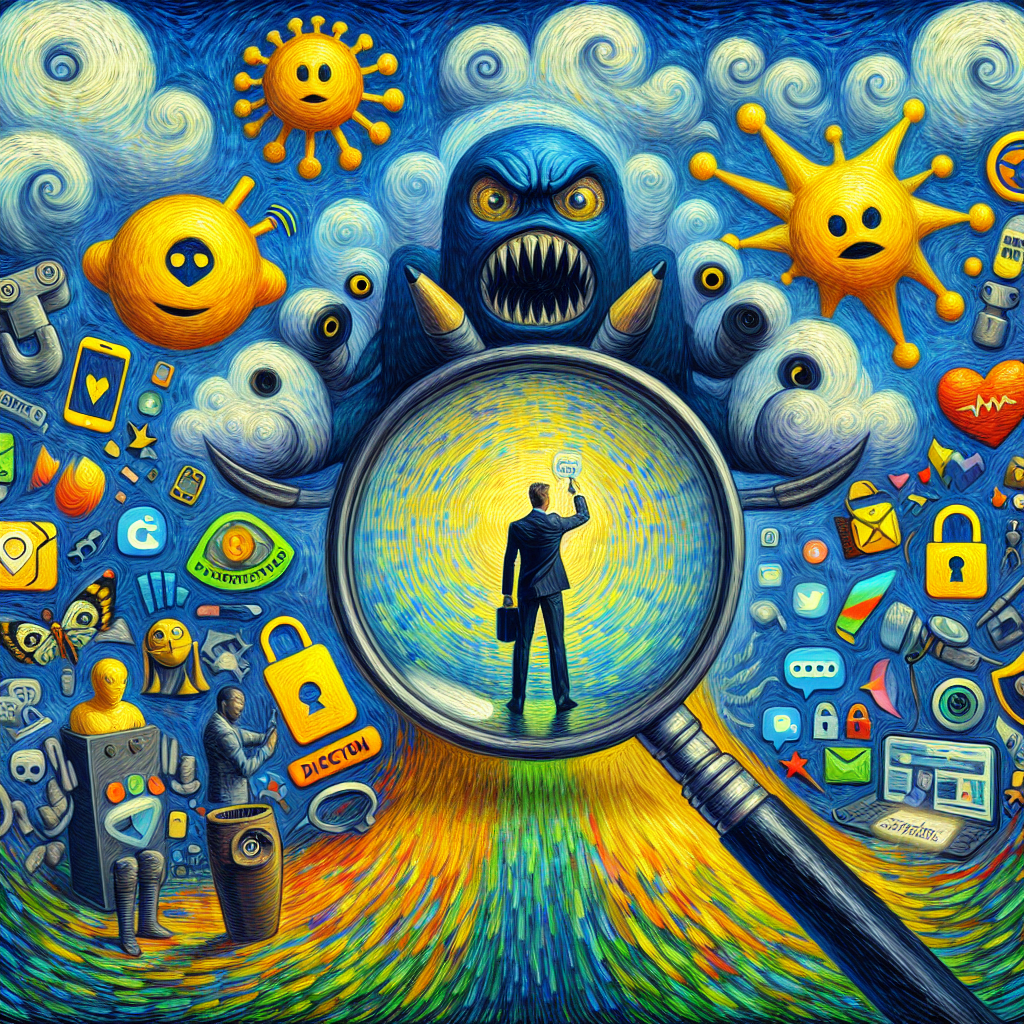
In a world overflowing with notifications, emails, and endless streams of information, staying focused can feel like trying to catch smoke with your bare hands. The urgency to respond, engage, and keep up often drowns out what really matters, leaving us overwhelmed. But clarity doesn’t have to be an elusive dream. It can be grounded in simple, intentional strategies that cut through that digital chaos.
First, consider the power of legacy storytelling. Sharing our experiences—both highs and lows—does something profound: it connects us. Instead of getting lost in the noise, take time to reflect on and share your journey with others. This not only clarifies your own understanding but also fosters bonds with those who resonate with your story. When people share their narratives, it opens doors for empathy and collective growth, uniting us against the tide of information overload.
Next, embrace the art of intentional breaks. It’s in these pauses that clarity often finds its way back. Step outside, breathe deeply, or even just turn off notifications for a bit. Allowing your mind to wander freely, without the constraints of digital clutter, can lead to surprising insights. Science shows that creativity and clarity flourish in moments of stillness. Give yourself permission to disengage and watch how your focus sharpens when you return.
Utilize tools like the 2-Minute Rule: If a task can be completed in less than two minutes, do it immediately. This method not only clears your to-do list but also reduces mental clutter. Each completed task builds momentum, creating a sense of accomplishment and motivation to tackle larger challenges.
Lastly, remember the importance of digital minimalism. Evaluate what truly adds value to your life. Unsubscribe from unnecessary emails, limit social media, and create a serene virtual environment that invites productivity. Each deliberate choice fortifies your space against the relentless onslaught of distractions, allowing you to streamline your focus on what truly matters.
By centering our attention on meaningful interactions, actionable habits, and the relationships that enrich our lives, we can combat the pervasive digital clutter. It’s about making conscious choices that align with our values, creating a legacy that not only inspires future generations but also simplifies our present. Clarity isn’t just a goal—it’s a mindset that empowers us to navigate this digital labyrinth with purpose and confidence.

What Strategies Help You Maintain Clarity Amid Digital Clutter?
What Strategies Help You Maintain Clarity Amid Digital Clutter?
- Staying focused amidst notifications and information overload is challenging.
- Clarity can be achieved through intentional strategies that reduce digital chaos.
- Legacy storytelling fosters connections and empathy by sharing personal experiences.
- Intentional breaks enhance clarity and creativity by allowing mental rest.
- The 2-Minute Rule encourages immediate completion of quick tasks to reduce mental clutter.
- Digital minimalism involves evaluating what adds value and limiting distractions.
- Making conscious choices aligned with values can simplify life and enhance focus.
What Strategies Help You Maintain Clarity Amid Digital Clutter?
How Do You Feel About the Permanence Of Your Online Memories?
In this ever-evolving digital landscape, the permanence of our online memories has transformed the way we think about our past, our identity, and our future. Our digital footprints are more than mere snippets of our lives; they are a form of legacy storytelling, a chronicle of who we are and how we’ve lived. Each post, tweet, and photograph serves as a marker of our journey, a testament to our experiences, triumphs, and sometimes even our failures.
Consider for a moment the weight of these memories. They’re etched not just in digital space but also in the hearts of those we love. Think about the joy captured in family photos shared on social media or the heartfelt messages exchanged with friends who’ve supported us through thick and thin. These moments shape our narratives, intertwining us with others in a tapestry of shared experience. But, with this permanence comes a responsibility. What does it mean to leave a digital legacy? Are we curating our lives for validation, or are we genuinely sharing our stories to foster connection?
From a rational standpoint, the permanence of online content can feel like an anchor. It’s both a blessing and a curse, marking our growth while serving as a reminder of past mistakes. Yet, this present digital reality invites us to reflect strategically on our choices. What do we want our online personas to say about us a decade from now? The power of our digital memories lies in our ability to craft a narrative that we’d be proud for future generations to witness.
Ethically, we must navigate the fine line between transparency and privacy. We should think critically about the legacy we’re creating, not just for ourselves but for those who come after us. Each online action has a ripple effect, influencing how others perceive us and, in turn, how we perceive ourselves.
In sharing our authentic stories, we invite others into our lives, fostering connection through vulnerability. This communal aspect of our experiences reminds us that we are not alone in our struggles or victories. The truth is, while we can control aspects of our digital narrative, what truly matters is the authenticity of our legacy. Are we being honest, thoughtful, and considerate in how we present ourselves to the world? As we ponder the permanence of our online memories, remember that each moment captured is not just a memory; it’s an opportunity to tell a story that resonates, inspires, and endures in the hearts of others.

How Do You Feel About the Permanence Of Your Online Memories?
How Do You Feel About the Permanence Of Your Online Memories?
- The permanence of online memories impacts our perception of identity and legacy.
- Digital footprints serve as storytelling tools, chronicling experiences and growth.
- Shared moments, like family photos and messages, enhance connections with loved ones.
- Leaving a digital legacy involves balancing authenticity and the desire for validation.
- This permanence prompts reflection on how we want to be perceived in the future.
- Ethically, we must consider the impact of our online actions on ourselves and others.
- Our digital narratives should be authentic, fostering connection and understanding.

How Do You Feel About the Permanence Of Your Online Memories?
Conclusion
The digital age has ushered in an overwhelming multitude of platforms designed to capture and share our experiences. This abundance, while convenient, traps us in a Multi-Platform Memory Trap, where the true essence of our memories can easily get lost. Each ping from our devices distracts us from what’s meaningful, leading to a superficial engagement with our own narratives. The heart of the matter is that our lives are not merely a series of posts and likes; they are rich tapestries woven from personal stories filled with lessons, love, and legacy.
Through Legacy Storytelling, we reclaim our narratives, infusing them with purpose and depth. It’s about connecting around the dinner table, sharing laughter, and passing down memories that don’t rely on digital screens for validation. Those who came before us didn’t need algorithms to tell their stories. They created bonds through shared experiences, reminding us that while technology can connect us globally, it can isolate us personally. Breaking free from this trap requires intentionality. We must prioritize relationships, value storytelling, and embrace our past rather than scroll past it. When we honor our legacies, we foster understanding, compassion, and resilience that ripples through generations.
As we navigate the chaos of digital life, we must ask ourselves: what memories truly matter? Each image and moment we capture should not just fill our feeds but should resonate deeply, highlighting the connections that transcend noise. Authenticity holds power; when we share both our peaks and valleys, we cultivate empathy, creating spaces for communal healing. Every meaningful memory becomes a strand in the rich fabric of our collective experience.
In this vast sea of information, clarity is crucial. Adopting strategies that prioritize legacy storytelling, reflecting on what we want to share, and taking breaks from digital consumption can enhance our emotional connections. We must also question the ethical implications of our digital footprints. Are we curating our lives for clicks, or for something more substantial—a legacy that informs future generations about who we are?
Ultimately, social media and digital platforms should serve as avenues for genuine connection, not mere showcases of curated perfection. They are tools for fostering genuine relationships that cry out for authenticity. As we reflect on our online legacies, let’s focus on crafting narratives that honor our shared humanity, celebrating the stories that define us and inspire others. In this process, we transform fleeting moments into lasting memories, guiding us towards what matters most: a life well-lived and shared.

Conclusion
Conclusion:
- The digital age has created a Multi-Platform Memory Trap, leading to a loss of genuine memories.
- Our lives consist of rich personal stories, not just social media posts and likes.
- Legacy Storytelling helps reclaim our narratives, emphasizing meaningful connections over digital validation.
- Breaking free from the Multi-Platform Memory Trap requires intentionality and prioritization of relationships.
- Memories should resonate deeply, highlighting connections beyond digital noise and superficial engagement.
- Clarity and reflection on what we share can enhance our emotional connections and legacy.
- Social media should promote genuine connection, focusing on authentic narratives that honor our shared humanity.

Conclusion
Other Resources

Other Resources
Here is a list of other resources you can review online to learn more:
- FamilySearch
- Remembered.com
- GhostMemo
- deviantART
- Storyfile Life
- Funeral Finder
- LivingDNA
- Postumo
- Cake
- LegalZoom
- Funeral Services Guide
- Living Wisely
- LifeWeb 360
- PartingWishes
- Memorial Matters
- Tributes
- LegalNature
- LifeNaut
- FutureMe
- USLegalWills.com
Use This Prompt To Get More Resources With Your Favorite Online AI Tool: Please provide me with a list of online articles with their URLs in a bulleted list that I can read regarding The Multi-Platform Memory Trap

Other Resources
Glossary Terms
The Multi-Platform Memory Trap – Glossary Of Terms
1. Multi-Platform: Refers to technology or software that operates across multiple operating systems or devices, enabling compatibility and user accessibility.
2. Memory Trap: A situation or phenomenon where a user’s memory is influenced or manipulated by various stimuli or platforms.
3. Cognitive Load: The total amount of mental effort being used in the working memory, impacting how information is processed.
4. Short-Term Memory: A temporary storage system in the brain that holds limited information for a brief period.
5. Long-Term Memory: A more permanent storage system that retains information over extended periods, often shaped by experiences and learning.
6. Cross-Platform: Software or applications designed to function on multiple devices or operating systems without modification.
7. Data Fragmentation: The separation of data into pieces that are stored in non-contiguous sections of memory or storage.
8. User Experience (UX): The overall experience a user has when interacting with a product, particularly regarding its ease of use and satisfaction.
9. Retention Rate: The percentage of information that users remember or retain over a specified period.
10. Cognitive Dissonance: The mental discomfort experienced when holding two or more conflicting beliefs or values.
11. Information Overload: A state in which users are overwhelmed by the amount of information available, making it difficult to make decisions or remember key points.
12. Contextual Memory: The ability to recall information or experiences in specific contexts or environments.
13. Digital Footprint: The trail of data that users leave behind when interacting with online platforms, which can influence memory and recall.
14. Behavioral Conditioning: A learning process through which a response becomes more frequent or predictable based on reinforcement or punishment.
15. User Engagement: The level of interaction and involvement a user has with a platform or content, affecting memory retention.
16. Multitasking: The ability to perform multiple tasks simultaneously, which can affect cognitive load and memory performance.
17. Echo Chamber: A situation where beliefs and ideas are reinforced by repeated exposure, limiting exposure to different perspectives.
18. Neuroscience: The scientific study of the nervous system, including the brain’s role in memory and cognition.
19. Sensory Memory: The brief retention of sensory information immediately after the stimulus is removed.
20. Integration: The process of combining or coordinating different systems or platforms to work together seamlessly.
21. Adaptive Learning: An educational method that uses technology to provide personalized learning experiences based on individual performance and preferences.
22. Nostalgia Effect: The tendency to recall past experiences with a sense of longing or wistfulness, often influenced by multi-platform interactions.
23. Schema: A cognitive framework or concept that helps organize and interpret information, shaping memory formation.
24. Memory Bias: The psychological phenomenon where recollections are influenced by the surrounding context or information, leading to inaccuracies.
25. Virtual Reality (VR): An immersive technology that simulates a user’s physical presence in a virtual environment, impacting memory and learning.
26. Augmented Reality (AR): Technology that overlays digital information onto the real world, enhancing user experience and memory retention.
27. Knowledge Management: The process of capturing, distributing, and effectively using knowledge within an organization to enhance learning and memory.
28. Psychoactive Effects: The influence of substances, whether digital or chemical, on cognitive function and memory performance.
29. Attention Span: The length of time an individual can concentrate on a task without becoming distracted, directly impacting memory retention.
30. Feedback Loop: A system where the output of a process is used as input in the same process, influencing user behavior and memory.

Glossary Of Terms
Other Questions
The Multi-Platform Memory Trap – Other Questions
If you wish to explore and discover more, consider looking for answers to these questions:
- How can I decide which digital memories are worth preserving?
- What practical steps can I take to consolidate memories scattered across multiple platforms and devices?
- Which backup strategies (local, cloud, hybrid) are most reliable for long‑term preservation?
- What tools or services are best for archiving photos, videos, and messages for future generations?
- How do I ensure future family members can access and understand my digital legacy?
- Who owns the content I post on social platforms, and what happens to it after I die?
- How can I protect sensitive or private memories while still sharing meaningful stories?
- What ethical considerations should guide sharing family stories or other people’s memories online?
- How do I obtain and manage consent from others before posting shared memories?
- When is it better to preserve a memory offline (e.g., oral storytelling, printed albums) rather than online?
- How can I remain authentic in my digital storytelling without curating only highlight reels?
- What criteria can I use to curate a coherent and meaningful digital memoir or photo book?
- How often should I review, organize, or prune my digital archives to avoid overwhelm?
- What techniques reduce emotional burnout from managing and revisiting difficult memories?
- How do I preserve contextual details (dates, locations, who was present) so memories retain their meaning?
- How can different media types (text, photo, video, audio) be integrated to tell richer stories?
- How do platform algorithms and feeds shape which memories I recall or see most often?
- What are the risks of relying on a single platform or cloud provider for long‑term memory storage?
- How easy is it to export or transfer my data between platforms, and what formats should I use?
- How should families handle conflicting accounts or versions of shared memories?
- How do I archive social interactions (comments, replies, reactions) alongside primary content?
- What role do metadata, timestamps, and file formats play in verifying memory authenticity?
- How should I approach creating memorial pages or digital tributes in an ethical way?
- What specific terms of service or privacy policies should I look for when choosing a platform?
- How can I teach children and younger family members responsible legacy storytelling online?
- What affordable services exist for digitizing old physical media (prints, tapes, letters)?
- How can I balance documenting life digitally with being fully present in the moment?
- What steps can I take to recover memories lost through accidental deletion or hardware failure?
- How can AI tools help organize, tag, or restore memories, and what ethical trade‑offs do they introduce?

Other Questions
Haiku
The Multi-Platform Memory Trap – A Haiku
In the digital haze,
Memories weave through old tales,
Hearts connect, stories.

Haiku
Poem
The Multi-Platform Memory Trap – A Poem
In the digital maze where memories collide,
A web of moments, both cherished and denied.
Notifications tug at our fleeting thoughts,
Yet in the noise, the essence is often caught.
We swipe and scroll through the haze of a screen,
Forgetting the legacy of what once had been.
A tapestry woven with laughter and care,
Each story a thread, connecting the air.
Gathered around a table, where voices combine,
Our history lives in the tales we align.
Technology binds us, yet makes us feel lost,
The richness of life—what do we pay as cost?
In photographs captured, in posts that we share,
Lie bits of our hearts, moments we dare not spare.
We seek validation in likes and in trends,
But truth lives in stories that real love defends.
To confront the clutter, to center our minds,
We curate our narratives, the legacy binds.
Each click holds a promise, a life to uphold,
A bridge to the future through tales we have told.
Trust in the platforms that cradle our past,
We question their ethics, yet memories last.
In the permanence found, let authenticity breathe,
For every shared moment has power to weave.
So pause in the frenzy, reflect on your life,
What memories matter, what cuts like a knife?
Embrace the connections, let compassion reign,
In legacy storytelling, we conquer the pain.
As we navigate forth, through the digital mire,
Let love guide your hand; let memories inspire.
With hearts intertwined in the stories we share,
We create a new world, enriched and aware.

Poem
Checklist
The Multi-Platform Memory Trap – A Checklist
Checklist for Breaking Free from the Multi-Platform Memory Trap
✅______ Reflect on the memories that bring you joy. List three moments you cherish the most.
✅______ Identify the stories from your past that shape your identity. Write them down.
✅______ Share a memory with someone close. How did it feel to recount this story?
Rational Appeals
✅______ Evaluate your current digital habits. Are they enhancing or detracting from meaningful memories?
✅______ Set a goal to limit time spent on platforms each week. Specify how you will measure success.
✅______ Create a digital organization plan for your memories—what folders or albums will you create?
Ethical Appeals
✅______ Assess the ethical implications of sharing personal memories online. Are you protecting your privacy and the privacy of others?
✅______ Consider how your online presence impacts your legacy. Is it reflective of your true self?
✅______ Engage with others’ stories mindfully. How can you uplift rather than dilute their narratives?
Authority Appeals
✅______ Seek credible sources on digital minimalism and legacy storytelling to guide your practices.
✅______ Follow thought leaders in memory preservation and ethical online behavior. Identify three you will engage with.
Narrative Appeals
✅______ Write a short narrative about a significant memory that captures your legacy. What is the lesson learned?
✅______ Share your narrative on social media or with a community group. How does it resonate with others?
Social Appeals
✅______ Organize a gathering (virtual or in-person) to share personal stories. How will this strengthen your community?
✅______ Engage with friends or family in a storytelling session. What intentions can you set for depth of connection?
✅______ Reflect on how social media connects you to others. Identify three positive connections you’ve made through shared stories.
Checklist
At LegacyExplorations, we help people plan and explore their legacy by collecting information and news regarding end-of-life planning.
Please share this post with your friends, family, or business associates who may want help to plan or explore their legacy.