

Unlocking Truth: Navigating The Limits Of Our Knowledge
By Tom Seest
At LegacyExplorations, we help people plan and explore their legacy by collecting information and news regarding end-of-life planning.
Please share this post with your friends, family, or business associates who may want help to plan or explore their legacy.
The Myth Of Infinite Retrieval
The Myth of Infinite Retrieval
In a world overflowing with information, we often convince ourselves that knowledge is merely a click away. This notion—the idea that the answer to every quest lies just behind a glowing screen—draws us into a trap of complacency. The myth of infinite retrieval suggests that we can access endless resources without acknowledging the costs associated with our digital dependence.
Consider our ancestors, who passed down wisdom through legacy storytelling. These narratives, rich with experience, forged connections among people, helping them navigate the complexities of life. When faced with a challenge, they tapped into this well of communal knowledge, relying not just on isolated facts, but on the rich tapestry of collective human experience. Today, however, we often seek instant answers rather than embracing the depth of understanding that comes from shared stories and lived experiences.
Rationally, we must ask ourselves: what do we sacrifice for the sake of convenience? When we rely solely on digital retrieval, we risk losing critical thinking and problem-solving skills. The ability to ponder, reflect, and engage deeply with material is eroded when we prioritize speed over substance. Our heads know that true learning often takes time.
Ethically, we face a dilemma about the nature of trust. When we have the world’s knowledge at our fingertips, the question shifts from “What do I know?” to “What do I trust?” Misinformation and half-truths can easily masquerade as fact. In this chaotic landscape, we must develop discernment, filtering through the noise to find voices of authority that resonate with experience and integrity. We should lean into those who share legacy stories that ground us, providing context, perspective, and authenticity.
Lastly, on a gut level, we crave connection. Technology can bridge distances, but it can also create isolation. The human experience is about relationships, about stories shared around the fire. Embracing this truth calls us to engage with one another, sharing our narratives and learning from each other in ways that transcend mere information exchange.
Ultimately, the myth of infinite retrieval challenges us to look beyond immediate answers. It urges us to dig deeper, fostering connections that remind us of our shared humanity. In doing so, we honor the legacy stories that are the heartbeat of our existence, reminding us that true knowledge comes from weaving our lives together—not from scrolling aimlessly in search of the next quick fix.

The Myth Of Infinite Retrieval
The Myth Of Infinite Retrieval
- The myth of infinite retrieval suggests knowledge is only a click away, leading to complacency.
- Legacy storytelling among ancestors fostered connections and deeper understanding of life’s complexities.
- Relying on digital retrieval risks erosion of critical thinking and problem-solving skills.
- The convenience of instant answers sacrifices the depth of knowledge gained from shared experiences.
- Trust in knowledge becomes complex with misinformation, shifting the focus from knowing to discerning.
- Technology can create isolation; true human experience thrives on relationships and shared narratives.
- The myth challenges us to seek deeper connections and honor the collective human experience for true knowledge.

The Myth Of Infinite Retrieval
Table Of Contents
- The Myth Of Infinite Retrieval
- What Does the Endless Quest for Information Do to Our Well-Being?
- How Are We Sacrificing Real Connections for Digital Ones?
- Is Our Dependence on Technology Hindering Critical Thinking?
- Can Chasing Infinite Knowledge Actually Lead to Confusion?
- What If the Pursuit Of Information Is a Distraction From Action?
- How Can We Balance Technology Use with Meaningful Experiences?
- Are We Trading Wisdom for a Flood Of Information?
- Conclusion
- Other Resources
- Glossary Of Terms
- Other Questions
- Haiku
- Poem
- Checklist
What Does the Endless Quest for Information Do to Our Well-Being?
In our fast-paced world, information flows like a relentless river, ceaseless and overwhelming. We swim through data, graphics, and headlines, each wave promising clarity but often tossing us into confusion. This digital deluge has consequences for our well-being, impacting us far beyond the screen. The sheer volume of content leaves little room for reflection; we consume more, yet understand less. We find ourselves in a frantic chase, but what are we really running toward?
Every click, every scroll fosters a legacy—one that shapes our perception and, ultimately, our reality. The stories we absorb create a collective narrative, one that binds us socially. It’s a tapestry woven with threads of triumph and tragedy, wisdom and folly. Yet, when the quest for knowledge becomes incessant, we risk losing sight of the most crucial story: our own.
Emotionally, the constant bombardment can lead to feelings of inadequacy. We compare our lives to curated snapshots of success, unaware that those images often mask struggles and setbacks. It’s vital to recognize that while aspirational stories can inspire, the pressure to conform can be suffocating. Connecting with our own legacy through reflection allows us to appreciate our unique journey, imperfections and all.
Rationally, this quest takes a toll on our mental health. Research indicates that continuous engagement with information can lead to anxiety and depression. We’re conditioned to believe that knowledge equates to power, yet what happens when this power becomes a burden? Choosing to step back, to find a balance, is not just wise—it’s necessary.
Ethically, we must understand the importance of media literacy. The authority of information varies widely; some sources are well-researched, while others peddle misinformation. Building trust in our sources cultivates informed citizens, fostering a society where knowledge supports growth rather than fuels fear.
Finally, let’s not underestimate the power of storytelling. Our individual stories are woven into the fabric of society. The more we share—triumphs and tribulations alike—the stronger our connections become. Embracing this legacy storytelling enriches our experience and promotes empathy in a world that can often feel isolating.
In navigating the ceaseless information tide, let’s remember to cherish our stories, nurture our well-being, and foster connections that ground us. It’s not about how much we know, but rather our capacity to appreciate the journey of knowledge and the legacy we choose to create.

What Does the Endless Quest for Information Do to Our Well-Being?
What Does the Endless Quest for Information Do to Our Well-Being?
- The continuous flow of information creates confusion and overwhelms understanding.
- Every interaction with content shapes individual and collective narratives, influencing perceptions.
- The pressure to conform to curated success can lead to emotional inadequacy and self-comparison.
- Constant information engagement is linked to anxiety and depression, indicating the need for balance.
- Media literacy is essential for discerning credible sources from misinformation.
- Storytelling fosters social connections and empathy, enriching our shared experiences.
- Appreciating personal narratives is vital for well-being amidst the information overload.

What Does the Endless Quest for Information Do to Our Well-Being?
How Are We Sacrificing Real Connections for Digital Ones?
In a world where a simple tap can connect us with anyone, anywhere, the irony is staggering. We’re more “connected” than ever, yet many of us find ourselves feeling utterly alone. Our devices buzz and beep with notifications, yet they drown out the laughter of friends gathered around a table. What happened to the moments that filled our hearts, not just our screens? We’re trading legacy storytelling—those rich tales passed down through generations—for quick texts and emojis.
Consider the last time you gathered with friends or family, sharing stories that evoked laughter, nostalgia, or even tears. These narratives shape our identities, instill values, and weave the fabric of our communities. The power of face-to-face interaction can’t be underestimated; it’s where we learn empathy, where body language and tone paint a fuller picture than mere words on a screen ever could. A heartfelt conversation can ground us, reminding us of our shared humanity.
Rationally speaking, the benefits of real connections are immense. Studies show that meaningful relationships contribute to our mental and physical well-being. They lower stress levels and boost our immune systems, proving that the warmth of companionship is not just a nice-to-have—it’s essential. Ethics plays a role, too; we have a responsibility to nurture these bonds. By choosing digital interactions over physical ones, we risk undervaluing the richness of human connection and the lessons learned through shared experiences.
But let’s not simplify this as just a choice between digital and analog; it’s about realizing the cost of our convenience. As we remain glued to our screens, we inadvertently neglect the people around us, the stories waiting to be told. This isn’t just a personal challenge; it’s a societal issue. We live in a time where being “busy” is celebrated, yet in that busyness, we may forget the importance of pausing to engage authentically.
By recommitting to real conversations, we can rebuild trust within our communities. Let’s put down the devices occasionally and invest time in the messy, beautiful chaos that occurs during genuine interactions. The stories we tell and share shape our legacy, inviting others into a rich tapestry of connection. Let’s take action now—fostering deeper relationships that will resonate long after the last click or swipe. The true beauty of connection lies not in the virtual but in the real, palpable moments we create together.

How Are We Sacrificing Real Connections for Digital Ones?
How Are We Sacrificing Real Connections for Digital Ones?
- Despite being more connected through technology, many people feel alone.
- Digital interactions often replace meaningful storytelling and face-to-face conversations.
- Shared narratives strengthen identity, values, and community bonds.
- Real connections improve mental and physical well-being, reducing stress levels.
- The ethical responsibility to nurture relationships is crucial in a digital age.
- Neglecting personal interactions in favor of convenience can erode genuine connections.
- Authentic engagement fosters trust and creates lasting memories and connections.

How Are We Sacrificing Real Connections for Digital Ones?
Is Our Dependence on Technology Hindering Critical Thinking?
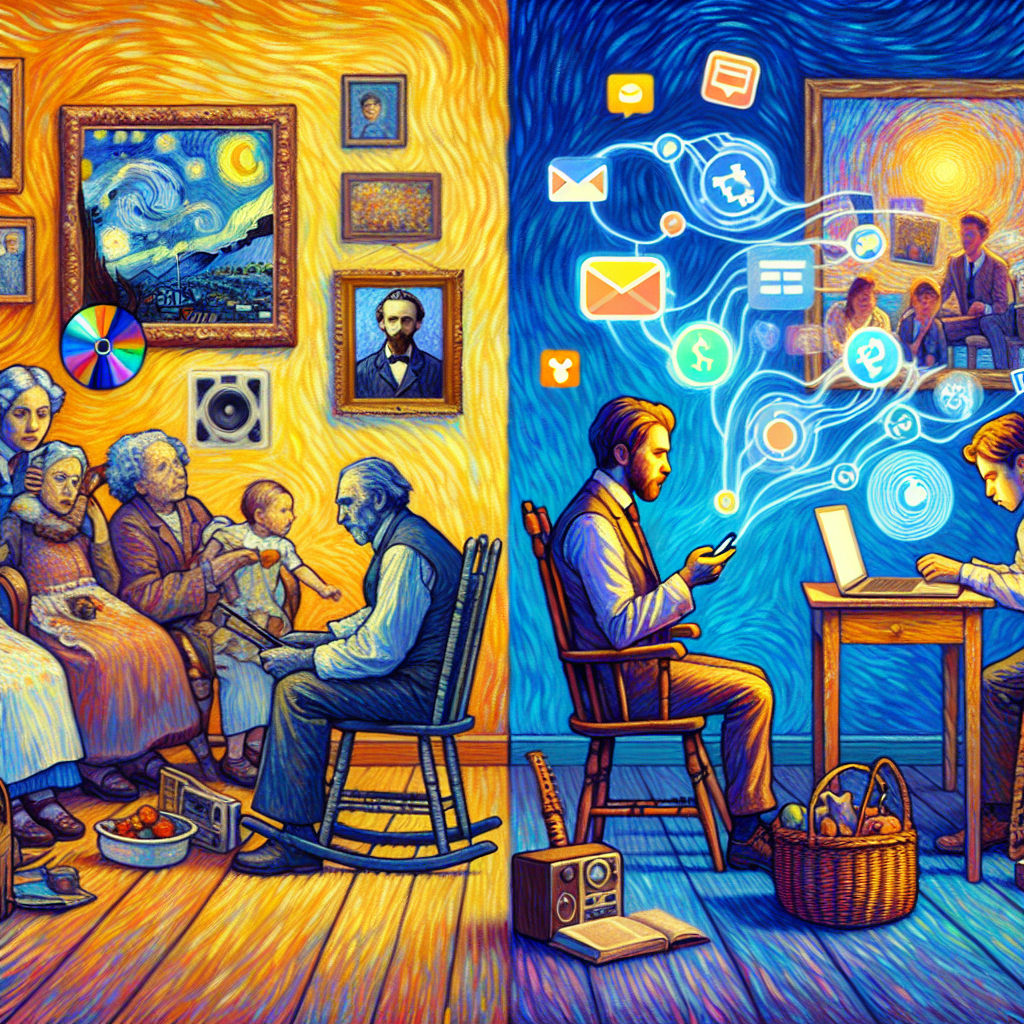
In our rapidly evolving world, wrapped tightly in the warm embrace of technology, it’s tempting to believe that every answer lies a fingertip away. Yet, as we sift through the endless sea of information online, are we losing something vital? Our critical thinking skills, once sharp and well-honed, might be dulled by the very tools designed to liberate our minds. The great paradox of our era lies in this dependence, where convenience often overshadows deep, thoughtful engagement.
Consider the legacy of storytelling, handed down through generations. These stories served not just as entertainment but as vessels of wisdom, inviting listeners to ponder complex truths. Today, many of us consume bite-sized content, outsourcing our curiosity to algorithms that cater to our preferences. This streamlined access might satisfy immediate curiosity but at what cost? We risk surrendering our capacity for reflection when a simple scroll can quench our thirst for knowledge. It’s an unsettling thought: technology’s role as a crutch instead of a catalyst for thoughtful discourse.
On a gut level, this trend resonates deeply. Think about the last time a conversation sparked genuine debate or challenged your beliefs. In our tech-driven conversations, often conducted through texts and tweets, we find ourselves choosing simplicity over substance. The ethical implications are profound; when we allow convenience to dictate our understanding, we lose the richness of diverse human experiences. This reliance ultimately undermines our ability to connect on a fundamental level, fostering a culture where opinions are recycled rather than thoughtfully crafted.
The narrative we tell ourselves about our relationship with technology has wide-reaching implications. Educators, leaders, and parents alike carry the responsibility of guiding the next generation toward a more mindful interaction with technology. Instead of training our youth to be passive consumers, let’s engage them in discussions that prioritize critical thinking. Conversations that inspire curiosity, teach discernment, and weave together the tapestry of facts and feelings are essential.
As we navigate this intricate landscape, we must make a conscious choice: to be active participants in our learning journey rather than passive recipients of information. The authority lies in our hands. By fostering an environment that values questioning and deep thinking, we can ensure that the legacy of storytelling—and the truth within it—continues to inspire, connect, and challenge us, empowering a future where technology serves as a companion in critical thought rather than a barrier to it.

Is Our Dependence on Technology Hindering Critical Thinking?
Is Our Dependence on Technology Hindering Critical Thinking?
- Dependence on technology may dull critical thinking skills and overshadow deep engagement.
- Storytelling has historically served as a vessel for wisdom, inviting reflection.
- Consumption of bite-sized content risks sacrificing capacity for deeper understanding.
- Modern conversations often prioritize simplicity over substance, reducing genuine debate.
- Relying on convenience undermines our ability to connect and understand diverse experiences.
- Educators and leaders must promote critical thinking and mindful technology interactions in youth.
- Active participation in learning is essential for preserving the legacy of storytelling and fostering critical thought.
Is Our Dependence on Technology Hindering Critical Thinking?
Can Chasing Infinite Knowledge Actually Lead to Confusion?
In a world bursting with information, the pursuit of knowledge can feel like chasing a mirage. We find ourselves inundated with facts, opinions, and the latest trends, each vying for our attention. This relentless chase can create a paradox: the more we seek to know, the more we may end up drowning in confusion. Consider this: knowledge is meant to enlighten, not ensnare.
Legacy storytelling provides a perspective that grounds us. Throughout generations, stories have been the bedrock of understanding. They connect us, bridging the gap between intellect and emotion. When we reflect on the lessons woven into these narratives, we start to realize that wisdom often lies not in acquiring endless facts but in comprehending the human experience behind them. Each story we inherit carries the fingerprints of those who have walked this path before us, illustrating themes of struggle, triumph, and the choices that define our lives.
Rationally, it’s crucial to recognize that there’s a limit to our capacity to absorb information. Our brains are remarkable, yet they can easily become overwhelmed. Imagine standing at a buffet with all your favorite foods spread before you. The temptation to sample everything can lead to a confusing mix of tastes, ultimately leaving you unsatisfied. Similarly, inundating ourselves with knowledge can hinder our understanding. When we prioritize depth over breadth, we are more likely to form coherent thoughts, make informed decisions, and foster connections with others.
Ethically, we must consider how this quest for knowledge affects our interactions. In a society that often equates being informed with being superior, the pressure to keep up can lead to anxiety. Building a community based on shared understanding and mutual respect is far more enriching. We thrive when we pull from the wisdom of diverse narratives rather than chasing the latest piece of information that adds little to our understanding.
In essence, it’s about finding balance. Connecting with the core of what we learn through storytelling allows us to sift through the noise, marking our journey with a sense of purpose. Embrace the beauty of knowledge by continuing the legacies of those who came before us, walking away from the chaos of endless facts toward a clearer vision of our world. A simpler, more grounded pursuit of knowledge can pave the way to clarity and connection, inspiring both action and a profound understanding of ourselves and each other.
Can Chasing Infinite Knowledge Actually Lead to Confusion?
Can Chasing Infinite Knowledge Actually Lead to Confusion?
- The pursuit of knowledge can often feel overwhelming due to the excess of information available.
- Legacy storytelling serves as a grounding perspective, connecting intellect and emotion through shared human experiences.
- True wisdom lies in understanding the stories behind facts, rather than accumulating endless information.
- There is a limit to how much information our brains can absorb without becoming confused.
- Prioritizing depth of understanding over breadth of knowledge leads to better decision-making and meaningful connections.
- Social pressures around being informed can create anxiety, emphasizing the importance of community based on mutual respect.
- A balanced approach to knowledge, rooted in storytelling, fosters clarity, connection, and a deeper understanding of ourselves and others.
Can Chasing Infinite Knowledge Actually Lead to Confusion?
What If the Pursuit Of Information Is a Distraction From Action?
In a world overflowing with data, it’s easy to mistake information for progress. We scroll, click, and consume without ever stopping to ponder the true cost of our endless pursuit of knowledge. We become enamored with the narrative of expertise, convinced that accumulating facts is a worthy end in itself. But what if this relentless quest for information serves as a convenient distraction from the demands of action?
Consider the stories we pass down—every legacy is rooted not in the facts we’ve collected but in the actions we’ve taken. Legacy storytelling isn’t just about recounting events; it’s about creating meaning through our choices. When we are so busy learning, we risk missing the critical opportunities to apply that knowledge to make a difference. The world doesn’t need more well-informed spectators; it requires engaged participants, those who can transform insight into action.
Emotionally, we feel a sense of urgency when faced with pressing societal issues. Our hearts ache for change, yet our hours dissolve in endless research. This disconnect fosters frustration. It’s rational to question: Is all that information really moving the needle, or are we merely drowning in details while the clock ticks away? Each minute spent in passive learning is a moment stolen from the potential for meaningful impact.
Ethically, we are compelled to act. We must ask ourselves who we wish to be in the stories we leave behind. A wealth of knowledge without action translates to missed opportunities for transformation and growth. Authority figures and communities thrive on stories of those who rose to the occasion, demonstrating that it’s not what you know, but what you do with that knowledge that matters.
Social influences play a powerful role. We look to those around us, inspired by individuals who take risks and make bold moves. Their tales ignite our spirits, encouraging us to step beyond information into action. To connect, we must share our narratives, inviting others into a dialogue that champions action over apathy.
So, we face a choice: continue to be paralyzed by the enormity of knowledge or embrace the messiness of action, guided by the stories we’re meant to tell. Let’s engage the world actively, embodying the legacy we wish to leave. Turn that fountain of information into a catalyst for change; be the narrative that others will recount, inspiring future generations long after we’re gone.

What If the Pursuit Of Information Is a Distraction From Action?
What If the Pursuit Of Information Is a Distraction From Action?
- In a data-saturated world, distinguishing information from progress is challenging.
- Legacy storytelling prioritizes actions taken over mere accumulation of facts.
- Continuous pursuit of knowledge can distract from opportunities for meaningful action.
- Frustration arises from passive learning without tangible impact on societal issues.
- Ethically, knowledge without action leads to missed transformative opportunities.
- Social influences motivate engagement through risk-taking and bold actions.
- We must choose action over inertia to create a meaningful legacy that inspires future generations.

What If the Pursuit Of Information Is a Distraction From Action?
How Can We Balance Technology Use with Meaningful Experiences?
Amidst the blaring notifications and the distracting glow of screens, we often lose sight of what truly matters: the connections we build, the stories we share, and the legacy we leave behind. Technology, in all its marvels, can sometimes feel like a double-edged sword. It holds the promise of endless knowledge and communication but can also pull us away from the very experiences that give our lives depth and meaning. In today’s fast-paced world, we must find a way to ensure that our engagement with technology serves as a tool for richer experiences rather than a barrier.
Consider the power of legacy storytelling. This isn’t just about passing down anecdotes from generation to generation; it’s about forging bonds through shared experiences, making memories that resonate. When we prioritize face-to-face interactions, we create moments that linger long after the conversation ends. The stories shared around a dinner table or the laughter exchanged during a walk cannot be replicated by a screen. They invite us to look up from our devices, offering a more genuine connection with our loved ones.
We need to remember the balance between digital and physical realms. It’s wise to reflect on the alternatives technology presents but even wiser to harness its potential to amplify our humanity. Utilize devices to connect with those far away, but also ensure you’re carving out time to engage with those right beside you. Ask yourself: what do you want your legacy to be? A series of social media posts or heartfelt conversations that shape the lives of those around you? The choice is ours.
Look at the wisdom of those who came before us; they built their lives amidst challenges, embracing their communities and telling their stories. This grounding in ethical living inspires us to think critically about how we use technology. Potential exists in combining both worlds—leveraging the digital realm to enhance our narratives while remaining present in the ones we share face-to-face.
Let’s commit to being mindful. The gadgets we carry can enrich our lives, but they can also distract us from what really matters. Much like the age-old art of storytelling that bonds generations, it’s essential to find ways technology can serve our meaningful experiences, not overshadow them. Foster connections that last, inspire action in your community, and live a life rich in stories worth telling.

How Can We Balance Technology Use with Meaningful Experiences?
How Can We Balance Technology Use with Meaningful Experiences?
- Amidst distractions from technology, we must focus on meaningful connections and storytelling.
- Technology serves as a double-edged sword, offering knowledge while potentially detracting from life experiences.
- Legacy storytelling creates bonds through shared experiences that transcend digital interactions.
- Face-to-face interactions foster lasting memories that screens cannot replicate.
- Balancing digital communication with physical presence enriches relationships and community engagement.
- Reflection on legacy encourages prioritizing heartfelt conversations over social media interactions.
- Mindfulness in technology use can enhance our lives and promote lasting connections worth sharing.

How Can We Balance Technology Use with Meaningful Experiences?
Are We Trading Wisdom for a Flood Of Information?
In an age where information flows like a river, we find ourselves standing on the banks, overwhelmed by the deluge. We’re bombarded with data points, news bites, and endless social media feeds, each vying for our attention. Yet, amidst this cacophony of noise, we may be losing something far more precious: wisdom. This is not merely about consuming facts; it’s about how we interweave our experiences, insights, and values into a tapestry of understanding.
Consider the older generations, those who have weathered storms and savored sunshine. They embody a legacy built on storytelling—an art that has been passed down through the ages. Their tales of perseverance, humor, and heartbreak provide context to the myriad of information we encounter daily. They remind us that facts without context often lack meaning. In our quest for quick answers, we risk trading the nuggets of wisdom embedded in these stories for fleeting information that fills our screens but not our souls.
The narrative of humanity is rooted in these shared experiences. Every life lived adds a layer of depth to our collective understanding. When we dismiss the power of storytelling, we ignore the rich fabric that binds us together. Our histories shape who we are, guiding our decisions and influencing our perceptions. Ethically, we owe it to ourselves and future generations to honor these stories, fostering connections that build trust and camaraderie.
The gut response to this flood of information is often anxiety. How do we discern what is truly valuable? The answer lies in engaging with the wisdom of others. Listening, reflecting, and sharing are means to cut through the noise. It invokes a sense of community, inviting dialogue that can spark understanding and action. Imagine a world where we prioritize conversations over clicks—a shift that moves us from soundbites to substance.
By embracing this legacy of storytelling, we cultivate an environment where knowledge flourishes. It’s not enough to know something; we must understand it, live it, and pass it on. In doing so, we build a foundation of wisdom that can withstand the torrent of information. Let’s reclaim the art of storytelling and cherish the lessons it imparts. As we navigate these turbulent waters, let us remember that wisdom, born from shared experiences, is the compass that will guide us home.
Are We Trading Wisdom for a Flood Of Information?
Are We Trading Wisdom for a Flood Of Information?
- Information overload in the digital age leads to a loss of wisdom.
- Older generations pass down valuable life stories that provide context to information.
- Facts without context often lack meaning; storytelling enriches understanding.
- Shared experiences shape our identities and influence perceptions.
- Engaging with the wisdom of others helps cut through noise and fosters community.
- Prioritizing conversations over quick information enhances substance and understanding.
- Reclaiming storytelling nurtures wisdom that can withstand overwhelming information.

Are We Trading Wisdom for a Flood Of Information?
Conclusion
In a time when information saturates our daily lives, we often mistake mere access to knowledge for genuine understanding. The myth of infinite retrieval lulls us into a false sense of security, offering the illusion that every answer is just a click away. However, this situation comes at a cost. We overlook the wisdom embedded in the legacy stories that have shaped human experience for generations. These narratives—rich in emotion and learning—remind us that knowledge isn’t merely about acquiring facts, but about understanding and connecting with the human experience.
We live in an age where convenience often trumps depth. The digital realm can make us complacent, leading to a decline in critical thinking skills. Every moment spent seeking quick answers distances us from the reflection necessary for profound learning. When we prioritize speed over depth, we endanger our capacity for thoughtful engagement and meaningful connections with others. Ethically, our relationship with information raises questions about trust and discernment; we must navigate a landscape filled with misinformation and half-truths. This is where the authority of well-told stories becomes crucial, offering context and authenticity amidst the noise.
Moreover, the push for endless knowledge can erode our emotional well-being. We find ourselves overwhelmed by the barrage of content, leading to feelings of inadequacy and anxiety. It’s important to remember that behind every curated snapshot lies a reality often masked by glossy perfection. Acknowledging our unique journeys, with all their imperfections, opens the door to deeper connections with others. Real relationships—built through shared experiences and storytelling—are irreplaceable. They not only foster a sense of community but also elevate our mental health.
The conversation about our dependence on technology also invites us to consider how digital distractions can inhibit genuine engagement. While technology serves as a bridge to connect with others, it can simultaneously isolate us from present moments. To combat this, we must value the profound experiences that physical interactions bring, carving out time for narratives that truly matter. By doing so, we reclaim our legacies and nurture the relationships that give life its richness.
As we ponder the consequences of our information-saturated society, we should strive for balance. Embracing a mindful approach to our interactions—whether online or face-to-face—allows us to enrich our stories and honor those who have come before us. Remember, true knowledge extends beyond endless facts. It’s found in the connections we cultivate and the actions we take, creating a legacy that binds us together through shared truths and experiences.

Conclusion
Conclusion:
- Access to knowledge is often mistaken for genuine understanding in an information-saturated world.
- The myth of infinite retrieval creates a false sense of security, making us overlook wisdom from legacy stories.
- Convenience in seeking quick answers can undermine critical thinking and meaningful engagement.
- Our ethical relationship with information raises concerns about trust and discernment amidst misinformation.
- Overwhelmed by content, we may experience feelings of inadequacy and anxiety, distancing us from real relationships.
- Physical interactions are essential for genuine engagement, and time should be carved out for meaningful narratives.
- Striving for balance in our digital and face-to-face interactions enriches stories and honors our shared human experience.

Conclusion
Other Resources

Other Resources
Here is a list of other resources you can review online to learn more:
- WishesKeeper
- Digital Legacy Association
- Afternote
- Everplans
- Xarona
- MyHeritage
- PartingWishes
- LegacyLearned
- EverLoved
- ForeverMissed
- FindMyPast
- Remembered.com
- Your Digital Afterlife
- International End of Life Doula Association
- Funeral Finder
- Can Telling and Preserving Personal or Family Legacy Stories Be Therapeutic?
- Tributes
- LegacyFamilyTree
- Association of Personal Historians
Use This Prompt To Get More Resources With Your Favorite Online AI Tool: Please provide me with a list of online articles with their URLs in a bulleted list that I can read regarding The Myth Of Infinite Retrieval

Other Resources
Glossary Terms
The Myth Of Infinite Retrieval – Glossary Of Terms
1. Infinite Retrieval: The concept suggesting unlimited access to all information at any time, often considered unrealistic.
2. Information Overload: A state where the volume of available information exceeds an individual’s ability to process it effectively.
3. Memory: The mental capacity or faculty of retaining and recalling facts, experiences, and skills.
4. Cognitive Bias: Systematic patterns of deviation from norm or rationality in judgment, influencing decision-making and retrieval of information.
5. Digital Archive: A systematically arranged collection of digital data that is intended for long-term storage and retrieval.
6. Recall: The ability to retrieve and reproduce previously learned information from memory.
7. Search Engine: An online tool that indexes and retrieves information based on user queries, often contributing to perceptions of limitless access to data.
8. Context: The surrounding circumstances or factors that influence the understanding and retrieval of information.
9. Knowledge Management: The process of capturing, distributing, and effectively using knowledge within an organization to improve retrieval and application.
10. Cognitive Load: The total amount of mental effort being used in the working memory, affecting information retrieval capabilities.
11. Artificial Intelligence (AI): Technology that simulates human intelligence processes, including learning and retrieval of data.
12. Data Permanence: The principle that data remains intact and accessible over time, impacting perceptions of retrieval capabilities.
13. User Interface: The means by which a user interacts with a system or application, affecting how easily information can be retrieved.
14. Algorithm: A step-by-step procedure or formula for solving a problem, commonly used in searching and retrieving information online.
15. Information Retrieval Systems: Software designed to store, retrieve, and manipulate information efficiently.
16. Memory Distortion: The alteration of recollections over time, impacting how information is retrieved and perceived.
17. Digital Divide: The gap between those with easy access to digital information technology and those without, affecting retrieval opportunities.
18. Semantic Memory: A type of long-term memory involving the capacity to remember facts and general knowledge, important for information retrieval.
19. Search Bias: A tendency for search results to be influenced by prior knowledge or belief, impacting what information is retrieved.
20. Information Ecology: The study of how information flows, is used, and impacts knowledge in a society or environment.
21. Retention Rate: The percentage of information users can recall after it has been learned, important for understanding limits of retrieval.
22. Data Silo: An isolated data set that limits access and retrieval, complicating the search for comprehensive information.
23. Overfitting: A modeling error that occurs when a model captures noise instead of the underlying pattern, potentially misleading retrieval processes.
24. Query Optimization: The process of enhancing a search query to improve accuracy and relevance of retrieved information.
25. Navigation: The ability to traverse information systems or databases effectively to locate and retrieve desired data.
26. Disruption: An event or change that significantly affects the availability and structure of information, impacting retrieval.
27. Fact-checking: The process of verifying factual information to ensure accuracy and reliability in retrieved data.
28. Metacognition: Awareness and understanding of one’s own thought processes, influencing information retrieval and learning strategies.
29. Retrieval Practice: A learning strategy that involves actively recalling information to enhance memory and retention.
30. Curation: The act of selecting, organizing, and presenting information, affecting how effectively it can be retrieved later.

Glossary Of Terms
Other Questions
The Myth Of Infinite Retrieval – Other Questions
If you wish to explore and discover more, consider looking for answers to these questions:
- What practical steps can individuals take to reduce digital dependence and rebuild deep thinking habits?
- Which research studies support the claims about information overload harming mental health and critical thinking?
- How do age, culture, and socioeconomic status affect susceptibility to the myth of infinite retrieval?
- What are effective strategies for parents and educators to teach media literacy and discernment?
- How can we measure whether time spent online is enriching knowledge or simply creating distraction?
- What specific daily practices help preserve and revive legacy storytelling in families and communities?
- How should public policy and platform design change to reduce misinformation and promote quality information?
- What role should schools play in cultivating curiosity, reflection, and action rather than rote information consumption?
- How can individuals balance staying informed with protecting their mental well-being?
- Which tools or techniques support sustained focused work and thoughtful learning in a digital age?
- How do algorithms and recommendation systems shape what we think is important to know?
- What ethical responsibilities do tech companies have in preventing the erosion of real-world connections?
- How can communities create spaces that prioritize face-to-face storytelling and intergenerational exchange?
- What are examples of successful initiatives or movements that turned knowledge into collective action?
- How can we evaluate sources quickly to separate trustworthy voices from misinformation and half-truths?
- What incentives drive the production of shallow, viral information over deep, contextual wisdom?
- How can we design personal information diets that favor depth, context, and wisdom over breadth?
- To what extent can AI and search engines be harnessed to promote understanding rather than encourage passive consumption?
- What are common cognitive biases that make people overconfident in quick online answers?
- How do workplace cultures contribute to information overload and how can organizations encourage more reflective work?
- What are practical ways to turn accumulated knowledge into tangible action and measurable impact?
- How can marginalized or remote communities preserve and transmit legacy stories in the digital era?
- What metrics can researchers use to distinguish wisdom from mere information in studies and surveys?
- How do social norms around busyness and productivity fuel the preference for quick information over meaningful engagement?
- How can storytellers, journalists, and educators collaborate to bridge the gap between facts and lived meaning?
- What role do rituals, gatherings, and shared activities play in countering the isolating effects of digital connection?
- How can individuals and institutions assess whether a digital habit is serving community-building or eroding it?
- What are low-cost, scalable interventions that communities or schools can adopt to foster critical thinking and storytelling?
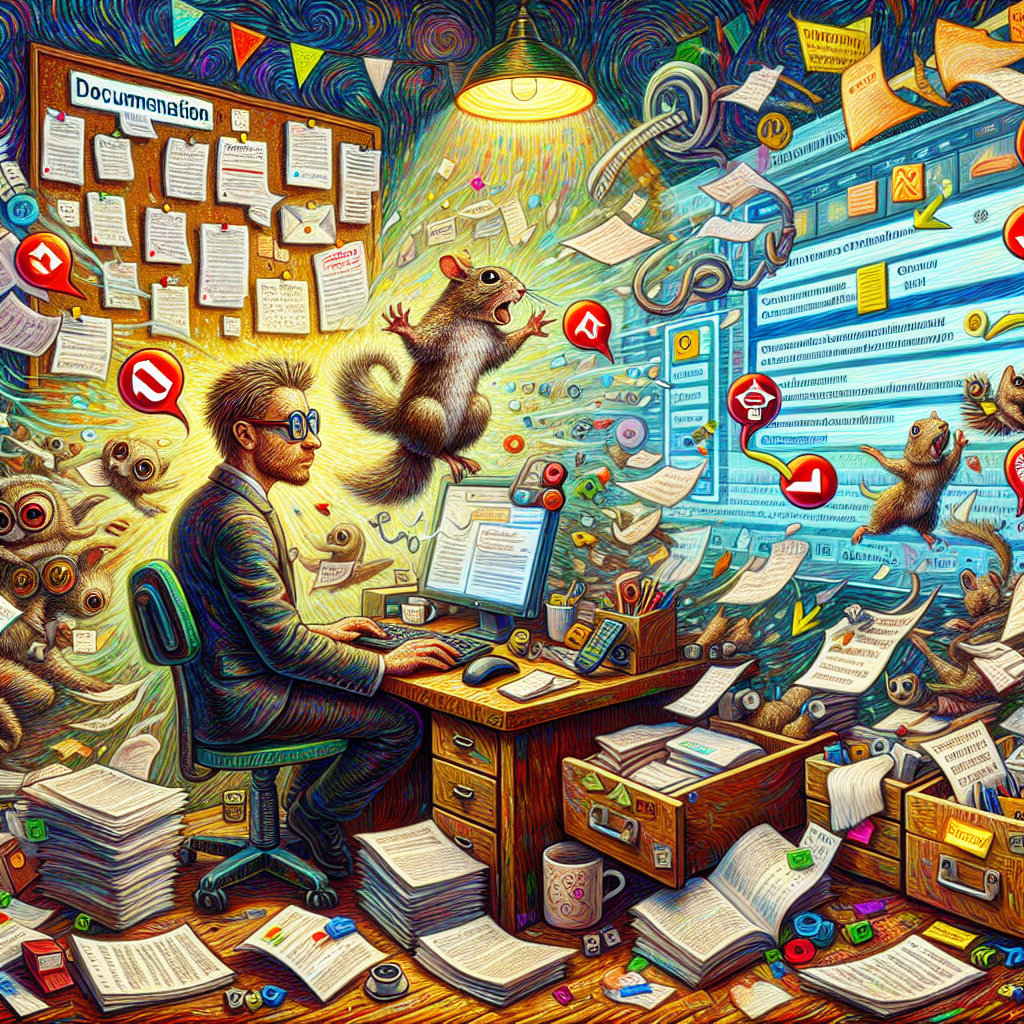
Other Questions
Haiku
The Myth Of Infinite Retrieval – A Haiku
Endless streams of notes,
Seeking truth in tangled webs,
Stories ground our souls.

Haiku
Poem
The Myth Of Infinite Retrieval – A Poem
In a world where whispers of wisdom fade,
We scroll through screens, the depth betrayed.
Information floods like an endless stream,
Yet clarity’s lost in this pixelated dream.
Legacy stories from ages past,
Bring warmth and meaning, connections that last.
We trade them for snippets, quick-silver replies,
Missing the essence beneath the guise.
Is knowledge a treasure, or a burden we bear?
As we chase the mirage, do we truly care?
Critical thoughts dulled, reflection denied,
In the haste for the next, our truths are subside.
Anxiety lingers, as doubt fills the air,
Misinformation cloaked, yet we’re unaware.
We seek to connect but walls often rise,
Digital echoes can’t replace our ties.
Gather ‘round tables, share laughs and our fears,
In storytelling’s warmth, wisdom appears.
Not merely to know but to pause, to engage,
To weave threads of meaning across every age.
Let us reclaim the heart in the rush of our days,
Finding balance in life, in our myriad ways.
For in every narrative shared, a legacy thrives,
In the tapestry of living, true connection survives.

Poem
Checklist
The Myth Of Infinite Retrieval – A Checklist
Emotional Appeals
✅______ Reflect on your personal stories—what experiences shape your perspective?
✅______ Identify moments when digital interactions replaced meaningful face-to-face conversations.
✅______ Acknowledge feelings of inadequacy when comparing your life to curated online images.
Rational Appeals
✅______ Assess how often you engage deeply with information versus skimming for quick facts.
✅______ Evaluate the effects of constant information consumption on your mental health.
✅______ Question whether your reliance on digital sources enhances or hinders your critical thinking.
Ethical Appeals
✅______ Consider the importance of media literacy in your life—how do you verify the credibility of sources?
✅______ Reflect on your responsibility to nurture genuine connections over digital convenience.
✅______ Think about the ethical implications of prioritizing speed over substance in your learning.
Authority Appeals
✅______ Seek and reference trusted voices that promote thoughtful discourse and rich storytelling.
✅______ Identify thought leaders or experienced individuals from whom you can learn and draw wisdom.
Narrative Appeals
✅______ Share a personal story with others that highlights the value of legacy storytelling.
✅______ Engage in conversations that invite others to share their narratives and foster deeper connections.
Social Appeals
✅______ Schedule regular gatherings (in-person or virtual) to connect and share life experiences.
✅______ Participate in community events that emphasize storytelling and shared wisdom.

Checklist
At LegacyExplorations, we help people plan and explore their legacy by collecting information and news regarding end-of-life planning.
Please share this post with your friends, family, or business associates who may want help to plan or explore their legacy.