

Rescuing Lost Narratives: Bridging Emotion, Ethics, And Insight
By Tom Seest
At LegacyExplorations, we help people plan and explore their legacy by collecting information and news regarding end-of-life planning.
Please share this post with your friends, family, or business associates who may want help to plan or explore their legacy.
The Orphaned Image Problem
In a world dominated by visuals, where every moment can be captured and shared, there lies a silent crisis—an emotional disconnect from the images we create. The orphaned image problem refers to those fleeting photos and videos that, despite being captured with care, fail to find their rightful place in our lives. These visuals often end up lost in the ether of our devices, their stories untold and their potential unfulfilled.
Legacy storytelling is about more than just preservation; it’s about connection. Each image has a narrative, a piece of the human experience waiting to resonate with someone. Think of the photographs tucked away in old albums, gathering dust. Those images hold memories—weddings, birthdays, candid moments of laughter that are too precious to fade away. When we neglect these moments, we deny not only the story they tell but also the emotions embedded in them. Our photos deserve a voice, a narrative woven into the fabric of our relationships and history.
Consider the single mom who snaps a picture of her child’s first steps. That image is more than a snapshot; it’s a testament to perseverance, joy, and love. If that photo remains unshared, it becomes orphaned—an island of meaning with no connections to the wider world. Each of us has a role in this landscape of memory-making. By sharing these moments, we engage others, evoking feelings that transcend the visual. It’s a dance between the heart and the mind, an invitation to participate in the legacy of another person’s story.
Delving into the orphaned image issue also brings up ethical considerations. In a society that craves authenticity, the decision to share or keep private becomes paramount. We must reflect on the power of these images—not just for ourselves, but for others. Each photo can spark conversation, show vulnerability, and create bonds that tighten our social fabric.
Creating a framework for addressing the orphaned image problem isn’t just a technical challenge; it’s a societal call to action. We need to bridge the gap between moments captured and the storytelling that follows. Encourage one another to dig into those forgotten folders and offer these images a new life. Inspire trust in the power of shared experiences, because every image, like the people behind it, deserves to be seen, felt, and remembered. It’s about fostering connection—a universal thread that binds us all, reminding us that every captured moment is part of something much larger than ourselves.

The Orphaned Image Problem
The Orphaned Image Problem
- The orphaned image problem refers to photos and videos that are captured but remain unshared and emotionally disconnected.
- Legacy storytelling involves connecting images to narratives that resonate with human experiences.
- Neglected images hold precious memories and emotions, deserving to be shared and not forgotten.
- Sharing personal moments invites engagement and enhances the emotional connections they embody.
- Ethical considerations arise regarding the authenticity and power of images in fostering social bonds.
- Addressing the orphaned image issue requires societal action to bridge the gap between capturing moments and storytelling.
- Every image represents a significant part of a larger narrative, highlighting the importance of fostering connections among individuals.

The Orphaned Image Problem
Table Of Contents
- The Orphaned Image Problem
- What Memories Do Orphaned Images Evoke for You?
- How Do You Decide Which Images Deserve Attention?
- Is Preserving Orphaned Images Ethically Necessary for History?
- Can Technology Help Us Bring Forgotten Images Back to Life?
- What Stories Do These Forgotten Images Tell About Our Past?
- How Does the Loss Of Images Impact Our Understanding Of Heritage?
- Who Is Responsible for Saving Orphaned Images From Obscurity?
- Conclusion
- Other Resources
- Glossary Of Terms
- Other Questions
- Haiku
- Poem
- Checklist
What Memories Do Orphaned Images Evoke for You?
In a world increasingly dominated by fleeting digital moments, let’s pause and contemplate the silent echoes of orphaned images. These discarded photos, often relegated to the depths of our devices or forgotten in old albums, hold profound value. Each one tells a story, a snapshot of life and love, capturing emotions we might otherwise overlook. Legacy storytelling finds its roots here, in the uncharted narratives that each of these images invites us to explore.
Think about it: an old photograph of your grandparents, smiling in front of a humble home. It stirs a sense of connection within you—a reminder of resilience against adversity, an anchor to family values passed down through generations. When you observe these images, they evoke not just nostalgia but also a deeper understanding of where you come from. They prompt you to reflect on the sacrifices made and the victories celebrated. In this way, orphaned images are not simply relics; they are vibrant threads in our personal and collective tapestries.
These photographs beckon us to engage more meaningfully with our past. They challenge us to articulate the stories behind the smiles or tears captured in a split-second—a visual history lesson that informs our present. Recognizing the ethical implications of these memories encourages us to honor them, to share the tales they embody. Each image is a call to action, urging us to recount these stories for future generations. It’s not just about preserving the past; it’s about actively participating in a larger narrative that shapes our identities.
Moreover, consider the social dynamics these images represent. Each face in a forgotten frame connects to a wider community, a network of shared experiences. The joy, heartbreak, and triumph illustrated in these moments resonate deeply within us, fostering a sense of belonging. When we share orphaned images, we extend an invitation, offering a glimpse into our lives while sparking conversations that bridge the gaps between generations.
As you sift through your collection of orphaned images, ask yourself: what stories lie dormant within them? What legacy do you wish to uphold? Embrace these memories, for they are not merely photographs—they are pathways to understanding ourselves, our values, and our potential as part of a greater whole. Dive into this exploration of memory, and let the echoes of the past inspire your future.

What Memories Do Orphaned Images Evoke for You?
What Memories Do Orphaned Images Evoke for You?
- Orphaned images, often forgotten, carry profound value and tell untold stories.
- Old photographs connect us to family and evoke feelings of resilience and shared history.
- These images encourage reflection on sacrifices and celebrations across generations.
- They invite meaningful engagement with our past, challenging us to articulate their stories.
- Recognizing the ethical implications, we are urged to share and honor these memories.
- Orphaned images foster a sense of belonging and community through shared experiences.
- Embracing these memories helps us understand ourselves and our identities within a larger narrative.

What Memories Do Orphaned Images Evoke for You?
How Do You Decide Which Images Deserve Attention?
Deciding which images deserve attention isn’t merely a matter of aesthetics; it’s about legacy and storytelling. The power of a compelling image lies in its ability to evoke emotion, ignite curiosity, and spark conversations that resonate on both personal and communal levels. When we encounter an image, we instantly engage our heart, head, and gut, grappling with what it communicates and why it matters.
The heart appreciates the narratives behind an image. Take a moment to consider an evocative photograph of an elderly craftsman, weathered hands displaying intricate work. The image speaks volumes about a life dedicated to passion and the pursuit of excellence. It connects us to the rich tapestry of human experience—the stories of perseverance and resilience that define our shared history. Each image has a legacy, a story yearning to be told, and it’s our responsibility to recognize and honor that.
From a rational perspective, we must evaluate the context in which an image is presented. What does it represent? Is it a fleeting trend, or does it tap into something more profound? Images that resonate tend to be those that reflect universal truths, whether illustrating the beauty in everyday life or challenging societal norms. They provide a necessary commentary on our world, calling us to examine our values and beliefs. In this way, the images we choose to amplify become part of a larger dialogue, establishing a framework for understanding ourselves and others.
Ethics comes into play as well. It’s vital to consider the implications of showcasing an image. Whose voice is represented? Are we uplifting marginalized communities or furthering stereotypes? As we curate our visual narratives, we must embrace a sense of responsibility, ensuring our choices foster inclusivity and understanding.
Authority also influences our decisions. Images that compel attention often come from credible sources or are created by those with a genuine stake in the story. They draw us in, giving us confidence in the message being conveyed. And in an era where social media amplifies the noise, we have a unique opportunity to curate images that not only inform but inspire action and change.
Ultimately, our decision-making process regarding images is a deeply personal endeavor. By tapping into our values and emotions, we can connect with the stories that deserve our attention—those that challenge, inspire, and resonate with the core of our humanity. It’s about placing one foot in front of the other and allowing images to guide our journey, creating a legacy that speaks to the heart of who we are.

How Do You Decide Which Images Deserve Attention?
How Do You Decide Which Images Deserve Attention?
- Deciding on image significance involves legacy and storytelling, not just aesthetics.
- Compelling images evoke emotion, curiosity, and conversations at personal and communal levels.
- Images hold narratives that reflect human experiences of perseverance and resilience.
- Context evaluation is essential; images may represent universal truths or fleeting trends.
- Ethics play a key role in representation, ensuring inclusivity and avoiding stereotypes.
- Authority and credibility enhance the message of impactful images.
- Choosing significant images is a personal process that influences understanding and inspires action.

How Do You Decide Which Images Deserve Attention?
Is Preserving Orphaned Images Ethically Necessary for History?
Preserving orphaned images is not just a task; it’s an act of legacy storytelling. These visuals, often forgotten in the back alleys of archives, hold the power to connect generations and shape our understanding of the past. Each image is a silent witness, a thread woven into the fabric of our shared human experience. When we look at these photographs, we are not merely viewing pixels; we are engaging with history, feeling the emotions and stories that lurk behind the surface.
Consider the impact of an orphaned image: a dusty photograph of a family gathering from decades ago can trigger a wave of nostalgia, making us reflect on our own roots. It taps into our collective memory, stirring emotions that remind us of who we are and where we come from. In this digital age, where fleeting moments can vanish in an instant, these images gain an unparalleled significance. They embody the essence of the lives lived, victories won, and struggles faced. Preserving them is a way of honoring not just the individuals captured within the frame, but the broader narrative of human resilience.
From a rational standpoint, one might ask: why does it matter? The truth is, the act of preserving these images goes beyond simply saving them from decay; it is about accountability. Ethically, we have a responsibility to ensure that these stories are not lost to time. History is not written by the victors alone; it is a mosaic of experiences, rich and diverse. Orphaned images offer insights that challenge dominant narratives and allow for the inclusion of voices that might otherwise remain unheard. In doing so, they foster a deeper understanding of our past and its diverse perspectives.
Moreover, social dynamics play a crucial role. In a world where community ties often fracture, connecting through shared stories has never been more important. The simple act of sharing an orphaned image can spark conversations, inspire empathy, and bridge divides. When we engage with these artifacts, we reaffirm our commitment to preserving our history for future generations. Each image stands as a testament to those who came before us, and in doing so, it invites us to reflect on our place in the continuum of history.
By prioritizing the preservation of orphaned images, we not only safeguard our history, but we also take an active role in shaping the narrative for years to come. It is about connecting heart, head, and gut—a call to action to be stewards of the legacy storytelling that binds us all.

Is Preserving Orphaned Images Ethically Necessary for History?
Is Preserving Orphaned Images Ethically Necessary for History?
- Preservation of orphaned images serves as an act of legacy storytelling.
- These visuals connect generations and shape our understanding of history.
- Orphaned images evoke emotions and reflections on personal roots and collective memory.
- They signify lives lived, struggles faced, and victories won, emphasizing human resilience.
- Preserving these images is an ethical responsibility to prevent loss of diverse narratives.
- Sharing orphaned images fosters conversation, empathy, and community connection.
- Prioritizing their preservation shapes historical narratives for future generations.

Is Preserving Orphaned Images Ethically Necessary for History?
Can Technology Help Us Bring Forgotten Images Back to Life?
In a world inundated with screens, it’s easy to overlook the power of an image frozen in time. Each photograph tells a story, a unique glimpse into moments past that shape our identities and connections. Yet, many of these images lie buried in old boxes or digital archives, collecting dust instead of celebrating the legacy of the lives once captured. Here’s where technology steps in, offering us tools not just to resurrect these memories but to weave them into the very fabric of our modern storytelling.
Imagine sifting through your grandparents’ old albums, finding faded snapshots of family gatherings, long-gone pets, or holiday gatherings from decades ago. With the aid of digital restoration tools, what were once mere shadows of memories can burst into vivid life. Algorithms can restore color and detail, turning sepia-toned images into vibrant windows to the past. This is more than mere preservation; it’s about infusing life back into our legacy storytelling, ensuring that narratives are not lost to the ages.
By utilizing modern technology, we allow ourselves to connect with our past and extend our family stories to future generations. The emotional appeal is palpable; looking into the faces of our ancestors fosters a sense of belonging, bridging gaps across time. Real people, real moments, and the stories that shape our perceptions of who we are. These images can become a rallying cry, a testament to resilience and continuity, offering insight into the struggles and triumphs that have forged our families.
But the benefits went beyond personal exploration; they speak to ethical storytelling in our communities. By digitally preserving local histories or forgotten stories, we acknowledge the diverse tapestry of human experience. In doing so, we empower voices that might have lingered in silence, providing a platform for reflection and understanding. This builds social connections, fostering a community where every individual’s story is essential to the collective memory.
The authority of technology in this endeavor lies in its ability to democratize access to these stories. No longer are they just curiosities found in musty attics; they become vital connections to our shared cultural heritage. We can trust in the tools we have today, understanding that with every restored image, we honor the nuances of our past and bring new life to forgotten tales. The responsibility to ensure that these narratives endure for future generations rests with us, inviting action to not only preserve but to celebrate the richness of our shared humanity. Together, let’s breathe new life into these images and create a legacy worth remembering.

Can Technology Help Us Bring Forgotten Images Back to Life?
Can Technology Help Us Bring Forgotten Images Back to Life?
- Photographs capture unique stories and moments that shape identities and connections.
- Many images are forgotten in archives but can be revived using digital restoration tools.
- Modern technology allows families to connect with their past and share stories with future generations.
- Restored images foster a sense of belonging and highlight family struggles and triumphs.
- Ethical storytelling benefits communities by preserving local histories and amplifying diverse voices.
- Technology democratizes access to cultural heritage, transforming forgotten images into vital connections.
- Preserving and celebrating these narratives ensures they endure for future generations.

Can Technology Help Us Bring Forgotten Images Back to Life?
What Stories Do These Forgotten Images Tell About Our Past?
Look closely, and you’ll see that these forgotten images are more than just relics of a time long past; they are whispers of legacy storytelling. Each photograph, each faded frame, captures moments that have shaped us, told through the lives of people we’ve never met but are undeniably connected to. They reveal our shared humanity, prompting us to pause and consider: what stories are we neglecting in our rush through modern life?
In the digital age, where images flash before our eyes with the swipe of a finger, the power of a single, still image can become lost, overshadowed by the noise of 24-hour news cycles and viral trends. Yet, these forgotten images speak with a quiet authority, calling us to reflect on the essence of who we are. Each snapshot tells a story—a glimpse of joy, sorrow, struggle, or triumph—that resonates with our own experiences. It’s not just about the faces we see but the lives they lived, the values they held, and the legacies they left behind.
Consider the stories woven into the fabric of these images. They invite us to engage both our hearts and our minds, challenging us to connect emotionally while thinking critically about the lessons they impart. There’s a raw honesty in the way these moments are captured—a reminder that our past shapes our present and, ultimately, our future. It’s this ethical appeal that urges us to honor those who walked before us, recognizing that their sacrifices and successes are threads in the tapestry of our collective narrative.
As we delve into these photographs, we’re not merely looking at static images; we’re peering into the struggles and victories that have defined generations. It’s a call to action. Let’s revive the art of legacy storytelling, ensuring that the voices of yesteryear are not drowned out by the clamor of today but placed on a pedestal for future generations to understand and appreciate.
This is more than personal reflection; it’s a societal endeavor. When we share these stories, we foster a connection that transcends time—a bond that reminds us of the common threads of humanity. We embody the lessons of resilience, compassion, and courage that have emerged from the depths of our history. So, let us embrace these forgotten images, for they hold the power to inspire trust and foster a greater understanding of our shared past, urging us to honor the tales that have shaped the world we inhabit today.

What Stories Do These Forgotten Images Tell About Our Past?
What Stories Do These Forgotten Images Tell About Our Past?
- Forgotten images serve as whispers of legacy storytelling, connecting us to shared humanity.
- Each photograph captures significant moments, urging us to reflect on the stories we overlook.
- The digital age diminishes the impact of still images amidst constant media noise.
- These images convey stories of joy, sorrow, struggle, and triumph that resonate with our own lives.
- Engaging with these images invites emotional connection and critical reflection on historical lessons.
- Reviving legacy storytelling honors past sacrifices, shaping our collective narrative and future.
- Sharing these stories fosters connections that transcend time, embodying lessons of resilience and compassion.

What Stories Do These Forgotten Images Tell About Our Past?
How Does the Loss Of Images Impact Our Understanding Of Heritage?
The loss of images is more than just the disappearance of photographs; it’s an erasure of our collective Legacy. When we think about heritage, we often picture stately buildings, vibrant ceremonies, or family gatherings captured in time. Images serve as bookmarks in our personal and cultural history, enabling us to pass down stories that shape our identity. Without these visual touchstones, we face a profound challenge in maintaining our connection to the past.
Storytelling has always been a fundamental part of human experience. It’s how we share our triumphs, our struggles, and the everyday moments that define us. When images fade or are lost, we not only lose the chance to remember those moments, but we also risk losing the very narratives that bind us together as communities. Each photograph holds a story, a feeling, an event that informs who we are today. These visual archives provide context, making history relatable and tangible. Without them, the intellectual connection to our heritage diminishes, and the emotional resonance fades.
Consider an old family photo: a child in a sunlit backyard, laughter frozen in time. It tells a story of innocence, growth, and belonging. When that image is gone, the memories it sparked begin to dissolve. The head knows the facts, the events surrounding that moment, but the heart aches from the absence. We become detached from the very essence of what it means to be part of something larger than ourselves.
Ethically, we have a responsibility to preserve our visual heritage, not just for ourselves but for future generations. It’s about ensuring that they inherit a tapestry rich with the experiences of those who came before them. As stewards of our heritage, we are tasked with safeguarding these images, creating an environment where storytelling thrives. It’s a call to action for individuals and communities to take an active role in documentation, preservation, and sharing.
The authority of our ancestors is encapsulated in the images they left behind. When these images disappear, their voices grow fainter, and their lessons risk being forgotten. By fostering conversations around our lost visuals, we not only honor those memories but also engage fellow community members, igniting collective action towards preserving our stories.
In this digital age, the onus is on us to navigate the ebb and flow of memory—picking up the pieces where images may have faltered and weaving new threads into the rich fabric of our Legacy. Let’s take steps today to ensure that the stories of our heritage continue to inspire and resonate, inviting connection and understanding for generations to come.

How Does the Loss Of Images Impact Our Understanding Of Heritage?
How Does the Loss Of Images Impact Our Understanding Of Heritage?
- The loss of images represents an erasure of our collective legacy and connection to the past.
- Images serve as bookmarks in personal and cultural history, essential for storytelling and identity.
- When images fade, we risk losing the narratives that bond communities and shape our experiences.
- Old photographs evoke stories of innocence, growth, and belonging that are crucial to our emotional connection.
- There is an ethical obligation to preserve visual heritage for future generations, creating a rich tapestry of experiences.
- Fostering conversations about lost visuals honors memories and encourages collective action for preservation.
- In the digital age, we must actively safeguard our heritage and ensure that stories continue to resonate.

How Does the Loss Of Images Impact Our Understanding Of Heritage?
Who Is Responsible for Saving Orphaned Images From Obscurity?
In a world overflowing with digital content, it’s easy to overlook the orphaned images—those forgotten photographs that reside on the fringes of our collective memory. Each one holds a piece of a legacy, a story waiting to unfold. But who is tasked with the duty of rescuing these fleeting moments from obscurity? It’s a question that resonates deeply, tapping into our shared humanity and igniting the flame of responsibility that burns within us all.
Let’s consider the power of legacy storytelling. These images are not mere pixels; they are relics of real lives, filled with emotions, triumphs, and struggles. They capture glimpses of joy, sorrow, and everything in between—moments that deserve to be shared and remembered. Leaving them to fade into the ether is akin to ignoring a rich tapestry woven by countless hands. It’s our obligation to honor those narratives, to give voice to the voiceless, and to ensure that their stories are not lost.
Rationally speaking, preserving these images benefits us all. As custodians of culture, we gain insight into our past, which aids in shaping our future. Each orphaned image serves as a reminder of where we’ve been and a guide for where we’re headed. This archive of humanity enriches our understanding of social dynamics, cultural shifts, and human resilience. When these images are saved, they act as a bridge connecting generations, fostering a shared sense of identity.
Ethically, there’s a moral imperative. Who better to step up than those of us fortunate enough to wield technology and resources? It’s not just a task; it’s a calling. We must recognize that we are stewards of a greater narrative, holding the keys to unlock stories that deserve to be told. Authority rests not only with historians and archivists but with each of us who encounters these images—an invitation to take action.
When we engage in this endeavor, we cultivate connection. Imagine the satisfaction of discovering an ancestral photograph and tracing the life behind it, rekindling connections within families and communities. This isn’t just about saving files; it’s about reigniting the passion for history and the value of shared experiences.
The responsibility lies with us—every individual with a heart, every community eager to connect, and every storyteller ready to ensure these orphaned images find their way back into our collective consciousness. Let us act, not just for ourselves, but for the legacy of those who came before us.
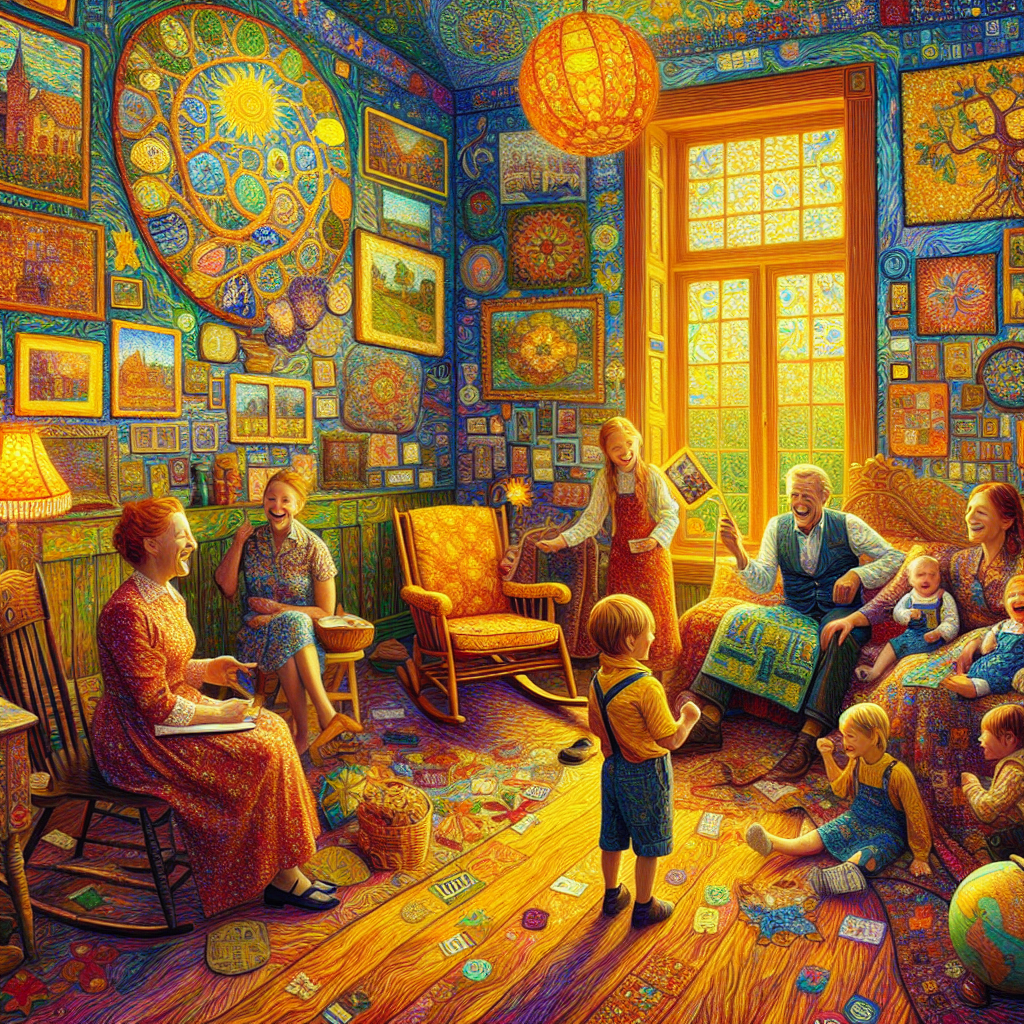
Who Is Responsible for Saving Orphaned Images From Obscurity?
Who Is Responsible for Saving Orphaned Images From Obscurity?
- Orphaned images represent forgotten photographs rich in legacy and stories.
- These images capture emotional aspects of lives, deserving remembrance and sharing.
- Preserving them allows for cultural insight that shapes our future and enriches understanding.
- Saved images connect generations, fostering a shared identity and history.
- There is a moral imperative for individuals with resources to act as stewards of these narratives.
- Engagement in preserving images cultivates connections within families and communities.
- The responsibility to rescue these photographs is shared by all, honoring the legacy of the past.

Who Is Responsible for Saving Orphaned Images From Obscurity?
Conclusion
In a world where images fly by in digital streams, we find ourselves grappling with the orphaned image problem—a silent crisis where countless snapshots are lost, their stories untold. These visuals possess a deep emotional resonance, each one a fragment of the human experience, rich with legacy and connection. When we consider the multitude of photographs stored in devices and forgotten boxes, we acknowledge that each image stands as a testament to a moment worth preserving, be it a fleeting smile or a hard-won victory.
Legacy storytelling goes beyond mere documentation; it’s about recognizing the narratives locked within these frames. Think of the photographs of our past—moments from family gatherings or children’s milestones—each one a reminder of the bonds that unite us. As we sift through these echoing mementos, we confront a profound truth: without sharing these images, we risk isolating their significance. They might fade into nothingness, stripped of their power to evoke connections and emotions.
Ethically, there is an important responsibility tied to how we treat our visual histories. In a rush toward digital space, we often forget the authentic human stories behind the images. By choosing to share and celebrate these orphans, we not only honor the individuals captured but also weave ourselves into a larger narrative, fostering a sense of community that transcends generations.
Technology offers remarkable tools to revive these orphaned images, giving life to memories that might otherwise dim. Digital restoration can turn sepia tones into vibrant windows of the past, allowing us to forge deeper connections to our heritage. Yet, the challenge lies in our commitment to preserving and sharing these stories. It’s a societal call to action—an invitation to take up the mantle of storytellers, to reclaim the moments that define us.
Ultimately, we all share the responsibility of preserving these narratives. Each photograph is not just a memory; it is a piece of our collective legacy that deserves recognition. Engaging with these images doesn’t merely enrich our lives; it strengthens our communities, underscoring the idea that every story is essential to the tapestry of who we are. By breathing life into orphaned images, we ensure that their stories take their rightful place in our cultural consciousness, leaving a legacy for future generations to cherish and reflect upon. Let’s embrace the power of these captured moments and, in doing so, enrich the shared human experience.

Conclusion
Conclusion:
- In a digital world, many images are lost, leaving their stories untold—referred to as the orphaned image problem.
- Each visual is a fragment of human experience, holding deep emotional significance and connection.
- Photographs serve as a testament to precious moments, from fleeting smiles to significant victories.
- Legacy storytelling recognizes and shares the narratives locked within these photographs, preserving the bonds that unite us.
- Ethically, we have a responsibility to acknowledge the human stories behind images and share them to prevent their fading significance.
- Technology can help revive these orphaned images, enhancing connections to our heritage and prompting societal action to preserve stories.
- Preserving and sharing these images enriches lives and strengthens communities, ensuring every story contributes to our collective legacy.

Conclusion
Other Resources

Other Resources
Here is a list of other resources you can review online to learn more:
- Storyworth
- Ancestry
- Everplans
- How Has Time Changed The Cost Of Capturing Family Legacy Stories
- FamilySearch
- Afternote
- Knotify.me
- GhostMemo
- Association of Personal Historians
- Willmaker
- Geneanet
- Legacy Learned
- Personal Legacy Advisors
- Obituary Templates
- deviantART
- WishesKeeper
- How To Write Legacy Stories That Appeal To The Heart, Gut and Head
- Storyfile
- LivingDNA
- FindMyPast
Use This Prompt To Get More Resources With Your Favorite Online AI Tool: Please provide me with a list of online articles with their URLs in a bulleted list that I can read regarding The Orphaned Image Problem

Other Resources
Glossary Terms
The Orphaned Image Problem – Glossary Of Terms
1. Orphaned Image: An image that is stored in a system but not associated with a specific web page or content.
2. Digital Asset Management: A system for storing, organizing, and retrieving digital content, including orphaned images.
3. Metadata: Information describing an image, including details like the creator, date of creation, and usage rights.
4. File Format: The structure in which an image is saved, such as JPEG, PNG, or GIF.
5. Image Repository: A centralized location where images are stored, potentially leading to orphaned files if not managed.
6. Content Management System (CMS): Software used to create, edit, and manage digital content that can lead to orphaned images if not carefully monitored.
7. Broken Link: A hyperlink that no longer points to an active web page or resource, often related to orphaned images.
8. SEO (Search Engine Optimization): Techniques to enhance website visibility which can be affected by orphaned images that lack alt text or proper metadata.
9. Copyright: Legal rights associated with the use and distribution of an image, particularly relevant for orphaned images without clear ownership.
10. Image Optimization: The process of reducing the file size of an image while maintaining quality, which can overlook orphaned images.
11. Image Alt Text: Text descriptions that provide information about an image, important for accessibility and SEO.
12. Archiving: The process of storing images for long-term retention, potentially leading to orphaned images if not properly tagged.
13. Link Rot: The gradual deterioration of links over time, leading to orphaned images if the associated content is deleted.
14. Backlink: An inbound link from another website; orphaned images may miss out on backlinks if not correctly integrated.
15. Image Lifecycle: The stages that an image goes through from creation to deletion, including the risk of becoming orphaned.
16. File Naming Convention: A systematic naming protocol that can prevent orphaned images by improving discoverability.
17. Usage Rights: Legal permissions regarding how an image can be used, relevant for orphaned images without clear rights.
18. Visual Content Strategy: A plan for using images effectively in content, aiming to minimize the occurrence of orphaned images.
19. Asset Lifecycle Management: The process of managing digital assets, including avoidance of orphaned images during transitions.
20. Redundancy: The existence of duplicate images within a system, leading to potential orphaning if not managed.
21. Social Media Integration: The linking of digital content to social platforms, which can surface orphaned images if they are not linked correctly.
22. Image Attribution: Crediting the creator of an image, crucial for avoiding orphaned images that lack proper acknowledgment.
23. User-Generated Content: Content created by users that may contain orphaned images if not properly credited or monitored.
24. Image Compression: The process of reducing image file sizes, which can result in orphaning if original versions are not retained.
25. Data Loss Prevention: Strategies to protect against loss of digital assets, which can help in avoiding orphaned images.
26. DPI (Dots Per Inch): A measure of image resolution that can affect the usability of images, especially those that become orphaned.
27. Visual Search Technologies: Tools that enable searching through images, potentially missing orphaned images without proper indexing.
28. Content Inventory: A comprehensive list of all digital content which helps identify orphaned images in a system.
29. Taxonomy: A classification system for organizing images, reducing the likelihood of orphaned images through structured management.
30. Digital Rights Management (DRM): A set of access control technologies that may be applied to prevent unauthorized use of images, including orphaned images.

Glossary Of Terms
Other Questions
The Orphaned Image Problem – Other Questions
If you wish to explore and discover more, consider looking for answers to these questions:
- What exactly qualifies as an “orphaned image”?
- How common is the orphaned image problem and what evidence documents its scale?
- What are the main causes that lead images to become orphaned?
- How does the problem differ between physical photographs and digital files?
- How does losing images affect individual memory, identity, and family history?
- What ethical issues arise when deciding to preserve or share images of other people?
- How should consent be handled for images of deceased or vulnerable people?
- Who legally owns an orphaned image and who can authorize its preservation or reuse?
- What privacy risks come with digitizing and publishing family or community archives?
- What practical steps should individuals take to identify, catalog, and tag orphaned images?
- Which technologies are best for restoring, colorizing, and repairing old or damaged images?
- How reliable are AI restoration tools, and how can we avoid creating misleading alterations?
- What metadata standards or schemas ensure long-term discoverability and provenance?
- How should communities prioritize which orphaned images to save when resources are limited?
- What roles should families, community groups, archives, museums, and tech platforms play?
- How can crowdsourcing and community-driven projects help identify and contextualize images?
- What funding or business models support sustainable large-scale preservation?
- How do cultural norms and sensitivities influence decisions about preserving or exhibiting images?
- How can rescued images be ethically integrated into education, exhibitions, or local history projects?
- What are best practices for collecting captions, oral histories, and contextual information to accompany images?
- How do social media and cloud-provider policies affect the survival or deletion of images?
- What practical backup, migration, and file‑format strategies prevent future orphaning?
- How should curators handle duplicates, low-quality, or ambiguous images during triage?
- What legal implications exist for using orphaned images in commercial or editorial contexts?
- How can institutions present rescued images accessibly and inclusively for diverse audiences?
- What safeguards are needed to protect sensitive content and the dignity of subjects when publishing archives?
- How can rescued images help recover or amplify marginalized or erased histories?
- What are compelling storytelling formats and platforms for reviving orphaned images?
- How do we measure the social, cultural, or emotional impact of rescuing orphaned images?
- What examples or case studies show successful rescue, restoration, and reuse of orphaned images?
- How can copyright, moral rights, and cross-border laws complicate preservation efforts?
- What training or tools do non‑professionals need to become effective stewards of visual legacy?
- How do climate change, natural disasters, and physical decay threaten photographic heritage and how can we mitigate those risks?
- What public policies or institutional frameworks would better protect visual heritage from being lost?

Other Questions
Haiku
The Orphaned Image Problem – A Haiku
Silent echoes call,
Images whisper their tales,
Hearts lost, stories yearn.

Haiku
Poem
The Orphaned Image Problem – A Poem
In the quiet archives where memories lie,
Orphaned images whisper, asking us why,
Snapshots of laughter, of sorrow, of time,
Each face a story, each moment a rhyme.
Crafted by hands that long have now gone,
Their tales beckon gently like the breaking dawn,
A mother’s first step, a love softly shared,
Pictures forgotten, yet deeply ensnared.
Weave connections, let narratives flow,
Let the heart beat louder with what we know,
Embrace the emotions that long to be seen,
In each faded photograph, history gleams.
Ethics entwined in the stories we tell,
We must not ignore the heritage we sell,
For in sharing these tales, we grow rich in our past,
A tapestry woven with threads that will last.
Technology beckons, reviving the lost,
Restoring the colors, no matter the cost,
Each restored image a bridge to the soul,
Unites our existence, makes the broken whole.
Together were stewards, not just of our own,
But of every lost moment, every heart that was shown,
So sift through those folders, let your heart guide,
Honor the orphans, let their stories reside.
For in every captured glance, the essence of we,
A legacy waiting for all eyes to see,
Let’s breathe life once more into these sacred frames,
And remember, in sharing, we all stake our claims.

Poem
Checklist
The Orphaned Image Problem – A Checklist
Emotional Appeals
✅______ Identify images that evoke strong feelings—joy, nostalgia, or inspiration.
✅______ Reflect on personal stories tied to each image; document these narratives.
✅______ Create a dedicated space (digital or physical) to showcase your favorite images.
Rational Appeals
✅______ Evaluate the significance of images based on context and storytelling potential.
✅______ Research the backgrounds of images to understand their historical value.
✅______ Establish criteria for which images to prioritize for sharing or preserving.
Ethical Appeals
✅______ Consider whose stories are included in your image collection—are marginalized voices represented?
✅______ Reflect on the implications of sharing images—do they respect privacy and consent?
✅______ Be mindful of the narrative each image tells. Are you preserving authenticity?
Authority Appeals
✅______ Seek out expertise when restoring or preserving images (e.g., consultation with archivists).
✅______ Acknowledge heritage custodians and cultural historians when sharing your findings.
✅______ Stay informed on technological advancements in digital preservation.
Narrative Appeals
✅______ Create captions or narratives for each image to provide context.
✅______ Develop a narrative arc—how do these images collectively tell a story?
✅______ Encourage conversations about the stories behind the images with family and friends.
Social Appeals
✅______ Share orphaned images on social media with appropriate hashtags to reach a wider audience.
✅______ Organize community events or discussions centered around shared images.
✅______ Invite others to contribute their orphaned images and stories, fostering a collective memory.

Checklist
At LegacyExplorations, we help people plan and explore their legacy by collecting information and news regarding end-of-life planning.
Please share this post with your friends, family, or business associates who may want help to plan or explore their legacy.