

Unveiling The Emotive Influence Of Incomplete Memories
By Tom Seest
At LegacyExplorations, we help people plan and explore their legacy by collecting information and news regarding end-of-life planning.
Please share this post with your friends, family, or business associates who may want help to plan or explore their legacy.
The Power Of Partial Memories In Storytelling
In the grand tapestry of storytelling, partial memories weave the threads that connect us to our past and, paradoxically, shape our future. These fragments may be fleeting snapshots, hazy glimpses of moments long gone, yet they wield an undeniable power. When we allow ourselves to embrace these echoes, we find a richness that resonates beyond mere factual recounting—it’s where legacy storytelling truly takes flight.
Think of a time when a singular detail—a smell, a sound, or even a look—transported you back to a cherished moment or a lesson learned. These partial memories possess an exquisite honesty. They cut through the clutter of everyday life, tapping directly into the emotional core of our experiences. Such memories don’t demand precision; they invite interpretation, drawing us into a shared narrative that transcends the mundane. They remind us that our stories don’t always have to be polished; they just need to be genuine.
From a rational perspective, embracing these fragments enriches not only our understanding of ourselves but the world around us. They challenge the conventional wisdom that our memories must be perfect to have value. The beauty lies in their imperfections—they encourage reflection and invite dialogue, leading us to question, “What does this mean to me, to us?” In an age oversaturated with information and competing narratives, these partial memories can serve as guides, providing clarity amidst the noise.
Ethically, there’s something profoundly powerful about the stories we choose to share. By honoring our partial recollections, we acknowledge the complexity of human experience. It’s a stance that says we are not alone in our struggles or triumphs; it fosters a sense of community. These shared experiences become the bones of our societal fabric, where authenticity in storytelling can inspire trust and connection.
Take a moment to consider the authority of experience. The most compelling stories are often told by those who have lived them. The raw, unrefined whispers of partial memories strike a chord with listeners, empowering them to reflect on their own journeys. Such narratives forge bonds that resonate on a level deeper than words alone—ones that can lead to action, healing, and a collective sense of purpose.
In a world that often feels divided, embracing the power of partial memories in storytelling might just be the bridge we need to cross. It’s an invitation to listen, to connect, and ultimately, to reflect on the rich legacy each of us has in this shared human experience.

The Power Of Partial Memories In Storytelling
The Power Of Partial Memories In Storytelling
- Partial memories connect us to our past and shape our future, enriching storytelling.
- These memories—often fleeting and hazy—invite interpretation and resonate emotionally.
- They remind us that authenticity in storytelling is more important than perfection.
- Embracing fragments helps us understand ourselves and the world, challenging conventional views on memory value.
- Sharing partial recollections fosters community and acknowledges the complexity of human experiences.
- Compelling stories often come from personal experiences, striking a chord that inspires reflection and action.
- Embracing partial memories can bridge divides and enhance our shared human experience.

The Power Of Partial Memories In Storytelling
Table Of Contents
- The Power Of Partial Memories In Storytelling
- What Stories Do Your Partial Memories Reveal About Your Identity?
- How Can Fragmented Memories Enhance The Depth Of A Narrative?
- Why Do We Remember Certain Moments And Forget Others Entirely?
- What Emotions Surface When We Revisit Our Faded Recollections?
- How Do Partial Memories Shape Our Understanding Of Truth?
- Can Storytelling Heal The Wounds Of Forgotten Experiences?
- What Role Do Selective Memories Play In Our Relationships?
- Conclusion
- Other Resources
- Glossary Of Terms
- Other Questions
- Haiku
- Poem
- Checklist
What Stories Do Your Partial Memories Reveal About Your Identity?
Life is a collection of stories, each one a brushstroke on the canvas of who we are. Sometimes, these stories are clear, painted with broad strokes of triumph and joy. More often, they’re a patchwork quilt of partial memories, fragments of laughter echoing from childhood or whispers of heartache that linger like an old familiar song. It’s in these snippets where we discover our legacy—an unspoken history that shapes our identity.
Imagine sitting around a fire with loved ones, sharing pieces of your life like precious treasures. Each tale spun reveals not just your past but your very essence. Those moments aren’t merely entertainment; they’re the glue that binds us together, teaching us that while the specifics might fade, the emotions—those indelible feelings of love, loss, joy, and struggle—remain vivid. This is where the heart finds its rhythm.
Consider this: those stories aren’t just yours. They belong to your family, your community, and offer a sense of belonging that stretches across generations. They evoke a rational understanding of our experiences and how they shape us. The scars, the victories—these become the fabric of our shared existence. They remind us that while we walk our own paths, we leave behind imprints on others, shaping not just our futures but those of our loved ones.
Ethically speaking, embracing these narratives fosters a culture of understanding and acceptance. We’re compelled to listen, to learn, and to grow. After all, storytelling has been humanity’s oldest tool for survival. It instills trust, guiding our moral compass and urging us to consider what we pass down. It challenges us to think critically about what defines us, both individually and collectively.
The power of these partial memories lies in their ability to connect us. When we share, we invite others into our world—creating a ripple effect that encourages vulnerability, healing, and authenticity. They inspire action, urging us to not only reflect but also write new chapters in our lives. By becoming stewards of our stories, we ensure that they’re not lost in the ether; instead, they breathe life into those who come after us.
So, dig deep into your memories, cherish their fragments, and weave them into your legacy. What tales will you share? What truths will you uncover? Your identity isn’t just a collection of experiences; it’s the vibrant tapestry created by the stories you choose to tell.

What Stories Do Your Partial Memories Reveal About Your Identity?
What Stories Do Your Partial Memories Reveal About Your Identity?
- Life is composed of stories, each contributing to our identity.
- Stories may vary between joyous triumphs and nostalgic heartbreaks.
- Sharing stories fosters connection and teaches us about emotional experiences.
- These narratives belong not just to individuals but to families and communities.
- Embracing storytelling promotes understanding, acceptance, and moral reflection.
- Sharing memories can inspire vulnerability, healing, and authenticity.
- Our identity is a vibrant tapestry woven from the stories we choose to tell.

What Stories Do Your Partial Memories Reveal About Your Identity?
How Can Fragmented Memories Enhance The Depth Of A Narrative?
Fragmented memories can shape a narrative’s depth in a way that resonates with the very core of our human experience. Each fragmented piece weaves a rich tapestry of emotions, creating a legacy that is both personally significant and universally relatable. They capture the imperfect moments of our lives, the moments where clarity evades us, yet truths emerge from the chaos. This approach to storytelling doesn’t just recount events; it invites the audience to step into the disjointed dance of memory, allowing them to feel, reflect, and connect.
Consider for a moment the cafés where laughter mingles with the scent of fresh coffee, or the chilling gust of wind that carries the bittersweet echo of a love lost. These memories are often fragmented, snapshots in time. They don’t always follow a logical sequence, but that is what makes them powerful. Each fragment—a glanced smile, a heartfelt laugh, a moment of vulnerability—carries weight and significance, stirring an emotional response that can shake us to our core.
Narrative structure thrives on this richness. Instead of a linear path, fragmented memories allow readers to piece together their own understanding, engaging both the heart and the head. They provoke thought, and through that process, they foster connection. This is not just storytelling; it’s a legacy, a collective memory that speaks to the chaotic beauty of life that binds us all.
From a rational standpoint, we know that our memories shape our identities, influencing how we perceive the world and interact with it. By embracing the fragments, we acknowledge our authentic selves. Each piece tells us something about who we are and who we strive to be. Ethically, there’s tremendous significance in sharing these stories, as they empower others to find strength in their own disarray. They remind us that it’s okay to not have it all together.
Authority in storytelling arises from authenticity. When we share broken pieces, we do so from a place of truth. This establishes not only credibility but also trust with the audience. They see themselves in the narrative, their stories mirroring the fragmented elegance of our own experiences.
Embracing fragmented memories doesn’t just deepen a narrative; it breathes life into it, sparking inspiration. It encourages every one of us to honor our messy, beautiful lives—each imprint serving as a reminder that we are not alone in our journey.

How Can Fragmented Memories Enhance The Depth Of A Narrative?
How Can Fragmented Memories Enhance The Depth Of A Narrative?
- Fragmented memories enhance narrative depth, resonating with human experience.
- Each memory piece creates a tapestry of emotions, combining personal significance with universal relatability.
- Such storytelling captures imperfect moments, revealing truths amidst chaos.
- Examples like laughter in cafés or echoes of lost love illustrate the emotional weight of fragmented memories.
- Readers engage with these fragments, piecing together their understanding and fostering connections.
- Sharing fragmented stories acknowledges authenticity, empowering others to embrace their own journeys.
- Authenticity in storytelling builds trust and credibility, making narratives relatable and inspiring.

How Can Fragmented Memories Enhance The Depth Of A Narrative?
Why Do We Remember Certain Moments And Forget Others Entirely?
Memory is a curious beast. It clings to some moments with tenacity, while others fade like echoes in an empty room. Why do we hold on to certain snippets of our lives while letting others slip into the abyss? It all comes down to the story we weave around our experiences. Each memory serves as a chapter in our personal narrative, helping us construct our legacy.
Think about that warm summer evening when laughter danced through the air as you gathered with friends around a fire. It’s the kind of moment that wraps itself around your heart; the shared stories, the heartfelt confessions, and the collective memories all shape who we are. Emotions are powerful triggers for memory — joy, love, even heartbreak. These feelings etch themselves into our minds and hearts, giving us something tangible to hold on to.
We also find that certain circumstances elevate our memories from mere recollections into sacred milestones. A job well done, a moment of personal triumph, or even acts of kindness — these instances resonate with our values and ethics. They remind us of who we aspire to be. A story of perseverance, for example, offers wisdom, lighting the path for others navigating similar challenges. It’s more than just a personal memory; it becomes a living, breathing lesson for anyone willing to listen.
Our brains tend to prioritize memories linked to significant social interactions, helping us bond with others. Connection drives the human experience, and our memories of shared moments create a bridge to one another. When we reminisce about those evenings spent in good company, we’re not just recalling events; we’re reinforcing our social fabric, threading our stories together into a rich tapestry that spans generations.
But here’s the crux: the stories we tell ourselves and each other hold immense power. They define our perspective, shape our choices, and ultimately influence the legacy we leave behind. Our memories, the ones we cherish, and the ones we let go, are all part of a greater narrative. So, when you reflect on what you remember most — ask not only why it matters to you, but also how those moments might inspire others. After all, memory is a gift, sharing it is a choice, and in choosing to share, we connect with a legacy that transcends time.

Why Do We Remember Certain Moments And Forget Others Entirely?
Why Do We Remember Certain Moments And Forget Others Entirely?
- Memory can be selective, highlighting important moments while others fade away.
- Memories are shaped by the narratives we create around our experiences.
- Emotions such as joy, love, and heartbreak serve as powerful triggers for memory.
- Certain milestones resonate with our values, becoming significant memories that inspire us.
- Memories of social interactions strengthen bonds and reinforce our connections with others.
- The stories we share influence our perspectives and the legacies we create.
- Reflecting on our memories offers a chance to inspire others and foster connection.

Why Do We Remember Certain Moments And Forget Others Entirely?
What Emotions Surface When We Revisit Our Faded Recollections?
As we sift through the dusty boxes of our minds, revisiting faded recollections often stirs a concoction of emotions—nostalgia, regret, joy, or even sorrow flash across our mental canvas like an old film reel. Each memory is a piece of our legacy, illuminating who we were, who we are, and the stories we carry within us. We are storytellers by nature, weaving our experiences into a narrative that defines our existence and gives our lives meaning.
When we choose to revisit these recollections, we tap into a well of human experience that transcends time and space. Maybe it’s the smell of a home-cooked meal triggering laughter over shared holidays, or perhaps it’s the heart-wrenching moment of saying goodbye to a loved one. Regardless, these memories remind us of our connections—the bonds that anchor us to our families, friends, and communities. They reflect our struggles, victories, and shared humanity, fueling a sense of belonging in an otherwise chaotic world.
Engaging with our past can provoke a range of responses; each memory acts as a mirror, reflecting our growth. When we confront our regrets, we may feel a knot tighten in our stomach, an unsettling reminder of choices made or paths not taken. Yet, within that discomfort lies an invitation to learn. It beckons us to step back, assess, and evolve. In this space, we forge the wisdom to not only understand our own journeys but to empathize with others.
By understanding these feelings—both heartwarming and gut-wrenching—we empower ourselves to shape our narrative and influence those around us. Each person we meet carries their own faded recollections, their own legacy of storytelling. These connections bind us together, creating a tapestry of shared experiences that strengthens our communities.
In embracing our memories, we cultivate resilience and compassion. Perhaps, in sharing our stories, we inspire others to do the same, heralding a movement of vulnerability and authenticity. We invite them to reflect and react, fostering a culture where it’s okay to recount the good with the bad.
So, as you walk down these memory lanes, don’t shy away from the emotions that surface. Lean in, absorb, and let that rich fabric of your life’s legacy fuel not only your path forward but also illuminate the stories waiting to be shared with the world.

What Emotions Surface When We Revisit Our Faded Recollections?
What Emotions Surface When We Revisit Our Faded Recollections?
- Revisiting memories evokes a mix of emotions, including nostalgia, joy, and sorrow.
- Each memory is an integral part of our legacy, shaping our identity and life narrative.
- Memories foster connections with families, friends, and communities, reflecting shared humanity.
- Engaging with the past provokes growth and learning, inviting us to confront regrets.
- Understanding our feelings enables us to shape our narrative and empathize with others.
- Sharing stories creates a tapestry of experiences that strengthens communal bonds.
- Embracing memories cultivates resilience and compassion, inspiring vulnerability and authenticity.

What Emotions Surface When We Revisit Our Faded Recollections?
How Do Partial Memories Shape Our Understanding Of Truth?
When we talk about how partial memories shape our understanding of truth, we’re diving into the messy, intricate world of human experience. Life is a collage of moments—some vivid, others faded—a jumble of sights, sounds, and even scents that stitch together our legacy. Think about it: our memories form the backbone of our storytelling. They are the threads that weave our personal narratives, frameworks through which we perceive the world and understand ourselves.
Consider a family gathering, where laughter echoes and nostalgia hangs thick in the air. Each anecdote shared is colored by the perspectives of those recounting it, each retelling influenced by emotion and time. One cousin may remember a moment of triumph—landing the winning goal in a childhood soccer game—while another recalls the pain of defeat. Both accounts are partial, yet undeniably true in the minds of those sharing them. This isn’t just memory; it’s the essence of legacy storytelling, where each version adds depth to our collective understanding, shaping truths that transcend mere facts.
On a rational level, we understand that memories are often flawed, reshaped by emotions, filtered through the lens of our experiences. Yet, it’s this very imperfection that offers an opportunity for growth. Embracing the complexity of partial memories invites us to question our understanding of truth. We learn to recognize that truth isn’t always a straightforward path; sometimes, it’s a winding road filled with detours and dead ends. Acknowledging the varying shades of truth surrounding us fosters empathy and connection, reminding us that everyone’s life story is colored by their unique experiences.
Ethically, grappling with partial memories pushes us to be more mindful. We have a responsibility to listen—to open our hearts and minds to the stories of others. By doing so, we create a community rich with diversity, where compassion reigns. Socially, these conversations build bridges among us, igniting connections that lead to collaborations and understanding.
In the grand tapestry of life, we hold the power to transform our understanding of truth through our stories. Let us lean into those partial memories; let them guide us as we foster connections and create a legacy rooted in shared human experience. Each story told is a stepping stone towards a more compassionate, informed, and united future.

How Do Partial Memories Shape Our Understanding Of Truth?
How Do Partial Memories Shape Our Understanding Of Truth?
- Partial memories shape our understanding of truth, reflecting the complexity of human experience.
- Memories form the basis of storytelling, weaving personal narratives that influence our worldview.
- Family gatherings illustrate how different perspectives create multiple, valid versions of shared experiences.
- Memories can be flawed and reshaped by emotions, providing insights into the nature of truth.
- Recognizing the nuances of truth fosters empathy and connection among individuals.
- Engaging with partial memories encourages us to listen to each other’s stories, promoting community and compassion.
- Our stories and shared experiences can transform our understanding of truth and foster a united future.

How Do Partial Memories Shape Our Understanding Of Truth?
Can Storytelling Heal The Wounds Of Forgotten Experiences?
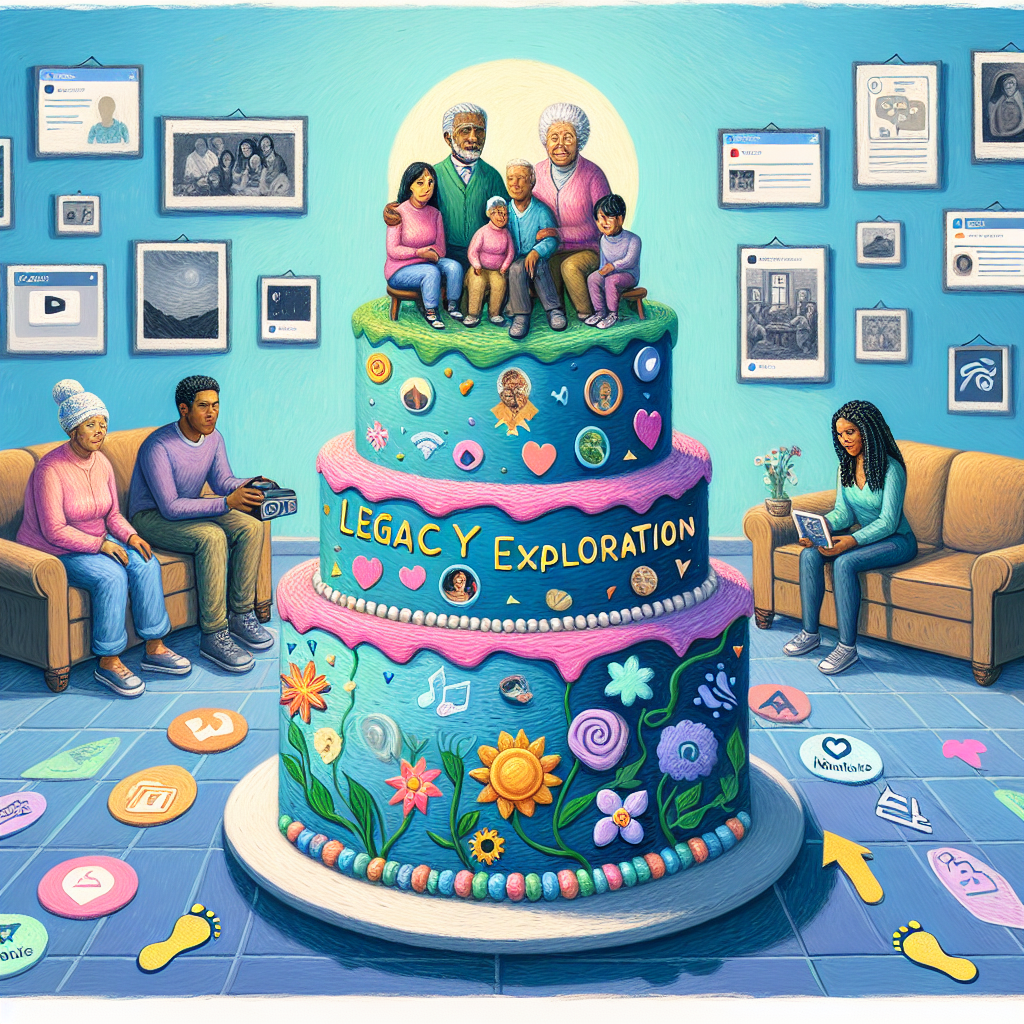
In a world where memories fade like whispers in the wind, we have a powerful tool at our disposal: storytelling. It’s not just a craft; it’s an art form that holds the potential to mend the wounds of forgotten experiences, healing hearts and minds one tale at a time. Legacy storytelling serves as a beacon, guiding us through the murky waters of our past, allowing us to reclaim those lost fragments of ourselves.
Picture this: you sit around a crackling fire, surrounded by friends and family, sharing stories that make you laugh, cry, and reflect. It’s in these moments that we realize our individual experiences create a collective tapestry, rich with colors, textures, and patterns. Every story told is a thread woven into the fabric of our shared existence. When we invite others to hear our narratives—whether of joy, pain, triumph, or defeat—we nurture a bond that transcends the individual. That connection reminds us we are not alone in our struggles.
Yet, while the emotional weight of storytelling resonates deeply, there’s a rational side too. Our brains are wired for stories. They help us process complex emotions and experiences, transforming chaos into coherence. When we articulate our struggles through the lens of narrative, we make sense of our lives. It’s a psychological release; the very act of sharing our stories can lower anxiety, foster resilience, and ignite healing. The mind responds to the stories we tell, shaping our beliefs and attitudes about ourselves and the world around us.
Ethically, there’s an obligation we carry to pass down our stories, ensuring the echoes of the past do not vanish into silence. Legacy storytelling is not just about the past; it’s about paving the way for future generations to learn from our experiences. It’s a gift we give to those who come after us, a compass guiding them through their own journeys by illuminating the paths we navigated.
So, let’s embrace this powerful tool. Pull up a chair, open your heart, and share your story. Each experience, no matter how small or painful, has the potential to heal not just you, but those around you. In a world that can often feel disconnected and isolating, it’s time we recognize the strength in vulnerability. We all have a story worth telling—let’s make it matter.

Can Storytelling Heal The Wounds Of Forgotten Experiences?
Can Storytelling Heal The Wounds Of Forgotten Experiences?
- Storytelling is a powerful tool that helps mend the wounds of forgotten experiences.
- It serves as a beacon, guiding us to reclaim lost fragments of ourselves.
- Sharing stories creates a collective tapestry of experiences, fostering bonds that transcend individuality.
- Our brains are naturally wired for stories, helping us process complex emotions and experiences.
- The act of sharing stories can lower anxiety, foster resilience, and ignite healing.
- Ethically, we have an obligation to pass down our stories for future generations.
- Embracing storytelling allows us to connect, heal, and recognize the strength in vulnerability.
Can Storytelling Heal The Wounds Of Forgotten Experiences?
What Role Do Selective Memories Play In Our Relationships?
Selective memories are fascinating creatures, aren’t they? We tuck away moments that shine like gold in our hearts while shoving the less flattering ones deep into the shadows. These memories frame our relationships, sketching the outlines of love, laughter, and sometimes, even heartbreak. They create the narrative tapestries that we carry into every conversation, every gathering, and every holiday dinner. In this ongoing legacy storytelling, we craft a version of reality that serves us—protecting our dignity, bolstering our self-esteem, and revealing our longings.
Think of it this way: the human brain is a lot like a courtroom, hosting a judge, a jury, and a defense attorney—all within the confines of our conscious thoughts. As we revisit our relationships, we sift through piles of evidence—the memories—and none of them are ever treated with equal weight. What sticks? The times you supported each other through thick and thin, turning minor conflicts into the fabric of shared smiles. What fades? The arguments that fizzled out after moments of heated passion, often swept under the rug like forgotten dust.
This is not merely idle storytelling. Our selective memories carry a weighty responsibility. They determine how we present ourselves in social settings and influence the foundations of trust we build with others. Rationally, we may know that every relationship has its ups and downs, but emotionally, we tend to highlight the high points, neglecting the complexity that truly defines us as human beings. This selective lens can create a false narrative, where challenges transform into monsters lurking in the background, while victories stride confidently into the limelight.
It’s crucial then, to engage in open dialogue about our pasts. Encouraging honest reflection fosters connections that breathe life into relationships. When we own our mistakes and remember both sides of the coin, we paint a fuller picture—one that helps us grow, learn, and commit to a more authentic future together. By doing so, we not only honor our individual experiences but also respect the intricate tapestry of shared stories that form the bedrock of our legacy.
Our selective memories shape the way we love and connect with one another. Let’s choose to celebrate the moments that uplift us while acknowledging the lessons embedded in those we might rather forget. Together, we can turn our memories into a living history that respects the past while embracing a richer, fuller present.

What Role Do Selective Memories Play In Our Relationships?
What Role Do Selective Memories Play In Our Relationships?
- Selectively remembered moments are cherished while unfavorable ones are often ignored.
- Memories influence our relationships, shaping narratives of love, laughter, and heartbreak.
- The brain operates like a courtroom, weighing memories differently based on personal biases.
- Positive shared experiences tend to be highlighted, while conflicts fade into obscurity.
- Selective memories affect self-presentation and the foundations of trust in relationships.
- Engaging in open dialogue about past experiences fosters deeper connections and personal growth.
- Celebrating uplifting moments while acknowledging difficult lessons enriches our collective memory.

What Role Do Selective Memories Play In Our Relationships?
Conclusion
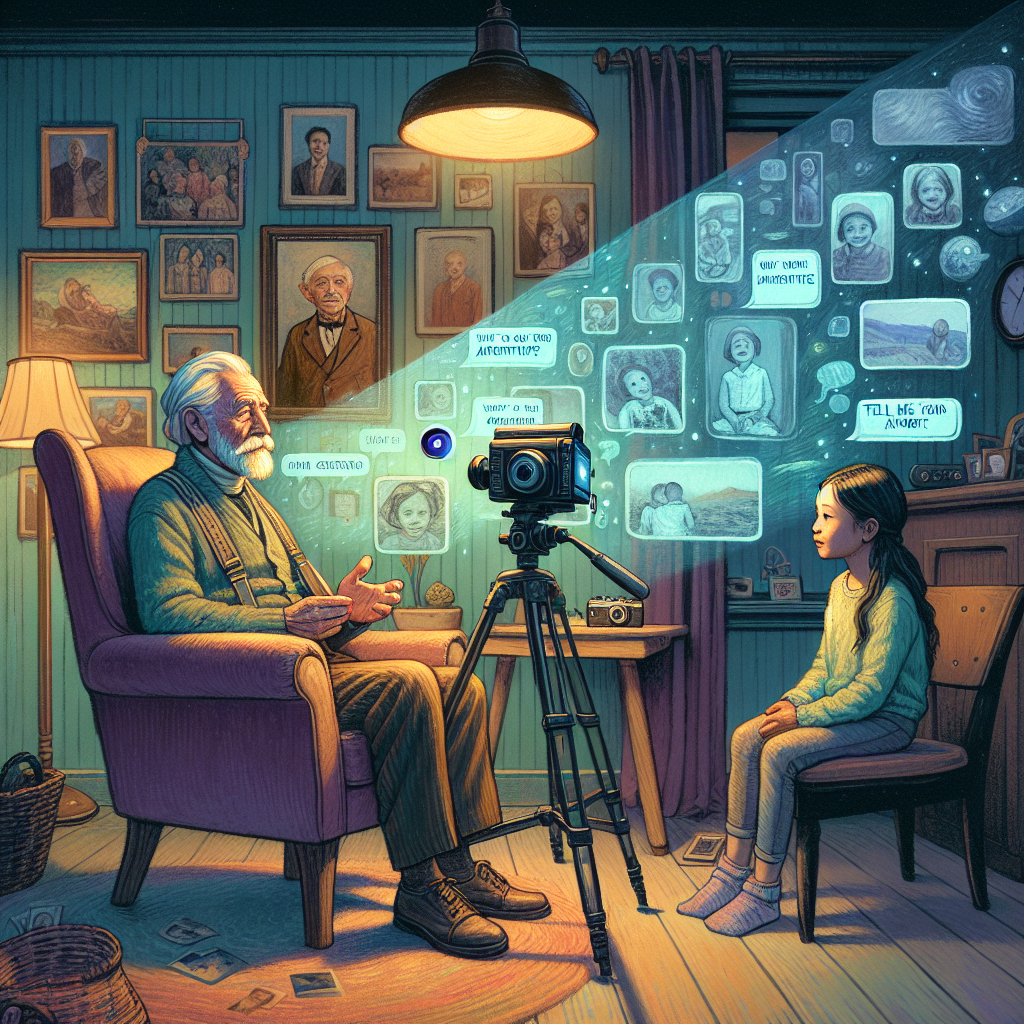
Partial memories hold a unique power in the realm of storytelling, acting like a compass that guides us through the rich terrain of our human experience. They’re the fleeting glimpses of our past—the laughter around a campfire, the scent of a loved one’s perfume—that evoke emotions too profound for precision. These memories remind us that life isn’t always about the flawless recounting of events; it’s the imperfections that breathe life into our narratives, inviting us to dig deeper and find meaning beyond mere facts.
Think about the times when a single detail—a familiar laugh or a comforting smell—sends you spiraling back to a moment that defines you. These fragments aren’t just personal; they’re universal, serving as touches of connection that weave our shared humanity. Each storyteller has lived a unique experience, and when these flawed, fragmented memories spark our interest, they create spaces for empathy and understanding. As we stumble through our narratives, we inadvertently forge bonds with others who grapple with their own stories.
In an information-saturated world, we may find ourselves lost amid competing narratives. Embracing partial memories can provide clarity and spark dialogue, urging us to reflect on what these pieces reveal about ourselves, our relationships, and our communities. In this chaotic world, the challenge lies in finding authenticity within these fragments and sharing them courageously.
Ethically, weaving these pieces into our storytelling nurtures a culture of belonging and acceptance. It grants us permission to embrace our complexities, highlighting that we all share struggles and triumphs. By sharing our experiences, we contribute to a collective narrative that strengthens our social fabric, creating a sense of community where no one has to feel alone.
Moreover, when we revisit these memories, we’re able to unearth layers of emotions—nostalgia, joy, even regret—that shape our understanding of ourselves and others. By engaging with these feelings, we foster resilience and compassion, recognizing that our memories are the threads that bind us together.
So, as you reflect on your journey, consider what stories lie within those partial memories. Each tale is a testament to your identity and a lifeline to another human heart. When we lean into these narratives, we not only honor our legacy but also become part of a broader story—a living testament to the intricate, beautiful tapestry of life we all share. Let’s be the storytellers who embrace the messiness and magic of our fragmented memories, for they just might illuminate the path forward for us all.

Conclusion
Conclusion:
- Partial memories serve as a compass in storytelling, guiding us through human experiences.
- These memories—evoking powerful emotions—highlight life’s imperfections and their significance in narratives.
- Single details can transport us back to defining moments, emphasizing the universal nature of these fragments.
- Embracing partial memories fosters empathy and connection, enabling bonds with others navigating their own stories.
- In a crowded information landscape, these memories offer clarity and spark essential dialogue about identity and community.
- Sharing our complex experiences nurtures a culture of belonging and strengthens social connections.
- Engaging with our memories cultivates resilience and compassion, weaving a rich tapestry of shared human stories.
Conclusion
Other Resources

Other Resources
Here is a list of other resources you can review online to learn more:
- FutureMe
- LifeSite
- Everplans
- Afternote
- Funeral Services Guide
- Bcelebrated
- Forever Missed
- LivingDNA
- Cake
- MyWishes
- How to Avoid Losing Your Family History One Generation at a Time
- Willmaker
- How To Write Legacy Stories That Appeal To The Heart, Gut and Head
- LifeWeb 360
- ForeverMissed
- Tributize
- LifeNaut
- FuneralWise
- How to Save Your Family�s Stories from Being Lost Forever � A Step-by-Step Guide to Creating a Lasting Digital Legacy
- Memorial Matters
Use This Prompt To Get More Resources With Your Favorite Online AI Tool: Please provide me with a list of online articles with their URLs in a bulleted list that I can read regarding The Power Of Partial Memories In Storytelling

Other Resources
Glossary Terms
The Power Of Partial Memories In Storytelling – Glossary Of Terms
1. Partial Memory: Incomplete recollections that can evoke emotions and shape narratives.
2. Nostalgia: A sentimental longing for the past, often triggered by partial memories.
3. Episodic Memory: A type of memory that involves recollection of specific events and experiences.
4. Fragmentation: The process of recalling pieces of memories instead of complete experiences.
5. Cognition: The mental action or process of acquiring knowledge through thought and experience.
6. Imagination: The faculty of forming new ideas or images not directly perceived through the senses.
7. Subjectivity: Personal interpretation of experiences that influences how stories are told.
8. Narrative Structure: The framework that shapes the sequence and arrangement of a story.
9. Context: The circumstances or background that inform and influence memories and storytelling.
10. Emotion: A complex psychological state that affects how stories resonate with audiences.
11. Relatability: The quality of being relatable or identifiable within a narrative, often due to shared partial memories.
12. Symbolism: The use of symbols to convey deeper meanings within a story, often rooted in memory.
13. Intertextuality: The relationship between texts and how they reference or influence each other, reflecting collective memory.
14. Redemption Arc: A narrative device where a character overcomes setbacks, often utilizing moments of partial memory.
15. Unreliable Narrator: A storytelling technique where the narrator’s credibility is compromised, often due to selective memory.
16. Imagery: Descriptive language that creates mental pictures, enhancing the connection with partial memories.
17. Theme: The central topic or underlying message in a story that can resonate with shared human experiences.
18. Flashback: A narrative device that interrupts the chronological flow to recall a past event, often highlighting partial memories.
19. Foreshadowing: Hints or clues that suggest future events, often based on collective memory or experiences.
20. Ambiguity: The presence of multiple interpretations, often resulting from partial memories and complex narratives.
21. Cultural Memory: Shared recollections within a group or society that influence storytelling.
22. Authenticity: The quality of being genuine or true to an experience, often enhanced by personal partial memories.
23. Mythology: Traditional stories that shape cultural beliefs and values, often rooted in shared memories.
24. Inner Monologue: A narrative technique that presents a character’s thoughts and feelings, revealing partial memories.
25. Character Arc: The transformation of a character throughout a story, often influenced by their past memories.
26. Metaphor: A figure of speech that implies comparisons, allowing partial memories to enhance emotional depth.
27. Perspective: A narrator’s viewpoint that can shape the storytelling experience and alter memory interpretation.
28. Therapeutic Storytelling: The use of narrative to facilitate healing and understanding within personal or collective memories.
29. Poignancy: A quality that evokes a strong emotional response, often linked to bittersweet memories in storytelling.
30. Temporal Distortion: The alteration of perceived time in narratives, influencing how memories are recalled and interpreted.

Glossary Of Terms
Other Questions
The Power Of Partial Memories In Storytelling – Other Questions
If you wish to explore and discover more, consider looking for answers to these questions:
- What are some examples of partial memories that have significantly impacted people’s lives?
- How can individuals effectively capture and share their partial memories?
- In what ways do cultural differences influence the way partial memories are perceived and shared?
- How do partial memories contribute to the process of healing from trauma?
- What techniques can storytellers use to convey the emotions associated with partial memories?
- How do partial memories shape our understanding of history and collective narratives?
- What role does nostalgia play in the power of partial memories?
- How does the act of storytelling influence the way we approach our memories?
- What are the psychological impacts of sharing fragmented memories either positively or negatively?
- How can educators incorporate the concept of partial memories in teaching storytelling or history?

Other Questions
Haiku
The Power Of Partial Memories In Storytelling – A Haiku
Fragments of our past,
Weave a tale of real hearts,
Connect in the truth.

Haiku
Poem
The Power Of Partial Memories In Storytelling – A Poem
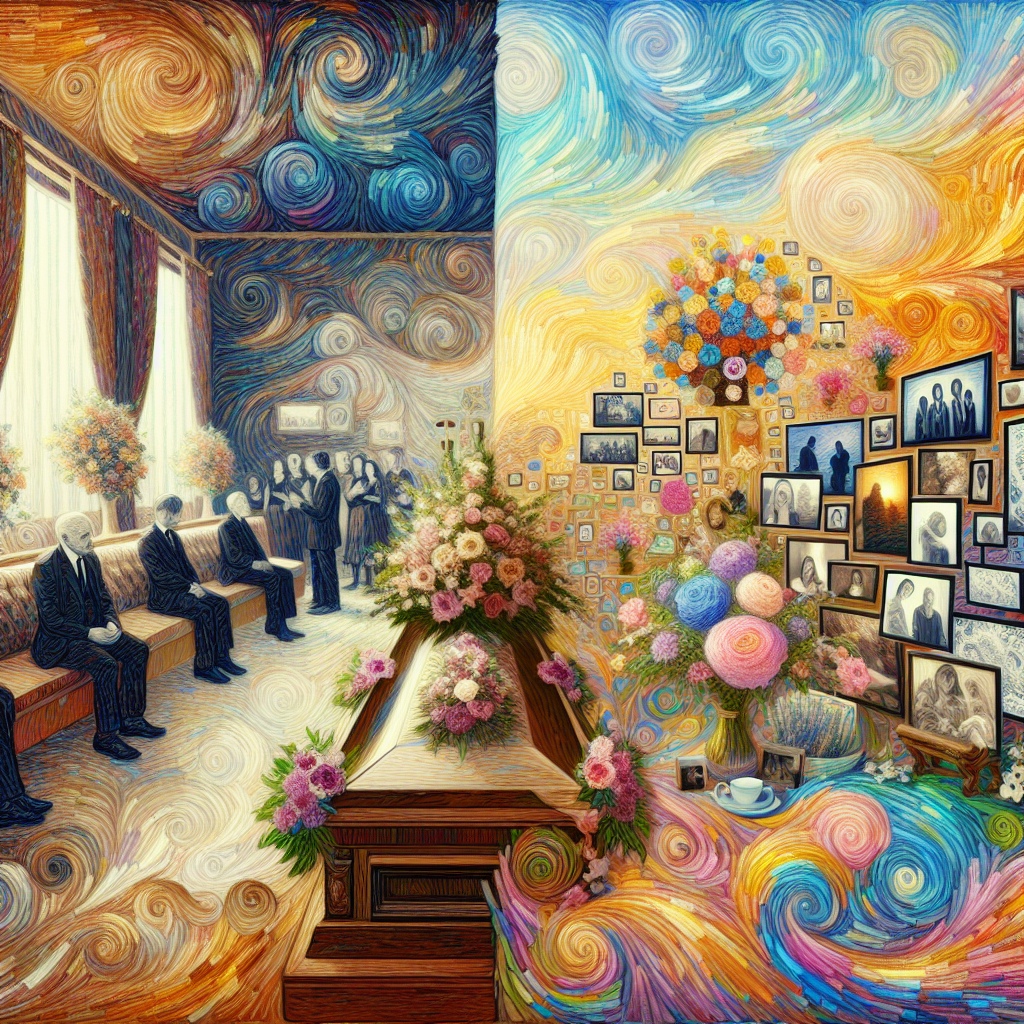
Fragments of time, in whispers low,
Echoes of laughter, a fading glow.
Among the threads of stories spun,
Memories linger, battles fought and won.
A scent, a smile, a fleeting glance,
Unlocking doors to the past’s expanse.
These partial truths, unpolished, raw,
Penetrate hearts, provoke thought, and draw.
In tender moments, connections bloom,
A shared narrative dispels the gloom.
Through tales well-worn, we weave our lore,
Reminding each other we’re never alone, evermore.
Such memories shape the truths we know,
Bridges built from the seeds we sow.
Each scar, each joy, each tear we’ve cried,
Tells a story that bridges the divide.
Selective the moments that light our path,
But all the emotions—in joy or in wrath—
Craft the fabric of who we become,
A legacy rich in the stories of some.
Let’s gather ’round, hearts open wide,
Share our fragments; let love be our guide.
As we weave our tales, may healing arise,
In the art of remembering, our spirits will rise.
So ponder the echoes, let memories flow,
For in every story, there’s power to grow.
Embrace the imperfect, the beauty in strife,
Together, we’ll learn, and honor this life.
Poem
Checklist
The Power Of Partial Memories In Storytelling – A Checklist
Checklist: Embracing Partial Memories in Storytelling
Heart Appeals
_____ Identify Emotional Triggers: Reflect on a moment that evokes strong emotions and write it down. What does it remind you of?
_____ Share a Fragment: Choose a partial memory to share with someone you trust. What feelings arise?
_____ Cultivate Connection: Think of a cherished story from your past. How can sharing it strengthen your bonds with loved ones?
Head Appeals
_____ Analyze Your Stories: List the significant memories you hold. What do they reveal about your values and choices?
_____ Reflect on Impacts: Consider how these fragmented memories shape your understanding of yourself and others. What lessons emerge?
_____ Question Perfection: Challenge the notion that perfect memories are the only valuable ones. Can you find wisdom in imperfection?
Gut Appeals
_____ Acknowledge Discomfort: Revisit a painful memory. What emotions surface, and how can they inform your current perspective?
_____ Embrace Authenticity: Write down a time when you felt vulnerable sharing your truth. How did it affect your relationships?
_____ Commit to Vulnerability: Step into a space that feels uncomfortable but necessary. What story have you been avoiding sharing?
Ethical Appeals
_____ Honor Your History: Write a letter to someone from your past, capturing a memory you both cherish. How does this honor your shared experience?
_____ Contribute to Community: Reflect on how sharing your partial memories can foster empathy and connection. What action can you take to contribute to a larger narrative?
_____ Promote Acceptance: Consider ways you can create an environment for others to share their stories. Start a conversation that invites vulnerability.
Authority Appeals
_____ Draw from Experience: Utilize a personal experience as a case study for understanding a broader concept. What authority does your experience lend to your insights?
_____ Seek Wisdom in Others: Identify a mentor or figure whose storytelling resonates with you. Reflect on how their partial memories have informed your views.
Narrative Appeals
_____ Create Your Legacy: Write a brief outline of a narrative that captures your life’s themes derived from partial memories. What overarching story do these fragments tell?
_____ Listen Actively: Engage in storytelling sessions with friends or family. Reflect on the differing narratives and the truths they hold.
_____ Encourage Collective Storytelling: Organize a gathering focused on shared memories. What collective legacy can emerge from this experience?
Social Appeals
_____ Find Your Tribe: Identify a group of people who share similar life experiences or stories. How can your collective memories create a shared narrative?
_____ Foster Supportive Spaces: Think of ways to create a safe environment for storytelling within your community. What initiatives can you start?
_____ Celebrate Diversity of Stories: Acknowledge the importance of different perspectives in storytelling. What can you learn from someone else’s partial memory?

Checklist
At LegacyExplorations, we help people plan and explore their legacy by collecting information and news regarding end-of-life planning.
Please share this post with your friends, family, or business associates who may want help to plan or explore their legacy.