

Unseen Consequences: Navigating Trust In A Fragmented Digital World
By Tom Seest
At LegacyExplorations, we help people plan and explore their legacy by collecting information and news regarding end-of-life planning.
Please share this post with your friends, family, or business associates who may want help to plan or explore their legacy.
The Silent Erosion Of Digital Context
In a world overflowing with information, the art of Legacy Storytelling is slipping through our fingers like sand. Digital platforms, designed for connection, often dilute the depth of our narratives, leaving bare the threads that once wove our stories together. What happens when context fades? We lose not just the details, but the essence of what makes us human.
Consider the tales of our forebears, passed down through generations. They weren’t just words—they were the embodiment of values, beliefs, and identities. Each story carried a weight, a reminder of who we are and where we come from. Now, as we scroll past headlines and sound bites, the richness of those narratives evaporates, replaced by a cacophony of fragmented thoughts and fleeting trends.
This erosion isn’t merely an inconvenience; it threatens our very sense of self. When faced with crises or dilemmas, we instinctively reach for the lessons embedded in our stories. Yet, with each passing day, the ability to draw wisdom from our collective past diminishes. It’s as if we’re standing on the edge of a steep cliff, yearning to recall the great tales that grounded us, only to find ourselves surrounded by an unending, shallow stream of digital noise.
The stakes are high. Imagine a child stumbling upon a digital world devoid of context, where history is reduced to a series of disjointed posts. The ethical implications are profound. Are we robbing future generations of their roots? Are we allowing a culture of surface-level interactions to prevail, erasing the narratives that foster empathy and understanding? It’s our responsibility to ensure that the legacy we leave behind is robust and rich, so the next generation can feel the weight of their stories.
Authority figures—educators, parents, and leaders—must actively engage in preserving and promoting meaningful connections. Easy access to stories from around the globe should amplify, not replace, the local narratives that bind us. Just as a well-cooked meal carries the flavors of its origins, so too should our modern stories carry the essence of their makers.
As we navigate this digital landscape, let’s not forget that every click and share offers an opportunity to reconnect with our heritage. It’s time to reclaim our narratives, ensuring that the lessons from our past remain vibrant and relevant. Together, we can nurture the fabric of our shared humanity, crafting a future where stories thrive, not wither in silence.

The Silent Erosion Of Digital Context
The Silent Erosion Of Digital Context
- Legacy storytelling is deteriorating in the digital age due to information overload.
- Digital platforms dilute important narratives, losing both details and human essence.
- Historical stories encapsulate values and identities, which are diminishing in modern discourse.
- The absence of context affects our sense of self and the wisdom we derive from past experiences.
- Future generations risk losing their cultural roots in a world of fragmented digital content.
- Educators and leaders play a crucial role in preserving meaningful stories and connections.
- Reclaiming narratives is essential for nurturing a shared humanity and ensuring relevance of past lessons.

The Silent Erosion Of Digital Context
Table Of Contents
- The Silent Erosion Of Digital Context
- What Confuses You Most About Online Privacy Today?
- How Do You Feel When Your Data Is Misused?
- Have You Considered the Long-Term Effects Of Digital Footprints?
- What Ethical Responsibilities Do Tech Companies Have Toward Users?
- How Can We Reclaim Our Narratives In an Age Dominated By Algorithms?
- How Do Social Media Influences Shape Our Perceptions Of Reality?
- What Stories Have You Heard That Highlight the Risks Of Data Erosion?
- Conclusion
- Other Resources
- Glossary Of Terms
- Other Questions
- Haiku
- Poem
- Checklist
What Confuses You Most About Online Privacy Today?
In this digital age, we’re all storytellers, weaving our own legacy through social media, blogs, and every click we make. Yet, amidst this online tapestry, confusion reigns supreme regarding our privacy. We open our lives to the world, sharing every detail, yet we often feel like unwitting characters in someone else’s story. The paradox is dizzying: you want to connect, but at what cost?
As we navigate this labyrinth of data trackers and privacy settings, it’s vital to take a step back and ask ourselves: who really holds the pen in our narrative? There’s a stark difference between sharing our lives through legacy storytelling and becoming mere data points in a corporate blueprint. The emotional weight of these choices often gets lost in the overwhelming tide of information. What happens to our stories when they’re dissected by algorithms, stripped of context, and molded into something entirely different?
Rationally, it’s clear that we’re living in a world where our personal data is both currency and a potential weapon. Major companies tout their policies for keeping us safe, but how many of us really trust their word? We hear the euphemisms, the marketing jargon, but behind the polished campaigns, there’s often a disconnect. Trust isn’t granted; it’s earned through transparency, integrity, and genuine accountability. Yet, how many organizations are willing to put their legacy on the line for the truth?
Ethically, we find ourselves grappling with difficult questions. Are we maintaining ownership of our narratives, or have we relinquished those rights in exchange for convenience? Every “agree to terms” click feels like a potential betrayal of our own legacy storytelling. Our stories deserve to echo with dignity and intention, not be reduced to mere statistics.
And then there’s the gut feeling—the unsettling instinct that something isn’t right. There’s a collective unease as we ponder how much of ourselves we’re willing to hand over to the ever-watching digital eye. Each online interaction feels like a deliberate choice, yet too often it happens without thought.
We crave genuine connection, but the lines blur between authentic engagement and transactional data exchange. It’s time we reclaim the narrative of our online existence. Let’s foster a dialogue about what online privacy truly means, ensuring our stories remain ours, filled with authenticity and purpose. Trust begins with awareness and action, and it’s high time we take control of our legacies online.

What Confuses You Most About Online Privacy Today?
What Confuses You Most About Online Privacy Today?
- In the digital era, everyone is a storyteller navigating privacy challenges.
- There’s a significant difference between legacy storytelling and being data points for corporations.
- Personal data is viewed as both currency and a potential weapon, raising trust issues with companies.
- Ethical dilemmas arise over ownership of narratives versus convenience.
- Many individuals feel uneasy about how much personal information is shared online.
- The distinction between genuine connection and transactional data exchange is often blurred.
- Reclaiming online narratives requires dialogue about privacy and a commitment to authenticity.

What Confuses You Most About Online Privacy Today?
How Do You Feel When Your Data Is Misused?
Imagine logging into your favorite website, thinking you’re safe, only to discover that your personal details, once hidden behind the security of a password, are now on the internet’s open market. It’s unsettling, isn’t it? That feeling of vulnerability stirs something deep within you—a visceral reaction that combines anger and betrayal, akin to discovering someone has broken into your home and rifled through your most private possessions. In this digital age, our data is not just numbers; it embodies our identity, a reflection of who we are. When it’s misused, it’s more than an invasion; it’s theft of trust.
Rationally speaking, the ethics of data stewardship has become a battleground. Companies demand your information, but how often do they consider the implications of its misuse? There’s a growing narrative swirling around this subject—where do accountability and responsibility lie? If organizations mishandle personal details, they risk eroding the very foundation of trust built with their users. This isn’t just about safeguarding against identity theft; it’s a matter of respecting the legacy storytelling of every customer who walks through their digital doors. They owe it to you to honor your story—not twist it for profit.
The gut punch comes from knowing that every click, every swipe, feeds into a machine that doesn’t always have your best interests at heart. You might find yourself asking, “Who really controls this data?” The reality is that once your information is out there, it feels embarrassing, almost humiliating, that strangers can access pieces of your life. It’s an unsettling thought. But let’s connect on a human level. You’ve shared your thoughts, your experiences, and your preferences because you believed in a pact—an unspoken agreement that your data would be used wisely. When that pact is broken, it feels like a betrayal, and you’re left wondering if your voice ever mattered in the first place.
We all crave a sense of belonging in this digital landscape, a community that recognizes us for who we are, not just how we can be sold. It’s time to stand up together and demand respect—transparency, security, and ethical practices. We must mobilize to ensure our data residents are treated with the gravity they deserve. Your story matters, and every individual stands as both guardian and storyteller in this shared digital narrative. When we advocate for better practices, we aren’t merely responding to fear; we shape the future, crafting a safer environment for generations to come.

How Do You Feel When Your Data Is Misused?
How Do You Feel When Your Data Is Misused?
- Logging into a website may lead to the unsettling discovery of personal data exposed online.
- Data misuse feels like a profound betrayal, reflecting a theft of trust and identity.
- The ethics of data stewardship raises questions about corporate responsibility and accountability.
- Mishandling personal information can erode trust between organizations and their users.
- Each interaction with digital platforms contributes to a system that may not prioritize user interests.
- People seek community and respect in the digital space, valuing their stories over commercial interests.
- Advocating for transparency and ethical practices shapes a safer digital future for all users.

How Do You Feel When Your Data Is Misused?
Have You Considered the Long-Term Effects Of Digital Footprints?
Digital footprints are becoming an increasingly permanent part of our lives, with every click, share, and comment contributing to a narrative far beyond our immediate intention. Imagine your online presence as a tapestry, woven from countless threads over time. Each thread tells a story—not just yours, but a shared legacy that will resonate long after you’re gone. Legacy storytelling is not just about what you want to remember; it’s about what you want the world to remember about you.
Consider this: every time you share a thought or a moment, you’re not just expressing yourself; you’re crafting a legacy that can influence others. The viral post that seemed harmless in the moment may echo in ways you never anticipated. It can teach, inspire, and even comfort someone miles away, but it can also misrepresent, damage reputations, and haunt future opportunities. Your digital footprint speaks volumes about who you are and what you value. It shapes the perception of your character and commitment to the community and the world around you.
Rationally, the implications are profound. Employers, friends, even future generations will look at your digital history to understand your values and decisions. It’s a reflection of your journey, a digital biography that can open doors or slam them shut. Understanding the weight of this footprint offers an opportunity for growth and intentionality. What story do you want to tell?
Now, let’s talk ethics. We owe it to ourselves and those we interact with to be mindful of our digital selves. The responsibility isn’t just ours; it extends to everyone who engages with our content. What kind of world are we creating with our shared stories? Are we lifting each other up, or are we perpetuating a cycle of negativity?
By engaging in legacy storytelling, we can cultivate a community built on respect, understanding, and shared knowledge. We’re not just talking about our stories anymore; we’re starting dialogues that matter. Each piece of content we share can spark connection, encourage others to reflect, and inspire action.
Ultimately, our digital footprints are a reflection of us—a mirror that holds us accountable to our values and choices. So, think about that next post, comment, or share. You’re not just leaving a mark; you’re sketching your legacy in the digital world. Embrace it responsibly, and let your online narrative inspire others to take action, to reflect, and to dream bigger.

Have You Considered the Long-Term Effects Of Digital Footprints?
Have You Considered the Long-Term Effects Of Digital Footprints?
- Digital footprints are permanent and form a narrative that extends beyond immediate intentions.
- Each online action contributes to a shared legacy that influences how one is remembered.
- Every shared thought or moment has the potential to impact others positively or negatively.
- Digital history is a reflection of personal values and can affect future opportunities.
- Ethical considerations are crucial; responsibility extends to all who engage with digital content.
- Engaging in legacy storytelling fosters community, respect, and understanding.
- Our digital presence reflects our accountability to our values and choices.

Have You Considered the Long-Term Effects Of Digital Footprints?
What Ethical Responsibilities Do Tech Companies Have Toward Users?
In a world where technology weaves itself into every fabric of our lives, one question looms larger than any screen we scroll through: what ethical responsibilities do tech companies hold toward users? Picture this: a father teaching his daughter how to ride a bike, both of them giggling at the occasional spills, but always moving forward, together. It’s a legacy story that represents trust and guidance. Tech companies have the responsibility to foster that same kind of relationship with their users, serving as both the wheels and the stabilizers.
On one hand, there’s the emotional pull—every app, every device, every single interaction should enhance our lives, making them a little brighter, a touch more manageable. But here’s where it gets tricky. We trust these organizations to maintain our privacy, safeguard our data, and ensure we aren’t just numbers on a spreadsheet. This isn’t a mere transaction; it’s a partnership built on ethics and responsibility. If companies fail to protect user data in the same way a parent would protect their child, that bond erodes, leading to distrust and frustration. That gut feeling we get when something isn’t right? It’s powerful.
Rationally, consumers are more educated than ever, aware of the implications of their digital footprints. As tech companies develop or adjust their tools, they must consider not only efficiency but also the ethical ramifications of their choices. Transparency becomes key. If a product is designed to capture data without informed consent, are we really progressing? Companies must leverage authority responsibly, using their expertise to guide users while prioritizing their safety and rights as individuals.
Through narrative, we can understand the importance of building a community where users feel heard. Consider how many people depend on technology to connect during times of need—be it through social media, telehealth services, or educational platforms. When technology serves genuine societal needs, it reaffirms its value beyond profit margins.
Ultimately, tech companies must recognize that by prioritizing their users’ interests, they are not just striving for profit; they are part of a larger legacy storytelling tapestry that connects us all. A shared sense of purpose fosters confidence, inspires action, and builds a future where technology serves humanity—rather than the other way around.

What Ethical Responsibilities Do Tech Companies Have Toward Users?
What Ethical Responsibilities Do Tech Companies Have Toward Users?
- Tech companies have ethical responsibilities towards users, similar to a parent-child relationship.
- Every interaction with technology should enhance life and foster trust.
- Privacy and data protection are crucial; failing to protect user information leads to distrust.
- Consumers are increasingly aware of their digital footprints and expect ethical practices.
- Transparency in data usage and consent is essential for building user trust.
- Technology should serve societal needs, emphasizing value beyond profit margins.
- Prioritizing user interests fosters a shared legacy and builds a future where technology serves humanity.

What Ethical Responsibilities Do Tech Companies Have Toward Users?
How Can We Reclaim Our Narratives In an Age Dominated By Algorithms?
In a world where algorithms dictate our narratives, reclaiming our stories becomes an act of profound importance. Legacy storytelling isn’t just a fanciful notion; it’s an imperative. It’s about reestablishing a connection with our roots and embracing the rich tapestry of our experiences. Each story we share carries the weight of our history, our struggles, and our triumphs, and this legacy binds us in ways that algorithms can’t capture.
We live in a time where curated feeds and targeted ads often overshadow our voices. We find ourselves trapped in echo chambers, where the constant stream of information can feel both overwhelming and reductive. Yet, amidst this digital din, there lies an undeniable power in grassroots storytelling. It invites us to pause, reflect, and engage with the narratives that truly define who we are.
The emotional resonance of legacy storytelling taps into our very essence. When we share personal experiences, we foster relationships that transcend the sterile lines of code written by faceless technocrats. Real stories told by real people create connections that algorithms simply cannot understand. It’s a gut appeal, one that urges us to remember the human side of our interactions—be it through spoken words, art, or written narratives.
Rationally, we must recognize that our identities are not static. Life is a collection of moments that shape us: the laughter of friends, the lessons from failures, and the triumphs we celebrate. By reclaiming our narratives, we empower ourselves and others to learn from past experiences, making better decisions for our futures. It’s not just about looking back; it’s about moving forward with intention and clarity.
Ethically, we have a responsibility to craft a media landscape that reflects diverse voices. When we take control of our stories, we dismantle biases perpetuated by algorithms. We encourage inclusivity and representation, ensuring that every voice has the opportunity to be heard, not just those with the loudest platforms. By inviting everyone into the narrative fold, we foster a richer, more dynamic society.
Legacy storytelling is more than an art; it’s a catalyst for change. It inspires trust and confidence, reminding us that our stories matter. It’s time to reclaim our narratives, initiating dialogues that bring us closer together and reinforce our shared humanity. When we embrace our legacies, we not only honor our past; we pave the way for a future where every story holds significance.

How Can We Reclaim Our Narratives In an Age Dominated By Algorithms?
How Can We Reclaim Our Narratives In an Age Dominated By Algorithms?
- Reclaiming our stories amidst algorithm-driven narratives is crucial for personal connection.
- Legacy storytelling helps us connect with our roots and acknowledge our shared experiences.
- Curated feeds and targeted ads can overshadow individual voices, trapping us in echo chambers.
- Grassroots storytelling invites reflection and engagement with authentic narratives.
- Sharing personal stories fosters relationships that transcend impersonal digital interactions.
- Our identities are dynamic, shaped by life experiences that empower informed decision-making.
- Legacy storytelling promotes inclusivity, dismantling biases and creating a rich, diverse media landscape.

How Can We Reclaim Our Narratives In an Age Dominated By Algorithms?
How Do Social Media Influences Shape Our Perceptions Of Reality?
As we scroll through our social media feeds, we’re not just consuming content; we’re engaging in a complex dance of perception and belief. Each post, whether it’s a stunning photo of a sunset or an influencer sharing their latest skincare routine, subtly shapes our understanding of reality. This phenomenon is akin to legacy storytelling — the art of weaving tales that transcend time and resonate across generations. When we absorb these stories, they become part of our personal narrative, influencing our aspirations, desires, and even our identities.
Consider the emotional pull of a well-crafted Instagram post. An influencer shares their journey through struggle and triumph, inviting us to feel their pain and celebrate their victories. This connection stirs something deep within us; we see reflections of our own experiences, our own dreams, and fears. It’s not just about likes or followers; it’s about the visceral human experience. In this digital age, where attention is currency, the stories we resonate with can alter perceptions and inspire action. They remind us that we are not alone in our quests, forging connections that transcend pixels.
On the rational side, we must acknowledge the power dynamics at play. Influencers often wield authority, shaping trends and beliefs with a swipe. When they endorse a product or lifestyle, they provide a roadmap not only for choices but also for values. Their visibility gives them a platform and, consequently, the responsibility to influence. Comprehending this impact is crucial. We can no longer consume passively; instead, we must engage critically with the narratives presented to us, discerning the value of what we’re being sold — both literally and metaphorically.
Ethical considerations arise as well. In shaping perceptions, we must ask ourselves about the messages being conveyed. Are they fostering a sense of belonging and authenticity, or are they perpetuating unrealistic standards? Engaging with social media mindfully allows us to challenge and redefine narratives, ensuring that they resonate with integrity and honesty.
Ultimately, the melting pot of influence we encounter each day calls for a deeper connection to our social fabric. By harnessing the stories that matter, we can achieve a sense of community and shared purpose. As we curate our digital experiences, we should aim to elevate our narratives, inviting trust and fostering a collective consciousness that celebrates authenticity and resilience.
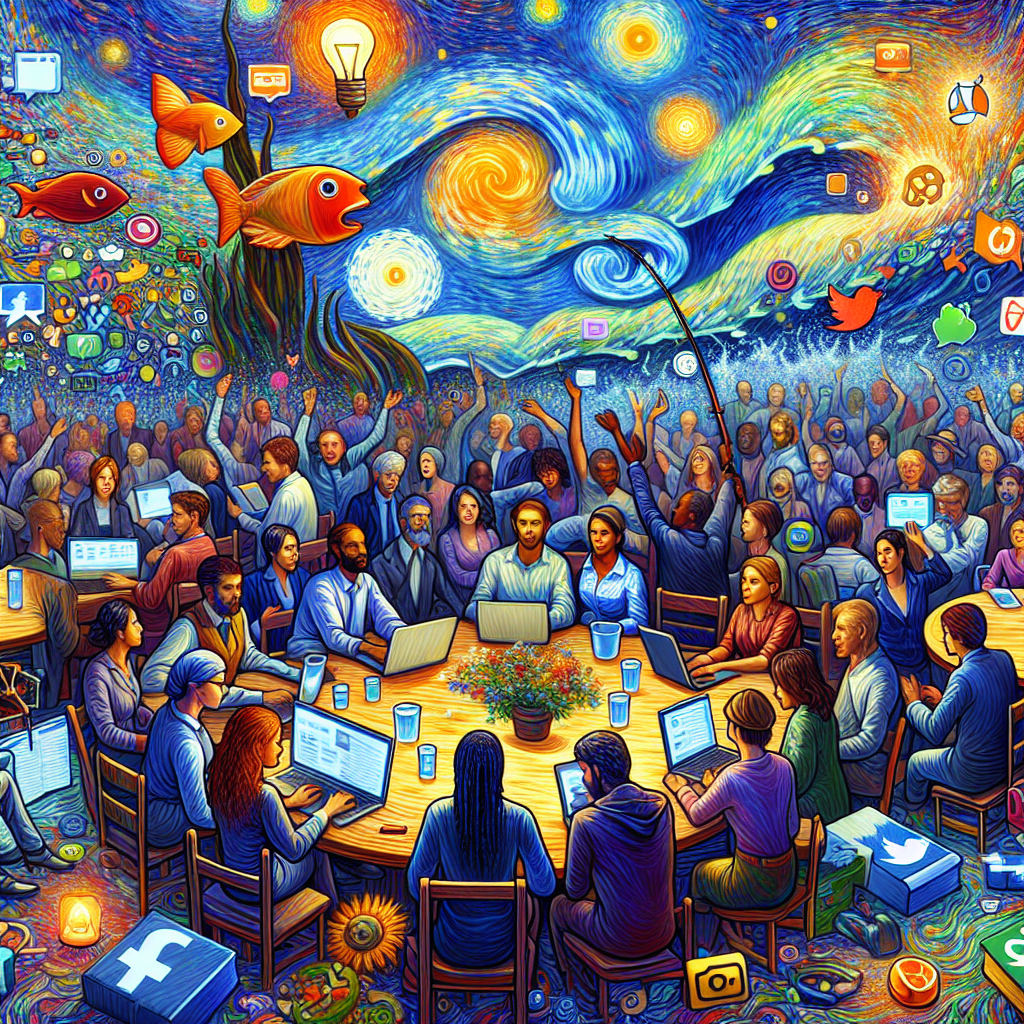
How Do Social Media Influences Shape Our Perceptions Of Reality?
How Do Social Media Influences Shape Our Perceptions Of Reality?
- Social media engagement shapes our perception and belief systems.
- Content functions like legacy storytelling, influencing personal narratives and identities.
- Influencers create emotional connections by sharing personal stories of struggle and triumph.
- These stories alter perceptions, inspire action, and foster a sense of community.
- Influencers hold authority, shaping trends and values through their visibility.
- Critical engagement with social media narratives is essential to discern their true value.
- Mindful consumption challenges unrealistic standards and promotes authenticity.

How Do Social Media Influences Shape Our Perceptions Of Reality?
What Stories Have You Heard That Highlight the Risks Of Data Erosion?
In a world built on bytes and bits, we often overlook the very foundation of our digital lives: our stories. These aren’t just data points; they are legacy storytelling, the lifeblood of who we are. Yet, as technology evolves, the risk of data erosion looms large, threatening our memories, our connections, and ultimately, our identity.
Consider the tale of an elderly man who meticulously documented his family history, pouring his heart into a digital archive filled with photographs, letters, and anecdotes that reached back generations. One fateful day, a hard drive failure wiped out years of work, leaving him with little but the fading recollections in his mind. The digital tools meant to preserve his legacy instead betrayed him, erasing a lifetime of stories. This isn’t just about lost files; it’s about eroded connections, forgotten histories, and a legacy slipping through our fingers like sand.
We live in an age where authority comes from our ability to access and share information. Every day, we’re bombarded with reminders of our digital footprint. Yet how often do we consider the implications of data erosion? With every cloud storage scandal or ransomware attack, we inch closer to a reality where essential stories vanish. The emotional impact can be staggering—think of the parent who loses the cherished videos of their child’s first steps, or the writer whose unpublished manuscript disappears without a trace. The head knows technology carries risks; the heart feels the weight of what is lost.
This narrative is a call to action and a reminder. It compels us to safeguard our stories against the tides of time and technology. The ethics of data preservation cannot be overstated; we owe it to ourselves and future generations to protect our legacy storytelling. We must advocate for better security measures, embark on robust backups, and engage in discussions that emphasize the importance of maintaining our digital narratives.
In connecting through shared experiences, we not only inspire confidence but ignite a movement of collective preservation. We all have a stake in this. The risks of data erosion aren’t just individual; they weave into the very fabric of our communities. When one story is lost, we all feel its absence. Let this be a turning point—an invitation to celebrate, protect, and innovate our storytelling in a world where every byte matters.

What Stories Have You Heard That Highlight the Risks Of Data Erosion?
What Stories Have You Heard That Highlight the Risks Of Data Erosion?
- Digital stories are the foundation of our identity, yet at risk of data erosion.
- An elderly man’s digital archive was lost due to a hard drive failure, exemplifying the erosion of legacy.
- Data loss impacts not only individuals but also community connections and shared histories.
- Frequent reminders of our digital footprint raise awareness of potential data erosion risks.
- The emotional toll of lost memories, like cherished videos or unpublished manuscripts, is significant.
- It’s vital to take action for data preservation, advocating for security measures and regular backups.
- Collective storytelling preservation is crucial, reinforcing community ties and shared experiences.

What Stories Have You Heard That Highlight the Risks Of Data Erosion?
Conclusion
In the intricate tapestry of our digital existence, the erosion of context poses a profound threat to our legacy storytelling. As we navigate the vast sea of information, the richness of human experience gets diluted, reducing our narratives to fleeting moments devoid of depth. Storytelling, once a revered tradition that connected generations through shared values and identities, is now at risk. The emotional weight of our tales—the lessons we learn from past struggles and triumphs—evaporates in the relentless stream of headlines and social media posts.
This erosion affects not only our personal understanding of self but also the collective identity of future generations. Consider the ethical ramifications: Are we allowing a culture of superficial connections to wax and wane, stripping away the stories that foster empathy and understanding? Our digital behavior today shapes the legacies of tomorrow, and it is our obligation to ensure that these stories are preserved and cherished.
The loss of context transforms meaningful exchanges into mere data points, creating a sense of distrust toward the very platforms designed to bring us together. Every click and share holds the potential to reclaim or fragment our narratives. We must reflect on who holds the pen of our online stories and advocate for responsible practices that honor privacy and integrity rather than exploit them.
Rationally, we must question the motives behind our digital interactions, recognizing that we engage in a delicate balance between seeking connection and protecting our identities. Emotional responses to data misuse reveal a universal instinct: our stories matter. They are not commodities to be traded but sacred touches of humanity that deserve respect and dignity. This is a collective call to action—one that demands transparency and accountability from tech companies, encouraging them to foster ethical relationships with users.
Ultimately, safeguarding our digital footprints means reclaiming our narratives and infusing them with authenticity. It’s about advocating for a future where technology serves as a bridge to our shared histories, not as a barrier. As we move forward, let’s harness the true power of our stories, ensuring they resonate with future generations and remind us of our shared humanity. Together, we can nurture a digital landscape where every narrative thrives, enriching our lives and those of others.

Conclusion
Conclusion:
- The erosion of context threatens legacy storytelling in our digital world.
- Human experience is diluted, leading to narratives that lack depth and emotional weight.
- This loss affects personal identity and the collective identity of future generations.
- Superficial connections risk stripping away stories that promote empathy and understanding.
- The transformation of meaningful exchanges into data points creates distrust in digital platforms.
- There is a need for accountability from tech companies to ensure ethical digital interactions.
- Advocating for authenticity in our narratives can help preserve shared histories and humanity.

Conclusion
Other Resources

Other Resources
Here is a list of other resources you can review online to learn more:
- Tributize
- Storyfile Life
- Lexikin
- Living Wisely
- How to Avoid Losing Your Family History One Generation at a Time
- Forever Missed
- FamilySearch
- Tributes
- MyMoriam
- LifeNaut
- LegalNature
- Directive Communication Systems
- Obituary Templates
- LifeSite
- Postumo
- My Wonderful Life
- AmericanAncestors
- How To Write Legacy Story Headlines That Appeal To The Heart, Gut and Head
- Can Telling and Preserving Personal or Family Legacy Stories Be Therapeutic?
- Legacy Family Tree
Use This Prompt To Get More Resources With Your Favorite Online AI Tool: Please provide me with a list of online articles with their URLs in a bulleted list that I can read regarding The Silent Erosion Of Digital Context

Other Resources
Glossary Terms
The Silent Erosion Of Digital Context – Glossary Of Terms
1. Digital Context: The surrounding information and circumstances that give meaning to digital content.
2. Erosion: The gradual reduction or destruction of something over time, often leading to a significant change in quality or integrity.
3. Silent Erosion: A slow, often unnoticed decline in the relevance or clarity of digital information.
4. Metadata: Data that provides information about other data, helping to contextualize it in the digital landscape.
5. Context Collapse: The phenomenon where different audiences encounter the same digital content, leading to confusion or misinterpretation.
6. Algorithm: A set of rules or calculations that a computer follows to process data and make decisions, influencing digital context.
7. Content Curation: The process of gathering and presenting information intentionally, often to maintain context and relevance.
8. Digital Footprint: The trail of data that individuals leave behind while using the internet, which can affect digital context.
9. Information Overload: A state in which the volume of available information exceeds an individual’s capacity to process it, complicating context.
10. Relevance: The degree to which information is applicable or useful in a given context.
11. User Intent: The underlying motivation or purpose behind a user’s interaction with digital content, crucial for maintaining context.
12. Content Fragmentation: The splitting of information into smaller, less coherent units, leading to loss of context.
13. Cognitive Load: The mental effort required to understand information, which can be impacted by clarity of digital context.
14. Digital Literacy: The ability to effectively and critically navigate digital environments, enabling better understanding of context.
15. Semantic Meaning: The meaning derived from the combination of words and phrases in digital content, influenced by context.
16. Engagement Metrics: Data that measures user interaction with content, indicating how well context is maintained.
17. Narrative Structure: The framework and organization of content which impacts how the message is interpreted within its context.
18. Echo Chamber: A situation where individuals only encounter information that reinforces their pre-existing beliefs, affecting digital public context.
19. Contextual Relevance: The significance of information based on surrounding data and circumstances.
20. Pseudocontext: Misleading or shallow context that appears to provide meaning but actually obscures true understanding.
21. Digital Sovereignty: The concept of control over one’s own digital environment and data, affecting personal context.
22. Contextualization: The process of placing information within a relevant background or framework to enhance understanding.
23. Disinformation: False information deliberately spread to mislead, degrading the integrity of digital context.
24. Platform Bias: The tendency of platforms to promote certain types of content, influencing the context perceived by users.
25. Curatorial Authority: The power or expertise of individuals or organizations to shape the context of digital content.
26. Digital Preservation: The collective efforts to maintain digital content over time, crucial for preserving context.
27. Transience: The quality of being temporary; in digital terms, it refers to content that quickly loses relevance or context.
28. Contextual Awareness: The ability to comprehend and respond effectively to the situational dynamics of a digital environment.
29. Hyperlinking: Creating links between content pieces, which can enhance or obscure context depending on their relevance.
30. Content Lifecycle: The various stages that digital content goes through, affecting its context and relevance over time.

Glossary Of Terms
Other Questions
The Silent Erosion Of Digital Context – Other Questions
If you wish to explore and discover more, consider looking for answers to these questions:
- What exactly is “digital context” and how is it being eroded?
- How does the loss of digital context affect personal and collective identity?
- Are there measurable consequences of context erosion on memory, decision‑making, or social cohesion?
- How can legacy storytelling be preserved in digital formats without losing nuance?
- What practical steps can individuals take today to protect their digital narratives?
- Which tools and backup strategies are most effective for long‑term digital preservation?
- Who legally owns the stories, photos, and posts we create on platforms?
- How do terms of service and consent agreements impact ownership and control of personal data?
- What rights do people have to access, transfer, or delete their digital legacy?
- How are tech companies currently held accountable when data is misused, altered, or lost?
- What ethical responsibilities should tech companies adopt toward users’ narratives and cultural heritage?
- How transparent are companies about the ways they collect, process, and repurpose narrative data?
- In what ways do algorithms fragment or distort the stories we tell and receive?
- Can algorithmic curation be audited or redesigned to preserve context and diversity of voices?
- How do social media influencers and platform incentives shape public perceptions of reality?
- How can consumers critically evaluate and resist manipulated or decontextualized narratives?
- What policies, standards, or regulations could reduce data erosion and protect digital legacies?
- How can communities, libraries, and cultural institutions collaborate to preserve local and marginalized stories?
- What are common real‑world examples of data erosion and the human impacts that followed?
- How are marginalized communities disproportionately affected by loss of digital context or data erasure?
- What ethical frameworks should guide decisions about preserving, sharing, or deleting digital stories?
- How should education systems teach digital literacy and the ethics of legacy storytelling?
- What technical standards support data portability, interoperability, and long‑term accessibility?
- How do we balance the desire to share and connect with the need for privacy and control?
- What remedies and recourse exist for victims of breaches, misuse, or reputational harm caused by decontextualized data?
- How can individuals verify the authenticity and provenance of digital content and archived narratives?
- What business incentives drive platforms to prioritize engagement over narrative integrity, and how can those incentives be changed?
- How might emerging technologies (AI, blockchain, decentralized storage) help preserve context—or accelerate erosion?
- What community‑driven or decentralized models exist for maintaining archives and resisting centralized control?
- How can progress in reclaiming narratives and restoring context be measured or monitored over time?

Other Questions
Haiku
The Silent Erosion Of Digital Context – A Haiku
Eroding stories shared,
Digitized roots fade away,
Human ties grow weak.

Haiku
Poem
The Silent Erosion Of Digital Context – A Poem
In digital realms where echoes fade,
Our stories, once vibrant, now are laid,
Legacy lost in a fragmented stream,
Where truth once flourished, now a mere dream.
Fingers scroll past the tales we once knew,
Rich histories stripped to a pixelated view.
Each narrative spun held deep values and weight,
Now lost in noise, just trends we create.
Children adrift in a context-less sea,
Roots severed clean, who will they be?
Are we paving paths or paths to despair,
When sharing our truths becomes merely “air”?
Ethics demand we reflect, take a stand,
Protecting our stories, preserving our land.
In data’s embrace, betrayal can thrive,
Guardians of trust, let our legacies survive.
Algorithms whisper, yet hearts seek the whole,
Reclaiming authenticity becomes our goal.
We must not be tokens, mere dots on a map,
But scholars of wisdom, refusing the trap.
Our digital footprints, fraught with intent,
Speak of our journeys, of love, and lament.
Let’s weave a tapestry, vibrant and grand,
Together, we’ll nurture the stories we’ve planned.
So, as we write, let our voices unite,
For each tale we share fuels the dawn’s light.
In legacy’s dance, let us stand tall and proud,
Shaping futures, our narratives loud.

Poem
Checklist
The Silent Erosion Of Digital Context – A Checklist
Emotional Appeals
✅______ Reflect on the stories that define you. What experiences shape your identity?
✅______ Consider the emotional weight of your online interactions. Are they fostering genuine connections?
✅______ Share personal anecdotes that resonate with others and celebrate common experiences.
Rational Appeals
✅______ Review your digital footprint. What do your online activities say about your values?
✅______ Analyze the privacy policies of platforms you use. Are you comfortable with how your data is managed?
✅______ Assess the long-term effects of posts you share. How could they shape perceptions of you in the future?
Ethical Appeals
✅______ Advocate for transparent data use by tech companies. Are they respecting user privacy?
✅______ Engage in discussions about digital data stewardship. What responsibilities do you have as a content creator?
✅______ Consider the impact of misinformation. Are you contributing to a culture of trust and authenticity?
Authority Appeals
✅______ Follow thought leaders in digital ethics and legacy storytelling. What insights can they provide?
✅______ Seek guidance from educators and mentors on navigating digital narratives. How can they help you preserve your story?
✅______ Participate in workshops or seminars about digital literacy and ethical sharing.
Narrative Appeals
✅______ Curate content that inspires dialogue and reflection. Are you sharing stories that matter?
✅______ Create a timeline of significant life events that can serve as a digital legacy.
✅______ Share the stories of others in your community to build a rich tapestry of local narratives.
Social Appeals
✅______ Foster community discussions around privacy and digital ethics. How can you create a safe space for dialogue?
✅______ Collaborate with peers to establish best practices for online storytelling. What collective values will guide your narrative?
✅______ Challenge norms that perpetuate negativity online. How can you promote uplifting and inclusive narratives?

Checklist
At LegacyExplorations, we help people plan and explore their legacy by collecting information and news regarding end-of-life planning.
Please share this post with your friends, family, or business associates who may want help to plan or explore their legacy.