

Preserving Your Legacy: Empowering Stories For Generations To Come
By Tom Seest
At LegacyExplorations, we help people plan and explore their legacy by collecting information and news regarding end-of-life planning.
Please share this post with your friends, family, or business associates who may want help to plan or explore their legacy.
The Startup That Holds Your History
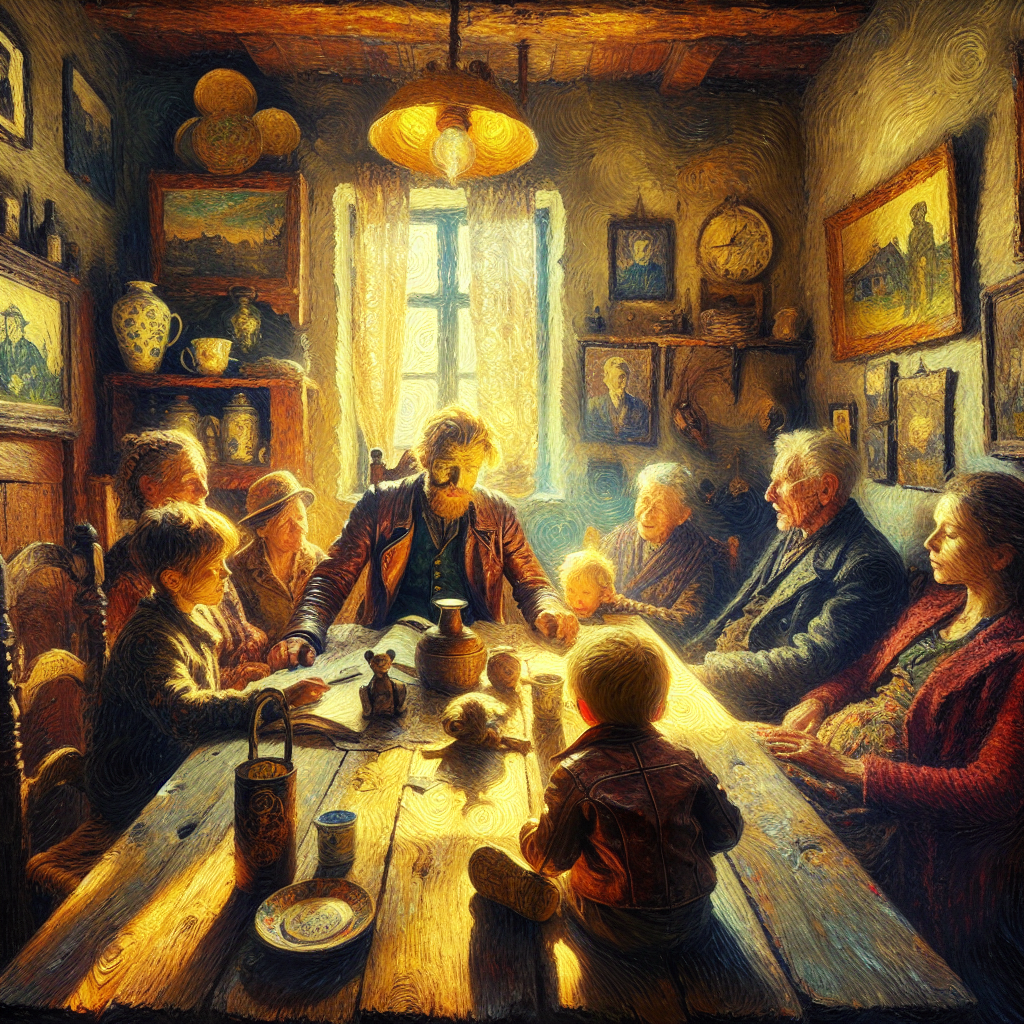
The past isn’t just a collection of dates and events; it’s a rich tapestry woven from the threads of our experiences, emotions, and relationships. In a world where memories often blur into the background noise of our hectic lives, one startup is stepping up to reclaim and preserve those stories. They specialize in Legacy Storytelling, capturing the essence of who we are and where we come from. Imagine your grandmother’s laughter echoing in a recorded memory, her tales of love, struggle, and adventure preserved for generations to discover. This isn’t just nostalgia; it’s a vital connection to our roots that can ground us amidst the chaos of modern living.
Storytelling in this context isn’t just an art; it’s an ethical responsibility. Each life is a story worth telling, full of lessons that can inspire others. By ensuring that these individual narratives are saved and shared, we not only honor those who came before us but also enrich the cultural fabric of our society. This startup places great emphasis on the authority of personal stories—after all, who knows your truth better than you? They provide the tools to help you articulate your experiences, transforming personal histories into powerful narratives that resonate with others.
But why does this matter? Because we live in a time when connection often feels fragile. Digital distractions can leave us feeling isolated, yet deep down, we crave authenticity. Legacy Storytelling taps into that need, inviting us to explore the very essence of our humanity. It’s not just about preserving a history; it’s about creating a community around shared experiences. When we hear someone else’s story—someone like us—we feel seen and understood. It fosters not just empathy but also a profound connection to our shared humanity.
Imagine gathering family and friends to listen to those stories—an evening filled with laughter, tears, and heartfelt revelations. Each tale becomes a bridge, allowing us to step into the shoes of others and recognize the triumphs and tribulations that unite us all. This startup empowers individuals to capture those moments, ensuring that your history isn’t lost; it’s transformed into a testament to resilience and love. So, take action: share your story, listen to others, and build a legacy that not only honors your past but inspires future generations. Your history deserves to be told, and this is your invitation to start that journey.

The Startup That Holds Your History
The Startup That Holds Your History
- The past is a tapestry of experiences, emotions, and relationships.
- A startup specializes in Legacy Storytelling to preserve personal stories.
- Legacy storytelling captures the essence of individual identities and connections.
- Every life narrative has the power to inspire and enrich society.
- Personal stories foster empathy and a sense of shared humanity.
- Gathering to share stories creates community and connection.
- Individuals are empowered to capture their histories as lasting legacies.

The Startup That Holds Your History
Table Of Contents
- The Startup That Holds Your History
- What Memories Are Worth Preserving for Future Generations?
- How Does Our Past Shape Our Identity Today?
- What Role Does Technology Play In Remembering Our History?
- Can Sharing Our Stories Foster Deeper Human Connections?
- What Ethical Considerations Arise From Storing Personal Histories?
- How Do We Balance Privacy with the Need to Document Our Lives?
- In What Ways Can History Influence Our Future Decisions?
- Conclusion
- Other Resources
- Glossary Of Terms
- Other Questions
- Haiku
- Poem
- Checklist
What Memories Are Worth Preserving for Future Generations?
In the tapestry of life, certain memories stand out as threads that weave together our past, present, and future. These are not merely moments captured in time; they are legacy storytelling, the vital pieces that define who we are and what we stand for. With every story passed down, we grant future generations a roadmap—a guide filled with lessons learned, struggles overcome, and the laughter shared.
Consider this: what should our children and grandchildren inherit beyond tangible assets? It’s the stories of resilience, love, and shared hardships that form an unshakeable foundation. When we pass on these narratives, we ensure that the wisdom of our experiences—both successes and failures—resonates through time. These memories serve as a reminder that the human spirit can endure, thrive, and adapt, even in the face of adversity.
Delve into the emotional realm of your own life. Reflect on moments that took your breath away, filled you with hope, or even shattered your expectations. Those gut-wrenching tales of struggle often hold the most profound lessons. For instance, think about the unsettling day when a job was lost, but from that very setback emerged an opportunity to reinvent oneself. Those experiences, raw and real, connect us to each other in ways that mere facts cannot. They foster compassion and understanding, making our shared human experience rich and textured.
We also owe it to our communities to record the narratives that reflect our collective identity. In sharing these stories, we cultivate a sense of belonging, reminding ourselves that we’re part of something larger. The voices of elders, the wisdom of the past, and the insights of different cultures create a tapestry that colors our social fabric. This rich diversity pleads for preservation—so future generations can witness the full spectrum of human experience.
Moreover, why not frame these memories as a challenge? In a world increasingly disconnected, let’s ignite a movement to document our lives, to share our triumphs and tribulations. It’s an ethical imperative to leave behind not just our belongings but a treasure trove of stories that inspire action and instill hope. These memories might just be the compass our descendants need to navigate their own uncharted waters.
So, when pondering what to preserve, ask yourself: What stories from your life need to be told? What legacy do you wish to hand down? Embrace the opportunity to create a narrative that future generations can cling to, explore, and learn from—because every memory has the potential to become a cornerstone of their future.

What Memories Are Worth Preserving for Future Generations?
What Memories Are Worth Preserving for Future Generations?
- Memories are integral threads that link our past, present, and future.
- Stories of resilience, love, and shared hardships provide a foundation for future generations.
- Passing narratives ensures the wisdom of experiences is preserved over time.
- Personal struggles often yield profound lessons that connect us and foster compassion.
- Recording collective narratives strengthens community identity and belonging.
- Documenting lives can inspire action and hope in an increasingly disconnected world.
- Reflect on the stories from your life that should be preserved for future generations.

What Memories Are Worth Preserving for Future Generations?
How Does Our Past Shape Our Identity Today?
Our past is more than just a collection of events; it’s the foundation of who we are today. Each experience is like a brushstroke on the canvas of our identity, shaping our values, beliefs, and aspirations. This legacy we inherit—composed of family stories, cultural experiences, and hard-earned lessons—guides us like a compass, pointing us toward our moral and ethical frameworks.
Consider the power of storytelling. It’s embedded in our very nature. We learn through narratives, passing down tales of triumph and struggle that resonate through generations. These stories hold weight, often revealing truths about perseverance, resilience, and the human spirit. They teach us empathy, allowing us to step into the shoes of others. When we understand the trials faced by those who came before us, we grasp not just their struggles but our shared humanity. That connection deepens our appreciation for our own journeys.
Yet, there’s a rational aspect to this equation. Our past experiences equip us with knowledge that informs our decisions. Whether it’s a hard lesson learned from failure or the unwavering support from a loved one during tough times, these memories influence our choices today. We stand on the shoulders of giants, drawing from their wisdom as we carve our own paths. In a world saturated with information, the clarity derived from personal and familial histories allows us to make grounded decisions, rooted in what has been tried and tested.
Ethically, embracing our past encourages authenticity. Acknowledging who we are and where we come from fosters a sense of responsibility. We are stewards of our legacies—tasked with preserving the values that matter. When we actively engage with our history, it impels us to act with integrity and purpose, impacting not just ourselves but those around us.
Moreover, the social fabric of our lives is woven with threads of shared experiences. Conversations sparked by memories connect us, instilling trust and camaraderie. We find solace in our collective histories, realizing that others grapple with similar challenges.
So, let’s lean into those stories, embrace our legacies, and forge connections that inspire action. When we recognize the influence of our past, we arm ourselves with the confidence to navigate the future. After all, each of us is a product of our history, a magnificent tapestry of experiences waiting to unfold.

How Does Our Past Shape Our Identity Today?
How Does Our Past Shape Our Identity Today?
- Our past shapes our identity, forming our values, beliefs, and aspirations.
- Storytelling is essential, passing down lessons of triumph and struggle across generations.
- Understanding shared experiences fosters empathy and connection to our shared humanity.
- Past experiences provide knowledge that influences our present decisions.
- Embracing our history encourages authenticity and a sense of responsibility as stewards of our legacies.
- Shared memories create trust and camaraderie, helping us navigate challenges together.
- Recognizing our past empowers us to move confidently into the future.

How Does Our Past Shape Our Identity Today?
What Role Does Technology Play In Remembering Our History?
In our quest to understand where we came from, technology stands as a double-edged sword—one that can slice through the fog of time or leave us lost in a digital labyrinth. It’s a bit like gathering around a campfire to hear the tales of our past; only now, the flames are pixels, and the stories take on new shapes. Technology serves as our vessel for Legacy Storytelling. It allows us to channel the voices of those who have walked before us, ensuring their experiences and wisdom resonate in the hearts and minds of future generations.
Consider the role of social media. It has transformed the way we narrate our history, making it accessible to anyone with an internet connection. It can unite us, showcasing a myriad of perspectives that paint a fuller picture of our collective past. A simple post can spark a conversation, weaving together experiences from the farthest corners of the globe. The stories that emerge often ignite a sense of belonging, reminding us that we share a common legacy, no matter the differences in our backgrounds.
Yet, this technology isn’t without its pitfalls. The barrage of information we face daily can blur the lines between fact and fiction, challenging our ethical duty to preserve the truth. However, this very challenge also compels us to become more discerning—encouraging a critical engagement with history. It calls on us to dissect narratives, understand biases, and strive for authenticity. With a little effort, we can curate the past in a way that honors its complexity and richness, rather than merely accepting curated snippets.
Smart devices and immersive experiences, like virtual reality, take storytelling even further. They allow us to walk through the halls of history, experiencing events as if we were actually there. Imagine standing on the battlefield or feeling the pulse of a crowd at a pivotal moment in time. These technological advancements tug at our emotional strings, fostering empathy and deepening our understanding of the human experience.
Ultimately, technology is a powerful ally in our journey to remember our history. It can bridge the gap between generations and foster connections that once seemed impossible. By harnessing its potential responsibly, we fortify our commitment to preserving the stories that shape our legacy. In this age of information, let us embrace the tools at our disposal, ensuring that the tales of our past continue to resonate, inspire, and guide us forward.

What Role Does Technology Play In Remembering Our History?
What Role Does Technology Play In Remembering Our History?
- Technology is a double-edged sword in understanding our history, acting as both a guide and a potential labyrinth.
- It serves as a vessel for Legacy Storytelling, channeling the voices of past generations.
- Social media transforms history narration, making it accessible and uniting diverse perspectives.
- This connectivity fosters a sense of belonging and highlights our shared legacy.
- Information overload can blur fact and fiction, urging us to engage critically with history.
- Immersive technologies like virtual reality enhance storytelling, creating emotional connections to historical events.
- Responsible use of technology can strengthen our commitment to preserving and sharing our collective stories.

What Role Does Technology Play In Remembering Our History?
Can Sharing Our Stories Foster Deeper Human Connections?
In an age dominated by screens and sound bites, the idea of sharing our stories has never been more crucial. It’s more than just passing the time or filling the silence—it’s about crafting a legacy and bridging the gaps that divide us. Legacy storytelling creates a rich tapestry wherein we can weave our experiences, struggles, victories, and even our mundane moments into something that resonates deeply with others.
Think about it. When someone shares a personal story, it’s like opening a window into their soul. Listeners can witness the raw vulnerability and authenticity that come with each narrative, fostering a connection that goes beyond the surface. It’s powerful; it stirs something visceral within us, igniting empathy. We might not have walked the same path, but through story, we can find common ground—common humanity in the face of adversity or triumph.
Rationally, we know that stories are embedded in our culture. From ancient tribes gathering around a fire to modern gatherings over coffee, storytelling has been the ultimate tool for knowledge transfer and connection. This isn’t merely sentimental; it’s grounded in years of shared human experience. We trust stories—they’ve been our way to make sense of the world, to teach lessons, and to inspire action. When we hear a tale that moves us, we often find ourselves reflecting on our own lives, examining our own legacies.
Ethically, sharing stories holds the power to foster understanding and compassion. In a world so often divided by opinions and judgments, stepping into the shoes of another—if only for a moment—can break down barriers. This isn’t merely about validation; it’s about recognizing our collective struggle and celebrating the diversity of our experiences. It instills a profound sense of responsibility within us to listen, to learn, and to elevate one another.
On a social level, when we share our stories, we pave the way for deeper connections, cultivating environments where everyone feels valued and heard. Whether it’s a tale of perseverance or the lessons learned from mistakes, each voice contributes to a larger narrative—a community forged in mutual respect and understanding.
So, the next time you find yourself at a crossroads with someone—pause and consider the impact of words exchanged. Embrace the uncomfortable, share your legacy, and be a storyteller. Through our narratives, we can inspire trust, evoke emotions, and ultimately, foster human connections that transcend the ordinary. It’s about more than just sharing stories; it’s about building a legacy that we can all be a part of.

Can Sharing Our Stories Foster Deeper Human Connections?
Can Sharing Our Stories Foster Deeper Human Connections?
- Sharing stories is essential for crafting a legacy and bridging divides.
- Personal narratives foster empathy and a deeper connection between individuals.
- Storytelling is culturally embedded, serving as a tool for knowledge transfer and connection.
- Stories help us understand the world, teach lessons, and inspire action.
- Ethical storytelling promotes understanding and compassion, breaking down barriers.
- Sharing stories cultivates deeper social connections, making everyone feel valued.
- Embracing storytelling allows us to inspire trust and foster human connections.

Can Sharing Our Stories Foster Deeper Human Connections?
What Ethical Considerations Arise From Storing Personal Histories?
In a world that thrives on data, the act of capturing and storing personal histories isn’t just about preserving moments; it’s an exercise in responsibility. Legacy storytelling creates a bridge between the past and the present, weaving together the fabric of our lives. However, diving into this vast pool of personal narratives raises profound ethical questions that deserve our attention.
When we collect stories—ours or others’—we flirt with the delicate balance of trust. Each memory carries emotional weight, a piece of someone’s identity. Storing these histories means acknowledging the vulnerability of those involved. It’s a commitment to protect, to honor the authenticity of experiences shared. Here lies the authority of the storyteller: the ability to portray life in a way that invites understanding while respecting the sensitive nature of personal truths.
But let’s take a moment to engage the gut. Imagine your own story being vulnerable to public gaze. Does that stir something uneasy? It should. There’s a fine line between sharing and oversharing, and crossing it can hurt friendships, erode trust, and create a rift between generations. Ethical considerations extend beyond mere consent; they delve into the essence of how stories are told and who gets to tell them. The truth is, legacy storytelling is as much about the listeners as it is about the narrators.
From a rational standpoint, we must also consider the implications of data storage. Who holds the keys to these personal histories? In an age of hacking and privacy breaches, the integrity of stored narratives runs the risk of being compromised. Each story is a lifeline connecting individuals to their past, and if manipulated or misused, it can just as easily sever those ties, leading to disconnection rather than communion.
Social responsibility plays a crucial role here. When we share personal stories, we foster connections not just within families but across communities. We create a tapestry of collective history that can inspire future generations. However, this communal effort demands ethical stewardship—choosing how, when, and why these stories are shared. It’s about ensuring that the essence remains intact, inviting people not just to witness, but to feel, engage, and understand.
Ultimately, navigating the ethical landscape of storing personal histories is about honoring legacy storytelling. It’s an invitation to reflect, to act with intention, and to deepen our understanding of what it means to be human. Each narrative we choose to preserve can either uplift or dismantle, making the responsibility heavy but profoundly meaningful. In choosing to safeguard these stories, we affirm a commitment to a richer, more connected existence—a legacy worth sharing.

What Ethical Considerations Arise From Storing Personal Histories?
What Ethical Considerations Arise From Storing Personal Histories?
- Capturing and storing personal histories is a responsibility and a means of connecting the past to the present.
- Legacy storytelling raises ethical questions regarding trust and the emotional weight of personal narratives.
- Storing histories requires acknowledging the vulnerability of individuals whose stories are being told.
- There is a delicate balance between sharing and oversharing, impacting relationships and intergenerational trust.
- The implications of data storage include concerns over privacy and the potential compromise of personal narratives.
- Sharing stories fosters community connections and collective history, requiring ethical stewardship in their dissemination.
- Navigating the ethics of personal storytelling is an invitation to act with intention and understand the human experience.

What Ethical Considerations Arise From Storing Personal Histories?
How Do We Balance Privacy with the Need to Document Our Lives?
Finding a balance between privacy and the desire to document our lives is a challenge that resonates deeply in today’s world. In an age where sharing our experiences online can feel as natural as breathing, we must consider what it means to leave a legacy—a legacy that reflects who we are, beyond mere pixels and likes.
Our lives are rich tapestries filled with moments worth remembering: the laughter of friends, the warm embrace of family, the quiet victories that define us. Legacy storytelling isn’t just about what we put out into the digital ether; it’s about how we share our story while respecting our own boundaries and those of others. It’s a delicate dance where we navigate the fine line between vulnerability and authenticity.
From a rational perspective, the need to document our lives can often lead us to overshare. Every moment captured can feel urgent, as if failing to record it would mean it was never lived. However, remember: not every moment needs a spotlight. The choice to document should come with discretion; some stories are meant for private reflection, not public consumption. Think of the stories you treasure most—those intimate narratives that don’t require an audience to be meaningful.
Ethically, we must consider our duty to those around us. In a world increasingly interconnected through social media, the choice to share a moment involving others can impact their privacy. When we post, we invite others into our narrative, but we must also ask: how does this reflect on them? Trust is built not just on what we say but on how we respect the boundaries of our relationships.
The gut feeling of insecurity often surfaces when we think of our digital footprint. It’s natural to want our experiences validated. However, true confidence comes when you embrace the choice of what to share, understanding that your story is yours alone. The stories we tell shape not just our legacy but also our communities. By engaging with both the heart and head, we can inspire a culture that values authenticity while honoring the importance of privacy.
Ultimately, the interplay between documenting our lives and maintaining privacy invites a deeper connection—one built on respect, understanding, and the mutual acknowledgment that every story is a symphony of both public and private moments. As we move forward, let’s strive to share wisely, ensuring that our legacy storytelling reflects both our journey and the sacred space around us.

How Do We Balance Privacy with the Need to Document Our Lives?
How Do We Balance Privacy with the Need to Document Our Lives?
- Finding a balance between privacy and documenting our lives is a significant challenge today.
- Legacy storytelling reflects who we are beyond social media interactions.
- Our lives contain many meaningful moments that deserve consideration when sharing.
- Oversharing can result from an urgent need to document every moment, but discretion is essential.
- Ethical considerations include respecting the privacy of others when sharing shared experiences.
- True confidence in sharing comes from owning your story and its selective presentation.
- Balancing documentation with privacy can foster deeper connections rooted in respect and understanding.

How Do We Balance Privacy with the Need to Document Our Lives?
In What Ways Can History Influence Our Future Decisions?
In what ways can history influence our future decisions? The answer lies in our legacy and the powerful stories that thread through generations. History isn’t just a collection of dates and events; it’s a vast narrative woven from the experiences of those who came before us. These stories are rich with lessons, triumphs, and failures that can and should shape our paths forward.
Consider the legacy of those who faced adversity with courage. Their stories resonate emotionally, striking a chord deep within us. When we reflect on the struggles of civil rights leaders, innovators, and everyday heroes, we tap into a wellspring of determination and resilience. This storytelling is not merely a reminder of where we’ve been; it is a clarion call for where we can go. These narratives ignite passion and create an ethical framework for future decisions, urging us to strive for justice, equality, and innovation.
Rationally, history provides a treasure trove of evidence. By analyzing past decisions and their outcomes, we arm ourselves with the knowledge necessary to navigate current challenges. Economies rise and fall, societies evolve, and governments shift, but recurring patterns emerge. Understanding these cycles helps us to avoid repeating the same mistakes. Each lesson is a guiding star, illuminating the way forward, coaxing us to think critically and strategically about our choices.
Our decisions are also profoundly shaped by social dynamics. We are not solitary beings; we are influenced by our communities. The stories we share forge connections, creating a collective consciousness. When we engage with history, we engage with our communities, sparking conversations that can fuel change. We learn to empathize, to understand distinct perspectives, and to foster a sense of belonging—lessons that are crucial as we navigate an increasingly complex world.
Ultimately, the authority of history is backed by the weight of evidence and experience. Those who have walked the path before us speak to us through their accomplishments and failures. Their legacies inhabit the choices we make today, inviting us to learn, grow, and act. As we stand at the crossroads of the present, we hold the power to leverage their stories and wisdom. When we harness this knowledge, we become not just passive recipients of historical influence but active participants in crafting a future worthy of the legacy we wish to leave behind.

In What Ways Can History Influence Our Future Decisions?
In What Ways Can History Influence Our Future Decisions?
- History influences future decisions through rich narratives and legacies.
- Stories of adversity inspire determination and resilience.
- Historical narratives provide an ethical framework for pursuing justice and innovation.
- Analyzing past decisions helps in avoiding repetitive mistakes.
- Understanding social dynamics enhances community connections and perspectives.
- Engaging with history promotes empathy and fosters a sense of belonging.
- Leveraging historical wisdom empowers active participation in shaping the future.

In What Ways Can History Influence Our Future Decisions?
Conclusion
What we leave behind matters, more than just material possessions or properties. It’s the stories, the shared laughter and tears, that truly anchor our legacy. In a world racing toward the digital void, one startup emerges, reminding us that our personal histories are worth preserving. This endeavor in Legacy Storytelling isn’t merely an artistic venture; it’s an ethical responsibility. Each story, penned by those who lived it, infuses our collective narrative with resilience and wisdom, shaping future generations.
Imagine transforming your grandmother’s cherished memories into recordings that echo her laughter. These intimate tales of struggle and love become bridges for future generations, connecting them to their roots amid modern chaos. We have an innate need to understand where we come from, making the preservation of these narratives a profoundly human endeavor. When legacies intertwine, they enrich the cultural fabric of society, fostering a sense of belonging that transcends time and technology.
Storytelling isn’t just about reliving the past; it builds a community grounded in shared experiences. As we listen to others’ stories, we cultivate empathy, discovering common threads that unite us in our humanity. Each narrated experience extends an invitation to step into another’s shoes, inspiring deeper connections across generations. We gather our loved ones, sharing stories that invigorate our bonds—each tale a testament to our resilience, a reminder that we are never alone in our struggles.
But this act of sharing demands responsibility. Ethical considerations rise as we navigate the delicate balance of documenting our lives while respecting the stories of others. The act of preserving these histories is sacred; it requires trust and an understanding of vulnerability. In doing so, we not only celebrate our journeys but invite others to reflect upon their own narratives, fostering a culture that values authenticity.
Technology aids this mission, serving both as a tool for outreach and a challenge to navigate ethical dilemmas. It can both connect and isolate, making discernment vital in how we share our experiences. The medium through which we tell our stories should reflect their weight, carrying the essence without sacrificing privacy.
Ultimately, we possess the power to shape our legacies. By embracing the compelling stories of our past and respecting the delicate interplay of privacy and openness, we build a legacy for future generations. The tales we choose to tell weave together not just our history but a collective future, cementing the bonds of shared humanity that can guide us toward greater understanding, unity, and growth. Your story matters, and its preservation is where the journey begins.

Conclusion
Conclusion:
- Legacies are built on stories, laughter, and shared experiences, rather than material possessions.
- Legacy Storytelling emphasizes the importance of preserving personal histories.
- Transforming cherished memories into recordings fosters connections across generations.
- Storytelling builds community and empathy, highlighting the shared human experience.
- Sharing narratives requires ethical responsibility and respect for others’ stories.
- Technology serves as both a tool for sharing stories and a challenge in maintaining privacy.
- Preserving our stories shapes our legacies, enriching the cultural fabric and guiding future generations.

Conclusion
Other Resources

Other Resources
Here is a list of other resources you can review online to learn more:
- Afternote
- IronClad Family
- Ancestry
- WishesKeeper
- Tributes
- LifeWeb 360
- Personal Legacy Advisors
- MyWishes
- LegalNature
- EverNote
- LegacyFamilyTree
- USLegalWills.com
- Tributize
- ForeverMissed
- Bcelebrated
- How To Write Legacy Story Headlines That Appeal To The Heart, Gut and Head
- Funeral Services Guide
- How Has Time Changed The Cost Of Capturing Family Legacy Stories
- FamilySearch
Use This Prompt To Get More Resources With Your Favorite Online AI Tool: Please provide me with a list of online articles with their URLs in a bulleted list that I can read regarding The Startup That Holds Your History

Other Resources
Glossary Terms
The Startup That Holds Your History – Glossary Of Terms
1. Startup: A newly established business, often in the tech or innovation sector, seeking to grow rapidly.
2. Innovation: The process of creating new ideas, products, or methods to improve services and market competitiveness.
3. Entrepreneur: An individual who assumes the risks and initiatives in starting and managing a new business venture.
4. Seed Funding: Initial capital raised by a startup to support its early development and operations.
5. Business Model: The strategy a startup uses to generate revenue and sustain its operations, including target market and pricing structure.
6. Value Proposition: The unique benefit that a startup offers to its customers, distinguishing it from competitors.
7. Incubator: An organization or program designed to support early-stage startups through mentorship, resources, and funding.
8. Accelerator: A program that provides a startup with resources and mentorship over a fixed period, usually culminating in a pitch to investors.
9. Pivot: A significant change in a startup’s business model or product direction based on feedback and market analysis.
10. Scalability: The ability of a startup to grow and manage increased demand without compromising performance or losing revenue potential.
11. Market Research: The process of gathering, analyzing, and interpreting information about a target market to inform business decisions.
12. Pitch Deck: A presentation created by a startup to persuade investors or stakeholders to support their business.
13. User Experience (UX): The overall experience a user has when interacting with a product or service, crucial for customer satisfaction.
14. Blockchain: A decentralized digital ledger technology that records transactions across multiple computers, often used in securing data.
15. Data Privacy: The aspect of information technology focused on the proper handling and protection of personal and sensitive data.
16. Customer Acquisition: The process of attracting new customers to a business, often involving marketing strategies and sales techniques.
17. Network Effects: The phenomenon where a product or service becomes more valuable as more people use it.
18. Funding Round: A stage in the investment process where a startup seeks additional capital from investors to continue growth.
19. Minimum Viable Product (MVP): A basic version of a product that includes only the essential features needed to meet the needs of early adopters.
20. Valuation: The estimated worth of a startup, typically calculated during funding rounds based on market potential and financials.
21. Exit Strategy: A plan for how founders and investors expect to monetize their investment, such as through acquisition or initial public offering (IPO).
22. Disruptive Innovation: An innovation that significantly alters or replaces existing products, markets, or industries.
23. Bootstrapping: A method of building a startup with personal savings and revenue, without external funding.
24. Churn Rate: The percentage of customers who discontinue using a product or service over a specific period.
25. Lean Startup: A methodology that emphasizes rapid iteration and experimentation to develop products with minimal waste.
26. SaaS (Software as a Service): A software delivery model where applications are hosted in the cloud and accessed through the internet.
27. Freemium Model: A pricing strategy that offers basic services for free, charging for premium features.
28. Customer Retention: Strategies employed to keep existing customers engaged and satisfied, reducing churn.
29. Angel Investor: An affluent individual who provides capital to startups in exchange for ownership equity or convertible debt.
30. Ecosystem: The network of organizations, individuals, and resources that support startup growth, including investors, mentors, and technology providers.
Glossary Of Terms
Other Questions
The Startup That Holds Your History – Other Questions
If you wish to explore and discover more, consider looking for answers to these questions:
- How does the startup collect and store legacy stories (audio, video, text, or all of the above)?
- What are the costs and pricing models (subscription, one-time fee, tiered services)?
- Who owns the recorded content once it is uploaded to the platform?
- How is consent obtained and documented from narrators and other people featured in stories?
- What privacy controls exist for who can view, share, or download a story?
- How long will the stories be preserved and what guarantees are there about long-term accessibility?
- What security measures protect the data (encryption at rest/in transit, access controls)?
- How does the startup protect against data breaches and what is its incident response plan?
- Can content be permanently deleted or edited after submission, and who can make those changes?
- What policies exist for posthumous access and transfer of legacy accounts to heirs or executors?
- How does the platform handle stories that contain sensitive, traumatic, or legally problematic material?
- Are there options for anonymizing or redacting parts of a story for privacy or safety?
- What legal frameworks and regulations does the startup comply with (GDPR, CCPA, others)?
- How are minors’ stories handled differently, and what parental or guardian controls are required?
- Does the company use AI (transcription, voice cloning, editing) and how is that technology disclosed and controlled?
- What safeguards prevent misuse of AI features, such as creating deepfakes or altering narratives?
- Is content ever used for research, marketing, or commercial purposes, and how is permission obtained?
- Can users export their stories in standard formats to other platforms or local storage?
- What archival standards or formats are used to ensure future readability and migration?
- Does the startup partner with libraries, museums, or archival institutions to preserve content long-term?
- How does the service verify the authenticity or provenance of submitted stories?
- What editorial or curatorial services are offered (story coaching, editing, structuring)?
- Are professional interviewers available, or is it strictly DIY with tools and prompts?
- How much time and effort does it typically take to create a complete legacy story?
- What training or guidance is provided to help people elicit meaningful memories and details?
- How are cultural sensitivity and representation handled when documenting diverse family histories?
- What mechanisms exist to resolve disputes when relatives disagree about a story’s content or ownership?
- How does the platform support multilingual content and translation services?
- Are there options to create finished physical products (books, prints, audio compilations) from stories?
- How searchable and indexable are archived stories (metadata, tags, transcripts)?
- Does the platform integrate with genealogy services or family-tree software?
- What accessibility features are provided for users with hearing, vision, or cognitive impairments?
- How does the startup measure impact or success—usage metrics, family engagement, cultural preservation?
- What protections are in place for stories that include third-party copyrighted material (music, documents)?
- How does the company ensure ethical storytelling when narrators present contested historical or political claims?
- Are there options for controlled public sharing to foster community or research while preserving privacy?
- What happens to the data if the company is acquired, merges, or shuts down?
- How are backups and geographic redundancy handled to prevent loss from natural disasters or outages?
- What customer support and dispute-resolution channels are available for technical, legal, or emotional issues?
- How does the platform encourage younger generations to engage with and maintain these legacies over time?

Other Questions
Haiku
The Startup That Holds Your History – A Haiku
Threads of stories shared,
Echoes of love and loss bind,
History lives on.

Haiku
Poem
The Startup That Holds Your History – A Poem
In the tapestry of life, our stories intertwine,
Memories hold our essence, both yours and mine.
Laughter, struggle, love—each thread weaves tight,
A legacy of wisdom, a beacon through the night.
In the rush of modern chaos, we yearn for the past,
To capture fleeting moments, ensure they will last.
Every tale is a lesson, each heartbeat a guide,
Empathy blooms in the shadows, where shared truths abide.
Let’s gather ‘round the fire, let our voices ring clear,
With every story shared, we can draw the world near.
In a time of disconnection, vulnerability shines bright,
For in the heart of storytelling, lies our shared light.
But tread with care, dear friend, as you weave your own thread,
Respect the sacred stories, the lives that they’ve led.
For privacy is sacred, not all moments need light,
True connection prevails when boundaries hold tight.
History’s weight shapes futures yet to be,
Lessons echo through time, setting us free.
Let’s listen to the past, with open hearts and minds,
For in the fabric of their journeys, our own paths we’ll find.
So share your story boldly, let your legacy unfold,
In the chapters of our lives, every memory is gold.
Together we create a world where hearts can truly see,
That in our shared humanity, we find our unity.

Poem
Checklist
The Startup That Holds Your History – A Checklist
Heart Appeals
✅______ Reflect on emotional moments: Identify key memories that evoke strong feelings, such as joy, sadness, triumph, or struggle.
✅______ Share your vulnerability: Consider stories where you faced adversity and the lessons learned.
✅______ Create connection opportunities: Plan gatherings to share stories with family and friends, fostering empathy and understanding.
Head Appeals
✅______ Analyze past decisions: Review significant events in your life and the decisions made; what lessons can inform future choices?
✅______ Document rational observations: Write down insights gained from experiences and how they have shaped your values and beliefs.
✅______ Engage with community stories: Collect narratives from others to understand diverse perspectives and cultivate a shared history.
Gut Appeals
✅______ Honor ethical responsibilities: Ensure that personal histories are shared with consent and respect for confidentiality.
✅______ Challenge oversharing: Evaluate what moments truly contribute to your legacy and make conscious choices about what to document publicly.
✅______ Balance privacy: Weigh the importance of personal stories against the potential impact of sharing those stories with others.
Narrative Appeals
✅______ Craft powerful narratives: Transform your personal experiences into compelling stories that resonate with others.
✅______ Use technology thoughtfully: Leverage digital tools to preserve and share stories while being mindful of the ethical implications.
✅______ Encourage storytelling as a cultural practice: Promote a sense of community around sharing life narratives.
Authority Appeals
✅______ Acknowledge expertise: Validate the importance of personal stories as credible accounts of lived experiences.
✅______ Engage with legacy storytelling resources: Utilize tools and platforms that facilitate the documentation of personal histories.
✅______ Seek guidance from elders: Learn from the wisdom of older generations and include their insights in your legacy.
Social Appeals
✅______ Participate in story circles: Join or create a group dedicated to sharing stories within your community.
✅______ Promote inclusive narratives: Celebrate diverse voices and experiences in storytelling efforts.
✅______ Encourage action: Inspire others to share their legacies, fostering a culture that values memory and connection.

Checklist
At LegacyExplorations, we help people plan and explore their legacy by collecting information and news regarding end-of-life planning.
Please share this post with your friends, family, or business associates who may want help to plan or explore their legacy.