

Unlocking Secrets: What Lies Within Our Most Hidden Vaults?
By Tom Seest
At LegacyExplorations, we help people plan and explore their legacy by collecting information and news regarding end-of-life planning.
Please share this post with your friends, family, or business associates who may want help to plan or explore their legacy.
The Vault No One Can Open
Every community holds its treasures—those intangible gems that linger in the air like whispers of a bygone era. Stories etched in time create a legacy, a tapestry woven from the experiences of those who came before us. These tales are not just mere anecdotes; they’re the core of human connection, the essence of who we are. We often forget that our most profound stories lie in the vaults of our hearts, locked away but never truly lost.
Consider your grandparents or the elders in your neighborhood. Their experiences form a robust narrative foundation, rich with the lessons learned through hard work and resilience. Every wrinkle on their face tells a story; every smile conceals a myriad of emotions. It’s through these stories that we find common ground, bridging generations and fostering empathy. They remind us that every life, glorious or mundane, is worthy of remembrance. It’s not just about where we’ve been but how we’ve traveled.
Yet, as time marches on, we risk losing these narratives. Society often prioritizes speed and efficiency, relegating meaningful conversations to the background noise of our busy lives. This is where we must pause, take a breath, and recognize the ethical obligation we have to preserve these legacies. Sharing stories is an act of responsibility; it’s a way to honor those who shaped our world while enriching our collective identity. We owe it to future generations to ensure that the vault remains accessible—an ever-expanding library of human experience.
Through legacy storytelling, we invite others into our narratives. It’s not merely a recollection; it’s an invitation to reflect, to learn, and to grow. A well-told story has the power to inspire action, to galvanize people towards a shared dream. When we listen, when we engage, we cultivate trust within our communities. We create a space where vulnerability is met with understanding, and opinions are valued, nurturing social bonds that uplift us all.
Imagine the ripple effect when each of us opens our own vault and shares our riches. We can empower others to do the same, creating a collective bank of knowledge that transcends time. It’s not just about the stories we tell; it’s about the connections we forge. Let’s unlock that vault—together—and build a legacy that echoes through generations.

The Vault No One Can Open
The Vault No One Can Open
- Communities possess intangible treasures, such as stories that create a legacy.
- Experiences from elders provide valuable narratives, connecting generations through shared emotions.
- Society’s focus on speed risks losing meaningful conversations and narratives.
- Preserving stories is an ethical obligation that honors those who shaped our world.
- Legacy storytelling invites reflection and growth while fostering trust within communities.
- Sharing personal stories can create a collective bank of knowledge that transcends time.
- Building connections through storytelling helps create a legacy that resonates across generations.

The Vault No One Can Open
Table Of Contents
- The Vault No One Can Open
- What Secrets Lie Within the Vault That Remains Untouched?
- How Can We Unlock the Potential Hidden Behind Our Fears?
- Who Holds the Keys to Understanding the Mysteries Within?
- How Do We Confront the Challenges That Keep Us From Opening Our Vault?
- What Ethical Dilemmas Arise When Seeking to Uncover Hidden Truths?
- Can the Fear Of the Unknown Hold Us Back From Personal Growth?
- What Role Does Community Play In Resolving Shared Struggles?
- Conclusion
- Other Resources
- Glossary Of Terms
- Other Questions
- Haiku
- Poem
- Checklist
What Secrets Lie Within the Vault That Remains Untouched?
In a world driven by fleeting trends and the incessant whirl of modern life, the allure of an untouched vault beckons with whispers of legacy and storytelling. It stands as a silent sentinel, guarding tales that could stir the imagination and reshape our understanding of who we are. Imagine for a moment the weight of history, preserved within those walls, as if every cobweb could weave a thread connecting us to generations past. This vault is not merely a physical structure; it is a metaphor for our collective memory, holding the dreams, struggles, and triumphs of those who walked before us.
Why does it matter? In an age where we often race to discard what no longer serves us, what remains untouched offers a powerful contrast. It tells us that some stories are worth preserving. This vault isn’t just filled with artifacts; it houses the essence of human experience—the moments that reveal our courage, resilience, and flawed beauty. The ethical duty we hold is to honor these stories, for they provide context, deepening our understanding of human nature while inspiring us to act with purpose in our own lives.
Consider the individuals who sacrificed, who toiled in obscurity yet whose contributions remain interwoven into the fabric of our society. Their legacy, to some, may feel distant, but those stories resonate within us, forming the backbone of community and identity. When we open that vault, we unlock the potential for connection—not just to history, but to one another. This is not about hero worship; it’s about recognizing the shared truths that bind us, inviting us to reflect on our own journeys.
It’s where authority lies, in the voices of the past urging us to learn and grow. The vault can be a source of inspiration, motivating us to carve our own paths with heart and intention. It’s about creating a narrative that encourages us to leave behind more than just material possessions. We aspire to craft a legacy, to write our own chapters with authenticity and integrity.
So, what secrets lie within that untouched vault? They are the stories that remind us of our shared humanity, waiting for someone with the courage to uncover them. The invitation is clear: open the door, step inside, and let the journey of legacy storytelling begin. We all have a role to play, embracing the past to better illuminate the future.
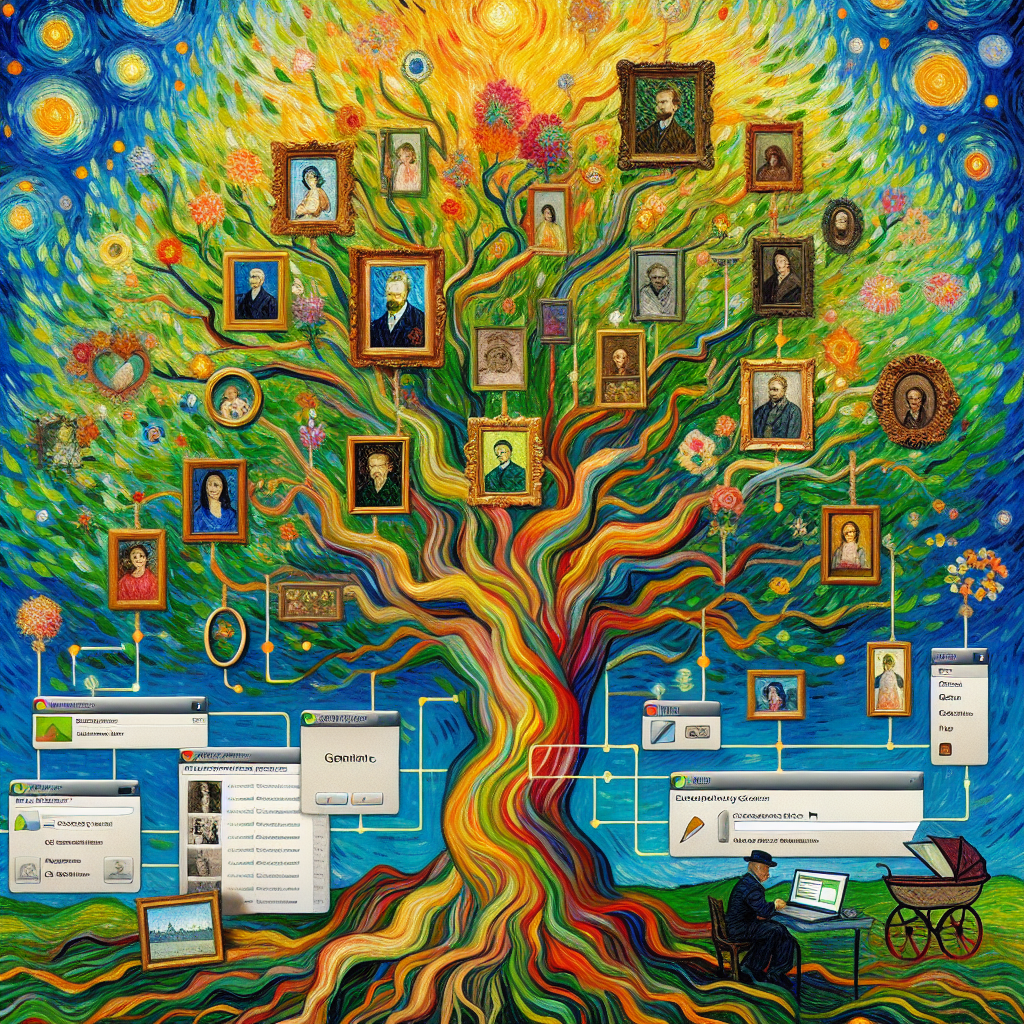
What Secrets Lie Within the Vault That Remains Untouched?
What Secrets Lie Within the Vault That Remains Untouched?
- The untouched vault symbolizes legacy and storytelling, holding history’s weight.
- Preservation of stories is crucial in a fast-paced world that often discards the old.
- The vault contains the essence of human experiences, showcasing courage and resilience.
- Honoring these stories deepens our understanding of human nature and inspires purposeful action.
- Individual sacrifices and contributions form the backbone of community and identity.
- Opening the vault enables connections to history and each other, reflecting shared truths.
- The journey of legacy storytelling invites us to embrace the past to illuminate the future.

What Secrets Lie Within the Vault That Remains Untouched?
How Can We Unlock the Potential Hidden Behind Our Fears?
Fear is a puzzling emotion, often seen as the roadblock between who we are and who we could become. But what if we learned to view our fears not as adversaries, but as loyal companions on our journey toward growth? Every fear we harbor holds the potential to tell a story—our legacy storytelling if you will. It reflects our experiences, our battles, and ultimately, our triumphs.
Consider the time when you stood on the edge of a significant decision, paralyzed by what-ifs and worst-case scenarios. In that moment of hesitation, you weren’t just encountering fear; you were presented with a story yearning to be rewritten. Each thread woven into that anxiety has the power to form a new narrative, one that brings courage into the spotlight. How often have we been held back by the very fears we thought were insurmountable, only to look back and marvel at how we managed to turn them into stepping stones?
Harnessing our fears begins with confronting them. This takes emotional bravery and a rational assessment of their true nature. Is this fear based on fact, or is it merely a whisper of self-doubt? When we dissect our fears, we can uncover the truth buried underneath. It’s about facing that fear head-on and choosing to see it from an ethical perspective. We owe it to ourselves—and to those who look up to us—to engage with our fears authentically. After all, can we genuinely inspire others if we are shackled by our own insecurities?
It’s time to engage in legacy storytelling, not just for ourselves but for our communities. Sharing the narratives woven by our encounters with fear introduces vulnerability, making it relatable. By doing so, we foster connections with others who share similar struggles, creating a network of support and understanding. We learn that fear doesn’t isolate us; it connects us.
As we embrace our fears, we can inspire trust in ourselves and confidence in others. It’s an invitation to act, to explore the unknown, and to step beyond our comfort zones. So, the next time fear rears its head, remember this—it may just be the beginning of a powerful new chapter in your story, one that transforms dread into determination and unlocks the potential hidden within.

How Can We Unlock the Potential Hidden Behind Our Fears?
How Can We Unlock the Potential Hidden Behind Our Fears?
- Fear is often perceived as a barrier to personal growth.
- Viewing fears as companions can facilitate growth and transformation.
- Fears tell a story, reflecting personal experiences and triumphs.
- Confronting fears requires emotional bravery and rational assessment.
- Engaging authentically with fears can inspire others and foster connections.
- Legacy storytelling creates a supportive community through shared vulnerabilities.
- Embracing fears can lead to new opportunities and personal development.

How Can We Unlock the Potential Hidden Behind Our Fears?
Who Holds the Keys to Understanding the Mysteries Within?
Every community is rich with untold stories and hidden legacies, woven into the fabric of our lives. These narratives are not mere tales; they are the blueprints of who we are, where we’ve come from, and where we’re headed. The keys to unlocking these mysteries lie in the tradition of legacy storytelling—an art form that transcends generations and forges connections among individuals, families, and cultures.
Imagine sitting around a flickering fire, the crackling flames illuminating faces filled with curiosity. Each story shared is a doorway, inviting others to step into the shoes of those who walked before us. In sharing these tales, we invite our listeners to engage their hearts, minds, and guts. Through vivid descriptions, we paint pictures that resonate deep within—echoing feelings of courage, loss, triumph, and resilience. This method isn’t just about preserving history; it’s about fostering a loving bond that brings us closer together, reminding us that our struggles and victories are collective.
As we delve into legacy storytelling, it is crucial to consider the ethics of these narratives. Whose stories are we amplifying? Are we honoring the voices that deserve to be heard? This reflection builds trust and assures that the stories we tell are not merely entertainment but serve a higher purpose—one of understanding and empathy. It’s an invitation to confront uncomfortable truths while embracing the entirety of our shared human experience.
Rationality also plays a role. The wisdom captured in these tales often contains lessons that can guide us in navigating the complexities of life. Each narrative is a testament to our innate capability to overcome challenges and adapt, presenting strategies that can inspire action in today’s world. When we learn from the past, we arm ourselves with the tools needed for present and future endeavors.
Legacy storytelling is more than an activity; it’s a movement—a catalyst for connection and compassion in an increasingly disconnected world. It prompts us to listen, engage, and ultimately act. When we commit to understanding the mysteries within our communities, we not only honor those who came before us but also lay the groundwork for future generations. We hold the keys to unlock potential, foster understanding, and create a cultural tapestry that celebrates the richness of our collective experiences. Through this endeavor, we find not just stories, but the heart of what it means to be human.

Who Holds the Keys to Understanding the Mysteries Within?
Who Holds the Keys to Understanding the Mysteries Within?
- Communities possess untold stories and hidden legacies integral to identity.
- Legacy storytelling connects individuals and cultures across generations.
- Sharing stories invites listeners to engage emotionally and reflectively.
- Ethical considerations are essential in amplifying diverse voices and narratives.
- Wisdom from stories offers lessons for navigating life’s complexities.
- Legacy storytelling serves as a catalyst for connection and empathy.
- Understanding community narratives honors the past and shapes future generations.
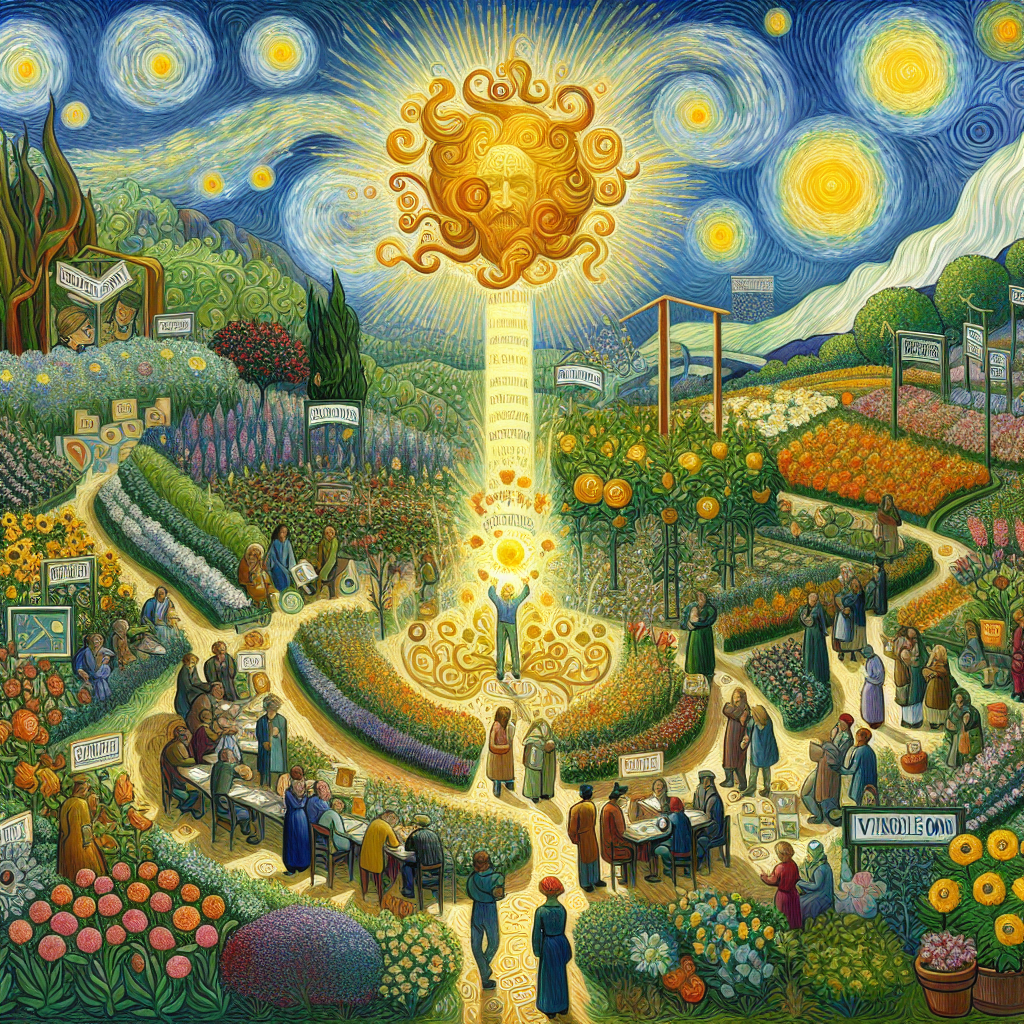
Who Holds the Keys to Understanding the Mysteries Within?
How Do We Confront the Challenges That Keep Us From Opening Our Vault?
How do we confront the challenges that keep us from opening our vault? It starts with a simple truth: each of us carries a legacy, a story woven from our triumphs, failures, and the countless moments that define us. Yet, too often, we barricade ourselves behind walls constructed from fear, doubt, and past experiences. It’s time to chip away at those barriers.
Imagine standing on the precipice of your potential, weighed down by the burden of unshared stories. What keeps us from embracing our narratives? Sometimes it’s the haunting fear of judgment, the silent belief that our experiences aren’t enough, or perhaps the nagging doubt that no one will understand. But here’s the thing: your legacy storytelling matters. Every life has lessons learned that could illuminate the path for others. Our unique experiences forge connections; they foster understanding, bridging the gaps between us.
On a rational level, think of the missed opportunities. When we withhold our truths, we rob ourselves and others of the chance to learn and grow. Sharing doesn’t just inspire others; it resonates, sparking epiphanies that might push someone else to confront their own fears. The human experience is inherently social; we’re not solitary beings. By engaging with one another, we reinforce our collective journey, crafting a tapestry of experiences that others can relate to.
Ethically, we owe it to those who’ve walked alongside us in our struggles. Each story shared is a gift; it can guide the next person wrestling with similar challenges. Be the voice that lifts someone from the shadows of uncertainty. Every moment of vulnerability, every raw truth shared, can ignite a flame of hope.
Let’s not shy away from authority, either. Experts, leaders, and mentors share their stories for a reason: they embody the lessons life taught them. They show us that setbacks are not the end; they’re merely stepping stones on the road to success. When we open our vaults, we gain credibility in our narratives, establishing trust and confidence among those who hear our tales.
Your legacy storytelling is waiting to be unearthed. Each step you take towards authenticity deepens your connection with others. The vault may look heavy, but within it lies the strength to change lives, including your own. Embrace the journey, share your truths, and watch as the world transforms around you.

How Do We Confront the Challenges That Keep Us From Opening Our Vault?
How Do We Confront the Challenges That Keep Us From Opening Our Vault?
- Each individual carries a legacy formed by their experiences, including triumphs and failures.
- People often construct barriers of fear, doubt, and past experiences that prevent them from sharing their stories.
- Embracing personal narratives helps foster connections and understanding among others.
- Withholding truths limits opportunities for personal growth and shared learning.
- Sharing stories can provide hope and guidance to those facing similar challenges.
- Lessons from experts and mentors demonstrate that setbacks are part of the journey towards success.
- Authenticity in storytelling deepens connections and can lead to transformative change.

How Do We Confront the Challenges That Keep Us From Opening Our Vault?
What Ethical Dilemmas Arise When Seeking to Uncover Hidden Truths?
Uncovering hidden truths often feels like peeling an onion—each layer we remove reveals another, often leading to tears before we uncover something meaningful. The pursuit of truth is not merely an intellectual exercise; it resonates deeply with our sense of self and community. When we embark on this journey, we encounter ethical dilemmas that challenge our beliefs and values, forcing us to confront uncomfortable realities about ourselves and the world around us.
Every story has a legacy, a narrative woven into the fabric of our society. As relentless seekers of truth, we often wrestle with the implications of our discoveries. Are we honoring the legacy of those we aim to understand or exploit? The very act of exposing hidden truths can shine a light on injustices, but it can also cast shadows over innocent lives. These moments demand we pause and reflect, looking beyond the headline to the humanity within the story.
Consider the heart of this matter: when an intriguing story comes to light, it’s tempting to sensationalize—after all, doing so can garner attention and elevate our status as truth-tellers. Yet, in doing so, we may betray the ideals of ethical storytelling. The challenge lies in balancing the compelling with the responsible. We must tread lightly, fueled not just by ambition but by empathy. The response from those impacted is not just a measure of our success; it’s a testament to our integrity.
We must also recognize the authority we hold as storytellers. With that power comes responsibility. Are we presenting a balanced narrative that respects all perspectives? The truth has many shades, and our approach can shape public perception. Each choice we make can either build trust or erode it. Engaging in transparent dialogue and fostering meaningful connections can encourage others to join us in seeking these truths—together, building a collective legacy of understanding and compassion.
Finding the truth isn’t always pretty, nor does it come without a cost. Still, when done right, it can galvanize communities to action, sparking change and healing. Our pursuit of hidden truths can ignite respect and inspire hope, urging us to confront not only what we uncover but also what we choose to do with it. It’s a powerful reminder: we all share in this story, and how we tell it today shapes the legacy we leave for tomorrow.

What Ethical Dilemmas Arise When Seeking to Uncover Hidden Truths?
What Ethical Dilemmas Arise When Seeking to Uncover Hidden Truths?
- Uncovering hidden truths parallels peeling an onion, revealing layers and often leading to emotional challenges.
- The pursuit of truth significantly impacts our identity and community values.
- Ethical dilemmas arise that force confrontations with uncomfortable realities about ourselves and society.
- Exposing hidden truths can highlight injustices but also adversely affect innocent lives, necessitating reflection on our storytelling approach.
- Balancing compelling narratives with responsibility is crucial to maintaining integrity as storytellers.
- Our authority in storytelling requires presenting balanced narratives that respect diverse perspectives, shaping public perception effectively.
- Truth-seeking can catalyze meaningful change and healing within communities, reminding us that we collectively influence the legacy we create.

What Ethical Dilemmas Arise When Seeking to Uncover Hidden Truths?
Can the Fear Of the Unknown Hold Us Back From Personal Growth?
Can the Fear of the Unknown Hold Us Back From Personal Growth?
Fear can be a relentless companion on our journey through life, a nagging sensation that keeps us tethered to the known, no matter how uncomfortable or limiting it may be. It whispers in our ears, convincing us that venturing into the unknown is risky, even dangerous. But what if I told you that this fear is often the very thing standing between us and the profound personal growth we long for?
Consider the stories that define our lives. Each one is a chapter in our legacy, a testament to the struggles and triumphs we’ve endured. Legacy storytelling isn’t just about recounting past victories; it’s about embracing the messy, uncertain moments that shape us. When we cling to the familiar, we deny ourselves the richness that comes from confronting our fears. The heart craves connection, but the head often intervenes, calculating risks and potential failures. In doing so, we may overlook the most valuable lessons hidden within our uncertainty.
The ethical pull of this exploration beckons us to ask: if we allow fear to dictate our choices, what message are we sending to those who come after us? Our children, friends, and communities look to us as examples. When we allow the fear of the unknown to keep us stagnant, we not only hinder our growth but also diminish the possibility of inspiring others. It’s time to shift that narrative and model a life led by courage rather than caution.
Engaging with the unknown doesn’t always mean embarking on grand adventures. Sometimes, it’s as simple as having a difficult conversation or taking a new job. A small step into the fog can illuminate paths we never imagined. Think about the last time you took a leap of faith. That rush of adrenaline mixed with excitement likely left you stronger, wiser, and more confident. Those moments become part of your legacy, woven into the fabric of your story.
Let’s face it: it’s easy to stay within our comfort zones. It feels safe there. But real growth, the kind that leaves a mark, flourishes in the face of uncertainty. By confronting and embracing our fears, we gather stories that resonate deeply—stories that inspire trust, confidence, and action. So next time you feel fear creeping in, ask yourself: what growth might lie just beyond that unknown? Your legacy is waiting to be written.

Can the Fear Of the Unknown Hold Us Back From Personal Growth?
Can the Fear Of the Unknown Hold Us Back From Personal Growth?
- Fear often keeps us attached to the familiar, hindering personal growth.
- Legacy storytelling encompasses both struggles and triumphs, highlighting the importance of embracing uncertainty.
- Clinging to the known may prevent us from learning valuable lessons from our fears.
- Allowing fear to dictate choices can negatively impact those we inspire, such as children and communities.
- Engaging with the unknown can start with small steps, like difficult conversations or new job opportunities.
- Real growth often occurs outside the comfort zone, promoting personal development.
- Confronting fears can lead to significant stories that build trust, confidence, and action.

Can the Fear Of the Unknown Hold Us Back From Personal Growth?
What Role Does Community Play In Resolving Shared Struggles?
In the face of adversity, it’s often said that “no man is an island.” Yet, too many of us try to carry our burdens alone, forgetting that the strength of a community can be the lifeline we desperately need. A community represents a tapestry of lives, each thread woven together by shared experiences, struggles, and triumphs. When one thread frays, others can step in to bear the weight. This is the essence of community: a collective legacy that thrives on connection, resilience, and mutual support.
Community brings the power of legacy storytelling forward. Every struggle, every triumph contributes to a narrative that belongs to us all. These narratives forge bonds, encouraging each individual to share their own story. Through this sharing, we realize we are not alone. When a neighbor faces hardship—be it personal loss, financial strife, or mental health challenges—the community collectively steps up, offering words of encouragement, sharing resources, and providing a listening ear. This is more than just kindness; it’s a moral imperative that we owe each other as members of a shared society.
Rationally speaking, there’s profound strength in numbers. Think of any significant movement for change, from civil rights to social justice; these catalysts relied on the willingness of communities to come together, harnessing their collective voice. When individuals unite around a common cause, their combined efforts can create waves of change that one person alone cannot achieve. This shared resolve can turn the tide on issues that seem insurmountable.
Ethically, fostering community is more than an act of support; it’s a responsibility we have to one another. Every act of kindness—a meal delivered, a hand held—compounds into a culture of compassion. We must ask ourselves: if not us, then who? The strength of our communities serves as an authority in times of crisis, guiding and inspiring us to act, to reach out, to engage with those in need.
Ultimately, the heart of community lies in its ability to foster connection. It beckons us to step outside ourselves, to engage with our neighbors, and to share not just in our joys but in our struggles too. Each voice matters, and together we create a chorus that becomes impossible to ignore. By embodying this spirit of togetherness, we cultivate an environment where everyone feels seen, heard, and valued, leading us from survival to thriving—a legacy we can all take pride in.

What Role Does Community Play In Resolving Shared Struggles?
What Role Does Community Play In Resolving Shared Struggles?
- No one is isolated; community is essential in facing adversity.
- Community is a tapestry of shared experiences and support.
- Legacy storytelling fosters connections and encourages sharing personal narratives.
- Communities step in during hardships, providing resources and emotional support.
- Strength in numbers leads to significant movements for change.
- Ethical responsibility to support one another creates a culture of compassion.
- Engaging with neighbors fosters connection, creating a thriving, supportive environment.

What Role Does Community Play In Resolving Shared Struggles?
Conclusion
In contemplating the untouched vaults of our communal narratives, we find a treasure trove that holds not just the echoes of past struggles and victories, but the very essence of what binds us together as human beings. Every wrinkle on an elder’s face carries a story, a lesson harvested from the fields of hard work and resilience. These stories, often tucked away in the recesses of our hearts, form the foundation upon which we build our collective identity. In a fast-paced world that often prizes speed over depth, it becomes essential to engage with these narratives actively, recognizing our ethical duty to preserve them. By sharing our stories, we honor those who came before us while nurturing the strands that tie us to one another.
Opening the doors to this vault promotes a culture of empathy and understanding. When we listen and engage with our stories—be they triumphant or challenging—we cultivate trust within our communities. Each story serves as an invitation to connect, reminding us that no struggle is in vain, and every experience holds value. By sharing our truths, we foster a sense of belonging that transcends the individual, creating a collective legacy that empowers and uplifts.
As we confront the fears that keep us from sharing these narratives, we must ask ourselves: what do we risk losing by remaining silent? The fear of judgment or inadequacy often shackles us, but facing these fears transforms them into powerful catalysts for growth. It’s through vulnerability that we unlock our potential and inspire others. Imagine if we all opened our vaults and shared our struggles; the ripple effect could ignite a movement of understanding and courage that reverberates through generations.
It’s imperative to recognize the role community plays in this process. Each shared struggle contributes to our collective story, weaving a fabric of resilience and support that strengthens us all. When we stand together, shoulder to shoulder, we harness the power to effect real change in the world. The path may be fraught with challenges, but as we unlock our vaults and share our legacies, we breathe life into the narratives that define our humanity.
Ultimately, the vault we unlock isn’t just a repository for memories; it’s a lifeline to our future. By embracing our stories, we pave the way for future generations, reminding them that their narratives matter too. Together, let’s take the journey of legacy storytelling, illuminating the dark corners of our fears and celebrating the rich tapestry of human experience. The real treasures lie not within the vault itself, but in the connections forged and the lives transformed along the way.

Conclusion
Conclusion:
- The untouched vaults of communal narratives contain the essence of our shared human experience.
- Every elder’s story reflects lessons of hard work and resilience that shape our collective identity.
- Engaging with these narratives is vital for preserving our history and honoring those who came before us.
- Opening these vaults fosters a culture of empathy and understanding within our communities.
- Sharing stories cultivates trust and creates a sense of belonging that empowers individuals and communities.
- Confronting fears of judgment can transform vulnerabilities into catalysts for personal and communal growth.
- Ultimately, embracing our stories strengthens our connections and paves the way for future generations.

Conclusion
Other Resources

Other Resources
Here is a list of other resources you can review online to learn more:
- FutureMe
- Legacy Learned
- Xarona
- Association of Personal Historians
- DocuBank
- Bcelebrated
- Legacy
- Ever Loved
- Meminto
- LifeSite
- UpCounsel
- Storyfile Life
- Storyworth
- deviantART
- Digital Legacy Association
- WishesKeeper
- LegalZoom
- Remembered.com
- PartingWishes
- Cake
Use This Prompt To Get More Resources With Your Favorite Online AI Tool: Please provide me with a list of online articles with their URLs in a bulleted list that I can read regarding The Vault No One Can Open
Other Resources
Glossary Terms
The Vault No One Can Open – Glossary Of Terms
1. Vault: A secure room or chamber for storing valuable items.
2. Impenetrable: Impossible to pass through or enter; invulnerable.
3. Encryption: The process of converting information into code to prevent unauthorized access.
4. Key: A device used to open a lock; can also refer to a digital code or password.
5. Access: The ability, right, or permission to enter or use something.
6. Security: Measures taken to protect against unauthorized access or harm.
7. Mystery: Something that is difficult or impossible to understand or explain.
8. Intruder: A person who enters a place without permission, often for malicious purposes.
9. Lock: A mechanical or electronic fastening device used to secure openings.
10. Breach: An act of breaking or failing to observe a law, agreement, or code.
11. Guardian: A person or entity responsible for protecting something valuable.
12. Secret: Something kept hidden or known only to a few.
13. Ciphers: Algorithms for encoding or decoding information.
14. Barrier: An obstacle that prevents movement or access.
15. Safeguard: A measure taken to protect a person or thing.
16. Fortress: A heavily protected and secured building or structure.
17. Stealth: The act of avoiding detection or notice.
18. Concealment: The action of hiding something from view.
19. Defenses: Protective measures against potential threats or attacks.
20. Allegory: A narrative that conveys complex ideas through symbolic figures and actions.
21. Silhouette: The dark shape and outline of someone or something visible against a lighter background.
22. Possession: The state of having, owning, or controlling something.
23. Enigma: A person or thing that is mysterious or puzzling.
24. Obfuscation: The act of making something obscure or unclear, often used intentionally.
25. Safekeeper: A person or mechanism that keeps something safe and secure.
26. Mystique: An air of mystery, fascination, or intrigue surrounding a person or thing.
27. Puzzle: A problem or enigma that challenges the intellect.
28. Vaulting: The act of arching over; can imply a leap or ascent to an unreachable level.
29. Inscription: Text carved or engraved, often used for security or identification.
30. Cryptography: The practice of writing or solving codes, particularly for secure communications.

Glossary Of Terms
Other Questions
The Vault No One Can Open – Other Questions
If you wish to explore and discover more, consider looking for answers to these questions:
- How do I start collecting legacy stories from elders in my community?
- What ethical considerations should I keep in mind when recording personal narratives?
- How can I obtain consent and respect privacy while sharing someone else’s story?
- Which methods (audio, video, written) are best for preserving oral histories long-term?
- How do I handle stories that contain painful or traumatic experiences?
- Who should have ownership or copyright over recorded family or community stories?
- How can I fact-check memories without undermining the storyteller’s voice?
- What tools or platforms are recommended for archiving community stories securely?
- How can schools and local organizations integrate legacy storytelling into curricula?
- What incentives or supports encourage elders to share their vaults openly?
- How do I navigate cultural sensitivities and avoid appropriation when sharing stories?
- How can storytelling be used to drive social change or community action?
- What role should community leaders and institutions play in preserving legacies?
- How can younger generations be motivated to listen and engage with elder narratives?
- How do we balance compelling storytelling with avoiding sensationalism?
- What are the legal risks of publishing intimate or controversial personal histories?
- How can we ensure underrepresented voices are included and amplified ethically?
- How do we measure the impact of legacy storytelling on community cohesion?
- What strategies help people overcome fear and vulnerability when sharing their stories?
- How can technology (AI, VR) be used responsibly to recreate or enhance memories?
- What funding models support long-term community archives and storytelling projects?
- How should conflicting accounts or memories within a community be reconciled?
- When is it appropriate to anonymize details, and how does anonymization affect authenticity?
- How do we preserve context so future generations understand the cultural background of stories?
- What steps turn a collected story into a living legacy rather than a static archive?

Other Questions
Haiku
The Vault No One Can Open – A Haiku
Stories linger deep,
In vaults we fear to unlock;
Share to light the way.

Haiku
Poem
The Vault No One Can Open – A Poem
In whispers soft, the tales unfold,
Of lives entwined, both young and old.
Within the vaults of heart and mind,
Are stories rich, in truth, we find.
Each wrinkle speaks of battles won,
Of laughter shared, of tears we’ve spun.
A tapestry, each thread a story,
Binding us in shared glory.
As time rushes on, we must not forget,
The voices of elders, the legacies met.
For in their tales, wisdom’s light glows,
Inviting us to tread where history flows.
Fear holds us back, a fence, a wall,
Yet within its grasp, strength may call.
Our struggles and triumphs, each one a key,
Unlocking the vaults of what’s yet to be.
With courage as our sturdy guide,
We step into shadows, no need to hide.
For every shared narrative encourages trust,
Building communities; in connection we must.
Let’s cherish the stories, both yours and mine,
For in every heartbeat, the human aligns.
A dance of legacy, through epochs they sing,
In opening our vaults, our spirits take wing.
So gather around, let the stories flow free,
In the strength of our voices, we unite to be.
Together we venture, through darkness and light,
Crafting a future, bold and bright.

Poem
Checklist
The Vault No One Can Open – A Checklist
Heart Appeals
✅______ Embrace vulnerability: Share your personal stories and experiences to foster deeper connections.
✅______ Honor elders: Set aside time to listen to the stories of older generations in your life and community.
✅______ Create safe spaces: Encourage open dialogue in your community where everyone feels comfortable sharing their narratives.
Head Appeals
✅______ Analyze your fears: Reflect on what fears hold you back from sharing your own story, and rationally assess their validity.
✅______ Identify lessons learned: Write down key lessons from your experiences that can empower others.
✅______ Research community needs: Understand the struggles and needs of your community to tailor your storytelling accordingly.
Gut Appeals
✅______ Gather support networks: Identify people in your community who can share in the burden and joy of storytelling with you.
✅______ Take action: Decide on specific actions or stories you can share that will inspire trust and strength in others.
✅______ Celebrate collective growth: Organize community events that highlight shared narratives and encourage ongoing legacy storytelling.
Emotional Appeals
✅______ Share feelings: Be open about the emotions connected to your stories to help others relate to their own experiences.
✅______ Create empathy: Engage others by discussing stories that resonate with shared humanity and connection.
Ethical Appeals
✅______ Respect all voices: Ensure that the stories you share respect and honor the diverse backgrounds and experiences of others.
✅______ Reflect on impact: Consider the ethical implications of your storytelling and strive to uplift rather than exploit.
Authority Appeals
✅______ Learn from experts: Engage with leaders in your community to understand effective ways to tell and share stories.
✅______ Build trust through consistency: Establish a regular practice of storytelling that builds reliability and authority in your narratives.
Narrative Appeals
✅______ Connect through story: Use anecdotes that illustrate the bigger picture of community experiences and struggles.
✅______ Invite others to share: Actively call on community members to contribute their stories, emphasizing that each narrative adds value.
Social Appeals
✅______ Utilize social media: Create platforms online where stories can be shared and celebrated within the community.
✅______ Encourage participation: Foster a culture where sharing personal narratives is normalized and encouraged in group settings.
Closing Invitation
✅______ Challenge others: Prompt friends and community members to share their stories, creating a ripple effect of legacy storytelling that inspires collective growth.

Checklist
At LegacyExplorations, we help people plan and explore their legacy by collecting information and news regarding end-of-life planning.
Please share this post with your friends, family, or business associates who may want help to plan or explore their legacy.