

An Overview Of the Version Control Crisis In Personal Archives
By Tom Seest
At LegacyExplorations, we help people plan and explore their legacy by collecting information and news regarding end-of-life planning.
Please share this post with your friends, family, or business associates who may want help to plan or explore their legacy.
The Version Control Crisis In Personal Archives
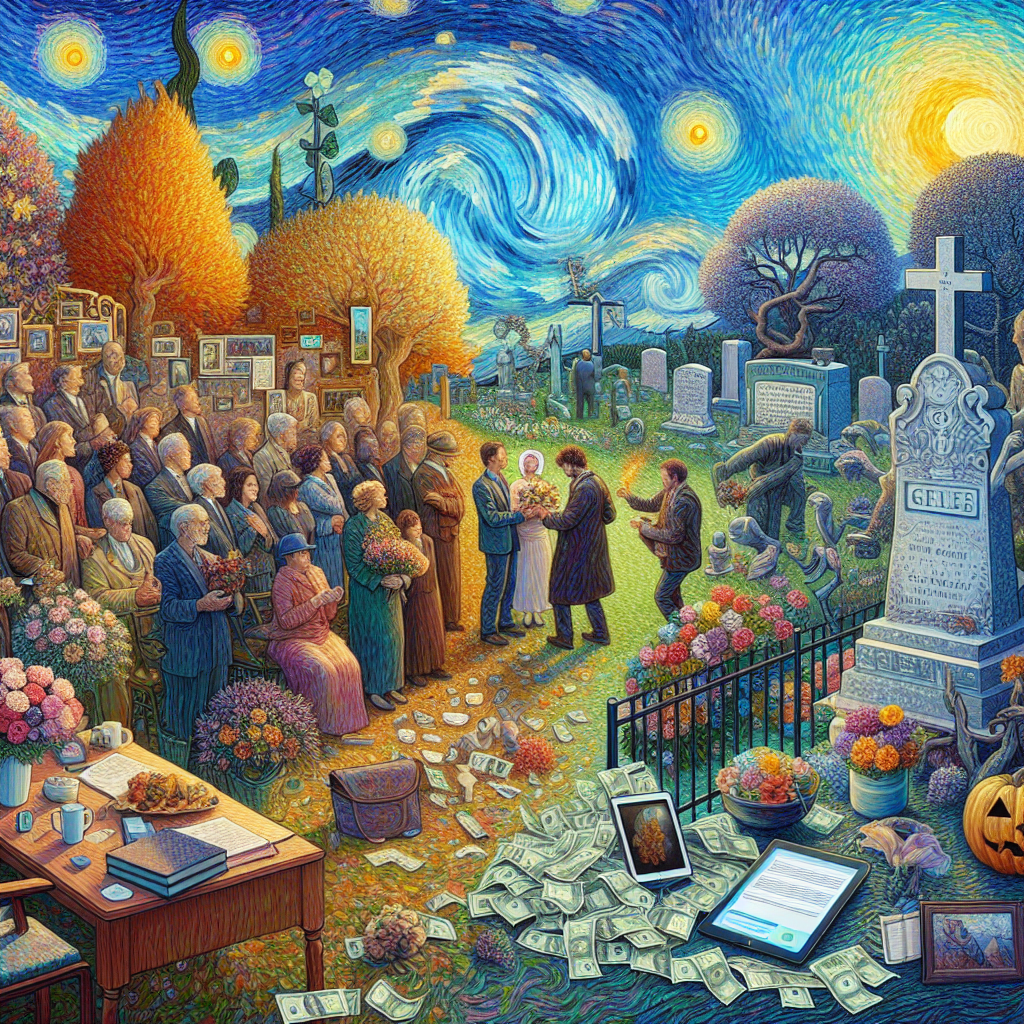
In our journey through life, we accumulate stories—fragments of our legacy that shape who we are and how we connect with those we love. Yet, in this digital age, the very essence of our personal archives faces a silent crisis. As we navigate the labyrinth of technology, the challenge of version control emerges, threatening the integrity of our legacy storytelling.
Imagine flipping through a family photo album, each snapshot a portal to our past. These images encapsulate moments of joy, struggle, triumph, and loss. But what if those memories were scattered across various cloud services, social media platforms, and forgotten hard drives? The emotional toll can be overwhelming. Our stories, once vivid and accessible, become jumbled in a digital maze, leaving us yearning for clarity as we grapple with the fear of losing our narratives.
Rationally, the lack of version control leads to confusion and frustration. We find ourselves sifting through multiple versions of a single document or a myriad of photos, questioning which truly represents a specific moment. It’s a cognitive overload that not only diminishes our ability to preserve these memories but also deters us from sharing them with the next generation. When we lose track of our stories, we lose a part of ourselves.
Ethically, the implications can be more profound. Our personal archives are not just collections; they are legacies we pass down. They hold the values, traditions, and lessons that define us. Failing to curate these effectively means potentially altering the narrative for those who follow. We have a responsibility to ensure our loved ones can rediscover our stories authentically, carrying forward a legacy steeped in truth and essence.
From an authority perspective, we must advocate for better tools and systems that foster clarity in our personal archives. It’s not just about storing files; it’s about weaving a coherent narrative that future generations can remember and cherish. We have the power and resources at our fingertips to harness technology, turning what once seemed chaotic into something organized, meaningful, and lasting.
As a society, let’s engage in this conversation about our legacies. We all have valuable stories waiting to be told, yet they remain vulnerable in the chaos of digital disarray. By committing to safeguard and streamline our personal archives, we empower ourselves to embrace and enhance our legacy storytelling. Take action today; your story deserves the best chance to shine, resilient and intact, for generations to come.

The Version Control Crisis In Personal Archives
The Version Control Crisis In Personal Archives
- Life’s journey accumulates stories that shape our identity and connections.
- The digital age presents challenges to personal archives, particularly concerning version control.
- Scattered memories across platforms lead to emotional distress and confusion.
- Lack of clarity risks losing important narratives, diminishing memory preservation.
- Personal archives are legacies carrying essential values and traditions for future generations.
- Advocacy for better organizational tools is vital to maintain coherent narratives.
- Engagement in safeguarding personal archives enhances legacy storytelling for resilience.
The Version Control Crisis In Personal Archives
Table Of Contents
- The Version Control Crisis In Personal Archives
- What Memories Deserve to Be Preserved Forever?
- How Do We Manage Our Digital Legacies?
- Are We Losing Touch with Our Personal Histories?
- What Ethical Dilemmas Arise From Archiving Our Lives?
- How Can We Ensure Our Voices Are Heard Across Generations?
- What Role Do Social Connections Play In Our Archival Choices?
- Can We Trust Technology to Safeguard Our Memories?
- Conclusion
- Other Resources
- Glossary Of Terms
- Other Questions
- Haiku
- Poem
- Checklist
What Memories Deserve to Be Preserved Forever?
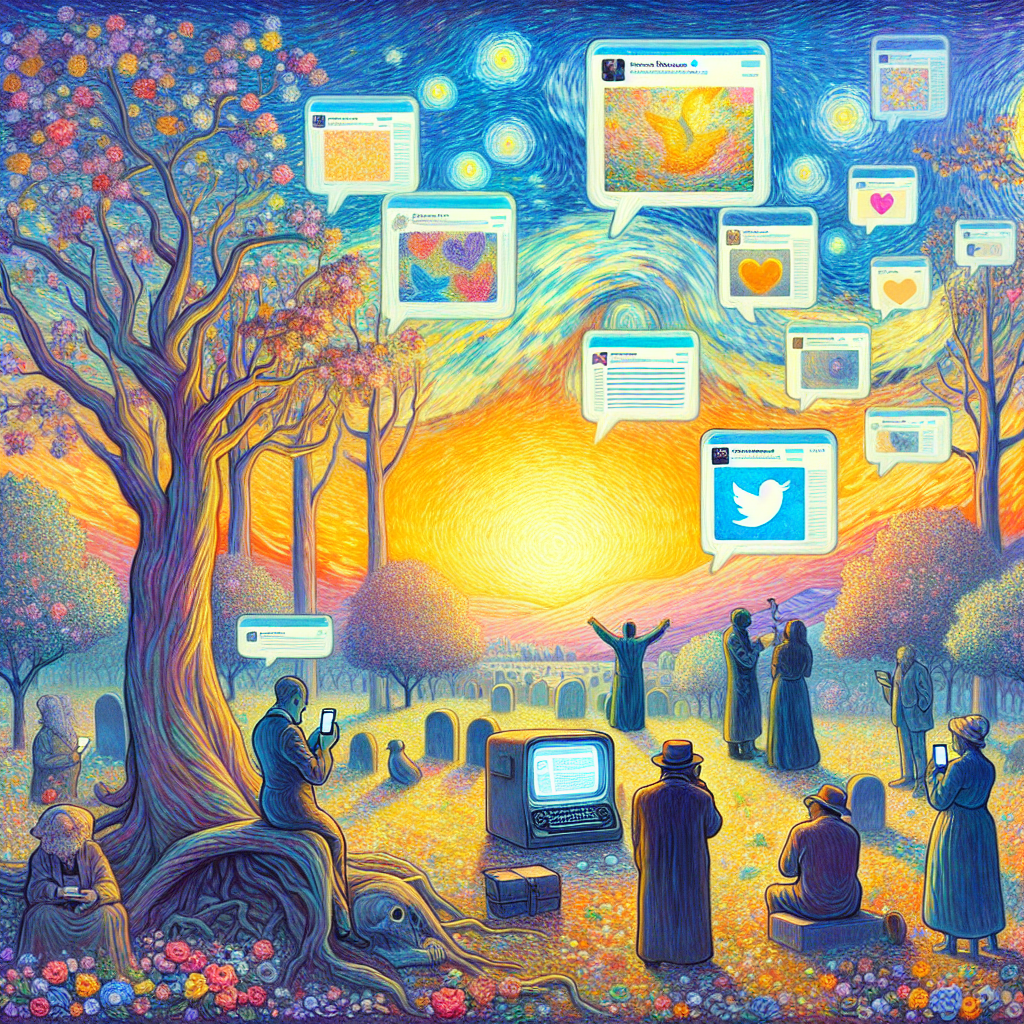
In the tapestry of life, certain memories shimmer like gold, holding the power to inspire, heal, and connect. These memories, whether joyous milestones or bittersweet moments, weave the intricate fabric of our legacy. They are the stories we pass down, the narratives that shape our understanding of who we are and where we come from. When we think about what should be preserved forever, it becomes clear: it’s not just the big events that matter, but the small, everyday moments that form the backbone of our existence.
Imagine a grandmother’s laugh echoing through a sun-soaked garden, her hands lovingly crafting a family recipe passed through generations. This is more than a simple memory; it’s a legacy, a testament to the bond shared among family. Each bite of that dish tells a story, fueling our connection to the past while grounding us in the present. The essence of these moments is found in their ability to evoke deep feelings—the heart swells with nostalgia, while our minds grasp the lessons they impart.
But what qualifies as a memory worth preserving? It’s the moments that reflect our values, challenge our perspectives, and speak to our humanity. A quiet conversation on a porch, a shared laugh around a dinner table, or the harsh but necessary lessons learned in times of adversity—these experiences challenge us, make us more compassionate, and connect us to those who have walked similar paths. Whether we’re celebrating triumphs or navigating heartache, these memories lay the foundation for empathy—a vital element in our societal framework.
Legacy storytelling isn’t limited to our personal narratives; it extends to the collective experiences that define us as a society. It invites us to reflect on our shared history, the triumphs and tribulations that unite us in the human experience. This is where ethical considerations emerge. Preserving our stories isn’t just a selfish endeavor; it’s an invitation for future generations to find their place in the world, to understand the struggles we faced, and to learn from our mistakes.
Ultimately, the memories we choose to hold onto are what make us human, reflecting our journey, our struggles, and our victories. They deserve to be preserved—not just for us, but for those who come after us. So let’s embrace the rich tapestry of our lives and ensure that the stories that weave us together never fade away into the shadows of forgetfulness.
What Memories Deserve to Be Preserved Forever?
What Memories Deserve to Be Preserved Forever?
- Memories hold the power to inspire, heal, and connect, forming the fabric of our legacy.
- Both joyous milestones and small moments create the backbone of our existence.
- A grandmother’s laughter and family recipes represent the legacy and bonds shared among family.
- Valuable memories reflect our values, challenge perspectives, and speak to our humanity.
- Experiences of hardship foster compassion and empathy, essential for societal connections.
- Legacy storytelling encompasses collective experiences, reflecting our shared history.
- Preserving memories is vital for future generations to understand their place and learn from past struggles.

What Memories Deserve to Be Preserved Forever?
How Do We Manage Our Digital Legacies?
Managing our digital legacies is more than just clicking “delete” or “archive.” It’s about Legacy Storytelling—crafting a narrative that reflects who we are and what we value. In a world where our lives unfold online, every post, photo, and comment contributes to the ever-evolving story of our existence. Consider this: if someone were to sift through your digital footprint after you’re gone, what would they find? Would your legacy inspire? Would it tell a tale of authenticity, of dreams pursued, of connections made?
When you think about your digital legacy, it’s essential to embrace a few guiding principles. First, be intentional. Not everything we share is worth preserving. Curate your online presence the same way a skilled storyteller picks their words—deliberately and meaningfully. With a little thought, our social media can evolve from mere snapshots of daily life into a rich tapestry that showcases our values, beliefs, and the significant moments that define us.
Now, let’s pause and consider the emotional impact of our digital actions. Each post tells a portion of our story, crafting pathways for connection. These pathways can lead to relationships we never expected, fostering community and support long after we’re gone. In this way, digital legacies serve not only as a reflection of our personal journey but as a bridge to those we leave behind. What do you want them to remember? What lessons do you want to impart?
On a more pragmatic level, managing our digital legacies means being aware of our online presence and taking steps to protect it. Use the privacy settings available to control what remains visible, and consider using platforms that allow for legacy planning. Designate trusted individuals to manage your accounts, ensuring that your story continues in the manner you envisioned.
Every one of us has the chance to shape our digital narrative with purpose. By embracing the responsibility that comes with curating our online footprint, we can leave behind a legacy that inspires, entertains, and connects. This isn’t just about preserving memories; it’s about authoring a story that resonates. In doing so, we not only honor our past but also pave the way for those who follow. Your digital legacy can be a powerful testament to your life—what story do you choose to tell?

How Do We Manage Our Digital Legacies?
How Do We Manage Our Digital Legacies?
- Managing digital legacies involves Legacy Storytelling, reflecting personal values and identity.
- Each online post contributes to an ongoing narrative of one’s existence.
- Curate your digital presence intentionally, preserving meaningful content.
- Digital actions create emotional connections and build communities beyond one’s life.
- Be aware of privacy settings and use platforms that support legacy planning.
- Designate trusted individuals to manage accounts for continued storytelling.
- Shape a purposeful digital narrative that inspires and connects future generations.

How Do We Manage Our Digital Legacies?
Are We Losing Touch with Our Personal Histories?
Are we truly losing touch with our personal histories? It’s a question that tugs at the heartstrings and reverberates through our daily lives. In an age where technology is king and information flows like water, it’s easy to overlook the treasure trove of experiences that shape who we are. Our personal legacies—woven from the stories of our ancestors, the lessons learned in tough times, and the laughter shared around kitchen tables—remain undervalued. Legacy storytelling is not just a pastime; it’s the lifeblood of our identity, anchoring us to our roots while fueling our aspirations.
Consider the last time someone asked you about your background. In that moment, did you feel a spark of connection? Did you recount tales that made you proud, or were you left fumbling for words? Each story carries weight, offering not just a glimpse into our past but also a window into our souls. When we share these narratives, we bridge the gap between generations, passing down wisdom that might otherwise fade away. Ethical storytelling respects this history, recognizing the responsibility we have to honor the voices of those who came before us.
Yet, technology often creates a barrier. Social media may give us a platform to broadcast our thoughts, but it can drown out the intimate, personal histories that deserve to be told. We risk losing the richness of our legacies in a sea of fleeting moments. When we neglect to engage with our personal stories, we not only diminish our own sense of self but also disconnect from our communities. It’s time to take action. Embrace the benefits of legacy storytelling, and let us reclaim the power of our narratives.
Engage with the past. Reflect on what has shaped your life and share it with others. Seek out the stories of family members, friends, and even strangers. In doing so, we don’t just preserve our histories; we reinforce the bonds that tie us together as a society. Each story shared is a brick in the foundation of trust and confidence we cultivate, inspiring action and connection.
So, reach out. Tell your story. Listen to others. By doing this, we not only celebrate our individual journeys but also honor the collective narrative of our community. After all, understanding where we came from is the first step in envisioning where we are going.

Are We Losing Touch with Our Personal Histories?
Are We Losing Touch with Our Personal Histories?
- Pervasive technology may cause disconnection from personal histories and legacies.
- Legacy storytelling is vital for personal identity and community connection.
- Stories of ancestors and shared experiences form our heritage and aspirations.
- Sharing personal narratives bridges generational gaps and preserves wisdom.
- Social media can overshadow intimate stories, risking the loss of meaningful legacies.
- Engagement with personal and communal histories reinforces social bonds.
- Honoring and sharing our stories fosters trust and collective community awareness.

Are We Losing Touch with Our Personal Histories?
What Ethical Dilemmas Arise From Archiving Our Lives?
In today’s digital world, we’re constantly faced with the choice to document our lives, capturing everything from mundane moments to significant milestones. This drive towards archiving—a form of Legacy Storytelling—can feel empowering; our stories preserved forever in the vast expanses of the internet. But with that preservation comes a heavy burden of ethical dilemmas that challenge our very sense of self and society.
Each time we post a picture or share a story, we craft a narrative that extends beyond our intention. These digital footprints become part of a broader dialogue, shaping perceptions not just about ourselves but also creating a collective history. The heart of this discussion beats with the question: Who owns our stories? When we share, we relinquish some control, inviting others to interpret, judge, and sometimes misuse our narratives. Imagine a child growing up in a household where their every step was documented online. They navigate a world where their identity is often shaped by how others perceive their archived moments. This is not just a question of privacy but a matter of ownership over one’s legacy.
Ethically, we must ask ourselves: What happens to our memories when they become commodified? When our stories pour into algorithms, they are dissected and repurposed, often stripped of context. This commercialization raises moral questions that tug at our conscience. If our life experiences can be bought, sold, or repackaged, what is the value of the raw, authentic story?
We need to consider the narratives we choose to share. When we frame our lives through the lens of social media, do we curate our reality to impress, or do we document to connect? The challenge lies in finding genuine connection amid the curated chaos. Engaging in Legacy Storytelling should unite us, showcasing our vulnerabilities and triumphs while honoring the essence of who we are.
This shared experience connects us on a profound level, reminding us of our common humanity. The dilemmas of archiving our lives compel us to examine not just the why, but the how of our storytelling. How can we preserve our legacy while respecting the stories of others? The journey of navigating these waters isn’t just about leading with our heads—it’s about trusting our hearts and gut instincts as we share in this historical moment, ensuring our narratives reflect an ethical commitment to ourselves and those we touch.

What Ethical Dilemmas Arise From Archiving Our Lives?
What Ethical Dilemmas Arise From Archiving Our Lives?
- The digital era encourages documenting personal lives, offering empowerment through Legacy Storytelling.
- Sharing moments online creates a narrative extending beyond personal intent, influencing collective history.
- The question of ownership arises: who truly owns our stories once shared online?
- Ethical concerns emerge about the commodification of memories and the value of authentic narratives.
- Sharing narratives through social media can blur the lines between connection and curation for impression.
- Legacy Storytelling should foster vulnerability and unity, highlighting shared human experiences.
- Success in navigating archiving dilemmas requires trust in emotional instincts and respect for the stories of others.

What Ethical Dilemmas Arise From Archiving Our Lives?
How Can We Ensure Our Voices Are Heard Across Generations?
How can we ensure our voices are heard across generations? The answer lies in the art of legacy storytelling. This isn’t just about recounting the past; it’s about weaving a narrative that connects the threads of our experiences and lessons learned. Every generation faces unique challenges, yet the fundamental truths we face—love, loss, perseverance—remain unchanged. By sharing our stories, we build bridges that span the gaps of time, allowing wisdom to flow from one generation to the next.
Imagine gathering around a campfire, where tales of resilience ignite the hearts of eager listeners. This visceral image isn’t just for the movies; it’s the heartbeat of legacy storytelling. When we speak from the soul, we invite others to partake in our journeys, revealing vulnerabilities that resonate deeply. Our triumphs and failures become shared experiences, allowing younger generations to glean insights and inspiration from our struggles.
But storytelling must also be rooted in reason. In a world fueled by technology, where communication often feels superficial, leaning into the raw, unfiltered truth of our narratives makes a lasting impact. It’s about making the abstract tangible, showcasing the real-life consequences of choices made and lessons learned. We must articulate not just the ‘what’ but the ‘why’ behind our stories. When we highlight ethical dilemmas and decisions, we foster a space for reflection and discussion, inviting future generations to think critically about their own paths.
Authority in our storytelling comes not from claiming to have all the answers but from the authenticity of our lived experiences. Each story carries weight, rooted in our struggles and victories, making them credible and trustworthy. When we own our narratives, we empower others to do the same. This sense of ownership creates a culture of sharing, where voices that may have once felt overshadowed can rise in harmony.
We live in a society where connection is increasingly vital. By embracing legacy storytelling, we foster relationships not only within our families but across communities. Engaging in this mutually beneficial exchange helps us recognize that despite our differences, we share a common thread of humanity. Encourage conversations that allow younger generations to express themselves while we share our experiences, creating a dialogue that feels organic and reciprocal.
Ultimately, ensuring our voices are heard across generations begins with engaging in legacy storytelling—an invitation for all to listen, learn, and share. It’s a call to action: let’s embrace our roles as narrators of our own lives, amplifying our experiences for the benefit of those who come after us.

How Can We Ensure Our Voices Are Heard Across Generations?
How Can We Ensure Our Voices Are Heard Across Generations?
- Legacy storytelling connects generations by sharing experiences and lessons learned.
- Fundamental truths like love, loss, and perseverance are timeless across generations.
- Storytelling nurtures relationships, fostering understanding and empathy within families and communities.
- Authenticity in storytelling enhances credibility and encourages ownership of narratives.
- Real-life implications of choices made in stories provide valuable insights for younger generations.
- Encouraging intergenerational dialogue allows for mutual expression and reflection on shared humanity.
- Engaging in legacy storytelling is a call to action to amplify our experiences for future generations.

How Can We Ensure Our Voices Are Heard Across Generations?
What Role Do Social Connections Play In Our Archival Choices?
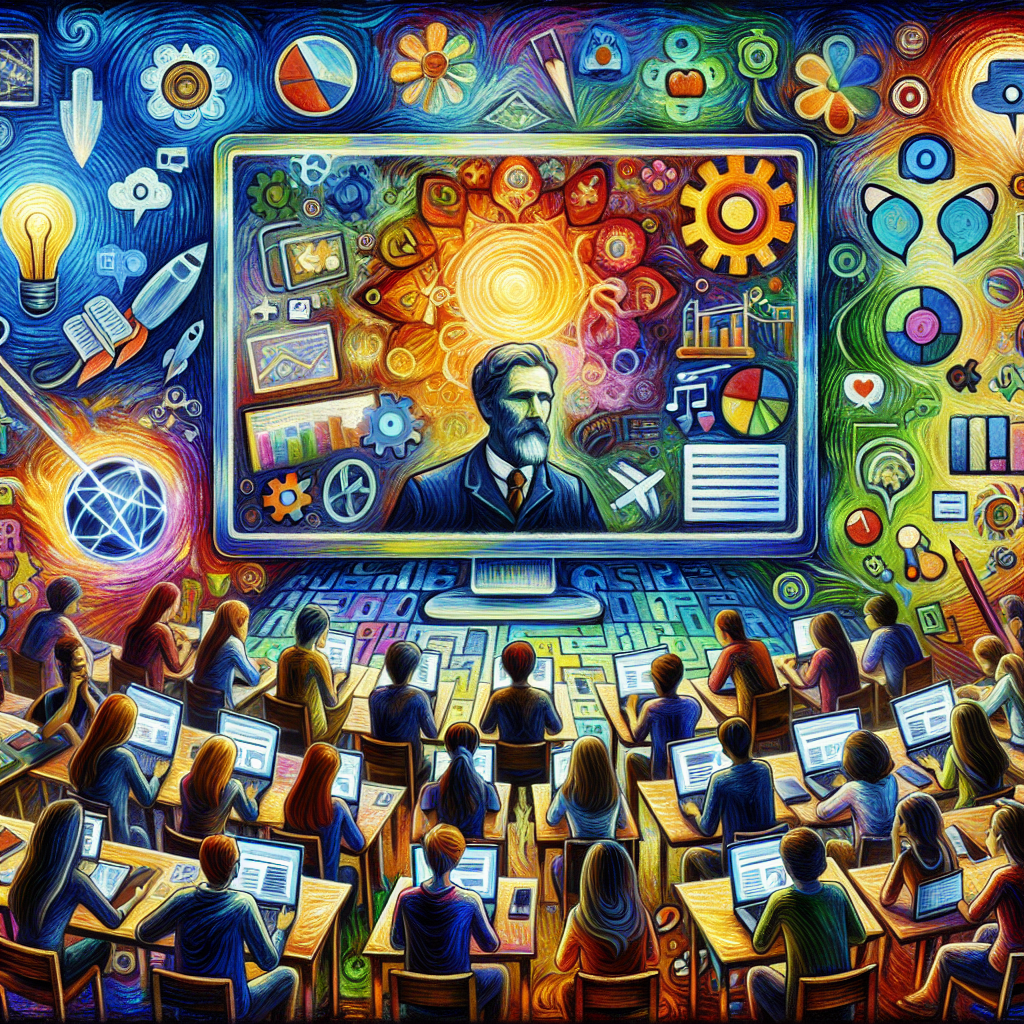
In a world overflowing with information, our social connections significantly shape how we filter and archive our experiences. It’s not just about collecting memories; it’s about cherishing and sharing the stories that give our lives meaning. Legacy storytelling is woven into the fabric of our relationships, turning personal narratives into communal treasures. When we share these stories, we find ourselves at the crossroads of history and memory, where individual experiences intersect with the collective human experience.
Think about the conversations that happen around the dinner table or at family gatherings. Those moments often give rise to the oral traditions that underpin our legacy. Through storytelling, we not only pass down lessons learned but also build a tapestry of shared history. They remind us that our past shapes our present and guides our future. Rationally, this engagement isn’t just sentimental; it serves a practical purpose. Why do we choose to archive certain moments over others? Often, it’s the connections that defined those moments. A photograph from a family reunion or a handwritten letter from a friend can evoke emotions far beyond what a mundane receipt might.
Ethically, our archival choices reflect our values. What stories we choose to preserve speaks volumes about our priorities and beliefs. Sharing these chosen stories fosters deeper connections with others, bridging generational gaps and encouraging a sense of continuity. This doesn’t simply nourish nostalgia; it cultivates a community bound by shared experiences.
Furthermore, the authority of relationships adds weight to our narratives. We trust those we’re connected to, and when they share their stories, we are compelled to listen. This trust elevates the act of archiving from mere documentation to an ethical obligation, where we not only preserve memories for ourselves but also for future generations.
Ultimately, our social connections are the bedrock of our archival choices. They help us sift through the noise, illuminating the stories that resonate with our hearts. With every shared laugh, tear, and triumph, we craft a legacy that transcends time, enveloping all that comes next in the rich tapestry of our shared humanity. Through this legacy storytelling, we don’t just lead isolated lives; we become threads in the grand narrative of existence, reminding one another of the vital importance of connection along the way.
What Role Do Social Connections Play In Our Archival Choices?
What Role Do Social Connections Play In Our Archival Choices?
- Social connections shape how we filter and archive experiences.
- Legacy storytelling turns personal narratives into communal treasures.
- Conversations at gatherings foster oral traditions that contribute to our legacy.
- Archiving certain moments reflects our values and beliefs.
- Sharing stories bridges generational gaps and cultivates a sense of community.
- Trust in relationships enhances the importance of preserving narratives.
- Shared experiences create a legacy that connects us through time.

What Role Do Social Connections Play In Our Archival Choices?
Can We Trust Technology to Safeguard Our Memories?
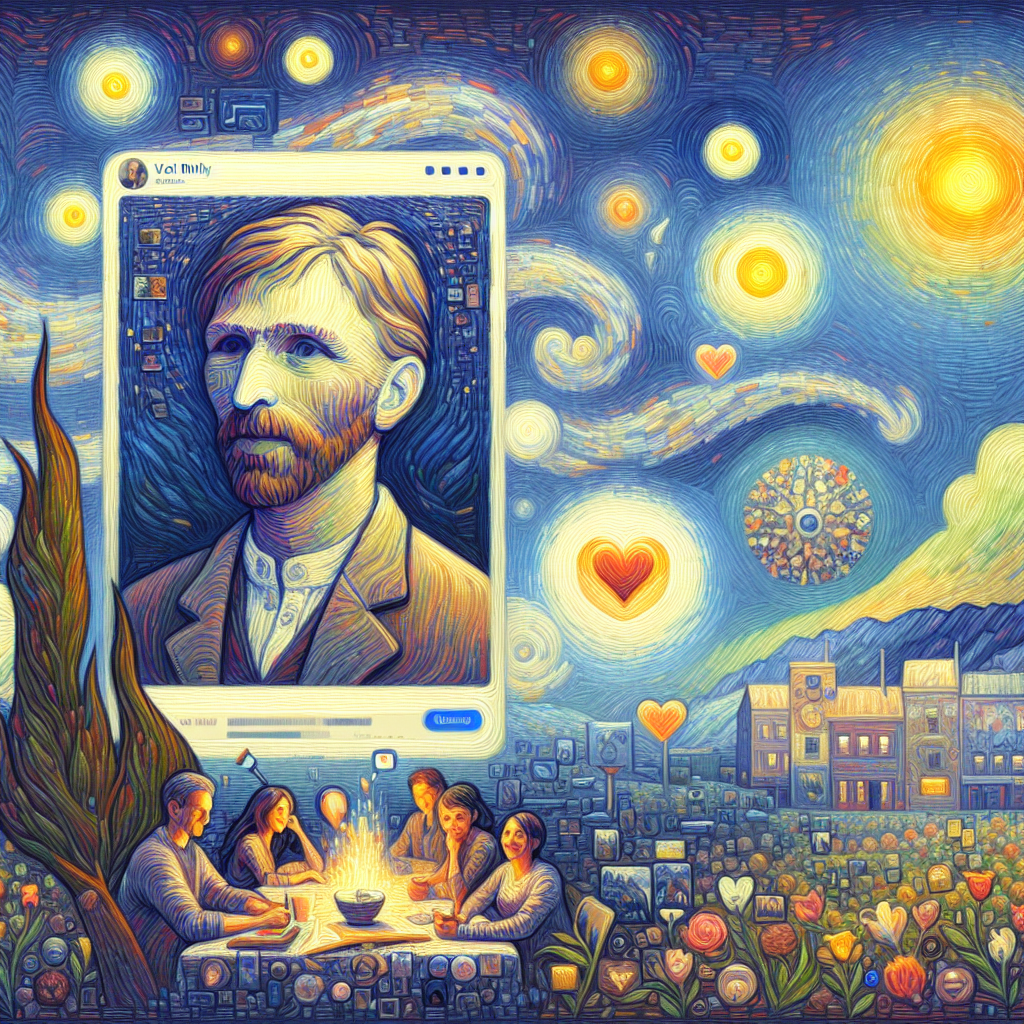
In a world increasingly dominated by screens and circuits, the question of whether we can trust technology to safeguard our memories weighs heavy on the heart. Memories define our legacy; they shape our storytelling and connect us to the tapestry of life. But as we upload snippets of our past into the digital ether, a nagging worry creeps in: Will these algorithms truly honor our stories, or will they reduce us to mere data points?
Every photograph we snap, every video we record, becomes a thread in the rich fabric of our personal history. Technology promises to save these threads forever, capturing moments that might otherwise slip away like grains of sand. Yet, with every click, it’s vital to ponder the ethical implications of entrusting our most cherished experiences to machines. Are we sacrificing authenticity for convenience? A balance must be struck between the immediacy of technology and the depth of genuine human experience.
When we think about the individuals behind the screens—engineers, developers, storytellers—we recognize their role as custodians of our memories. These are the voices guiding the algorithms; their values and intentions shape the tools we use to preserve our legacies. Understanding who wields this power, and holding them accountable, enhances our confidence in these digital platforms. We must ask ourselves: Are these guardians of memory equipped with our best interests in mind?
Engaging with technology isn’t just a decision; it’s a partnership. Think about the moments that stick with you—grandparents laughing at a family gathering, a child’s first steps, or a quiet sunset shared with a loved one. These experiences are imprinted on our hearts. They serve as the foundation of what we wish to pass on, echoing the importance of legacy storytelling. If we can leverage technology to inform and enhance these narratives, we may find ourselves not lost but rather amplified.
Yet, it requires an active choice. Trust isn’t a one-way street. We must immerse ourselves in these tools, understanding their capabilities and limitations, asking questions, and demanding transparency. Bridging the digital and emotional realms invites a greater connection to our own lives and the stories we choose to tell. When we approach technology with a discerning heart, we empower ourselves, ensuring that our memories—our legacies—are preserved with dignity and respect. Only then can we meet the future with confidence, bridging the gap between remembrance and innovation.
Can We Trust Technology to Safeguard Our Memories?
Can We Trust Technology to Safeguard Our Memories?
- The trust in technology to safeguard memories is increasingly questioned as we rely on digital platforms.
- Memories shape our legacy, linking our personal history with storytelling.
- Every digital capture poses ethical concerns about authenticity versus convenience.
- The creators of technology serve as custodians of our memories, influencing the preservation of our legacies.
- Engagement with technology is a partnership that requires understanding and transparency.
- Genuine experiences form the core of what we want to pass on, emphasizing the importance of storytelling.
- Active trust and discernment in technology usage ensure that memories are honored with dignity.

Can We Trust Technology to Safeguard Our Memories?
Conclusion
In the evolving landscape of our digital lives, the essence of personal storytelling hangs in the balance. Memories, rich with emotion and meaning, are the threads that weave together the fabric of our identities. Yet, the challenge of version control threatens to unravel our legacies, leaving us in a digital disarray where stories become fragmented and lost in the ether. Through the lens of legacy storytelling, we confront a pressing reality: our pasts are not mere collections of snapshots or files; they are living narratives that stir our hearts, challenge our minds, and connect us socially.
As we face this version control crisis, the emotional significance of preserving our memories cannot be overstated. They remind us of familial bonds, personal triumphs, and shared laughs, culminating in a tapestry that defines who we are. The reality, though, is severe. When our stories get scattered across platforms, they risk being buried under the weight of incomprehensibility. This discord not only muddles our narratives but diminishes our influence across generations, creating a disconnection from the values and lessons that are the hallmark of our legacies.
We have an ethical obligation to safeguard our narratives. These stories encapsulate not just our journeys but the very essence of our familial and cultural heritage. They articulate our struggles and victories, serving as beacons for future generations. By taking control of our digital legacies, we embrace the responsibility to curate our histories thoughtfully and intentionally. We should advocate for better tools that support clarity and coherence in our archiving process, ensuring that the truths of our experiences get passed down accurately.
Rationally, addressing the version control crisis means not just organizing our memories but also creating a collective awareness around the importance of legacy storytelling. Technology can play a crucial role, but it must be paired with mindful curation. By being intentional about what we choose to archive, we can transform chaos into a narrative that inspires and resonates.
Ultimately, the heart of this endeavor comes down to connection—the unyielding thread that binds us to our past and guides those who follow. As we reclaim our stories and utilize technology to amplify our voices, we engage in a shared human experience that transcends generations. The challenge before us is clear: let us step forward and ensure that our legacies are not just remembered but celebrated, paving the way for authentic connections in an increasingly complex digital world. Your story is worth preserving, and it deserves a respectful and lasting place in our collective history.

Conclusion
Conclusion:
- The importance of personal storytelling in our digital lives is increasingly at risk.
- Memories are crucial in defining our identities, yet version control threatens their coherence.
- Scattered narratives diminish our connections to family history and cultural heritage.
- There is an ethical responsibility to safeguard and curate our digital legacies.
- Better archiving tools are essential for preserving the clarity of our narratives.
- Raising awareness about legacy storytelling is vital for future generations.
- Ultimately, fostering connections through storytelling enriches our shared human experience.

Conclusion
Other Resources

Other Resources
Here is a list of other resources you can review online to learn more:
- DocuBank
- FuneralWise
- Funeral Services Guide
- Bcelebrated
- Personal Legacy Advisors
- Cake
- PartingWishes
- RootsMagic
- Ancestry
- MyHeritage
- EverLoved
- Xarona
- LifeWeb 360
- 23AndMe
- ForeverMissed
- Storyfile Life
- Geneanet
- LivingDNA
- MyMoriam
- Digital Legacy Association
Use This Prompt To Get More Resources With Your Favorite Online AI Tool: Please provide me with a list of online articles with their URLs in a bulleted list that I can read regarding The Version Control Crisis In Personal Archives

Other Resources
Glossary Terms
The Version Control Crisis In Personal Archives – Glossary Of Terms
1. Version Control: The management of changes to digital documents or files over time, allowing for tracking and reverting to previous versions.
2. Personal Archives: Collections of documents and records created or accumulated by individuals, often for historical or sentimental purposes.
3. Digital Preservation: The process of maintaining and ensuring the long-term accessibility of digital information.
4. Metadata: Data that provides information about other data, often used to enhance the retrieval and organization of archived materials.
5. Checksum: A value used to verify the integrity of data, ensuring that files are not corrupted during storage or transfer.
6. Repository: A storage location for software or digital content, often facilitating version control and collaboration.
7. Forking: The process of creating a copy of a repository, allowing users to diverge and develop features independently.
8. Commit: An action in version control systems where changes to files are recorded in the repository.
9. Branching: Creating a separate line of development from the main project in version control systems, enabling different features to be developed in parallel.
10. Merging: The integration of different branches in a version control system, combining changes from multiple sources.
11. Rollback: The process of reverting a file or project to a previous version, undoing recent changes.
12. Change Log: A record of all changes made to a document or project, typically detailing what was changed and when.
13. Source Control: A method of managing changes to source code or documents, ensuring that all versions are tracked and recoverable.
14. Cloud Storage: Online storage that allows users to save and access files remotely, supporting collaboration and version control.
15. Backup: A copy of data that is stored separately to prevent loss in case of hardware failure or accidental deletion.
16. Digital Rights Management (DRM): Technology used to control and protect digital content from unauthorized use and distribution.
17. Workflow: A sequence of processes or activities through which a piece of work passes from initiation to completion.
18. Collaboration: The act of working together on a project or document, often facilitated by version control systems.
19. File Integrity: The assurance that a file remains unchanged and uncorrupted over time.
20. Archiving: The process of storing inactive or historical documents and files for long-term preservation.
21. Content Management System (CMS): Software that enables users to create, edit, manage, and publish digital content.
22. Digital Signature: An electronic signature that verifies the authenticity and integrity of a digital message or document.
23. Audit Trail: A step-by-step record that provides documentary evidence of the sequence of activities affecting a specific operation or event.
24. Obsolescence: The process in which technology or archival formats become outdated and no longer usable.
25. File Format: The structure and type of data that defines how information is encoded in a file.
26. User Authentication: The process of verifying the identity of a user when accessing a digital archive or system.
27. Version History: A detailed log showing all past versions of a document, including what changes were made and by whom.
28. Checksum: A calculated value that helps ensure data integrity by checking for errors in stored files.
29. Open Source: Software or systems whose source code is made available for use, modification, and distribution by anyone.
30. Interoperability: The ability of different systems or formats to work together and access shared data seamlessly.

Glossary Of Terms
Other Questions
The Version Control Crisis In Personal Archives – Other Questions
If you wish to explore and discover more, consider looking for answers to these questions:
- What exactly is the “version control crisis” in personal archives?
- How common is this problem among typical households?
- What are the main causes of version sprawl across devices and platforms?
- How do I decide which copies or versions of a file to keep or delete?
- What practical version-control tools exist for non-technical users?
- Should I use professional VCS (git, etc.) for my personal photos and documents?
- What file formats are best for long‑term preservation (photos, video, documents)?
- How do I ensure files remain readable decades from now?
- How should I manage metadata so future generations can understand the context?
- What metadata standards should I use (EXIF, XMP, IPTC, PDF/A)?
- How can I merge edits and annotations without losing earlier versions or context?
- What’s the best strategy for deduplication without accidentally deleting unique variants?
- How do I verify integrity and authenticity of archived files (checksums, signatures)?
- What backup strategy is appropriate (3-2-1 rule, offsite, cold storage)?
- Can I trust cloud providers to maintain my archives long term?
- What happens to my archives if a cloud provider shuts down or changes terms?
- How do I export and migrate large personal archives between services?
- What legal rights and ownership issues arise with content uploaded to social platforms?
- How should I plan access and permissions for heirs or executors?
- What should a digital estate plan include (accounts, encryption keys, instructions)?
- How do privacy laws (GDPR, CCPA) affect archiving and sharing family content?
- What consent considerations apply when archiving photos or messages involving others?
- How do I ethically curate stories that include sensitive or painful content?
- How much should emotional value weigh against storage cost and complexity?
- How do I balance preserving raw originals vs. edited/created final stories?
- Should I centralize my archives or maintain distributed copies across platforms?
- What tools help with searchability and retrieval across mixed media types?
- How do I create a sustainable folder/tag taxonomy that won’t collapse over time?
- How can automation help (auto-tagging, face recognition) and what are its risks?
- How do I handle corrupted, obsolete, or physically degrading media (CDs, tapes)?
- What are best practices for encrypting sensitive archives while preserving access for heirs?
- How do I document provenance and decisions so future users understand why choices were made?
- What institutions or services can help preserve personal archives long-term (libraries, archives, specialized vendors)?
- What are reasonable retention policies for different kinds of memories (financial, sentimental, legal)?
- How do I budget for long-term archival storage and maintenance?
- How can families collaboratively curate shared histories without conflicts?
- What indicators show that an archive is in “good” vs. “at-risk” condition?
- How do cultural or community differences affect what should be preserved?
- How can I make archived materials accessible and meaningful to future generations?

Other Questions
Haiku
The Version Control Crisis In Personal Archives – A Haiku
Fragile stories fade,
Digital tides churn and swell—
Legacy slips through.

Haiku
Poem
The Version Control Crisis In Personal Archives – A Poem
In life’s vast tapestry, memories unfold,
Stories immortal, threads of the bold.
Yet in the digital swell, a crisis appears,
Threatening legacies, igniting our fears.
Pictures once cherished, now scattered like leaves,
Tangled in platforms, hidden beneath eaves.
A maze of confusion, a burden too great,
In the chaos of data, we grapple with fate.
What moments to save, which tales to retell?
The laughter of grandmothers, the lessons that swell.
From triumphs to trials, our history’s guide,
Each narrative woven, with love deep inside.
We owe it to future hearts, our truths to convey,
To share our essence, in a meaningful way.
Engaging with purpose, shaping our voice,
With intention and care, let’s make our choice.
Social bonds strengthen, archiving our past,
Through shared narratives, connection is cast.
But are we losing touch with the stories we claim?
In screens and distractions, we must stake our name.
Can technology hold what our hearts deem profound?
In its cold embrace, will our legacies drown?
Trust must be earned in this partnership tight,
Will our memories echo, or fade into night?
So let’s reclaim our tales, in discourse unite,
Preserve the authentic, let our voices ignite.
Through legacy storytelling, hearts can entwine,
In every shared story, our souls will align.

Poem
Checklist
The Version Control Crisis In Personal Archives – A Checklist
Checklist for Managing Your Personal Archives
✅______ Emotional Connection: Reflect on the memories that matter most. Which moments evoke joy, laughter, or healing?
✅______ Emotional Connection: Identify the stories that shape your identity. What experiences define who you are today?
Rational Structure
✅______ Organize your digital files. Create folders for photos, documents, and narratives for easy access.
✅______ Review and edit content. Regularly assess what you have archived to eliminate duplicates and ensure relevance.
Ethical Considerations
✅______ Acknowledge ownership. Understand who has the right to your stories, and respect the narratives of others.
✅______ Consider the implications of sharing. How will your archived memories affect future generations?
Authority in Storytelling
✅______ Utilize trusted resources. Research and adopt effective tools for preserving digital legacies.
✅______ Engage with experts. Seek advice from archivists or digital historians for best practices in memory preservation.
Narrative Engagement
✅______ Share your stories. Embrace opportunities to recount your experiences with family and friends.
✅______ Capture everyday moments. Document the small, meaningful interactions in your life that reflect your values.
Social Connection
✅______ Foster collaborative storytelling. Invite others to contribute their perspectives and memories.
✅______ Participate in community archives. Engage with local history projects to share your legacy with a broader audience.
Trusting Technology
✅______ Evaluate platforms. Research and select reliable digital storage solutions that prioritize privacy and security.
✅______ Stay informed about updates. Keep up with changes in technology that may affect how your memories are stored and accessed.
Intentional Legacy Creation
✅______ Set clear goals. Define what you want your digital legacy to represent.
✅______ Engage in periodic reviews. Revisit your archives regularly to ensure they accurately reflect your current values and life story.

Checklist
At LegacyExplorations, we help people plan and explore their legacy by collecting information and news regarding end-of-life planning.
Please share this post with your friends, family, or business associates who may want help to plan or explore their legacy.