

Preserving Connection: When Voices Fade With Your Smartphone
By Tom Seest
At LegacyExplorations, we help people plan and explore their legacy by collecting information and news regarding end-of-life planning.
Please share this post with your friends, family, or business associates who may want help to plan or explore their legacy.
The Whatsapp Problem – Messages That Die with Devices
In this age of digital conversation, it’s hard to ignore the reminder of our own mortality—especially when it comes to our messages. Each text, each chat, comes with a promise of connection, but what happens when that connection is severed? The WhatsApp dilemma isn’t just about lost data; it’s about legacy storytelling and the narratives that slip through our fingers like sand.
Consider the conversations you’ve had, the laughter shared over jokes that brought back treasured memories. Those messages aren’t just bits of data; they hold pieces of our lives, fragmented stories that weave the rich tapestry of who we are. When a device fails or a platform shifts, these interactions can vanish without a trace, leaving behind an empty echo. The cold reality that the laughter, the love, and sometimes even an apology that might never again be expressed, drifts away like smoke.
This brings up an important question: What is the value of our words? We like to think that our interactions contribute to our identity and build our legacy. Yet, every time we send a message into the digital ethos, we create a risk. The very medium that holds our deepest conversations can also erase them with a click. The gut-wrenching thought is this: What if our finest moments, the heartfelt exchanges, are destined to die with the devices we embraced?
We yearn for connection. Social media platforms tout their ability to strengthen bonds, foster relationships, and create communities. But the reality is stark. Each disappearing message can sever ties, diminish our histories, and reduce relationships to mere pixels on a screen. It’s a dilemma that weighs heavily on many—a reminder that to truly honor our connections, we must seek ways to preserve them.
The truth is, we can choose to be custodians of our narratives, to embrace the responsibility of safeguarding these digital legacies. We have the power to curate these moments, to archive the stories that define us, ensuring they endure beyond the limitations of any device. As we navigate this technological landscape, let’s prioritize the preservation of our legacies, champion the stories that matter, and inspire future generations to not let their voices fade into oblivion. In doing so, we forge a path that honors who we are, ensuring that even in the digital age, our stories will always be told.

The Whatsapp Problem – Messages That Die with Devices
The Whatsapp Problem – Messages That Die with Devices
- Digital conversations remind us of our mortality and the fragility of connection.
- Messages hold pieces of our identities and life stories, not just data.
- Device failures or platform changes can erase significant interactions.
- The risk of losing heartfelt exchanges raises questions about the value of our words.
- Social media’s role in fostering connections can paradoxically lead to relationship erosion.
- Individuals can choose to be custodians of their narratives and digital legacies.
- Prioritizing legacy preservation ensures our stories endure beyond the limitations of technology.

The Whatsapp Problem – Messages That Die with Devices
Table Of Contents
- The Whatsapp Problem – Messages That Die with Devices
- What Memories Have You Lost Due to Messages Disappearing?
- How Do You Feel When Important Information Vanishes?
- Is It Fair That Our Digital Conversations Can Just Disappear?
- Who Should Be Responsible for Your Lost Messages, You Or Whatsapp?
- How Often Do You Rely on Whatsapp for Preserving Important Moments?
- What Steps Do You Take to Ensure Your Messages Are Safe?
- Can We Trust Technology to Keep Our Personal Memories Intact?
- Conclusion
- Other Resources
- Glossary Of Terms
- Other Questions
- Haiku
- Poem
- Checklist
What Memories Have You Lost Due to Messages Disappearing?
In the fast-paced world we live in, where messages whisk away into digital oblivion like whispers in the wind, we often overlook what we’ve sacrificed: our memories. Every conversation held in a fleeting app serves not just as communication but as a thread in the tapestry of our lives—woven with laughter, tears, and cherished moments. When messages disappear, they take with them fragments of our legacy storytelling that can never be recaptured.
Consider this: every text, every photo shared, every emoticon exchanged is a marker of who we are and how we feel. They shape our identities, ground us in our relationships, and remind us of the journeys we’ve embarked upon. Yet, with the simplicity of a single swipe, we can erase months or even years of shared experiences, leaving behind only a hollow echo of what once filled our hearts and minds. The stories we tell ourselves about our lives can only thrive if they are rooted in the tangible reminders of our past.
Rationally, it’s easy to shrug off the loss of a message as inconsequential in the grand scheme of life. But ethics compel us to confront the bigger picture. Our conversations are not just bits of data; they’re the currency of trust, understanding, and connection among family and friends. When we permit these exchanges to vanish, we undermine the very foundations of our relationships. Those ephemeral texts can hold profound insights, wisdom, and moments of vulnerability that deserve to be preserved.
Narratively, think of a shared joke that brings you and a sibling together or the final words of comfort you exchanged with a loved one before parting. When those messages fade, so do the rich, visceral stories attached to them. A mind can only hold so much, yet it is bolstered by external reminders that create a complete narrative arc.
Our culture thrives on connection. We seek community—each lost message represents a missed opportunity to reflect on our shared humanity. In discussing what we’ve lost, we not only acknowledge these absences but also inspire a longing for preservation. Perhaps it’s time to advocate for more deliberate forms of legacy storytelling.
As we navigate the world of fleeting messages, let us be mindful of what we choose to hold onto and what we inadvertently let slip away. In this digital age, the call to safeguard our memories is not just about practicality; it’s an act of love, respect, and commitment to the stories that define us.

What Memories Have You Lost Due to Messages Disappearing?
What Memories Have You Lost Due to Messages Disappearing?
- In a fast-paced digital world, we sacrifice our memories as messages disappear.
- Every conversation is a thread in our life’s tapestry, woven with emotions and experiences.
- Lost messages erase shared experiences, leaving only echoes of our connections.
- Conversations are essential to trust and understanding in relationships; their loss undermines these foundations.
- Messages hold profound insights and narratives that shape our identities and future.
- Each lost message represents a missed opportunity for reflection on shared humanity.
- Safeguarding our memories is a vital act of love, respect, and commitment to our stories.

What Memories Have You Lost Due to Messages Disappearing?
How Do You Feel When Important Information Vanishes?
Imagine pouring your heart and soul into a project, only to have the fruits of your labor slip away, vanishing like smoke. You’ve invested not just time and effort, but your very legacy—the stories that define who you are and what you’ve accomplished. When important information disappears, it doesn’t just create frustration; it stirs a deep emotional response, a palpable sense of loss that resonates within us all.
Consider this: every piece of information we gather is a thread, weaving a tapestry of our experiences and knowledge. When one thread unravels, it feels as if the entire fabric of our reality threatens to come undone. It’s not merely the inconvenience of lost data; it’s the ethical weight of what it represents. In our fast-paced world, where data drives decisions, losing access to crucial details can feel like losing a part of our identity.
Perspective matters. Think of the countless stories that rely on precise details. Histories that shape nations, tales that inspire future generations, and lessons meant to educate. Each narrative carries significance, both personal and collective. When vital pieces go missing, it’s like trying to decipher a novel with entire chapters torn out—how can one understand the author’s message without the full context?
The social implications are just as profound. We share these stories, these truths, with others, hoping to connect and foster understanding. Losing important information creates a gap, not just in our knowledge, but in our ability to relate to others. It breeds mistrust and disconnect in relationships, be they personal or professional. How can we forge ahead, build bridges, or inspire action if the core elements that connect us are lost?
In moments of uncertainty, we must harness our collective experiences to rebuild what’s gone. Lean on your network; share your tale of loss and recovery. Legacy storytelling matters, for it serves as a powerful tool. We draw strength from the narrative of others, fostering resilience and igniting inspiration even in the face of adversity. Let those stories keep the fire alive, connecting us in our shared humanity.
When we face the void left by vanishing information, we can choose to be proactive. Whether it’s documenting experiences more thoroughly or investing in better systems to preserve our knowledge, we take steps toward safeguarding our legacy. Together, we can transform loss into a motivation for action, turning the fear of vanishing information into a rallying cry for preservation and connection.

How Do You Feel When Important Information Vanishes?
How Do You Feel When Important Information Vanishes?
- Investing in projects represents personal legacy and emotional investment.
- Lost information evokes feelings of frustration and a sense of loss, impacting identity.
- Every piece of information is crucial, contributing to the tapestry of experiences and knowledge.
- Missing details hinder understanding of narratives essential to personal and collective history.
- Loss of vital information creates gaps in knowledge and relationships, breeding mistrust.
- Collective storytelling is vital for resilience and connection in times of uncertainty.
- Proactive measures can safeguard knowledge and turn loss into motivation for action.

How Do You Feel When Important Information Vanishes?
Is It Fair That Our Digital Conversations Can Just Disappear?
Is it fair that our digital conversations can just disappear? In an age where communication has shifted to text and pixels, we must confront a reality that stings—a digital life that can vanish without a trace. Imagine a mother exchanging tender messages with her child, imparting wisdom through text, sharing a legacy of storytelling that’s meant to endure. Yet, with a tap or swipe, those precious exchanges can dissolve into nothingness, leaving behind mere silence.
This isn’t just about losing data; it’s about the essence of connection. Each message we send carries a piece of our identity, our thoughts, our laughter, our fears. When these conversations evaporate, so do parts of us. It’s not merely inconvenient; it’s a violation of our narrative—a story interrupted when we least expect it.
On a rational level, consider the implications. We store countless memories in the form of digital conversations, turning our phones into treasure chests of experiences and emotions. The disappearance of these records can erase our context, the very backdrop of our lives. Traditional storytelling has always relied on the passing down of tales, but in our digital age, how do we safeguard those narratives when they slip through our fingers?
Ethically, we face an unsettling question: Is it right to let these transient conversations fade? In a world striving for deeper connections, we should fight for the permanence of our voices. Our society relies on the authority of shared experiences, the collective wisdom gained from conversations that shape who we are and how we grow. When these dialogues disappear, we risk losing that communal tapestry that binds us.
Moreover, this issue craves attention because it impacts everyone. Think about your last heart-to-heart via text; the comfort of those words in your pocket, ready to be revisited. Losing them feels like a betrayal, not just to ourselves but to everyone we’ve shared those moments with. It strikes at the gut, a visceral reaction against the erasure of history.
As we navigate this digital landscape, let’s advocate for a culture that champions the preservation of our conversations. We need to hold ourselves accountable, to demand platforms honor our stories and the weight they carry. In doing so, we forge connections that transcend time and space, ensuring that our legacy storytelling—our shared tales—are preserved for generations to come.

Is It Fair That Our Digital Conversations Can Just Disappear?
Is It Fair That Our Digital Conversations Can Just Disappear?
- Digital conversations can vanish without a trace, impacting personal connections.
- Messages carry identity, thoughts, and emotions; their loss symbolizes a disruption of one’s narrative.
- Digital communication has replaced traditional storytelling, raising questions about preserving narratives.
- The disappearance of digital records erases context and memories, affecting our life’s backdrop.
- Ethically, it’s concerning to allow transient conversations to fade; deeper connections demand permanence.
- The loss of heartfelt messages feels like a betrayal, impacting both individuals and shared histories.
- Advocating for the preservation of digital conversations is essential to maintain connections across generations.

Is It Fair That Our Digital Conversations Can Just Disappear?
Who Should Be Responsible for Your Lost Messages, You Or Whatsapp?
In the digital age, the conversation around lost messages isn’t just a matter of inconvenience; it’s a modern-day dilemma that cuts to the core of how we connect. When a conversation goes silent, questions arise: Who shoulders the weight of that lost connection—us or the platforms we rely on? The answer lies not only in technology but in our collective experiences and responsibilities.
Let’s dive into the heart of the matter. Consider the legacy storytelling we create through our messages—each text, a snapshot of a moment in time. Messages carry the weight of our emotions, the nuances of our relationships, and the essence of our shared experiences. When they vanish into the ether, so too do fragments of our shared history. It’s not merely the loss of a digital note; it’s a loss of connection, a disruption in the narrative of our lives.
Rationally, we lean on the platforms to deliver our messages seamlessly. We trust that the systems in place—those complex algorithms and servers—will do their job. Yet, when technology fails, can we accept that our reliance on it might have clouded our judgment? We’ve invested time and energy into these digital platforms, creating bonds that snap like a thin thread the moment our messages do not arrive. We want accountability, a sense of comfort that our voices are heard, not lost in cyberspace.
Ethically, it’s a matter of justice. We want to know where the blame lies when our messages aren’t delivered. Is it us for relying too much on technology, or is it the platform for letting us down? A clear stance from these companies, an acknowledgment of their role in the narrative, can foster a sense of trust. When businesses take responsibility, they empower us, reminding us that as much as we depend on them, they depend on us too.
In the social landscape, we find solace and connection through shared experiences. Let’s face it: we all have stories about lost messages. The frustrating delays, missed opportunities, and the awkward silences that follow—they unite us. By recognizing this shared struggle, we cultivate a community built on understanding.
Ultimately, it’s about balance. We must learn to navigate this complex relationship with our digital tools, accepting that both parties bear some responsibility. When we engage in this dialogue, we strengthen our bonds and create a future where our voices—once lost—can be reclaimed and shared, ensuring our stories endure.

Who Should Be Responsible for Your Lost Messages, You Or Whatsapp?
Who Should Be Responsible for Your Lost Messages, You Or Whatsapp?
- Lost messages represent a modern dilemma affecting how we connect and communicate.
- Messages are vital snapshots of emotions and shared experiences; their absence disrupts our narratives.
- People rely on technology for seamless communication, but failures can challenge perceptions of accountability.
- There is a need for clarity on responsibility: is it the users for their reliance or the platforms for their failures?
- Shared experiences of lost messages foster community and understanding among users.
- Both users and platforms must engage in a dialogue about their mutual responsibilities regarding message delivery.
- Achieving balance can help reclaim lost voices and preserve the continuity of our stories.

Who Should Be Responsible for Your Lost Messages, You Or Whatsapp?
How Often Do You Rely on Whatsapp for Preserving Important Moments?
In today’s fast-paced world, how often do we find ourselves reaching for our phones, particularly WhatsApp, as a lifeline to capture the moments that make us who we are? It’s not just a messaging app; it’s a conduit for Legacy Storytelling, a digital scrapbook where memories come to life. Each ping and chime signifies more than a notification; it conveys our connections, our triumphs, the laughter shared at midnight, and the tears shed at life’s crossroads.
Think about how many times you’ve documented life’s milestones on this platform—a child’s first steps, a graduation day, or simply a sunset that took your breath away. These shared experiences create a tapestry of stories, woven together by the threads of our lives. Every video, photo, or voice note exchanged serves as a reminder that we’re not alone in our journeys. They breathe life into our narratives, transforming fleeting moments into lasting memories.
From a rational perspective, WhatsApp offers a remarkably efficient way to communicate and preserve these vital experiences. Unlike traditional forms of documentation that can be cumbersome and time-consuming, this app provides instantaneous sharing at our fingertips. We can save a few minutes of our busy lives while crafting an emotional archive that we can revisit whenever we like. Isn’t it something profound to know you can share a trip down memory lane with just a few taps on your screen?
On a more ethical level, consider the importance of sharing our stories with one another. In a world where divisiveness is rampant, the simple act of sending a photo or a voice note fosters connection. We become custodians of each other’s history. It’s an act of kindness, a gesture that speaks volumes about our commitment to not only preserve our own experiences but also uplift others by engaging them in our narratives.
Moreover, tapping into this tool creates a social fabric that binds us together, reinforcing bonds that distance or time cannot sever. When we choose to document important moments and share them through WhatsApp, we engage in a form of storytelling that invites others into our lives, creating a sense of community grounded in mutual authenticity.
So, the next time you hit send, remember: you’re not just sharing an image or a moment. You’re contributing to a greater legacy, building a collection of stories that shapes who we are and how we connect. Embrace the opportunity to preserve those moments, as they are the very essence of our lives, our legacies unfolding one message at a time.

How Often Do You Rely on Whatsapp for Preserving Important Moments?
How Often Do You Rely on Whatsapp for Preserving Important Moments?
- WhatsApp serves as a digital scrapbook, facilitating Legacy Storytelling and capturing meaningful moments.
- Each notification reflects personal connections, significant experiences, and emotional milestones.
- Users document life events such as first steps, graduations, and breathtaking sunsets, creating a tapestry of shared stories.
- The app allows for efficient, instantaneous sharing of experiences, transforming fleeting moments into lasting memories.
- Sharing stories fosters connection in a divisive world, making users custodians of each other’s histories.
- Documenting and sharing via WhatsApp reinforces social bonds and cultivates a sense of community.
- Every shared moment contributes to a greater legacy, shaping individual identities and connections.

How Often Do You Rely on Whatsapp for Preserving Important Moments?
What Steps Do You Take to Ensure Your Messages Are Safe?
In a world saturated with information, where words travel faster than light, ensuring the safety of your messages is a responsibility we all share. It’s not just about the digital path they traverse; it’s about the legacy we leave behind through those messages. Each word we choose has the power to influence, inspire, or deceive. This is where the art of legacy storytelling comes into play, weaving narratives that resonate not only in the moment but also for generations.
Imagine sitting around a campfire, recounting tales that shaped your community. That’s the essence of legacy storytelling—building bridges through shared experiences and values. When crafting your messages, think of the stories you want to tell. Infuse them with authenticity and honesty. Your voice carries weight, and thoughtful words can inspire trust and confidence. Take a moment to reflect: What do you want your audience to feel? What do you want them to believe? This introspection is crucial; it helps refine your messaging strategy.
Next, consider the ethical implications of your words. Are you balancing truth and sensitivity? In our quest to connect, it’s vital to recognize that each person brings their own perspective. Asking oneself, “How might this message impact others?” fosters a collective responsibility. This ethical grounding not only shapes a more compassionate narrative but also builds a solid foundation of trust with your audience.
Protection also extends to the mechanics behind communication. Use secure platforms that prioritize privacy and integrity. Educate yourself about the tools available to safeguard your messages. In doing so, you become an authority in your own right, establishing credibility as someone who values not just the content of their communication but also its safety.
Engagement is key. Invite your audience into the conversation. Share the rationale behind your decisions, explaining why certain measures are in place. When people understand the why, they’re more likely to feel part of the journey. This social connection enhances their trust and compels them to be advocates for both themselves and the community you’re nurturing.
Ultimately, ensuring the safety of your messages isn’t just a technical exercise; it’s a heartfelt commitment to preserving the integrity of communication in all its forms. Embrace the process of legacy storytelling, knowing that by prioritizing safety, you’re not just protecting words; you’re honoring the very fabric of humanity that binds us all.

What Steps Do You Take to Ensure Your Messages Are Safe?
What Steps Do You Take to Ensure Your Messages Are Safe?
- Ensuring message safety is a shared responsibility in an information-saturated world.
- Legacy storytelling weaves narratives that resonate for generations and influence community values.
- Craft messages with authenticity and honesty, considering how they affect audience emotions and beliefs.
- Ethical communication involves balancing truth with sensitivity and considering the impact on others.
- Use secure platforms and educate yourself on tools to protect the integrity of communication.
- Engage your audience by explaining the reasons for your communication choices to build trust.
- Prioritizing message safety reflects a commitment to the integrity of communication and humanity.

What Steps Do You Take to Ensure Your Messages Are Safe?
Can We Trust Technology to Keep Our Personal Memories Intact?
In a world where technology evolves at an astonishing pace, there’s a question that tugs at our hearts: Can we really trust these digital tools to preserve the essence of our lives? Memories are more than just data; they are the threads of our legacy storytelling, weaving the fabric of who we are. Each snapshot, each recorded laugh, encapsulates moments that, once gone, can never be replaced.
Imagine a grandmother sharing stories of her youth, the spark in her eye igniting the faces of each grandchild. Without the tools of today, those stories risk fading into silence. Yet, as we embrace this technological age, we must ask ourselves: are we outsourcing our memories to machines in a way that fosters true connection, or are we risking the very essence of these experiences?
Rationally, technology offers a treasure trove of options, from cloud storage to virtual memory safes. But the cold, hard truth is that technology can fail. Systems crash, files corrupt, and what seemed permanent can vanish in an instant. It’s a gut check for anyone who believes that digital files can replace the tactile nature of passing down memories, whether through a well-worn photo album or a hand-knit quilt.
Yet, it’s not all doom and gloom. There’s a profound ethical responsibility that comes with seeking the balance between digital preservation and human connection. As we record our lives, we have the power to craft our narratives, ensuring that the tales of laughter, tears, and triumph are shared rather than forgotten. This is where we find strength in legacy storytelling; it becomes a bridge between generations.
Each time we press “record” on our smartphones or upload that cherished family photo, we’re making a choice—a choice to engage with our past and share it with those we love. This act of preservation can inspire trust, confidence, and action when we frame technology as a tool rather than a replacement.
We need not choose between our humanity and our technology. Instead, let’s use the latter to enhance the former, inviting our loved ones into our memories through the stories we choose to tell. In doing so, we ensure that the essence of who we are—our laughter, our lessons, and our legacy—remains tangible for generations to come.

Can We Trust Technology to Keep Our Personal Memories Intact?
Can We Trust Technology to Keep Our Personal Memories Intact?
- The evolution of technology raises questions about its ability to preserve the essence of our lives and memories.
- Memories are crucial threads in our legacy, capturing irreplaceable moments.
- Digital tools risk enabling memory outsourcing, potentially diminishing true connections.
- While technology offers solutions like cloud storage, it is prone to failures that can lead to lost memories.
- There is an ethical responsibility to balance digital preservation with human connection.
- The act of recording memories through technology can foster trust and connection with loved ones.
- We can use technology to enhance our humanity, ensuring our legacy remains tangible across generations.

Can We Trust Technology to Keep Our Personal Memories Intact?
Conclusion
In today’s hyper-connected world, the fragility of our digital conversations and messages poses a pressing dilemma—one that extends beyond mere inconvenience. When a heartfelt text vanishes, it’s not just an inconvenience; it represents a fragment of our lives slipping away, a story untold. As we navigate platforms like WhatsApp, we must confront a truth: our messages, meant to nurture connections, are at risk of disappearing without a trace. Each chat isn’t just a record of communication; it embodies laughter, love, and moments of vulnerability that help shape our identities.
Imagine the weight of lost messages—the shared jokes that forged bonds, the comforting words exchanged in times of distress, or the treasured memories captured in fleeting texts. Every interaction contributes to a narrative that tells the story of who we are and what we’ve experienced. Yet, amidst the convenience of digital communication lies the unsettling reality that these meaningful exchanges can evaporate with a simple swipe or app failure, leaving us grappling with a sense of unresolved loss.
The emotional resonance of this loss is profound. Each message gone is like a page ripped from the chapters of our lives, robbing us of the ability to reflect on our journeys or share those reflections with others. It stirs a visceral reaction within us—an instinctive resistance to the notion that our histories can be erased so effortlessly. Our culture thrives on connection, and the disappearance of messages can fracture the very fabric of those connections.
Setting aside sentimentality, rational and ethical considerations demand our attention. It raises the issue of responsibility: who bears the burden for this loss—the individual or the tech platforms? While we rely on these digital tools to preserve our stories, companies must also recognize their role in safeguarding user-generated content. When they acknowledge their accountability, it builds trust and fosters a sense of community around shared experiences.
As we traverse this digital landscape, let us advocate for legacy storytelling, prioritizing the preservation of our conversations and memories. The act of safeguarding our digital narratives becomes less about technology and more about our commitment to maintaining connections that define us. By consciously choosing to curate and protect these moments, we not only honor our past but also pave the way for future generations to weave their own stories—reminders that even in a digital age, our voices can resonate beyond the constraints of any platform.

Conclusion
Conclusion:
- Digital conversations are fragile, causing significant emotional loss when messages vanish.
- Each chat captures vital moments of connection, shaping our identities and relationships.
- Lost messages deprive us of cherished memories and the ability to reflect on our lives.
- The disappearance of messages creates an unsettling sense of unresolved loss.
- Responsibility for preserving user-generated content lies with both individuals and tech platforms.
- Companies should acknowledge their role in safeguarding digital narratives to build trust.
- Advocating for legacy storytelling prioritizes the preservation of conversations and memories.

Conclusion
Other Resources

Other Resources
Here is a list of other resources you can review online to learn more:
- Tributize
- FindMyPast
- Forever Missed
- Your Digital Afterlife
- MyWishes
- Postumo
- LifeNaut
- Digital Legacy Association
- Meminto
- Living Wisely
- Storyfile Life
- LegalZoom
- LegalNature
- LifeBio
- Is There A Need To Pay For Copyrighting Services For Personal Or Family Legacy Stories?
- Obituary Templates
- EverNote
- IronClad Family
- Personal Legacy Advisors
- ForeverMissed
Use This Prompt To Get More Resources With Your Favorite Online AI Tool: Please provide me with a list of online articles with their URLs in a bulleted list that I can read regarding The Whatsapp Problem – Messages That Die with Devices

Other Resources
Glossary Terms
The Whatsapp Problem – Messages That Die with Devices – Glossary Of Terms
1. WhatsApp: A popular messaging application that allows users to send texts, voice messages, images, and videos.
2. End-to-End Encryption: A security measure ensuring that messages are accessible only to the sender and the recipient, preventing interception.
3. Message Deletion: The action of removing a message from a chat, either by the sender or through WhatsApp’s automatic features.
4. Device Limitation: Constraints related to the hardware or software capabilities of a device that may affect message functionality.
5. Data Loss: The inability to recover messages or media due to device failure or accidental deletion.
6. Installation: The process of downloading and setting up the WhatsApp application on a device.
7. Cloud Backup: A feature that allows users to store chat history and media on cloud services, facilitating recovery on new devices.
8. Message Expiration: A timer feature that automatically deletes messages after a set period, such as with disappearing messages.
9. Platform Compatibility: The ability of WhatsApp to function across different operating systems and devices without issues.
10. Two-Step Verification: An added security feature requiring a PIN to access the account, reducing the risk of unauthorized access.
11. Device Migration: The process of transferring WhatsApp data from one device to another, preserving messages and contacts.
12. Mutable Messages: Messages that can be changed or edited after sending, impacting what recipients see.
13. App Updates: New versions of the WhatsApp app that improve features, performance, and security.
14. User Privacy: The rights and expectations of users regarding the confidentiality of their messages and data.
15. Group Chats: Conversations involving multiple participants, where messages can be sent and received by all members.
16. Message Formats: The different types of content that can be sent via WhatsApp, including text, images, audio, and video.
17. Signal Loss: A disruption in internet connection that prevents messages from being sent or received successfully.
18. Storage Management: The process of controlling how much data and media WhatsApp saves on a device.
19. Notification Settings: User-defined preferences for how and when they receive alerts about new messages.
20. Account Deactivation: The process of temporarily or permanently disabling a WhatsApp account.
21. Read Receipts: Indicators that show whether a message has been seen by the recipient.
22. Message Recall: The ability to delete a sent message from both the sender’s and recipient’s chat, sometimes within a limited time frame.
23. Account Recovery: The process of restoring access to a WhatsApp account after losing a device or forgetting login credentials.
24. Spam Filters: Tools that automatically detect and manage unwanted or unsolicited messages.
25. Data Encryption: The method of encoding messages to protect them from unauthorized access during transmission.
26. Software Bug: An error or flaw in the application that can lead to unexpected behavior or message loss.
27. User Interface (UI): The visual design and layout of the WhatsApp app, affecting user interaction.
28. Notification Tones: Distinct sounds or alerts that signal new messages or events in the app.
29. Device Compatibility: The degree to which WhatsApp functions seamlessly across various devices and operating systems.
30. Privacy Policy: A statement outlining how WhatsApp collects, uses, and protects user data and messages.

Glossary Of Terms
Other Questions
The Whatsapp Problem – Messages That Die with Devices – Other Questions
If you wish to explore and discover more, consider looking for answers to these questions:
- How do WhatsApp’s disappearing-message features actually work and what are their limits?
- What backup options does WhatsApp provide and how reliable are they?
- Are cloud backups encrypted, and does encryption affect recoverability?
- If my device fails, can I fully restore chat history to a new device or platform?
- How can I export or archive conversations in durable, long-term formats?
- What metadata (timestamps, sender info) is preserved when exporting chats?
- Can multimedia (photos, videos, voice notes) be reliably preserved and for how long?
- How often should I back up to minimize the risk of permanent loss?
- What are the differences in recoverability between local and cloud backups?
- Can deleted messages be recovered, and under what circumstances?
- What responsibilities do users have versus WhatsApp or its parent company when messages are lost?
- What legal rights do heirs or executors have to access a deceased person’s messages?
- Can exported WhatsApp messages be used as legal evidence or proof of events?
- What happens to my backups or account data if I delete my WhatsApp account?
- How do platform policy changes or shutdowns affect archived conversations?
- Are third‑party backup or recovery tools safe and trustworthy?
- How can I verify the authenticity and integrity of an archived conversation?
- What are the privacy risks of preserving messages for posterity?
- How should families design a “digital legacy” plan that includes chat histories?
- What steps should institutions (museums, historians) take to archive large collections of messages?
- How do end‑to‑end encryption and export functions interact—will exports break encryption?
- If WhatsApp’s servers experience outages or data loss, what recourse do users have?
- How do cross‑platform migrations (Android ↔ iPhone) affect message preservation?
- What file formats are best for preserving messages and media long term?
- How do ephemeral messaging features (auto‑delete) affect societal memory and culture?
- What are the ethical considerations of saving conversations that include other people?
- How do group chat dynamics complicate individual efforts to preserve messages?
- Who owns chat content under WhatsApp’s terms of service—users or the platform?
- Can law enforcement compel WhatsApp to hand over message content or backups?
- What are practical, low‑tech ways to preserve important conversations (prints, PDFs)?
- How can people cope emotionally when messages from loved ones are permanently lost?
- What best practices should users adopt to protect legacy‑worth conversations?
- How do storage limits, file corruption, and bit rot factor into long‑term message preservation?
- What are the costs (time, money, storage) of maintaining an archive of messages?
- How can organizations balance user privacy with the need to preserve communications for accountability?
- What should platforms like WhatsApp do differently to support legacy storytelling?
- How can I educate family members to participate in preserving shared digital memories?

Other Questions
Haiku
The Whatsapp Problem – Messages That Die with Devices – A Haiku
Digital whispers fade,
Memories slip through our hands,
Preserve love’s echoes.
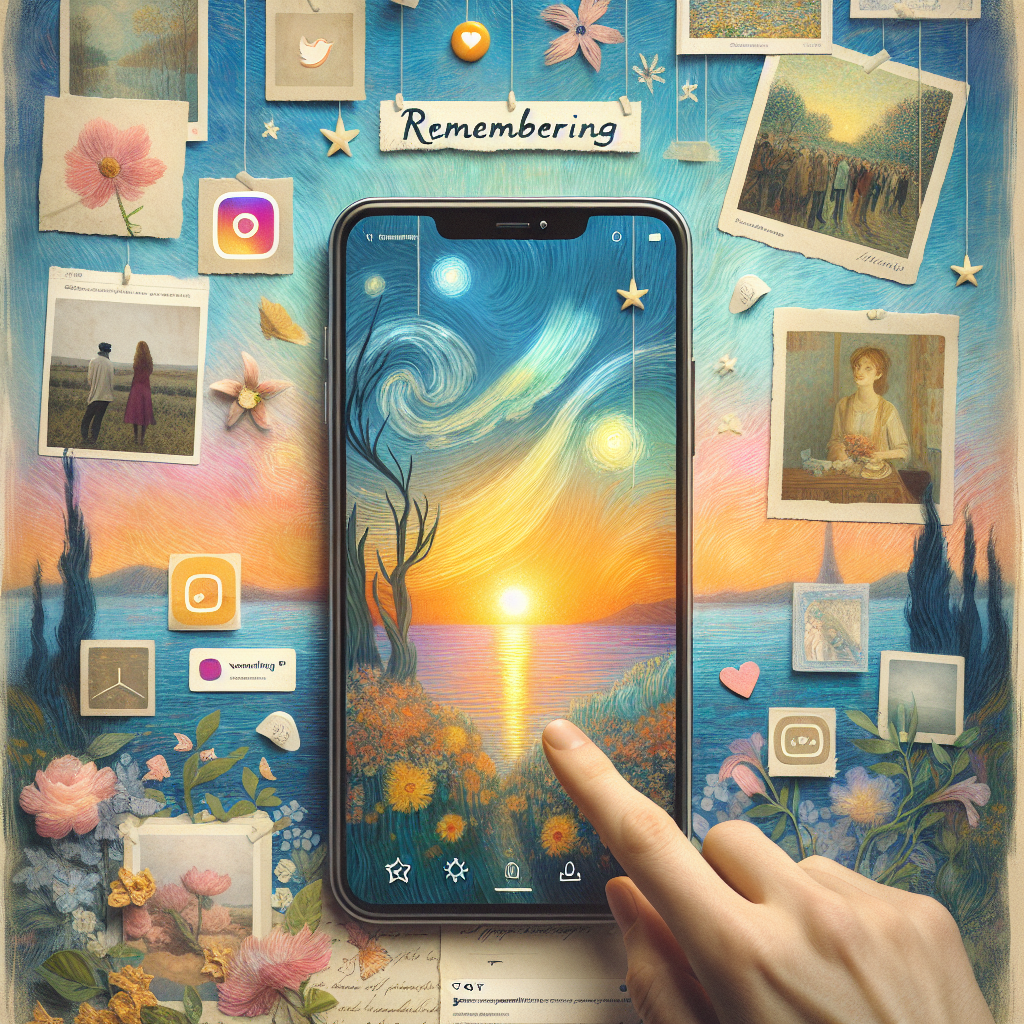
Haiku
Poem
The Whatsapp Problem – Messages That Die with Devices – A Poem
In the realm where voices fade,
Digital whispers weave their thread,
Messages sent—moments made,
Yet, once lost, they leave us dread.
A tapestry woven of laughter and tears,
Snapshots of love, our hopes and fears,
Each text a fragment, rich and dear,
But swiped away, they disappear.
We ponder the worth of our words each day,
Building connections that slip away,
A legacy crafted, memories to display,
Yet the app may fail, and silence may stay.
We crave the bond that stories bring,
Each vanishing word, a gut-wrenching sting,
For in those exchanges lies everything,
Fragments of us that time cannot cling.
Old tales and wisdom gently shared,
A mother’s comfort, a friend who cared,
When these fade, it feels unfair,
A part of our soul lost in digital air.
Let’s champion the narrative, hold it tight,
Preserve our histories, let them ignite,
For in each message, our essence takes flight,
A call to remember, to bring back the light.
In this age of connection, let us not forget,
To safeguard our stories, lest we regret,
For life’s fleeting moments, we must protect,
With love and intention—our legacy’s architect.

Poem
Checklist
The Whatsapp Problem – Messages That Die with Devices – A Checklist
Heart Appeal
✅______ Reflect on significant conversations. ✅______ Document emotional milestones. ✅______ Create a memory bank.
Head Appeal
✅______ Backup important messages regularly. ✅______ Assess platform reliability. ✅______ Educate on digital preservation tools.
Gut Appeal
✅______ Trust your instincts. ✅______ Engage in conversations about digital loss. ✅______ Feel empowered to take action.
Ethical Appeal
✅______ Recognize communication as legacy. ✅______ Encourage responsible messaging practices. ✅______ Support platforms with ethical standards.
Authority Appeal
✅______ Follow experts on digital legacy. ✅______ Join community discussions. ✅______ Trust proven tools and methods.
Narrative Appeal
✅______ Share your story. ✅______ Engage in collective memory building. ✅______ Encourage others to voice their experiences.
Social Appeal
✅______ Build a network of memory keepers. ✅______ Promote group archiving projects. ✅______ Celebrate the art of communication.

Checklist
At LegacyExplorations, we help people plan and explore their legacy by collecting information and news regarding end-of-life planning.
Please share this post with your friends, family, or business associates who may want help to plan or explore their legacy.