

Finding Authenticity In A Sea Of Imitation And Influence
By Tom Seest
At LegacyExplorations, we help people plan and explore their legacy by collecting information and news regarding end-of-life planning.
Please share this post with your friends, family, or business associates who may want help to plan or explore their legacy.
Too Many Copies, No Authority
In an age overflowing with replicas and reproductions, the power of authentic voices has become diluted, leaving many of us feeling like mere echoes in a vast canyon. When we think about Legacy Storytelling, it’s essential to remember that every story has its roots, shaped by personal experiences that dictate how we perceive the world. Yet, in our quest for connection and relevance, we often cling to the superficial. Instead of sharing our unique narratives, we opt for the readily available, the easily digestible—leaving behind the richness of our individual truths.
Picture this: a grandfather sitting by the fire, swirling a glass of whiskey as he recounts tales from his youth. Each word drips with authenticity, resonating deeply within the hearts of his listeners. This is not just storytelling; it’s a lineage of wisdom passed down through generations. With every story, there’s an investment in kinship, trust, and learning—qualities often overshadowed by the relentless tide of marketed content. When the stories we share lack depth and authority, we inadvertently devalue not just our past but also our potential.
Rationally, consider this: how do we discern truth in an era flooded with opinions and half-truths? When everyone is shouting from their own digital soapboxes, what happens to the genuine voices? The ethical fabric of our society relies on those who have the courage to share their authentic stories. It is the real-life accounts of our struggles, triumphs, and failures that foster empathy and understanding. They are the letters written in the margins of our shared human experience.
Socially, we are at a pivotal juncture. We crave connection, yet we often settle for superficial interactions. The allure of viral content may dazzle us momentarily, but it is the profound stories—those deeply rooted in personal experience—that create lasting connections. Legacy Storytelling invites us to step back and reflect. It beckons us to pick up the pen and spill our truths onto the page, to share our journeys with an unapologetic honesty.
So, as we navigate a world cluttered with copies, let’s reclaim our authority by honoring our stories. Instead of chasing the latest trends, let’s ground ourselves in the timeless narratives that define us. It’s time to rise above the noise, to invite others in, and to inspire change through authentic storytelling that resonates and endures. In doing so, we not only find our voice but help others find theirs.

Too Many Copies, No Authority
Too Many Copies, No Authority
- Authentic voices are diluted in an age of replicas, leaving individuals feeling like echoes.
- Legacy Storytelling connects personal experiences to individual perceptions of the world.
- Many opt for superficial narratives over sharing unique, rich truths.
- Authentic storytelling involves a lineage of wisdom and fosters kinship and trust.
- Genuine stories are essential for fostering empathy amid a flood of opinions and half-truths.
- Profound, personal stories create lasting social connections, surpassing the allure of viral content.
- Reclaiming storytelling authority invites personal expression and inspires change in others.

Too Many Copies, No Authority
Table Of Contents
- Too Many Copies, No Authority
- What Do You Feel When Faced with Endless Copies Of Information?
- How Can We Determine What Content Truly Holds Authority?
- Are You Overwhelmed By the Sheer Volume Of Sources Available?
- What Criteria Do You Use to Evaluate the Credibility Of Information?
- What Ethical Concerns Arise From Misinformation In Our Daily Lives?
- How Do You Trust Voices Amidst a Sea Of Opinions?
- What Role Does Social Validation Play In Your Belief System?
- Conclusion
- Other Resources
- Glossary Of Terms
- Other Questions
- Haiku
- Poem
- Checklist
What Do You Feel When Faced with Endless Copies Of Information?
What Do You Feel When Faced with Endless Copies of Information?
In a world overflowing with information, where every moment feels like a deluge of data, it’s easy to feel both overwhelmed and disoriented. We find ourselves navigating a labyrinth of endless copies of content, each vying for our attention. The sheer volume can evoke a sense of anxiety—like an oppressive weight pressing down, challenging our capacity to sort through the noise. But amidst this chaos, it’s vital to remember the importance of legacy and storytelling.
When we take a step back, we realize that every piece of information, every article, every social media post, carries with it a story. These aren’t just random facts; they are threads woven into the rich tapestry of our collective existence. They shape our culture, inform our opinions, and build our connections. It’s our responsibility to sift through the noise, to find the narratives that truly resonate and contribute to our understanding of ourselves and each other.
Engaging with information isn’t merely an intellectual exercise; it’s an ethical duty. We owe it to ourselves and to the generations that will follow to engage in legacy storytelling. The stories that emerge from this engagement aren’t just ours; they belong to everyone who’s ever faced a struggle or found a triumph. By elevating genuine tales over superficial noise, we honor the human experience.
However, this call to action isn’t just about consumption; it’s about discernment. In a sea of sensationalism and recycled opinions, becoming an authority on what deserves our attention transforms each of us into a curator of a more meaningful dialogue. With the right lens, we all possess the power to distinguish between information that educates and information that merely entertains.
Let’s not forget the social fabric we’re part of. Every time we share a story rooted in authenticity, we forge connections that transcend the digital divide. We remind ourselves and others that behind every byte of information lies a heartbeat, a voice, a life. It’s this connection that cultivates trust and fosters a community resilient against the tide of misinformation.
As we confront the saturation of information, let’s channel our emotions, thoughts, and values into action. Prioritize storytelling that enriches, uplifts, and connects. By doing so, we take deliberate steps towards crafting a legacy worthy of our time, a narrative that not only informs but also inspires future generations to engage passionately with their own stories. Let’s make our mark in the digital expanse, standing tall against the noise, one meaningful tale at a time.
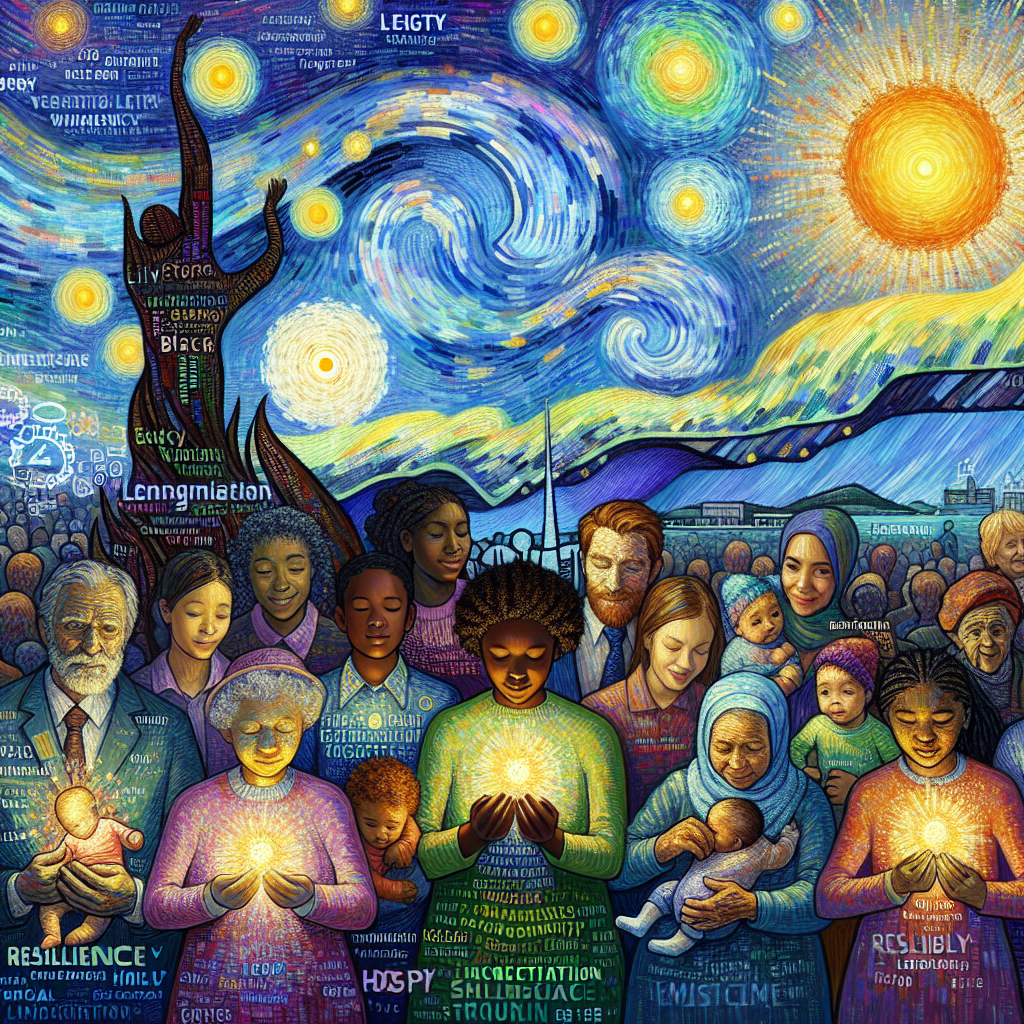
What Do You Feel When Faced with Endless Copies Of Information?
What Do You Feel When Faced with Endless Copies Of Information?
- Information overload can lead to feelings of overwhelm and anxiety.
- Every piece of information carries a story that contributes to our collective culture.
- Engaging with information is an ethical duty, fostering legacy storytelling.
- Authentic stories help connect individuals and build trust within communities.
- Discernment is crucial in navigating sensationalism and identifying valuable content.
- Sharing genuine experiences enriches discussions and strengthens social fabric.
- Prioritizing meaningful storytelling can inspire future generations.

What Do You Feel When Faced with Endless Copies Of Information?
How Can We Determine What Content Truly Holds Authority?
Determining what content truly holds authority can feel like navigating a maze filled with noise and distraction. In a world where information flows faster than a rushing river, it’s essential to equip ourselves with a discerning eye. We face an avalanche of voices, each claiming significance, yet only a handful resonate with genuine authority.
Start with Legacy Storytelling. This isn’t just about the narrative; it’s about the roots from which it springs. Every authoritative piece of content has its origins, shaped by rich experiences and time-tested truths. When a story is grounded in the deep well of human experience, it gains an almost magnetic pull. It beckons us because it speaks to our shared journey. We’re drawn to those telling it not just because they have the loudest microphone but because they’ve lived it. It’s about authenticity—a trait that can’t be fake and can’t be bought.
Let’s engage our heads for a moment. Think critically about the content you consume. Who’s behind it? What are their credentials? Beyond the surface, does the content align with established facts, research, and a well-rounded perspective? Authority isn’t strictly defined by degrees or titles, but by the depth of understanding an individual demonstrates. The most compelling content often fosters a synthesis of knowledge that we can trust, encouraging us to embrace the message wholeheartedly.
Yet, a gut check is vital, too. Trust is visceral. You instinctively know when something feels off. Listen to that inner voice. When content resonates with your moral compass—when it reflects values you hold dear—it carries weight. Ethical considerations often transcend numbers and data; they touch upon our shared humanity.
On a social level, consider how content interacts within the larger community. Authority isn’t just a solo act; it thrives on dialogue. We find strength in conversations that build bridges, foster understanding, and invite diverse perspectives. When content inspires us to share, to engage, and to act, it transforms from mere information into a powerful catalyst for change.
Ultimately, true authority emerges when Legacy Storytelling, critical thinking, moral integrity, and community engagement converge. By fostering connections grounded in authenticity, we empower ourselves and others to seek and share knowledge that truly matters. In that pursuit, we not only discern the authoritative but contribute to a narrative worthy of the next generation.

How Can We Determine What Content Truly Holds Authority?
How Can We Determine What Content Truly Holds Authority?
- Authority in content requires discernment amidst overwhelming information.
- Legacy Storytelling roots authoritative content in rich experiences and authenticity.
- Critical thinking is essential: assess the credentials and depth of understanding behind the content.
- Trust your instincts; content should resonate with your moral values.
- Engagement within a community enhances authority through dialogue and diverse perspectives.
- Transformative content inspires action and fosters connections.
- True authority arises from the convergence of storytelling, critical thinking, ethics, and community.

How Can We Determine What Content Truly Holds Authority?
Are You Overwhelmed By the Sheer Volume Of Sources Available?
In today’s fast-paced world, the sheer volume of sources available can feel like a tidal wave crashing over us, threatening to sweep away our sanity. It’s easy to become overwhelmed, caught in a current of information that often drowns out the clarity we seek. But beneath this chaos lies a powerful truth: every source has a story. These are not just words on a page or pixels on a screen; they are threads in the fabric of our legacy storytelling.
When we talk about legacy, we’re not just sharing facts or figures. We’re sharing experiences, lessons learned, and the wisdom earned through the trials of life. It’s about connecting with the stories that resonate deeply with us, those that evoke emotions, spark memories, and forge bonds. We’ve all been there—navigating through endless articles, videos, and podcasts—only to feel more lost than when we started. Yet, what if we sift through the noise and focus on what truly matters?
Your gut instinct can be a powerful compass. It knows which stories resonate with your own experiences, which voices strike a chord. When faced with overwhelming choices, trust that inner voice. Seek out the sources that tell stories of resilience, hope, and human connection. These narratives not only inform but inspire action. They ignite a flame within us, motivating us to engage, to share, and to continue the cycle of legacy storytelling.
Engagement comes from recognizing our shared humanity. Whether it’s a heartfelt blog post or a gripping documentary, each source has the potential to unite us. They remind us that we are not alone in this journey. The stories we choose to engage with can shape our perception, challenge our beliefs, and push us to grow. By embracing the narratives that resonate, we create a tapestry of shared experiences that strengthens our communal bonds.
In this sea of information, let’s not forget the ethical responsibility that comes with consuming and sharing stories. Choose sources that uphold integrity and authenticity. Seek out those whose voices may not always be the loudest but hold invaluable insights. By uplifting these narratives, we contribute to a culture that values quality over quantity.
It’s about finding your way through the overwhelming volume of sources. Embrace the stories that speak to your heart, challenge your head, and resonate with your gut. Trust in the legacy they carry, and let them inspire you to take action.

Are You Overwhelmed By the Sheer Volume Of Sources Available?
Are You Overwhelmed By the Sheer Volume Of Sources Available?
- The overwhelming volume of information can lead to feelings of confusion and frustration.
- Every source of information contains a unique story that contributes to legacy storytelling.
- Legacy involves sharing experiences, lessons, and wisdom, not just facts or figures.
- Trusting personal instincts can help in identifying stories that resonate and inspire.
- Engagement with narratives fosters a sense of shared humanity and connection.
- It is essential to choose ethical and authentic sources to support quality storytelling.
- Focusing on meaningful stories can motivate action and strengthen communal bonds.

Are You Overwhelmed By the Sheer Volume Of Sources Available?
What Criteria Do You Use to Evaluate the Credibility Of Information?
Evaluating the credibility of information is like sorting through a cluttered toolbox. You need to know what each tool is meant to do and whether it’s up to the job. Legacy storytelling, passed down through generations, reminds us that wisdom doesn’t just come from the loudest voices; it comes from the whispers of experience and integrity. In our fast-paced digital age, it’s easy to be swayed by the flashy headlines and bold claims. Yet, trust isn’t found in the spectacle; it’s built on solid ground.
First, engage your heart. Think about the stories that resonate with you. Are they rooted in genuine experience? When we hear a tale of perseverance against the odds or a voice that echoes the struggle of ordinary folks, we connect on a deeper level. Authentic narratives touch us emotionally, laying a foundation for credibility. Seek information that speaks to our shared humanity, reminding us we are all part of this intricate web of stories.
Next, let’s bring in the head. Critical thinking is your best friend here. Ask questions. Who wrote it? What are their credentials? Is this information being corroborated by reliable sources? Look for consistency in the narrative and test it against what you already know. Information should not just feel right; it should stand up under scrutiny, grounded by facts and sound reasoning. When you can draw lines back to reputable sources, you foster a sense of confidence in the information.
Now, consider the ethical aspect. As consumers of information, we have a responsibility—to ourselves and to those around us—to discern truth from fiction. Evaluate whether the source promotes transparency or benefits from misinformation. Are they revealing their motives openly? A credible narrative respects the audience, fostering trust rather than exploiting fear.
Lastly, think about the social dimensions. What’s the reception among your community? Are trusted voices in your circles validating this information? Engaging with others creates a collective understanding that reinforces or challenges our perspectives. By sharing thoughts and experiences, we create a sense of belonging, knitting our narratives together.
Evaluating credibility isn’t merely a mechanical process; it’s an art form grounded in heart, head, and gut. Each story we choose to trust has the potential to shape our actions and beliefs, so choose wisely. Your intuition, combined with thoughtful scrutiny, will guide you through the labyrinth of information with confidence.

What Criteria Do You Use to Evaluate the Credibility Of Information?
What Criteria Do You Use to Evaluate the Credibility Of Information?
- Evaluating information credibility requires understanding the purpose of each source.
- Legacy storytelling emphasizes that wisdom comes from experience, not just loud voices.
- Engage emotionally with stories rooted in genuine experiences for deeper connections.
- Apply critical thinking: assess authorship, credentials, and source reliability.
- Evaluate the ethical transparency of sources to discern truth from misinformation.
- Consider community reception and validation of information from trusted voices.
- Combining intuition with scrutiny helps navigate the complex landscape of information.

What Criteria Do You Use to Evaluate the Credibility Of Information?
What Ethical Concerns Arise From Misinformation In Our Daily Lives?
In a world teeming with information, the stories we tell ourselves and each other shape our reality. Yet, when misinformation slips into our conversations, we face a profound ethical dilemma. It begins with our legacy; every piece of information we share becomes part of a larger narrative that can influence the lives of those around us. This isn’t just about facts or fiction; it’s about the essence of trust and connection in our communities.
Imagine the heart of a parent, concerned for their child’s health, consuming news about a recent vaccine. If that news is misleading, their choices could lead to serious repercussions, not just for their family, but also for the broader community. This is where the ethical ramifications become palpable—the intersection of compassion and responsibility. Misinformation creates a ripple effect, where one wrong story can cause fear and division among neighbors who once stood united.
Moving to the rational, we recognize that misinformation doesn’t just impact individuals; it undermines the very fabric of society. Trust in our institutions, media, and even each other erodes when we are fed half-truths and lies. The responsibility of sifting through this digital noise falls upon us, and while the weight may be heavy, it is essential for preserving the ethical core of our society. Engaging critically with information empowers us to challenge narratives that deceive, fostering a culture where truth prevails over sensationalism.
Ethically, we must ask ourselves: what is the cost of our silence? In a climate where misinformation can be weaponized, choosing to disseminate verified facts is a moral obligation. It’s about standing up against the tide of deceit and making a conscious effort to leave behind a legacy of integrity. Trust isn’t given; it’s earned through our actions and choices, establishing a foundation upon which future generations can build.
The stories we choose to share matter, and the impact of misinformation resonates far beyond the moment. Whether it’s dining room discussions or social media threads, we all play a role in shaping perceptions. Let’s acknowledge our responsibility, opening dialogue that welcomes diversity of thought while steadfastly adhering to the truth.
Misinformation may possess the allure of easy answers, yet it’s our enduring commitment to share accurate, thoughtful narratives that will ultimately define our societal legacy. Trust is the currency of healthy relationships—let’s invest wisely.

What Ethical Concerns Arise From Misinformation In Our Daily Lives?
What Ethical Concerns Arise From Misinformation In Our Daily Lives?
- Stories shape our reality, and misinformation creates an ethical dilemma.
- Information shared impacts our legacy and influences community trust and connection.
- Misinformation can lead to serious repercussions, particularly regarding health choices.
- Trust in institutions and each other erodes due to half-truths and lies.
- Engaging critically with information is essential for societal integrity.
- Choosing to share verified information is a moral obligation to combat deceit.
- Every individual has a role in shaping perceptions by sharing accurate narratives.

What Ethical Concerns Arise From Misinformation In Our Daily Lives?
How Do You Trust Voices Amidst a Sea Of Opinions?
In a world awash with opinions, where every voice clamors for attention, discerning who to trust can feel like navigating a ship through turbulent waters. The stories we hear shape our understanding and guide our decisions, but not all narratives are created equal. As we sift through this sea of noise, it’s crucial to anchor ourselves with voices that resonate with authenticity and integrity.
Legacy storytelling plays a vital role here. It’s the art of sharing experiences that have stood the test of time, stories that reflect not just individual perspectives but collective wisdom. These narratives remind us of our shared humanity, delivering echoes of lessons learned and values upheld. They connect us to the past and illuminate the path forward, offering insights that inspire confidence in our chosen course.
When we seek guidance in a cacophony of opinions, it’s essential to listen for the heartbeat behind each story. Does it come from a place of empathy? Does it resonate with our own experiences? This is where emotional appeal takes center stage. A compelling story elicits a reaction—not just in our minds, but deep in our guts. It sparks curiosity, ignites passion, and fosters an undeniable connection, drawing us into a shared experience that builds trust.
Yet, emotion alone isn’t enough. The head must engage alongside the heart. Rationality plays its part in separating sound advice from simple noise. Look for those who back their tales with facts, experiences, and a track record of accountability. Authority should come from lived experiences, expertise rooted in genuine practice rather than mere credentials on paper.
Ethical considerations weave through this narrative, too. Integrity is paramount. We must ask ourselves: Are the voices we choose to trust transparent and honorable? Do they hold themselves accountable for their actions and the stories they tell? In a world ripe with misinformation, this reflection is essential. Social currency matters; consider the communities that rally around certain voices and the values they uphold.
Ultimately, trust is built on a foundation of shared stories—tales of triumph and struggle that invite us to see the world through different lenses. It’s in those moments of connection, where heart, head, and gut align, that we begin to discern the voices worth listening to amid a sea of opinions, anchoring ourselves to the stories that shape our legacy.

How Do You Trust Voices Amidst a Sea Of Opinions?
How Do You Trust Voices Amidst a Sea Of Opinions?
- Discerning who to trust in a world full of opinions is challenging.
- Legacy storytelling reflects collective wisdom and shared humanity, guiding decisions.
- Emotional appeal in storytelling inspires connection and builds trust.
- Rationality is necessary to differentiate sound advice from noise.
- Authority should stem from lived experiences and genuine expertise.
- Integrity and transparency are crucial in evaluating trustworthy voices.
- Trust is formed through shared stories that connect heart, head, and gut.

How Do You Trust Voices Amidst a Sea Of Opinions?
What Role Does Social Validation Play In Your Belief System?
In a world buzzing with opinions, social validation serves as the unwritten code that shapes our beliefs and values. It’s that deep-seated need we all share—to feel accepted, understood, and part of something bigger. Our legacy, intertwined with storytelling, emerges not only from our experiences but also from how others perceive and validate those experiences. When we share our stories, we invite others to join us, weaving connections that resonate on a profound level.
Consider your journey. Every decision you’ve made, every belief you’ve held, has likely been influenced by the responses of those around you. It’s not just about seeking approval; it’s about establishing a sense of belonging. When your ideas are validated by peers, it boosts your confidence, reinforcing what you already think. Social validation creates a ripple effect, pushing us to align our beliefs with a community that echoes our sentiments. But rational thought tells us this is a double-edged sword. While it can solidify a belief system, it can also lead us into echo chambers, where dissent is silenced, leaving little room for growth or challenge.
Think of the ethical dimension. We have a responsibility to ourselves and each other to seek truth over comfort. Social validation shouldn’t lead us blindly; rather, it should invite us to engage critically with the values we hold dear. Every time we share a story, we’re not only validating our own beliefs but also influencing the stories of those around us. It’s through this shared narrative that we build trust and confidence—not just in our beliefs but in each other.
The gut reaction to social validation is powerful. When we hear what we want to hear, it feels good, like a warm fire on a cold night. But awareness is key. It’s essential to question the sources of our validation. Are they grounded in truth, or are we merely seeking comfort in familiarity? The discernment to separate genuine social validation from superficial acceptance can significantly impact the legacy we leave behind.
Ultimately, our beliefs are interwoven with the threads of social interaction. By embracing this reality, we can craft a more honest, empathetic narrative together. Validating each other’s stories enriches the fabric of our collective experience, reminding us that belief isn’t just an individual pursuit; it’s a shared journey of understanding, trust, and action that can shape our futures.

What Role Does Social Validation Play In Your Belief System?
What Role Does Social Validation Play In Your Belief System?
- Social validation shapes beliefs and values, fulfilling a deep need for acceptance and belonging.
- Shared storytelling creates connections that influence how experiences are perceived and validated.
- Social validation boosts confidence but can deepen echo chambers that silence dissent.
- There is an ethical responsibility to seek truth over comfort in social validation.
- Sharing stories not only validates personal beliefs but also influences others’ narratives.
- Awareness is crucial in discerning between genuine validation and superficial acceptance.
- Belief is a shared journey, enriched by validating each other’s stories and fostering empathy.

What Role Does Social Validation Play In Your Belief System?
Conclusion
In a time brimming with copies and imitations, the essence of true authenticity is a treasure that’s too often overlooked. As we navigate a sea of information, it’s easy to feel like we’re drowning in echoes, leaving the rich narratives of our lives unspoken. Each of us carries stories shaped by personal experiences that resonate deeply, yet many choose the convenience of shared, superficial content over the profound truths that embody our unique journeys.
Take a moment to imagine a night by the fire, where a grandfather shares tales imbued with life lessons and wisdom, his experience touching the hearts of listeners across generations. This form of Legacy Storytelling is invaluable; it fosters trust, empathy, and kinship at a time when those values are increasingly scarce. But without digging into our authentic narratives, we risk losing not just our voice, but a sense of identity and belonging in a world cluttered with soundbites.
The rational mind struggles to find meaning amid the cacophony of opinions flooding our screens. Each platform offers a new perspective, but discerning the genuine from the sensational can feel overwhelming. We must rally our ethical duty to explore content that resonates with our values, celebrating stories that reflect our collective humanity rather than isolating us in our silos.
Consider the transformational power of authentic storytelling. Each tale has the potential to connect us, transcending digital barriers and echoing our shared struggles and triumphs. In this pivotal moment, we must choose depth over superficiality, shifting our focus from chasing virality to nurturing the narratives that uplift and inspire. By embracing our stories, we not only reclaim authority over our voices but pave the way for others to do the same.
Trust emerges when we engage with content that resonates emotionally, sparks curiosity, and encourages discourse. It’s about finding those authentic creators whose experiences align with the enduring values of integrity and transparency. As we sift through the noise, we build bridges rather than walls, fostering a community grounded in understanding and respect.
Let’s consciously elevate the narratives that enrich our landscape and remember that every voice holds the power to shape our collective legacy. By sharing our stories with unapologetic honesty, we inspire ourselves and others to engage meaningfully, transforming a tide of information into a wave of understanding that defines our existence. Together, let’s rise above the din, reclaim our authority, and create a lasting impact through authentic storytelling.

Conclusion
Conclusion:
- The essence of true authenticity is often overlooked in a world filled with copies and imitations.
- Many people favor superficial content over the profound truths of their unique life stories.
- Legacy Storytelling, sharing tales filled with wisdom, fosters trust, empathy, and kinship.
- Engaging with authentic narratives helps retain our voice, identity, and sense of belonging.
- Authentic storytelling has the power to connect us, elevating shared struggles and triumphs.
- Trust develops through emotionally resonant content that aligns with our values of integrity and transparency.
- By embracing and sharing our stories, we can create a meaningful impact and a community rooted in understanding.

Conclusion
Other Resources

Other Resources
Here is a list of other resources you can review online to learn more:
- LegacyFamilyTree
- deviantART
- Willmaker
- Forever Missed
- My Wonderful Life
- RocketLawyer
- Directive Communication Systems
- Legacy Family Tree
- Memorial Matters
- Ever Loved
- Is There A Need To Pay For Copyrighting Services For Personal Or Family Legacy Stories?
- Association of Personal Historians
- IronClad Family
- APH
- LifeSite
- Storyfile
- WishesKeeper
- AmericanAncestors
- Xarona
- Storyworth
Use This Prompt To Get More Resources With Your Favorite Online AI Tool: Please provide me with a list of online articles with their URLs in a bulleted list that I can read regarding Too Many Copies, No Authority

Other Resources
Glossary Terms
Too Many Copies, No Authority – Glossary Of Terms
1. Copy: A reproduction of an original work or idea, often identical or similar in content.
2. Authorship: The state or fact of being the originator of a piece of work, establishing authority over its content.
3. Plagiarism: The act of using someone else’s work or ideas without proper attribution, effectively claiming it as one’s own.
4. Intellectual Property: Legal rights that protect creations of the mind, such as inventions, literature, and brand names.
5. Copyright: A legal framework granting the creator exclusive rights to the use and distribution of their original works.
6. Fair Use: A legal doctrine allowing limited use of copyrighted material without permission for specific purposes, such as criticism, comment, or education.
7. Public Domain: Creative works not protected by copyright, allowing anyone to use them freely.
8. Citation: A reference to a source used in research or academic work, acknowledging the original author.
9. Licensing: Granting permission to use intellectual property under defined conditions, often involving payment.
10. Derivative Work: A new creation based on or incorporating aspects of an existing work, which can have its own copyright.
11. Creative Commons: A licensing organization that provides a flexible range of protections and freedoms for authors and artists.
12. Originality: The unique quality of a work that reflects an individual’s creative expression, differentiating it from existing works.
13. Monopoly: The exclusive control over a market or resource, potentially leading to limited choices for consumers.
14. Imitation: The act of copying another’s work or style, which in excessive instances may lead to a lack of original thought.
15. Attribute: To credit a work to its original creator, providing acknowledgment of their contribution.
16. Reproduction Rights: Permissions granted to copy or distribute portions of a work, typically governed by copyright.
17. Authoritative Source: A reliable and credible origin of information, often recognized within a particular field.
18. Cultural Appropriation: The adoption of elements from a culture by members of another culture, potentially without permission or respect.
19. Oversaturation: An abundance of similar works in a market, leading to diminished uniqueness or quality.
20. Sourcing: Identifying where information, ideas, or expressions originate, often crucial in academic and professional contexts.
21. Editorial Review: The process of evaluating, revising, and approving a work before it is published or disseminated.
22. Attribution Theory: A framework for understanding how people assign causation or responsibility to actions and works.
23. Verification: The process of confirming the credibility and authenticity of a work, particularly in scholarly contexts.
24. Monetization: The process of earning revenue from a product or service, including works protected by copyright.
25. Parody: A humorous or satirical imitation of a work, often protected under fair use provisions.
26. Transitional Work: Works that bridge two or more genres or styles, contributing to a broader discourse in art and literature.
27. Recontextualization: The practice of taking a work from one context and placing it in another, often altering its meaning or significance.
28. Transparency: The principle of openness and clarity regarding sources, motivations, and processes behind a work.
29. Curatorial Practice: The method of organizing, selecting, and presenting works of art or information to convey a particular perspective or theme.
30. Accountability: The obligation to accept responsibility for one’s work and its impacts, ensuring integrity in creative expression.

Glossary Of Terms
Other Questions
Too Many Copies, No Authority – Other Questions
If you wish to explore and discover more, consider looking for answers to these questions:
- What exactly is “legacy storytelling” and how does it differ from ordinary storytelling?
- How do I identify what makes my personal story unique?
- What practical steps can I take to reclaim authority over my narrative?
- How can I share authentic stories without seeming performative or contrived?
- How do I avoid copying trends while still reaching an audience?
- How can I tell if a piece of content is truly authoritative or merely persuasive?
- What specific criteria should I use to evaluate the credibility of information?
- Which quick tools and techniques help with fact‑checking?
- How do I detect misinformation, disinformation, or biased framing?
- How do algorithms and platform design influence which stories gain authority?
- How can I build trust online as a storyteller or content creator?
- What ethical responsibilities do I have when sharing other people’s stories?
- How do I get informed consent before sharing sensitive family or community narratives?
- How should I handle conflicting memories or contested versions of events within a legacy?
- What are best practices for preserving family stories for future generations?
- Which formats (audio, video, text, multimedia) best preserve authenticity over time?
- How do I protect privacy and sensitive information when archiving stories?
- How can organizations use legacy storytelling ethically without exploiting subjects?
- How do I measure the impact or reach of an authentic story?
- Can authority be earned without formal credentials, and if so, how?
- How do social validation and peer approval shape what I believe and share?
- How can I recognize and resist echo chambers and confirmation bias?
- What role do emotions (heart, gut) versus evidence (head) play in judging credibility?
- How should I respond to criticism that my storytelling is inauthentic or misleading?
- How do I balance compelling narrative with factual accuracy?
- What ethical pitfalls—such as sensationalism or exploitation—should storytellers avoid?
- How can communities curate higher‑quality, more meaningful dialogue amid noise?
- What guidelines should platforms adopt to elevate authentic, authoritative content?
- How does cultural appropriation affect legacy storytelling and how can it be avoided?
- How should I credit influences, sources, and collaborators in my stories?
- How can I monetize storytelling or build a career from it without compromising authenticity?
- What are the risks and benefits of using AI to help create or edit personal narratives?
- How can I identify and guard against deepfakes, synthetic media, or AI‑generated misinformation?
- What exercises, prompts, or practices help uncover deeper, more authentic memories?
- How do I teach younger generations to value and practice legacy storytelling?
- Where can I find reliable resources, courses, or mentors on media literacy and authentic storytelling?
- How do legal issues like copyright, privacy law, and defamation affect what I can publish?
- What case studies or examples demonstrate successful legacy storytelling that changed communities?
- How can groups or families create shared archives or repositories that honor multiple perspectives?

Other Questions
Haiku
Too Many Copies, No Authority – A Haiku
Authentic voices call,
Lost in a sea of echoes,
Reclaim our true tales.

Haiku
Poem
Too Many Copies, No Authority – A Poem
In a world awash with replicas,
Where echoes drown authentic voices,
We seek the warmth of true narratives,
Yet often tread on shallow choices.
Grandfathers tales by the fire,
Wisdom spun in heartfelt seams,
A legacy wrapped in memories,
Stirring the depths of our dreams.
Amidst the noise of endless feeds,
Our hearts ache for connection’s call,
But in the clamor, truth recedes,
And shadows blanket the stories of all.
With reason, let us sift the tides,
Curate the claims that merit our trust,
In this maze, where misinformation hides,
We must choose the paths that are just.
Let empathy guide our voices,
Embrace the tales of struggle and grace,
For every story builds our choices,
Creating bonds in this vast space.
So rise above the fleeting trends,
Reclaim the stories that shape our core,
With every word, let understanding mend,
And find our truths forever more.

Poem
Checklist
Too Many Copies, No Authority – A Checklist
Emotional Appeals
✅______ Reflect on personal experiences to share unique stories.
✅______ Identify narratives that evoke empathy and connection.
✅______ Seek stories that resonate with shared human values and experiences.
Rational Appeals
✅______ Evaluate the credentials of storytellers and the depth of their experiences.
✅______ Verify facts and information against reliable sources.
✅______ Develop critical thinking to discern between genuine narratives and sensationalism.
Ethical Appeals
✅______ Consider the impact of misinformation on community trust and relationships.
✅______ Prioritize sharing accurate, transparent information over sensational headlines.
✅______ Cultivate a sense of responsibility in sharing stories that uphold integrity.
Authority Appeals
✅______ Look for narratives backed by lived experiences and practical wisdom.
✅______ Disregard superficial claims and focus on messages with substance.
✅______ Engage with voices that promote accountability and transparency.
Narrative Appeals
✅______ Embrace legacy storytelling as a way to connect across generations.
✅______ Highlight stories that inspire action and foster community engagement.
✅______ Share experiences that reflect resilience, challenges, and growth.
Social Appeals
✅______ Validate the voices of those who contribute positively to community dialogue.
✅______ Build connections through shared experiences and mutual understanding.
✅______ Encourage diverse perspectives to enrich collective narratives.

Checklist
At LegacyExplorations, we help people plan and explore their legacy by collecting information and news regarding end-of-life planning.
Please share this post with your friends, family, or business associates who may want help to plan or explore their legacy.