

Transforming Cluttered Files Into Compelling Narratives For All
By Tom Seest
At LegacyExplorations, we help people plan and explore their legacy by collecting information and news regarding end-of-life planning.
Please share this post with your friends, family, or business associates who may want help to plan or explore their legacy.
Too Many Files, too Little Story
In a world overflowing with content, there’s a paradox lurking beneath the surface: too many files, too little story. It’s a sentiment that resonates in every corner of our society. We live in an age where information is endless, yet the real narratives that bind us seem to slip through our fingers.
Legacy storytelling transcends mere information; it’s rooted in the fabric of our lives. Our stories, often held within the confines of dusty albums or buried in digital archives, are the threads that connect generations. These aren’t just snapshots of time; they are reflections of who we are, what we’ve endured, and how we’ve grown. In the flurry of endless files, it’s crucial to remember that the essence of a good story isn’t about quantity; it’s about quality and authenticity.
Consider the power of a well-told tale. It stirs the heart and ignites the gut. It’s in those moments we share laughter, tears, or even fierce debates around the dinner table. These are the moments that resonate deeply, fostering connection in ways mere facts cannot. They remind us of our shared humanity, urging us to listen and engage.
Yet, the challenge remains: how do we sift through the noise? The answer lies in the stories themselves. It requires us to ask the hard questions, to seek the narratives that matter—not just to us as individuals, but to our communities as a whole. It’s about recognizing that every file, every piece of information, has the potential to contribute to a larger story. Each one is a building block, but without a narrative, they remain just that—disconnected fragments lacking the substance needed to inspire change.
Ethically, we owe it to ourselves and future generations to preserve these stories. They carry wisdom, caution, and values we must uphold. It’s a responsibility that weighs on us as custodians of our collective legacy. By honoring these tales, we empower others to find their own voice and share their truth. In doing so, we create a ripple effect—one that encourages authenticity in a society craving connection.
Ultimately, the quest for meaningful stories is about action. It’s about stepping away from the noise, embracing the silence, and elevating the narratives that bring us together. As we navigate this cluttered landscape, let’s commit to prioritizing the stories that truly matter. They are our legacy, the bedrock of our connections, and the compass guiding future generations. Embrace the story; it’s time we listen.

Too Many Files, too Little Story
Too Many Files, too Little Story
- Information overload presents a paradox of too many files and too little meaningful story.
- Legacy storytelling is linked to the essence of our lives and connects generations.
- Quality and authenticity are more important than the quantity of stories told.
- Well-told tales evoke deep emotions, fostering genuine connections beyond mere facts.
- Finding significant narratives requires sifting through noise and asking hard questions.
- Preserving stories is an ethical responsibility that impacts future generations.
- The pursuit of meaningful stories is essential for building connections and guiding future actions.

Too Many Files, too Little Story
Table Of Contents
- Too Many Files, too Little Story
- What Emotions Do Your Files Evoke In You?
- How Can You Prioritize Your Stories?
- What Impact Do Your Files Have on Your Creativity?
- Is There a Story Hiding In Your Clutter?
- How Do You Feel When Overwhelmed By So Many Files?
- What Values Guide Your Storytelling Choices?
- Who Influences Your Narrative Style?
- Conclusion
- Other Resources
- Glossary Of Terms
- Other Questions
- Haiku
- Poem
- Checklist
What Emotions Do Your Files Evoke In You?
Files—those seemingly mundane collections of data and documents—carry a wealth of emotional weight, if we let them. Each file tells a story that can evoke memories, stir feelings, and even ignite change. Legacy storytelling begins the moment we recognize that these digital artifacts are the remnants of our decisions, experiences, and relationships. They are the breadcrumbs leading back to who we are and how we got here.
Consider the thrill of opening a digital folder brimming with photographs from a significant event. That rush is not just nostalgia; it’s an instant reconnection to moments that shaped our lives. You can almost hear the laughter radiating from those images, feel the warmth of the gathering, and remember the small details—the scent of the food, the music played, or the embrace of an old friend. In those moments, emotion is raw, and suddenly, a file becomes a time machine.
But this isn’t just about memories. It’s about understanding the narrative that your files create over time. Each document, each photo, contributes to a larger picture of who you are. They hold lessons, aspirations, and sometimes failures that shape our character. They can inspire resilience and provide clarity, guiding future decisions. In a world increasingly driven by digital data, our files serve as a testament to our existence, compelling us to evaluate not only what we keep but why we keep it.
Now, let’s not overlook the ethical dimension. Our files are often imbued with the responsibility to share stories and knowledge. They can inspire others, fostering a sense of community and connection. Imagine the impact of your experiences shared through well-organized digital snippets—be it a heartwarming message, a successful project outline, or even a candid account of failure. This legacy storytelling is not just for you; it extends to affect family, friends, or colleagues.
When you take a moment to sift through those files, there’s an opportunity to bridge the gap between past and future. What insights can you glean? What can you teach others? By sharing this journey, you’re not only preserving memories but also forging ahead with confidence, knowing your narrative has the power to uplift others.
Ultimately, files are more than data points; they are the connective tissue of our lives. They inspire action, encourage reflection, and serve as reminders of our human experience. They are a legacy to be cherished, a story worth telling. So, as you navigate through your digital landscape, recognize those files not just for their content, but for the emotions and connections they evoke. Each click is a chance to engage your heart, challenge your intellect, and find your place within the larger narrative that binds us all.

What Emotions Do Your Files Evoke In You?
What Emotions Do Your Files Evoke In You?
- Files represent more than data; they carry emotional weight and tell personal stories.
- Legacy storytelling starts with recognizing files as remnants of our experiences and relationships.
- Opening a digital folder of photographs can evoke powerful memories and emotions.
- Files contribute to a narrative that shapes our identity, holding lessons and guiding future decisions.
- There is an ethical responsibility in sharing files, fostering community and connection.
- Reviewing files offers insights and opportunities to teach others through personal narratives.
- Files serve as reminders of our human experience and the interconnectedness of our stories.

What Emotions Do Your Files Evoke In You?
How Can You Prioritize Your Stories?
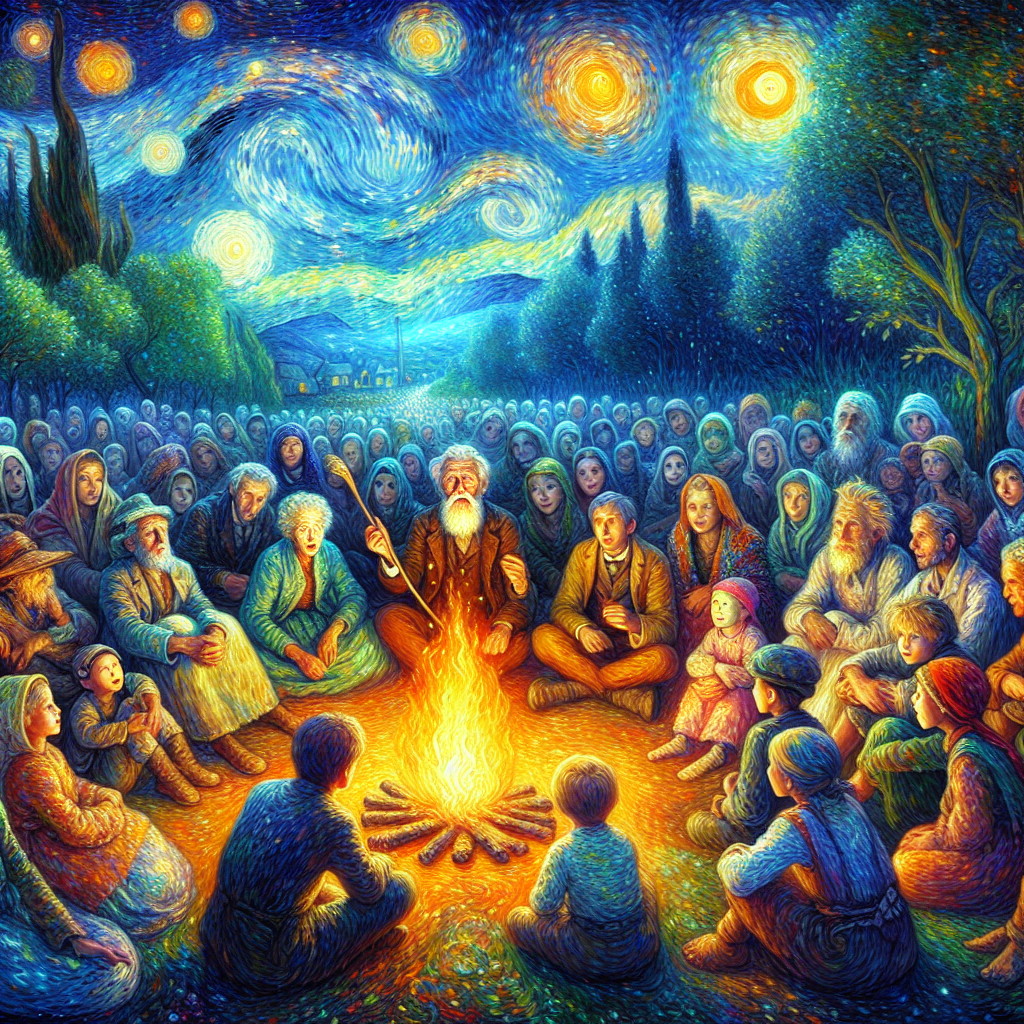
In the grand tapestry of life, each thread tells a story—some vibrant and bold, others subtle yet profound. When it comes to legacy storytelling, the question isn’t just which stories to tell but how to prioritize them. Think about the narratives that resonate with your core values and experiences; these are the stories that deserve a spotlight.
Start with your gut. What stories stir deep feelings within you? The tales of resilience, triumph over adversity, or even those that laid bare the humanness of struggle. These are the narratives that connect us at our most fundamental level, appealing to the shared experience of what it means to be alive. The laughter, the tears, the lessons learned—they create the fabric of our existence and reflect the values we hold dear.
Now, shift to the head. Examine these stories rationally. What makes them compelling or relatable? Perhaps there’s a universal truth or a profound lesson hidden within. Analyze the context: Does it speak to a broader audience? Are there ethical implications worth considering? Prioritizing stories that not only resonate with you personally but also invite others into the conversation can amplify your message’s reach and impact.
Next, consider the authority of your experiences. What stories do you own? The ones where you were an active participant, where you can speak from a place of genuine understanding and expertise. These stories carry weight and lend credibility, fostering trust among your audience. They are the narratives that compel others to listen, to learn, and perhaps even to take action.
Let’s not forget the narrative structure. Each story, when woven together thoughtfully, can illustrate a larger picture, a collective legacy. Contextualize your experiences; show how they relate to societal issues or shared struggles, establishing a network of connection with others. By doing so, you create a space where individuals feel seen and heard. This relatability is invaluable; it invites others to engage, reflect, and possibly share their own stories.
Finally, acknowledge the social dimension. Your stories hold power—a power that can inspire community and drive collective change. Prioritize those tales that foster conversation and connection, creating opportunities for shared experiences. Your legacy storytelling isn’t just about you; it’s about enriching the lives of others. Each story, prioritized with intention and heart, adds to a living narrative that connects us all.
How Can You Prioritize Your Stories?
How Can You Prioritize Your Stories?
- Legacy storytelling focuses on prioritizing narratives that align with core values and experiences.
- Identify stories that evoke deep emotions, such as resilience and triumph over adversity.
- Examine stories rationally for compelling elements and universal truths that resonate with a broader audience.
- Emphasize personal experiences to lend credibility and foster trust among listeners.
- Consider narrative structure to illustrate a collective legacy and contextualize individual experiences.
- Create a space for relatability, inviting others to engage and share their stories.
- Highlight the social dimension of storytelling to inspire community and drive collective change.

How Can You Prioritize Your Stories?
What Impact Do Your Files Have on Your Creativity?
In our digital age, the files we curate tell a powerful story—our legacy. Each document, image, or piece of music represents a thread in the fabric of our creativity. When you dive into this vast archive, what happens? You don’t just retrieve information; you unearth a narrative that shapes who you are and who you aspire to become.
Think about it: every project you’ve embarked upon, every late night spent tweaking that perfect piece of art, is a chapter in your story. Legacy storytelling isn’t merely academic; it’s personal. It resonates in the moments of triumph and the struggles faced along the way. By reflecting on what’s stored in your files, you can tap into those emotions. You remember why you started, and that inspires you to keep going. It’s a visceral connection—the kind that fuels your passion and pushes boundaries.
When we engage rationally with our files, we realize they are resource libraries, but not just in the traditional sense. They hold insights that can spark new ideas. Perhaps it’s an old article that ignites a fresh concept, or a forgotten melody that inspires a new composition. This interplay of old and new ideas often serves as a catalyst for innovation, driving us to create something entirely original.
Ethically, every file you keep is a commitment to your creative journey. It speaks to how seriously you value your craft and your voice. The act of organizing these documents can itself be a form of self-care, a ritual that honors your past efforts while paving the way for future endeavors.
Moreover, the connection with this creative legacy isn’t just about you. It’s also about those who will come after you. Imagine your work influencing a budding artist or inspiring someone to pick up a tool they once abandoned. Your files have the potential to impact others, fostering a collective creativity that extends beyond your lifetime.
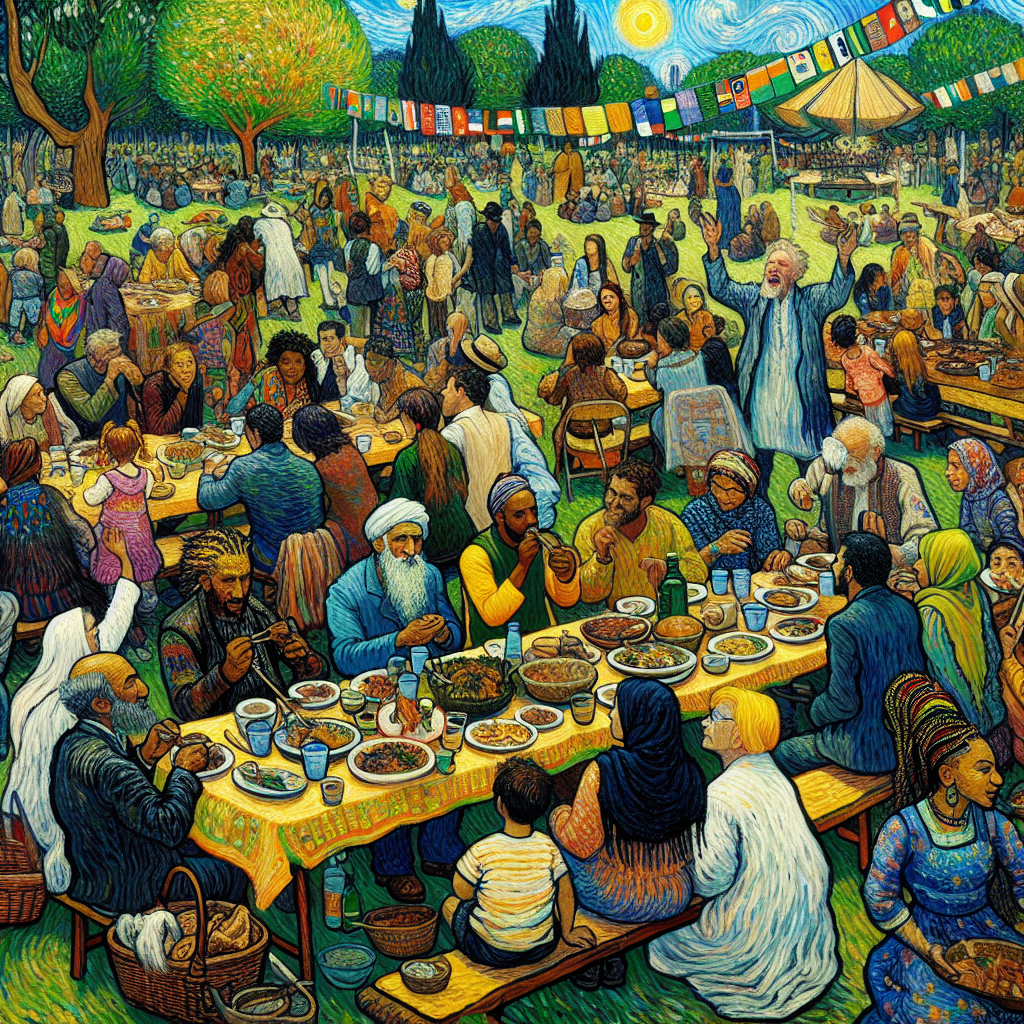
Socially, sharing your journey supports community building. When you open your files, whether in a discussion or a workshop, you invite others into your process. This transparency fosters trust. It cultivates an atmosphere where vulnerability is embraced, allowing others to learn and grow alongside you.
So, take a moment to explore what your files hold. Engage with your legacy storytelling. In doing so, you ignite not only your creativity but also inspire those around you to unleash their own artistic potential.
What Impact Do Your Files Have on Your Creativity?
What Impact Do Your Files Have on Your Creativity?
- Digital files represent a powerful narrative of personal legacy and creativity.
- Each project and experience contributes to individual storytelling and emotional connection.
- Files serve as resource libraries that can spark innovation and fresh ideas.
- Organizing files reflects commitment to one’s craft and can be a form of self-care.
- Your creative legacy can influence and inspire future artists and creators.
- Sharing your creative journey fosters community, trust, and collective growth.
- Engaging with your files can reignite creativity and inspire others.

What Impact Do Your Files Have on Your Creativity?
Is There a Story Hiding In Your Clutter?
Every time we walk past a pile of clutter, we’re not just seeing disarray; we’re encountering a legacy that tells a story. Legacy storytelling is woven into the fabric of our lives, often concealed beneath layers of forgotten items. Each piece of clutter, from that old baseball glove to a faded photograph, has the potential to evoke a memory, a moment, or a lesson. It’s important to realize that this clutter isn’t merely junk; it’s a rich tapestry of our experiences, successes, and failures.
Think about it: that stack of books collecting dust might represent dreams of adventure, while the collection of worn-out tools could imply a history of hard work and creativity. When we allow ourselves to reflect on these items, we unlock narratives that spark emotions—both nostalgic and bittersweet. This journey into our clutter isn’t just about cleaning up; it’s a deep dive into our histories, challenging us to confront what truly matters.
Rationally, decluttering serves a purpose beyond aesthetics. A clear space can lead to a clear mind, fostering productivity and focus. However, the benefits go beyond the physical. As we sift through belongings, we engage in a profoundly ethical reckoning with ourselves. We’re faced with the question: What do we want to carry forward into our future? This is a chance to honor what shaped us while making room for new experiences.
From an authoritative perspective, experts in organizing often stress the mental health benefits of decluttering. Yet, it isn’t merely about following trends; it’s about reclaiming control over our lives and cultivating environments that reflect who we are and where we’re going. It’s about the connections with the people and moments that shaped us, reminding us that we aren’t alone in our struggles or victories.
Taking action starts with embracing this narrative. Share your stories, collaborate with friends or family, and turn the task of decluttering into a shared experience. You’re not just cleaning up; you’re curating a meaningful narrative of your life. Let the clutter be a testament to your journey—it might just inspire someone else to embark on their own. When we acknowledge the stories hidden within our clutter, we begin creating spaces that are not just neat, but rich with purpose. Transforming your surrounding chaos into clarity can unveil a profound connection to yourself and those around you.

Is There a Story Hiding In Your Clutter?
Is There a Story Hiding In Your Clutter?
- Clutter represents a legacy, telling a story of past experiences and memories.
- Each item evokes emotions and reflections on our lives, shaping our identities.
- Decluttering provides mental clarity, enhancing productivity and focus.
- The process involves an ethical reckoning, questioning what to carry into the future.
- Experts highlight the mental health benefits of creating organized spaces.
- Engaging in decluttering can foster connections with others and shared experiences.
- Acknowledging the narratives within clutter creates meaningful, purposeful spaces.

Is There a Story Hiding In Your Clutter?
How Do You Feel When Overwhelmed By So Many Files?
Picture a desk piled high with files—an avalanche of paperwork, emails, and digital clutter threatening to swallow you whole. At that moment, you’re not just overwhelmed by the sheer volume; you also feel the weight of legacy storytelling looming over you. We all have stories, narratives that shape our identities and legacy, and when faced with disarray, those stories often get buried beneath the chaos.
On a gut level, the sensation is visceral. It’s that knot in your stomach, the tightness in your chest. You can feel the pressure mounting, the grind of modern life pushing in on you. It’s easy to succumb to panic or frustration, but let’s step back and breathe. Acknowledge that every file, every task, carries a piece of someone’s story—a client’s journey, a colleague’s triumph, or even your own hard-earned achievements. They are not just pieces of paper; they are history waiting to be honored, or public service rendered for the sake of something greater than ourselves.
Cognitively, you can find clarity by disengaging for a moment. Consider the bigger picture. This overwhelming pile of files is a reflection of your responsibilities and commitments. Each one represents a choice you’ve made—decisions that contribute to your professional narrative. Understand that feeling swamped isn’t a sign of weakness but rather an indication of your dedication to the work you do and the people who rely on it.
Ethically, we owe it to ourselves and others to manage that chaos effectively. When we overlook organization and let these files dominate our day, we risk losing touch with the very stories they represent. We err on the side of efficiency at the expense of human connection, a compromise we shouldn’t make.
Think of legacy storytelling as a guiding principle—it reminds us that every file has significance. Embrace the challenge of sorting through them as an opportunity to reconnect with the narrative of your work life. Engage with each file as a step towards clarity, not just for yourself but for your team and those you serve.
Ultimately, overcoming the feeling of being overwhelmed is not just about managing your files; it’s about regaining control of your narrative. Stand strong, create order out of chaos, and rekindle your connection to the stories that define your professional legacy. Remember, even in the busiest of times, we all share this human experience.

How Do You Feel When Overwhelmed By So Many Files?
How Do You Feel When Overwhelmed By So Many Files?
- A desk filled with disorganized files represents overwhelming chaos.
- Each file carries a piece of someone’s story, shaping identities and legacies.
- Feeling swamped reflects dedication to responsibilities and commitments.
- It’s important to manage chaos to maintain human connection in the workplace.
- Legacy storytelling highlights the significance of each file and task.
- Sorting through disarray is an opportunity to reconnect with professional narratives.
- Regaining control over the chaos fosters clarity and preserves one’s legacy.

How Do You Feel When Overwhelmed By So Many Files?
What Values Guide Your Storytelling Choices?
In the world of storytelling, every choice you make is rooted in the values you cherish. These values shape narratives that resonate, inspire, and connect deeply with others. When crafting a story, consider what legacy you wish to leave behind. Is it one of perseverance, truth, or compassion? Each of these principles serves as a guiding star, illuminating the path for your audience. Storytelling isn’t just about relaying facts; it’s about creating a legacy that speaks to the heart.
The essence of storytelling lies in its ability to evoke emotion. Great tales captivate the listener’s heart by mirroring their own experiences and feelings. When you tap into shared struggles and triumphs, you create a bond that transcends the ordinary. It’s in these moments of vulnerability that trust is forged. Your audience doesn’t just engage with your narrative; they see themselves within it, and their own stories intertwine with yours.
Rational appeal plays a vital role too—after all, a well-structured narrative grounded in facts can bolster your story’s authenticity. Providing context, research, or historical perspectives adds layers of credibility. When listeners sense that you have done your homework, they are more likely to lean in, hang on to your every word, and reflect on your message long after the story ends. An informed storyteller encourages thoughtful engagement, inviting a deeper connection to the content.
Ethical considerations also shape storytelling. By being honest and respectful in portraying characters and situations, you uphold a standard that your audience can rely on. People are drawn to stories that honor their shared humanity and acknowledge diverse voices. A commitment to ethical storytelling fosters an environment where connection flourishes, creating a community anchored in respect and understanding.
The authority of your narrative comes from lived experiences and perspectives. Sharing personal anecdotes can enhance relatability; they reveal the truth behind the story and invite empathy. When listeners know you’ve traveled the path you describe, they are more inclined to trust your wisdom.
Ultimately, the best stories are those that inspire action. They beckon the audience to reflect, to change, or to embrace new viewpoints. Through the intertwining of emotional, rational, ethical, and social appeals, you create a legacy of storytelling that not only informs but inspires. Whether through laughter or tears, each choice you make is a step toward weaving a narrative that matters—a legacy that lingers long after the last word is spoken.

What Values Guide Your Storytelling Choices?
What Values Guide Your Storytelling Choices?
- Storytelling is shaped by personal values that resonate and inspire audiences.
- The legacy of a story can embody principles like perseverance, truth, or compassion.
- Effective storytelling evokes emotion by reflecting shared experiences and vulnerabilities.
- Rational appeal enhances authenticity through well-structured narratives grounded in facts.
- Ethical storytelling fosters trust by honestly portraying diverse voices and shared humanity.
- Personal anecdotes enhance relatability and invite empathy from the audience.
- The most impactful stories inspire action and provoke reflection, creating a lasting legacy.

What Values Guide Your Storytelling Choices?
Who Influences Your Narrative Style?
In every story we tell, whether through words on a page or moments lived vividly, we are not just narrators; we are stewards of a legacy. Legacy storytelling is about more than just recounting events; it’s about crafting a narrative that resonates through time and speaks to the essence of who we are. Each person who shapes our narrative style comes with their own experiences, wisdom, and doubts. Think of the teachers, parents, friends, and even the strangers who have crossed your path. Their stories intertwine with yours, influencing how you present your truth to the world.
Consider the emotional weight carried in these encounters. When we hear the voice of a mentor echoing in our minds, urging us to be brave, or feel the warmth of a loved one’s encouragement during challenging times, we realize that narratives are often built on the foundation of relationships. These connections forge the raw materials of our storytelling—humility, grit, and grace—blending the personal with the universal.
Rationally, our narrative style is influenced by the diverse perspectives we absorb. Every conversation, every book, and every film adds layers to our understanding. The more we engage with varied viewpoints, the richer our storytelling becomes. It encourages us to ask deeper questions, embrace complexity, and portray the world not in black and white, but in vibrant hues. This nuanced approach attracts an audience who craves authenticity and depth, inviting them to reflect on their own experiences.
Ethically, the narratives we choose to share must resonate with a sense of responsibility. We must consider the power our voices hold and the impact they can have on others’ lives. Legacy storytelling pushes us to honor our influences while being mindful of the stories we elevate. This awareness fosters a sense of trust and integrity, essential for any storyteller wishing to make a mark.
Moreover, our narrative style is shaped by authority figures who challenge us and nurture our growth. They inspire confidence, encouraging us to wield our pens with conviction. As these voices meld into our own, they empower us to share our stories with courage, making our voices a catalyst for change.
Ultimately, the influences on your narrative style are rich and varied, encompassing heartfelt connections, essential wisdom, and shared human experiences. Embrace these influences, nurture your storytelling craft, and remember—every narrative you weave contributes to a legacy that can touch hearts and inspire action far beyond your own journey.

Who Influences Your Narrative Style?
Who Influences Your Narrative Style?
- Legacy storytelling involves crafting narratives that reflect personal and cultural essence.
- Influences on narrative style come from various relationships, including teachers and mentors.
- Emotional connections enrich storytelling, combining personal experiences with universal themes.
- Diverse perspectives enhance narrative depth, encouraging complexity and authenticity.
- Ethical considerations are crucial; storytellers must acknowledge their impact on others.
- Authority figures play a significant role in shaping confidence and determination in storytelling.
- Every narrative contributes to a broader legacy, inspiring listeners and fostering connection.

Who Influences Your Narrative Style?
Conclusion
In a world drowning in data, the essence of storytelling often feels drowned out, lost among the sheer volume of information. The crux of the issue isn’t the abundance of files but the scarcity of narratives that matter. Each document, be it a photograph or a project summary, holds the potential to connect us, reflecting who we are as individuals and as a society. These are not mere collections of data; they are the threads that weave our experiences into a coherent tapestry—resilient and rich in meaning.
Consider the emotional power inherent in the stories behind our files. Each keepsake evokes memories, igniting feelings that resonate deeply. They compel us to remember not only our triumphs but also our struggles, reminding us of our shared humanity. In a cluttered digital landscape, where informational noise is ever-present, we must adopt a discerning eye to seek out those narratives that genuinely engage us. It’s about quality over quantity, emphasizing the authentic tales that inspire connections and foster understanding.
The ethical responsibility we hold in preserving these stories is significant. They embody the wisdom we accumulate and the values we wish to impart to future generations. By honoring and sharing these narratives, we create a ripple effect that encourages authenticity and engagement, fostering a culture where every voice matters.
Navigating the chaos of information requires action and intention. Prioritizing our stories means recognizing the relevance they hold—not just for ourselves, but for the wider community. When we engage with our files—sifting through memories and lessons—we can reclaim our narratives and empower others to do the same. This journey isn’t merely about decluttering; it’s about honoring our legacies and ensuring that the tales of resilience, vulnerability, and growth shine through the clutter.
As we confront overwhelming piles of information, it’s essential to see each document not as a burden but as a piece of our larger narrative. Embracing this perspective enables us to sift through chaos and find clarity. By doing so, we reinforce our connection to the stories that define us and guide our actions, nurturing an environment conducive to creativity and reflection.
Ultimately, the challenge lies in transforming our clutter into compelling narratives that resonate on multiple levels. The stories we choose to prioritize shape our legacies, offering a lens through which future generations can understand not only who we were but how we connected to the world around us. Embrace the journey of storytelling; it’s time to listen to the narratives waiting to be uncovered.

Conclusion
Conclusion:
- The abundance of data often overshadows meaningful storytelling.
- Each document holds potential to connect us and reflect individual and societal identity.
- Emotional power of stories evokes memories, reminding us of shared humanity.
- Quality narratives foster connections and understanding in a cluttered digital landscape.
- Preserving stories embodies wisdom and values for future generations.
- Engaging with our narratives empowers others and honors our legacies.
- Transforming clutter into narratives shapes our legacies and understanding of ourselves.

Conclusion
Other Resources

Other Resources
Here is a list of other resources you can review online to learn more:
- How to Save Your Family�s Stories from Being Lost Forever � A Step-by-Step Guide to Creating a Lasting Digital Legacy
- Funeral Services Guide
- Memorial Matters
- NoLo
- FamilySearch
- Bcelebrated
- AmericanAncestors
- Legacy
- LegacyLearned
- How To Write Legacy Stories That Appeal To The Heart, Gut and Head
- LifeSite
- RootsMagic
- LifeWeb 360
- WishesKeeper
- Storyfile
- LegalNature
- Ever Loved
- Storyworth
- How To Write Legacy Story Headlines That Appeal To The Heart, Gut and Head
- How Has Time Changed The Cost Of Capturing Family Legacy Stories
Use This Prompt To Get More Resources With Your Favorite Online AI Tool: Please provide me with a list of online articles with their URLs in a bulleted list that I can read regarding Too Many Files, too Little Story

Other Resources
Glossary Terms
Too Many Files, too Little Story – Glossary Of Terms
1. Content Overload: A situation where excessive information or files exist, leading to confusion or difficulty in identifying key narratives.
2. Digital Clutter: A buildup of unnecessary or redundant files that obscure important data and stories.
3. Information Fatigue: A state of mental exhaustion caused by processing excessive amounts of information.
4. File Management: The practice of organizing, storing, and maintaining files in a way that allows for easy retrieval and understanding.
5. Data Prioritization: The process of identifying and focusing on the most relevant files or stories amid a larger pool of data.
6. Narrative Curation: The selection and organization of stories or information to effectively convey a message or theme.
7. Story Arc: The trajectory of a narrative, which includes the setup, conflict, and resolution; often missing in overloaded files.
8. Metadata: Data that provides information about other data, helping to contextualize and categorize files.
9. Compression: Techniques used to reduce file sizes, which can simplify data management but might also lead to loss of detail.
10. File Duplication: The presence of identical or similar files that complicate data organization and storytelling.
11. Contextual Relevance: The importance of contextualizing information to enhance understanding and storytelling.
12. Organizational Framework: The structure or system used to categorize and arrange files for better clarity and access.
13. Executive Summary: A concise overview of key points or narratives found within a larger set of documents.
14. Thematic Grouping: Organizing files based on common themes or topics to streamline storytelling.
15. Information Silos: Isolated data sets that hinder effective communication and integration of narratives across systems.
16. Version Control: Managing changes to files over time to avoid confusion with outdated information.
17. Data Visualization: The graphical representation of data to enhance understanding of complex information.
18. Distraction: Anything that diverts attention from the core narrative within excessive files.
19. Curatorial Perspective: The viewpoint from which one selects and presents files or stories, impacting interpretation.
20. User Experience: The overall interaction and satisfaction a person has when processing or engaging with files and narratives.
21. Relevance Score: A metric used to measure how pertinent a file is to a specific narrative or inquiry.
22. Aggregation: The process of collecting multiple files or data points into a cohesive format or summary.
23. Streamlining: The act of simplifying processes or structures to eliminate unnecessary complexity in information handling.
24. Insight Extraction: The practice of analyzing data to derive meaningful conclusions or stories from it.
25. Cross-Referencing: Linking related files or data points to enhance understanding and context.
26. Narrative Disruption: Interruptions in storytelling caused by excess files or irrelevant information.
27. Information Architecture: The design structure of data storage that facilitates easy navigation and comprehension of files.
28. Storytelling Gaps: Areas within a narrative weakened by the absence of crucial information or context.
29. File Annotation: Adding notes or comments to files to clarify their relevance or importance to the overarching story.
30. Data Erosion: The diminishing value or clarity of files over time due to neglect or disorganization.
Glossary Of Terms
Other Questions
Too Many Files, too Little Story – Other Questions
If you wish to explore and discover more, consider looking for answers to these questions:
- How do I decide which files hold a meaningful story and which are expendable?
- What practical steps can I take to start decluttering digital and physical files?
- Which tools and apps are best for organizing and preserving legacy files?
- How do I create a searchable system so stories aren’t lost in folders?
- What metadata or tagging conventions should I use to surface narratives later?
- How do I digitize and preserve old physical items like photos, letters, and mementos?
- What file formats and storage media ensure long-term accessibility?
- How should I back up and secure sensitive or personal legacy files?
- What ethical considerations should guide sharing family or community stories?
- How do I obtain consent from others before sharing their stories or materials?
- How can I balance authenticity with privacy when crafting and publishing stories?
- What legal issues (copyright, ownership, GDPR) should I be aware of when preserving or sharing files?
- How can I structure a compelling narrative from disparate or fragmented files?
- What storytelling frameworks or templates work best for legacy narratives?
- How do I prioritize stories that will resonate with future generations?
- How can I involve family or community members in the curation process?
- What are quick, low-effort ways to surface meaningful items when time is limited?
- How do I overcome emotional barriers to letting go or organizing sentimental items?
- What criteria should I use to judge the historical or cultural value of a file?
- How can I turn mundane documents into narratives that illustrate larger themes?
- What are best practices for annotating files with context, dates, and stories?
- How can I use audio or video interviews to enrich my archive and add voice to files?
- How do I ensure accessibility for future readers or family members with disabilities?
- What role can social media or private online archives play in preserving legacy stories?
- When should I hire a professional archivist, storyteller, or editor?
- How much time and money should I expect to invest in a proper legacy curation project?
- How can I measure the impact or reach of the stories I choose to preserve or publish?
- What are simple routines to maintain organization and prevent future clutter?
- How do I integrate legacy storytelling into ongoing creative or professional work?
- Which narratives best serve community-building versus personal legacy goals?
- How can I ethically represent marginalized voices within my archives?
- What are effective ways to present curated stories (books, websites, exhibitions, podcasts)?
- How do I handle contradictory accounts or gaps in the historical record?
- What techniques help craft emotional resonance without sensationalizing the past?
- How can I use files to teach lessons or inspire action in others?
- What immediate actions can I take today to begin transforming clutter into story?

Other Questions
Haiku
Too Many Files, too Little Story – A Haiku
Cluttered files whisper,
Stories lost in silence deep,
Truths await to speak.
Haiku
Poem
Too Many Files, too Little Story – A Poem
In a world awash with endless files,
Where stories fade and chaos beguiles,
Lies the heart of our human plight—
Too much data, too little light.
Each file whispers tales long untold,
Threads of past woven in patterns bold.
From laughter shared to pain profound,
In cluttered archives, our truths abound.
Legacy stories, the ties that bind,
Reflect our essence, the lives intertwined.
More than mere facts in a digital sea,
They beckon us forward, set our spirits free.
Sift through the noise, reclaim what’s yours,
Uncover the moments that spark endless roars.
For within each cluttered file lies a spark,
Connecting us all, igniting the dark.
With heart, head, and gut intertwined,
Embrace the narratives that the ages have lined.
In sharing our lives, we foster a flame,
A collective legacy, a beautiful name.
Take up the charge, be ethereal guides,
Through action and storytelling, let truth abide.
As we elevate voices, lost tales shall rise,
In the tapestry of life, let connection surprise.
From overwhelmed chaos to clarity’s grace,
Transform every fragment, let memory embrace.
For in the stories we tell and the truths we uphold,
Lie the legacies cherished, the hearts that unfold.
Poem
Checklist
Too Many Files, too Little Story – A Checklist
Emotional Appeal
✅______ Reflect on the emotions evoked by each file (nostalgia, joy, sadness).
✅______ Identify stories that showcase your resilience or personal growth.
✅______ Consider how sharing these stories can foster deeper connections.
Rational Appeal
✅______ Analyze what makes certain stories compelling (universal truths, valuable lessons).
✅______ Evaluate the broader implications of your experiences.
✅______ Ensure your narratives are based on factual and relatable contexts.
Ethical Appeal
✅______ Recognize the responsibility of sharing stories ethically and authentically.
✅______ Identify the values you want to uphold and communicate through your stories.
✅______ Consider the impact of your files on future generations and communal knowledge.
Authority Appeal
✅______ Choose stories rooted in your personal experiences and expertise.
✅______ Use your authority to lend credibility and invite trust from your audience.
✅______ Share experiences where you were an active participant, enhancing relatability.
Narrative Appeal
✅______ Structure your stories to illustrate a larger narrative or theme.
✅______ Contextualize your experiences to connect them to wider societal issues.
✅______ Inspire action through compelling storytelling that invites engagement.
Social Appeal
✅______ Explore how your stories can foster community and shared experiences.
✅______ Share narratives that encourage conversations and connections with others.
✅______ Transform the act of storytelling into a collective experience, inviting collaboration.

Checklist
At LegacyExplorations, we help people plan and explore their legacy by collecting information and news regarding end-of-life planning.
Please share this post with your friends, family, or business associates who may want help to plan or explore their legacy.