

Understanding The Divide: Data’s Role In Our Lives And Connections
By Tom Seest
At LegacyExplorations, we help people plan and explore their legacy by collecting information and news regarding end-of-life planning.
Please share this post with your friends, family, or business associates who may want help to plan or explore their legacy.
Training Data Is Not Family Data
In a world where artificial intelligence increasingly shapes our decisions, it’s crucial to recognize a fundamental truth: training data is not family data. Our understanding of AI often intertwines with human narratives, where algorithms seem to mimic the intricacies of our lives. Yet, when we strip away the layers of human experience, what remains is a collection of cold, calculated data points, devoid of the warmth, chaos, and unpredictability that define our existence.
Consider legacy storytelling. It’s a natural, age-old tradition that connects generations, weaving together tales of triumph, struggle, love, and loss. These stories breathe life into our family histories, teaching us values and identity. But AI, built on vast troves of data sourced from the internet, lacks these intimate connections. While it can process information faster than any human, it cannot replicate the emotions, lessons, and intricate narratives that families pass down. This gap highlights a critical difference: AI can mimic human-like responses, but it cannot understand what it means to belong, to feel, or to be part of a legacy.
It’s easy to see the allure of this technology, especially when it seems to deliver swift solutions. Companies tout efficiency and precision, but at what cost? Relying on data-driven decisions can lead us astray, stripping away the human element we often take for granted. The ethical implications become even more pronounced when we consider the potential biases entrenched in datasets. Every omission, every skewed dataset means we’re losing vital pieces of human experience. This isn’t just a technical oversight; it’s a breach of trust with our shared humanity.
Now, think about your own life. How many decisions have you made based on the rich tapestry of your family’s narratives? When faced with adversity, do you pull from statistics or the emotional weight of a family story? The gut response is often one of connection, a yearning for understanding that algorithms simply cannot provide.
Let us not forget our responsibility to foster a culture that values the messiness of human experience. We must advocate for the ethical use of AI while embracing the invaluable role of legacy storytelling. It is this combination that can inspire innovation grounded in humanity, ensuring our future generations inherit not just data, but a narrative that enriches their lives.

Training Data Is Not Family Data
Training Data Is Not Family Data
- AI training data is fundamentally different from personal, familial narratives.
- Legacy storytelling connects generations through shared experiences and values.
- AI processes information but lacks the emotional depth and understanding of human connections.
- Relying on AI for decision-making may lead to a loss of the human element.
- Bias in datasets reflects a breach of trust with humanity by omitting vital experiences.
- Personal decisions are often influenced more by family stories than by statistics.
- Promoting a culture that values human experience and ethical AI use can enrich future generations.

Training Data Is Not Family Data
Table Of Contents
- Training Data Is Not Family Data
- How Do We Protect Identities In Data?
- Why Should We Trust Algorithms with Our Lives?
- What Ethical Boundaries Exist In Data Usage?
- Can Data Collection Disrupt Our Social Fabric?
- How Should We Define Privacy In the Digital Age?
- What Narratives Shape Our Understanding Of Data Privacy?
- Are We Sacrificing Personal Connections for Data Convenience?
- Conclusion
- Other Resources
- Glossary Of Terms
- Other Questions
- Haiku
- Poem
- Checklist
How Do We Protect Identities In Data?
In a world where every click, scroll, and tap contributes to a digital footprint, the importance of protecting our identities has never felt more urgent. Privacy is not just a legal concept; it’s a fundamental right, a Legacy that connects us to who we are and who we want to be. Each piece of data tells a story—our story. Yet, every day, countless narratives are jeopardized by data breaches and misuse. It’s not just numbers and letters; it’s about safeguarding the essence of individuals and communities.
Picture this: a young artist nervously sharing their first digital portfolio online, hoping the world will recognize their talent, only to see their work exploited without consent. This scenario resonates deeply with all of us. We’ve all wrestled with vulnerability, whether it’s baring our souls through art or sharing our thoughts on social media. When our creations—and thus our identities—are threatened, it strikes at the heart, instilling fear and uncertainty.
Rationally, we know that the risks are real. Statistics show that 79% of consumers express concerns about how companies use their personal information. The data economy thrives on trust, yet it’s easy to feel lost in the sea of complex policies and endless fine print. This is where transparency and ethical responsibility come into play. Companies must not only comply with regulations but also embrace ethical standards that genuinely honor their customers’ identities. Clear communication can demystify data usage, shifting the narrative from suspicion to understanding.
We need to foster connection in our digital experiences—it’s about more than just security measures. By adopting a holistic approach, businesses can not only safeguard identities but also celebrate them. Institutions and organizations can take a cue from the art of Legacy Storytelling, weaving the tales of individuals into the fabric of their operations. Sharing stories of how data is protected, the impact of privacy, and community benefits builds trust and reinforces our collective responsibility.
As we navigate the complexities of technology, remember that at the heart of it all lies a fundamental truth: identities matter. Protecting them is not just a task; it’s a commitment to one another. Let’s inspire action together. Engage in dialogues that prioritize privacy, advocate for policies that emphasize ethical data practices, and most importantly, treat every interaction as a chance to reinforce the trust that binds us. Ensuring the safety of our identities isn’t just an initiative; it’s a movement grounded in respect, dignity, and love for the stories that define us all.

How Do We Protect Identities In Data?
How Do We Protect Identities In Data?
- The urgency of protecting our identities is heightened in a digital world where every action creates a footprint.
- Privacy is a fundamental right that connects individuals to their stories and identities.
- Data breaches and misuse threaten individual narratives, impacting personal and community essence.
- 79% of consumers are concerned about how their personal information is used by companies.
- Transparency and ethical responsibility are essential for companies in handling customer data.
- Adopting a holistic approach can celebrate identities while ensuring their protection.
- Engagement in dialogues around privacy is crucial for building trust and reinforcing collective responsibility.

How Do We Protect Identities In Data?
Why Should We Trust Algorithms with Our Lives?
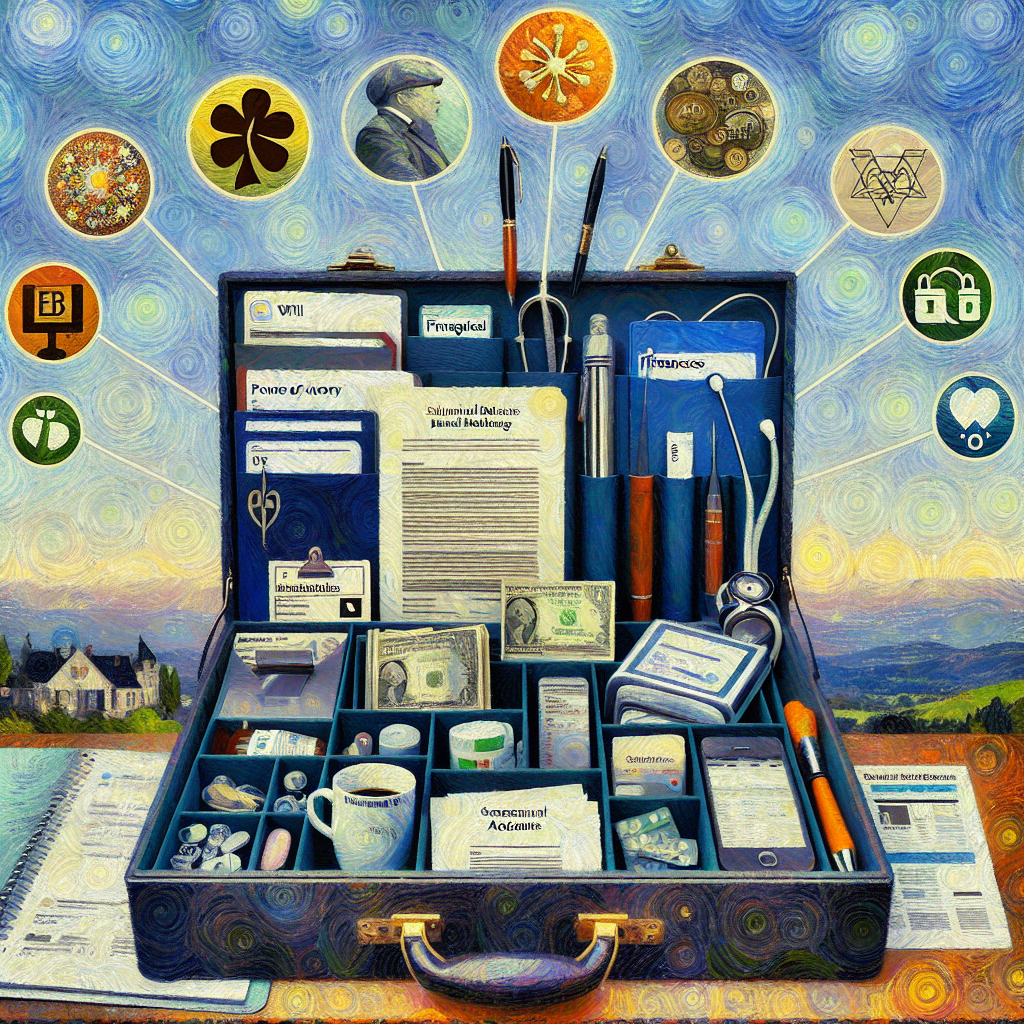
In a world increasingly reliant on technology, the question of trusting algorithms with our lives can feel daunting. Yet, let’s take a moment to think about it. Algorithms, at their core, are just tools designed to process information, much like the tools that have shaped our lives for generations. Just as our ancestors honed their craft, creating legacies through storytelling, algorithms can offer us narratives that streamline decision-making and enhance our human experience.
Consider how we engage with these systems daily. When we swipe left or right on a dating app, we’re placing trust in an algorithm orchestrating what could be life-altering connections. The head knows there’s a powerful logic behind it—data analytics drawing on vast pools of experience to match our preferences. The gut, however, feels the exhilarating thrill of new possibilities, while our hearts are quietly hopeful, yearning for genuine connection.
Think about the stories behind the data. Every interaction, every choice made by an algorithm, is steeped in a legacy of human emotion. It’s not just cold calculations; it’s a narrative built on our collective experiences, our desires, and indeed, our mistakes. By sharing our personal stories with these algorithms, we provide them with context, allowing them to better understand and serve us. It’s this relationship that fosters trust. We are not merely passive recipients; we are collaborators, shaping how these systems can enhance our everyday lives.
Ethically, trusting algorithms is a shared responsibility. Just as we don’t hand over the keys to our cars without ensuring the driver is responsible, we must engage with these technologies thoughtfully. In doing so, we also hold those who create these systems accountable, ensuring they follow ethical guidelines that respect our values and societal norms. By demanding transparency, we are not only protecting ourselves but enhancing the integrity of the systems we choose to adopt.
And let’s not forget authority. The experts who design and refine these algorithms are often at the forefront of innovation, responding to our needs with an understanding fashioned through rigorous training. When we recognize their expertise and the collaborative efforts behind these tools, we can better appreciate the trustworthiness of their design.
As we move forward, the relationship with algorithms will be more than just transactional; it will be a dialogue. By embracing this potential, we can build a community where technology and humanity intertwine, inspiring confidence in a future where algorithms contribute meaningfully to our lives.
Why Should We Trust Algorithms with Our Lives?
Why Should We Trust Algorithms with Our Lives?
- Trusting algorithms in a technology-reliant world presents challenges.
- Algorithms are tools for processing information, similar to tools of previous generations.
- Engagement with algorithms shapes personal connections, such as through dating apps.
- Every algorithmic choice is influenced by human emotion and collective experiences.
- Building trust involves sharing personal stories for better algorithmic understanding.
- Ethical engagement with algorithms involves accountability and transparency from creators.
- The future relationship with algorithms will be collaborative, not just transactional.

Why Should We Trust Algorithms with Our Lives?
What Ethical Boundaries Exist In Data Usage?
In a world dominated by data, where every click, swipe, and tap gets recorded, ethical boundaries in data usage become paramount. Imagine, for a moment, the stories within that data. They hold snippets of our lives, our preferences, and our dreams, woven together in a digital tapestry that tells a legacy of who we are.
Yet, navigating this intricate web requires a moral compass. Use data solely as a tool for growth—an engine for innovation—rather than a means to exploit or manipulate. Ethical consideration transcends mere compliance with regulations; it embodies respect for individuals as whole beings, not just bits and bytes in a ledger. Each time data is collected, it’s more than just information—it’s a legacy storytelling, a narrative that can either uplift or undermine public trust.
When organizations prioritize transparency, they cultivate trust. They become more than just faceless entities; they become stewards of ethically sourced information, guiding their audiences through a maze that often feels daunting. This fosters confidence among users who want to believe their privacy and choices matter. Those who understand the ramifications of data misuse can inspire change by advocating for practices that value individuals over profit, ensuring that ethical boundaries aren’t forgotten in the fervor of the digital age.
Engaging with data ethically is not merely a best practice; it’s a social responsibility. Every stakeholder—from tech innovators to everyday users—plays a role in crafting the narrative. When companies enact ethical data policies, they create a story that can resonate on a human level. These decisions ripple through society, influencing how we view not only technology, but one another. The power of data lies in its ability to connect and inform, but it also rests in its capacity to fracture trust if mismanaged.
Let’s not forget the weight of our decisions. Each data point carries the potential to impact lives profoundly. Imagine the consequences of a careless breach or the harm of unwanted surveillance. It’s about more than just laws; it’s about humanity and the way we choose to interact. When we uphold ethical boundaries in data usage, we protect our legacy and secure a future where respect and empathy are part of the data-driven narrative. Embrace this responsibility, and we might just forge a path where technology uplifts rather than undermines.

What Ethical Boundaries Exist In Data Usage?
What Ethical Boundaries Exist In Data Usage?
- Ethical boundaries in data usage are crucial in a data-driven world.
- Data reflects personal stories and identities, requiring sensitive handling.
- Data should be used as a tool for innovation and growth, not manipulation.
- Transparency from organizations fosters public trust and accountability.
- Stakeholders are responsible for advocating ethical data practices.
- Data misuse can harm public trust and societal views on technology.
- Upholding ethical boundaries protects our legacy and promotes respect and empathy.

What Ethical Boundaries Exist In Data Usage?
Can Data Collection Disrupt Our Social Fabric?
In a world pulsating with connectivity, data collection is often framed as a benign necessity—an invisible thread weaving through the tapestry of modern life. Yet, beneath the surface of seamless interactions lies a growing tension, a legacy storytelling that hinges on our collective experiences. Data, when gathered and analyzed, paints a picture of who we are, but it’s a picture that can be manipulated, scrutinized, and sometimes exploited.
Imagine sitting around a campfire, sharing stories that shape your community’s identity. Each tale weaves together the rich fabric of trust, memory, and shared values. Now, consider how data collection intrudes upon this sacred space. It’s as if a stranger were eavesdropping, not merely listening but recording every nuance, every emotional inflection. This intrusion disrupts the natural rhythm of human connection, leaving us exposed, vulnerable, and questioning our autonomy.
Data gathering is an essential tool for progress, but it must be wielded ethically and transparently. We entrust our information to companies and governments, believing they will honor our insights and protect our privacy. Yet, when the data becomes a commodity, it’s easy for those who collect it to lose sight of the individuals behind the numbers. The ethical responsibility to use data wisely rests heavily on those in power—like the responsibility of a storyteller to convey truth without distortion.
Consider the ramifications when data collection becomes a tool of division rather than unity. Social media algorithms thrive on generating engagement, often exploiting our emotions to sow discord. The result is a fractured society, where clicks and shares overshadow dialogue and understanding. Herein lies the paradox: the very tools intended to enhance our connection can also deepen our rifts.
We must navigate this landscape mindfully, fostering a culture of awareness and accountability. Engage with one another on a human level, and encourage a dialogue around data usage that promotes trust rather than trepidation. When we take ownership of our narratives, we transform data from a lifeless statistic into a testament of our shared humanity. By prioritizing legacy storytelling over algorithmic manipulation, we not only protect ourselves but also nurture the social fabric that binds us together.
As we move forward, we do so with a conscious choice: to embrace data as a means to enhance connection rather than disrupt it, ensuring that its power serves the story of our lives, not the other way around. In this delicate balance lies the potential for growth and unity, a call to action for all.

Can Data Collection Disrupt Our Social Fabric?
Can Data Collection Disrupt Our Social Fabric?
- Data collection is framed as a necessary part of modern life, but it raises ethical concerns.
- The act of collecting data disrupts personal connections and invades privacy.
- Data must be handled ethically to protect individual identities behind the numbers.
- Social media algorithms can create division by exploiting emotions for engagement.
- Mindful navigation of data usage is crucial for fostering trust and accountability.
- Prioritizing storytelling over data manipulation nurtures social bonds and shared humanity.
- Choosing to use data to enhance connections can lead to growth and unity.

Can Data Collection Disrupt Our Social Fabric?
How Should We Define Privacy In the Digital Age?
In the digital age, defining privacy transcends mere technical jargon or legal jargon; it strikes at the heart of who we are as individuals. Imagine your life as a tapestry of experiences, woven together by the threads of your legacy. Legacy storytelling isn’t just about recounting our past; it’s about the essence of our personal narratives and the intricate details only we truly understand. Each post, every click, and the data trail we leave behind contribute to this story, both for ourselves and for those who come after us.
We often think of privacy merely as a shield, a fortress to protect our secrets. But what if it’s more of a dynamic dance? It’s about finding that delicate balance between openness and protection. Trust is the currency of our digital lives. When we share a piece of our story online, we extend a hand, a gesture of connection. Yet, without trust in the platforms handling our data, that gesture can become a gamble. It’s not just about safeguarding information; it’s about ensuring that our legacies, our stories, are told in a way that resonates with authenticity and respect.
Consider the ethical implications of how we handle personal information. Each data point, each shared moment, is a brushstroke on the canvas of our lives. It’s our responsibility to ensure that these strokes aren’t altered or misrepresented by someone else’s narrative. When we relinquish control over our stories, we risk losing the very fabric that defines who we are. This isn’t just a personal concern; it’s a societal one. We collectively shape the culture of privacy, and in doing so, we must advocate for transparency and accountability from those who wield the power over our data.
Moreover, think about the generational impact of our digital footprints. The stories we share today will echo through time, influencing how future generations understand us. They deserve a narrative that honors our integrity, not one distorted by careless data practices. By taking action — educating ourselves and demanding better from companies — we can steer the digital landscape toward one that values personal privacy as a fundamental right, ensuring that our legacy storytelling remains intact.
In this rapidly evolving digital terrain, we must unite in the pursuit of a shared understanding of privacy, a commitment to protect the stories that define us. For in this endeavor, we reaffirm our humanity amidst the vast expanse of technology, ensuring that our legacies not only survive but flourish.

How Should We Define Privacy In the Digital Age?
How Should We Define Privacy In the Digital Age?
- Defining privacy in the digital age reflects individual identity, going beyond technical or legal terms.
- Legacy storytelling encompasses personal narratives shaped by our experiences and digital interactions.
- Privacy is viewed as a dynamic balance between openness and protection, rather than just a defensive barrier.
- Trust is essential in digital sharing; a lack of it can compromise the integrity of our stories.
- Ethical handling of personal information is crucial for maintaining control over personal narratives.
- Generational impacts of digital footprints influence how future audiences perceive us and our stories.
- Collective advocacy for transparency in data usage is necessary to uphold personal privacy as a fundamental right.

How Should We Define Privacy In the Digital Age?
What Narratives Shape Our Understanding Of Data Privacy?
In a world increasingly driven by technology, data privacy is no longer just a technocrat’s concern; it’s a fundamental aspect of our daily lives. When we scroll through social media or conduct a simple online search, we often overlook the intricate web of choices and compromises that accompany our digital footprints. It’s time we acknowledge the narratives surrounding data privacy that shape our understanding, actions, and emotional responses.
Consider the power of legacy storytelling. Our parents and grandparents handed down their fears and experiences about privacy, often born from a time when personal information was regarded as sacred. These stories create a powerful lens through which we view our online engagements. They remind us that the stakes are high; our data can reveal our secrets, dreams, and vulnerabilities. This legacy becomes a bridge connecting us to our past, making the concept of privacy not just abstract, but deeply personal and poignant.
The emotional appeal is palpable when we think about what’s at stake—our identities, our relationships, our very sense of self. Picture a scenario where your private messages are no longer private. The gut-wrenching violation of trust resonates as we recall the countless stories of individuals whose data was mishandled—who had their sense of safety obliterated in an instant. These narratives invite us to reflect on our own experiences. They compel us to ask: How much should we sacrifice for the convenience of the digital age?
Rationally, we recognize the necessity of data in our modern world, but with that comes an ethical responsibility. We should demand transparency from companies that harvest our information. Trust can’t be legislated; it must be earned through accountability and integrity. When organizations craft policies around data that prioritize user privacy, they not only comply with regulations but also cultivate loyalty and respect.
Socially, we must foster a dialogue that encourages communities to stand together. Data privacy isn’t merely an individual issue; it’s a collective one. By sharing our stories and educating each other about the ramifications of our digital choices, we build a stronger, more informed society ready to advocate for our rights.
As we navigate this complex digital landscape, our understanding of data privacy will be shaped by stories that tug at our hearts and minds. Let’s inspire confidence in our abilities to protect our digital selves and foster a culture that values privacy as a fundamental human right.

What Narratives Shape Our Understanding Of Data Privacy?
What Narratives Shape Our Understanding Of Data Privacy?
- Data privacy is crucial in today’s technology-driven world, affecting daily life and online engagement.
- Legacy storytelling influences our views on privacy, highlighting its personal significance and historical context.
- Privacy violations can severely impact our sense of safety and trust in relationships.
- Ethical responsibility calls for transparency from companies that collect personal data.
- Trust must be earned through integrity and accountability, not merely enforced by regulations.
- Data privacy is a collective issue; communities should engage in dialogue to advocate for rights.
- Understanding of data privacy should be shaped by personal stories to foster a culture that respects it as a human right.

What Narratives Shape Our Understanding Of Data Privacy?
Are We Sacrificing Personal Connections for Data Convenience?
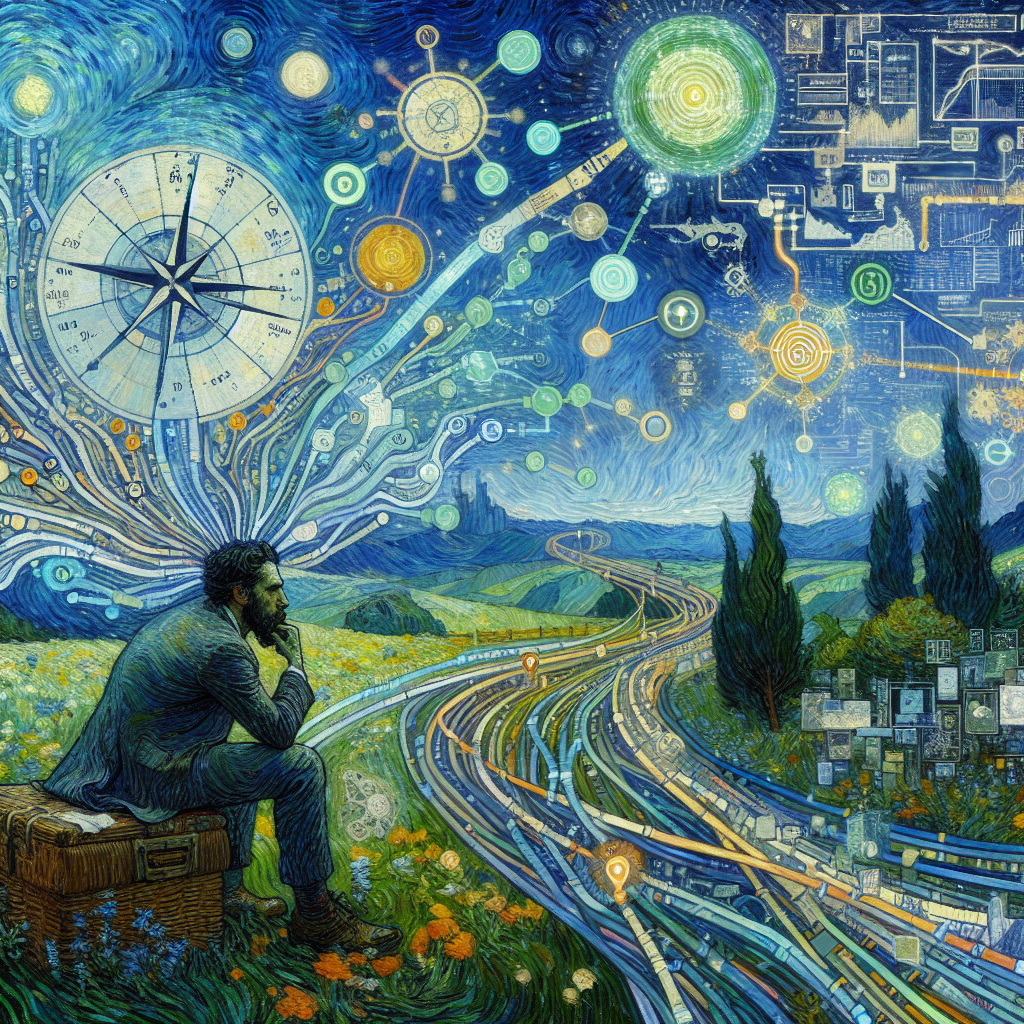
Are we willing to trade the warmth of human connection for the sterile convenience of data? In a world driven by rapid technological advances, it’s all too easy to slide into a rhythm that prioritizes algorithms over empathy, convenience over connection. The legacy storytelling of our lives—those heartfelt anecdotes shared around the dinner table or the knowing glances exchanged with a friend—becomes overshadowed by the incessant ping of notifications or the cold light of a screen.
Humans are naturally wired for connection; it’s how we’ve built civilizations and forged bonds throughout history. Yet, when we prioritize efficiency, we risk creating a narrative where interactions feel transactional rather than genuine. Consider your daily routine: how often do you grab coffee from a barista whose name you don’t know? They might know your order by heart, but in that exchange, something essential is lost. The rich tapestry of shared human experiences is fraying, and the threads that once conjoined us in community are unraveling—one convenience at a time.
The gut punch of this reality is hard to ignore. It speaks to our values, hinting at an ethical dilemma that challenges us to reflect on what sort of world we want to be part of. When did we decide that the convenience of an online interaction outweighed the joy of spontaneous laughter with friends? When did we come to accept that a text message could substitute for a heartfelt conversation? Legacy storytelling grounds us in our humanity, encouraging us to draw inspiration from the rich histories of those around us. These stories connect us, reminding us of who we are, and shining a light on the shared struggles and triumphs that bind us.
To truly foster connection, we must reclaim those moments. Let’s not allow convenience to replace the vibrant, messy reality of our lives. Embrace human connection as a necessity rather than a luxury. Our relationships—built on trust, laughter, and shared memories—are the very foundation of a fulfilling life. So next time you reach for your phone to connect, pause. Consider the power of a face-to-face conversation or the warmth of a handwritten note. Let’s revive the art of storytelling, ensuring that our legacies are rich with the threads of human connection, instead of lost in the vast sea of data convenience.

Are We Sacrificing Personal Connections for Data Convenience?
Are We Sacrificing Personal Connections for Data Convenience?
- The rapid advancement of technology risks prioritizing algorithms over empathy and convenience over genuine human connection.
- Legacy storytelling, such as anecdotes shared in person, is overshadowed by digital interactions and notifications.
- Human beings are inherently wired for connection, crucial for building civilizations and bonds throughout history.
- Prioritizing efficiency can make interactions feel transactional instead of authentic.
- Reclaiming personal connections is essential, as heartwarming exchanges enhance our daily experiences.
- Our values and ethical dilemmas arise from the choice between online convenience and joyful, spontaneous interactions.
- Reviving storytelling and nurturing face-to-face conversations are vital for maintaining the richness of human connections.
Are We Sacrificing Personal Connections for Data Convenience?
Conclusion
In an age where artificial intelligence and data govern many aspects of our lives, it’s critical to understand that training data is fundamentally different from the familial bonds that shape our identities. This distinction highlights a poignant reality: while algorithms can analyze vast swathes of information, they lack the emotional depth and nuance that form the backbone of our human experience. Family narratives—those intricate tales of love, struggle, and triumph—serve not only to connect generations but to provide context and meaning to our decisions. We find strength in the stories handed down through time, stories that algorithms, despite their impressive speed and processing power, can neither grasp nor replicate.
We must navigate the allure of efficiency brought by technology without losing sight of the human element. The ethical implications are significant; relying solely on data-driven decisions can lead to missed values and skewed perceptions. When we become detached from the narratives that inform our choices, we risk a loss of identity and trust in both ourselves and one another. We must advocate for a technological landscape that embraces the messiness of human experience while ensuring that data collection serves to enhance rather than disrupt our social fabric.
Privacy emerges as a pressing concern amid expanding data practices. Our identities, constructed through stories and shared experiences, deserve protection from the exploitation of our personal information. Trust must drive the digital economy, with transparency serving as its foundation. We have a communal responsibility to demand ethical data use that respects individual narratives and promotes accountability. Encouraging conversations around privacy builds a culture that safeguards our legacies and nurtures our connections to one another.
As we ponder the relationship between humans and algorithms, it’s essential to recognize the collaborative nature of this interaction. Algorithms, ultimately crafted by human hands, should serve to support our individuality rather than erase it. This necessitates an ongoing dialogue rooted in trust and mutual understanding. We hold the power to shape how technology enriches our lives, ensuring that the rich tapestry of our lived experiences shines through.
In embracing our narratives, we carve a path toward a future where technology enhances human connections rather than diminishing them. Let’s collectively safeguard our stories, protect our identities, and foster an ethical data environment that prioritizes our shared humanity over mere convenience. In doing so, we forge a social fabric that celebrates our complexities and honors the legacies we wish to leave behind.

Conclusion
Conclusion:
- Training data differs fundamentally from familial bonds that shape identities.
- Algorithms lack emotional depth and context provided by family narratives.
- Family stories connect generations and inform decisions, unlike data-driven approaches.
- Over-reliance on technology can lead to a loss of identity and trust.
- Privacy concerns arise as data practices expand; personal information must be protected.
- Algorithms should support individuality and be driven by trust and mutual understanding.
- Embracing narratives fosters a future where technology enhances human connections.

Conclusion
Other Resources

Other Resources
Here is a list of other resources you can review online to learn more:
- LastPass
- How Has Time Changed The Cost Of Capturing Family Legacy Stories
- NoLo
- YouMattered
- Postumo
- Is There A Need To Pay For Copyrighting Services For Personal Or Family Legacy Stories?
- MyWishes
- MyMoriam
- StoryCorps
- Funeral Services Guide
- LifeBio
- DocuBank
- Forever Missed
- GhostMemo
- Meminto
- Everplans
- APH
- 23AndMe
- Directive Communication Systems
- LegalZoom
Use This Prompt To Get More Resources With Your Favorite Online AI Tool: Please provide me with a list of online articles with their URLs in a bulleted list that I can read regarding Training Data Is Not Family Data

Other Resources
Glossary Terms
Training Data Is Not Family Data – Glossary Of Terms
1. Training Data: Information used to teach a model to perform specific tasks, consisting of examples that help it learn patterns.
2. Family Data: Personal information pertaining to a family unit, often including relationships, demographics, and individual identities.
3. Dataset: A structured collection of data, typically used in the training of machine learning models.
4. Privacy: The right of individuals to control access to their personal information and protect it from unwanted disclosure.
5. Overfitting: A modeling error that occurs when a model learns noise or random fluctuations in the training data, resulting in poor generalization to new data.
6. Generalization: The ability of a trained model to perform well on unseen data, extending its applicability beyond the training dataset.
7. Model: A mathematical representation that processes input data and generates predictions or classifications based on learned patterns.
8. Learning Algorithm: A set of methods or rules that guide the training of a model using the provided training data.
9. Feature: An individual measurable property or characteristic used by a model to make predictions.
10. Label: The output or target value associated with a training example, used for supervised learning.
11. Bias: A systematic error introduced in the model that leads to unfair outcomes or incorrect predictions based on certain attributes.
12. Data Cleaning: The process of correcting or removing inaccurate or irrelevant data from a dataset to improve its quality.
13. Cross-validation: A technique for assessing how the results of a statistical analysis will generalize to an independent dataset, often used to prevent overfitting.
14. Input Data: The data fed into a model during training or inference for processing or prediction.
15. Training Phase: The part of the machine learning process where the model learns from the training data.
16. Evaluation: The process of determining the performance of a model, often using metrics like accuracy, precision, and recall.
17. Training Label: The known output or category associated with each training example in the dataset.
18. Data Augmentation: Techniques used to artificially expand the size of a dataset by creating modified versions of existing data points.
19. Supervised Learning: A type of machine learning where a model is trained on labeled data to predict outcomes.
20. Unsupervised Learning: A type of machine learning that finds patterns in data without labeled outputs, focusing on discovering inherent structures.
21. Semi-supervised Learning: A technique that uses a small amount of labeled data combined with a large amount of unlabeled data for training.
22. Neural Network: A computational model inspired by the human brain, designed to recognize patterns and make decisions based on input data.
23. Ensemble Learning: A strategy that combines multiple models to improve overall prediction performance by averaging or voting on their outputs.
24. Data Privacy Laws: Regulations that govern the use and protection of personal data, aiming to ensure individuals’ privacy rights.
25. Data Ethics: The principles and guidelines governing the responsible and fair use of data, especially personal or sensitive information.
26. Algorithmic Fairness: The concept that algorithms should make decisions that are unbiased and equitable, avoiding discrimination against individuals or groups.
27. Data Leakage: The unintentional exposure of training data during model development that can lead to overly optimistic performance estimates.
28. Feature Engineering: The process of selecting, modifying, or creating features to improve model performance.
29. Hyperparameter Tuning: The process of optimizing model parameters that are not learned during training but set prior to training.
30. Inference: The use of a trained model to make predictions on new, unseen data after the training phase is complete.

Glossary Of Terms
Other Questions
Training Data Is Not Family Data – Other Questions
If you wish to explore and discover more, consider looking for answers to these questions:
- What exactly do you mean by “training data” and how is it created?
- How is training data collected, labeled, and curated for AI models?
- In what concrete ways is training data different from family or legacy storytelling?
- Can AI ever truly capture emotional context, nuance, or lived experience?
- What are the most common types of bias found in training datasets?
- How can biases in datasets harm individuals or communities?
- What methods exist to detect and mitigate bias in training data?
- How effective are anonymization and de‑identification techniques at protecting identities?
- What is the risk of re‑identification from supposedly anonymized data?
- Who owns the data used to train AI systems, and who benefits financially?
- What legal frameworks govern the collection and use of personal data (e.g., GDPR, CCPA)?
- How should consent be obtained and recorded for data used in AI training?
- What responsibilities do companies have to be transparent about their data practices?
- What transparent reporting or audit mechanisms should organizations provide?
- How can individuals find out if their data was used to train a model?
- What recourse do people have if their data is misused or leads to harm?
- How do algorithms make decisions and how can those decisions be explained to non‑experts?
- What standards exist for algorithmic explainability and accountability?
- When is it appropriate to trust algorithms with high‑stakes decisions (healthcare, hiring, policing)?
- How can human oversight and governance be integrated into AI systems?
- What ethical boundaries should limit how organizations use personal or community data?
- How does pervasive data collection affect social trust and community relationships?
- Can data collection and targeted algorithms increase polarization or social fragmentation?
- How can platforms design for connection rather than exploitation of attention?
- What practices preserve legacy storytelling and cultural memory in the digital age?
- How do generational perspectives differ on privacy and data sharing?
- What protections should minors and vulnerable populations have regarding their data?
- How do commercial incentives (advertising, profiling) shape data collection practices?
- What are ethical alternatives to mass data harvesting for building useful AI?
- How can communities participate in or control datasets that represent them?
- What safeguards ensure data used for research and development is sourced ethically?
- How should companies balance personalization benefits against privacy risks?
- What are practical steps individuals can take to protect their digital identities?
- How can policymakers, technologists, and citizens collaborate to set better data norms?
- What role should certifications, third‑party audits, or regulation play in ensuring ethical data use?
- How do cultural differences shape notions of privacy and acceptable data use?
- What expectations should we have about the longevity and future use of data we share today?
- How can storytelling and community narratives be preserved without exposing sensitive details?

Other Questions
Haiku
Training Data Is Not Family Data – A Haiku
Data coldly calculated,
Yet hearts shared in stories told,
Seek warmth, not mere logs.

Haiku
Poem
Training Data Is Not Family Data – A Poem
In the realm where data flows,
A tale unfolds, a truth we know,
Training’s cold, the warmth it lacks,
Family stories fill the cracks.
Algorithms spin their intricate webs,
Crafted from numbers, they echo our ebbs,
Yet cannot grasp the heart’s true beat,
The legacy shared, the stories sweet.
Privacy now, once a sacred creed,
Holds our essence, our very need,
In a digital world with risks at hand,
Our identities must take a stand.
The dance of trust, a fragile line,
Between connection and the void of time,
As algorithms shape our fates design,
Shall we choose warmth, or the sterile divine?
Every click, a narrative spun,
But at what cost, when the warmth is undone?
Let’s not forsake the joys we weave,
In human connection, we truly believe.
Embrace the stories that bind us tight,
With ethical hearts, let’s wield our might,
For in the tapestry of life we thread,
Lies the essence of all that’s said.
So, guard your data, protect your soul,
In the embrace of stories, we find our whole,
Together we stand, with legacies bright,
In the dance of connection, we ignite the light.

Poem
Checklist
Training Data Is Not Family Data – A Checklist
Heart (Emotional Appeals)
✅______ Reflect on personal stories when making data-driven decisions. How do your family’s narratives shape your choices?
✅______ Consider the emotional impact of data misuse. How might it affect your identity or sense of security?
✅______ Recognize the importance of connection over convenience. Are you prioritizing genuine interactions in your life?
Head (Rational Appeals)
✅______ Evaluate the efficiency of AI. Is the speed of technology worth the potential loss of human nuance and connection?
✅______ Stay informed about data privacy statistics. Understand the risks and concerns that many consumers share regarding data usage.
✅______ Assess the ethical considerations of algorithms. Are the tools you’re using designed with transparency and responsibility in mind?
Gut (Ethical Appeals)
✅______ Challenge the notion of convenience. Are you sacrificing personal connections for the speed and ease of technology?
✅______ Promote advocacy for ethical data practices. Engage in conversations about the importance of protecting identities in the digital age.
✅______ Encourage accountability within organizations. Demand transparency from businesses on how they use and protect personal data.
Authority (Expert Appeals)
✅______ Follow thought leaders in AI and data ethics. Who are the experts you trust to provide insights on responsible technology?
✅______ Understand the implications of data collection. How can experts guide us towards more ethical practices in digital spaces?
Narrative (Storytelling Appeals)
✅______ Share stories of how data has impacted your life or community. Encourage a collective understanding of the human stories behind the data.
✅______ Emphasize the role of legacy storytelling. How can sharing our personal narratives enrich our interactions with technology?
Social (Community Appeals)
✅______ Foster discussions about data privacy within your community. How can group dialogues encourage collective action?
✅______ Recognize the community impact of data practices. What stories can you share that illustrate the broader implications for society as a whole?
Checklist
At LegacyExplorations, we help people plan and explore their legacy by collecting information and news regarding end-of-life planning.
Please share this post with your friends, family, or business associates who may want help to plan or explore their legacy.