

Unlocking Security: Safeguarding Your Legacy Beyond The Digital Realm
By Tom Seest
At LegacyExplorations, we help people plan and explore their legacy by collecting information and news regarding end-of-life planning.
Please share this post with your friends, family, or business associates who may want help to plan or explore their legacy.
Two-Factor Authentication and the Afterlife
In an age where our online presence mirrors our real lives, the concept of two-factor authentication (2FA) becomes more than just a digital safeguard; it transforms into a safeguard of our legacy. Imagine the stories we leave behind—old photographs, heartfelt messages, and cherished memories. Each represents a piece of our existence, a snippet of our journey. Now, consider how that journey might get tangled in the web of forgotten passwords and compromised accounts.
Two-factor authentication is akin to a guardian at the gates of your digital afterlife. It serves as a reminder that the tale of your life—your legacy—is worth protecting. When you think about it, your online accounts are more than just data. They’re repositories of your story. Your family, your friends, the milestones, and the mishaps—all woven into the narrative of who you are. With a system that demands more than just a password, you instill a sense of security, ensuring that those stories endure even when you’re no longer around to share them.
This sentiment touches on a universal truth: we all yearn for our lives to matter. The ethical responsibility to preserve our digital legacy for future generations is profound. By implementing 2FA, we act with intent, safeguarding our memories and insights from the reach of those who would manipulate them. Trust is a currency in the digital realm, and initiating two-factor authentication builds a wall of confidence around your essential information, solidifying your authority over your narrative.
Yet, there’s more to it than mere security. In wearing that invisible armor of 2FA, we acknowledge our connection to society. We forge a collective understanding that protecting one’s legacy benefits not just the individual but everyone intertwined in their life’s story. This social fabric reinforces our responsibility to each other, promoting a culture where we prioritize digital awareness and protection.
Incorporating two-factor authentication signifies a proactive stance in the digital world. It’s an affirmation that our stories deserve to be told, cherished, and preserved. So, as you consider the afterlife of your digital persona, remember that each layer of security is akin to adding another chapter to your legacy. When you reinforce your accounts, you ensure your storytelling continues, weaving through time, inspiring those who come after you to value, protect, and celebrate their own journeys.

Two-Factor Authentication and the Afterlife
Two-Factor Authentication and the Afterlife
- Two-factor authentication (2FA) safeguards our digital legacy, reflecting our real lives.
- Online accounts serve as repositories of personal stories and memories, making security vital.
- 2FA is a guardian protecting the narrative of one’s life against forgotten passwords and account compromises.
- Implementing 2FA preserves memories and insights, reinforcing our digital legacy for future generations.
- Trust in the digital realm is essential; 2FA builds confidence around personal information.
- Protecting one’s legacy benefits not only the individual but also society as a whole.
- Incorporating 2FA represents a proactive approach to digital security, ensuring stories are cherished and preserved.

Two-Factor Authentication and the Afterlife
Table Of Contents
- Two-Factor Authentication and the Afterlife
- What Is the True Value Of Securing Your Digital Legacy?
- How Does Two-Factor Authentication Protect My Memories?
- Can We Really Control Our Digital Afterlife?
- What Happens to Our Online Accounts When We Pass Away?
- Are We Prepared for the Ethical Dilemmas Of Digital Immortality?
- What Responsibilities Do We Have Towards Our Online Identities?
- How Does Our Digital Footprint Affect Those We Leave Behind?
- Conclusion
- Other Resources
- Glossary Of Terms
- Other Questions
- Haiku
- Poem
- Checklist
What Is the True Value Of Securing Your Digital Legacy?
Securing your digital legacy is like planting a tree that will grow long after you’re gone. It’s not merely about preserving your online presence; it’s about crafting a Legacy Storytelling that honors who you are, what you cherish, and the values you stand for. Every photo, video, and message holds pieces of our lives that tell our unique stories, and once we pass, those stories don’t have to fade into obscurity.
Imagine for a moment the warmth of a child hearing a grandparent’s voice through an old video, or the comfort of revisiting shared memories captured in a virtual album. That’s the emotional core of your digital legacy. It’s proof of existence, a testimony to relationships, and a way to convey life lessons to future generations. By actively managing this legacy, you provide a roadmap for loved ones, guiding them through the way you navigated life’s challenges and triumphs.
Think logically: In our increasingly digital world, ignoring your digital footprint is akin to leaving your affairs in disarray. What do you want your family to find when they search your name online? Ensuring your digital legacy is secure is not just sensible; it’s an act of responsibility. This is your chance to control the narrative, forging an enduring presence that reflects your true self. Ethical considerations arise too—your online accounts often hold private conversations, cherished memories, and sensitive information that you wouldn’t want falling into the wrong hands. By taking steps to secure these accounts, you’re not only protecting your identity, but also safeguarding the dignity of your relationships.
On a social level, think about the stories that resonate with us. People rally around stories of perseverance, kindness, and love. When you curate your digital legacy thoughtfully, you share not just your own experiences but also inspire others to reflect on their lives and legacies. In doing so, you create a ripple effect, encouraging a culture of connection and remembrance.
Ultimately, securing your digital legacy is about trust: trust in yourself to share your story authentically and trust in your loved ones to cherish and protect that narrative for years to come. Embrace the opportunity to leave behind a digital legacy that is as rich and nuanced as the life you lived, ensuring that your story—your essence—remains alive in the hearts of those you hold dear.
What Is the True Value Of Securing Your Digital Legacy?
What Is the True Value Of Securing Your Digital Legacy?
- Securing your digital legacy is akin to planting a tree that symbolizes growth and remembrance.
- It involves crafting a Legacy Storytelling that reflects personal values and cherished memories.
- Every digital artifact contributes to unique life stories, preserving them beyond one’s lifetime.
- Curating a digital legacy provides guidance and life lessons for future generations.
- Managing your digital footprint is essential to avoid leaving affairs disorganized for loved ones.
- Creating a digital legacy promotes connection and inspiration through shared life experiences.
- Ultimately, it fosters trust between the storyteller and loved ones to protect and cherish their narrative.

What Is the True Value Of Securing Your Digital Legacy?
How Does Two-Factor Authentication Protect My Memories?
In a world where our memories are but a click away, it’s essential to consider how we safeguard them. Two-factor authentication (2FA) serves as a digital lock on the vault of our personal experiences—our cherished photos, emails filled with heartfelt words, and voice messages from loved ones. Imagine entering a warm, well-lit room filled with artifacts of your life—each item a piece of your journey. Now, consider the threat of someone walking off with these invaluable mementos. This is where 2FA steps in, standing sentinel at the door.
At its core, 2FA offers peace of mind. It’s more than just a security measure; it’s an emotional shield for your legacy. When you log into your accounts and are greeted with a secondary verification step—an authentication code sent to your phone or a fingerprint scan—it’s like a trusted friend ensuring that only you can access what’s rightfully yours. This simple act transcends technology; it’s a declaration that your memories are protected.
From a rational standpoint, think of the data breaches we’ve all read about. Companies that fail to prioritize security jeopardize not just profits, but our personal narratives woven into their platforms. As more people share their lives online, the data risks multiply. By implementing 2FA, you’re not just adhering to best practices; you’re taking an active role in safeguarding the digital threads of your story from those who might exploit them.
Legitimate authority figures—cybersecurity experts, tech leaders—stress the importance of this protective measure. They echo the same sentiment: it’s time to embrace vigilance. Using 2FA reflects an ethical commitment to your own privacy and to those who rely on you to keep their memories safe. It builds a wall of trust between you and your audience. You’re not only protecting yourself; you’re setting a standard within your community.
When you share your experiences, whether in the form of legacy storytelling or simply through social media, you foster connections. Your memories matter, not only to you, but to everyone who has shared in your journey. By activating 2FA, you’re not just securing data; you’re affirming the significance of your legacy. Standing firm against those who seek to diminish your experiences sends a powerful message: your memories deserve protection. Embrace the strength of two-factor authentication, and let it be the foundation of trust as you safeguard the richest parts of your life’s tapestry.

How Does Two-Factor Authentication Protect My Memories?
How Does Two-Factor Authentication Protect My Memories?
- Two-factor authentication (2FA) acts as a digital lock on personal memories, such as photos and messages.
- It provides peace of mind and serves as an emotional shield for one’s legacy.
- 2FA involves a secondary verification step, ensuring only authorized access to personal accounts.
- Data breaches pose risks to personal narratives, making 2FA a crucial practice for security.
- Cybersecurity experts emphasize the importance of 2FA as a commitment to privacy and trust.
- Activating 2FA fosters connections and affirms the significance of shared memories.
- Utilizing 2FA establishes strong protective measures against those who threaten personal experiences.

How Does Two-Factor Authentication Protect My Memories?
Can We Really Control Our Digital Afterlife?
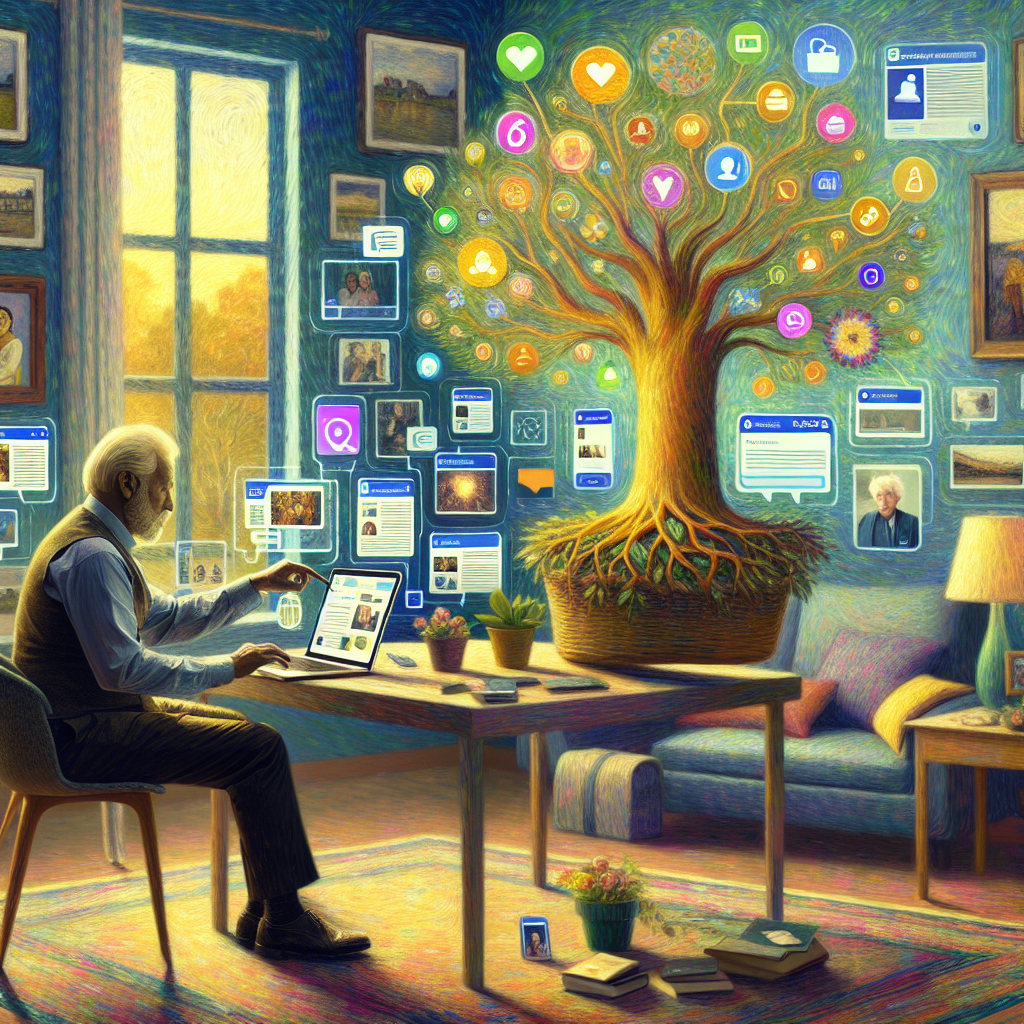
In today’s hyper-connected world, the notion of a digital afterlife is not just a theoretical musing; it’s a reality we’re all forced to confront. Our online footprints—social media posts, emails, or photographs—create a tapestry of what we have been. But when our time on this Earth comes to an end, what does that mean for our digital selves? It’s a question that stirs not only curiosity but a deep sense of responsibility.
Imagine a legacy storytelling experience that transcends time, where your thoughts, passions, and memories become accessible to those you leave behind. This thought could evoke nostalgia or even fear—fear of what may linger online, a narrative spun by algorithms that don’t know us as intimately as we know ourselves. When we consider what we want people to remember about us, it’s vital to curate this digital narrative consciously. Do we want to be remembered by a simple Twitter rant, or do we wish for our friends and family to connect with our deeper intentions and values?
Rationally speaking, in a world where nearly every action is documented, we have an opportunity—no, a duty—to shape how we’re remembered. Platforms are beginning to offer tools to manage this digital legacy, from memorializing accounts to sophisticated options that allow us to craft a farewell message. These choices grant us a semblance of control, a way to speak to the living even when we’re no longer present. Isn’t that empowering?
Ethically, we owe it to ourselves and our loved ones to consider the implications of our digital lives. How we treat our online presence reflects our values and the legacy we leave. What ethical responsibilities do we have toward those who depend on our narratives? In the same breath, those narratives form connections that can bridge generations.
On a societal level, we find camaraderie in our shared experiences. We are not alone in grappling with these questions; this resonates with countless others who, like us, ponder their digital footprints. Engaging in this dialogue about our online lives fosters a community driven by mutual understanding, allowing us to support one another in crafting our legacy stories.
In a rapidly evolving digital landscape, it’s not only about what is left behind; it’s about the connections forged and the stories told. By seizing the reins of our digital afterlife, we shape our enduring narrative with intention, leaving behind a legacy that speaks volumes long after we’re gone.

Can We Really Control Our Digital Afterlife?
Can We Really Control Our Digital Afterlife?
- The digital afterlife has become a significant reality in today’s connected world.
- Our online presence generates a narrative that reflects our lives and values.
- It is essential to consciously curate our digital narrative for how we wish to be remembered.
- Platforms now offer tools to manage digital legacies, allowing individuals to leave farewell messages.
- Ethical considerations are crucial in shaping our online presence and the legacies we leave behind.
- Dialogue about digital footprints fosters community and mutual support in legacy crafting.
- Intentionally shaping our digital afterlife impacts the connections and stories left for future generations.
Can We Really Control Our Digital Afterlife?
What Happens to Our Online Accounts When We Pass Away?
The digital landscape has woven itself into the fabric of our everyday lives, creating a web of connections that stretch far beyond the fibers of traditional memory. When we pass away, what remains of our online presence? It’s a question not just of data, but of Legacy. Each tweet, post, and share paints a picture of our existence, a snapshot of our personal narrative. These digital footprints tell our story, and like any great tale, they deserve to be honored.
Consider the emotional weight of our online accounts. They encapsulate precious moments—births, weddings, milestones—that define us. Our photos on social media are not just pixels; they are memories frozen in time. For loved ones left behind, sifting through these remnants can be a journey of emotional Legacy Storytelling, a way to relive shared laughter and cherished experiences, even in times of loss. This is where the heart takes over, drawing people together around the stories that matter.
From a rational standpoint, the realities of managing these accounts posthumously can feel overwhelming. Most people don’t think about their digital assets until it’s too late. It often requires navigation through terms of service agreements and legal complexities, but organizations have started to recognize the importance of addressing this issue. Ethical considerations also come to the fore—who decides what happens to your digital legacy? Those in authority must respect our wishes and intentions, ensuring that our voice continues echoing in the digital realm, even after we’ve departed.
The narrative shifts when you think about the social implications. In an age where connection feels more virtual than ever, relationships may fragment without our online presence. Friends and family may feel adrift, struggling to understand how to interact with the remnants of someone they loved. Engaging in conversations about our digital legacy can foster connection and bring communities together—a call to action that inspires trust.
So, consider making plans for your online accounts. Take control and express your wishes clearly. In doing so, you create not just a digital will, but a piece of your ongoing story, a narrative that continues to foster relationships and honor the life you lived. Your online presence can remain a bridge, linking past and future, even when you’re no longer here.

What Happens to Our Online Accounts When We Pass Away?
What Happens to Our Online Accounts When We Pass Away?
- The digital landscape is an integral part of everyday life, containing a vast array of personal narratives.
- Our online presence represents a digital legacy that includes significant moments such as birthdays and milestones.
- For loved ones, exploring these digital remnants can be an emotional journey of memory and storytelling.
- Managing online accounts after death can be complicated, with legal and ethical considerations to address.
- Conversations about digital legacy can strengthen community ties and support relationships after loss.
- Planning for online account management ensures clarity about one’s wishes and maintains connections posthumously.
- One’s online presence can serve as a bridge between past and future, continuing to foster relationships even after death.

What Happens to Our Online Accounts When We Pass Away?
Are We Prepared for the Ethical Dilemmas Of Digital Immortality?
In a world where the flicker of life can be captured and stored in the vast realms of digital memory, the allure of digital immortality tugs at the very essence of our humanity. Imagine walking down a bustling street, past vibrant murals, each one a vivid brushstroke of our lived experiences—a legacy etched not just in stone, but in the minds of those we’ve influenced. Legacy storytelling is at the heart of our existence, narrating the tales of love, struggle, and triumph that mold who we are. Yet, as we peer into this brave new frontier, it’s crucial to recognize the ethical dilemmas lurking within.
The promise of preserving our consciousness long after our biological selves have faded evokes a unique blend of awe and trepidation. On one hand, it offers the chance to capture the lessons learned and the laughter shared, creating an eternal echo of a life lived. This isn’t merely about existing after death; it’s about remaining a part of the narrative fabric of humanity. However, consider the implications. What does it mean for our relationships, our memories, and, ultimately, our humanity?
As we marvel at the technological advances that allow us to replicate our thoughts and feelings, we must also engage our rational selves. Questions arise: Who owns our digital selves? What happens when the stories we tell become mere echoes in a digital void, stripped of the warmth of human connection? Digital immortality could transform legacy storytelling into a commercial enterprise, commodifying our very essence.
Yet, despite these potential pitfalls, it’s vital to embrace the possible benefits. Think of the power gained from sharing experiences across generations, a bridge that connects us as we navigate the complexities of existence. It beckons us to foster and strengthen our communities, sharing stories that inspire, educate, and unite us.
Imagine a world where understanding flourishes through shared narratives, where empathy stems from connecting with the digital representations of those who once walked among us. This is where we find our authority; in realizing that while technology may evolve, the core of who we are—our stories, our experiences—remains a shared human endeavor.
The challenge lies before us. As we stand on the precipice of this age, let’s not just seek to exist digitally but to ensure that our stories resonate with authenticity, forging connections that remind us of the warmth and complexity of the human experience. Embrace this opportunity to shape our legacies, crafting narratives that honor both our past and our potential future.

Are We Prepared for the Ethical Dilemmas Of Digital Immortality?
Are We Prepared for the Ethical Dilemmas Of Digital Immortality?
- The concept of digital immortality challenges our understanding of humanity and legacy.
- Legacy storytelling captures the essence of our experiences, encompassing love, struggle, and triumph.
- Preserving consciousness raises ethical questions regarding relationships and memory.
- Technology can replicate thoughts, but it risks commodifying personal narratives.
- Sharing experiences across generations can strengthen community bonds.
- Empathy can emerge from connecting with digital representations of those who lived before us.
- It is essential to ensure that our digital stories retain authenticity and reflect the complexity of human experience.

Are We Prepared for the Ethical Dilemmas Of Digital Immortality?
What Responsibilities Do We Have Towards Our Online Identities?
In the vast digital landscape we navigate daily, our online identities represent more than just avatars or usernames. They are the echoes of our lives, a mosaic of our legacy storytelling. This legacy is woven through our online interactions, the posts we share, the comments we make, and the connections we forge. Each of us has a responsibility to cultivate an online presence that reflects our values, integrity, and aspirations.
Consider the stories we tell in this digital realm. They shape perceptions—not just of ourselves but of our families, communities, and even future generations. When we share thoughtful content, support meaningful causes, or celebrate successes, we are contributing to a narrative that transcends the individual. This collective storytelling becomes part of our social fabric; it informs how others see us and, importantly, how we see ourselves.
We must engage our heads and hearts in this process. We need to think critically about the content we consume and share. Every click, every post, speaks volumes about who we are and what we stand for. Don’t just be a passive observer; challenge yourself to be an active participant. Use your voice to uplift others and advocate for what you believe in. The more we invest in nurturing our online identities with authenticity and purpose, the more trust we build within our communities.
Ethically, our online actions matter. Misleading information, cyberbullying, or any negativity can have real-world consequences. Engaging in ethical behavior ensures we don’t just think of our immediate context but recognize our role in a broader digital ecosystem. It’s not just about protecting our reputations; it’s about fostering a healthier online environment for everyone.
Building authority comes from being informed and respectful. Own your narrative and respect the narratives of others. When we share knowledge and value diverse perspectives, we foster a sense of trust that encourages others to be vulnerable and share their own stories. In this way, we reinforce the bonds that connect us all in this expansive digital community.
Each time we hit ‘send,’ we have an opportunity to reinforce a narrative that resonates with others. By embracing our responsibilities toward our online identities, we can influence not just how we are perceived but also how we contribute to the world. Let’s take charge of our digital footprints, honoring the legacy storytelling that shapes both our present and future.

What Responsibilities Do We Have Towards Our Online Identities?
What Responsibilities Do We Have Towards Our Online Identities?
- Online identities represent more than usernames; they reflect our values and legacy.
- Our digital storytelling shapes perceptions of ourselves and our communities.
- Thoughtful sharing contributes to a collective narrative and influences how others see us.
- Active participation in online discourse fosters trust and community engagement.
- Ethical online behavior impacts the broader digital ecosystem and promotes a healthier environment.
- Building authority requires sharing knowledge and respecting diverse perspectives.
- Each online action is an opportunity to influence perceptions and reinforce personal narratives.

What Responsibilities Do We Have Towards Our Online Identities?
How Does Our Digital Footprint Affect Those We Leave Behind?
In a world where every click, like, and share stitches together a narrative of our lives, our digital footprint serves as more than a simple trace; it becomes part of our legacy. When we think of legacy storytelling, we often envision age-old tales passed down through generations. Yet, today’s storytelling isn’t just confined to dusty books or cherished videos; it pulses through social media posts and online interactions. Each tweet, selfie, or shared article is a brushstroke on the canvas of our existence. It’s how we communicate not just who we are but who we strive to be.
Consider the weight of your virtual presence on those you leave behind. Your digital legacy is an intricate weave of memories, emotions, and lessons. It shapes how friends and family remember you. Imagine a child scrolling through their parent’s old posts—laughter captured in pictures, wisdom shared through thoughtful words. In this era of connections, your digital footprint enables those who loved you to live through moments long after you’re gone. It offers comfort during grief, serving as a lighthouse guiding them through the storm of loss with tangible memories that linger.
However, it’s essential to introspect on how these digital footprints may impact our loved ones. Every carefree post or impulsive comment can echo well beyond its intended moment. In today’s age, privacy isn’t just a personal matter; it’s an ethical responsibility you owe to those who care about you. The narratives we craft online should reflect our values and respect the feelings and reputations of others. In a digital world where public scrutiny can loom large, cultivating a respectful online persona can strengthen the bonds we leave behind.
Engaging with our followers and loved ones on a deeper level enhances connection. Share not just milestones but challenges and failures, too. These elements of raw humanity make our online personas relatable and human. When we embrace vulnerability, we allow our families and friends to share in our struggles, creating a legacy steeped in authenticity.
Ultimately, your digital footprint is a powerful tool—one that never truly disappears. It can inspire action, foster understanding, and build trust. As you navigate your online presence, remember that every word you leave behind contributes to the story of your life. So craft it well, knowing that generations will revisit your digital legacy, one post at a time.

How Does Our Digital Footprint Affect Those We Leave Behind?
How Does Our Digital Footprint Affect Those We Leave Behind?
- Your digital footprint shapes your legacy, representing more than just traces of your online activity.
- Modern storytelling extends beyond traditional mediums, encompassing social media and online interactions.
- Your virtual presence carries emotional weight for those you leave behind, influencing their memories of you.
- Digital legacies offer comfort and connection for loved ones, capturing shared moments of joy and wisdom.
- Privacy is an ethical responsibility; consider how your posts may affect others’ feelings and reputations.
- Engagement through shared challenges fosters deeper connections and authenticity in online personas.
- Your digital footprint influences future generations; each word contributes to the ongoing narrative of your life.

How Does Our Digital Footprint Affect Those We Leave Behind?
Conclusion
In a world increasingly defined by our digital interactions, safeguarding our online legacy transcends mere convenience; it’s an emotional and ethical imperative. Two-Factor Authentication (2FA) has emerged as more than a security feature; it acts as a guardian of our digital afterlife. Every shared memory, cherished photo, and heartfelt message contributes to a rich narrative that reflects our existence. Imagine the warmth a grandchild feels hearing a grandparent’s voice in an old recording or the comfort found in shared memories captured in digital albums. These aren’t just data points—they’re pieces of our legacy, waiting to be preserved.
But as we navigate the complexities of our digital lives, we face the reality that many have not considered the fragility of this heritage. Beyond passwords, 2FA serves as a critical layer of protection, reinforcing trust in an era rife with data breaches. It’s not merely about keeping accounts secure; it’s about asserting control over our narrative, ensuring our stories are not lost or distorted. This act of vigilance reflects a fundamental ethical responsibility—not just to ourselves, but to the loved ones who will connect with our memories long after we’re gone.
So, what does this mean for us as individuals and as a society? It urges us to consciously curate our digital legacies, recognizing that our online identities form a tapestry of relationships and legacies. Every time we engage in the digital realm, we produce a thread that adds texture to the lives of those we leave behind. By using measures like 2FA, we affirm that our journey matters and deserves protection. Additionally, this commitment to safeguarding our digital selves is a communal call to action; it promotes a culture where everyone prioritizes awareness and security.
As custodians of our narratives, we must take proactive steps, ensuring our stories endure, even reaching future generations. The legacy we craft will not just echo our personal experiences; it will inspire others to reflect on their journeys. We have a profound opportunity to shape our digital afterlife, transforming how we and others perceive our existence. Embrace the chance to secure your digital legacy. Enrich your story with intention and care, and allow the essence of who you are to shine through, cascading through time and inspiring those who follow.

Conclusion
Conclusion:
- Safeguarding our online legacy is an emotional and ethical imperative.
- Two-Factor Authentication (2FA) acts as a guardian of our digital afterlife.
- Shared memories and messages contribute to our legacy, preserving our existence.
- 2FA provides critical protection, reinforcing trust in an era of data breaches.
- It reflects our ethical responsibility to ourselves and loved ones for memory preservation.
- Consciously curating digital legacies fosters a culture of awareness and security.
- We have the opportunity to shape our digital afterlife, inspiring future generations.
Conclusion
Other Resources

Other Resources
Here is a list of other resources you can review online to learn more:
- ForeverMissed
- How to Save Your Family�s Stories from Being Lost Forever � A Step-by-Step Guide to Creating a Lasting Digital Legacy
- Living Wisely
- Memorial Matters
- My Wonderful Life
- INELA
- Storyfile Life
- deviantART
- Afternote
- Legacy
- Tributes
- How To Write Legacy Story Headlines That Appeal To The Heart, Gut and Head
- YouMattered
- Obituary Templates
- LegalZoom
- International End of Life Doula Association
- Geni
- Cake
- MyHeritage
- FutureMe
Use This Prompt To Get More Resources With Your Favorite Online AI Tool: Please provide me with a list of online articles with their URLs in a bulleted list that I can read regarding Two-Factor Authentication and the Afterlife
Other Resources
Glossary Terms
Two-Factor Authentication and the Afterlife – Glossary Of Terms
1. Two-Factor Authentication (2FA): A security process requiring two different forms of identification before access is granted.
2. Authentication: The process of verifying the identity of a user, system, or entity.
3. Security Token: A physical or digital item that generates a code used for authentication.
4. Primary Factor: The first layer of authentication, often a password or PIN.
5. Secondary Factor: The additional layer of security, which may include a text message code, email verification, or biometric data.
6. Biometrics: Unique physical characteristics, such as fingerprints or facial recognition, used for authentication.
7. Phishing: A malicious attempt to obtain sensitive information by pretending to be a trustworthy entity.
8. Encryption: The process of converting information into a code to prevent unauthorized access.
9. Password Manager: A software application that securely stores and manages passwords.
10. Multi-Factor Authentication (MFA): An advanced security process that requires multiple forms of identification beyond two.
11. Cryptography: The practice of securing information through mathematical techniques.
12. Tokenization: Replacing sensitive data elements with non-sensitive equivalents called tokens, enhancing security.
13. Access Control: The mechanisms that limit access to resources and information.
14. User Verification: The process of confirming an individual’s identity through various methods.
15. Digital Persona: The representation of an individual’s identity in the online world, affected by authentication measures.
16. Identity Theft: The fraudulent acquisition and use of someone’s private information.
17. Session Management: Controlling user sessions in applications to maintain security during interactions.
18. Mobile Authentication: Method of verification using mobile devices, often utilizing SMS or app-based codes.
19. Security Breach: An event where unauthorized access to data has occurred, often leading to data loss or compromise.
20. Recovery Codes: Backup codes provided for access recovery in case traditional factors are unavailable.
21. Cloud Security: Protecting data stored in cloud computing environments through various authentication mechanisms.
22. User Experience (UX): The overall experience a user has while interacting with a system, influenced by authentication processes.
23. Data Privacy: Protecting personal information from unauthorized access and ensuring its confidentiality.
24. Compliance: Adhering to regulations and standards related to data protection and authentication.
25. Identity Provider (IdP): A service that manages user identities and provides authentication services.
26. Single Sign-On (SSO): An authentication process that allows a user to access multiple applications with one set of credentials.
27. Vulnerability: A weakness in a system that can be exploited to compromise security.
28. User Awareness Training: Training programs aimed at educating users about security best practices, including authentication.
29. Afterlife: In this context, refers to digital existence or legacy after physical death, relevant in discussions of online accounts and identity security.
30. Legacy Accounts: Digital accounts or profiles that remain active after a user’s death, raising concerns about security and privacy.

Glossary Of Terms
Other Questions
Two-Factor Authentication and the Afterlife – Other Questions
If you wish to explore and discover more, consider looking for answers to these questions:
- What exactly is two-factor authentication (2FA) and how does it work?
- What types of 2FA exist (SMS codes, authenticator apps, hardware keys, biometrics) and which is most secure?
- How do I enable 2FA on major platforms (Google, Apple, Facebook/Meta, Microsoft, Instagram, X/Twitter, banks, email)?
- What happens to accounts protected by 2FA when the account holder dies?
- Can an executor or family member bypass 2FA, and what documentation or legal proof do they need?
- Should I include 2FA recovery codes or backup keys in my estate planning, and how should they be stored safely?
- What are the risks of sharing passwords or 2FA methods with loved ones versus keeping them secret?
- Do platforms offer legacy contacts or memorialization features, and how do those options differ?
- How do platform terms of service and privacy policies affect posthumous access to accounts?
- Can I instruct a platform to delete, memorialize, or transfer my account after death?
- How should password managers be used to handle 2FA and posthumous access?
- Are hardware security keys inheritable or transferable to family members after death?
- Can biometric 2FA (fingerprint, face ID) be accessed by family or executors after death?
- What legal frameworks govern digital assets and posthumous access in my country or state?
- How do banks and financial institutions handle 2FA for accounts belonging to deceased customers?
- What steps can I take now to ensure my digital memories (photos, messages, videos) are preserved for loved ones?
- Should I keep offline backups of important digital memories, and what formats and storage methods are best?
- How can I document my digital estate so executors know which accounts use 2FA and how to access them?
- What is a secure but accessible way to store recovery codes, passwords, and instructions for heirs?
- How long do companies retain a deceased user’s data, and can it be permanently deleted?
- Does enabling 2FA affect data portability or the ability to transfer digital assets to heirs?
- How can I audit all my accounts to find which ones have 2FA enabled and require legacy planning?
- What common mistakes do people make when planning their digital afterlife and 2FA procedures?
- What ethical considerations should guide decisions about who can access or delete my online accounts?
- How do I balance strong security (to prevent abuse) with ensuring access for trusted loved ones?
- Are there professional digital legacy services or advisors, and how do I evaluate their trustworthiness?
- How do data breaches and account compromises affect the preservation and integrity of my digital legacy?
- What protections exist to prevent the misuse or manipulation of a deceased person’s online presence?
- How does the concept of digital immortality (AI recreations, chatbots based on a person’s data) interact with consent and 2FA?
- What should be included in legal documents or wills regarding 2FA and digital account access?
- How should I communicate my digital legacy plan to family, executors, or trusted contacts?
- How much effort, time, and potential cost is involved in properly preparing my digital afterlife and 2FA arrangements?

Other Questions
Haiku
Two-Factor Authentication and the Afterlife – A Haiku
Guard your memories tight,
Legacy’s digital thread,
Stories stitched in time.

Haiku
Poem
Two-Factor Authentication and the Afterlife – A Poem
In the realm of wires and screens,
Where memories weave, where life convenes,
Two-factor authentication stands tall and clear,
Guarding the legacies we hold dear.
A vault of moments, a treasure so vast,
Our stories in pixels, echoes of the past.
Photos of laughter, whispers of love,
Secured by a pulse, a code from above.
In digital shadows, our essence remains,
Yet tangled in passwords, our history wanes.
We seek to protect what matters the most,
As guardians of memories, we solemnly boast.
With ethical foresight, we craft our decree,
To shield what we’ve cherished for all to see.
Trust is the currency in this web we weave,
Each login, a promise, each barrier, a reprieve.
Together we share, our tales intertwined,
Through moments of triumph and love, we can find,
Connecting the threads of a vibrant existence,
Fostering trust in our shared co-resistance.
Consider the legacy you leave when you go,
The footprints you craft in a world overblown.
Let empathy guide each post and each share,
For in this vast tapestry, we show that we care.
A dance of connection, each story we tell,
In the echoes of time, they continue to swell.
Embrace the duty to safeguard what’s true,
For your digital afterlife belongs, too, to you.

Poem
Checklist
Two-Factor Authentication and the Afterlife – A Checklist
Checklist for Safeguarding Your Digital Legacy with Two-Factor Authentication (2FA)
✅______ Reflect on your legacy Consider the memories you want to preserve for future generations.
✅______ Cherish connections How will your loved ones remember you through your digital presence?
✅______ Create comfort Ensure shared memories provide solace during times of grief.
Rational Appeals
✅______ Understand 2FA Familiarize yourself with how two-factor authentication works.
✅______ Analyze risks Assess the potential consequences of compromised accounts.
✅______ Control your narrative Take steps to manage your online image actively.
Ethical Appeals
✅______ Acknowledge responsibility Recognize the importance of safeguarding personal and familial information.
✅______ Respect privacy Ensure that what you share does not jeopardize the dignity of those in your life.
✅______ Champion digital integrity Foster an environment where online behavior reflects shared values.
Authority Appeals
✅______ Consult experts Learn from cybersecurity professionals about best practices for protecting your accounts.
✅______ Follow guidelines Adhere to recommended security measures to maintain your digital safety.
✅______ Stay informed Regularly update your knowledge on evolving security technologies.
Narrative Appeals
✅______ Craft your story Consciously decide how you want your narrative to be told and remembered.
✅______ Share meaningful moments Curate content that reflects significant chapters of your life.
✅______ Inspire others Use your digital legacy to encourage storytelling within your community.
Social Appeals
✅______ Engage with your community Foster connections through meaningful online interactions.
✅______ Encourage discourse Promote discussions on digital legacy and online responsibility.
✅______ Build trust Create a supportive online presence that others can rely on for authenticity and guidance.
Implementation Steps
✅______ Activate 2FA Enable two-factor authentication on all your important accounts.
✅______ Organize digital assets Create a list of your digital assets and make plans for their future management.
✅______ Communicate your wishes Have open conversations with loved ones about your digital legacy and any specific guidelines.

Checklist
At LegacyExplorations, we help people plan and explore their legacy by collecting information and news regarding end-of-life planning.
Please share this post with your friends, family, or business associates who may want help to plan or explore their legacy.