

Stories Untold: The Silent Struggles That Define Our Humanity
By Tom Seest
At LegacyExplorations, we help people plan and explore their legacy by collecting information and news regarding end-of-life planning.
Please share this post with your friends, family, or business associates who may want help to plan or explore their legacy.
Uncaptioned Lives
In a world saturated with noise, there exists a multitude of uncaptioned lives—stories that go untold, voices lost in the vast expanse of existence. These are the narratives we often overlook, lives lived in the shadows of more celebrated tales. Yet, each of these uncaptioned lives holds a legacy, one that deserves recognition and respect.
Legacy storytelling is more than just recounting facts; it’s about diving deep into the human experience. It’s about understanding the fabric of our communities, recognizing the unsung heroes who shape our everyday realities. Take a moment to think about the individuals who perform their daily tasks with unwavering dedication—teachers shaping minds, sanitation workers maintaining our health, farmers cultivating our food. Their contributions might not make headlines, but they are integral to the narrative of society.
Every uncaptioned life is filled with experiences that resonate on multiple levels. The emotional weight of their struggles and triumphs stirs something deep within us. When we hear these stories, we connect with the rawness of humanity. These individuals teach us about resilience, courage, and the quiet dignity of hard work. Rationally, we recognize that every single person contributes to the intricate web of life, essential to our survival and growth.
Ethically, we are called to honor these stories by ensuring they are told. Our societies thrive when we acknowledge the unsung—those who toil without seeking the spotlight. It fosters a sense of belonging and connection, reminding us that we are all part of a larger tapestry woven with shared experiences.
Consider the impact of these narratives on a community. When we elevate the voices of those who are often unheard, we cultivate trust. We inspire confidence in one another, knowing that every life matters. Social bonds are strengthened when we engage with each other’s stories, creating a rich exchange that uplifts us all.
Let us strive to uncover and amplify these uncaptioned lives. By listening, sharing, and honoring their legacy, we empower not just individuals, but entire communities. This is our collective responsibility: to ensure that every life has a chapter worthy of being told. When we commit to legacy storytelling, we preserve the human experience—an invitation to connect deeply with one another, recognizing that each story enriches the human narrative.

Uncaptioned Lives
Uncaptioned Lives
- Many uncaptioned lives exist, filled with untold stories and lost voices.
- Each life holds a legacy deserving of recognition and respect.
- Legacy storytelling involves understanding the human experience and community fabric.
- Unsung heroes, like teachers and sanitation workers, play vital roles in society.
- Every uncaptioned life resonates through shared emotional experiences and human connection.
- Acknowledging these stories fosters community trust and strengthens social bonds.
- Empowering uncaptioned lives through storytelling enriches the broader human narrative.

Uncaptioned Lives
Table Of Contents
- Uncaptioned Lives
- What Does Dignity Look Like for Those Leading Uncaptioned Lives?
- How Can We Raise Awareness Of Uncaptioned Lives In Our Communities?
- Why Do Uncaptioned Lives Matter to the Fabric Of Our Society?
- How Can We Give a Voice to Those Living Uncaptioned Lives?
- What Ethical Responsibilities Do We Have Towards Uncaptioned Lives?
- How Can Storytelling Illuminate the Experiences Of Uncaptioned Lives?
- What Actions Can We Take to Support Uncaptioned Lives Effectively?
- Conclusion
- Other Resources
- Glossary Of Terms
- Other Questions
- Haiku
- Poem
- Checklist
What Does Dignity Look Like for Those Leading Uncaptioned Lives?
In a world overflowing with noise and spectacle, the stories of those leading uncaptioned lives often fade into the background. Yet, it’s precisely in their silence that some of life’s most profound lessons emerge. These individuals, often overlooked, carry an unspoken dignity that demands our attention and respect. Their lives may be devoid of flashy highlights, but they pulse with authentic experiences that resonate deeply.
Imagine the power of legacy storytelling—how the simplest acts can echo through generations. Picture an elderly neighbor, tirelessly tending to her garden, her hands worn but her spirit vibrant. Every seed she plants is a story, every blossom a memory. This is dignity: perseverance in the face of hardship, a refusal to be defined by society’s limitations. It’s pivotal to recognize the narratives woven into the fabric of everyday life. These stories beckon us to reflect on our shared humanity.
The heart beats strongest in the quiet moments. Take a look at the invisible workers—the custodians, the caregivers, the truck drivers—whose labor underpins our lives yet receives little recognition. Their dignity doesn’t shout; it whispers steadfastness and commitment. Through their stories, we see ethical truths: every contribution, no matter how small, matters. Acknowledging the dignity of their work not only uplifts them but enriches our society. It reminds us that each of us plays a role in sustaining the community.
Rationality beckons us to consider how we can foster environments where these uncaptioned lives can thrive. By championing policies that recognize and reward hard work and integrity, we lay the groundwork for a more equitable society. Supporting local businesses and initiatives that uplift marginalized voices is a step in the right direction. It’s not just a feel-good action; it’s a direct investment in the collective dignity of our communities.
We all have the power to create an inclusive space where stories are told and shared, where every voice contributes to the larger narrative. Each of us can choose to engage with those around us, to listen and learn from their experiences. In prioritizing empathy and connection, we not only honor their dignity but enrich our own lives as well.
Dignity, then, isn’t just a personal attribute; it’s a societal commitment. It’s about building a foundation of trust and respect, ensuring that no story goes uncelebrated. By embracing legacy storytelling and elevating those who lead uncaptioned lives, we not only witness their dignity but cultivate our humanity in the process.

What Does Dignity Look Like for Those Leading Uncaptioned Lives?
What Does Dignity Look Like for Those Leading Uncaptioned Lives?
- Many uncaptioned lives hold profound lessons that often go unnoticed, highlighting their unspoken dignity.
- Legacy storytelling emphasizes the significance of small, everyday acts, such as an elderly neighbor tending her garden.
- Invisible workers like custodians and caregivers play crucial roles in society, yet their efforts are frequently overlooked.
- Acknowledging the dignity of all contributions enhances societal respect and community sustainability.
- Creating equitable environments involves supporting policies and local businesses that uplift marginalized voices.
- Empathy and connection are essential in fostering space for diverse stories and experiences.
- Dignity is a societal commitment, requiring collective effort to ensure every story is honored and celebrated.

What Does Dignity Look Like for Those Leading Uncaptioned Lives?
How Can We Raise Awareness Of Uncaptioned Lives In Our Communities?
In a world buzzing with noise, it’s the untold stories that often get drowned out. The uncaptioned lives among us—the quiet heroes, the invisible struggles—deserve our attention. Legacy storytelling can be a powerful tool, reminding us that every life is a story waiting to be heard. A neighbor enduring hardship, a friend battling unseen challenges; these narratives form the tapestry of our shared humanity. By embracing their stories, we not only honor their experiences but also deepen our connections with one another.
Consider this: when we listen to someone’s tale, we are not just hearing words; we’re engaging with their lived experience. Whether it’s the single parent juggling work and family, or the elderly couple who have seen the world evolve around them, their perspectives are rich with lessons, love, and resilience. It’s essential to gather these voices, allowing them to shine and weave through the communal fabric. Sharing these accounts, we break down walls of isolation and foster empathy, creating an environment where everyone feels valued.
There’s ample room here for community action. Host events that bring people together to share their stories—open mic nights, art shows, or story circles where the focus is on listening rather than talking. Create spaces where uncaptioned lives can come to light, where individuals feel safe to share and be understood without reservation. This isn’t just about raising awareness; it’s about igniting a movement of kindness and solidarity. When we allow voices to resonate, we cultivate a community rich in understanding and support, reminding us that we are all part of something larger than ourselves.
As local leaders and influencers, we hold the power to shape narratives. By prioritizing these uncaptioned lives in our discourse, we create a new legacy built on compassion and shared experience. We must advocate for these stories, ensuring they find their way into the headlines and conversations that shape our communities.
Let’s reach out to the uncaptioned lives, for their stories shape our lives in unimaginable ways. In doing so, we honor not only their journeys but also our own, recognizing that each tale told is one step toward building a more connected, understanding, and empathetic community. By shining a light on these legacies, we set the stage for meaningful dialogue and lasting change.

How Can We Raise Awareness Of Uncaptioned Lives In Our Communities?
How Can We Raise Awareness Of Uncaptioned Lives In Our Communities?
- Untold stories of quiet heroes and invisible struggles deserve attention.
- Legacy storytelling emphasizes that every life is a story waiting to be heard.
- Listening to others’ experiences fosters deeper connections and understanding.
- Gathering voices helps break down isolation and cultivate empathy.
- Community events can create safe spaces for sharing and listening to stories.
- Local leaders can shape narratives by prioritizing uncaptioned lives in discussions.
- Honoring these stories promotes a more connected, understanding, and empathetic community.

How Can We Raise Awareness Of Uncaptioned Lives In Our Communities?
Why Do Uncaptioned Lives Matter to the Fabric Of Our Society?
Why Do Uncaptioned Lives Matter to the Fabric of Our Society?
In a world overflowing with noise, where the urgency to deliver immediate content often overshadows deep connection, it’s crucial we pause and reflect on the uncaptioned lives that weave through our shared narrative. These lives, often overlooked, are rich in Legacy Storytelling, representing unique experiences that collectively shape who we are as a society. They remind us that every individual holds a story, a truth, that deserves to be heard, regardless of circumstances or visibility.
Consider for a moment the implications of dismissing those uncaptioned stories. Each day, countless individuals rise, work, struggle, and thrive without a microphone to amplify their voices. Their contributions—often mundane but vital—fuel the engine of our communities. If we overlook their narratives, we risk losing a part of our identity, the very threads that bind us together. The emotional appeal is clear: our shared humanity thrives on connection, on understanding the journeys of others, especially those who may not have the platform to share theirs.
Rationally, acknowledging these lives strengthens our social fabric. It promotes inclusivity, reminding us that strength lies in diversity. By embracing uncaptioned lives, we incorporate a richer palette of thoughts and experiences, fostering innovation and resilience. Ethically, it’s our responsibility to recognize and uplift those who are often pushed to the margins. By investing in their stories, we not only validate their existence but also enhance our collective morality.
Authority comes into play when we acknowledge the impact of stories passed through generations—how they shape perspectives, inspire change, and build movements. Leaders, thinkers, and artists have all drawn upon the lessons of the uncaptioned. Their struggles and triumphs resonate across time, illustrating that every voice, no matter how quiet, holds power.
Narratives of uncaptioned lives inspire trust. When we hear the authentic voices of those who experience life differently, we cultivate empathy and understanding. These stories break down barriers, inviting dialogue among diverse populations, creating a community that listens and learns together. It reminds us that every person is a vital thread in the intricate tapestry of society.
By fostering awareness of uncaptioned lives, we inspire action. We invoke not just a responsibility, but also an opportunity—to amplify voices, to engage with the stories that often go unheard. This is not just an exercise in compassion; it’s a call to arms, urging us to weave a deeper, more inclusive narrative. Together, we can ensure that every life matters, reinforcing the very fabric of our society.

Why Do Uncaptioned Lives Matter to the Fabric Of Our Society?
Why Do Uncaptioned Lives Matter to the Fabric Of Our Society?
- Uncaptioned lives contribute to the shared narrative of society, emphasizing the importance of individual stories.
- Overlooking these stories risks losing vital components of community identity and connection.
- Acknowledging uncaptioned lives promotes inclusivity and diversity, enhancing social cohesion.
- Supporting these narratives validates marginalized voices and improves collective morality.
- Historical stories shape perspectives and inspire change, illustrating the power of every voice.
- Authentic narratives foster empathy and understanding, facilitating dialogue among diverse groups.
- Acknowledging uncaptioned lives is a call to action for a more inclusive and compassionate society.

Why Do Uncaptioned Lives Matter to the Fabric Of Our Society?
How Can We Give a Voice to Those Living Uncaptioned Lives?
In a world where every moment can be broadcasted and documented, many still live in the shadows, their stories unheard and unshared. These are the uncaptioned lives—the workers, the caregivers, the dreamers—whose experiences shape our communities yet go unnoticed. To truly give voice to these individuals, we must engage in what I call “Legacy Storytelling.” This isn’t about glamour; it’s about the raw, unfiltered essence of real lives, told through the eyes of those who live them.
Each of us knows someone whose life is a testament to resilience. Think of your neighbor who works two jobs to provide for their family or the single parent who juggles the demands of work and home. Their stories are not just personal; they are a part of our shared human experience. Engaging with these narratives invites us to see beyond our own circumstances, tapping into a well of empathy that connects us all. When we listen deeply and share widely, we foster a sense of community that encourages others to step out of the shadows.
Yet, the challenge remains: how do we engage those who feel voiceless? The answer lies in storytelling—giving them a platform for their experiences. We need to create spaces where their narratives are not only welcomed but celebrated. Perhaps it’s a community event that highlights local triumphs or a digital platform that shares personal stories. When we elevate these voices, we move from mere observation to genuine connection, sparking conversations that matter.
It’s essential to understand the ethical responsibility we have when sharing these stories. The act of storytelling should honor the experiences of those living uncaptioned lives, not exploit them. We must listen with respect and intention, ensuring their truth is communicated authentically. This is where trust is built, allowing us to bridge the gap between our lives and theirs.
Moreover, as we forge this connection through narrative, we empower these individuals to reclaim their stories, transforming them from uncaptioned lives to legacies of impact. By recognizing their contributions, we not only validate their experiences but also inspire action within our communities. Together, we can create a ripple effect, encouraging others to share their narratives and fostering a culture of inclusivity.
This isn’t just about hearing voices; it’s about amplifying them, ensuring that each story contributes to the greater narrative of humanity, ultimately transforming our society for the better.

How Can We Give a Voice to Those Living Uncaptioned Lives?
How Can We Give a Voice to Those Living Uncaptioned Lives?
- Many live in the shadows, their stories unheard and unshared—a concept referred to as “uncaptioned lives.”.
- Legacy Storytelling aims to voice the experiences of workers, caregivers, and dreamers, focusing on authentic narratives.
- Personal stories reflect resilience and are integral to the shared human experience, fostering empathy.
- Storytelling can engage those who feel voiceless, creating platforms for their narratives to be celebrated.
- Ethical storytelling honors lived experiences and respects the individuals’ truths without exploitation.
- Connecting through narratives empowers individuals to reclaim their stories and inspire community action.
- Amplifying diverse voices contributes to the greater human narrative, fostering societal transformation.

How Can We Give a Voice to Those Living Uncaptioned Lives?
What Ethical Responsibilities Do We Have Towards Uncaptioned Lives?
In an age dominated by content, where every moment is curated and packaged for our consumption, we must pause to consider those lives that remain uncaptioned. These are the stories of people whose experiences seldom reach the public eye. They are the unsung heroes of our communities, those toiling in the shadows, contributing to our society yet remaining invisible.
Legacy storytelling is not just a nice idea; it’s a necessary endeavor. By unearthing and sharing these uncaptioned lives, we weave narratives that connect us all. They humanize statistics and transform overwhelming issues into relatable stories that resonate on a personal level. When we engage with these narratives, we start to realize that every life has intrinsic value. Each story carries the weight of dreams, struggles, and resilience, inviting us to honor the richness of human experience.
From a rational perspective, acknowledging these stories helps us build a more inclusive society. When we elevate the voices of those who are often overlooked, we contribute to a larger dialogue about justice, equity, and shared humanity. This ethical responsibility extends beyond mere awareness; it’s about action. We can support initiatives that focus on education, empowerment, and visibility for marginalized communities, ensuring that their stories are told and heard.
Consider the gut punch that comes from understanding that uncaptioned lives are intertwined with our own. Every time we overlook someone’s story, we diminish our collective humanity. It’s in the details of these lives—their laughter, their sorrow, their triumphs—that we find connections. When we hear or share these stories, it fosters an understanding that stretches beyond our comfort zones, promoting empathy and compassion.
We hold a tremendous power as storytellers and listeners, and with that power comes ethical responsibility. It is crucial to approach these narratives with respect, ensuring that they are told authentically and ethically. This means amplifying voices rather than speaking over them, enabling those stories to shine in their own right.
Let’s champion legacy storytelling not merely as a means to fill the void but as an essential element of our social fabric. By tuning into the lives that remain uncaptioned, we revive the essence of community, emphasizing that we are all part of the same intricate tapestry. In doing so, we inspire trust and confidence within ourselves and each other, and we make an invitation to engage in action that supports, uplifts, and honors every life lived, ensuring that no story goes untold.

What Ethical Responsibilities Do We Have Towards Uncaptioned Lives?
What Ethical Responsibilities Do We Have Towards Uncaptioned Lives?
- In a content-dominated age, many vital stories remain uncaptioned and overlooked.
- Legacy storytelling humanizes statistics and connects personal experiences.
- Every individual’s story embodies dreams, struggles, and resilience.
- Elevating overlooked voices fosters a dialogue about justice and equity.
- Understanding shared narratives encourages empathy and compassion.
- Responsible storytelling requires amplifying voices authentically.
- Championing these narratives strengthens community bonds and ensures every story is honored.

What Ethical Responsibilities Do We Have Towards Uncaptioned Lives?
How Can Storytelling Illuminate the Experiences Of Uncaptioned Lives?
How can storytelling illuminate the experiences of uncaptioned lives? At its core, storytelling is a bridge. It connects the fragmented pieces of human experience, often overlooked or rendered voiceless, with those eager to listen. Through the lens of legacy storytelling, we can unearth the profound narratives that lie beneath the surface of uncaptioned lives—the ones that rarely make headlines but resonate deeply within our shared humanity.
Consider the silent struggles of the everyday person. Each life tells a story rich with triumphs, challenges, heartaches, and joys, yet too often, these narratives remain in the shadows. By illuminating these experiences through storytelling, we not only honor the individual but also amplify their significance in the fabric of society. It’s about elevating the ordinary, showcasing the resilience of those who may not wear it on their sleeves but embody it in their actions.
Emotional appeal is crucial here; think of the stories that move us—tales of perseverance, grit, and humanity. They challenge us to confront our biases and assumptions, inviting us into a world where we find empathy not just in the struggles, but in the strength that emerges from them. The stories of uncaptioned lives resonate within us, urging us to recognize the shared threads of experience that bind us, regardless of our backgrounds.
Rationally, every narrative serves as a testimony that fuels understanding. As we encounter diverse stories, we build a richer, fuller picture of the human condition. This insight can inspire change, pushing us toward action as we realize that the issues faced by others are not isolated; they reflect larger societal truths that need addressing.
From an ethical standpoint, legacy storytelling holds a mirror to society, asking us to reflect on our values and responsibilities toward one another. It reminds us that every person has worth, and every voice deserves to be heard, fostering a culture of inclusivity and respect.
The authority of lived experience cannot be understated. When we share stories, we act as stewards of those narratives, creating a legacy that ensures uncaptioned lives are not forgotten. Each account contributes to a broader conversation, enabling people to rally around common causes and take collective action.
Ultimately, storytelling acts as a communal gathering. It transforms solitary experiences into dialogue, reinforcing connections among individuals. By embracing the stories of uncaptioned lives, we empower each other, inspiring a movement toward understanding, compassion, and change, reminding us that we all share this journey together.

How Can Storytelling Illuminate the Experiences Of Uncaptioned Lives?
How Can Storytelling Illuminate the Experiences Of Uncaptioned Lives?
- Storytelling bridges fragmented human experiences, connecting those overlooked with eager listeners.
- Legacy storytelling reveals profound narratives of uncaptioned lives that resonate within shared humanity.
- Illuminating personal struggles honors individuals and amplifies their significance in society.
- Emotional appeal in storytelling fosters empathy and challenges biases, revealing shared human strength.
- Diverse narratives enrich understanding of the human condition and inspire collective action for societal issues.
- Legacy storytelling fosters inclusivity, emphasizing that every voice deserves to be heard and valued.
- Storytelling transforms solitary experiences into dialogue, empowering individuals and promoting compassion and change.

How Can Storytelling Illuminate the Experiences Of Uncaptioned Lives?
What Actions Can We Take to Support Uncaptioned Lives Effectively?
Supporting uncaptioned lives means more than just awareness; it’s about fostering genuine connections through legacy storytelling. Picture a grandmother recounting her journey across generations, her wisdom intertwining with the shared experiences of her family. These stories are the threads that weave understanding and empathy among us. By sharing these narratives, we bring to light the invisible struggles and triumphs of those whose voices often go unheard.
We must acknowledge that every individual has a story worth telling. Engage with local communities to uncover these narratives. Consider hosting storytelling events or workshops that allow people to express their journeys and challenges. This isn’t just about listening; it’s about actively valuing each life and experience. When we hear these stories, we not only grasp the emotional weight behind them but foster a rational understanding of the complexities faced by others.
Acting ethically means recognizing our shared humanity. It’s easy to fall into the trap of viewing issues through a detached lens. Instead, we should approach these realities with open hearts and minds, understanding that behind every statistic is a person with a legacy. Encourage discussions around social justice and equity, inviting voices that have been historically sidelined.
Establish partnerships with local organizations dedicated to amplifying uncaptioned lives. Collaborating with established leaders and trusted figures in the community can create a ripple effect, enhancing our outreach and building a stronger foundation of support. Authority matters in this fight; those already in the trenches can guide us to act more effectively and sensibly.
To truly make an impact, we must evoke emotional responses that lead to action. Share poignant stories through social media platforms or local events that touch the heart and inspire the gut. Use imagery and language that resonates deeply with listeners, creating a sense of urgency and connection. Leverage your own experiences or those of your community to highlight the vital importance of uplifting each other.
Every effort counts. As we engage in these actions, we not only support uncaptioned lives but also enrich our own. We become part of their legacy, storytellers in our own right. By embracing these connections, we foster a collective journey that promises to resonate across generations, ensuring that no one remains unheard.

What Actions Can We Take to Support Uncaptioned Lives Effectively?
What Actions Can We Take to Support Uncaptioned Lives Effectively?
- Support for uncaptioned lives extends beyond awareness to fostering genuine connections through legacy storytelling.
- Engage with local communities to uncover individual narratives and host storytelling events or workshops.
- Recognize the emotional weight of each story, fostering understanding of the complexities faced by others.
- Act ethically by acknowledging shared humanity and avoiding a detached perspective on social issues.
- Form partnerships with local organizations to amplify uncaptioned lives and enhance outreach.
- Create emotional responses that inspire action by sharing poignant stories through various platforms.
- Every effort contributes to a collective journey, ensuring voices are heard and legacies shared.

What Actions Can We Take to Support Uncaptioned Lives Effectively?
Conclusion
Uncaptioned lives inhabit the periphery of our collective consciousness, often overlooked yet rich with depth and significance. These are the stories of everyday heroes whose contributions are essential to the vitality of our communities, yet they often go untold. Legacy storytelling serves as a powerful means to illuminate these narratives, allowing us to connect on emotional, rational, and ethical levels. Recognizing the voices behind these uncaptioned lives fosters not only empathy but also a sense of shared humanity, linking us through our struggles and triumphs.
Consider the immeasurable value of acknowledging individuals—like sanitarians, teachers, and caregivers—whose tireless efforts form the backbone of society. By sharing their stories, we honor their experiences, weaving a richer tapestry of our community. Each uncaptioned life reflects resilience and an unspoken dignity. The act of listening to these narratives cultivates trust and understanding and breaks down barriers within our society. When we elevate these often-silenced voices, we validate the intrinsic worth of every individual, reinforcing the ethical imperative to include everyone in our shared narrative.
Moreover, legacy storytelling is about more than recognition; it’s a call to action. By creating platforms for these voices, we instigate discussions about justice and equality, fostering communities that value diversity of experience. Engaging with these narratives empowers individuals to reclaim their stories, promoting a culture of inclusion and respect where no one feels voiceless. Community initiatives—such as storytelling events, art exhibitions, and collaborative projects—can serve to bridge gaps, ensuring that uncaptioned lives gain the visibility they deserve.
It is crucial to not merely spotlight these narratives but to approach them with integrity. Stories should be shared authentically with ethical sensibility, prioritizing the voices of those who live them rather than imposing external interpretations. The responsibility rests with us to listen, share, and act, expanding our understanding and fostering a culture where everyone feels valued.
This journey toward amplifying uncaptioned lives is a shared responsibility and an invitation to connect deeply with each other. Behind every statistic is a personal story that enriches our communal narrative. By committing to this practice of legacy storytelling, we not only honor the labor and experiences of those who quietly shape our world but also enrich our own lives, creating meaningful connections that inspire empathy and compassion throughout our society. Each voice matters, and together, they compose a powerful chorus that resonates with our collective humanity.

Conclusion
Conclusion:
- Uncaptioned lives are often overlooked but are rich with depth and significance.
- Everyday heroes contribute essential stories that maintain community vitality.
- Legacy storytelling connects us emotionally and ethically to these narratives.
- Acknowledging individuals like sanitarians, teachers, and caregivers honors their experiences and resilience.
- Engaging with these stories fosters trust, understanding, and inclusivity in society.
- Legacy storytelling calls for action, advocating for justice, equality, and diversity of experiences.
- Stories should be shared authentically, prioritizing the voices of those who live them.
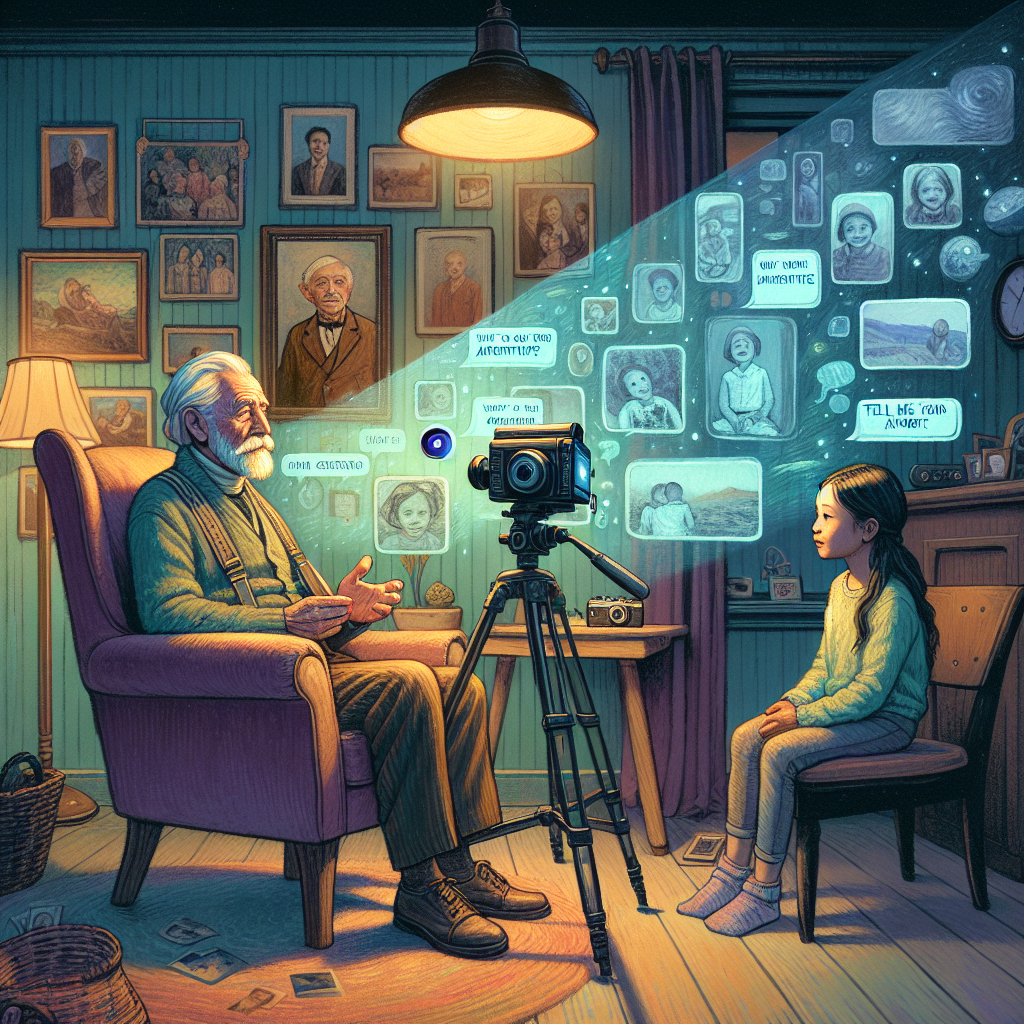
Conclusion
Other Resources

Other Resources
Here is a list of other resources you can review online to learn more:
- Postumo
- INELA
- Your Digital Afterlife
- Willmaker
- LifeBio
- LifeSite
- Tributes
- My Wonderful Life
- Storyfile Life
- RocketLawyer
- Forever Missed
- USLegalWills.com
- How to Avoid Losing Your Family History One Generation at a Time
- 23AndMe
- WishesKeeper
- International End of Life Doula Association
- Everplans
- Living Wisely
- Geni
- MyWishes
Use This Prompt To Get More Resources With Your Favorite Online AI Tool: Please provide me with a list of online articles with their URLs in a bulleted list that I can read regarding Uncaptioned Lives

Other Resources
Glossary Terms
Uncaptioned Lives – Glossary Of Terms
1. Autonomy: The ability of individuals to govern themselves and make personal choices without external control.
2. Agency: The capacity of individuals to act independently and make their own choices that affect their lives.
3. Empowerment: The process of gaining confidence and strength to assert control over one’s life and decisions.
4. Existentialism: A philosophical theory emphasizing individual existence, freedom, and the search for meaning in a seemingly indifferent universe.
5. Narrative: A spoken or written account of connected events; a way to convey experiences and personal stories.
6. Identity: The qualities, beliefs, and expressions that make a person or group distinct.
7. Vulnerability: The state of being open to emotional hurt, criticism, or attack, often viewed as a prerequisite for authentic connections.
8. Resilience: The ability to recover from setbacks, adapt to change, and keep going in the face of adversity.
9. Isolation: A state of being separated from others, often leading to feelings of loneliness and disconnection.
10. Community: A group of people living in the same place or sharing a common characteristic, often fostering support and shared experiences.
11. Authenticity: The quality of being genuine and true to oneself, without pretense.
12. Expression: The process of conveying thoughts, feelings, or beliefs through various forms, including art, language, or behavior.
13. Connection: The relationship or bond established between individuals that fosters understanding and support.
14. Existence: The fact or state of living or having objective reality; the experience of being alive.
15. Introspection: The examination of one’s own thoughts, feelings, and motivations to gain deeper self-awareness.
16. Flexibility: The ability to adjust one’s thoughts, beliefs, and actions in response to new experiences and information.
17. Narrative Disruption: Instances where expected storylines or personal narratives are altered, leading to unexpected experiences and outcomes.
18. Personal Growth: The ongoing process of understanding and developing oneself to reach one’s full potential.
19. Mindfulness: The practice of being aware and fully present in the moment, often associated with reducing stress and enhancing clarity.
20. Acceptance: The process of recognizing and embracing one’s circumstances, feelings, and identity without resistance.
21. Authentic Communication: Sharing thoughts and feelings openly and honestly, leading to deeper connections with others.
22. Overcoming Adversity: The act of facing and conquering challenges or difficult situations in life.
23. Isolationism: A policy or practice of remaining apart from the affairs or interests of other groups, often leading to increased loneliness.
24. Self-Reflection: The process of analyzing one’s own thoughts, actions, and motivations to foster self-awareness and growth.
25. Creativity: The ability to produce original ideas or things, often seen as a form of self-expression.
26. Healing: The process of recovering from emotional wounds or trauma, often leading to personal transformation.
27. Identity Crisis: A period of uncertainty and confusion regarding one’s sense of self or personal beliefs.
28. Social Commentary: The act of using artistic or literary forms to offer opinions on social issues or cultural phenomena.
29. Emotional Labor: The effort required to manage and express feelings in a way that meets job or societal expectations.
30. Transcendence: The state of going beyond ordinary limits, often associated with profound insights or experiences.

Glossary Of Terms
Other Questions
Uncaptioned Lives – Other Questions
If you wish to explore and discover more, consider looking for answers to these questions:
- What exactly do you mean by “uncaptioned lives” and how can I identify them in my community?
- How can I approach individuals to invite them to share their stories in a respectful way?
- What consent processes should be used when recording or publishing someone’s story?
- How do I avoid exploiting storytellers or causing harm when sharing sensitive experiences?
- How should storytellers be compensated or credited for their contributions?
- Which storytelling formats (oral histories, podcasts, video, written profiles) work best for different audiences?
- How can I ensure stories are accessible to people with disabilities (captions, transcripts, audio descriptions)?
- What ethical guidelines or frameworks should guide legacy storytelling projects?
- How can stories be anonymized or redacted when necessary to protect privacy?
- How do we fact-check memories and personal accounts without undermining lived experience?
- How can storytelling projects be funded and sustained over time?
- Which local organizations, archives, or community leaders are good partners for this work?
- How do we measure the impact of elevating uncaptioned lives on individuals and the community?
- What training or capacity-building is needed so community members can collect and share stories themselves?
- How can legacy storytelling influence public policy, resource allocation, or social services?
- What legal considerations (copyright, release forms, defamation) apply when publishing stories?
- How do we create safe spaces for people to share traumatic or stigmatized experiences?
- How can storytelling programs include diverse voices across race, class, gender, age, and immigration status?
- How do we navigate language and cultural barriers when collecting and sharing narratives?
- How can schools and educators incorporate uncaptioned lives into curriculum and civic learning?
- How do we avoid turning storytelling into performative activism on social media?
- What tools and technologies (recording apps, archiving platforms) are recommended for community storytellers?
- How do we preserve and archive stories for long-term access and future generations?
- How can storytellers maintain agency and editorial control over how their narratives are used?
- How can we scale local storytelling initiatives without losing trust and nuance?
- What are examples of successful legacy storytelling projects to learn from?
- How do we handle disagreements within communities about how a story should be told or interpreted?
- How can storytelling foster concrete social change rather than only emotional responses?
- When is it appropriate to anonymize a story versus celebrate an individual publicly?
- How can individuals get started right away with simple, low-cost storytelling actions?

Other Questions
Haiku
Uncaptioned Lives – A Haiku
Silent stories hum,
Unseen lives weave our fabric—
Each thread a heartbeat.

Haiku
Poem
Uncaptioned Lives – A Poem
In shadows deep where stories dwell,
Lives uncaptioned weave their spell,
Silent struggles, unheralded grace,
Every heartbeat, a sacred space.
In the daily grind of unseen care,
Teachers, farmers, and those who share,
Resilience stitched with threads of toil,
A tapestry rich from uncelebrated soil.
Each unspoken tale holds power profound,
In whispers of lives that go unbound,
Courage in silence, dignity, too,
Lessons of humanity waiting for you.
Gather the narratives, let them be told,
Voices unmute in the tender and bold,
For every life matters; each story a thread,
Connecting us all where the fearless have tread.
Engage with the echoes of everyday might,
Illuminate paths from the shadows to light,
In compassion, we find our collective core,
By sharing their struggles, we open the door.
For as we connect through the tales that unite,
We foster a bond, a shared human right,
Let hearts resonate, let courage ignite,
In honoring all lives, together we write.

Poem
Checklist
Uncaptioned Lives – A Checklist
Emotional Appeals
✅______ Reflect on a personal story that highlights resilience and strength.
✅______ Identify local unsung heroes in your life or community.
✅______ Share a heartfelt narrative that moves others to connect.
Rational Appeals
✅______ Research the impact of uncaptioned lives on community dynamics.
✅______ Make a list of actions that can amplify unheard voices.
✅______ Consider the benefits of inclusivity for social cohesion.
Ethical Appeals
✅______ Commit to listening and sharing stories with respect and intention.
✅______ Promote awareness of social justice issues affecting marginalized communities.
✅______ Advocate for ethical storytelling practices that honor lived experiences.
Authority Appeals
✅______ Collaborate with local organizations that focus on uncaptioned lives.
✅______ Highlight the work of established leaders who advocate for inclusivity.
✅______ Create partnerships to elevate uncaptioned stories in media and events.
Narrative Appeals
✅______ Organize storytelling events to share personal and community narratives.
✅______ Encourage individuals to document their experiences for future generations.
✅______ Use storytelling to bridge gaps between different community members.
Social Appeals
✅______ Foster relationships by engaging in community-building activities.
✅______ Join or create forums for discussing the experiences of uncaptioned lives.
✅______ Share stories on social media to elevate visibility and encourage dialogue.

Checklist
At LegacyExplorations, we help people plan and explore their legacy by collecting information and news regarding end-of-life planning.
Please share this post with your friends, family, or business associates who may want help to plan or explore their legacy.