

Remembering What Truly Matters Beyond The Records We Keep
By Tom Seest
At LegacyExplorations, we help people plan and explore their legacy by collecting information and news regarding end-of-life planning.
Please share this post with your friends, family, or business associates who may want help to plan or explore their legacy.
We Documented Everything – and Lost What Mattered
In our quest to document everything, we often forget the essence of what truly matters. The world swells with data, metrics, and records, yet amid the stacks of files, photos, and social media posts, we risk losing the narrative that binds our experiences. Legacy is not merely an archive of events; it’s a collection of stories that define us. These stories are filled with the laughter of shared moments, the tears shed in times of sorrow, and the quiet resilience of overcoming adversity.
When we prioritize documentation over connection, we can overlook the heartbeats of those we cherish. Each person we encounter becomes a thread in our tapestry, weaving together a rich narrative more meaningful than any spreadsheet or digital log could convey. Legacy storytelling invites us to revisit these moments, recognizing the profound impact they hold. It’s about conveying not just what happened but how it felt, the warmth of a shared smile, or the solace found in a comforting embrace.
Take a moment to reflect: what stories will you share? What legacy will you leave behind? This question isn’t just academic; it’s crucial. Documenting life should not become a distraction but rather a vehicle for connection that reinforces our values and beliefs. These narratives foster trust and understanding in a world often clouded by chaos and noise. Authentic storytelling galvanizes a sense of community, reminding us we are all part of something greater.
As we sift through the digital debris, let’s focus on what evokes emotion, thought, and action. When we honor our stories and those of others, we cultivate the ethical responsibility of preserving the most significant chapters of our lives. Your story matters, not just to you but to everyone who walks alongside you. Each voice contributes to a shared experience, challenging us to engage deeply with those around us.
We need not lose what matters because it resides within us and in the relationships we build. Embrace the raw, unfiltered tales of joy and struggle—the ones that resonate in our hearts and guts. These are the stories that will endure, that will connect and inspire generations to come. After all, it is through storytelling that we find our place in the world, ensuring our legacy is not forgotten.

We Documented Everything – and Lost What Mattered
We Documented Everything – and Lost What Mattered
- Documentation often overshadows the essence of meaningful connection.
- Legacy comprises stories that define us, encompassing joy, sorrow, and resilience.
- Prioritizing documentation can lead to neglecting personal connections.
- Each person’s story contributes to a richer narrative than mere data can convey.
- Legacy storytelling focuses on the emotional impact of experiences.
- Authentic storytelling fosters community and reinforces shared values.
- Embracing raw, unfiltered stories ensures our legacy is remembered and inspires future generations.

We Documented Everything – and Lost What Mattered
Table Of Contents
- We Documented Everything – and Lost What Mattered
- What Are We Truly Losing By Focusing on Documentation?
- How Does Our Obsession with Records Impact Our Relationships?
- Are We Sacrificing Meaningful Experiences for Data?
- What Stories Are Hidden Behind Our Endless Documentation?
- In Our Pursuit Of Thoroughness, What Essential Moments Are We Missing?
- How Does Documenting Every Detail Affect Our Emotional Well-Being?
- Are We Allowing Technology to Dictate Our Priorities Over Our Values?
- Conclusion
- Other Resources
- Glossary Of Terms
- Other Questions
- Haiku
- Poem
- Checklist
What Are We Truly Losing By Focusing on Documentation?
In our fast-paced world, we’ve become masters of documentation—checklists, reports, spreadsheets. While these tools provide structure, they often overshadow the essence of what truly matters: our legacy and the stories behind our work. We’re in danger of losing the vibrant narratives that shape our experiences and bind us together. Every project, every initiative, is infused with human emotion, creativity, and complexity that dry statistics can’t capture.
We must question: what is left unspoken when we prioritize documentation over legacy storytelling? These stories are where authenticity lies; they’re the memories that fuel passion and ignite inspiration. Each tale holds the power to connect generations, weaving a rich tapestry of shared values and experiences. When we focus solely on data, we risk sanitizing our efforts, stripping away the humanity that drives our endeavors forward. Imagine the wisdom lost when we reduce the struggles of a team to mere bullet points.
Rationally, consider this: the most successful organizations thrive not just on rigorous documentation but on a resilient culture grounded in trust and relationships. Data may inform decisions, but stories motivate action. They break down silos, sparking collaboration and innovation that a meticulously crafted report simply cannot. The heart of our work lies in understanding the ‘why’ behind it, which becomes muddled when we drown in a sea of paperwork.
Ethically, we have a responsibility to pass down the lessons learned through our journey. Focusing on documentation often means prioritizing efficiency over empathy. Every success and failure is an opportunity for growth, and it’s the stories of those experiences that enrich our legacy. Sharing these narratives builds connections, fostering a sense of belonging among team members and inviting new voices into the fold.
On a social level, human connection thrives on storytelling. When we share our journeys, we cultivate trust and understanding, not just within our teams but also with our clients and communities. Everyone plays a role in this narrative, and by diminishing those voices, we neglect our collective potential.
Let’s shift our focus from mere documentation to embracing legacy storytelling. It’s time to reclaim our narratives, to infuse our work with meaning, and to ensure that the heart of our mission is felt in every action we take. This is not just about preserving history; it’s about giving future generations the stories that will inspire them to dream bigger.

What Are We Truly Losing By Focusing on Documentation?
What Are We Truly Losing By Focusing on Documentation?
- Documentation tools like checklists and reports can overshadow the importance of legacy and storytelling.
- The human emotion and creativity behind projects often go unrecognized in dry statistics.
- Focusing on documentation risks erasing the authentic narratives that fuel passion and inspiration.
- Successful organizations prioritize a culture of trust and relationships over mere documentation.
- Stories are essential for motivating action, fostering collaboration, and understanding the ‘why’ behind efforts.
- Sharing experiences strengthens connections and builds a sense of belonging within teams.
- Shifting focus to legacy storytelling enriches our work and inspires future generations.

What Are We Truly Losing By Focusing on Documentation?
How Does Our Obsession with Records Impact Our Relationships?
Our obsession with records, whether they reside in the form of social media posts, trophies, or data logs, profoundly impacts our relationships in ways we often overlook. On the surface, we might believe that tracking achievements or milestones keeps us connected, creating a digital footprint that maps our legacy. The truth, however, can be more complicated.
When we share our lives through curated snapshots, we participate in a form of legacy storytelling, crafting narratives aimed at impressing others rather than fostering meaningful connections. This compulsive need to display our lives can lead to comparisons that erode self-esteem and breed discontent. Imagine scrolling through a feed filled with beautifully staged dinners or elaborate vacations. While these moments may seem like celebrations, they can also trigger feelings of inadequacy. In moments like these, it’s our relationships that suffer; they become less about genuine connection and more about performance.
Yet, the impact of our obsession extends beyond personal feelings; it can alter the very fabric of how we interact with each other. Intimate conversations are sometimes interrupted by our need to capture the moment for posterity, turning shared experiences into mere content. These moments do not just imprint on our memories; they define the essence of our bonds, shaping how we see one another and ourselves. Because at the heart of our relationships lies authenticity, a raw and unfiltered exchange that surpasses any record we can create.
Ethically, we owe it to each other to cultivate an environment where expressions of love and support flourish outside the confines of likes and shares. Real influence comes from being present, from listening without distraction, and from understanding that relationships grow in the fertile soil of shared experience, not in the records they generate.
Consider this: when was the last time you paused to realize that the conversations that truly matter rarely find their way into the digital ether? When you’re at a friend’s side, sharing stories and laughter, those interactions remain timeless, even if they never make it to social media. They build a legacy far more significant than any record we could ever keep.
So, perhaps it’s time to reassess our priorities. Embrace those genuine experiences more deeply, fostering connections that transcend mere records. Engage with the world around you, and let the stories of our lives unfold organically. After all, it’s not about how many records we break but the enduring bonds we forge along the way.

How Does Our Obsession with Records Impact Our Relationships?
How Does Our Obsession with Records Impact Our Relationships?
- Our obsession with records, such as social media posts and trophies, impacts relationships.
- Curated snapshots can create narratives aimed at impressing others instead of fostering meaningful connections.
- The need to display our lives may lead to comparisons that erode self-esteem and breed discontent.
- Intimate conversations are interrupted by the desire to capture moments, turning experiences into mere content.
- Authentic relationships require raw exchanges that surpass any records we create.
- Expressions of love and support should flourish outside of digital affirmations like likes and shares.
- Focusing on genuine experiences can foster enduring connections rather than prioritizing records.

How Does Our Obsession with Records Impact Our Relationships?
Are We Sacrificing Meaningful Experiences for Data?
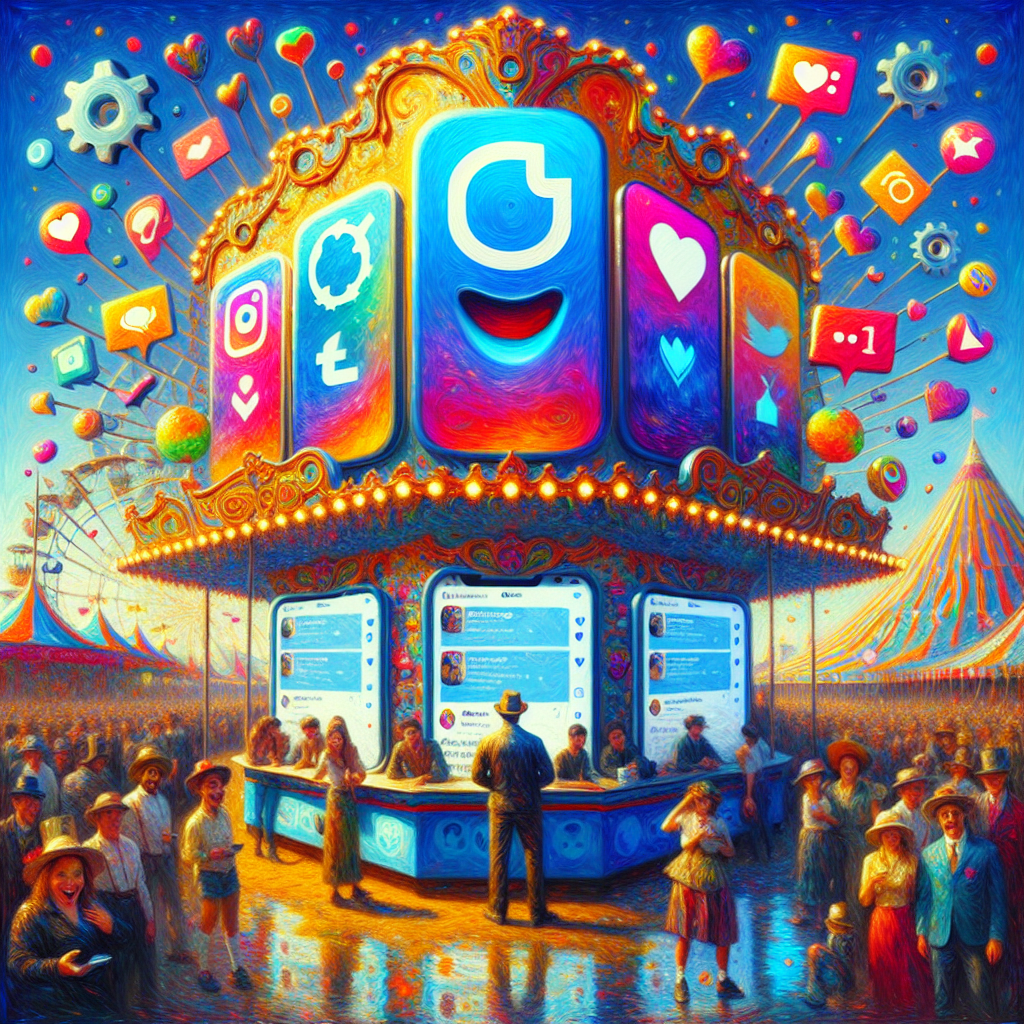
In a world that thrives on metrics and analytics, it’s easy to forget the essence of what makes us human—our stories. Each day, we’re inundated with information, numbers flashing across screens, all promising to enhance our understanding of the world. But what about the deeper connections? What about the legacy storytelling that once brought communities together? We find ourselves caught in a whirlwind of data points, so obsessed with quantifying experience that we overlook the richness of qualitative moments.
Imagine a bustling family gathering, where laughter fills the air, and stories are shared across generations. These are not just memories; they are legacies. But as we prioritize data collection over genuine interaction, we risk losing the very fabric that binds us together. The stories of our ancestors, the true narratives of resilience, joy, and struggle—these are the experiences that shape who we are. They create bonds that data cannot replicate. And yet, we allow ourselves to be swayed by the allure of numbers, often confusing them with meaning.
Rationally, we understand the value of data—it can inform decisions, streamline processes, and drive innovation. But at what cost? When we substitute genuine experiences for just more data points, we begin to erode our capacity for empathy. We trade face-to-face conversations for algorithms and insights, forgetting that true connection isn’t just a statistic; it’s a heartbeat. The ethical dilemma lies in our choices: should we continue down this path of hyper-digitalization, risking our humanity for the sake of efficiency? Or can we find a way to balance data with the stories that define our existence?
Authority figures in technology often tout data as the end-all, be-all solution. Yet, the most profound lessons in life cannot be measured or captured in spreadsheets. They exist in shared experiences, in the subtext of our daily interactions. Embracing legacy storytelling allows us to reforge connections, making our narratives relatable and sincere.
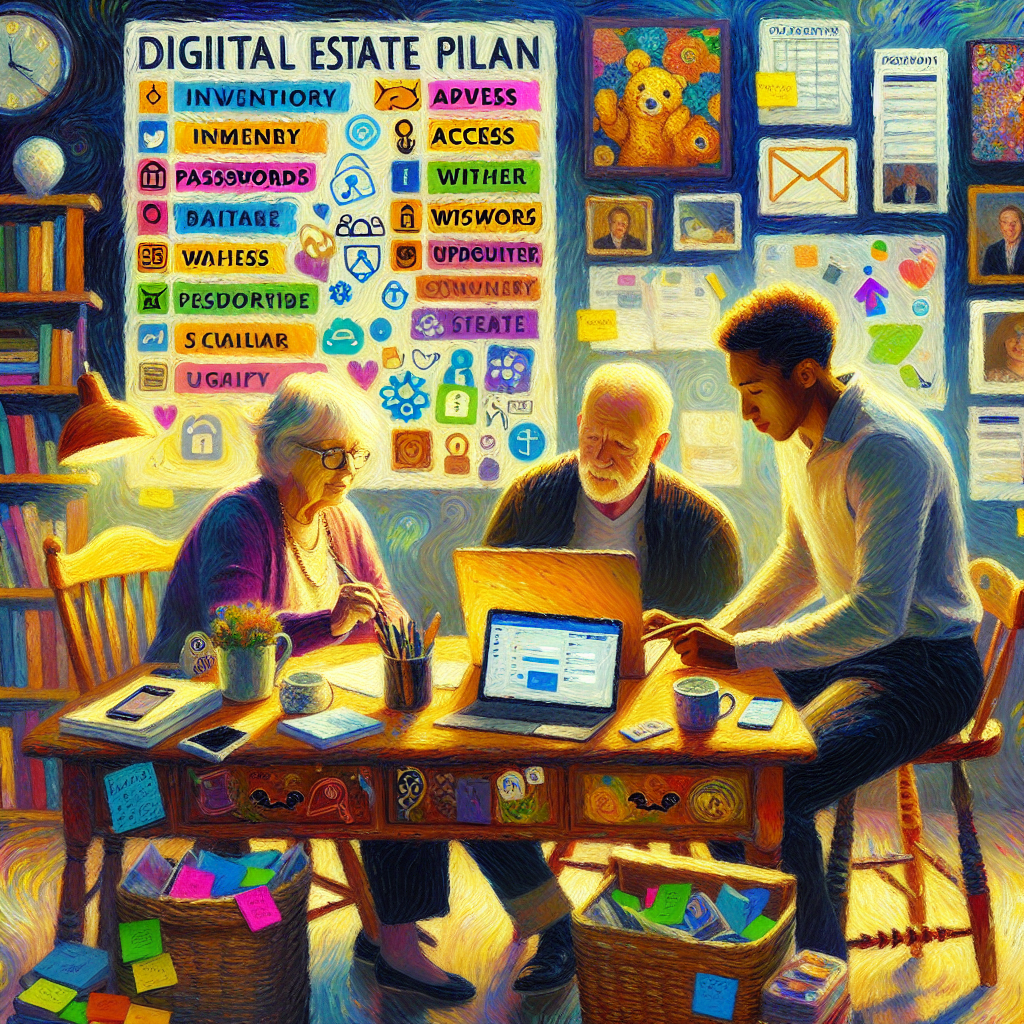
As we navigate this terrain, let’s not forget the power of our stories. We can use data to enhance our experiences but should never let it overshadow the essence of being human. In every choice, remember the significance of those narratives—the laughter, the tears, the lessons learned. In fostering genuine human connection, we may yet find a way to embrace both data and the heart, weaving them into a tapestry that honors our past and inspires our future.
Are We Sacrificing Meaningful Experiences for Data?
Are We Sacrificing Meaningful Experiences for Data?
- Inundation of data often overshadows the importance of human stories and connections.
- Legacy storytelling fosters community bonds and personal connections across generations.
- Prioritizing data collection can erode empathy and genuine human interaction.
- Data has value in informing decisions but may come at the cost of meaningful experiences.
- True connections cannot be reduced to mere statistics; they require human engagement.
- Embracing legacy storytelling can help reforge connections and enhance relatability.
- Striking a balance between data use and the essence of human experience is essential.
Are We Sacrificing Meaningful Experiences for Data?
What Stories Are Hidden Behind Our Endless Documentation?
Behind the mountains of paperwork we navigate daily lies a tapestry of human experience—what I like to call our “Legacy Storytelling.” Each document serves as a marker of milestones, struggles, and triumphs that collectively shape our identity and culture. As we sift through invoices, reports, and notes, we often overlook the stories embedded within them, stories of grit, resilience, and aspiration.
Consider a dusty file in the corner of an office, seemingly forgotten: it holds not just numbers, but the dreams of people who invested sweat and tears into building something meaningful. Each piece of documentation tells us where we’ve been and where we might go, forming a connection between generations. When we engage with these stories, we acknowledge our roots and the sacrifices made by those before us.
This isn’t just an exercise in nostalgia. It’s about understanding the past to navigate the present and inspire the future. Documentation holds power; it can influence decisions at every level, shifting the course of a company or community. Take a moment to think about policy changes driven by grassroots movements documented in community meetings or the paths of innovators etched into business plans. These narratives remind us of our shared humanity and the responsibilities we bear toward one another.
Emotionally, we bond over stories; they evoke empathy and solidarity. When we hear about the struggles of others captured in these records, we can’t help but connect. It challenges us to ask: what role do we play in this ongoing saga? We become custodians of each other’s legacies, tasked with passing on the lessons learned.
Rationally, we must acknowledge that ignoring these narratives is like navigating an open sea without a compass. The data may be just numbers, but the context transforms them into a roadmap. These stories help us make informed choices and foster innovation, pulling insights from the depths of experience.
Ethically, we owe it to those who came before us to recognize and preserve their legacies. It’s a responsibility to not just document, but to tell these stories well. They represent the rich fabric of our society, reminding us that every statistic is a human life and every file a story worth telling.
By embracing the hidden stories behind our endless documentation, we invite a more profound connection—not just to the data, but to the shared purpose and values that bind us together. Let’s commit to unearthing these narratives, ensuring that the legacy of storytelling continues to flourish for generations to come.

What Stories Are Hidden Behind Our Endless Documentation?
What Stories Are Hidden Behind Our Endless Documentation?
- Legacy Storytelling encapsulates human experiences behind everyday documentation.
- Documents reflect milestones, struggles, and triumphs that shape identity and culture.
- Each record holds dreams and histories, connecting generations through acknowledgment of sacrifices.
- Comprehending these narratives enhances our understanding of the past to influence present and future.
- Stories evoke empathy and solidarity, encouraging us to become custodians of shared legacies.
- Ignoring these narratives loses context, transforming data into a powerful roadmap for informed decision-making.
- Preserving and sharing these stories enriches society and honors every individual’s journey.

What Stories Are Hidden Behind Our Endless Documentation?
In Our Pursuit Of Thoroughness, What Essential Moments Are We Missing?
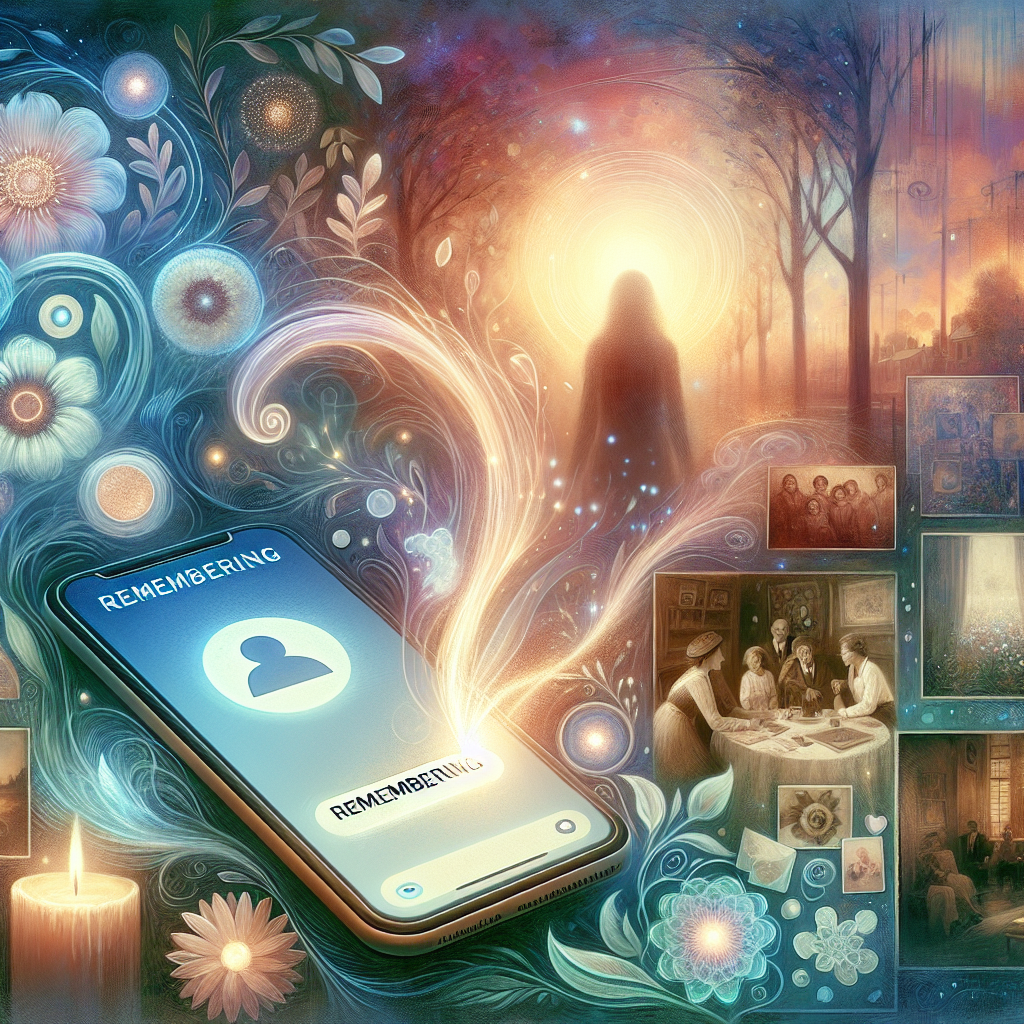
In our pursuit of thoroughness, what essential moments are we missing? Consider this: every day, we rush through life, hamstrung by checklists and deadlines, overlooking the very moments that carve out our legacy. Legacy is not just about what we leave behind in terms of possessions or accolades; it’s woven into the narratives we create and the connections we foster.
Legacy storytelling shapes our understanding of the world. Tales of perseverance, community, and simple acts of kindness resonate on a deeper level. It’s not always the grand gestures that linger in our minds; often, it’s the fleeting moments that stick—the smile from a stranger, a shared laugh with a friend, or the quiet satisfaction of building something with your own hands. These are the stories worth telling, the emotional threads that bind us together.
Yet, in our quest for thoroughness, the art of storytelling can be lost. We become so focused on producing results that we forget to highlight the process, the people, and the lessons learned along the way. Each interaction is an opportunity to enrich our legacy. By sharing our experiences, we invite others into our journey, fostering connections that can inspire action and drive change. We create a collective narrative that empowers others to reflect on their own lives, reminding them of the importance of each moment, no matter how small.
Engaging with our communities, in even the simplest ways, can evoke a deeper sense of belonging. Think about the conversations that ignite empathy and understanding, the shared experiences that resonate long after the moment has passed. These interactions forge trust, breaking down barriers and fostering camaraderie among diverse groups.
But what happens when we overlook these moments? We run the risk of becoming disconnected, both from ourselves and from those around us. The urgency of completion often overshadows the richness of experience, stifling creativity and the authentic connections that lead to meaningful change. By valuing the small moments as much as the grand achievements, we empower ourselves to embrace a fuller, more vibrant existence.
In our relentless pursuit of thoroughness, let’s not forget what truly matters. Let’s strive to highlight the essential moments—the laughter, the shared struggles, the stories that breathe life into our legacy. Each of these experiences contributes to our collective narrative, reminding us of the profound impact we can have on one another. In doing so, we foster a society rich in empathy, understanding, and trust.
In Our Pursuit Of Thoroughness, What Essential Moments Are We Missing?
In Our Pursuit Of Thoroughness, What Essential Moments Are We Missing?
- We often rush through life, focusing on checklists and deadlines, missing essential moments that shape our legacy.
- Legacy is defined by narratives and connections rather than possessions and accolades.
- Storytelling about perseverance and kindness resonates deeply, highlighting the importance of fleeting moments.
- In pursuit of results, we risk losing the art of storytelling, which enriches our legacy and fosters connections.
- Each interaction offers an opportunity to create a collective narrative that inspires reflection and action.
- Engaging with communities fosters belonging, empathy, and understanding, breaking down barriers.
- Valuing small moments alongside grand achievements can lead to a fuller, more meaningful existence.

In Our Pursuit Of Thoroughness, What Essential Moments Are We Missing?
How Does Documenting Every Detail Affect Our Emotional Well-Being?
Documenting every detail of our lives is more than just a trend; it’s a profound act of legacy storytelling that resonates through time. When we take the time to chronicle our experiences—big and small—we create a narrative that connects not only to ourselves but also to those who will come after us. This act of preservation isn’t just about nostalgia; it’s about understanding our journeys and acknowledging our growth.
Emotional well-being hinges on the stories we tell ourselves. Each entry, each detail documented, serves as a reminder of where we’ve been, what we’ve overcome, and the lessons learned along the way. Reflecting on past challenges helps us navigate the complexities of today’s world. When we write about our struggles, we transform them into something tangible, making it easier to accept and confront our feelings. This narrative can serve as a beacon during darker times, reminding us that we’ve weathered storms before and emerged stronger.
From a rational standpoint, this documentation fosters mindfulness. By consciously recording our experiences, we encourage a more reflective approach to life. We start to notice patterns—good and bad—and develop a deeper understanding of our triggers, motivations, and emotional responses. This awareness not only boosts our emotional intelligence but also enhances our decision-making skills. It empowers us to make choices that align with our values and aspirations.
Ethically, there’s a responsibility that comes with storytelling. Each documented life holds the potential to inspire others. In a world craving authenticity, sharing our truths can encourage those around us to open up about their own narratives. These connections form a community, showing that we are not alone in our struggles. The tales we pass down can shape future generations, providing them guidance and comfort when they face similar tribulations.
The authority of your own story derives from its truth. No one can tell it quite like you can. By taking ownership of your journey, you inherently establish credibility. As your story unfolds, it resonates with others, creating a shared dialogue that emboldens those listening to embrace their journeys too.
Ultimately, documenting our lives is an invitation to be fully present and engaged. By embracing this practice, we’re not just writing for ourselves; we’re crafting a legacy that nurtures emotional well-being—a testament to resilience, connection, and the power of shared experiences. It’s a heartfelt reminder that every detail matters, and in each moment lies the potential for growth and understanding.

How Does Documenting Every Detail Affect Our Emotional Well-Being?
How Does Documenting Every Detail Affect Our Emotional Well-Being?
- Documenting life details creates a narrative that resonates with future generations.
- This practice aids in understanding journeys and acknowledging personal growth.
- Emotional well-being is enhanced through the stories we tell ourselves.
- Writing about struggles makes feelings easier to confront and accept.
- Documentation fosters mindfulness and a reflective approach to life.
- Each documented experience has the potential to inspire and connect with others.
- Owning one’s story establishes credibility and encourages shared dialogue.

How Does Documenting Every Detail Affect Our Emotional Well-Being?
Are We Allowing Technology to Dictate Our Priorities Over Our Values?
Are we truly letting technology dictate our priorities over our values? It’s an unsettling idea, isn’t it? As we navigate our lives, it’s easy to find ourselves mesmerized by the bright screens and endless notifications, often sidelining the core values that once guided us. Legacy matters. It’s about what we leave behind and how our lives impact those around us. In our quest for connectivity, we sometimes forget the essence of human experiences that once defined our relationships and community.
Every day, we are bombarded with data, algorithms, and a barrage of online content vying for our attention. This constant flow can create a false sense of urgency; we prioritize the immediate — those enticing notifications — and in doing so, we risk losing sight of what truly matters. Consider the stories that have shaped generations. These are not just narratives they tell; they are woven into the fabric of our existence. They remind us of the importance of human connections, the memories we create, and the values we uphold.
When we allow technology to set our priorities, we may overlook the wisdom of the past and ignore the ethical implications of our choices. It’s imperative to question: Are we sacrificing our values for convenience? Trust is built on understanding and a shared commitment to what is right. Instead of letting technology dictate our decisions, we need to reclaim our narrative and focus on legacy storytelling. This isn’t just about sharing what we do; it’s about expressing who we are and how we want to be remembered. Sharing these stories fosters connections, creating a community bound by understanding and mutual respect.
Think about the moments that stir your gut: the joys, struggles, triumphs, and losses. These experiences are the heart of who we are and should guide our choices. It’s about aligning our actions with our values. Each click, each share, each moment spent online should reflect what we stand for rather than just what trends dictate.
In reclaiming our narrative, we invite a higher authority into our choices — ourselves. Let’s make a conscious effort to engage with technology mindfully, ensuring that it serves our values rather than the other way around. We have the power to shape our future. Let’s seize it.

Are We Allowing Technology to Dictate Our Priorities Over Our Values?
Are We Allowing Technology to Dictate Our Priorities Over Our Values?
- Technology may overshadow core human values and priorities.
- Legacy involves the impact we leave on others and our communities.
- Constant digital distractions can create a false sense of urgency.
- Stories shape generations and highlight the importance of human connections.
- Reclaiming our narrative focuses on legacy storytelling and personal expression.
- Our choices should align with our values rather than follow fleeting trends.
- Conscious engagement with technology can help prioritize our values and shape the future.

Are We Allowing Technology to Dictate Our Priorities Over Our Values?
Conclusion
In the age of relentless documentation, we often find ourselves knee-deep in data, statistics, and social media posts, losing sight of what truly matters: our shared narratives and the emotional connections that define us. As we gather records and keep meticulous logs of our lives, we must not forget that legacy is more than a collection of events; it’s an ever-evolving tapestry of stories filled with the laughter, tears, and trials of life. These stories bind us, shaping our identity and the world around us in ways mere numbers never can.
When we prioritize documenting our lives over forging connections, we sacrifice the essence of these interactions. Every relationship is a thread in our personal tapestry, contributing to a collective legacy richer than any spreadsheet could capture. It’s these moments—the warmth of a smile, the comfort of a hug—that resonate in our hearts and linger in our memories.
Reflecting on our stories prompts us to ponder the legacy we want to leave behind. This reflection serves both emotional and ethical purposes. Our willingness to share our narratives fosters a sense of community, inviting others into the fold and establishing bonds grounded in trust, understanding, and empathy. You see, the heart of our existence lies not in what we achieve but in how we connect with one another.
As we navigate this digital landscape, let’s remember that our obsession with perfectly curated representations of our lives can distort our reality. While we scroll through seemingly perfect snapshots, we must recognize the risk of comparisons that diminish our self-worth and degrade genuine interactions. Relationships thrive on authenticity, not performance. We must be present, allowing stories to unfold organically without distraction.
Moreover, while data informs our decisions, it cannot replace the rich human experiences that drive us. Genuine stories encapsulate the struggles and triumphs behind our endeavors, grounding our purpose in the ‘why’ rather than the ‘what.’ By embracing these narratives, we acknowledge our capacity for empathy and growth, while highlighting the responsibility we hold to honor those who came before us.
In this relentless pursuit of thoroughness and documentation, critical moments slip through the cracks. Yet, every fleeting smile, every shared laugh contributes to a narrative that deserves to be told. Investing in these experiences enriches not only our lives but also our connections with others. As we gather our stories, let’s commit to preserving the legacy of storytelling, ensuring that the essence of our journey—a tapestry woven from every heartfelt moment—remains vibrant and alive for generations to come. Each story matters as we navigate this chaotic world together, reinforcing that our shared humanity transcends the records we keep.

Conclusion
Conclusion:
- In an age of documentation, we risk losing sight of the emotional narratives that define us.
- Legacy consists of evolving stories filled with shared experiences, beyond mere records.
- Prioritizing documentation over connections sacrifices the essence of our interactions.
- Reflecting on our stories encourages us to consider the legacy we want to leave behind.
- Authenticity in relationships is crucial; they thrive on genuine interactions, not curated performances.
- Data cannot replace the rich human experiences and struggles that shape our purpose.
- Investing in shared experiences enriches our lives and preserves our storytelling legacy for future generations.

Conclusion
Other Resources

Other Resources
Here is a list of other resources you can review online to learn more:
- How To Write Legacy Stories That Appeal To The Heart, Gut and Head
- YouMattered
- International End of Life Doula Association
- MyHeritage
- ForeverMissed
- deviantART
- EverNote
- Storyfile
- Funeral Services Guide
- Cake
- FamilySearch
- Personal Legacy Advisors
- Your Digital Afterlife
- Lexikin
- How to Avoid Losing Your Family History One Generation at a Time
- Memorial Matters
- LegacyLearned
- GhostMemo
- LegalZoom
- MyWishes
Use This Prompt To Get More Resources With Your Favorite Online AI Tool: Please provide me with a list of online articles with their URLs in a bulleted list that I can read regarding We Documented Everything – and Lost What Mattered

Other Resources
Glossary Terms
We Documented Everything – and Lost What Mattered – Glossary Of Terms
1. Documentation: The systematic recording of information or events for future reference.
2. Prioritization: The process of determining the importance of different tasks or information to focus on what matters most.
3. Obsolescence: The state of being outdated or no longer useful, particularly in the context of information or technology.
4. Relevance: The quality of being closely connected to the matter at hand, especially regarding information’s usefulness.
5. Streamlining: The act of simplifying a process to increase efficiency and eliminate unnecessary elements.
6. Information Overload: A state in which a person is overwhelmed by the amount of information available, hindering decision-making.
7. Retention: The ability to keep or maintain information over time.
8. Archiving: The process of storing documents and records for long-term preservation.
9. Curation: The selection and organization of information or artifacts to present them meaningfully.
10. Transience: The impermanence of certain information or experiences, highlighting the fleeting nature of significance.
11. Essentialism: The philosophy of focusing on the essentials and eliminating the non-essential to enhance clarity and purpose.
12. Redundancy: The inclusion of extra information or features that may not be necessary, often leading to clutter.
13. Context: The circumstances or setting that give meaning to information, affecting its interpretation and significance.
14. Focus: A concentrated effort on specific information or tasks that truly matter.
15. Synthesis: The combination of different ideas, information, or elements to create a cohesive understanding or narrative.
16. Intuition: The ability to understand something instinctively, without the need for conscious reasoning.
17. Narrative: A structured account or story, often used to provide context or meaning to information.
18. Insight: The capacity to gain an accurate understanding of a situation, often leading to better decision-making.
19. Evaluation: The systematic assessment of information or processes to determine their value and relevance.
20. Clarity: The quality of being clear and easily understandable, particularly in communication.
21. Connection: The relationship or link between different pieces of information that enhance comprehension.
22. Purpose: The reason for which something is done or created, guiding the focus of documentation efforts.
23. Perspective: A particular attitude or way of considering a matter, influencing how information is interpreted.
24. Transcription: The act of converting spoken or written language into a different format for record-keeping.
25. Saturation: The point at which no more information can be absorbed, often leading to disengagement.
26. Simplification: The process of reducing complexity in information or processes to enhance understanding.
27. Consolidation: The act of combining various elements into a single, coherent unit, often to improve efficiency.
28. Feedback: Responses or reactions to a document or process that guide improvements and adjustments.
29. Insight: The clear perception of a situation or problem, leading to enhanced understanding and informed decisions.
30. Essence: The intrinsic nature or indispensable quality of something, vital to its identity and significance.

Glossary Of Terms
Other Questions
We Documented Everything – and Lost What Mattered – Other Questions
If you wish to explore and discover more, consider looking for answers to these questions:
- What concrete steps can I take to balance documenting life with being present in the moment?
- Which storytelling methods best capture emotional nuance that data cannot convey?
- How do I decide which moments are worth preserving and which are not?
- What tools and formats are most reliable for long-term preservation of stories and memories?
- How can organizations embed legacy storytelling into their culture without creating extra bureaucracy?
- What ethical considerations should guide who gets to tell and preserve certain stories?
- How do I ensure consent and privacy when documenting other people’s experiences?
- What are practical ways to involve multiple generations in preserving family or community narratives?
- How can I avoid turning authentic experiences into performative content for social media?
- What templates or prompts help people tell meaningful stories rather than just listing facts?
- How can data and storytelling be integrated effectively to support decision-making without erasing context?
- Which common biases influence what gets documented and how can they be corrected?
- How do we verify and preserve the accuracy of oral histories and personal recollections?
- What role should institutions (schools, companies, archives) play in curating community legacies?
- How can leaders encourage vulnerability and authenticity when collecting organizational stories?
- What measures can protect digital archives from loss, corruption, or obsolescence?
- How does chronic documentation affect mental health, and what strategies mitigate negative impacts?
- What criteria should guide the selection of artifacts or records for a meaningful public archive?
- How can we make legacy storytelling inclusive of marginalized or silenced voices?
- What legal issues (copyright, ownership, posthumous rights) arise when preserving stories?
- How can storytelling be used to foster reconciliation and healing after collective trauma?
- What are examples of organizations or communities that have successfully prioritized legacy over paperwork?
- How do we measure the impact of legacy storytelling on culture, morale, or community cohesion?
- What rituals or regular practices help sustain storytelling traditions over time?
- How can educators integrate legacy storytelling into curricula to teach values and history?
- What are low-cost, high-impact ways individuals can start preserving their personal legacy today?
- Who decides which stories get institutional support and funding for preservation?
- How can technology be designed or used to support values-based documentation rather than drive priorities?

Other Questions
Haiku
We Documented Everything – and Lost What Mattered – A Haiku
Stories woven tight,
Amidst the clutter we find,
Hearts yearn to connect.

Haiku
Poem
We Documented Everything – and Lost What Mattered – A Poem
In a world of endless records, we chase the numbers,
Documenting lives, but lose the hearts loud thunder.
Data points pile high, overshadowing the soul,
While the stories that bind us quietly take their toll.
Each moment’s a thread in our shared tapestry,
Filled with laughter, tears—real legacy.
Yet in the rush for efficiencys cold embrace,
We miss the warmth of connection, the joy in shared space.
We gather achievements, framed in curated walls,
But beneath the surface, genuine connection calls.
Comparisons creep in, breeding doubt and despair,
As we chase the façade, forgetting to care.
Behind every detail, a story lies bare,
Rich with resilience, woven with care.
It’s not in the metrics, but in the lived tales,
That the essence of humanity truly prevails.
Lets pause to remember the moments we glean,
The smiles, the struggles, the spaces in between.
For every treasured legacy is built on these truths,
Drawing us closer, inspiring the youth.
So reclaim the narrative, let the heart take its lead,
Embrace the raw stories where true connections breed.
In a world craving meaning, let authenticity reign,
For its the legacy of love that truly remains.

Poem
Checklist
We Documented Everything – and Lost What Mattered – A Checklist
Emotional Appeal
✅______ Reflect on the stories that evoke joy or sadness in your life. What moments made you feel alive?
✅______ Share a heartfelt experience with someone close. How can this deepen your connection?
✅______ Consider writing a letter to loved ones expressing what they mean to you.
Rational Appeal
✅______ List key experiences in your life that have shaped your values. How do they relate to your current decisions?
✅______ Identify areas in your life where data might overshadow emotional connections. How can you balance both?
Ethical Appeal
✅______ Think about the legacy you wish to leave behind. How can your actions today align with that vision?
✅______ Evaluate if your documentation practices honor the stories of those involved. Are you preserving their narratives respectfully?
Authority Appeal
✅______ Seek out a mentor who values legacy storytelling. What insights can they share about meaningful connections?
✅______ Read biographies or histories to understand how different narratives shape public perception and personal identity.
Narrative Appeal
✅______ Write down significant moments in your life as stories. What lessons do they hold?
✅______ Gather stories from family or friends to create a shared legacy narrative. How do their experiences connect to yours?
Social Appeal
✅______ Reach out to someone you haven’t connected with in a while and share an impactful story together.
✅______ Create a small group dedicated to discussing and sharing personal stories and experiences. How does this enhance community bonds?

Checklist
At LegacyExplorations, we help people plan and explore their legacy by collecting information and news regarding end-of-life planning.
Please share this post with your friends, family, or business associates who may want help to plan or explore their legacy.