

Capturing Life’s Ephemeral Moments In An Era Of Endless Records
By Tom Seest
At LegacyExplorations, we help people plan and explore their legacy by collecting information and news regarding end-of-life planning.
Please share this post with your friends, family, or business associates who may want help to plan or explore their legacy.
Were Living In the Most Documented – and Least Preserved – Time In History
In a world overflowing with information, we find ourselves in the most documented and least preserved era in history. Our digital footprints tell intricate stories, each a fragment of our legacy. Yet, the irony looms large: while we capture countless moments through pixels and bytes, we risk losing the essence of what they mean. It’s a paradox that tugs at our heartstrings and stirs our conscience.
Legacy is more than just a record; it’s the tapestry of our lives—every laugh, every struggle woven into our narrative. The art of storytelling reaches beyond just the facts; it conveys feelings, relationships, and values, providing a touchstone for generations. In our pursuit of documentation, let’s remember the importance of what we choose to preserve. Each story holds the potential to resonate deeply, to spark a flame of connection that transcends time and space.
Consider this: we relish scrolling through meticulously curated feeds, yet how many of those moments genuinely reflect the triumphs and tribulations that shape our humanity? We’ve become accidental curators in an art gallery of life, but are we showcasing pieces that matter? The sheer volume of our documentation can feel overwhelming, but amidst the noise, there’s an opportunity to hone in on what’s truly impactful.
We must lean into our instinct for legacy storytelling. It’s about returning to the essence of who we are and what we stand for. Storytelling builds bridges between generations, weaving threads of wisdom that foster understanding and respect. Each tale told is a testament to our shared experiences, illuminating pathways that guide us forward.
What if we redirected some of our focus away from relentless documentation toward meaningful preservation? The challenge lies in not just how we record our lives, but how we interpret and share those narratives for futures yet to come. It’s an ethical call to action, encouraging us to not only document but to reflect and inspire.
As we navigate today’s deluge of information, let’s aspire to create more than a digital archive; let’s cultivate a legacy that echoes through time. Empower each moment with purpose, transforming our stories into lifelines that future generations can hold dear. When we anchor our lives in transformative storytelling, we transcend the fleeting nature of our digital existence and secure a profound connection to the world around us.

Were Living In the Most Documented – and Least Preserved – Time In History
Were Living In the Most Documented – and Least Preserved – Time In History
- We live in the most documented yet least preserved era, with digital footprints narrating our legacy.
- The irony of capturing countless moments is that we risk losing their true meaning.
- Legacy encompasses the tapestry of our lives, reflecting laughter, struggles, and narratives.
- Effective storytelling goes beyond facts, conveying feelings, relationships, and values.
- Amidst overwhelming documentation, there lies an opportunity to focus on impactful storytelling.
- Redirecting focus from documentation to meaningful preservation enriches our shared experiences.
- Transformative storytelling fosters connections through time, securing our legacy for future generations.

Were Living In the Most Documented – and Least Preserved – Time In History
Table Of Contents
- Were Living In the Most Documented – and Least Preserved – Time In History
- What Memories Do You Cherish That Shape Who You Are Today?
- How Do Our Daily Choices Reflect Our Values and Beliefs?
- In What Ways Do You Seek Authentic Experiences In a Digital World?
- How Can We Balance Documenting Life and Truly Living It?
- What Stories About Our Past Do We Risk Forgetting In This Age?
- How Does Constant Documentation Impact Our Relationships?
- Are We Losing the Essence Of Moments By Over-Sharing?
- Conclusion
- Other Resources
- Glossary Of Terms
- Other Questions
- Haiku
- Poem
- Checklist
What Memories Do You Cherish That Shape Who You Are Today?
Life is a tapestry woven from the threads of our memories. Each recollection, big or small, adds color and depth, painting the picture of who we’ve become. Think about the moments that linger in your heart. The laughter shared around the dinner table, the uncomfortable silence during tough times, or the sage advice passed down from a grandparent. These instances aren’t just snapshots in time; they form our legacy, creating a narrative that guides us through life’s challenges.
Legacy is often forged in the fires of our struggles and triumphs. Consider those pivotal experiences—maybe it was the first job that taught you the value of hard work or the disappointment of a failure that showed you resilience. These stories of perseverance and growth aren’t merely for our own reflection; they serve a greater purpose, influencing how we connect with others. By sharing our stories, we invite others to explore their own, fostering a sense of community and understanding that transcends individual experience.
Storytelling, in its essence, is a bridge connecting hearts and minds. When we recount the lessons learned, the joys celebrated, or the sorrows endured, we create a shared space that resonates with others. There’s authority in vulnerability; when we reveal our authentic selves, we empower others to embrace their truths. It’s a reminder that we’re not alone in our experiences, that our narratives interlace in unexpected ways.
As you reflect on your cherished memories, consider what they teach you about your values and principles. Those formative experiences shape your worldview, influencing your decisions and actions. Each lesson learned becomes a compass, guiding you in moments of uncertainty. Through this reflection, you not only honor your past but also inspire others to delve into their own histories, establishing a chain of narratives that enriches us collectively.
So, dig deep. Confront the memories that linger and the stories that need telling. Whether it’s a moment of kindness that left a mark or a lesson learned through hardship, these memories are the bedrock of who you are. They deserve to be shared. In doing so, you not only preserve your legacy but also create a ripple effect, encouraging those around you to cherish their stories. Together, let’s honor the human experience, one narrative at a time.

What Memories Do You Cherish That Shape Who You Are Today?
What Memories Do You Cherish That Shape Who You Are Today?
- Life is shaped by our memories, creating a narrative of who we are.
- Memories, from joyful to painful, contribute to our legacy and guide us through challenges.
- Pivotal experiences build resilience and connection to others.
- Storytelling fosters community and understanding by sharing personal journeys.
- Vulnerability in sharing empowers others and creates shared experiences.
- Reflecting on memories shapes our values and decision-making.
- Sharing stories preserves legacy and inspires others to explore their own narratives.

What Memories Do You Cherish That Shape Who You Are Today?
How Do Our Daily Choices Reflect Our Values and Beliefs?
Our daily choices are more than mere decisions; they are the echoes of our values and beliefs, the threads weaving together the fabric of our lives. Just imagine the weight of a simple decision—what to have for breakfast, how to respond to a colleague in need. Each choice reflects who we are, shaping our legacy and the stories we leave behind.
Take a moment to think about your own life. When you choose to lend a hand to someone in trouble or stand up for what you believe in, you’re not just acting on impulse; you’re engaging in legacy storytelling. These moments affirm your identity and reinforce the principles you hold dear. Each act, no matter how small, contributes to a larger narrative that resonates within your community.
From a rational perspective, consider how our choices impact not only ourselves but also those around us. Every selection is a message, a vote cast in the election of everyday life. When you choose sustainable products, volunteer your time, or support local businesses, you’re signaling what matters to you. The data shows that such choices create ripples, influencing others to reflect on their own values and encouraging collective responsibility. This interconnectedness fosters a sense of community and shared purpose.
Ethically, our choices often boil down to the values we prioritize. Compassion or convenience? Integrity or expedience? These tough questions challenge us daily. Yet, when we consciously align our actions with our beliefs, we cultivate trust within ourselves and our circles. It’s this integrity that draws people in, inspiring them to make similar choices. In a world that often feels chaotic, standing firm in our values can be a beacon of hope and resilience.
Engagement doesn’t happen in a vacuum; it thrives on connection. Sharing stories—your legacy storytelling—becomes an invitation for others to reflect on their paths. Letting people in on your choices, your struggles, and your triumphs nurtures empathy and understanding. It’s in these shared experiences that we find common ground.
So, as you move through your day, remember that each choice you make isn’t just about the moment; it’s a testament to who you are and what you stand for. It reflects your values, shapes your legacy, and ultimately weaves the narrative of our shared human experience.

How Do Our Daily Choices Reflect Our Values and Beliefs?
How Do Our Daily Choices Reflect Our Values and Beliefs?
- Daily choices reflect our values and beliefs, shaping our legacy.
- Acts of kindness and standing up for beliefs contribute to personal narrative.
- Choices impact both ourselves and others, signaling our principles.
- Sustainable and community-supportive choices encourage collective responsibility.
- Ethical dilemmas challenge us to align actions with prioritized values.
- Sharing stories fosters connection and nurtures empathy in communities.
- Every choice serves as a testament to our identity and shared human experience.

How Do Our Daily Choices Reflect Our Values and Beliefs?
In What Ways Do You Seek Authentic Experiences In a Digital World?
In a world dominated by screens, the quest for authentic experiences becomes a matter of resilience and determination. It’s easy to get lost in the endless streams of curated images and filtered lives, where reality often takes a backseat to presentation. Yet, amid the digital noise, there lies an opportunity that pulls at our heartstrings—a chance to connect with the essence of who we are through legacy storytelling.
Legacy storytelling isn’t just about recounting our past; it’s about weaving a narrative that reflects our values, struggles, and triumphs. It anchors us in reality, reminding us of our roots and informing the future we strive to create. Each of us has a story filled with both imperfections and insights. Sharing these authentic experiences creates a tapestry of human connection, inviting others to step into our lives, even if just for a moment.
Consider how we engage with others. In social settings, the most profound moments often arise not from polished anecdotes but from raw, honest exchanges. This is where the gut instinct kicks in—the familiarity of sincerity resonates deeply. We are drawn to stories of resilience, failure, and growth. These narratives transcend the superficiality of digital interactions, giving us something real to grasp onto.
Rationale dictates that we seek authenticity; it’s a critical component of trust. When we share our legacy through storytelling, we affirm our existence in this chaotic digital landscape. Empowering ourselves and others to be vulnerable fosters an environment where connection flourishes. It reinforces the belief that it’s okay to be imperfect, to embrace our flaws, and to celebrate our achievements, regardless of how small they may seem.
Let’s not underestimate the power of legacy storytelling as an ethical responsibility. With each story we share, we contribute to a collective narrative that values honesty over vanity and substance over style. As we engage authentically, we remind ourselves and others that life is more than highlights reels; it’s about the grit, the grind, and the laughter shared along the way.
So, how do we seek that authenticity? We actively participate in conversations that matter, prioritize face-to-face interactions, and create spaces where stories can be exchanged freely. In doing so, we connect not only with those around us but also with something larger—a community bonded by shared experiences. This is how we navigate the digital world: by grounding ourselves in the authenticity of our legacies and voicing the stories that truly define us.

In What Ways Do You Seek Authentic Experiences In a Digital World?
In What Ways Do You Seek Authentic Experiences In a Digital World?
- The pursuit of authentic experiences requires resilience and determination in a digital world.
- Legacy storytelling reflects our values, struggles, and triumphs, anchoring us in reality.
- Sharing personal stories fosters human connection and invites others into our lives.
- Raw and honest exchanges in social settings often lead to profound moments and genuine engagement.
- Authenticity is vital for building trust and embracing our imperfections and achievements.
- Legacy storytelling holds ethical responsibility, promoting honesty over vanity.
- Active participation in meaningful conversations and face-to-face interactions nurtures community bonds.

In What Ways Do You Seek Authentic Experiences In a Digital World?
How Can We Balance Documenting Life and Truly Living It?
In an age saturated with selfies and social media feeds, the challenge remains: how do we strike a balance between capturing our lives and fully living them? Documenting life through the lens of our digital devices can become an exhilarating pursuit, but it often dances dangerously close to overshadowing genuine experiences. The thrill of sharing moments can blind us to the beauty of simply being present.
Legacy is a concept woven into the fabric of our lives. Each one of us has a story to tell, a legacy yearning for expression. Yet, too often, we chase the perfect shot or the most engaging post rather than engaging with the rich narrative unfolding right in front of us. When we focus solely on capturing the moment, we risk losing the essence of what makes it memorable. The heart wants to feel, the gut wants to experience—the mind knows that the most profound stories arise from true engagement, not from the sidelines.
Consider the tales passed down through generations, tales that shape our identities and connect us to our roots. Legacy storytelling is more than mere documentation; it involves immersing ourselves in the stories around us—stories that reflect our joys, struggles, and growth. When we stand shoulder to shoulder with loved ones, sharing laughter and tears, we weave threads into the tapestry of our lives. These moments become our legacy, not just pixels on a screen.
There’s also an ethical imperative to this balance. Living authentically means valuing real experiences over mere appearances. It requires a commitment to engaging with the world around us, to building relationships based not on the curated highlights but on the spontaneous, messy truths. Engaging deeply with life fosters connections that resonate well beyond the fleeting impressions of social media.
The urgency of this call is real. Each moment holds the potential for stories that breathe life into our legacy. It’s within these unscripted instances that we find inspiration and reveal our true selves. When we put down our devices and truly see the world, we open the door to connections that matter, stories that linger long after the moment fades.
So, let’s step away from the lenses and embrace the world unabashedly. Let’s transform our days into narratives worth sharing—not because they fit a feed, but because they reflect who we are and who we aspire to be. Embrace the moments that craft your story. Live fully, document thoughtfully.

How Can We Balance Documenting Life and Truly Living It?
How Can We Balance Documenting Life and Truly Living It?
- Balancing life documentation with genuine experiences is crucial in the age of social media.
- The pursuit of perfect moments can overshadow the beauty of being present.
- Each individual has a unique legacy that deserves expression beyond digital posts.
- True engagement in moments creates lasting memories and meaningful narratives.
- Legacy storytelling involves immersing ourselves in shared experiences with loved ones.
- Valuing authentic experiences fosters deeper relationships over curated social media highlights.
- Embracing real moments cultivates connections that contribute to our personal stories.
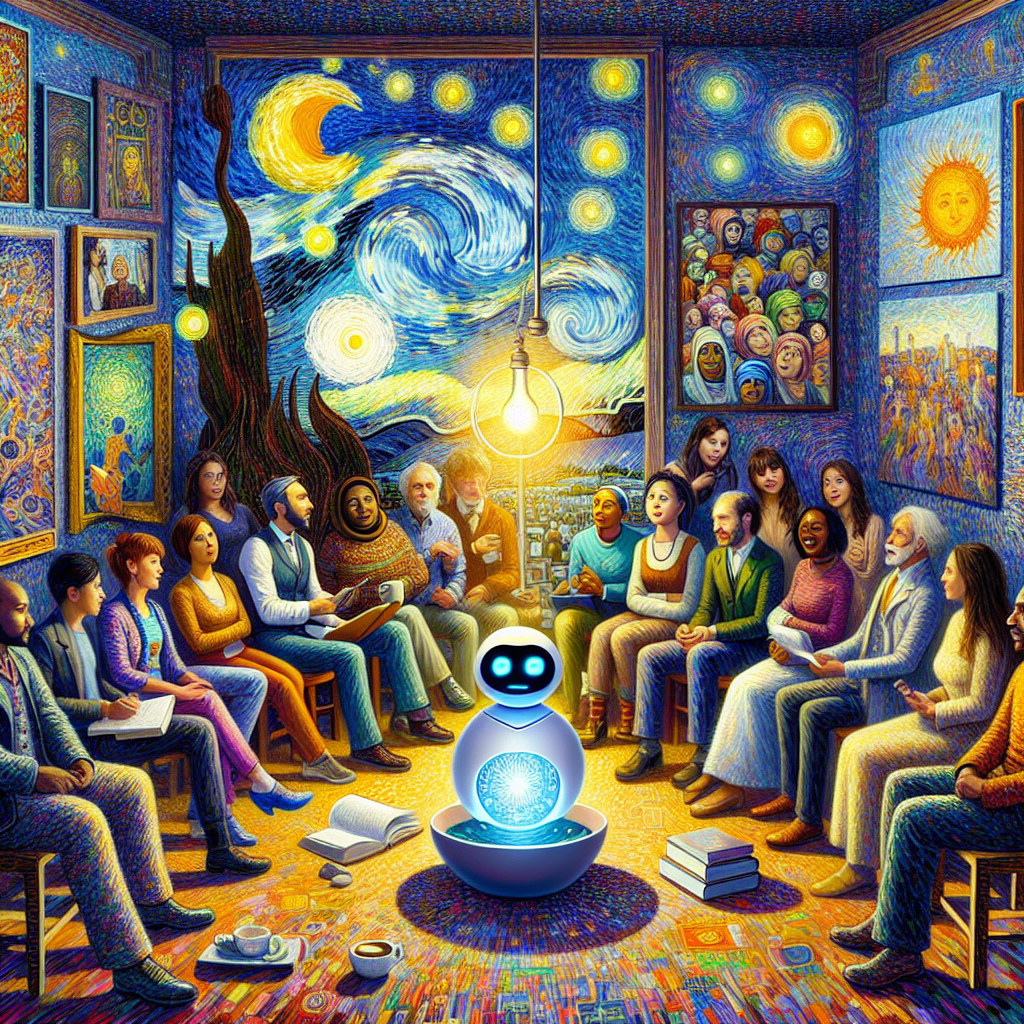
How Can We Balance Documenting Life and Truly Living It?
What Stories About Our Past Do We Risk Forgetting In This Age?
In an era where information is abundant yet context is fleeting, the rich tapestry of our past begins to fray. Each thread we lose diminishes the strength of our legacy—stories that have shaped who we are. Legacy storytelling isn’t just about sharing memories; it’s about preserving the lessons of grit, resilience, and humanity that have paved our paths. These narratives, often handed down through generations, contain the lifeblood of our culture, yet they risk being overshadowed by the noise of modern life.
Think about the stories of individuals who labored tirelessly, not for accolades, but for the sake of family and community. Their struggles against adversity resonate with the heart, reminding us that triumph often emerges from chaos. These tales are the backbone of authentic heritage, yet, as we scroll through curated highlights on social media, we might forget the depth that resides in the mundane and the extraordinary alike.
Rationally, we know that these narratives foster empathy, bridging gaps between generations. The lessons learned from hardship—patience, sacrifice, and unflinching resolve—are vital in navigating today’s rapidly changing landscape. Without a firm grasp of our history, we risk becoming adrift, disconnected from the principles that can guide us through uncertainty.
Ethically, we have a duty to remember those who came before us. Their sacrifices—in both war and peace—wove the fabric of our society. When we neglect their stories, we dismiss their struggles and diminish the significance of their legacy. This isn’t merely a loss for the past; it impacts our present and future, shaping our actions and decisions today.
The authority these stories hold stems from their authenticity—real people, living real lives. Engaging with these narratives reminds us that we are part of a larger continuum. When we share and honor them, we cultivate a sense of belonging and connection, weaving ourselves into the broader narrative of humanity.
Now, more than ever, we must come together to amplify these voices. Let’s gather around the dinner table, share old tales, and invite younger generations to participate in this vital exchange. In doing so, we don’t just remember our history; we pass it on, ensuring that the essence of who we are is neither lost nor forgotten. By championing legacy storytelling, we reinforce the foundations on which our future can stand proud.

What Stories About Our Past Do We Risk Forgetting In This Age?
What Stories About Our Past Do We Risk Forgetting In This Age?
- Information abundance risks overshadowing the context of our past.
- Legacy storytelling preserves lessons of grit, resilience, and humanity.
- Stories of hard-working individuals emphasize family and community over accolades.
- Narratives foster empathy and bridge generational gaps, providing vital lessons.
- Neglecting historical stories risks disconnection from guiding principles.
- Authenticity in stories cultivates a sense of belonging within humanity’s narrative.
- Encouraging storytelling ensures the essence of our history is passed on to future generations.

What Stories About Our Past Do We Risk Forgetting In This Age?
How Does Constant Documentation Impact Our Relationships?
In a world overflowing with screens, notifications, and the ever-present urge to document every moment, we often forget the heart of what makes relationships thrive—authentic connection. When we replace conversations with texts and face-to-face interactions with screenshots, we risk losing the essence of what it means to share our lives with others. Constant documentation may seem harmless, even practical, yet it’s essential to pause and consider how this practice shapes our interactions with one another.
We all have a legacy, a story woven together from our experiences, triumphs, and struggles. This is what we pass on to our families, friends, and communities—our legacy storytelling. Yet, by heavily documenting our every move, we risk prioritizing the image we present over the genuine connections that nourish our souls. Think of the countless family gatherings captured in photos, yet forgotten in the moment. Are we more interested in curating a perfect snapshot for social media than in engaging in heartfelt conversations with those right beside us? The answer could redefine how we connect.
From an emotional standpoint, our relationships thrive on shared moments—those unfiltered exchanges that build trust and foster intimacy. When we’re more focused on recording than relating, we strip away the rawness of human interaction. We become spectators in our own lives, placing value on likes and views rather than authentic connections. People crave storytelling that resonates with their experiences, but there’s a difference between a moment shared and a moment documented.
Rationally, consider the time spent managing our online personas. This constant need to document diverts our attention from the people who matter most. The ethical implications are profound: Are we sacrificing meaningful engagement for the fleeting pursuit of validation? Authority figures—psychologists, sociologists—highlight the importance of presence and attention in building strong relationships; their research reinforces that our bonds deepen when we remain present.
As we navigate this landscape of social media and documentation, let’s remind ourselves that every snapshot, every tweet, should serve as a bridge, not a barrier. When we connect over shared stories and lived experiences, we cultivate understanding and empathy. It’s about inspiring each other, fostering trust, and building connections that endure beyond the digital realm. Let’s choose engagement over documentation and tell our stories through the relationships we cherish, not just the records we keep. The world is full of stories waiting to be shared—let’s not let them slip away in search of the perfect post.

How Does Constant Documentation Impact Our Relationships?
How Does Constant Documentation Impact Our Relationships?
- Constant documentation of moments can undermine authentic connections in relationships.
- Prioritizing image over genuine interaction may lead to forgotten experiences during gatherings.
- Relationships thrive on unfiltered exchanges that build trust and intimacy.
- Excessive focus on recording can result in valuing likes over authentic connections.
- Time spent managing online personas diverts attention from meaningful engagement with loved ones.
- Presence and attention are critical for deepening relationships, supported by psychological research.
- Engagement over documentation fosters understanding and empathy, enhancing human connections.

How Does Constant Documentation Impact Our Relationships?
Are We Losing the Essence Of Moments By Over-Sharing?
In an age where every meal, moment, and memory seems destined for a social media feed, we must ask ourselves: are we losing the essence of the moments that define our lives? It’s a question that pulls at the fabric of our shared experience and echoes in the quiet spaces between likes and shares.
Consider how Legacy Storytelling connects us. It’s not just about the stories we tell but how we tell them. A true story, shared around a campfire or over a dinner table, holds weight. It’s an authentic moment, a piece of ourselves gifted to another. Yet, when every private experience is broadcasted to an audience of digital onlookers, the intimate becomes diluted. What was once a cherished memory transforms into content—likes traded for authenticity.
We are compelled to share, to document our lives in real-time. It’s a part of our human nature to seek connection, but this need runs deeper. Ethically, it challenges us to consider where we draw the line between sharing and oversharing. Does every fleeting experience deserve to be memorialized online, or is there beauty in keeping some moments private? The intimate words of a loved one, the quiet resolve after a day of toil, the flash of joy on a child’s face—these are the vibrant colors of life that exist beyond the screen. They demand our full attention, not the filtered gaze of a camera.
Rationally, we might ponder the impact of oversharing on our mental well-being. Are we sacrificing genuine connection for digital affirmation? The dopamine hit of notifications is fleeting, while the comfort of a shared silence with those we love is enduring. Our desire to project a life that is “Instagram-worthy” can lead us away from actually living it. Instead of fully immersing ourselves in the moment, we’re busy curating it, potentially missing out on the nuances and textures that make it real.
On a social level, think of how we can strengthen bonds through shared experiences rather than curated snapshots. The essence of these moments lies in their authenticity, in the laughter that fills the air, the tears that signify struggle, and the stories passed down through generations. If we consciously choose to engage in Legacy Storytelling, to honor the moments without the need for an audience, we can reclaim our narratives and forge deeper connections. Let’s inspire action—pause before capturing that next moment. Reflect on whether it’s one that deserves to live solely in a story or one that should be embraced in silence, shared in presence, and remembered forever in our hearts.

Are We Losing the Essence Of Moments By Over-Sharing?
Are We Losing the Essence Of Moments By Over-Sharing?
- The prevalence of social media raises concerns about losing the essence of life’s defining moments.
- Legacy Storytelling emphasizes authentic moments shared in person rather than broadcasting experiences online.
- Oversharing dilutes intimacy, turning cherished memories into mere content for likes.
- Ethical considerations arise regarding the line between sharing and oversharing in our digital lives.
- Genuine connections may be sacrificed for fleeting digital affirmations and “Instagram-worthy” presentations.
- Strengthening social bonds involves engaging in shared experiences rather than curated snapshots.
- Consciously choosing to honor moments privately can help reclaim personal narratives and foster deeper relationships.

Are We Losing the Essence Of Moments By Over-Sharing?
Conclusion
In today’s hyper-documented world, we find ourselves at a critical crossroads. We’ve accumulated a dizzying array of digital records, yet many of us struggle to preserve the authenticity behind those moments. This paradox points to a fundamental truth: while technology allows us to chronicle our lives like never before, it can also dull the vibrancy of our experiences. Capturing memories can easily morph into the shallow pursuit of likes and shares, diverting our focus from what truly matters—genuine human connection.
Consider the stories that have shaped our very existence. They are not just data points in a digital archive; they are the emotional threads that bind us together. Recall the laughter shared with loved ones or the lessons learned through adversity. These moments offer profound insights into our identities and values. Legacy storytelling is about sharing these experiences, evoking empathy, and encouraging others to do the same. It’s a dance of vulnerability, where we reveal our imperfections and triumphs, creating a space for communal understanding.
Our daily choices stand as reflections of our beliefs and contribute to our larger narratives. Each act of kindness or decision to stand firm in our values sends ripples through our communities. These moments of authenticity resonate deeply, reminding us that we are part of something bigger than ourselves. The stories that arise from these experiences—filled with grit, resilience, and humanity—fuel connection within families and through generations.
As we tread further into the digital age, we must recognize the ethical responsibility we hold in how we document our lives. It’s not just about recording events; it’s about interpreting and sharing narratives that inspire future generations. This conscious engagement transforms our legacy into living, breathing stories that echo through time.
Yet, in our quest for authenticity, we face the challenge of evaluating what deserves to be shared versus what is better kept private. Are we letting the essence of our experiences get overshadowed by the desire to curate an image? Choosing to engage fully with life—rather than merely documenting it—cements our connections and enriches our shared narratives.
Moving forward, let’s prioritize authenticity over superficiality. Let’s embrace the power of legacy storytelling, ensuring that our lives are not just archived, but lived vividly and meaningfully. Together, we can honor our human experiences, cultivating a legacy that resonates for generations, binding us in understanding and shared humanity.

Conclusion
Conclusion:
- We live in a hyper-documented world, with many struggling to preserve the authenticity of their experiences.
- Technology enables extensive life chronicle but can reduce the vibrancy of our experiences.
- Genuine human connection is often overshadowed by the pursuit of likes and shares.
- Legacy storytelling involves sharing emotional experiences that foster empathy and communal understanding.
- Our daily actions reflect our beliefs and contribute to our larger narratives, promoting connection within communities.
- We hold an ethical responsibility in documenting our lives, transforming our experiences into meaningful narratives for future generations.
- Prioritizing authenticity over superficiality allows us to cultivate a legacy that resonates through time, binding us in shared humanity.

Conclusion
Other Resources

Other Resources
Here is a list of other resources you can review online to learn more:
- deviantART
- LifeNaut
- Legacy Family Tree
- 23AndMe
- EverLoved
- Willmaker
- Trust And Will
- Directive Communication Systems
- PartingWishes
- INELA
- WishesKeeper
- Legacy
- Storyfile Life
- International End of Life Doula Association
- Legacy Learned
- FindMyPast
- StoryCorps
- GhostMemo
- Association of Personal Historians
- ForeverMissed
Use This Prompt To Get More Resources With Your Favorite Online AI Tool: Please provide me with a list of online articles with their URLs in a bulleted list that I can read regarding Were Living In the Most Documented – and Least Preserved – Time In History

Other Resources
Glossary Terms
Were Living In the Most Documented – and Least Preserved – Time In History – Glossary Of Terms
1. Documentation: The act of recording events, ideas, or observations through various media to create a historical account.
2. Preservation: The process of maintaining and protecting artifacts, documents, or digital data to ensure their longevity.
3. Digital Archive: A collection of digital files and resources that provide access to historical documents, images, and other media.
4. Ephemeral: Referring to items or events that are short-lived or temporary, often difficult to preserve.
5. Curation: The organization and management of collections, particularly in a way that highlights their significance and accessibility.
6. Historiography: The study of historical writing and methodology, including how history is recorded and interpreted.
7. Oral History: The collection and study of historical information through recorded interviews and personal narratives.
8. Data Overload: The overwhelming amount of information available through digital means, which can hinder effective interpretation.
9. Archival Science: The field focused on the management, preservation, and accessibility of archival materials.
10. Memory Studies: An interdisciplinary field exploring how personal and collective memories are formed, stored, and shared.
11. Anachronism: A term or object that belongs to a different time period than that in which it is currently situated.
12. Digitization: The process of converting analog information into a digital format for preservation and access.
13. Historical Record: The documentation of past events, people, and societies, used for research and education.
14. Fragmentation: The breaking apart of historical narratives or documents, often resulting in incomplete understandings.
15. Media Saturation: The overwhelming presence of media in daily life, affecting the way history is consumed and remembered.
16. Public History: The practice of presenting history to a non-academic audience through museums, documentaries, and other media.
17. Documentation Strategy: A planned approach to how materials will be documented to ensure comprehensive historical coverage.
18. Preservation Dilemmas: Challenges faced in deciding what to preserve and how to do so effectively in a digital age.
19. Authenticity: The quality of being genuine, often a critical factor when considering historical artifacts and documents.
20. Legacy Media: Traditional forms of media, such as print newspapers and television, that contrast with digital platforms.
21. Digital Footprint: The trail of data left online by users, which contributes to the historical record of contemporary society.
22. Cultural Memory: The shared pool of knowledge and information in the collective consciousness of a society.
23. Metadata: Data that provides information about other data, essential for organizing and preserving documents.
24. Archival Appraisal: The process of determining the value and significance of materials for preservation purposes.
25. Contextualization: The practice of situating historical documents and events within their broader social and cultural context.
26. Transience: The quality of being temporary or fleeting, particularly relevant in discussions of modern digital communication.
27. Preservation Ethics: The moral considerations and responsibilities involved in deciding what to archive and how to do so.
28. Narrative Construction: The process of creating cohesive stories from historical data, influenced by available documentation.
29. Historical Consciousness: Awareness of the past and its influence on the present and future, shaped by the availability of documentation.
30. Temporal Bias: The influence of time on the interpretation of historical events, affecting how they are documented and remembered.

Glossary Of Terms
Other Questions
Were Living In the Most Documented – and Least Preserved – Time In History – Other Questions
If you wish to explore and discover more, consider looking for answers to these questions:
- What practical steps can I take today to preserve my digital memories for future generations?
- Which tools and platforms are best for long-term digital archiving?
- How do I decide which moments are worth preserving and which to let go?
- How can families create a shared legacy archive that’s accessible and secure?
- What legal and privacy issues should I consider when preserving other people’s stories?
- Who owns the digital content I create and how does that affect preservation?
- How do data portability and platform lock-in affect the survival of our records?
- What are the best practices for preserving multimedia (photos, videos, voice recordings)?
- How can I protect my digital legacy from loss due to hardware failure, obsolescence, or platform shutdowns?
- Should some memories remain private, and how do I ethically decide what to share publicly?
- How can older generations be encouraged to share their stories in formats younger people will preserve?
- What role should institutions (libraries, archives, museums) play in preserving contemporary digital life?
- How can we ensure marginalized voices and everyday experiences are preserved, not just elite or viral content?
- What are the psychological effects of over-documenting on individuals and relationships?
- How can couples, families, or communities set healthy boundaries around documentation and presence?
- What techniques help balance living in the moment with capturing meaningful memories?
- How does constant documentation change the authenticity and meaning of personal stories?
- Can technology (AI, metadata tagging, automatic curation) help recover lost context and emotion from archived material?
- How can we verify the authenticity and provenance of digital stories for future historians?
- What happens to our online legacy after we die, and how can we plan for it?
- How do cultural differences influence what gets documented and preserved?
- What biases do algorithms and social platforms introduce into the archive of what is remembered?
- How can educators use legacy storytelling to teach history, values, and empathy?
- What ethical guidelines should govern recording and sharing moments involving children or vulnerable people?
- How might societies change if more people prioritized preservation over performative documentation?
- What are simple rituals or storytelling formats that reliably capture the emotional core of a memory?
- How can we recover or reconstruct lost personal histories when digital traces are incomplete?
- What are the costs (time, money, emotional) of actively preserving a legacy, and how can they be managed?
- How do we keep digital archives meaningful rather than becoming overwhelming repositories of noise?

Other Questions
Haiku
Were Living In the Most Documented – and Least Preserved – Time In History – A Haiku
Captured lives, we scroll,
Moments lost in bright pixels,
Truth awaits below.

Haiku
Poem
Were Living In the Most Documented – and Least Preserved – Time In History – A Poem
In a world awash with fleeting records,
We dance along the digital tide,
Each pixel a fragment, each byte a word,
Yet, the essence of life can seem to hide.
We document joys, triumphs, and fears,
Curating moments for eager eyes,
But as we scroll through laughter and tears,
Do we feel their weight, or just their guise?
Legacy is woven in stories we tell,
In the quiet struggles, the love, the grace,
It’s not just the triumphs that ring the bell,
But the imperfect tales that time can’t erase.
In the rush to capture, don’t lose your sight,
Of the warmth in a smile, the bond in the tears,
Embrace the real moments that feel so right,
For they carry the truths through the years.
As we bridge our past with tales shared today,
Let us choose the hearts whispers over the screen,
Inauthentic glimmer or genuine ray,
It’s the honest connection that shapes what we mean.
Let’s reclaim our narratives, structure and flow,
Not as mere data lost in the din,
But as lifelines, reminders of all we can grow,
For in pure storytelling, true legacies begin.

Poem
Checklist
Were Living In the Most Documented – and Least Preserved – Time In History – A Checklist
Emotional Connection
✅______ Reflect on the moments that make you feel alive.
✅______ Identify stories that evoke strong emotions—joy, sadness, triumph.
✅______ Consider the impact of storytelling on relationships.
Rational Reflection
✅______ Assess the choices you make daily; how do they reflect your values?
✅______ Think critically about how documentation affects your life experiences.
✅______ Evaluate the significance of memories and how they shape your identity.
Ethical Responsibility
✅______ Acknowledge the importance of preserving authentic narratives.
✅______ Commit to sharing stories that honor those who came before.
✅______ Opt for meaningful engagement over superficial documentation.
Authority in Vulnerability
✅______ Embrace authenticity when sharing your experiences.
✅______ Allow vulnerability to connect deeply with others.
✅______ Use personal stories as a means to inspire and relate to others.
Narrative Co-Creation
✅______ Engage with others through shared storytelling experiences.
✅______ Create spaces for dialogue where stories can flow freely.
✅______ Invite younger generations to participate in legacy worth sharing.
Social Impact
✅______ Foster community through collective storytelling efforts.
✅______ Promote understanding and respect through shared experiences.
✅______ Recognize the role of legacy storytelling in building connections and bridging gaps.
Balancing Documentation and Living
✅______ Challenge yourself to immerse in experiences without distractions.
✅______ Prioritize presence in important moments over capturing them.
✅______ Reflect on what deserves to be documented versus cherished privately.
Reclaiming Authenticity
✅______ Dedicate time to cultivate genuine connections, free from digital interruptions.
✅______ Explore the depth of moments instead of reducing them to content.
✅______ Celebrate the beauty of life beyond the screen, cherishing every authentic encounter.

Checklist
At LegacyExplorations, we help people plan and explore their legacy by collecting information and news regarding end-of-life planning.
Please share this post with your friends, family, or business associates who may want help to plan or explore their legacy.