

Bring Your Legacy To Life: Creative Storytelling Formats
By Tom Seest
At LegacyExplorations, we help people plan and explore their legacy by collecting information and news regarding end-of-life planning.
Please share this post with your friends, family, or business associates who may want help to plan or explore their legacy.
What Are Some Creative Formats for Sharing Your Legacy Stories?
When it comes to sharing your legacy stories, it’s time to throw conventional formats out the window and think outside the box. In a world where attention spans rival that of a gnat, weaving your life’s experiences into compelling narratives is more crucial than ever. So, how do you package your rich tapestry of memories for the next generation? Let’s dive in.
First off, consider the power of multimedia. Forget about dusty photo albums—turn your family history into a dynamic video montage. Using tools like basic video editing software, tapestry together photographs, recorded anecdotes, and even snippets of your environment to create a vibrant visual story. Trust me, nothing beats watching grandma share her love story on screen while the camera zooms in on those sepia-toned photos. Magic happens when you blend audio and visual elements; it brings your legacy storytelling to life in a way that printed words simply can’t match!
Next up, let’s talk podcasts. You may not think of yourself as the next big media mogul, but think again. Set aside some time and record your thoughts, stories, and family legends. You don’t need fancy equipment; a simple smartphone can do the trick! Imagine your grandkids laughing and learning about the quirky uncle who danced on tables at every family reunion, all narrated in your own voice. This auditory experience captures not just the stories themselves but the essence of who you are, giving your legacy storytelling a truly personal touch.
Then there’s the good old-fashioned letter writing—but with a twist. Instead of traditional letters, why not curate a collection of postcards? Write about different milestones, each on a unique card. It allows you to cover various phases of your life or family history. Plus, people love receiving postcards—they evoke excitement and curiosity. Your legacy storytelling can spark conversations that might just ignite someone’s interest in their own family tree.
Finally, consider creating a blog or a social media page dedicated to your legacy. Share snippets of your life, answer questions from family members, and invite new tales and stories to be added. This not only preserves your experiences but creates an interactive platform for others to contribute their tales as well.
The key to effective legacy storytelling is to find what resonates with you. No matter the format, the goal is to connect, inspire, and preserve the tapestry of your life for generations to come. So grab that smartphone, put on your thinking cap, and let those stories fly!

What Are Some Creative Formats for Sharing Your Legacy Stories?
What Are Some Creative Formats for Sharing Your Legacy Stories?
- Embrace non-traditional formats to share legacy stories in engaging ways.
- Utilize multimedia tools to create dynamic video montages that combine photos and anecdotes.
- Consider starting a podcast to record thoughts, stories, and family legends using simple equipment.
- Curate a collection of postcards that detail milestones and various phases of your life.
- Create a blog or social media page dedicated to sharing and preserving your life experiences.
- Focus on formats that resonate with you to connect and inspire future generations.
- The ultimate goal is to preserve and enrich the tapestry of your life for family and friends.

What Are Some Creative Formats for Sharing Your Legacy Stories?
Table Of Contents
- What Are Some Creative Formats for Sharing Your Legacy Stories?
- What Formats Can Best Capture My Legacy Stories?
- How Can I Turn Stories Into Videos?
- What Role Does Social Media Play In Sharing Legacies?
- How Can I Use Podcasts To Share My Life Experiences?
- What Are The Benefits Of Writing A Memoir For Legacy Sharing?
- How Can I Create A Family History Website?
- What Are Innovative Ways To Use Art In Storytelling?
- Conclusion
- Other Resources
- Glossary Of Terms
- Other Questions
- Haiku
- Poem
- Checklist
What Formats Can Best Capture My Legacy Stories?
When it comes to telling your legacy stories, finding the right format is as crucial as the stories themselves. Legacy storytelling isn’t just about recounting events; it’s about preserving the essence of who you are for generations to come. So, what formats can best help you capture those tales?
Let’s start with writing. There’s something timeless about the written word. Whether you choose to pen a memoir, craft a series of letters, or even keep a journal, writing allows you to distill your thoughts and experiences into tangible form. The beauty of this format lies in its permanence. Generations from now, your descendants will be able to read your stories, engage with your thoughts, and absorb your wisdom as if you were speaking directly to them.
If writing isn’t your strong suit, consider audio recordings. With today’s technology, it’s easier than ever to sit down with a microphone and tell your stories out loud. Imagine your grandchildren listening to your voice, sharing your laughter, and feeling your emotions as they hear your memories. There’s an intimacy in audio storytelling that can be incredibly powerful, allowing your unique cadence and inflections to shine through in a way that words on a page simply can’t replicate.
Visual formats also play a significant role in capturing legacy stories. Photographs, videos, and even scrapbooks can add a layer of depth and context that words alone might miss. A photograph of a family gathering can evoke feelings and memories that help convey the spirit of the stories behind it. Likewise, video offers a dynamic way to share not just the stories, but the sights, sounds, and feelings associated with them. Seeing your facial expressions, body language, and even the backdrop of your experiences adds depth that fosters connection.
Finally, don’t underestimate the power of oral storytelling. Gather family members around, share your tales, and encourage others to join in. This format brings an added layer of immediacy, creating a shared experience that can strengthen bonds and create new memories together. It’s about creating a living legacy that persists through conversation and shared laughter.
The format you choose for your legacy storytelling should resonate with you. Whether it’s through the written word, audio recordings, visual aids, or oral traditions, the stories that come from your life are precious gifts that deserve to be treasured and passed down.

What Formats Can Best Capture My Legacy Stories?
What Formats Can Best Capture My Legacy Stories?
- Selecting the right format for legacy storytelling is crucial to preserving personal essence for future generations.
- Writing formats, such as memoirs, letters, and journals, provide permanence and allow for thoughtful distillation of experiences.
- Audio recordings create intimacy, enabling descendants to connect with the storyteller’s voice, laughter, and emotions.
- Visual storytelling through photographs, videos, and scrapbooks adds depth and context to legacy stories.
- Oral storytelling encourages shared experiences, bringing family members together to strengthen bonds and create memories.
- The chosen format should resonate with the storyteller, whether written, audio, visual, or oral.
- Legacy stories are precious gifts that deserve to be treasured and passed down through generations.

What Formats Can Best Capture My Legacy Stories?
How Can I Turn Stories Into Videos?
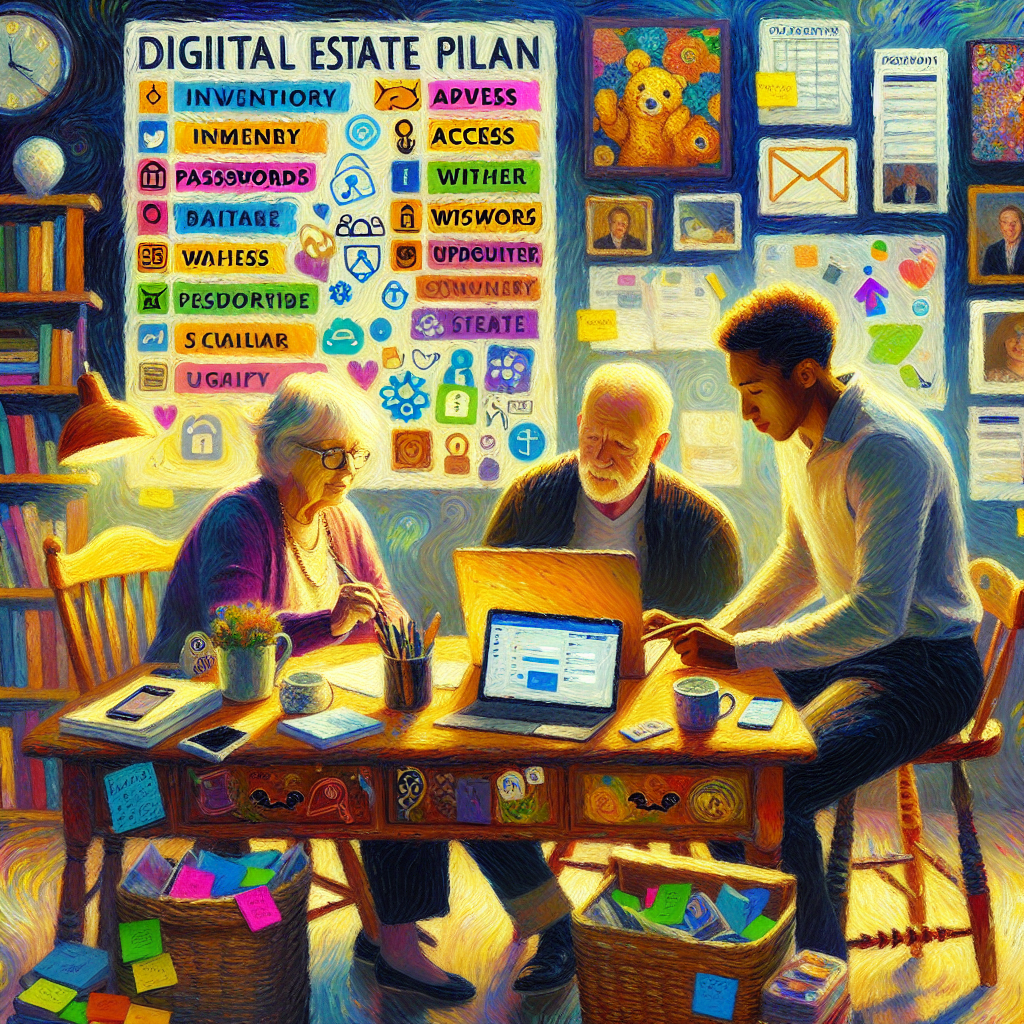
Let’s face it, folks, storytelling is an art form as old as time, but in this digital age, the tools we use to tell those stories have changed dramatically. If you’ve got a legacy story to share—whether it’s a family tale, a personal triumph, or a lesson learned—it’s time to roll up your sleeves and transform those narratives into engaging videos.
First off, know your story inside and out. What makes it resonate? Is it the emotions involved, the characters, or maybe the setting that brings it all to life? Make a checklist: key moments, essential details, and the heart of your message. This is your blueprint.
Next, think about your audience. Who are you talking to? Understanding your viewers is crucial. What do they care about? A compelling story often hinges on relatability. Once you have this figured out, you’ll need to map out your video. This isn’t as daunting as it sounds. Sketch a storyboard to visualize how your story will flow. Each scene should serve a purpose and elevate your narrative.
Now, let’s talk tools. In the good old days, video production required heavy equipment and elaborate setups. Nowadays, you can create high-quality videos using just your smartphone and some user-friendly software. Research apps that allow for video editing, transitions, and effects that align with your story’s tone.
As you start filming, don’t sweat the small stuff. If something goes awry, adapt and improvise. The best videos often come from moments of spontaneity. Consider using voice-overs or on-screen text to reinforce your key points. These elements can guide your audience through the narrative and add depth to your storytelling.
Editing is where the magic happens. Cut unnecessary fluff, tighten up the pacing, and make sure every frame serves your legacy story. Make use of background music and sound effects to evoke emotions, but don’t let them overshadow the essence of your story.
Finally, don’t forget the call to action. What do you want your audience to feel, think, or do after watching your video? Leaving them with a lasting impression ensures that your story continues to resonate long after the screen goes dark.
So there you have it, folks. Turning stories into videos is not only doable; it’s an exciting journey. Each video you create adds to your legacy storytelling, preserving memories and messages for generations to come.
How Can I Turn Stories Into Videos?
How Can I Turn Stories Into Videos?
- Storytelling is a timeless art form, but digital tools for sharing stories have evolved significantly.
- Understand your story intimately by identifying key moments, essential details, and the core message.
- Know your audience to create relatable content, and sketch a storyboard to visualize the story’s flow.
- Leverage modern technology; high-quality videos can now be made using smartphones and user-friendly software.
- Be flexible while filming; embrace spontaneity and utilize voice-overs or text to enhance storytelling.
- Edit carefully, removing unnecessary parts, maintaining pacing, and using background music to evoke emotions.
- Incorporate a strong call to action to leave a lasting impression on your audience and ensure the story resonates afterward.

How Can I Turn Stories Into Videos?
What Role Does Social Media Play In Sharing Legacies?
In a world where every moment is captured, filtered, and uploaded, social media has emerged as the modern storytelling platform for legacies. Forget the grandiose avenues of publishing houses and dusty libraries; today, the stories that matter are shared with the click of a button. Legacy storytelling is no longer reserved for the history books—it’s alive, vibrant, and often advocates for the most genuine parts of our shared humanity.
Take a moment to think about it. Your great-great-grandparents might have had fascinating lives filled with trials and triumphs, but unless someone takes the time to record those stories, they risk being lost to the winds of time. Enter social media, where platforms like Facebook, Instagram, and Twitter become vessels for remembrance. Users can share snippets of their family history, upload photos from yesteryears, or highlight personal anecdotes that are woven into the fabric of their existence. This digital tapestry connects us across generations and geographies, serving as a reminder that our past does not have to fade into obscurity.
Consider how the art of legacy storytelling has transformed. Where once a small circle of family or friends might have been privy to cherished memories, now these tales can reach a global audience. When someone posts a photograph from their childhood alongside a heartfelt caption, they’re doing more than merely sharing a memory—they’re inviting others to witness a piece of their legacy. You can almost hear them saying, “Hey, this is who I am, and this is where I come from.”
Moreover, social media fosters a community of storytellers. Hashtags become the gathering spaces for those looking to connect around shared experiences, histories, and traditions. Instead of residing in isolation, legacies now mingle, intertwine, and evolve as we all contribute our parts. Your story could inspire someone across the globe to explore their lineage or rekindle memories of a time long gone.
In this digital age, the responsibility of preserving our legacies rests not just with historians or authors, but with each one of us. Social media empowers individuals to actively engage in legacy storytelling, bridging connections and creating a dynamic collective memory that will echo long into the future. So, whether you’re posting a family recipe or sharing a heartfelt tribute, remember: the stories we tell today become the legacies of tomorrow.

What Role Does Social Media Play In Sharing Legacies?
What Role Does Social Media Play In Sharing Legacies?
- Social media is the modern storytelling platform for legacies, surpassing traditional publishing methods.
- Legacy storytelling is vibrant and focuses on our shared humanity.
- Family histories can be preserved through digital platforms like Facebook, Instagram, and Twitter.
- Personal anecdotes and photos help connect generations and preserve memories.
- Legacy stories have a broader audience now, reaching beyond a small circle of family and friends.
- Social media encourages a community of storytellers through shared experiences and hashtags.
- The responsibility of preserving legacies lies with everyone, not just historians or authors.

What Role Does Social Media Play In Sharing Legacies?
How Can I Use Podcasts To Share My Life Experiences?
When it comes to sharing your life experiences, few mediums can match the unique intimacy of podcasting. You see, podcasting is not just about broadcasting your voice; it’s about connecting with people in an almost conversational manner, bridging the gaps that distance often creates. It allows you to weave your legacy storytelling into narratives that resonate deeply with listeners.
Imagine sitting at a kitchen table with a friend, recounting tales from your past. That’s the essence of a podcast. Each episode can serve as a vessel for your stories, a way to capture the tapestry of your experiences—from the triumphs to the inevitable hiccups along the way. It’s an opportunity to share not just what you’ve done in life, but to offer insights, wisdom, and authenticity.
Start by choosing a theme or focus for your podcast. What stories do you have that would benefit others? Think about the moments that shaped you—the lessons learned from hard times, the joy of unexpected successes, or the simple, everyday experiences that might inspire someone else. Each story you tell adds another thread to the fabric of your legacy storytelling, creating a rich narrative tapestry for your listeners.
Next, invest in quality audio equipment. While you don’t need to break the bank, having a good microphone and basic editing software can elevate your content dramatically. Nobody wants to hear a story about overcoming adversity if it sounds like you’re speaking from the bottom of a well. Clear, crisp audio allows your voice, your nuances, and your emotions to shine through, making it easier for listeners to connect with you.
Remember, authenticity is key. Don’t shy away from vulnerability; it’s in those raw moments that real connections are made. Share your struggles alongside your victories. Don’t be afraid to laugh at yourself or delve into the deeper, darker corners of your journey. These insights facilitate a sense of community, reminding listeners they are not alone in their experiences.
Finally, promote your podcast on social media and engage with your audience. The beauty of this medium is that it creates a dialogue, allowing for feedback and interaction that can enrich your storytelling. Encourage listeners to share their own experiences and weave those discussions back into your narrative.
In short, podcasting is a powerful platform for legacy storytelling, offering a chance to encapsulate your life’s narrative while fostering genuine connections with an audience eager for authentic voices. So grab that microphone, and start sharing your story.

How Can I Use Podcasts To Share My Life Experiences?
How Can I Use Podcasts To Share My Life Experiences?
- Podcasting offers a unique intimacy, connecting people in a conversational manner.
- Each episode serves as a vessel for storytelling, capturing experiences from triumphs to challenges.
- Choose a theme or focus for your podcast, sharing stories that benefit and inspire others.
- Invest in quality audio equipment to enhance content and ensure clear communication.
- Authenticity and vulnerability are crucial; share both struggles and victories for deeper connections.
- Engage with your audience through social media, encouraging feedback and sharing experiences.
- Podcasting is an effective medium for legacy storytelling, fostering genuine connections with listeners.

How Can I Use Podcasts To Share My Life Experiences?
What Are The Benefits Of Writing A Memoir For Legacy Sharing?
When you think about it, every one of us has a story worth telling—a legacy that deserves to be shared. That’s where memoir writing comes in. It’s not just about documenting your life; it’s about engaging in legacy storytelling that can bridge generations. A well-crafted memoir does more than just spill the beans on your experiences; it serves as a beacon for future generations, illuminating the pathways of your unique journey.
One of the most powerful benefits of writing a memoir is the opportunity to reflect on your life. The act of putting pen to paper forces you to sift through memories, consider the lessons learned, and acknowledge the challenges overcome. This introspective process can be cathartic. It allows you to understand where you’ve come from and informs your vision for where you want to go. It’s a chance to connect the dots between your past and your present, ultimately giving a clearer perspective on your legacy.
Moreover, memoirs are a way of immortalizing your experiences for your loved ones. Imagine your grandchildren or great-grandchildren reading about your life, your struggles, and your triumphs. That kind of legacy storytelling not only makes your experiences tangible but also tangible to the next generation, fostering a sense of identity and belonging. It becomes a familial treasure, a collection of stories that shape who they are and who they aspire to be.
Additionally, memoir writing can be a platform for sharing wisdom. Your unique viewpoint—your flaws, successes, and the lessons learned along the way—serves as a roadmap for others. By sharing your adventures and misadventures, you have the chance to impart valuable insights that could help others navigate their own challenges. In essence, you become a mentor without ever having to meet these future generations face-to-face.
Finally, writing a memoir can also foster connection with others. You might be surprised to find out how many people resonate with your experiences. Your words can spark conversations with friends and family and even foster new relationships with readers who find solace in your story. It’s a powerful reminder that while each life is unique, the emotions and struggles we face often bind us together in unexpected ways.
In short, writing a memoir is not just about chronicling a life; it’s about creating a lasting legacy that resonates for years to come. By sharing your story, you become part of the shared human experience, enriching both your life and the lives of those who follow.
What Are The Benefits Of Writing A Memoir For Legacy Sharing?
What Are The Benefits Of Writing A Memoir For Legacy Sharing?
- Every individual has a story worth sharing, which memoir writing facilitates.
- Memoirs allow for reflection, helping writers understand their past and envision their future.
- They serve as a legacy for future generations, fostering a sense of identity and belonging.
- Writing a memoir can immortalize personal experiences, turning them into familial treasures.
- Memoirs offer wisdom, providing insights and lessons learned to help others navigate challenges.
- Sharing your story can create connections with both familiar and new audiences.
- Overall, memoir writing enriches the shared human experience and leaves a lasting legacy.

What Are The Benefits Of Writing A Memoir For Legacy Sharing?
How Can I Create A Family History Website?
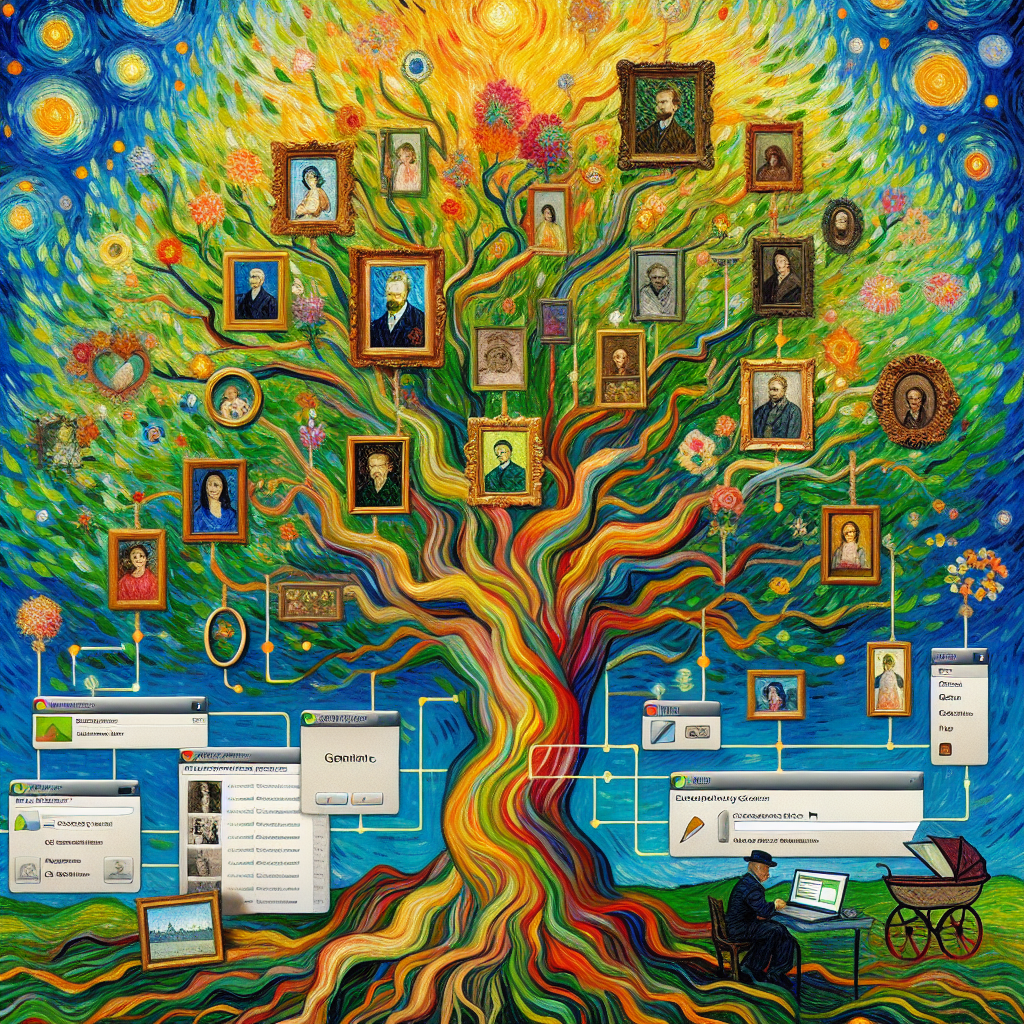
Creating a family history website is more than just a digital scrapbook; it’s a chance to dive deep into the intricate tapestry of your lineage. It’s about preserving stories, memories, and lessons for future generations. So let’s roll up our sleeves and get to work, shall we?
First things first: you’ve got to gather your materials. Start with family records, photographs, and oral histories. Interview your relatives—these conversations can uncover golden nuggets of information. Think of it as Legacy Storytelling. You’re not just documenting names and dates; you’re capturing laughter, tears, and the essence of what being part of your family means.
Next, it’s time to choose a platform for your website. There’s a myriad of options out there—some geared towards beginners and others for tech-savvy creators. If you want simplicity, consider a site builder like Wix or Squarespace. They provide user-friendly templates, so you can focus on sharing those rich stories instead of wrestling with code. If you’re feeling adventurous and want more control, Content Management Systems (CMS) like WordPress can be a great option.
Once you have your platform selected, it’s time to design your site. Keep it simple but engaging. After all, your goal is to showcase your family’s history, not create an online art installation. Use high-quality images, legible fonts, and a design that’s intuitive to navigate. After all, your great-aunt Edna doesn’t want to hunt around for her own story. Organize the content into sections—perhaps by generations or branches—so visitors can easily explore their roots.
Now, the real magic begins—telling those family stories. Write down what you’ve learned from your interviews, sprinkle in anecdotes and even historical context. Engage your audience with a narrative that captivates them. Each tale, whether it’s about a daring ancestor or a cherished family tradition, contributes to your family’s legacy.
Lastly, don’t forget to make it collaborative. Invite family members to contribute their stories, photos, and memories. This way, you turn a solitary effort into a family bonding experience. Each new piece of content strengthens the bonds between generations and amplifies that rich heritage you’re working to preserve.
So, gather your artifacts, hit the keyboard, and start crafting your family’s legacy. In doing so, you’re not just building a website; you’re creating a cherished repository of who your family is and where you all came from.
How Can I Create A Family History Website?
How Can I Create A Family History Website?
- Creating a family history website goes beyond a digital scrapbook; it preserves stories and memories for future generations.
- Gather materials such as family records, photographs, and oral histories by interviewing relatives for valuable information.
- Select a platform: user-friendly options like Wix or Squarespace for beginners, or WordPress for those wanting more control.
- Design the site simply yet engagingly, using high-quality images and intuitive navigation to showcase family history.
- Tell family stories by documenting interviews, adding anecdotes, and providing historical context to engage your audience.
- Make the project collaborative by inviting family members to contribute their stories and memories to strengthen bonds.
- Craft a cherished repository of your family’s legacy by gathering artifacts and sharing who your family is and its history.

How Can I Create A Family History Website?
What Are Innovative Ways To Use Art In Storytelling?
Art and storytelling have always been intertwined, like two dancers picking their way through a crowded room, each step carefully crafted to evoke emotion and thought. When it comes to innovative ways of combining the two, well, let’s buckle up and really dig into what’s possible. Take, for instance, the concept of Legacy Storytelling. Now, this isn’t your garden-variety storytelling; this is the stuff that captures the essence of our past, preserves our lessons, and hands those down like a vintage family recipe.
So how can art elevate this kind of storytelling? The answer lies in the clever fusion of various mediums. Ever thought about using visual art to narrate a story? Imagine walking through a gallery where vibrant murals tell tales of individuals from the past, their struggles, triumphs, and pivotal moments etched in colors and brushstrokes. Each piece not only serves as a visual feast but also as a chapter in a larger narrative, encouraging us to stop, reflect, and absorb the rich history conveyed through art.
Now, let’s explore the power of performance art. Think of street performers—anyone can throw a coin in a hat, but the real magic happens when these artists tell stories through their craft. A juggler weaving in personal anecdotes or a dancer embodying the struggles of their ancestors can create a multi-sensory storytelling experience that captivates an audience. This live-action approach not only entertains but also presses the importance of legacy into our very bones, transforming passive viewers into active participants in the narrative.
Another mind-bending approach is digital art—think animation or even immersive virtual reality experiences. By leveraging technology, artists can create interactive storytelling experiences that transcend traditional boundaries. Here, the audience is no longer just a spectator; they are part of the journey, navigating the narrative landscape and uncovering hidden layers of stories as they go. This kind of engagement leaves a profound mark, making the legacy we pass down all the more impactful.
Finally, let’s not forget about the power of community-engaged art projects. These initiatives bring diverse voices together, creating a tapestry of stories woven from varying backgrounds and experiences. Each participant contributes their own strokes to a shared canvas, ensuring that the legacy of storytelling evolves and grows, resonating profoundly with future generations.
In summary, the innovative use of art in storytelling opens a world of opportunity, where legacy, creativity, and community collide, transforming how we share and preserve our human experience.

What Are Innovative Ways To Use Art In Storytelling?
What Are Innovative Ways To Use Art In Storytelling?
- Art and storytelling are deeply intertwined, creating emotional connections and thought-provoking experiences.
- Legacy Storytelling captures the essence of the past, preserving lessons and traditions like a family recipe.
- Visual art can narrate stories; for example, murals depicting historical figures and events encourage reflection on history.
- Performance art, such as street performances, transforms storytelling into engaging, multi-sensory experiences that involve the audience.
- Digital art, including animation and virtual reality, creates interactive narratives where audiences become part of the story.
- Community-engaged art projects bring diverse voices together, ensuring storytelling evolves and resonates with future generations.
- The innovative fusion of art and storytelling opens opportunities for preserving the human experience through legacy, creativity, and community.

What Are Innovative Ways To Use Art In Storytelling?
Conclusion
Well, folks, after diving headfirst into the dazzling world of creative legacy storytelling, it’s clear there’s a whole heap of innovative ways to preserve and share your history. Forget the dusty shoeboxes and forgettable family reunion tales. It’s time to grab life by the horns and showcase that treasure trove of stories you have tucked away in your heart and mind. Whether you go the multimedia route, craft a podcast, or even create a family history website, the key is to engage and connect.
Video montages? Absolutely! Nothing says family legacy quite like a well-edited video that combines photos, stories, and good ol’ fashioned emotion. Your loved ones don’t just want to hear about your past; they want to see it, feel it. And when grandma recounts her love story, those sepia-toned images come alive on the screen. Might as well make ‘em smile while they watch, right?
Then there are podcasts—intimate little conversations where you can pour your heart out about the colorful characters in your family and the life lessons learned through all of it. You might think you need fancy studio gear, but really, all you need is your voice and a smartphone. Just imagine your grandkids laughing as they hear tales of the quirky uncle who can’t dance but tries anyway! It’s all about capturing that authenticity.
If you’re a writer at heart, don’t overlook the power of a good memoir. It’s more than just documenting events; it’s about weaving a narrative that connects with future generations. You’re crafting a living legacy that could inspire and guide them through their own lives.
And let’s not forget about social media. It’s the communal campfire where legacies can thrive in real time. Users share snippets of their family history, creating connections that transcend generations and geography. Who knew a quick Facebook post could hold the power to uplift and spark new conversations about our shared histories?
So, whether you opt for a digital scrapbook, an engaging blog, or even art projects that capture your family’s essence, the message is crystal clear—legacy storytelling should resonate with you. It’s not a daunting task; it’s an adventure waiting to happen. Get creative, have fun, and connect with those who mean the most. After all, the stories we tell today become the legacies of tomorrow. So go ahead and let those stories fly!

Conclusion
Conclusion:
- Creative legacy storytelling offers innovative ways to preserve and share family history.
- Engaging formats include multimedia presentations, podcasts, and family history websites.
- Video montages powerfully combine photos and emotional anecdotes to bring stories to life.
- Podcasts create intimate conversations about family characters and life lessons.
- A memoir allows for weaving narratives that inspire future generations beyond mere documentation.
- Social media serves as a communal space for sharing snippets of family history, fostering connections.
- Legacy storytelling is an exciting adventure that encourages creativity and connection with loved ones.

Conclusion
Other Resources

Other Resources
Here is a list of other resources you can review online to learn more:
Use This Prompt To Get More Resources With Your Favorite Online AI Tool: Please provide me with a list of online articles with their URLs in a bulleted list that I can read regarding What Are Some Creative Formats for Sharing Your Legacy Stories?

Other Resources
Glossary Terms
What Are Some Creative Formats for Sharing Your Legacy Stories? – Glossary Of Terms
1. Anecdote: A short and amusing or interesting story about a real incident or person, often used to illustrate a point or convey a lesson.
2. Memoir: A historical account or biography written from personal knowledge or special sources, focusing on specific experiences or periods of the author’s life.
3. Video Documentary: A film that captures real-life events, experiences, or histories, providing a visual narrative of a person’s life or important milestones.
4. Podcast: An audio program, often episodic, where individuals share stories, interviews, and discussions about legacy, history, or personal experiences.
5. Photo Book: A collection of photographs arranged to tell a story or document significant life events, often accompanied by captions or anecdotes.
6. Family Tree: A visual representation of a family lineage that can help preserve and share family history, stories, and connections across generations.
7. Blog: An online journal or website where individuals can write regular entries about their experiences, reflections, and family stories for others to read.
8. Oral History: A method of gathering, preserving, and interpreting the voices and memories of people, usually through recorded interviews.
9. Social Media Archive: The use of platforms like Facebook or Instagram to document and share life events, milestones, and stories with family and friends.
10. Legacy Letter: A written document that conveys personal values, beliefs, life lessons, and messages intended for future generations.
11. Scrapbook: A creative way to document life experiences using a combination of photographs, clippings, memorabilia, and written narratives.
12. Time Capsule: A container filled with items or documents that represent specific memories or moments, to be opened at a future date.
13. Story Map: A visual representation that documents a person’s life journey or significant events through images, text, and geographical locations.
14. Interview: A conversational method to elicit stories and insights from family members, often recorded for preservation and sharing.
15. Slide Show: A presentation of images and captions, often displayed digitally, to share key moments and stories from a person’s life.
16. Artistic Representation: Various forms of art (painting, sculpture, etc. ) that commemorate significant personal or family stories and experiences.
17. Letter Writing: Crafting letters to communicate personal stories, thoughts, and experiences to family members or future generations.
18. Board Game: A creative way to share a person’s life stories through an engaging format, where players navigate through significant events or experiences.
19. Community Museum Exhibit: Creating a temporary or permanent display of personal or family history in a local museum to share with the public.
20. Fictionalized Story: A narrative that incorporates real-life elements into a fictional format, allowing for creative interpretation of legacy stories.
21. Memory Quilt: A quilt made from fabric pieces representing different aspects or milestones of a person’s life, often serving as a storytelling piece.
22. Cookbook: A compilation of family recipes alongside stories or memories associated with those dishes, preserving culinary heritage.
23. Documentary Photography: A photographic style that aims to chronicle significant life moments and events in a candid and authentic manner.
24. Digital Archive: Organizing and saving digital formats (photos, videos, documents) that represent a person’s story for easy access and sharing.
25. Solo Performance: A theatrical or spoken word format where an individual shares their story through performed narrative, engaging the audience uniquely.
26. Zine: A self-published booklet or magazine that features compiled stories, artwork, and reflections, often distributed within a community.
27. Legacy Website: An online platform dedicated to preserving and sharing a person’s life story, achievements, and family history, accessible to future generations.
28. Virtual Reality Experience: An immersive digital experience that allows individuals to explore significant life events as if they were experiencing them firsthand.
29. Art Installation: A three-dimensional work of art that represents a person’s story or experience in a public space, inviting personal interpretation.
30. Rhythm & Poetry: Using poetic forms and rhythms to share stories and experiences, often performed in spoken word formats that engage audiences emotionally.

Glossary Of Terms
Other Questions
What Are Some Creative Formats for Sharing Your Legacy Stories? – Other Questions
If you wish to explore and discover more, consider looking for answers to these questions:
- What multimedia tools are available for storytelling?
- How can I effectively organize my legacy stories?
- What are some tips for interviewing family members about their stories?
- What platforms are best for hosting a family history website?
- How can I create a family history blog that encourages contributions?
- What are some best practices for writing a memoir?
- How can I use social media to document and share my family’s legacy?
- What types of content can I include in my legacy storytelling?
- How can art be integrated into legacy storytelling?
- What should I know about editing videos for storytelling?
- Are there any recommended podcasts focused on legacy storytelling?
- How can I encourage family members to contribute to our family history website?
- What role does oral storytelling play in preserving legacy?
- How do I choose the right storytelling format for my audience?
- What are some creative postcard ideas for letter writing about legacy?

Other Questions
Haiku
What Are Some Creative Formats for Sharing Your Legacy Stories? – A Haiku
Legacy stories shared,
In colors, sounds, and voices,
Time’s threads intertwine.

Haiku
Poem
What Are Some Creative Formats for Sharing Your Legacy Stories? – A Poem
In the age where stories fade,
Let’s breathe life into the memories made,
Crafting legacies not just in prose,
But in vibrant forms that truly glow.
Forget the dusty, faded albums’ grip,
A video montage, let your moments skip,
With sepia photos and voices clear,
Watch the past unfold, so near and dear.
Podcasts echo with laughter and tales,
Unraveling secrets where nostalgia prevails,
From quirky uncles who danced through life,
In every audio byte, the essence is rife.
Postcards from milestones, each card a gift,
Inviting curiosity, giving minds a lift,
Letters transformed to a digital scroll,
Social media blossoms, connecting us whole.
Write your memoir, a treasure to share,
Reflect on your journey, to show that you care,
The wisdom you gather, a roadmap for kin,
In stories immortal, let your legacy begin.
A family history website, a digital space,
Where laughter and tears find their rightful place,
Invite every voice, let their narratives flow,
In this quilt of remembrance, together we grow.
Art dances with stories, a vivid embrace,
Murals and performances, enriching the space,
Interactive realms where the audience strides,
In the canvas of life, let our heartbeats collide.
So pick up your tools, let the stories take flight,
Capture the essence—make darkness ignite,
For in every format, your legacy sings,
A symphony of lives, as the future it brings.

Poem
Checklist
What Are Some Creative Formats for Sharing Your Legacy Stories? – A Checklist
1. Multimedia Storytelling
_____ Gather Materials: Collect photographs, anecdotes, and other relevant materials for your story.
_____ Choose Software: Select user-friendly video editing software or apps for creating dynamic video montages.
_____ Combine Elements: Include voiceovers, background music, and text to enhance the storytelling experience.
_____ Plan Your Story: Outline key moments and essential details for a compelling narrative structure.
2. Podcasting
_____ Identify Themes: Choose key themes or topics for your podcast episodes.
_____ Record Audio: Use a simple recording device (like a smartphone) to capture your stories.
_____ Edit for Quality: Invest in basic audio editing software to enhance sound quality.
_____ Engage Your Audience: Promote episodes on social media and encourage listener feedback and participation.
3. Creative Writing
_____ Consider Your Format: Decide whether to write a memoir, series of letters, or journal entries.
_____ Reflect Deeply: Spend time reflecting on your life experiences and the lessons learned.
_____ Capture Essence: Infuse your writing with emotions and insights that would resonate with future generations.
4. Visual Storytelling
_____ Create a Scrapbook: Compile photos, captions, and mementos in a physical or digital scrapbook.
_____ Use Photography: Take current family photos or re-create old ones to convey stories visually.
_____ Engage with Design: Experiment with layouts and themes that reflect your family’s history or personality.
5. Family History Website
_____ Choose a Platform: Select an easy-to-use website builder (Wix, Squarespace, or WordPress).
_____ Organize Content: Structure your website by generations, branches, or themes for easy navigation.
_____ Include Interactive Features: Allow family members to contribute stories and photos.
_____ Add Rich Narratives: Write compelling narratives that captivate visitors and convey your family history.
6. Oral Storytelling
_____ Host Family Gatherings: Organize storytelling events where relatives share their memories.
_____ Encourage Participation: Create opportunities for others to contribute their stories and experiences.
_____ Record Sessions: Capture these moments through audio or video recording for future sharing.
7. Artistic Storytelling
_____ Explore Visual Art: Use paintings or illustrations to depict key family narratives or historical events.
_____ Incorporate Performance Art: Utilize drama or dance to communicate your family’s stories in a dynamic format.
_____ Use Technology: Experiment with digital art or virtual reality experiences to make storytelling interactive.
8. Social Media Sharing
_____ Create Dedicated Pages: Start a Facebook or Instagram page to share snippets of your family history.
_____ Use Hashtags: Leverage relevant hashtags to connect with a broader audience interested in legacy storytelling.
_____ Tell Stories Regularly: Post regularly to engage family and friends and invite them to share their own memories.
Final Steps
_____ Reflect on Your Approach: Regularly evaluate which formats resonate most with you and your audience.
_____ Encourage Feedback: Soliciting responses can improve future storytelling efforts and foster connection.
_____ Preserve & Share: Ensure that your stories are preserved for future generations, whether through digital or physical means.
By following this checklist, you can embark on your journey to creatively share and preserve your legacy stories for generations to come!

Checklist
At LegacyExplorations, we help people plan and explore their legacy by collecting information and news regarding end-of-life planning.
Please share this post with your friends, family, or business associates who may want help to plan or explore their legacy.