

Unlocking Innovative Ways To Preserve Your Legacy
By Tom Seest
At LegacyExplorations, we help people plan and explore their legacy by collecting information and news regarding end-of-life planning.
Please share this post with your friends, family, or business associates who may want help to plan or explore their legacy.
What Creative Formats Can You Use for Legacy Storytelling?
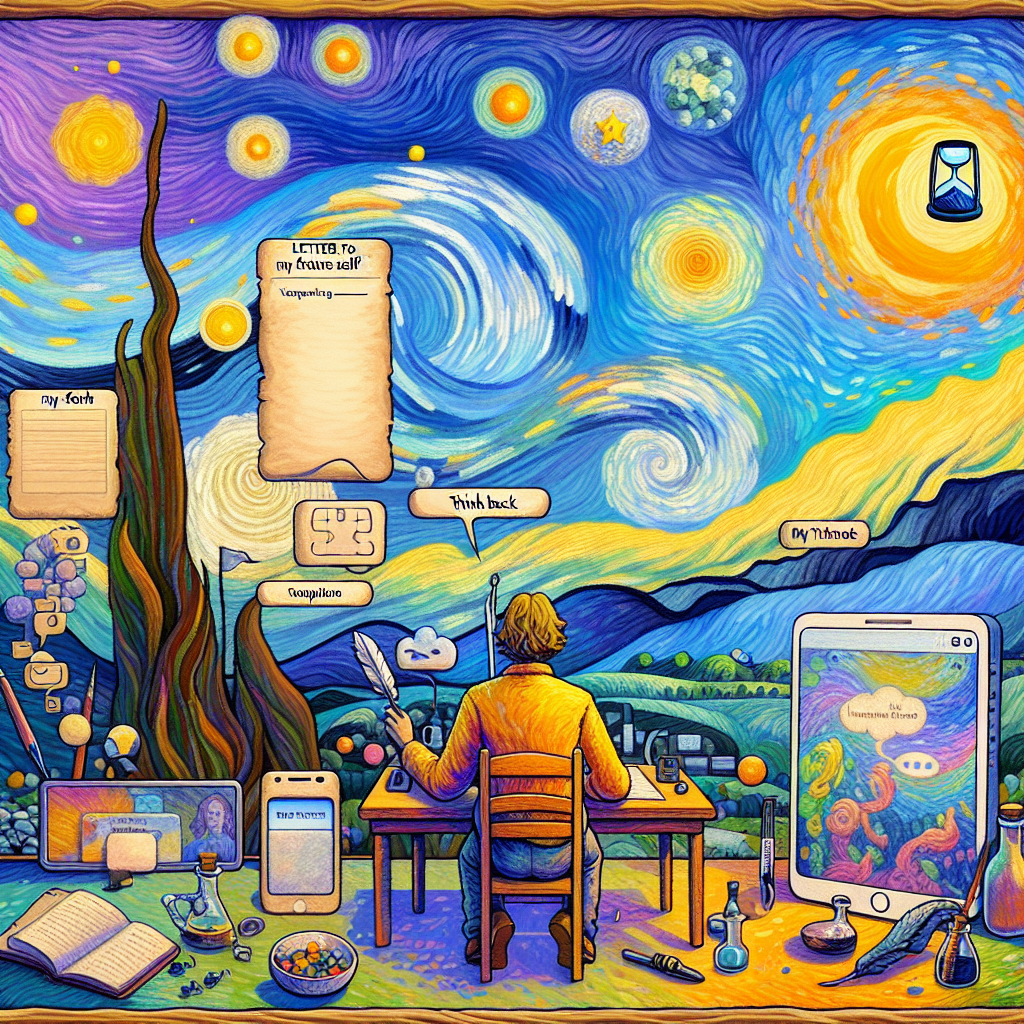
When it comes to crafting a narrative that stands the test of time, it’s not just what you say; it’s how you say it. Legacy storytelling isn’t confined to a dusty old book or a one-dimensional family tree. In today’s world, we have a treasure trove of creative formats at our disposal that can breathe life into the stories we want to share. So, roll up your sleeves, and let’s dive into some of the unique ways you can tell these stories.
First up is the classic podcast format. Imagine gathering family members, maybe even across states, and recording conversations about their experiences. You not only capture their voices but also their laughter, their pauses, and their vivid memories—all of which enrich the storytelling. This audio format is perfect for legacy storytelling as it allows for intimate sharing that feels personal, even if the listener is miles away.
Next on the list is the ever-popular video documentary. It’s one thing to hear a story, but seeing the storyteller’s facial expressions, their joy, or even their tears can create a profound impact. Consider interviewing family members and supplementing those narratives with photos, memorabilia, and home videos. This format allows you to create a visual tapestry that ties generations together, preserving not only words but also sights and sounds that would otherwise be lost to time.
Then, let’s talk about the art of the written word. A family memoir or biography can serve as a timeless artifact for future generations. If you’ve got a flair for writing, consider compiling essays or letters that detail your family’s history and values. These personal anecdotes can become cherished heirlooms, passed down to keep family traditions alive.
Let’s not forget about social media. Platforms like Instagram or Facebook can be used as living repositories for legacy storytelling. Posting photos, short stories, or even video snippets allows for real-time sharing, where distant relatives can engage, comment, and contribute their own stories. This can create a vibrant online tapestry that’s not only interactive but also constantly evolving.
Lastly, why not explore the realm of interactive digital archives? Websites and apps can help you build a legacy that feels like an experience, allowing others to explore narratives at their own pace, complete with visuals, sounds, and even links to deeper dives into family history.
The format you choose for legacy storytelling should resonate with you and your audience. After all, the stories we tell are the threads that weave our shared history together. So, embrace the creativity that modern tools offer, and ensure your legacy isn’t just remembered—it’s celebrated.
What Creative Formats Can You Use for Legacy Storytelling?
What Creative Formats Can You Use for Legacy Storytelling?
- Legacy storytelling involves not only what is said but how it is expressed, utilizing various creative formats.
- The podcast format allows for intimate conversations with family members, capturing their voices and memories.
- Video documentaries enrich storytelling through visual elements like facial expressions and memorabilia, preserving deeper connections.
- Written memoirs or biographies create timeless artifacts that hold a family’s history and values for future generations.
- Social media serves as a dynamic platform for legacy storytelling, enabling real-time sharing and engagement among family members.
- Interactive digital archives provide an experiential exploration of narratives, combining visuals and sounds for deeper engagement.
- Choosing the right format for storytelling should resonate with both the storyteller and the audience to celebrate shared history.

What Creative Formats Can You Use for Legacy Storytelling?
Table Of Contents
- What Creative Formats Can You Use for Legacy Storytelling?
- What Are The Benefits Of Using Video For Legacy Storytelling?
- How Can Photography Enhance Storytelling Of Family History?
- What Role Do Written Narratives Play In Preserving Legacies?
- How Can Digital Scrapbooking Be Used For Legacy Storytelling?
- What Are Some Innovative Audio Formats For Sharing Family Stories?
- How Can Social Media Platforms Serve As Tools For Legacy Storytelling?
- What Interactive Formats Can Engage Audiences In Family Histories?
- Conclusion
- Other Resources
- Glossary Of Terms
- Other Questions
- Haiku
- Poem
- Checklist
What Are The Benefits Of Using Video For Legacy Storytelling?
When we think about Legacy Storytelling, we often picture a dusty old book or a family gathering where someone shares tales from years gone by. But in this digital age, there’s a powerful tool at our fingertips—video. It’s not just a medium; it’s a time machine. This is where the benefits of using video come into play, enhancing our capacity to preserve and share meaningful narratives that might otherwise fade away.
First and foremost, video brings stories to life. Imagine watching a grandparent recount their childhood adventures, their laughter echoing through the room as their eyes twinkle with nostalgia. With video, you capture not only their words but also their expressions and the essence of who they are. You can see the wrinkles of experience on their face, the gestures that amplify their stories. This visual aspect creates a richer, more engaging experience than mere text, drawing viewers in and making the storytelling relatable and tangible.
Moreover, video has the unique ability to reach beyond local boundaries. Legacy Storytelling can now transcend generations and geographies. A recorded story can be shared with family members scattered across the globe, ensuring that everyone, no matter where they are, can feel connected to their roots. In an era of rapid changes and fast-moving technology, video serves as a bridge that links the past with the present, keeping the legacy alive and accessible.
Another crucial benefit is retention. Studies show that we remember visuals better than written text. Incorporating engaging visuals and audio into storytelling aids memory retention. When families gather to watch these video stories, they’re not just passively consuming content; they’re forging connections and cultivating a shared understanding of their heritage. This is especially significant for younger generations who might be too busy with their screens to appreciate the oral traditions passed down through time.
In addition, the creation of videos encourages an interactive experience. With tools available today, anyone can become a storyteller. This democratization means that more voices and stories can emerge, enriching our collective understanding of history. Families can collaborate, sharing footage and ideas to create a tapestry of experiences that will last well into the future.
In short, utilizing video for Legacy Storytelling doesn’t just preserve memories; it enhances them. So, if you’re looking to leave a mark, consider reaching for a camera instead of a pen. The past deserves to be celebrated, and video is the perfect vehicle to do just that.

What Are The Benefits Of Using Video For Legacy Storytelling?
What Are The Benefits Of Using Video For Legacy Storytelling?
- Legacy Storytelling often evokes images of old books or family gatherings, but video serves as a modern, powerful tool for preserving stories.
- Video brings stories to life by capturing not just words but also expressions and emotions, creating a richer storytelling experience.
- It allows stories to transcend geographical boundaries, making them accessible to family members around the world.
- Video enhances memory retention, as visuals are remembered better than text, fostering a shared understanding of heritage among families.
- The medium encourages interactivity, enabling anyone to become a storyteller and share diverse voices and experiences.
- More collaboration in video creation results in a tapestry of experiences that can be cherished for future generations.
- Using video not only preserves memories but enhances them, making it an ideal medium for celebrating the past.

What Are The Benefits Of Using Video For Legacy Storytelling?
How Can Photography Enhance Storytelling Of Family History?
When we think about family history, we often imagine dusty old albums or fading memories tucked away in the attic. But let’s face it: that’s not the full picture. Photography brings family history to life in a way that makes dusty doesn’t cut it. It transforms basic facts and figures into vibrant storytelling and helps us paint a portrait of our ancestry—each snapshot a brushstroke on the canvas of our legacy.
Photography acts as a time machine, whisking us away to moments that might otherwise languish in the shadows. Think about it: a simple wedding photograph can convey the hopes and dreams of a couple embarking on a journey together. It’s not just an image; it’s a testament to love, resilience, and the promise of tomorrow. This kind of imagery is pure gold for legacy storytelling, as it offers us the chance to tell our family’s narrative with emotions, struggles, and triumphs woven throughout.
Every photograph has a story to tell—be it a graduation cap thrown in the air or a child blowing out the candles on their first birthday cake. These images can evoke nostalgia and foster a sense of belonging, bridging the gaps between generations. When we gather as a family, flipping through those photos, we don’t just see images; we witness history. There’s a palpable connection as we share tales about the people in those pictures—their quirks, their dreams, their downfalls. Suddenly, those ancestors aren’t just names on a genealogical chart; they’re flesh-and-blood individuals with lives as rich and complex as ours.
Moreover, in this digital age, sharing photographs has never been easier. Capturing moments and sharing them instantly can lead to a newfound appreciation for where we come from. Social media allows us to unearth family stories from beyond the grave, enabling us to connect with distant relatives and keep our legacy alive. It sparks conversations, ignites memories, and fosters relationships that can elevate our understanding of what it means to be part of a family.
So, let’s recognize the power of photography in storytelling. It’s not merely an art form; it’s a vital tool for preserving and enhancing our family history. Each image holds the potential to be a bridge from the past to the future—reminding us where we came from while lighting the path to where we’re headed. Legacy storytelling through photography isn’t just about looking back; it’s about forging connections that endure and evolve over time.

How Can Photography Enhance Storytelling Of Family History?
How Can Photography Enhance Storytelling Of Family History?
- Photography revitalizes family history, transforming it from dusty memories to vibrant storytelling.
- It serves as a time machine, bringing moments like weddings to life and capturing emotions and dreams.
- Photographs evoke nostalgia and foster a sense of belonging, bridging generational gaps.
- Family gatherings allow us to connect over images, turning ancestors into relatable individuals with rich histories.
- In the digital age, sharing photos is easier, promoting family stories and connections through social media.
- Photography is a crucial tool for preserving family history, highlighting the importance of legacy storytelling.
- Legacy storytelling through photography helps forge enduring connections and lights the path for future generations.

How Can Photography Enhance Storytelling Of Family History?
What Role Do Written Narratives Play In Preserving Legacies?
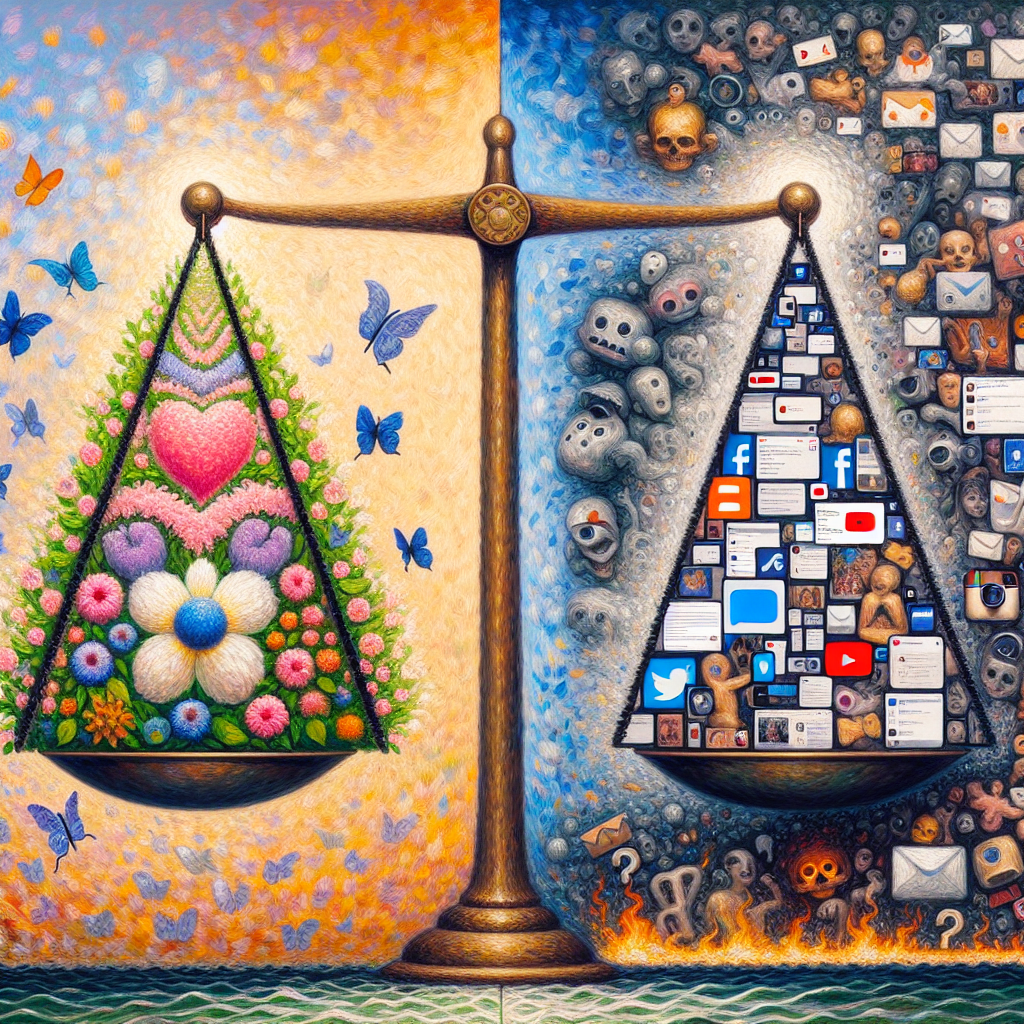
When you think about legacy, the first image that might pop into your mind is a dusty old family heirloom sitting on a shelf—something meant to be passed down from one generation to the next. However, what often gets overlooked is the power of written narratives to breathe life into those legacies, turning fade-in memories into vibrant stories that can outlast us all.
Written narratives are the backbone of what we call legacy storytelling. They serve as vessels for personal histories, preserving not just facts and figures, but the very essence of who we are and where we came from. Imagine sitting down with a loved one’s diary or memoir, transported back to moments that shaped their lives. Suddenly, those dusty heirlooms feel a bit more alive because they come wrapped in stories that resonate with experience and emotion.
The art of storytelling has been an essential part of human communication for centuries, and in the context of legacy, it serves a vital function. Written narratives allow us to capture the complexities of our past, conveying lessons learned and triumphs achieved. They create a bridge between generations, enabling younger folks to grasp not only the realities of their ancestors’ lives but the values and insights that endure. A simple story about overcoming hardship or cherishing community can serve as a guiding principle, reminding us of what really matters.
Moreover, legacy storytelling fosters a sense of belonging. When families share their written narratives, it binds them together, nurturing a shared identity that helps future generations understand their roots. These narratives, rich with detail and emotion, can reveal how the world has changed and, in some cases, how certain values remain timeless. They allow us to reflect on our humanity, showcasing our struggle and resilience, drawing connections that might otherwise be lost.
So, what role do written narratives play in preserving legacies? They serve as unforgettable chronicles, weaving the past into the present, and lighting the way for the future. Through these heartfelt stories, we ensure that the lives lived aren’t just archived in silence; they thrive on the pages, eternally reminding us of our interconnectedness and the legacy we ultimately leave behind.
What Role Do Written Narratives Play In Preserving Legacies?
What Role Do Written Narratives Play In Preserving Legacies?
- Legacy is often perceived as physical heirlooms, but written narratives play a crucial role in preserving legacies.
- Written narratives serve as vessels for personal histories, capturing the essence of individual experiences.
- Storytelling adds life to heirlooms by connecting them to vibrant, resonant experiences.
- Legacy storytelling conveys lessons from the past and bridges generational gaps.
- Sharing written narratives fosters a sense of belonging and shared identity within families.
- These narratives reveal how values can remain timeless amidst changing circumstances.
- Written narratives ensure that legacies are actively remembered and celebrated, highlighting our interconnectedness.
What Role Do Written Narratives Play In Preserving Legacies?
How Can Digital Scrapbooking Be Used For Legacy Storytelling?
Now, let’s dive into the art of legacy storytelling through digital scrapbooking. At its core, legacy storytelling is about capturing the essence of family history, experiences, and values that you want to pass down through generations. Gone are the days when you’d gather around an old photo album, flipping through the pages and getting lost in memories. Today, we have the power of technology at our fingertips, and digital scrapbooking opens an entirely new realm of possibilities.
Imagine creating a vibrant, interactive scrapbook that doesn’t just sit on a shelf gathering dust but instead becomes a digital time capsule. This approach allows you to incorporate a variety of media—photos, videos, audio clips, and even text—to tell your family’s story in a way that resonates. Instead of just a snapshot of Grandma’s face, you can weave together her stories, her recipes, and her laughter, giving future generations a richer understanding of who she was.
The beauty of digital scrapbooking lies in its flexibility. Want to include a clip of Grandpa telling tales of his youth? Go right ahead! How about a snippet of that family reunion from last summer where you all sang together? Perfect! This isn’t just scrapbooking; it’s powerful legacy storytelling that allows you to create a multifaceted narrative. You can add colorful backgrounds and innovative layouts that reflect family traditions, making the experience more engaging for future viewers.
An added bonus is the ease of sharing and preserving these digital masterpieces. No more worrying about fading photographs or crumbling pages. With the right tools, you can store, share, and even print your digital scrapbook without compromising the quality. Imagine being able to email a link to your distant relatives, allowing them to explore your family’s narrative anytime, anywhere. It fosters a sense of connection, even over miles, creating a collective legacy that is tangible, heartwarming, and memorable.
But it’s not just about what we save; it’s about how we share it. Digital scrapbooking encourages conversations about family history—moments that spark curiosity in children and adults alike. It prompts discussions around the dinner table about who wore what on that special day and why those moments mattered. Legacy storytelling through digital scrapbooking transforms history from dusty facts into a captivating journey, ensuring that the stories that shape us never fade away. In this world of pixels and digital designs, we have the opportunity to craft a narrative that will echo through time, one thoughtful scrapbook at a time.

How Can Digital Scrapbooking Be Used For Legacy Storytelling?
How Can Digital Scrapbooking Be Used For Legacy Storytelling?
- Legacy storytelling captures family history, experiences, and values for future generations.
- Digital scrapbooking offers modern ways to create interactive scrapbooks rather than traditional photo albums.
- This method allows for the inclusion of various media—photos, videos, audio clips, and text.
- It enables a multifaceted narrative, sharing stories, recipes, and memories in an engaging format.
- Digital scrapbooks are easy to share, preserving the quality and ensuring lasting connections across distances.
- Encourages conversations around family history, sparking curiosity and discussions about meaningful moments.
- Transforms history into captivating narratives, allowing stories that shape us to endure through time.

How Can Digital Scrapbooking Be Used For Legacy Storytelling?
What Are Some Innovative Audio Formats For Sharing Family Stories?
In a world that’s constantly evolving, the way we share our family stories is also undergoing a transformation. Gone are the days when tales were simply passed down through fire-lit gatherings or written in the pages of dusty old family albums. Today, innovative audio formats are breathing new life into Legacy Storytelling, allowing us to capture and share the essence of our family histories like never before.
Let’s dive into some of these groundbreaking audio formats. First up is the podcast. Now, I know what you’re thinking: “Podcasts are just for entertaining banter and true crime mysteries!” But hear me out. A dedicated family podcast could serve as an audio time capsule, where each episode focuses on a different family member’s story. Imagine sitting down with Grandma during a cozy afternoon and recording her tales about her childhood, the experiences that shaped her, and the lessons learned along the way. You could weave in sound effects, such as crackling fire or old-time music, to create an immersive experience that future generations can listen to and feel connected to.
Next, let’s talk about voice memos. You don’t need fancy equipment to capture a heartfelt story. Most smartphones come equipped with simple voice memo apps that can easily do the trick. Just hit record, and start chatting. It’s intimate, casual, and far less daunting than sitting down for a formal interview. This format captures the emotion and natural cadence of conversation, making it feel genuine. Picture a young child asking their parent about “the time before the internet,” leading to a delightful, spontaneous exchange of memories.
Then there’s the rise of audio storytelling platforms that allow you to create enhanced audio experiences. These platforms combine music, voice, and soundscapes to bring stories to life. Imagine layering your grandfather’s voice recounting his life in the military while the sounds of marching boots and distant artillery play in the background. You transform a simple narrative into a vivid auditory picture that resonates with the listener.
Lastly, there’s voice-activated technology like smart speakers. With just a simple command, you can pull up your collected family stories, making it accessible during family gatherings. “Hey, tell us about Aunt Mary’s famous pie!”—and suddenly, everyone is transported back to memories shared around a kitchen table.
LLegacy Storytelling through innovative audio formats allows us to preserve our family lore in ways that engage the senses and keep the spirit of those stories alive. As we move forward, embracing these modern methods not only ensures our stories endure but also fosters connections that can span generations. So grab that recorder, get your family together, and create a tapestry of tales that will continue to be told long after we’re gone.

What Are Some Innovative Audio Formats For Sharing Family Stories?
What Are Some Innovative Audio Formats For Sharing Family Stories?
- Family storytelling is evolving with innovative audio formats, moving beyond traditional methods.
- Podcasts can serve as audio time capsules, capturing individual family members’ stories.
- Voice memos offer a casual way to record heartfelt, intimate stories using smartphones.
- Audio storytelling platforms enhance narratives with music, voice, and soundscapes for a vivid experience.
- Voice-activated technology makes family stories easily accessible during gatherings.
- These modern methods of Legacy Storytelling help preserve family lore and connections across generations.
- Encouragement to use recording tools to create a living tapestry of family tales for future generations.

What Are Some Innovative Audio Formats For Sharing Family Stories?
How Can Social Media Platforms Serve As Tools For Legacy Storytelling?
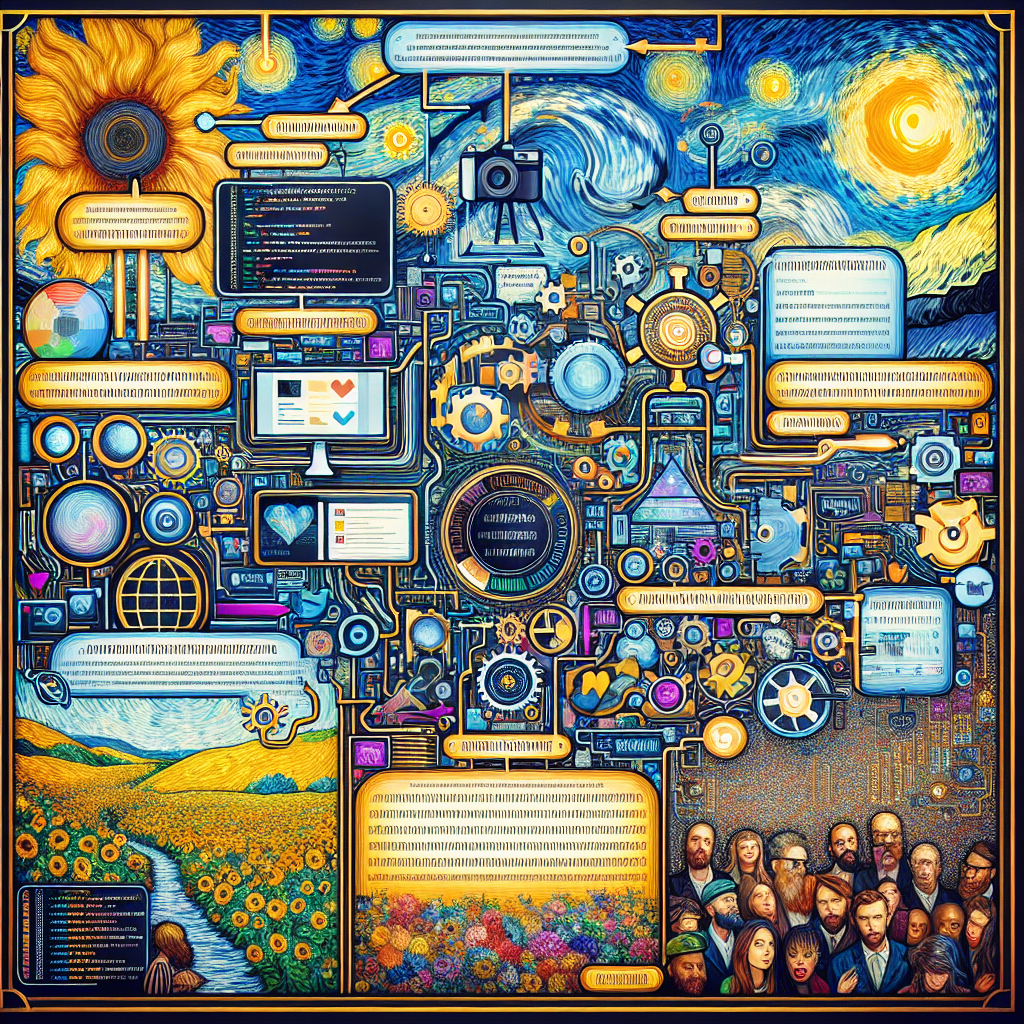
In the digital age, where every moment can be captured and shared, social media platforms have transformed into powerful avenues for what many call Legacy Storytelling. This evolving method of preserving history, memory, and identity is no longer confined to dusty family albums or ornate scrapbooks. Instead, it thrives in the dynamic realms of Facebook, Instagram, and Twitter, fostering connections and interweaving narratives that span generations.
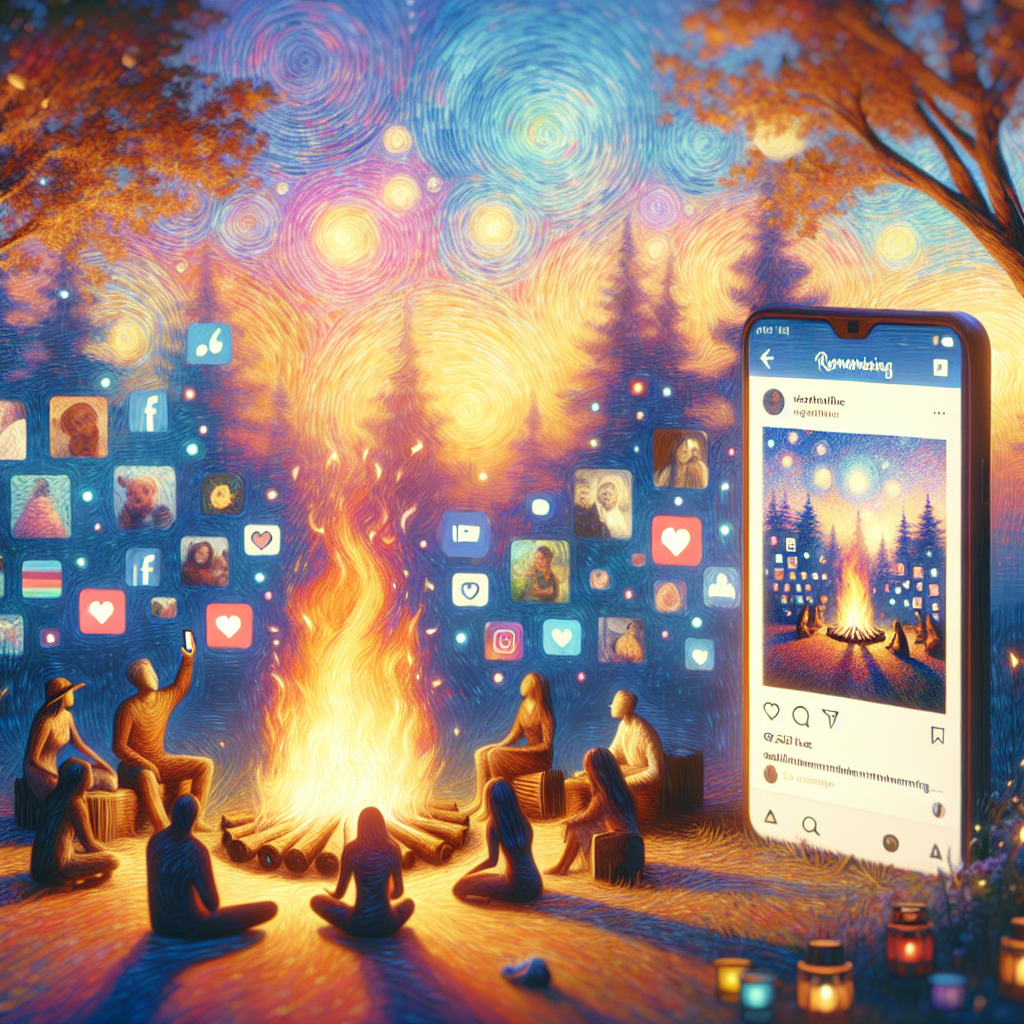
Imagine a simple post that recounts a childhood adventure, complete with a grainy photo of old bicycles and sun-soaked streets. That image can trigger a cascade of comments from family and friends, each sharing their own tale that interlocks with the original story. This is where Legacy Storytelling shines—not just in the act of sharing memories but in the communal experience of recalling shared histories. It’s a bit like sitting around a campfire, only instead of sparks flying into the night, we have ideas and emotions soaring across screens.
Social media platforms act as the modern-day storytellers, allowing users to share personal anecdotes, cultural traditions, and ancestral narratives with a few taps of the finger. Whether it’s a heartfelt video tribute to a loved one, an Instagram carousel capturing family milestones, or a Twitter thread weaving together historical threads, the possibilities are endless. What’s truly remarkable is how these platforms enable voices that might otherwise go unheard; the stories of underrepresented communities, the nuanced experiences of immigrants, or the day-to-day lives of those who have faced societal challenges can emerge into the limelight, ensuring that history is told from multiple perspectives.
Moreover, the algorithms that govern these platforms often amplify impactful stories, ensuring they reach audiences beyond one’s immediate circle. In a time when attention spans are fleeting, the ability to engage others through compelling Legacy Storytelling can create ripples that last far beyond the initial post. Digital spaces allow for interactivity, encouraging comments, shared experiences, and even collaborative storytelling. It’s like stitching a quilt: each patch is unique, yet together they form a larger, cohesive narrative.
Ultimately, social media’s role in Legacy Storytelling is a double-edged sword. While it democratizes the act of storytelling, it also requires us to be mindful—to distinguish between what’s fleeting and what truly deserves to be remembered. As we share our tales, let us do so with the awareness that these snippets of life, preserved in pixels and text, shape the collective legacy we leave behind.
How Can Social Media Platforms Serve As Tools For Legacy Storytelling?
How Can Social Media Platforms Serve As Tools For Legacy Storytelling?
- Social media has become a vital platform for Legacy Storytelling, enabling the preservation of history, memory, and identity.
- This form of storytelling moves beyond traditional family albums into dynamic online spaces like Facebook, Instagram, and Twitter.
- Posts can spark communal interactions, where shared memories create interconnected narratives reminiscent of storytelling by a campfire.
- These platforms facilitate the sharing of personal stories, cultural traditions, and ancestral narratives with ease.
- Underrepresented communities and diverse experiences gain visibility, ensuring history is told from multiple perspectives.
- The amplification of impactful stories by algorithms enhances reach and engagement, creating lasting ripples from initial posts.
- Social media’s democratization of storytelling encourages mindfulness in distinguishing between fleeting content and meaningful memories.

How Can Social Media Platforms Serve As Tools For Legacy Storytelling?
What Interactive Formats Can Engage Audiences In Family Histories?
In the ever-evolving world of family history preservation, engaging your audience is like trying to catch a slippery bar of soap in a wet shower—it’s tricky, but the right approach can make all the difference. One powerful method to connect with people and breathe life into your family legacy is through Legacy Storytelling. It’s not just about recounting facts and dates; it’s an adventure of crafting and sharing stories that resonate with the heart and soul.
Imagine guiding your audience through the journey of your ancestors with an interactive digital timeline. Picture a visually engaging display where each date is not just a number but a vibrant story waiting to be told. You click on a year, and suddenly, you’re transported to a photograph of a family member at a pivotal moment—maybe your grandfather standing proudly in front of his first car, or your grandmother writing letters during a war. Each moment is a chapter in the epic saga of your family, sparking curiosity and forming connections.
Now let’s talk about the auditory experience. Podcasts are an exquisite medium for Legacy Storytelling. They allow the rich tapestry of your family’s narrative to unfold through voice and emotion. Whether it’s interviews with relatives recounting vivid memories or soundscapes that transport listeners to a place and time, podcasts can invoke feelings that words alone might struggle to capture. This format invites people to tune in while doing chores or commuting, integrating family history into their daily lives.
Interactive family trees also create a dynamic backdrop for storytelling. Gone are the days of wall-mounted, static trees collecting dust. Online platforms now enable users to click through branches, unveiling stories, documents, and multimedia presentations that bring each branch to life. A simple click reveals a biography or a cherished anecdote, turning a dry chart into an engaging narrative experience that can captivate both young and old.
Lastly, let’s not underestimate the power of visuals. Video storytelling can be incredibly compelling. Create a documentary-style piece that chronicles family milestones, utilizing photographs, letters, and home movies. It’s an opportunity to meld the past with the present, giving family history a new voice through interviews and current-day perspectives.
In essence, the principles of Legacy Storytelling, when woven into interactive formats, can transform the way audiences connect with their own family histories. Whether through timelines, podcasts, interactive trees, or videos, engaging the audience is about making them participants in the story rather than mere spectators. In doing so, you’re not just preserving history; you’re inviting others into your family legacy, allowing them to share in the rich tapestry of experiences that define who you are.

What Interactive Formats Can Engage Audiences In Family Histories?
What Interactive Formats Can Engage Audiences In Family Histories?
- Legacy Storytelling engages audiences by transforming family history into compelling narratives.
- Interactive digital timelines allow audiences to explore ancestors’ journeys through vibrant stories and photographs.
- Podcasts provide an emotional auditory experience to share family narratives and engage listeners during everyday activities.
- Interactive family trees enhance storytelling by revealing biographies and anecdotes through clickable online platforms.
- Video storytelling combines photographs, letters, and home movies to create documentary-style insights into family milestones.
- Innovative storytelling formats encourage audience participation in their family history, fostering deeper connections.
- Ultimately, engaging others in family legacy enhances preservation and enriches the shared tapestry of experiences.

What Interactive Formats Can Engage Audiences In Family Histories?
Conclusion
As we wrap things up, let’s reflect on how we weave the rich tapestry of our family histories. Legacy storytelling, my friends, isn’t about finding the right book to dust off or a musty family tree sitting in the attic—it’s about reigniting our connections through innovative formats. Today’s digital age has armed us with revolutionary tools that can transform the way we share our stories.
Take podcasts, for example. Picture a cozy conversation with Grandma, her laughter ringing through the air as you hit record. Instead of just reading her words, you capture her spirit—something text alone can’t convey. Or how about video documentaries? They add layers of emotion, giving us the chance to witness our family’s essence up close and personal. A smiling wedding photo tells one tale, but seeing the joy and bittersweet tears of a family member can elevate that narrative to a heartwarming saga.
Written narratives still hold their weight, and they’re more than dusty relics. Think of a memoir as an heirloom—your family’s history wrapped in words that span generations. And with today’s tech, sharing those tales has never been easier. Social media platforms are like the campfires of yore—sparking conversation, sharing memories in real-time, and building a vibrant community that connects us.
Let’s not forget interactive digital formats, like scrapbooks that are as alive as we are. They can hold not just images but sounds, animations, and links to stories, transforming our family lore into an engaging journey that invites everyone to participate. Imagine your family gathered around a digital timeline, clicking through history, uncovering tales from ancestors as they dive into every significant moment captured anew.
Without a doubt, these innovative formats don’t just preserve our past; they enrich it. They bring nostalgia and history to life, creating bonds that move between generations. So, as you think about your legacy, consider how best to tell it—make use of your voice, the camera, the written word, or the endless scroll of social media.
In the end, the goal is simple: ensure your legacy isn’t just remembered, but celebrated. Embrace the creativity of modern storytelling tools, and get ready for the stories of yesterday to resonate in the hearts of those who will carry them forward. Because let’s face it, every family has a story worth telling—you just need the right format to bring it to life.

Conclusion
Conclusion:
- Legacy storytelling goes beyond traditional family trees and relics; it’s about rekindling connections through modern formats.
- Podcasts offer a way to capture family members’ spirits, enabling heartfelt conversations to be recorded and shared.
- Video documentaries enhance storytelling by adding emotional depth and allowing for a personal connection to family history.
- Written narratives, like memoirs, serve as heirlooms that carry family history across generations and can now be easily shared online.
- Social media acts as a modern campfire, facilitating real-time conversation and community bonding through shared memories.
- Interactive digital formats, such as scrapbooks and digital timelines, make family stories engaging and participatory.
- Innovative storytelling formats not only preserve history but also enrich it, fostering intergenerational bonds and ensuring legacies are celebrated.

Conclusion
Other Resources
Other Resources
Here is a list of other resources you can review online to learn more:
- MyWishes
- NoLo
- LegalNature
- RocketLawyer
- deviantART
- Funeral Finder
- Directive Communication Systems
- FamilySearch
- 23AndMe
- International End of Life Doula Association
Use This Prompt To Get More Resources With Your Favorite Online AI Tool: Please provide me with a list of online articles with their URLs in a bulleted list that I can read regarding What Creative Formats Can You Use for Legacy Storytelling?

Other Resources
Glossary Terms
What Creative Formats Can You Use for Legacy Storytelling? – Glossary Of Terms
1. Legacy Storytelling: The practice of sharing personal narratives and significant life experiences to preserve history and values across generations.
2. Narrative: A structured account of events or experiences, often used in storytelling to convey meaning or moral lessons.
3. Memoir: A written account of specific experiences from a person’s life, typically focusing on particular themes or events.
4. Biography: A detailed description or account of a person’s life, often chronicling their achievements and contributions to society.
5. Podcast: An audio program that can be serialized or episodic, used to share stories and interviews with listeners.
6. Video Documentary: A visual storytelling format that combines interviews, historical footage, and personal anecdotes to explore a subject in depth.
7. Oral History: A method of collecting spoken accounts from individuals, capturing their memories and perspectives on historical events.
8. Photo Essay: A series of photographs accompanied by captions or short narratives that together tell a story or convey a message.
9. Digital Scrapbook: An online or electronic version of a scrapbook that combines images, text, and multimedia elements to preserve memories creatively.
10. Timeline: A graphical representation of events in chronological order, often used to illustrate the progression of a person’s life or important milestones.
11. Story Circle: A communal storytelling method where participants share their stories and experiences in a supportive environment, encouraging connection and reflection.
12. Social Media: Platforms for sharing stories and experiences through text, images, and videos, allowing a wider audience to engage with legacy narratives.
13. Art Journal: A mixed-media book that combines art and writing, allowing individuals to express their thoughts and memories creatively.
14. Memory Box: A physical or digital container for keepsakes, letters, and artifacts that represent significant memories and can be shared with future generations.
15. Graphic Novel: A format that combines illustrations and text to tell a story, often incorporating personal narratives or fictionalized accounts of real experiences.
16. Interactive Timeline: A digital tool that allows users to explore events and stories in a non-linear fashion, often incorporating multimedia elements.
17. Virtual Reality (VR): A computer-generated simulation that immerses users in a different environment, allowing for experiential storytelling.
18. Augmented Reality (AR): A technology that overlays digital information onto the real world, enhancing storytelling through interactive experiences.
19. Family Tree: A visual representation of a family’s lineage, often including narratives or anecdotes about ancestors and their experiences.
20. Eulogy: A speech or tribute delivered at a funeral, celebrating the life of a deceased person and often sharing personal anecdotes and memories.
21. Community Archive: A collection of local stories, photographs, and artifacts that preserve the history and experiences of a community for future generations.
22. Letter Writing: The art of composing letters to share personal reflections, memories, and wisdom with family members as a legacy.
23. Creative Writing: The expression of thoughts and feelings through imaginative writing, including fiction, poetry, and personal essays.
24. Curation: The process of selecting and organizing stories, artifacts, and memories to create a coherent narrative for future generations.
25. Interactive Storytelling: A narrative format that engages the audience through decision-making or participation, allowing them to shape the story’s outcome.
26. Memory Mapping: A visual method of documenting memories and experiences tied to specific places, creating a spatial representation of one’s life journey.
27. Legacy Letters: Personal letters written to loved ones that convey important messages, life lessons, and cherished memories.
28. Vlog (Video Blog): A video format where individuals share personal stories, insights, or experiences, often used for legacy storytelling.
29. Storytelling Event: A gathering where individuals share their stories publicly, promoting heritage, community connection, and the importance of personal narratives.
30. Interview: A method of gathering stories through question-and-answer sessions, often used to capture the perspectives and experiences of individuals.
These terms encompass various creative formats and methods that can be employed in legacy storytelling, allowing individuals and communities to preserve and share their histories in meaningful ways.

Glossary Of Terms
Other Questions
What Creative Formats Can You Use for Legacy Storytelling? – Other Questions
If you wish to explore and discover more, consider looking for answers to these questions:
- What are some other creative formats for legacy storytelling?
- How can I effectively gather stories from family members?
- What tools and technology do I need for video storytelling?
- Are there best practices for conducting interviews with family members?
- How can I ensure the quality of my audio recordings?
- What resources are available for writing a family memoir?
- How do I choose the right platform for sharing my family stories online?
- What are some tips for maintaining privacy when sharing family stories on social media?
- How can I engage younger generations in family storytelling?
- What are the challenges of storytelling in a multicultural family?
- How can I archive my family stories digitally for future generations?
- What role do community resources (libraries, historical societies) play in legacy storytelling?
- How can I incorporate genealogy research into my storytelling?
- What are some examples of successful legacy storytelling projects?
- How do I create an interactive digital timeline for my family’s history?

Other Questions
Haiku
What Creative Formats Can You Use for Legacy Storytelling? – A Haiku
Capturing our past,
Voices, images unite,
Stories live through time.

Haiku
Poem
What Creative Formats Can You Use for Legacy Storytelling? – A Poem
In whispers of time, our stories reside,
Not just in books or albums that hide.
From laughter to tears, the tales that we weave,
With every format, our legacies breathe.
Podcasts capture voices, laughter, and sighs,
Interviews drawing deep family ties.
Video documentaries show stories in motion,
Facial expressions echoing the emotional ocean.
Words penned with love, in memoirs they lie,
Echoing values like stars in the sky.
Each letter, each essay, a treasure bestowed,
Alive in our hearts, in the tales that we’ve sowed.
Photography paints vivid portraits of life,
Moments frozen, from joy to strife.
Each snapshot a bridge from past to the now,
With memories sparkling, we honor our vow.
Digital scrapbooks transform history’s face,
Interactive realms where our memories embrace.
With clicks and with swipes, family tales unfold,
Creating connections, both young and the old.
Social media summons a vibrant new age,
Where stories interlace on a digital page.
From pictures and posts, our narratives soar,
Reaching beyond what was known before.
So gather your tales, let each voice be heard,
In every format, let love be the word.
For legacies live—not dusty nor bare—
But alive in the moments we choose to share.

Poem
Checklist
What Creative Formats Can You Use for Legacy Storytelling? – A Checklist
1. Audio Storytelling
_____ Create a family podcast
_____ Record voice memos of family anecdotes
_____ Experiment with audio storytelling platforms for enhanced experiences
_____ Use voice-activated technology to easily recall stories during gatherings
2. Video Storytelling
_____ Compile interviews into a video documentary format
_____ Record family events or gatherings to capture memories
_____ Create short clips for social media sharing
_____ Incorporate sound effects and background music in video storytelling
3. Photography
_____ Create a digital photo album that tells a story
_____ Use photos to trigger family discussions and recollections
_____ Share photographs regularly on social media platforms to engage family members
_____ Consider creating a visual timeline of pivotal family moments
4. Written Narratives
_____ Compile family memoirs or biographies
_____ Collect letters or essays documenting family history
_____ Encourage family members to share personal stories in written form
_____ Create a family storybook that includes narratives from different generations
5. Social Media Engagement
_____ Utilize Facebook, Instagram, or Twitter to share stories
_____ Post about family traditions, milestones, and anecdotes
_____ Foster community by inviting other family members to contribute to stories online
_____ Use hashtags to organize and promote family legacy stories
6. Interactive Digital Formats
_____ Create an interactive digital timeline of your family history
_____ Develop an interactive family tree that includes multimedia links
_____ Use online platforms or apps to make legacy storytelling engaging and interactive
_____ Design digital scrapbooks that combine text, photos, and audio
7. Encouraging Participation
_____ Involve family members in storytelling sessions (via video call if necessary)
_____ Set up family discussions around shared stories to keep the narrative alive
_____ Create a schedule for regular story-sharing gatherings
_____ Share completed projects with family and solicit feedback
8. Preservation and Sharing
_____ Ensure digital formats are saved and backed up properly
_____ Plan for physical or digital prints of key materials for family heirlooms
_____ Share finalized stories with family members through email or cloud services
_____ Establish a family archive for collecting and preserving stories and formats
9. Reflection and Review
_____ Regularly review storytelling formats for effectiveness and engagement
_____ Gather feedback from family members on what formats resonate most
_____ Update stories and involve new family members as they come of age
_____ Celebrate milestones with storytelling events or gatherings
Using this checklist can help you explore the multitude of creative formats available for legacy storytelling, ensuring your family history is preserved and cherished for generations to come.
Checklist
At LegacyExplorations, we help people plan and explore their legacy by collecting information and news regarding end-of-life planning.
Please share this post with your friends, family, or business associates who may want help to plan or explore their legacy.