

Exploring The Loss Of Choice In A World Without ‘Save As’
By Tom Seest
At LegacyExplorations, we help people plan and explore their legacy by collecting information and news regarding end-of-life planning.
Please share this post with your friends, family, or business associates who may want help to plan or explore their legacy.
What Happens When Save As Becomes Extinct?
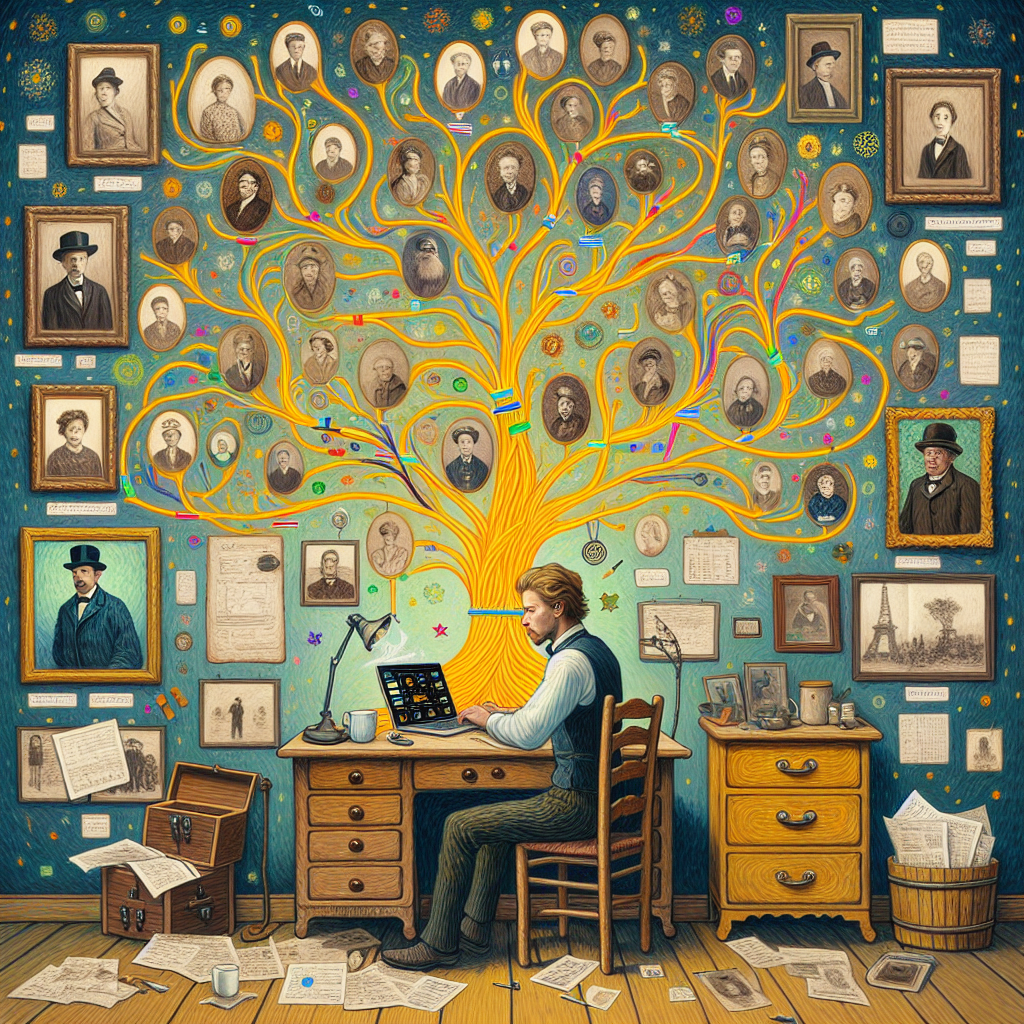
What happens when “Save As” becomes extinct? It’s a thought-provoking question that reaches deep, touching on legacy and storytelling. In a world where technology races forward, there’s a small yet powerful act that links us all: the simple act of saving our work. This act is more than a safeguard for our ideas; it’s about the stories we carry, the legacies we leave behind.
Imagine a writer hunched over their keyboard, fingers poised. Each keystroke tells a part of their story. The “Save As” function is their silent partner, ensuring that every version is preserved, every edit reflects their journey. What happens if that partnership disintegrates? We risk losing not only our drafts but the very essence of what it means to create and share. Creativity thrives on iteration. We learn from our mistakes, refining our narratives, and the “Save As” function provides the framework for that iterative process.
In this digital landscape, we’re told to embrace the new and let go of the old. But here’s the reality: nostalgia holds a unique power. It’s about connection, community, and preserving our shared experiences. If we rush to discard “Save As,” we might inadvertently sever ties with our past, making it harder to relate to our present and future. Legacy storytelling hinges on the ability to remember where we’ve been. It fuels our identity and inspires those who come after us.
Rationally, consider the impact on society if we relinquish our ability to save and revisit. Without the capacity to reflect on our work, how can we teach future generations? They deserve access to our collective knowledge, not a sanitized version stripped of personal growth and evolution. It’s a disservice to our intellectual heritage.
Ethically speaking, we have a responsibility to safeguard the authentic narratives that shape our culture. When we choose to preserve the iterations of our work, we acknowledge the hard work and passion that goes into creation. Authority in our craft comes from understanding both the triumphs and failures in our narratives.
So, as technology evolves, let’s advocate for the essence of saving our stories. Let’s champion the preservation of our digital legacies, ensuring that every chapter, every revision, is a testament to our shared humanity. In doing so, we not only safeguard our own stories but foster a community that values connection, understanding, and the beautiful messiness of creativity.

What Happens When Save As Becomes Extinct?
What Happens When Save As Becomes Extinct?
- The extinction of “Save As” raises questions about legacy and storytelling.
- Saving work is a crucial act that preserves ideas and stories for future generations.
- The “Save As” function enables creativity through iteration and reflection on past drafts.
- Nostalgia plays a role in maintaining connections to our past amidst technological change.
- Relinquishing “Save As” could inhibit teaching future generations and limit access to collective knowledge.
- It is essential to safeguard authentic narratives to reflect the hard work and passion in creation.
- Advocating for digital legacies promotes community and values the complexity of the creative process.

What Happens When Save As Becomes Extinct?
Table Of Contents
- What Happens When Save As Becomes Extinct?
- Is Preserving Our Digital Possessions Essential for Our Identity?
- How Would You Feel If All Your Files Vanished Overnight?
- What Will We Lose If “Save As” Disappears Forever?
- How Does “Save As” Shape Our Creativity?
- Is The Decline Of “Save As” A Threat To Our Digital Memory?
- What Ethical Implications Arise From Eliminating “Save As”?
- How Would Life Change Without The “Save As” Function?
- Conclusion
- Other Resources
- Glossary Of Terms
- Other Questions
- Haiku
- Poem
- Checklist
Is Preserving Our Digital Possessions Essential for Our Identity?
In today’s fast-paced world, where fleeting moments often slip away like sand through our fingers, the question arises: is preserving our digital possessions essential for our identity? The answer isn’t just a matter of convenience; it strikes at the very core of who we are. Our digital footprint isn’t merely a collection of photos, texts, or emails; it’s a rich tapestry of our experiences, relationships, and aspirations. This is where legacy storytelling comes into play, weaving together the threads of our lives into a narrative that informs not just who we were but who we aspire to be.
When we think about identity, we often envision a portrait—a snapshot of our lives. But what happens when that portrait is at risk of fading away? The emotional pull of preserving our digital possessions is undeniable. Each photograph holds the laughter, tears, triumphs, and struggles that shape us. In moments of solitude, revisiting these memories can spark joy or provide comfort. They tether us to our shared humanity, reminding us of the connections that make life worth living.
Rationally, one could argue that backing up our digital assets is practical. Data loss can strike when we least expect it, leaving us with a void that’s hard to fill. Where is the logic in allowing precious memories and significant accomplishments to vanish? By consciously choosing to preserve these digital remnants, we take a stand against the impermanence so inherent in life.
Ethically, we have a responsibility not only to ourselves but to those who come after us. Our stories deserve to be told, not just for personal satisfaction but as legacies for future generations. Think of the wisdom our experiences can impart. It’s within our collective narratives that we find lessons, values, and a sense of belonging that transcends time and space.
Engaging in this journey of preservation fosters connection, not just within ourselves but with others who share similar paths. Each shared memory becomes a bridge, inviting dialogue and understanding. In an increasingly digital world, we must rally together to advocate for the importance of our stories.
So, as you ponder your digital possessions, remember this: preserving them is an act of love—to yourself, to your memories, and to those who will carry forward your legacy. Your identity is not just a collection of moments; it’s a story waiting to be told, a legacy waiting to be cherished, and a reminder that in preserving our past, we enrich our future.
Is Preserving Our Digital Possessions Essential for Our Identity?
Is Preserving Our Digital Possessions Essential for Our Identity?
- Preserving digital possessions is crucial for maintaining our identity.
- Our digital footprint encompasses experiences, relationships, and aspirations.
- Legacy storytelling transforms personal narratives into meaningful legacies.
- Each photograph and memory evokes emotions and connects us to our humanity.
- Backing up digital assets prevents the loss of valuable memories and accomplishments.
- Ethically, we owe it to ourselves and future generations to share our stories.
- Preserving memories fosters connections and enriches both our past and future.

Is Preserving Our Digital Possessions Essential for Our Identity?
How Would You Feel If All Your Files Vanished Overnight?
Imagine waking up one morning to find that all your digital files—the photos capturing milestones, the documents chronicling your career, and the little notes that hold your life’s legacy—have simply vanished into thin air. It’s jarring to think about, isn’t it? Our lives are woven together by these files, each holding a piece of our legacy. They tell our story—the narrative of our struggles, victories, dreams, and regrets. Without them, what do we have?
What’s at stake here isn’t just data; it’s the memory of who we are. For many, those photos of family gatherings, or that essay you slaved over in college, represent more than just pixels on a screen. They connect us to past experiences, bridging the gap between who we were and who we’ve become. Each file is a thread in the fabric of our life’s story, and when they disappear, it feels like someone has cut the cord to our most cherished memories.
Rationally, the technology that keeps our files safe is impressive, yet it’s not infallible. We trust that our data is being backed up and secured, but how often do we think about what happens if that trust is misplaced? Every time we hear a story of someone losing their entire digital life, it serves as a wake-up call for the rest of us. These narratives remind us that we can take control of our digital legacy; we have the agency to safeguard it. Regularly backing up files and choosing reliable storage solutions isn’t just smart; it’s a responsible act of self-preservation.
Ethically speaking, in an age when our professional and personal lives are inexorably linked to the digital world, it’s our duty to protect not just our information but also that of others. When we consider the ripple effects of losing vital data—how it could impact loved ones, friends, or colleagues—the ethical imperative becomes even clearer.
It’s easy to feel isolated in this digital age, yet the potential loss of all our files underscores a shared vulnerability. Every one of us has something to lose, and that realization can forge connections. Open discussions about digital safety can foster a community dedicated to looking out for each other. Being proactive not only shields our legacy but builds trust among those we share our stories with, enhancing our collective resilience.
In a world where everything can seem temporary, let’s commit to protecting our digital identities and the rich legacies we carry. The stories we tell, the files we save—they matter.

How Would You Feel If All Your Files Vanished Overnight?
How Would You Feel If All Your Files Vanished Overnight?
- Digital files represent personal and collective legacies, holding memories and experiences.
- Loss of these files feels like a severing of connections to our past selves and stories.
- Current technology for data storage is reliable but not infallible.
- Regular backups and secure storage solutions are essential for safeguarding digital legacies.
- Ethical responsibility exists to protect not only personal information but also that of others.
- Open discussions about digital safety can enhance community trust and resilience.
- A commitment to protecting digital identities acknowledges the importance of personal narratives.

How Would You Feel If All Your Files Vanished Overnight?
What Will We Lose If “Save As” Disappears Forever?
In an age dominated by convenience and instant gratification, the notion of a world without the “Save As” function echoes not just in our digital files, but in the very legacy of how we tell our stories. Picture the countless hours spent crafting the perfect document, a labor of love, infused with ideas and emotions that reflect who we are. When we hit “Save As,” we’re not merely designating a file; we’re sealing a moment in time, preserving our thoughts for future reflection and growth. It’s more than just a technical function; it’s a cornerstone of legacy storytelling.
Removing “Save As” strips away the layers of creation. It forces us into a fast-paced, linear existence where our narrative is dictated by the relentless urge to move forward, leaving behind the nuances and depth of our earlier drafts, ideas, and emotions. Our files would become a scattered tapestry of incomplete thoughts, devoid of the rich history and evolution that have come to define our work. Imagine squandering the raw, unfiltered expressions of creativity—the edits, the drafts, the process—that reveal not only our processes but also our humanity. Each saved version carries the weight of its predecessors, serving as a monument to how far we’ve come.
Rationally, consider the repercussions on collaboration. The ability to save multiple versions promotes an environment where ideas are nurtured and refined through co-creation. Without this functionality, teamwork becomes stifled, innovation slows, and the beautiful dance of sharing insights loses its rhythm. This is not just an inconvenience; it disrupts our social fabric, hindering our ability to inspire and influence one another.
Ethically, preserving our work for future use is a responsibility we owe not just to ourselves but to the communities we engage with. It’s in our stories that we find connection, a shared human experience that resonates across generations. Each saved file could inspire a budding creator or educate someone standing on the shoulders of giants, yet without the means to save our evolving narratives, we risk losing that powerful legacy.
The threat of losing “Save As” is not merely about forgetting where we put our work—it’s about the larger implications of what happens when we can no longer curate our histories. It’s about making sure our stories are told, heard, and passed down, ensuring that the echoes of our experiences resonate far beyond the confines of our screens. In a world that thrives on fast-paced consumption, let’s remember the value of pausing, preserving, and sharing our stories with intention.
What Will We Lose If “Save As” Disappears Forever?
What Will We Lose If “Save As” Disappears Forever?
- The “Save As” function is crucial for preserving our ideas and emotions in digital storytelling.
- Removing it limits our creativity, forcing a linear narrative that overlooks earlier drafts and nuances.
- Files would become a random collection of incomplete thoughts, stripping away historical context.
- Multiple saved versions enhance collaboration and foster creative co-creation.
- Losing “Save As” disrupts social connectivity and innovation in teamwork.
- Preserving our work is an ethical responsibility to ourselves and future communities.
- The absence of this function risks diminishing the legacy of shared human experiences and stories.

What Will We Lose If “Save As” Disappears Forever?
How Does “Save As” Shape Our Creativity?
In a world cluttered with options, the humble “Save As” function does more than preserve our work—it embodies a philosophy of creativity and legacy storytelling. This tool is a digital lifeline that allows us to explore, adapt, and evolve our ideas without the fear of erasing our past. When we hit save, we are not just storing a file; we are conserving a moment of inspiration, a spark that could ignite something monumental in the future.
Think about it: every time you sit down to create, you’re standing at a crossroads. There’s the safe path, where you repeat what’s already been done, and then there’s the uncharted terrain, where originality thrives. The “Save As” function invites you to wander down that uncharted path, knowing that if you stray too far, you can always return to the familiar. It’s this safety net that transforms hesitation into action, allowing you to push boundaries and experiment in ways you might never have considered.
Every artist, every writer, every innovator is driven by the desire to leave a mark, to tell a story that resonates. “Save As” provides a tool to preserve these narratives, creating a tapestry of our collective experiences. It’s a digital canvas where each version of your work tells a different chapter of your creative journey. These moments accumulate, forming a legacy that could influence future generations. You are not just creating for yourself; you are participating in an ongoing conversation with society, a dialogue that merges the past with the future.
Moreover, there’s an ethical dimension to consider. When we use “Save As,” we acknowledge the importance of iteration. It promotes a growth mindset, encouraging us to view mistakes as milestones rather than failures. This fosters a culture where creativity is celebrated, and collaboration becomes crucial. Navigating the creative process together—sharing drafts, linking ideas, and building on each other’s work—grows trust within our communities.
As you embrace the “Save As” philosophy in your own creative endeavors, remember that each click is more than a mere action. It symbolizes your courage to explore, the strength to fail, and the commitment to create a lasting impact. In this journey, you are part of something greater—an ever-evolving legacy that thrives on the very principles of creativity, relationship, and resilience. So, the next time you create, think about how “Save As” doesn’t just save your work; it saves your story.
How Does “Save As” Shape Our Creativity?
How Does “Save As” Shape Our Creativity?
- The “Save As” function is a digital tool that supports creativity and storytelling.
- It allows for exploration and adaptation without losing previous ideas or work.
- This function encourages risk-taking and experimentation in creative processes.
- “Save As” helps preserve narratives and contributes to an individual’s creative journey.
- It fosters a growth mindset, viewing mistakes as opportunities for improvement.
- The philosophy promotes collaboration and trust among creators by sharing ideas.
- Each use of “Save As” signifies a commitment to impact and interconnects past and future creations.

How Does “Save As” Shape Our Creativity?
Is The Decline Of “Save As” A Threat To Our Digital Memory?
Is the decline of the “Save As” function a threat to our digital memory? It’s a question that might seem buried beneath the weight of our rapid technological advances, yet it deserves a closer look. In an age where instant gratification reigns supreme and every moment is uploaded and shared at lightning speed, there’s an undeniable value in the art of legacy storytelling. This isn’t just about preserving files; it’s about safeguarding our collective experiences, the threads that bind us in a tapestry of shared narratives.
Reflect on your own journey. Each time you hit “Save As,” you weren’t just saving a document; you were creating a physical point of reflection, a marker of where you were at that moment. You were crafting a legacy—one that tells the story of your evolution, triumphs, and struggles. Without this conscious action, we risk losing those intimate moments that shape our understanding of self and community.
It’s easy to dismiss this decline as mere nostalgia, a quirk of the past. Yet, consider the implications. As we rely more on cloud storage and automated systems that don’t require our intervention, we relinquish control over our memories. Our digital heritage becomes a vast ocean, with the risk of our personal stories drowning in a swell of endless data. Are we fortifying our identities, or are we simply floating along, passive observers of our own histories?
On a community level, the shift away from “Save As” can have an ethical dimension. When stories are stripped of their unique contexts and held within algorithmic confines, we lose not just individuality but the rich diversity that characterizes the human experience. That’s where the heart of legacy storytelling lies—in each person’s perspective and the authenticity it brings.
But to navigate this change, we need actionable steps. It’s time to reclaim our narrative agency. Start by being intentional about what you save and why. Share your stories. Start dialogues. Invite others into the fold of your experiences. Thus, we can transform the simple act of saving into a powerful tool of connection, ensuring that our messages endure, ripple through time, and inspire future generations.
As we face a world constantly shifting beneath our feet, understanding the stakes of this digital transformation is crucial. Embrace the “Save As” function, not just as a tool, but as a bridge to your past and a promise to your future—a legacy worth preserving.

Is The Decline Of “Save As” A Threat To Our Digital Memory?
Is The Decline Of “Save As” A Threat To Our Digital Memory?
- The decline of the “Save As” function raises concerns about the preservation of digital memory.
- Legacy storytelling is essential for safeguarding collective experiences and shared narratives.
- Each “Save As” action serves as a reflection point and a marker of personal evolution.
- Relying on automated systems may lead to a loss of control over personal memories and histories.
- The shift could diminish individuality and diversity in digital storytelling.
- Intentional saving and sharing of stories can strengthen narrative agency and personal connections.
- Embracing the “Save As” function is crucial for maintaining identity and preserving legacy for future generations.
Is The Decline Of “Save As” A Threat To Our Digital Memory?
What Ethical Implications Arise From Eliminating “Save As”?
The debate around eliminating the “Save As” function in our digital landscape doesn’t just revolve around convenience; it strikes at the core of legacy storytelling, personal history, and the very essence of how we interact with technology. Imagine a world where every creative endeavor, every draft, every fleeting thought is consigned to a single, unchangeable file. It’s profound, yet unsettling. For many, the “Save As” function is more than a tool; it embodies freedom, adaptability, and the chance to sculpt one’s legacy, crafting a narrative that reflects our growth and evolution.
When we consider the implications of jettisoning this feature, we encounter a complex tapestry of ethical concerns. At its heart, this change could undermine our storytelling capabilities. The act of creating multiple versions allows us to remain anchored in our narratives, giving us the ability to revisit our thoughts and choices, learning from our past as we forge ahead. The absence of “Save As” doesn’t merely confine us; it narrows our pathways to understanding our journeys—who we were, who we are, and who we strive to be.
From a rational standpoint, limiting our ability to save with nuance compromises creativity and innovation. How can one iterate, explore, and refine ideas if every version is set in stone? It raises questions of control: who decides what gets saved and valued? This ultimately shifts power dynamics, centralizing authority with the developers and algorithms, while sidelining individual expression.
Socially, we must confront our collective narratives. Technology has always been a major player in democratizing storytelling, giving voice to the voiceless and empowering individuals to share their journeys. Imagine an artist who can no longer freely experiment, an activist whose message can’t evolve, or a student whose essays are locked within the confines of a single perspective. By stripping “Save As,” we’re limiting the narrative landscapes that define our shared human experience.
Moreover, there’s an emotional connection woven into how we archive memories and progress. Each saved iteration of our work is a tribute to our labor and our lessons. It’s a reminder that mistakes are part of growth, and our stories are meant to be fluid, evolving with us. We ought to foster an environment where our legacies are preserved and celebrated, not stifled.
As we move forward, let’s champion a digital landscape that prioritizes our stories, values our creative instincts, and upholds the narrative of our lives. Embracing change is essential, but it should never come at the expense of the rich tapestry of our shared human experience. It’s time to rethink the implications of what it means to save—because in that process, we preserve our very essence.

What Ethical Implications Arise From Eliminating “Save As”?
What Ethical Implications Arise From Eliminating “Save As”?
- The elimination of the “Save As” function raises concerns about legacy storytelling and personal history.
- This function symbolizes freedom and adaptability, allowing individuals to shape their narratives.
- Removing it could undermine storytelling capabilities and restrict our ability to learn from past versions.
- Limiting saving options compromises creativity and raises issues of control over what is valued.
- Technology has empowered storytelling, and its removal limits artistic and personal expression.
- Each saved iteration reflects growth and the importance of mistakes in our narratives.
- Advocating for a digital landscape that preserves our stories is essential for maintaining our shared human experience.

What Ethical Implications Arise From Eliminating “Save As”?
How Would Life Change Without The “Save As” Function?
Imagine a world stripped of its ability to “Save As” — a world where the manuscript you’ve poured your heart into could vanish with the click of a button, and your meticulously crafted project presentations dissolve into thin air. In the realm of creativity and productivity, the “Save As” function is more than just a tool; it’s a lifeline, a safety net that allows us to explore, experiment, and, ultimately, evolve.
Without this function, we’re thrust into an unforgiving landscape, where every decision weighs heavier on our shoulders. Picture yourself working late into the night, crafting a legacy. Each file saved represents not just a task completed but the story of your labor, the sweat behind your accomplishments. The loss of “Save As” denies us the freedom to rewrite our narratives, to refine our thoughts, and to address our missteps. Each discarded draft, a chapter in our legacy storytelling, would be permanently lost, leaving us with only the fleeting moments of doubtful glory.
Rationally speaking, we rely on “Save As” to maintain organization in an ever-expanding digital universe. Consider the chaos of a world where we cannot categorize, version-control, or retrieve our work efficiently. Every colleague, every friend who shares the burden of creation would feel the pinch of panic every time they clicked “save.” The frustration and confusion would ripple throughout our communities, breeding distrust in our tools.
Behind every piece of work we produce is a social contract: the expectation and understanding that we can keep our progress safe. Without “Save As,” that bond weakens. Errors become our relentless companions, redefining our relationships with technology. Trust in our devices falters, turning each interaction into a high-stakes gamble.
By stripping away this fundamental function, we forget our shared humanity—the fact that we all make mistakes, that we learn and improve through iterations. It’s in those moments of vulnerability that we connect, that we reach out to one another, sharing strategies and solutions. Imagine the camaraderie built through collective lessons learned from lost files.
Ultimately, envision the urgency to reclaim control over our own narratives. We want to believe in a world where our efforts matter, where our ideas are safeguarded against the fickleness of technology. The loss of “Save As” would not only disrupt productivity—it would challenge the very way we approach our work, our stories, and ourselves.

How Would Life Change Without The “Save As” Function?
How Would Life Change Without The “Save As” Function?
- The “Save As” function is essential for creativity and productivity, serving as a lifeline and safety net.
- Without it, the weight of decisions becomes heavier, jeopardizing the security of our work.
- Each saved file represents personal effort and narrative; losing “Save As” erases opportunities to refine and revise.
- The absence of this function leads to organizational chaos, affecting categorization and version control.
- This loss breeds panic and confusion among collaborators, undermining trust in technological tools.
- Stripping away “Save As” weakens the social contract of safety in progress and redefines our relationship with technology.
- Ultimately, the absence would disrupt not only productivity but also our approach to work and self-narrative.

How Would Life Change Without The “Save As” Function?
Conclusion
In a world where the “Save As” function fades into obsolescence, we find ourselves grappling with more than just a loss of convenience. This simple command represents the heart of storytelling, creativity, and identity. Think of every moment spent crafting a document, every idea poured onto the screen—”Save As” transforms fleeting thoughts into lasting legacies. When we click “Save As,” we secure a fragment of our journey, preserving it for reflection, growth, and evolution. Imagine the void left behind if we were stripped of this ability; we risk collapsing into a linear existence, devoid of the iterative process that builds our narratives and nuances.
The ramifications extend beyond personal records, impacting our collective knowledge and cultural heritage. As we navigate a digital landscape driven by immediacy, we must recognize that our identity is woven from the stories we choose to preserve. Each saved file is a thread in the intricate tapestry of our lives. Without the ability to save and revisit, we face the unsettling prospect of losing our pasts—a pivotal aspect of who we are. Rationally, the implications are clear: relinquishing “Save As” undermines creativity and collaboration, stifling the rich dialogues that emerge through shared ideas and revisions.
Ethically, we carry the responsibility to safeguard authentic narratives. In letting go of “Save As,” we surrender not just personal memories, but the chance to inspire future generations with our lessons and experiences. The act of preserving our work is an acknowledgment of the effort that goes into creation—a tribute to the trials, triumphs, and authentic expressions that flesh out our human experiences. The elimination of this function poses not just an inconvenience, but a moral urgency to reclaim our storytelling capabilities. It narrows our ability to learn from our past and limits the diverse voices that enrich our societal fabric.
As we adapt to ever-advancing technologies, let’s ensure that preserving our legacies remains at the forefront. “Save As” is more than a tool; it’s a commitment to our futures, a promise to honor the journey we’ve traveled, and an essential part of our shared humanity. In advocating for the preservation of these narratives, we contribute to a community bound not only by technology but by the stories that define us. Let’s not just move forward—let’s carry our stories with us, ensuring that they continue to resonate far beyond the confines of our screens.

Conclusion
Conclusion:
- The “Save As” function embodies storytelling, creativity, and personal identity.
- It transforms transient thoughts into enduring legacies, preserving moments for reflection and growth.
- Losing this function threatens our ability to iterate and develop narratives within our lives.
- It has implications beyond individual memories, affecting collective knowledge and cultural heritage.
- “Save As” serves as a crucial component in maintaining our diverse voices and shared experiences.
- Preserving our work honors the effort invested in creation and inspires future generations.
- Defending this function is vital to ensure our stories continue to resonate and shape our identities.

Conclusion
Other Resources

Other Resources
Here is a list of other resources you can review online to learn more:
- Memorial Matters
- PartingWishes
- INELA
- LifeWeb 360
- RootsMagic
- How to Avoid Losing Your Family History One Generation at a Time
- YouMattered
- Legacy Family Tree
- FuneralWise
- IronClad Family
- LegalZoom
- Remembered.com
- Legacy Learned
- Lexikin
- Postumo
- Funeral Services Guide
- International End of Life Doula Association
- Storyworth
- ForeverMissed
- EverLoved
Use This Prompt To Get More Resources With Your Favorite Online AI Tool: Please provide me with a list of online articles with their URLs in a bulleted list that I can read regarding What Happens When Save As Becomes Extinct?
Other Resources
Glossary Terms
What Happens When Save As Becomes Extinct? – Glossary Of Terms
1. Save As: A command used in software to create a copy of a file with a different name or format.
2. Extinction: The end or demise of a species, concept, or technology.
3. File Format: The structure of a data file that determines how the file is stored and read by software.
4. Cloud Storage: Internet-based storage solution that allows data access and sharing without physical hardware.
5. Backup: The process of copying data to prevent loss due to failures or accidents.
6. Version Control: A system that records changes to files, allowing for tracking and management of different versions.
7. Digital Preservation: Strategies and methods to keep digital information accessible over time.
8. Data Migration: The transfer of data between storage types, formats, or systems.
9. Automatic Saving: A feature that periodically saves work without user intervention to prevent data loss.
10. Legacy Systems: Outdated technology that may no longer be supported or compatible with current standards.
11. Interface: The point of interaction between a user and a computer system.
12. User Experience (UX): The overall experience a person has when interacting with a product or service, especially software.
13. Software Obsolescence: The condition when a software program is no longer usable or relevant due to outdated technology.
14. Data Recovery: The process of restoring lost, deleted, or inaccessible data from storage.
15. Compression: The process of reducing the size of a file to save storage space or speed up transfer times.
16. File Sharing: The practice of distributing or providing access to digital media, often over the internet.
17. Data Integrity: The accuracy and consistency of stored data over its lifecycle.
18. Open Source: Software with source code that anyone can inspect, modify, and enhance.
19. Application Programming Interface (API): A set of rules that allows different software entities to communicate with each other.
20. Static File: A file that doesn’t change over time and serves a single, fixed purpose.
21. Dynamic Content: Information that is generated in real-time based on user interactions or other variables.
22. End-of-Life: The stage when a software product is no longer supported or maintained by its developer.
23. Data Visualization: The graphical representation of information and data to make it easier to understand.
24. Nullification: The process of rendering functions or commands ineffective, often resulting from obsolescence.
25. User Interface (UI): The means by which a user interacts with a computer program or a device.
26. Search Functionality: A feature that allows users to find information stored within software quickly.
27. Compatibility: The ability of software or systems to work together without conflict.
28. Digital Footprint: The trail of data one leaves while using the internet, including visited sites and saved files.
29. Ecosystem: A network of interconnected technologies and services that rely on one another for functionality.
30. Innovation: The act of introducing new ideas, processes, or products into the market or society, often replacing outdated systems.

Glossary Of Terms
Other Questions
What Happens When Save As Becomes Extinct? – Other Questions
If you wish to explore and discover more, consider looking for answers to these questions:
- What would it practically mean for “Save As” to disappear—across all software, operating systems, and devices or only specific platforms?
- What technical alternatives exist (automatic versioning, snapshots, branching, explicit version-control systems) and how do they compare to Save As?
- How does cloud autosave/version history differ from the traditional Save As workflow, and are they sufficient replacements?
- Who would control and own access to historical versions if Save As is removed—users, platform providers, or third parties?
- What are the legal implications for authorship, copyright, contracts, and digital evidence when versioning is limited or opaque?
- How would archives, libraries, and museums preserve drafts and iterative artifacts without a Save As-style record?
- How would collaborative workflows (co-authoring, shared documents, design reviews) change and what new frictions would arise?
- Could the absence of Save As increase vendor lock-in and platform dependence, and how can users mitigate that risk?
- What privacy and consent issues arise if platforms retain centralized version histories or generate derivative iterations automatically?
- How might creative behavior—risk-taking, experimentation, and iteration—change if reversible versioning is less accessible?
- What tools, habits, and backup strategies should individuals adopt today to protect their digital legacy against a Save As–less future?
- How would professional workflows in writing, software development, design, research, and journalism be affected?
- Can existing version-control systems (e.g., Git) be made user-friendly enough to replace Save As for nontechnical users?
- Could AI be used to reconstruct lost versions or, conversely, to fabricate plausible but false drafts—what are the risks?
- How would education and instruction about writing, revision, and critical thinking need to change?
- What are the economic and infrastructural costs of maintaining comprehensive version histories centrally versus client-side saving?
- How would the loss of Save As affect auditability, accountability, and the ability to trace who changed what and when?
- What standards, open formats, or protocols would reduce the harms of losing Save As functionality?
- How long should iterative versions be preserved to serve legacy storytelling, legal, or research needs?
- Who bears ethical responsibility for preserving others’ digital artifacts—platforms, institutions, families, or creators themselves?
- How would accessibility for people with disabilities be impacted if simple Save As workflows are removed?
- What policy or regulatory responses should governments consider to protect digital memory and version transparency?
- How would the absence of explicit “Save As” affect personal digital estate planning, wills, and posthumous access to files?
- Are there secure, privacy-preserving ways to maintain version histories that balance user control with platform convenience?
- How would the perceived authenticity and provenance of creative works and historical records be verified without explicit saved versions?

Other Questions
Haiku
What Happens When Save As Becomes Extinct? – A Haiku
Files gone, stories lost,
Heritage fades without save—
Nostalgia whispers.

Haiku
Poem
What Happens When Save As Becomes Extinct? – A Poem
In shadows cast by tech’s swift advance,
“Save As” fades, lost in a fleeting dance.
A whisper of legacy, a tale untold,
In countless drafts, our stories unfold.
Each file we save holds a thread of our past,
Echoes of laughter, of tears that were cast.
Preserving our journeys, the triumphs and fears,
In pixels and papers, our heritage clears.
But if we forget how to pause and reflect,
Our narratives suffer, our memories unchecked.
What happens when creation becomes just a race,
And we lose the rich layers of time’s gentle embrace?
Ethics entwined with each version we hold,
Our stories connect us, as they weave through the cold.
The bonds of our struggles, the lessons of pain,
Are all at stake when we lose the refrain.
So cherish the moments, the drafts, and the ties,
For in every “Save As,” a deeper truth lies.
Let’s preserve our tales, let them echo and blend,
In the heart of our stories, our journey won’t end.

Poem
Checklist
What Happens When Save As Becomes Extinct? – A Checklist
Emotional Appeals
✅______ Reflect on your journey: Consider how each saved version captures your personal growth and evolution as a creator.
✅______ Cherish your memories: Recognize that every photograph or document you save holds significance and emotional weight, connecting you to your past.
Rational Appeals
✅______ Data preservation: Regularly back up important files to avoid loss; educate yourself about reliable storage solutions.
✅______ Encourage iteration: Emphasize the importance of creating multiple drafts to foster creativity and refine ideas.
Ethical Appeals
✅______ Responsibility towards legacies: Acknowledge the ethical duty to preserve your stories for future generations, providing a rich tapestry for their learning.
✅______ Inclusivity in storytelling: Understand that diverse narratives enhance cultural richness; advocate for sharing varied perspectives through your saved works.
Authority Appeals
✅______ Partake in community conversations: Engage with peers and experts about the significance of preserving digital legacies; collaborate on best practices for saving and sharing work.
✅______ Advocate for digital literacy: Become an authority on the implications of losing “Save As” by discussing its impact within your networks.
Narrative Appeals
✅______ Craft your legacy: Use the “Save As” function to document your creative journey, ensuring each step is part of your larger narrative.
✅______ Share your story: Encourage others to narrate their experiences using saved files as a foundation for dialogue and connection.
Social Appeals
✅______ Build a supportive network: Foster a community that values the act of saving and sharing personal stories; create spaces where others can share their legacies.
✅______ Promote open discussions: Invite conversations about digital memory and preservation; share insights about the value of “Save As” to enhance collective understanding.

Checklist
At LegacyExplorations, we help people plan and explore their legacy by collecting information and news regarding end-of-life planning.
Please share this post with your friends, family, or business associates who may want help to plan or explore their legacy.