

Fear Of Being Forgotten: The Silent Drive In Creating Legacy
By Tom Seest
At LegacyExplorations, we help people plan and explore their legacy by collecting information and news regarding end-of-life planning.
Please share this post with your friends, family, or business associates who may want help to plan or explore their legacy.
What If They Forget Me? The Quiet Fear Behind Legacy Work
What if they forget me? This question sits uneasily in the minds of many, especially those of us who strive earnestly to leave a mark on the world. Legacy work is about more than just milestones. It’s about shaping the very essence of how we are remembered, how our stories are told, and what echoes even after we’re gone.
In a world flooded with fleeting moments, it’s easy to think our contributions will vanish like whispers in the wind. But consider this: every choice we make, every act of kindness, every ounce of effort strengthens the threads that weave our legacy. Our stories, rich with the rawness of our experiences, have the power to resonate. Think of the unspoken connection between generations—the tales told around the dinner table that flicker like candlelight, illuminating who we were and what we stood for.
When we engage in legacy storytelling, we not only cement our place in the narrative of those we love, but we also articulate an ethos that transcends time—a message about the importance of persistence, integrity, and humanity. This is not simply nostalgia. This is the ethical heart of our existence. It demands we live consciously, crafting a life not merely for ourselves but for the collective good, a testament to our values that will serve as a guidepost for others.
Imagine sitting with a grandchild, who, despite the passage of time, looks deeply into your eyes and asks: “What were you really like?” In that moment, your heart swells with the realization that you hold the power to shape their understanding of you—through the stories you share, the lessons you impart, and the laughter that rings from the anecdotes of your life.
Let’s be honest: we all crave connection. The fear of being forgotten can be paralyzing, but it also spurs us to action. It compels us to engage more deeply with our communities, to leave behind a legacy that is tangible and palpable. By fostering relationships, investing time in our loved ones, and sharing our history, we create a tapestry of memories that will last beyond our own breath.
Embrace the challenge of legacy storytelling, not just for your sake but for the heart of those who come after you. They deserve to know who you were, what you lived for, and why your story matters. Together, let’s make sure we’re never truly forgotten.

What If They Forget Me? The Quiet Fear Behind Legacy Work
What If They Forget Me? The Quiet Fear Behind Legacy Work
- The question of how we are remembered weighs heavily on those seeking to leave a lasting impact.
- Legacy work involves shaping our memories and stories beyond just milestones.
- Every choice and act of kindness contributes to the strength of our legacy.
- Engaging in legacy storytelling connects generations and reveals shared values.
- Our stories articulate persistent themes of integrity and humanity, serving as ethical guides.
- We crave connection, and the fear of being forgotten motivates us to create lasting relationships.
- Legacy storytelling is a way to ensure future generations understand who we were and the importance of our lives.

What If They Forget Me? The Quiet Fear Behind Legacy Work
Table Of Contents
- What If They Forget Me? The Quiet Fear Behind Legacy Work
- What Legacy Do You Want To Leave Behind For Future Generations?
- How Can We Ensure Our Stories Are Remembered And Cherished?
- What Does It Mean To Truly Be Forgotten In The Eyes Of Loved Ones?
- How Do Our Actions Today Shape The Memories Others Hold Of Us?
- How Does The Fear Of Being Forgotten Drive Us To Achieve More?
- What Stories From Your Life Would You Want Others To Tell?
- How Can We Honor The Legacies Of Those Who Have Come Before Us?
- Conclusion
- Other Resources
- Glossary Of Terms
- Other Questions
- Haiku
- Poem
- Checklist
What Legacy Do You Want To Leave Behind For Future Generations?
What if, instead of just living for today, we crafted a legacy that resonates through the ages? Each of us has a story to tell, a blueprint to create. Legacy isn’t just about money or possessions; it’s the essence of who we are, what we value, and how we impact the world around us. Picture this: your grandkids rummaging through old boxes, finding a dusty book filled with your thoughts, your struggles, your victories. It’s a tangible piece of you that offers them wisdom and insight, a narrative that inspires them to carve their own paths.
As we navigate life, we have the uncanny ability to influence others – to ignite a spark of inspiration or leave a cautionary tale in our wake. Just think about it. The decisions we make today shape not only our lives but the lives of generations to come. How will they remember us? Will they feel empowered by our choices, or burdened by our mistakes? Every action has a ripple effect, and living with intention is paramount.
Ethical responsibility plays a critical role in this narrative. Think about the conversations you have around legacy. Are they focused on wealth, status, or the intangible lessons you’ve learned? It’s crucial to strive for authenticity, to ensure that your legacy aligns with your core values. When we pass down stories that emphasize empathy, hard work, and resilience, we pave the way for a future generation built on solid foundations.
But let’s not forget the power of storytelling. Your unique experiences, the laughter and tears, the triumphs and losses – these make up the rich fabric of your life. Share these stories. Be vulnerable. Relate them to the challenges facing today’s youth. When they understand that they’re not alone in their struggles, they’re more likely to rise above them.
Imagine the transformation that could occur if we all embraced this mindset. Legacy isn’t just for the famous or the wealthy; it’s for every single individual. Each of us has the potential to cultivate a lasting impact. By fostering connections within our communities, inspiring trust, and inviting dialogue, we can catalyze change that transcends time. What kind of legacy do you want to leave behind? Take the first step today, because the future is listening.

What Legacy Do You Want To Leave Behind For Future Generations?
What Legacy Do You Want To Leave Behind For Future Generations?
- Legacy goes beyond material possessions; it reflects our essence, values, and impact on the world.
- Our personal stories can inspire future generations, offering wisdom and guidance.
- Every decision we make shapes not only our lives but also the lives of generations to come.
- Living with intention is essential, as our actions create ripple effects that can empower or burden others.
- Authenticity is crucial in legacy conversations; focus on lessons learned rather than just wealth or status.
- Storytelling and sharing personal experiences help connect with today’s youth and validate their struggles.
- Everyone has the potential to create a meaningful legacy; fostering community connections can catalyze lasting change.

What Legacy Do You Want To Leave Behind For Future Generations?
How Can We Ensure Our Stories Are Remembered And Cherished?
When we think about the stories we want to leave behind, we’re really contemplating our legacy. Legacy storytelling isn’t just about documenting the highlights; it’s about capturing the essence of our journey—our struggles, triumphs, and everything in between. Consider the wise words passed down through generations. They resonate not because they are perfect but because they reflect the raw truth of our human experience.
To ensure our stories are remembered and cherished, we must be genuine. People connect with sincerity and vulnerability. Share the messy moments, the mistakes that taught you valuable lessons. When you recount a tale of failure, juxtaposed with hard-won wisdom, you create a bridge of relatability that fosters connection. Consider the stories of those who have come before us, the everyday heroes who faced insurmountable odds. They didn’t’ sugarcoat their experiences; rather, they painted them in hues of honesty, courage, and resilience. By doing this, they inspire trust, as listeners see mirrors of their own struggles in the narratives shared.
Rationally, think about how stories transform cultures and communities. They have the power to educate, provoke thought, and instigate change. It’s a profound responsibility to document our lives in such a way that others can learn from them. Our stories can serve as guides for future generations, illuminating paths forward, or even just providing comfort in times of uncertainty. We must then engage our intellect and actively think about what messages we want to convey to those who come after us.
Ethically, consider the impact of our narratives—not just on ourselves but on our community. We are custodians of our stories. When we choose to share our truth, we contribute to a collective knowledge, enriching the lives of others in a meaningful way. A well-told story carries authority; it captivates and compels.
Finally, don’t underestimate the power of social sharing. Create spaces, whether through conversations, gatherings, or digital platforms, where stories can thrive. Engaging with others in a shared narrative nurtures our collective spirit.
In weaving together our experiences, we hold the power to create legacies that will live on, stories that resonate with hearts, minds, and spirits long after our voices have faded. Embrace the art of legacy storytelling—put your story out there, for it is, after all, a gift to the world.

How Can We Ensure Our Stories Are Remembered And Cherished?
How Can We Ensure Our Stories Are Remembered And Cherished?
- Legacy storytelling captures the essence of our journey, including struggles and triumphs.
- Genuine storytelling fosters connection through sincerity and vulnerability.
- Sharing messy moments and lessons learned creates relatability and trust.
- Stories of everyday heroes inspire others by portraying honesty, courage, and resilience.
- Stories have the power to educate, provoke thought, and instigate change in cultures and communities.
- We are custodians of our narratives, contributing to a collective knowledge that enriches others.
- Social sharing of stories nurtures our collective spirit and ensures legacies live on.

How Can We Ensure Our Stories Are Remembered And Cherished?
What Does It Mean To Truly Be Forgotten In The Eyes Of Loved Ones?
To be truly forgotten in the eyes of loved ones is a fate draped in silence. It’s a slow, creeping shadow that envelops our relationships—not with a bang, but a whimper. Think for a moment about Legacy. When we picture the end of our days, what do we hope lingers? We long for our Legacy to be etched in the minds of those we cherish: tales told around dinner tables, laughter echoing through hallways, and memories vibrant as painted murals on a living room wall.
But what happens when those narratives fade? When the last photograph is tucked away in an album, gathering dust? This is where Legacy Storytelling becomes paramount. It’s more than just sharing our adventures or achievements; it’s about embedding our essence into the very fabric of our loved ones’ lives. It’s an act of courage, inviting others to carry a piece of us forward. Imagine the warmth of a grandchild asking, “Tell me about my grandmother’s favorite stories.” It’s there that we begin to understand the profound weight of remembrance.
On a rational level, we navigate a world that demands swift acknowledgment. In our digital age, fleeting moments seem to swirl away like autumn leaves. The stories which bind us—the triumphs, the struggles, the laughter—hang in the balance. We owe it to ourselves and each other to seize the truth: Forgetting is an act of erosion, and memory is a defiant stand against it. Thinking critically, we can arm ourselves with the tools of remembrance: create rituals, write letters, make recordings. With every effort, we weave a tighter bond, striking back against obscurity.
Let’s also acknowledge the ethics of memory. It’s not merely about self-preservation; it’s about the duty we owe our loved ones to honor their existence through our interactions. It encourages connection, nurtures empathy, and fosters a sense of community. When we actively share our experiences, we affirm the very human need for recognition.
So let’s engage in deliberate storytelling; let’s gather around the flickering light of our shared flickers of joy and sorrow. It’s a simple act, yet powerful: Writing, sharing, reminiscing. Each story told is a promise, a shared hope that we will not only be remembered, but cherished, respected, and above all, loved. In this act, we find tremendous courage—the courage to remind ourselves and others that even in a world that rushes to forget, love will always anchor us in memory.

What Does It Mean To Truly Be Forgotten In The Eyes Of Loved Ones?
What Does It Mean To Truly Be Forgotten In The Eyes Of Loved Ones?
- Being forgotten by loved ones is a fate enveloped in silence.
- Legacy encompasses the stories and memories we hope to leave behind.
- Legacy Storytelling is essential for embedding our essence into loved ones’ lives.
- Forgetting acts as erosion, while memory is a defiant stand against it.
- Creating rituals, writing letters, and making recordings can strengthen connections.
- Memory ethics involve honoring loved ones and nurturing connection and community.
- Deliberate storytelling is a powerful act of love and remembrance.

What Does It Mean To Truly Be Forgotten In The Eyes Of Loved Ones?
How Do Our Actions Today Shape The Memories Others Hold Of Us?
Every action we take, from the mundane to the momentous, weaves itself into the fabric of our legacy. Imagine for a moment that life is one continuous story, unfolding in real-time. Each person you interact with becomes a character in your tale, shaping their perception of who you are and what you stand for. You see, it’s not just the big gestures—like saving a life or inventing something groundbreaking—that carve your name into others’ memories. Often, it’s the small, seemingly inconsequential moments that leave a lasting imprint.
Think about it. A warm smile to a stranger, holding the door for someone who’s struggling, or offering a kind word when someone’s down—all these simple acts contribute to a legacy that resonates far beyond your immediate circle. These are the threads that bind us, connecting us through shared experiences, emotions, and mutual understanding. When we engage in acts of kindness, we are not just building our own stories; we’re inviting others to share theirs. Here lies the heart and soul of storytelling—it’s not merely about you; it’s about us.
Rationally speaking, consider how the behavior of those around us shapes our worldview. People are constantly taking notes, forming perceptions based on our choices. They see how we treat those we consider less powerful or how we respond in moments of crisis. Each reaction can either amplify or diminish our perceived integrity. When we act with intention and compassion, we craft a narrative that reflects positively on our character, inspiring trust and confidence in our relationships.
Ethically, we must ask ourselves what kind of mark we want to leave behind. Every choice contributes to our story, and each time we act with honor, we validate our commitment to those values. Others are watching—friends, family, colleagues—often mirroring our behavior. Thus, we have a responsibility to embody the principles we hold dear.
In a world increasingly driven by division, our actions can become the antidote. Let’s turn our daily interactions into moments of genuine connection, fostering a culture of empathy and understanding. If we recognize the powerful role we play in crafting not just our own legacy but that of our community, we can inspire others to do the same. It’s not just about shaping how others remember us; it’s about enriching the narrative we all share.

How Do Our Actions Today Shape The Memories Others Hold Of Us?
How Do Our Actions Today Shape The Memories Others Hold Of Us?
- Every action contributes to the legacy we leave behind, creating a continuous story in our lives.
- Interactions with others shape their perceptions of us, influencing our legacy through both significant and small acts.
- Simple gestures, like a smile or a kind word, can have a lasting impact beyond our immediate surroundings.
- Acts of kindness create connections and invite others to share their stories, emphasizing the collective narrative.
- Our behavior influences how others perceive us, shaping trust and integrity within our relationships.
- Each choice we make reflects our values, and we have a responsibility to embody principles we cherish.
- In a divided world, our actions can foster empathy and understanding, enriching the shared narrative of our community.

How Do Our Actions Today Shape The Memories Others Hold Of Us?
How Does The Fear Of Being Forgotten Drive Us To Achieve More?
As we navigate through life, the specter of being forgotten looms larger than we might admit. It’s an old story, the kind that tugs at our heartstrings and ignites a fire in our bellies. Ask yourself: what drives us to strive harder, to achieve more? Often, it’s the profound desire to leave a mark—to craft a legacy that will echo long after we’ve taken our final bow. The narrative of our lives isn’t just about personal success; it’s about the impact we leave behind.
Picture this: a young teacher who pours not just knowledge but heart into each lesson. She doesn’t just want her students to pass a test; she wishes to inspire them to dream bigger than they ever thought possible. In each interaction, she’s weaving a thread into a tapestry of influence, a story that goes beyond the classroom. When her students succeed, it isn’t just a victory for them: it’s a testament to her life’s work, a living, breathing legacy that extends through every class she has taught.
But let’s be real. The fear of being forgotten isn’t just a sentimental notion; it’s a potent catalyst for achievement. Rationally speaking, it pushes us to seek not just personal rewards, but also social recognition. We want our contributions to resonate, to inspire others, and to be part of something bigger than ourselves. That impulse can forge innovation and drive progress. When we realize that our efforts can spark change, we’re compelled to dig deeper, work harder, and reach higher.
Ethically, we owe it to ourselves and our communities to not just aim for individual accolades but to foster connections that can uplift others. It’s about creating a network of support where our legacies intertwine, leading to a collective advancement that can change the course of history.
Consider the stories shared around family tables, the tales of triumph over adversity. These are more than just anecdotes; they’re the lifeblood of our connections, reminding us of our shared human experience. Every time we embrace the fear of being forgotten and turn it into motivation, we strengthen that bond. So, as we chase our dreams and build our legacies, remember: you’re not just crafting your story; you’re contributing to a broader narrative that deserves to be told. The world is waiting for your voice, and your legacy is worth pursuing.

How Does The Fear Of Being Forgotten Drive Us To Achieve More?
How Does The Fear Of Being Forgotten Drive Us To Achieve More?
- The fear of being forgotten motivates individuals to strive for significance in their lives.
- A legacy is crafted through meaningful impact rather than just personal success.
- A devoted teacher exemplifies the desire to inspire and influence students beyond academic achievement.
- The drive for recognition encourages contributions that resonate and inspire others.
- Ethical responsibility involves fostering connections that can uplift communities and create a collective legacy.
- Shared stories and experiences around family tables strengthen bonds and remind us of our interconnectedness.
- Pursuing your dreams and legacy contributes to a broader narrative that the world is eager to hear.

How Does The Fear Of Being Forgotten Drive Us To Achieve More?
What Stories From Your Life Would You Want Others To Tell?
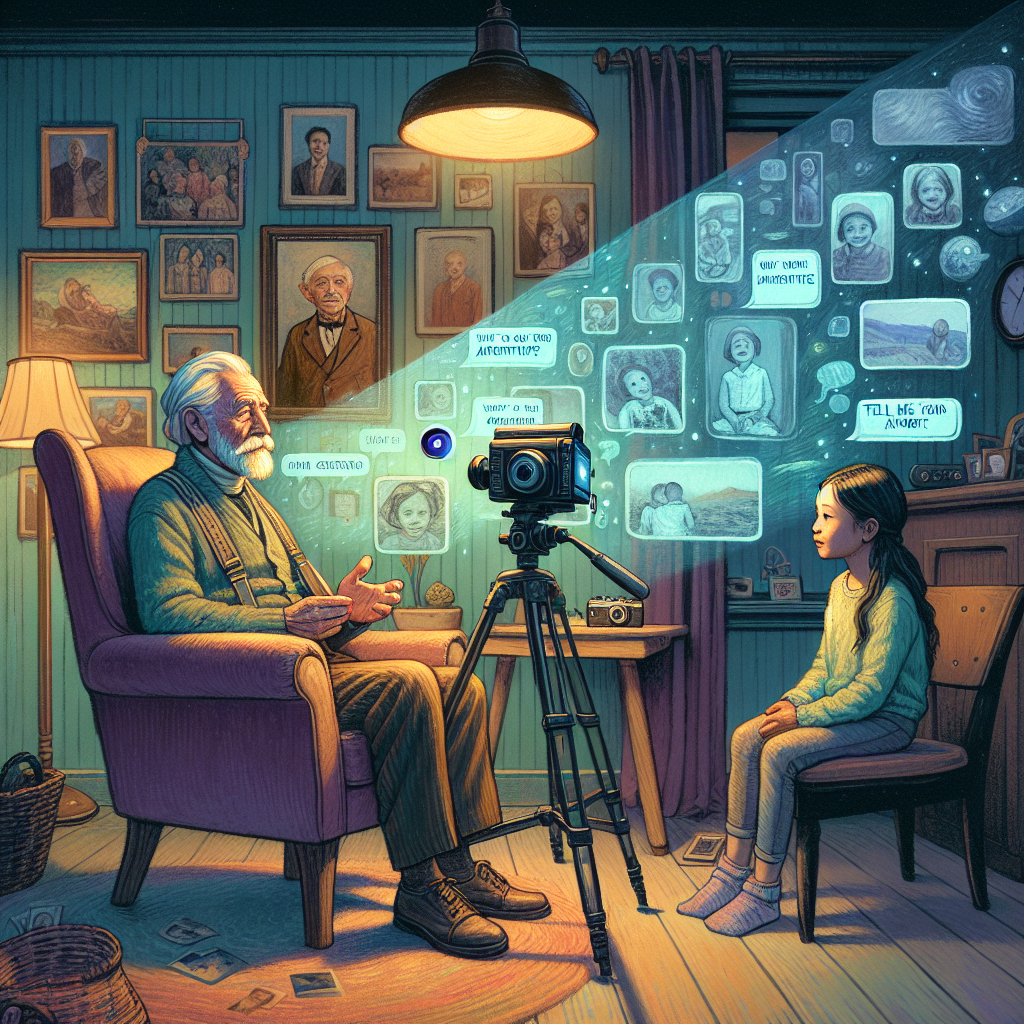
What stories from your life would you want others to tell? This question digs deep into the marrow of our existence, probing the essence of what we leave behind. We often think about our legacy in terms of achievements or accolades—whispers of success that fade with time. But true legacy storytelling transcends those fleeting moments. It’s found in the heartbeats of our connections, the laughter shared around dinner tables, the lessons learned from failures, and the grit displayed in adversity.
Consider the times you faced a daunting challenge. Perhaps it was the day you stood up for someone in need, despite the risk of ridicule. The story of that moment reflects not just courage, but an ethical principle that resonates with others. When friends recount that tale, they encapsulate an essential truth: kindness and integrity matter. It’s these narratives that inspire others to act, igniting courage in their own lives.
Engaging with these memories stirs the gut, reminding us of our humanity. We all encounter struggles and triumphs. By weaving our tales of hardship and resilience into a larger narrative, we show that we’re not alone; we are, collectively, part of something grander. Stories of perseverance, like the one of a single mother working three jobs to support her children, aren’t just anecdotal; they solidify a reminder of hard work and dedication that cuts to our core.
Let’s not forget the authority garnered through shared experience. When you recount your journey from setbacks to achievements, you become a beacon of hope for someone standing at a crossroads. Knowledge is most powerful when it’s lived, not taught. The authenticity of your firsthand experiences wields a trust that textbooks simply can’t match.
Lastly, the social aspect of our stories binds us together. They foster a sense of belonging. When you share your trials and triumphs, you create a ripple effect of connection that inspires others to open up about their journeys. This chain of narrative not only validates individual experiences but strengthens the fabric of our communities.
So, take a moment to ponder which stories linger in your heart. What do you want others to carry with them? Craft those tales with intention, for they are the essence of your legacy, waiting to inspire and connect with those who come after you.

What Stories From Your Life Would You Want Others To Tell?
What Stories From Your Life Would You Want Others To Tell?
- Legacy is best understood through meaningful connections and shared experiences rather than just achievements or accolades.
- Stories reflecting courage and ethical principles can inspire others to act with kindness and integrity.
- Sharing tales of hardship and resilience shows that we are not alone; we are part of a larger narrative.
- Personal experiences from setbacks to achievements can serve as a beacon of hope for others facing similar challenges.
- Lived experiences convey knowledge and authenticity that exceed the lessons found in textbooks.
- Sharing our stories fosters a sense of belonging and creates connections within communities.
- Reflect on and craft your stories intentionally, as they represent the essence of your legacy for future generations.
What Stories From Your Life Would You Want Others To Tell?
How Can We Honor The Legacies Of Those Who Have Come Before Us?
Honoring the legacies of those who have come before us isn’t just an act of remembrance; it’s an invitation to weave their narratives into the fabric of our own lives. Each life lived is a story, rich with triumphs and failures, lessons learned and handed down, reminding us that we are part of something far greater. When we engage in legacy storytelling, we breathe life into these tales, allowing them to resonate with our hearts and stir our souls.
To truly honor these legacies, we must recognize the power they hold to shape our values. Think about the cherished recounting of a grandparent’s grit and determination in the face of adversity. Such narratives aren’t merely nostalgic parables; they serve as blueprints for resilience. By sharing these stories within our communities—over dinner tables, on social media, or at family gatherings—we create an opportunity to celebrate the virtues that unite us, fostering connection across generations.
On a rational level, understanding our history equips us with the context we need to navigate the present. We can learn from past mistakes, recognize patterns in behavior, and adapt our decisions based on the wisdom of those who have walked the path before us. The lessons embedded in these accounts come with ethical considerations, pushing us to reflect on how our actions today can either honor or tarnish the legacies we’ve inherited. By acknowledging the struggles and sacrifices made by those before us, we position ourselves as stewards of their memory, challenging ourselves to measure up to their standards.
Let’s not forget the narratives that go untold—the quiet struggles, the everyday heroes whose stories remain in the shadows. By bringing these voices to light, we enrich our collective understanding of what it means to be human. This endeavor can inspire action; it encourages us to step out of our comfort zones and engage with history, not merely as passive observers but as active participants, committed to ensuring these stories endure.
So, let’s take a moment to honor those who came before. Let’s tell their stories with pride, allowing their wisdom to illuminate our paths as we forge our own. In doing so, not only do we pay tribute to their legacies, but we also create a legacy of our own—one that champions connection, resilience, and the relentless pursuit of a better future.

How Can We Honor The Legacies Of Those Who Have Come Before Us?
How Can We Honor The Legacies Of Those Who Have Come Before Us?
- Honoring legacies invites us to weave the narratives of those before us into our lives.
- Each life is a story that includes triumphs, failures, and lessons that connect us to a greater whole.
- Legacy storytelling brings these tales to life, resonating deeply with our hearts and minds.
- Recognizing the power of legacies shapes our values and provides blueprints for resilience.
- Sharing stories across generations fosters community and celebrates shared virtues.
- Understanding our history enables us to learn from past mistakes and navigate the present thoughtfully.
- By highlighting untold narratives, we enrich our understanding of humanity and inspire meaningful engagement with history.
How Can We Honor The Legacies Of Those Who Have Come Before Us?
Conclusion
What if the true measure of our lives isn’t solely captured in the accolades or assets we accumulate? What if, at the end of the day, the most profound legacy we leave is not a trophy case filled with rewards but a rich tapestry of memories woven through the lives of those we touch? This exploration addresses a universal fear: the worry that we will fade into obscurity, forgotten amid life’s chaos. Yet this very fear can ignite a fire within us, pushing us toward meaningful action—action that shapes how we are remembered and cherished.
Legacy work transcends individual ambition; it is about embedding stories of struggle and triumph into the hearts of our loved ones. When we sit around dinner tables sharing personal tales, our laughter and tears illuminate the kind of person we strive to be. Those narratives are communal, reminding us that we’re not alone in our vulnerabilities. They offer a blueprint for future generations, guiding them to navigate life’s twists and turns with empathy and strength.
Every interaction we have becomes a brushstroke in the portrait of our lives. A smiling face to a stranger, an encouraging word to a friend—these are the daily choices that create ripples affecting those around us. We become custodians of our stories, ensuring that our legacies are not defined by fortune but by the values we choose to uphold. The ethical responsibility is profound; we need to demonstrate integrity and authenticity, transmitting lessons built on resilience and compassion.
Let’s harness the power of storytelling, over a coffee or in a family circle. Share your mistakes and triumphs, the messy moments that define our humanity. Through these exchanges, we can draw powerful parallels to the struggles confronting today’s youth, fortifying connections that inspire strength and hope.
Take a moment to reflect: what kind of stories do you want to leave behind? With every tale shared, we craft a promise to those who come after us—we will not be forgotten.
By embracing our legacy, we grasp an incredible opportunity—an invitation to partake in a narrative larger than ourselves. In doing so, we ensure our essence thrives, not just within the confines of memory, but as a beacon guiding future generations. So let’s commit to this journey, creating and nurturing stories that deserve to be told, so love, connection, and meaning resonate long after we’ve taken our final bow. The world is waiting for your voice. What will you choose to leave behind?

Conclusion
Conclusion:
- The true measure of our lives may not be accolades or assets, but the memories we create with others.
- The fear of fading into obscurity can motivate us to take meaningful actions that shape our legacy.
- Legacy work transcends individual ambition, embedding stories of struggle and triumph in the hearts of loved ones.
- Sharing personal tales fosters connection and reminds us that we aren’t alone in our vulnerabilities.
- Every interaction leaves a mark on our life’s portrait, influencing those around us through simple acts of kindness.
- Storytelling is powerful; sharing our experiences can inspire strength and hope in future generations.
- By embracing our legacy, we create a narrative that guides others, ensuring our essence resonates long after we’re gone.

Conclusion
Other Resources

Other Resources
Here is a list of other resources you can review online to learn more:
- GhostMemo
- Digital Legacy Association
- LifeSite
- Funeral Finder
- FindMyPast
- MyHeritage
- ForeverMissed
- deviantART
- Personal Legacy Advisors
- YouMattered
- PartingWishes
- Storyfile Life
- Legacy Family Tree
- Meminto
- Lexikin
- Funeral Services Guide
- Storyworth
- LifeBio
- How To Write Legacy Story Headlines That Appeal To The Heart, Gut and Head
Use This Prompt To Get More Resources With Your Favorite Online AI Tool: Please provide me with a list of online articles with their URLs in a bulleted list that I can read regarding What If They Forget Me? The Quiet Fear Behind Legacy Work

Other Resources
Glossary Terms
What If They Forget Me? The Quiet Fear Behind Legacy Work – Glossary Of Terms
1. Legacy: The lasting impact or memory that an individual leaves behind after their passing.
2. Memory: The mental capacity to retain and recall past experiences, including knowledge and emotions.
3. Fear: An emotional response to perceived threats or the uncertainty of the future regarding one’s legacy.
4. Mortality: The state of being subject to death, often prompting reflections on the meaning of life and legacy.
5. Existentialism: A philosophical inquiry into existence, focusing on individual freedom, choice, and the consequences of one’s actions.
6. Self-Identity: The perception of oneself as a distinct individual, often tied to how one wishes to be remembered.
7. Impact: The effect or influence that a person has on others, shaping their memories and legacy.
8. Narrative: The representation of a series of events or experiences that contribute to an individual’s story or legacy.
9. Memorialization: The act of preserving memories through various means, such as ceremonies, writings, or monuments.
10. Eulogy: A speech or tribute given at a funeral, honoring the deceased and reflecting on their life and legacy.
11. Philosophy of Life: A set of beliefs or values that guide an individual’s approach to living and leaving a legacy.
12. Cultural Legacy: The traditions, values, and heritage passed down through generations that shape societal memory.
13. Digital Footprint: The accumulation of online activities and presence that contribute to an individual’s legacy in the digital age.
14. Remembrance: The act of recalling and honoring individuals who have passed away, often linked to communal practices.
15. Influence: The ability to affect others’ thoughts, beliefs, or behaviors, which can shape one’s legacy.
16. Generational Change: The shifts in values, beliefs, and practices passed from one generation to the next, impacting legacy.
17. Anxiety: A feeling of worry or unease about future events, often related to concerns over how one will be remembered.
18. Introspection: The examination of one’s thoughts and feelings, often leading to reflections on personal legacy.
19. Contribution: The act of giving or adding value through actions or creations, forming a part of one’s legacy.
20. Transience: The state of lasting for a short time, highlighting the fleeting nature of life and legacy.
21. Honor: To regard or treat with great respect, often reflected in how individuals wish their lives to be remembered.
22. Ancestry: The lineage or heritage of an individual, contributing to their sense of identity and legacy.
23. Narrative Therapy: A therapeutic approach that uses storytelling to help individuals reframe their life experiences and legacies.
24. Commencement: A ceremony marking the beginning of a new phase, often linked to creating a future legacy.
25. Vulnerability: The state of being exposed to emotional harm, often tied to fears about legacy and remembrance.
26. Interpersonal Relationships: Connections with others that significantly influence one’s legacy through shared experiences.
27. Authenticity: The quality of being true to oneself, often a key aspect of how one’s legacy is perceived.
28. Rediscovery: The process of revisiting and reevaluating past experiences or memories that contribute to one’s legacy.
29. Legacy Planning: The process of preparing how one’s assets, values, and memories will be passed on after death.
30. Symbolism: The use of symbols to represent ideas or qualities, often playing a role in how legacies are expressed and remembered.

Glossary Of Terms
Other Questions
What If They Forget Me? The Quiet Fear Behind Legacy Work – Other Questions
If you wish to explore and discover more, consider looking for answers to these questions:
- What steps can individuals take to start their own legacy work?
- How can storytelling be effectively preserved for future generations?
- What role do digital platforms play in maintaining one’s legacy?
- How can we engage younger generations in understanding and sharing their family stories?
- What are the emotional benefits of recognizing our fears of being forgotten?
- How might different cultures view the concept of legacy and remembrance?
- What specific actions contribute most significantly to a person’s legacy?
- How can communities collectively foster the sharing of legacies?
- In what ways can legacy storytelling be integrated into education systems?
- What are some creative methods for documenting personal narratives effectively?
Other Questions
Haiku
What If They Forget Me? The Quiet Fear Behind Legacy Work – A Haiku
Echoes of our lives,
Stories weave through time’s embrace—
Love’s thread never fades.

Haiku
Poem
What If They Forget Me? The Quiet Fear Behind Legacy Work – A Poem
In whispers of the heart, beneath the weight of time,
Lies a fear that stirs within, a longing for the climb.
“What if they forget me?” echoes in the night,
A haunting call to leave a mark, to seek the lasting light.
In stories etched in laughter, in lessons shared so true,
We weave the threads of legacy, old and ever new.
Each choice, a brush of courage, each act, a spark divine,
Confirms the ties that bind us, that we are more than time.
With every tale retold, the essence of our fight,
What fueled our dreams, our struggles, shines brilliantly bright.
Through kindness spread like wildfire, through courage born of pain,
The legacy we leave behind is beauty forged from strain.
Imagine hands held open, a grandchild’s curious gaze,
“Tell me your story, Grandma,” ignites the heart ablaze.
In this shared sacred moment, memories intertwine,
A tapestry of journeys, where love and wisdom shine.
Fear may thrust us forward, a fire beneath our skin,
Each achievement carved in history, extends a hand to kin.
Let’s lift the veils of silence, where hidden stories plead,
To spark a shared connection, to plant a human seed.
For legacy’s not wealth alone, it’s how we chose to stand,
It’s every small moment shared, the heartbeats close at hand.
By honoring those before us, their whispers echo still,
We carve our place within the world, we aim to love and heal.
So, let us tread with purpose, with empathy as our guide,
Embrace the art of storytelling, let our truths abide.
For in this dance of memory, we shape more than our fate,
Together let’s craft legacies, before it’s all too late.

Poem
Checklist
What If They Forget Me? The Quiet Fear Behind Legacy Work – A Checklist
Legacy Storytelling Checklist
Emotional Appeals (Heart)
_____ Reflect on a moment that defined your values; write it down.
_____ Share a personal story that evokes empathy and connection.
_____ Create a ritual for storytelling with family and loved ones.
_____ Identify acts of kindness or courage you witnessed and commit to sharing them.
Rational Appeals (Head)
_____ Make a list of key life lessons learned from your experiences.
_____ Analyze how your actions have shaped others’ perceptions of you.
_____ Discuss the impact of your legacy with trusted friends or family.
_____ Set goals for how you will intentionally shape your legacy moving forward.
Ethical Appeals
_____ Evaluate the integrity of the stories you want to share; ensure they align with your core values.
_____ Consider the lessons you hope to pass down and how to communicate them.
_____ Acknowledge the responsibility of honoring your ancestors’ legacies through your actions.
_____ Commit to telling the untold stories of everyday heroes in your life.
Authority Appeals
_____ Identify mentors or role models whose legacies resonate with you; write about their impact on your life.
_____ Share knowledge or insights gained from your failures or triumphs.
_____ Encourage others to share their stories and facilitate discussions on legacy in your community.
_____ Create a space (physical or digital) for scriptural or historical storytelling that resonates with your narrative.
Narrative Appeals
_____ Write down key chapters of your life that you want others to remember.
_____ Use storytelling techniques to frame your experiences in relatable ways.
_____ Share how your life stories connect with wider social themes or historical contexts.
_____ Encourage family members to share their stories as part of a larger family narrative.
Social Appeals
_____ Foster discussions around legacy within your community or social circles.
_____ Organize storytelling gatherings where everyone can share their experiences.
_____ Use social media to share snippets of your legacy journey, inviting others to reflect on their stories.
_____ Collaborate with others to write a collective story that celebrates shared experiences and values.
By utilizing these prompts, you’ll not only reflect on your legacy but also encourage meaningful connections with those around you. Embrace your story and its ability to inspire future generations.

Checklist
At LegacyExplorations, we help people plan and explore their legacy by collecting information and news regarding end-of-life planning.
Please share this post with your friends, family, or business associates who may want help to plan or explore their legacy.