

Discovering The Legacy Of Family Values
By Tom Seest
At LegacyExplorations, we help people plan and explore their legacy by collecting information and news regarding end-of-life planning.
Please share this post with your friends, family, or business associates who may want help to plan or explore their legacy.
What Important Family Values Are Passed Through Your Story?
Gather around, folks. Time to dive into something that binds us all—our stories. You see, every family has its own unique tapestry woven from values, lessons learned, and moments of triumph and trial. These values don’t just float around like aimless clouds; they form the foundation of who we are, influencing not just our lives, but the lives of generations to come. This is where the magic of legacy storytelling comes into play.
Think about it: what stories did your parents tell you? Maybe it was a tale of how they overcame a struggle or a funny mishap that brought the family closer together. These stories are far more than just entertainment; they’re the threads of wisdom that guide our actions and shape our perspectives on what truly matters. They teach us the importance of hard work, resilience, and kindness—values that often get overshadowed in our fast-paced lives.
Now, let’s take a moment to reflect on what values we carry forward. Perhaps your grandparents instilled a sense of integrity, always highlighting the value of honesty above all else. Or maybe it was a lesson on the importance of community, where you were taught that helping a neighbor in need can uplift an entire neighborhood. When we share these teachings wrapped inside our narratives, we don’t just reminisce; we reinforce a set of guiding principles that can light the path for those who follow in our footsteps.
These legacy stories are powerful tools that can cultivate connection within families. They allow us to feel anchored in our history, reminding us of our roots when the stormy seas of life start crashing down. Sharing these family narratives can also ignite conversations that build trust, unity, and empathy—qualities that are sorely needed in our world today.
So, take a moment to dig out those hidden gems from your family’s history. Share them with your loved ones, whether at the dinner table or during a family gathering. You’d be surprised how a simple story can resonate, inspire, and create lasting bonds. Remember, embracing and passing down these values is not just about preserving the past; it’s about laying a stronger foundation for the future. After all, our stories are not just ours—they are the legacy we leave behind.

What Important Family Values Are Passed Through Your Story?
What Important Family Values Are Passed Through Your Story?
- Every family has a unique tapestry of stories woven from values, lessons, and experiences.
- Legacy storytelling shapes our identities and influences future generations.
- Family stories contain wisdom that teaches hard work, resilience, and kindness.
- Values such as integrity and community are often passed down through these narratives.
- Sharing legacy stories fosters connection, trust, unity, and empathy within families.
- Recalling and sharing family history can strengthen bonds and inspire loved ones.
- Embracing these stories helps preserve the past while building a foundation for the future.

What Important Family Values Are Passed Through Your Story?
Table Of Contents
- What Important Family Values Are Passed Through Your Story?
- What Family Values Shape Your Personal Story?
- How Do Traditions Influence Values?
- What Lessons Did You Learn From Your Parents?
- How Can Storytelling Preserve Family History?
- What Role Do Shared Experiences Play In Your Values?
- How Do Cultural Values Impact Family Storytelling?
- What Are The Essential Values You Want To Pass On?
- Conclusion
- Other Resources
- Glossary Of Terms
- Other Questions
- Haiku
- Poem
- Checklist
What Family Values Shape Your Personal Story?
Family values are more than just words passed around the dinner table; they are the bedrock of our individual stories. Each belief we hold, each tradition we honor, forms a thread in the intricate tapestry of our lives. The story of who we are, where we come from, and where we hope to go is rooted in these principles. This is what I call Legacy Storytelling—an evocative concept that’s about both the stories we tell and the stories that are handed down to us.
Growing up, we harvest lessons from our families, sometimes in the most unexpected places. Maybe it was a grandfather who built furniture with his bare hands, teaching you the importance of hard work and perseverance. Or perhaps it was a grandmother, sharing tales of resilience during tough times, instilling in you the value of grit. These moments shape us, guiding our decisions and beliefs as we navigate the world.
Think about it: What values have been passed down in your family? Perhaps it’s generosity, a commitment to education, or a fierce loyalty to one another. Each of these values informs your identity and influences the choices you make in your life. They add depth to your character, courage to your decisions, and clarity to your dreams.
But it’s not just about the values themselves. It’s also about recognizing that we are all storytellers, tasked with the important job of weaving our family’s legacy into our personal narrative. Your life becomes a continuation of those who came before you—a chance to honor their struggles, achievements, and beliefs. And as you do this, you create a very personal story that resonates with others, allowing them a glimpse into your world.
So, take a moment to reflect. What do you want your Legacy Storytelling to convey? Are you ready to explore the family values that shape you? Embrace this journey of discovery. Share your stories and choose to live out the values that define you. In doing so, you foster connection—not only with your relatives but with everyone who crosses your path. After all, our stories, woven together through shared values, have the power to inspire and uplift those around us. Your narrative, enriched by the values of your family, is a precious gift—one that deserves to be shared.

What Family Values Shape Your Personal Story?
What Family Values Shape Your Personal Story?
- Family values form the foundation of individual stories and beliefs.
- Legacy Storytelling conveys both personal narratives and inherited stories.
- Lessons from family often emerge in unexpected ways, shaping our character.
- Values passed down may include generosity, education, and loyalty.
- We are all storytellers, continuing the legacies of those who came before us.
- Reflecting on family values can enhance personal narratives and foster connections.
- Sharing stories rooted in family values has the potential to inspire others.

What Family Values Shape Your Personal Story?
How Do Traditions Influence Values?
Traditions are the threads that weave the fabric of our lives. They shape our identities, echo our values, and carve out a path from our past into our future. Think of it as a story passed down from generation to generation—a legacy storytelling that resonates in the choices we make every day. When you gather around the dinner table during the holidays, share a laugh, or commemorate an event, you’re not just indulging in nostalgia; you’re affirming your beliefs, your morals, and the lessons embedded in the tales of those who came before you.
Imagine for a moment the simple act of baking a family recipe. It’s more than just measuring flour and sugar; it’s about honoring your ancestors, embracing their wisdom, and savoring the flavors they crafted with love. Each ingredient, each step in the process, reflects values that extend beyond the kitchen. It’s about hard work, patience, and the commitment to preserve something meaningful. This is where tradition comes alive, bridging the past and present, inviting us to infuse those values into our daily lives.
Take a look at the rituals surrounding major life events—birthdays, weddings, graduations—events that have traditions etched deeply into their core. These occasions are more than mere celebrations; they are moments steeped in significance, rich with stories that inspire and unite us. They teach us about love, loyalty, sacrifice, and, ultimately, what it means to be part of a community. When we pass these traditions on, we’re not just sharing a moment; we’re sharing a collective understanding of our beliefs and our heritage.
By honoring traditions, we gain a sense of belonging and purpose. They act as a compass, guiding us in times of uncertainty. In an ever-changing world, these anchors remind us of who we are and where we come from. They give us the confidence to face the day, knowing that we are part of something larger than ourselves.
So, the next time you find yourself caught in the rhythm of a familiar tradition, take a moment to reflect. Consider the values it instills and the stories it tells—stories of resilience, hope, and connection that not only shape individuals but influence the very essence of our society. In this legacy storytelling, we find strength and inspiration, igniting a spark that encourages us to carry forward the values that matter most.

How Do Traditions Influence Values?
How Do Traditions Influence Values?
- Traditions shape our identities and reflect our values, connecting our past to our future.
- Gathering for holidays and events reinforces beliefs, morals, and shared stories from previous generations.
- Baking family recipes symbolizes honoring ancestors and preserving values through meaningful acts.
- Major life events, such as birthdays and weddings, carry deep-rooted traditions that inspire and unite us.
- Passing on traditions fosters a shared understanding of our beliefs and heritage within the community.
- Traditions provide a sense of belonging and purpose, guiding us in uncertain times.
- Reflecting on traditions reveals stories of resilience and connection that shape individuals and society.

How Do Traditions Influence Values?
What Lessons Did You Learn From Your Parents?
When we think about the lessons we’ve learned from our parents, it often feels like unearthing an old toolbox filled with dusty yet indispensable tools. Each lesson, each story, serves a purpose in the vast landscape of our lives. It’s a bit like Legacy Storytelling—passing down wisdom, quirks, and values that shape who we are and how we navigate the world.
For instance, my father had a way of turning the mundane into profound teachings. Whether it was changing a tire or fixing a leaky faucet, he would never just dive in. Instead, he gathered the tools, took a deep breath, and would say, “Son, this is about more than the task at hand; it’s about taking pride in what you do.” It was in that moment I learned that craftsmanship extends far beyond the physical act; it’s about the attitude you bring to your work and the respect you offer to the people who will come after you.
Similarly, my mother excelled at the art of storytelling. She’d weave tales from her own childhood, tales of adversity and resilience punctuated by vivid characters and life lessons. Sometimes they were cautionary, like the time she got lost in the woods because she didn’t pay attention to the landmarks. Other times they inspired, teaching me that curiosity is a compass worth following, even if it leads you astray sometimes. Those stories weren’t just meant to entertain; they were vehicles of nostalgia, carrying fragments of a time and place where the values of hard work and perseverance were not just inspirational quotes but a way of life.
As we grow older, we often find ourselves reflecting on these lessons, unraveling them like a spool of yarn until we discover the connections between our past and present. We embody the traits our parents instilled in us, whether consciously or not, helping us build our own legacy. So, the next time you find yourself at a crossroads, consider how the stories and lessons from your parents might inform your choices. Are you embodying those values? Are you ready to carry that legacy forward, sharing your own narrative with the next generation? It’s in these moments of reflection and connection that we gather the courage to define not just who we are, but who we aspire to become.

What Lessons Did You Learn From Your Parents?
What Lessons Did You Learn From Your Parents?
- Lessons from parents can be seen as essential tools that shape our lives.
- Legacy storytelling involves passing down wisdom, values, and experiences that influence our identity.
- A father’s teachings emphasize the importance of pride and attitude in craftsmanship beyond merely completing tasks.
- A mother’s storytelling highlights resilience and life lessons through personal narratives and adventures.
- Stories serve as reminders of hard work and perseverance, encapsulating values that transcend simple entertainment.
- Reflecting on parental lessons helps connect our past with our present, shaping our own legacy.
- Considering parental influences can guide our choices and aspirations as we prepare to impart our own narratives to future generations.

What Lessons Did You Learn From Your Parents?
How Can Storytelling Preserve Family History?
There’s something magical about gathering around the table, the flicker of candlelight casting soft shadows as stories unfold—each word a thread woven into the fabric of family history. This is what I call Legacy Storytelling, and it’s a powerful tool we can all harness to keep our ancestral tales alive.
When we share stories from our past, we don’t just recount events; we breathe life into the memories of our ancestors. Think about it: a story about your great-grandfather’s first job, or a hilarious mishap from your mother’s childhood, becomes a connection that transcends generations. It’s not just information; it’s emotion, it’s laughter, and sometimes it’s tears. This is how we solidify our identity and pass down cherished values.
But let’s be honest—most of us aren’t historians or professional storytellers. That’s okay! Legacy Storytelling can take many forms, and here’s the exciting part: it can be as simple as a conversation with your family over a cup of coffee. You don’t need grand theatrics; just a willing ear and an open heart.
Consider starting with family gatherings, holidays, or family dinners, and ask open-ended questions. What was it like for your parents growing up? Was there a defining moment that changed the course of your family? Even the tales that seem mundane at first glance can transform into the gilded gems of your family narrative. By inviting those stories forward, you engage with your heritage in a way that feels natural and profound.
And let’s step it up a notch! Grab a recording device—yes, your phone will do just fine—and capture those conversations. My grandmother always said, “Once a story is told, it belongs to the listener.” By recording, you’re ensuring those stories can be passed down long after the tellers are gone.
Ultimately, Legacy Storytelling isn’t just about preserving family history; it’s about fostering connections—both within your family and with your roots. It’s an invitation to reflect, engage, and celebrate what makes your family uniquely yours. So, gather those stories, pass them on, and watch how they enrich the lives of future generations. It’s not just history; it’s heritage, and it’s worth telling.

How Can Storytelling Preserve Family History?
How Can Storytelling Preserve Family History?
- Legacy Storytelling creates connections through shared family stories, enhancing the fabric of family history.
- Sharing ancestral tales breathes life into memories, connecting generations through emotion and experience.
- Engaging in storytelling solidifies identity and passes down cherished family values.
- Anyone can practice Legacy Storytelling; it doesn’t require professional skills, just openness and willingness to listen.
- Family gatherings and open-ended questions can prompt meaningful storytelling and uncover hidden gems of family history.
- Using recording devices helps preserve stories for future generations, ensuring they remain part of family heritage.
- Ultimately, Legacy Storytelling fosters connections and celebrates what makes each family unique.

How Can Storytelling Preserve Family History?
What Role Do Shared Experiences Play In Your Values?
Shared experiences are the fabric of our lives. They shape us, mold us, and often define our values in ways we might not even realize. Think back to those moments that left a mark—maybe it was a family picnic where laughter filled the air or a late-night conversation with friends that went on until the stars faded into morning. These experiences do more than just fill pages in our memory books; they weave together the very essence of who we are.
Take a moment to consider legacy storytelling. This concept isn’t just about recounting tales of grandeur or triumph. It’s rooted in the small, everyday moments that we often overlook—like the way your grandmother prepared her famous pie, or how your father taught you the value of hard work while fixing the car in the driveway. These narratives become the compass guiding our beliefs and actions, letting us navigate the complexities of life with a bit more clarity.
When we gather around a table or share a moment of silence, we’re not just exchanging words; we’re trading pieces of our lives. We impart our lessons learned, our failures, and our triumphs, all while building a bridge of understanding that spans generations. Imagine how the values instilled in you were shaped not just by what you were taught, but by the rich tapestry of those situations you found yourself in, hand in hand with loved ones.
This is not just nostalgia; it’s an invitation to reflect. How have your shared experiences influenced your values? Have they compelled you to act with kindness when you might have turned the other way? Have they inspired you to pursue a passion that once felt out of reach? Sharing these moments with others strengthens connections and fosters a deeper sense of community.
So, let’s embrace the art of legacy storytelling. Whether around a campfire, during a holiday meal, or even through a handwritten note, take the time to narrate your stories. Not for accolades or applause but to build a network of values that resonates with those who come after you. It’s not just about leaving a legacy; it’s about creating a mosaic of lives, experiences, and lessons that we can hand down. After all, it’s these shared moments that carve a path toward a meaningful life—one story at a time.

What Role Do Shared Experiences Play In Your Values?
What Role Do Shared Experiences Play In Your Values?
- Shared experiences shape our identities and define our values.
- Legacy storytelling emphasizes everyday moments over grand tales.
- Every shared story strengthens connections and builds understanding across generations.
- Values are often instilled through shared experiences with loved ones.
- Reflecting on shared experiences can reveal their impact on our actions and beliefs.
- Embracing legacy storytelling fosters community and connection.
- Creating a mosaic of stories enriches lives and prepares future generations.

What Role Do Shared Experiences Play In Your Values?
How Do Cultural Values Impact Family Storytelling?
When we gather around the dinner table or sit in a cozy living room, stories start to flow. It’s like a natural spark igniting the air, and suddenly, every shared experience turns into a thread that weaves together our unique family tapestry. This act of Legacy Storytelling isn’t just about recounting the past; it’s a powerful way to pass on cultural values that shape who we are.
You see, every family has its own repository of tales that reflect their beliefs, challenges, and triumphs. These narratives carry with them the weight of history, the heart of tradition, and the essence of identity. When a grandparent shares a story of their youth, it’s not just entertainment; it’s a transmission of values that have endured through generations. You start to understand why your family reacts a certain way during holidays or why hard work is held in such high esteem.
Cultural values inform the stories we choose to highlight and the lessons we communicate. In some families, resilience is a prevailing theme. A story about overcoming hardship resonates deeply, instilling the idea that perseverance is crucial to success. In others, community might take center stage—tales of neighbors helping neighbors, crafting a legacy of compassion and support that shapes future interactions.
Think about your own family—what stories come to mind? What lessons have you absorbed from them? Many times, our connections with our ancestry are wrapped up in the narratives we hear. We might learn about the sacrifices made by previous generations, and suddenly, that sense of belonging grows stronger. The act of sharing these stories reinforces our identities and imparts a sense of trust—trust in our roots, trust in each other, and trust in where we are headed.
So, the next time you find yourself in a relaxed setting, take a moment to invite the storytellers in your family to share their tales. Let the conversation flow. You might be surprised by the wisdom that emerges. Whether it’s a humorous anecdote or a serious reflection, remember that these stories are not just words. They are the very foundation of who you are—the legacy of cultural values carrying you forward. Embrace it, honor it, and, most importantly, pass it on. You become part of a continuum, a living narrative that enriches everyone involved.

How Do Cultural Values Impact Family Storytelling?
How Do Cultural Values Impact Family Storytelling?
- Gathering around the dinner table fosters natural storytelling and connection within families.
- Legacy Storytelling transmits cultural values that shape individual and family identities.
- Family tales reflect unique beliefs, challenges, and triumphs, carrying the weight of history.
- Stories from grandparents serve to pass down enduring values across generations.
- Cultural values influence the themes and lessons highlighted in family stories.
- Sharing family narratives strengthens connections to ancestry and enhances a sense of belonging.
- Inviting family storytellers to share their tales enriches understanding and honors cultural legacy.

How Do Cultural Values Impact Family Storytelling?
What Are The Essential Values You Want To Pass On?
When you sit down to think about the values you want to pass on, it’s a bit like crafting a legacy storytelling quilt. Each patch tells a story, intertwined with love, lessons, and a bit of grit. You see, we all have a narrative that’s uniquely ours, filled with triumphs, failures, hard-won wisdom, and sometimes, well—embarrassing moments that remind us we’re all human. So, what threads do you want to weave into the future?
First off, let’s talk about the importance of hard work. I can’t stress this enough. There’s something profoundly fulfilling about rolling up your sleeves and giving it your all. It’s not just the sense of accomplishment; it’s knowing that you’ve put in the effort, sometimes against all odds. You want to pass on that sense of pride and resilience to the next generation. Let them understand that success isn’t about trophies—it’s about the hustle behind the scenes, the late nights, and the willingness to tackle challenges head-on.
Then there’s integrity. In a world that often seems clouded by shortcuts and quick fixes, living a life of honesty and transparency is crucial. Teach your kids that their word is their bond. This includes the small things—returning a lost wallet, being respectful to others, or owning up to mistakes. These foundational blocks build trust, both in themselves and in their relationships. And when they understand the value of integrity, they’ll find themselves surrounded by people who respect and honor them in return.
Don’t forget to instill the importance of empathy. Being able to walk in someone else’s shoes is essential in fostering connections, relationships, and communities. Help them understand that every person they meet has a story worth hearing and a lesson worth learning. In a world that often feels divided, teaching empathy can be the glue that holds us all together.
Finally, let’s talk passion. Encourage curiosity and exploration; inspire them to take risks and pursue their interests, whatever they may be. When they feel that spark, they’ll be more likely to lead a fulfilling life. So when you think about the values you want to pass on, remember: it’s all about creating a rich tapestry of experiences and principles that shape who they are destined to become. After all, every great legacy begins with a single thread—yours!

What Are The Essential Values You Want To Pass On?
What Are The Essential Values You Want To Pass On?
- Values are akin to a legacy storytelling quilt, weaving together love, lessons, and experiences.
- Hard work is essential; it fosters a sense of pride and resilience, emphasizing the importance of effort over outcomes.
- Integrity is crucial in maintaining honesty and transparency, building trust within oneself and in relationships.
- Teaching empathy encourages understanding and connection, highlighting the value of everyone’s unique story.
- Encouraging passion promotes curiosity and exploration, inspiring individuals to pursue their interests.
- Values shape the experiences and principles that influence one’s personal growth and legacy.
- Every great legacy begins with an intentional effort to pass on meaningful threads of wisdom.

What Are The Essential Values You Want To Pass On?
Conclusion
Alright, gather ‘round, folks, because we’re rounding off this conversation about family values with the kind of wisdom that’s as solid as your granddad’s old toolbox. We’re talking about Legacy Storytelling—the powerful thread that connects us to our past, informs our present, and sends us on our way into the future armed with lessons learned and values cherished. When you sit back and reflect on the stories that have been shared around the dinner table, what do you find? It’s like a treasure trove of experiences: from the hard graft of your ancestors to the laughter shared over mishaps and misadventures.
These stories aren’t just cute anecdotes; they are the very building blocks of our identity. They teach us about resilience, integrity, and kindness, serving as guideposts when the road gets rocky. Picture this: Your grandparents share tales of hardship, and suddenly that value of tenacity becomes part of your DNA. Or think about the small lessons—maybe a casual chat about cooking dinner that unveils the importance of tradition and community support. We become embroiled in the fabric of those experiences, and as we carry these values forward, we are fulfilling a sacred duty to not just remember, but to honor and perpetuate our family’s legacy.
Now, let’s not overlook the importance of shared experiences—the moments that etch themselves into the bedrock of who we are. Whether it’s the summer picnics or the quiet nights spent swapping stories, these interactions are invaluable. They serve as a fertile ground for nurturing empathy and connection, allowing us to grow together as families and as a community. The next time you sit down with loved ones, make it a point to draw out those shared stories; they might just inspire a newfound appreciation for the values that matter most.
Ultimately, the values we carry are like the patches of a quilt, each telling a story that adds depth and richness to our lives. Remember: our role as storytellers is not just to preserve our history but to cultivate a legacy that guides future generations. It’s not just about how we live our lives today; it’s about laying the groundwork for those who will come after us. So, let’s embrace our stories, pass them along, and ensure that the values engrained in us become the invaluable compass for tomorrow. After all, each story is a strand in that beautiful tapestry we call family—one worth sharing and celebrating.

Conclusion
Conclusion:
- Legacy Storytelling connects us to our past, informs our present, and guides our future.
- Family stories serve as the building blocks of our identity, teaching resilience, integrity, and kindness.
- Shared experiences, like dinner table conversations, nurture empathy and strengthen family bonds.
- Lessons from family history, such as tenacity and tradition, become ingrained in our values.
- Storytelling is a duty to honor and perpetuate our family’s legacy for future generations.
- Our values are like patches in a quilt, adding depth and richness to our lives.
- Each family story contributes to a beautiful tapestry worth sharing and celebrating.

Conclusion
Other Resources

Other Resources
Here is a list of other resources you can review online to learn more:
- AmericanAncestors
- LegalZoom
- DocuBank
- Afternote
- EverNote
- GhostMemo
- deviantART
- FamilySearch
- Remembered.com
- IronClad Family
Use This Prompt To Get More Resources With Your Favorite Online AI Tool: Please provide me with a list of online articles with their URLs in a bulleted list that I can read regarding What Important Family Values Are Passed Through Your Story?

Other Resources
Glossary Terms
What Important Family Values Are Passed Through Your Story? – Glossary Of Terms
1. Tradition: Established customs or practices passed from one generation to another, shaping family identity.
2. Integrity: Adherence to moral and ethical principles; a value that emphasizes honesty and reliability within family interactions.
3. Respect: Recognition of the inherent worth of family members, fostering an environment of appreciation and kindness.
4. Resilience: The ability to recover from setbacks and challenges; a crucial trait families teach for coping with adversity.
5. Empathy: Understanding and sharing the feelings of others, promoting strong emotional connections within the family unit.
6. Trust: Confidence in the honesty and reliability of family members, essential for nurturing healthy relationships.
7. Commitment: A dedication to supporting and being present for family members, emphasizing loyalty through challenges.
8. Compassion: A deep awareness of and sympathy for the suffering of others, encouraging families to care for one another.
9. Communication: The exchange of thoughts, feelings, and information; a vital practice for understanding and bonding within families.
10. Forgiveness: The ability to let go of grievances, fostering healing and reconciliation among family members.
11. Generosity: Willingness to give and share without expecting anything in return, reinforcing the importance of selflessness.
12. Courage: The ability to face fear or adversity; families instill this value to empower members to confront life’s challenges.
13. Work Ethic: The belief in the importance of hard work and diligence, emphasizing responsibility and achievement.
14. Unity: The state of being one; families teach the importance of sticking together through thick and thin.
15. Heritage: The legacy of traditions, values, and beliefs passed down through generations, shaping family identity.
16. Gratitude: The quality of being thankful, promoting appreciation for both big and small blessings within the family.
17. Accountability: Taking responsibility for one’s actions; families emphasize this to promote personal growth and trust.
18. Patience: The ability to endure difficult situations or delays without frustration, encouraging harmonious family life.
19. Patriotism: A sense of pride and love for one’s country, often instilled in families through shared stories of history.
20. Support: Providing assistance or encouragement; families teach this value to create a strong safety net for each member.
21. Open-Mindedness: The willingness to consider new ideas and perspectives, fostering acceptance and understanding within families.
22. Creativity: The ability to express original thoughts and ideas; families encourage creativity to foster individuality.
23. Sincerity: The quality of being genuine and truthful in thoughts, words, and actions, reinforcing trust among family members.
24. Boundaries: Limits set to protect personal space and needs; families teach the importance of respecting each other’s boundaries.
25. Legacy: What families transmit through generations, including values, stories, and life lessons that shape future members.
26. Diversity: Acknowledging and valuing differences within the family, including cultural, ethnic, and personal backgrounds.
27. Selflessness: Prioritizing the needs of others over one’s own; an essential family value that fosters collective well-being.
28. Humility: Recognizing one’s limitations and being modest about one’s achievements, promoting a supportive family environment.
29. Family Bonding: Activities and practices that strengthen relationships among family members, emphasizing the value of togetherness.
30. Love: The unconditional affection and support for family members, serving as the foundation of a nurturing home environment.
These terms and their descriptions reflect the core values that families often strive to instill in their members through storytelling and lived experiences.

Glossary Of Terms
Other Questions
What Important Family Values Are Passed Through Your Story? – Other Questions
If you wish to explore and discover more, consider looking for answers to these questions:
- What are some specific family values that have shaped your life?
- How can one identify the family values that are most important to them?
- What methods can be used to effectively share family stories with younger generations?
- How can storytelling strengthen family bonds?
- What impact do shared experiences have on shaping individual values?
- How can you encourage children to appreciate family values and traditions?
- What role do cultural differences play in family storytelling?
- How can technology aid in preserving family stories and values?
- Are there specific storytelling techniques that can enhance the sharing of family values?
- What are some examples of family traditions that impart important values?
- How can legacy storytelling be incorporated into everyday life?
- What challenges might one face when attempting to pass down family values?
- How can a family create a space for open storytelling?
- What are the consequences of not passing down family values?
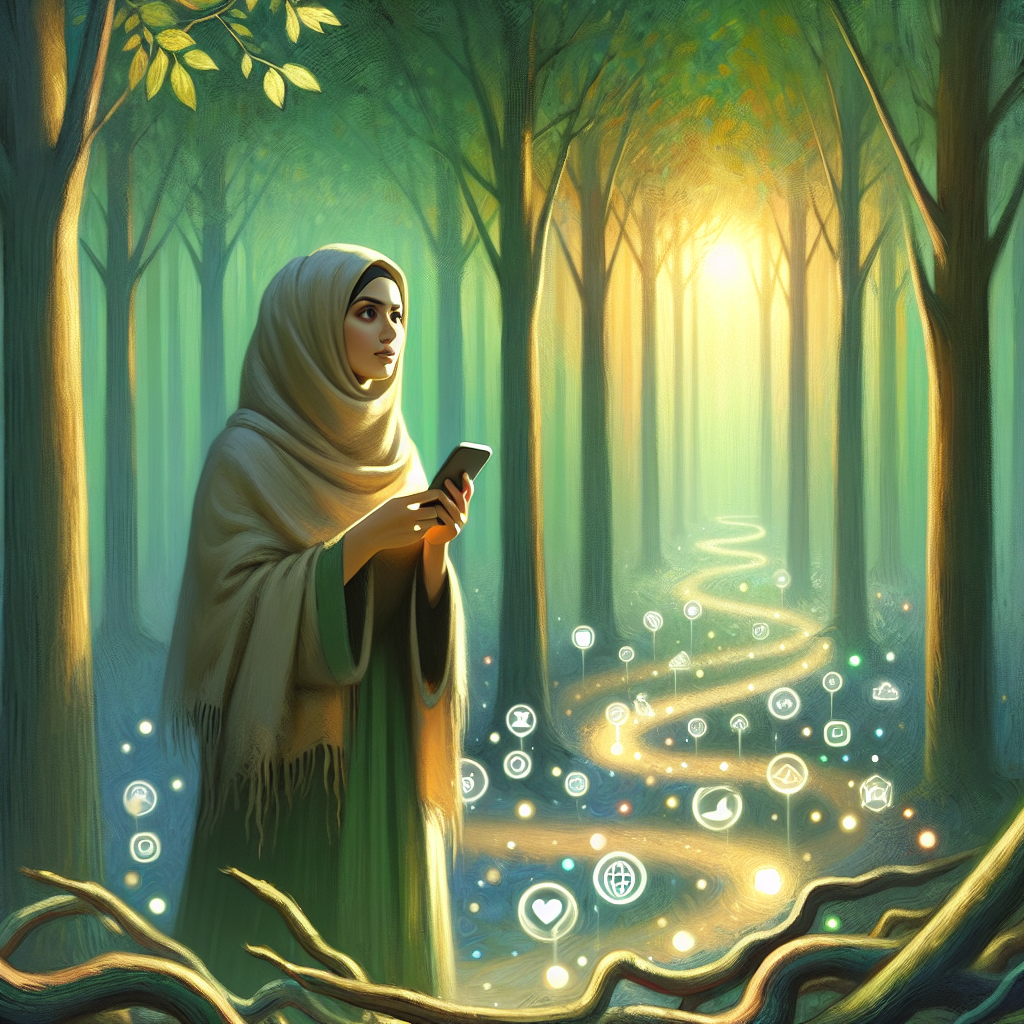
Other Questions
Haiku
What Important Family Values Are Passed Through Your Story? – A Haiku
Stories hold our truths,
Threads of wisdom passed through time,
Legacy of love.

Haiku
Poem
What Important Family Values Are Passed Through Your Story? – A Poem
Gather ’round the hearth, share the tales of old,
In each whispered story, a world to behold.
Family values stitched in laughter and strife,
Woven into the fabric that’s the tapestry of life.
From hands weathered by toil, lessons emerge,
In the art of hard work, we find our surge.
Integrity shines like a beacon so bright,
A promise of honesty, guiding our fight.
Kindness and empathy, threads that unite,
In shared laughter and love, we reignite.
Moments spent together forge bonds ever strong,
A melody of memories is our lifelong song.
Traditions passed down, rich with history’s grace,
Resilience reflected in each familiar face.
From holiday tables to stories of fame,
Cultural treasures, in narratives, claim.
With lessons from parents, we chart our own course,
As we carry their wisdom, we tap into the source.
Each experience cherished, a patch in our quilt,
In the legacy we foster, our dreams are built.
So let us gather close, share our lives’ tribute,
As storytellers, we honor—the past in pursuit.
For every tale told, and every truth shared,
Is a way to connect, a reminder we’ve cared.
With every patch sewn, we weave our design,
A legacy empowered, a future aligned.
In the echoes of ages, may our stories resound,
In the love that we nurture, our families are found.

Poem
Checklist
What Important Family Values Are Passed Through Your Story? – A Checklist
1. Identify Core Values
_____ List the top 5 values your family holds dear (e. g. , honesty, hard work, kindness).
_____ Reflect on which values resonate most with you and why.
2. Gather Family Stories
_____ Reach out to family members to collect stories that highlight these values.
_____ Make notes of memorable stories your parents or grandparents shared with you.
3. Create Opportunities for Storytelling
_____ Schedule a family gathering—consider potluck dinners or informal get-togethers.
_____ Dedicate a specific time during gatherings for storytelling—encourage everyone to share their favorite family anecdotes.
4. Reflect on Shared Experiences
_____ Identify 3 significant experiences you shared with family that shaped your values.
_____ Discuss how these experiences influence your current decisions or perspectives.
5. Embrace and Uphold Traditions
_____ Make a list of family traditions—both old and new—that connect you to your values.
_____ Start a new family tradition that emphasizes a value you want to pass down.
6. Record and Preserve Stories
_____ Consider recording family storytelling sessions using your phone or a video recorder.
_____ Write down or create a family scrapbook documenting these stories and their meanings.
7. Foster Conversations About Values
_____ Ask family members open-ended questions about what values mean to them.
_____ Spark discussions about how to embody these values in daily life.
8. Pass Down Your Values
_____ Identify ways to incorporate your values into everyday lessons for younger family members.
_____ Share your personal stories tied to these values with the younger generation.
9. Encourage Reflection
_____ Set a time (monthly, quarterly) for family members to reflect on their values and share updates.
_____ Create a family journal where members can write about how they are living out the family’s values.
10. Create a Legacy Plan
_____ Write down the essential values you want future generations to remember and carry on.
_____ Discuss as a family how to communicate these values to the next generation, integrating them into family narratives.
Reflect and act upon the values you want to pass down and the stories that share them. Use this checklist not just as a guide, but as an ongoing journey to uncover and celebrate the legacy of family values.

Checklist
At LegacyExplorations, we help people plan and explore their legacy by collecting information and news regarding end-of-life planning.
Please share this post with your friends, family, or business associates who may want help to plan or explore their legacy.