

Unleashing Legacy: The Power Of Storytelling
By Tom Seest
At LegacyExplorations, we help people plan and explore their legacy by collecting information and news regarding end-of-life planning.
Please share this post with your friends, family, or business associates who may want help to plan or explore their legacy.
What Makes Legacy Storytelling a Critical Life Celebration Tool?
When we gather to honor the rich tapestry of a person’s life, we often reach for the familiar devices of photo albums, videos, and the perennial slideshow. But let’s pause for a moment and consider the power of Legacy Storytelling. This tradition is more than just a way to preserve memories; it’s a fantastic means to breathe life into our shared history and to celebrate the underlying experiences that truly define us.
Legacy Storytelling allows people of all ages to connect and engage on a deeper level. Imagine sitting with your loved ones, exchanging anecdotes wrapped in laughter and perhaps even a few tears. It’s in these stories that we find the essence of a life well-lived—the triumphs, failures, struggles, and downright hilarious moments that make up our human experience. When we share these narratives, they become tools for connection, knitting together family and friends through shared emotions and experiences.
Consider the ways Legacy Storytelling transcends the simple act of remembrance. It serves as an educational vehicle, offering lessons from past generations, who have faced struggles, adapted to changing landscapes, and learned hard-earned truths. This sharing becomes both a celebration and a cautionary tale, infusing the younger generation with wisdom spun from the threads of real-life experience. As stories are passed down, they become more than mere words—they transform into blueprints for future choices.
Moreover, engaging in Legacy Storytelling allows individuals to reclaim control over their narrative. In a world increasingly driven by fleeting moments captured through technology, it’s the painstakingly crafted stories that stand the test of time. By framing our experiences through storytelling, we can highlight the moments that matter, the times we triumphed, and the ways we connected with others. It’s a testament to our existence, a reminder to ourselves and to those who come after us that we were here, that we mattered, and that we left behind more than just memories.
As we embrace the art of telling our stories, we not only celebrate lives but also lay the foundation for future generations to understand where they come from. They become the guardians of our legacies, inheriting not just our histories but the wisdom that comes from truly understanding them. So, let’s pick up the mantle of Legacy Storytelling—it’s a critical life celebration tool worth wielding.

What Makes Legacy Storytelling a Critical Life Celebration Tool?
What Makes Legacy Storytelling a Critical Life Celebration Tool?
- Legacy Storytelling is a powerful tradition that preserves memories and celebrates shared history.
- This practice connects people of all ages through the exchange of personal anecdotes and experiences.
- Stories convey the essence of a life well-lived, highlighting triumphs, failures, struggles, and humor.
- Legacy Storytelling serves as an educational tool, sharing lessons from past generations.
- It allows individuals to reclaim their narrative amidst a world focused on fleeting moments.
- Through storytelling, we emphasize significant moments and connections, affirming our existence.
- Embracing this art helps future generations understand their heritage and inherit valuable wisdom.

What Makes Legacy Storytelling a Critical Life Celebration Tool?
Table Of Contents
- What Makes Legacy Storytelling a Critical Life Celebration Tool?
- What Is Legacy Storytelling And Why Is It Important?
- How Can It Enhance Personal Connections?
- What Are The Key Elements Of Effective Legacy Storytelling?
- How Does Legacy Storytelling Contribute To Personal Healing?
- In What Ways Can It Preserve Family History For Future Generations?
- How Can Storytelling Help Us Confront Mortality?
- What Role Does Memory Play In Legacy Storytelling?
- Conclusion
- Other Resources
- Glossary Of Terms
- Other Questions
- Haiku
- Poem
- Checklist
What Is Legacy Storytelling And Why Is It Important?
In a world where fleeting moments are often documented through filters and quick snaps, there exists a more profound practice known as Legacy Storytelling. At its core, Legacy Storytelling is the art of capturing and sharing the meaningful narratives of our lives—those rich, textured experiences that shape us and connect us across generations. It’s not just about recounting events; it’s a way to crystallize lessons, values, and memories that can be passed down to future generations, creating a tapestry of shared family heritage.
Imagine sitting around a fire, a warm glow illuminating the faces of your loved ones as you recount tales of your upbringing, the trials and triumphs that forged your identity. This is the essence of Legacy Storytelling. It transforms the mundane into the remarkable, giving voice to our ancestors and allowing their wisdom to guide us.
Now, why is this practice so important? Well, in a modern society riddled with distractions, the fabric of familial connections can sometimes fray. Legacy Storytelling serves as a bridge, reconnecting us to our roots and providing a sense of belonging. It fosters understanding among family members, breaking down walls created by time and distance. When we share our stories, we create a context for who we are, allowing younger generations to better navigate their own paths with the guidance of past experiences.
Moreover, Legacy Storytelling is a powerful reminder of resilience. Through the retelling of hardships and triumphs, we illustrate our capacity to endure, adapt, and overcome. It instills a sense of pride and encourages the notion that adversity can be met with strength. Every story passed down is a gift that carries memories and lessons—an instructional manual from the past that can aid in facing future challenges.
Ultimately, the significance of Legacy Storytelling lies in its ability to give voice to the voiceless—those who came before us, those who shaped us. By valuing these narratives, we ensure that their contributions are not forgotten; instead, they become the cornerstones of our identities. In nurturing this ancient practice, we foster a deeper connection to our families, our communities, and ourselves. So, gather those stories, share them freely, and let them resonate—not just for today, but for all the tomorrows to come.
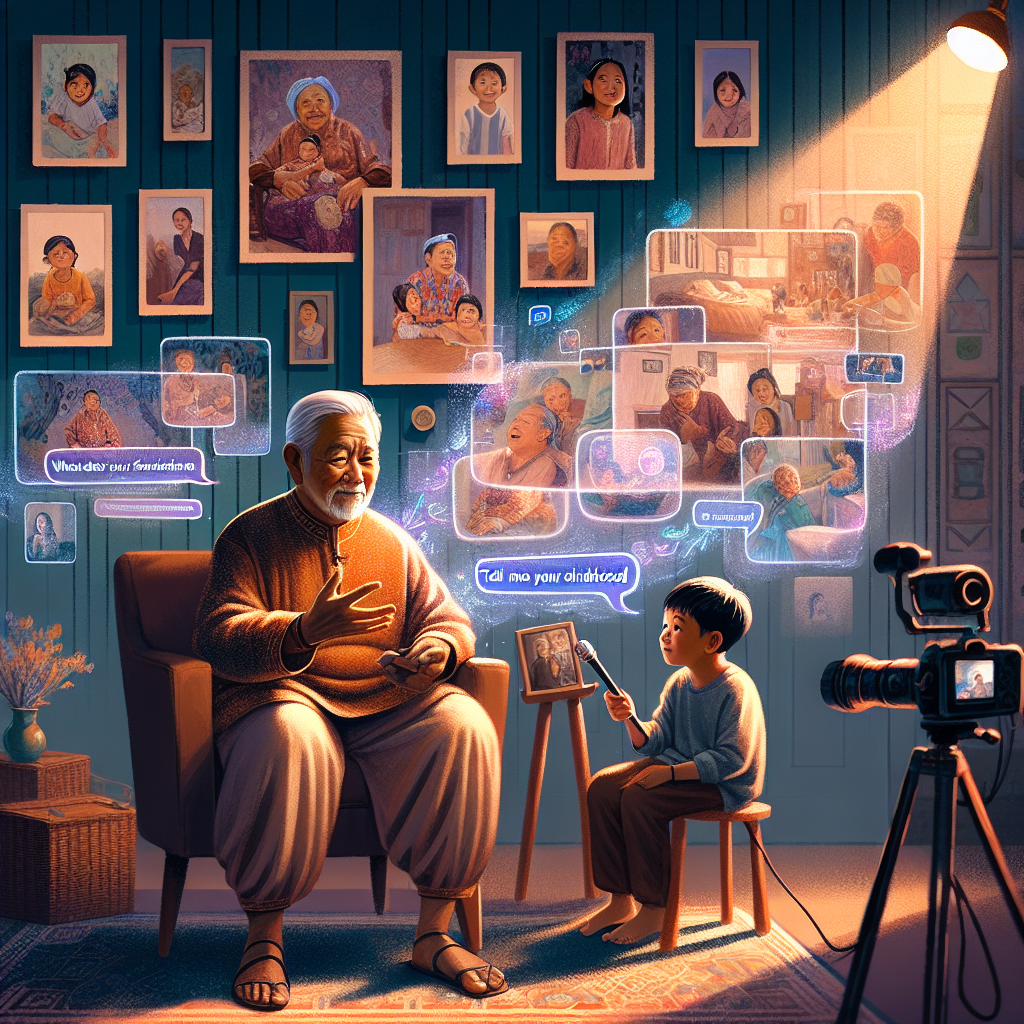
What Is Legacy Storytelling And Why Is It Important?
What Is Legacy Storytelling And Why Is It Important?
- Legacy Storytelling captures and shares meaningful life narratives that shape our identities and connect generations.
- It transforms mundane events into remarkable lessons, giving voice to ancestors and preserving their wisdom.
- This practice fosters familial connections and provides a sense of belonging, crucial in a distraction-filled modern society.
- Sharing stories breaks down barriers of time and distance, enhancing understanding among family members.
- It serves as a powerful reminder of resilience, showcasing our capacity to endure and adapt through hardships.
- Legacy Storytelling ensures that the contributions of those who came before us are remembered and honored.
- By nurturing this practice, we deepen our connections to families, communities, and ourselves, preserving stories for future generations.

What Is Legacy Storytelling And Why Is It Important?
How Can It Enhance Personal Connections?
In a world driven by technology and impersonal interactions, the art of storytelling emerges as a powerful tool for forging deeper personal connections. Legacy storytelling is not just a passive recounting of events; it’s an active engagement with the fabric of our shared human experience. When we gather around a table, sharing tales of yesteryears, we are not just filling the air with words—we are weaving a tapestry of identity and belonging.
Think about it. Each story we tell is a thread that connects us to our past and to one another. It’s easy to get lost in the hustle of daily life, prioritizing tasks over relationships. Yet, when we pause to share experiences—like the time we faced a tough challenge or relished a small victory—we allow ourselves to be vulnerable. This vulnerability fosters authenticity, creating an environment conducive to genuine connection.
Consider how legacy storytelling transcends generational gaps. Older generations possess a wealth of experiences and lessons learned that might otherwise fade into obscurity. By actively listening to these narratives, younger individuals gain insights into their family history, cultural heritage, and life lessons that resonate with current events. This exchange is not merely educational; it builds empathy and mutual respect, weaving threads between our vastly different life experiences.
Moreover, storytelling humanizes us. In a time where social media dominates, people often present curated versions of their lives. Legacy storytelling reminds us of our imperfections and the shared struggles we all face. It’s the tales of resilience, heartbreak, and triumph that resonate the most, reminding us we are not alone in our journeys. Whether it’s a beloved grandparent recounting their youthful misadventures or a friend sharing a tough lesson learned the hard way, these moments create bonds of understanding and compassion.
So, how can we enhance our personal connections through storytelling? Start small. Share a story over coffee or during a family dinner. Ask questions, listen actively, and reflect on what these narratives mean to you. After all, every story told is a chance to not only connect but to build a legacy. Each shared experience enriches our lives and fosters connections that can last a lifetime. It’s not just about the stories themselves; it’s about the threads that tie us together and the memories we create along the way.

How Can It Enhance Personal Connections?
How Can It Enhance Personal Connections?
- Storytelling is a powerful tool for fostering deeper personal connections in a technology-driven world.
- Legacy storytelling actively engages with shared human experiences, creating a tapestry of identity and belonging.
- Each story serves as a thread connecting us to our past and to each other, encouraging vulnerability and authenticity.
- It helps bridge generational gaps, allowing younger individuals to gain insights from the experiences of older generations.
- Legacy storytelling humanizes us, reminding us of our imperfections and shared struggles beyond curated social media images.
- Personal connections can be enhanced by sharing stories in informal settings, asking questions, and listening actively.
- Every shared experience builds a legacy and fosters lasting connections, enriching our lives through meaningful narratives.

How Can It Enhance Personal Connections?
What Are The Key Elements Of Effective Legacy Storytelling?
Gather ’round, folks, because when it comes to Legacy Storytelling, we’re not just chatting about old family tales or dusty photo albums. No, we’re digging deeper into the rich soil of our histories, values, and the wisdom we pass down from one generation to the next. It’s a craft, a commitment, and every bit as vital as those cherished heirlooms sitting in your attic.
First off, let’s talk about authenticity. The heartbeat of effective Legacy Storytelling is genuine experience. When you share your story, it shouldn’t sound like a rehearsed monologue. It should feel like a conversation over dinner, as real and raw as the life it reflects. This authenticity connects us all, creating a sense of belonging that stitches the fabric of our shared existence together.
Now, speaking of connection, each story needs an anchor. This is the emotional core — a universal feeling or theme that resonates, whether it’s love, loss, triumph, or failure. If the listeners can’t find a piece of themselves in your tale, they might just drift away. So, dig into those moments that shaped you, the events that made you stutter and sweat, or the times that left a lasting impact. That’s where the gold lies.
But hold on, what about the craftiness of delivery? Ah, here’s where Legacy Storytelling can really shine or fizzle. A well-told story finds its rhythm in pauses, inflections, and a sprinkle of humor. A touch of drama can also help paint a vivid picture, making your legacy feel dynamic and engaging. Think of it like a recipe: too much of one ingredient can ruin the batch, while the right mix can make it unforgettable.
Then, there’s the context — the setting, anecdotes, and characters that flesh out your narrative. These details breathe life into your story, transporting your audience into your world. Is it the smell of the kitchen during a Sunday family meal? The lessons learned from difficult choices? Those bits reveal not just who you are, but also help others learn from your journey.
Finally, don’t forget about legacy. This isn’t just about looking back; it’s about imparting wisdom and values for future generations. Make sure that every story you tell leaves a breadcrumb, a piece of advice, or a nugget of knowledge that can guide others when they find themselves wandering through their own uncharted territories.
So there you have it — the key elements of effective Legacy Storytelling: authenticity, emotional connection, craftiness of delivery, rich context, and a focus on legacy. With these tools in hand, you can build a bridge from your past to the future, ensuring that your stories echo long after you’re gone.

What Are The Key Elements Of Effective Legacy Storytelling?
What Are The Key Elements Of Effective Legacy Storytelling?
- Legacy Storytelling goes beyond old family tales and involves sharing deep histories, values, and wisdom.
- Authenticity is key; stories should feel like genuine conversations, not rehearsed monologues.
- Each story needs an emotional anchor—universal themes like love, loss, or triumph that connect with listeners.
- The delivery of a story is crucial; it should have a rhythm, incorporate humor, and add drama to engage the audience.
- Context, including setting and anecdotes, enhances the narrative and helps others relate to the storyteller’s journey.
- Legacy storytelling imparts wisdom and values for future generations, leaving behind guidance and knowledge.
- Effective Legacy Storytelling combines authenticity, emotional connection, skilled delivery, rich context, and a focus on legacy.

What Are The Key Elements Of Effective Legacy Storytelling?
How Does Legacy Storytelling Contribute To Personal Healing?
In a world that often seems chaotic and disconnected, we find ourselves yearning for connection. That’s where Legacy Storytelling comes into play. It’s not simply about telling tales; it’s about weaving a tapestry of experiences that bind us to our roots, our families, and ultimately, to ourselves. When we delve into our personal histories and share them, we create a kind of narrative thread that stitches the fabric of our lives together, offering insight and solace for our present and future.
Every family carries stories—some joyous, some tragic, but all significant. These narratives serve as vessels for wisdom and understanding, allowing us to face our own challenges with a sense of perspective. For many, embracing Legacy Storytelling provides a safe space to unpack emotions that have been buried deep. When we recount the triumphs and tribulations of those who paved the way before us, we not only honor their experiences but also bring clarity to our own struggles.
Consider a young person grappling with grief, anger, or uncertainty. By listening to or sharing stories about a loved one’s journey, whether it be battles with illness, financial hardship, or the pursuit of dreams, they cultivate a sense of shared humanity. These tales often serve as a mirror, reflecting our own aspirations and fears. It’s no longer just about us facing our challenges in isolation; suddenly, we realize we are part of something grander, a lineage of resilience.
Moreover, Legacy Storytelling fosters community. When individuals open up about their pasts, they invite others to do the same. This exchange not only nurtures empathy but also helps diminish the stigma surrounding personal struggles. The more we share our stories, the less daunting our burdens feel. Each narrative is a reminder that we’re never alone in our experiences.
At its core, Legacy Storytelling is an act of reclamation. It allows us to take ownership of our stories, reshaping them from sources of pain into tools for healing. As we gather around campfires—literal or metaphorical—we forge connections, mend wounds, and create collective memories that whisper hope into our lives. So next time you sit down with someone—a friend, a family member, or even a stranger—consider the power of your story. Embrace it, share it, and watch as healing unfolds through the rich tapestry of Legacy Storytelling.

How Does Legacy Storytelling Contribute To Personal Healing?
How Does Legacy Storytelling Contribute To Personal Healing?
- Legacy Storytelling addresses the human yearning for connection in a chaotic world.
- It involves sharing personal histories to create a narrative thread that binds us to our roots and each other.
- Family stories, whether joyful or tragic, serve as vessels for wisdom and understanding.
- Embracing Legacy Storytelling allows individuals to unpack deep emotions and honor their ancestors’ experiences.
- It cultivates a sense of shared humanity, helping individuals cope with grief and uncertainty by connecting with others’ journeys.
- Legacy Storytelling fosters community by inviting empathy and reducing the stigma around personal struggles.
- Ultimately, it is an act of reclamation that transforms pain into healing through shared narratives.

How Does Legacy Storytelling Contribute To Personal Healing?
In What Ways Can It Preserve Family History For Future Generations?
In a world spinning at breakneck speed, filled with digital distractions and fleeting connections, there’s an often-overlooked treasure that lies within the heart of every family: their history. The act of preserving family history isn’t merely a sentimental endeavor; it’s a vital and engaging legacy storytelling practice that can shape the identity of future generations. Imagine, for a moment, the rich tapestry woven from the experiences, challenges, and triumphs of your ancestors, waiting to be discovered and shared.
At its core, legacy storytelling is about connecting the dots between past and present. It’s an invitation for families to sit around a table, share a meal, and delve into the memories that make them unique. Stories of hardships endured, laughter shared, and lessons learned are more than just anecdotes—they’re touchstones that ground us in our roots. When families engage in this storytelling, they create a living document, a kind of oral history that will echo through the ages. This isn’t just about recalling an event; it’s about understanding how those events have shaped who we are today.
Consider how preserving family history can build resilience in younger generations. By sharing the trials and tribulations of those who came before them, children learn that adversity is a part of life. They see firsthand that their ancestors weren’t just names on a family tree but real people who faced struggles and managed to forge a path forward. These narratives can inspire courage in moments of uncertainty, offering hope when times get tough.
Moreover, digital tools today allow families to record and archive these stories like never before. Photos, videos, and audio recordings can immortalize the voices and faces of loved ones long after they’re gone. This richness of detail transforms legacy storytelling from a passive listening experience into an active engagement with history. Imagine your grandchildren gathering around a screen, not to scroll through social media, but to watch their great-grandparents recounting tales of a bygone era. That’s the kind of magic that preserves family history for future generations.
As we embrace our past, we are not just honoring those who came before us; we’re also providing a road map for the future. Each story shared, each memory preserved, adds another thread to the intricate tapestry of our family history, ensuring that the wisdom of the past continues to shine brightly for generations to come.

In What Ways Can It Preserve Family History For Future Generations?
In What Ways Can It Preserve Family History For Future Generations?
- Family history is a valuable treasure often overlooked in a fast-paced, digital world.
- Preserving family history shapes the identity of future generations through legacy storytelling.
- Legacy storytelling connects past and present, encouraging families to share unique memories together.
- Stories of hardship and joy serve as grounding touchstones that define who we are today.
- Sharing family narratives helps build resilience in younger generations by illustrating that adversity is part of life.
- Digital tools enhance legacy storytelling by allowing families to record and archive stories through various media.
- Preserving family history provides a road map for the future, enriching the tapestry of shared memory and wisdom.

In What Ways Can It Preserve Family History For Future Generations?
How Can Storytelling Help Us Confront Mortality?
When it comes to grappling with our own mortality, it may seem easier to avoid the topic altogether. Yet, deep down, many of us yearn for a way to make sense of our lives and what comes next. This is where the power of storytelling enters the frame. Legacy storytelling allows us to explore our existence beyond mere facts and figures; it gives our lives depth and meaning, ultimately helping us confront the unavoidable truth of our eventual demise.
Think of legacy storytelling as the ultimate bridge. It connects how we lived, the choices we made, and the values we held dear, allowing for a reflection that is both personal and universal. Through shared experiences and narratives, we can extract life lessons that not only resonate with our understanding of mortality but also foster connections with others. It’s fascinating how a well-told story can stir fond memories, incite laughter, or even elicit tears—acts that remind us of the beauty and fragility of life, while simultaneously pushing us to think about what we want to leave behind when our time here is up.
If we take the time to craft our legacy—whether through writing, oral traditions, or digital mediums—this act becomes more than just a farewell; it becomes a testament. The stories we choose to share gift future generations a glimpse into who we were, what we valued, and the wisdom we accrued over time. In this sense, confronting mortality becomes less about fear and more about a celebration of life, intricately woven into the narratives of those who came before and those who will follow.
In destructive times, when mortality looms large, legacy storytelling can also serve as an anchor. It helps us navigate through uncertainty, reminding us that life isn’t merely a solitary journey but a tapestry of shared human experiences. Each story we tell acts as a thread in that tapestry, connecting us, reminding us that while life is finite, the stories we leave echo through time.
So, the next time you find yourself pondering the inevitable end, consider this: How will your story be told? What legacy are you leaving behind? Embrace the power of storytelling, and let it be your guide as you navigate the profound journey of life and mortality.

How Can Storytelling Help Us Confront Mortality?
How Can Storytelling Help Us Confront Mortality?
- Legacy storytelling helps us confront our mortality and find meaning in our lives.
- It serves as a bridge connecting our experiences, choices, and values.
- Through shared narratives, we extract life lessons and foster connections with others.
- Well-told stories evoke emotions, reminding us of life’s beauty and fragility.
- Crafting a legacy through storytelling becomes a testament rather than just a farewell.
- Legacy storytelling acts as an anchor during uncertain times, highlighting shared human experiences.
- Consider how your story will be told and what legacy you want to leave behind.

How Can Storytelling Help Us Confront Mortality?
What Role Does Memory Play In Legacy Storytelling?
When we gather ’round the fire—metaphorically or literally—we’re not just swapping tall tales to pass the time. We’re actively crafting what will become our oral history, or, as some would call it, our Legacy Storytelling. These stories are more than mere entertainment; they’re the lifeblood of our culture, carrying lessons, values, and traditions from one generation to the next. But what happens when we forget the details? That’s where memory makes its grand entrance.
Memory plays a crucial role in Legacy Storytelling. It’s what allows us to recall the nuances of a beloved family tale, or the pivotal moment that defined an entire lineage. Without memory, those subtle embellishments—the ones that make a story resonate—fade away. Imagine trying to recount your grandfather’s fantastic escapade without the vivid details that made it come alive. That’s the risk we take when we disregard the importance of recalling our shared experiences.
In this regard, memory is almost like a leaky bucket. If we don’t take the time to carefully refill it, droves of cherished stories slip through our fingers. The dramatics, the hilarities, and even the heartaches—the stuff that gives life to our past—can be lost in the haze of forgetfulness. Each time we retell a story, we breathe new life into it, drawing on our memory to shape the narrative. Different tellers will add their own flair, but the core essence remains rooted in collective remembrance.
But memory isn’t infallible; it has its quirks. Our recollections can be colorfully embellished or tragically altered over time. This is where the artistry of Legacy Storytelling shines. Through curated storytelling, we can selectively highlight certain aspects, framing them in a way that feels both authentic and engaging. It’s our opportunity to shape our own legacies while honoring the very foundations laid by those who came before us.
In a world that constantly races ahead, filled with ephemeral distractions, the act of slowing down to engage in Legacy Storytelling is essential. It anchors us to our roots, reminding us that memory isn’t just about recalling; it’s about connecting. So the next time you find yourself in a circle of storytellers, remember—each tale spun is an investment in memory and a step toward preserving a legacy worth sharing.

What Role Does Memory Play In Legacy Storytelling?
What Role Does Memory Play In Legacy Storytelling?
- Gathering around the fire symbolizes the crafting of our oral history, known as Legacy Storytelling.
- These stories serve as cultural lifeblood, transferring lessons, values, and traditions across generations.
- Memory is crucial for recalling important details that give life to stories, ensuring they resonate.
- Without memory, cherished stories risk being lost, as details fade into forgetfulness.
- Retelling stories revitalizes them, allowing different narrators to infuse their unique flair while maintaining core essence.
- Memory can be flawed and embellished over time; curated storytelling helps frame narratives authentically.
- Engaging in Legacy Storytelling is essential for connecting to our roots amidst a fast-paced world filled with distractions.

What Role Does Memory Play In Legacy Storytelling?
Conclusion
Conclusion: The Power of Legacy Storytelling
Let’s take a step back and look at the big picture. Life is a kaleidoscope of moments, experiences, and lessons learned. While we often default to flashy photo albums or quick social media posts, it’s the power of Legacy Storytelling that truly captures the essence of our journey. These stories aren’t just a way to reminisce; they are a celebration of our shared humanity, a bridge connecting us to our past and guiding future generations.
Picture this: a family gathered around a table, laughter mingling with tears as they share tales that illuminate their history—a mishap during a family vacation, a lesson learned the hard way, or an instance of small-town heroism. It’s in these narratives where we find the heartbeat of life. These stories are what tether us to our roots, creating a profound sense of belonging that transcends time and distance.
Now, why is this so crucial? In our fast-paced, tech-driven world, familial connections can often fray—Legacy Storytelling stitches those threads back together. It fosters understanding across generations, urging us to listen closely to the wisdom of those who walked before us. These aren’t just anecdotes; they’re reminders that resilience is part of our lineage, equipping younger generations to weather their storms.
Additionally, engaging in this storytelling practice empowers individuals to reclaim their narratives. Hard-earned life lessons become tools for personal and collective healing. When we confront our experiences—both the triumphs and the tribulations—we embrace not only our own journeys but also those of others. Each shared story becomes a beacon of empathy, creating bonds that can withstand the weight of life’s challenges.
Moreover, as we pass these tales along, they morph into educational blueprints for the future. A story shared today can guide a decision tomorrow. Here lies the magic of storytelling: it isn’t just about preserving memories; it’s about imparting wisdom that can illuminate the path for generations yet to come.
So, let’s raise a glass to Legacy Storytelling. Go ahead, dig deep, and share your stories—your legacies depend on it. In a world that constantly tries to dilute our histories into mere snapshots, let’s remember that our stories are the threads that weave together the rich tapestry of life. They are worth telling, worth sharing, and ultimately, worth celebrating. The power to connect, heal, and inspire is all wrapped up in those tales waiting to be told. Embrace them, and let your legacy live on.

Conclusion
Conclusion:
- Life is a collection of moments, with Legacy Storytelling capturing its essence.
- Sharing family stories creates connections and a sense of belonging that transcends time and distance.
- In a fast-paced world, Legacy Storytelling helps strengthen familial bonds and fosters intergenerational understanding.
- Engaging in storytelling allows individuals to reclaim their narratives, promoting healing through shared experiences.
- Every story shared serves as a beacon of empathy, helping create strong connections amidst life’s challenges.
- Stories not only preserve memories but also impart wisdom that can guide future generations.
- Embrace and share your stories, as they are vital threads in the rich tapestry of life and your lasting legacy.

Conclusion
Other Resources

Other Resources
Here is a list of other resources you can review online to learn more:
- LegalZoom
- Personal Legacy Advisors
- 23AndMe
- RocketLawyer
- Legacy Family Tree
- Memorial Matters
- Obituary Templates
- ForeverMissed
- Ancestry
- LifeSite
Use This Prompt To Get More Resources With Your Favorite Online AI Tool: Please provide me with a list of online articles with their URLs in a bulleted list that I can read regarding What Makes Legacy Storytelling a Critical Life Celebration Tool?

Other Resources
Glossary Terms
What Makes Legacy Storytelling a Critical Life Celebration Tool? – Glossary Of Terms
1. Legacy: The lasting impact or memory of an individual, often related to their values, achievements, and experiences that they leave behind.
2. Storytelling: The art of conveying events, experiences, or ideals through narrative, often combining elements of creativity, emotion, and cultural significance.
3. Life Celebration: A gathering or event designed to honor a person’s life, focusing on positive memories, achievements, and the lessons they imparted.
4. Memorialization: The process of preserving the memories of an individual or event, ensuring that their legacy is remembered and shared with others.
5. Narrative: A structured account of connected events or experiences, serving to communicate deeper messages or values.
6. Cultural Heritage: The traditions, customs, and artifacts that are passed down through generations, contributing to a shared community identity.
7. Intergenerational Connection: The relationship and communication between different age groups, fostering understanding and sharing of stories across generations.
8. Reminiscence: The act of recalling past experiences and events, often bringing emotional clarity and context to one’s life.
9. Healing: The process through which individuals come to terms with loss, often facilitated by sharing and storytelling.
10. Identity: The qualities, beliefs, and personality traits that define an individual, often shaped by personal narratives and experiences.
11. Empathy: The ability to understand and share the feelings of others, crucial in connecting with stories and the experiences of the storyteller.
12. Catharsis: The emotional release that comes from expressing or sharing meaningful stories, often leading to personal healing and understanding.
13. Life Review: A reflective process where individuals evaluate their past, often leading to insights and an understanding of their life narrative.
14. Legacy Letter: A written document where individuals express their thoughts, values, and wishes, intended to be shared with loved ones as part of their legacy.
15. Digital Storytelling: The use of digital tools to create and share personal stories, allowing for broader dissemination and preservation of legacies.
16. Purpose: The underlying motivation or reason for storytelling, often tied to a desire to leave a mark or influence others.
17. Connection: The bonds formed through shared experiences and stories, creating a sense of community and belonging.
18. Values: Core principles or standards that guide behavior, often conveyed through personal stories and legacies.
19. Reflection: The thoughtful consideration of past experiences, often leading to personal growth and storytelling.
20. Tradition: Established customs or practices that are passed down, often including storytelling as a means of preserving history.
21. Transcendence: The ability of stories to rise above individual experiences, connecting to universal themes and truths.
22. Closure: The sense of resolution or completeness that can come from sharing and acknowledging one’s stories or life events.
23. Symbolism: The use of symbols in storytelling to convey deeper meanings and connections to life’s experiences.
24. Community: A group of individuals who share common values or experiences, often strengthened through shared stories.
25. Legacy Keeper: An individual or group responsible for preserving and sharing the stories and memories of others, ensuring their legacies endure.
26. Mindfulness: The practice of being present and engaged in the moment, often enhanced through storytelling as a way to remember and celebrate life.
27. Personal Narrative: An individual’s own story, shaped by their experiences, beliefs, and identity.
28. Anecdote: A short, interesting, or amusing story about a real incident or person, often used in storytelling to illustrate a point or convey a lesson.
29. Tribute: A statement or action that honors and pays respect to an individual, often incorporating elements of their legacy and stories.
30. Memory: The mental capacity to store and recall past experiences, essential for storytelling and the preservation of legacy.

Glossary Of Terms
Other Questions
What Makes Legacy Storytelling a Critical Life Celebration Tool? – Other Questions
If you wish to explore and discover more, consider looking for answers to these questions:
- What are the benefits of engaging in Legacy Storytelling?
- How can I start incorporating Legacy Storytelling into my family’s traditions?
- What techniques can I use to improve my storytelling skills?
- How can Legacy Storytelling impact mental health and well-being?
- Are there specific formats or mediums best suited for Legacy Storytelling?
- Can Legacy Storytelling be used in professional settings, and if so, how?
- How do different cultures approach Legacy Storytelling?
- What are some memorable examples of effective Legacy Storytelling?
- How can technology aid in preserving stories and histories?
- What challenges might one face when practicing Legacy Storytelling?

Other Questions
Haiku
What Makes Legacy Storytelling a Critical Life Celebration Tool? – A Haiku
Stories bind us close,
Legacies shared in warmth,
Wisdom flows through time.

Haiku
Poem
What Makes Legacy Storytelling a Critical Life Celebration Tool? – A Poem
Gathered ’round the flickering light,
We weave our stories, day and night.
Through laughter’s joy and sorrow’s tears,
In shared narrations, we confront our fears.
Legacy storytelling, a sacred art,
Breathes life into memories, every part.
A tapestry rich with struggles and grace,
Binding us close, in time and space.
In vibrant threads of triumph and strife,
We hand down wisdom, the essence of life.
Each tale a bridge from past to new,
A guide for tomorrow, a lens to view.
Authentic voices rise, strong and true,
In the heart of our narratives, we find the glue.
Resilience shines in every tale spun,
Uniting generations, melding as one.
We reclaim our stories, declare our role,
Casting aside shadows, igniting the soul.
In reflections of ancestors, we see our fight,
Facing our mortality, we search for light.
So gather around with loved ones dear,
Share the laughter, embrace the tear.
For in every story, we leave traces of love—
Echoes of legacy, whispered from above.
Cherish the moments, the lessons they bring,
In the symphony of life, we’re all part of the string.
Let’s craft our legacies, with hearts open wide,
In the power of storytelling, let our truths abide.

Poem
Checklist
What Makes Legacy Storytelling a Critical Life Celebration Tool? – A Checklist
1. Gather Your Audience
_____ Ensure you have a comfortable environment with family and friends.
_____ Encourage participation from all age groups.
2. Choose Your Stories Wisely
_____ Select personal experiences that highlight core values or significant events.
_____ Include stories that evoke a range of emotions _____ joy, sadness, resilience.
3. Embrace Authenticity
_____ Share tales in your own voice—let your personality shine through.
_____ Be honest about the triumphs and challenges in your experiences.
4. Identify the Emotional Core
_____ Highlight universal themes such as love, loss, or perseverance.
_____ Make connections that resonate with your audience.
5. Craft Your Delivery
_____ Use pauses, inflections, and dramatic elements to enhance your storytelling.
_____ Incorporate humor where appropriate to create a lighter atmosphere.
6. Provide Context and Details
_____ Enrich your stories with vivid settings and personal anecdotes.
_____ Describe moments that helped shape your identity and experiences.
7. Focus on Legacy
_____ Ensure your stories impart lessons or wisdom for future generations.
_____ End stories with thoughts on what you hope others will learn from them.
8. Engage and Involve Your Audience
_____ Encourage others to share their stories in response.
_____ Ask open-ended questions to prompt discussion.
9. Record and Preserve
_____ Utilize technology (audio, video, or written formats) to capture stories.
_____ Consider creating a family archive or scrapbook to document shared narratives.
10. Reflect and Recap
_____ After storytelling, discuss what everyone learned or felt.
_____ Encourage family traditions of storytelling for continued connection.
11. Celebrate Your Heritage
_____ Acknowledge the unique tapestry of experiences and backgrounds.
_____ Share how these stories intertwine to shape family identity.
12. Make It a Regular Practice
_____ Set aside dedicated times for storytelling, like family gatherings or holidays.
_____ Keep the tradition alive to strengthen familial bonds over time.
Utilize this checklist to enhance your legacy storytelling practice, creating deeper connections and preserving valuable family history for future generations. Remember, each story you share enriches the fabric of your family’s legacy.

Checklist
At LegacyExplorations, we help people plan and explore their legacy by collecting information and news regarding end-of-life planning.
Please share this post with your friends, family, or business associates who may want help to plan or explore their legacy.