

The Enduring Impact Of Your Life Story On Future Generations
By Tom Seest
At LegacyExplorations, we help people plan and explore their legacy by collecting information and news regarding end-of-life planning.
Please share this post with your friends, family, or business associates who may want help to plan or explore their legacy.
What Power Does Your Life Story Hold Over The Next Generation?
Have you ever sat down with a cup of coffee or tea and reflected on the twists and turns of your life? That beautifully chaotic journey is a treasure trove for the next generation. Every bump in the road, every moment of triumph or defeat contributes to a rich tapestry of experiences that can shape the beliefs and values of those coming after you. This is where the magic of legacy storytelling truly shines.
Let’s be honest: our world is loud. Social media buzzes, news cycles churn, and the pressures of modern life can be overwhelming. In this cacophony, the simple act of sharing your life story can become a powerful anchor for the young minds around you. It’s not about spinning tales of grandeur or filtering reality to fit a perfect narrative. Instead, it’s about grunt work—down-to-earth experiences that are relatable and teachable. It’s the little moments, the challenges faced, and the wisdom gained that resonate the most.
Imagine a moment where you’re sharing your experiences with a child or a young adult, looking them in the eye as you recount a story that encapsulates hard work, perseverance, or kindness. Perhaps it’s a lesson you learned the hard way—one that they can benefit from without having to endure the same trials. That’s more than just storytelling; it’s an opportunity to build trust and foster confidence. When you layer your anecdotes with authenticity, it grips their attention and allows them to see reflections of their own potential.
Your legacy doesn’t only live in the successes but in your vulnerability. The stories of when you faltered, doubted, or simply missed the mark often carry just as much weight, if not more. They’re the breadcrumbs leading the next generation through their own potential missteps, offering guidance and reassurance that they’re not alone in their struggles.
So, lean in and share your journey. Don’t hold back on the messy parts or gloss over the hard truths. Engage them with tales that inspire action, courage, and integrity. Your stories can lay the groundwork for their future, becoming a compass guiding them through the unpredictable waters of life. After all, by sharing your legacy through storytelling, you’re not just preserving history; you’re shaping the next generation, encouraging them to forge their own paths with the lessons you’ve imparted.

What Power Does Your Life Story Hold Over The Next Generation?
What Power Does Your Life Story Hold Over The Next Generation?
- Reflecting on life’s journey provides rich experiences for future generations.
- Legacy storytelling serves as an anchor amidst the chaos of modern life.
- Relatable, down-to-earth experiences resonate more than grand tales.
- Sharing personal stories fosters trust and confidence in young listeners.
- Your vulnerabilities and failures are valuable lessons for the next generation.
- Engaging tales inspire action, courage, and integrity in youth.
- By sharing your legacy, you help shape the future and encourage self-discovery.

What Power Does Your Life Story Hold Over The Next Generation?
Table Of Contents
- What Power Does Your Life Story Hold Over The Next Generation?
- What Lessons Can My Life Story Teach The Next Generation?
- How Can I Share My Experiences Effectively?
- In What Ways Can My Struggles Inspire Others?
- What Impact Does Storytelling Have On Family Dynamics?
- Can My Life Story Influence Future Decisions In My Family?
- How Do I Choose Which Parts Of My Story To Tell?
- What Role Does Vulnerability Play In Sharing My Story?
- Conclusion
- Other Resources
- Glossary Of Terms
- Other Questions
- Haiku
- Poem
- Checklist
What Lessons Can My Life Story Teach The Next Generation?
When I reflect on my life story, I realize it’s more than a collection of experiences; it’s a Legacy Storytelling that has shaped my path and points toward an invaluable truth. Each twist and turn, each victory and setback, has crafted the person I am today. But why should that matter to the next generation? Let me tell you—it matters a great deal.
Think about it. Life is a series of lessons waiting to be learned, often through the triumphs and failures of those who came before us. As I recount my own journey, I see not only the personal milestones but also the broader themes that resonate universally. The struggles with self-doubt, the exhilaration of pursuing passions, the heartaches that teach resilience—these are the heartbeats of life that echo across time. By sharing these stories, we don’t just preserve memories; we cultivate understanding and connection.
Imagine a young person standing at a crossroads, feeling lost or overwhelmed by choices. Is it any different from when I was in their shoes? I remember those moments of uncertainty all too well. What if they could learn from my missteps? What if they could gain confidence from my successes? This is the essence of Legacy Storytelling. It allows us to pass down not just a story, but a blueprint for navigating life’s labyrinth.
Moreover, authenticity is crucial. Sharing my authentic self—warts and all—creates a space for connection. When young people see the real, unfiltered struggles, and victories in my life, they realize they’re not alone in theirs. It fosters trust; it offers them validation and encouragement. They begin to understand that their own experiences, be they joyous or challenging, are part of a much larger narrative.
So, how do we inspire action with our life stories? It starts with vulnerability. Have the courage to speak about your experiences openly. Share the lessons learned, the tools that helped you persevere, and the dreams that ignited your spirit. Invite the next generation into the fold of your experiences, and in doing so, empower them to forge their own paths with confidence. Let’s bridge the gap between generations and illuminate the way forward together. After all, the stories we share today will lay the groundwork for the legacies they build tomorrow.

What Lessons Can My Life Story Teach The Next Generation?
What Lessons Can My Life Story Teach The Next Generation?
- Life is a “Legacy Storytelling” that reflects personal experiences, shaping individual paths.
- Lessons learned from personal triumphs and failures benefit future generations.
- Struggles and successes resonate universally, providing heartbeats of life that echo across time.
- Legacy Storytelling serves as a blueprint for young people navigating life’s challenges.
- Authenticity in sharing personal struggles fosters connection and trust among generations.
- Vulnerability is key; it inspires others to learn from experiences, both positive and negative.
- The stories shared today create a foundation for the legacies of tomorrow.

What Lessons Can My Life Story Teach The Next Generation?
How Can I Share My Experiences Effectively?
Let’s talk about sharing experiences, shall we? You may not think of yourself as a storyteller, but we all have a tapestry woven with triumphs, challenges, and hard-earned wisdom. Think of it as Legacy Storytelling—a way to pass on your tales to others, whether it’s around a campfire, at a family gathering, or even in a casual conversation over coffee. It’s important stuff, people!
Now, diving into the art of storytelling might feel daunting at first. You might wonder, “What do I even have to share that’s worth anyone’s time?” The truth is, every experience you’ve had carries intrinsic value. Consider this: what have you learned from failures or unexpected turns in your life? Those lessons are gold. They resonate with others who have faced similar struggles, creating instant connections. Being vulnerable and authentic makes your stories relatable. That’s how you inspire trust.
Take a moment to reflect on significant moments that shaped you. Maybe it was overcoming an obstacle in your career or a life lesson learned through hardship. Frame your narrative by detailing the “why” behind these moments. Your audience will want to know what drove you, not just the outcome. This helps anyone listening engage with your experience on a personal level, unlocking the door to empathy and understanding.
And let’s not forget about the delivery! Use simple, vivid language. Avoid jargon, and instead, adopt a conversational tone. Picture yourself chatting with a close friend—this is not a performance but rather a sharing of life. Don’t rush; let the pace of your storytelling reflect the weight of your words. A well-timed pause can serve as an invitation for your listener to absorb what you’ve shared and even lead them into their own reflections.
Ultimately, your mission is to connect. When you share your experiences, you’re offering a piece of your legacy—a window into your life that encourages others to share their own. So, next time you find yourself with an audience, whether it’s one person or a crowd, remember that your stories matter. They have the power to motivate, inspire, and remind others they’re not alone in their journey. Go ahead, share openly and watch as connections flourish!

How Can I Share My Experiences Effectively?
How Can I Share My Experiences Effectively?
- Everyone has unique experiences with valuable lessons, contributing to Legacy Storytelling.
- Every personal story, including failures and challenges, can create connections with others.
- Vulnerability and authenticity make stories relatable and build trust with the audience.
- Reflect on significant life moments that shaped you, focusing on the “why” behind them.
- Use simple, vivid language and a conversational tone for effective storytelling.
- Employ a natural pacing and well-timed pauses to enhance listener engagement.
- Sharing your experiences offers a piece of your legacy, fostering connections and support among others.

How Can I Share My Experiences Effectively?
In What Ways Can My Struggles Inspire Others?
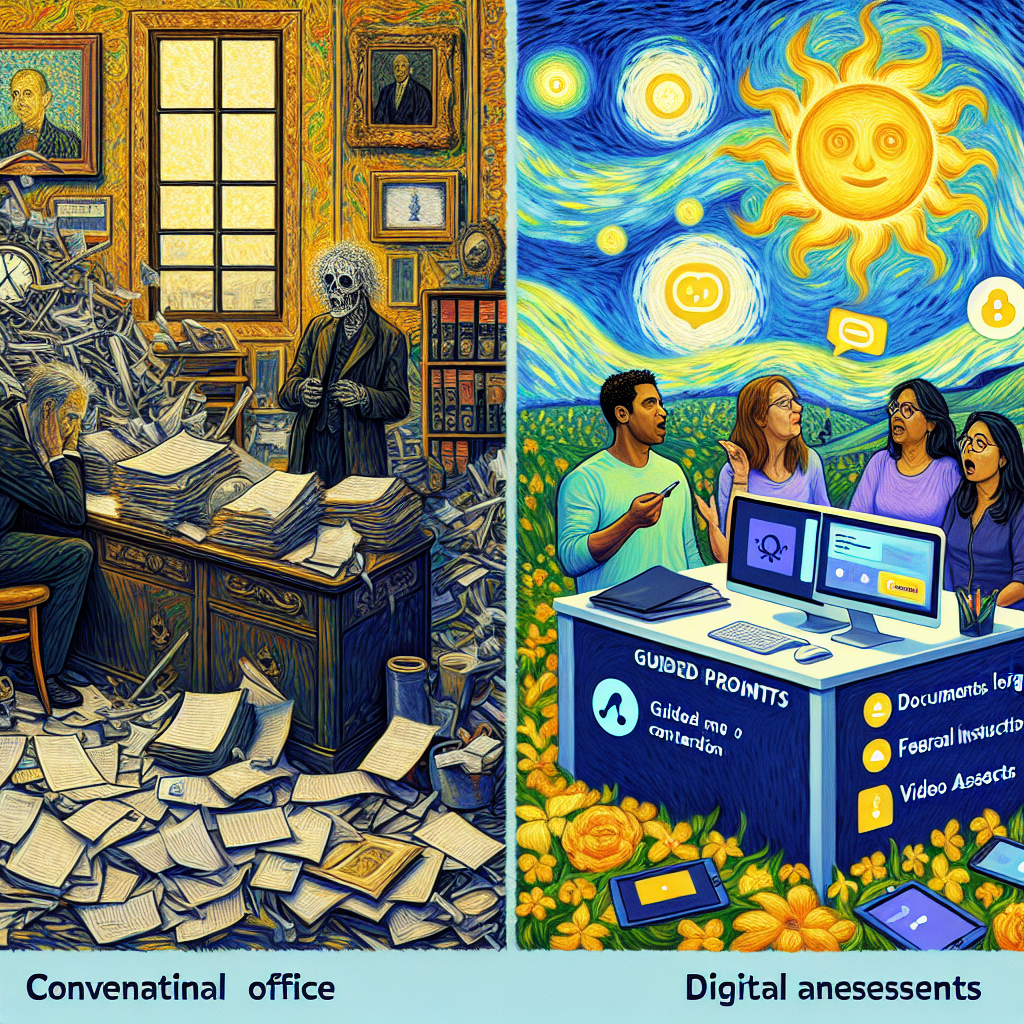
Life can feel like a never-ending monsoon at times, can’t it? Each of us trudges through our own downpours, grappling with challenges that seem insurmountable. But what if I told you that these struggles you face—those hard-fought battles, those moments when you felt like giving up—are actually your greatest assets? Your personal journey, with all its bumps and bruises, possesses the power to light a path for others who may find themselves lost in the fog of adversity.
Let’s talk about Legacy Storytelling. It’s the art of weaving your challenges into narratives that resonate with others. This isn’t some lofty ideal; it’s an act steeped in authenticity and real-world experience. When we share our struggles openly, we extend a hand to those who might feel isolated in their plight. You see, every setback can become a stepping stone—an opportunity to frame your story in a way that fosters connection and hope.
Imagine this: someone out there is facing what seems like an insurmountable wall, feeling overwhelmed and alone. Then, they hear your story—a tale of perseverance, grit, and ultimately, triumph. Suddenly, they’re reminded they aren’t alone. Your journey offers them a lifeline, a flicker of light illuminating their own dark tunnel. They begin to see that struggles don’t define us; they refine us. This is how we inspire trust—through our vulnerability and willingness to put ourselves out there.
So, don’t shy away from your hardships. Own them. By embracing your story, you create a ripple effect, forging connections that transcend the ordinary. Encourage others to step forward by sharing your path. Show them that while challenges may shape us, it’s how we respond that truly defines our character. Invite others to reflect on their own struggles and the lessons they’ve gleaned along the way. Maybe your honesty will give someone the courage to confront their own trials.
This isn’t just about you; it’s about the collective tapestry of human experience. The more we engage in this Legacy Storytelling, the more we enrich not only our own lives but the lives of everyone around us. So, take a moment. Reflect. What can your struggles teach others? Your voice matters, and your story could very well be the inspiration someone needs to rise and conquer their own battles.
In What Ways Can My Struggles Inspire Others?
In What Ways Can My Struggles Inspire Others?
- Life’s challenges can feel overwhelming, but they are also valuable assets.
- Legacy Storytelling is the practice of sharing personal struggles to resonate with others.
- Openly sharing hardships fosters connection and provides hope to those feeling isolated.
- Our stories of perseverance can inspire others facing similar obstacles.
- Embracing your story can create a ripple effect, encouraging others to share their own experiences.
- Collective storytelling enriches both individual lives and the broader community.
- Your struggles hold lessons that could inspire someone else to face their challenges.

In What Ways Can My Struggles Inspire Others?
What Impact Does Storytelling Have On Family Dynamics?
When you think about the fabric of family life, what comes to mind? Is it the holiday dinners, the countless inside jokes, or perhaps the shared tales of triumph and adversity? This is where legacy storytelling comes into play. Now, I’m not talking about fancy narrative arcs or well-constructed plots. I’m talking about the simple act of sharing our stories, the ones that stitch our family legacy together.
Every family has a rich tapestry of stories. These narratives—sometimes hilarious, often poignant—serve as touchstones that connect generations. When you gather around the dinner table and share that wild account of a family road trip gone wrong or the heartfelt story of your grandparents’ first meeting, you’re not just passing time; you’re building the very foundation of your family’s identity. These shared experiences teach us who we are, where we came from, and the values we hold dear.
Moreover, storytelling establishes trust. When a parent opens up about their struggles, perhaps recounting a tough decision made years ago, it fosters an environment where children feel safe to share their own worries and triumphs. It creates a two-way street of understanding and empathy. This dynamic isn’t just beneficial for the young ones; it strengthens the bonds between adults as well. We learn to listen and appreciate each other on a deeper level, transforming ordinary moments into opportunities for connection.
Legacy storytelling also promotes resilience. When a family faces challenges—be it health issues, financial stress, or personal loss—drawing from their narrative heritage offers a unique perspective. When we remember how our relatives overcame difficulties, it not only inspires hope but armed with the knowledge that struggles are part of our shared human experience.
So, how do you start embracing this art of storytelling in your family? Begin small. Share a story each week, or ask a family member to recount theirs. Capture those precious moments with recordings or in a scrapbook. The aim is not perfection, but connection. The more you share, the stronger those bonds will become, creating a legacy that can be passed on for generations to come. After all, every story matters, and yours could be the one that lights a spark for someone else.

What Impact Does Storytelling Have On Family Dynamics?
What Impact Does Storytelling Have On Family Dynamics?
- Legacy storytelling is about sharing simple family stories that connect generations.
- Stories serve as touchstones that help define family identity and values.
- Sharing personal narratives fosters trust and encourages open communication among family members.
- Storytelling strengthens bonds, enhancing understanding and empathy amongst adults and children.
- It promotes resilience by providing perspective on challenges through shared family history.
- Families can start storytelling by sharing a story each week or asking others to share theirs.
- The goal is to create connections, as every story contributes to a lasting family legacy.

What Impact Does Storytelling Have On Family Dynamics?
Can My Life Story Influence Future Decisions In My Family?
You might not think of yourself as a storyteller, but every moment you’ve lived, every choice you’ve made, weaves together a narrative that’s unique to you. That’s the essence of legacy storytelling. Think about it: our families are stitched together by the threads of shared experiences and lessons learned. Your story is an invaluable tapestry, rich with insights that can echo through generations.
Consider the power of vulnerability. When you open up about your triumphs and struggles, you’re giving your loved ones a map—one that outlines not just where to go, but how to navigate the bumps along the way. Perhaps your decision to switch careers in midlife radically changed your family’s perspective on what work means. Or maybe the way you handled a family crisis taught your kids that resilience often shines brightest in the face of adversity. Your journey is more than just personal history; it’s a profound teaching tool.
Now, why does this matter? The truth is, it’s all about influence. When your family hears your story—the real, unvarnished version—it allows them to connect on a deeper level. They don’t just see you as a parent or an elder; they see you as a human being, with dreams, fears, and the same kinds of messy choices they’ll face. You empower them to make their own informed decisions, drawing inspiration from your experiences.
Imagine sitting around a dinner table, with your children asking questions about your life. They may face problems you’ve already navigated, and your experiences could illuminate a path for them. By sharing your victories and defeats, you provide tools, instill principles, and foster resilience—the building blocks of their future.
So, how can you begin? Start small. Share a story that shaped you, or a lesson you learned the hard way. Turn mundane moments into teachable ones—whether it’s a failed Thanksgiving turkey or a hard-fought promotion. Let your legacy storytelling unfold organically, and watch the connections deepening over time.
Remember, every story you share is like passing down seeds of wisdom. Before you know it, your family’s future decisions won’t just be theirs; they’ll be influenced by a legacy you consciously chose to share. And that, my friends, is the beauty of storytelling.

Can My Life Story Influence Future Decisions In My Family?
Can My Life Story Influence Future Decisions In My Family?
- Legacy storytelling reflects the unique narrative woven from your life choices and experiences.
- Your family’s shared experiences create a valuable tapestry filled with insights for future generations.
- Opening up about personal triumphs and struggles provides a guiding map for loved ones.
- Your journey serves as a profound teaching tool, influencing how your family views challenges and resilience.
- Sharing your authentic story allows deeper connections, making you relatable as a human being.
- By discussing your life experiences, you equip your children with tools, principles, and resilience for their futures.
- Start small with stories that shaped you, fostering connections and imparting wisdom over time.

Can My Life Story Influence Future Decisions In My Family?
How Do I Choose Which Parts Of My Story To Tell?
When it comes to sharing your story, it’s less about sifting through pages of your life and more about recognizing the gold nuggets—those moments and experiences that truly define who you are. In the grand tapestry of life, legacy storytelling isn’t just a pastime; it’s an opportunity to connect, inspire, and leave a mark that echoes long after you’re gone. So, how do you decide which threads to pull and weave into your narrative?
First off, let’s be real: every single moment we live has its significance. The challenge isn’t finding the stories; it’s choosing the right ones. Start by thinking critically about your audience. What do they care about? What will resonate with them? As you reflect on your experiences, look for those universal themes that speak to the human condition—struggles, triumphs, growth. Stories that reveal vulnerability often create the deepest connections. Don’t shy away from sharing the tough times; after all, it’s often in the adversity that the best lessons are learned.
Next, consider the core values that shape your own legacy. What beliefs guide you? What passions drive you? These aspects can provide clarity about which stories will be most impactful. If you care deeply about perseverance, for instance, perhaps it’s worth sharing the time you overcame an obstacle that seemed insurmountable. By aligning your tale with your values, you give it depth and create a narrative that is not only authentic but also relatable.
Then, throw in a healthy dose of humor and humanity. Life’s not just about the serious stuff; it’s also filled with moments of levity and absurdity. Embracing this balance can make your story more engaging and inviting. Share that embarrassing faux pas or the time you misunderstood something crucial—it humanizes you and builds an instant rapport with your audience.
Lastly, remember that your story doesn’t have to be a one-and-done affair. It evolves, just like you do. Revisit it, refine it, let it grow. Each telling can reveal new layers, new insights that can inspire trust and confidence in the hearts you’ll touch.
So, as you sift through your memories, choose wisely, share generously, and don’t be afraid to dive deep. After all, your legacy is crafted one story at a time, and each story is an invitation for others to relate, connect, and perhaps even transform.

How Do I Choose Which Parts Of My Story To Tell?
How Do I Choose Which Parts Of My Story To Tell?
- Recognize significant moments in your life that define who you are.
- Connect with your audience by considering their interests and what resonates with them.
- Focus on universal themes such as struggles, triumphs, and growth to create deep connections.
- Share stories that reflect your core values and passions for greater impact.
- Incorporate humor and humanity to enhance relatability and engagement.
- Understand that your story can evolve and should be refined over time.
- Craft your legacy one story at a time, inviting others to connect and transform.

How Do I Choose Which Parts Of My Story To Tell?
What Role Does Vulnerability Play In Sharing My Story?
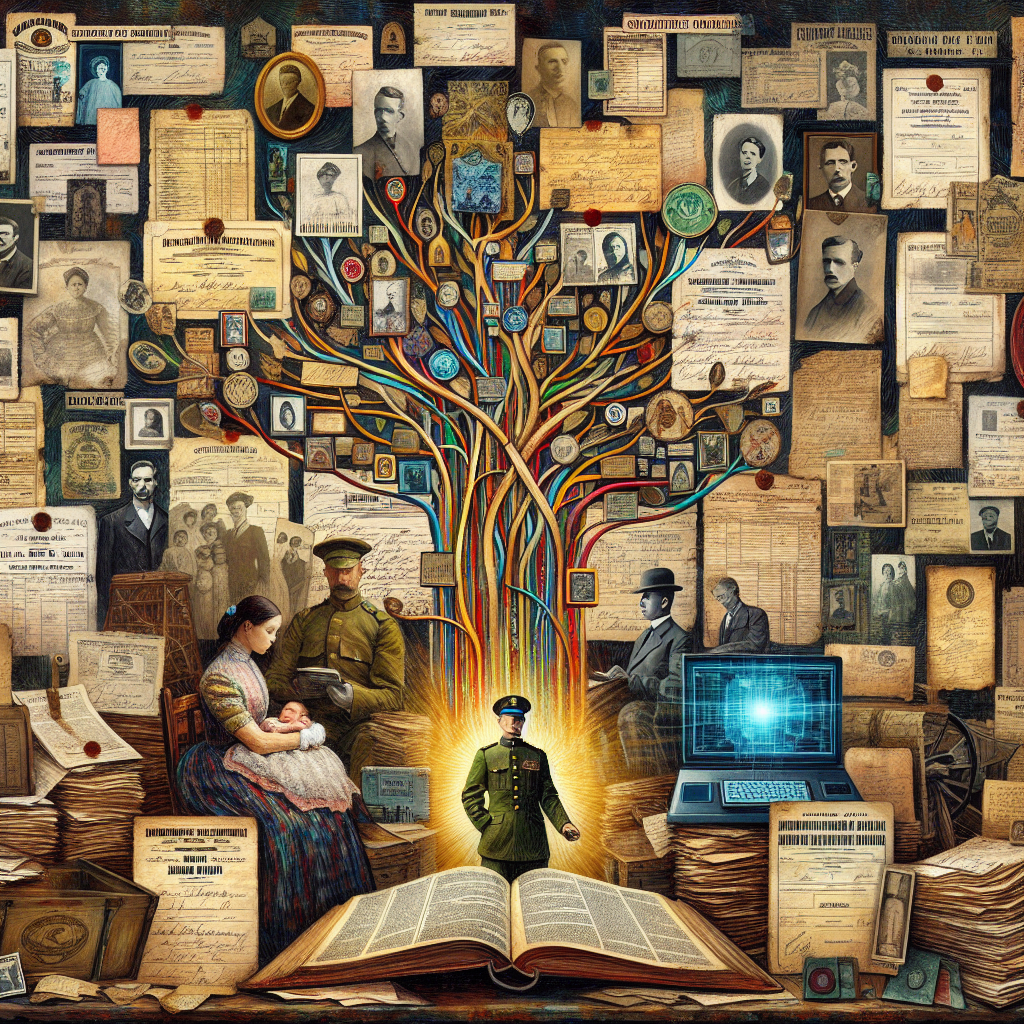
Let’s face it: vulnerability isn’t always the most comfortable hat to wear. It often feels like you’re standing in front of a spotlight on stage, your heart racing, as you lay bare pieces of your life that you’d rather keep under wraps. But here’s the thing—this is where the magic happens. When you allow yourself to be vulnerable, you’re not just sharing a story; you’re weaving a tapestry of connection that can resonate with others in ways you can’t even imagine.
Think about it. Every great legacy storytelling experience is laced with a dose of authenticity. It’s the imperfect moments that make your narrative relatable. Whether it’s triumphs or tribulations, it’s about being real and showing that you’re human. Take a moment to reflect on your own life. Have you ever felt a rush of relief when someone else opened up about their struggles? That sense of camaraderie, the realization that you’re not alone in your messiness—that’s what vulnerability does. It invites others in, creating a community built on shared experiences.
Now, don’t get me wrong; it’s not about oversharing or turning every anecdote into a dramatic tearjerker. It’s about offering glimpses into your journey that others can see themselves in. Amidst the laughter and the pain, there’s the thread of hope that we’re all striving for—growth, resilience, and the determination to keep putting one foot in front of the other.
When you invite someone into your story, you’re essentially extending an invitation for them to reflect on their own. It’s a profound way to inspire trust and foster confidence in those around you. People crave connection; they want to know they’re not alone in their struggles and joys. By stepping into your vulnerability, you provide that opportunity.
Sure, it may take courage to step out from behind the walls you’ve built, but remember: every story shared is a chance to plant seeds of inspiration in someone else’s life. Your legacy storytelling can prove that vulnerability isn’t a weakness—it’s a powerful catalyst for connection and understanding. So, as you embark on your narrative journey, embrace that vulnerability. You might just light the way for someone else searching for their own path.

What Role Does Vulnerability Play In Sharing My Story?
What Role Does Vulnerability Play In Sharing My Story?
- Vulnerability can feel uncomfortable, akin to being in the spotlight.
- Sharing vulnerable experiences creates deep connections with others.
- Authenticity and imperfect moments make stories relatable.
- Openness about struggles fosters a sense of camaraderie.
- Vulnerability is about sharing glimpses of your journey, not oversharing.
- Inviting others into your story encourages reflection and builds trust.
- Embracing vulnerability in storytelling can inspire and guide others.
What Role Does Vulnerability Play In Sharing My Story?
Conclusion
As we wrap up this deep dive into legacy storytelling, let’s take a moment to reflect on the incredible power your life story holds, not just for you, but for the next generation. Picture this: your experiences—every twist, turn, victory, and setback—are more than just personal anecdotes. They are crucial building blocks of wisdom and insight that can help guide young people through their own impending chaos. It’s a beautiful and messy world out there, and when you allow your story to unfold, you provide a compass for the youth navigating life’s unpredictable waters.
Now, don’t kid yourself; storytelling is more than an art form. It’s an invitation for connection, a mechanism for trust, and a pathway for future resilience. Just think about it: when you sit down and share the gritty details of your journey—those moments when you tripped and fell, or stood tall against adversity—you are creating a relatable bridge between your experiences and theirs. By being vulnerable and authentic, you give the next generation permission to feel, explore, and even stumble, just as you did.
Imagine your words lighting a spark in a young person’s heart during a pivotal moment in their life. Your tale of perseverance might encourage them to face their fears head-on. A lesson learned the hard way could save them from unnecessary struggles. This transfer of knowledge is the heartbeat of legacy storytelling, and it’s a responsibility we should embrace. Your narrative doesn’t just shape your life; it helps shape theirs.
Let’s not forget the sheer joy of shared laughter or the warmth of empathy forged through storytelling. When you gather around a dinner table or a campfire and recount family adventures or mistakes made along the way, you’re not just reminiscing—you’re constructing a familial identity. The stories of old can foster an unbreakable bond, giving each family member a sense of belonging and purpose.
So, as you move forward, I challenge you: delve into your own life story. Identify those golden nuggets of wisdom and don’t shy away from sharing the tough parts. Whether it’s over coffee with a friend or a heart-to-heart with a child, your experiences matter. They can serve as a guiding light, igniting courage, kindness, and integrity in the hearts of those who’ll carry your legacy forward. Remember, every word you share lays the groundwork for the future, helping the next generation forge their own paths, armed with the lessons you’ve imparted. Now go on, tell your story—because it truly matters.

Conclusion
Conclusion:
- Your life story has incredible power for both you and future generations.
- Your experiences serve as building blocks of wisdom, guiding youth through chaos.
- Storytelling fosters connection, trust, and resilience.
- Sharing your journey creates relatable bridges between your experiences and those of the younger generation.
- Your narrative can inspire courage and prevent unnecessary struggles for young people.
- Storytelling builds familial identity and fosters bonds through shared experiences.
- Embrace the challenge of sharing your life lessons to ignite positive values in the next generation.

Conclusion
Other Resources

Other Resources
Here is a list of other resources you can review online to learn more:
- Remembered.com
- WishesKeeper
- My Wonderful Life
- 23AndMe
- INELA
- MyMoriam
- LegalNature
- FindMyPast
- MyWishes
- LifeWeb 360
Use This Prompt To Get More Resources With Your Favorite Online AI Tool: Please provide me with a list of online articles with their URLs in a bulleted list that I can read regarding What Power Does Your Life Story Hold Over The Next Generation?

Other Resources
Glossary Terms
What Power Does Your Life Story Hold Over The Next Generation? – Glossary Of Terms
1. Legacy: The impact and influence one leaves behind for future generations, often encompassing values, beliefs, and life lessons.
2. Narrative: A structured story that conveys experiences, beliefs, and emotions, shaping how others perceive and learn from those experiences.
3. Resilience: The ability to recover from adversity and challenges, often depicted in life stories as a lesson in strength for future generations.
4. Wisdom: Insights or knowledge gained through experience, which can guide and inform the decisions of younger generations.
5. Influence: The capacity to affect others’ thoughts or behaviors through personal stories, ultimately shaping their values and choices.
6. Intergenerational: Relating to relationships, influences, or exchanges between different generations, often where stories are shared and passed down.
7. Identity: The qualities, beliefs, and expressions that define an individual, often explored through personal narratives that can guide younger generations.
8. Mentorship: The act of guiding and supporting others based on one’s own life experiences, fostering growth and reflection in the mentee.
9. Authenticity: The quality of being genuine or true to oneself, often emphasized in life narratives that resonate with others.
10. Empathy: The ability to understand and share the feelings of others, often cultivated through shared stories that connect generations.
11. Cultural Heritage: The traditions, values, languages, and histories passed down through generations, often encased within personal and family narratives.
12. Moral Lessons: Teachings derived from experiences that convey ethical or life-affirming principles important for guiding future generations.
13. Connection: The bonds formed between individuals through shared experiences and stories, fostering a sense of belonging and understanding.
14. Vulnerability: The willingness to share one’s struggles and weaknesses, which can inspire courage and resilience in others.
15. Change: The evolution of beliefs, behaviors, or circumstances over time, illustrated through personal journeys that can empower others to embrace growth.
16. Storytelling: The art of sharing narratives that reflect personal experiences, crafting meaning, and lessons that can inspire and educate.
17. Reflection: The process of contemplating one’s experiences and growth, often resulting in insights that can benefit younger generations.
18. Empowerment: The act of enabling others to take control of their lives and decisions, often through shared wisdom and narratives.
19. Tradition: Established customs and practices passed down through generations, often found within family stories.
20. Healing: The process of recovering from emotional pain or trauma, which can be depicted in life stories as a pathway for others to find solace.
21. Purpose: The underlying reasons for one’s actions and choices, often explored in narratives that inspire others to seek their own paths.
22. Values: Core beliefs that guide behavior and decision-making, commonly transmitted through family stories and personal experiences.
23. Courage: The ability to confront fear, pain, or adversity, often illustrated in life stories that serve as motivation for future generations.
24. Generational Wisdom: The accumulated knowledge and insights passed down through family lines, shaping beliefs and behaviors of descendants.
25. Transcendence: The act of rising above limitations or challenges, often expressed in personal narratives that inspire growth in others.
26. Inspiration: The process of stimulating enthusiasm and motivation in others through the recounting of powerful personal stories.
27. Curation: The act of selecting and preserving important life narratives or teachings, ensuring they are shared with and accessible to future generations.
28. Authentic Voice: A unique perspective or expression that reflects personal truth, often resonating strongly with others and inspiring connection.
29. Taboo: Subjects often considered sensitive or off-limits, which when addressed in stories, can challenge norms and encourage open dialogue.
30. Continuity: The ongoing transmission of stories, values, and lessons from one generation to the next, ensuring knowledge and culture remain alive.

Glossary Of Terms
Other Questions
What Power Does Your Life Story Hold Over The Next Generation? – Other Questions
If you wish to explore and discover more, consider looking for answers to these questions:
- What is Legacy Storytelling and why is it important?
- How can I start sharing my own life story?
- What types of experiences should I focus on when sharing my story?
- How can I encourage younger generations to share their stories as well?
- What are some effective storytelling techniques to engage listeners?
- How can I ensure that my stories are relatable to the next generation?
- What role does culture play in shaping our life stories?
- How can storytelling influence mental health and well-being?
- What are some common obstacles people face when trying to tell their stories?
- How can families create a safe environment for storytelling?
- What impact does storytelling have on emotional intelligence?
- How do I balance between sharing vulnerability and maintaining privacy?
- Can professional storytelling techniques enhance personal storytelling?
- How does the act of storytelling change as we age?
- What are some platforms or mediums for sharing stories beyond family gatherings?

Other Questions
Haiku
What Power Does Your Life Story Hold Over The Next Generation? – A Haiku
Life stories unfold,
Lessons shared through trials faced,
Guiding future paths.

Haiku
Poem
What Power Does Your Life Story Hold Over The Next Generation? – A Poem
In the quiet of a morning brew,
With memories brewing, rich and true,
Life unfolds—a tapestry of grace,
Each twist and turn, each sacred space.
From triumphs bright to shadows cast,
Every story whispers of the past.
An anchor for the young, a guiding light,
In a world so loud, complex, and bright.
The trials faced, the lessons learned,
In vulnerability, true wisdom’s earned.
Not tales of glory, but of defeat,
In every struggle, shared hearts meet.
Gather ’round, let the stories flow,
Of roads once traveled, of seeds we sow.
Authentic voices, weaving threads,
Through laughter and tears, life gently spreads.
Each moment cherished, each struggle shared,
Illuminates paths for those who dared,
To dream and wander, to stumble and rise,
Insight awaits in the most honest eyes.
So lean in close, invite them near,
To the stories of courage, of hope, of fear,
For in the sharing, connections grow,
A legacy planted in hearts aglow.
Let your life echo with tales untold,
Threads of the past, like treasures of gold.
In the art of storytelling, our futures entwine,
With every shared moment, our lives intertwine.

Poem
Checklist
What Power Does Your Life Story Hold Over The Next Generation? – A Checklist
Self-Reflection
1. Take Time to Reflect:
_____ Sit in a quiet place with a warm beverage.
_____ Think about key events in your life: triumphs, setbacks, experiences that shaped you.
2. Identify Key Themes:
_____ What personal values do you hold dear?
_____ What universal themes (e. g. , resilience, kindness, hard work) resonate with your journey?
3. Acknowledge Vulnerability:
_____ Reflect on moments of struggle and growth.
_____ Consider how these experiences can foster connection.
Story Selection
4. Choose Relatable Anecdotes:
_____ Identify stories that may resonate with younger generations.
_____ Look for lessons learned from failures, successes, and challenges.
5. Select Universal Lessons:
_____ Choose experiences that align with broader life lessons.
_____ Focus on teachable moments that provide guidance.
Art of Storytelling
6. Craft Your Narrative:
_____ Frame your selected experiences around the “why”—what motivated your decisions?
_____ Keep the storytelling conversational and engaging.
7. Use Simple Language:
_____ Avoid jargon; aim for clarity and relatability.
_____ Picture the setting and your audience, using vivid and accessible language.
8. Practice Delivery:
_____ Rehearse your storytelling to find the right pacing and tone.
_____ Use pauses effectively to let the messages sink in.
Engaging Your Audience
9. Invite Reflection:
_____ Encourage listeners to share their thoughts and feelings about your stories.
_____ Make it a two-way exchange, creating a space for vulnerability.
10. Create Connection:
_____ Use humor and humanity to create a relatable atmosphere.
_____ Share not only your successes but also the lessons learned through adversity.
Legacy Building
11. Document Your Stories:
_____ Consider writing your experiences down in a journal or creating a family scrapbook.
_____ Record conversations with family members to preserve storytelling traditionally.
12. Encourage Sharing:
_____ Encourage family members to share their own stories.
_____ Foster ongoing storytelling practices in your family.
13. Reflect on Impact:
_____ After sharing your stories, reflect on how they might influence others.
_____ Think about ways your legacy can shape the decisions and beliefs of future generations.
Final Thoughts
14. Embrace the Journey:
_____ Acknowledge that sharing your story is an ongoing process; your storytelling can evolve with time.
_____ Remind yourself that every story shared has the potential to inspire and connect.
Use this checklist as a guide to articulate the rich tapestry of your life story, enhancing connections with younger generations and helping them navigate their own paths. Happy storytelling!

Checklist
At LegacyExplorations, we help people plan and explore their legacy by collecting information and news regarding end-of-life planning.
Please share this post with your friends, family, or business associates who may want help to plan or explore their legacy.