

Discovering Hidden Family Gems Through Thoughtful Inquiry
By Tom Seest
At LegacyExplorations, we help people plan and explore their legacy by collecting information and news regarding end-of-life planning.
Please share this post with your friends, family, or business associates who may want help to plan or explore their legacy.
What Questions Should You Ask to Uncover Rich Family Stories?
When it comes to digging up the treasures of your family’s past, it’s less about what you ask and more about how you ask it. Legacy storytelling is an art form—one that requires you to tread the fine line between curiosity and sensitivity. You want to explore the depths of your family history, but you also have to be respectful of the stories that may be painful or delicate. So, grab a cup of coffee, find a comfortable spot, and get ready to dig deep.
Start with the basics: “What are some of your favorite memories from childhood?” This seemingly simple question can serve as a gateway into a treasure trove of experiences. You’d be surprised at how a simple stroll down memory lane can unravel anecdotes that paint vivid pictures of your family’s past, revealing not just who they are, but who you are.
Next, try something a little more specific: “Can you tell me about a time you faced a big challenge?” This question can open the floodgates to stories of resilience and determination. Whether it’s a struggle to find work or an unexpected twist in a family tradition, you’ll often find that these tales are rich with lessons and values that have been passed down through generations.
Follow up with something more whimsical, like, “What’s the funniest thing that ever happened at a family gathering?” Laughter can be the best glue for any family narrative, binding you tightly to shared experiences that echo through time. These moments often shine a light on family quirks and eccentricities that make each branch of your family tree unique.
You can also delve into aspirations by asking, “What dreams did you have that never quite came to fruition?” Inquiring about unfulfilled dreams can reveal motivations and desires that are crucial to understanding your family’s legacy. Sometimes, these stories are just as revealing as the successes, showcasing the humanity that connects us all.
Lastly, don’t shy away from a broader perspective. Ask, “What do you want our family to be remembered for?” This isn’t just about the past; it’s about the future, a chance for you to ensure that their legacy storytelling lives on for generations to come. By posing the right questions, you’re not just a listener but a curator of your family history. So, get out there and start asking—your family stories are waiting to be uncovered.

What Questions Should You Ask to Uncover Rich Family Stories?
What Questions Should You Ask to Uncover Rich Family Stories?
- Legacy storytelling requires a balance of curiosity and sensitivity.
- Start with simple questions, like favorite childhood memories, to spark storytelling.
- Specific questions about challenges faced can reveal resilience and family values.
- Ask about humorous family moments to highlight shared experiences and family quirks.
- Inquire about unfulfilled dreams for insights into motivations and desires within the family.
- Broaden the scope by asking what the family should be remembered for, focusing on legacy.
- Effective questioning turns you into a curator of your family’s history, waiting to be explored.

What Questions Should You Ask to Uncover Rich Family Stories?
Table Of Contents
- What Questions Should You Ask to Uncover Rich Family Stories?
- What Traditions Were Passed Down Through Generations?
- How Did Your Family Choose Their Surnames?
- What Were The Biggest Challenges Faced By Your Ancestors?
- Are There Any Family Legends Or Myths?
- How Did Major Historical Events Impact Your Family?
- What Treasures Or Heirlooms Do You Have From Ancestors?
- Who Are The Key Figures In Your Family History?
- Conclusion
- Other Resources
- Glossary Of Terms
- Other Questions
- Haiku
- Poem
- Checklist
What Traditions Were Passed Down Through Generations?
Traditions, folks, are like the hearty roots of an ancient tree, intertwining across generations, shaping us in ways we often take for granted. It’s a fascinating dance of legacy, where every step is steeped in rich history and passed down through families. One of the most vibrant threads in this tapestry is the art of storytelling, a tradition that spans cultures and centuries.
Now, when I think about legacy storytelling, I picture grandpa sitting in his favorite armchair, the one worn down by years of use, the fabric frayed but sentimental. There’s a flicker in his eye as he recounts tales from the past, weaving family folklore with history. Perhaps it’s a whimsical yarn about the misadventures of his youth, or a poignant story about resilience during tough times. Each word he utters is like a brick laid in the foundation of who we are, creating a bridge from the past to the present.
These stories, loaded with lessons and laughter, are invaluable. They’re not just entertainment; they’re the building blocks of our identity. Through them, we learn about courage in adversity, the importance of hard work, and how to appreciate the small moments in life. They often serve to remind us of where we came from and the values that guide us.
Then there are rites of passage – those traditions that mark significant transitions in life. Birthdays, weddings, and even how we mourn the passing of our loved ones are steeped in these inherited customs. An entire lifecycle of rituals that connect us to those who came before and teach us about the continuity of life. Each event is underscored by practices that have been fine-tuned through the ages, ensuring that their essence is never lost.
Food, too, plays a starring role in many traditions. Whether it’s a cherished recipe passed from mother to daughter or a communal feast held every year, these culinary practices reinforce the bonds of family and community. They create a sense of belonging, linking us back to our ancestors with every bite we take.
These traditions are more than just actions or tales; they are the lifeblood of our culture and the roots of our family trees. They remind us that we are part of a larger story, one worth telling for generations to come.

What Traditions Were Passed Down Through Generations?
What Traditions Were Passed Down Through Generations?
- Traditions intertwine across generations, shaping our identity in subtle ways.
- The art of storytelling is a vibrant thread in the cultural tapestry, connecting families and history.
- Storytelling often involves elders recounting tales, preserving family folklore and history.
- Stories impart valuable lessons about courage, hard work, and appreciating life’s small moments.
- Rites of passage, such as birthdays and weddings, mark significant life transitions and connect us to our ancestry.
- Food traditions, including cherished recipes and communal feasts, reinforce family and community bonds.
- Traditions are the lifeblood of culture, connecting us to our ancestors and preserving our larger story.

What Traditions Were Passed Down Through Generations?
How Did Your Family Choose Their Surnames?
When it comes to surnames, there’s far more at play than just a collection of letters strung together. Each name carries with it a legacy, a story steeped in history and heritage. When families choose their surnames—or inherit them, rather—the thought often goes far beyond practicality. It’s a chance to preserve their lineage and weave a narrative that extends through generations.
Take a moment to consider the process. For many families, the act of choosing a surname can feel like an intricate dance with tradition. Some names come from occupations, like “Smith” denoting metalwork or “Fisher” hinting at an aquatic livelihood. These are not merely identifiers; they encapsulate a way of life that defined a family for generations. They evoke images of ancestors toiling away in forges or hauling nets in the early morning sun. This connection to work and profession tells a story of survival, craft, and identity—a vital aspect of Legacy Storytelling.
Then there are the geographic surnames, reflecting the places people hailed from. How many of you carry a name that roots you in a city, a village, or even a specific patch of land? Each syllable is a dot on a map, connecting us to a history far deeper than we might realize. Perhaps your last name is tied to a mountain, a river, or an ancient wood—a geographical testament to where your family found its footing. And just like that, your name encapsulates the tales of those who walked the earth long before you donned your name badge.
For some, names are chosen in moments of rebirth or reinvention. Immigrants arriving on foreign shores often faced the hard choice of adopting a new surname or keeping an old one, a bittersweet balancing act that can define cultural identity. In those cases, names are not just labels; they are markers of the journeys, struggles, and aspirations that shaped a family’s experience.
So, the next time you introduce yourself or hear the stories tied to your surname, remember: it’s a legacy that beckons you to listen. Each surname is a chapter in a larger narrative—a living document of who we are and where we’ve come from. In every name lies a tapestry of triumphs, trials, and the relentless spirit that fuels our collective existence. That’s how your family and I chose our surnames: as a mark of survival, connection, and unbroken storytelling.

How Did Your Family Choose Their Surnames?
How Did Your Family Choose Their Surnames?
- Surnames are more than just collections of letters; they represent a legacy and a story of history and heritage.
- Choosing or inheriting a surname allows families to preserve their lineage and tell narratives across generations.
- Occupational surnames, like “Smith” (metalworker) and “Fisher,” encapsulate a family’s way of life and craft.
- Geographic surnames connect individuals to specific locations, reflecting a deeper historical significance.
- Names can signify moments of rebirth for immigrants, marking cultural identity and personal journeys.
- Surnames serve as a living document of identity, embodying triumphs, trials, and the family’s legacy.
- Every surname is a chapter in a larger narrative that highlights survival, connection, and storytelling.

How Did Your Family Choose Their Surnames?
What Were The Biggest Challenges Faced By Your Ancestors?
When we flip through the pages of our family histories, we often stumble upon tales of resilience that might surprise us. These narratives, rich with the sweat and toil of our ancestors, are what I call *Legacy Storytelling*. But understanding this legacy isn’t just about recounting bold deeds; it’s about peeling back the layers to see the grit beneath the glory.
Consider for a moment the daily struggles your predecessors faced. In an era when survival wasn’t guaranteed, the most mundane of tasks were often fraught with peril. From battling harsh winters to toiling on unforgiving farmland, your ancestors were not just trying to make a living; they were, quite literally, fighting to live another day. Living off the land demanded an intimate understanding of nature, and failure could mean hunger. The challenges were as real as the dirt under their fingernails.
Communication was another mountain to climb. Imagine trying to connect with distant family and friends without modern conveniences. Letter writing could take weeks, or even months, and might be the only tether to loved ones. Each delivered letter was a testament to hope, and each unanswered message could send shivers down the spine, erasing the faint sense of connection that kept spirits high. The challenges of isolation shaped their existence, often leading to decisions that would reverberate through generations.
Now, layer on the socio-political climates. Your ancestors navigated wars, migrations, and hard-fought civil rights, all while trying to carve a path for future generations. They faced challenges that demanded immense strength, often sacrificing in silence, their struggles embedded in the fabric of your family’s identity. Were there moments of joy? Absolutely. But those were often hard-won; victory tasted sweeter only when tempered by the bitterness of struggle.
As you reflect on your own challenges today, remember to honor the trials of those who came before you. The stories of survival and perseverance are woven into the very DNA of who you are. In grasping these narratives, we gain a clearer understanding of our own battles, and through *Legacy Storytelling*, we are reminded that the spirit of our ancestors lives on in each challenge we face. In that, there’s a certain comfort—a continuity through time—that binds us to those who dared to defy the odds.

What Were The Biggest Challenges Faced By Your Ancestors?
What Were The Biggest Challenges Faced By Your Ancestors?
- Family histories often contain surprising tales of resilience, termed *Legacy Storytelling*.
- Understanding legacy involves uncovering the hardships behind ancestors’ bold deeds.
- Daily struggles included perilous tasks like surviving harsh winters and farming challenges.
- Communication with distant loved ones was difficult, often relying on slow letter writing.
- Socio-political climates shaped ancestors’ lives, involving wars, migrations, and civil rights struggles.
- Moments of joy were present but were often hard-won amidst significant challenges.
- Honoring ancestors’ trials deepens our understanding of our own battles and connects us across time.

What Were The Biggest Challenges Faced By Your Ancestors?
Are There Any Family Legends Or Myths?
Are There Any Family Legends or Myths?
You don’t need a silver spoon or a palace to have stories worth telling. Every family, no matter their background, boasts a haul of rich tapestry woven from experiences, quirks, and a touch of lore. At the dinner table, amidst the chatter and clinking of cutlery, one might stumble upon tales that weave a peculiar magic—a legacy of storytelling passed down through generations.
Take a moment to think about your own clan. Are you going to sit down and simply let time pass, or will you dive headfirst into your family’s treasure trove of legends? Most families have at least one character that stands out, someone whose life was a mix of absurdity, fortitude, and a dash of audacity. Perhaps your great-grandfather was rumored to have wrestled a bear after an unfortunate encounter on a hunting trip. Or maybe your aunt was the fastest bootlegger in town during Prohibition, zipping away from the law in a souped-up Model A. These stories don’t just entertain; they stitch the fabric of your family history, creating shared pride and sometimes a grimace or two.
Speaking of grimaces, don’t shy away from the less flattering tales. Teenage escapades with the wrong crowd or that time Uncle Frank accidentally set the kitchen on fire trying to impress the neighbors make for excellent storytelling, too. Legends can be a combination of truth and embellishments, blending fact with a flair for the dramatic. So, while the “truth” may sometimes get lost in translation, it’s these very layers that create the charm and flavor of your family history.
Why do we treasure these narratives? Because they remind us where we came from, forming a link from our ancestors to the present day. Each time we recount a family legend, we’re not just recalling history; we’re breathing life into it. It connects us, fosters conversation, and even inspires a new generation to forge their own tales of daring and mischief.
So, as you gather with loved ones, consider diving into the realm of family stories. Whether it’s a hilarious mishap or an impossible feat, the legends you share today become the history your descendants will revel in tomorrow. Legacy storytelling isn’t just a pastime; it’s a vital part of what makes us human. Embrace the lore that surrounds you and keep the stories alive. Who knows? You might just unearth the next big family myth worth passing down.

Are There Any Family Legends Or Myths?
Are There Any Family Legends Or Myths?
- Every family possesses unique stories woven from experiences, quirks, and lore.
- Families often feature standout characters with intriguing pasts, like a great-grandfather wrestling a bear.
- Family stories contribute to shared pride and a sense of history, even if they include less flattering moments.
- Legends are a blend of truth and embellishment, creating charm and flavor in family narratives.
- These narratives connect us to our ancestors and help us remember our origins.
- Sharing family legends fosters conversation and inspires future generations to create their own stories.
- Legacy storytelling is vital to the human experience—embrace and keep the stories alive.

Are There Any Family Legends Or Myths?
How Did Major Historical Events Impact Your Family?
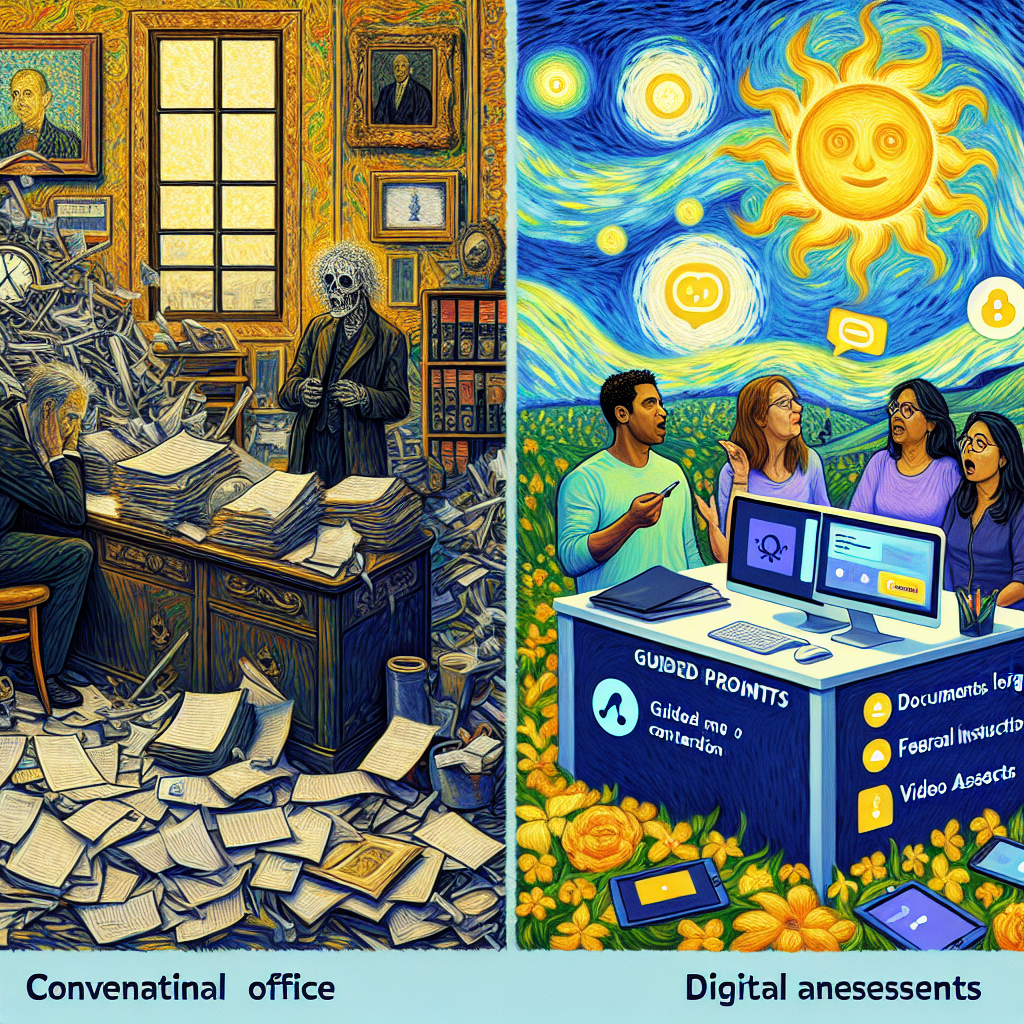
In the grand tapestry of human existence, each thread represents a story—an incident that echoes through time, shaping lives like a sculptor chipping away at stone. The ripples of major historical events resonate not just in textbooks but in the very heart of family histories. When you think about it, the way our families have maneuvered through the tides of history defines who we are, a kind of legacy storytelling that connects the dots between past and present.
Take, for instance, the impact of wars. Great conflicts, like world wars or civil strife, have sent waves of change crashing onto the shores of countless families. My grandmother often recounted her experiences during World War II—how rationing and scarcity taught her resilience and resourcefulness. Those lessons didn’t just stay in the past; they passed down through generations, as my mother learned to stretch a budget and make a meal from seemingly nothing. Today, I understand that those cooking skills are not just practical; they’re the embodiment of a legacy shaped by the demands of a turbulent era.
Then there’s the influence of social movements. Imagine the excitement and apprehension that accompanied the Civil Rights Movement. Families who lived through those transformative times found their values challenged and their priorities redefined. The conversations lived on through the dinner table debates of my childhood, where stories of courage mixed with the call for justice. This was more than just history; it became a raw, powerful narrative woven into our family’s identity—a vital chapter in our legacy storytelling where each anecdote served as a thread uniting generations.
Economic shifts also wield their own brand of influence. The Great Depression remolded priorities and aspirations. My great-grandparents often shared tales of hardship that emphasized integrity, hard work, and savings. Today, those stories serve as reminders that material wealth can ebb and flow, but the values of perseverance and frugality remain, embedding themselves deeper into our family’s narrative.
So, as you sift through the anecdotes of your own family history, consider how the flickering candlelight of past events illuminates your present. Remember, every story shared around the dinner table is not just a memory; it’s a vital part of a legacy storytelling that forges unbreakable bonds across time, connecting your roots to the broader narrative of humanity.
How Did Major Historical Events Impact Your Family?
How Did Major Historical Events Impact Your Family?
- Human existence is like a tapestry, where each thread represents a unique story that shapes lives.
- Major historical events resonate in family histories, connecting past and present through legacy storytelling.
- The impact of wars, such as World War II, teaches resilience and resourcefulness, passing lessons through generations.
- Social movements, like the Civil Rights Movement, challenge family values and redefine priorities, enriching family identity.
- The Great Depression instills values of integrity, hard work, and frugality, affecting aspirations for generations.
- Family anecdotes illuminate the present, making every shared story a crucial part of legacy storytelling.
- These narratives create unbreakable bonds, linking personal histories to the larger context of humanity.

How Did Major Historical Events Impact Your Family?
What Treasures Or Heirlooms Do You Have From Ancestors?
In the quiet corners of attics and basements, hidden beneath decades of dust and the weight of time, lie treasures that tell stories far richer than anything you’ll find in a glossy magazine. These heirlooms, whether they are a rusted toolbox, a delicate porcelain figurine, or a weathered diary, are the tangible whispers of our ancestors, beckoning us to dive into their history.
Think about it for a moment. Every scratch on a wooden table or dent in a vintage piece of silverware is an invitation to conduct a little Legacy Storytelling. These items are not just possessions; they’re vessels of memories, emotions, and lessons passed down through generations. When we hold them, we connect with someone who lived a life filled with struggle, triumph, love, and perhaps regret.
Take, for instance, a simple family quilt. It might seem like nothing more than a patchwork of fabric, but each square can represent a moment in time—a wedding, a birth, or even a farewell. As you unearth these meaningful objects, you start to piece together a lineage that is as intricate as the quilt itself. This process can be both enlightening and humbling, revealing the incredible tapestry of resilience and creativity that shaped your family.
My own family has a set of old tools that belonged to my great-grandfather, a tradesman who forged a decent life with nothing more than his hands and a vision. Each tool carries its own history, each nick and dent a testament to hours of hard work. When I pull one out of the toolbox, I can almost hear the echoes of his labor. It compels me to honor not just the physical item, but the sweat and determination that went into using it.
It’s fascinating how these tangible reminders can serve as a bridge to our past. They challenge us to keep that legacy alive—not only for ourselves but for those who will come after us. So, as you sift through your own belongings, take a moment to appreciate the heirlooms that have withstood the test of time. Examine the stories you can tell, and consider how they add to the broader narrative of your family. In a world that often rushes past the importance of memory and connection, these heirlooms remind us to pause, reflect, and cherish our roots.

What Treasures Or Heirlooms Do You Have From Ancestors?
What Treasures Or Heirlooms Do You Have From Ancestors?
- Heirlooms hidden in attics and basements tell richer stories than modern magazines.
- Every scratch and dent on these items invites Legacy Storytelling, connecting us to our ancestors.
- Objects serve as vessels of memories, emotions, and life lessons passed through generations.
- Items like family quilts symbolize significant moments, piecing together a family’s intricate lineage.
- Old tools from the author’s great-grandfather illustrate the hard work and determination of past generations.
- Tangible reminders challenge us to preserve our legacy for future generations.
- Heirlooms help us appreciate and cherish our roots amidst the rush of modern life.

What Treasures Or Heirlooms Do You Have From Ancestors?
Who Are The Key Figures In Your Family History?
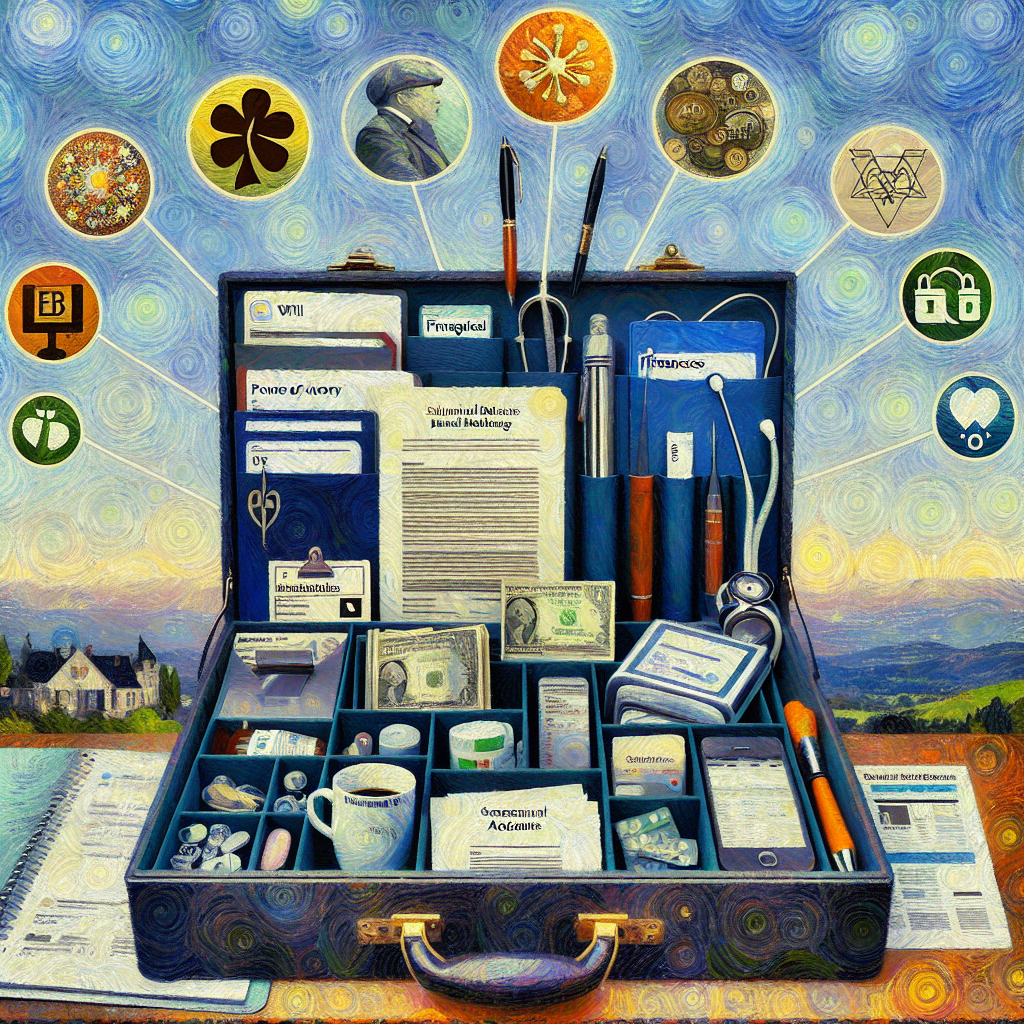
When it comes to piecing together your family history, there’s a certain satisfaction that comes from unearthing the key figures who shaped your lineage. You see, every family has its unique brand of legacy storytelling. The tales passed down through generations—the resilient matriarch, the adventurous uncle, or the eccentric cousin—serve not just to connect us to our roots but to paint a vivid picture of who we are today.
Let’s start with the patriarchs and matriarchs, the cornerstone of most family trees. They’re the individuals who laid down the foundation and, whether they realized it or not, began the intricate tapestry of your family’s story. Often, these key figures faced unimaginable struggles, from wars and economic hardships to personal trials that would make even the toughest of us raise an eyebrow. Their stories of perseverance and grit are the bedrocks of your family’s narrative.
Then, there are the storytellers—the ones who kept the flame alive. These are the characters who had a knack for spinning tales around the dinner table, the ones who made you laugh or cry with stories of yesteryears. They filled your head with information about the family lineage, transporting you back in time to moments that seemingly shaped your ancestors’ lives. Their ability to engage in legacy storytelling is like finding a hidden gem in the attic; it illuminates the past and gives context to the present.
Don’t forget about the rebels and the mavericks in your lineage. Maybe it’s that great-aunt who packed her bags and journeyed across the ocean in search of a better life or your grandfather who started a business from scratch. These key figures remind us that the spirit of adventure flows through our veins, encouraging us to think big and challenge the norms. They reinforce the idea that history isn’t merely a series of events; rather, it is the culmination of choices made by real people.
As you delve deeper into your family history, remember that every name represents a story. Each figure holds a piece of the puzzle that forms your identity. So whether it’s through research, interviews, or good old-fashioned conversations, take the time to unearth these narratives. After all, the beauty of legacy storytelling lies not just in the facts, but in the emotions, struggles, and triumphs that serve to connect us to those who came before. Embrace the journey, and you may find that your family’s past has a remarkable way of informing your future.
Who Are The Key Figures In Your Family History?
Who Are The Key Figures In Your Family History?
- Unearthing key figures in family history provides satisfaction and connection to roots.
- Patriarchs and matriarchs form the foundation of family trees, facing struggles that shape the family narrative.
- Storytellers play a crucial role in keeping family tales alive, enriching understanding of ancestry.
- Rebels and mavericks in the family, like adventurous relatives, inspire us to challenge norms and embrace adventure.
- Each family member represents a unique story, contributing to the larger puzzle of identity.
- Engaging in research and conversations helps unearth family narratives filled with emotional depth.
- Legacy storytelling connects past experiences to present identity and can inform our future.

Who Are The Key Figures In Your Family History?
Conclusion
Conclusion: Uncovering Your Family’s Legacy with Questions that Matter
Alright, folks. When it comes to unearthing your family’s rich history, it isn’t just about digging for facts; it’s about asking the right questions and doing so with the kind of curiosity that respects the sensitivities of the stories at hand. Like a master craftsman honing his skills, you must approach this art of legacy storytelling as both an enthusiastic seeker and a thoughtful curator. So, pour yourself a cup of coffee and embrace the adventure ahead.
Start with intriguing, yet simple inquiries that can unlock a trove of memories. “What are some of your favorite childhood memories?” This isn’t just a stroll down nostalgia lane; it opens the door to nuances that define your family’s character. Next, spice it up with a more personal touch: “Can you tell me about a time you faced a big challenge?” The resilience and determination borne from adversity provide invaluable lessons, painting a vivid picture of who your family is today.
And let’s not forget humor. A question like “What’s the funniest thing that ever happened at a family gathering?” can bring laughter bubbling to the surface and a sense of unity across generations. These anecdotes bind us together, showcasing our quirks and eccentricities.
Of course, aspirations are equally vital. By delving into dreams that never quite flourished—“What dreams did you have that never came to fruition?”—you can uncover motivations that resonate with your family’s fundamental values. It’s a window into understanding the drive and heart behind each generation.
Then, you might wonder about the future—“What do you want our family to be remembered for?” This question is a chance to shape the legacy in real time, weaving the past with the aspirations of tomorrow.
Each interaction becomes a vital meditation on family identity. Think of everything your ancestors endured—the challenges they navigated, the stories that buoyed their spirits, and the traditions they upheld. Heirlooms and family legends act as touchstones, guiding us through our collective heritage, as each surname tells its own story, encapsulating legacies of survival and rebirth.
So, don’t let time slip by without excavating the treasures buried in your family’s history. By posing thought-provoking questions, you’re not just unearthing stories—you’re preserving a legacy. So get out there, start asking, and become the storyteller your family history deserves. Embrace this responsibility; after all, the past isn’t just a chapter closed—it’s the foundation upon which you build your future.

Conclusion
Conclusion:
- Uncovering family history requires asking the right questions with curiosity and sensitivity.
- Start with simple yet intriguing inquiries to unlock memories, such as asking about favorite childhood memories.
- Personal stories of challenges faced can highlight resilience and character within the family.
- Humorous anecdotes from family gatherings foster unity and showcase family quirks.
- Exploring unfulfilled dreams reveals motivations that are fundamental to family values.
- Future-focused questions help shape the family’s legacy and connect past aspirations with future goals.
- Engaging in these discussions preserves family stories and honors the legacy for future generations.

Conclusion
Other Resources

Other Resources
Here is a list of other resources you can review online to learn more:
- Tributes
- Cake
- Afternote
- IronClad Family
- APH
- UpCounsel
- Legacy Family Tree
- Directive Communication Systems
- DocuBank
- Storyworth
Use This Prompt To Get More Resources With Your Favorite Online AI Tool: Please provide me with a list of online articles with their URLs in a bulleted list that I can read regarding What Questions Should You Ask to Uncover Rich Family Stories?

Other Resources
Glossary Terms
What Questions Should You Ask to Uncover Rich Family Stories? – Glossary Of Terms
1. Ancestry: The study of one’s family lineage and heritage, often tracing back multiple generations.
2. Genealogy: The systematic research and documentation of family lineages and historical records.
3. Oral History: The practice of gathering, preserving, and interpreting the voices and memories of people through recorded interviews.
4. Family Narrative: A storytelling technique that chronicles the experiences and memories of family members, creating a cohesive family history.
5. Photo Elicitation: A method of using photographs to encourage discussion and storytelling about family experiences and memories.
6. Family Lore: Traditional beliefs, customs, or stories passed down through generations, often containing cultural or historical significance.
7. Storytelling: The art of sharing stories, which can help preserve family history and personal experiences.
8. Cultural Heritage: The traditions, values, and practices that are passed down within a family or community, often influencing their identity.
9. Family Records: Documents such as birth certificates, marriage licenses, and diaries that can provide insight into family history.
10. Memory Mapping: A technique used to visually map out and connect family memories and stories to geographic locations or timelines.
11. Interviewing Techniques: Methods employed to elicit detailed and meaningful responses during family discussions or interviews.
12. Legacy: The impact or memories left behind by family members, often reflected in values, traditions, and stories.
13. Probing Questions: Open-ended questions designed to encourage deeper reflection and more detailed responses during storytelling.
14. Family Tree: A diagram representing family relationships, often used to visualize connections between ancestors and descendants.
15. Ethnography: A qualitative research method that studies cultural practices and beliefs, applicable to understanding family dynamics and traditions.
16. Artifacts: Objects or items that hold historical or cultural significance to a family, often used to spark memories and stories.
17. Sentimentality: The emotional value attached to memories or family stories, often influencing how they are perceived and shared.
18. Cross-Generational Dialogue: Conversations between different generations of a family, fostering understanding and connection through shared stories.
19. Contextual Inquiry: An approach that involves asking questions about the context of family experiences to enrich understanding of the stories.
20. Reflections: Personal insights or thoughts that arise during family storytelling, adding depth to the narratives shared.
21. Nostalgia: A sentimental longing for the past, which often influences how family stories are remembered and told.
22. Curation: The process of selecting, organizing, and presenting family stories or experiences in a meaningful way.
23. Chronology: The arrangement of events in the order they occurred, helpful in structuring family histories.
24. Mythology: The collection of stories, often involving gods or heroes, that reflects a culture’s values; family stories can mirror this concept.
25. Tradition: Customs and practices that are regularly passed from one generation to another within a family.
26. Dialogue: The written or spoken conversational exchange, crucial for eliciting stories and maintaining engagement during family discussions.
27. Introspection: The act of examining one’s own thoughts and feelings, often leading to greater insights during story-sharing.
28. Experiential Learning: Gaining knowledge and understanding through experiences and storytelling within the family context.
29. Family Mapping: A visual representation of a family’s social structure, relationships, and stories, often revealing patterns and connections.
30. Emotional Resonance: The depth of feelings that arise from shared stories, creating a strong impact on those hearing or sharing them.

Glossary Of Terms
Other Questions
What Questions Should You Ask to Uncover Rich Family Stories? – Other Questions
If you wish to explore and discover more, consider looking for answers to these questions:
- What other questions can I ask to encourage family members to share their stories?
- How can I make sure my family feels comfortable sharing sensitive information?
- What are some examples of heirlooms or treasures that often have significant stories behind them?
- How can I record or document these family stories for future generations?
- What should I do if my family members are reluctant to share their stories?
- Are there any specific cultural traditions related to family storytelling I should be aware of?
- How do I approach family members who may have differing perspectives on shared events?
- What resources are available for researching family history and legacy storytelling?
- How can I use photographs or memorabilia to enhance family storytelling?
- What strategies can I use to remember important details during family interviews?
- How do historical events shape the stories families tell about themselves?
- Are there common themes or lessons that emerge across different family histories?
- How can I balance telling my family’s story while also respecting their privacy?

Other Questions
Haiku
What Questions Should You Ask to Uncover Rich Family Stories? – A Haiku
Whispers of the past,
Stories shaped by love and loss,
Legacies endure.

Haiku
Poem
What Questions Should You Ask to Uncover Rich Family Stories? – A Poem
In shadowed corners of our past,
Where stories linger, whispers cast,
With coffee brewed, we venture deep,
To unearth gems our ancestors keep.
“Share a memory,” we gently ask,
A childhood tale, a tender task,
From laughter spun in family halls,
To silent battles, the heart recalls.
Once we find the playful jest,
What challenge faced, who stood the test?
Resilience shows through trials and strife,
In every hardship, we find our life.
What dreams were lost, what hopes remain?
The fabric of our lineage, woven with pain—
Through rites of passage, traditions passed,
From joyous feasts to shadows cast.
And in our names, the stories flow,
Of toil and triumph—what we know.
Surnames crafted with hands of old,
With every syllable, a tale unfolds.
Through the storms of history, they fought and strived,
With every struggle, their spirits thrived;
In every letter sent across the miles,
Echoes of courage, the sweetest smiles.
Before the hearth, legends take flight,
Of wild escapades, and candles bright.
Through laughter and tears, our myths arise,
Binding us close, ‘neath shared skies.
Each heirloom cradles the wisdom of yore,
A quilt’s embrace, old tools that bore
The weight of dreams, the strength of kin,
These treasures remind us where we begin.
In family portraits, key figures stand proud,
The quiet mentors, the rebels unbowed.
They shape our spirits, ignite the flame,
In their stories, we find our name.
So gather your kin, let the tales unfold,
Legacy storytelling, more precious than gold.
With open hearts and minds entwined,
We’ll cherish the past, and embrace what we find.

Poem
Checklist
What Questions Should You Ask to Uncover Rich Family Stories? – A Checklist
Family Stories Exploration Checklist
1. Childhood Memories
_____ What are some of your favorite memories from childhood?
_____ Who were your childhood friends, and what mischief did you get into together?
2. Personal Challenges
_____ Can you tell me about a time you faced a big challenge?
_____ How did you overcome that challenge, and what did you learn from it?
3. Humorous Moments
_____ What’s the funniest thing that ever happened at a family gathering?
_____ Are there any running jokes or funny family traditions you remember?
4. Unfulfilled Aspirations
_____ What dreams did you have that never quite came to fruition?
_____ How did those unfulfilled dreams shape your life’s journey?
5. Legacy Vision
_____ What do you want our family to be remembered for?
_____ How can we honor our family history and traditions in the future?
6. Passed-Down Traditions
_____ What traditions were passed down through generations in our family?
_____ Are there any special recipes or customs that hold particular significance?
7. Surname Origins
_____ How did our family choose or acquire our surname?
_____ What stories or meanings are associated with it?
8. Ancestral Challenges
_____ What were the biggest challenges faced by your ancestors?
_____ How did they cope with those challenges, and what legacies did they leave behind?
9. Family Legends and Myths
_____ Are there any family legends or myths you remember?
_____ What are the most outrageous or inspiring tales passed down through the family?
10. Historical Impact
_____ How did major historical events impact our family?
_____ What stories do you have about ancestors during significant historical upheavals?
11. Treasures and Heirlooms
_____ What treasures or heirlooms do we have from our ancestors?
_____ What stories do those items tell about our family history?
12. Key Family Figures
_____ Who are the key figures in our family history?
_____ What stories have been told about them, and how do they influence our family today?
Tips for Effective Storytelling
_____ Approach sensitive topics with curiosity and respect.
_____ Create a comfortable environment for storytelling.
_____ Be open to surprises and unexpected revelations.
_____ Record the conversations (with permission) for preservation.
Start uncovering the hidden gems of your family history today!

Checklist
At LegacyExplorations, we help people plan and explore their legacy by collecting information and news regarding end-of-life planning.
Please share this post with your friends, family, or business associates who may want help to plan or explore their legacy.