

Uncover The Tools For Future Legacy Storytellers
By Tom Seest
At LegacyExplorations, we help people plan and explore their legacy by collecting information and news regarding end-of-life planning.
Please share this post with your friends, family, or business associates who may want help to plan or explore their legacy.
What Resources Are Available for Aspiring Legacy Storytellers?
If you’ve ever found yourself sitting around the dinner table, engrossed in tales from your grandparents’ youth, you know that stories can be the bedrock of family connections. Legacy storytelling is this beautiful art of weaving past experiences into narratives that can inspire generations. But where do you start if you’re looking to become a master of this craft? Well, thankfully, there’s a treasure trove of resources just waiting for you.
First off, let’s talk about books. Yes, I know, “reading is fundamental,” but don’t underestimate the power of a well-written guide on narrative techniques! Pick up books dedicated to memoir writing, oral histories, or storytelling in general. Titles like “The Storyteller’s Secret” or “The Art of Memoir” can be your trusted companions on this journey, offering frameworks and inspiration.
Now, if you’re the type who learns best by doing, consider joining a local or online workshop. Many community centers and colleges offer classes aimed at legacy storytelling. These workshops give you the chance to write and share stories, receive feedback, and learn from seasoned storytellers. Plus, there’s nothing quite like the camaraderie and motivation that comes from being surrounded by fellow story enthusiasts.
Let’s not forget about the power of technology. In this age of everything digital, platforms like podcasts and video tutorials can be invaluable. Dive into shows or channels focused on storytelling techniques. You’ll find ample insights into voice, pacing, and even the use of multimedia. For aspiring legacy storytellers, combining traditional storytelling with modern technology can make your narratives resonate even more.
Don’t overlook your own family history, either. Conducting interviews with relatives can bring rich material to light. Websites like Ancestry.com or FamilySearch can help guide you in documenting your lineage, while online platforms like StoryCorps offer tools to record and share oral histories.
Lastly, consider local storytelling events. Many communities host open mic nights or storytelling slams, where you can see how others craft their tales and even share your own. There’s something electrifying about listening to stories live; it’s all part of what makes our narratives so powerful.
In summary, whether through books, workshops, technology, family interviews, or local events, a world of resources exists for aspiring legacy storytellers. So go ahead, dive in, and let those stories unfold!

What Resources Are Available for Aspiring Legacy Storytellers?
What Resources Are Available for Aspiring Legacy Storytellers?
- Legacy storytelling connects generations through shared narratives.
- Consider reading books on narrative techniques, such as “The Storyteller’s Secret” and “The Art of Memoir.”.
- Joining local or online workshops offers opportunities to write, share, and learn from experienced storytellers.
- Utilize digital platforms like podcasts and video tutorials to enhance your storytelling skills.
- Conduct family interviews to uncover rich history and utilize resources like Ancestry.com for documentation.
- Attend local storytelling events to witness live storytelling and gain inspiration.
- A wealth of resources is available for aspiring legacy storytellers to explore and develop their craft.

What Resources Are Available for Aspiring Legacy Storytellers?
Table Of Contents
- What Resources Are Available for Aspiring Legacy Storytellers?
- What Is A Legacy Storyteller?
- Why Is Legacy Storytelling Important?
- What Types Of Resources Can Help Beginners?
- Are There Online Courses For Aspiring Storytellers?
- How Can Books Enhance Storytelling Skills?
- What Role Do Community Workshops Play?
- Where Can I Find Storytelling Prompts?
- Conclusion
- Other Resources
- Glossary Of Terms
- Other Questions
- Haiku
- Poem
- Checklist
What Is A Legacy Storyteller?
Every person has a tale to tell, and yet, so few of us realize the importance of those stories until it’s too late. Enter the legacy storyteller, a modern tradesperson of memory who breathes life into the narratives that deserve to be preserved. These individuals aren’t just your run-of-the-mill narrators; they are the guardians of legacy storytelling—seeking to document the experiences, values, and lessons of those who came before us.
At its core, legacy storytelling is about more than just recounting events; it’s about capturing the essence of a life lived. Have you ever listened to a grandparent recount their youth? There’s something profoundly special in those moments. Their stories are imbued with wisdom that can only be gained through lived experience. A legacy storyteller harnesses that essence, weaving it into a tapestry that doesn’t just span generations but enriches future ones as well.
Imagine the farmer whose family has tended the same land for generations; their trials and triumphs are etched into the soil. A legacy storyteller will sit with them, asking the right questions, crafting a narrative from the answers. “Tell me about the time you overcame that drought,” they might ask. The farmer’s eyes will light up as the story flows, helping to preserve the rich history that could otherwise fade away with time.
Legacy storytelling isn’t a one-way street, though. It’s a dialogue that invites others into the conversation. It empowers individuals and families to reflect on their identity, often leading to moments of catharsis and revelation. These stories can serve as guiding lights for those who come after—arrows pointing toward values, challenges, and victories worth emulating.
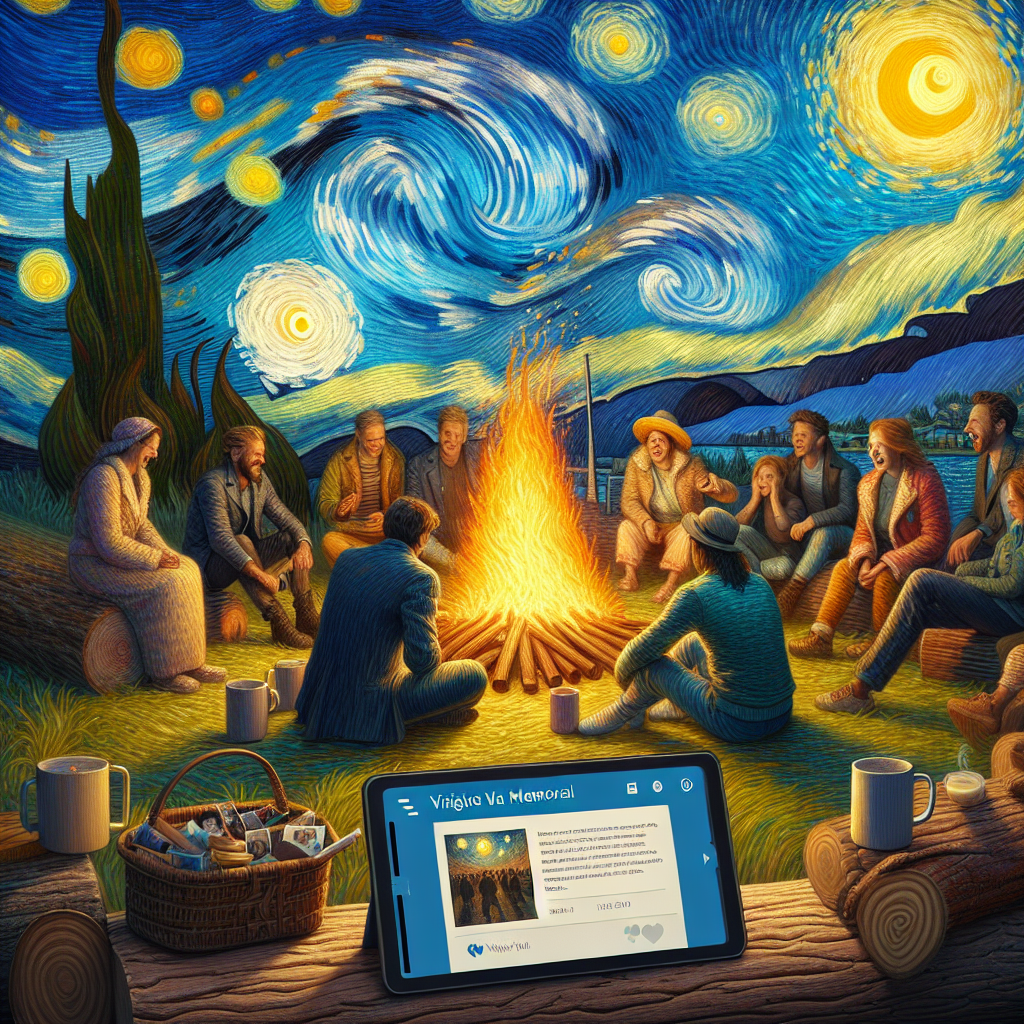
In our ever-changing and often chaotic world, the role of the legacy storyteller becomes increasingly vital. They remind us not only of where we come from but also of our shared humanity. By capturing the nuances of individual lives, they build a collective narrative that connects us all. So, the next time you find yourself by a fireside or around a family table, take a moment. Listen closely, and you might just hear a legacy being crafted before your very ears. The world needs these storytellers—those dedicated to ensuring that our histories remain alive, relevant, and forever cherished.

What Is A Legacy Storyteller?
What Is A Legacy Storyteller?
- Everyone has a unique story, but many fail to recognize their importance until it’s too late.
- Legacy storytellers are modern custodians who preserve the narratives of past generations.
- It’s about capturing the essence of lived experiences, beyond mere recounting of events.
- These storytellers engage in direct dialogue, encouraging individuals to share their rich histories.
- Legacy storytelling can lead to personal reflections and revelations about identity and values.
- In a chaotic world, legacy storytellers remind us of our shared humanity and collective experiences.
- Listening to stories around a fireside can foster an appreciation for the histories that connect us.

What Is A Legacy Storyteller?
Why Is Legacy Storytelling Important?
You’ve probably heard the phrase “each of us has a story to tell.” Well, that’s not just a catchy line; it’s the bedrock of what makes us human. When we delve into the world of Legacy Storytelling, we’re diving into an art form as old as time itself. This is a practice where stories are passed down, entwined with personal experiences, the grit of life, and invaluable lessons learned. It’s more than just reminiscing; it’s about intentionally crafting a narrative that resonates across generations.
Why should we care about Legacy Storytelling? For starters, it connects us. Every story we pass on serves as a bridge, linking us to our ancestors and reminding us where we came from. Imagine being able to sit down with your great-grandchildren and share tales of your own struggles and triumphs. You’re not just handing down information; you’re offering a glimpse into the life you lived, the choices you made, and the wisdom you gained along the way. These moments shape identity, instilling values and fostering a sense of belonging.
There’s also a certain beauty in the impermanence of our stories. Life is fleeting, and with each passing generation, there’s an inherent risk that shared narratives could fade away. By actively engaging in Legacy Storytelling, we not only preserve our personal histories but also contribute to the larger tapestry of community and culture. This storytelling transcends individual experiences; it becomes a collective memory, rich with the nuances of our shared existence.
Moreover, Legacy Storytelling serves a vital role in emotional healing. Recounting trials, joys, and adversity can provide clarity and perspective, both for the storyteller and the listener. It’s cathartic. The act of articulating experiences helps process complex emotions related to grief, struggle, or even joy. Through sharing, we validate our own feelings and invite others to empathize and connect, creating a tapestry of shared human experiences.
In a world that often feels disconnected and fast-paced, Legacy Storytelling reaffirms our humanity. It encourages us to slow down, reflect, and engage meaningfully with one another. So, whether it’s around a dinner table or through an online platform, let’s keep the tradition alive. After all, our stories are treasures that deserve to be passed down, forever echoing in the ears of those who come after us.

Why Is Legacy Storytelling Important?
Why Is Legacy Storytelling Important?
- Legacy Storytelling is an ancient practice that preserves personal experiences and lessons learned.
- It connects us to our ancestors and helps us understand our heritage.
- Sharing stories fosters identity, instills values, and creates a sense of belonging.
- Engaging in this storytelling helps preserve narratives that might otherwise fade with time.
- Legacy Storytelling contributes to community and culture, forming a collective memory.
- This practice aids emotional healing by providing clarity and validating experiences.
- It encourages meaningful connections in our fast-paced, often disconnected world.

Why Is Legacy Storytelling Important?
What Types Of Resources Can Help Beginners?
When embarking on a new journey, it’s essential to arm yourself with the right resources—those trusty tools that will pave the way to understanding and mastery. For beginners, the world is an overwhelming landscape; however, with the right guides, you’ll find that navigation becomes far more manageable. Enter the realm of Legacy Storytelling, an approach that offers more than just information—it provides context and connection.
First off, books are the bedrock of knowledge. They offer deep dives into specific subjects, complete with insights from those who’ve walked the path before you. Seek out authors who not only share their expertise but also weave their personal journeys into their writing. These stories become a bridge, linking you to the experiences of others. When a seasoned professional shares their Legacy Storytelling, you’ll learn not just the facts but also the trials, tribulations, and triumphs that accompany any worthwhile endeavor.
Then, there are online platforms—websites, forums, and social media groups—that create a communal space for learning. Tapping into these resources allows beginners to engage with like-minded folks who share your interests. They have the potential to enrich your journey with shared experiences and advice that resonate on a personal level. Look for spaces that emphasize Legacy Storytelling, where the community fosters connection through shared narratives, and you’ll find the motivation to keep moving forward.
Videos and podcasts are today’s storytellers. They bring concepts to life, turning theory into practice in an engaging manner. Seeing someone craft their experience through Legacy Storytelling in real-time not only enhances your understanding but also inspires you to apply those lessons to your journey. Whether it’s a step-by-step tutorial or a heart-to-heart discussion about tackling failures, these mediums pack a punch when it comes to grasping the nuances of a subject.
And let’s not forget about workshops or local meetups. There’s something uniquely powerful about face-to-face interaction. Sharing your experiences and hearing others’ Legacy Storytelling in person adds layers of understanding that online resources simply can’t replicate.
Finally, a mentor can be the most valuable resource of all. Seek someone who embodies the principles you aspire to learn. Their stories and guidance will serve as a roadmap, navigating you through your nascent path with wisdom and encouragement.
So, as you kick off your journey, remember that resources come in many forms. Embrace them, connect with others, and don’t shy away from the stories—both yours and those of others—as they shape your understanding and growth.

What Types Of Resources Can Help Beginners?
What Types Of Resources Can Help Beginners?
- Arm yourself with the right resources for understanding and mastery on your journey.
- Books serve as the foundation of knowledge, offering insights and personal journeys from experienced authors.
- Online platforms like forums and social media groups create communal spaces to share experiences and advice.
- Videos and podcasts bring concepts to life and enhance understanding through engaging storytelling.
- Workshops and local meetups provide unique face-to-face interactions that deepen understanding.
- A mentor can offer invaluable guidance and serve as a roadmap through your journey.
- Embrace various resources and stories to shape your understanding and growth.

What Types Of Resources Can Help Beginners?
Are There Online Courses For Aspiring Storytellers?
When it comes to crafting a tale that captures the imagination, we often picture a cozy little workshop with scribbled notes and a warm cup of coffee. But let’s face it, the world has changed—our workshops are now online! If you’re an eager storyteller looking to refine your craft, you might be wondering whether there’s a digital avenue to hone your skills. Well, strap in, because the world of online courses has exploded like a confetti cannon at a surprise party!
First off, let’s talk about Legacy Storytelling. This isn’t just about spinning a yarn; it’s about weaving intricate layers of history, culture, and emotion into your narratives. Many course offerings today dive deep into how you can pull from the past—your own experiences or the rich tapestry of human history—and breathe life into characters and plots that resonate with authenticity.
Now, these courses come in all shapes and sizes. Some are led by industry professionals—think authors, filmmakers, or even animators—who have walked the walk. They’ll share their secrets and tricks of the trade, from developing relatable characters to mastering the art of pacing. Others rely on peer feedback, where you can engage with fellow aspiring storytellers to refine your ideas and get that fresh perspective. Want to know if your hero’s journey actually makes sense? The online community can provide insights that’ll leave you thinking, “Well, why didn’t I see it that way?”
But let’s be honest; not all online courses are created equal. Some might be a cash grab, sweet-talking you into signing up for a series of videos that leave you scratching your head. So, do your homework! Look for courses with solid reviews, experienced instructors, and most importantly, a curriculum that excites you.
Moreover, many platforms offer a range of formats—webinars, workshops, and even interactive storytelling sessions! This flexibility allows you to learn at your own pace while still building connections with other storytellers. Plus, you can often access them from anywhere, whether you’re sitting on the couch or tucked away in a coffee shop.
Aspiring storytellers have a treasure trove of online courses at their fingertips. Whether you’re looking to craft a sweeping epic or a succinct short story, dedicate some time to explore what the digital landscape has to offer. Equip yourself with the tools you need, and in no time, you’ll be ready to share your stories with the world.

Are There Online Courses For Aspiring Storytellers?
Are There Online Courses For Aspiring Storytellers?
- The world of storytelling has shifted to online platforms, expanding opportunities for aspiring writers.
- Legacy Storytelling focuses on integrating history, culture, and emotion into narratives.
- Courses are available from industry professionals who share their expertise on character development and pacing.
- Peer feedback is an essential component, offering fresh perspectives on storytelling ideas.
- It’s important to be cautious; not all online courses are reliable or valuable.
- Various formats like webinars and workshops provide flexibility for learning at one’s own pace.
- A wealth of online resources is available for writers interested in creating both short stories and longer narratives.

Are There Online Courses For Aspiring Storytellers?
How Can Books Enhance Storytelling Skills?
When it comes to the art of storytelling, there’s something profoundly transformative about the written word. Books aren’t just a collection of pages bound together; they are the very backbone of legacy storytelling. Each page has the potential to enlighten, entertain, and elevate our narrative skills.
First off, the beauty of books is their varied perspectives. Every author brings a unique voice and vision, an entire world spun into narrative form. When you dive into a book, you’re not just reading a tale; you’re stepping into someone else’s shoes, experiencing their joys, their struggles, and their growth. This exposure is vital for anyone looking to refine their storytelling abilities. By absorbing different styles and genres, readers begin to intuitively understand what makes a good story tick. We witness the shift in pacing, the tug of character development, and the clever twists that keep us hooked. Over time, this understanding translates into our own storytelling efforts, weaving in elements learned from those literary masters.
Moreover, books act as a treasure trove of vocabulary and expressions, the tools of the trade for any aspiring storyteller. The richness of language found in literature opens new avenues for expression, allowing one to paint scenes with vivid descriptions and convey emotion with precision. Whether it’s capturing the bustling life of a city or the quiet despair of solitude, access to a robust lexicon empowers storytellers to articulate their thoughts more effectively.
What’s more, books invite a deeper level of engagement. Unlike a movie or a podcast, reading requires an active participation of the mind. You’re left to ponder, imagine, and connect dots that may not be immediately apparent. This mental exercise hones analytical thinking, enabling one to dissect plots and character motivations, skills that are crucial when crafting your own narratives.
Finally, books inspire continuity and tradition, key components of legacy storytelling. Think about the stories passed down through generations—many of which have their roots in literature. By reading and embracing the narratives of the past, we carry forth those timeless lessons and themes, breathing life into our own creations and ensuring that those tales don’t fade into obscurity.
In essence, books are more than just stories; they are gateways to mastering the art of storytelling itself. Engaging with the written word allows us to explore, expand, and elevate our skills, ensuring that the legacy of storytelling continues to thrive.

How Can Books Enhance Storytelling Skills?
How Can Books Enhance Storytelling Skills?
- The written word profoundly transforms storytelling, serving as the backbone of legacy narratives.
- Books offer varied perspectives, with each author providing a unique voice and world to explore.
- Reading enhances understanding of story mechanics, such as pacing, character development, and plot twists.
- Literature serves as a rich source of vocabulary and expressions, empowering storytellers with effective language.
- Engaging with books requires active mental participation, honing analytical thinking skills essential for storytelling.
- Books inspire continuity and tradition in storytelling, passing down timeless lessons and themes through generations.
- Ultimately, books are gateways to mastering storytelling, allowing for exploration and enhancement of narrative skills.

How Can Books Enhance Storytelling Skills?
What Role Do Community Workshops Play?
In the heart of every town, there’s an unassuming spot where folks gather to share skills, experiences, and a little bit of their soul. Community workshops are often more than just a place to learn; they are a vital thread in the fabric of local culture, serving as vibrant hubs where legacy storytelling is alive and well.
You see, workshops offer a unique space for people to come together and roll up their sleeves. Whether it’s woodworking, pottery, or even digital art, every workshop acts as a melting pot of ideas and traditions. Out-of-towners may think of them as just weekend crafts, but locals understand that every project tells a story—a legacy that is passed down through generations. That’s where the magic happens.
In many ways, these workshops are repositories of regional pride and identity. They provide opportunities for families to share skills passed down from parents to kids, creating a bridge to the past. Imagine a grandparent showing their grandchild how to carve a piece of wood into a treasured keepsake. This is legacy storytelling in action, where the techniques and stories of yesteryear blend with new perspectives and youthful enthusiasm.
But it’s not just about the projects—it’s about the people. Workshops foster a sense of community; they’re the place where strangers turn into friends, united by a common passion. The stories shared over a handmade scarf or a freshly painted canvas deepen connections, reminding us that we’re not alone in our struggles or triumphs. Each piece carries the essence of the creator, along with their hopes, dreams, and, yes, their fears.
Additionally, community workshops empower individuals with valuable skills that go beyond mere crafting. By engaging in hands-on activities, participants develop confidence and a sense of accomplishment that translates into all facets of life. When someone walks out of a workshop with a completed project, they don’t just carry home the fruits of their labor; they take with them a story—a narrative of perseverance, creativity, and collaboration.
So, next time you see a community workshop popping up in your neighborhood, take a moment to consider its deeper role. It’s not merely about learning a skill or creating something to take home; it’s about connection, legacy storytelling, and the enduring impact of shared experiences. In this world, perhaps the greatest crafts are the relationships we build and the stories we weave together.

What Role Do Community Workshops Play?
What Role Do Community Workshops Play?
- Community workshops serve as vital hubs for local culture and legacy storytelling.
- They offer a space for hands-on collaboration, encouraging a blend of ideas and traditions.
- Workshops help families share skills across generations, enhancing connections through activities.
- The experience turns strangers into friends as they bond over shared passions and projects.
- Each completed project carries the creator’s essence, including their hopes and fears.
- Participants gain valuable skills and confidence that extend beyond crafting into daily life.
- Community workshops foster connections and shared experiences that enrich relationships and storytelling.

What Role Do Community Workshops Play?
Where Can I Find Storytelling Prompts?
When it comes to storytelling, we all have a spark of creativity deep within us, waiting to ignite. But sometimes, that spark needs a little nudge. Enter storytelling prompts—those helpful nudges that can propel your storytelling journey into new territories. If you’re scratching your head wondering where to find these magical little tools, you’ve come to the right place.
First and foremost, the internet is an absolute treasure trove for storytelling prompts. A simple search will lead you down a rabbit hole of websites dedicated to creativity and writing. Platforms like Reddit, Pinterest, and even specific writing forums brim with ideas. There, you’ll find both quirky and profound prompts that can inspire anything from a whimsical tale about a dancing raccoon to an emotional legacy storytelling piece that captures family history.
Don’t overlook the power of books either. Writers and educators have penned volumes filled with prompts for every imaginable genre and style. It’s like having a mentor whispering ideas into your ear. Whether you pick up a classic guide or a contemporary workbook, you’ll discover prompts tailored to resonate with your personal experiences and aspirations.
If you fancy a more interactive approach, consider joining a local writing group or community. These gatherings often come equipped with prompt sessions, where members share their creativity and collaborate on storytelling exercises. Sharing your stories and hearing others can spark new ideas and push you to explore the depths of your imagination.
And let’s not forget about personal experiences—your own life can be a wellspring of storytelling prompts! Reflect on key moments or challenges that have crafted your identity. Jot down anecdotes that might resonate with others, particularly those that tell a powerful story of legacy storytelling. Family traditions, anecdotes from childhood, or significant lessons learned are story gems waiting to be polished.
Lastly, think outside the box. Look for inspiration in everyday life. People-watching at a coffee shop, an intriguing headline in the news, a striking piece of art—all can serve as prompts that lead you down an unexpected narrative path. The world is bursting with stories just waiting to be told; all you need is the willingness to delve into it.
So, whether you’re scouring the web, diving into a book, or reflecting on your journey, never underestimate the potential of a good storytelling prompt to help you craft that next riveting tale!

Where Can I Find Storytelling Prompts?
Where Can I Find Storytelling Prompts?
- Storytelling prompts can ignite creativity and enhance storytelling journeys.
- The internet offers a wealth of storytelling prompts through platforms like Reddit, Pinterest, and writing forums.
- Books on writing contain a variety of prompts for different genres and styles, serving as valuable resources.
- Joining a local writing group can provide interactive experiences and collaborative prompt sessions.
- Personal experiences can offer unique storytelling prompts that reflect key moments in life.
- Everyday life, including people-watching and current events, can inspire unexpected storytelling ideas.
- A good storytelling prompt has the potential to lead to captivating stories and narratives.

Where Can I Find Storytelling Prompts?
Conclusion
Alright, folks, let’s wrap this up. The world of legacy storytelling isn’t just a fancy label; it’s a treasure trove of soul, history, and meaning that we all carry within us. Think of it as the ultimate group project—one that spares you from awkward human interactions and locked doors. Just like finding that perfect toolbox stashed in the garage of your grandparents’ house, there’s a plethora of resources out there waiting to be explored.
First off, let’s talk about the classics: books. Don’t underestimate the power of a good read. They’re a gateway not just into characters and plots, but into the very nuances of life itself. They teach us the art of pacing, character development, and the power of a well-placed punchline or a heart-grabbing moment. Whether you flip through historical memoirs, storytelling guides, or novels that tug at your heartstrings, they’re your companions on this journey.
Now, if your style leans more towards hands-on learning, community workshops are where the action happens. These local meetups pulse with energy and creativity. You’re not just learning from a teacher; you’re diving into an ocean of stories from diverse lives. You’re connecting with people, building a communal narrative while crafting your own. These workshops are filled with the lessons of yesteryear, where tradition meets contemporary storytelling.
But hold on—technology is here to lend a hand, too. Online courses and platforms are teeming with knowledge and innovative storytelling techniques. Whether it’s podcasts or video tutorials, you can pick up tips and tricks that suit your learning style. Plus, a mentor could change the storytelling game for you, offering firsthand wisdom that can only be gained through experience.
Let’s not forget storytelling prompts. They’re the gentle nudges that ignite the creative engines in our brains. Explore online spaces, writer’s groups, or even family gatherings—your life is bursting at the seams with inspiration waiting to spill onto the page.
In conclusion, whether you’re diving into books, attending workshops, or harnessing technology, a vivid world of resources stands ready for aspiring legacy storytellers. It’s time to step up to that dinner table, gather those family stories, and spin them into something eternal. Because at the end of the day, our stories aren’t just our own; they belong to everyone who listens and learns from them. So, roll up your sleeves, dig deep, and let your legacy unfold. It’s your turn to narrate the vital tales that will echo through generations to come.

Conclusion
Conclusion:
- Legacy storytelling is a rich repository of history and meaning we all possess.
- Classic literature serves as a powerful gateway to understanding life’s nuances.
- Community workshops provide hands-on learning and foster creative connections.
- Technology offers online courses and resources for innovative storytelling techniques.
- Storytelling prompts can spark creativity and inspire new narratives.
- A wide range of resources exists for aspiring legacy storytellers to explore.
- Storytelling is a communal activity that transcends generations and belongs to all who engage with it.

Conclusion
Other Resources
Other Resources
Here is a list of other resources you can review online to learn more:
- Your Digital Afterlife
- Willmaker
- MyMoriam
- Geneanet
- Legacy Family Tree
- RocketLawyer
- 23AndMe
- Obituary Templates
- Storyfile
- WishesKeeper
Use This Prompt To Get More Resources With Your Favorite Online AI Tool: Please provide me with a list of online articles with their URLs in a bulleted list that I can read regarding What Resources Are Available for Aspiring Legacy Storytellers?

Other Resources
Glossary Terms
What Resources Are Available for Aspiring Legacy Storytellers? – Glossary Of Terms
1. Legacy: The stories, memories, and values that are passed down from one generation to another.
2. Storytelling: The art of conveying events, ideas, or emotions through narratives, often involving character, plot, and setting.
3. Oral History: A method of preserving and sharing personal narratives and experiences through recorded interviews.
4. Memoir: A narrative written based on the author’s personal experiences, often focusing on specific themes or periods.
5. Genealogy: The study of family lineage and history, often used to trace ancestry and familial connections.
6. Archiving: The process of systematically collecting, storing, and preserving historical documents, photographs, and other artifacts.
7. Curation: The selection and organization of items or stories, often aimed at presenting a cohesive narrative or theme.
8. Narrative Structure: The framework that outlines how a story is organized, including elements like exposition, rising action, climax, and resolution.
9. Voice: The distinctive tone or style of a storyteller that conveys personality and perspective within a narrative.
10. Workshop: An educational gathering focused on developing specific skills, such as writing, storytelling techniques, or oral history.
11. Podcasting: A method of sharing stories and discussions via audio episodes, which can be an engaging medium for legacy storytelling.
12. Mind Mapping: A visual brainstorming technique used to organize thoughts and ideas, often helpful for structuring stories.
13. Interviewing: The process of questioning individuals to gather their stories, experiences, and insights for preservation and sharing.
14. Documentary: A nonfiction film or video that uses interviews and archival materials to present factual information and stories.
15. Creative Nonfiction: A genre of writing that uses literary techniques to tell true stories, blending factual reporting with narrative style.
16. Writing Prompts: Stimulating ideas or questions designed to inspire and guide creative writing efforts.
17. Editing: The process of revising written material to improve clarity, flow, and coherence, essential for polished storytelling.
18. Legacy Letters: Written messages addressed to future generations, sharing wisdom, experiences, and values.
19. Digital Storytelling: The practice of using digital tools and platforms to create and share stories, incorporating multimedia elements.
20. Memory Mapping: A technique for visually representing memories and experiences, aiding in the storytelling process.
21. Facilitation: The act of guiding discussions or activities, often essential in group storytelling workshops or community projects.
22. Self-Publishing: The process of independently publishing written work, allowing storytellers to share their legacy directly with audiences.
23. Social Media: Online platforms used for sharing stories and connecting with audiences; valuable tools for promoting legacy storytelling.
24. Anthology: A collection of writings or stories from various authors, often centered around a specific theme or topic.
25. Writing Retreat: A dedicated time and space for writers to focus on their craft, often in a supportive, inspiring environment.
26. Life Review: An introspective process where individuals reflect on their life experiences, often leading to story development.
27. Crowdsourcing: Obtaining ideas, stories, or content from a large group of people, useful for gathering diverse legacy stories.
28. Scripting: The act of writing out narratives in a structured format, particularly in preparation for storytelling sessions or performances.
29. Transcription: The process of converting spoken words into written text, essential in documenting oral histories and interviews.
30. Community Engagement: Involving local populations in storytelling projects, fostering connections and preserving collective histories.

Glossary Of Terms
Other Questions
What Resources Are Available for Aspiring Legacy Storytellers? – Other Questions
If you wish to explore and discover more, consider looking for answers to these questions:
- What are some recommended books for beginners in legacy storytelling?
- How can aspiring storytellers connect with mentors or experienced storytellers?
- What are the benefits of using technology in legacy storytelling?
- How can family traditions enhance the process of legacy storytelling?
- What types of storytelling techniques should beginners focus on first?
- Are there specific online platforms that cater to legacy storytellers?
- What should I look for when choosing a storytelling workshop?
- How can I effectively conduct interviews with family members for storytelling?
- What role does storytelling play in preserving cultural heritage?
- What challenges do legacy storytellers commonly face, and how can they overcome them?

Other Questions
Haiku
What Resources Are Available for Aspiring Legacy Storytellers? – A Haiku
Stories weave our past,
Legacy binds generations,
Voices echo on.

Haiku
Poem
What Resources Are Available for Aspiring Legacy Storytellers? – A Poem
Gather ’round, dear hearts and ears,
For stories weave through laughter and tears.
From the old tales spun by Grandma’s grace,
To legacy tales of each cherished place.
With every voice, a life to tell,
In woven words, memories dwell.
Books, workshops, and tech embrace,
Tools for storytellers to find their place.
Seek the guides, both new and wise,
In the pages of memoirs, our past resides.
Join local circles, where stories ignite,
Crafting connections by firelight.
And in the world where silence breaks,
Through podcasts and videos, knowledge wakes.
Capture your lineage, uncover the gold,
In interviews shared, let the past unfold.
These tales we hold, so rich, so deep,
Are gifts of wisdom, ours to keep.
A bridge to the future, echoing whole,
Uniting generations, one heart, one soul.
Legacy storytellers, you’re needed today,
To guide us through memories, come what may.
For in each narrative, there’s healing and pride,
A tapestry woven, where all stories reside.
So share your truth, let your voice ring clear,
In the art of storytelling, there’s nothing to fear.
Embrace the journey, let your stories take flight,
In the tapestry of time, we shine ever bright.

Poem
Checklist
What Resources Are Available for Aspiring Legacy Storytellers? – A Checklist
1. Books
_____ Search for memoir writing guides.
_____ Explore titles focused on storytelling techniques (e. g. , “The Storyteller’s Secret,” “The Art of Memoir”).
_____ Read diverse genres to understand different narrative styles.
2. Workshops and Classes
_____ Join local community classes focused on legacy storytelling.
_____ Participate in online workshops or webinars.
_____ Engage in writing groups that facilitate storytelling collaborations.
3. Technology and Online Resources
_____ Listen to podcasts dedicated to storytelling techniques.
_____ Watch video tutorials on platforms like YouTube.
_____ Utilize storytelling apps or websites for guidance and practice.
4. Family History and Interviews
_____ Conduct interviews with family members to gather stories.
_____ Use genealogy websites such as Ancestry. com or FamilySearch to document lineage.
_____ Explore StoryCorps for tools to record and share oral histories.
5. Local Events and Community Activities
_____ Attend local storytelling events or open mic nights.
_____ Participate in storytelling slams to share your narratives.
_____ Connect with fellow storytellers to exchange techniques and experiences.
6. Online Courses
_____ Research platforms offering online storytelling courses.
_____ Look for courses that focus on legacy storytelling and character development.
_____ Check course reviews and instructor experience before signing up.
7. Storytelling Prompts and Exercises
_____ Find online resources that provide storytelling prompts.
_____ Purchase books that contain writing prompts tailored to different genres.
_____ Join writing groups that offer collaborative prompt sessions.
8. Mentorship
_____ Identify potential mentors in your community or online who specialize in storytelling.
_____ Seek feedback and guidance from someone with experience in legacy storytelling.
_____ Engage in discussions to gain insights on your storytelling journey.
9. Practice and Reflection
_____ Dedicate time to write regularly to develop your voice and style.
_____ Reflect on personal stories that define your legacy and consider sharing them.
_____ Keep a journal of lessons learned and stories created throughout your journey.
10. Networking
_____ Attend meetups or conferences related to storytelling.
_____ Connect with online communities on social media dedicated to writers and storytellers.
By following this checklist, you can effectively gather resources and build a strong foundation for your legacy storytelling journey. Happy storytelling!

Checklist
At LegacyExplorations, we help people plan and explore their legacy by collecting information and news regarding end-of-life planning.
Please share this post with your friends, family, or business associates who may want help to plan or explore their legacy.