

Unveiling The Power Of Legacy Storytelling
By Tom Seest
At LegacyExplorations, we help people plan and explore their legacy by collecting information and news regarding end-of-life planning.
Please share this post with your friends, family, or business associates who may want help to plan or explore their legacy.
What Role Does Legacy Storytelling Play In Building Family Identity?
What Role Does Legacy Storytelling Play in Building Family Identity?
When it comes to family identity, nothing ties threads of history together quite like Legacy Storytelling. It’s that time-honored tradition of gathering around the dinner table, or perhaps on a cozy front porch, with generations sharing tales of yesteryear. These stories, often embellished and retold with a wink, help define who we are and where we come from. It’s more than just a pastime; it’s a cornerstone of our identity.
At its core, Legacy Storytelling serves as a bridge between the past and present. Imagine a grandparent recounting their childhood struggles—their triumphs, heartaches, and the lessons learned along the way. Each narrative becomes a thread woven into the family tapestry. These stories are like secret blueprints, handed down through the ages, offering insights into resilience, humor, and perseverance. They remind us that we’re not just isolated beings but part of a greater narrative—an ongoing story that evolves yet remains rooted in shared experiences.
Families often face challenges that can shake the very foundation of their identity. During these times, Legacy Storytelling can act as an anchor. A well-timed tale can provide comfort and context, revealing that while circumstances may change, the essence of family—unity, love, and support—remains steadfast. These narratives illuminate the values and ethics that shape individual behaviors, giving everyone a sense of belonging and purpose.
Moreover, Legacy Storytelling creates continuity across generations. As grandparents share their experiences with grandchildren, bonds strengthen. Kids learn that their family isn’t just a collection of individuals but a living, breathing organism with aspirations and struggles stitched into its very fabric. Hearing about the family’s past gives them a stronger sense of identity, motivating them to contribute to that ongoing story with their own experiences.
Let’s not forget the unique qualities that color these stories. Whether it’s the laughter shared over antics of a mischief-maker or the somber reflections on hardship, these accounts help exhibit the richness of family life. They instill values that encourage individual family members to take pride in their heritage, making them more likely to pass it forward.
In a world where connections can feel tenuous, Legacy Storytelling stands firm as a powerful tool for building family identity, ensuring that the echoes of our ancestors resonate through the ages. So, gather around, share those tales, and celebrate the legacy that binds us together.

What Role Does Legacy Storytelling Play In Building Family Identity?
What Role Does Legacy Storytelling Play In Building Family Identity?
- Legacy Storytelling is a pivotal tradition that connects family history and identity.
- It serves as a bridge between past and present, sharing experiences of struggles, triumphs, and lessons learned.
- Stories act as blueprints for resilience, humor, and perseverance, highlighting the family’s ongoing narrative.
- During challenging times, Legacy Storytelling provides comfort, context, and reinforces core family values like unity and support.
- It fosters continuity across generations, strengthening bonds between grandparents and grandchildren.
- Unique qualities of family stories showcase the richness of family life and instill pride in heritage.
- In a disconnected world, Legacy Storytelling remains a powerful tool for reinforcing family identity and connections.

What Role Does Legacy Storytelling Play In Building Family Identity?
Table Of Contents
- What Role Does Legacy Storytelling Play In Building Family Identity?
- What Is Legacy Storytelling And Why Is It Important?
- How Does Storytelling Shape Family Identity?
- What Methods Can Families Use For Legacy Storytelling?
- How Can Legacy Stories Influence Future Generations?
- What Role Do Ancestors Play In Family Storytelling?
- How Can Storytelling Help In Preserving Family History?
- What Are The Emotional Benefits Of Sharing Family Stories?
- Conclusion
- Other Resources
- Glossary Of Terms
- Other Questions
- Haiku
- Poem
- Checklist
What Is Legacy Storytelling And Why Is It Important?
In a world inundated with fleeting trends and fast-paced communication, the concept of Legacy Storytelling stands as a powerful reminder of what it means to be human. At its core, Legacy Storytelling is the art of sharing stories that encapsulate the essence of our experiences, values, and lessons learned over time. It’s a way of preserving knowledge and insight for future generations, allowing us to transcend our mortal lives and leave behind a narrative that can inspire, educate, and connect.
Imagine a grandparent sitting down with their grandchildren on a rainy afternoon, recounting tales of their youth—stories filled with triumphs, failures, laughter, and love. This isn’t just nostalgic fluff; it’s a vital form of communication that instills resilience and wisdom. Each story, rich with context and emotion, becomes a thread in the larger tapestry of family history. Through these narratives, younger generations gain insight into their heritage, understanding the struggles and victories that shaped their legacy.
But why is this kind of storytelling so profoundly important? It goes beyond mere entertainment. In our increasingly digital world, where everything seems disposable, Legacy Storytelling reminds us of our shared humanity. It connects us to our roots and helps us understand the values that have stood the test of time. It serves as a bridge between the past and the future, allowing us to learn from history’s lessons and shaping the kind of people we aspire to be.
Moreover, Legacy Storytelling fosters empathy. When we hear someone’s story, we glimpse their world through their eyes. This shared experience diminishes barriers, sparking conversations that can lead to understanding and harmony. It’s about creating a culture of continuous learning, one where we respect the experiences of others and apply those lessons to our modern challenges.
As we look ahead, let’s not forget the power embedded within our stories. Whether through oral traditions, written narratives, or even digital mediums, each of us holds the ability to contribute to this grand collection of human experiences. By embracing and sharing our stories, we not only preserve our legacies but also light the way for future generations. LLegacy Storytelling is not merely an act of reminiscing; it is a profound responsibility, one that we owe to the world and to ourselves. So, let’s get to it—share your story, and keep the fire of legacy burning bright!

What Is Legacy Storytelling And Why Is It Important?
What Is Legacy Storytelling And Why Is It Important?
- Legacy Storytelling emphasizes the human experience and the importance of sharing stories that encapsulate values and lessons over time.
- This storytelling practice preserves knowledge for future generations, allowing individuals to leave behind inspirational narratives.
- Stories shared between grandparents and grandchildren connect younger generations to their heritage, offering insight into family history.
- Legacy Storytelling transcends mere entertainment, reminding us of our shared humanity and connecting us to enduring values.
- It serves as a bridge between past and future, enabling learning from history and shaping individual aspirations.
- The practice fosters empathy by providing glimpses into others’ experiences, helping to diminish barriers and promote understanding.
- Engaging in Legacy Storytelling is a profound responsibility that preserves legacies and guides future generations; everyone can contribute their stories.

What Is Legacy Storytelling And Why Is It Important?
How Does Storytelling Shape Family Identity?
You know, there’s something about gathering around the table, a plate of food in front of you, and the faint aroma of nostalgia hanging in the air. It’s in those moments when the past comes alive, when the stories unfold like well-worn maps guiding you through your family’s journey. Legacy storytelling isn’t just a nostalgic pastime; it’s the very fabric that stitches together generations, creating a quilt of memories that defines who we are.
From the tales of your grandparents’ struggles to the lighthearted stories about mishaps during family vacations, every anecdote serves a purpose. If you think about it, these shared narratives shape the way we see ourselves and our place in the world. They create a shared identity, a sense of belonging that can weather even the fiercest storms of disconnection that life throws our way.
Consider the stories passed down from one generation to the next. They morph over time, sometimes taking on a life of their own. Maybe it’s the legendary account of how your great-uncle caught a fish as big as a car, or the family recipe for that pie that no one can ever replicate quite right. Each retelling transforms into a lesson, an imprint left on the psyche of those who hear it. These legacies remind us where we came from, infusing us with pride and instilling values that guide our choices.
Now, let’s not forget about the role storytelling plays during tough times. Life isn’t always as easy as a well-crafted narrative, and sometimes we need those stories to rally us. The example set by a courageous ancestor or the hardships that have been overcome becomes a source of strength, a reminder that while we may face our own challenges, we’re part of a lineage that has triumphed before. There’s a special kind of power in knowing that you’re not alone; after all, there are countless voices behind you, encouraging you to keep moving forward.
Ultimately, storytelling is more than just entertainment; it’s about crafting a family identity that can be cherished and celebrated. It’s a way for us to hold on to the past while making sense of the present. So, the next time you gather together, lean in, listen, and remember that each story told is another stitch in the intricate tapestry of your family’s legacy, woven tightly into the narrative of who you are.

How Does Storytelling Shape Family Identity?
How Does Storytelling Shape Family Identity?
- Gathering around the table fosters nostalgia and connection through storytelling.
- Legacy storytelling shapes identity, creating a quilt of memories across generations.
- Shared narratives influence perceptions of self and foster a sense of belonging.
- Stories evolve over time, imparting lessons and values with each retelling.
- Storytelling provides strength during challenges, reminding us of familial resilience.
- It reinforces the idea that we are part of a lineage that has overcome difficulties.
- Ultimately, storytelling is a cherished way to preserve the past and understand the present.
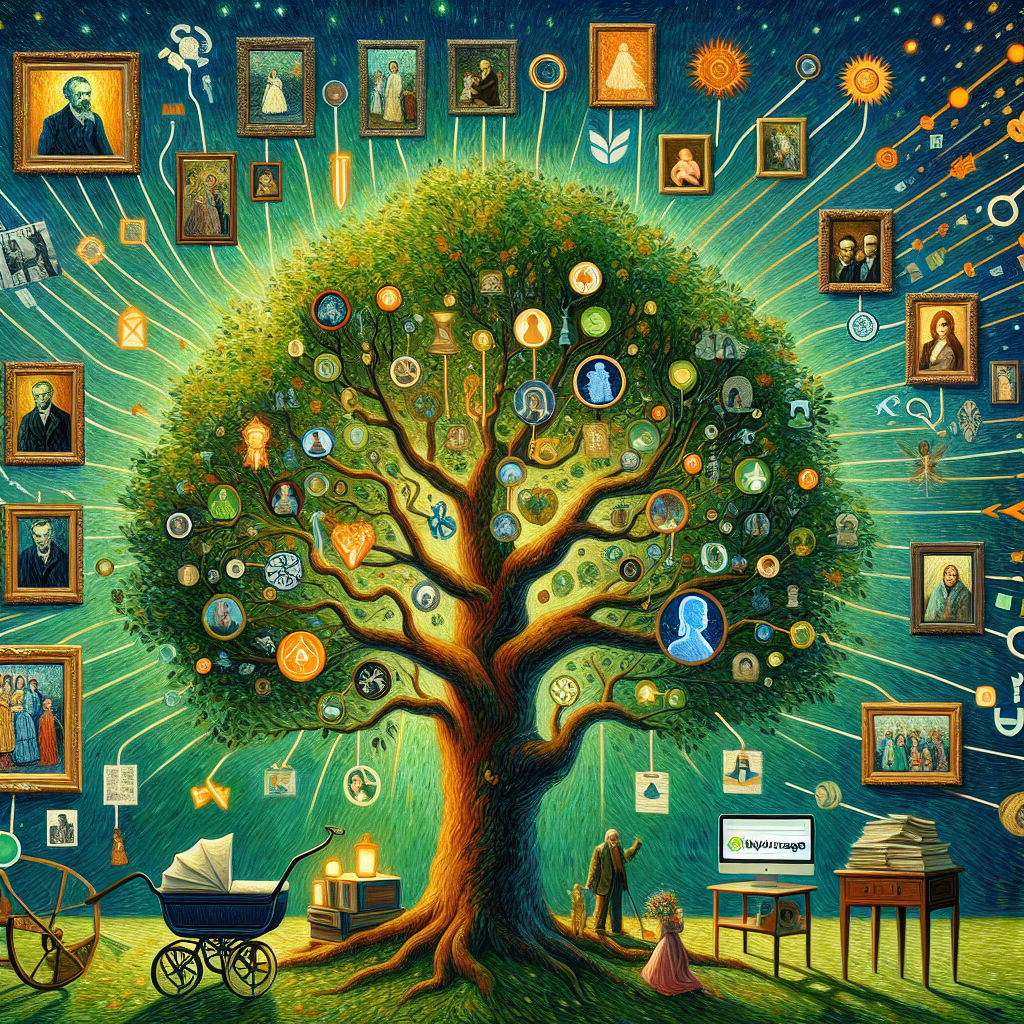
How Does Storytelling Shape Family Identity?
What Methods Can Families Use For Legacy Storytelling?
Legacy storytelling isn’t just about spinning yarns; it’s about weaving a rich tapestry of memories and experiences that binds families across generations. In a world consumed by technology and busyness, it’s vital to find methods that bring families together—methods that breathe life into family histories and connect young and old.
One effective approach is the oral tradition. Gather the family around the dinner table or a cozy living room, and let the eldest members share tales from their youth. These are not just stories; they’re windows into the past, filled with laughter, lessons, and sometimes heartache. Encourage questions and interactions. The more engaged everyone is, the richer the narrative becomes. Remember, it’s not about the perfection of the storytelling; it’s about the authenticity of the moment.
Then there’s the power of writing. Family members can collaboratively pen their stories, memoirs, or even recipes passed down through generations. Create a family book that includes anecdotes, photographs, and handwritten notes. It doesn’t have to be a bestseller; it just needs to be real. Digital tools make this easier than ever. Consider blogs or family websites, where everyone can contribute, share, and revisit the stories whenever they want.
If you’re feeling a little more adventurous, dive into the realm of video storytelling. With smartphones in hand, families can record interviews, skits, or just casual chats. Capture those familiar laughs and shared moments for posterity. These videos become cherished treasures that future generations can watch, laugh at, and find comfort in.
For those who enjoy a bit of flair, consider hosting a family storytelling night. Invite everyone to share a story based on a theme—like “family vacations” or “a memorable lesson from Dad.” Light some candles, maybe put on some soft music, and let the magic of storytelling flourish. It’s a special night that holds the power to strengthen bonds and create lasting memories.
Lastly, don’t underestimate the value of legacy projects. Perhaps it’s a family tree, a scrapbook, or even a time capsule. Give everyone a role in putting these pieces together. It’s not just an activity; it’s a collective investment in the family’s future.
Legacy storytelling isn’t about the perfect tale or the right medium. It’s about connection, authenticity, and remembering where you came from. What a beautiful way to keep the family flame alive, don’t you think?

What Methods Can Families Use For Legacy Storytelling?
What Methods Can Families Use For Legacy Storytelling?
- Legacy storytelling weaves a tapestry of memories that connects families across generations.
- The oral tradition serves as an effective method for sharing family histories through stories told by elders.
- Encouraging engagement during storytelling enhances the experience and authenticity of the moment.
- Writing collaboratively on memoirs or recipes helps preserve family narratives for future generations.
- Video storytelling allows families to capture and share moments through recordings that can be cherished later.
- Hosting family storytelling nights fosters connections and creates lasting memories through shared themes.
- Legacy projects like family trees or scrapbooks encourage collective investment in family heritage.

What Methods Can Families Use For Legacy Storytelling?
How Can Legacy Stories Influence Future Generations?
In a world spinning faster than we can keep up with, we often forget to tell the tales that shape us. This is where *legacy storytelling* comes in. It isn’t just a charming way to pass the time around a campfire—it’s a vital thread in the fabric of our culture. If you think about it, every family, every community, and every industry holds stories that define who they are and who they aspire to be.
So how do these stories influence future generations? First off, they provide a sense of belonging. When young people hear the tale of their grandparents’ struggles and triumphs, they feel connected to something greater than themselves. It’s as if they’re handed a baton—a lived experience that whispers, “You’re part of this.” The emotional weight of these narratives can inspire resilience in the face of challenges, arming future generations with the strength to tackle their own obstacles.
Moreover, legacy storytelling often carries valuable lessons. Think of the stories that warn us of pitfalls—be it a family member’s financial misstep or an industry’s failure to adapt. These narratives are more than just cautionary tales; they are blueprints for better decision-making. A kid raised on their parent’s stories of hard-earned wisdom is more likely to approach life’s challenges with a discerning eye. They learn the importance of perseverance and adaptability not just through theories in a textbook, but through real-life examples that resonate with their own experiences.
Additionally, legacy storytelling nurtures creativity and innovation. By hearing the stories of those who came before them, young minds are challenged to think critically and imagine new possibilities. They can see how past generations navigated uncharted waters and are inspired to forge their own paths. These iconic stories can break down barriers between the mundane and the extraordinary, encouraging a mindset that anything is possible.
Finally, consider the impact on values and identity. Legacy stories aren’t merely about events; they encapsulate beliefs, morals, and cultural nuances. When these stories are shared, they forge a lasting connection between the past and the future, allowing younger generations to hold onto their heritage while also encouraging them to celebrate their individuality.
In short, legacy storytelling is like planting seeds for tomorrow. The stories we tell today can shape the leaders, creators, and thinkers of the future. Let’s not underestimate the power of a well-told tale—it could just change the world one story at a time.

How Can Legacy Stories Influence Future Generations?
How Can Legacy Stories Influence Future Generations?
- Legacy storytelling is a vital cultural thread that shapes families, communities, and industries.
- These stories provide a sense of belonging and connection to one’s heritage.
- They inspire resilience by sharing experiences of struggles and triumphs.
- Legacy stories carry valuable lessons and serve as blueprints for better decision-making.
- They nurture creativity and innovation by encouraging critical thinking and new possibilities.
- These narratives impact values and identity, encapsulating beliefs and cultural nuances.
- Legacy storytelling plants seeds for the future, influencing the next generation of leaders and thinkers.

How Can Legacy Stories Influence Future Generations?
What Role Do Ancestors Play In Family Storytelling?
When we take a moment to gather ‘round the family dinner table or huddle by the fire on a chilly evening, we often find ourselves drifting into the rich waters of family history. Here’s the kicker: our ancestors, those distant figures in sepia-toned photographs, aren’t just relics of the past; they are living, breathing threads woven into the fabric of our daily lives. Their stories, those vibrant pieces of our collective experience, play a fundamental role in what we call Legacy Storytelling.
Legacy Storytelling isn’t about chronicling the mundane or reciting dates and events like a dull history lesson. It’s an art form that brings to life the struggles, aspirations, and triumphs of those who came before us. Picture this: you’re sitting there, listening to a grandparent recount their youthful escapades during a time when the world seemed a tad more colorful, a tad more chaotic. Each tale is a portal connecting you to their reality, a fusion of nostalgia and wisdom passed down through generations.
But why is this essential? The stories of our ancestors serve multiple purposes. They ground us, giving our identity weight and context. When we hear about the resilience of a great-grandparent who weathered storms—literal and metaphorical—we understand that perseverance runs through our veins. It’s not just about the hardships; it’s about the lessons learned along the way. These tales provide a framework for our own challenges, reminding us that others have navigated similar trials.
Moreover, the act of storytelling itself fosters connection. When we gather to share these moments, something magical happens. Families become more than mere collections of individuals; we become a cohesive unit, fortified by shared experiences and collective memory. Every laugh, every tear, every gasp of disbelief creates a bond that reinforces our identity and collective spirit.
In the age of technology and instant communication, the essence of Legacy Storytelling may seem at risk of fading, lost among the endless scroll of social media. However, those who recognize the value of oral history understand that our ancestors deserve a seat at the table. They remind us of who we are, where we came from, and, most importantly, what we can aspire to be. So next time you’re perched on that familiar couch, ready to listen, remember that your ancestors have a lot to say—they’re just waiting for you to ask!

What Role Do Ancestors Play In Family Storytelling?
What Role Do Ancestors Play In Family Storytelling?
- Family gatherings often spark conversations about rich family history.
- Our ancestors are living threads in our daily lives, contributing to Legacy Storytelling.
- Legacy Storytelling emphasizes the art of sharing struggles, aspirations, and triumphs.
- Listening to ancestral stories provides context and depth to our own identity.
- These tales of resilience offer lessons that help navigate our own challenges.
- Storytelling fosters connections, creating a cohesive family unit through shared experiences.
- In a tech-driven world, valuing oral history keeps our ancestors’ stories alive and relevant.

What Role Do Ancestors Play In Family Storytelling?
How Can Storytelling Help In Preserving Family History?
In a world buzzing with digital noise and fleeting moments, there exists a timeless practice that can anchor us to our roots: legacy storytelling. It’s not just about recounting events; it’s a vibrant tapestry woven from the threads of experience, resilience, and connection. By sharing tales of our ancestors, we create a powerful bridge between generations, nurturing a sense of identity that can sometimes feel lost in the shuffle of modern life.
Legacy storytelling allows us to breathe life into dusty family albums and faded memories. It transforms history from a collection of dates and names into rich narratives filled with emotions, triumphs, and trials. You see, when we gather around the table and exchange stories, we’re not just filling the air with words; we’re cultivating a sense of belonging. We become part of something larger than ourselves, interlacing our individual narratives with the legacy left behind by those who came before us.
Think about it. How often do we sit down and share the stories of our grandparents, or, better yet, the stories they shared with their own parents? These aren’t just anecdotes; they encapsulate life lessons, cultural wisdom, and memories that hold the potential to shape how we view the world today. The art of storytelling serves as a vessel through which we can honor those who paved the way for us, instilling pride in our heritage while recognizing the sacrifices made along the journey.
Moreover, legacy storytelling is an antidote to the digital distraction that bombards our lives. In moments of true connection—whether it’s a family reunion or a quiet evening with loved ones—stories enrich our relationships. They spark conversations, invite laughter, and sometimes, yes, even shed a few tears. When we share these narratives, we lay down markers on the landscape of family history, creating a map that future generations can follow back to their origins.
So, the next time you find yourself in the company of family, take a moment to listen and, if you can, share. Ask about those unforgettable moments that shaped your parents, grandparents, and beyond. In doing so, you’re not only preserving a legacy but also breathing life into the stories that connect us all. Legacy storytelling is more than just a pastime; it’s an essential ingredient in the recipe for a rich and meaningful family history.

How Can Storytelling Help In Preserving Family History?
How Can Storytelling Help In Preserving Family History?
- Legacy storytelling connects us to our roots amidst the digital noise of modern life.
- It transforms historical accounts into vibrant narratives filled with emotions and experiences.
- Sharing stories nurtures a sense of identity and belonging across generations.
- Family stories encapsulate life lessons, cultural wisdom, and significant memories.
- It fosters deeper relationships and cultivates moments of true connection among loved ones.
- Legacy storytelling serves as a map for future generations to trace their origins.
- Engaging in storytelling preserves family legacies and enriches our shared history.

How Can Storytelling Help In Preserving Family History?
What Are The Emotional Benefits Of Sharing Family Stories?
In an age stuck on screens and social media layouts, it’s easy to forget the power of a well-told family story. At its core, legacy storytelling weaves a rich tapestry of experiences, emotions, and values that shape who we are. It’s like handing down an heirloom—one that doesn’t occupy space on a shelf but instead lives in the hearts and minds of those listening. So, what are the emotional benefits of this age-old practice?
First off, sharing family stories fosters a profound sense of belonging. When we listen to tales of our ancestors’ triumphs and tribulations, we’re not just absorbing information; we’re connecting with a lineage. This connection creates a solid foundation, reminding us that we’re part of something larger than ourselves. Whether it’s a hilarious family mishap or a story of resilience during hard times, each tale deepens our roots and strengthens our identity. It’s a reassuring reminder that our shared history binds us together, filling us with pride and understanding.
Moreover, storytelling serves as a bridge across generations. It provides a unique opportunity for younger family members to engage with their heritage in a relatable way. Think about it—how often has a grandchild’s wide-eyed curiosity about a long-gone relative led to an unexpected laughter-filled evening? These moments enrich relationships. They turn our elders into cherished storytellers, and enhance the value of family ties. In a world that often seems disjointed, these connections can be the glue that holds families together.
Another underappreciated benefit is the emotional healing that storytelling can provide. Sharing experiences, especially those wrapped in pain or struggle, can help families process grief or loss. When relatives recount their battles with adversity, it opens the door for emotions that might otherwise be bottled up. This act of vulnerability creates a safe space, encouraging dialogue about feelings that many would rather sweep under the rug. In sharing, families can heal, understanding that joy and sorrow are two sides of the same coin.
Finally, there’s wisdom in these stories. Every family has its unique set of lessons learned through experience. When those narratives are shared, they carry invaluable life lessons—be it patience, perseverance, or the importance of kindness. These are lessons that can shape future generations, equipping them with tools to navigate an unpredictable world.
So, the next time you sit down with family, remember: sharing those stories isn’t just nostalgia. It’s a legacy of love, connection, and learning that enriches us all.

What Are The Emotional Benefits Of Sharing Family Stories?
What Are The Emotional Benefits Of Sharing Family Stories?
- Legacy storytelling connects experiences, emotions, and values that shape identity.
- Sharing family stories fosters a profound sense of belonging and connection with ancestors.
- Storytelling deepens roots and strengthens family identity, filling individuals with pride.
- It bridges generations, allowing younger family members to engage with their heritage in relatable ways.
- Storytelling enhances relationships, turning elders into cherished storytellers and reinforcing family ties.
- Emotional healing is facilitated through sharing experiences, helping families process grief and loss.
- Family narratives carry invaluable life lessons, equipping future generations to navigate challenges.

What Are The Emotional Benefits Of Sharing Family Stories?
Conclusion
In a world that often feels disconnected, the tradition of legacy storytelling stands out as a powerful tool for weaving together the fabric of family identity. By gathering around the dinner table or sitting on the porch, families share tales that span generations, enabling them to knit their past with the present. It’s not just about nostalgia; it’s about understanding who we are and where we’ve come from. Each story—be it of triumphs, heartaches, or life lessons—becomes a vital thread in the tapestry of family history.
Legacy storytelling serves as our familial anchor during turbulent times. When life throws us challenges, revisiting these narratives reminds us that we’re not alone—we’re part of a larger story filled with shared struggles and victories. These stories instill values of resilience, love, and unity, creating a sense of belonging that supports us as we navigate our individual journeys. Whether it’s recounting the family recipe that never fails or laughing over that legendary fishing trip, these shared experiences foster deeper connections that outlast fleeting trends and surface-level interactions.
Moreover, the art of storytelling opens doors to intergenerational dialogue. As grandparents pass down their tales to younger generations, they light a path for understanding and empathy. Kids realize their history isn’t just distant anecdotes; it’s a living, breathing story in which they play an active role. Each narrative sparks curiosity, motivating them to reflect, engage, and enrich the family saga with their own experiences.
Utilizing methods like oral storytelling, written anecdotes, and even digital mediums nurtures this legacy. Families can host storytelling nights, create memory books, or record meaningful conversations—making every shared moment a celebration of their unique heritage. It’s about embracing the richness of family life, recognizing that every story adds color to their legacy.
Ultimately, in a culture that’s constantly in flux, legacy storytelling serves as a steadfast reminder of our shared humanity. It’s a vital practice that connects generations, instills pride, and lays down the wisdom needed for future experiences. So, the next time you find yourself with family, lean in, listen closely, and share those tales. You’re not just preserving history; you’re crafting a living legacy that will guide the path for generations to come. Remember, every story told is another stitch in the intricate tapestry of your family, binding you together in ways that even time cannot unravel.

Conclusion
Conclusion:
- Legacy storytelling helps weave together family identity by sharing tales that connect past and present.
- It fosters a sense of belonging and resilience during challenging times by reminding families of shared struggles and victories.
- Stories impart values of love, unity, and resilience, enriching the family tapestry.
- Intergenerational dialogue is encouraged as grandparents share their experiences with younger generations.
- Storytelling methods such as oral traditions, written anecdotes, and digital formats help preserve family heritage.
- This practice instills pride and provides wisdom for navigating future experiences in a constantly changing culture.
- Each story shared strengthens family bonds, creating a living legacy that guides future generations.

Conclusion
Other Resources

Other Resources
Here is a list of other resources you can review online to learn more:
- EverNote
- Association of Personal Historians
- ForeverMissed
- Lexikin
- INELA
- USLegalWills.com
- My Wonderful Life
- Xarona
- Knotify.me
- LifeNaut
Use This Prompt To Get More Resources With Your Favorite Online AI Tool: Please provide me with a list of online articles with their URLs in a bulleted list that I can read regarding What Role Does Legacy Storytelling Play In Building Family Identity?

Other Resources
Glossary Terms
What Role Does Legacy Storytelling Play In Building Family Identity? – Glossary Of Terms
1. Legacy: The heritage and impact of a person’s life, often passed down through generations, including stories, values, and traditions.
2. Storytelling: The art of conveying stories, encompassing oral, written, and visual methods, used to share experiences, morals, and lessons.
3. Family Identity: The shared sense of belonging and cultural heritage that defines a family unit, influenced by values, traditions, and collective memories.
4. Ancestry: The lineage and heritage of an individual or family, often explored through genealogical research and storytelling.
5. Tradition: Practices, customs, and beliefs passed down through generations that shape a family’s way of life and identity.
6. Cultural Narratives: Stories that encapsulate the beliefs, values, and experiences of a culture, often used to explain identity and belonging.
7. Oral History: A method of preserving and sharing historical information through spoken word, typically conveyed by those who experienced the events.
8. Heritage: The legacy handed down from previous generations, consisting of customs, values, and artifacts that define a family’s history.
9. Memory: The mental capacity to remember information and experiences, crucial for personal and family storytelling.
10. Mythology: A collection of myths or traditional stories that convey cultural truths and values, often influencing family beliefs and narratives.
11. Intergenerational Learning: The transfer of knowledge, skills, and values between generations, promoting family identity through shared experiences.
12. Ephemeral: Referring to items, memories, or experiences that are temporary but significant, often influencing the storytelling process.
13. Narrative Arc: The structure and progression of a story that includes a beginning, middle, and end, shaping how family stories are told and understood.
14. Symbolism: The use of symbols to represent ideas or qualities, often present in family stories to convey deeper meanings about identity.
15. Empathy: The ability to understand and share the feelings of others, fostered through storytelling and enhancing family connections.
16. Ritual: Established sequences of actions often tied to storytelling, reinforcing family values and cultural identity.
17. Folk Tales: Traditional stories passed orally that convey moral lessons, often reflecting the values and identity of the family or community.
18. Legacy Letter: A written document, often a letter or narrative, in which one shares personal experiences, values, and hopes for future generations.
19. Family Tree: A diagram that illustrates familial relationships and lineage, often serving as a visual aid in legacy storytelling.
20. Cultural Heritage: The shared history and collective memories of a group, encompassing traditions, languages, arts, and values.
21. Authenticity: The quality of being genuine or real, significant in storytelling as families strive to convey their true histories and identities.
22. Personal Narrative: An individual’s own story or experiences that contribute to the broader familial narrative and identity.
23. Legacy Project: An initiative to document and preserve family stories, artifacts, or traditions for future generations.
24. Community: A group of individuals who share common values and histories, often influencing family identity through collective storytelling.
25. Identity Formation: The process through which individuals develop a distinct sense of self, significantly informed by family narratives.
26. Narrative Traditions: The established methods and styles of storytelling within a family or culture, shaping how stories are shared.
27. Resilience: The ability to overcome adversity, often highlighted in family stories that shape identity and foster strength.
28. Life Cycle Events: Significant occasions such as births, marriages, and deaths that serve as focal points for family storytelling and identity.
29. Genealogy: The study of family histories and lineages, often intertwined with storytelling to enhance understanding of family identity.
30. Cultural Exchange: The process of sharing and adopting traditions and stories between different cultures, enriching family identity in a diverse society.

Glossary Of Terms
Other Questions
What Role Does Legacy Storytelling Play In Building Family Identity? – Other Questions
If you wish to explore and discover more, consider looking for answers to these questions:
- What are some examples of legacy stories that families commonly share?
- How can families encourage younger generations to participate in legacy storytelling?
- What impact does technology have on the tradition of legacy storytelling?
- How can families balance sharing stories while respecting individual privacy?
- What are effective ways to document family stories for future generations?
- How can legacy storytelling help in times of family crisis?
- What are some creative formats for sharing legacy stories beyond oral tradition?
- How can families use legacy storytelling to foster a sense of community?
- Are there specific themes or morals that often arise in family stories?
- What role do cultural backgrounds play in shaping family storytelling practices?

Other Questions
Haiku
What Role Does Legacy Storytelling Play In Building Family Identity? – A Haiku
Tales of our journey,
Threads of past entwined with now—
Roots of kinship grow.
Haiku
Poem
What Role Does Legacy Storytelling Play In Building Family Identity? – A Poem
Gather ‘round the table, let the stories flow,
Threads of rich tradition, where the hearts grow.
With laughter and with wisdom, from old to the young,
Legacy storytelling, the songs of life are sung.
In every tale of triumph, in every shared defeat,
Our ancestors’ whispers guide us, in moments bittersweet.
They weave the fabric of our lives, a quilt of joy and pain,
Echoes of the past remind us: we rise and fall again.
Through struggles and through laughter, we find our common ground,
Each narrative a building block where family ties are found.
In cozy rooms and rainy days, their voices resonate,
Teaching us of resilience, love, and the bonds of fate.
From legends of mischief-makers to recipes of cheer,
These tales connect the generations, drawing loved ones near.
In a world of fleeting moments, in a rush to move ahead,
We anchor ourselves in stories, the living and the dead.
So gather ‘round and listen, let the memories ignite,
For within those vivid tales lies our guiding light.
With every word retold, we write our family’s song,
In the tapestry of belonging, we find where we belong.

Poem
Checklist
What Role Does Legacy Storytelling Play In Building Family Identity? – A Checklist
1. Create a Storytelling Environment
_____ Set aside dedicated time for family storytelling (e. g. , dinner table, porch).
_____ Ensure a comfortable and distraction-free atmosphere.
2. Encourage Participation
_____ Invite family members of all ages to share their stories.
_____ Engage younger generations by asking them to contribute their own experiences.
3. Explore Different Storytelling Methods
_____ Use oral tradition: Share stories verbally and ask questions to deepen engagement.
_____ Document stories by writing them down or creating a family book.
_____ Utilize digital platforms (blogs, videos) to capture and share stories.
_____ Organize themed storytelling nights for focused sharing.
4. Preserve Family History
_____ Collect photographs, letters, and heirlooms to accompany stories.
_____ Create legacy projects (family trees, scrapbooks, time capsules).
5. Establish Connections Across Generations
_____ Make it a tradition to hear stories from elders regularly.
_____ Facilitate discussions that draw connections between past and present experiences.
6. Embrace Emotional Sharing
_____ Encourage sharing of both joyful and challenging stories.
_____ Allow space for emotional processing and healing through storytelling.
7. Highlight Values and Lessons
_____ Discuss morals and lessons that emerge from stories shared.
_____ Foster a conversation on how these lessons can apply to current challenges.
8. Celebrate Your Family Identity
_____ Reflect on how shared stories shape your family’s identity and values.
_____ Create family traditions that incorporate storytelling as a means of connection.
9. Keep the Legacy Alive
_____ Regularly revisit and retell family stories to keep them fresh.
_____ Encourage the younger generation to share their evolving perspectives on the family’s history.
10. Collect Feedback and Experiences
_____ Ask family members how storytelling has impacted them.
_____ Adapt storytelling practices based on family preferences and styles.
Use this checklist as a guide to engage your family in the rich tradition of legacy storytelling, nurturing your family’s identity and strengthening your collective bond.

Checklist
At LegacyExplorations, we help people plan and explore their legacy by collecting information and news regarding end-of-life planning.
Please share this post with your friends, family, or business associates who may want help to plan or explore their legacy.