

The Power Of Music In Legacy Storytelling
By Tom Seest
At LegacyExplorations, we help people plan and explore their legacy by collecting information and news regarding end-of-life planning.
Please share this post with your friends, family, or business associates who may want help to plan or explore their legacy.
What Role Does Music Play In Enhancing Legacy Storytelling?
When it comes to Legacy Storytelling, music finds itself embroiled in the rich tapestry of human experience. Picture this: the rhythmic thrum of a heartbeat, the haunting whisper of an old tune, or the exuberant swell of an anthem that carries memories across generations. It’s not just background noise—it’s a crucial player in the symphony of our shared narratives.
Think about the stories your grandparents told around the dinner table, perhaps spiced with laughter or tinged with sorrow. Now, throw a melody into the mix. That same tale, interwoven with a familiar tune, can transform into something greater than the sum of its parts; it becomes an experience that resonates deeper and wider. The right song evokes emotions that words alone sometimes can’t—like that punch to the gut when a fleeting note aligns perfectly with a poignant memory. That’s the power of music in shaping how we remember and relay our past.
Music acts as a bridge, connecting dots between generations. In Legacy Storytelling, it serves a dual function. On one hand, music can be a vessel carrying the essence of a story, encapsulating its heartbeat and enthusiasm. On the other, it’s a reminder—a nostalgic trigger that whisks us back to pivotal moments in our lives. The Beatles, Johnny Cash, or your uncle’s old guitar strumming at family gatherings—all contribute to a complex narrative that defines who we are.
Consider that every culture uses song to narrate its stories. From folktales accented by traditional rhythms to modern ballads unraveling contemporary struggles, music contextualizes our narratives in ways mere speech cannot. It can amplify the tension in a tale of struggle or inject joy into a story of triumph, enriching our understanding and emotional connection to the events we share.
Moreover, as we engage in Legacy Storytelling with our children, utilizing music fosters an interactive atmosphere. It invites families to not just listen, but to feel—a critical aspect in passing down wisdom, values, and histories. Whether it’s a lullaby that calms or an upbeat tune that inspires, music propels the saga of our existence forward.
So, the next time you think about Legacy Storytelling, remember this: music isn’t just an accessory; it’s the very engine that drives our stories. It’s the soul of remembrance, and without it, many milestones might well fade into the background noise of history.

What Role Does Music Play In Enhancing Legacy Storytelling?
What Role Does Music Play In Enhancing Legacy Storytelling?
- Music is a vital element in Legacy Storytelling, shaping human experiences.
- Intertwining stories with melodies enhances their resonance and emotional impact.
- Music serves as a bridge, connecting different generations through shared narratives.
- Every culture employs song to narrate its tales, enriching stories beyond spoken words.
- Music amplifies emotions in stories, making struggles and triumphs more relatable.
- Involving music in storytelling with children creates an interactive and engaging environment.
- Music is essential to remembering and relaying our past, making it the core of our stories.
What Role Does Music Play In Enhancing Legacy Storytelling?
Table Of Contents
- What Role Does Music Play In Enhancing Legacy Storytelling?
- What Is The Connection Between Music And Storytelling?
- How Does Music Evoke Emotions In Stories?
- In What Ways Can Music Enhance A Narrative Experience?
- What Types Of Music Are Most Effective For Storytelling?
- How Can Music Influence Audience Perception Of A Legacy?
- What Are Examples Of Music Used In Legacy Storytelling?
- How Does Rhythm Affect The Pacing Of A Story?
- Conclusion
- Other Resources
- Glossary Of Terms
- Other Questions
- Haiku
- Poem
- Checklist
What Is The Connection Between Music And Storytelling?
When you think about it, music and storytelling aren’t just two separate forms of art—they’re inherently connected, each one amplifying the power of the other. Let’s pull back the curtain a bit. Music has been woven into human experience since the dawn of time, serving as a vital thread in the fabric of legacy storytelling. Whether it’s a haunting ballad echoing the tales of yore or an upbeat tune celebrating ordinary life, both mediums share the fine art of conveying emotion, experience, and understanding.
Consider the way a good song can encapsulate a story in mere minutes. A single verse can evoke memories, create characters, and set scenes, all while treading the boards of your imagination. In the world of oral tradition, songs served as mnemonic devices, helping us remember the narratives of our ancestors. Those melodies carried tales into the hearts of listeners, ensuring that the lessons learned weren’t just whispered in the wind but echoed through generations—a vital aspect of legacy storytelling.
Now, let’s not forget the influence of music on storytelling techniques. Take a good movie, for example. Imagine a tense scene, silence hanging in the air. Suddenly, a stirring score ramps up the anticipation. That orchestral swell doesn’t just heighten the drama; it shapes the narrative, turning simple visuals into a multi-layered experience. Filmmakers understand that music isn’t just background noise; it’s a storyteller in its own right, forming connections between the characters and the audience.
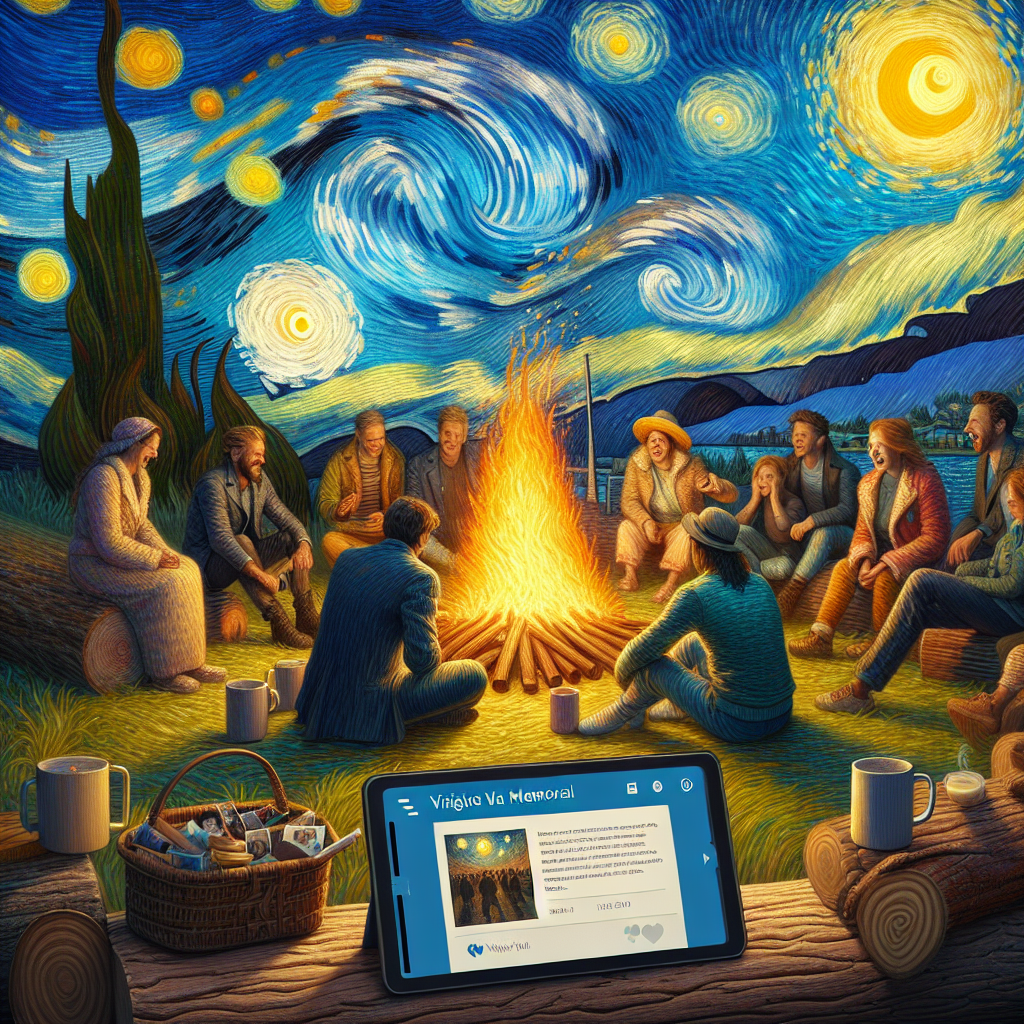
Even in everyday life, the power of a song can transform a simple shared experience into a memorable tale. Picture this: a family gathered around a campfire, voices lifted in harmony as they recount tales of old, laughter punctuated by familiar tunes. Those songs become part of the legacy storytelling, creating a bond that ties generations together.
So, whether you’re sitting in a coffee shop, lost in the lyrics of a favorite song, or gathering around to share stories with loved ones, remember that music and storytelling are two sides of the same coin. Each enriches the other, reminding us of our shared experiences, triumphs, and heartaches. In a world that often feels fragmented, they remind us that we all have stories worth telling—and some, worth singing.

What Is The Connection Between Music And Storytelling?
What Is The Connection Between Music And Storytelling?
- Music and storytelling are interconnected forms of art, enhancing each other’s emotional impact.
- Throughout history, music has played a vital role in legacy storytelling, conveying emotions and experiences.
- Songs can encapsulate stories quickly, using verses to evoke memories and create characters.
- In oral traditions, music served as mnemonic devices, preserving ancestral narratives across generations.
- In film, music heightens drama and shapes narratives, adding depth to visual storytelling.
- Everyday experiences, like family gatherings, are enriched by songs that foster connections between generations.
- Overall, music and storytelling together highlight shared human experiences, reminding us of our collective narrative.

What Is The Connection Between Music And Storytelling?
How Does Music Evoke Emotions In Stories?
Let’s talk about the alchemy that happens when melodies meet narratives. Picture this: you’re nestled in your favorite seat at the cinema, popcorn in hand, and just as the lights dim, a swell of orchestral music washes over you. Suddenly, the screen comes alive with a scene that instantly sends your heart racing or your mind spiraling into nostalgia. Why does this happen? How does music evoke emotions in stories?
First, we must consider the ancient art of Legacy Storytelling. This age-old craft has enchanted audiences for generations, weaving tales that resonate and stir the soul. Ever since our ancestors gathered around the fire to share their sagas, music has played a crucial role in bringing those narratives to life. It’s not just a background tune; it’s the pulse of the story, an emotional connective tissue that binds the audience to the characters and their journeys.
As humans, we have an innate ability to respond to sound. The rise and fall of a musical score can echo the protagonist’s journey—the swelling crescendo during a climactic moment illustrates triumph, while the somber notes during a loss evoke the deep well of sorrow. This sonic language transcends the spoken word, tapping into a universal emotional reservoir.
Every note strikes a chord—pun fully intended—by employing motifs, themes, and harmonies that resonate with our experiences. Think of a triumphant symphony that feeds your spirit when the hero achieves their goal, a slow, haunting melody that mimics the melancholy between loved ones, or an unsettling, discordant sound that puts you on the edge of your seat. These auditory cues trigger feelings, rooting the audience in the moment and making them feel each twist and turn of the story.
Moreover, music can manipulate pacing and tension, enhancing the storytelling experience. A rapid, staccato rhythm can inject excitement into a thrilling chase scene, while a soft, flowing melody can evoke introspection during a quiet moment of reflection. The beauty of music in story is its ability to accompany the narrative, amplifying emotions and creating a rich tapestry of experience.
So, whether you’re watching a gripping drama, a heartwarming tale, or a pulse-pounding action film, remember—music is the unseen hero of storytelling, crafting an emotional landscape for us to explore. It takes us deep into the heart of the story, amplifying our connection and ensuring that these narratives linger long after the credits roll.

How Does Music Evoke Emotions In Stories?
How Does Music Evoke Emotions In Stories?
- Music and narratives create a powerful emotional experience in storytelling.
- Legacy Storytelling intertwines music and tales, resonating with audiences for generations.
- Music serves as an emotional connective tissue, binding audiences to characters and their journeys.
- Sonic language evokes emotions—crescendo represents triumph, while somber notes reflect sorrow.
- Musical motifs and themes enhance emotional responses, making each story twist feel impactful.
- Music can manipulate pacing and tension, enriching the storytelling experience through rhythm and melody.
- In every genre, music acts as the unseen hero, amplifying the emotional landscape of narratives.

How Does Music Evoke Emotions In Stories?
In What Ways Can Music Enhance A Narrative Experience?
In any narrative experience, music serves as more than just a backdrop; it’s a skilled craftsman molding the emotions and articulating the subtleties of the plot. Think of it as the unsung hero that adds a layer of depth, providing context to the characters’ journeys and the stakes involved. It’s the heartbeat of storytelling—a profound element that enriches the narrative tapestry woven by words and visuals.
When we delve into the realm of music, we touch on a cornerstone of Legacy Storytelling. Picture your favorite book or film. Some of the most memorable moments are inextricably tied to the music that plays behind them. A suspenseful sting can quicken your pulse, preparing you for a climactic turn, while a soft melody might linger in the air, allowing a moment of reflection and emotional release. This ability to evoke the deepest of emotions is where music truly shines.
A key aspect of music’s role in a narrative is its capacity to establish atmosphere. Whether it’s the dramatic swell of an orchestral score, the haunting notes of a piano, or the energetic beat of a guitar riff, these soundscapes craft an audible environment that draws audiences in. They create a sense of place, time, or even mood that can transport the listener, allowing them to connect with characters on a more intimate level. When the tune captures the essence of a setting or moment, it transforms a simple scene into a lasting impression—one that resonates long after the last note fades.
Moreover, music serves as a powerful narrative device, accentuating character arcs and turning points. A character’s theme, often subtly woven into the soundtrack, can encapsulate their growth and struggles. As they navigate their journey, a subtle shift in the music can signal their evolution, allowing the audience to experience the transformation alongside them. It’s a form of storytelling that transcends language, a kind of universal dialogue that speaks directly to the soul.
Lastly, let’s not overlook the communal aspect of music in storytelling. Shared musical experiences can elevate a narrative, inviting audiences to bond over the emotions stirred by the sound. In essence, music is not just an accessory to a story; it is an integral part of the human experience, a legacy that connects us all through shared moments, laughter, and sometimes even tears. As we gather around that fire, reliving our favorite tales, let’s remember the magic that music brings to the stories we cherish.

In What Ways Can Music Enhance A Narrative Experience?
In What Ways Can Music Enhance A Narrative Experience?
- Music is a skilled craftsman in narratives, shaping emotions and plot subtleties.
- It acts as the unsung hero, adding depth and context to character journeys and stakes.
- Memorable moments in books and films are closely tied to the accompanying music.
- Music establishes atmosphere, creating soundscapes that draw audiences into the narrative.
- It transforms simple scenes into lasting impressions by capturing essence of settings.
- Music functions as a narrative device, accentuating character arcs and signaling evolution.
- Shared musical experiences foster connections, making music an integral part of storytelling.
In What Ways Can Music Enhance A Narrative Experience?
What Types Of Music Are Most Effective For Storytelling?
When we delve into the world of music and storytelling, it’s not merely about the notes we dance to; it’s about the emotions they evoke and the memories they ignite. Think of music as the unsung hero of storytelling. It’s the thread that weaves the fabric of a narrative, pulling at our heartstrings and guiding us through the twists and turns of a tale. The types of music that resonate most effectively with storytelling can be categorized into several powerful genres, each bringing its unique flair to the canvas of Legacy Storytelling.
First on the list is classical music. Now, don’t brush it off as the stuff your grandparents used to listen to. Picture a sweeping symphony or a haunting violin solo. Classical compositions have been used for centuries to heighten emotions and set the stage for epic narratives. From Beethoven to Tchaikovsky, the grandeur of orchestral arrangements can amplify every moment, molding a shared experience out of silence and sound. Imagine a film scene without the orchestral swell—it’s a bit like a steak without seasoning.
Next, we dive into folk music, the heartbeat of cultural storytelling. It’s raw, it’s real, and it often carries the weight of history on its shoulders. Folk tales shared through song can transport you to bygone eras, evoking the struggles and triumphs of those who came before us. Think of the songs passed down through generations, weaving a rich tapestry of human experience. Whether it’s a ballad about love lost or a tale of adventure, folk music has a special knack for grounding stories in authenticity.
Then we have rock and its various offshoots. This genre doesn’t shy away from bold expression. Whether it’s the rebellious nature of punk or the contemplative beauty of a ballad, rock music can encapsulate emotional highs and lows in a matter of minutes. Its dynamic range allows for explosive energy when narrating exhilarating stories, or a reflective tone when the tale takes a more somber turn.
Finally, let’s not overlook the power of soundtracks. From film scores to video game music, these auditory experiences are often meticulously crafted to complement and enhance storytelling. They invite the audience to feel, react, and immerse themselves in a world that transcends the limitations of dialogue alone.
The most effective types of music for storytelling are those that resonate with the human experience, laying a solid foundation for Legacy Storytelling. Whether through the elegance of classical, the authenticity of folk, the energy of rock, or the depth of soundtracks, each form plays a pivotal role in shaping how we share and consume stories. Music is more than just a backdrop; it’s an essential partner in the dance of narrative, guiding us through the highs and lows of life’s tales.

What Types Of Music Are Most Effective For Storytelling?
What Types Of Music Are Most Effective For Storytelling?
- Music enhances storytelling by evoking emotions and igniting memories.
- Classical music, with its sweeping symphonies, amplifies narrative moments and enriches the overall experience.
- Folk music serves as a cultural heartbeat, grounding stories in authenticity and history.
- Rock music captures a dynamic range of emotions, making it suitable for both energetic and reflective storytelling.
- Soundtracks are crafted to complement storytelling, inviting audiences to immerse themselves in the narrative world.
- The most effective storytelling music resonates with human experiences, forming a foundation for Legacy Storytelling.
- Music is an essential partner in narrative, guiding audiences through the emotional highs and lows of stories.

What Types Of Music Are Most Effective For Storytelling?
How Can Music Influence Audience Perception Of A Legacy?
In the world of entertainment, where the connection between creator and audience can be as fragile as a spider’s web, the powerful role of music cannot be overstated. Music has a unique ability to shape how we perceive a narrative, especially when it comes to Legacy Storytelling. It’s that alchemical blend of melody and emotion that transforms mere facts into something resonant and meaningful—something we remember long after the credits roll.
Think about it: when you hear a swelling orchestral piece during a critical moment in a film, your heart races, and your mind becomes receptive to the story being told. It’s no accident. The right music amplifies emotion, creates tension, or even provides solace. In Legacy Storytelling, music can elevate the tale of an individual or a community, guiding audiences through the ebbs and flows of history with each carefully chosen note.
Imagine the legacy of a great leader—one whose decisions shaped nations and communities alike. When paired with the stirring cadence of a powerful score, their story shifts from a simple recounting of events to a dramatic journey of triumph and tragedy. The drumbeats might symbolize the march toward change, while a haunting refrain serves as a reminder of sacrifices made. You’re not just learning about a legacy; you’re feeling it, experiencing it in a way that no textbook could ever convey.
This is the magic of music in storytelling; it creates a bridge between the past and the present. It taps into collective memory, allowing us to grasp the significance of events and figures we may have never encountered. A piece of music can evoke nostalgia or longing, contextualizing a legacy that might otherwise feel foreign.
Moreover, the cultural context of the music itself plays a crucial role. A piece rooted in traditional folklore may call to mind stories of resilience and community, while contemporary sounds can create a sense of immediacy and relevance. These musical choices enlighten our journey through Legacy Storytelling, illuminating the complexities of identity and heritage.
In essence, music is not just an accessory to a tale; it’s a vital character in its own right. It influences our perception, shaping the legacy we carry with us. So, the next time you find yourself immersed in a powerful story, pay attention to the music—because it’s likely doing more than enhancing the experience; it’s helping to shape the very legacy you’re witnessing.

How Can Music Influence Audience Perception Of A Legacy?
How Can Music Influence Audience Perception Of A Legacy?
- Music plays a crucial role in shaping narratives in entertainment, especially in Legacy Storytelling.
- It transforms facts into meaningful experiences that resonate with audiences long after the story ends.
- Swelling orchestral pieces can heighten emotions, create tension, and provide solace during critical moments in films.
- Music enhances the storytelling of significant figures, transforming simple recounting into dramatic journeys.
- It creates a bridge between the past and present, tapping into collective memory and evoking nostalgia.
- Cultural context in music influences perception, highlighting complexities of identity and heritage.
- Music is a vital character in storytelling, shaping the legacy we carry with us while enhancing our experience.

How Can Music Influence Audience Perception Of A Legacy?
What Are Examples Of Music Used In Legacy Storytelling?
What Are Examples of Music Used in Legacy Storytelling?
When it comes to weaving music into the fabric of Legacy Storytelling, the result is often a tapestry rich with emotion and meaning. Whether we’re gathered around campfires sharing tales of old or sitting in darkened theaters on the edge of our seats, the right soundtrack can elevate a story from mere words to an unforgettable experience. Let’s explore how music plays a pivotal role in these narratives.
Take, for example, the film scores of renowned composers like John Williams. His work in movies like *Star Wars* and *Indiana Jones* doesn’t just accompany the story; it becomes an intrinsic part of it. The iconic themes evoke nostalgia and set the emotional tone from the very first notes. In the same vein, think about how certain songs have become synonymous with defining moments in cinema or television. Just picture a heart-wrenching scene paired with a haunting melody, and it’s hard not to feel something profound. That’s the magic of integrating music into storytelling.
Another familiar setting for this practice is the realm of video games. Many titles, from *The Legend of Zelda* to *Final Fantasy*, feature scores that have not only become classics in their own right but also help transport players into vast, immersive worlds. The music guides the emotional journey, whether it’s a triumphant victory or a stirring moment of loss. These compositions serve as reminders of the legacy behind the stories, cementing the experience in our minds long after the game is turned off.
But music isn’t just for the screen or the console. It’s found in the very heart of oral traditions. Folk music passed down through generations embodies tales of ancestors, struggles, victories, and culture. The rhythms and lyrics carry the weight of history, allowing listeners to connect with their roots. Singing these songs strengthens community bonds while ensuring that the stories are not forgotten.
For a fresh twist on Legacy Storytelling, one might look to modern artists like Beyoncé or Taylor Swift. Each has used their music to tell personal and societal stories that resonate deeply with their audiences. Their songs often touch on themes of identity, resilience, and the complexities of relationships, all while crafting a legacy through their lyrical storytelling.
Music serves as a powerful vehicle for Legacy Storytelling, whether it be in film, games, or traditional songs. It taps into our emotions, enriches our experiences, and ensures that these stories endure through time, reminding us that every note played carries the weight of a story worth telling.

What Are Examples Of Music Used In Legacy Storytelling?
What Are Examples Of Music Used In Legacy Storytelling?
- Music enhances Legacy Storytelling by adding emotional depth and meaning.
- Notable composers like John Williams create iconic film scores that are integral to the narrative.
- Certain melodies evoke nostalgia and significantly impact the emotional tone of stories.
- Video games utilize memorable scores to immerse players in their narratives, guiding emotional journeys.
- Folk music in oral traditions conveys history and culture, connecting listeners to their roots.
- Modern artists like Beyoncé and Taylor Swift tell powerful personal and societal stories through their music.
- Overall, music acts as a vital component in storytelling across various mediums, preserving stories for future generations.

What Are Examples Of Music Used In Legacy Storytelling?
How Does Rhythm Affect The Pacing Of A Story?
When we dive into the world of storytelling, we’re often quick to focus on plot, characters, and themes. But let’s not overlook a subtle yet vital aspect: rhythm. The rhythm of a story is akin to the heartbeat of its narrative—it sets the tempo and can elevate simple scenes into memorable moments. It’s the unseen force that guides the reader and keeps them engaged, often without them even realizing it.
Rhythm in storytelling is built through the careful arrangement of words, phrases, and sentences. This practice—often deemed *legacy storytelling*—is a timeless craft that has been refined through the ages. Just think of a traditional folk song. Its repetitive verses and catchy hooks pull you in, making you want to sing along. Similarly, a well-paced story uses rhythm to draw readers deeper into its world.
Take, for instance, the difference in pacing between a suspenseful thriller and a reflective literary piece. In the former, short, punchy sentences can create a rapid-fire effect, mimicking the rising tension of a high-stakes chase. The rapidity here becomes vital—it’s the key that keeps the adrenaline pumping and the pages turning. On the flip side, the slower, more lyrical prose of a reflective piece can feel like a stroll through a beautiful garden. Each sentence elegantly unfolds, allowing the reader time to absorb the beauty of the words and the thoughts they provoke.
But it’s not just about speed; rhythm goes hand-in-hand with structure. A writer might employ a crescendo—a gradual build-up—leading to a climactic scene, or introduce a gentle lull before the final act. This ebb and flow ensure that the story maintains an emotional arc that resonates with the reader. It creates anticipation, breaks tension, and ultimately delivers satisfaction.
In essence, rhythm serves as the conductor of the storytelling orchestra, orchestrating how the audience experiences the narrative. Just as music can evoke a wide spectrum of emotions, so too can a story crafted with rhythm in mind. So, when you sit down to write, or even when you read, pay attention to that rhythm. Whether it’s a hurried heartbeat or a gentle lullaby, it’s the rhythm that might just be the ingredient that transforms an average tale into a memorable legacy.
How Does Rhythm Affect The Pacing Of A Story?
How Does Rhythm Affect The Pacing Of A Story?
- Storytelling often emphasizes plot, characters, and themes, but rhythm is a vital aspect that should not be overlooked.
- The rhythm of a story serves as its heartbeat, setting the tempo and transforming scenes into memorable moments.
- Rhythm is created through the arrangement of words, phrases, and sentences, reflecting the practice of *legacy storytelling*.
- Just like a folk song with repetitive verses, a well-paced story uses rhythm to engage readers and draw them into the narrative.
- Pacing differentiates genres; suspense thrillers use short sentences for rapid tension, while reflective pieces utilize slower, lyrical prose.
- Rhythm works in tandem with structure, allowing for crescendos and lulls that maintain emotional arcs and reader engagement.
- Ultimately, rhythm enhances the storytelling experience, making it crucial for both writers and readers to appreciate its impact.

How Does Rhythm Affect The Pacing Of A Story?
Conclusion
In closing, let’s grab our proverbial toolbelt and take a moment to appreciate the profound role music plays in Legacy Storytelling. We’re all familiar with the comforting sounds of our favorite tunes, but throw those melodies into the mix when sharing family stories, and suddenly, something magical happens. Music becomes the heartbeat of our narratives—a living, breathing force that deepens our connections and enriches our shared experiences.
Imagine sitting around the dinner table, listening to tales of yesteryear. The stories might be well-trod, familiar ground, but add a familiar melody to the mix—boom! It’s like adding spice to an old recipe. That melody serves not just as background noise but as a vessel that carries the spirit of the moment, transforming a simple recollection into a vibrant, emotional journey. It’s about more than just nostalgia; it’s about creating a thread that connects generations, binding memories to sound and feeling. Whether it’s a favorite song from your childhood, a classic rock anthem, or a heartfelt folk tune, music amplifies the emotional stakes of our narratives, allowing the audience to feel the weight of joy, sorrow, or triumph.
This connection is not a new thing. Cultures the world over have long understood that music serves as a crucial layer of storytelling. From tribal drums echoing the tales of ancestral spirits to modern soundtracks driving the emotional arcs of today’s films, it’s evident that music is an integral part of how we convey experiences. Just as a well-placed chord can conjure up a wave of longing or elation, the right lyrics can echo sentiments trapped in the complexities of our lives.
Moreover, music does more than just enhance individual stories; it sets the stage for community bonding, turning personal recollections into shared legacies. Shared experiences—whether at a concert or around a campfire—bring us closer, allowing us to harmonize not just with the notes but with each other, fostering a sense of belonging.
So the next time you find yourself connecting with a story, pay close attention to the soundtrack that accompanies it. Whether it’s the delicate notes of a piano or the powerful refrain of a rock anthem, remember: music isn’t just a backdrop; it’s a core component of our human experience. It shapes our memories, enchants our narratives, and ultimately works as a bridge intertwined with the very essence of our shared legacy. Now, that’s a story worth sharing.

Conclusion
Conclusion:
- Music plays a profound role in Legacy Storytelling, enhancing connections and shared experiences.
- Adds depth to family stories, transforming them into vibrant emotional journeys through familiar melodies.
- Creates a generational thread, binding memories to sound and emotion beyond mere nostalgia.
- Cultural significance of music in storytelling spans from tribal traditions to modern film soundtracks.
- Conjures emotions through well-placed chords and lyrics, echoing complex sentiments of life.
- Facilitates community bonding, turning personal stories into shared legacies in collective experiences.
- Ultimately, music shapes memories and enchants narratives, serving as a bridge in our shared legacy.

Conclusion
Other Resources
Other Resources
Here is a list of other resources you can review online to learn more:
- AmericanAncestors
- Cake
- MyWishes
- Tributize
- International End of Life Doula Association
- Postumo
- Ancestry
- Lexikin
- Storyfile Life
- LifeNaut
Use This Prompt To Get More Resources With Your Favorite Online AI Tool: Please provide me with a list of online articles with their URLs in a bulleted list that I can read regarding What Role Does Music Play In Enhancing Legacy Storytelling?

Other Resources
Glossary Terms
What Role Does Music Play In Enhancing Legacy Storytelling? – Glossary Of Terms
1. Accompaniment: The musical backdrop that supports and enhances vocal storytelling, providing emotional depth and context.
2. Anthem: A powerful song identified with the ideals of a community, often used in storytelling to evoke pride and shared values.
3. Cultural Heritage: The traditions, customs, and history of a community, often conveyed through music and storytelling to preserve identity.
4. Emotion: The feelings conveyed through music that enhance the impact of a story, making it more relatable and memorable.
5. Folklore: Traditional stories, songs, and beliefs of a culture, often passed down through generations, enriched by musical elements.
6. Theme: The central idea or message of a story, which can be underscored by music to enhance narrative understanding.
7. Narrative Arc: The structure of a story typically comprising exposition, rising action, climax, falling action, and resolution, often complemented by musical shifts.
8. Symbolism: The use of music to convey deeper meanings or represent ideas within a story, enhancing its thematic richness.
9. Melody: A sequence of notes that is musically satisfying and can evoke specific emotions or memories relevant to the narrative.
10. Rhythm: The pattern of sounds in music that can drive the pacing of a story, enhancing tension or relaxation within the narrative.
11. Mood: The emotional atmosphere created by music, influencing how a story is perceived and felt by the audience.
12. Lyricism: The quality of the music’s lyrics to narrate a story or sentiment, enriching the overall storytelling experience.
13. Soundtrack: A collection of music accompanying a narrative, creating an immersive experience that enhances emotional engagement.
14. Motif: A recurring musical theme that represents a character or idea within a story, deepening audience connection.
15. Chant: A form of vocal music that can reinforce community heritage and collective memory in storytelling.
16. Folk Music: Traditional music linked to a particular culture often used to convey local stories and values.
17. Crescendo: A gradual increase in volume or intensity in music, often paralleling an increase in tension or emotion in a story.
18. Instrumentation: The selection of instruments used in a musical piece that can shape and elevate the storytelling experience.
19. Narrative Technique: The methods used by storytellers to deliver a story, enhanced by music to provide emphasis or emotional guidance.
20. Dissonance: A combination of notes that creates tension, often used in music to reflect conflict within a story.
21. Harmony: The combination of different musical notes played simultaneously, adding depth and warmth to the storytelling experience.
22. Representation: The use of music to symbolize characters, themes, or ideas, enriching the storytelling by providing layers of meaning.
23. Transcendence: The ability of music to elevate a story beyond the immediate narrative, connecting it to universal themes and emotions.
24. Voice: The distinct sound of a singer or instrument used in storytelling, which can impart personality and attitude to a narrative.
25. Cultural Context: The background information about the culture behind a story or music, informing and enriching the audience’s understanding.
26. Memory: The psychological process by which past experiences are recalled, often triggered by music in the context of storytelling.
27. Dramatic Tension: The suspense in a story that can be heightened through strategic use of music, influencing audience engagement.
28. Community Building: The process of fostering connections among individuals through shared musical experiences tied to storytelling.
29. Legacy: The lasting impact or influence of stories and music, shaping cultural identity across generations.
30. Transcription: The process of converting oral stories into written form, which can be accompanied by musical notation to preserve history.

Glossary Of Terms
Other Questions
What Role Does Music Play In Enhancing Legacy Storytelling? – Other Questions
If you wish to explore and discover more, consider looking for answers to these questions:
- How can I incorporate music into my own legacy storytelling?
- What specific emotions can different genres of music evoke in storytelling?
- Are there famous examples of songs that are tied to specific stories or events?
- How does the cultural background of music impact its effectiveness in storytelling?
- What role does silence play in music-assisted storytelling?
- How can different musical elements, like tempo and melody, influence the story’s message?
- What practical tips can enhance the use of music in storytelling for learners and educators?
- How has the role of music in storytelling evolved over time?
- What are common misconceptions about the use of music in storytelling?
- Can music alone tell a story without accompanying imagery or words?

Other Questions
Haiku
What Role Does Music Play In Enhancing Legacy Storytelling? – A Haiku
Music weaves our tales,
Echoes of past and present,
Hearts dance with each note.

Haiku
Poem
What Role Does Music Play In Enhancing Legacy Storytelling? – A Poem
In the tapestry of tales we weave,
Music intertwines, a thread we believe.
The heart’s rhythmic thrum, a haunting refrain,
Echoing through time, kindling joy and pain.
Around the table, old stories are shared,
Enhanced by melodies, forgotten yet bared.
Laughter and sorrow, a chorus that holds,
Transforming mere words into treasures of gold.
Like symphonies swelling in moments of fate,
Music, a vessel where memories await.
From folk songs of yore to a rock anthem’s rise,
Each note, a connection, unseen ties that bind.
As generations gather, the tunes lead us back,
To pivotal moments, emotions intact.
With each lullaby calming and verses that cheer,
They carry us forward, our legacies near.
For in films and in fireside tales we revere,
Orchestral scores feed our spirits, sincere.
A soundtrack, a heartbeat, a character’s arc,
Unseen yet profound, igniting the spark.
In the dance of the rhythm, a story takes flight,
Crafted with care, under soft moonlight.
So let us remember, as stories unfold,
Music’s the magic, a legacy gold.
Now gather the melodies, let them flow free,
For in music and storytelling, we find unity.
Each note a reminder, each chord of our past,
In this symphonic journey, hold memories fast.
Poem
Checklist
What Role Does Music Play In Enhancing Legacy Storytelling? – A Checklist
1. Identify the Story’s Core Theme
_____ What is the central theme or emotion of the story you want to tell?
_____ Consider how music can reflect or enhance this theme.
2. Choose Appropriate Music Genres
_____ Explore different genres for their emotional resonance:
_____ Classical for depth and grandeur.
_____ Folk for authenticity and cultural roots.
_____ Rock for energetic expression.
_____ Soundtracks for immersive storytelling.
3. Select Specific Songs or Compositions
_____ Identify specific songs that connect with your narrative.
_____ Consider using well-known pieces or songs that hold personal meaning.
4. Create a Playlist
_____ Compile a playlist of selected songs to use during storytelling sessions.
_____ Arrange the songs to match the pacing of your narrative.
5. Incorporate Music at Key Moments
_____ Plan to introduce music at pivotal points in your story:
_____ Introductory themes to set the mood.
_____ Background scores during climactic scenes.
_____ Soft melodies during reflective moments.
6. Use Music to Evoke Emotions
_____ Consider how different melodies can enhance emotional responses:
_____ Choose music that aligns with the shifts in tone (joy, sorrow, nostalgia).
_____ Reflect on how your audience might feel during different scenes.
7. Engage the Audience with Interactive Elements
_____ Introduce opportunities for the audience to participate with music:
_____ Sing along or share their own musical stories.
_____ Ask them to recall songs that connect with their experiences.
8. Reflect on the Cultural Context of Music
_____ Think about the cultural significance of the music you choose.
_____ How does it connect to the story and its heritage?
9. Test the Rhythm of Your Narrative
_____ Read through your story while listening to the music.
_____ Check that the rhythm of the story aligns with the pacing of the music.
10. Gather Feedback
_____ After sharing your story, ask the audience for feedback on the music’s impact.
_____ Reflect on their emotional responses to improve future storytelling sessions.
11. Document the Experience
_____ Take notes on which music resonated most with your audience.
_____ Use this information to refine your approach for future stories.
Implement this checklist to enrich your legacy storytelling experiences, ensuring each tale is a resonant blend of narrative and melody.
Checklist
At LegacyExplorations, we help people plan and explore their legacy by collecting information and news regarding end-of-life planning.
Please share this post with your friends, family, or business associates who may want help to plan or explore their legacy.