

Unlocking Memories: How To Help Seniors Remember
By Tom Seest
At LegacyExplorations, we help people plan and explore their legacy by collecting information and news regarding end-of-life planning.
Please share this post with your friends, family, or business associates who may want help to plan or explore their legacy.
What Techniques Can Prompt Seniors to Recall Important Events?
Memory isn’t just about dusty old photo albums or hazy recollections; it’s a treasure trove of experiences, emotions, and milestones. As we age, the ability to recall important events can sometimes wane, but there are several tried-and-true techniques that can coax those memories back into the light. One of the most effective methods is through Legacy Storytelling. This age-old practice is more than just sharing anecdotes; it’s about weaving a tapestry of personal history that both honors the past and connects generations.
What does Legacy Storytelling look like in practice? Imagine sitting down with a loved one, perhaps over a steaming cup of tea, and inviting them to narrate their life’s journey. Instead of firing off rapid-fire questions about dates and names, create a comfortable space where they can roam freely through their memories. Ask open-ended questions that start with, “What was it like when…?” or “Can you tell me about the day you…?” This allows them to dive deeper into the rich details of their life experiences.
Visual aids can be incredibly beneficial in this process. Old photographs, cherished mementos, or even a faded map of a childhood neighborhood can act as powerful prompts for seniors. Holding a photograph of a long-lost friend or an old family gathering can spark a delightful recollection that otherwise might have stayed buried. These objects serve as portals to the past, igniting vivid memories and emotions that may have seemed distant.
Moreover, tapping into the power of music can effectively stir the memory pot. Play familiar tunes from their heyday—songs that remind them of dances, road trips, or special occasions. Music has a remarkable way of bypassing the usual barriers that age can impose, making it easier for seniors to access the emotions and stories tied to those melodies.
Lastly, don’t underestimate the power of shared experiences. Bring family members together to share their thoughts, allowing the seniors to hear their own stories echoed through the generations. This not only validates their memories but also reinforces connections and creates a rich communal narrative.
Through these approaches, we tap into something profound—an opportunity for seniors to reclaim their legacy, stitch together the fragments of their past, and celebrate the rich tapestry of their lives. In doing so, we not only help jog their memories but also ensure these stories live on for future generations.

What Techniques Can Prompt Seniors to Recall Important Events?
What Techniques Can Prompt Seniors to Recall Important Events?
- Memory encompasses experiences, emotions, and milestones beyond just old photos.
- Legacy Storytelling is an effective method to recall important memories and connect generations.
- Creating a comfortable environment encourages open-ended conversations about life experiences.
- Visual aids like photographs and mementos act as powerful prompts for memory recollection.
- Music can evoke memories and emotions tied to significant life events.
- Shared experiences with family reinforce memories and create a communal narrative.
- These techniques help seniors reclaim their legacy and preserve their stories for future generations.

What Techniques Can Prompt Seniors to Recall Important Events?
Table Of Contents
- What Techniques Can Prompt Seniors to Recall Important Events?
- What Memory Techniques Can Help Seniors Remember Names?
- How Can Storytelling Aid In Memory Recall For Seniors?
- What Role Does Music Play In Triggering Memories For Seniors?
- How Effective Is The Use Of Visual Aids For Memory Recall?
- Can Physical Activities Enhance Memory Retention In Seniors?
- What Memory Games Are Suitable For Seniors To Improve Recall?
- How Does Social Interaction Impact Memory In Elderly Individuals?
- Conclusion
- Other Resources
- Glossary Of Terms
- Other Questions
- Haiku
- Poem
- Checklist
What Memory Techniques Can Help Seniors Remember Names?
As we age, we gather a treasure trove of names, faces, and stories that paint the vivid tapestry of our lives. But even the most colorful of tapestries can experience a few frays, especially when it comes to remembering names. So, what memory techniques can help seniors lock those names in and turn strangers into familiar friends?
One effective strategy that’s gaining popularity is the art of Legacy Storytelling. Yes, that’s not just a catchphrase; it’s an approach that taps into your experiences and cherished memories. By associating a name with a personal story or a life lesson learned, you build a strong mental connection. For instance, when you meet someone named “Susan,” recall a Susan from your past who taught you a valuable lesson, or perhaps sparked a fun adventure. This not only makes the new name stick, but also adds a rich layer of narrative to your memory, reinforcing that bond.
Visual imagery can also be a powerful ally in the quest for better name recall. Picture this: when you meet someone named “Jake,” imagine him wearing a cowboy hat and riding a horse. By linking the name with colorful images—those vivid snapshots in your mind—you boost your brain’s ability to snag that name later. So, go ahead and think outside the box. The sillier the image, the better it can imprint on your memory!
Another useful tactic is the repetition method. When you’re introduced to someone, don’t be shy to use their name right away. “Nice to meet you, Susan!” Not only does this reinforce the name in your mind, but it also gives the other person the warm fuzzy feeling of being acknowledged. Plus, the more you use the name in conversation, the more likely it is to stick.
Additionally, creating a mind map or a simple list can be beneficial. Write down names, along with a few key details or characteristics about each person. This technique serves as a personalized guide, allowing you to review and reflect on those connections as time goes by.
Lastly, embrace the beauty of community. Engage with friends and loved ones, sharing your own Legacy Storytelling moments. It builds bonds, fosters understanding, and eases the anxiety of forgetting names. Armed with these techniques, seniors can confidently remember names and reclaim those vital connections that enrich our lives. Remember, every name carries a story, and every story deserves to be told.

What Memory Techniques Can Help Seniors Remember Names?
What Memory Techniques Can Help Seniors Remember Names?
- As we age, we accumulate names, faces, and stories that shape our lives.
- Legacy Storytelling associates names with personal stories, creating strong mental connections.
- Visual imagery enhances memory recall by linking names with vivid, imaginative pictures.
- The repetition method involves using a person’s name immediately to reinforce memory.
- Creating a mind map or list helps organize names with associated details for easier recall.
- Engaging with community through storytelling builds bonds and reduces anxiety about forgetting names.
- Every name holds a story, and sharing those narratives is essential to keeping connections alive.

What Memory Techniques Can Help Seniors Remember Names?
How Can Storytelling Aid In Memory Recall For Seniors?
When you think about memory, it’s easy to picture neurons firing off in a brain that’s trying to juggle the chaos of the past. But for many seniors, memory isn’t just about what’s stored away; it’s about telling those tales and weaving them into something meaningful. This is where the magic of Legacy Storytelling comes in. You see, storytelling isn’t just about recounting events; it’s about anchoring memories in a framework that makes them easier to recall.
Imagine a grandparent settling into a favorite chair, the sun filtering through the window, casting a warm glow as they begin to share the story of their first job, that summer when they fell in love, or the birth of their first child. These aren’t just anecdotes; they’re pieces of a rich tapestry that can help seniors sift through the fog of time. By narrating these cherished memories, they create a structured narrative that engages the mind, allowing those memories to rise to the surface with more ease.
Storytelling has a way of transporting us, creating a bridge to the past that’s often lost in day-to-day living. For older adults, this act can become a lifeline, helping them to not only remember the details of their experiences but also to connect emotionally with those who listen. Each story becomes a thread in the fabric of their legacy, encouraging family members and loved ones to listen, absorb, and, ultimately, preserve those memories for future generations.
Moreover, the act of storytelling itself can trigger those elusive recollections. When seniors share their tales, they often find themselves recalling linked stories, rich with detail they might have thought long forgotten. The act of recounting can be cathartic, serving both to sharpen recall and to bring the past back into focus. It’s like turning the pages of a well-loved book, where every chapter holds familiar referents that draw out additional memories.
And let’s not forget the community aspect of storytelling. When seniors gather to share their experiences, it cultivates a sense of belonging and camaraderie. They’re not just reminiscing alone; they’re joining in a collaborative effort to keep their legacies intact while sharing laughter, tears, and a deep understanding of the human experience.
So, the next time you find yourself with a senior loved one, lean in and encourage them to share their stories. You might uncover a treasure trove of memories that not only enliven their minds but enrich your own life as well.

How Can Storytelling Aid In Memory Recall For Seniors?
How Can Storytelling Aid In Memory Recall For Seniors?
- Memory for seniors involves storytelling to create meaning from past experiences.
- Legacy Storytelling helps anchor memories, making them easier to recall.
- Seniors can vividly share personal stories, like first jobs or significant life events.
- Storytelling acts as a bridge to the past, enhancing emotional connections with listeners.
- Recounting tales can trigger additional memories and provide a cathartic experience.
- Community storytelling fosters belonging and camaraderie among seniors.
- Encouraging storytelling in seniors can reveal valuable memories for future generations.

How Can Storytelling Aid In Memory Recall For Seniors?
What Role Does Music Play In Triggering Memories For Seniors?
Music has a remarkable ability to weave through the fabric of our lives, connecting us to moments, people, and places we’d thought long forgotten. For seniors, the impact of music can be profound, acting as a bridge over the years that spans the gap between the present and their personal history. This phenomenon of music-triggered memories is not merely a cheerful reminiscence; it’s a vibrant form of Legacy Storytelling, a way of recounting one’s life experiences through the soundtrack that accompanied them.
When the familiar notes of a classic song flood the air, something magical happens. The brain, particularly in older adults, has a unique relationship with music. Research suggests that the activation of various neural pathways is intensified when music is involved, allowing for a richer recollection of memories. These aren’t just fleeting moments; they’re vivid stories that emerge—stories of love found and lost, wars fought, and dreams pursued. A simple tune from decades past can transport a senior to their youth, igniting a cascade of sensory experiences—sights, smells, and emotions—that make them feel alive again, if only for a brief moment.
The joy of music in memory recalls not just the cherished and the mundane but also creates an opportunity for family connection. When grandchildren gather around, sharing a beloved song with their grandparents, they are engaging in a form of Legacy Storytelling. It’s about passing down narratives, understanding the past, and forging stronger family bonds. These moments become building blocks of history, connecting generations through shared experience, laughter, and sometimes even tears.
Moreover, the therapeutic effects of music cannot be overstated. In settings where communication may become a struggle, the power of a familiar melody can spark understandable expressions of emotions that words often fail to convey. It provides a connection that transcends physical limitations, giving seniors a voice that interrupts the silence created by age-related challenges. In many ways, music acts as a lighthouse, guiding both seniors and their loved ones through the fog of forgetfulness, illuminating memories that might have otherwise remained hidden.
So the next time you sit down with a loved one, consider the playlist. It’s more than a collection of songs; it’s an invitation to explore a shared legacy through the vibrant tapestry of music, where each note carries the weight of stories waiting to be told.

What Role Does Music Play In Triggering Memories For Seniors?
What Role Does Music Play In Triggering Memories For Seniors?
- Music serves as a powerful connector to memories, people, and experiences in seniors’ lives.
- For seniors, music can bridge the gap between present and personal history, facilitating legacy storytelling.
- Classic songs activate neural pathways, enhancing vivid recollections of impactful life experiences.
- Familiar tunes can evoke sensory memories—sights, smells, and emotions—making seniors feel connected to their youth.
- Sharing music between generations fosters family connections and strengthens bonds through narrative sharing.
- Music provides therapeutic benefits, helping express emotions in ways that words cannot in communication-challenged settings.
- A curated playlist with a loved one offers an opportunity to explore shared legacies and the rich stories behind each song.

What Role Does Music Play In Triggering Memories For Seniors?
How Effective Is The Use Of Visual Aids For Memory Recall?
When it comes to memory recall, the role of visual aids often gets feather-ruffling debates. Let’s face it: our brains are wired for stories, and nothing tells a story quite like a well-crafted visual. This isn’t just some fancy notion; it’s rooted in a fundamental part of our biology. The visual cortex is linked deeply to memory, and when we tap into that, we find ourselves in the realm of legacy storytelling.
Now, what do I mean by that? Think about the stories passed down through generations. They’re not just told verbally; they often come wrapped in pictures, artifacts, and symbols that add depth to the narrative. Imagine sitting around a campfire, a weathered photo album on your lap, or a vintage map laid out on a table. Each visual piece not only enhances the tale but makes it linger in your mind long after the words have been spoken.
Studies support this notion. Research shows that when we process information visually, we tend to remember it better. Why? Because our brains naturally form connections, linking the visual with the verbal, a beautiful dance that strengthens memory pathways. Whether you’re a student cramming for exams or a professional hoping to sway a boardroom of skeptics, incorporating charts, infographics, or even a simple sketch can be a game changer.
But let’s not sugarcoat it; not all visuals are created equal. A cluttered PowerPoint slide with too much text is like a bad cough in a quiet room—it distracts more than it helps. The key is in simplicity. Clear, concise visuals that complement your narrative can ignite a spark of understanding and retention. Infographics, for example, can turn dry statistics into engaging stories that make complex information digestible. That’s the magic of visual aids: they allow us to visualize ideas, bridging the gap between the abstract and the tangible.
So if you’re looking to improve how you recall information, consider the legacy storytelling approach. It’s about combining the power of visuals with the timeless appeal of a good story. Whether you’re reminiscing about family history or navigating your business strategy, don’t let the visuals fade into the background. Instead, make them the stars of the show, and watch how they transform your memory recall from a dull chore into a vivid, engaging experience. It’s not just about seeing; it’s about understanding and remembering in a way that resonates. That’s where the real power lies.

How Effective Is The Use Of Visual Aids For Memory Recall?
How Effective Is The Use Of Visual Aids For Memory Recall?
- The debate over the role of visual aids in memory recall highlights their importance in storytelling.
- Our brains are biologically wired to connect visuals with memories, enhancing storytelling through legacy elements like pictures and symbols.
- Visual aids such as photos and maps deepen narratives and help information linger in memory.
- Research indicates that visual information is easier to remember due to the brain’s natural ability to link visuals and verbal cues.
- Simple and clear visuals are more effective than cluttered presentations, as they promote understanding and retention.
- Infographics can transform complex data into engaging stories, making the information more digestible.
- Combining visuals with storytelling creates a more vivid and memorable experience, emphasizing understanding alongside recall.
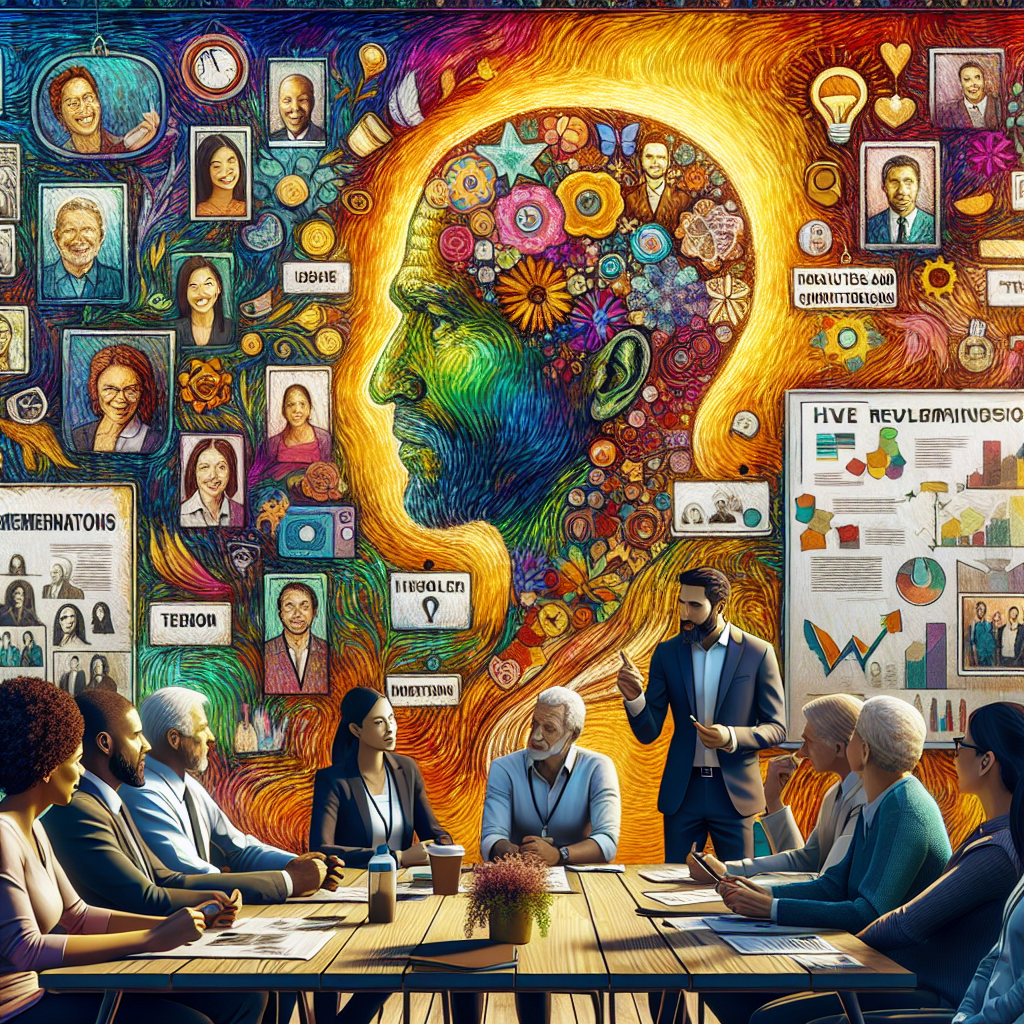
How Effective Is The Use Of Visual Aids For Memory Recall?
Can Physical Activities Enhance Memory Retention In Seniors?
When you think about memory retention, your mind might wander to crossword puzzles, memory games, and those little pills that supposedly keep your noggin sharp. But let’s take a step outside that box and explore a different avenue: physical activity. Yes, you heard me right. Getting off the couch and moving your body can work wonders for memory retention, especially in seniors.
Imagine a world where a brisk walk in the park isn’t just exercise but a form of legacy storytelling. Each step tells a story, speaks of the past, and lays the groundwork for memories yet to come. For our aging population, this blend of physical exertion and cognitive engagement is a two-for-one deal—they’re not just burning calories; they’re firing up their brains.
Research has shown that regular physical activity increases blood flow to the brain, fostering new brain cells and improving synaptic connections. Think of it as a power-up for your mind. Activities like dancing, tai chi, or even simple aerobics can be particularly effective. It’s not all about hitting the gym, either; gardening, playing tag with the grandkids, or even walking a dog can stimulate mental processes. These activities are rich in layers, similar to that intricate tapestry of memories we all hold dear—each thread an experience contributing to the legacy storytelling of our lives.
Moreover, engaging in physical activities often leads to heightened social interaction, another critical element for maintaining cognitive functions. Whether it’s joining a local walking group or taking a class at the community center, these social engagements coupled with physical movement create a fertile environment for memory retention. Here, stories are shared, laughter is abundant, and connections are made—all vital ingredients for memory formation.
It’s worth noting that these benefits aren’t limited to the young or middle-aged; seniors can reap these rewards, too. It’s a win-win situation all around. The memories gained while engaging in these activities can enrich quality of life, foster connections between generations, and create that much-desired legacy storytelling that speaks to who we are and what we leave behind.
So, let’s celebrate the power of movement—not just for the sake of exercise but as a tool for enriching memory and creating stories that will be told for years to come. Because at the end of the day, what we remember—what we pass down—truly matters.

Can Physical Activities Enhance Memory Retention In Seniors?
Can Physical Activities Enhance Memory Retention In Seniors?
- Physical activity can significantly enhance memory retention, especially in seniors.
- A brisk walk or similar exercise can serve as a form of legacy storytelling, connecting past and future memories.
- Regular physical activity increases blood flow to the brain, promoting the growth of new brain cells and improving synaptic connections.
- Activities like dancing, tai chi, gardening, and playing with grandchildren offer cognitive benefits alongside physical exertion.
- Engaging in physical activities often leads to increased social interaction, which is crucial for maintaining cognitive function.
- Benefits of physical activity for memory retention apply to people of all ages, including seniors.
- Celebrating the power of movement can enrich quality of life and foster meaningful legacy storytelling.

Can Physical Activities Enhance Memory Retention In Seniors?
What Memory Games Are Suitable For Seniors To Improve Recall?
When it comes to keeping the mind sharp as we age, memory games can be a fantastic tool, especially for seniors looking to improve their recall. Engaging in activities that promote cognitive function doesn’t have to feel like a chore. In fact, it can be quite the opposite—enjoyable and enriching. Here’s a rundown of some memory-boosting activities that are not only suitable but also deeply engaging for seniors.
Legacy Storytelling is one game that stands out. This isn’t merely about recounting stories; it’s a powerful way to tap into the treasure trove of memories that every individual carries. Encourage seniors to share stories from their past, weaving in details and characters that shaped their lives. This can be done in a group setting or one-on-one, allowing for connections that bridge generations. As they recount their tales, seniors not only bolster their recall abilities but also pass down wisdom and experiences to younger listeners. This intergenerational dialogue can be heartwarming and beneficial for both parties.
Another great option is Puzzles—think jigsaw, crossword, or brain teasers. These not only challenge the mind but also necessitate focus and patience, which can be particularly rewarding. Working on a puzzle can be a communal effort, turning it into a fun bonding experience with family or friends. Plus, the satisfaction that comes from piecing together a challenging puzzle can create a sense of accomplishment that boosts overall mood.
Memory Card Games like Concentration can be surprisingly effective as well. This simple game requires players to find pairs of matching cards. It enhances visual memory and quick thinking, and it can be adjusted in complexity to suit different skill levels. Pair play with a fun theme—like animals or family photos—and you create an engaging game that can evoke warm memories and laughter.
Don’t overlook Board Games like Scrabble or even simpler word games. These classics can stimulate cognitive function by encouraging strategic thinking, vocabulary recall, and even social interaction. The more laughter the better—those endorphins work wonders!
Lastly, incorporating Digital Memory Games can be a modern twist. Tablets and smartphones offer a variety of apps designed specifically for cognitive exercise. These engaging formats can prove addictive, drawing seniors in with their interactive features while providing tailored challenges to enhance memory skills.
By finding the right blend of activities—be it through Legacy Storytelling or any of the other suggestions—seniors can enjoy the process of sharpening their memory while creating lasting connections and joy.

What Memory Games Are Suitable For Seniors To Improve Recall?
What Memory Games Are Suitable For Seniors To Improve Recall?
- Memory games are effective tools for seniors to enhance recall and cognitive function.
- Legacy Storytelling allows seniors to share memories, foster connections, and pass down wisdom.
- Puzzles (jigsaw, crossword, brain teasers) challenge the mind and promote focus and patience.
- Memory Card Games like Concentration enhance visual memory and quick thinking through fun gameplay.
- Board Games such as Scrabble encourage strategic thinking, vocabulary recall, and social interaction.
- Digital Memory Games provide interactive cognitive exercises through apps on tablets and smartphones.
- Engaging in a variety of activities can help seniors sharpen their memory while building connections and joy.

What Memory Games Are Suitable For Seniors To Improve Recall?
How Does Social Interaction Impact Memory In Elderly Individuals?
When it comes to memory in elderly individuals, social interaction plays a significant role that can’t be underestimated. Imagine sitting down with a grandparent or an elderly neighbor, sharing stories from days gone by. This isn’t just a quaint pastime; it’s a vital process that helps keep their minds sharp while allowing them to pass on their history. That’s what we call legacy storytelling. This isn’t just about recounting events but engaging in meaningful dialogue that can jog the memory and spark connections.
First off, let’s explore how social interactions create a rich tapestry for memory retention. When elderly individuals engage in conversations, particularly those that touch on personal experiences or family history, they’re not just reminiscing; they’re also actively exercising their cognitive faculties. The act of storytelling requires the mind to sift through a catalog of memories, pick out relevant details, and weave them into a narrative. This exercise strengthens neural pathways, proving that memory is not a static function but a dynamic activity that thrives on social engagement.
Moreover, the emotional aspect of these interactions can’t be overlooked. When an older adult shares a poignant moment from their past, that exchange creates a bond, enabling a deeper connection. Emotional engagement is a powerful catalyst for memory consolidation. Studies have shown that memories tied to meaningful experiences are far easier to recall than those that are neutral or bland. So, when a grandmother recalls the Christmas she received her first doll or an elderly veteran recounts a pivotal moment during the war, those stories resonate not just because of their content but also due to the shared feelings they evoke.
Additionally, these interactions can combat the isolation many elderly individuals face, particularly as friends and loved ones pass away or physical limitations make socializing more difficult. Regular visits from family, community involvement, or even online conversations can counteract this loneliness. It’s in these moments of interaction that older adults find purpose and companionship, giving their minds something to latch onto, which can lead to enhanced memory functioning.
While we might think of memories as simply recollections of the past, they are intricately tied to the social interactions we have. Those moments spent sharing legacy storytelling aren’t just about passing the time; they’re about preserving a personal history while nurturing the mind’s ability to remember. So, the next time you sit down to chat with an elderly loved one, recognize that it’s more than just idle talk—it’s the lifeblood of memory itself, keeping their legacy alive and well.

How Does Social Interaction Impact Memory In Elderly Individuals?
How Does Social Interaction Impact Memory In Elderly Individuals?
- Social interaction is essential for memory retention in elderly individuals.
- Legacy storytelling allows elderly individuals to share their history and engage in meaningful dialogue.
- Conversations help exercise cognitive faculties by recalling and weaving together memories.
- Storytelling strengthens neural pathways, highlighting that memory is a dynamic activity.
- Emotional engagement during storytelling fosters deeper connections and aids memory consolidation.
- Regular social interaction helps combat isolation, providing purpose and companionship.
- Legacy storytelling preserves personal history while enhancing the ability to remember.

How Does Social Interaction Impact Memory In Elderly Individuals?
Conclusion
Well, folks, let’s wrap this up by exploring some powerful ways to give our senior loved ones a little boost in unlocking their treasured memories. Now, we all know that as we age, sometimes the brain behaves like an old computer—data gets a little jumbled, memories may get buried under layers of time, but fear not! There are practical and enjoyable techniques at our disposal that can help seniors recall those golden moments and weave their personal histories into stories worth telling.
First up is Legacy Storytelling—a technique that’s as effective as it is heartwarming. Picture yourself sitting with a senior over a cup of coffee, encouraging them to share anecdotes from their life. Instead of drilling them with date-specific questions, try asking open-ended prompts like, “What was your first job like?” This creates a relaxed space for memory to flow freely. It isn’t just about retrieving stories; it’s about reinforcing bonds between generations.
Visual aids also play a crucial role in this memory-recall quest. A faded photograph, a memento from a family gathering, or even a map of their childhood neighborhood can act as memory triggers. Suddenly, a simple object can unveil stories that have been longing to be shared. And let’s not forget the power of music! Everyone has a soundtrack to their life, and familiar tunes can transport seniors back to times of joy, love, and celebration. It’s more than entertainment; it’s a conduit to the past.
Now, you may ask, how about social interactions? Believe me, they’re crucial! Conversations rich in legacy storytelling not only jog memories but can combat feelings of isolation that many seniors experience. The exchange of experiences fosters a sense of belonging and connection, creating meaningful bonds that help memories not just remain alive but thrive.
And let’s not overlook physical activity. Movement stimulates blood flow to the brain, which is essential for memory retention. Whether it’s a dance class or just a stroll in the park, these activities don’t just keep seniors fit; they keep their minds sharp, too.
So there you have it, folks. By blending the art of storytelling with visuals, music, physical activity, and social engagement, we can help our seniors reclaim their narrative. When we give them the tools to share their stories, not only are we enriching their lives, but we’re also preserving the wisdom and experiences of generations for the tapestry of future history. Now, get out there and start those conversations—you might just uncover a treasure trove of memories waiting to be shared!

Conclusion
Conclusion:
- Explore methods to help seniors unlock their treasured memories.
- Legacy Storytelling encourages sharing personal anecdotes in a relaxed environment.
- Use visual aids like photographs and memorabilia as memory triggers.
- Music serves as a powerful conduit to evoke joyful past experiences.
- Social interactions foster connections and combat feelings of isolation in seniors.
- Physical activity enhances blood flow to the brain, aiding memory retention.
- Combining storytelling, visuals, music, exercise, and social engagement enriches seniors’ lives and preserves their wisdom.

Conclusion
Other Resources

Other Resources
Here is a list of other resources you can review online to learn more:
- LegalZoom
- Ever Loved
- LifeSite
- IronClad Family
- Funeral Finder
- Tributize
- Tributes
- ForeverMissed
- LifeWeb 360
- LegacyFamilyTree
Use This Prompt To Get More Resources With Your Favorite Online AI Tool: Please provide me with a list of online articles with their URLs in a bulleted list that I can read regarding What Techniques Can Prompt Seniors to Recall Important Events?

Other Resources
Glossary Terms
What Techniques Can Prompt Seniors to Recall Important Events? – Glossary Of Terms
1. Cues: Stimuli or hints that trigger memory recall, such as smells, sounds, or images that are associated with past experiences.
2. Reminiscence Therapy: A therapeutic approach that encourages individuals to discuss and reflect upon past experiences, often using prompts like photographs or music.
3. Memory Journaling: Writing down memories and experiences in a journal to help reinforce and retrieve important events over time.
4. Visual Stimuli: Using pictures, videos, or other visual aids to stimulate memory recall.
5. Music Therapy: The use of music to evoke memories and emotions, which can help seniors recall significant life events.
6. Storytelling: Sharing personal narratives or encouraging seniors to tell their own stories to promote memory recall.
7. Sensory Stimulation: Engaging the senses (sight, sound, touch, taste, smell) to trigger memories, such as using familiar scents or tactile objects.
8. Social Interaction: Engaging in conversations with friends or family can help seniors remember past events through shared experiences and anecdotes.
9. Memory Games: Activities designed to challenge and stimulate memory, such as card matching or trivia games related to personal history.
10. Trigger Words: Specific terms or phrases that can spark recollections of particular events or experiences they are associated with.
11. Mind Mapping: A visual tool that organizes information around a central concept, helping to clarify and connect memories.
12. Photographic Aids: Using photos from the past to stimulate recall and discussion regarding important life events.
13. Prompting Questions: Open-ended questions aimed at inviting seniors to share memories, such as “What was your favorite childhood memory?”
14. Life Review: A reflective process where individuals evaluate and discuss their life experiences, which can help in memory retrieval.
15. Routine Reminders: Establishing regular times for memory-promoting activities can help reinforce recall abilities.
16. Place-Based Reminiscence: Visiting familiar places or environments that are tied to significant memories, which can prompt recollection.
17. Historical Contextualization: Discussing historical events or cultural references during a specific period in the senior’s life to prompt memories.
18. Art Therapy: Utilizing creative activities such as painting or crafting to help seniors express memories and emotions.
19. Memory Boxes: Collections of personal items that represent important events in a senior’s life, used to trigger memories when viewed.
20. Cognitive Stimulation: Engaging in activities that challenge thinking and memory, promoting cognitive health and recall.
21. Personalized Prompts: Tailored memory prompts based on significant events in a senior’s life, such as anniversaries, travels, or family gatherings.
22. Reminders and Alarms: Technological aids such as alarms or apps that remind seniors about significant anniversaries or events.
23. Biographical Reconstruction: The process of piecing together a person’s life story by gathering information from various sources.
24. Mindfulness Techniques: Practices that encourage present moment awareness, which can help facilitate access to past memories.
25. Support Groups: Group settings that provide support and encourage sharing of memories, enhancing recall through social interaction.
26. Narrative Therapy: A therapeutic approach that uses storytelling to help individuals make sense of their memories and experiences.
27. Celebratory Events: Organizing gatherings focused on celebrating milestones or memories, providing a prompt for recall and sharing.
28. Digital Storytelling: Using technology to create digital narratives of life events, which can help seniors remember and share their histories.
29. Puzzles and Brain Teasers: Activities that challenge cognitive functions and stimulate recall through playful engagement.
30. Family History Research: Involvement in genealogical projects that encourage seniors to explore and remember their family history and significant life events.

Glossary Of Terms
Other Questions
What Techniques Can Prompt Seniors to Recall Important Events? – Other Questions
If you wish to explore and discover more, consider looking for answers to these questions:
- What is Legacy Storytelling, and how can it be effectively practiced?
- What types of visual aids are best for stimulating memories in seniors?
- How does music therapy compare to other memory recall techniques for seniors?
- What are the psychological effects of sharing stories on memory recall in elderly populations?
- Are there specific songs or genres of music that are particularly effective for triggering memories?
- How can family members help incorporate physical activities into memory recall strategies for seniors?
- What are some simple memory games designed specifically for seniors?
- How often should seniors engage in social interactions to positively impact their memory function?
- Can technology, such as apps or online platforms, be used to enhance memory in seniors?
- What role does nostalgia play in memory recall for elderly individuals?

Other Questions
Haiku
What Techniques Can Prompt Seniors to Recall Important Events? – A Haiku
Treasured tales unfold,
Music, stories, and warm hands,
Memories revive.

Haiku
Poem
What Techniques Can Prompt Seniors to Recall Important Events? – A Poem
In twilight’s glow, the stories rise,
A tapestry of life beneath the skies.
As seasons change, and years unfold,
Memories shelter, their treasures told.
Gathered close with a warm embrace,
Legacy storytelling finds its place.
Over cups of tea, with open hearts,
We weave the past where memory starts.
Pictures fade, yet bring to light,
Old photographs spark delight.
Mementos whisper, beckon the lost,
A faded map—each line embossed.
And music plays, a familiar tune,
Stirring echoes from dusk till noon.
Notes like a balm for a restless night,
Transporting souls to joy and plight.
With each harmonic, they find their voice,
In melodies sweet, they rejoice,
For songs revive what time has masked,
In rhythms rich, their stories basked.
Let’s not forget the power of play,
Engaging games to brighten the day.
Puzzles and cards, with laughter abound,
In shared moments, connections are found.
In gentle strides, the body moves,
Physical activity, the memory groves.
With each heartbeat, a tale is spun,
As fresh pathways are carved and run.
So gather ‘round and listen well,
In every heart, a memory dwells.
Through words, through song, through touch’s grace,
Together we honor the past we embrace.
For each name recalls a song unsung,
Every life is a thread, tightly strung.
And as we share, we keep alive,
The legacies timeless, where memories thrive.

Poem
Checklist
What Techniques Can Prompt Seniors to Recall Important Events? – A Checklist
Techniques for Encouraging Memory Recall
1. Legacy Storytelling
_____ Find a quiet, comfortable space for conversation.
_____ Use open-ended questions to prompt storytelling (e. g. , “What was it like when. . . ?” or “Can you tell me about the day you. . . ?”).
2. Utilize Visual Aids
_____ Gather old photographs, cherished mementos, or maps related to significant memories.
_____ Encourage interaction with these objects to trigger connected stories.
3. Incorporate Music
_____ Create a playlist of familiar songs from their past.
_____ Play music during conversations to evoke memories associated with specific tunes.
4. Promote Shared Experiences
_____ Organize family gatherings where seniors can share their stories and listen to stories from others.
_____ Validate and celebrate their memories to reinforce feelings of belonging.
Memory Techniques for Names Recall
5. Associate Names with Stories
_____ Encourage linking new names with personal experiences or past memories involving similar names.
6. Use Visual Imagery
_____ Suggest clients create vivid mental images to connect names with visual cues.
7. Practice Repetition
_____ Use names in conversation immediately upon introduction.
_____ Reinforce name recall through repeated use during interactions.
8. Create a Memory Guide
_____ Maintain a simple list or mind map of names and their associated details.
Games and Activities for Enhanced Recall
9. Engage in Memory Games
_____ Introduce games such as:
_____ Legacy Storytelling _____ share past stories with family members.
_____ Puzzles _____ jigsaw, crossword, or brain teasers for cognitive exercise.
_____ Memory Card Games _____ Concentration with personalized themes.
_____ Board Games _____ Scrabble or similar games that involve memory and strategy.
10. Incorporate Digital Memory Games
_____ Explore cognitive exercise apps designed for seniors.
The Importance of Physical Activity
11. Encourage Regular Physical Activities
_____ Promote activities like walking, dancing, gardening, or tai chi.
_____ Foster social interactions through group activities, which further enhance memory.
Cultivating Social Interaction
12. Facilitate Regular Social Engagements
_____ Organize regular visits or gatherings with family and friends.
_____ Promote participation in community events or groups to reduce isolation and enhance cognitive function.
General Recommendations
13. Create a Comfortable Environment
_____ Ensure that conversations or activities take place in a relaxed and distraction-free setting.
14. Monitor Emotional Engagement
_____ Recognize the emotional connections tied to memory; discussing meaningful experiences will boost recall.
15. Celebrate Every Story
_____ Acknowledge and honor each shared memory or story, as this reinforces connections and encourages more sharing.
By following this checklist, you can encourage seniors to engage their memories effectively, fostering a rich environment for recollection and connection.

Checklist
At LegacyExplorations, we help people plan and explore their legacy by collecting information and news regarding end-of-life planning.
Please share this post with your friends, family, or business associates who may want help to plan or explore their legacy.