

The Art Of Preserving Memories: A Practical And Ethical Guide
By Tom Seest
At LegacyExplorations, we help people plan and explore their legacy by collecting information and news regarding end-of-life planning.
Please share this post with your friends, family, or business associates who may want help to plan or explore their legacy.
What to Do with Your Most Meaningful Objects
In a world overflowing with distractions and noise, each of us carries a collection of meaningful objects—tokens of our past that whisper tales of who we are and where we’ve been. These cherished items aren’t just remnants of a bygone era; they are the threads that weave our legacy storytelling into the fabric of our lives. So, what do we do with them? How do we transform these tangible memories into something that resonates, inspires, and endures?
First, take a moment to reflect. Sit quietly with your most meaningful objects and let their stories unfold in your mind. That old baseball glove? It might seem like just leather and stitching, but it echoes laughter from summer afternoons under the sun, lessons learned about teamwork, and perhaps a cherished bond with a parent or a friend. These aren’t mere objects; they’re vessels of emotion, experience, and wisdom. By acknowledging their significance, you give them the respect and recognition they deserve.
Next, consider the conversations they can spark. Sharing your meaningful items can become a catalyst for connection. Invite family and friends to gather and share their own stories—those funny, heart-wrenching, or life-affirming tales. This isn’t just about you; it’s about building empathy, understanding, and a sense of shared humanity. When we put our stories into the world, we strengthen our bonds and enrich the collective narrative of our communities.
Then, think about preservation and intention. What legacy do you want to leave behind? How will your objects tell your story when you’re not there to narrate it? Whether you decide to pass them down, donate them, or create a personal archive, aligning these choices with your values ensures that they resonate with future generations. Approach the process ethically, considering how your decisions reflect your life’s work and the lessons you want to impart.
Lastly, celebrate the act of storytelling itself. Document your objects and their narratives—whether in a written form, through photographs, or video recordings. Each piece carries a weight of history, an authenticity born from lived experience. By doing this, you ensure that your legacy is not just a collection of possessions but a rich tapestry of your life’s journey, connecting those who come after you to the principles, passions, and love that shaped your story.
So, take a breath, engage your heart and mind, and let those meaningful objects guide you toward a deeper understanding of yourself and your place in the world. Your legacy awaits—let’s give it the story it deserves.

What to Do with Your Most Meaningful Objects
What to Do with Your Most Meaningful Objects
- We all possess meaningful objects that represent our past and identity.
- These objects serve as emotional vessels, holding stories of experiences and connections.
- Reflect on your cherished items to appreciate their significance and the memories they evoke.
- Sharing these items can foster connection and build empathy among family and friends.
- Consider how you want to preserve and pass down these memories to future generations.
- Document the stories of your objects in written form, photos, or videos to create a rich narrative.
- Engage with your legacy through these practices to better understand yourself and your place in the world.
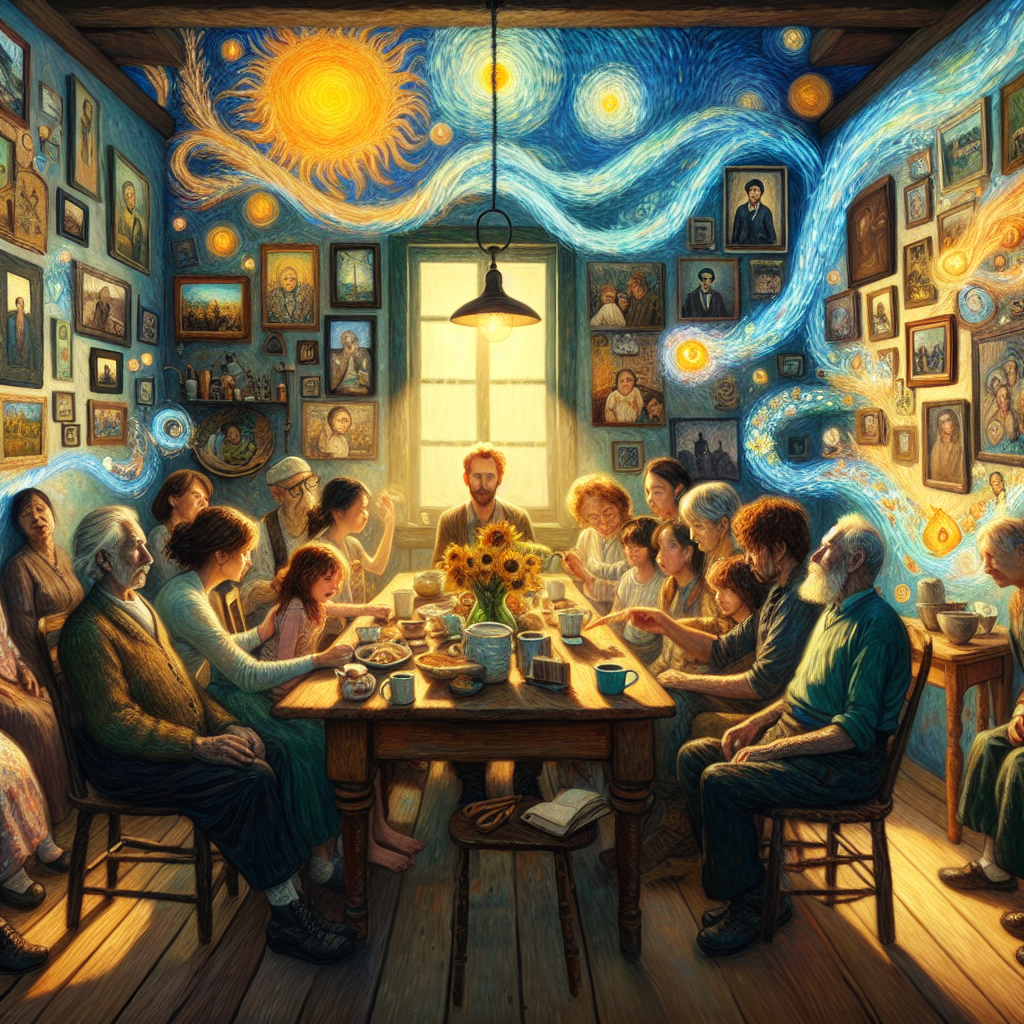
What to Do with Your Most Meaningful Objects
Table Of Contents
- What to Do with Your Most Meaningful Objects
- What Memories Do These Objects Hold for You?
- How Do These Items Define Your Identity?
- Are You Ready to Let Go Of the Past to Embrace New Beginnings?
- How Do You Feel When You See These Cherished Belongings?
- What Would You Want Future Generations to Learn From Them?
- Is There a Way to Preserve These Items While Decluttering?
- How Do Your Possessions Reflect Your Values and Beliefs?
- Conclusion
- Other Resources
- Glossary Of Terms
- Other Questions
- Haiku
- Poem
- Checklist
What Memories Do These Objects Hold for You?
What memories do these objects hold for you? It’s a question that tugs at the strings of our collective existence, inviting us to gather around the hearth of our shared past. Each item in our homes—be it a faded photograph, a well-worn baseball glove, or a delicate porcelain figurine—carries a legacy, a story only you can tell.
Think about what each object represents. Perhaps that old guitar, with its scratched surface and frayed strings, is more than just an instrument; it’s a time machine transporting you back to starlit nights filled with laughter, music, and dreams. The moments shared, the lessons learned, all bubble up like the sweetest memories in the spring of our lives. They anchor us, reminding us who we are and what really matters amidst the noise of everyday life.
Beyond mere sentimentality, these tangible connections hold a mirror to our ethical values. They whisper to us about our past choices, triumphs, and missteps. The heirloom quilt stitched by a thrice-removed aunt serves as a reminder of resilience, family, and the importance of nurturing bonds across generations. It’s more than fabric; it’s a testament to the sacrifices made, the stories woven into its threads. When we take a moment to understand our relationship with these objects, we foster a deeper connection to our heritage, honoring those who came before us.
There’s authority in storytelling through memory. Experts claim that sharing our stories—not just the glamorous ones, but the raw and imperfect—can fuel our sense of identity. Each tale we tell is an invitation for connection, a bridge that spans the gaps between us all. When we recount the laughter of a grandparent, the supportive embrace of a friend, or the bittersweet moments that shaped us, we foster empathy and understanding.
When we look around, we may see forgotten objects, but what we truly hold is a gallery of lives lived, adventures embarked upon, and lessons learned. Let’s embrace these items not just as relics, but as catalysts for reflection. Let them inspire us to share, connect, and carry forward the legacy of our stories. Invite others to do the same, and watch as the fabric of our communities becomes more vibrant, as each individual’s narrative enriches the collective tapestry we all belong to.

What Memories Do These Objects Hold for You?
What Memories Do These Objects Hold for You?
- Objects in our homes hold personal memories and collectives stories unique to each individual.
- Every item, like a guitar or an heirloom quilt, represents significant experiences and lessons learned.
- These items serve as reminders of our identity and values amidst daily life distractions.
- Memories crafted from these objects reflect our past choices, triumphs, and challenges.
- Sharing stories, both glamorous and imperfect, enhances our sense of identity and fosters connection.
- What may appear as forgotten objects actually represent the experiences and lessons of lives lived.
- Embracing these items can inspire reflection and encourage sharing to create a more vibrant community tapestry.
What Memories Do These Objects Hold for You?
How Do These Items Define Your Identity?
What you hold dear often tells the most about who you are. Every object in your life is a thread in the tapestry of your existence. Think about that worn leather jacket hanging in your closet. It isn’t just a piece of clothing; it carries the odor of bonfires and laughter under starlit skies. It’s the memory of late-night drives where the world faded away, leaving only your dreams ahead. Each scuff and mark is a part of your legacy, quietly illustrating chapters of your journey.
It’s essential to recognize that our possessions engage in a constant act of storytelling. They connect us with our past, reminding us of the struggles we’ve faced and the victories we’ve claimed. When you share these stories—perhaps over a campfire with friends or during family gatherings—you’re not simply recounting events; you’re solidifying a sense of belonging. These narratives become the bones of your identity, giving structure to who you are and what you value.
Rationally, memories attached to items can influence how we perceive ourselves and others. Studies suggest that our possessions shape our self-image and social relationships. When we turn all those trinkets and treasures into tales, we engage others on a deeper level. The boots you wore during your first hike? The guitar that cradled your adolescent angst? Each piece communicates something far bigger than itself, fostering connection with those around you.
From an ethical standpoint, our possessions often reflect our values, dictating our consumer choices. The sustainable backpack you chose speaks volumes about your commitment to protecting the planet. Those choices fuel a narrative that others might want to join, igniting social movements or personal bonds that can reshape communities.
As you sift through your belongings, ask yourself: what legacy do you want to leave? The objects we choose to keep can unify, inspire, and teach. They can encourage others to venture, to create, and to connect on a profound level. So, embrace them, share your stories, and allow that worn leather jacket or those faded photographs to not only define you but to weave your identity into the fabric of those around you. Each item is a testament, a stepping stone on the shared path of humanity.

How Do These Items Define Your Identity?
How Do These Items Define Your Identity?
- Our possessions reflect who we are and tell stories of our existence.
- Each item, like a worn leather jacket, carries memories and experiences.
- Through storytelling, our belongings help create a sense of belonging and identity.
- Memories tied to possessions shape our self-image and influence relationships.
- Items can communicate values, impacting consumer choices and social connections.
- Thoughtful reflection on belongings can inspire legacy and unity.
- Embracing and sharing our stories weaves our identity into the broader human experience.

How Do These Items Define Your Identity?
Are You Ready to Let Go Of the Past to Embrace New Beginnings?
Life, as we know, is a tapestry woven from our experiences. Each thread represents moments that shape our identity, our legacy. Yet, how often do we cling to those threads, even when they unravel? The weight of the past can be heavy, an anchor that drags us down when we should be sailing forward.
Think about the stories that define you. Every success and setback is a chapter in your own legacy storytelling. But what happens when the memories become burdens? It’s easy to romanticize the past—the laughter shared, the dreams dreamed—as if they’re treasures we must never part with. But hold on a second: those same stories can also become cages. Just as a bird in a gilded cage might long for the sky, we can risk losing our freedom while clinging to what once was.
Let’s engage the mind for a moment. Rationally speaking, every time you refuse to let go, you’re saying “no” to new opportunities. You’re barricading yourself from the fresh adventures and relationships that await just beyond that familiar horizon. Tackling change takes guts—sometimes you’ve got to take a leap of faith, believing that the ground will appear beneath your feet. You’ll find more stability when you embrace uncertainty, rather than fight against it.
Now, let’s touch on the heart. If you take a moment to reflect, can you recall a time when moving on brought you relief, clarity, or even joy? Picture a garden: some plants need to be pruned to make way for new growth. Isn’t that the essence of life? We create space in our lives when we release the weight of what no longer serves us, allowing fresh blooms to flourish.
Ethically speaking, consider the impact on those around you. By letting go of old burdens, you invite others to do the same. You foster a community open to growth and transformation. This isn’t just about you; it’s about building connections that thrive on authenticity and trust.
Now is the time to tell a new story for yourself. Channel the energy of the past into a foundation for your future. Each moment is an opportunity to write something beautiful. So, I ask you: Are you ready to shed that weight? Are you prepared to embrace the new beginnings calling your name? Step forward; the narrative of your life is waiting to be rewritten.

Are You Ready to Let Go Of the Past to Embrace New Beginnings?
Are You Ready to Let Go Of the Past to Embrace New Beginnings?
- Life is a tapestry of experiences that shape identity and legacy.
- Clinging to past memories can weigh us down and hinder progress.
- Successes and setbacks define our personal stories, but they can also become burdens.
- Holding onto the past may imprison us, preventing us from embracing new opportunities.
- Letting go requires courage but leads to fresh adventures and relationships.
- Releasing what no longer serves us allows for new growth and clarity in life.
- By letting go, we set an example for others, fostering a community rooted in authenticity.

Are You Ready to Let Go Of the Past to Embrace New Beginnings?
How Do You Feel When You See These Cherished Belongings?
When we encounter cherished belongings, we don’t just see objects; we see pieces of ourselves woven into the fabric of our lives. Each item holds a legacy, carrying within it a narrative that stretches beyond our personal experiences, reaching into the hearts of those we love and the memories we’ve created together. Picture an old flannel shirt passed down through generations; it’s not just fabric—it’s a worn emblem of warmth, countless family gatherings, and lessons learned. It stands as a testament to arduous work and late-night stories told by a fire, breathing life into a legacy of resilience.
Every item has its own story, a tale that resonates with our emotions, igniting reflections of laughter and tears. Think of that faded photograph, capturing a moment frozen in time. It acts as a doorway, beckoning recollections of shared laughter or bittersweet farewells. Those moments become the threads of our existence, fundamentally shaping who we are. They remind us that we are not alone; our joys, fears, and triumphs are stitched together with the experiences of those who walked before us.
As we engage with these cherished belongings, we find ourselves confronted with important ethical considerations—how do we honor these treasures that hold our shared histories? It’s not just about keeping things for the sake of nostalgia; it’s about understanding the impact we can have when we pass these items on, encouraging a culture of storytelling that honors the bonds we forge over time. This is where our legacy lives on—not in the items themselves but in the connections they foster across generations.
From an emotional standpoint, a childhood toy can evoke feelings of safety and innocence, prompting a gut-level reaction that grounds us in who we’ve been and who we aspire to be. We often underestimate the power these items hold in shaping our understanding of love, belonging, and identity. They draw us in, whispering stories of the past and urging us to share them, to invite others into our worlds.
So the next time you stumble upon a cherished belonging, pause and listen. Embrace the echoes of the legacy it holds, and recognize the chance to weave your own story into the rich tapestry of life. After all, these items are more than just memories; they are bridges that connect us, strengthening the ties that bind us together in this shared journey.

How Do You Feel When You See These Cherished Belongings?
How Do You Feel When You See These Cherished Belongings?
- Cherished belongings represent pieces of ourselves intertwined with our life stories.
- Each item carries a legacy and narrative that extends beyond personal experiences to shared memories with loved ones.
- Objects like an old flannel shirt symbolize warmth, family gatherings, and resilience through shared experiences.
- Every item has its own story, evoking a range of emotions and memories, from joy to sorrow.
- Engaging with cherished items raises ethical questions about how to honor and share these treasures responsibly.
- Emotional connections to items, such as a childhood toy, shape our understanding of love, belonging, and identity.
- Recognizing the stories behind cherished belongings allows us to weave our own narratives into the fabric of life.

How Do You Feel When You See These Cherished Belongings?
What Would You Want Future Generations to Learn From Them?
When you think about the future, what resonates? Is it the tales of grit and determination that shape our shared humanity? What if we harnessed the raw power of legacy storytelling to bridge the gap between generations? Imagine standing on the shoulders of giants—those who’ve faced adversity with grace and purpose, who’ve woven resilience into the fabric of their lives. They’re not just names in history; they’re your family, your neighbors, your mentors. And they have lessons to impart if only we take the time to listen.
Think about the wisdom that comes from experience. Each scar, each triumph adds depth to their legacy. It’s not just about the achievements; it’s about the journey—the choices made, the risks taken, the mistakes learned from. These narratives, rich in authenticity, resonate more than any dry textbook could. They have the power to ground us. Knowledge handed down through storytelling isn’t just information; it’s a lifeline that connects our past to our present, carving a path for the future.
Emotional narratives evoke a gut reaction, reminding us that behind every struggle lies a story of hope. Perhaps it’s a grandparent who risked everything to forge a better life, or a community member who stood up against injustice. Their stories inspire action, urging us to carry the torch forward. This connection is crucial; it invites us to reflect on our values and decisions. We start to see that we’re part of a larger tapestry, where our choices can either weave threads of positivity or unravel shared dreams.
Moreover, there’s something profoundly ethical about honoring these stories, about passing them along with reverence. It’s our responsibility to ensure that the lessons learned aren’t lost to the sands of time. By engaging with these narratives, we cultivate empathy and understanding—values that are essential in our increasingly polarized world.
So as we think about what we want future generations to learn, let’s lead with our hearts, anchor with our heads, and channel the courage held deep in our guts. Let’s encourage them to embrace the legacies of those who came before—to draw strength from their stories, to expand their horizons, and to make their mark with integrity. In doing so, we not only honor our past but ignite a fire for tomorrow.

What Would You Want Future Generations to Learn From Them?
What Would You Want Future Generations to Learn From Them?
- The future resonates with stories of grit and determination that shape humanity.
- Legacy storytelling can bridge the gap between generations and impart valuable lessons.
- Each individual’s experiences—scars, triumphs, and choices—add depth to their legacy.
- Emotional narratives inspire action and connect us to a larger shared tapestry.
- Honoring and passing along these stories nurtures empathy and understanding.
- We bear the responsibility to ensure lessons from the past are not forgotten.
- Encouraging future generations to embrace these legacies can ignite hope and integrity.

What Would You Want Future Generations to Learn From Them?
Is There a Way to Preserve These Items While Decluttering?
Is there a way to preserve these items while decluttering? Absolutely, and it begins with recognizing the deep value of what we hold onto. Each item is like a chapter in your life’s book, a piece of a larger legacy that you craft with every choice made. The art of decluttering isn’t just about tossing things into boxes; it’s about curating your life’s narrative. Every single object tells a story—a birthday card from a cherished friend, a faded photograph from a family vacation, or even that old baseball glove that reminds you of summer evenings spent in the backyard. When you declutter, take a moment to reflect. Does this item resonate? What story does it tell?
Think about it: when we leave our homes, what echoes in the hearts of those we love remains not just in our words, but often in the objects we held dear. Legacy storytelling is a powerful concept. It’s about more than keeping things; it’s about preserving an emotional connection. Maybe you decide to keep that old paintbrush, passed down from a grandparent, as a reminder of creativity and art that flows through the family’s veins. Or perhaps you’ll digitize family photos, turning clutter into digital heirlooms, allowing you to share those memories wide and far without taking up physical space.
When evaluating the significance of your possessions, it’s often useful to engage with the community or loved ones. Discuss what items they find memorable. This fosters connections and helps validate your decisions, turning what can feel like a solitary task into a shared experience. You’re not just sorting through clutter; you’re engaging in a collaborative act of remembrance that reinforces social bonds.
As you lean into this process, let it resonate with you on all levels—heart, head, and gut. Trust your instincts. If something brings warmth to your heart or a pang of nostalgia to your gut, it’s worth considering. Conversely, if an object brings more burden than joy, it may be time to let it go.
In a world increasingly filled with stuff, creating space for what truly matters requires thoughtful deliberation. By focusing on the legacy you want to leave behind, decluttering becomes an act of empowerment—an intentional choice to honor your past while embracing your future. Through this process, you ensure that cherished stories and treasured memories remain alive, serving as guides for generations to come.

Is There a Way to Preserve These Items While Decluttering?
Is There a Way to Preserve These Items While Decluttering?
- Recognize the deep value of items as chapters in your life’s book and part of your legacy.
- Decluttering is about curating your life’s narrative, not just discarding possessions.
- Each object tells a story and should be evaluated for emotional resonance.
- Consider the legacy of belongings and the emotional connections they represent.
- Engage with community or loved ones to validate memories and transform decluttering into a shared experience.
- Trust your instincts—keep items that evoke warmth and nostalgia, and let go of those that bring burden.
- Embrace decluttering as an act of empowerment, ensuring cherished stories and memories endure.

Is There a Way to Preserve These Items While Decluttering?
How Do Your Possessions Reflect Your Values and Beliefs?
When you step into your home and survey your possessions, what do you see? A collection of knickknacks? Piles of clutter? Or is there a deeper narrative woven throughout your belongings—each item a silent witness to your legacy, your journey? Every book on the shelf, every photograph on the wall, serves as a reminder of who you are, what you value, and what you believe. It’s not just stuff; it’s storytelling.
Consider that chipped mug you refuse to toss. It’s not just a cup; it’s a relic from a life lived—perhaps a gift from a friend who has moved away, or a reminder of a time spent cozying up to a morning ritual. That’s your story, a blend of memories and emotions wrapped in ceramic. Each possession carries a weight beyond its material value. They reflect your priorities, your passions, and even your grievances. People often find themselves pouring over their belongings in moments of reflection, asking what truly matters. Why are you holding onto that old baseball glove? For some, it represents dreams of youth, while for others, it echoes the lessons learned under the summer sun, a testament to perseverance and teamwork.
But it’s not just about you. Your belongings also communicate to others your values. The artwork on your walls, the books that line your shelves—when guests enter your space, they are greeted by your choices, painted with the brush of your ethics. What you choose to display reveals your identity and invites conversation. It’s a silent invitation to connect, to share, to explore the ideas that shape your life.
In this world of fast consumption, embracing a thoughtful approach to what we own can be cathartic. It requires pausing and reflecting on what we truly cherish. With every item you choose to keep, you assert that you value stories over trends, connection over convenience. Your possessions become a curated collection of purpose, forming an extension of your legacy.
So, the next time you find yourself staring at the contents of your home, ask yourself: What am I collecting, and why? Let your belongings tell your story, a story rooted in values that resonate not just with you but with generations to come. After all, it’s not just about what you own; it’s about the life you’re living and the legacy you’re leaving behind.

How Do Your Possessions Reflect Your Values and Beliefs?
How Do Your Possessions Reflect Your Values and Beliefs?
- Each possession in your home represents a part of your legacy and journey.
- Items like a chipped mug carry memories and emotions, reflecting personal stories.
- Belongings reveal your priorities, passions, and life lessons.
- Your possessions communicate your values and identity to others.
- What you display invites conversation and connection with guests.
- Embracing a thoughtful approach to belongings can be cathartic and meaningful.
- Reflect on what you own to ensure it aligns with your values and legacy.

How Do Your Possessions Reflect Your Values and Beliefs?
Conclusion
Each object you cherish is more than just a possession; it’s an emblem of your journey, a silent custodian of memories, values, and lessons that shape your identity and your legacy. Take a moment to reflect on these artifacts of your life. That old baseball glove? It’s not merely leather; it embodies afternoons of laughter, lessons in teamwork, and precious moments spent with loved ones. These items are vessels of emotion and remind us of who we are, anchoring us amidst the chaos of modern life. They are eager to share their stories—each one a thread in the tapestry of our existence.
As we engage with these meaningful objects, we forge connections with others, gathering around the hearth of shared experiences. Invite friends or family to reminisce about their treasured items, transforming individual reflection into a collective narrative that enriches our communities. This isn’t just storytelling; it’s a powerful act of empathy and understanding that builds bridges between diverse experiences.
Furthermore, consider the ethical implications of preserving these items. What legacy do you wish to leave? Your choices—whether to pass down cherished belongings, donate them, or create an archive—reflect not just your preferences, but the values you want future generations to hold. By engaging in this thoughtful process, you instill a sense of responsibility in yourself and those around you, anchoring your life’s work in the very memories you seek to preserve.
Let’s remember, too, the art of decluttering doesn’t necessitate discarding your past; it’s about curating your story. Each discarded item opens a space for new growth, allowing you to redefine who you are and who you wish to become. Reflect and ask yourself: what brings joy, warmth, or value into your life? Embrace the transformative power of letting go—freeing yourself from the burdens of what no longer serves you.
Finally, as you pass down your stories through these treasured items, know that you’re contributing to a far richer communal narrative. Whether it’s a beloved guitar or an heirloom quilt, let these objects speak of resilience and connection. They are not mere artifacts; they are bridges between generations, urging us to honor our past while taking bold steps into the future. So, gather your stories, reflect meaningfully, and allow your legacy to unfold, creating a tapestry that invites others into the ongoing journey of life—and let it be one filled with understanding, purpose, and love. Your legacy is waiting to be discovered, told, and shared with the world.
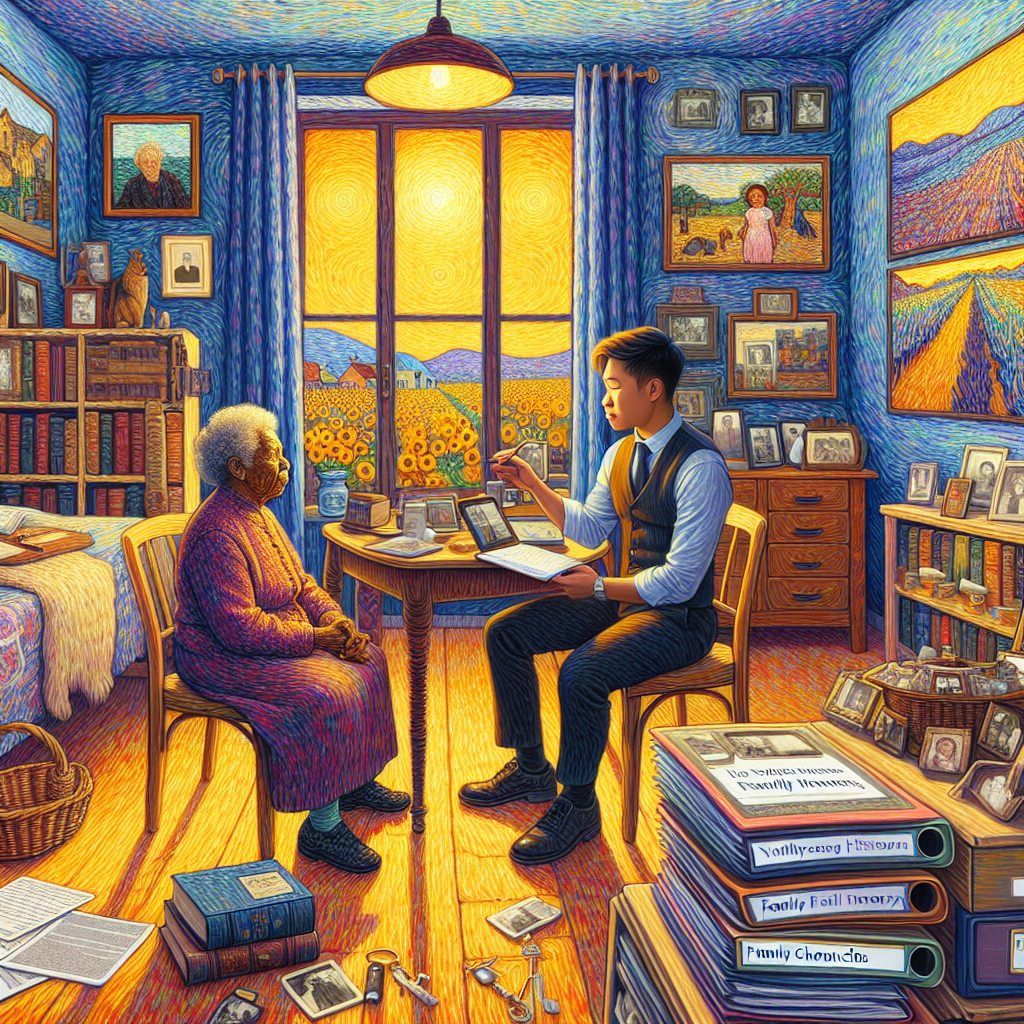
Conclusion
Conclusion:
- Each cherished object symbolizes a personal journey and embodies memories, values, and lessons.
- Items like an old baseball glove represent laughter, teamwork, and precious moments with loved ones.
- Meaningful objects connect us with others, fostering shared narratives that enrich communities.
- Choices regarding the preservation of belongings reflect the legacy and values intended for future generations.
- Decluttering is about curating your story, making space for growth while letting go of what no longer serves you.
- Treasured items contribute to a richer communal narrative, serving as bridges between generations.
- Your legacy unfolds through storytelling, inviting understanding, purpose, and love into the journey of life.

Conclusion
Other Resources

Other Resources
Here is a list of other resources you can review online to learn more:
- IronClad Family
- Cake
- How Has Time Changed The Cost Of Capturing Family Legacy Stories
- Storyworth
- International End of Life Doula Association
- Funeral Finder
- Legacy Learned
- Personal Legacy Advisors
- MyWishes
- Geni
- LastPass
- ForeverMissed
- FuneralWise
- Lexikin
- LifeWeb 360
- YouMattered
- Ever Loved
- Can Telling and Preserving Personal or Family Legacy Stories Be Therapeutic?
Use This Prompt To Get More Resources With Your Favorite Online AI Tool: Please provide me with a list of online articles with their URLs in a bulleted list that I can read regarding What to Do with Your Most Meaningful Objects

Other Resources
Glossary Terms
What to Do with Your Most Meaningful Objects – Glossary Of Terms
1. Artifact: An object made or used by humans that holds historical or cultural significance.
2. Sentimental Value: The personal worth placed on an object due to its emotional connection or memories associated with it.
3. Curate: To select, organize, and look after a collection of items based on their importance or significance.
4. Preservation: The act of maintaining an object in its original state to prevent deterioration over time.
5. Display: The arrangement of objects in a way that highlights their significance or aesthetic appeal.
6. Heirloom: A valuable object passed down through generations within a family, often carrying deep personal significance.
7. Memory Keeper: An individual or a collection that serves to preserve and honor memories associated with specific objects.
8. Detachment: The process of emotionally separating from an object, often to declutter or simplify one’s physical space.
9. Storytelling: The practice of sharing narratives connected to objects, enhancing their value and meaning.
10. Inventory: A detailed list of items owned, often cataloged for identification, value assessment, or organization purposes.
11. Minimalism: A lifestyle choice that emphasizes reducing excess possessions to focus on what truly matters.
12. Repurpose: To adapt and use an object for a different purpose, often giving it new life and meaning.
13. Storage Solutions: Strategies or methods for organizing and safely keeping objects, protecting them while maintaining accessibility.
14. Categorization: The process of organizing objects into groups based on shared characteristics or themes.
15. Artistry: The skill involved in creating objects that carry beauty, meaning, or emotional resonance.
16. Value Assessment: Evaluating the worth of an object, whether sentimental, financial, or historical.
17. Transference: The process of passing an object to another individual, along with its associated memories and meanings.
18. Sentiment: An attitude or emotional response towards an object, often influencing its perceived value.
19. Nostalgia: A sentimental longing for the past, often triggered by objects associated with memories.
20. Curation: The careful selection and organization of items to create an intentional representation of meaning or significance.
21. Symbolism: The use of objects to represent larger concepts, ideas, or values.
22. Collection: A group of objects gathered together based on a theme, shared interest, or personal significance.
23. Estate Planning: The process of planning for the distribution of one’s possessions after death, including meaningful objects.
24. Condition Report: A written assessment of the state of an object, noting its defects or issues for future reference.
25. Patina: The surface appearance of an object that has aged or weathered over time, often adding to its character.
26. Bonding: The emotional connection formed between individuals and their meaningful objects.
27. Antique: An object that is valued due to its age, rarity, and connection to a particular period in history.
28. Legacy: The lasting impact or heritage left behind, often represented through meaningful objects.
29. Artifact Documentation: The process of recording details about an object, including its history, significance, and condition.
30. Aesthetic: The visual appeal or beauty of an object that contributes to its emotional and cultural significance.

Glossary Of Terms
Other Questions
What to Do with Your Most Meaningful Objects – Other Questions
If you wish to explore and discover more, consider looking for answers to these questions:
- What criteria should I use when deciding which objects to keep or let go?
- How can I effectively share the stories behind my meaningful objects with others?
- What are some creative ways to preserve objects digitally?
- How do cultural differences affect the significance of objects in preserving memories?
- What role do emotions play in our attachment to physical items?
- How can I create a personal archive that reflects my life’s story?
- What are some ethical considerations when passing on meaningful objects?
- How can I involve family members in the decluttering process?
- What resources are available for learning about legacy storytelling?
- How can I ensure my possessions resonate with future generations?

Other Questions
Haiku
What to Do with Your Most Meaningful Objects – A Haiku
Cherished objects hold,
Stories stitched in time,
Legacies we share.

Haiku
Poem
What to Do with Your Most Meaningful Objects – A Poem
In the quiet corners of our lives,
Tucked away, the past thrives,
Objects bearing whispers of old,
Tales of laughter, dreams, and gold.
A baseball glove, a faded shirt,
Emblems of joy, of love, of hurt,
With every item, a story shared,
A tapestry woven, a legacy dared.
Gather round, let memories ignite,
In the warmth of connection, hearts take flight,
Each shared narrative, a bridge built anew,
With threads of empathy, binding me to you.
Reflect on the weight that you hold,
Decisions of past, lessons unfold,
What do you cherish? What’s worth the keep?
In clutter’s midst, let treasures leap.
Prune the remnants, let the new bloom,
For in letting go, there’s space to groom,
Cultivate futures, embrace the unknown,
As we tell our stories, our legacies sewn.
From porcelain figurines to dog-eared tomes,
Each possession reflects who we’ve grown,
With every item, our values reside,
An open invitation to share, to confide.
So honor the past, yet forge ahead,
What wisdom will linger, the tales we’ll spread?
With heart, head, and gut, let life’s chapters sing,
For in every story, new hope takes wing.

Poem
Checklist
What to Do with Your Most Meaningful Objects – A Checklist
Checklist for Preserving Memories with Meaningful Objects
Heart (Emotional Appeal)
_____ Reflect on the emotions tied to each object. What memories do they evoke?
_____ Share stories associated with your cherished items with loved ones.
_____ Celebrate the emotional significance of your belongings; create a ritual for remembering.
Head (Rational Appeal)
_____ Analyze the importance of each item. Does it add value to your life or story?
_____ Consider options for preserving items: digitizing photos, creating archives, or documenting their stories.
_____ Evaluate the balance between keeping important objects and decluttering unnecessary ones.
Gut (Instinctive Appeal)
_____ Trust your instincts: Which items feel heavy or burdensome? Which bring joy?
_____ Engage with family and friends in discussions about what possessions resonate with them.
_____ Lean into the process, allowing your emotional reactions to guide your decisions.
Ethical Considerations
_____ Reflect on the legacy you wish to leave. How do your possessions reflect your values?
_____ Make intentional choices about what to keep or donate, honoring both memory and societal impact.
_____ Ensure that your preservation choices encourage storytelling and connection for future generations.
Authority Insights
_____ Consult experts or read literature on memory preservation and legacy storytelling.
_____ Join workshops or community groups focused on preserving memories meaningfully.
_____ Explore the research on how shared stories enhance community connections and personal identity.
Narrative Exploration
_____ Document the stories behind your meaningful objects through writing, photos, or videos.
_____ Create a scrapbook or digital archive that showcases the significance of these items.
_____ Encourage others to share their narratives, linking personal stories to the collective history.
Social Engagement
_____ Organize a gathering with friends or family to share and discuss your meaningful items.
_____ Consider passing down heirlooms with a narrative to future generations, fostering a sense of belonging.
_____ Build a community around memory-sharing to enrich interpersonal connections and deepen understanding.

Checklist
At LegacyExplorations, we help people plan and explore their legacy by collecting information and news regarding end-of-life planning.
Please share this post with your friends, family, or business associates who may want help to plan or explore their legacy.