

Wisdom Unveiled: Seniors’ Life Stories Hold Key Insights
By Tom Seest
At LegacyExplorations, we help people plan and explore their legacy by collecting information and news regarding end-of-life planning.
Please share this post with your friends, family, or business associates who may want help to plan or explore their legacy.
What Unique Insights Can Seniors Share Through Their Life Stories?
When you sit down with a senior and start to unravel the tapestry of their life, it’s like opening a treasure chest overflowing with stories, wisdom, and grit. These life stories are more than just tales; they serve as a potent reminder of what it means to be human. The art of legacy storytelling is a rich tradition that not only preserves memories but also bridges generations.
Imagine a veteran recounting their first day in the service, the smell of gun oil mingling with the scent of uncertainty. Their words don’t just chronicle events; they capture the essence of courage in the face of adversity, offering insights that textbooks often fail to convey. Seniors have lived through monumental changes—wars, civil rights movements, and technological revolutions. Their experiences are not relics of the past; they are vital lessons for us today.
And let’s talk about resilience. How many times have you heard an older person reflect on a setback, only to follow it up with how they clawed their way back? Those stories of triumph over hardship remind us that failure is not the end of the road; it’s just a directional sign pointing toward a new path. In a world that’s always trying to sell us the idea of instantaneous success, the narratives shared by seniors remind us that enduring true growth takes time, hard work, and sometimes a few bumps along the way.
Seniors also provide insights into the importance of community and relationships. They can recount the camaraderie forged through shared struggles, whether it was during economic downturns or personal trials. These collective experiences foster a deep understanding of what it means to be part of something greater than oneself. Their wisdom teaches us that success isn’t solely measured by individual triumphs but also by the connections we build along the way.
Moreover, legacy storytelling fosters empathy and understanding across generations. When younger folks hear firsthand about the struggles and joys of their grandparents, it builds a bridge, allowing them to appreciate the sacrifices that shaped their own lives. These narratives are not just relics; they are the backbone of culture, teaching us respect, humility, and hope.
In a world speeding ever faster toward the future, we must pause and listen to these invaluable stories. After all, seniors are not just walking encyclopedias; their life experiences are valuable lessons waiting to be shared.

What Unique Insights Can Seniors Share Through Their Life Stories?
What Unique Insights Can Seniors Share Through Their Life Stories?
- Engaging with seniors reveals rich stories, wisdom, and life lessons akin to a treasure chest.
- Legacy storytelling preserves memories and connects generations, offering insights beyond textbooks.
- Seniors’ experiences of monumental changes teach vital lessons that remain relevant today.
- Stories of resilience showcase how setbacks can lead to new paths and personal growth.
- The importance of community and relationships is highlighted through shared struggles and collective experiences.
- Legacy storytelling fosters empathy, allowing younger generations to understand and appreciate their roots.
- Listening to seniors’ narratives is essential, as their life experiences provide valuable lessons for all.

What Unique Insights Can Seniors Share Through Their Life Stories?
Table Of Contents
- What Unique Insights Can Seniors Share Through Their Life Stories?
- What Life Experiences Have Shaped Your Perspective On Aging?
- How Do You Define Wisdom Based On Your Life Journey?
- What Challenges Did You Face During Your Early Adulthood?
- How Has Your Understanding Of Love Changed Over The Years?
- How Can Sharing Stories Help Bridge Generational Gaps?
- What Advice Would You Give To Younger Generations Today?
- How Have Societal Changes Impacted Your Views On Life?
- Conclusion
- Other Resources
- Glossary Of Terms
- Other Questions
- Haiku
- Poem
- Checklist
What Life Experiences Have Shaped Your Perspective On Aging?
As I sit back and ponder the concept of aging, the stories bubble up, each rich with its own flavor, like a well-aged whiskey. Life has a funny way of teaching us lessons, often disguised as experiences. There’s something profoundly relatable about gathering around a family table, sharing tales from our youth, and realizing—with every laugh and sigh—that those moments shape not just who we are, but how we view the world as we age.
Think of it as a form of legacy storytelling. Every wrinkle on our faces tells a story—good, bad, and everything in between. It’s in those moments of reflection that I find the true essence of aging: it’s not simply about growing older but about collecting experiences that weave together the fabric of our character. When I look around at the faces of my elders, I see legacies built over decades, living proof that time has a way of sculpting individuals through trials and triumphs.
Take, for example, my grandmother. She was a master storyteller, her tales painted with the vibrancy of her past. I recall countless afternoons spent listening to her recount the trials of her youth, the hard work she put in, and the laughter that echoed through her life. Her perspective on aging was something I learned only by watching her embrace each wrinkle as a badge of honor, a symbol of resilience. She reminded me that every pain carries a lesson, every joy a memory, shaping the narrative of our lives.
Another poignant moment came unexpectedly during a volunteering stint at a local nursing home. Interacting with residents gave me a new lens through which to view aging. Their stories, often filled with both joy and loss, were a testament to the beauty of a life fully lived. Many shared their regrets openly, urging younger generations to seize each day, while others spoke of love, laughter, and the importance of connection. I realized that the essence of aging isn’t rooted solely in physical decline; it’s a testament to significance and legacy.
So, as I traverse through this journey called life, I’ve come to appreciate the wisdom that accompanies age. With each passage of time, I strive to craft my own legacy through experiences, turning them into richer stories—and perhaps, one day, passing them down to a new generation eager to learn from their own, and my, journey. Ultimately, aging invites us all to embrace the fullness of our stories, to acknowledge the beauty in every chapter, and to share those nuggets of wisdom with the world.

What Life Experiences Have Shaped Your Perspective On Aging?
What Life Experiences Have Shaped Your Perspective On Aging?
- Aging is akin to a well-aged whiskey, rich with unique experiences.
- Life teaches lessons through experiences that shape our identity and worldview.
- Legacy storytelling reveals how every wrinkle carries narratives of our lives.
- Experiences, both trials and joys, contribute to the fabric of one’s character.
- Grandmother’s storytelling emphasized embracing aging as a badge of honor and resilience.
- Volunteering at a nursing home offered insights into the beauty of a life fully lived.
- Aging encourages us to craft our legacy and share wisdom across generations.

What Life Experiences Have Shaped Your Perspective On Aging?
How Do You Define Wisdom Based On Your Life Journey?
How Do You Define Wisdom Based on Your Life Journey?
Wisdom, much like a well-tended garden, thrives not merely on the accumulation of knowledge, but on the rich soil of experience and reflection. As we navigate the winding paths of our life journeys, it becomes clear that wisdom is often born from our most profound struggles, triumphs, and the countless stories we collect along the way.
When I look back, I see legacy storytelling as a fundamental thread woven through the fabric of my experiences. Our past isn’t just a collection of isolated moments; it’s a narrative crafted through the decisions we’ve made and the lessons we’ve learned. Each chapter reveals something new, and every twist and turn offers a chance to forge a deeper understanding of ourselves and the world around us.
Think about it: every wise person you know likely has a compelling legacy story—a moment that crystallized their insights and shaped their perspective. Perhaps it was a mentor whose words still echo in their mind, or a misstep that turned into a powerful lesson. These stories not only enrich our lives but also serve as beacons for others. The act of storytelling allows us to pass down the wisdom we’ve gained and to illuminate the paths for those who follow.
In a world inundated with information, wisdom stands apart as the ability to discern what truly matters. It’s not just facts and data; it’s the art of connecting the dots. It’s knowing when to speak up and when to listen. Wisdom is recognizing the value of patience, the importance of empathy, and the courage to embrace vulnerability.
As I reflect on my own journey, it becomes evident that each experience contributed to a broader comprehension of life itself. At times, that understanding came from sheer struggle, while at other times, it blossomed from simple moments of joy.
So, how do we define wisdom? Perhaps it’s best summed up as living with intention, acknowledging our legacy, and embracing the stories born from both our trials and tribulations. Wisdom isn’t a destination—it’s a continuous voyage, fueled by our experiences and the narratives we craft along the way. Each step enriches our legacy, inviting others to join us in this shared pursuit of understanding and growth.

How Do You Define Wisdom Based On Your Life Journey?
How Do You Define Wisdom Based On Your Life Journey?
- Wisdom thrives on experience and reflection, not just knowledge.
- Legacy storytelling is a vital part of understanding our life experiences.
- Our past consists of narratives shaped by decisions and lessons learned.
- Wise individuals often have compelling legacy stories that inform their insights.
- Wisdom involves discerning what truly matters beyond mere facts and data.
- Wisdom includes recognizing the importance of empathy, patience, and vulnerability.
- Defining wisdom is about intentional living and embracing our personal stories.
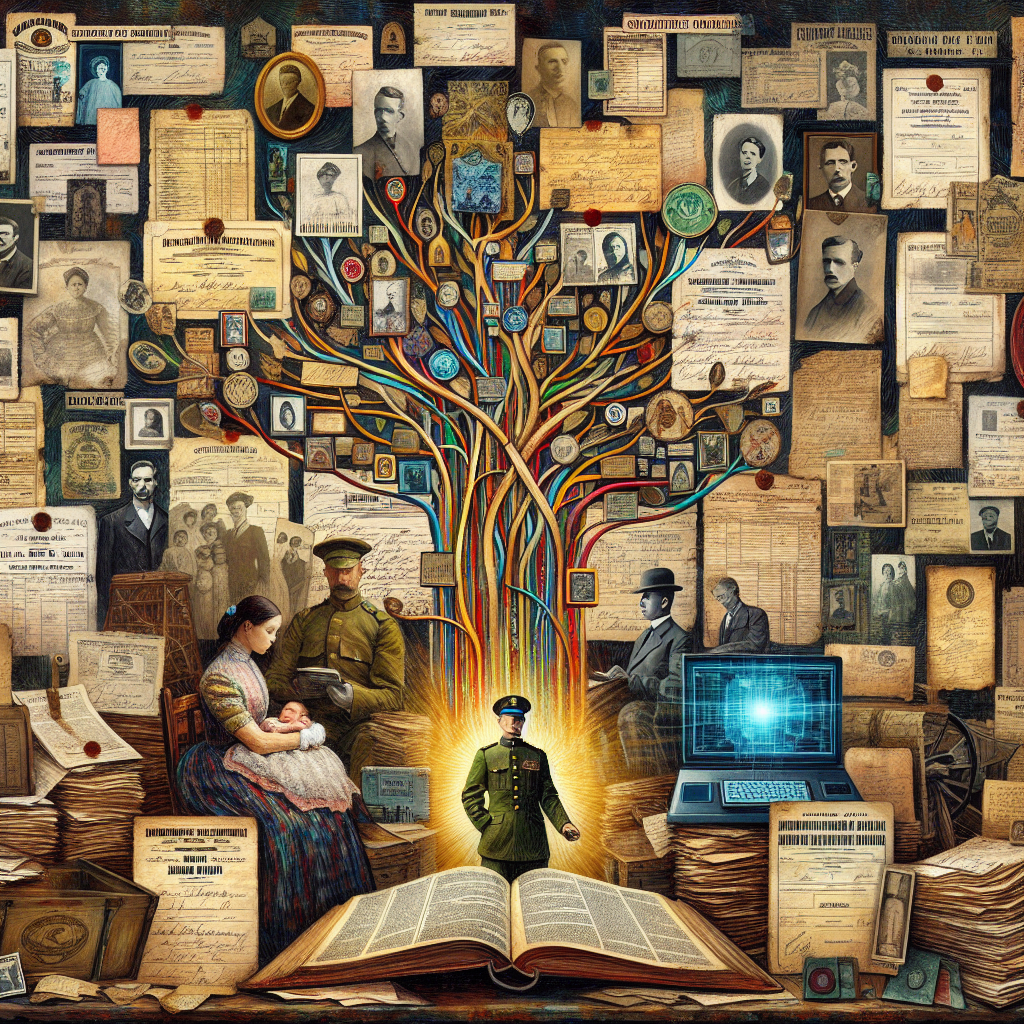
How Do You Define Wisdom Based On Your Life Journey?
What Challenges Did You Face During Your Early Adulthood?
As we make our way through early adulthood, we often find ourselves grappling with the stark realities of life—the kind that shape us in ways we might not fully grasp until years later. It’s not all sunshine and start-ups; sometimes, it’s the grit that molds our character. The challenges we face during this phase don’t merely test our resolve; they become a part of our legacy storytelling.
When I clocked my first job after college, I felt on top of the world—until the real world kicked in hard. The adrenaline of newfound independence quickly gave way to the unpaid bills, cramped apartments, and the reality that adulting wasn’t just a social media buzzword. Every decision felt heavy; do I pay the rent or invest in that new tool I “need” for my side project? Balancing aspirations with financial responsibilities is like threading a needle in a dark room—you hope you hit the mark, but who knows?
Then comes the social landscape, where every relationship seems to need a good hard look. You learn quickly that not all friendships are built to last. The people you once relied on may drift away, replaced by new faces who don’t share your nostalgic bonds. Each goodbye turns into a mini-lesson about trust and resilience, which gets woven into your personal narrative. It’s through these ups and downs that legacy storytelling becomes a vital part of our identity—understanding who we were, who we are, and who we strive to be.
Don’t even get me started on the existential crises—that delightful recipe of self-doubt and the omnipresent “what now?” question. Job prospects fluctuate like the stock market, and every rejection letter feels like a shot to the ego. But, as we sift through rejection, we learn the art of perseverance, turning setbacks into stepping stones. This isn’t merely a story about finding your footing; it’s about getting a grip on how to walk on shaky ground.
And let’s be honest, surviving your twenties isn’t just about avoiding failure; it’s about embracing it. When we look back on these formative years, we recognize that the scars and stories we accumulate are not just challenges—weaving them into the fabric of our legacy storytelling enriches our lives and informs our future paths. So, here’s to the struggles, the victories, and the quiet moments of growth that make us who we are.

What Challenges Did You Face During Your Early Adulthood?
What Challenges Did You Face During Your Early Adulthood?
- Early adulthood presents stark realities that shape our character.
- Initial excitement of independence is often challenged by financial responsibilities.
- Balancing aspirations with adulting can feel overwhelming and uncertain.
- Friendships evolve, with some drifting away and new connections forming.
- Experiencing existential crises and self-doubt are common throughout this phase.
- Embracing failure serves as an important part of personal growth and resilience.
- Lessons learned during this time contribute to our personal narrative and legacy.

What Challenges Did You Face During Your Early Adulthood?
How Has Your Understanding Of Love Changed Over The Years?
As I sit back and reflect on the twists and turns of my life, I’ve come to realize that love is one of those things that morphs and shifts as we do. It’s a feeling that hits you like a freight train, but as you grow older and experience the world, it takes on new forms, meaning, and depth. Much like a fine piece of craftsmanship, love doesn’t come in a box—it requires Legacy Storytelling to truly understand its impact.
When I was young, love was simple—like the first taste of that favorite ice cream on a hot summer day. It was spontaneous and impulsive, driven by passion and curiosity. The early years taught me about the thrill of infatuation, the kind that ignites your heart but often fizzles just as quickly. It was a chapter in my life filled with high hopes and idealistic views, where love existed in the magical moments and fleeting encounters.
However, as time pressed on, I realized that love is not just the high-flying romance you see in the movies. It’s about commitment, sacrifice, and understanding; it’s woven into the fabric of relationships that require work. The stories of those connections became part of my own Legacy Storytelling—a narrative filled not only with joyous moments but also challenges and heartaches. As I navigated through the tumultuous waters of friendships, family relations, and romantic endeavors, love revealed itself as a shared experience rather than mere emotion.
The love I understand now is observed in the quiet support of a friend at your lowest or the deep gratitude felt towards family who remains steadfast. It’s the patience you learn while waiting for someone to come around, even when it’s hard to hold on. With every personal triumph and trial, love has become a powerful teacher, revealing itself in acts of kindness, resilience, and sometimes, painful lessons.
As I examine my own Legacy Storytelling, I find that love is an evolving narrative. It’s less about the euphoric highs and more about navigating the everyday moments with those who matter. It’s the stories we create together—a tapestry of laughter, tears, and memories that we’ll carry with us as we continue to grow. Once you embrace the complexities of love, you realize that it’s not just a feeling; it’s the very essence of our human experience.

How Has Your Understanding Of Love Changed Over The Years?
How Has Your Understanding Of Love Changed Over The Years?
- Love evolves and transforms throughout life, taking on new forms and depths.
- Early experiences of love are often spontaneous, driven by passion and curiosity.
- Initial infatuation fades quickly, but these moments are filled with idealistic views.
- True love involves commitment, sacrifice, and understanding, woven into the fabric of relationships.
- Love is a shared experience, not merely an emotion, recognized through connections and challenges.
- It is found in quiet support, gratitude for family, and the lessons learned through trials.
- Love becomes a narrative of everyday moments, creating a tapestry of shared memories and experiences.

How Has Your Understanding Of Love Changed Over The Years?
How Can Sharing Stories Help Bridge Generational Gaps?
In our fast-paced, tech-driven world, it seems we’ve lost a little something—something profound, something that connects us deeply across the ages. Enter the art of legacy storytelling. Now, before you roll your eyes, let me assure you, this isn’t just a cozy exercise for family gatherings. No, this is a powerful tool that can help bridge the generational gaps that have widened over the years.
Imagine sitting around a crackling fire, the fading sun casting long shadows as stories unfold. The tales shared aren’t just entertaining; they’re the lifeblood of wisdom passed down from one generation to the next. When we sit down with our elders, sharing stories isn’t just a pastime; it’s a way to cultivate a legacy. These narratives provide context, grounding us in our history and identity. For younger folks, hearing these stories can spark a light, making connections to their own experiences and realities.
Legacy storytelling is about more than nostalgia—it’s about understanding where you came from. This means breaking bread with your grandparents and letting their stories wrap around you like a warm blanket. It’s about pulling wisdom from the well of experience that only a lifetime can fill. For the younger generation, there’s a treasure trove of knowledge in their grandparents’ recollections. Each tale, each lesson, helps dismantle the stereotypes that often create walls.
Consider the different dynamics at play: younger generations often struggle to find relevance in the past, while older folks sometimes feel unheard, overshadowed by rapid change. But when we share stories—real, raw narratives that tug at the heartstrings—that’s when the magic happens. These exchanges can humanize experiences, dissolve biases, and foster mutual respect. A grandfather’s tales of struggles, triumphs, and lessons learned create dialogue, bridging not just the age gap but fostering empathy.
As we gather stories, we create a tapestry of understanding that teaches resilience, compassion, and continuity. When we share these pieces of ourselves, we invite our younger family members into a legacy that transcends words and spills over into the very fabric of family life. Stories breathe life into our roots, reminding us that while times may change, the threads of human experience are remarkably similar.
So, the next time you find yourself sitting with a different generation, remember: it’s in those stories that we can truly connect, build bridges, and create a legacy that will endure.

How Can Sharing Stories Help Bridge Generational Gaps?
How Can Sharing Stories Help Bridge Generational Gaps?
Here is the formatted bulleted HTML list summarizing the text:
- Legacy storytelling reconnects us in a fast-paced, tech-driven world.
- This practice helps bridge generational gaps and fosters understanding across ages.
- Sharing stories provides context, grounding individuals in their history and identity.
- Relaying experiences from elders can spark connections and illuminate younger generations’ realities.
- Real narratives can humanize experiences, dissolve biases, and foster mutual respect.
- Creating a tapestry of understanding through stories teaches resilience, compassion, and continuity.
- Connecting through stories helps build bridges and create a lasting legacy that endures over time.

How Can Sharing Stories Help Bridge Generational Gaps?
What Advice Would You Give To Younger Generations Today?
In today’s fast-paced world, I often find myself reflecting on the concept of Legacy Storytelling and how it can profoundly shape the lives of younger generations. Today, I want to share a bit of wisdom that’s informed by experience—a kind of advice I wish someone had given me when I was starting out. It’s about the power of stories, hard work, and embracing the real world.
First and foremost, understand that your story is yours to tell, and it doesn’t have to fit any preordained mold. We are living in an era where everyone seems to be vying for attention online, crafting images and narratives that may not reflect reality. Instead of chasing the latest trend or striving for the perfect façade, try cultivating authenticity in your own narrative. Embrace your experiences, the struggles, and the messy parts of your journey. These moments are what give your life depth and richness. Your Legacy Storytelling should not only showcase your victories but the lessons that came from your failures—the moments where you picked yourself up and continued onward.
Another piece of advice: get your hands dirty! There is an unmatched value in engaging directly with the world, whether it’s through vocational work, volunteering, or just picking up that old project that’s been gathering dust. The lessons learned in these experiences are irreplaceable. While book smarts have their place, the wisdom that comes from doing, from problem-solving in real time, often outweighs what any classroom can impart.
And remember, mentorship is crucial. Seek out those who have walked similar paths; they can provide guidance that you won’t find on a social media feed. Listen to their stories, absorb their life lessons, and understand the sacrifices they’ve made. Legacy Storytelling is not only about you; it’s about weaving together the threads of shared experiences from various generations. By engaging with those who have come before you, you can create a narrative that transcends your individual journey and connects you to a larger tapestry of human experience.
Finally, don’t shy away from taking risks. Life is too short to stay in your comfort zone. You might fail, but if you approach each setback as a chance to learn, you’ll emerge stronger. Always be curious, ask questions, and never settle for the status quo. Each chapter you write in your life story contributes to the legacy you leave behind. Embrace it, and make it count.

What Advice Would You Give To Younger Generations Today?
What Advice Would You Give To Younger Generations Today?
- Legacy Storytelling can profoundly shape the lives of younger generations.
- Your story is unique and should reflect your authentic experiences rather than conforming to trends.
- Embrace both victories and failures in your narrative, as they provide depth and richness.
- Engage directly with the world through vocational work or volunteering for irreplaceable life lessons.
- Seek mentorship from those who have walked similar paths to gain invaluable guidance.
- Legacy Storytelling involves weaving shared experiences from various generations into your own narrative.
- Take risks and learn from setbacks to enhance your personal growth and contribute to your legacy.

What Advice Would You Give To Younger Generations Today?
How Have Societal Changes Impacted Your Views On Life?
Societal changes are like the tide: they ebb and flow, reshaping the very landscape of our existence without us even realizing it. When we take a step back and look at the world around us, it becomes clear that the changes in technology, culture, and economics have profoundly impacted our views on life. Legacy is an ever-present theme in our daily lives, often overshadowed by the noise of modernity. Yet, understanding how we tell our legacy stories can illuminate paths of resilience, growth, and purpose.
Take a moment to think about the significance of storytelling. It has been our primary means of sharing knowledge, values, and experiences since the dawn of civilization. But in a world dominated by instant information and fleeting trends, the way we tell our legacy stories has evolved dramatically. In many ways, we’ve moved from deep, thoughtful narratives to snippets and soundbites that barely scratch the surface. This transformation has implications for how we perceive our own lives and the lives of those who came before us.
In an age of social media and rapid connectivity, we see a fascinating dichotomy: on one hand, we constantly share our lives in real-time, creating a curated legacy for future generations. On the other hand, this immediacy often sacrifices depth and authenticity. When we prioritize likes and shares, we risk losing the essence of our lived experiences—those gritty, real moments that form the core of our legacy stories.
Moreover, societal changes have shaped our understanding of what a successful life looks like. The definition of success has shifted from the age-old pursuit of stability and hard work to a more complex tapestry woven with self-expression, innovation, and personal fulfillment. As a result, many people find themselves navigating uncharted waters, seeking to carve out their unique path while grappling with the pressure to conform to changing societal norms.
Ultimately, our views on life are intricately tied to how we perceive our stories and the stories of those around us. Embracing the lessons of resilience harvested from our predecessors empowers us to redefine what legacy means in today’s context. Life is not merely about making a mark; it’s about building connections, sharing experiences, and passing down the valuable insights that shape our society. In a world constantly in flux, that, my friends, remains a timeless truth.

How Have Societal Changes Impacted Your Views On Life?
How Have Societal Changes Impacted Your Views On Life?
- Societal changes influence our lives, reshaping our perspectives almost unnoticed.
- Technological, cultural, and economic shifts significantly affect our views on life and legacy.
- Storytelling has been central to sharing knowledge and values since civilization began, evolving in the modern era.
- The shift to rapid, superficial narratives often compromises the depth of our legacy stories.
- Real-time sharing on social media allows us to curate our legacies, but risks losing authenticity and richness.
- Definitions of success have evolved from stability and hard work to innovation and personal fulfillment.
- Embracing lessons from our predecessors aids in redefining legacy amidst societal change, emphasizing connections and shared experiences.

How Have Societal Changes Impacted Your Views On Life?
Conclusion
In the grand theater of life, there’s an unmissable act that often flies under the radar: the stories shared by seniors. As we wrap this conversation about the invaluable insights offered by our elders, it’s clear that these narratives serve as both a guidebook and a history lesson. When you sit down with a senior, you’re diving headfirst into a treasure trove of experiences that have shaped who they are—and who we are—as a society.
These life tales are far more than mere recollections; they are gems of wisdom that encapsulate the grit, resilience, and endurance born from years of navigating both triumphs and tribulations. A veteran’s story of survival amidst chaos isn’t just a snapshot of history—it’s a profound lesson in courage that resonates deeply with our current struggles. In a world that clamors for instant gratification, the wisdom embedded in senior storytelling reminds us that meaningful growth is a product of patience, perseverance, and—let’s be honest—hard work.
Moreover, seniors highlight the essential truth about community. Their recollections often center around shared experiences that connect us at our most vulnerable. These aren’t just stories; they’re vibrant tapestries woven from threads of social bonds that remind us that success isn’t just about individual wins but rather the relationships and connections we nurture along the way.
As we engage in the sacred act of legacy storytelling, we build bridges across generations. Each story shared is a stepping stone toward understanding, empathy, and respect—a balm for the aching sense of disconnection that technology sometimes fosters. Listening to our elders can open our eyes to the sacrifices, joys, and heartbreaks that shaped our existence, grounding our own stories in a broader narrative of human experience.
So, as we navigate this rapidly changing world, let’s take a moment to tap into the invaluable resource standing right in front of us: our seniors. They’re not just knowledgeable companions; they’re living libraries whose life lessons are begging to be shared. Engaging with them allows us to respect, honor, and preserve the rich fabric of our collective legacy. In doing so, we enrich our own lives, foster a culture of understanding, and create a legacy worth passing down—not just in our words, but through the very essence of who we are.

Conclusion
Conclusion:
- Seniors share invaluable stories that serve as both guidebooks and history lessons.
- These narratives provide wisdom reflecting resilience and endurance from their life experiences.
- Veterans’ stories exemplify courage and resonate with contemporary struggles.
- Senior storytelling emphasizes that meaningful growth requires patience, perseverance, and hard work.
- The stories highlight the importance of community and the connections we nurture.
- Engaging in legacy storytelling promotes understanding, empathy, and respect across generations.
- Seniors are living libraries of knowledge, enriching our lives and preserving our collective legacy.

Conclusion
Other Resources

Other Resources
Here is a list of other resources you can review online to learn more:
- Ancestry
- YouMattered
- Knotify.me
- INELA
- Tributes
- Memorial Matters
- LastPass
- Directive Communication Systems
- deviantART
- Legacy Family Tree
Use This Prompt To Get More Resources With Your Favorite Online AI Tool: Please provide me with a list of online articles with their URLs in a bulleted list that I can read regarding What Unique Insights Can Seniors Share Through Their Life Stories?

Other Resources
Glossary Terms
What Unique Insights Can Seniors Share Through Their Life Stories? – Glossary Of Terms
1. Wisdom: The accumulated knowledge and life lessons that seniors gain through experiences over the years.
2. Resilience: The ability to recover from difficulties and adapt to changes, often highlighted in seniors’ stories.
3. Nostalgia: A sentimental longing for the past, which can provide valuable perspectives on historical contexts and personal experiences.
4. Legacy: The lasting impact of a person’s life on future generations, often conveyed through their stories and experiences.
5. Perspective: A point of view shaped by unique life experiences that can provide valuable insights into past and present challenges.
6. Tradition: Customs and practices passed down through generations, often highlighted in seniors’ recollections of their upbringing.
7. Empathy: The ability to understand and share the feelings of others, often cultivated through life’s trials and shared in stories.
8. Adaptability: The capacity to adjust to new conditions, an essential skill learned by seniors through various life changes.
9. Courage: The mental or moral strength to confront challenges, often a core theme in seniors’ narratives.
10. Gratitude: An appreciation for what one has experienced, promoting positive mental health and influencing how seniors share their stories.
11. Connection: The relationships formed over a lifetime, illustrating the importance of community and support in seniors’ lives.
12. Intergenerational Dialogue: Conversations between different generations that can bridge gaps and share insights from seniors’ life experiences.
13. Anecdote: A short and amusing or interesting story about a real incident or person, often used by seniors to convey lessons.
14. Cultural Heritage: The customs, beliefs, and achievements of a community passed down over time, enriching seniors’ narratives.
15. Mentorship: The guidance provided by seniors based on their extensive life experience, often impacting younger generations.
16. Reflection: The process of thinking deeply about one’s past, allowing seniors to articulate their experiences and insights.
17. Healing: The process of recovering from emotional pain or trauma, often found in seniors’ stories that discuss overcoming hardships.
18. Curiosity: The desire to learn more about the world, which can lead to a deeper understanding of life experiences shared by seniors.
19. Generosity: The willingness to share one’s time, knowledge, and resources, reflected in the insights seniors offer to others.
20. Growth: Personal development that occurs throughout life, often illustrated through the challenges and successes shared by seniors.
21. Faith: A strong belief or trust in something, often explored in the context of seniors’ experiences with hope and spirituality.
22. Identity: A sense of self that is shaped by individual experiences, history, and community, often articulated in seniors’ stories.
23. Historical Context: The background surrounding past events that enriches the understanding of seniors’ experiences and insights.
24. Social Change: The transformation of cultural, societal, and political structures, often observed and reflected upon by seniors in their narratives.
25. Adaptation: The process of change to cope with new circumstances, a common theme in stories of seniors who faced life’s transitions.
26. Storytelling: The art of sharing one’s narrative, a powerful way for seniors to transmit their insights and lessons learned.
27. Crisis: A significant turning point in life that can provide profound lessons and insights, often recounted in seniors’ life stories.
28. Awareness: An understanding of oneself and one’s surroundings that evolves with life experience, often captured in seniors’ perspectives.
29. Inspiration: The process of being mentally stimulated to do or feel something, frequently found in seniors’ accounts of overcoming adversity.
30. Commonality: The shared experiences and feelings between individuals, illustrating how seniors’ stories resonate across generations.

Glossary Of Terms
Other Questions
What Unique Insights Can Seniors Share Through Their Life Stories? – Other Questions
If you wish to explore and discover more, consider looking for answers to these questions:
- What are some common themes found in seniors’ life stories?
- How can younger generations effectively engage with seniors to hear their stories?
- What methods can be used to preserve seniors’ stories for future generations?
- How can storytelling improve mental health among seniors?
- What role does nostalgia play in seniors’ storytelling?
- What are the key differences between storytelling in different cultures or communities?
- How can sharing stories help in fostering intergenerational understanding?
- What impact do life stories have on the personal development of seniors?
- How can technology aid in the process of legacy storytelling?
- What challenges do seniors face when sharing their stories?

Other Questions
Haiku
What Unique Insights Can Seniors Share Through Their Life Stories? – A Haiku
Stories of the past,
Wisdom woven through the years,
Guiding future paths.

Haiku
Poem
What Unique Insights Can Seniors Share Through Their Life Stories? – A Poem
In quiet rooms, where stories live,
Seniors share the gifts they give.
A wealth of tales, each thread unique,
Of resilience, love, and truths they speak.
Through war and peace, through joy and pain,
They weave a fabric of loss and gain.
With every wrinkle, a lesson learned,
A fiery spirit, a hope that burned.
From struggles faced in the hands of time,
They redefine what it means to climb.
More than mere history, their lives unfold,
A treasure chest of wisdom bold.
Communities forged in hardship’s grasp,
Laughter and tears in a shared embrace clasp.
In a world that rushes, they call us to pause,
To bridge the gap with stories—because!
For every young heart seeking to find,
The essence of life, the ties that bind,
Let them listen to voices that echo the past,
To understand that these moments, too, shall last.
So cherish the narratives, the stories they tell,
Their legacies of love, of heaven and hell.
For in each one lies the power to grow,
A tapestry of wisdom, a guiding glow.
With every tale told, the bonds intertwine,
A timeless connection, so divine.
Let’s honor the past, and together we’ll see,
How sharing these stories can set all hearts free.

Poem
Checklist
What Unique Insights Can Seniors Share Through Their Life Stories? – A Checklist
1. Initiate Conversations
_____ Schedule time to sit down with seniors in your life.
_____ Prepare open-ended questions to encourage storytelling.
2. Create a Comfortable Environment
_____ Choose a quiet setting where seniors feel relaxed and can share freely.
_____ Limit distractions to foster deeper connections.
3. Ask Specific Questions
_____ What significant life experiences have shaped you?
_____ How do you define wisdom based on your journey?
_____ What advice would you give to younger generations today?
4. Encourage Reflection
_____ Invite the seniors to reflect on challenges faced and lessons learned.
_____ Ask them to share stories of resilience and triumph.
5. Document the Stories
_____ Take notes or record the sessions (with permission) to preserve their stories.
_____ Consider creating a scrapbook or digital archive of their narratives.
6. Explore Themes of Connection
_____ Discuss the role of community and relationships in their lives.
_____ Encourage them to share insights on love and its evolution over time.
7. Foster Empathy Across Generations
_____ Relate their stories to current societal changes and challenges.
_____ Discuss how wisdom can bridge generational gaps.
8. Emphasize the Importance of Legacy
_____ Talk about how their stories contribute to family history and identity.
_____ Encourage them to think about the legacy they want to leave behind.
9. Share Your Own Stories
_____ Be open about your experiences to create a two-way dialogue.
_____ Show how their wisdom resonates with your own life lessons.
10. Encourage Ongoing Dialogues
_____ Set up regular meetings for continued storytelling and connection.
_____ Invite other family members to participate and share their stories too.
11. Pass Down the Insights
_____ Share learned lessons with younger generations to keep wisdom alive.
_____ Organize family gatherings focusing on storytelling as a bonding activity.
12. Reflect on Societal Changes Together
_____ Discuss how societal changes have shaped both their views and your own.
_____ Encourage conversations about adapting to modern life while honoring traditions.
By utilizing this checklist, you can help facilitate meaningful dialogues that not only honor the wisdom of seniors but also enrich your own understanding of life and legacy.

Checklist
At LegacyExplorations, we help people plan and explore their legacy by collecting information and news regarding end-of-life planning.
Please share this post with your friends, family, or business associates who may want help to plan or explore their legacy.