

Leaving a Lasting Legacy: Uncovering Your Ancestral Story
By Tom Seest
At LegacyExplorations, we help people plan and explore their legacy by collecting information and news regarding end-of-life planning.
Please share this post with your friends, family, or business associates who may want help to plan or explore their legacy.
What Will Your Descendants Want to Know About You After You Are Gone?
When it comes to the question of what your descendants will want to know about you after you’ve taken your final bow, the topic of legacy looms large. It’s a bit like a time capsule, just waiting for someone to dig it up and sift through the ashes of your life. You might think about handing down those cherished heirlooms or that prized collection of vintage records, but the real treasures are often hidden within the stories of who you were, what you did, and the choices you made.
Imagine your great-great-grandchildren gathered around a fireplace, eyes sparkling with curiosity as they unearth the tales of your life. They want to know the laughter that rang out during family gatherings, the challenges you faced head-on, and the moments that shaped your character. They don’t just want dates and dry facts; they crave the vivid color that spills from the pages of your life. Did you fight for that promotion or take the road less traveled? Those life experiences form the bedrock of your legacy.
They’ll want to know about your dreams and the hurdles you had to leap over to reach them. Were you a risk-taker or a steady hand in a world of uncertainty? Every choice you made reverberates through time and influences the paths of those who come next. And while it’s tempting to think that material possessions define a legacy, it’s those life lessons and stories that provide the real richness.
Moreover, the small, often overlooked details can be immensely significant. What quirky traditions did your family hold dear? How did you cope with loss or celebrate victories? The texture of your life, the little rituals and big triumphs, will paint an unforgettable picture for your descendants.
In an age where everything seems ephemeral, consider the impact of your legacy. What do you want to leave behind? The answer lies not just in your accomplishments, but in the essence of who you are and how you lived. So, whether it’s through letters, videos, or just a well-crafted family narrative, ensure that future generations know—the laughter, the tears, the grit, and the grace that made you, you. It’s those stories that will echo long after you’re gone, a living testament to a life well-lived.

What Will Your Descendants Want to Know About You After You Are Gone?
What Will Your Descendants Want to Know About You After You Are Gone?
- The concept of legacy is akin to a time capsule containing the essence of one’s life.
- Descendants are more interested in personal stories than just dates and facts.
- Life experiences, such as challenges faced and choices made, shape one’s legacy.
- Dreams and hurdles encountered reveal the character and decisions of an individual.
- Material possessions do not define legacy; life lessons and stories hold true value.
- Small family traditions and personal rituals add depth to the legacy left behind.
- Creating a narrative through various mediums ensures descendants understand the richness of your life.

What Will Your Descendants Want to Know About You After You Are Gone?
Table Of Contents
- What Will Your Descendants Want to Know About You After You Are Gone?
- What Defining Moments Shaped Your Life?
- What Values Did You Hold Dear?
- What Were Your Biggest Achievements And Regrets?
- How Did Your Upbringing Influence You?
- What Lessons Would You Like To Pass Down?
- How Did You Meet Your Significant Other?
- What Was Your Proudest Family Tradition?
- Conclusion
- Other Resources
- Glossary Of Terms
- Other Questions
- Haiku
- Poem
- Checklist
What Defining Moments Shaped Your Life?
We all carry a suitcase packed with experiences that define who we are, yet few of us stop to sift through that baggage. Life is not just about the grand gestures; often, it’s the smaller, more seemingly insignificant moments that shape our paths. When we think about legacy, we should consider the decisions that have molded our character and determined our future.
Take, for instance, the time you faced a challenge that seemed insurmountable. Maybe it was a job that required every ounce of grit you had, or perhaps it was a tough conversation with someone you cared about. In those moments, you discover who you really are. When pushed to your limits, you either rise or retreat. It’s often in the act of rising that we begin to construct a legacy, one small decision at a time.
And then there are the people we encounter along the way. Every mentor or tormentor leaves a mark, whether you acknowledge it or not. They shape our understanding of the world and our place in it. Think about that one person whose words struck a chord, steering you in a different direction. They likely didn’t know the weight of their influence, yet their impact reverberated through your life. Those defining moments, layered with lessons learned and values adopted, contribute to a legacy that we may not fully recognize until years down the road.
Life also has a curious way of testing our resolve. Whether it’s a family crisis, a job loss, or a serious health scare, these pivotal moments force us to confront our priorities. They make us question what really matters. The shift in perspective that follows can be profound. Suddenly, the things that once felt important might seem trivial. In these moments of reckoning, we often find clarity, determining what we want our legacy to be—a pursuit of passion, a commitment to integrity, or a promise to do better.
Ultimately, it’s through these defining moments that we craft a narrative for ourselves. The legacy we leave behind is not always grand. It’s often a collection of small choices, hard lessons, and the relationships that endure. So as you reflect on your own life, ask yourself: What moments have truly shaped your journey? What legacy do you want to leave behind, not just for others, but for yourself?
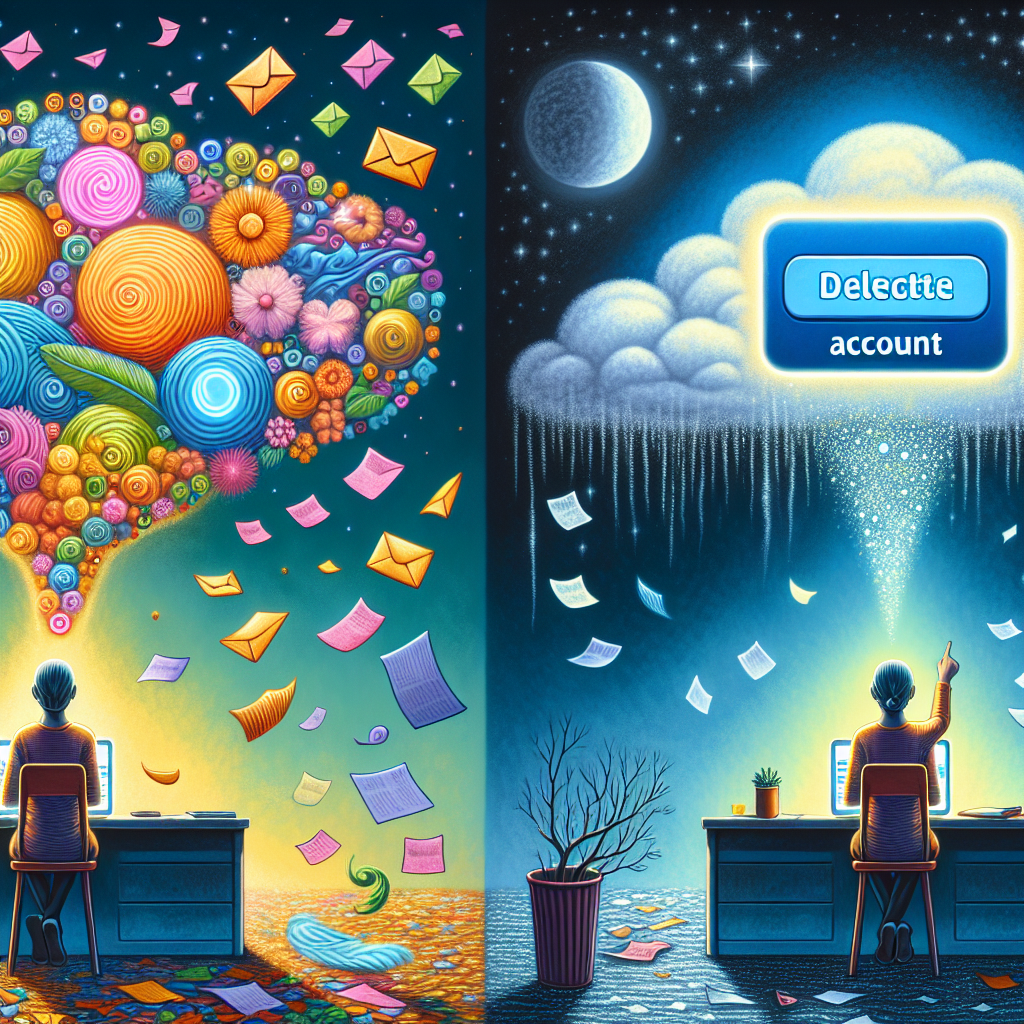
What Defining Moments Shaped Your Life?
What Defining Moments Shaped Your Life?
- Everyone has a suitcase of experiences that shapes their identity.
- Smaller, seemingly insignificant moments often have a larger impact on our lives.
- Decisions made during challenges reveal true character and begin to build a legacy.
- People we encounter, including mentors and tormentors, influence our understanding of the world.
- Life tests our resolve through crises and challenges, prompting reflections on priorities.
- Shifts in perspective during pivotal moments help clarify what we want our legacy to be.
- The legacy we leave is shaped by small choices, lessons learned, and lasting relationships.

What Defining Moments Shaped Your Life?
What Values Did You Hold Dear?
When we take a moment to reflect on the things we hold dear, it’s often the values we embrace that define our character and shape our legacy. There’s something profoundly engaging about the sparks of nostalgia that emerge when we think back to those lessons learned in the heat of everyday life. Whether in the bustling world of jobs well done or amid the quiet moments of introspection, these values form the bedrock of who we are.
Let’s start with work. Too often, we get wrapped up in what we do for a living rather than who we are as individuals. Yet, the dignity of hard work stands front and center in my own value system. It’s not just about clocking in and out; it’s about the satisfaction of a job done right, the sense of accomplishment that comes when you know you put in the effort. Having a strong work ethic serves not only to earn your keep but to elevate your sense of purpose.
Next on the list of revered values is integrity. The ability to stand firm in your principles, to be honest in your dealings, and to confront challenges with an unwavering moral compass—these traits pave the way for respect and trust in your relationships. After all, it’s the quality of our relationships that ultimately shapes our experiences. Just as a strong foundation supports a house, integrity builds a robust network of community and camaraderie.
Then there’s humility. In a world filled with noise, staying grounded is more critical than ever. Recognizing that there’s always more to learn and more room for growth keeps us adaptable and receptive. It reminds us that while we forge our paths, it’s equally important to appreciate the journeys of others. This humility becomes a catalyst for collaboration, fostering environments where ideas can flourish, and collective growth is possible.
Lastly, let’s not forget about respect—respect for people, for traditions, and yes, even for the challenges we face. When we approach life with an attitude of reverence, we begin to see the big picture. Our shared experiences, struggles, and triumphs contribute to a legacy that extends beyond ourselves, leaving a mark on those who come after us.
These values guide us, mold us, and ultimately define our legacy. When the dust settles and life’s chapters conclude, it’s these principles we’ll look back on—not just as memories, but as the very fabric of who we were.

What Values Did You Hold Dear?
What Values Did You Hold Dear?
- Values shape our character and legacy, providing a foundation for who we are.
- The dignity of hard work emphasizes the importance of effort and the satisfaction of achieving a job well done.
- Integrity fosters respect and trust in relationships, serving as a moral compass.
- Humility encourages growth and adaptability, recognizing the value in others’ journeys.
- Respect for people and traditions helps us see the bigger picture and understand shared experiences.
- These values guide us and contribute to a lasting legacy that extends beyond our individual lives.
- Ultimately, the principles we embrace define who we were and how we are remembered.

What Values Did You Hold Dear?
What Were Your Biggest Achievements And Regrets?
When reflecting on one’s life, the question of achievements and regrets often comes to the surface. After all, it’s not just about the tangible victories; it’s about the legacy we leave behind, the footprints we make in the sand of time. Achievements can come in various forms—big and small, professional and personal. Sometimes, it’s the simple moments that hold the most weight.
Take, for instance, the time I stood before a crowd, delivering a speech that resonated deeply with many. It wasn’t just about the applause; it was about sharing a message that could inspire change. That might not seem monumental to someone else, but to me, it was a significant achievement. It felt great to uplift others, to be a catalyst for conversations that mattered. Those are the moments that we tend to remember, encapsulating the essence of what we truly value.
Now, let’s touch on the regrets. They’re the shadows lurking behind our bravest moments. The missed opportunities that echo in the quiet corners of our minds. I think we all have them—the chances we let slip away, the times we chose comfort over courage. For me, it was not pursuing a passion out of fear. Looking back, I realize those were opportunities to broaden my experience and grow. That nagging sense of “what if?” can gnaw at your thoughts, reminding you that taking risks is an integral part of building a legacy.
As we move through life, it’s vital to strike a balance between our victories and our missteps. Achievements are the shiny trophies we put on display, but the regrets? They serve as valuable lessons. They remind us to live deliberately, to pursue our passions without hesitation, and to embrace the discomfort that often accompanies growth.
Ultimately, it’s about weaving both achievements and regrets into the fabric of our lives. They’re part of the story we tell, the legacy that shapes not only how we see ourselves but also how we are remembered by others. When you combine the lessons learned from your regrets with the joy of your achievements, you create something profound—an authentic narrative that endures well beyond our time on this earth.
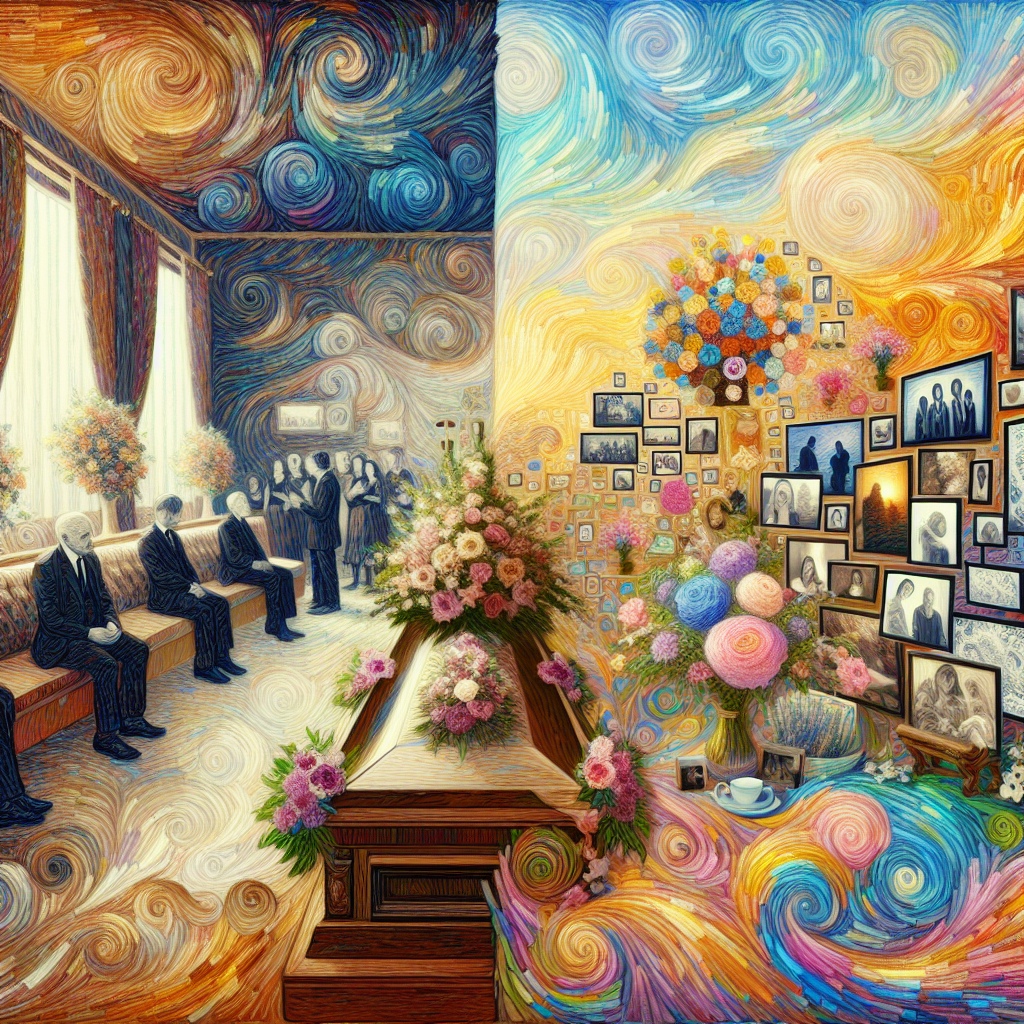
What Were Your Biggest Achievements And Regrets?
What Were Your Biggest Achievements And Regrets?
- Reflecting on life brings up questions of achievements and regrets.
- Achievements can take various forms, both big and small, and are often tied to personal moments.
- Sharing messages that inspire change can be significant, regardless of external validation.
- Regrets represent missed opportunities and choices made out of fear rather than courage.
- It’s important to balance achievements with regrets, as both offer valuable lessons.
- Living deliberately and embracing discomfort are essential for personal growth.
- Combining lessons from regrets with the joy of achievements creates a meaningful legacy.

What Were Your Biggest Achievements And Regrets?
How Did Your Upbringing Influence You?
When you take a moment to reflect on where you came from, it quickly becomes apparent that your upbringing plays a significant role in shaping who you are today. Each family has its own unique legacy—a compilation of values, traditions, and life lessons passed down through generations. For many, this legacy can be a guiding force, nudging them towards paths their ancestors once tread, or it can be the very thing that inspires them to carve their own route.
Consider the lessons imparted by parents or caregivers. Was there an emphasis on hard work, honesty, or perseverance? Those lessons often shape your perspective on what it means to succeed. For instance, if you were raised in an environment where the grit of daily labor was celebrated, you may come to appreciate the kind of honest toil that many overlook. You might develop a fondness for the trades—the folks who show up with calloused hands and an unwavering commitment to get the job done. That appreciation becomes part of your identity, informing your choices in both work and life.
On the flip side, let’s not ignore the incredible influence of the challenges you faced in your formative years. Struggles, be they financial, emotional, or social, can forge resilience. They can teach you to adapt, innovate, and prevail against the odds. In the same breath, they might also create a sense of empathy—a sensitivity towards those who are facing their own battles, that sometimes goes unnoticed in cushy settings. It’s the kind of awareness that often propels individuals into roles of service, whether that’s through direct community intervention or simply lending a helping hand when someone is in need.
Family dynamics also play a major role in shaping character. A supportive environment might foster confidence, encouraging you to pursue your dreams without hesitation. Conversely, a turbulent household can teach survival skills that become invaluable in the broader world. Just as easily, a mix of influences—a loving, yet demanding parent, or a sibling who served as both a protector and rival—can craft a complex picture, melting together into the mosaic of your personal legacy.
Ultimately, your upbringing is this remarkable blend of influences—some proud, some painful—that shape your beliefs, behaviors, and aspirations. Understanding this can not only be enlightening; it can also serve as a powerful motivator to forge a legacy of your own.

How Did Your Upbringing Influence You?
How Did Your Upbringing Influence You?
- Your upbringing significantly influences your identity and life choices.
- Each family has a unique legacy that includes values, traditions, and lessons passed through generations.
- Parental lessons on hard work, honesty, and perseverance shape your perspective on success.
- Challenges faced during formative years can build resilience and foster empathy.
- Family dynamics, whether supportive or turbulent, impact character development and survival skills.
- A blend of influences from family helps craft a complex personal legacy.
- Recognizing the impact of your upbringing can motivate you to create your own legacy.

How Did Your Upbringing Influence You?
What Lessons Would You Like To Pass Down?
In a world that’s constantly changing, where the latest gadget or trend can feel like it’s defining our identity, it’s easy to overlook the true essence of what we should be passing down. Legacy isn’t simply about the physical stuff we leave behind — it’s about the values, the knowledge, and the stories that shape who we are. If we want to make a meaningful impact on the next generation, we need to emphasize the lessons that can withstand the test of time.
First and foremost, one of the most crucial lessons is the importance of hard work. Too often these days, there’s a temptation to seek shortcuts, quick wins, or the path of least resistance. But the truth is, true satisfaction comes from rolling up your sleeves, putting in the effort, and earning your way. It’s a simple lesson, but it’s foundational; it builds character, resilience, and a sense of achievement that no amount of instant gratification can replicate.
Next, let’s talk about failure. We must normalize the conversation around making mistakes. Every stumble is an opportunity — a lesson in disguise. Embracing failure and learning from it is perhaps one of the most liberating things we can impart. Acknowledge that the road to success is paved with setbacks, and instead of fearing them, let’s celebrate the grit it takes to rise again.
Communication is another cornerstone of a strong legacy. Encourage dialogue, whether that’s with family members or peers. Being able to express thoughts, feelings, and ideas is essential for growth. Teach the value of listening as well. In a world filled with noise, the ability to genuinely engage in conversation is often overlooked but remains incredibly vital.
Lastly, let’s not forget the importance of gratitude. Appreciating what we have, expressing thanks to those who paved the way, and showing kindness can transform relationships. It’s an easy thing to overlook in the hustle of everyday life, yet it’s paramount.
So, when we think about the lessons we want to hand down, let’s aim for substance over spectacle. A legacy built on hard work, resilience in the face of failure, open communication, and sincere gratitude will resonate through generations. These foundational teachings are what truly endure — the kind of wisdom that can change lives, one conversation at a time.

What Lessons Would You Like To Pass Down?
What Lessons Would You Like To Pass Down?
- Legacy is not just about physical belongings but values, knowledge, and stories that shape identity.
- The importance of hard work is foundational; true satisfaction comes from effort and resilience.
- Failure should be normalized; it’s an opportunity for learning and growth.
- Embracing setbacks can build character and grit, which are essential for success.
- Communication is crucial; it fosters growth through dialogue and active listening.
- Gratitude transforms relationships and is often overlooked in daily life.
- Aiming for substance over spectacle in lessons to pass down ensures wisdom endures through generations.

What Lessons Would You Like To Pass Down?
How Did You Meet Your Significant Other?
When you dig into the vast tapestry of romantic relationships, you might find that people have stories worthy of their own chapter in history. Each tale uniquely contributes to the legacy of love. Some might have met in the bustling chaos of a city street, while others found each other in the stillness of a quiet coffee shop. However it happens, the pathways that lead to these encounters are often as fascinating as the relationships that blossom from them.
Take, for instance, the story of a bartender and a regular patron. They met over the clinking of glasses and the laughter of patrons, shared moments only understood by those who had been up close and personal with the world’s finest cocktails. As conversations flowed like the drinks, a bond formed over late-night discussions about everything from life’s little struggles to dreams of the future. It was a meeting of two souls who found comfort in each other’s company, laying the groundwork for a relationship that would evolve into something deeper.
Then there’s the story of chance—a classic, yet impactful way folks discover love. Picture a mutual friend’s wedding. The air is thick with joy, the dance floor is lit with laughter, and amidst it all, two people find themselves engaged in conversation, only to realize they have more in common than just the couple tying the knot. That serendipitous moment, though spontaneous, plants the seeds of connection, often leading to lifelong partnerships and, just maybe, a family legacy of their own.
Don’t overlook the power of technology, either. In today’s world, meeting someone online has become part of the norm. A swipe here, a message there, and suddenly, two lives intertwine in ways we couldn’t have imagined a decade ago. It’s the digital campfire; people gather around it to share stories, laughter, and sometimes even tears. From casual chats to profound conversations about what makes life worth living, these digital interactions pave the way for genuine relationships.
As you reflect on your own love story, remember that every meeting—be it in person, through a friend, or via a screen—holds the potential to create a legacy that spans generations. Sure, the details may differ, but the essence remains the same: two people finding each other in this chaotic world, crafting their unique narrative of love, one day at a time. And if that’s not magic, I’m not sure what is.

How Did You Meet Your Significant Other?
How Did You Meet Your Significant Other?
- Romantic relationships are rich with unique stories that contribute to the legacy of love.
- People can meet in various settings, from busy city streets to quiet coffee shops, creating fascinating pathways to connection.
- A bartender and a regular patron bond over shared experiences, laying the groundwork for a deeper relationship.
- Chance encounters, like meeting at a mutual friend’s wedding, can lead to unexpected connections and lifelong partnerships.
- Technology has transformed dating, making online interactions a common way for people to forge relationships.
- Digital connections serve as a modern gathering place for sharing stories and emotions, fostering genuine relationships.
- Every meeting has the potential to create a lasting love story, with the essence of connection remaining constant despite differing circumstances.

How Did You Meet Your Significant Other?
What Was Your Proudest Family Tradition?
Traditions create legacies—those threads that weave families together, passed down through generations like a well-worn quilt. Picture the scene: every holiday season, my family transformed our living room into a hub of chaotic preparation. It was an undertaking that required a blend of enthusiasm and labor, the kind that only comes from a shared enthusiasm for meaningful moments. But this wasn’t just about the decorations; it was something much deeper.
As the weeks leading up to the holiday approached, my family would gather our energy and resources to concoct a festive feast that became as much a part of our identity as the branches of our family tree. The first Saturday of December became sacred—a day of cooking, laughter, and occasionally, mild kitchen disasters. It was a time when we rolled up our sleeves, donned aprons, and fully embraced the culinary challenges before us. My grandmother, the overseer of this delicious chaos, would often cite the importance of heritage, emphasizing how much our recipes were rooted in history, and how preserving them was an essential part of our legacy.
The effort was about more than just food; it was a lesson in teamwork. Each family member had a role—someone kneaded dough, while another chopped vegetables. The younger kids, eyes wide in awe, were tasked with stirring the pot under careful supervision. They learned the rhythms of the kitchen, the important timing of mixing ingredients, and, perhaps most importantly, the stories behind each dish.
As Christmas Day rolled around, the culmination of our work was finally ready to be unveiled. The dining room transformed into a magnificent display of flavors, colors, and aromas, and we gathered around the table, brimming with anticipation. It wasn’t just the food that filled us; it was the stories shared, the laughter echoing through the room, and the heartfelt toasts that honored our legacy. Each bite carried whispers of generations past, a reminder that our traditions, no matter how small, would continue to shape who we are.
So, when you ask me about my proudest family tradition, I think of that kitchen, our chaotic little dance of preparation, and the enduring legacy we crafted together—one recipe at a time. In those shared moments, we settled into something timeless, forging bonds that would last far beyond the last dish being cleared away.

What Was Your Proudest Family Tradition?
What Was Your Proudest Family Tradition?
- Traditions weave families together, creating lasting legacies passed down through generations.
- The holiday season initiates chaotic but enthusiastic preparations in the family living room.
- The first Saturday of December is dedicated to a festive family feast, filled with cooking, laughter, and minor mishaps.
- Grandmother emphasizes the importance of heritage and preserving recipes as part of their legacy.
- Each family member plays a role in the cooking process, teaching teamwork and sharing stories behind each dish.
- Christmas Day showcases the combined efforts, turning the dining room into a vibrant display of flavors and aromas.
- These cherished moments foster bonds that transcend the holiday itself, highlighting the significance of family traditions.

What Was Your Proudest Family Tradition?
Conclusion
As we wrap up this exploration of legacy, let’s take a moment to really digest what it all means for each of us. Think about your life as a sprawling tapestry, woven from the threads of experiences, values, and stories that echo through time. What your descendants will seek to know about you isn’t just about the flashy milestones or tangible achievements; it’s about the essence of who you were—your laughter, your struggles, the moments that made you weep and the ones that made you swell with pride.
Imagine your great-great-grandchildren huddled together decades from now, eyes wide with curiosity as they sift through the remnants of your life. They want more than a family tree; they yearn for the rich narratives that lend context to where they come from. They’ll be fascinated by tales of both your triumphs and trials. It’s about more than just passing down heirlooms; it’s sharing the grit and grace that forged your character.
Reflecting on the values you held dear offers a window into your soul. Legacy sprouts not just from professional accolades, but the kind of person you were daily—a determined worker, a faithful friend, or a humble soul who recognized the power of kindness. Those elements are akin to a moral handbook for future generations, guiding them long after you’re gone.
Then, as we explore your biggest achievements and regrets, remember that both are vital pieces of your legacy. Achievements provide those feel-good stories, while regrets serve as cautionary tales—lessons that resonate deeply. Each choice, each misstep, shapes the narrative you leave behind. It’s in recognizing this intertwined existence that your descendants will find valuable insights.
Your upbringing emerges from shadows—comforting at times, challenging at others, and always formative. Those early lessons from family? They will echo through generations. And as you identify the lessons you wish to pass down, ensure they are timeless wisdom—hard work, resilience, meaningful communication, and genuine gratitude.
In essence, your legacy is a living testament to who you were. It’s captured in the tales you tell, the traditions you uphold, and the love you share. Ensure that what remains after your final bow speaks to the heart and sparkles with authenticity. Because in the grand expanse of history, it’s those core stories that will endure, shaping lives long after your name is whispered among the living. So get out there, live boldly, and create your story—because it’s one that deserves to be told.

Conclusion
Conclusion:
- Your life is a tapestry of experiences, values, and stories that define your essence.
- Future generations will seek the rich narratives behind your life, not just tangible achievements.
- Sharing your triumphs and struggles fosters a deeper connection to your descendants’ heritage.
- Your values act as a moral handbook for future generations, shaping their guidance.
- Both achievements and regrets are crucial to your legacy, providing lessons and insights.
- Timeless wisdom, such as hard work and resilience, is essential to pass down through generations.
- Your legacy is a testament to authenticity, captured in stories, traditions, and love.

Conclusion
Other Resources

Other Resources
Here is a list of other resources you can review online to learn more:
- DocuBank
- Storyfile Life
- YouMattered
- PartingWishes
- Forever Missed
- Meminto
- Tributes
- LastPass
- Personal Legacy Advisors
- LifeBio
Use This Prompt To Get More Resources With Your Favorite Online AI Tool: Please provide me with a list of online articles with their URLs in a bulleted list that I can read regarding What Will Your Descendants Want to Know About You After You Are Gone?

Other Resources
Glossary Terms
What Will Your Descendants Want to Know About You After You Are Gone? – Glossary Of Terms
1. Legacy: The impact or contributions you leave behind that influence future generations.
2. Ancestry: The lineage or heritage from which you descend, encompassing family history and origins.
3. Values: The principles and standards of behavior that guide your decisions and shape your character.
4. Memoir: A written account of your personal experiences and significant events in life.
5. Tradition: Customs or beliefs passed down through generations that reflect family or cultural heritage.
6. Wisdom: The insight and knowledge gained through life experiences, often shared to guide others.
7. Artifacts: Physical items, like letters or heirlooms, that hold historical significance and represent your life.
8. Family Trees: Diagrams that show the lineage and relationships among family members across generations.
9. Testament: A legal or personal declaration outlining your wishes for your possessions and assets after your death.
10. Life Lessons: Teachings or insights derived from personal experiences that can provide guidance to descendants.
11. Philosophy: The fundamental beliefs and thought processes that inform your worldview and decision-making.
12. Hobbies: Activities you engage in for enjoyment and passion, reflecting your interests and personality.
13. Heritage: The cultural, historical, and social legacy passed down through your family and community.
14. Experiences: Significant life events, both positive and negative, that shape who you are and what you value.
15. Values Statement: A personal declaration summarizing your principles and morals, guiding decisions and actions.
16. Genealogy: The study of family history and lineage, exploring connections between ancestors and descendants.
17. Cultural Identity: The sense of belonging to a particular group, shaped by traditions, values, and shared experiences.
18. Memorabilia: Collectible items that hold sentimental value, often used to commemorate events or experiences.
19. Interviews: Conversations with family members or friends to capture stories and experiences for future generations.
20. Storytelling: The art of sharing personal tales and family narratives that preserve history and impart lessons.
21. Philanthropy: The desire to promote the welfare of others, often through charitable acts or donations.
22. Pivotal Moments: Key events or decisions in your life that significantly influenced your path and outcomes.
23. Faith: Beliefs and practices that shape your spiritual life, providing meaning and comfort.
24. Charisma: The personal charm and appeal that can leave a lasting impression on others.
25. Contributions: The tangible and intangible ways you have positively impacted family, community, or society.
26. Vision: Your aspirations and dreams for the future, reflecting what you hope to achieve and inspire.
27. Resilience: The ability to recover from setbacks and challenges, showcasing strength in adversity.
28. Influence: The capacity to affect others’ thoughts, behaviors, and life choices through your actions and words.
29. Experiential Story: A narrative focusing on personal lived experiences that convey important lessons or insights.
30. Enduring Questions: Fundamental inquiries that your descendants may have about your life, beliefs, and values, shaping their understanding of you.

Glossary Of Terms
Other Questions
What Will Your Descendants Want to Know About You After You Are Gone? – Other Questions
If you wish to explore and discover more, consider looking for answers to these questions:
- What are the best ways to preserve your legacy for future generations?
- How can I share my life stories effectively?
- What role do heirlooms play in my legacy?
- How do defining moments differ from everyday experiences in shaping legacy?
- What specific values should I prioritize to impact my descendants?
- How can I encourage my children to learn from my regrets?
- What are some techniques for documenting my life experiences?
- How can I engage my family in discussions about our legacy?
- What kind of family traditions should I establish to strengthen our legacy?
- How does my cultural background influence the legacy I leave behind?
- What stories do my ancestors have that might inspire my descendants?
- How do I approach difficult topics in my life when discussing my legacy?

Other Questions
Haiku
What Will Your Descendants Want to Know About You After You Are Gone? – A Haiku
Legacy lingers sweet,
Stories weave through time and hearts,
Roots of love endure.

Haiku
Poem
What Will Your Descendants Want to Know About You After You Are Gone? – A Poem
What whispers will your story lend,
When future eyes begin to scan,
The tapestry of life you wove,
Threads of laughter, love, and grit they’ll understand.
A legacy is more than things,
It’s carved in choices, dreams pursued,
In every challenge faced with heart,
In simple moments where you grew.
Share your struggles and let them know,
The paths you took, the seeds you sowed,
Did you rise when shadows loomed,
Or find the strength to break the mold?
In family kitchens, joy arose,
With traditions rich, through generations flowed,
Each gathering abounds in tales,
Of triumphs shared, of love bestowed.
What molded you, what made you stand,
The values held, the lessons learned,
Integrity, hard work—foundations strong,
In each decision, your wisdom burned.
Regrets will whisper, shadows in flight,
Yet from them, clarity ignites the night,
Embrace the lessons, let the past inform,
Crafting narratives against the storm.
As stories travel through time’s embrace,
Let them be filled with heart and grace,
For it’s not the gold but the love we share,
That constructs a legacy, enduring and rare.
So write the truth, and speak the heart,
For in these echoes, we won’t depart,
A living testament, a bridge to tomorrow,
In tales retold, you’ll banish sorrow.
What will your descendants hold, so dear?
The essence of you, forever clear,
In laughter, love, and tales well spun,
You’ll live on in them, your life not done.

Poem
Checklist
What Will Your Descendants Want to Know About You After You Are Gone? – A Checklist
1. Defining Moments
_____ Reflect on key challenges you faced and how they shaped you.
_____ Identify moment(s) of growth that you faced head-on.
_____ Remember individuals (mentors, friends, or family) who impacted your path.
2. Core Values
_____ List the values that guide your daily life (e. g. , integrity, humility).
_____ Think about family traditions that reflect these values.
_____ Consider how your values have influenced your decisions.
3. Achievements & Regrets
_____ Identify and celebrate your biggest achievements (both personal and professional).
_____ Reflect on your regrets and document lessons learned from them.
_____ Think about how you can use your experiences to inform your descendants.
4. Influence of Upbringing
_____ Analyze how your family upbringing shaped your beliefs and character.
_____ List significant life lessons learned from your parents or caregivers.
_____ Reflect on challenges you faced growing up and how they shaped you.
5. Lessons to Pass Down
_____ Identify key life lessons you wish to share with future generations (e. g. , importance of hard work).
_____ Reflect on how to share these lessons through personal stories or family gatherings.
_____ Consider emphasizing the significance of learning from failure and the value of gratitude.
6. Love Story
_____ Write your personal story of how you met your significant other.
_____ Describe the moments that defined your relationship and what it means to your legacy.
_____ Consider how your love story contributes to your family’s narrative.
7. Family Traditions
_____ Identify your proudest family traditions and their significance.
_____ Document how these traditions have been passed down and their impact on family bonds.
_____ Consider creating new traditions that reflect your family values for future generations.
8. Storytelling Mediums
_____ Decide how you will share your legacy (e. g. , letters, videos, a family book).
_____ Schedule regular times to capture your thoughts and stories.
_____ Involve family members in the storytelling process to enrich the narrative.
Reflecting on these elements will help you create a meaningful legacy for your descendants, ensuring they have a glimpse into your life and the values you cherished. Use this checklist as a guide to explore your past and share your unique story with future generations.

Checklist
At LegacyExplorations, we help people plan and explore their legacy by collecting information and news regarding end-of-life planning.
Please share this post with your friends, family, or business associates who may want help to plan or explore their legacy.